

Big Phat Jazz Piano Solos: 10 Big Phat Band Classics Recomposed for Piano: Piano
10 Big Phat Band Classics Recomposed by Gordon Goodwin for Piano
By Gordon Goodwin
Level: Intermediate / Late Intermediate
Item: 00-PB-0000597
$9.50
Pickup currently not available
Related Items
Big Phat Jazz Piano Solos: Piano Book |
$9.50
|
View |
Description
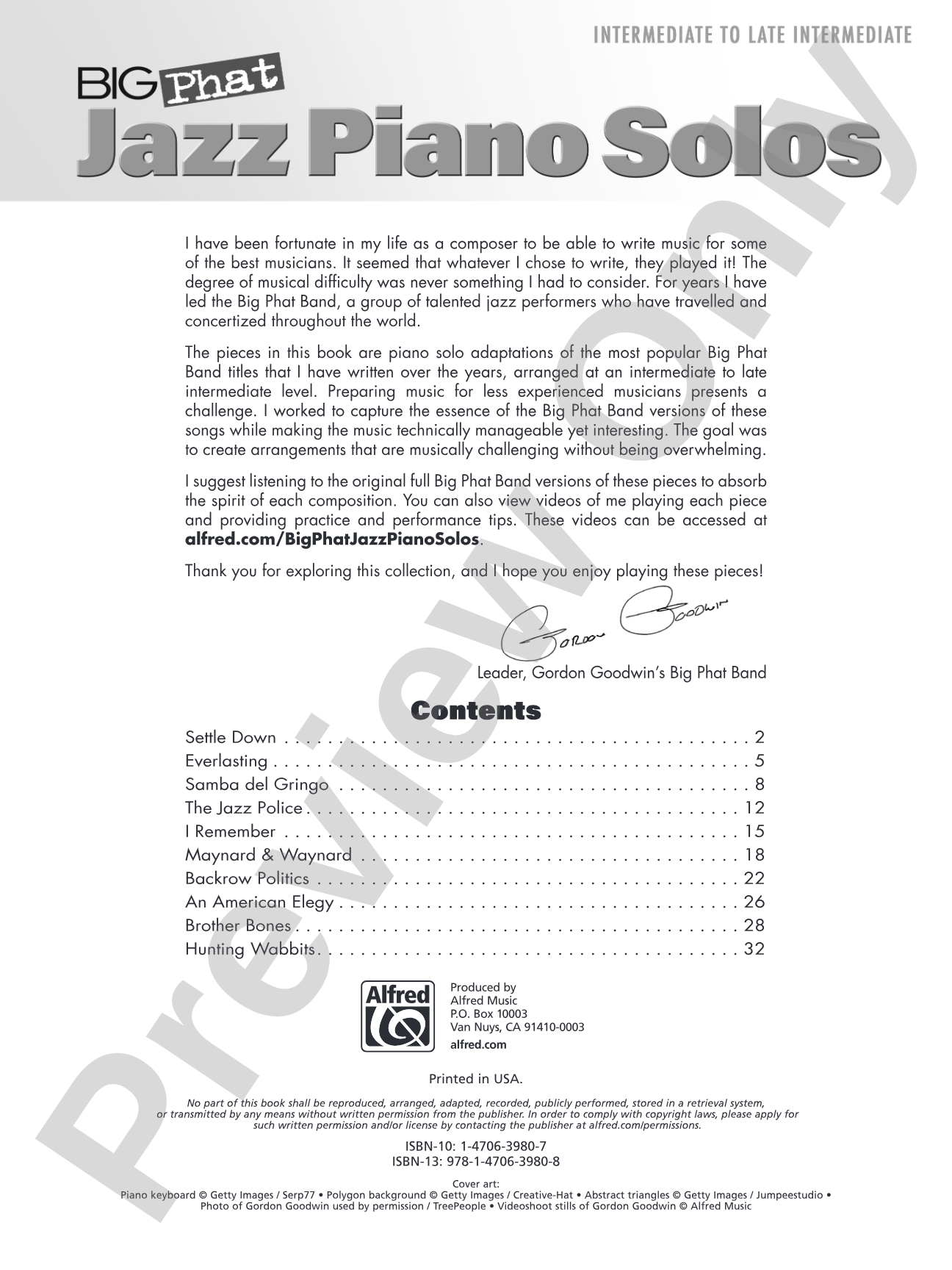
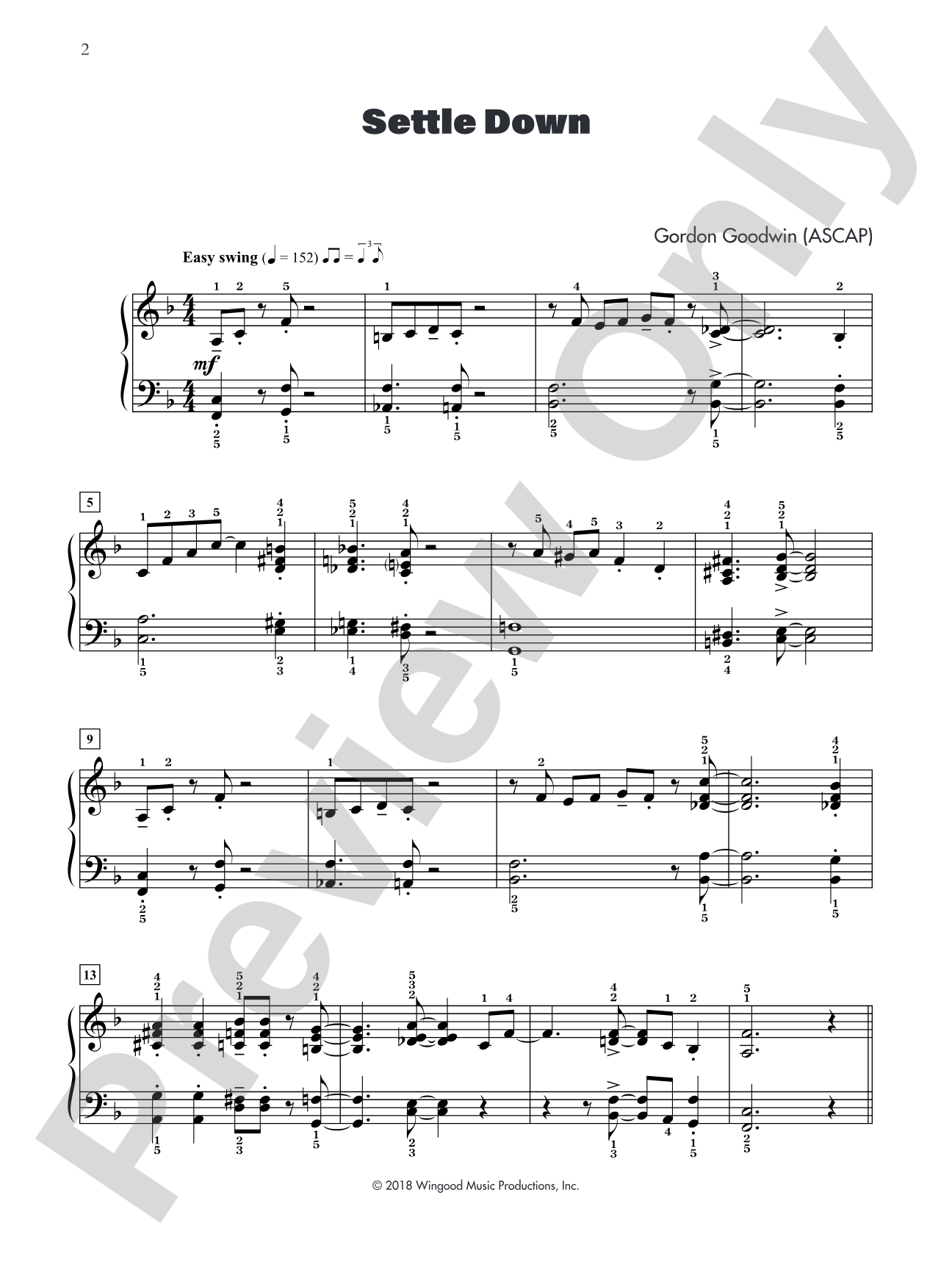
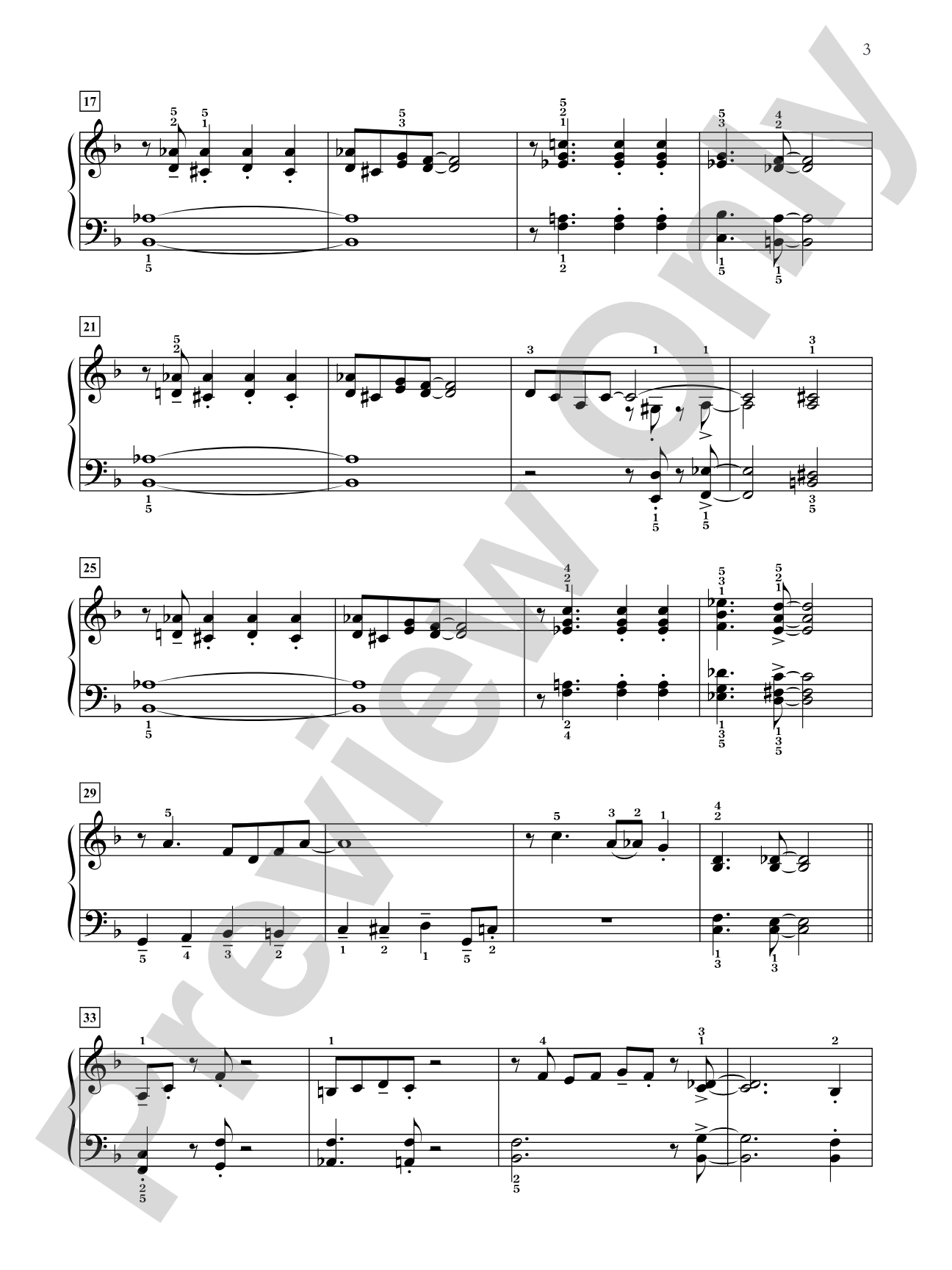
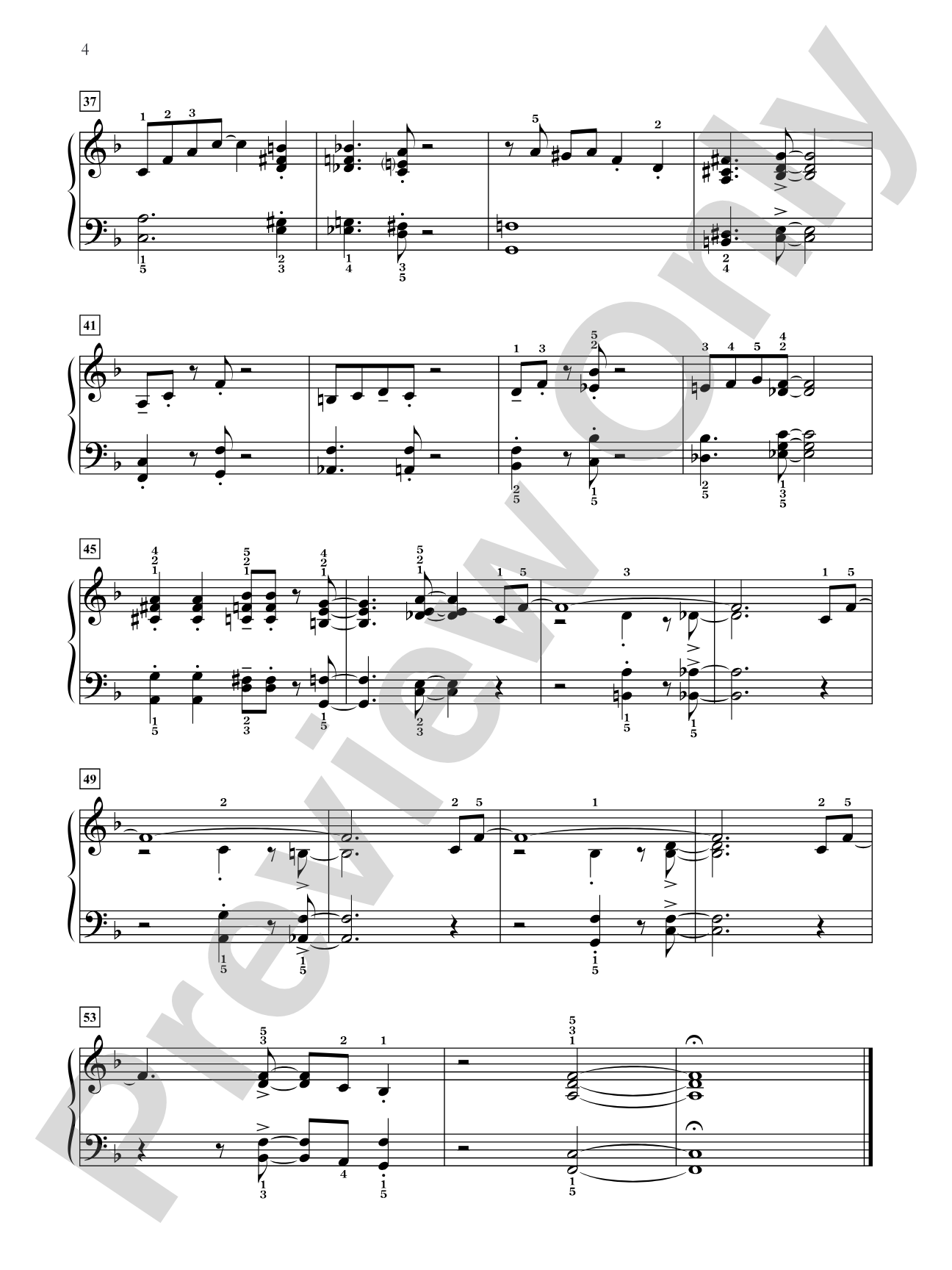
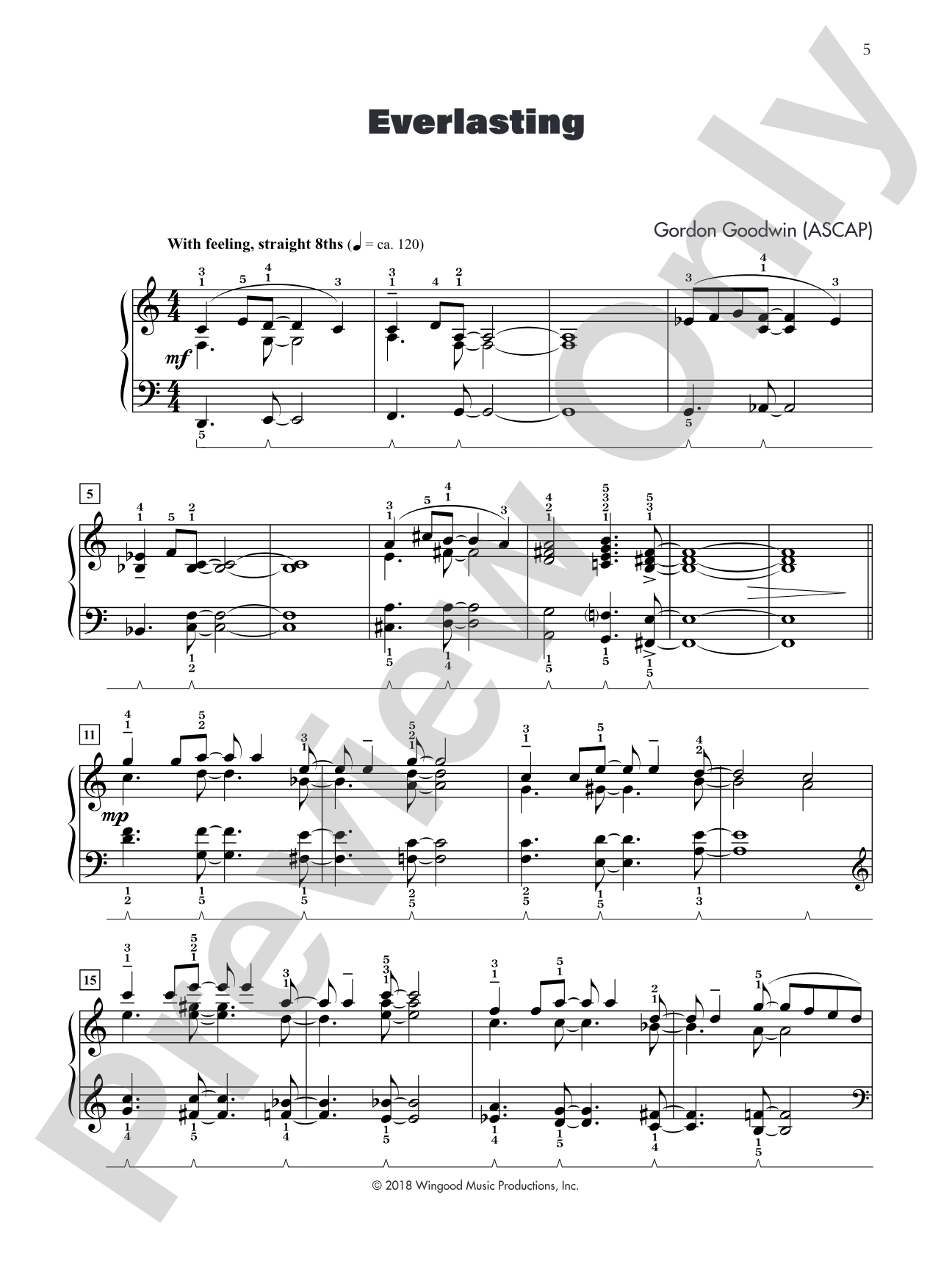
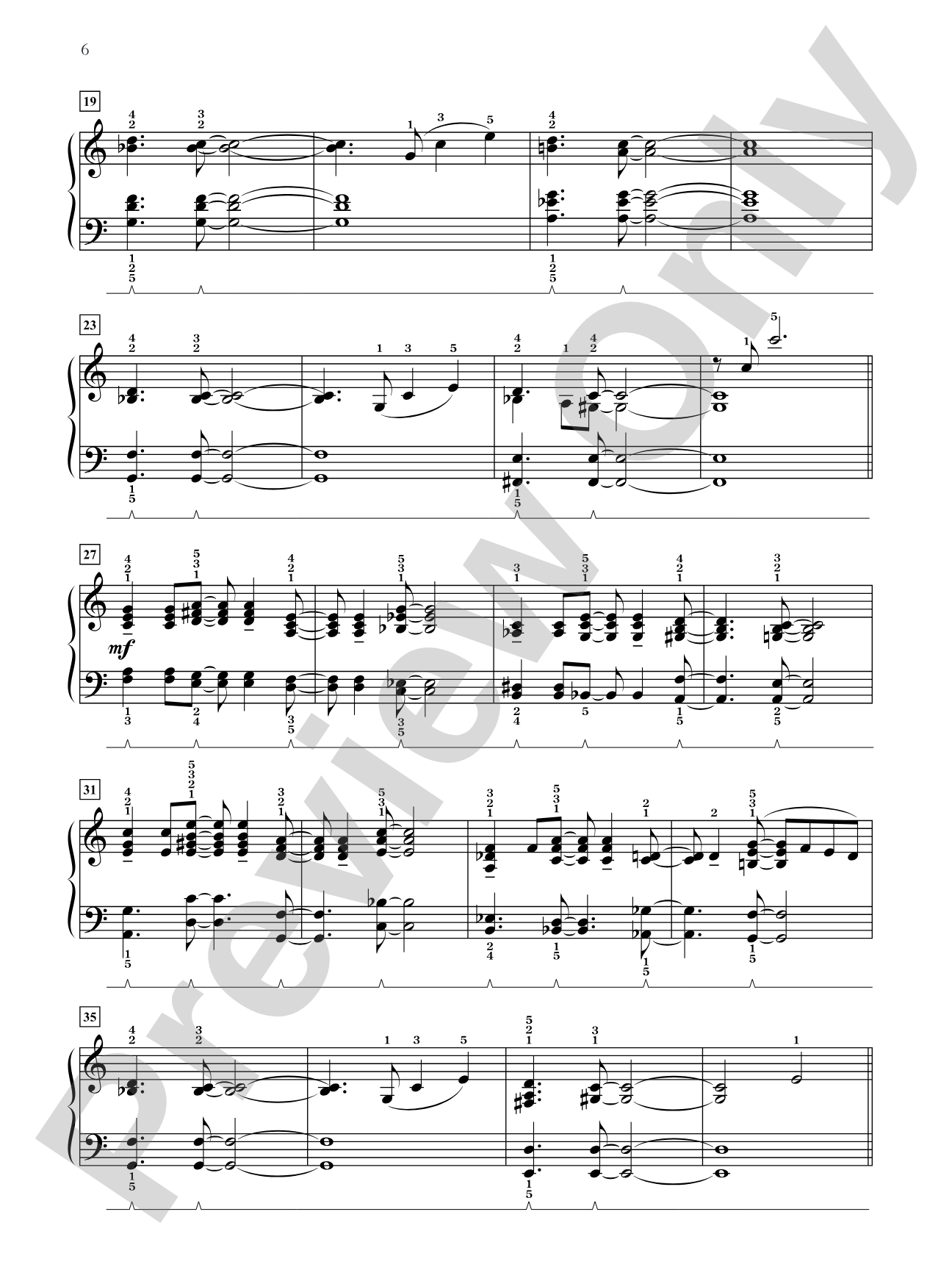
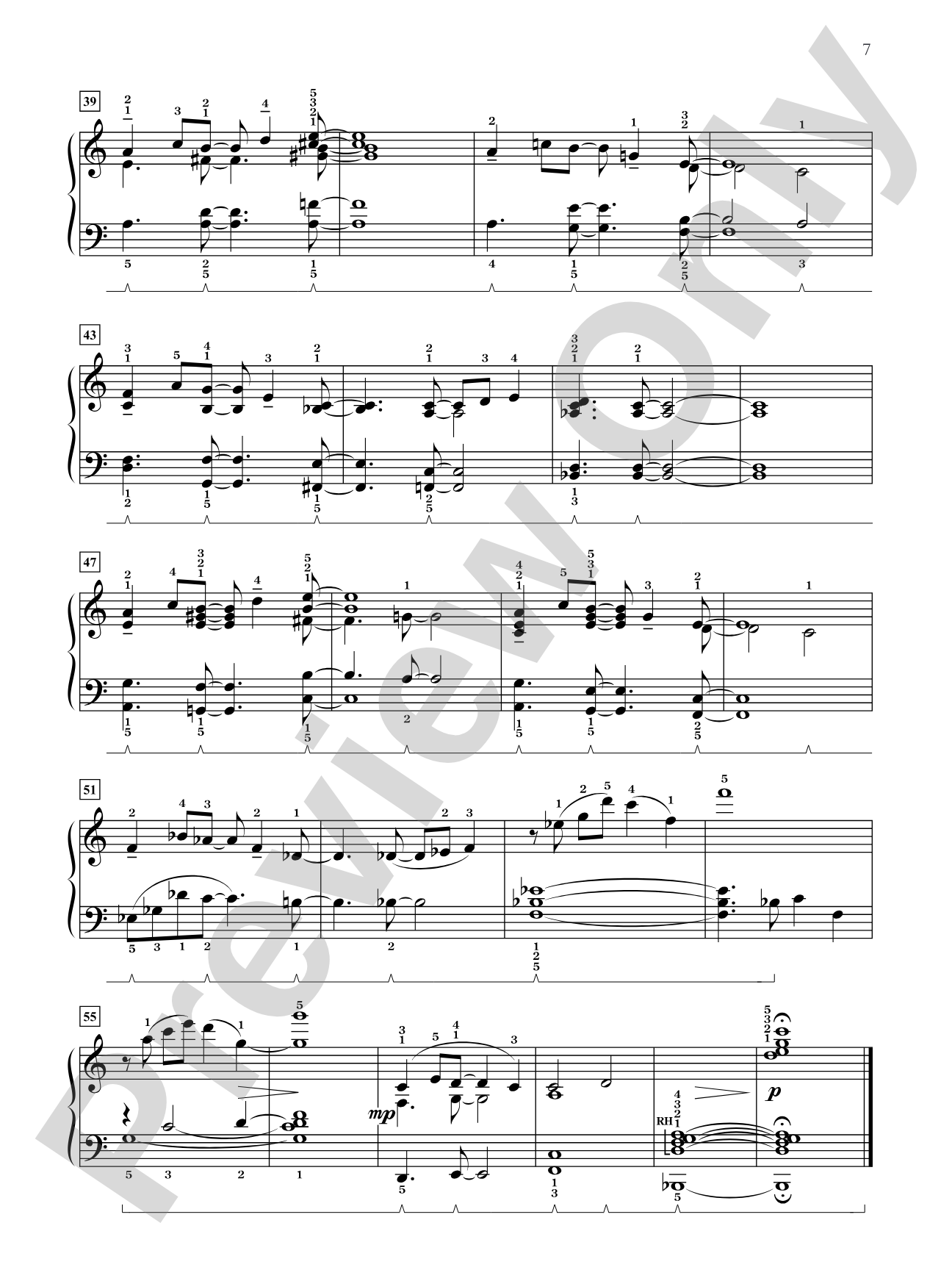
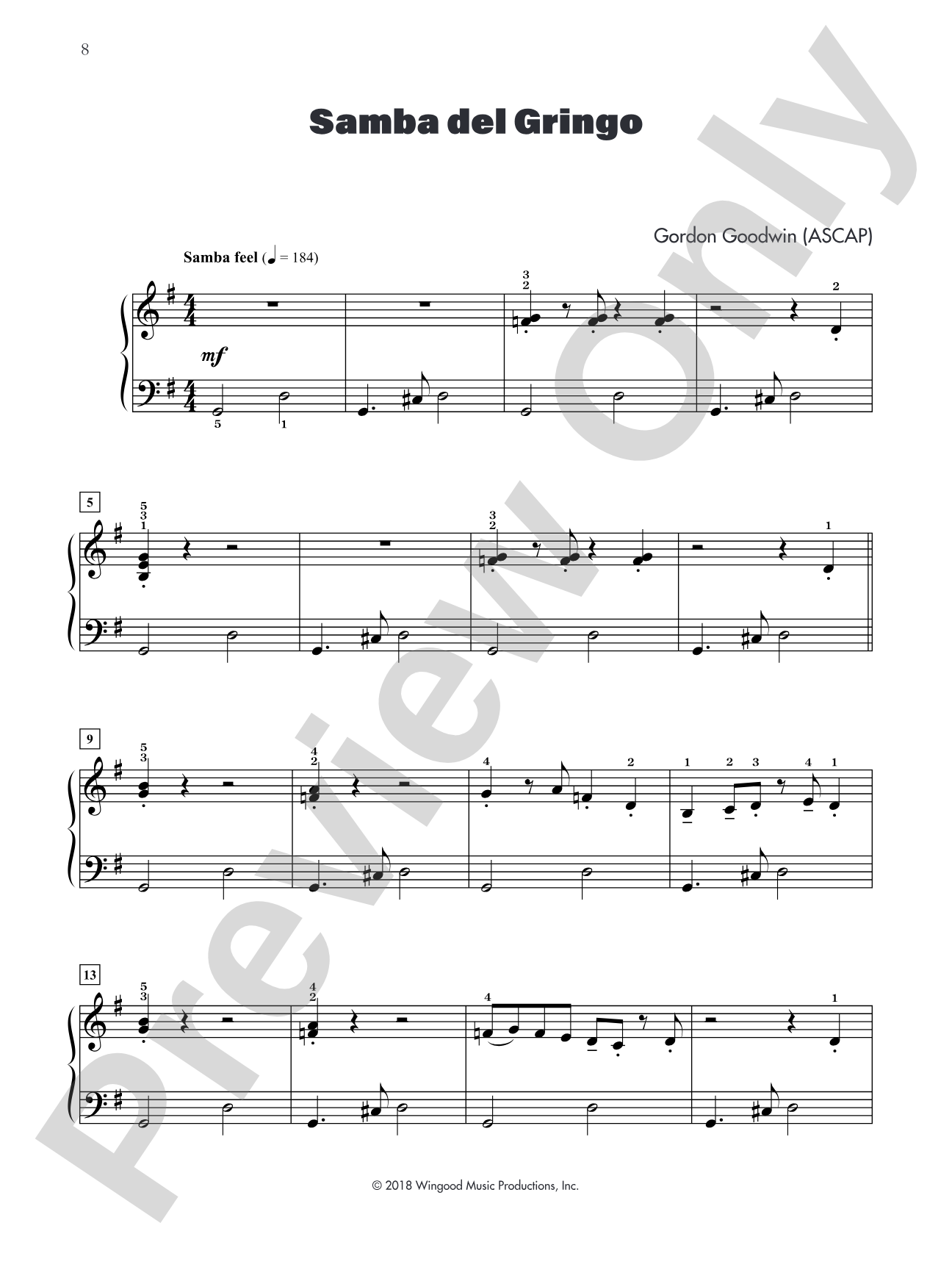
This book contains piano solo adaptations of jazz band composer Gordon Goodwin's most popular Big Phat Band titles. Musically challenging but technically accessible, these piano pieces capture the essence of the Big Phat Band versions. The spirit of each composition can be heard in the videos of Gordon Goodwin playing each piece while providing learning and performance tips, available online. Titles: Settle Down * Everlasting * Samba del Gringo * The Jazz Police * I Remember * Maynard & Waynard * Backrow Politics * An American Elegy * Brother Bones * Hunting Wabbits. A Federation Festivals 2020-2024 selection.


Big Phat Jazz Piano Solos: 10 Big Phat Band Classics Recomposed for Piano: Piano isn't in MakeMusic Cloud just yet...but it could be. Let us know you'd like to see it, and you'll help shape what comes next. In the meantime, start a free trial and dive into thousands of interactive titles your students can play along with today.
Request This Title
Tell us you want it.
Start Your Free Trial
Explore everything that's ready to play right now.
Sample Audio
No sample audio found.
Sample Video
1 / 11
Additional Details
Publisher:
Alfred Music
Page Count:
36
SKU:
00-PB-0000597
More about this title
About the Composer: Gordon Goodwin
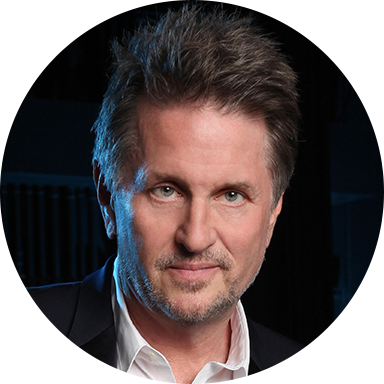
Gordon Goodwin began composing at five years old, transcribing entire works rather than isolated fragments. By age thirteen, he had already written his first big band chart, Hang Loose, signaling an uncommon gift for orchestration and structure. His work in film and television earned three Emmy Awards and multiple Grammy nominations, with his orchestrations featured in Bad Boys II, Remember the Titans, Star Trek: Nemesis, and numerous other productions. He has written for and performed alongside Christina Aguilera, Quincy Jones, Ray Charles, and many other major artists, while conducting symphony orchestras across North America and Europe.
In 2000, Goodwin founded Gordon Goodwin's Big Phat Band, establishing himself as a bandleader and composer in the contemporary jazz world. The ensemble's debut album, Swingin' for the Fences, made history as the first commercially available DVD audio release and earned two Grammy nominations. His subsequent album XXL garnered three Grammy nominations, solidifying his position as one of the most important voices in modern big band jazz.
Why we love this
These arrangements distill the swagger and harmonic sophistication of Goodwin's big band originals without requiring an ensemble. A pianist gets genuine jazz repertoire that rewards careful listening to phrasing and comping style. The inclusion of Goodwin's own performance videos makes learning these pieces an apprenticeship with a master composer rather than a solitary technical exercise.
What to expect
These pieces crackle with the energy and wit of the Big Phat Band while maintaining an intimate, conversational quality at the keyboard. You'll find moments of genuine lyricism balanced against playful rhythmic sophistication and the kind of harmonic language that keeps revealing new colors with each performance.
Who it's for
Intermediate to late intermediate pianists seeking substantial jazz repertoire with genuine musical depth. Jazz ensemble directors can assign these as solo vehicles for their pianists, and serious students will find pieces that reward repeated study and performance.
How to get the most out of it
- Study the online videos of Goodwin performing each piece to understand his rhythmic approach and interpretation; his phrasing choices are integral to the musical intent
- Balance the solo lines with the harmonic accompaniment by listening to how the bass and comping voices support without overwhelming the melody
- Explore the groove on pieces like Samba del Gringo and Backrow Politics by feeling the underlying pulse rather than strictly metronomic counting
- Use rubato thoughtfully in moments like An American Elegy, where emotional weight comes from space and timing rather than technical speed
How to use it
Feature one of these as a solo during a jazz ensemble concert, allowing your pianist to step into a spotlight while maintaining the Big Phat Band aesthetic. They work particularly well as encores or concert openers, establishing a contemporary jazz identity for your program. You might also program one alongside traditional jazz standards to show how modern big band writing approaches familiar harmonic and rhythmic vocabulary.
Skills your students will build
- Interpreting jazz comping voicings and comp rhythms
- Reading and executing syncopated jazz melody lines
- Balancing solo line projection with harmonic accompaniment
- Understanding groove and swing feel in contemporary big band idiom
- Applying rubato and phrasing in jazz contexts
- Recognizing and executing harmonic extensions and alterations