

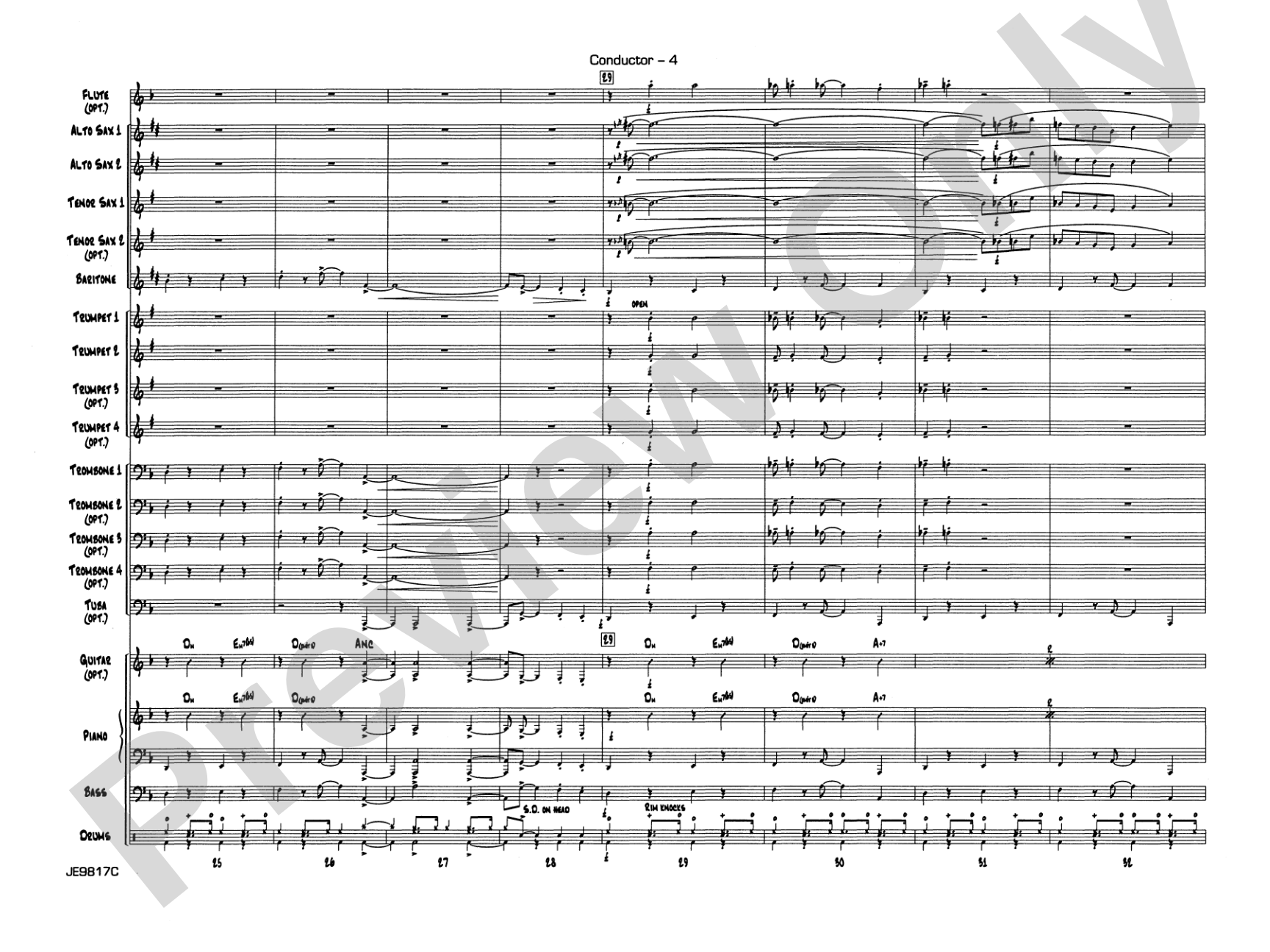
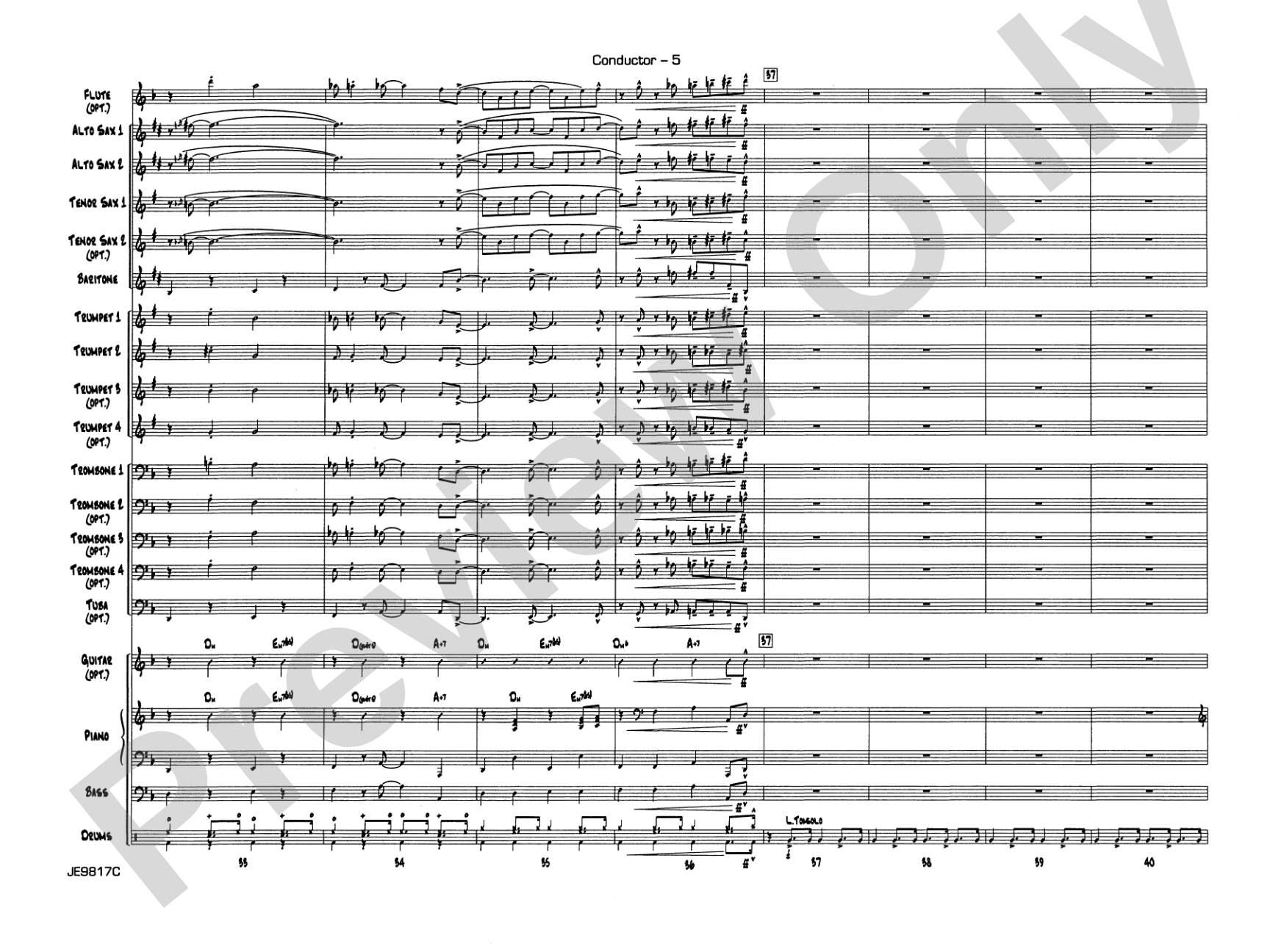
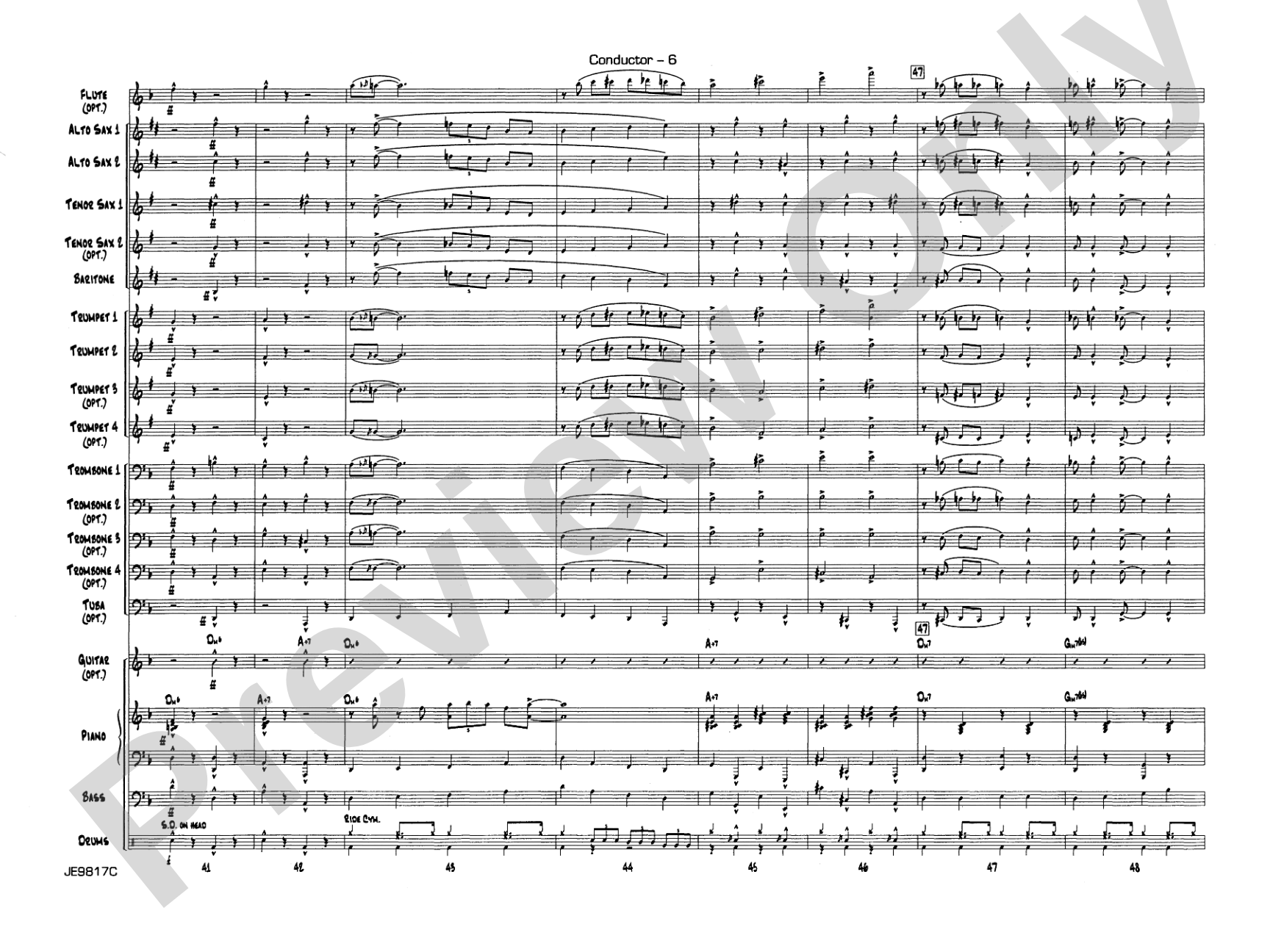
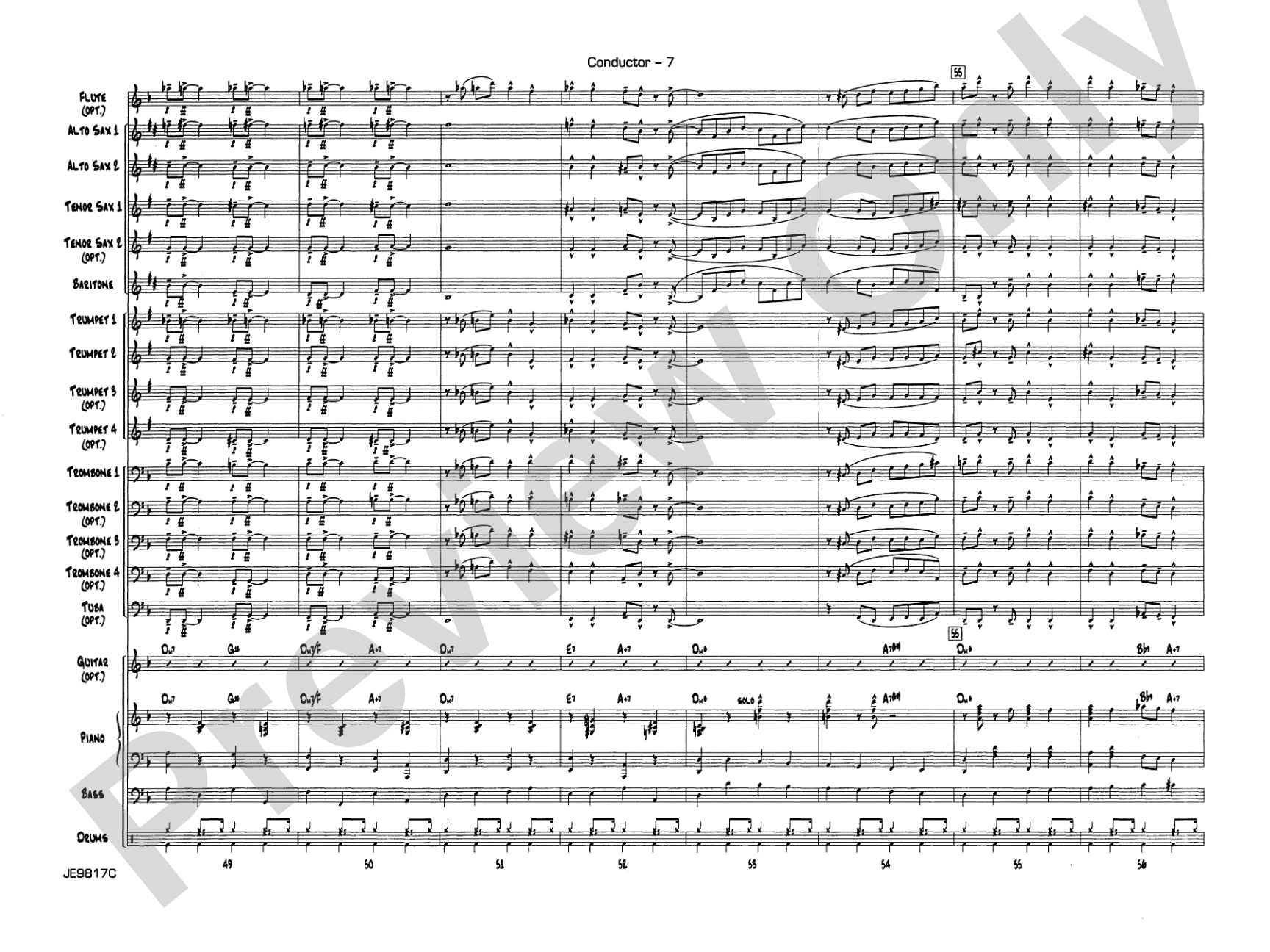
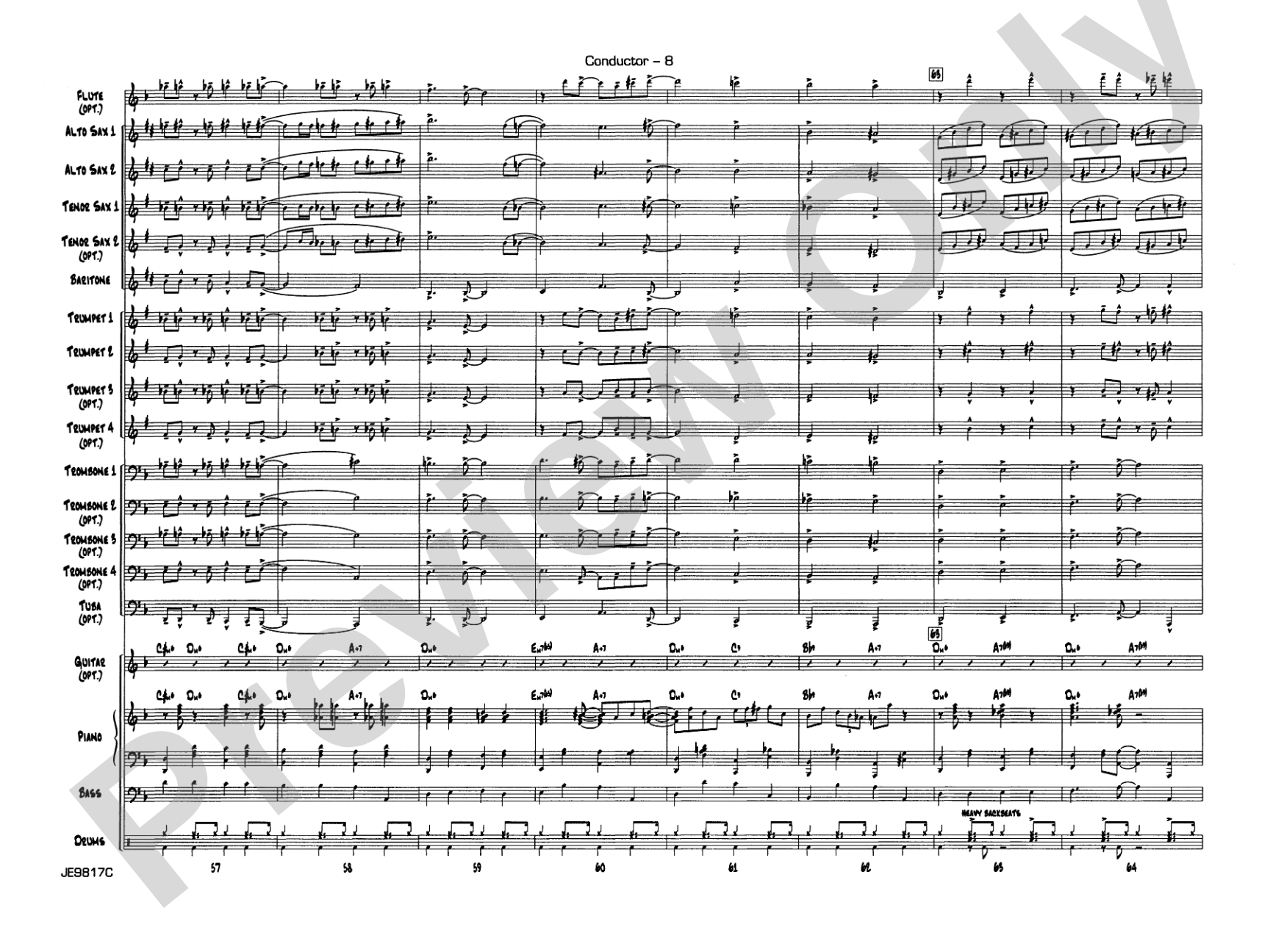
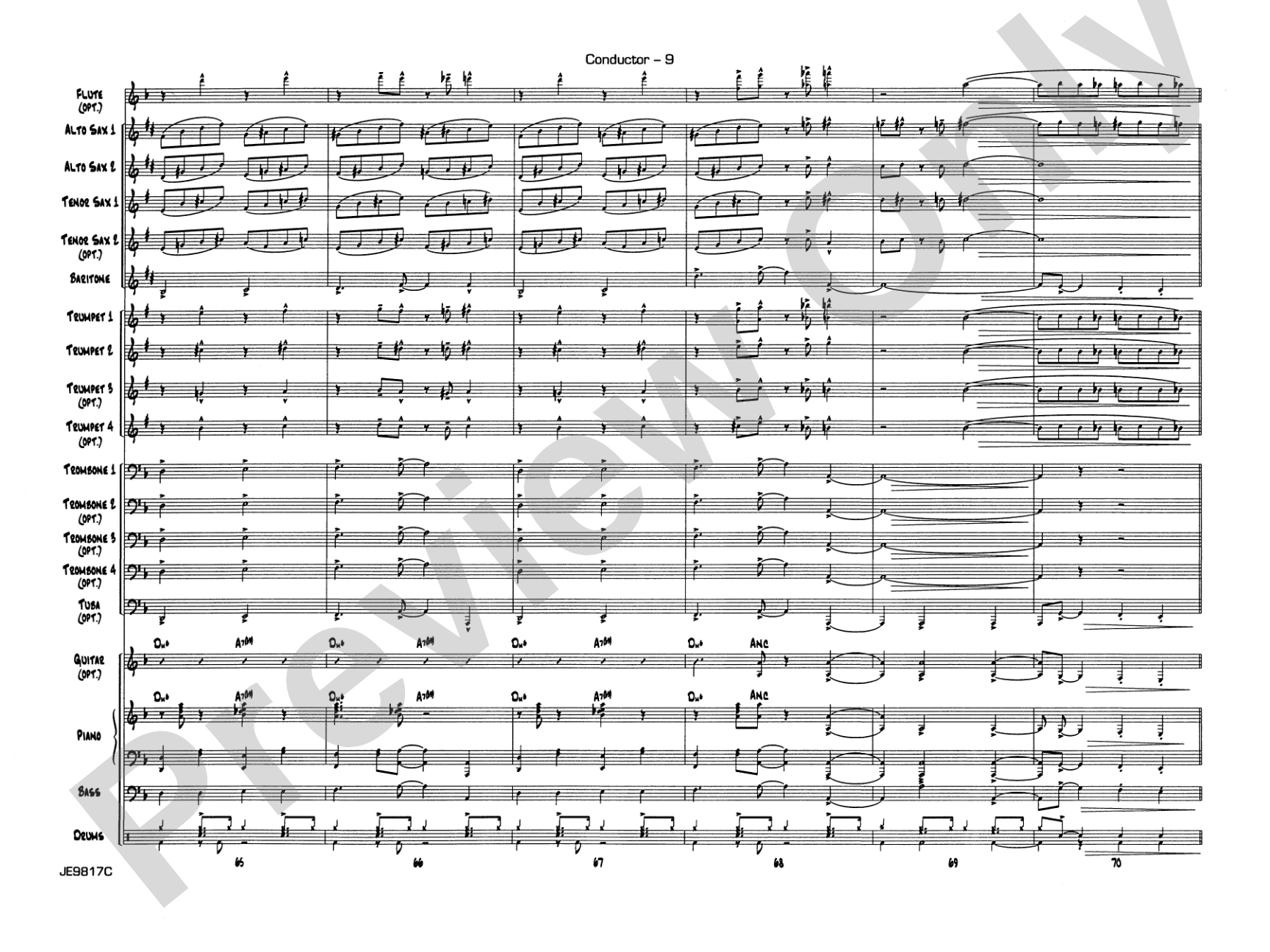
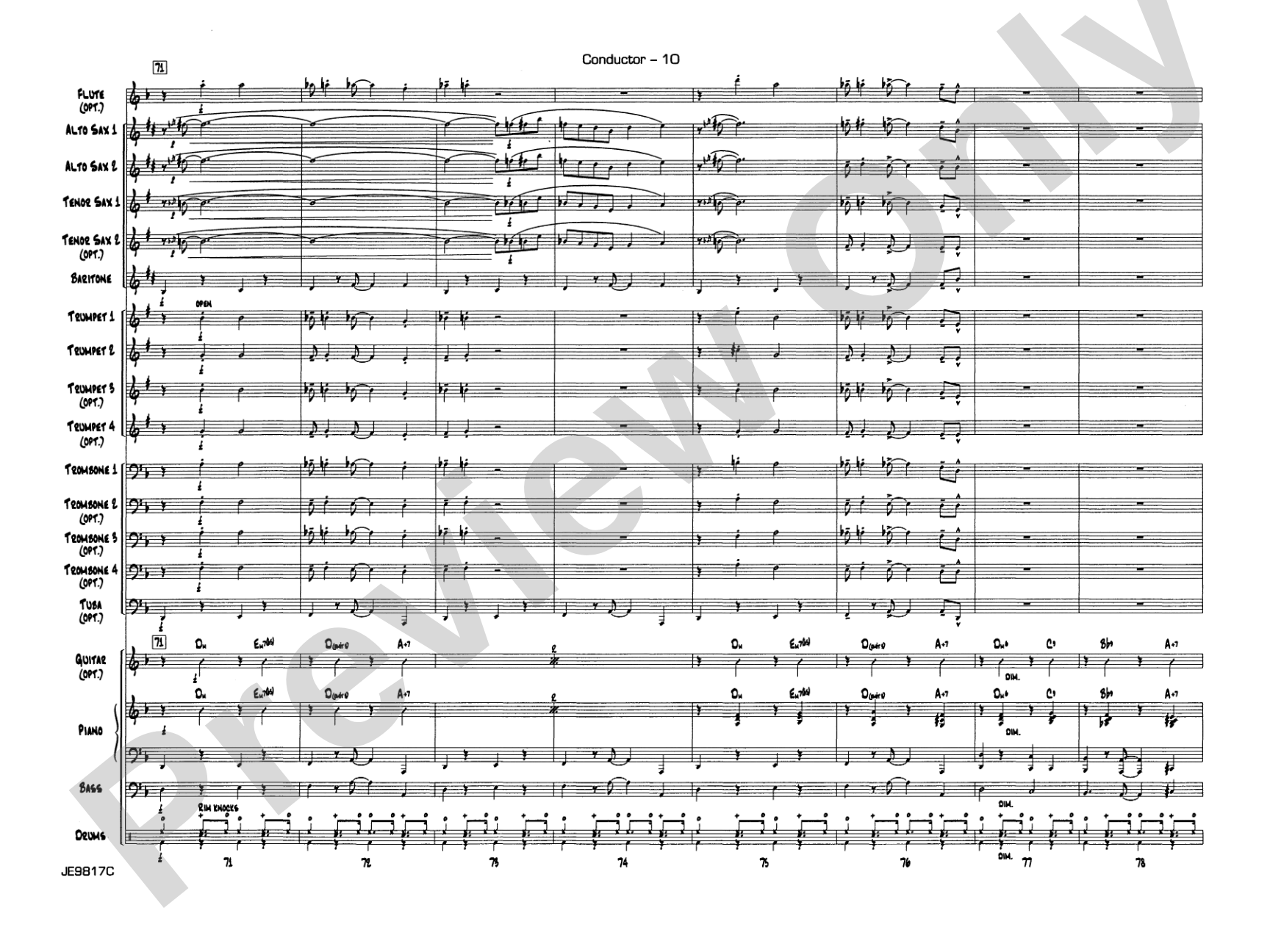
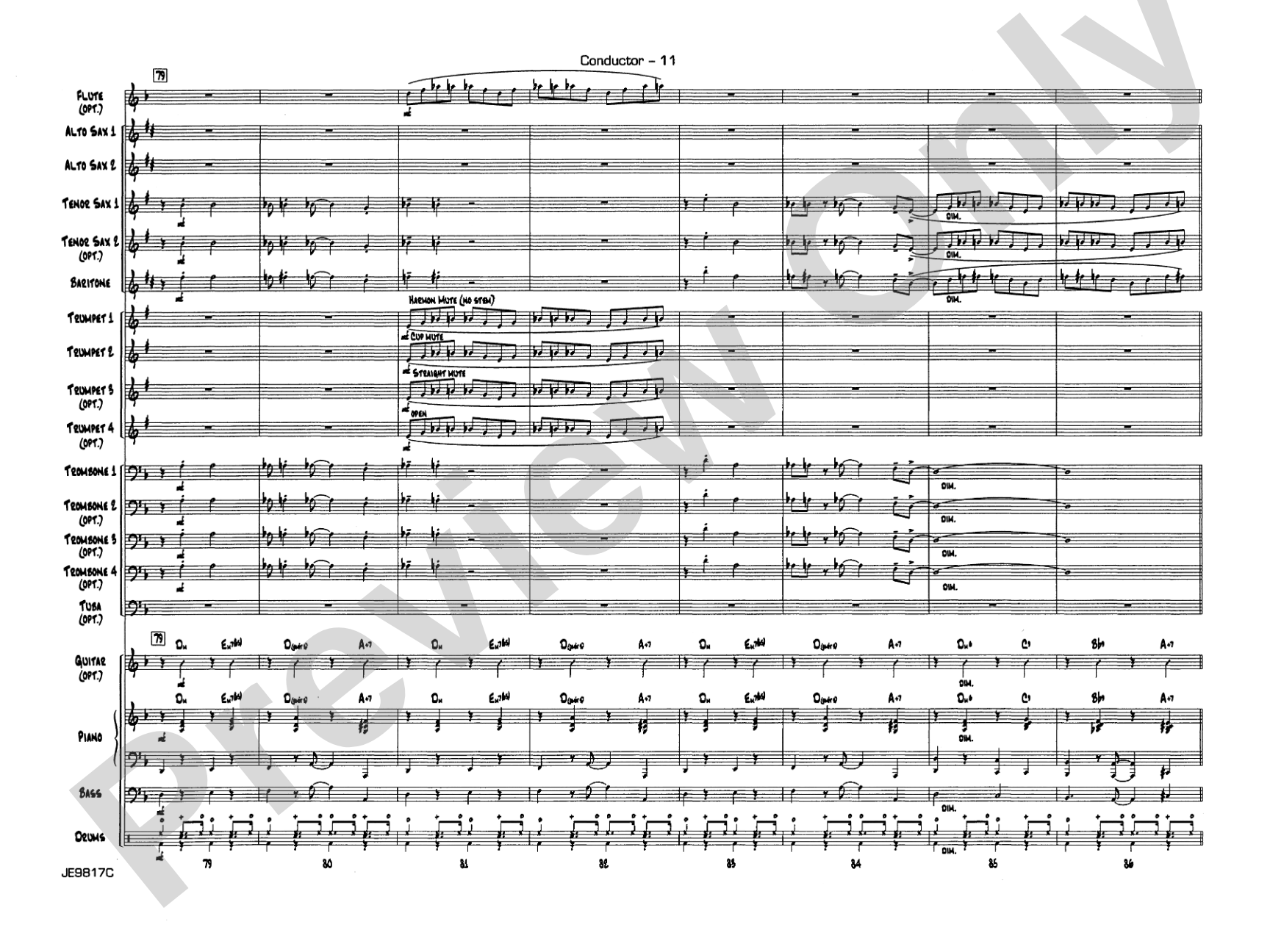


Big Noise from Winnetka: Jazz Ensemble Conductor Score & Parts
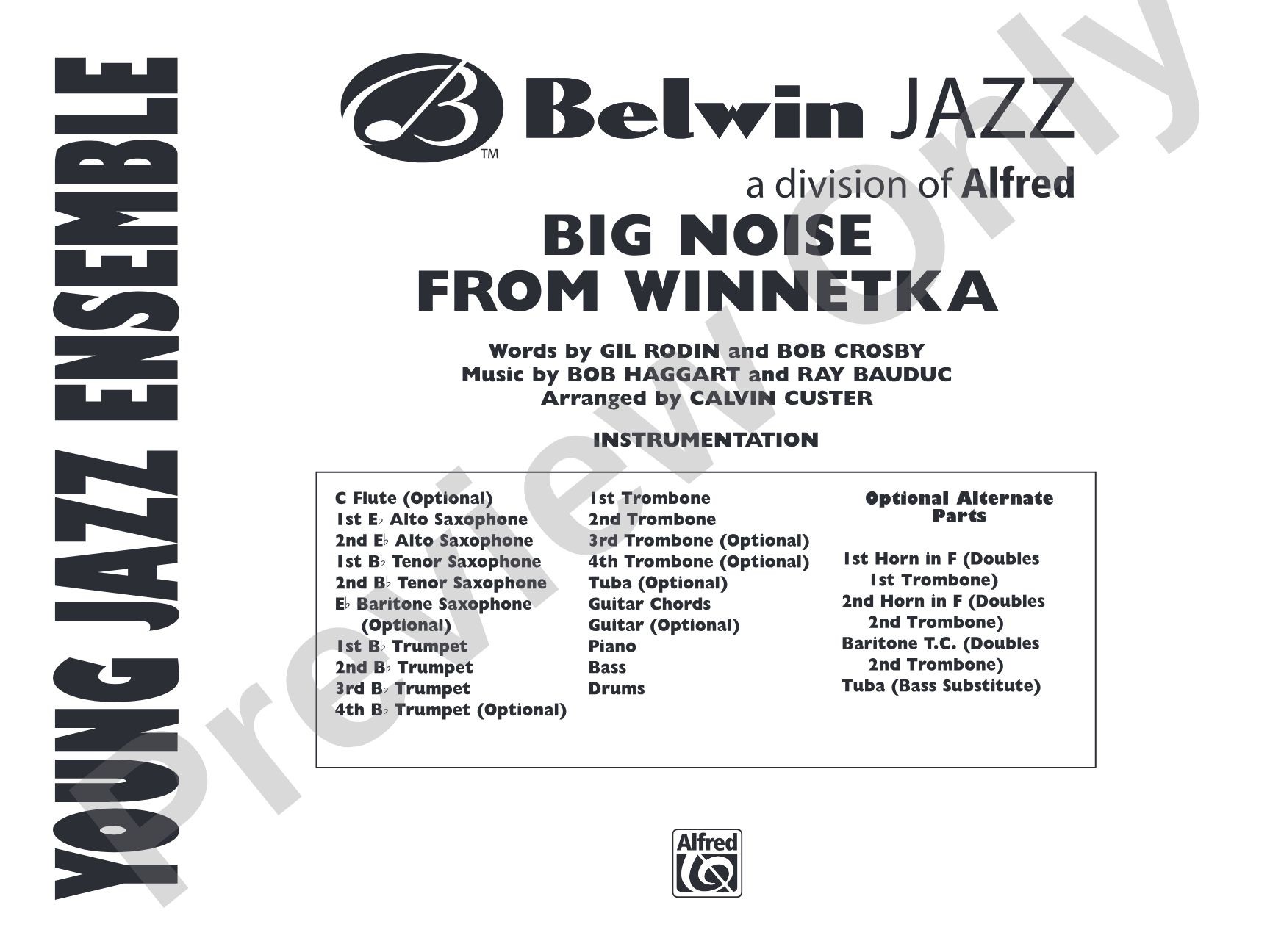
Arr. Calvin Custer
Grade: 2 (Medium Easy)
Item: 00-PK-0002450

$44.00
One moment…
Description
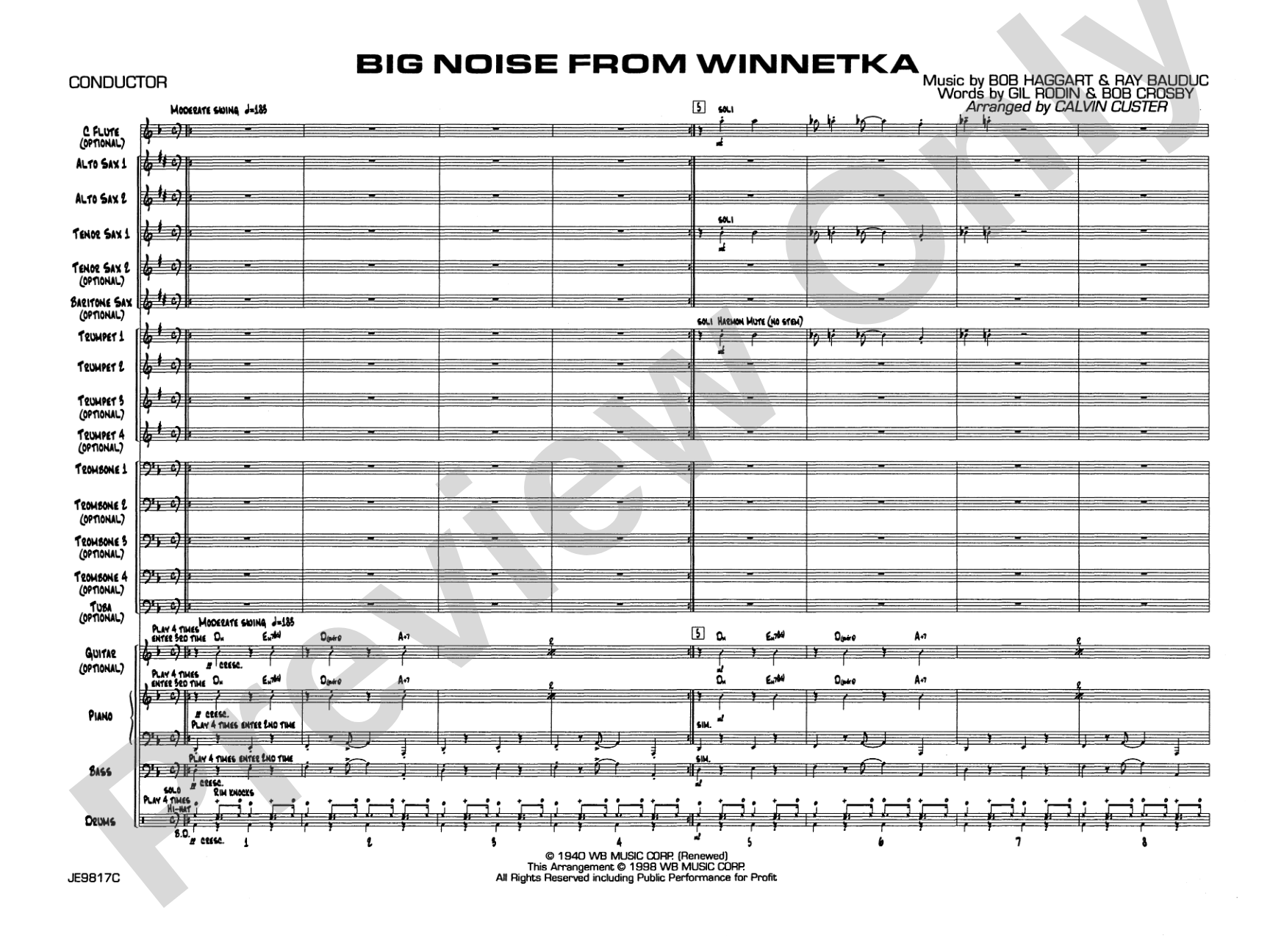
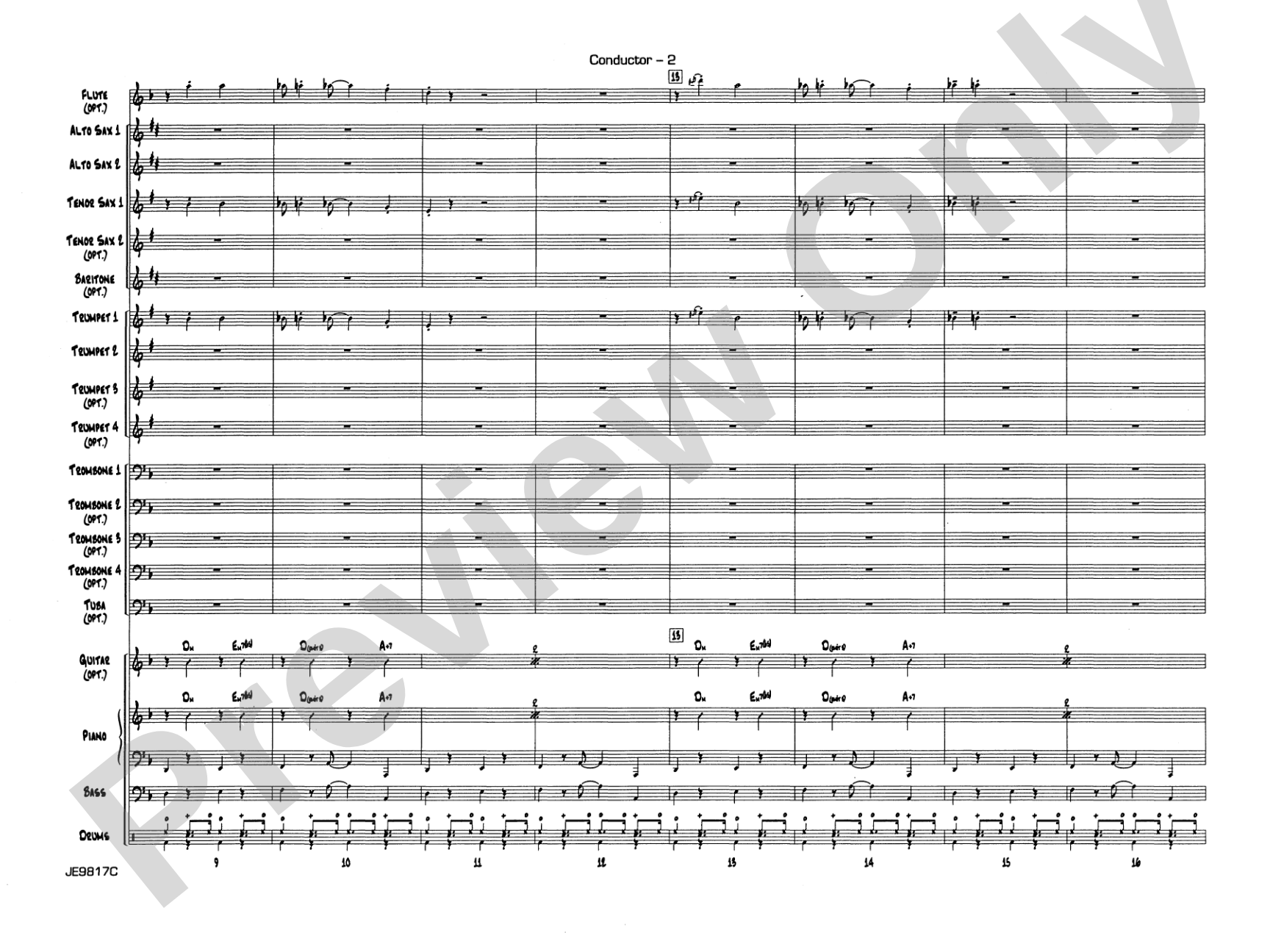
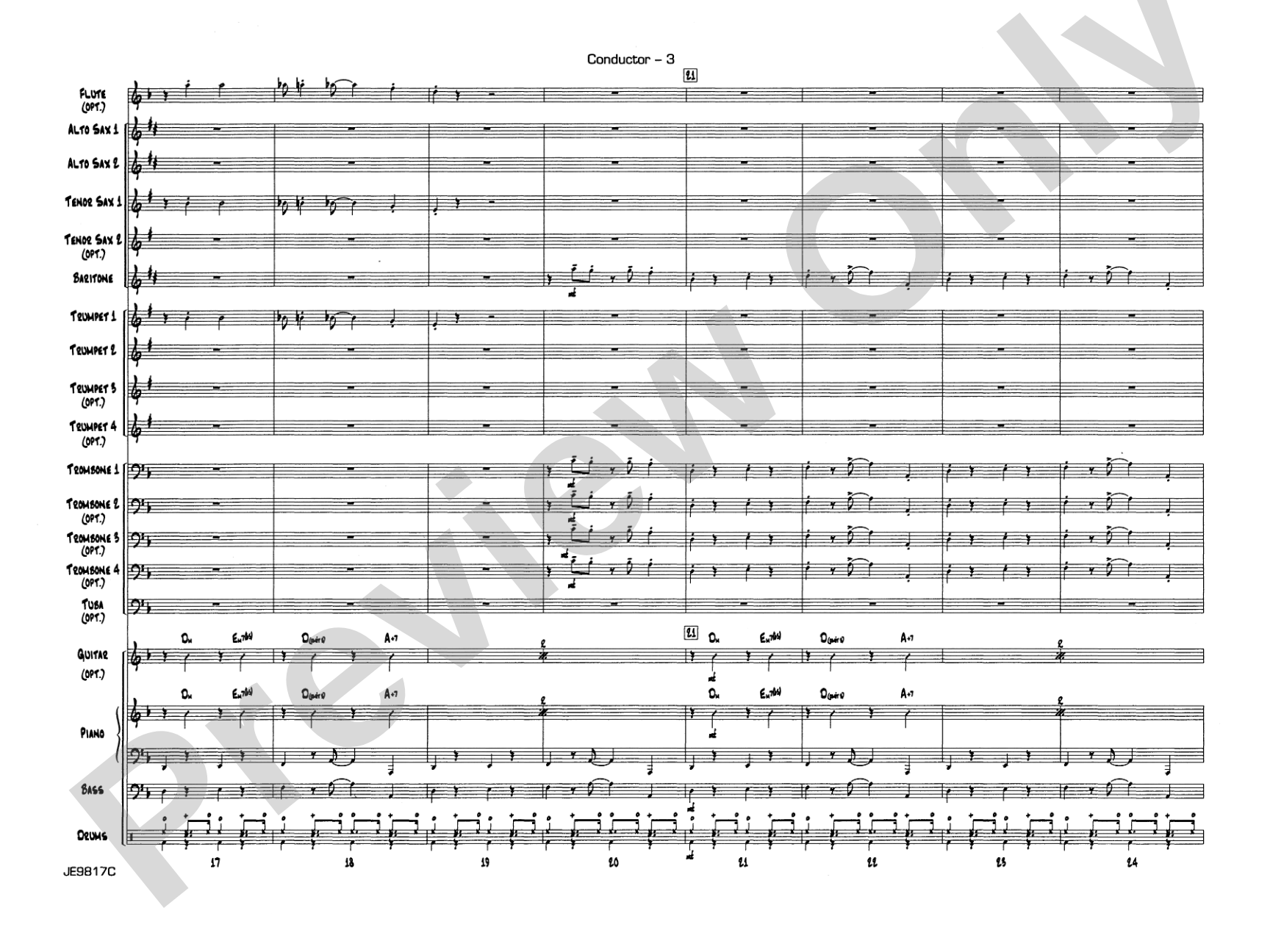
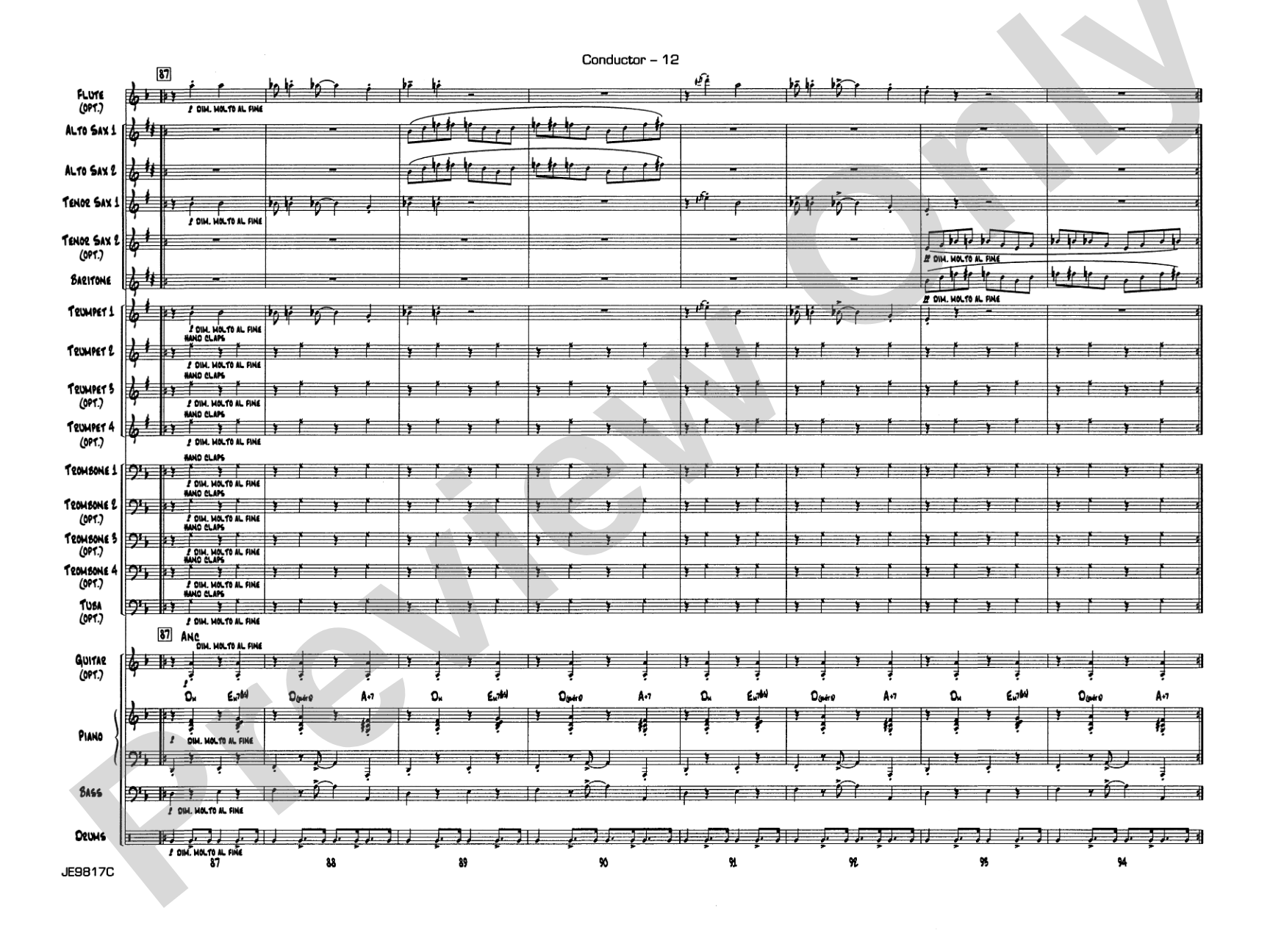
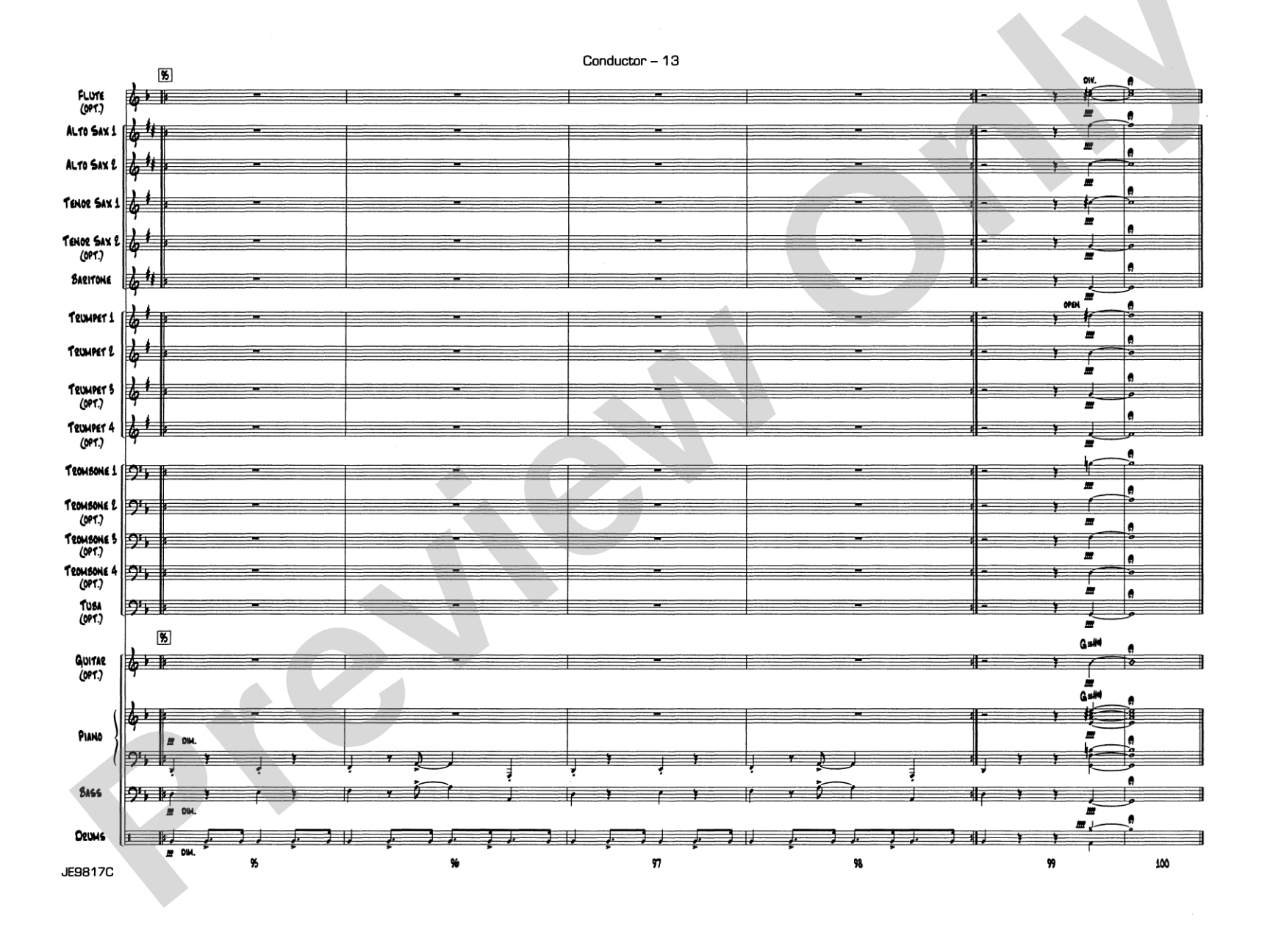
This delightful old jazz standard is given a fresh new face by Calvin Custer. Calvin has provided younger and less experienced bands with the opportunity to perform a 'golden age' big band gem. The technical demands are limited, but this chart still really swings. The solid ensemble writing will give you a chance to teach balance and blend with your group. It's another winner from Calvin Custer! (2:47)


Don't just read it, hear it, play along with it, and watch your students grow with it. In MakeMusic Cloud, Big Noise from Winnetka: Jazz Ensemble Conductor Score & Parts comes alive with professional accompaniment, adjustable tempo, and built-in practice tools that turn solo practice into real progress.
Open in the Player
Jump straight in and assign it today.
Start Your Free Trial
Open this title and explore the full library in minutes.
Sample Audio
No sample audio found.
Sample Video
No sample videos found.
Additional Details
Series:
Young Jazz Ensemble
Publisher:
Alfred Music
Page Count:
98
SKU:
00-PK-0002450
More about this title
About the Arranger: Calvin Custer
Calvin Custer has established himself as a trusted arranger for young jazz ensembles, with a particular gift for making standard repertoire accessible without sacrificing swing and character. His arrangements prioritize clear ensemble writing and pedagogical soundness, allowing developing musicians to experience authentic jazz style while building fundamental skills.
Why we love this
Custer's treatment captures the infectious energy of this 1930s classic while keeping the technical bar realistic for Grade 2 players. The arrangement focuses on solid section balance and genuine swing feel, giving your ensemble a legitimate big band experience rather than a simplified novelty version.
What to expect
A bright, propulsive tune with the unmistakable energy of 1930s Chicago jazz. The writing is lean and bouncy, giving everyone something to do without cluttering the texture; the result feels contemporary and alive rather than antiquated.
Who it's for
Grade 2 jazz ensembles looking to program authentic big band repertoire without overwhelming less experienced players. This works well for developing groups that have basic section skills in place and are ready to explore style and ensemble balance as primary learning goals.
How to get the most out of it
- Build the groove gradually during rehearsal. Lock the rhythm section (bass and drums) first, then layer in the ensemble parts so the swing feel emerges naturally rather than sounding forced.
- Balance the sax section carefully against the brass. Since the writing is transparent, any imbalance in mouthpiece pressure or voicing will stick out; use sectionals to establish consistent articulation and blend before full ensemble rehearsals.
- Emphasize the written articulations and phrasing marks. Even with limited technical demands, attention to these details is what separates a chart that swings from one that just sits on the page.
- Work on forward motion in the ensemble lines. Young players often drag behind the beat; encourage them to anticipate slightly and lean into the rhythm section's push.
How to use it
Pair this with a ballad or blues number to show the range of your ensemble's growing jazz vocabulary. It works equally well as a festival selection, a winter concert opener, or the centerpiece of a jazz showcase.
Skills your students will build
- Swing articulation and rhythmic feel in ensemble context
- Section balance and blend (particularly sax-to-brass ratio)
- Reading syncopated jazz rhythms and phrasing in unison passages
- Responding to the rhythm section and locking into a groove
- Listening for and correcting intonation in close harmonies