
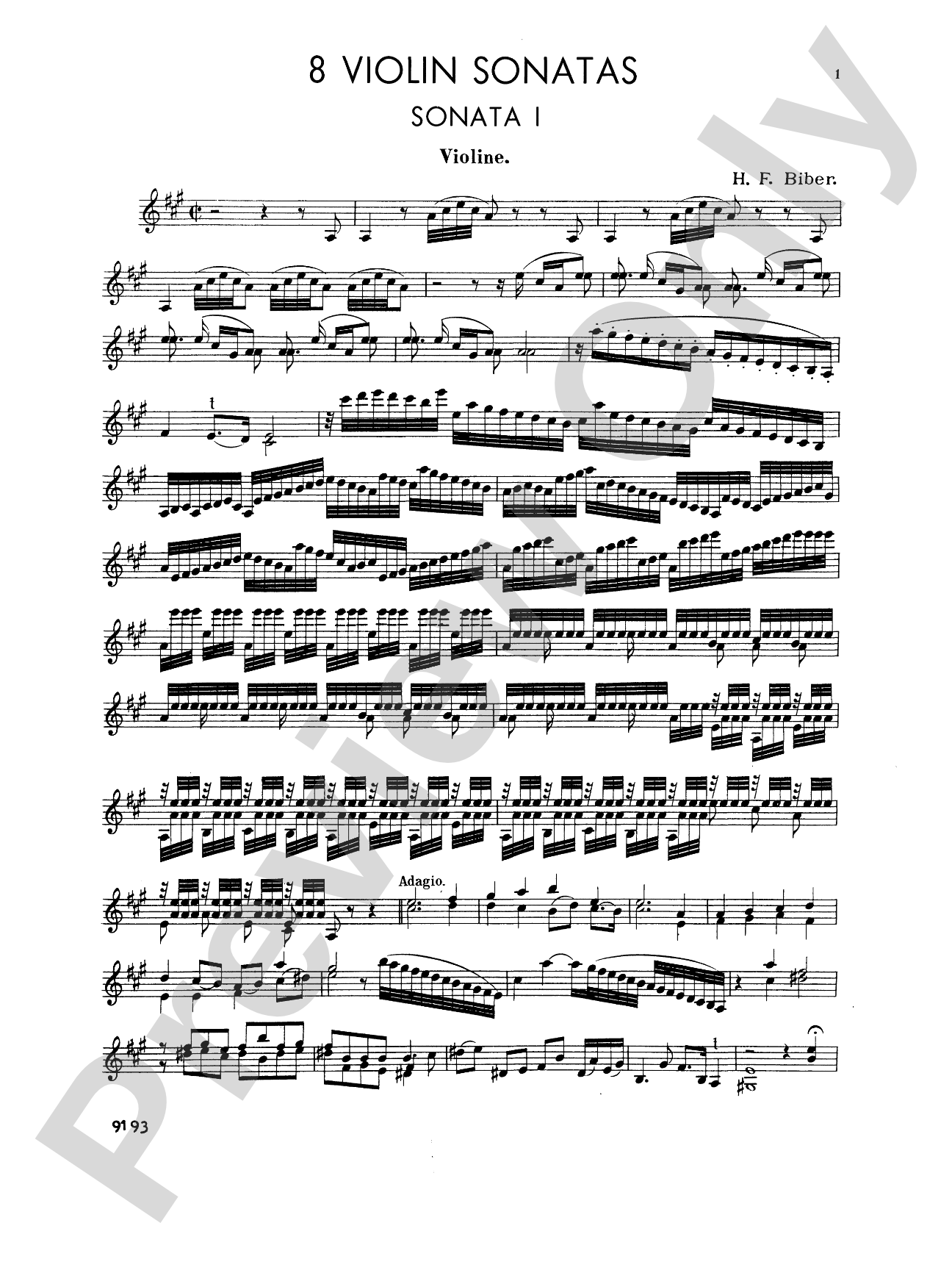
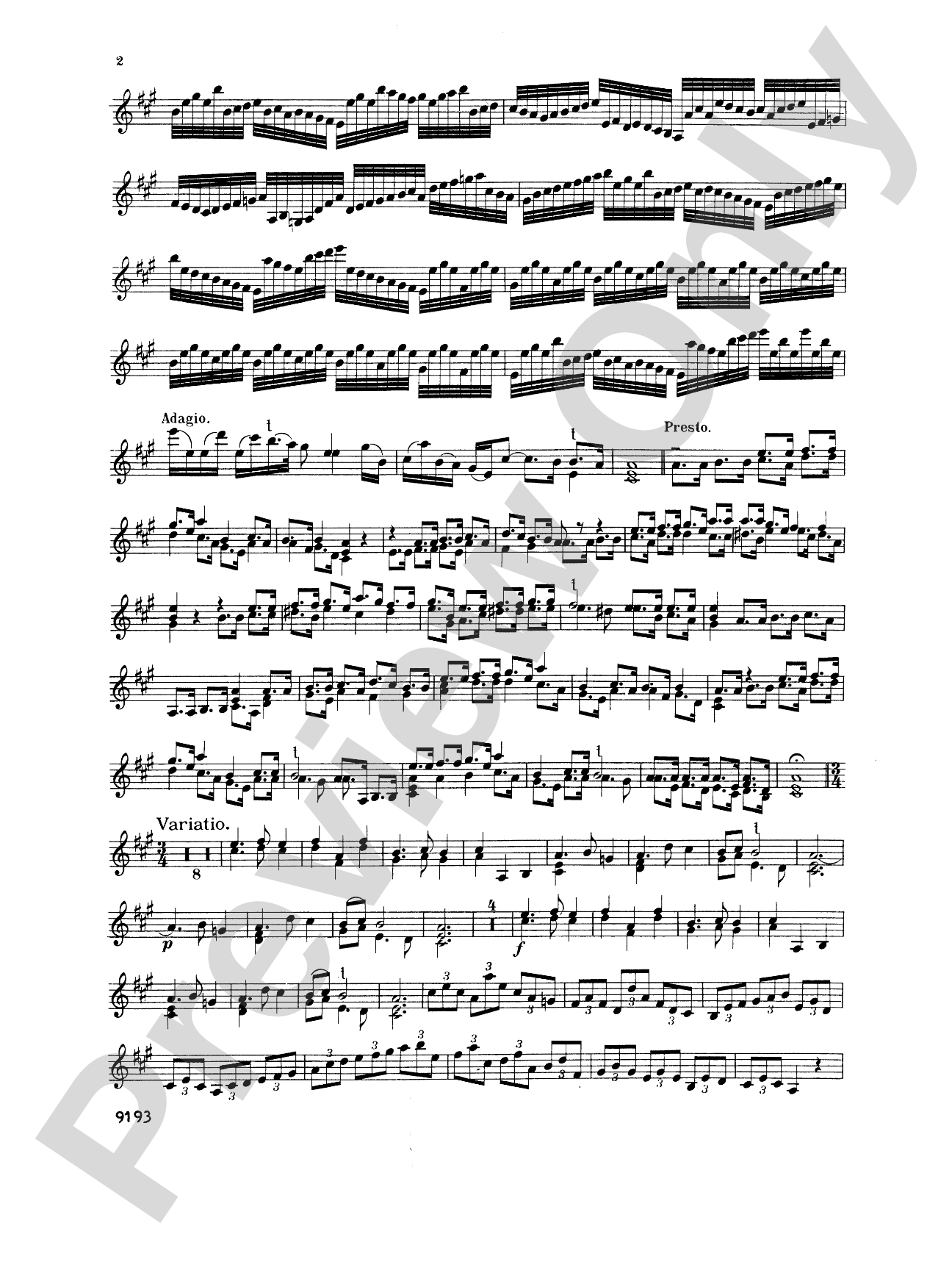
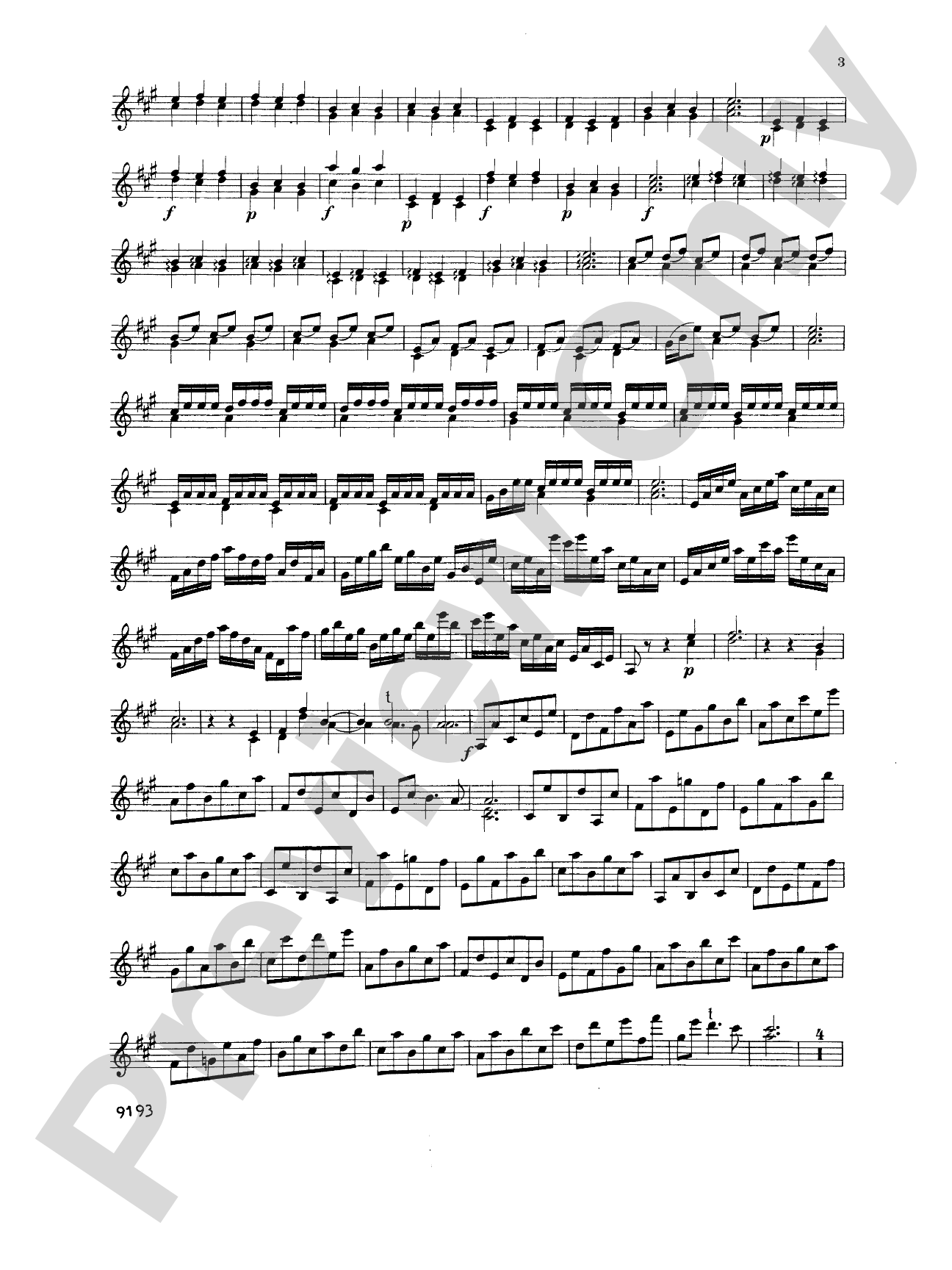
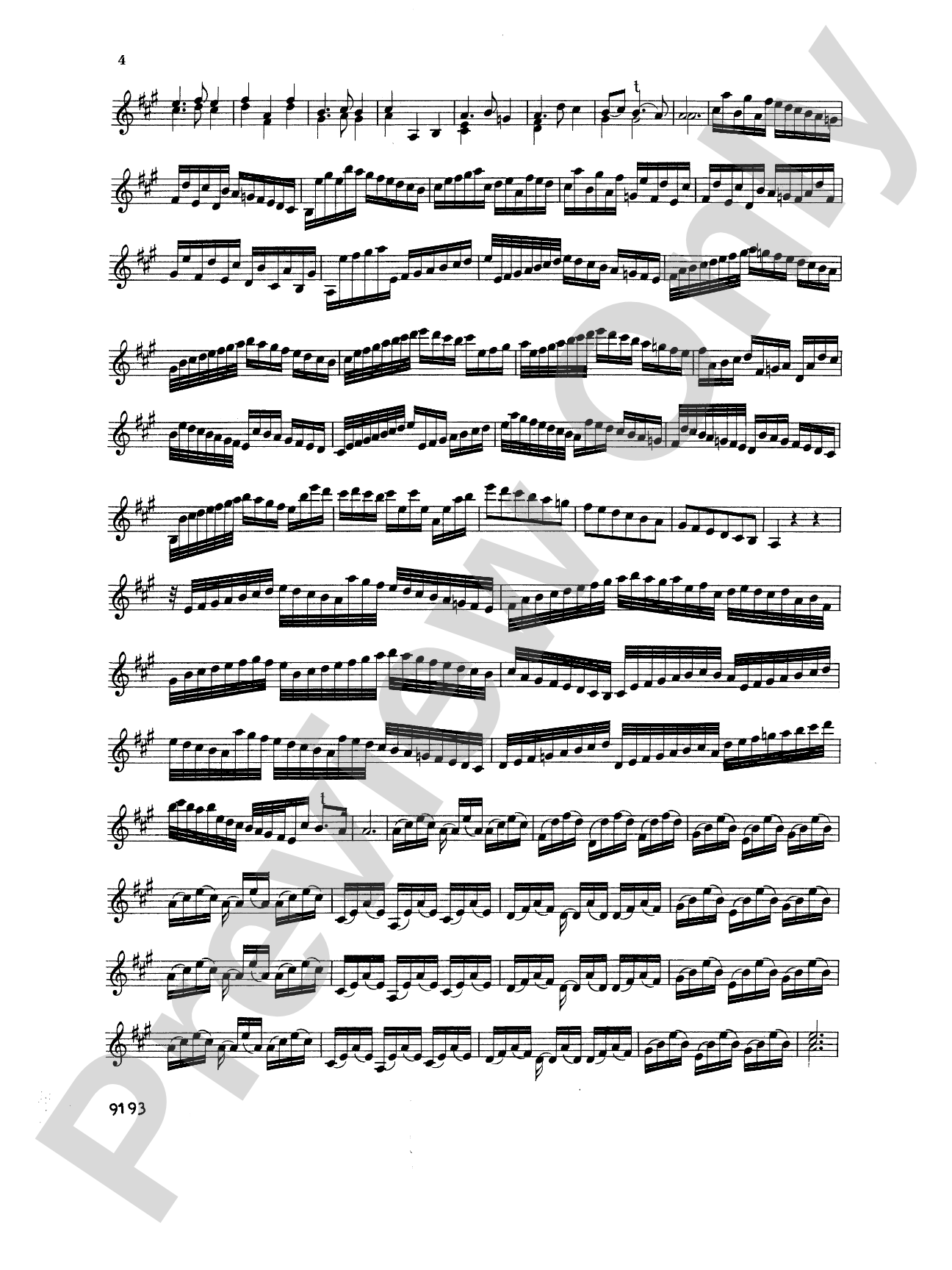
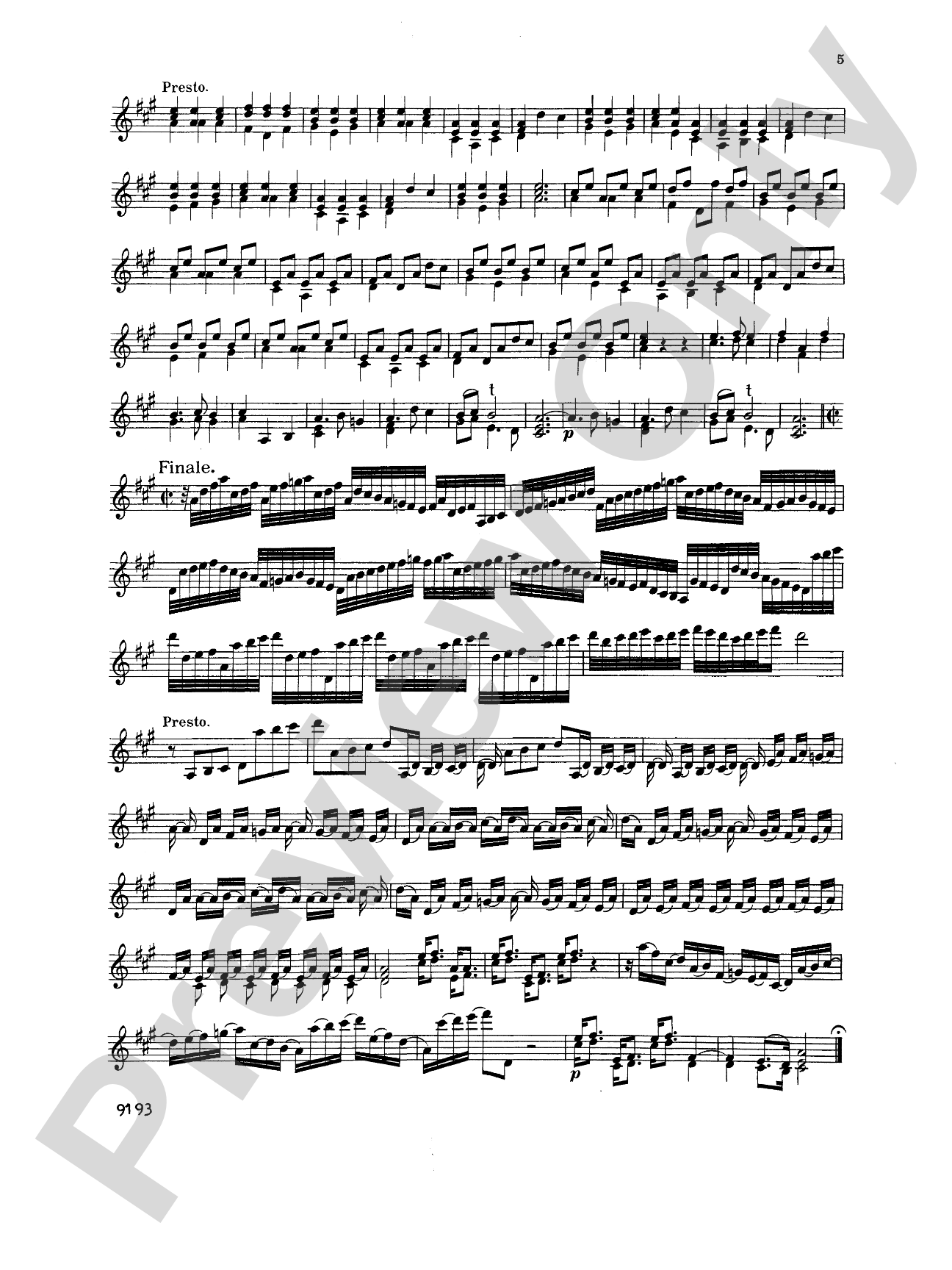

Biber: Eight Violin Sonatas: Violin Book
By Heinrich Ignaz Franz von Biber
Item: 00-PK-0003698

$24.99
Pickup currently not available
Buy Extra Parts (Digital PDF Download)
| Product | Price | Quantity |
|---|---|---|
| Biber: Eight Violin Sonatas | $0.99 | |
| Biber: Eight Violin Sonatas | $0.99 | |
| Biber: Eight Violin Sonatas | $0.99 | |
| Biber: Eight Violin Sonatas | $0.99 | |
| Biber: Eight Violin Sonatas | $0.99 | |
| Biber: Eight Violin Sonatas | $0.99 | |
| Biber: Eight Violin Sonatas | $0.99 | |
| Biber: Eight Violin Sonatas | $0.99 | |
| Biber: Eight Violin Sonatas | $0.99 | |
| Biber: Eight Violin Sonatas | $0.99 | |
| Biber: Eight Violin Sonatas | $0.99 | |
| Biber: Eight Violin Sonatas | $0.99 | |
| Biber: Eight Violin Sonatas | $0.99 | |
| Biber: Eight Violin Sonatas | $0.99 | |
| Biber: Eight Violin Sonatas | $0.99 | |
| Biber: Eight Violin Sonatas | $0.99 | |
| Biber: Eight Violin Sonatas | $0.99 | |
| Biber: Eight Violin Sonatas | $0.99 |
Parts Added to Cart!
Related Items
Eight Violin Sonatas: Violin Book |
$24.99
|
View |
Description
Heinrich Ignaz Franz Biber von Biber (1644--1704) was a well-known Bohemian-Austrian Violinist, and one of the most important composers for the violin in the history of the instrument. Includes the piano score as well as separate violin score.


Don't just read it, hear it, play along with it, and watch your students grow with it. In MakeMusic Cloud, Biber: Eight Violin Sonatas: Violin Book comes alive with professional accompaniment, adjustable tempo, and built-in practice tools that turn solo practice into real progress.
Open in the Player
Jump straight in and assign it today.
Start Your Free Trial
Open this title and explore the full library in minutes.
Sample Audio
No sample audio found.
Sample Video
No sample videos found.
Additional Details
Series:
Kalmus Edition
Publisher:
Alfred Music
Page Count:
124
SKU:
00-PK-0003698
More about this title
About the Composer: Heinrich Franz Biber
Heinrich Franz Biber (1644–1704) stands as one of the most inventive and technically demanding composers in the Baroque violin repertoire. Working primarily in Salzburg as a virtuoso performer and court musician, Biber pushed the violin far beyond the conventions of his era, developing advanced techniques like scordatura (alternate tunings) and rapid passagework that were revolutionary for the instrument.
His sonatas represent a bridge between the Italian concertato tradition and the emerging German Baroque style. Biber's writing demands both technical command and musical maturity from performers, making his works essential for violinists seeking to understand the instrument's expressive and technical possibilities during the Baroque period.
Why we love this
These eight sonatas showcase some of the most imaginative and technically sophisticated writing for the violin in the seventeenth century. Each sonata presents distinct musical and technical challenges that reward serious study and reveal new layers with repeated performance. Programming Biber alongside more familiar Baroque fare gives students and audiences insight into how varied and experimental the era truly was.
What to expect
Biber's sonatas pulse with intellectual energy and emotional directness. The writing moves fluidly between moments of intimate lyricism and brilliant passagework, demanding that the violinist engage fully with both the technical surface and the harmonic sophistication beneath. Each sonata unfolds like a conversation between equals, the violin and piano meeting as partners rather than soloist and accompaniment.
Who it's for
Accomplished violin students and professional violinists seeking to deepen their command of Baroque idiom and expand their technical palette. These sonatas suit advanced high school students, college music majors, and performers preparing recital or audition repertoire that demonstrates both virtuosity and musical intelligence.
How to get the most out of it
- Attend to Biber's use of scordatura in specific sonatas; the alternate tunings create unique timbral possibilities and require careful preparation before rehearsal or performance.
- Balance the violin line with the piano reduction without letting the accompaniment overwhelm the solo voice; these pieces demand clarity and projection even in passages with active harmonic support.
- Shape phrases using articulation and subtle dynamic shaping rather than aggressive accents; Baroque style emphasizes elegance and rhetorical clarity.
- Work with the pianist to establish unified tempos and breathing points; the piano score (included) provides harmonic and structural scaffolding that the violin must navigate with confidence.
How to use it
These eight sonatas work beautifully as a chronological exploration within a recital program, allowing the performer to demonstrate range and stylistic command across the Baroque violin tradition. They pair naturally with other Baroque works (Corelli, Tartini, or Bach) and can anchor a concert theme exploring virtuosity and formal innovation in the seventeenth century.
Skills your students will build
- Baroque phrasing and articulation conventions
- Technical facility with runs, double stops, and rapid passagework
- Scordatura techniques and alternate tuning systems
- Harmonic awareness and chord outline recognition
- Balance and interplay between solo melody and piano accompaniment
- Stylistic differentiation between Italian and German Baroque approaches