
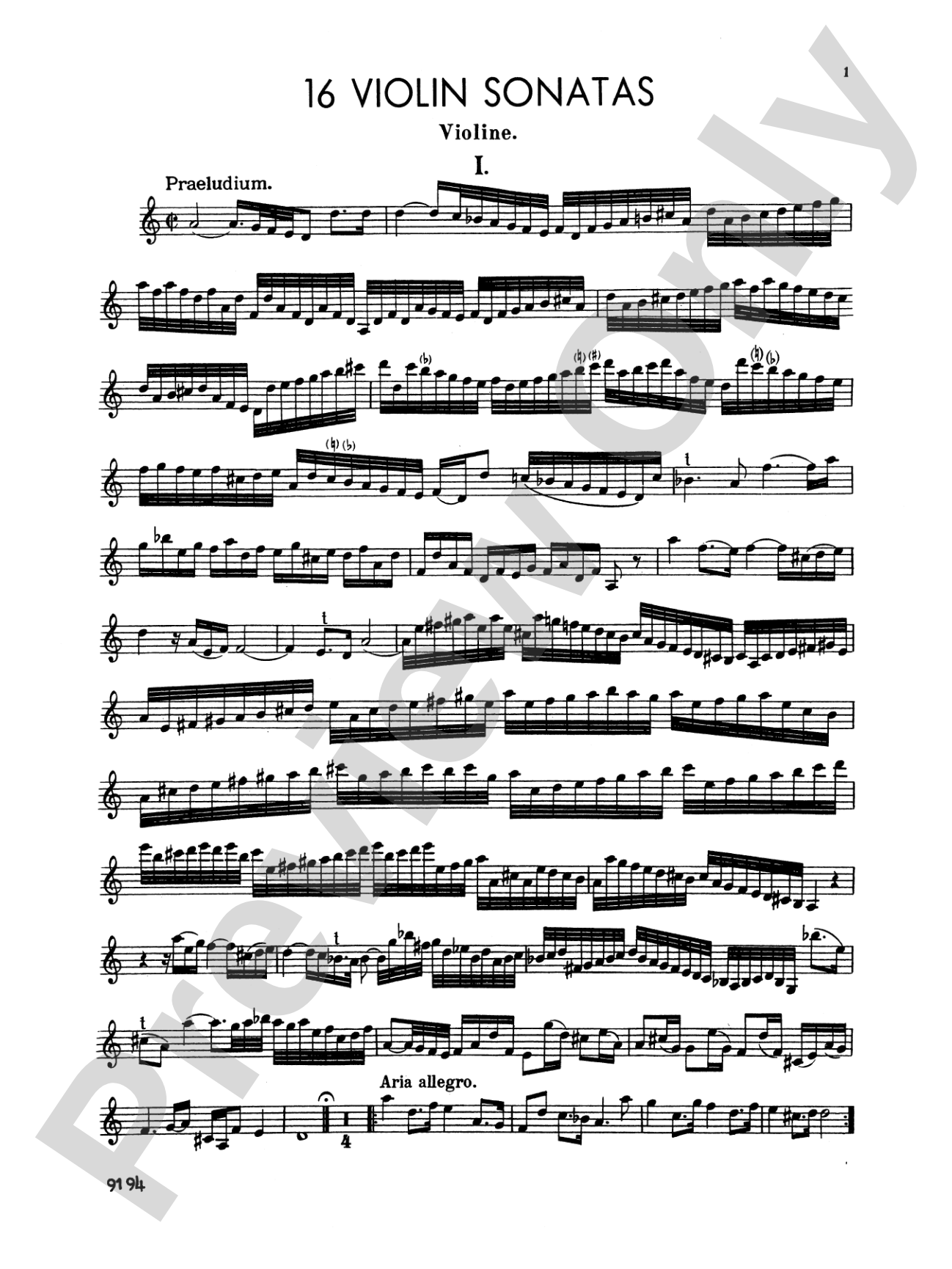
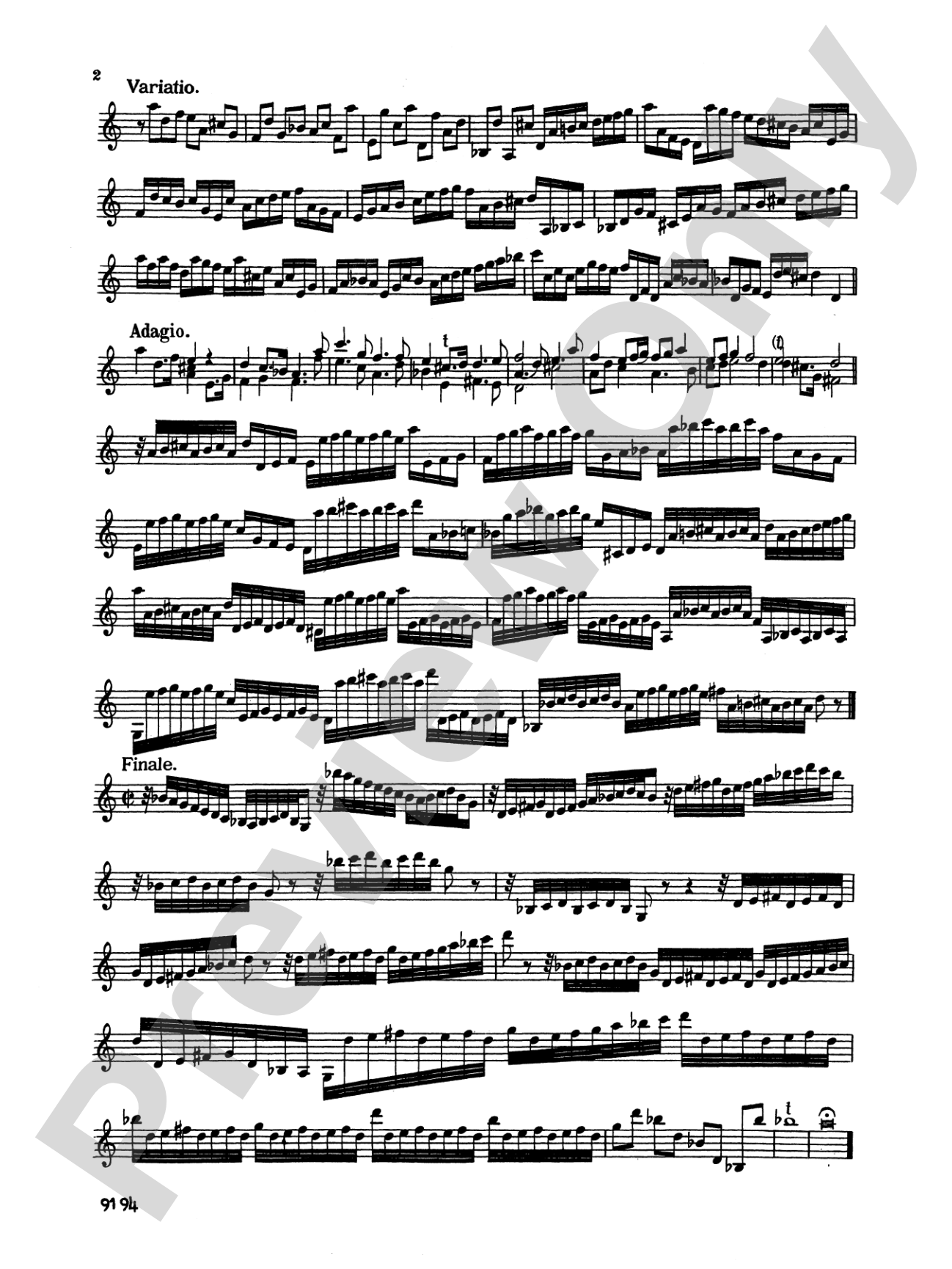

Biber: 16 Violin Sonatas, Volume II: Violin Book
By Heinrich Ignaz Franz von Biber
Item: 00-PK-0003699

$24.99
Pickup currently not available
Buy Extra Parts (Digital PDF Download)
Parts Added to Cart!
Related Items
16 Violin Sonatas: Violin Book |
$24.95
|
View |
Description
Expertly arranged Violin Sonatas with Piano Accompaniment by Heinrich Ignaz Franz von Biber from the Kalmus Edition series. This is from the Baroque era.


Don't just read it, hear it, play along with it, and watch your students grow with it. In MakeMusic Cloud, Biber: 16 Violin Sonatas, Volume II: Violin Book comes alive with professional accompaniment, adjustable tempo, and built-in practice tools that turn solo practice into real progress.
Open in the Player
Jump straight in and assign it today.
Start Your Free Trial
Open this title and explore the full library in minutes.
Sample Audio
No sample audio found.
Sample Video
No sample videos found.
Additional Details
Series:
Kalmus Edition
Publisher:
Alfred Music
Page Count:
160
SKU:
00-PK-0003699
More about this title
About the Composer: Heinrich Franz Biber
Heinrich Franz Biber (1644–1704) was an Austrian Baroque violinist and composer whose technical innovations expanded the instrument's expressive range. His sonatas, particularly the Mystery Sonatas (Rosary Sonatas), established him as one of the era's most inventive string composers and a major figure in the development of violin technique.
Biber's writing challenged conventional playing through scordatura tuning, double stops, and extended figurations that demanded virtuosity from performers. His influence on later violin repertoire was profound, bridging the gap between early Baroque string writing and the galant style that followed.
Why we love this
Biber's sonatas offer something rare at this level: genuine compositional substance wrapped in grateful violin writing. The Kalmus edition makes these works accessible to intermediate-advanced students and teachers seeking Baroque repertoire with real musical weight, not salon pieces dressed up as Baroque. Programming these opens doors to conversations about stylistic sophistication and the violin's expressive range in the hands of a master.
What to expect
Biber's sonatas combine courtly elegance with unexpected harmonic depth and virtuosic passages that reward committed practice. The dialogue between violin and piano unfolds with intellectual clarity, yet moments of ornamentation and unexpected key shifts reveal a composer unafraid to surprise his listeners within the constraints of Baroque form.
Who it's for
Intermediate-advanced violinists preparing Baroque repertoire for advanced study, auditions, or recital programming. This edition serves teachers and serious students seeking substantial sonata literature beyond the Suzuki canon or beginner anthologies.
How to get the most out of it
- Observe the notated ornaments precisely; Biber's figuration serves harmonic and melodic intent, not mere decoration.
- Shape phrases through subtle dynamic contours within the Baroque aesthetic; avoid romantic-era swelling.
- Balance the violin line against the piano accompaniment so the sonata texture remains clear and the two voices dialogue rather than blend.
- Approach double stops with clarity of articulation; they are integral to the texture and should speak distinctly.
How to use it
Feature these as standalone recital works or group them thematically with other Baroque string music to create a program that celebrates the era's harmonic language. They work especially well as closing or showcase pieces on student recitals, where their technical demands and artistic substance command audience attention without requiring romantic virtuosity.
Skills your students will build
- Baroque ornament interpretation and execution
- Double-stop clarity and intonation
- Harmonic awareness in Baroque sonata form
- Stylistic phrasing without modern rubato
- Collaborative balance with piano accompaniment