
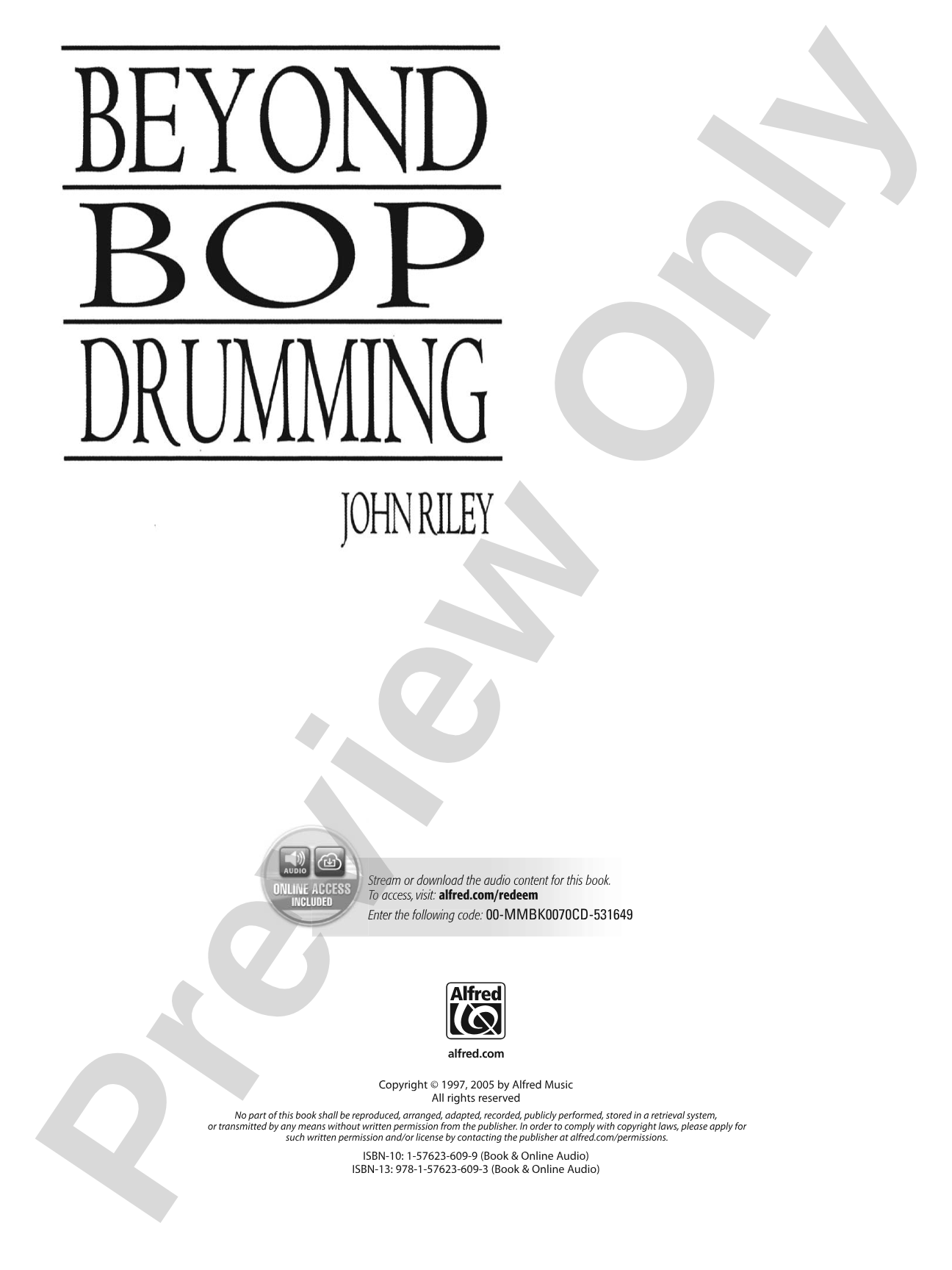

Beyond Bop Drumming
By John Riley
Item: 00-PB-0001989
$25.99
Pickup currently not available
Related Items
Beyond Bop Drumming: Drumset Book & Online Audio |
$25.99
|
View |
Description
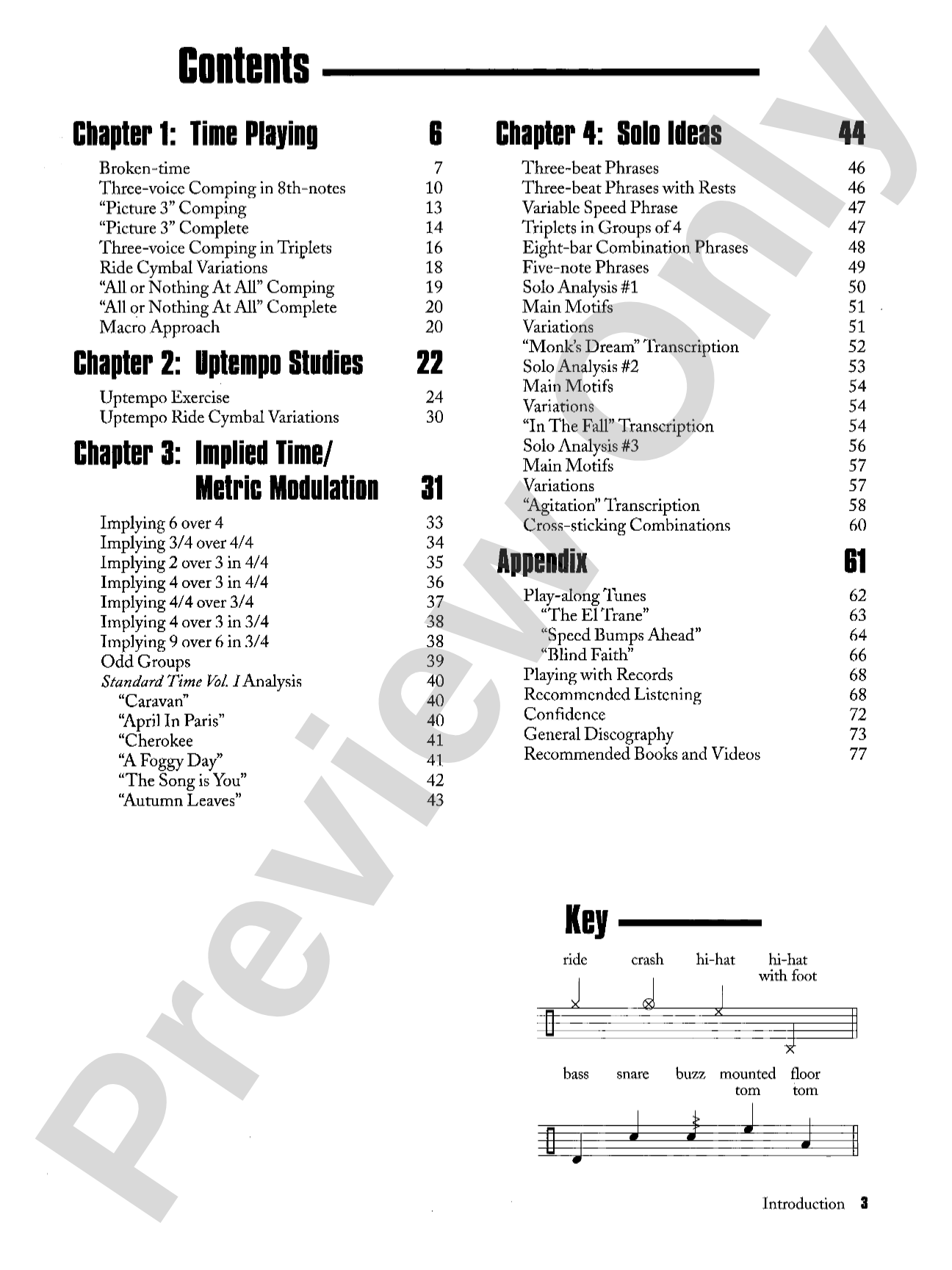
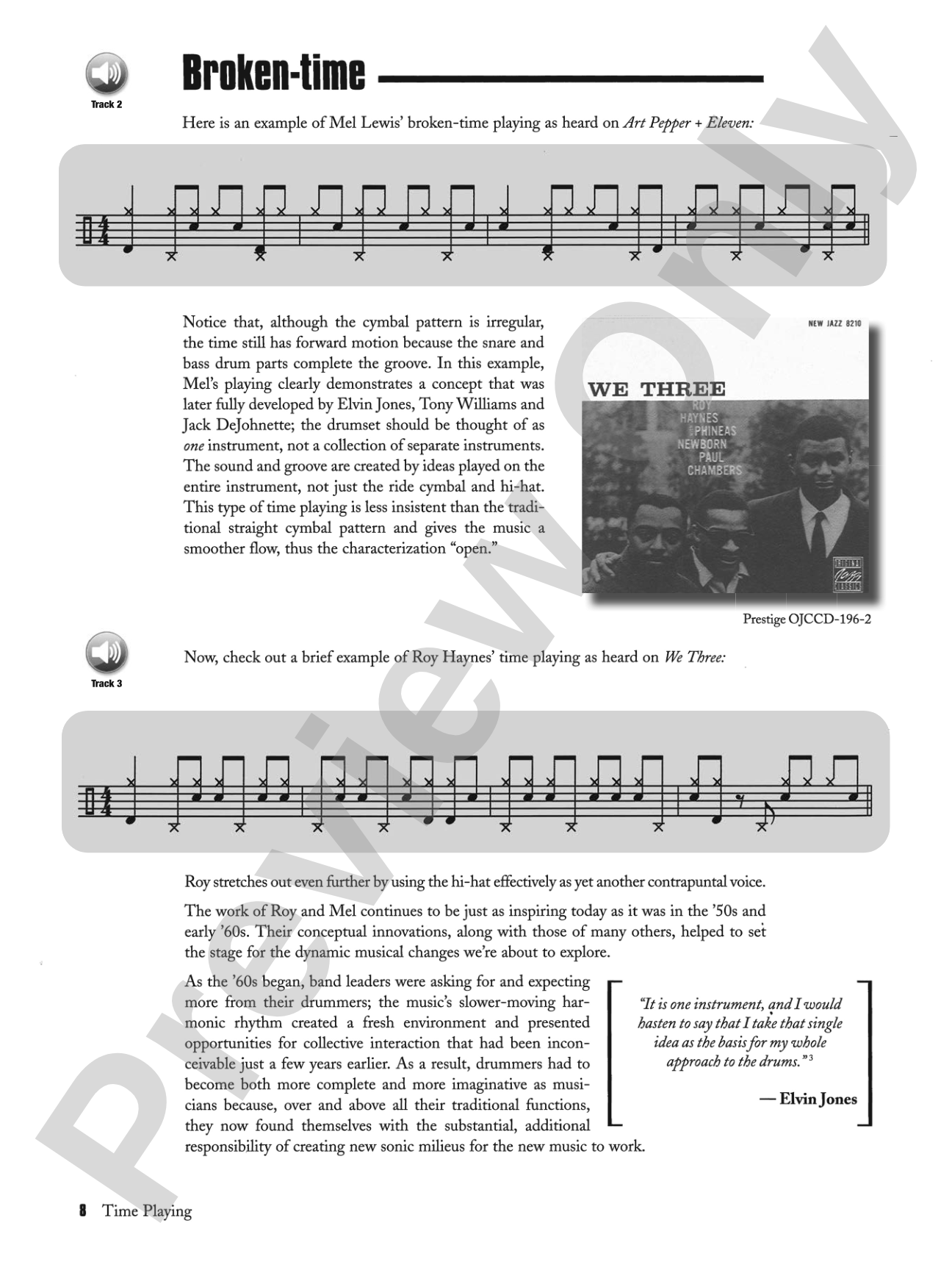
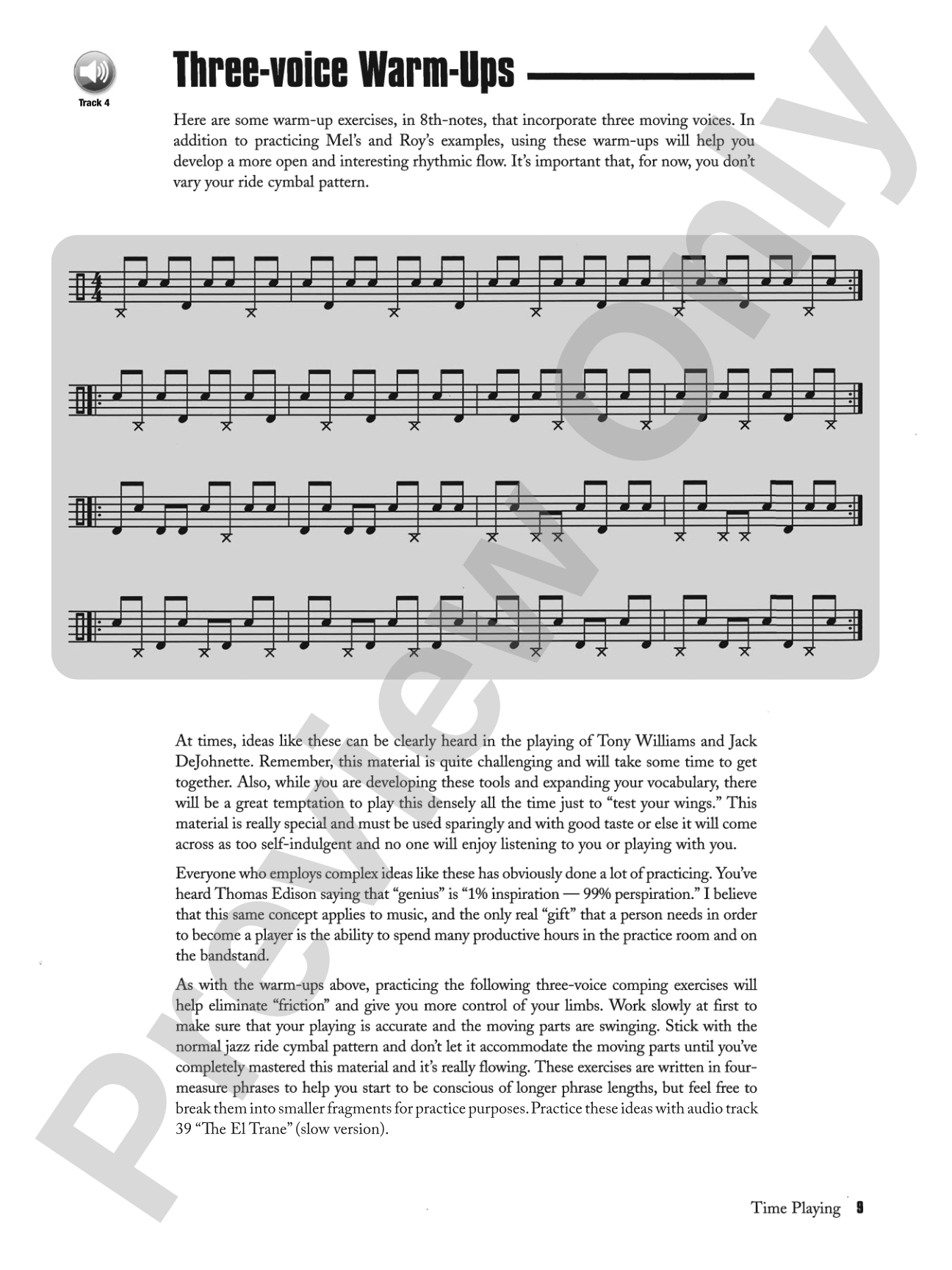
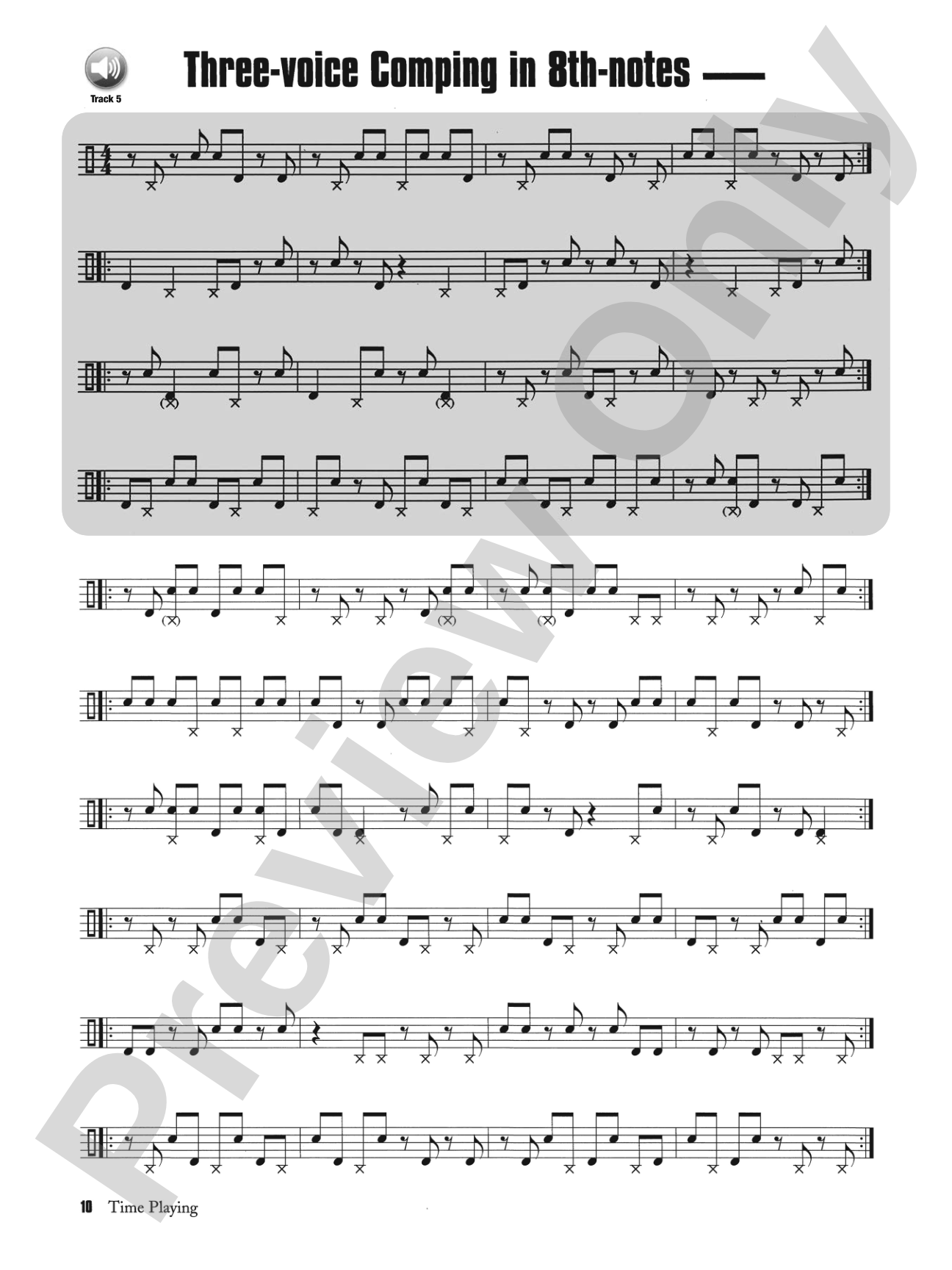
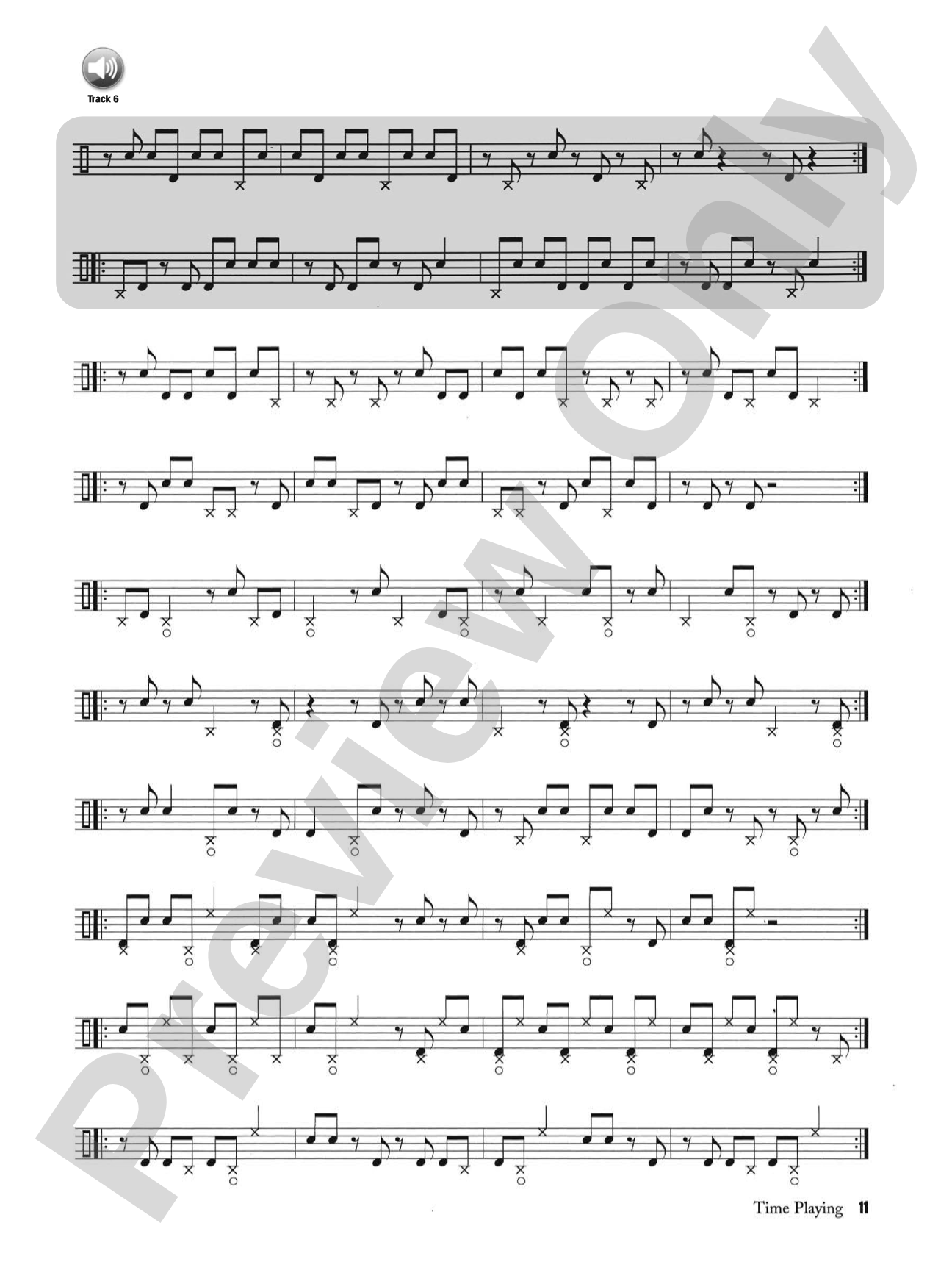
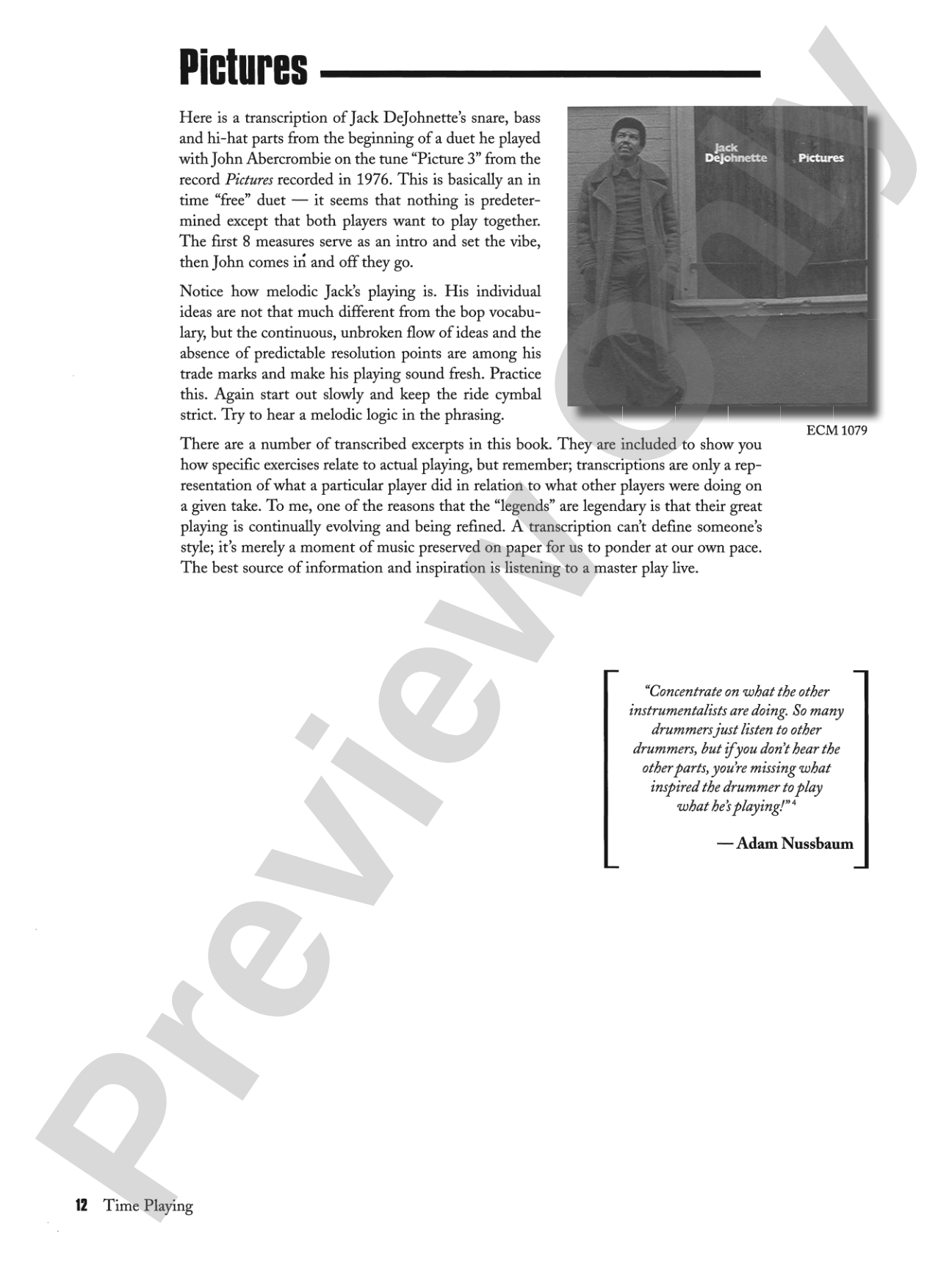
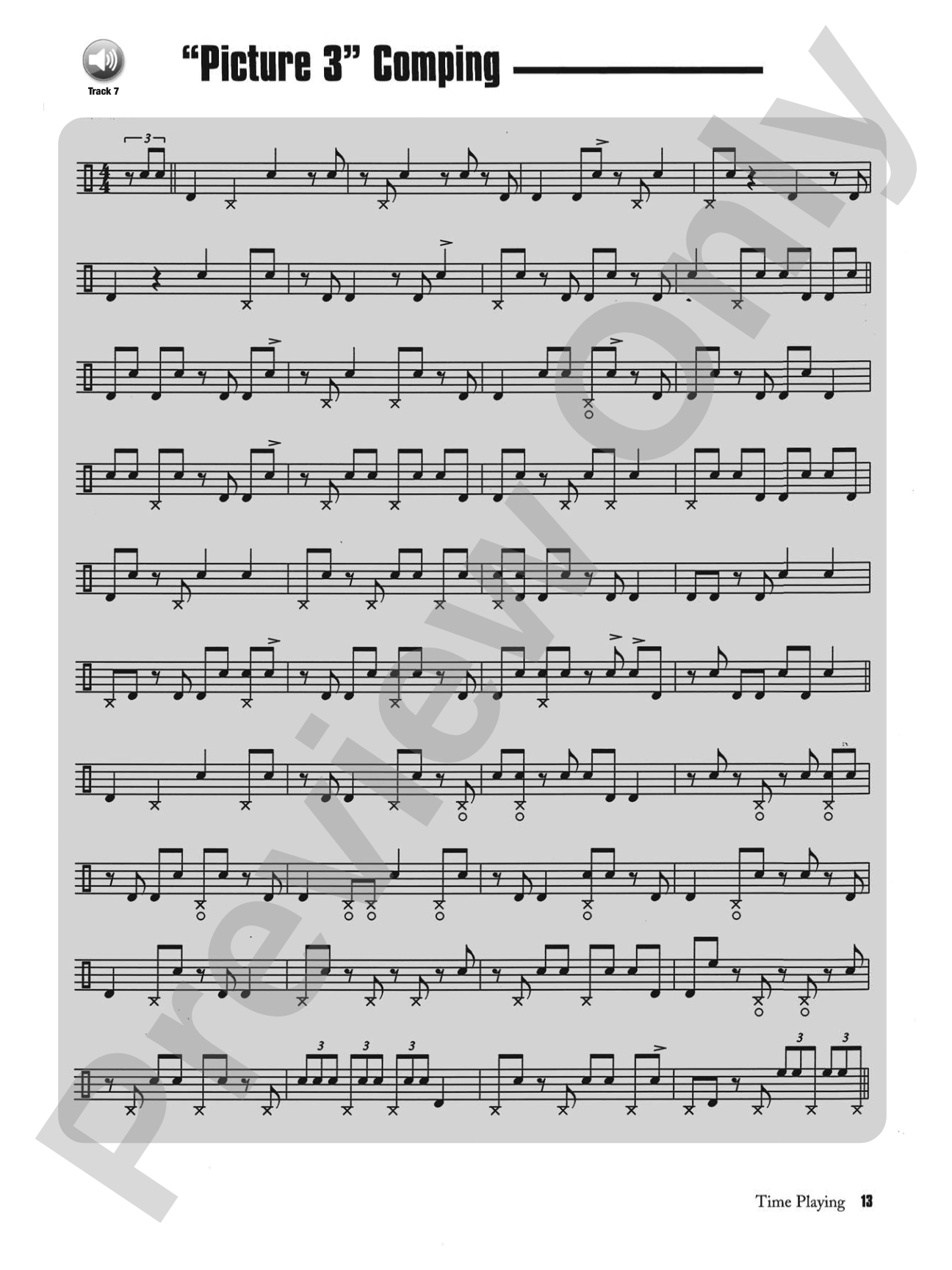
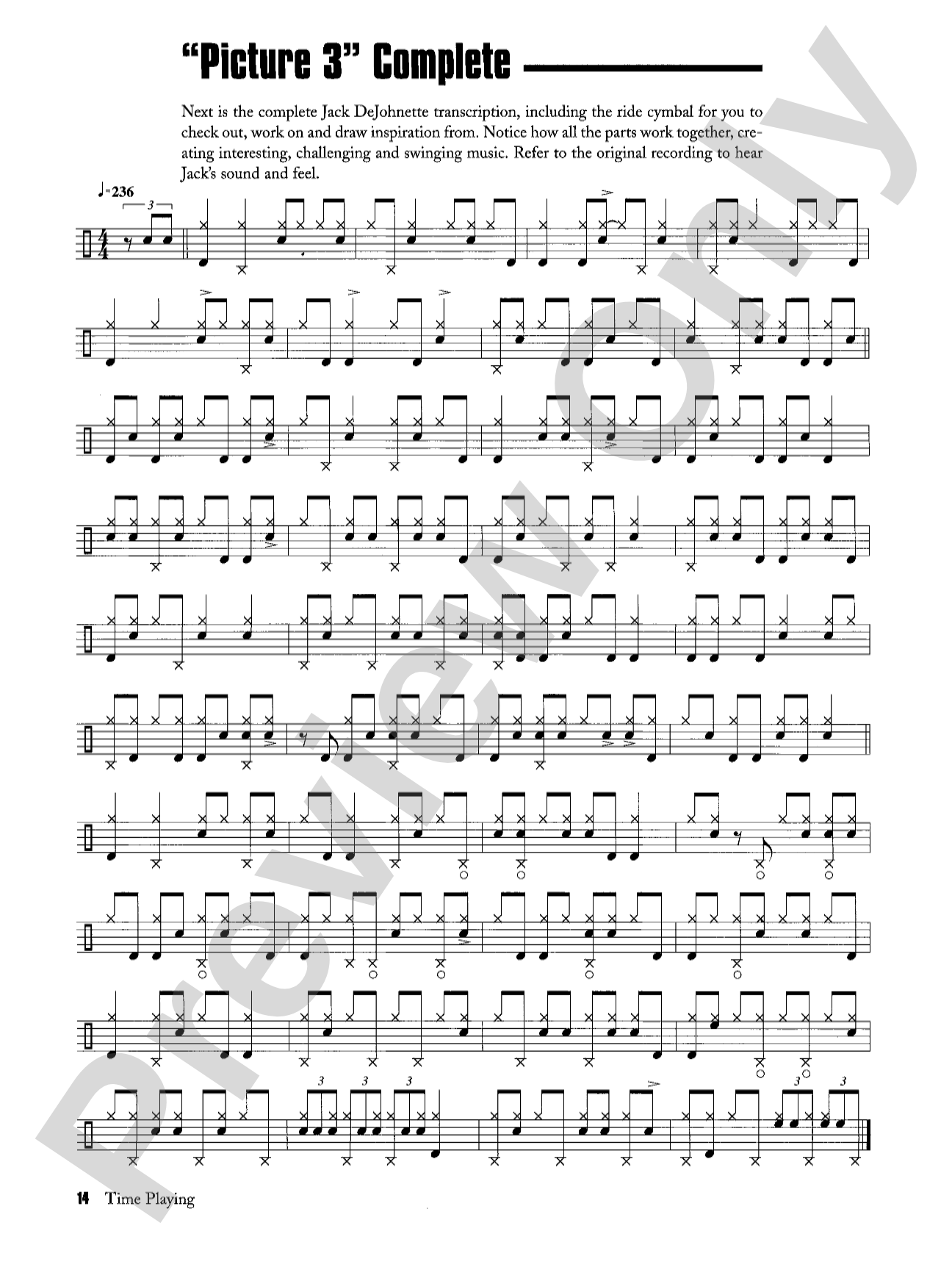
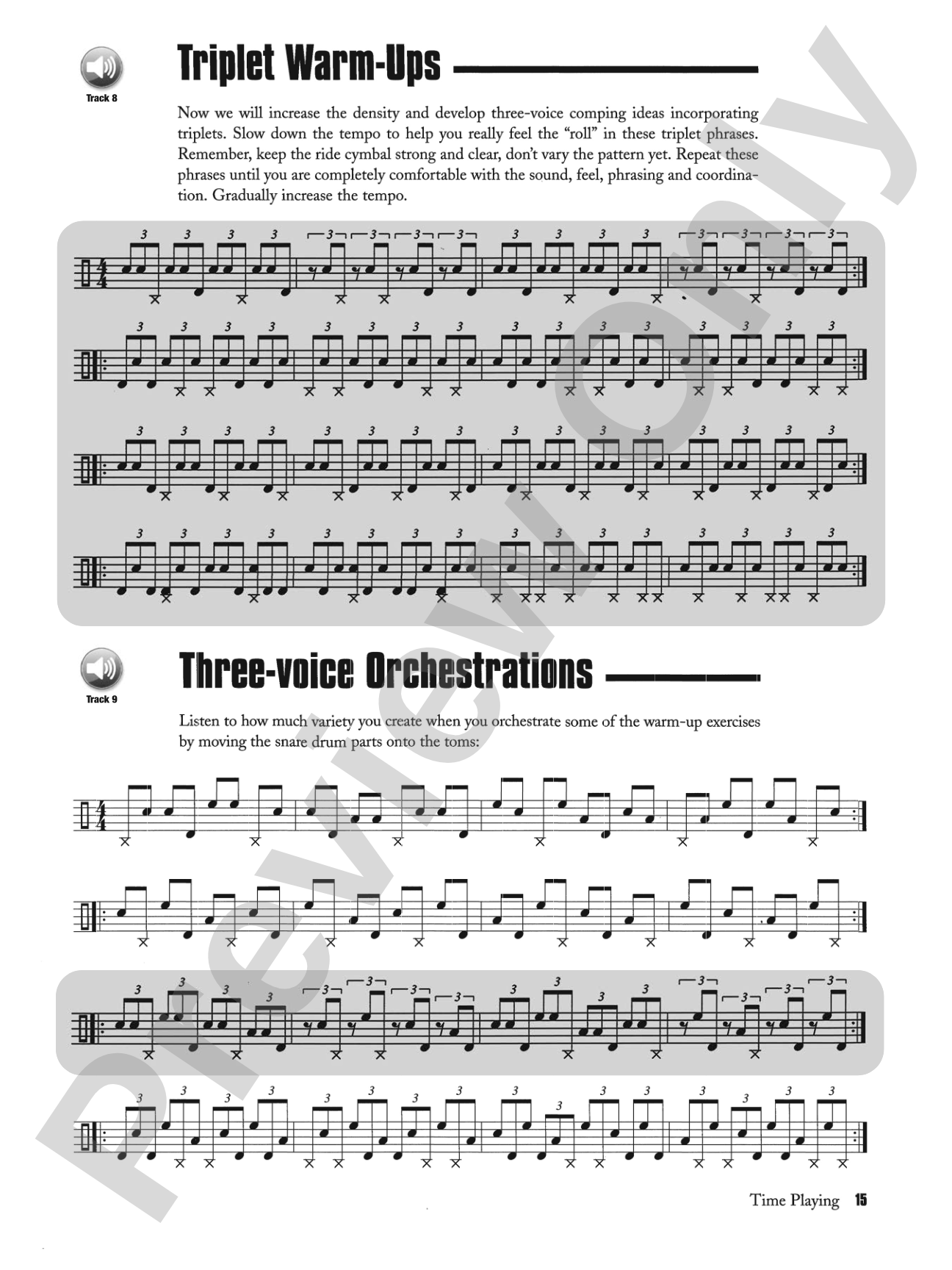
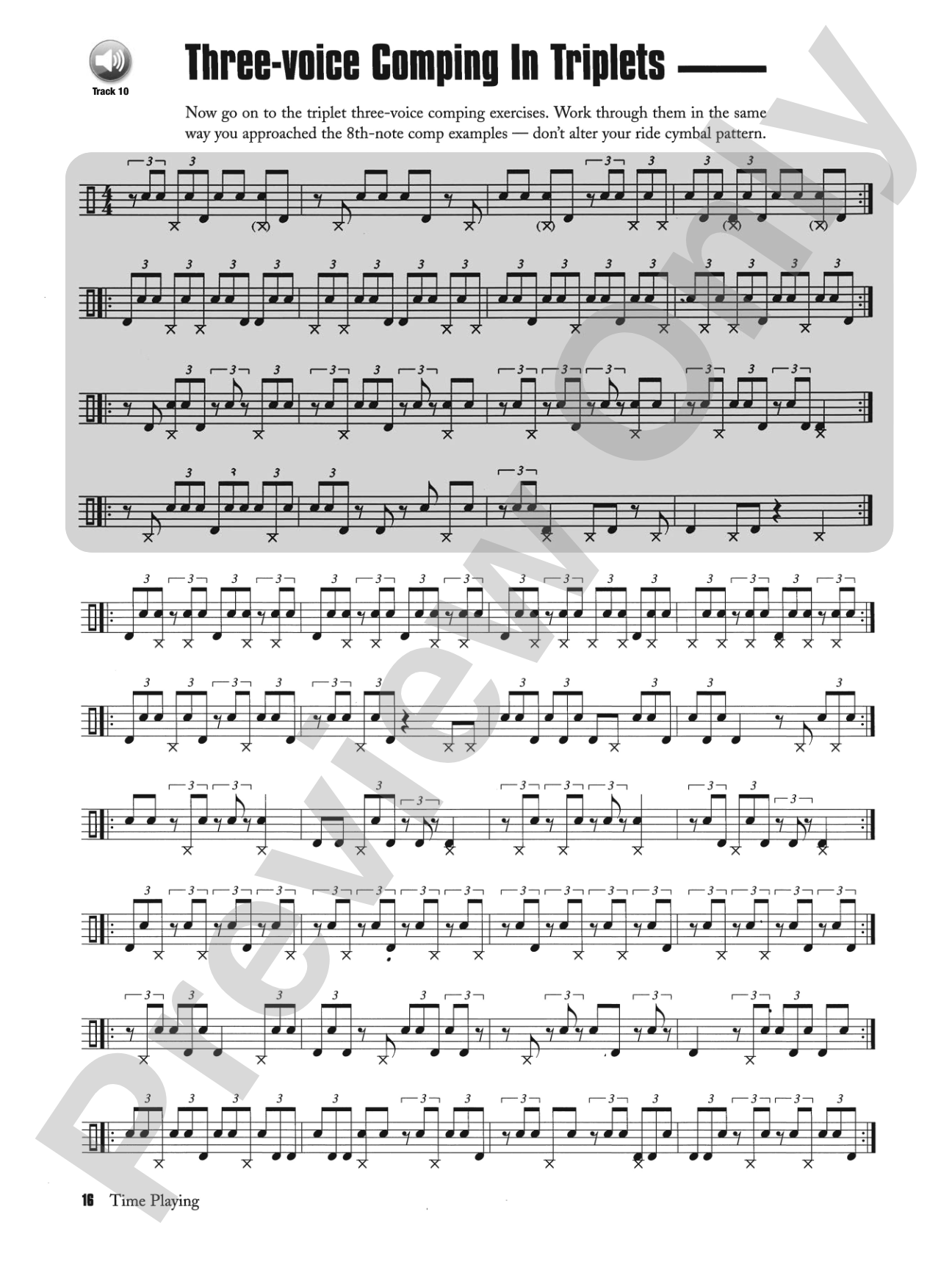
Beyond Bop Drumming is John Riley's exciting follow-up to the critically acclaimed Art of Bop Drumming. Based on the drumming advancements of the post-bop period of the 1960s, the book and audio topics include: broken time playing, ride-cymbal variations, up-tempo unison ideas, implied time metric modulation, solo ideas, solo analysis, complete transcriptions, and play-along tunes.


Discover MakeMusic Cloud: thousands of interactive titles your students can play along with today.
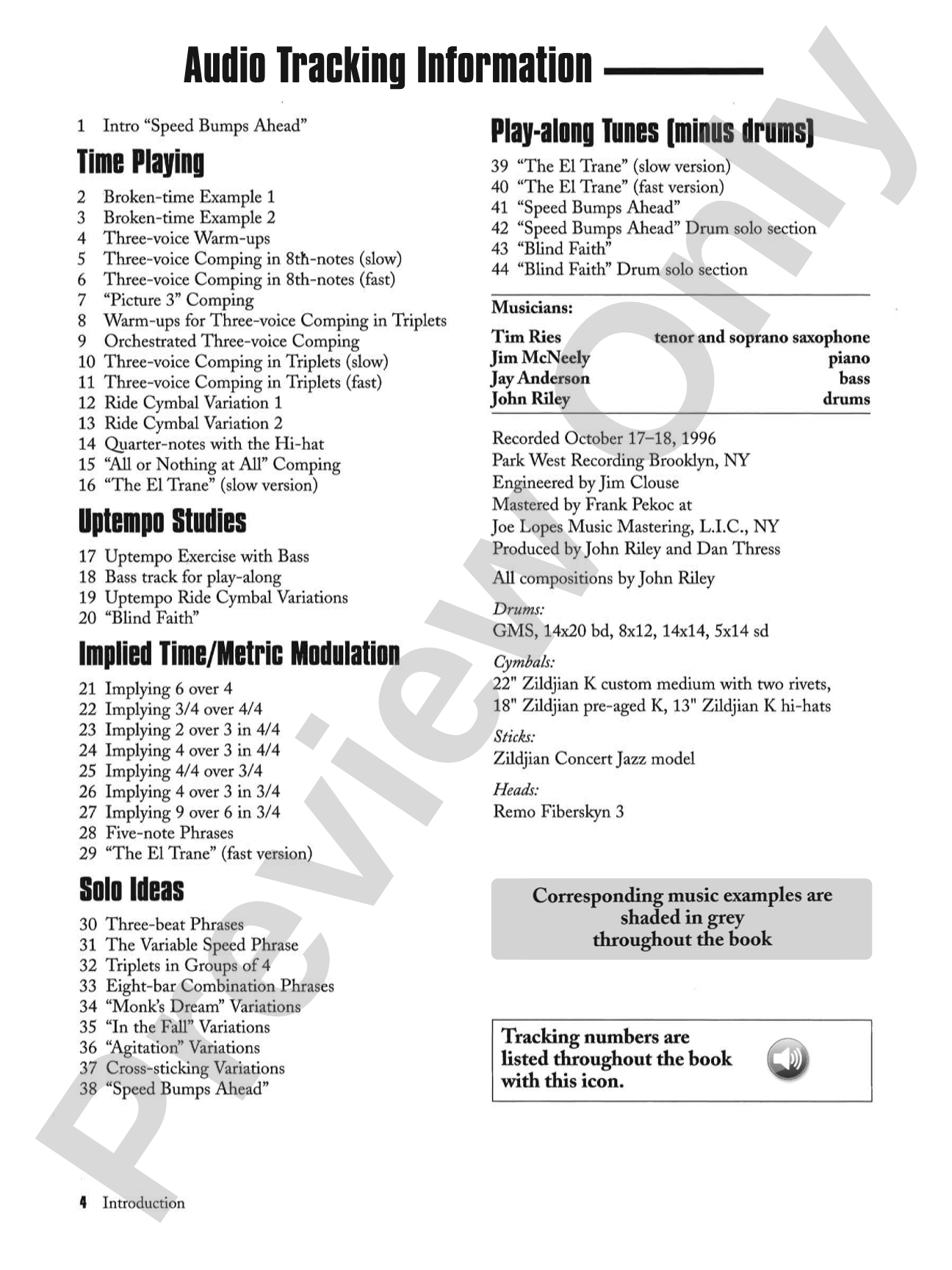
Sample Audio
1
Speed Bumps Ahead
--:--
2
Triplets In Group Of 4
--:--
Speed Bumps Ahead
0:00
0:00
Sample Video
No sample videos found.
Additional Details
Series:
Manhattan Music Publications
Publisher:
Alfred Music
Page Count:
78
SKU:
00-PB-0001989
More about this title
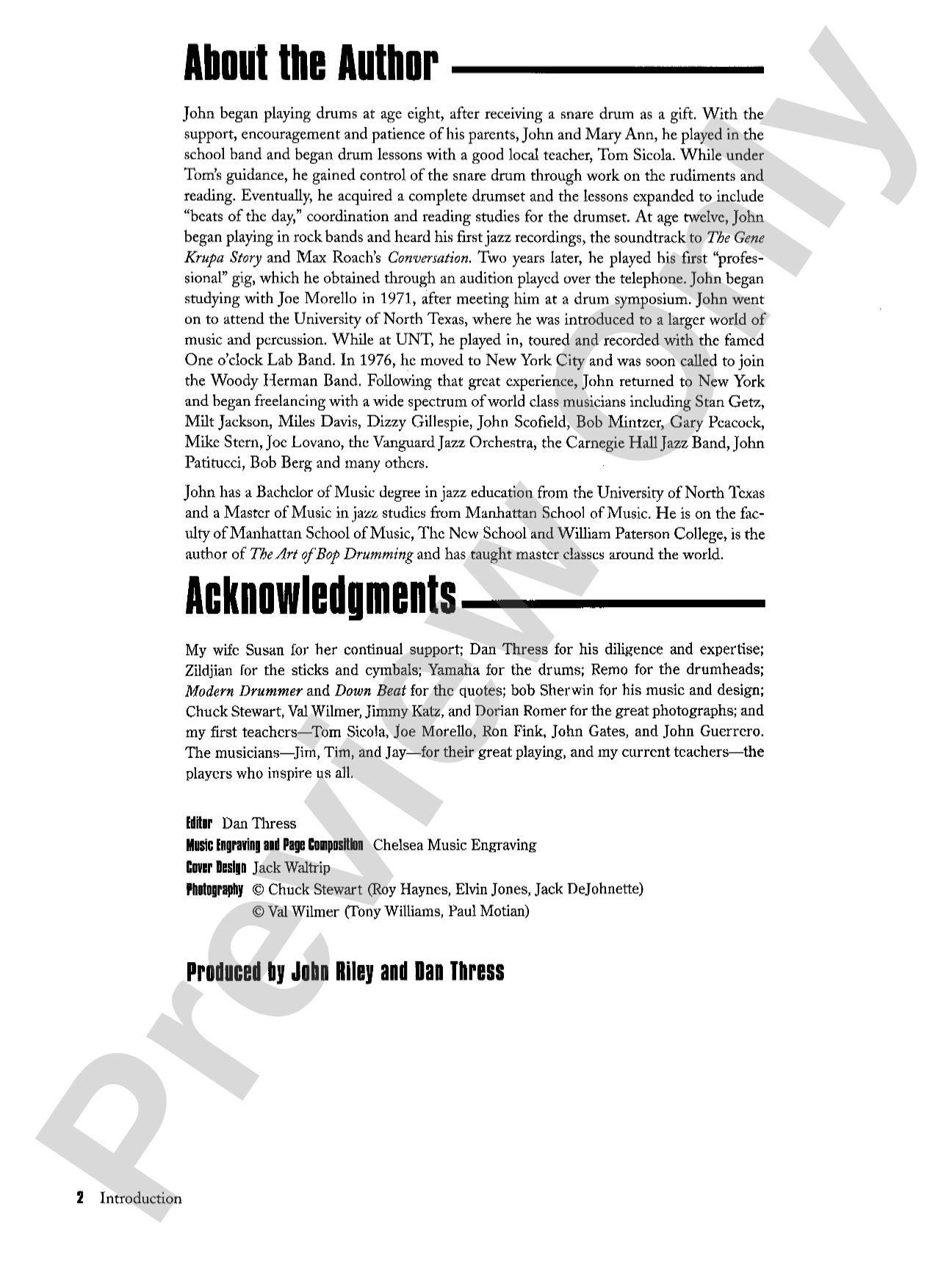
About the Composer: John Riley
John Riley is one of the most respected and prolific jazz drummers of the past four decades, with a discography spanning work alongside everyone from Herbie Hancock to the Vanguard Jazz Orchestra. His command of the drumset extends from straight-ahead bebop through the harmonic and rhythmic complexities of contemporary jazz, making him uniquely positioned to document how the instrument evolved. Riley's teaching career and publications reflect his commitment to articulating what working jazz drummers actually do, translating decades of bandstand experience into actionable pedagogy.
As both a performer and educator, Riley understands the gap between listening to great drumming and executing it. His method books have become standard references because they combine transcribed examples from real recordings with clear explanations of the conceptual shifts that separate each generation of jazz drumming from the last.
Why we love this
Riley moves beyond the foundational vocabulary of bebop to tackle the textural and harmonic advances that post-bop drummers brought to the bandstand. The emphasis on broken time, implied metric modulation, and varied ride-cymbal approaches gives students access to the actual sound world of 1960s jazz at a level most method books skip over. This is what separates drummers who can play changes from drummers who think like composers.
What to expect
The music breathes with the spaciousness and harmonic awareness of Coltrane's bandmates. You're no longer filling time in predictable patterns; you're sculpting silence, implying meters, and coloring chords through cymbal choice and kick-drum placement. The ride cymbal becomes an instrument of melody and texture, not just timekeeping.
Who it's for
Intermediate to advanced jazz drummers with solid facility in bebop fundamentals who are ready to expand their harmonic listening and rhythmic sophistication. Band directors developing jazz ensemble curricula will find this resource invaluable for students stepping into the drum chair on real gigs or in advanced combo settings.
How to get the most out of it
- Isolate broken time figures by practicing them without explicit timekeeping first; let your comping voice and snare work establish the harmonic pocket before layering ride cymbal.
- Record yourself playing the play-along tunes at modest tempos and listen for moments where your ride-cymbal voicing choices either clarify or obscure the harmonic direction.
- Study the solo transcriptions by singing the melodic lines while playing the accompanying rhythms, training your ears to hear how soloists and drummers converse within the same metric space.
- Approach the metric modulation section by establishing the slower pulse first, then finding the common subdivision that reveals the new tempo as inevitable rather than jarring.
How to use it
Use this as the curriculum spine for a dedicated jazz drumming elective or as supplementary material in a jazz ensemble course when repertoire begins to emphasize the modal and post-bop idioms. It pairs naturally with standards that demand more sophisticated comping voices and soloists who phrase across bar lines.
Skills your students will build
- Broken time playing over harmonic changes
- Ride-cymbal variations and melodic voicing
- Implied time and metric modulation execution
- Solo construction and harmonic soloing concepts
- Transcription analysis and internalization from recorded models
- Playing with metric independence while maintaining groove