Bertini: Twelve Little Pieces and Preludes Sheet Music Preview

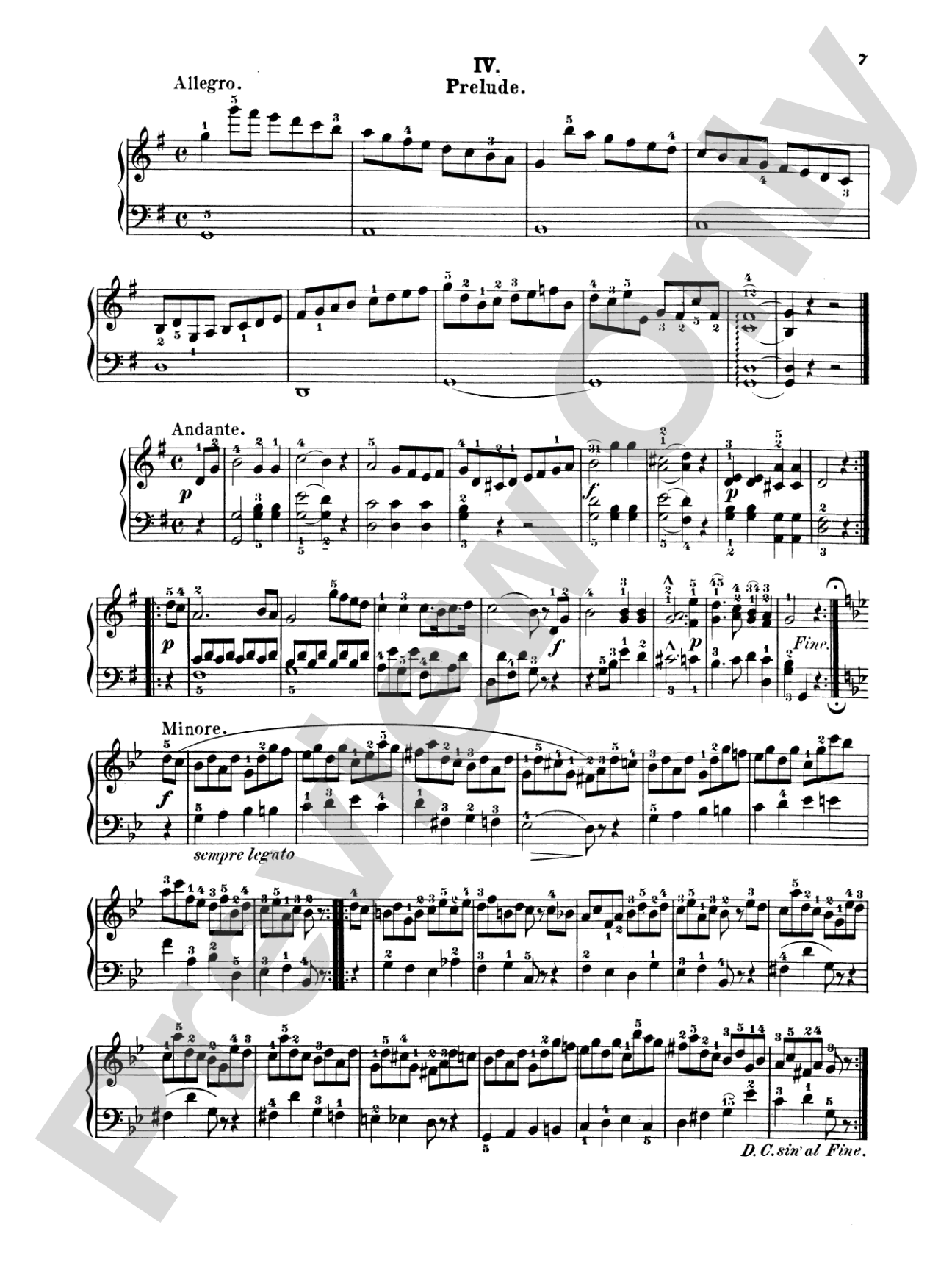
Bertini: Twelve Little Pieces and Preludes

By Henri Bertini

Level: Intermediate / Advanced

Item: 00-PC-0005434

Digital Download
$0.99
Description
Henri Jérôme Bertini (1798--1876) was a well-known French classical composer and pianist in his time. This collection includes 12 short pieces for intermediate level students.

Don't just read it, hear it, play along with it, and watch your students grow with it. In MakeMusic Cloud, Bertini: Twelve Little Pieces and Preludes comes alive with professional accompaniment, adjustable tempo, and built-in practice tools that turn solo practice into real progress.

Sample Audio
No sample audio found.
Sample Video
Additional Details
Series: Kalmus Edition
Publisher: Alfred Music
Page Count: 24
SKU: 00-PC-0005434

More about this title

About the Composer: Henri Bertini

Henri Jérôme Bertini (1798-1876) was a French pianist and composer who bridged the Classical and Romantic eras with elegant, technically refined keyboard writing. Active across Europe as both a virtuoso performer and a prolific composer, Bertini earned recognition for his ability to write idiomatically for the piano while maintaining clarity of form and musicality that appealed to both concert audiences and serious amateurs.

Bertini's output includes concertos, chamber works, and a substantial body of solo keyboard pieces designed for the developing pianist. His shorter compositions, in particular, demonstrate a gift for combining pedagogical value with genuine musical substance, making him a fixture in the teaching repertoire of his day and a resource that remains relevant for building intermediate-level technique and interpretive depth.

Why we love this

These twelve pieces give intermediate students access to genuine Romantic-era artistry without requiring the technical fireworks of the flashier virtuosos. Bertini writes with clarity and restraint, trusting melody and harmonic color to carry weight, which means students focus on phrasing and voicing rather than just note accuracy.

What to expect

These pieces breathe with the graceful restraint of 19th-century salon music, balancing lyrical charm with moments of genuine harmonic and rhythmic sophistication. There is an understated elegance throughout: the melodies sit naturally under the hands, the textures are transparent, and the emotional range moves from intimate and reflective to brightly animated without ever becoming theatrical.

Who it's for

Intermediate to advanced pianists preparing for recitals or examinations who need solid Romantic-era repertoire that develops musicianship without undue technical strain. Teachers seeking shorter, substantial works to program as recital openers, encores, or bridges between standard pedagogical methods and more demanding concert literature will find reliable material here.

How to get the most out of it

  • Attend closely to tempo markings and character indications; Bertini's titles and metronome markings guide the overall mood and help students internalize the difference between a spirited allegro and a lyrical andante.
  • Shape phrases by thinking ahead to cadence points rather than note by note; this collection rewards legato pedal work and breath-like phrasing that mirrors vocal music.
  • Balance the independence of hands carefully in pieces with accompanimental figures; clarity in the accompaniment allows melody to sing without overbalancing.
  • Experiment with subtle dynamic shaping within the marked range; Bertini's conservative dynamic vocabulary becomes more expressive when students learn to distinguish between mp and p, or mf and f, rather than treating them as absolute levels.

How to use it

Program individual pieces as recital openers or encores to set a sophisticated tone without demanding extended technical display. String together two or three contrasting pieces to create a self-contained five-minute set that showcases Romantic sensibility and stylistic control on a student recital.

Skills your students will build

  • Pedal control and sustain appropriate to Romantic harmonic language
  • Legato phrasing and singing tone at the piano
  • Voice leading across hand shifts
  • Interpretive choices within a transparent harmonic palette
  • Confidence with moderate tempos and lyrical material

You May Also Like