
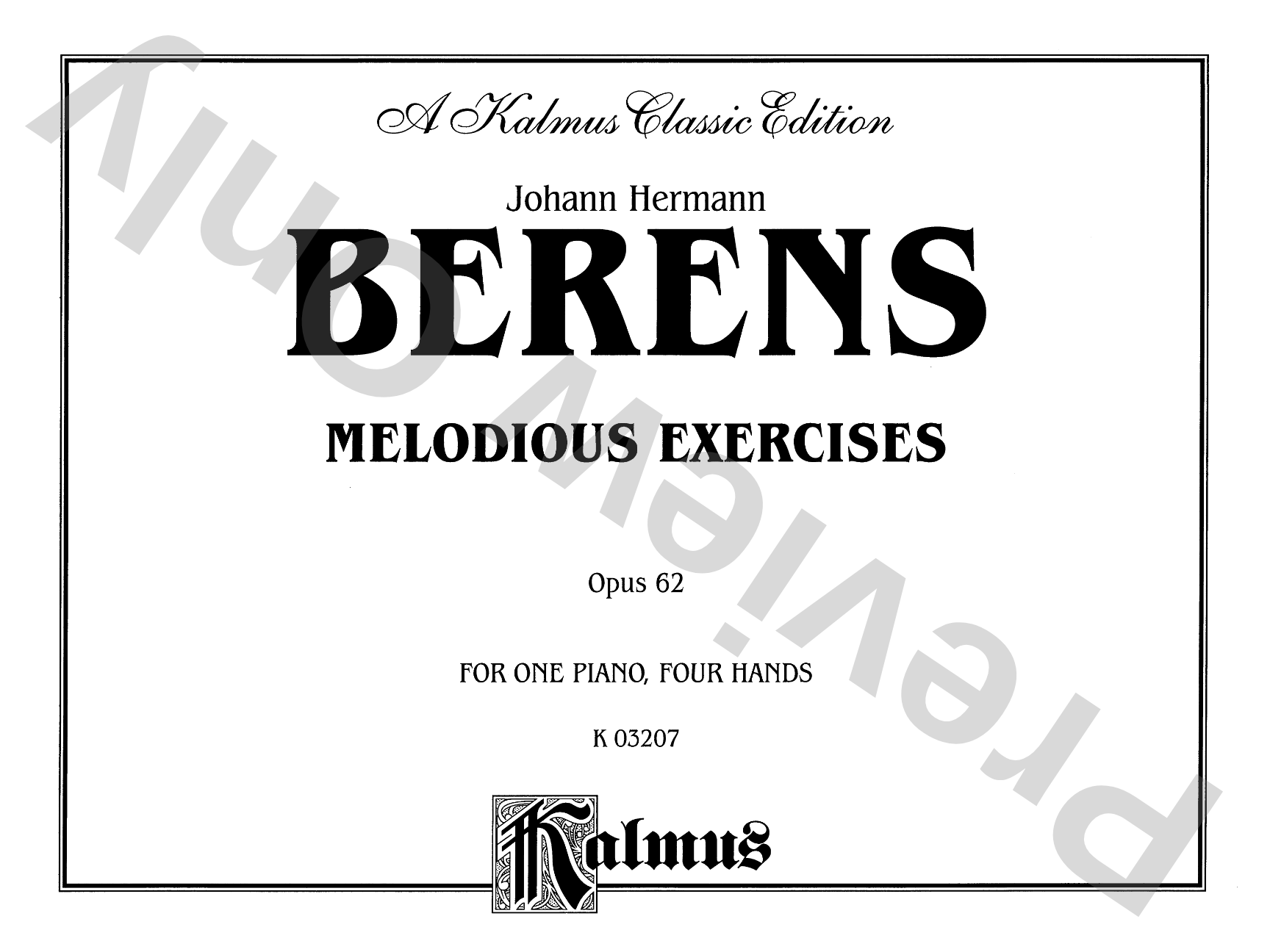
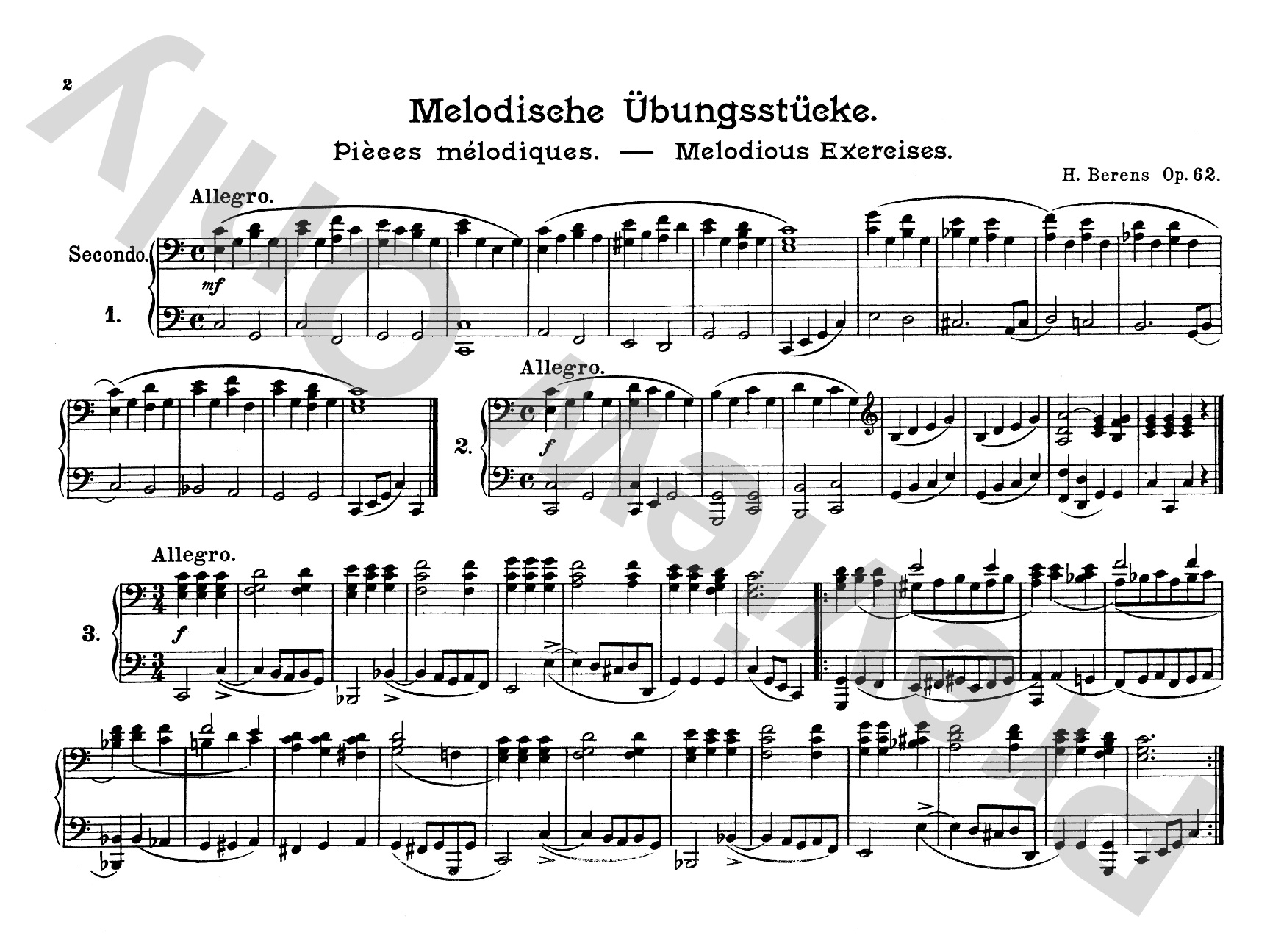
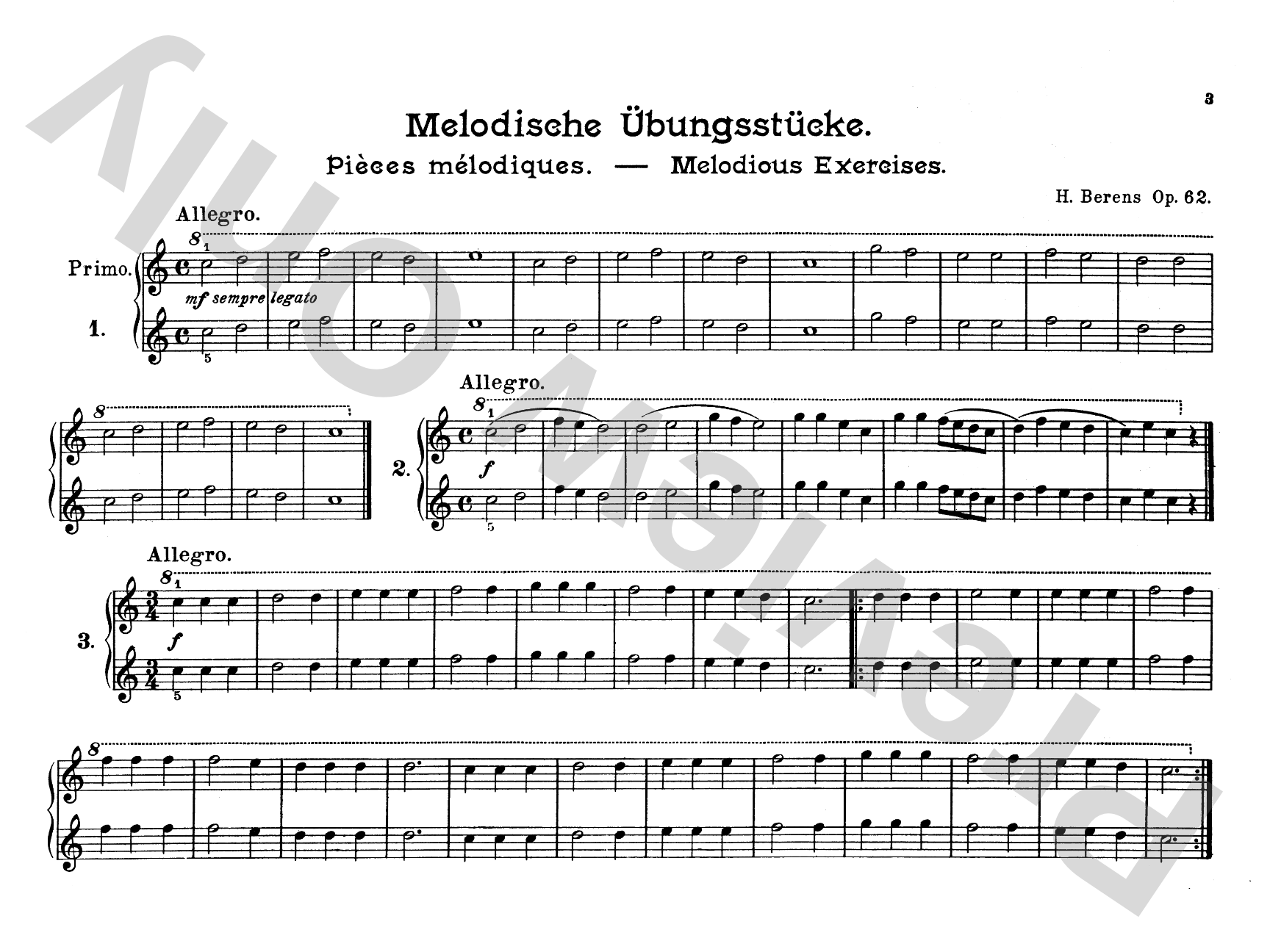
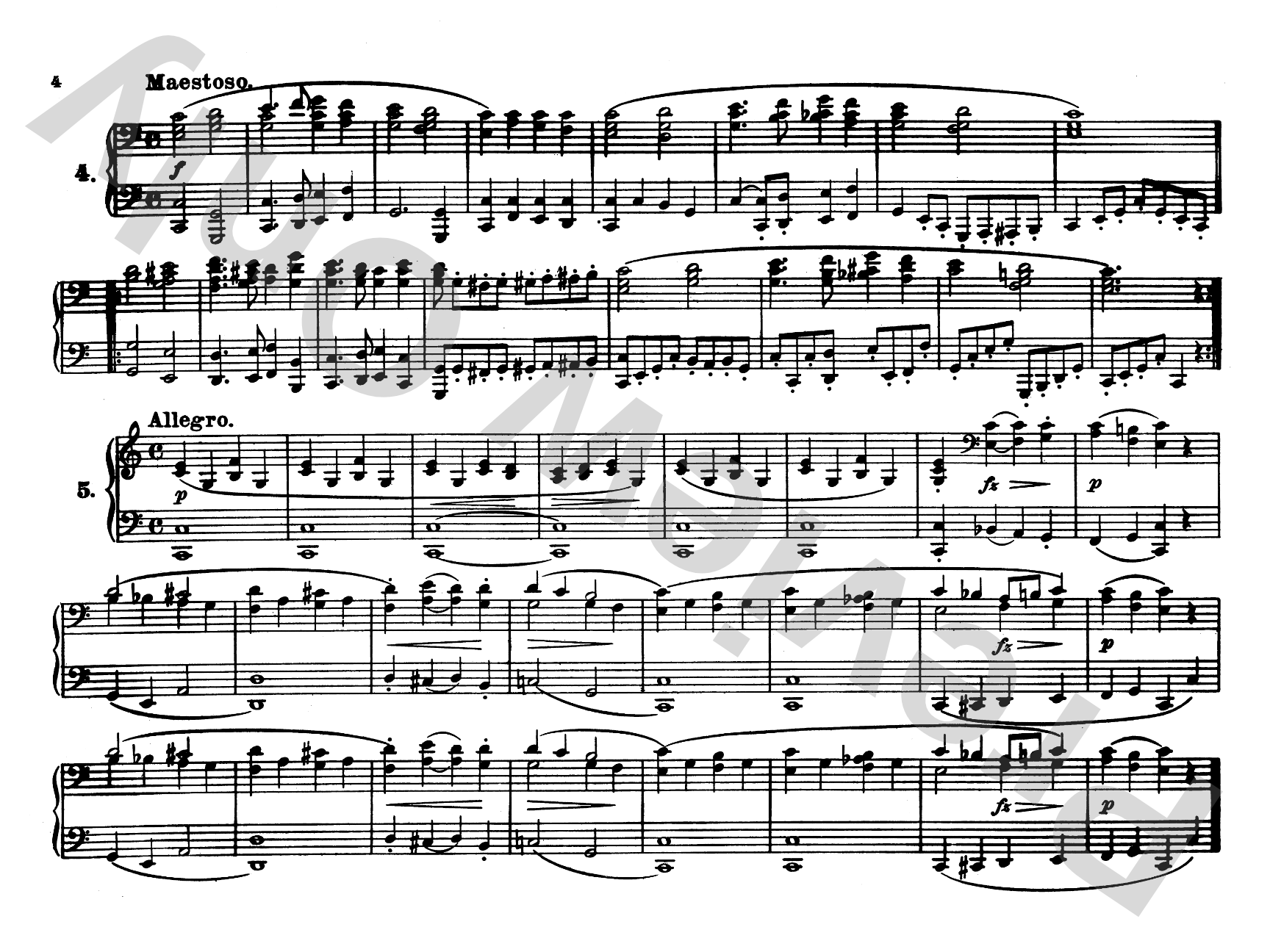
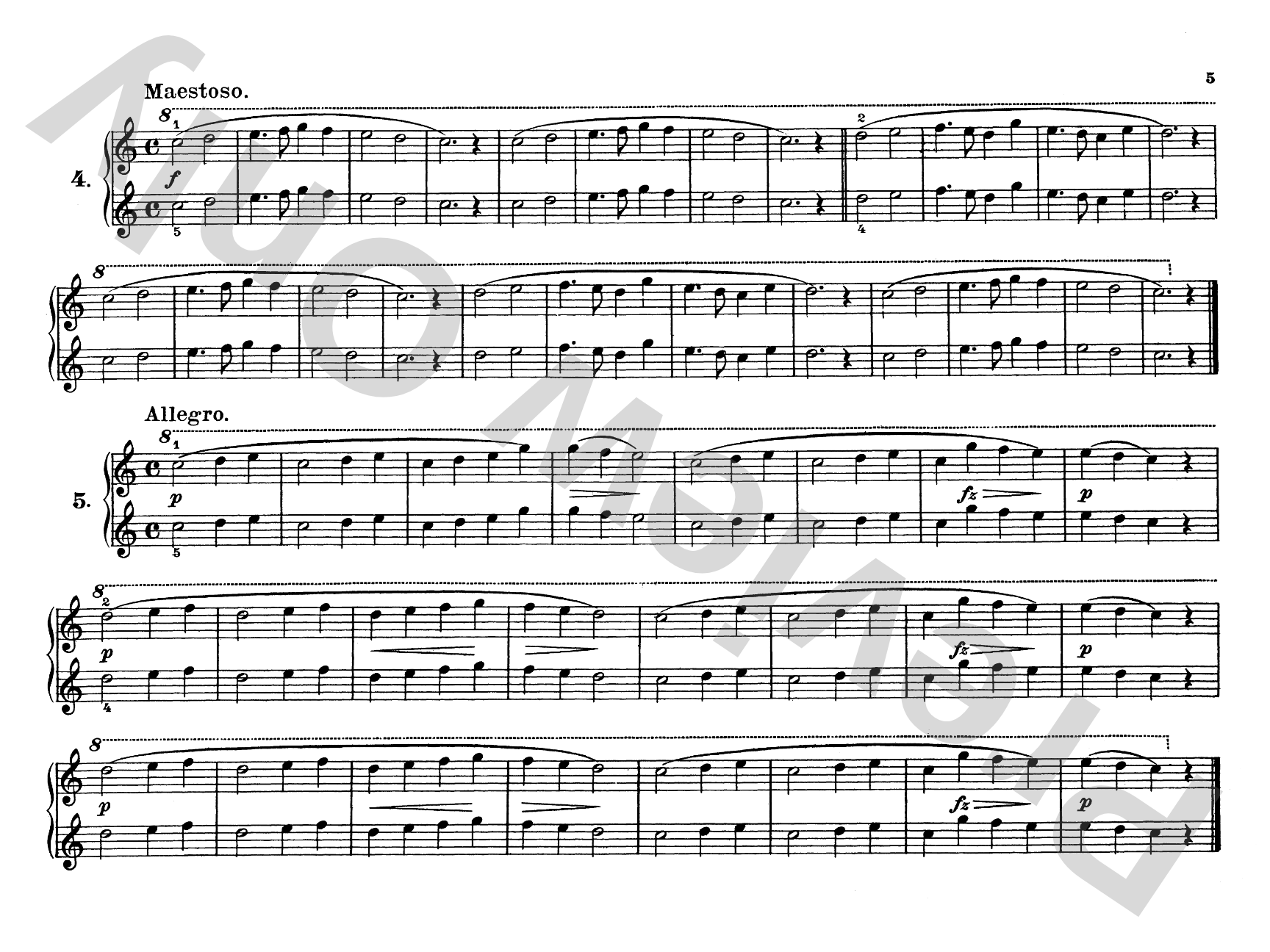
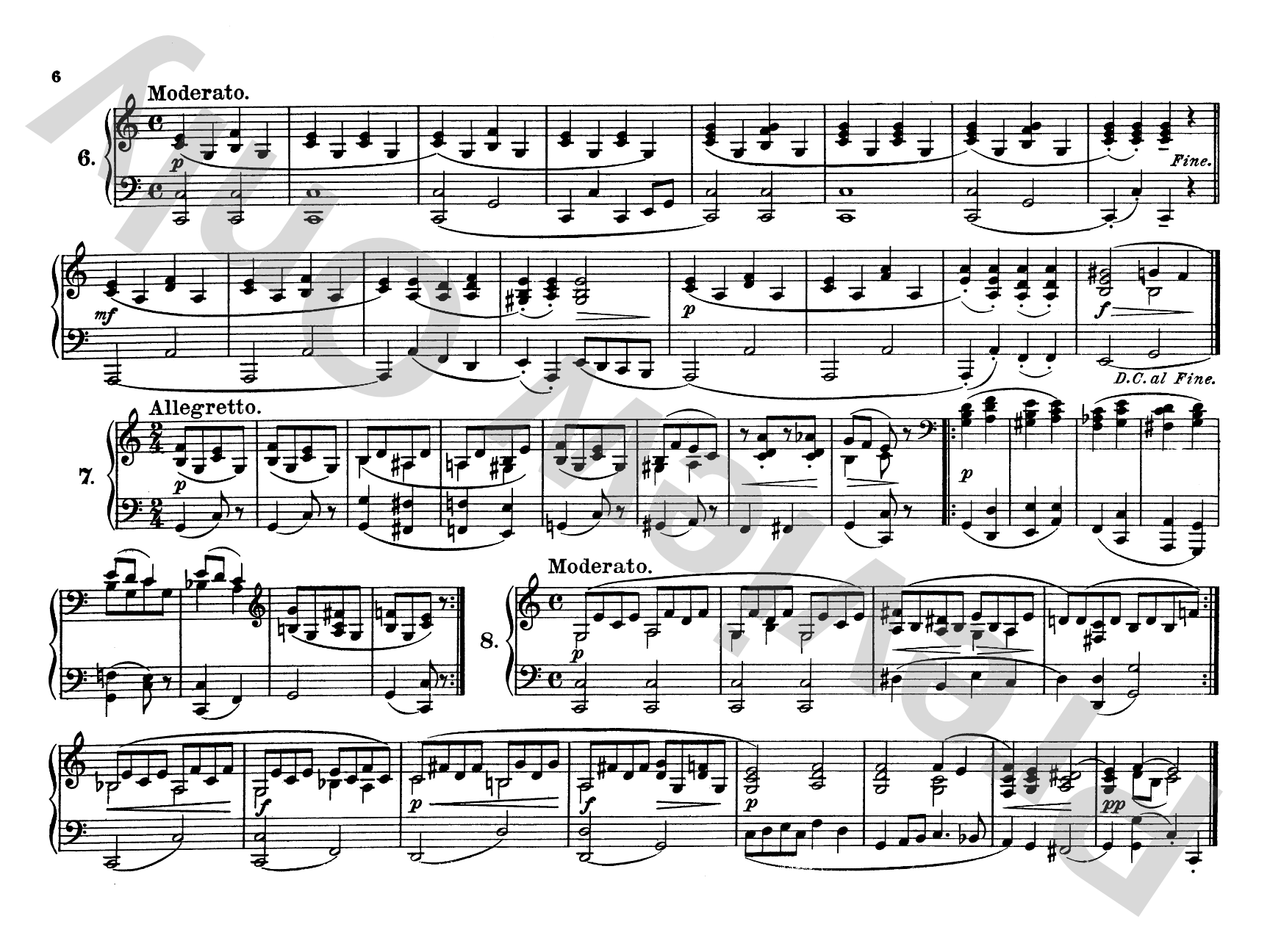
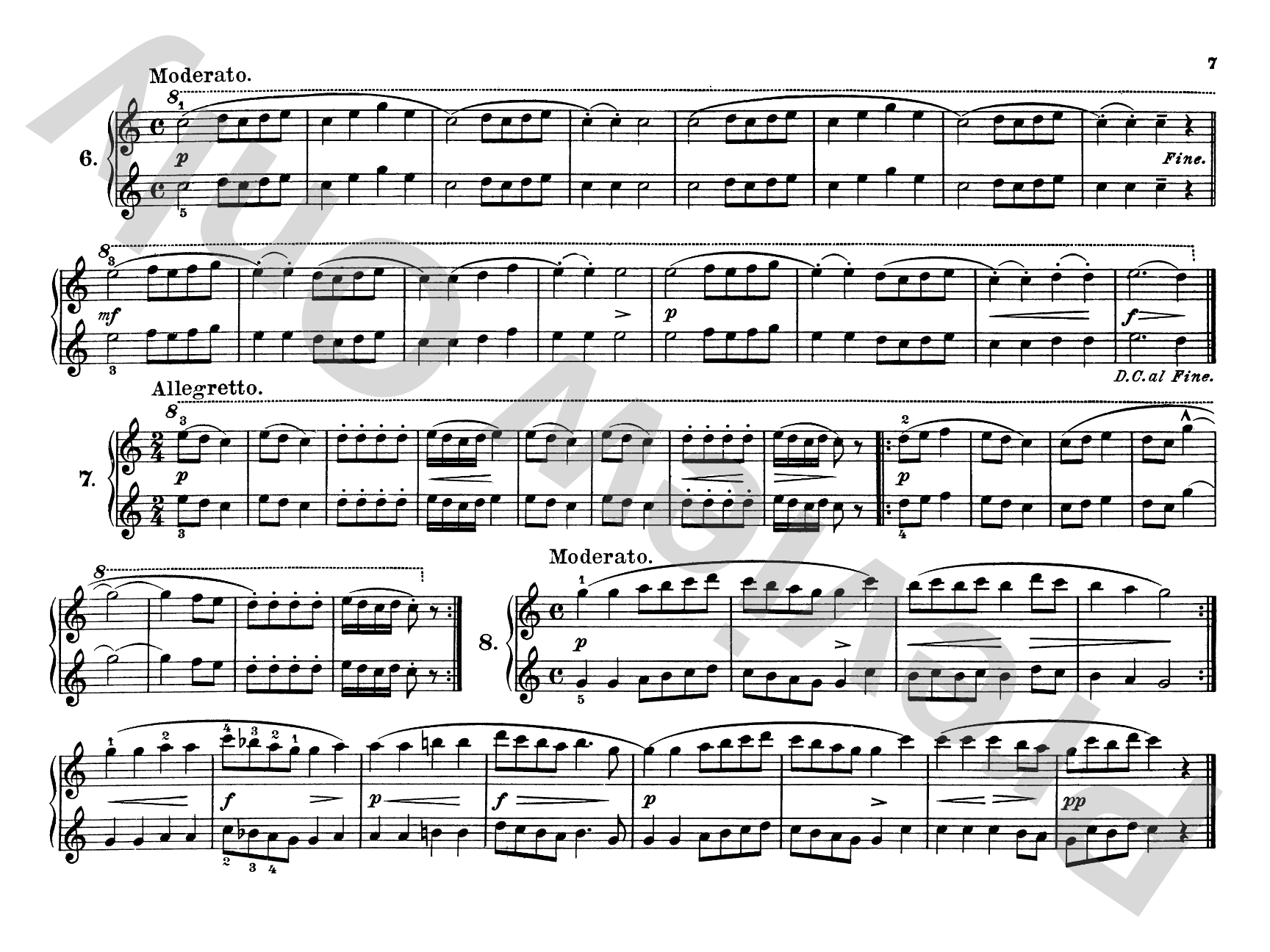
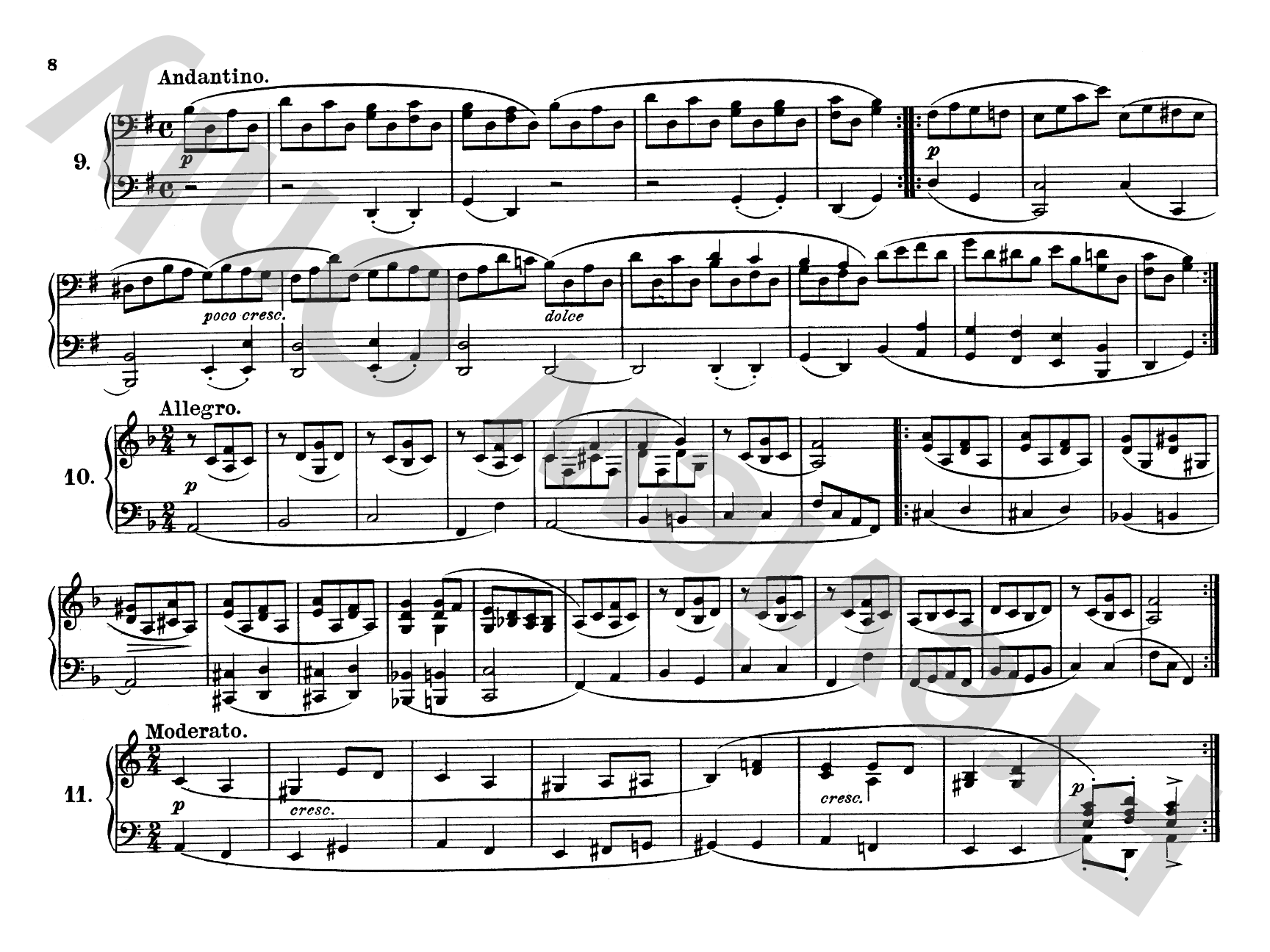
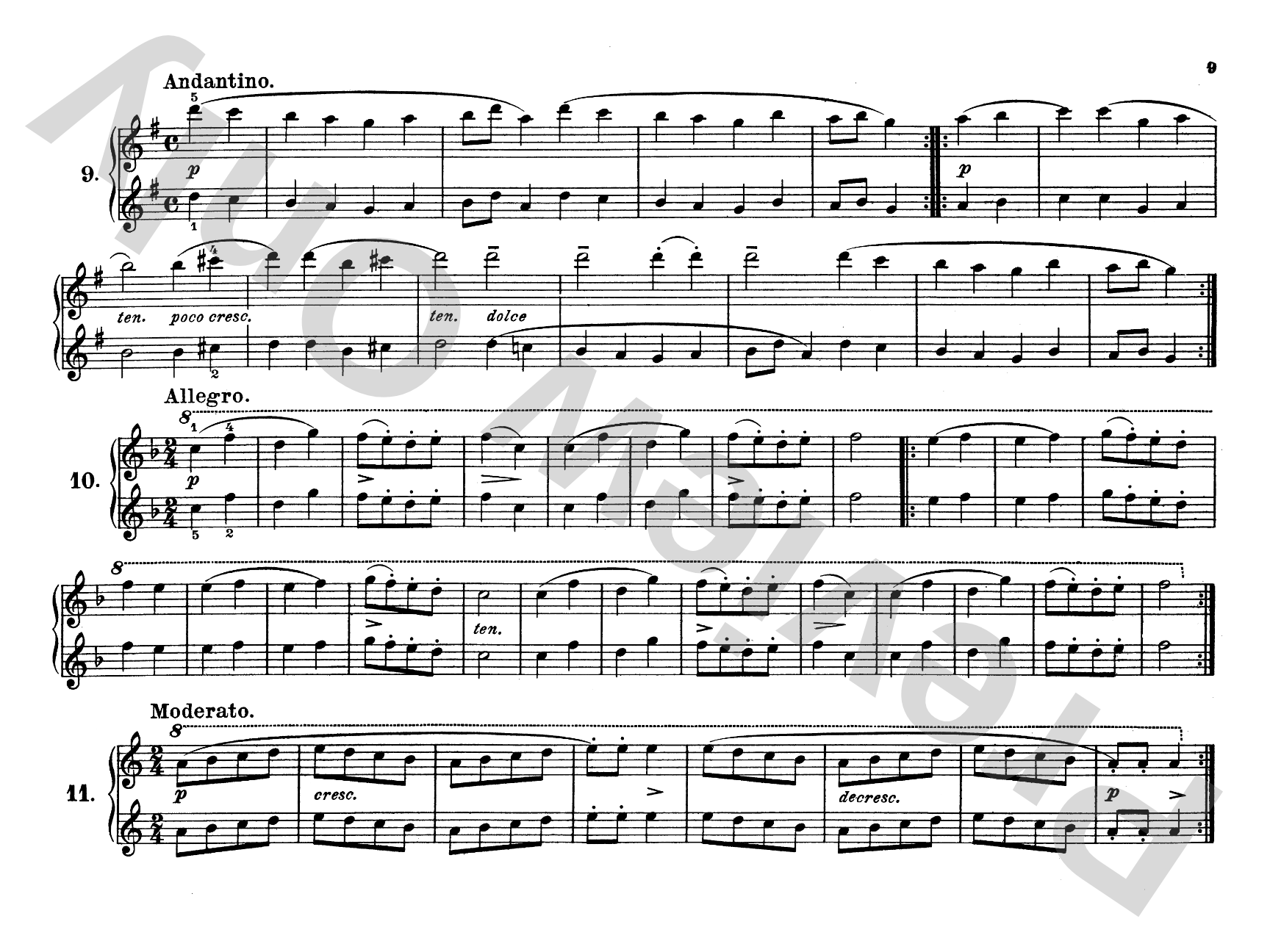
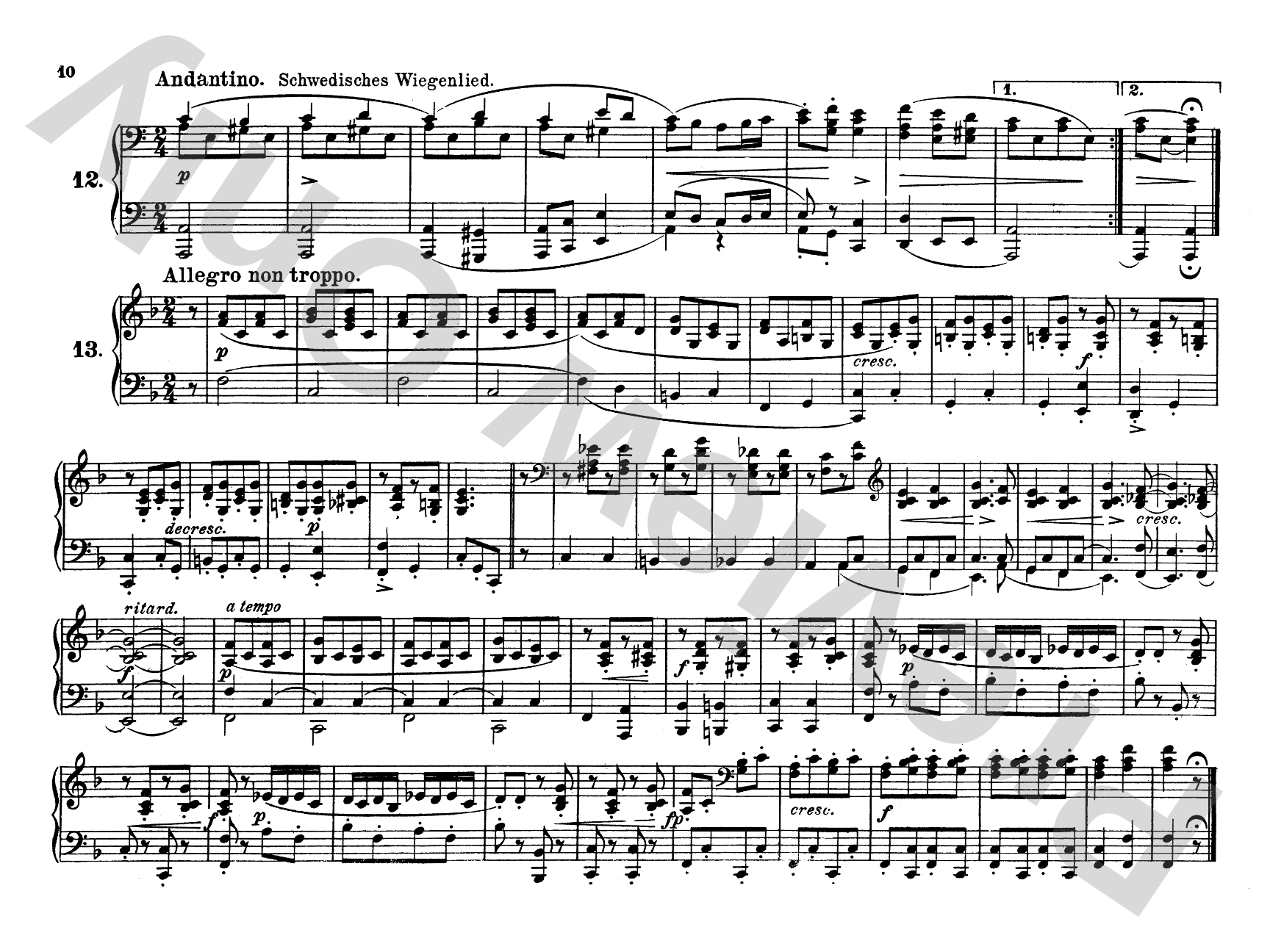
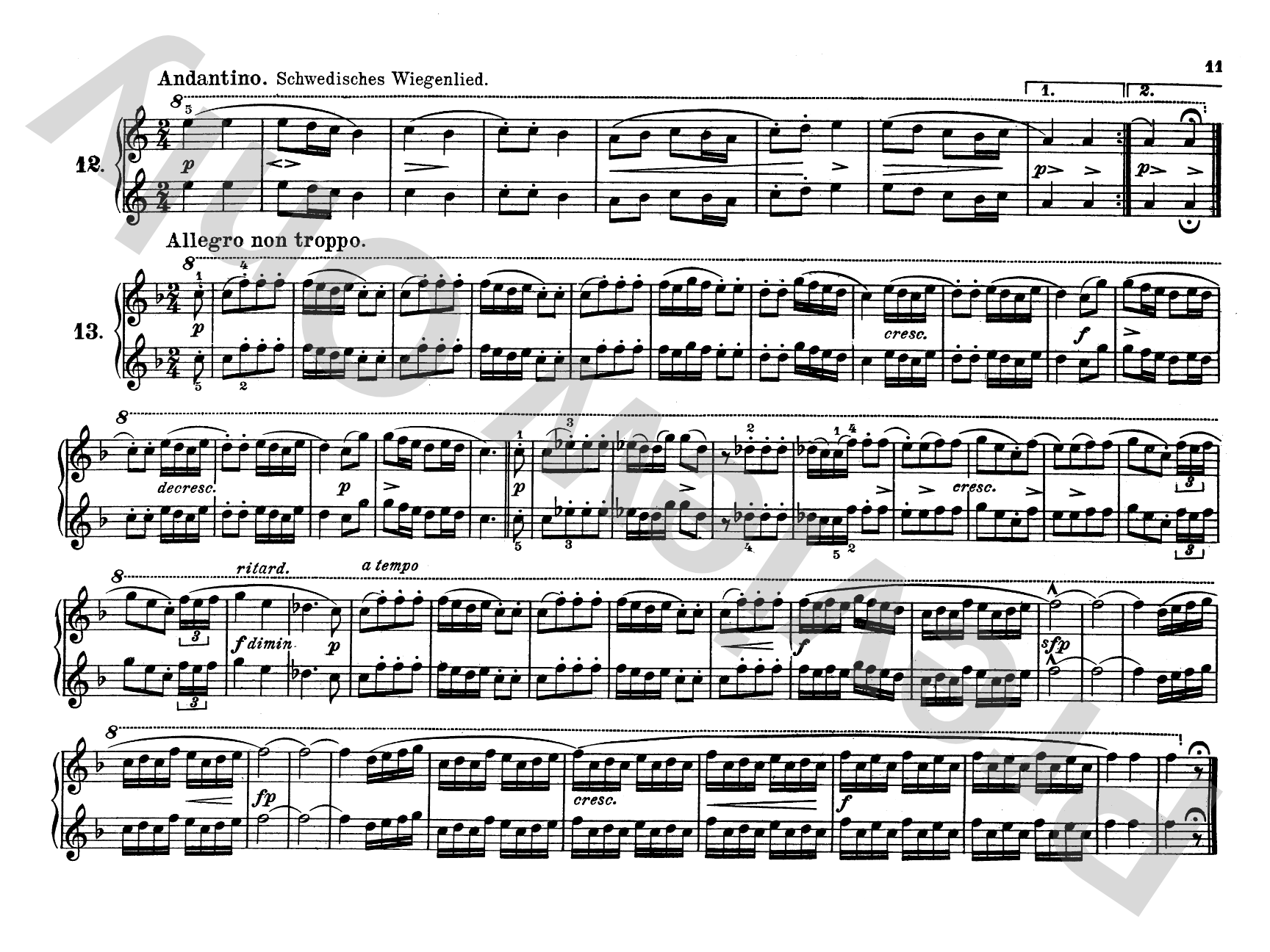
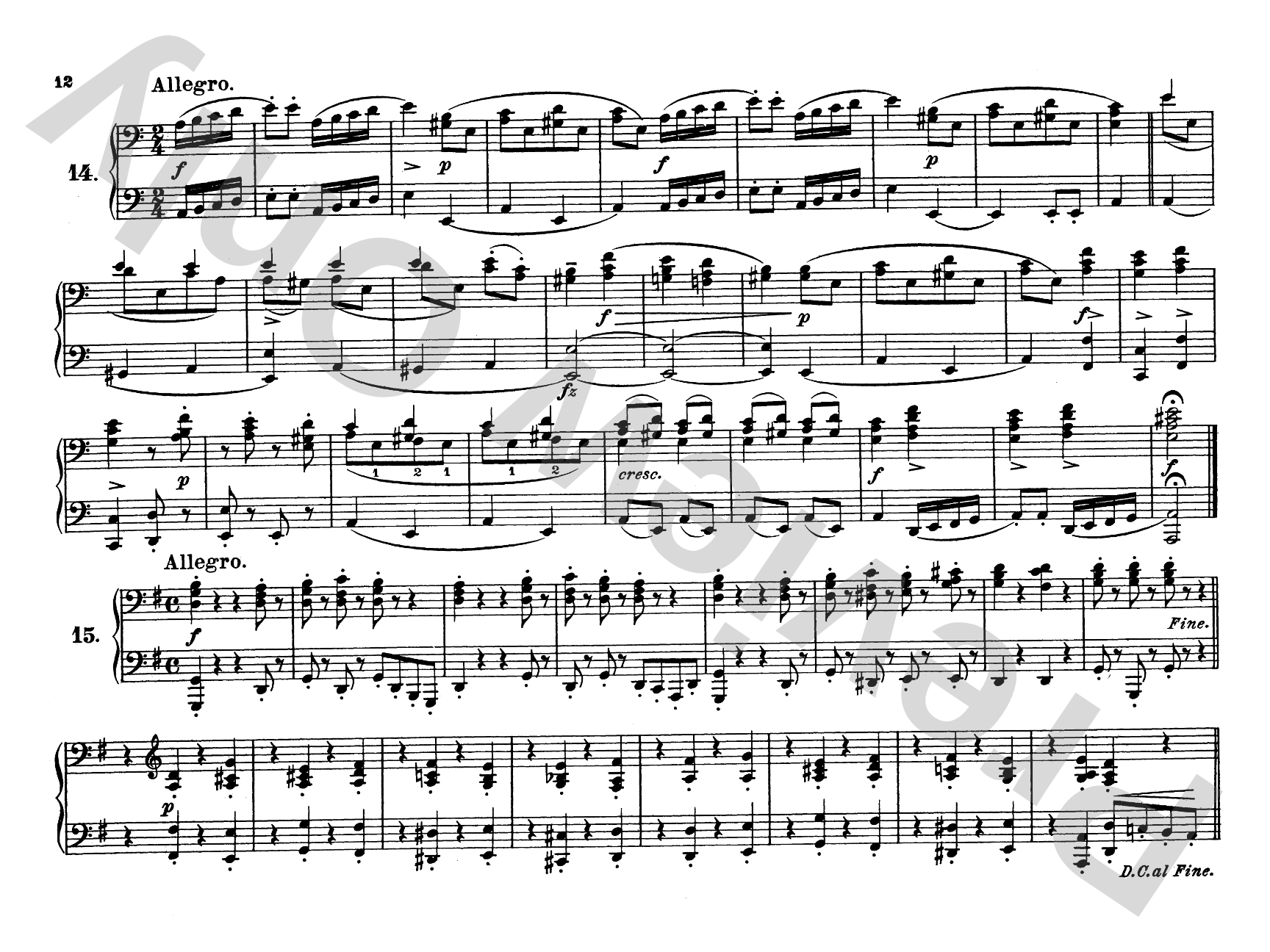
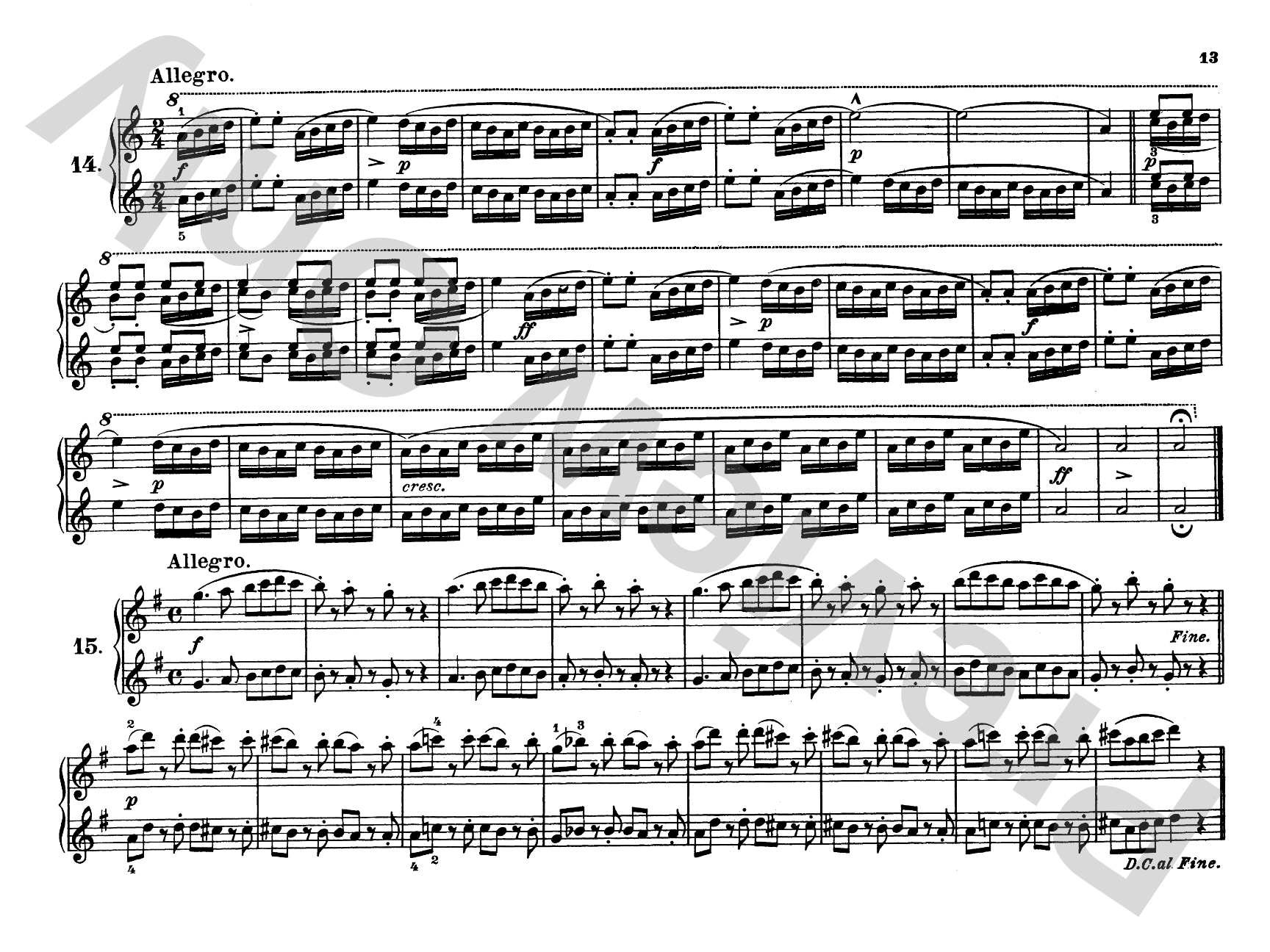
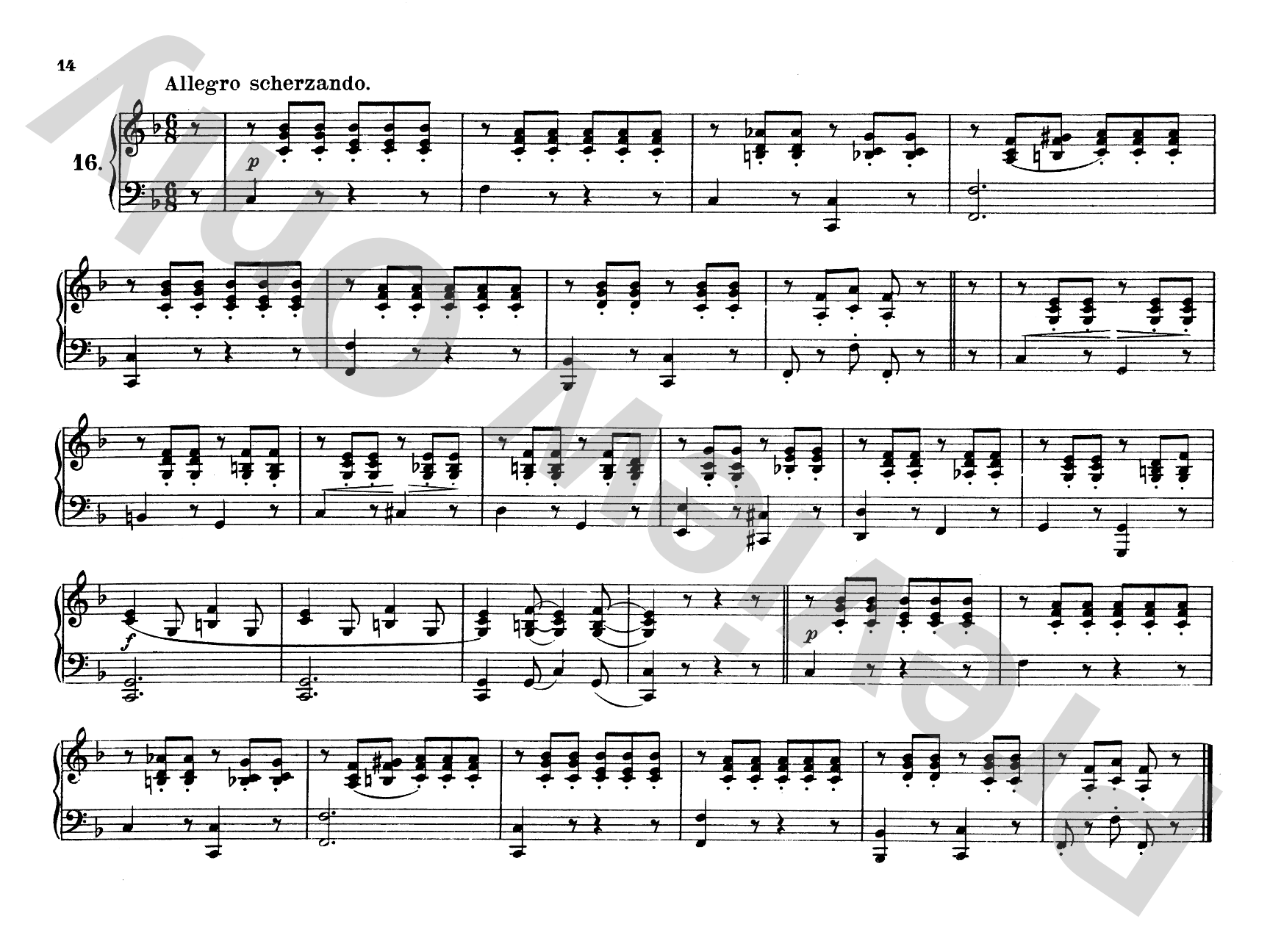
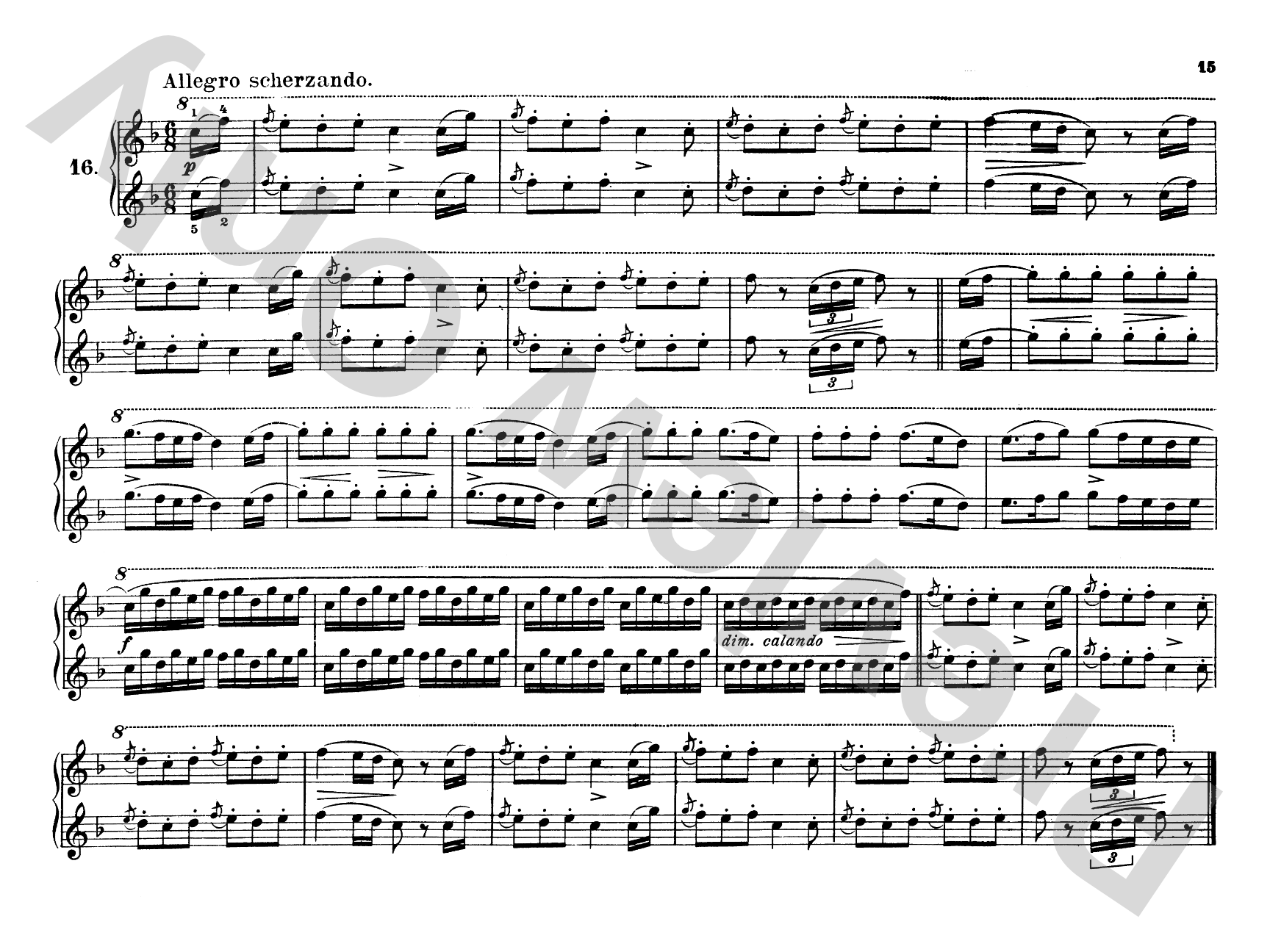
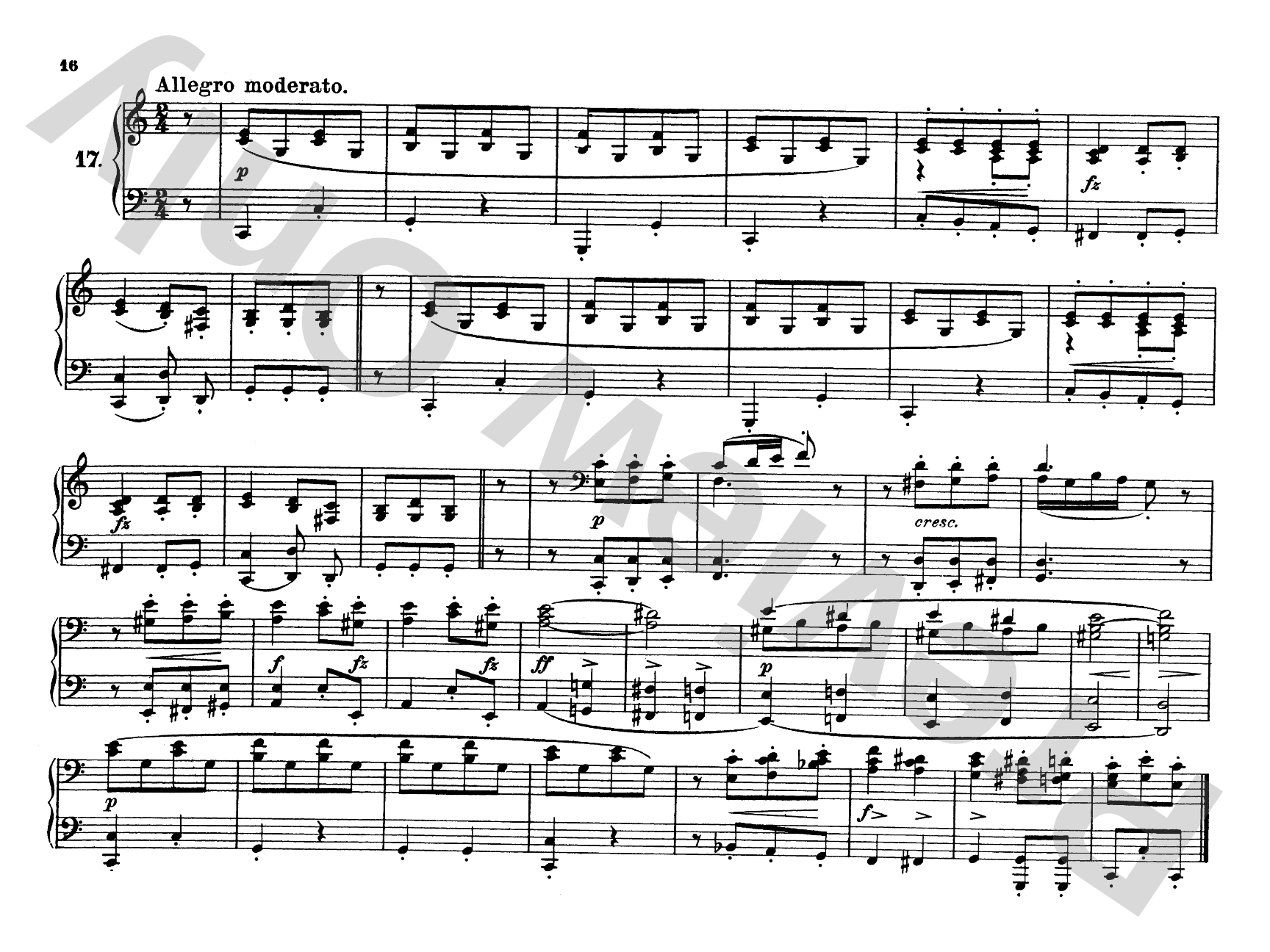
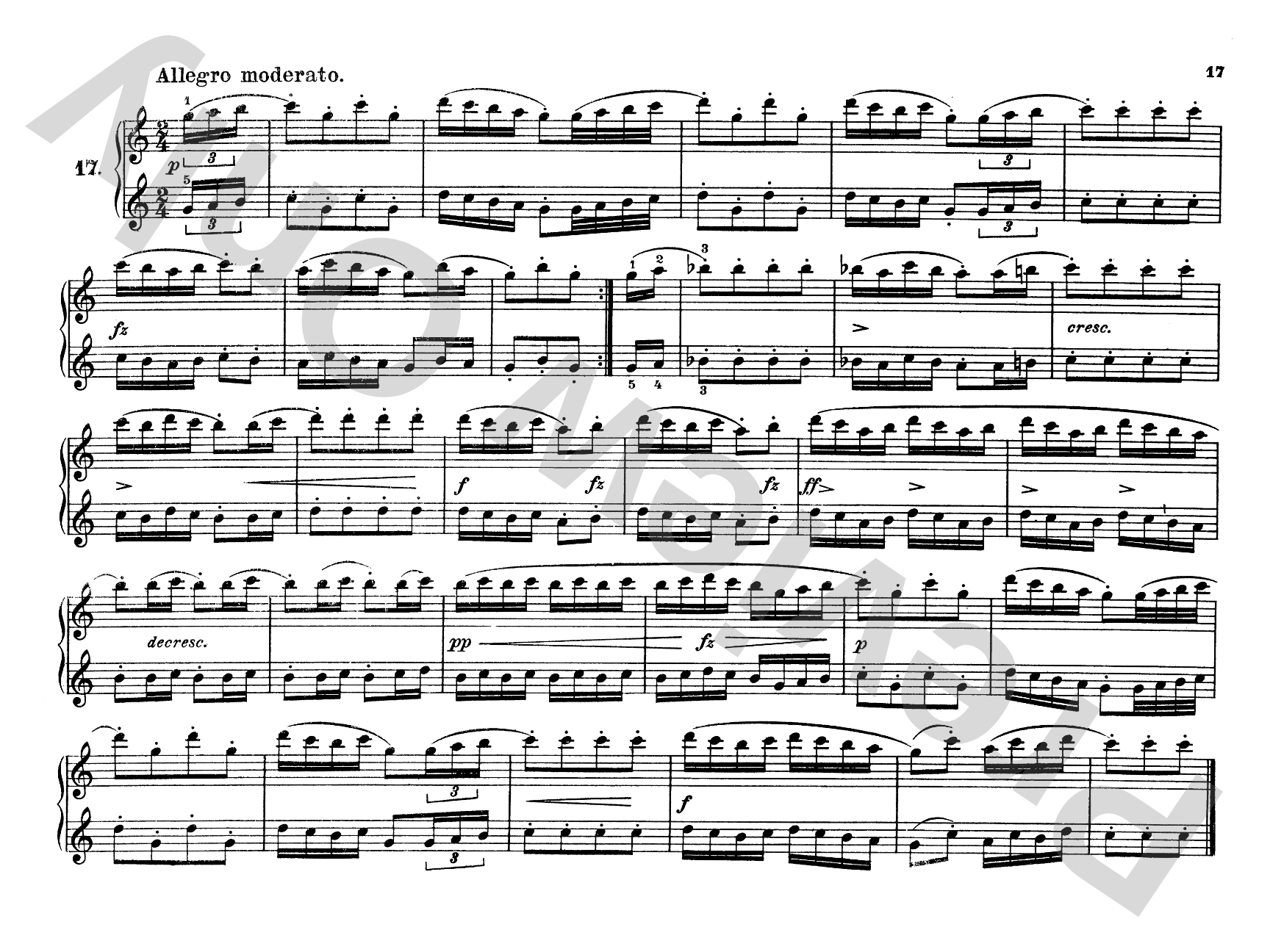
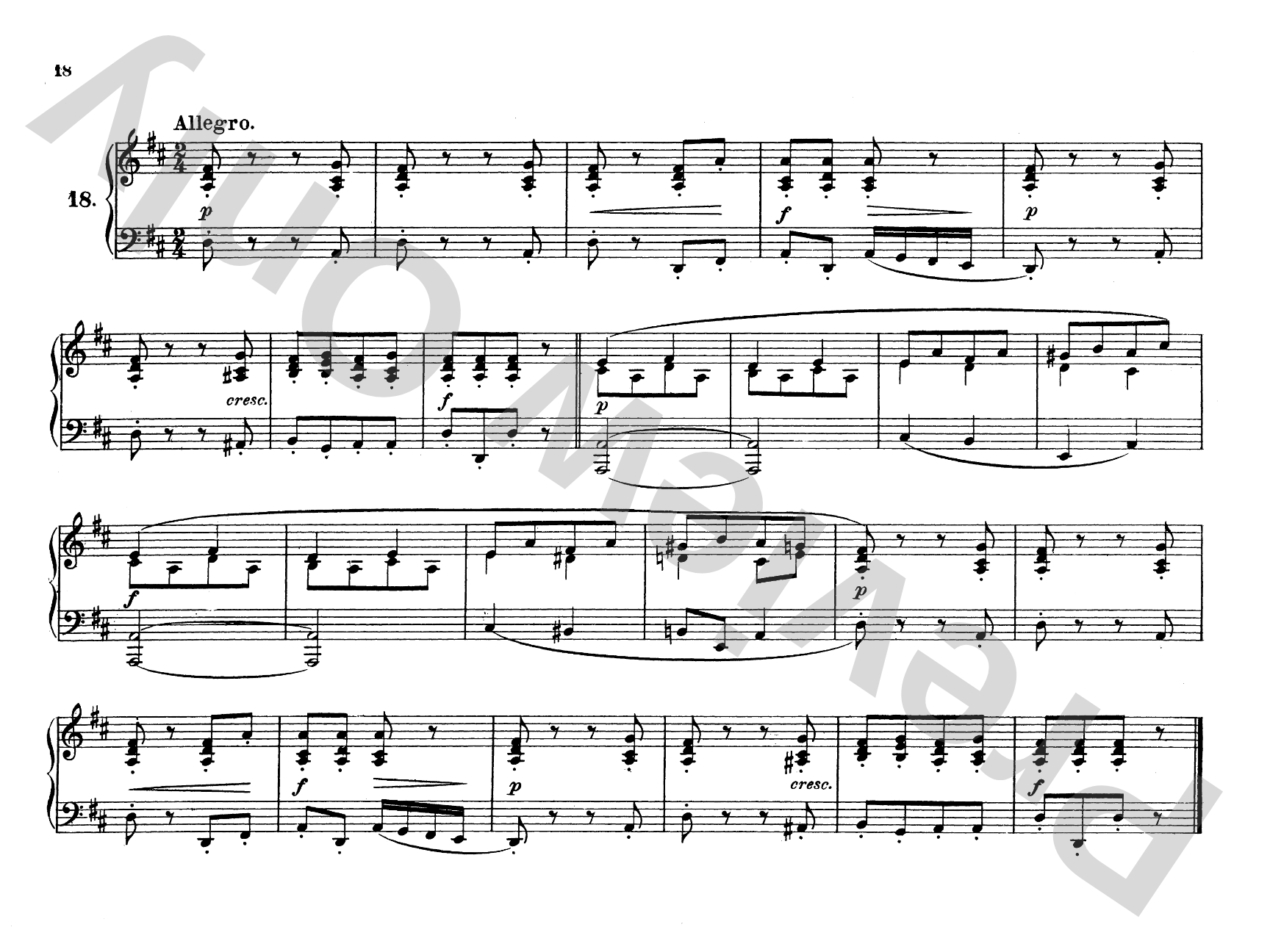
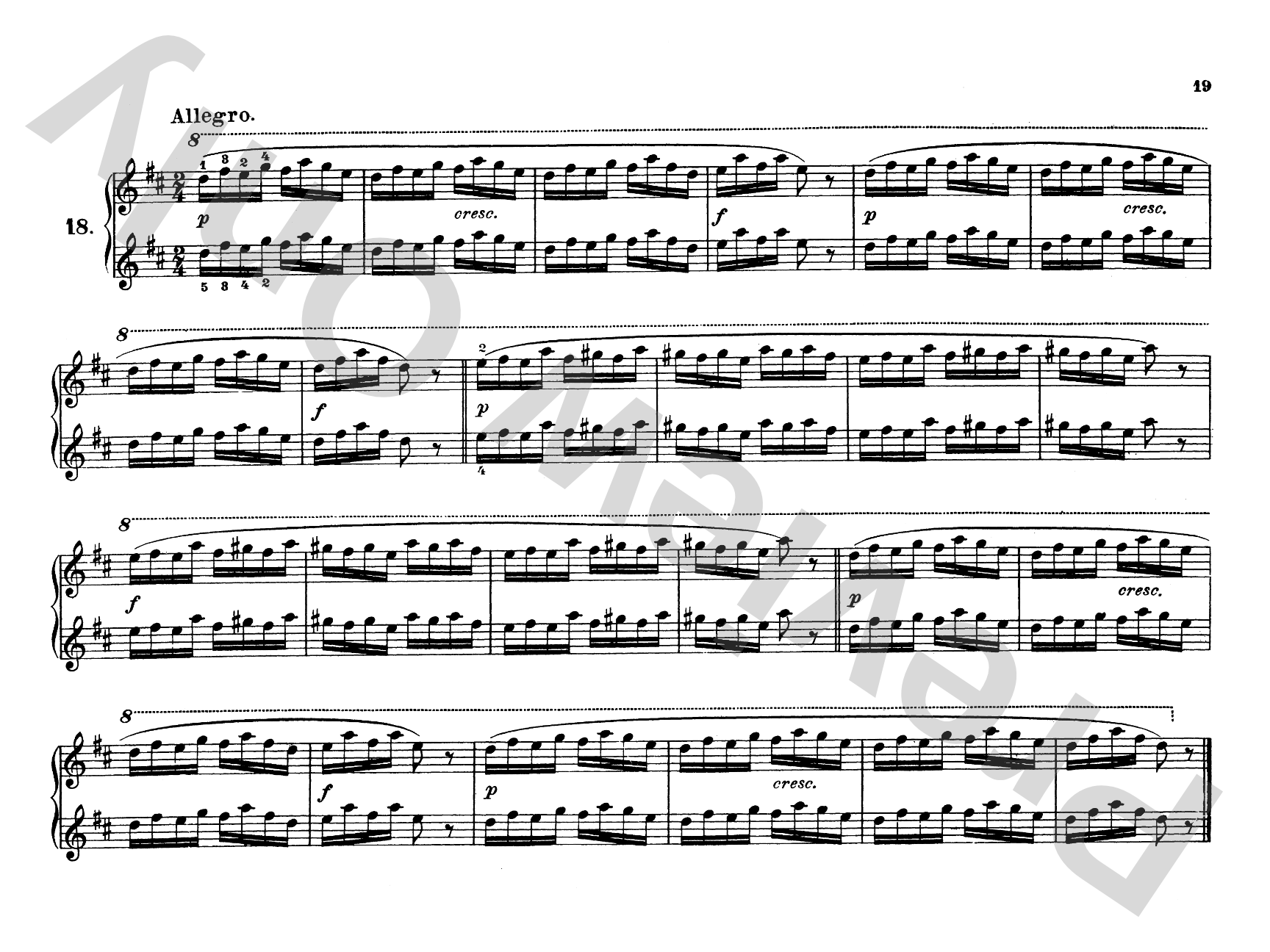
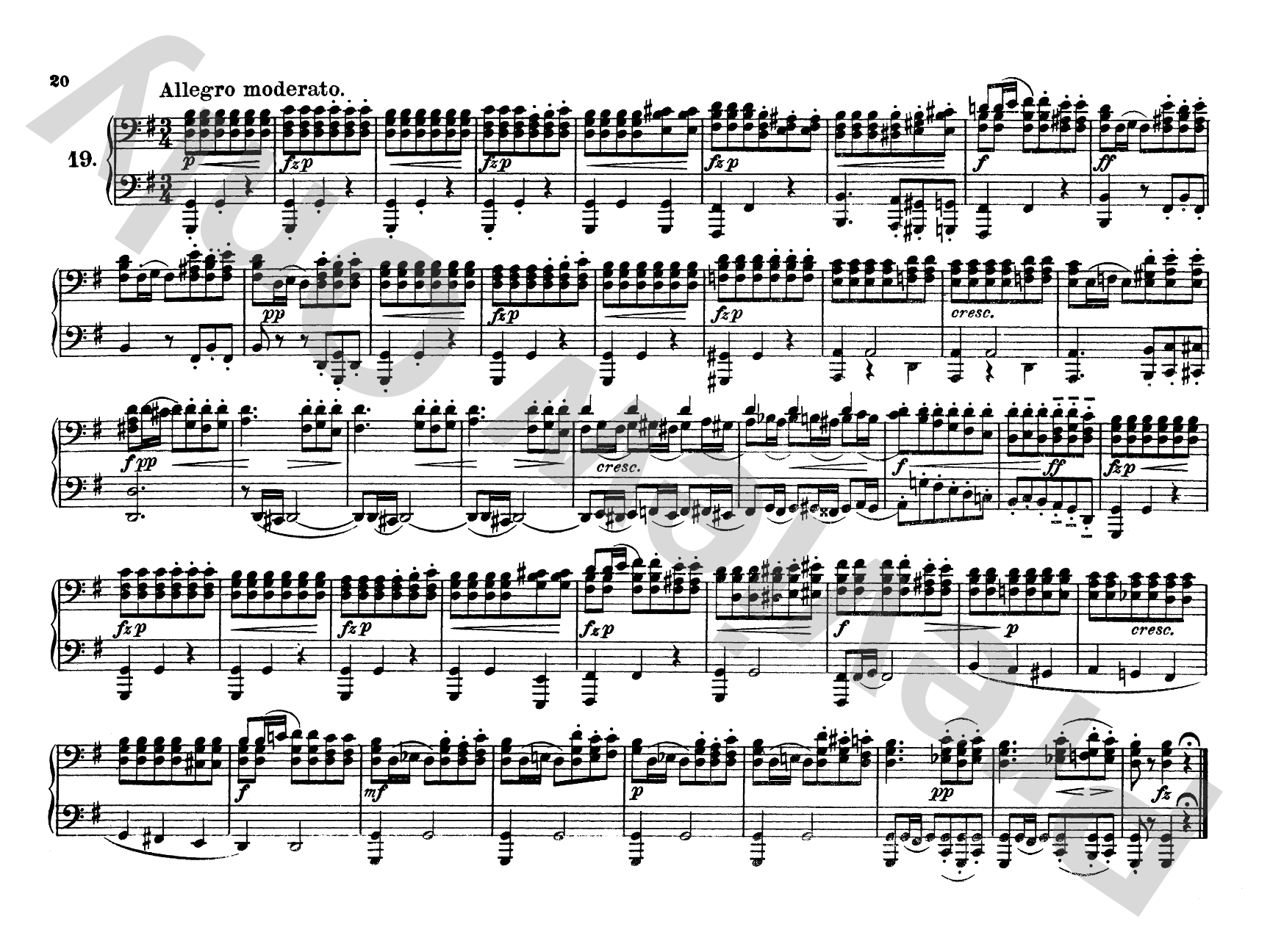
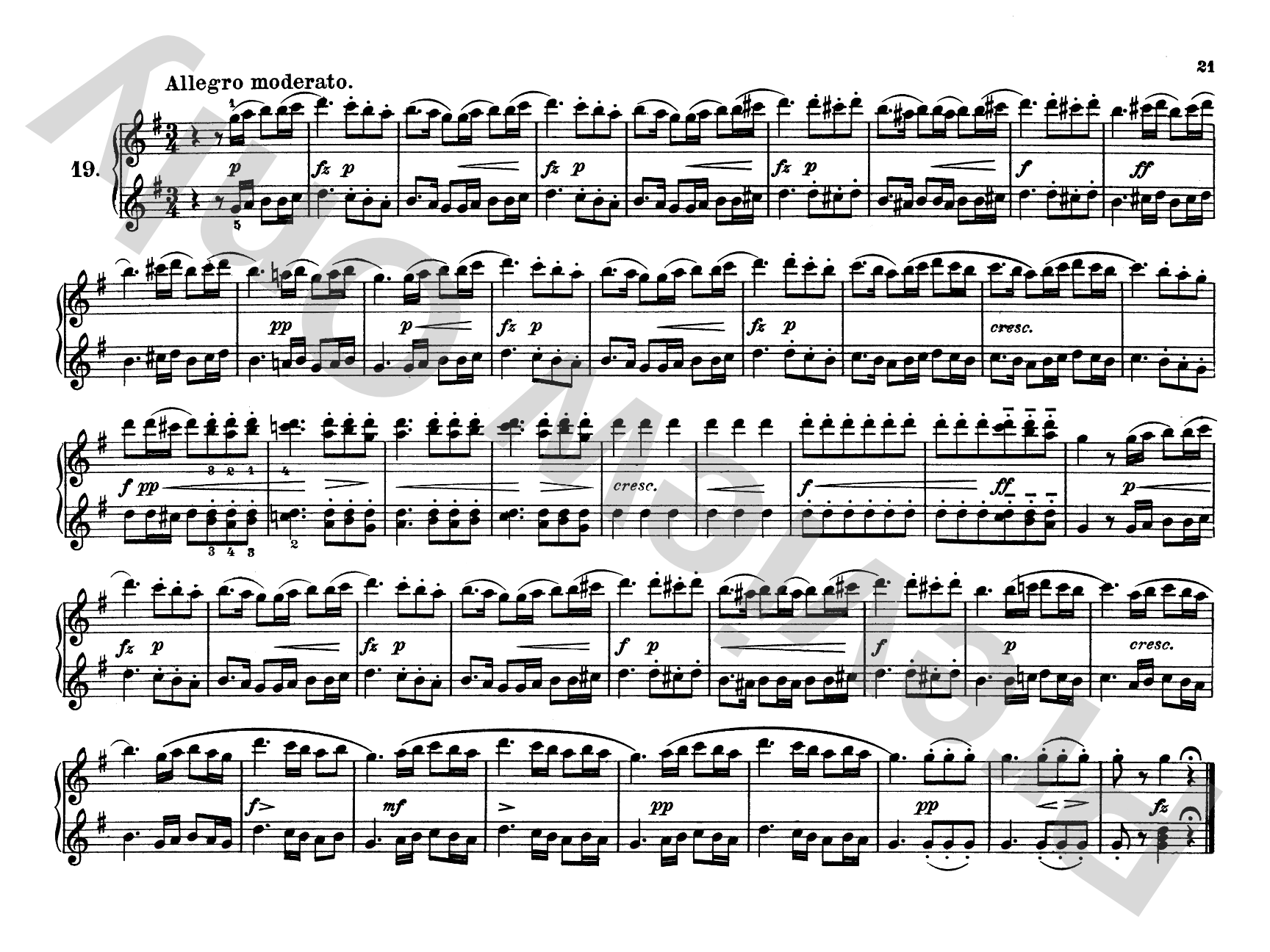
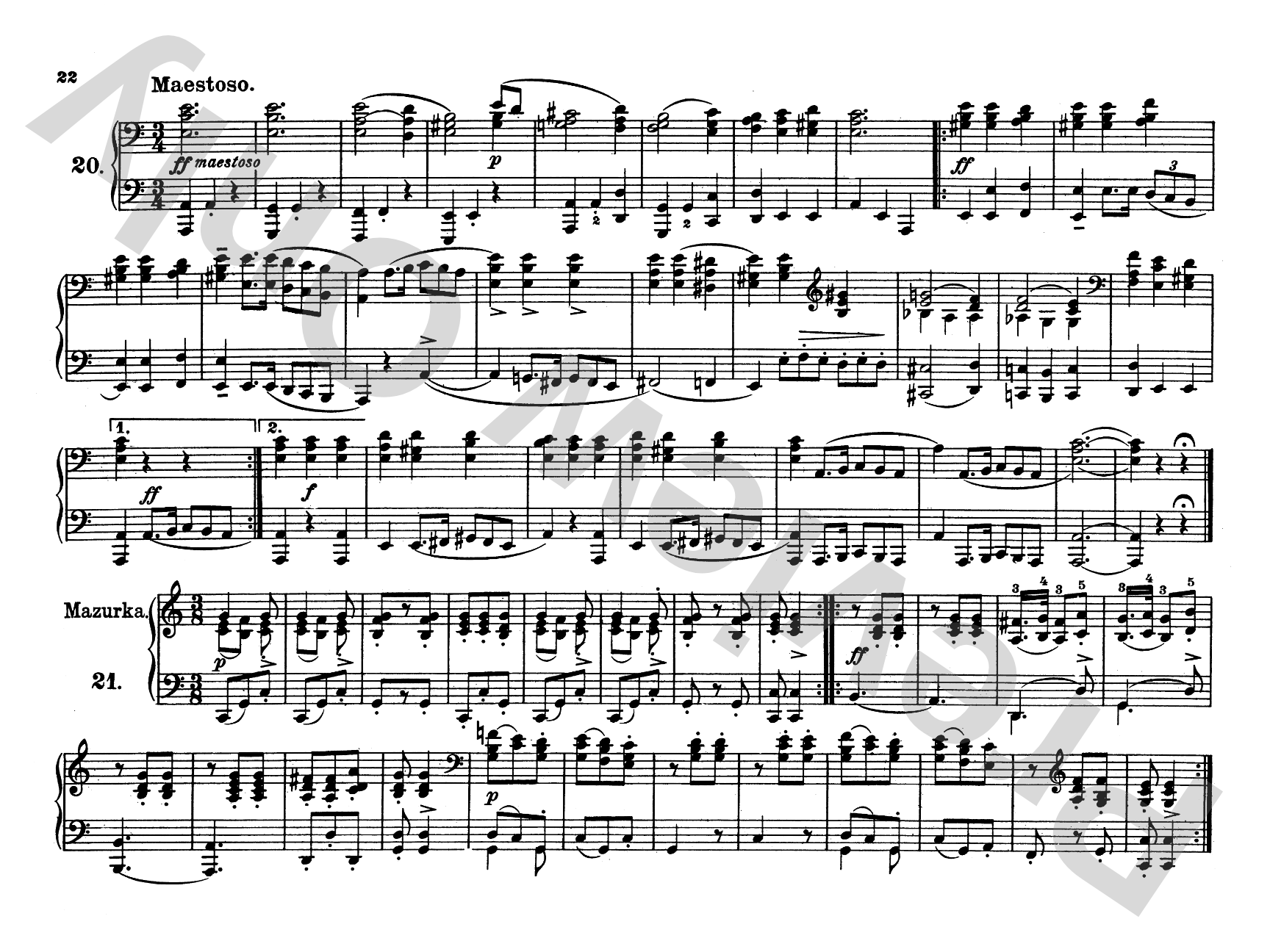
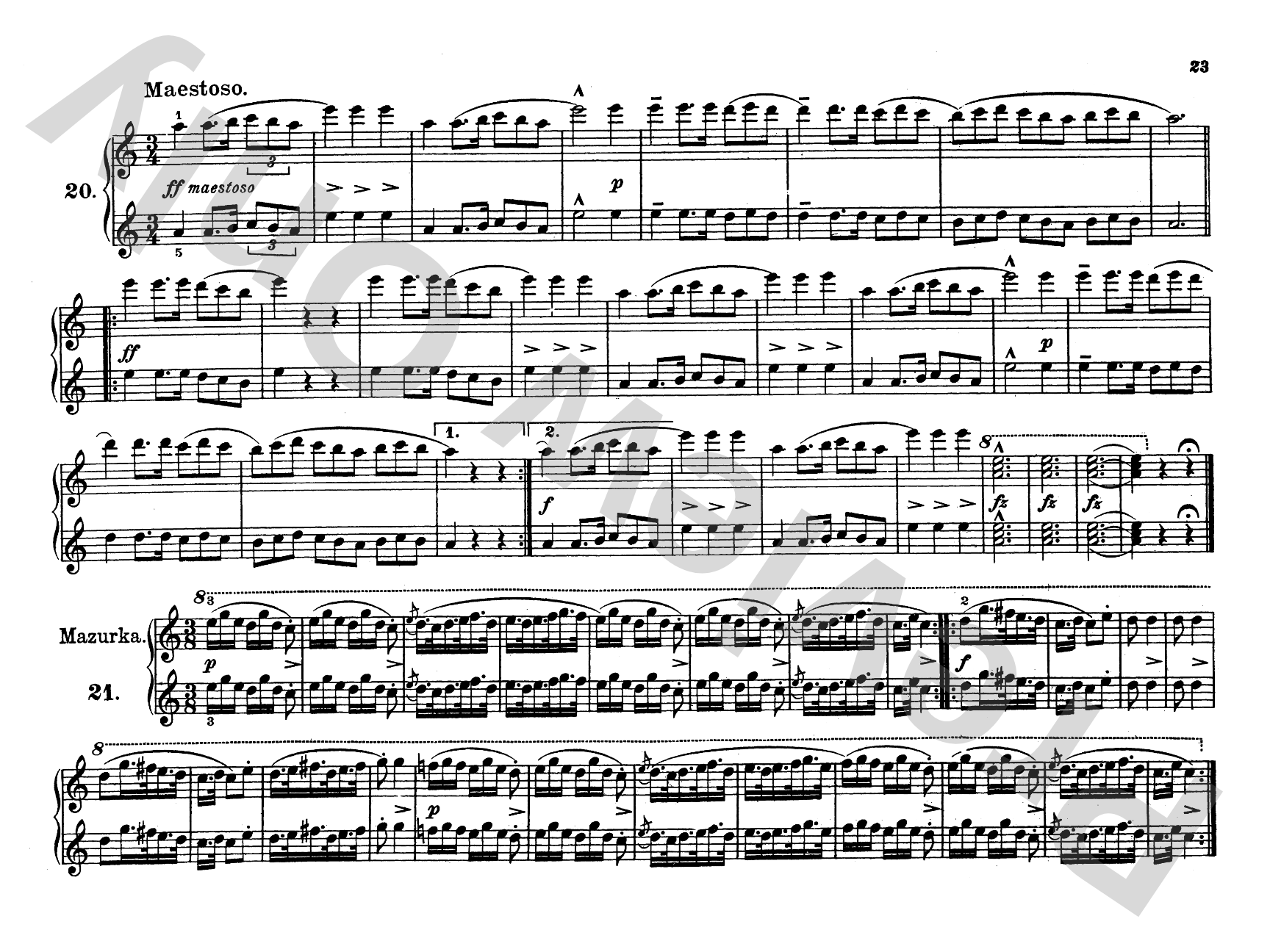
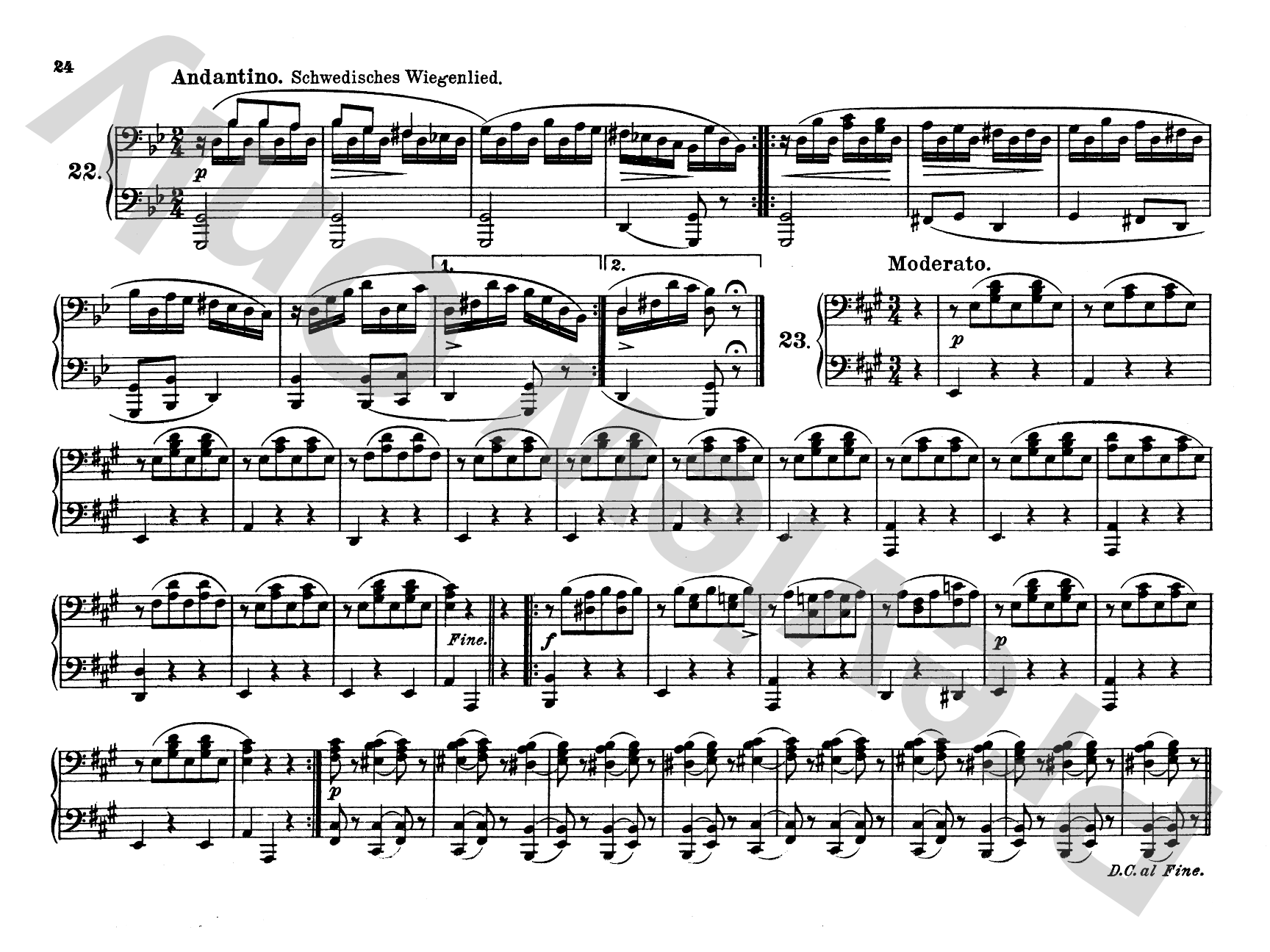
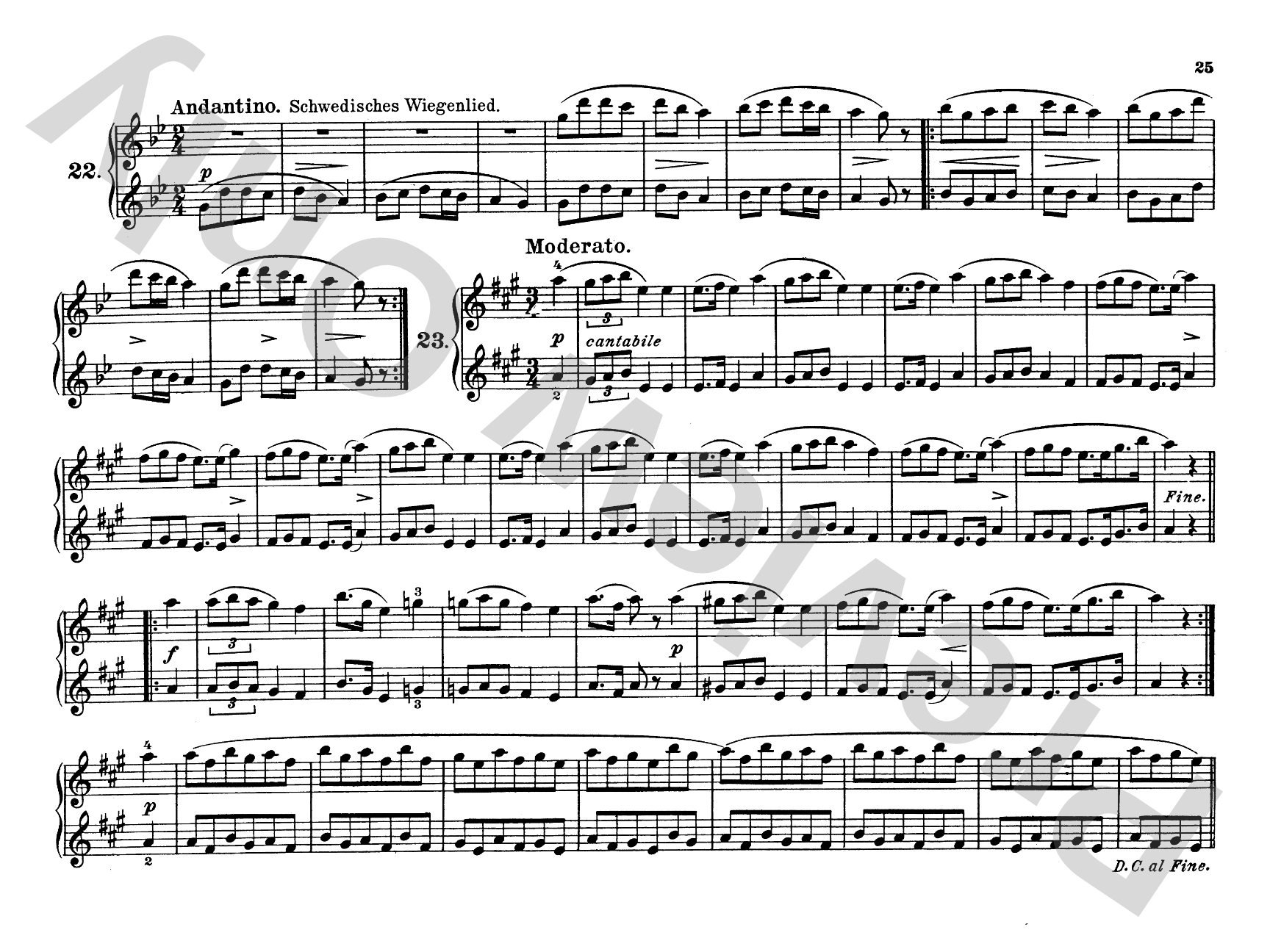
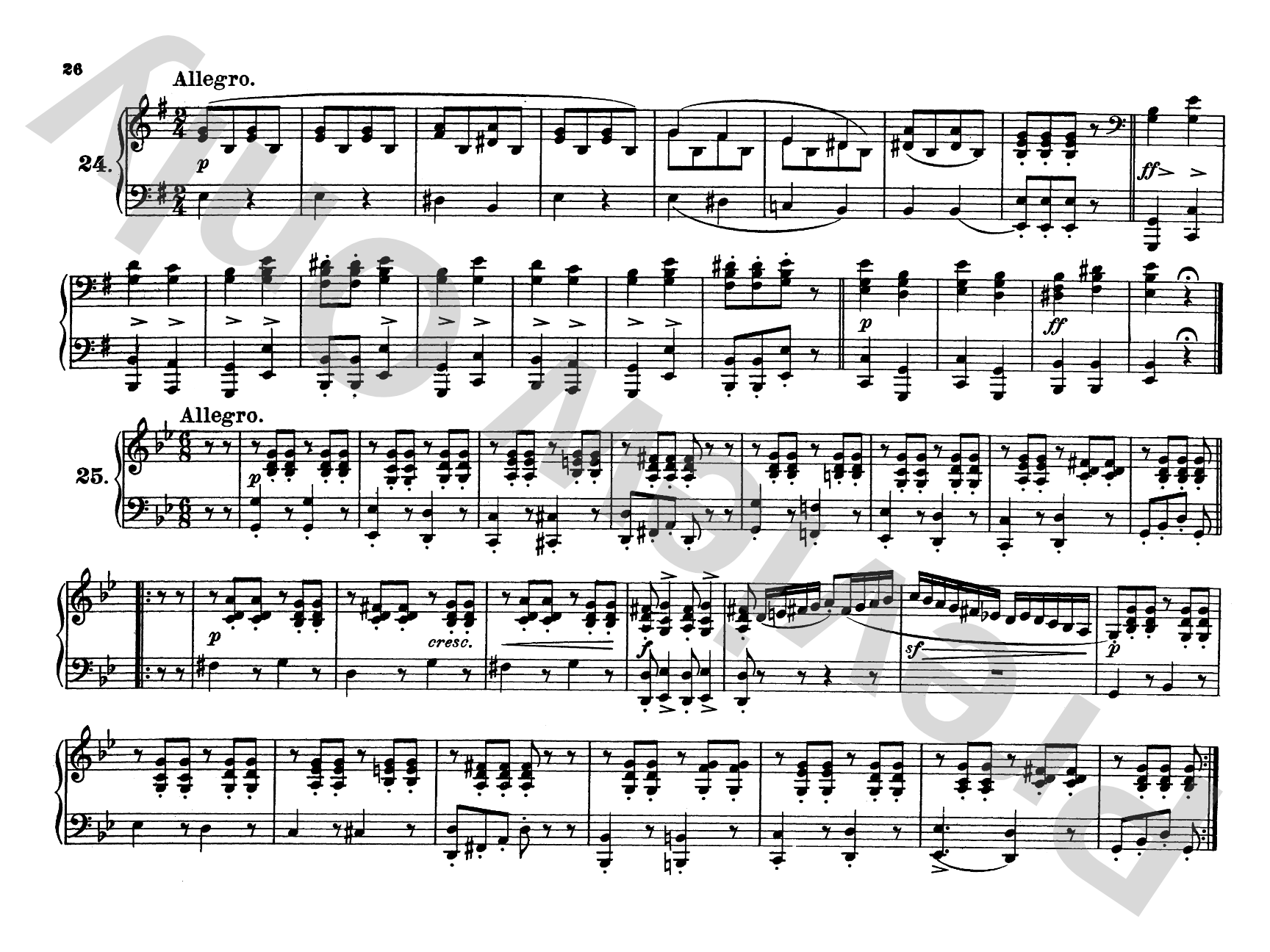
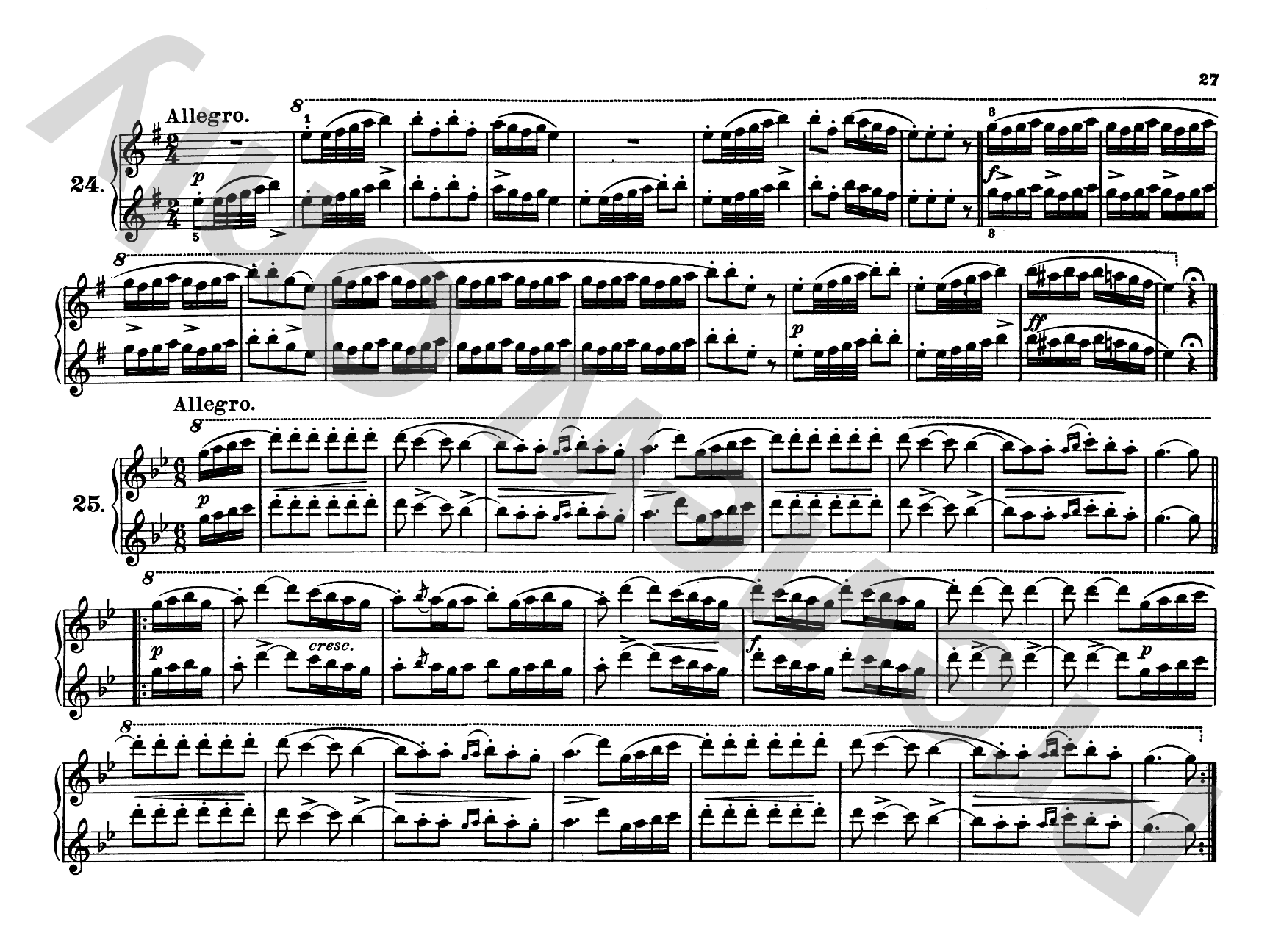
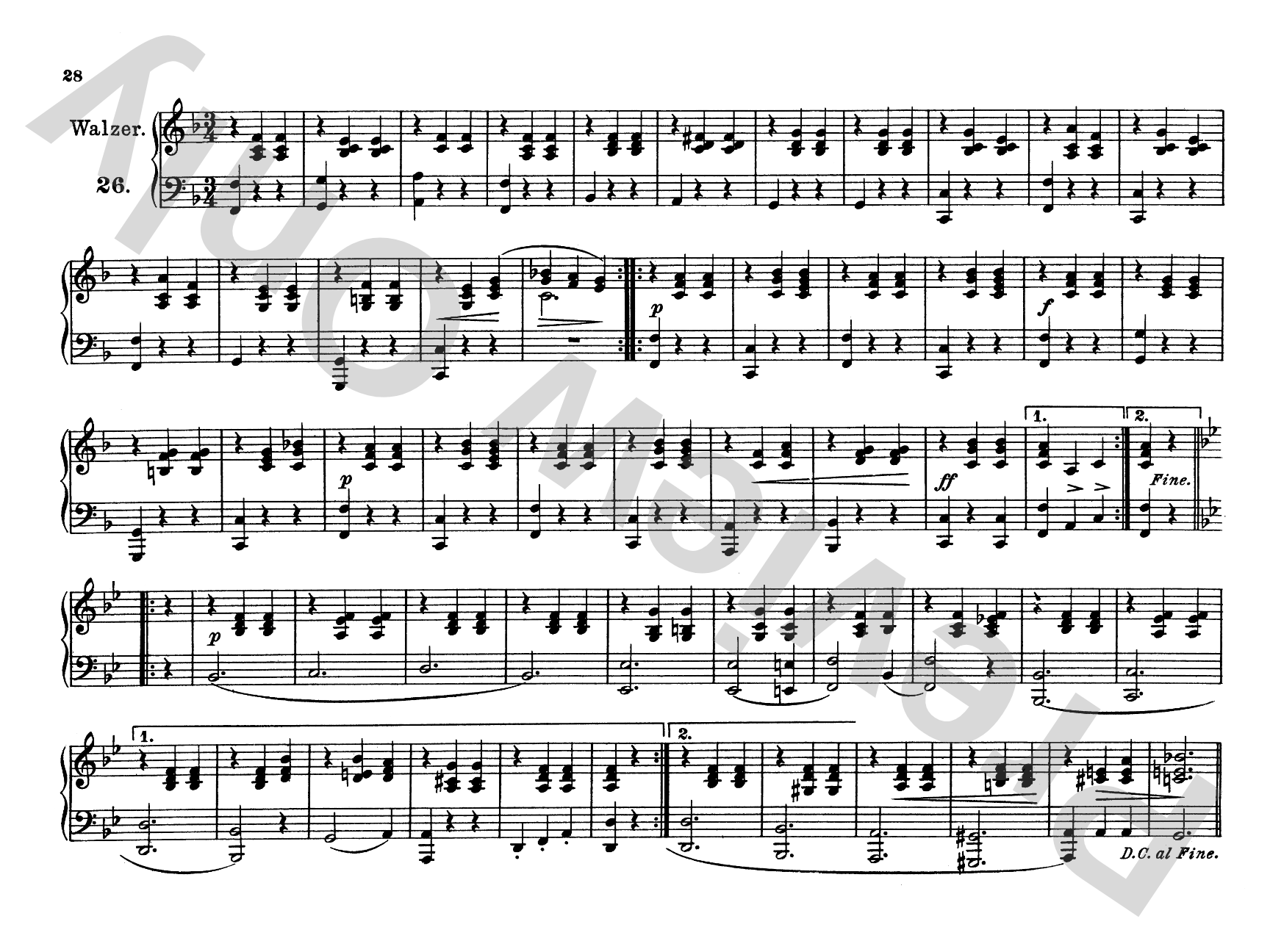
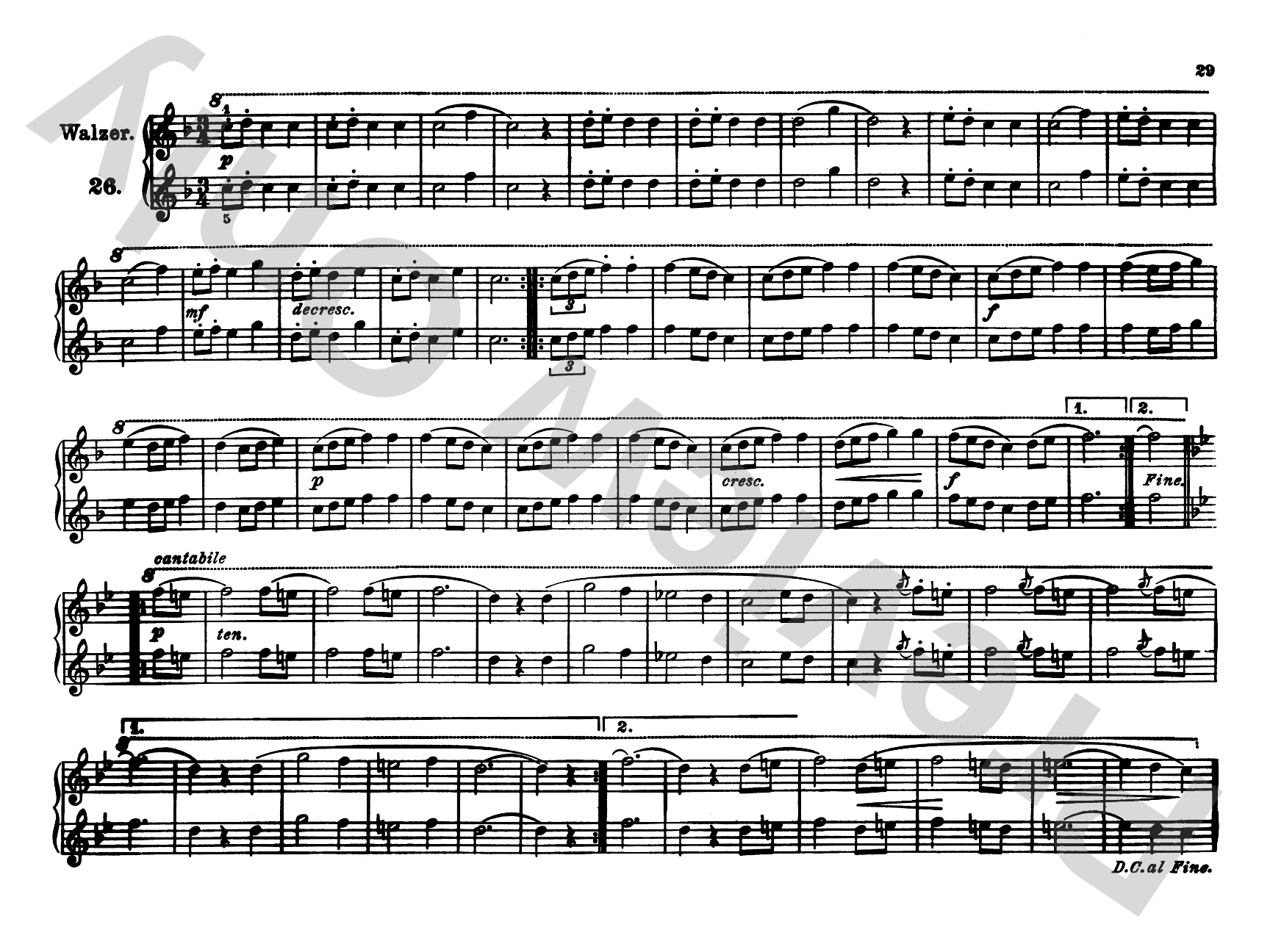
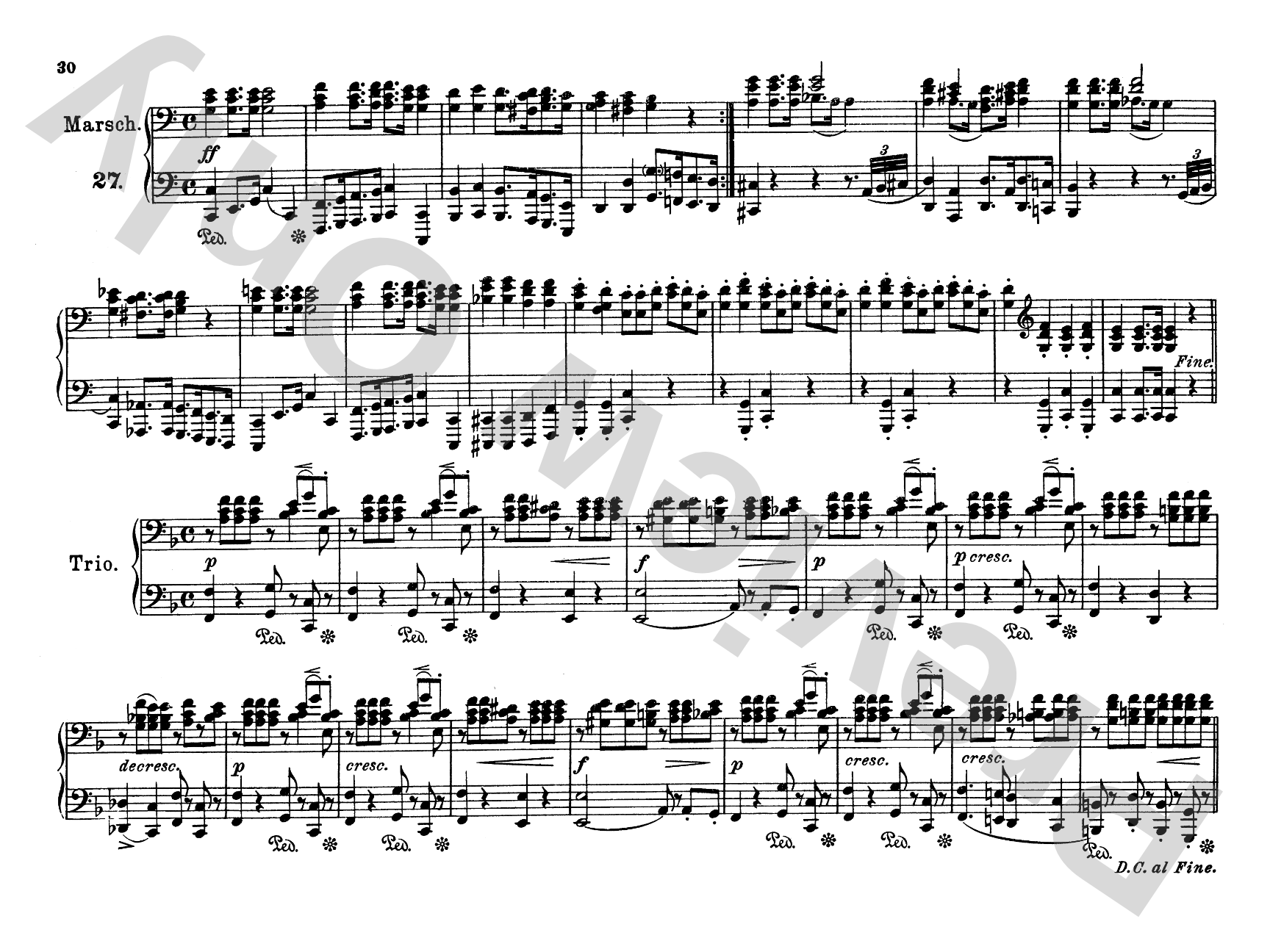
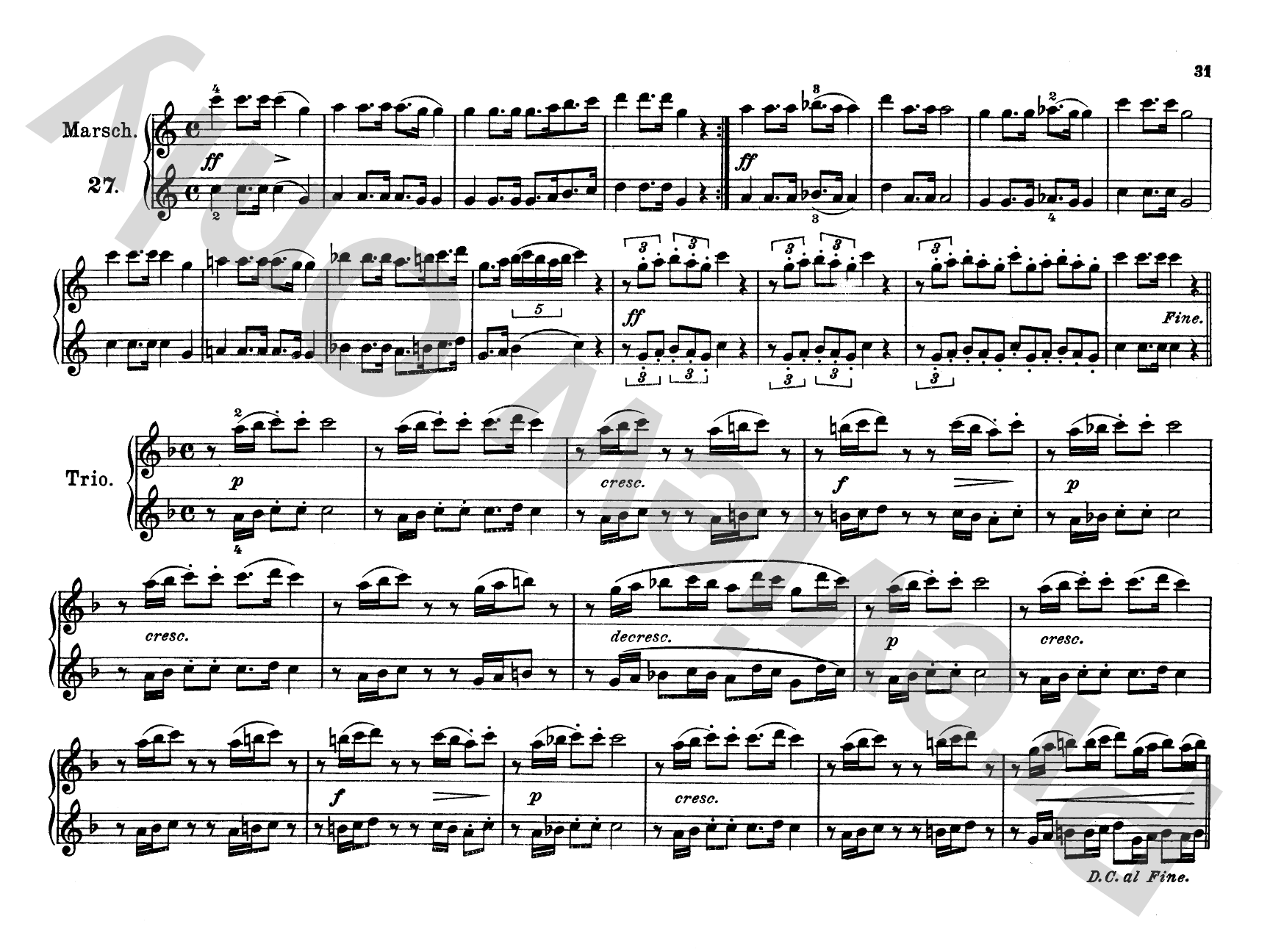


Berens: Melodious Exercises, Op. 62: Piano Duet (1 Piano, 4 Hands) Comb Bound Book
By Johann Herman Berens
Level: Intermediate / Advanced
Item: 00-PK-0002939

$8.95
Pickup currently not available
Buy Extra Parts (Digital PDF Download)
| Product | Price | Quantity |
|---|---|---|
| Berens: Melodious Exercises, Op. 62 | $7.95 |
Parts Added to Cart!
Related Items
Melodious Exercises, Opus 62: Piano Duet (1 Piano, 4 Hands) Comb Bound Book |
$8.95
|
View |
Description
Expertly arranged piano duet (1 piano, 4 hands) from our Kalmus Edition.


Don't just read it, hear it, play along with it, and watch your students grow with it. In MakeMusic Cloud, Berens: Melodious Exercises, Op. 62: Piano Duet (1 Piano, 4 Hands) Comb Bound Book comes alive with professional accompaniment, adjustable tempo, and built-in practice tools that turn solo practice into real progress.
Open in the Player
Jump straight in and assign it today.
Start Your Free Trial
Open this title and explore the full library in minutes.
Sample Audio
No sample audio found.
Sample Video
No sample videos found.
Additional Details
Series:
Kalmus Edition
Publisher:
Alfred Music
Page Count:
32
SKU:
00-PK-0002939
More about this title
About the Composer: Johann Herman Berens
Johann Herman Berens (1826, 1880) was a German pianist and pedagogue whose contributions to piano literature centered on methodical, musically rewarding exercises. While less celebrated than Czerny or Hanon, Berens created works that bridged the gap between dry technique and genuine musicality, making his pieces essential for pianists developing intermediate and advanced facility.
His Op. 62 collection exemplifies his approach: studies designed not merely to build fingers but to cultivate phrasing, dynamic control, and interpretive sensitivity. Berens understood that meaningful exercises needed to sound like music, not drills.
Why we love this
Berens understood that technique means nothing without musicality, and Op. 62 proves it. These exercises are genuinely satisfying to play as duets, with interesting harmonic movement and clear melodic lines that keep both players engaged rather than relegating one to accompaniment duty. The four-hands format builds ensemble awareness and sight-reading in a collaborative context where mistakes feel less isolating.
What to expect
Purposeful and elegant. The exercises unfold with Romantic-era sensibility rather than mechanical drills, offering genuine musical reward while addressing scales, arpeggios, and interval work. Playing through Op. 62 feels like making music, not checking off technique boxes.
Who it's for
Pianists at the intermediate to advanced level preparing for duet repertoire or looking to deepen technical foundation through collaborative playing. This book serves teachers seeking material that develops independence and musicality without sacrificing pedagogical purpose.
How to get the most out of it
- Balance the melodic line between primo and secondo voices by listening for when the musical interest shifts; avoid the habit of always favoring the top staff.
- Establish a steady tempo before you begin and maintain it through key and meter changes. These exercises reward rhythmic consistency over expressive flexibility.
- Work the piece hands separately first if either player feels uncertain, then combine with deliberate attention to pedal coordination and shared breath points.
- Use the comb binding to your advantage by keeping the book open flat during rehearsal; mark problem spots in pencil and return to them until they're secure.
How to use it
Pair this with a public recital to showcase duet partnership and musical growth in a lower-pressure context than solo performance. It also works well as pre-rehearsal material for advanced piano students who need consistent technical review alongside their primary repertoire.
Skills your students will build
- Four-hands coordination and listening to a partner's part
- Sight-reading in duet format
- Scalar and arpeggiated figuration across multiple registers
- Harmonic awareness through inner voices and accompaniment patterns
- Independence of the two hands when one plays melody and the other plays supporting material