
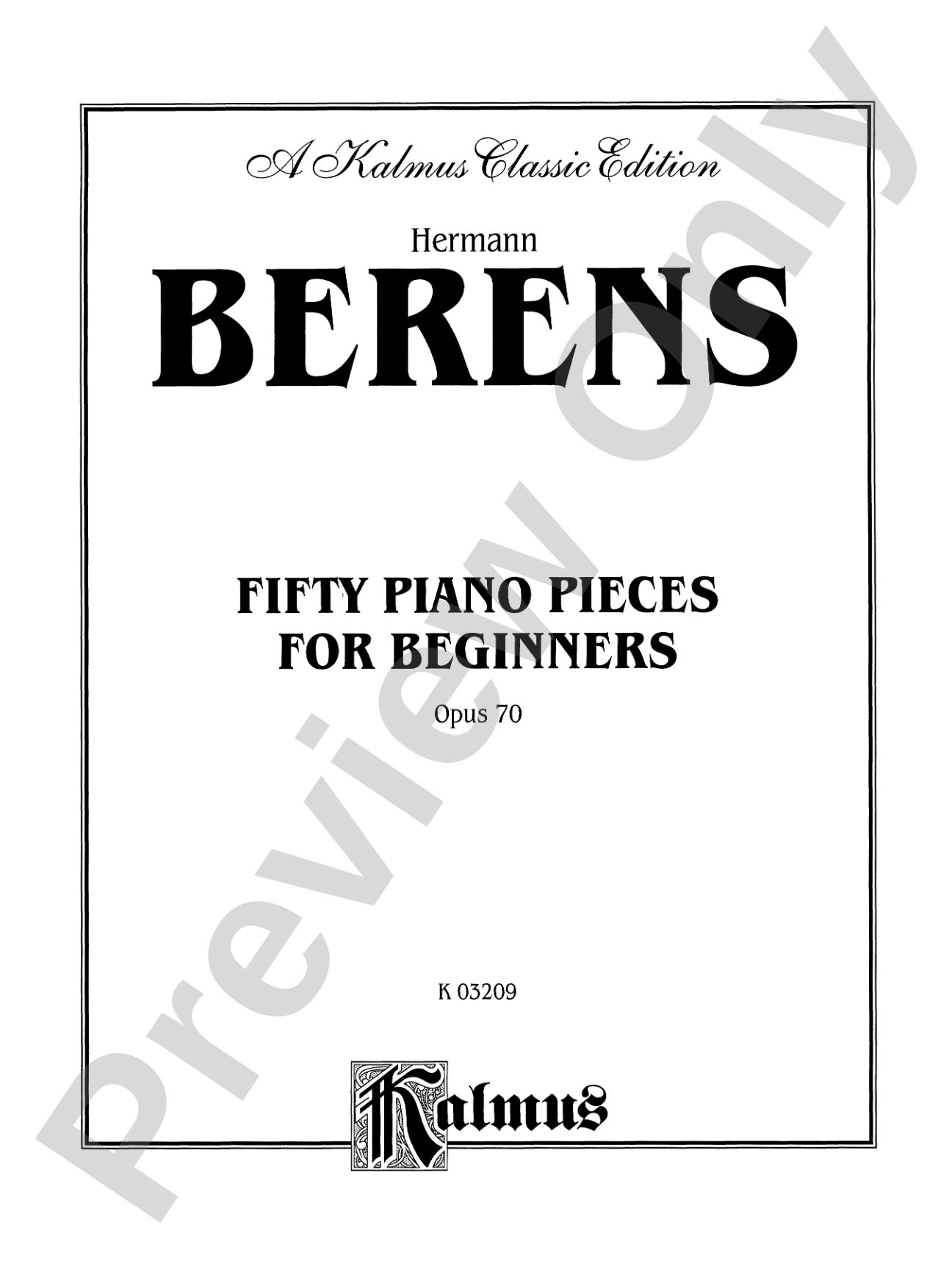

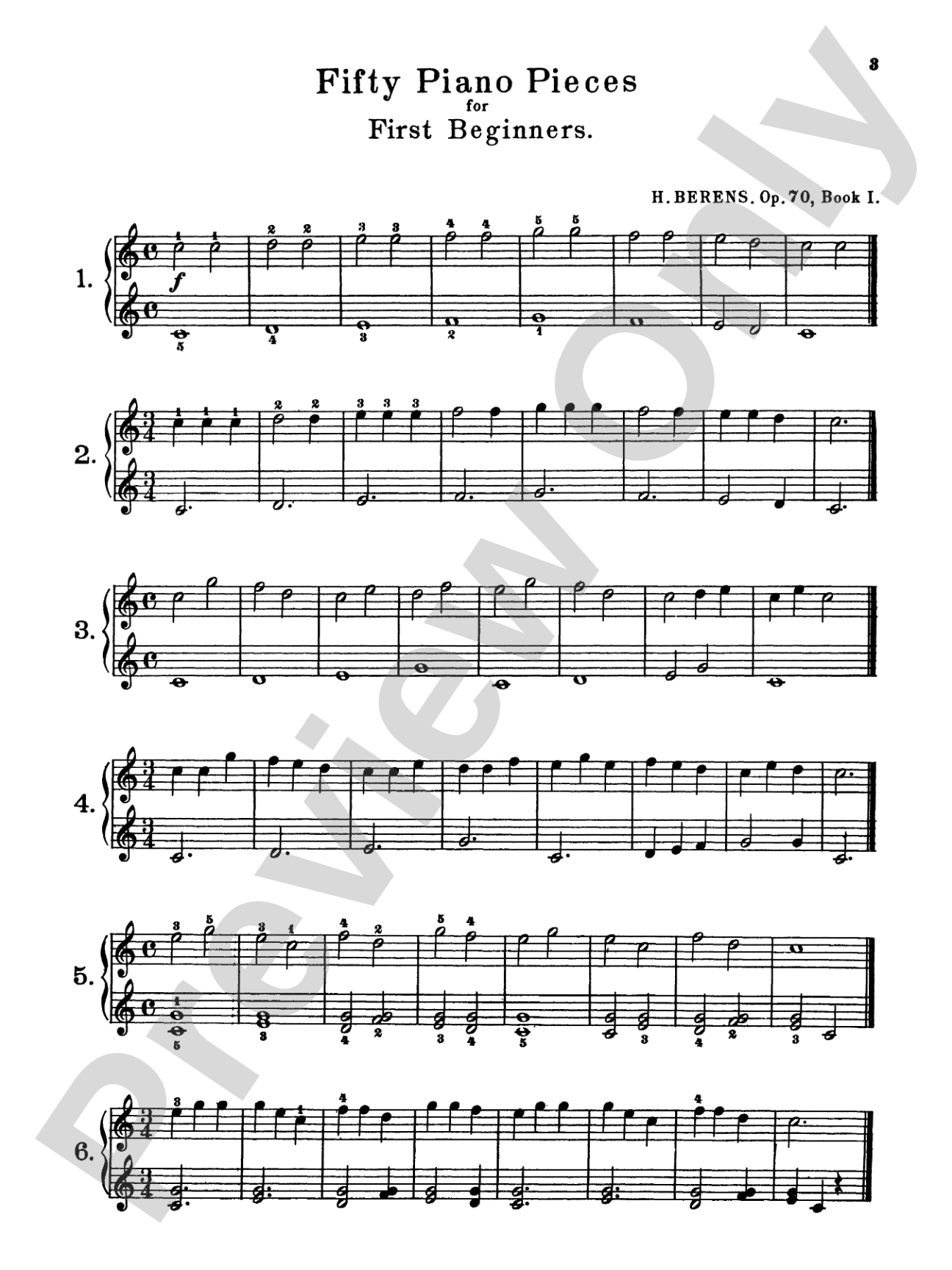
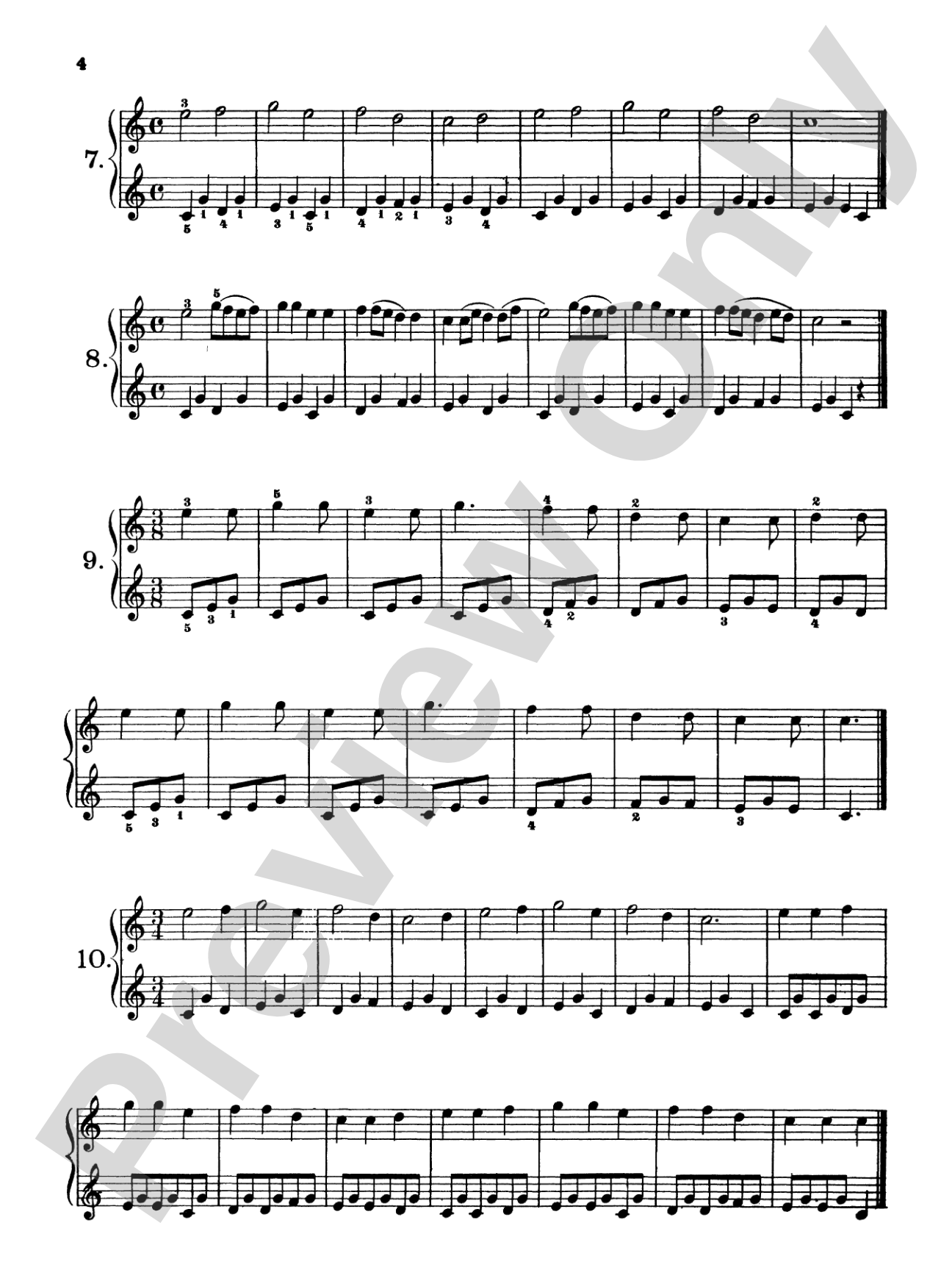
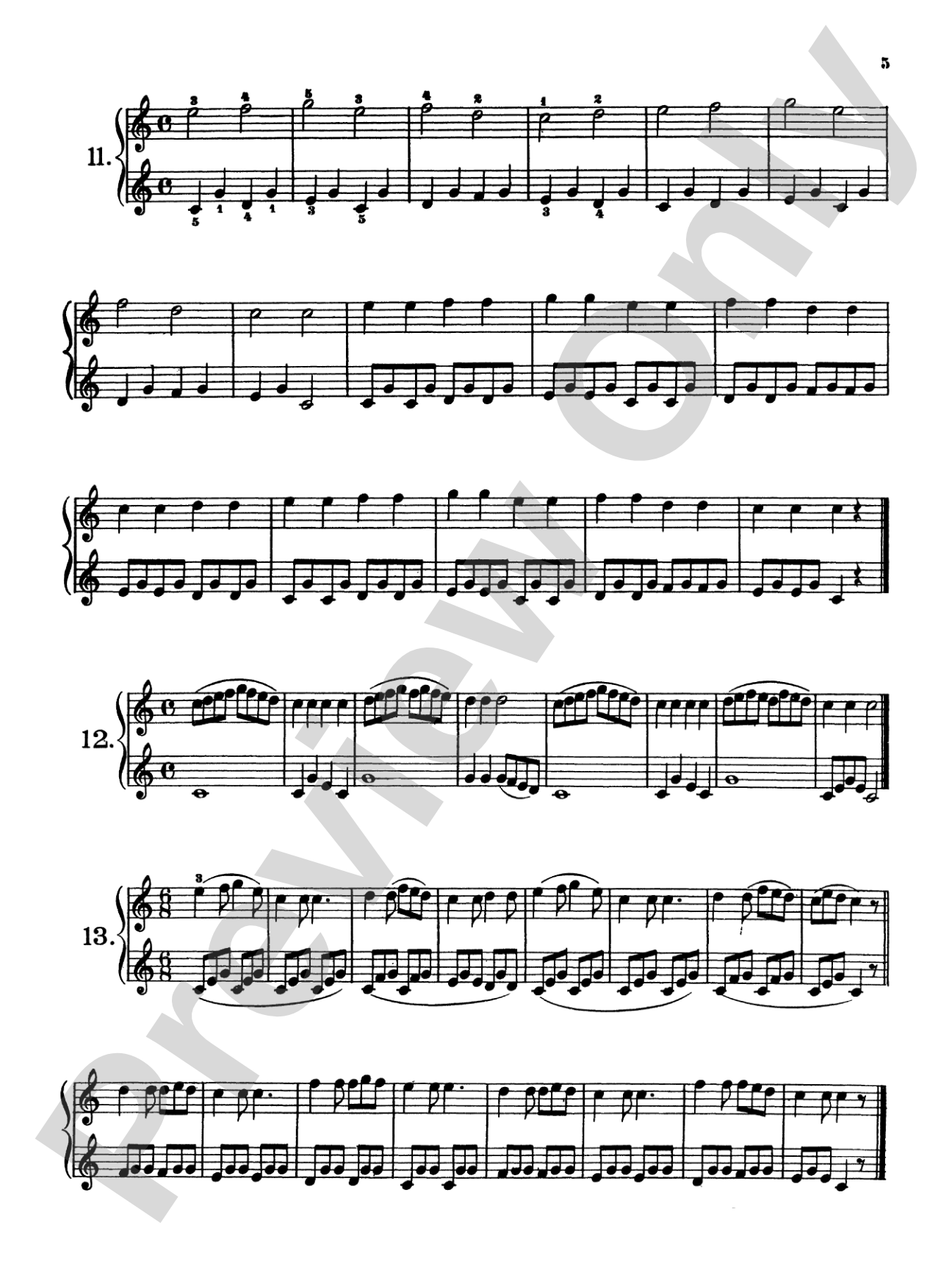
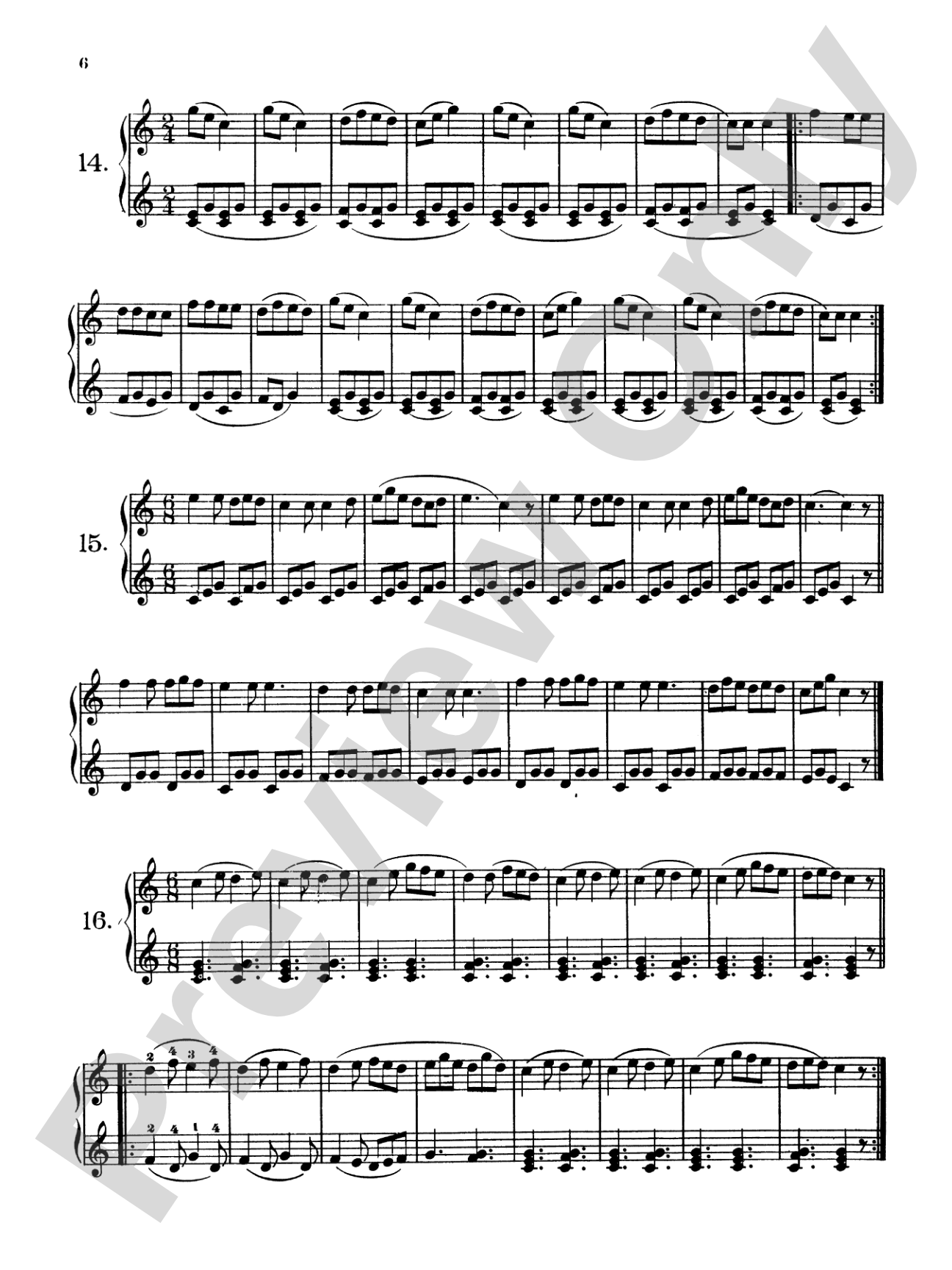
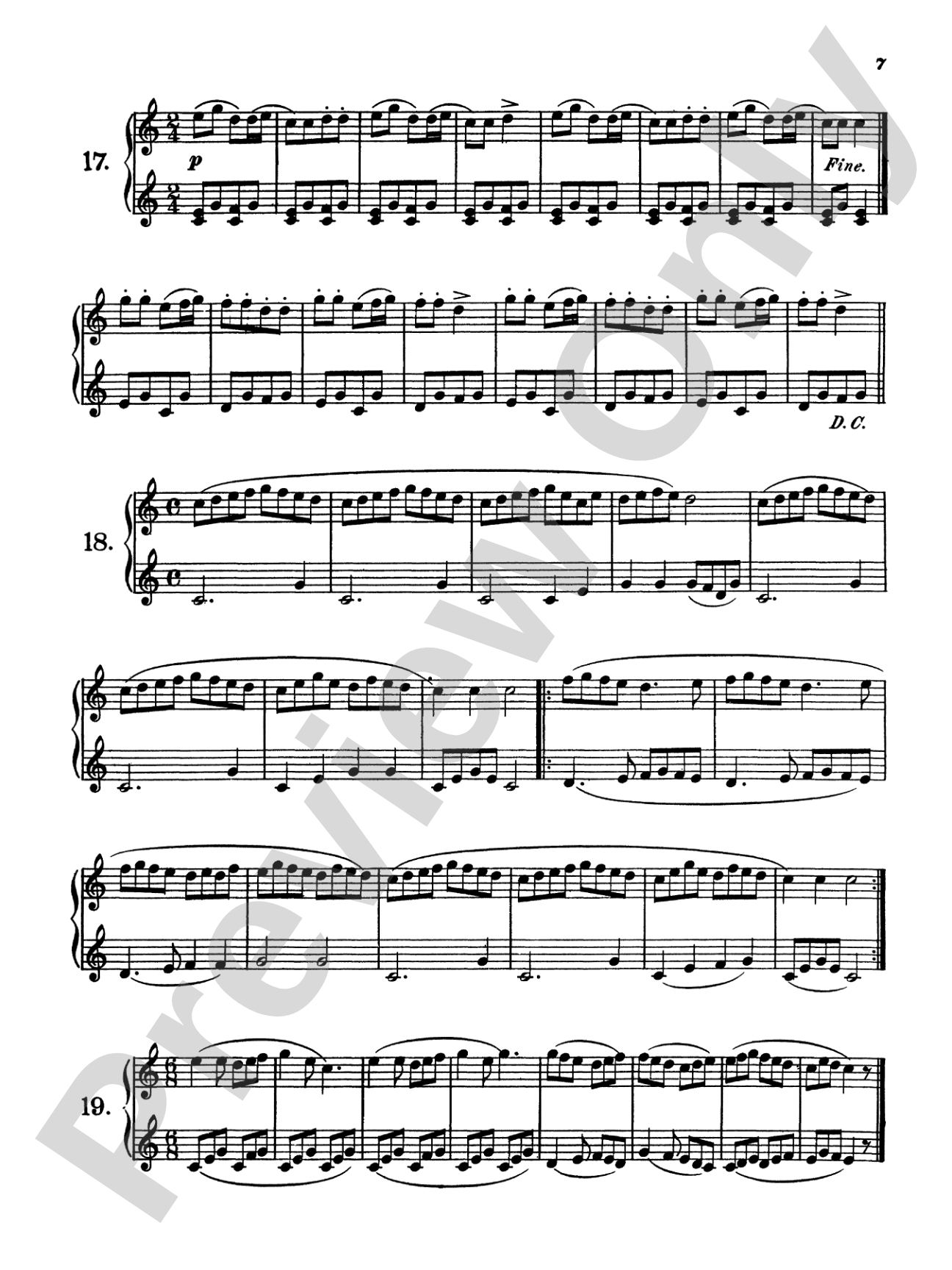
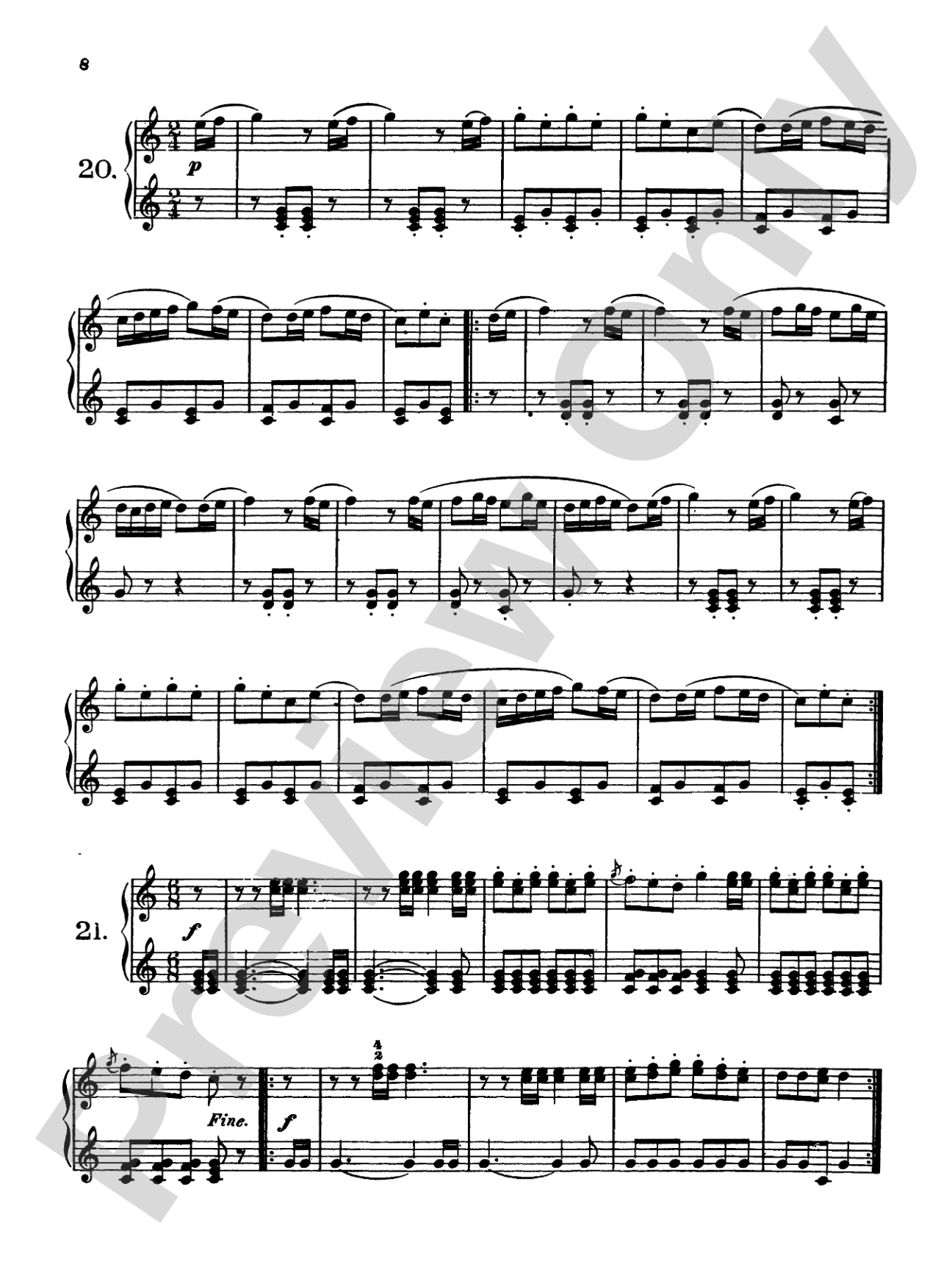
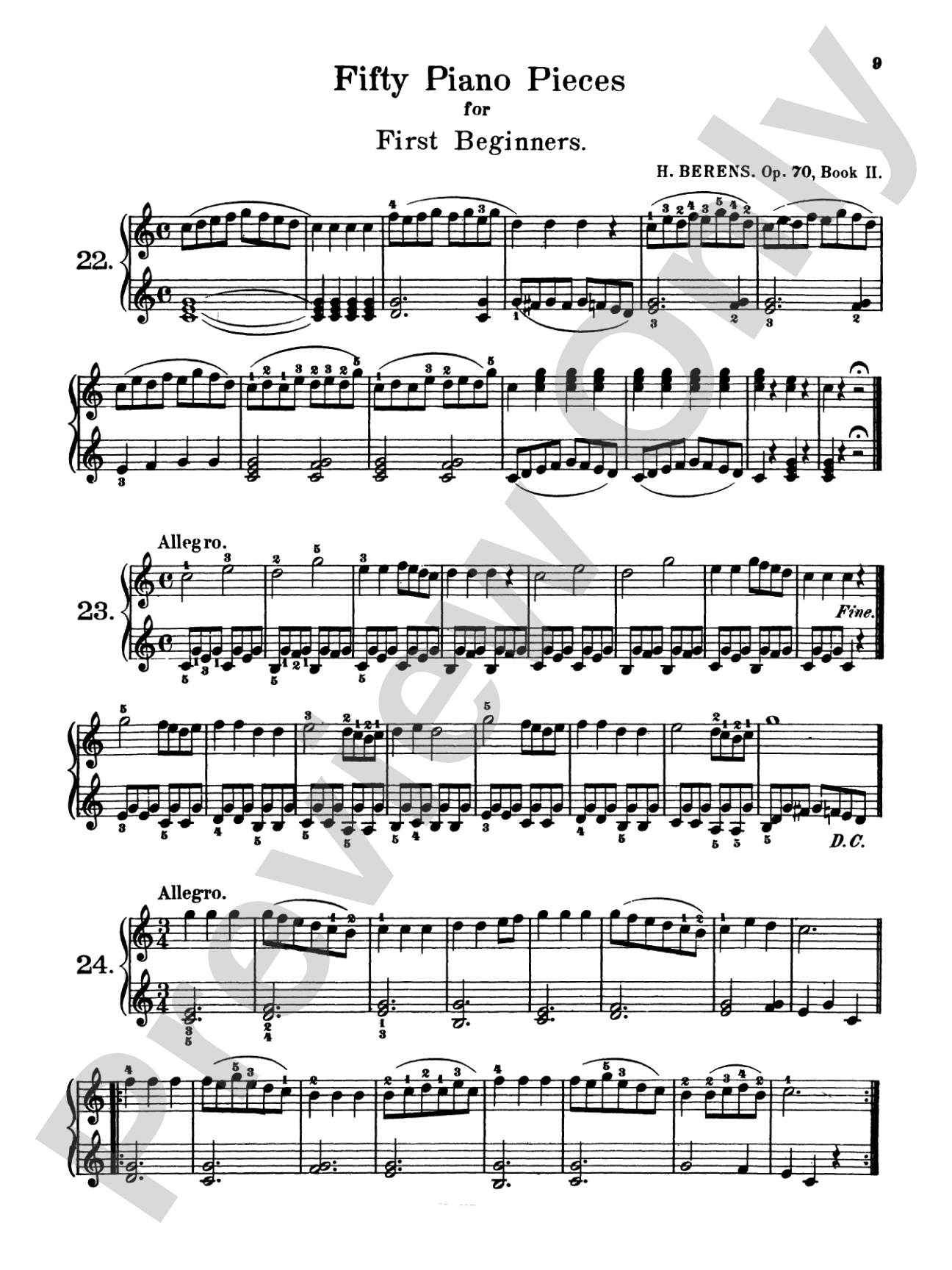
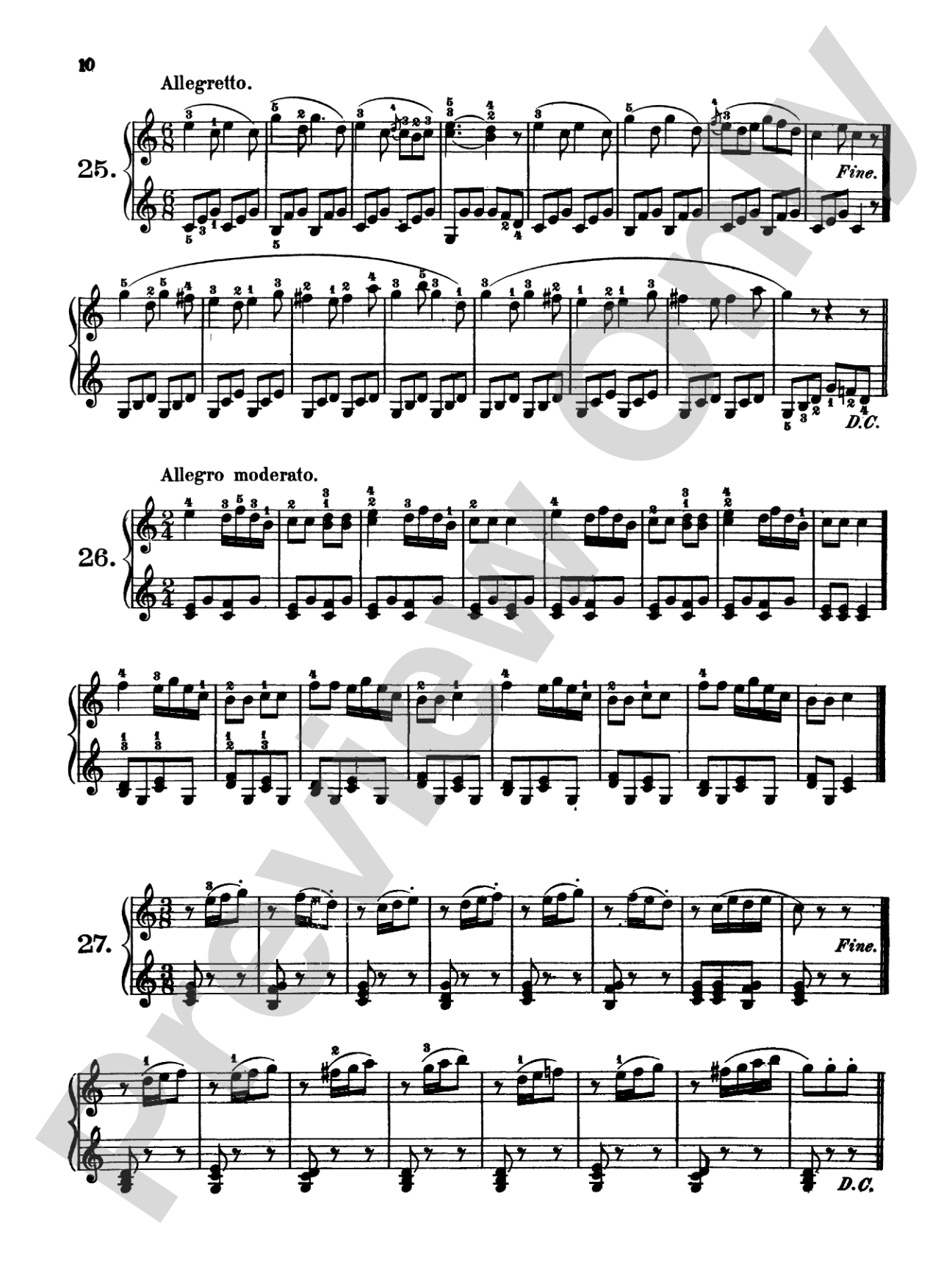
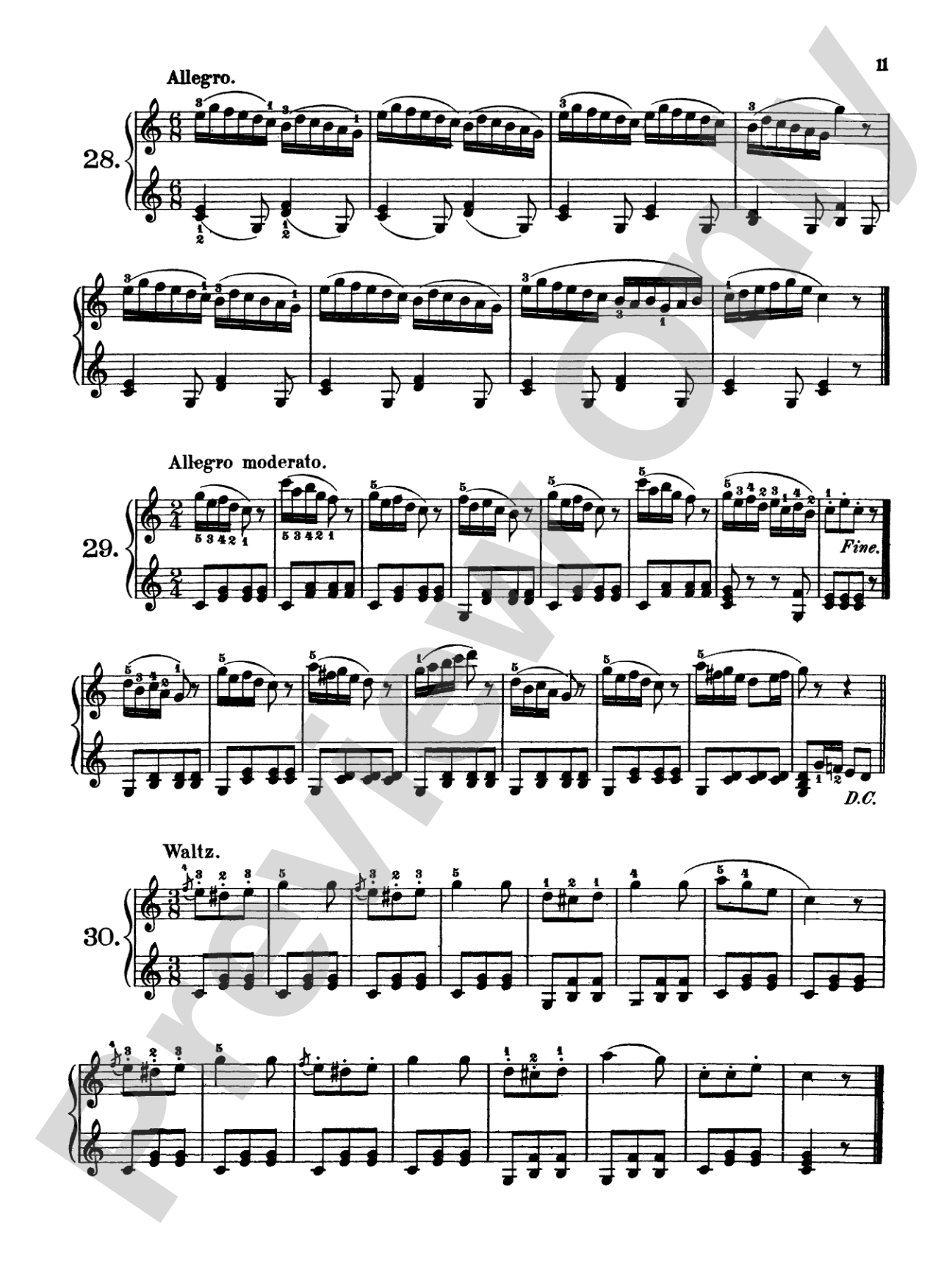
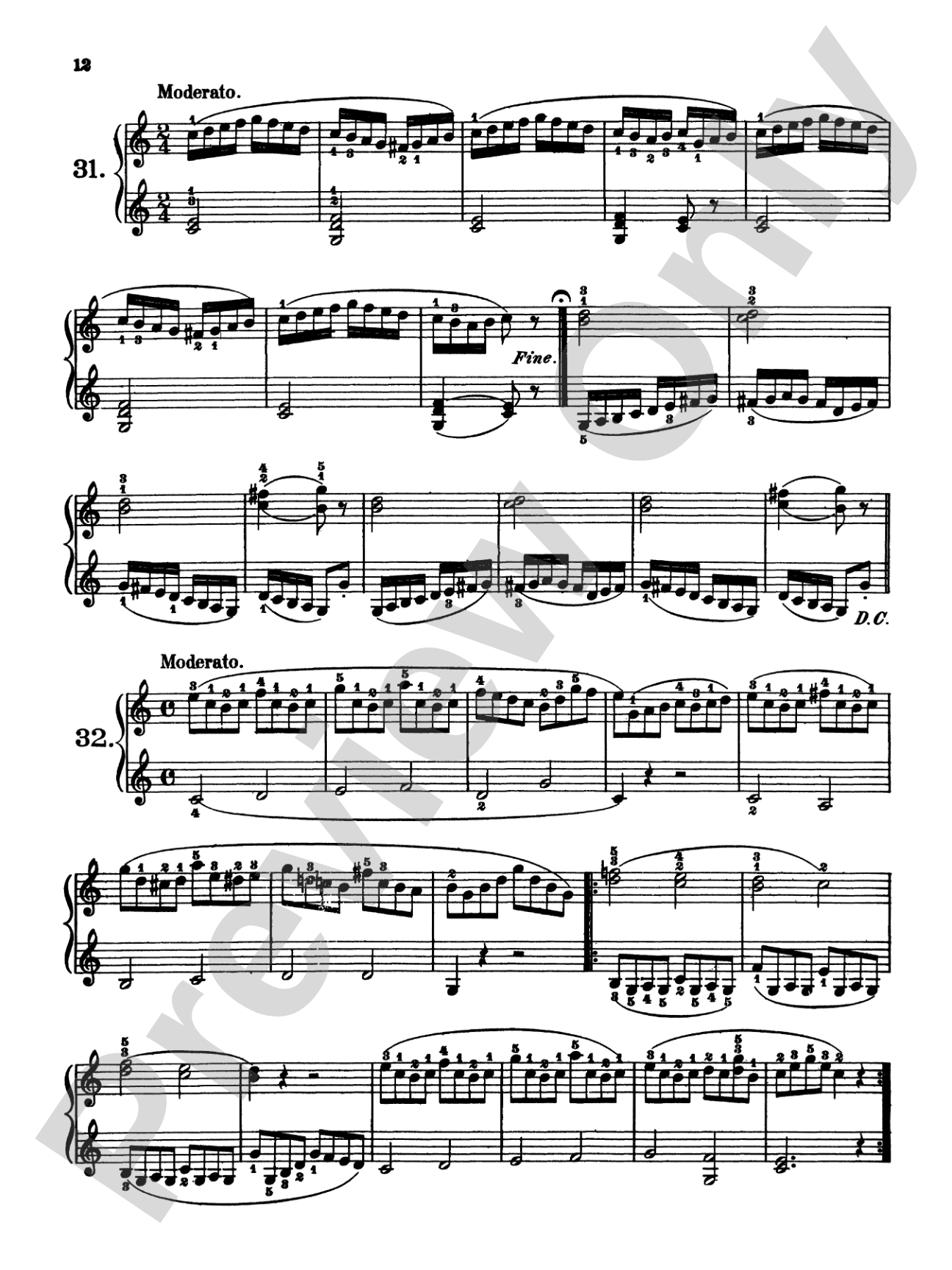
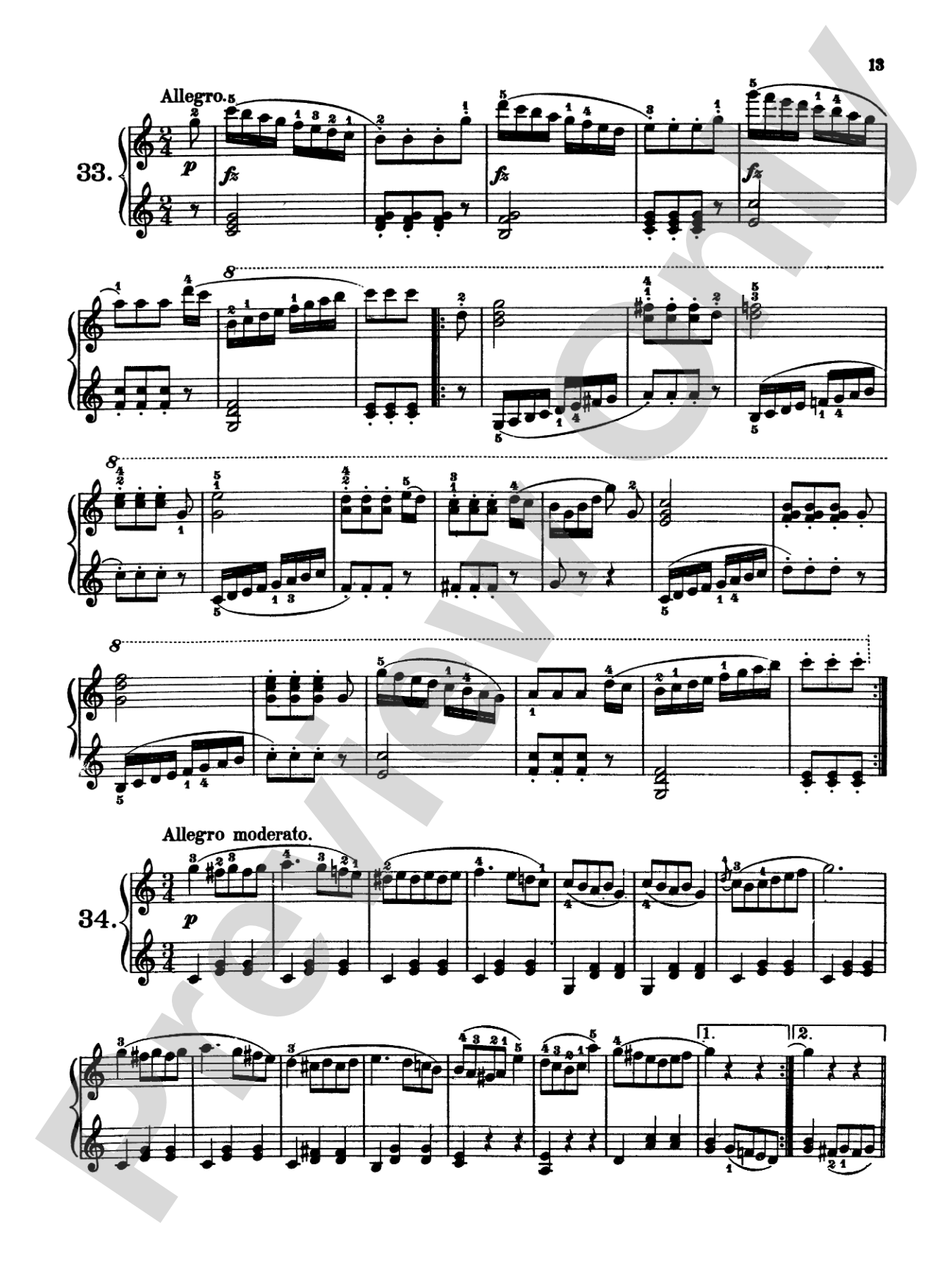
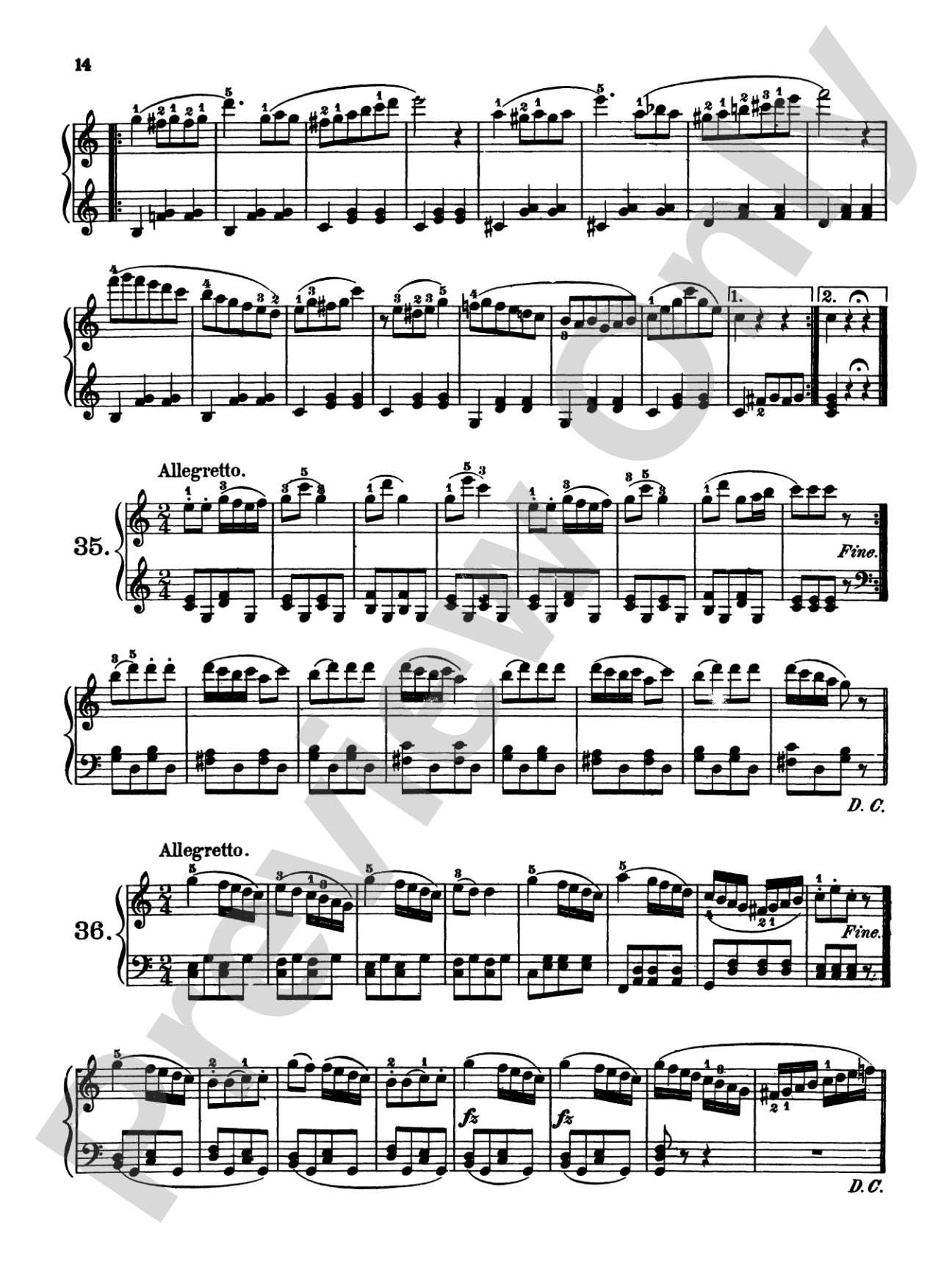
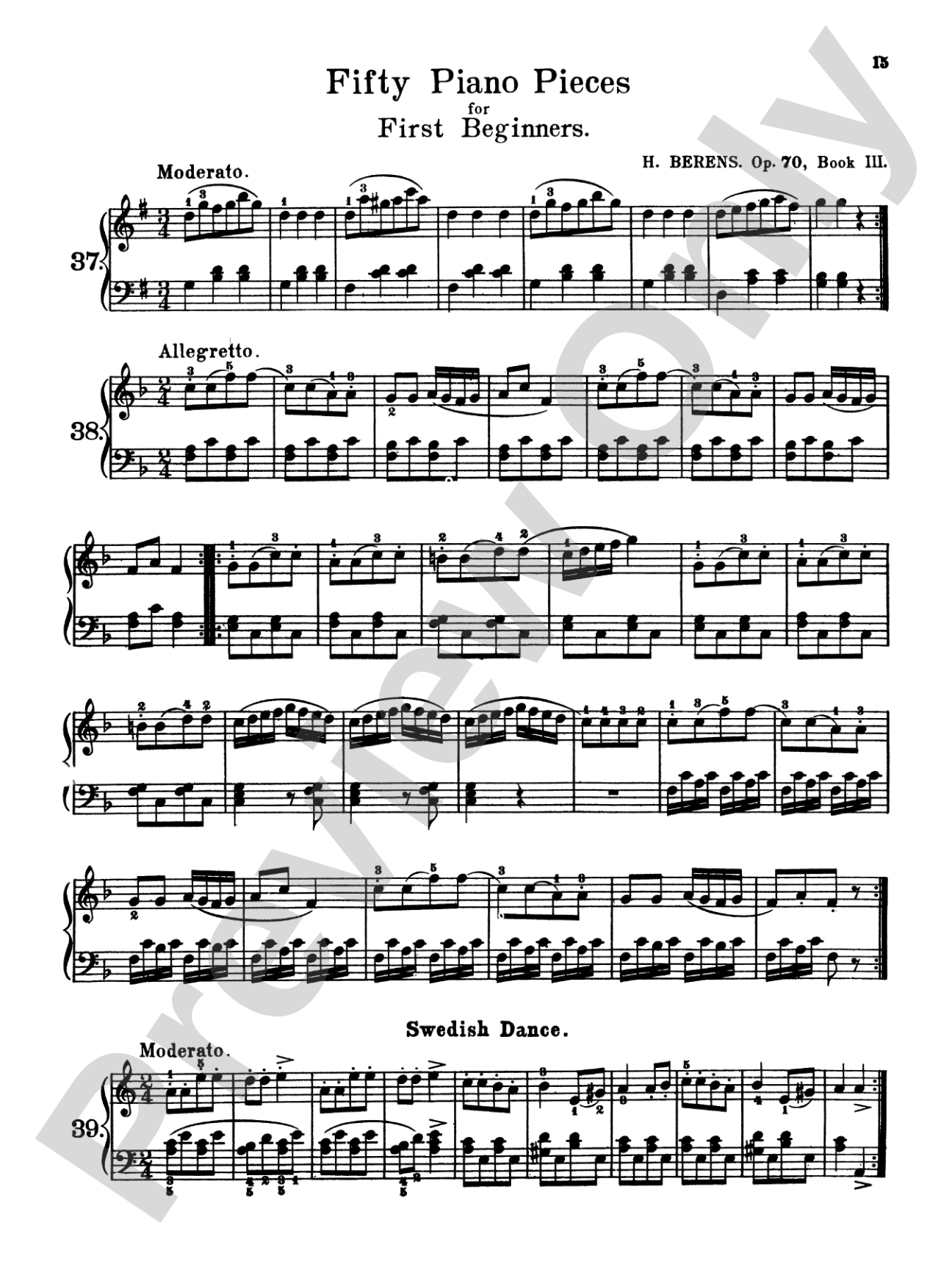
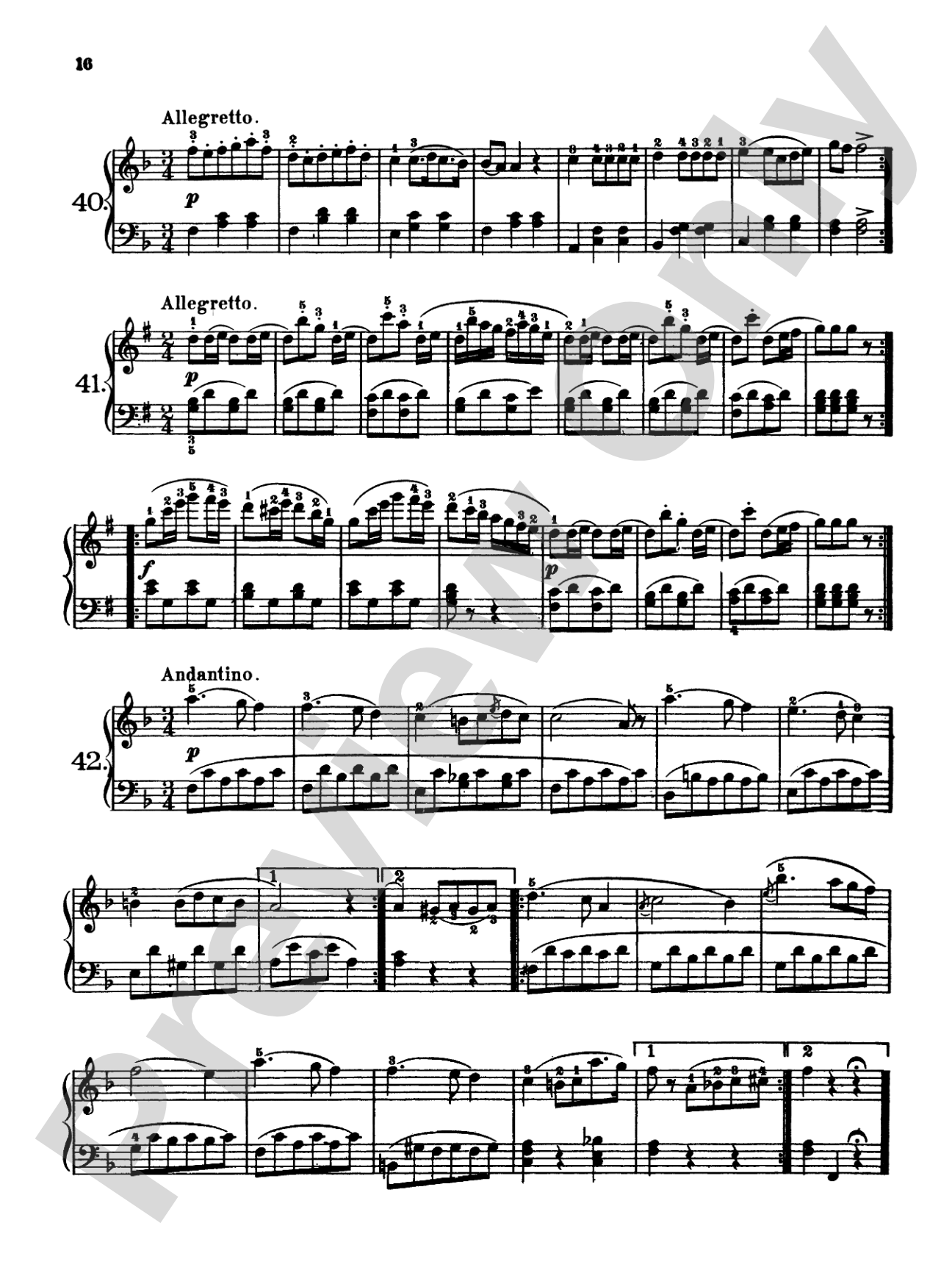
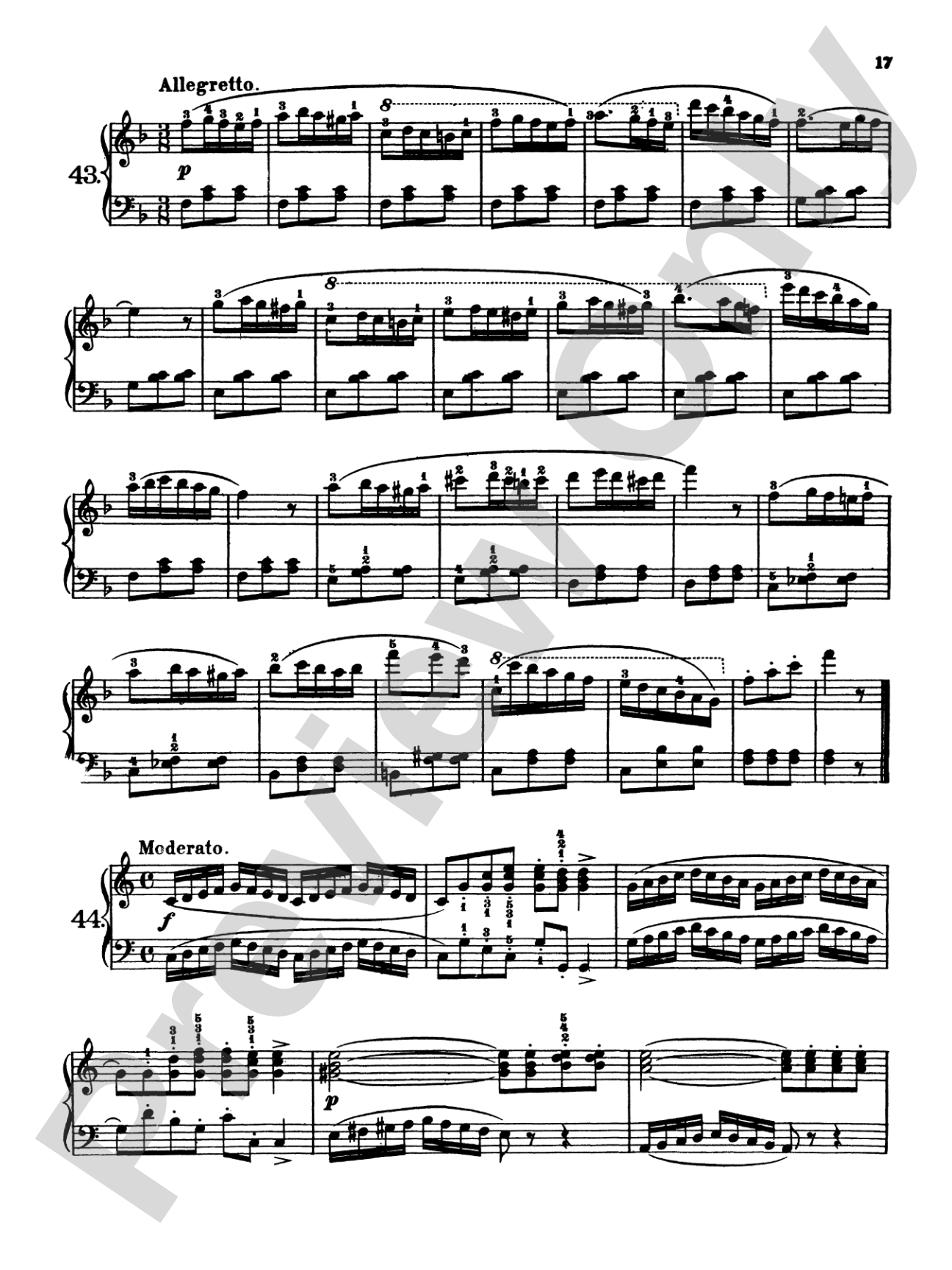
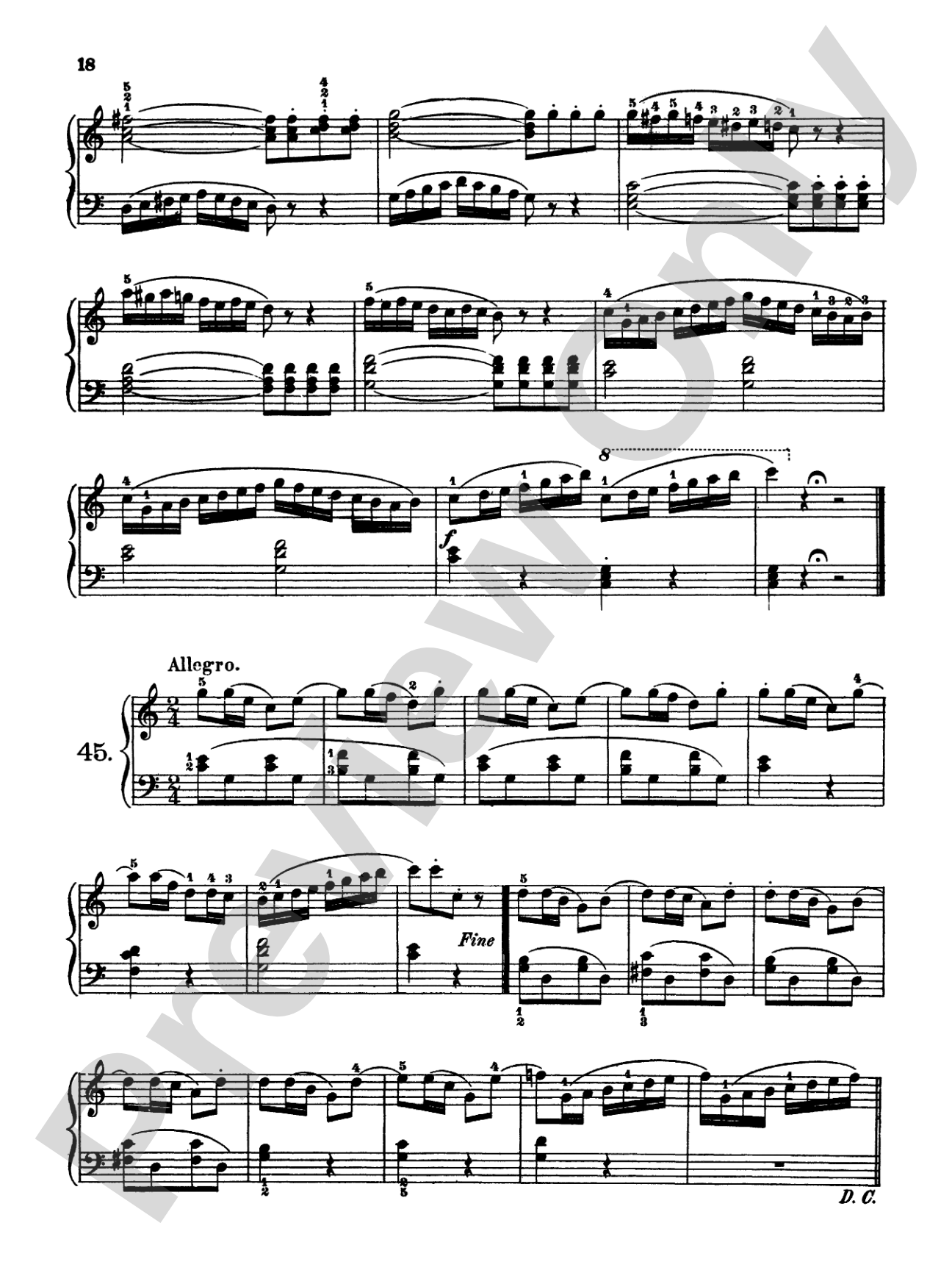
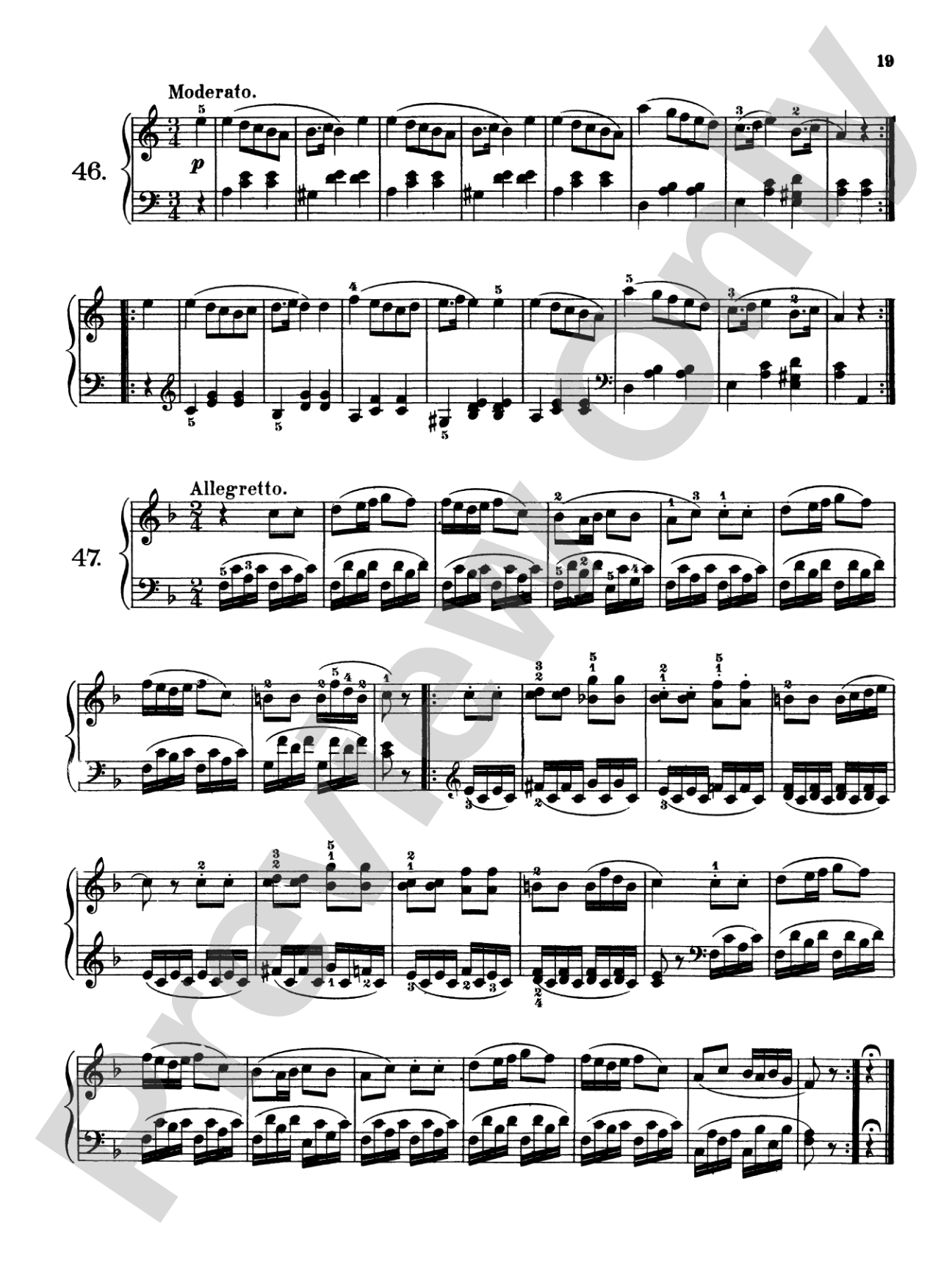
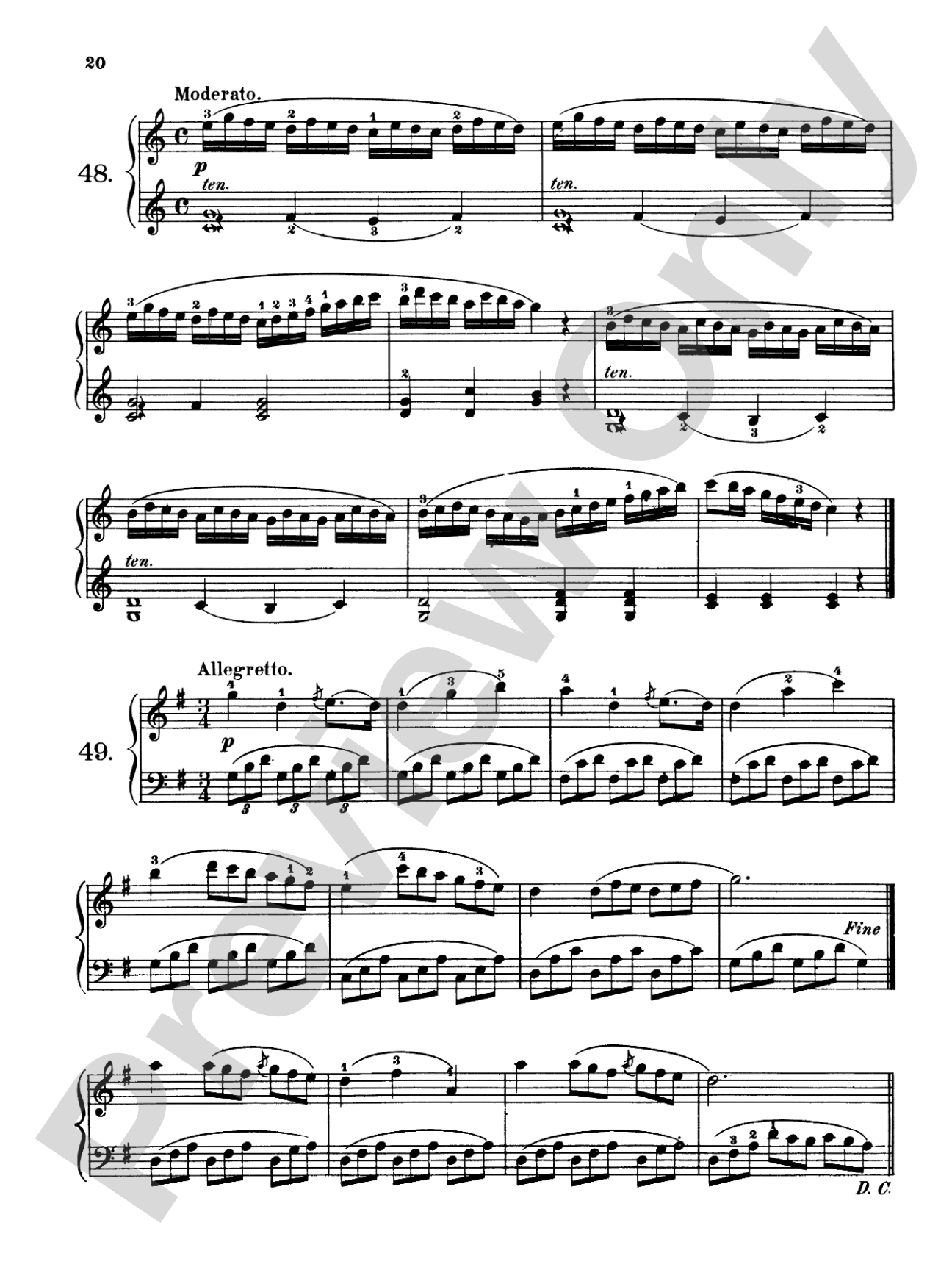
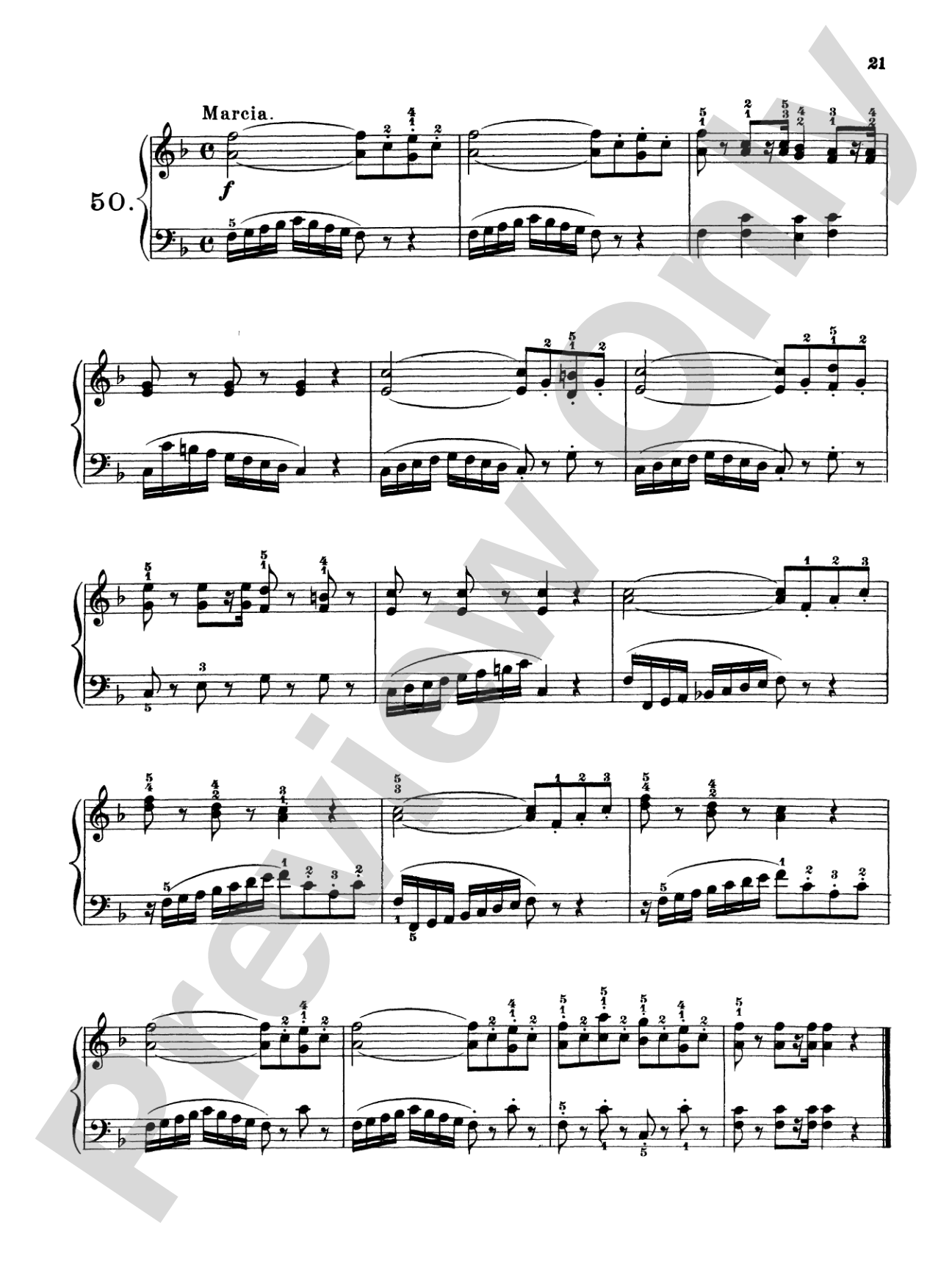




Berens: Fifty Piano Pieces for Beginners, Op. 70: Piano Book
By Johann Herman Berens
Item: 00-PK-0002941

$7.99
Pickup currently not available
Buy Extra Parts (Digital PDF Download)
| Product | Price | Quantity |
|---|---|---|
| Berens: Fifty Piano Pieces for Beginners, Op. 70 | $6.95 |
Parts Added to Cart!
Related Items
50 Piano Pieces for Beginners, Opus 70: Piano Book |
$7.99
|
View |
Description
Hermann Berens (1826--1880) was a German Romantic composer famous mainly for his piano music. These elementary to intermediate level pieces make up Berens' Opus 70. 21 pages.


Don't just read it, hear it, play along with it, and watch your students grow with it. In MakeMusic Cloud, Berens: Fifty Piano Pieces for Beginners, Op. 70: Piano Book comes alive with professional accompaniment, adjustable tempo, and built-in practice tools that turn solo practice into real progress.
Open in the Player
Jump straight in and assign it today.
Start Your Free Trial
Open this title and explore the full library in minutes.
Sample Audio
No sample audio found.
Sample Video
No sample videos found.
Additional Details
Series:
Kalmus Edition
Publisher:
Alfred Music
Page Count:
24
SKU:
00-PK-0002941
More about this title
About the Composer: Johann Herman Berens
Johann Herman Berens (1826-1880) was a German Romantic composer and pianist whose output centered almost entirely on keyboard music. Though largely overshadowed by his contemporaries, Berens developed a reputation for writing pedagogically sound piano pieces that balanced musical substance with technical accessibility, making him a valued resource for studio teachers throughout the 19th and early 20th centuries.
Berens' compositions remain essential to piano curricula because they bridge the gap between basic technique and genuine artistic expression. His Opus 70 collection demonstrates his gift for creating miniatures with character and harmonic interest, pieces that students can perform with musicality while still consolidating fundamental skills.
Why we love this
Berens' Opus 70 offers what few collections of this era provide: genuine musical substance without unnecessary technical flourish. Each piece is short enough to learn quickly but interesting enough that students approach practice with genuine engagement rather than resignation. The collection gives you flexibility to assign pieces based on individual student needs, creating natural repertoire pathways from early elementary through intermediate levels.
What to expect
Berens writes with the restraint and craftsmanship of the Romantic era, offering pieces that feel genuinely musical without overwrought emotions or technical display. These are intimate miniatures, often reflective or gently animated, with clear melodic lines and harmonic progressions that reward careful listening. The overall character is warm, accessible, and unpretentious.
Who it's for
This collection serves students in the early-intermediate stages of piano study who need repertoire with real musical personality. Teachers working with students around grades 2-4 (ABRSM or similar) will find consistent material that reinforces technique while maintaining student interest through genuine compositional variety.
How to get the most out of it
- Pay attention to Berens' dynamic markings and articulation indications; these seemingly small details are what give shape and personality to these miniatures.
- Treat phrase structure as your foundation for interpretation. Even in simple pieces, Berens plants clear beginnings and endings that benefit from intentional breathing and weight distribution.
- Allow tempo to serve the character of each piece rather than rushing through them. A moderate, confident pace often reveals the harmonic movement more clearly than a hurried one.
- Balance left and right hand parts so neither dominates unnecessarily. Many pieces benefit from a conversational quality between the hands rather than a rigid keyboard approach.
How to use it
Assign pieces from this collection as recital material for students preparing their first formal performances. The brevity and clarity of each piece make them ideal for community performances, studio recitals, or informal concert settings where confidence and musical communication matter more than technical virtuosity. You might also use them as supplementary repertoire alongside a method book to develop sight-reading fluency and stylistic awareness.
Skills your students will build
- Reading and interpreting dynamic and articulation markings
- Phrase structure and musical shape in simple form
- Tempo control and confidence in performance
- Coordination between independent hand parts
- Harmonic awareness through listening and playing melodic movement
- Sustained focus across short but complete musical ideas