
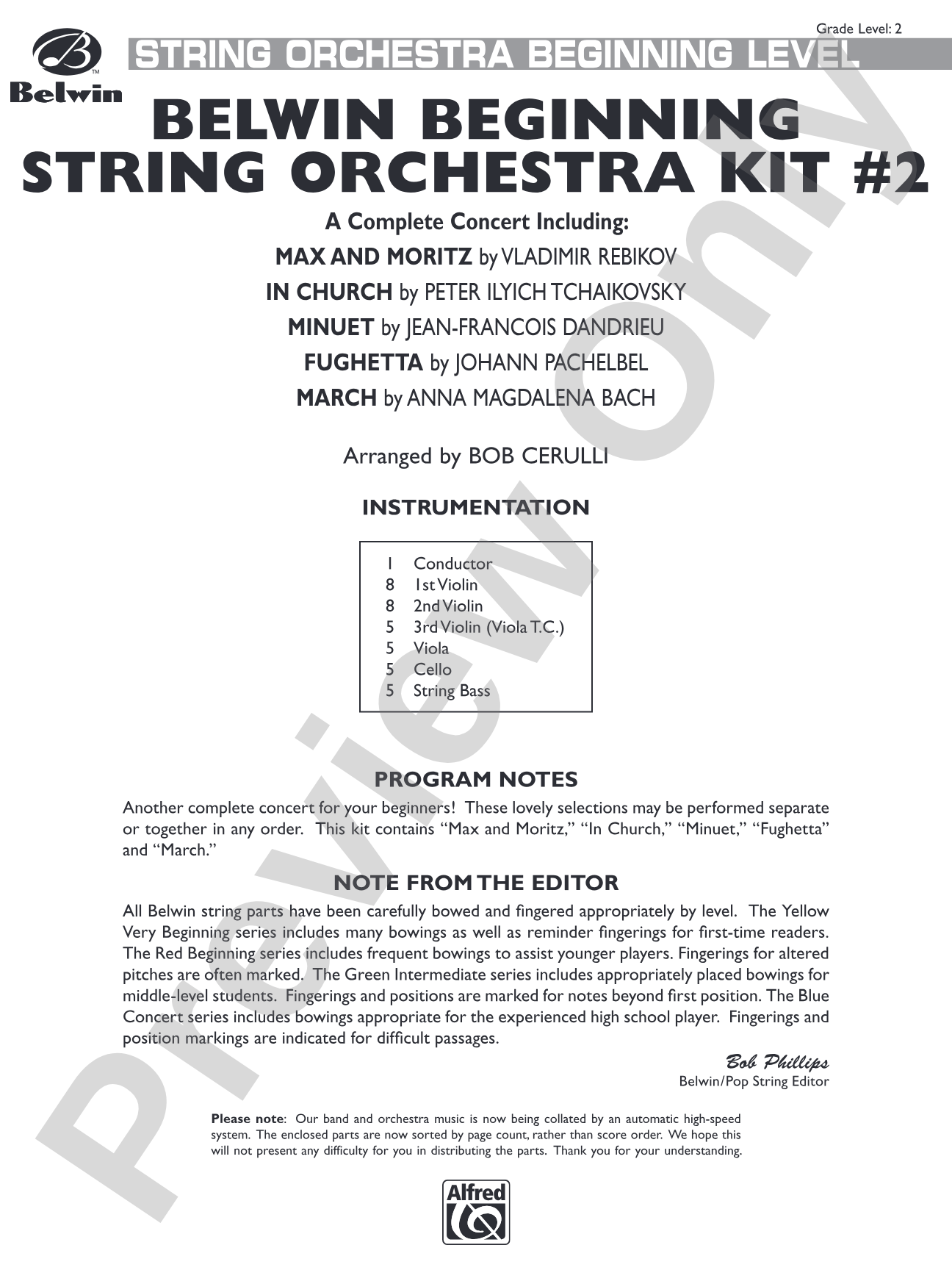
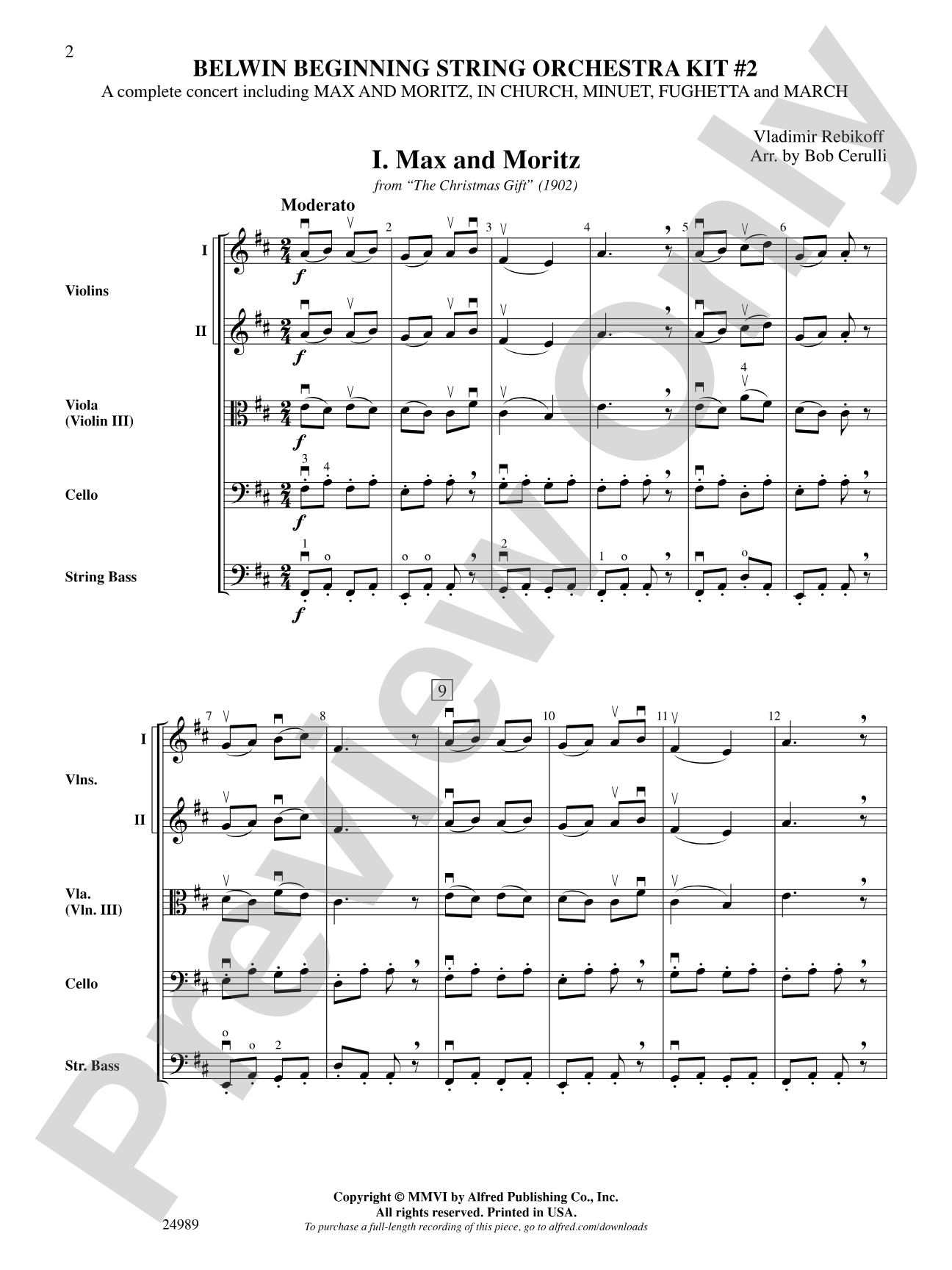
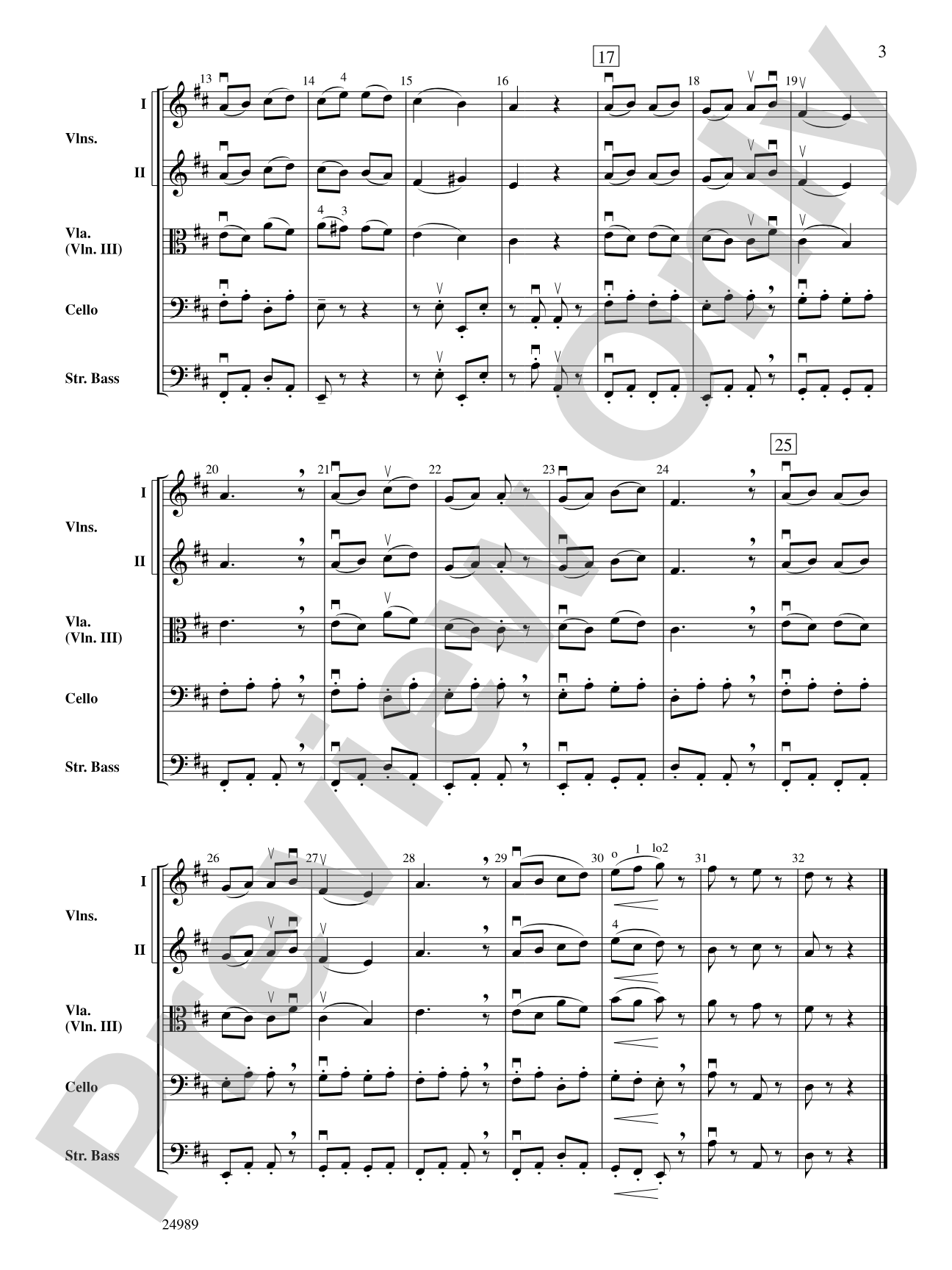
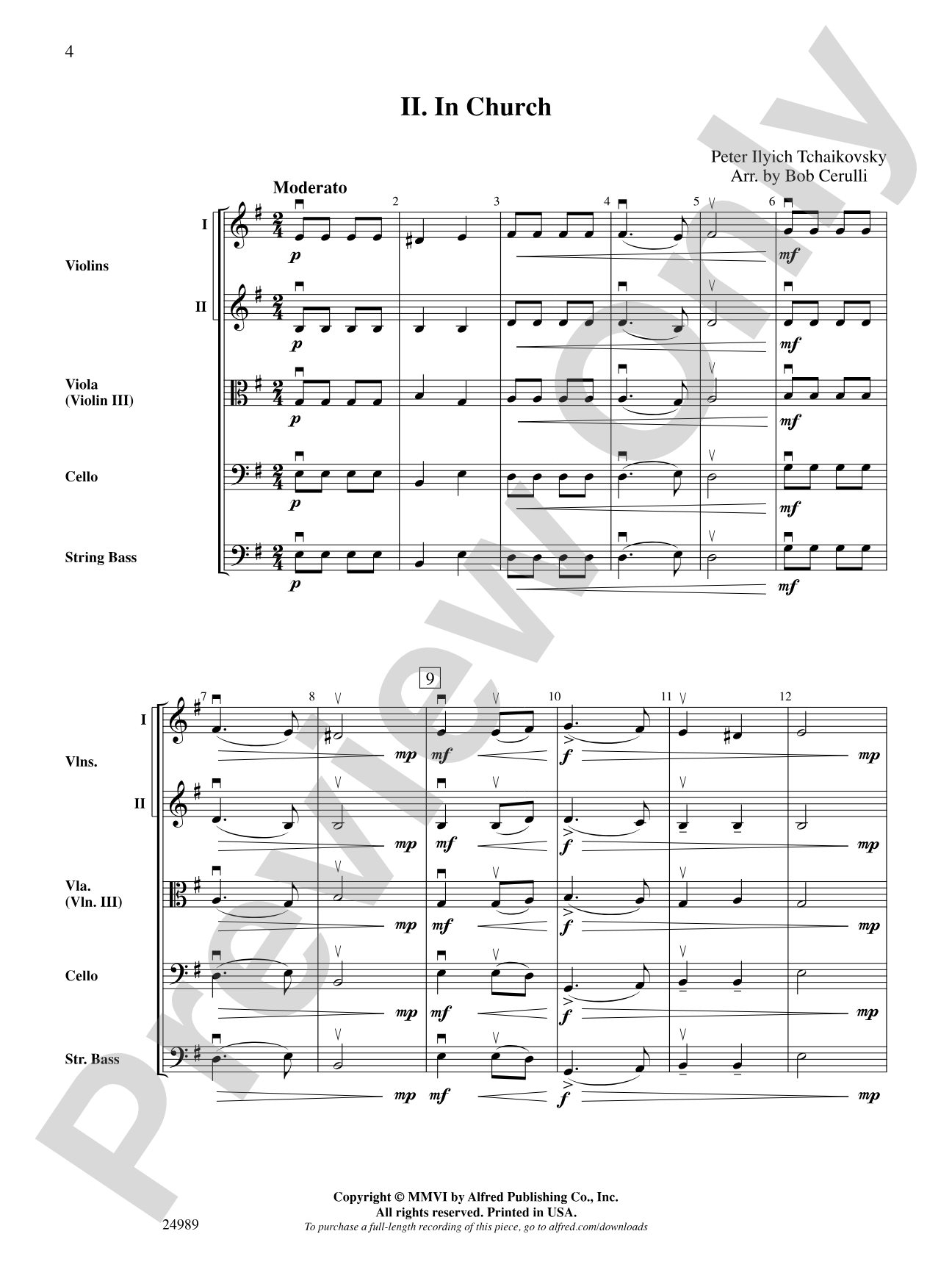
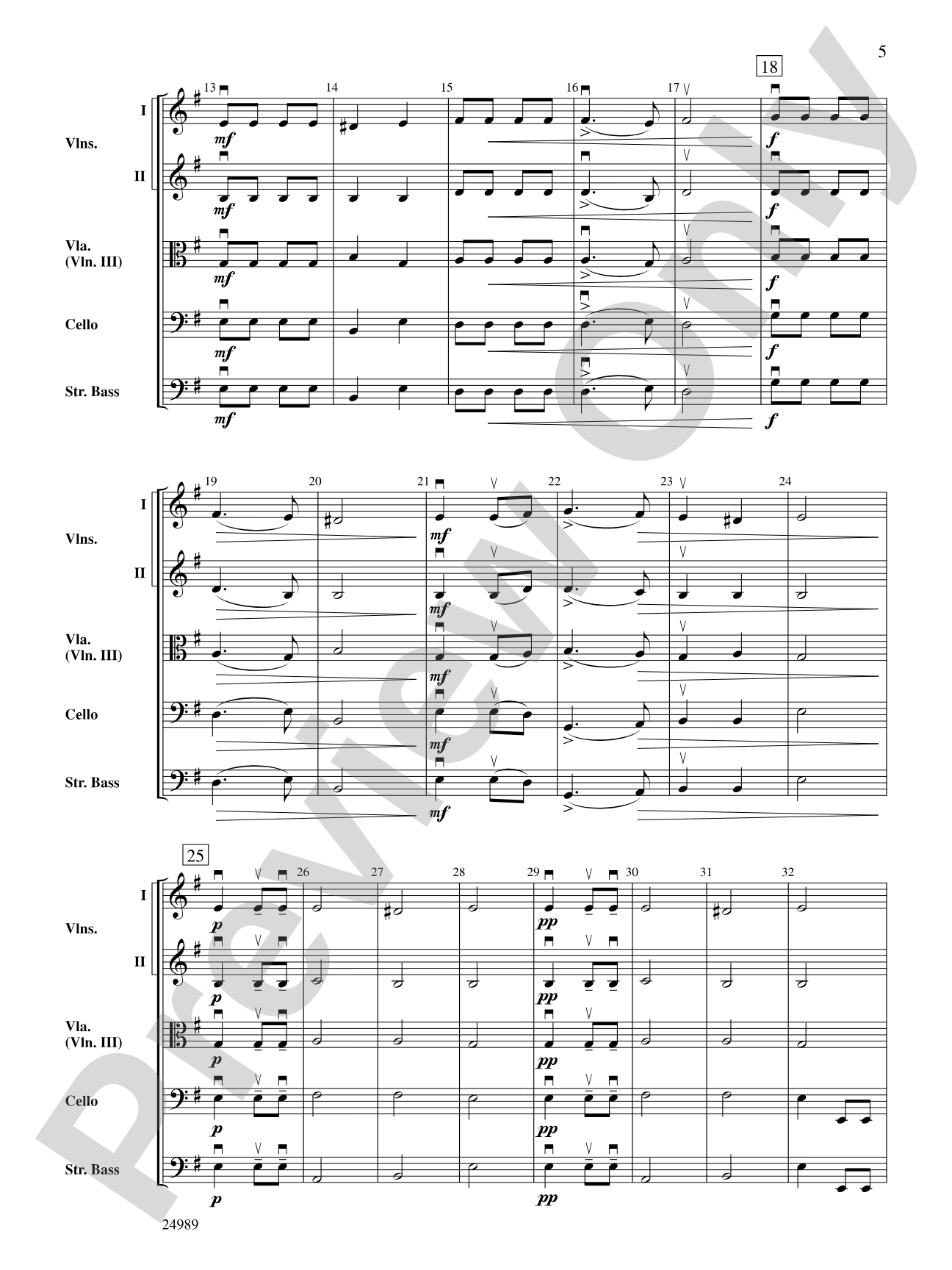
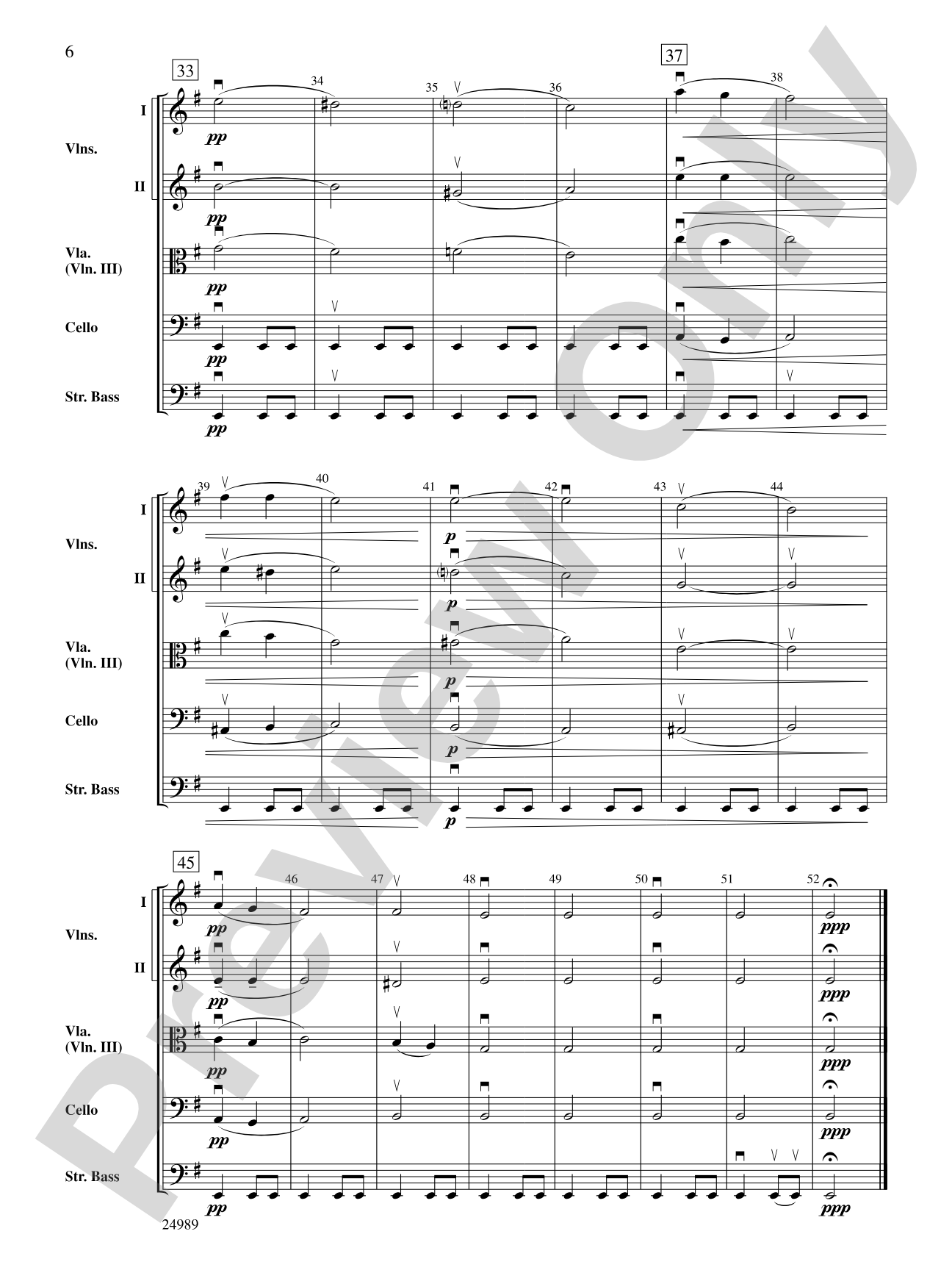
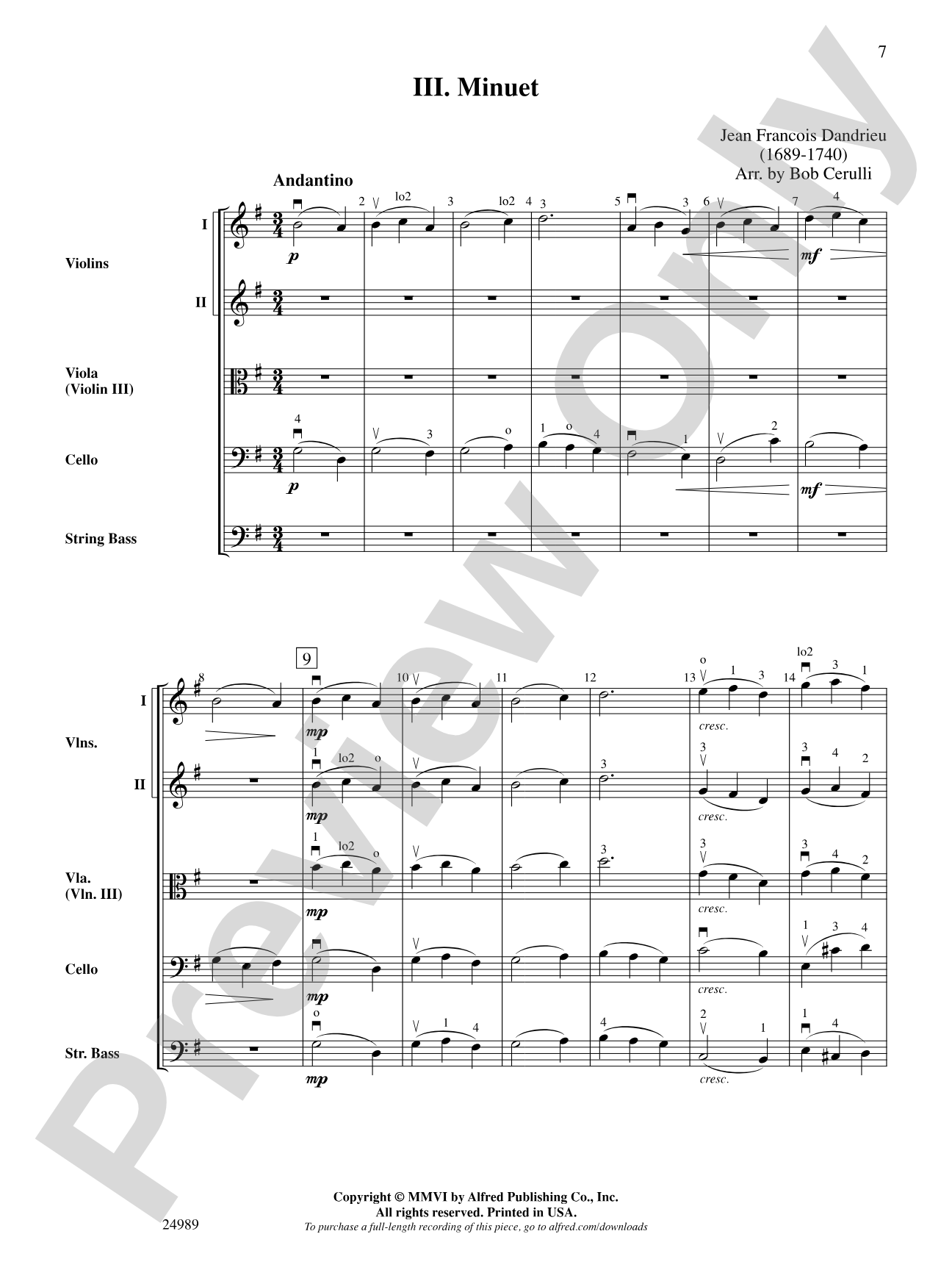
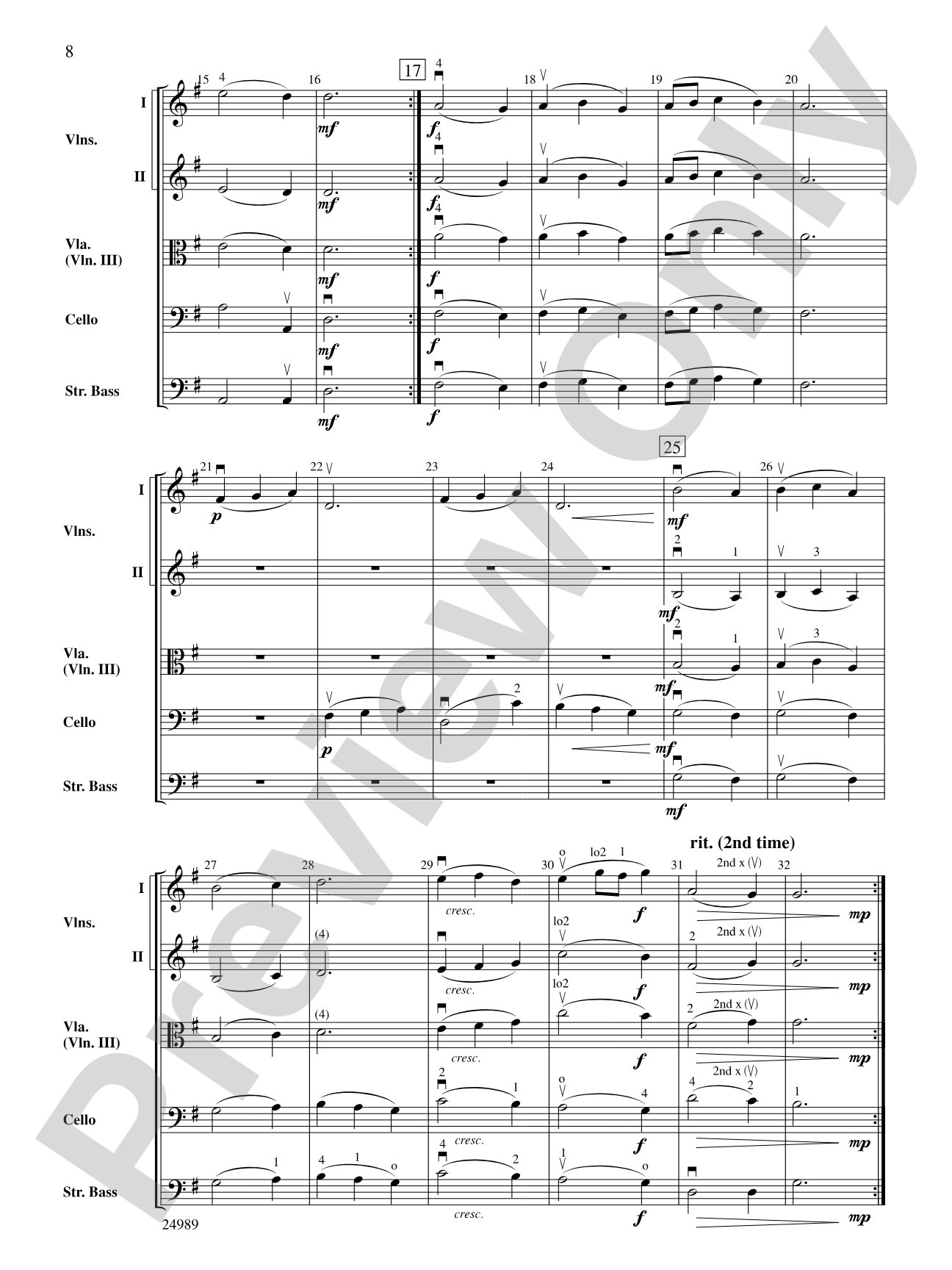
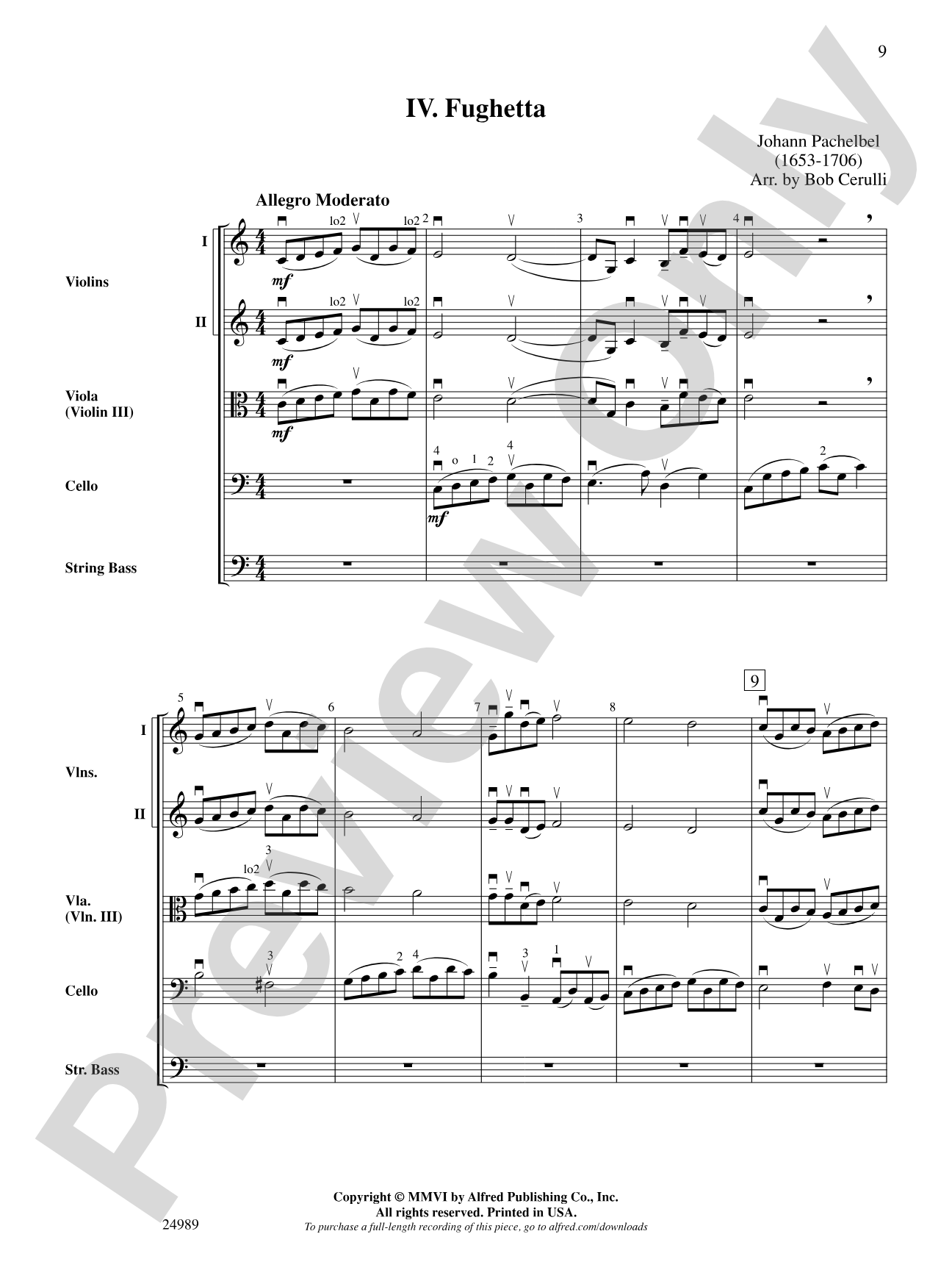
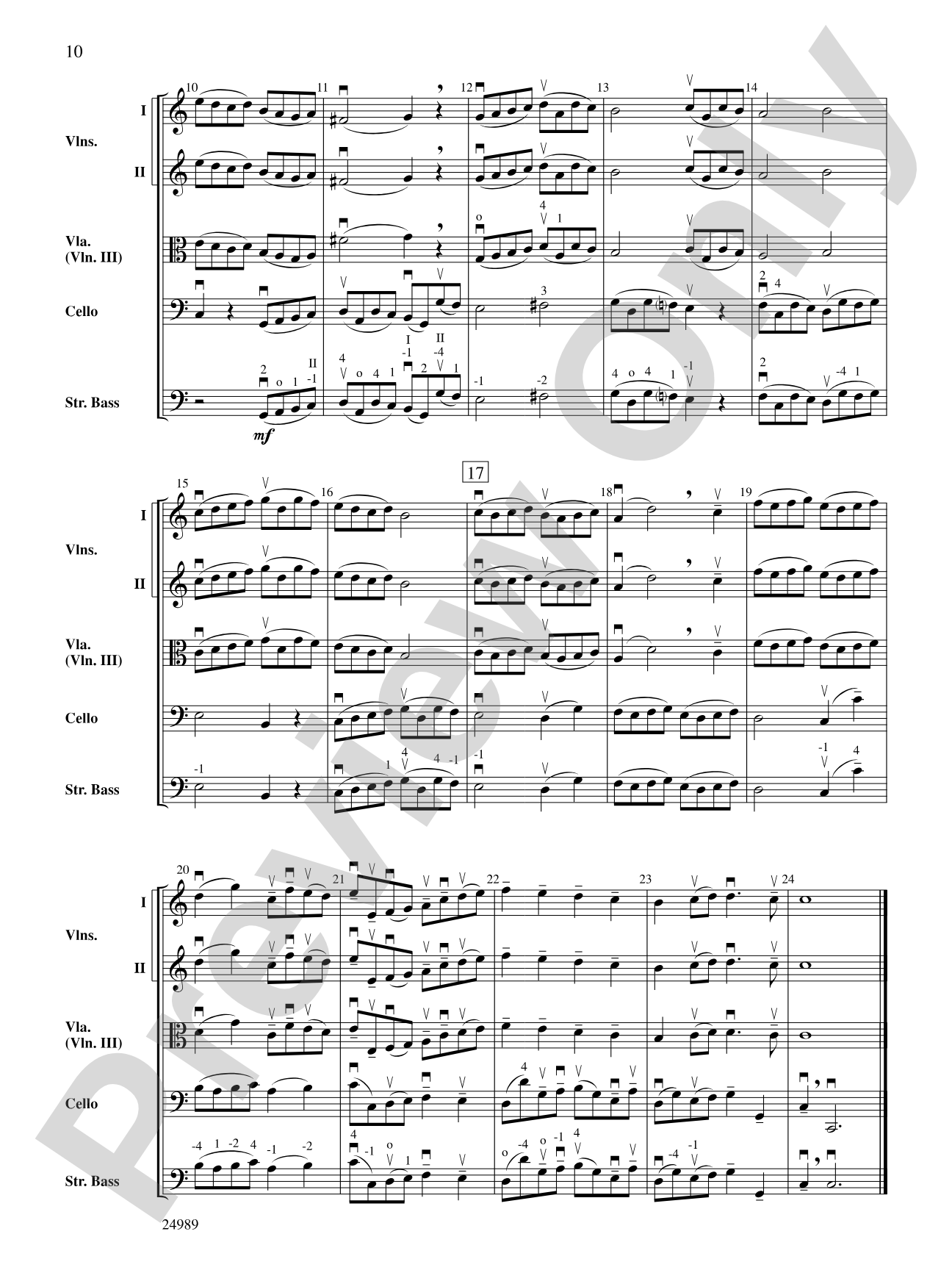
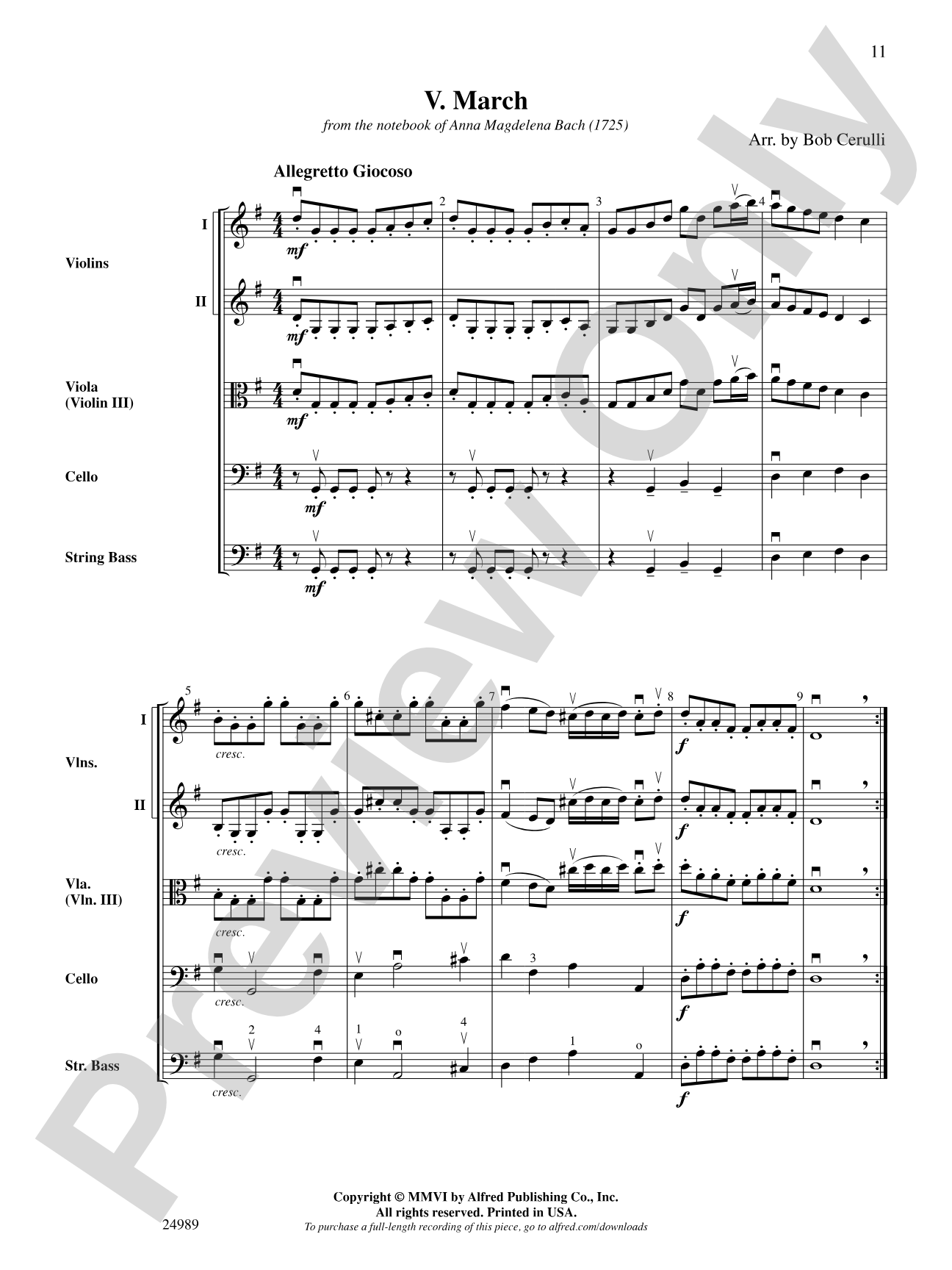
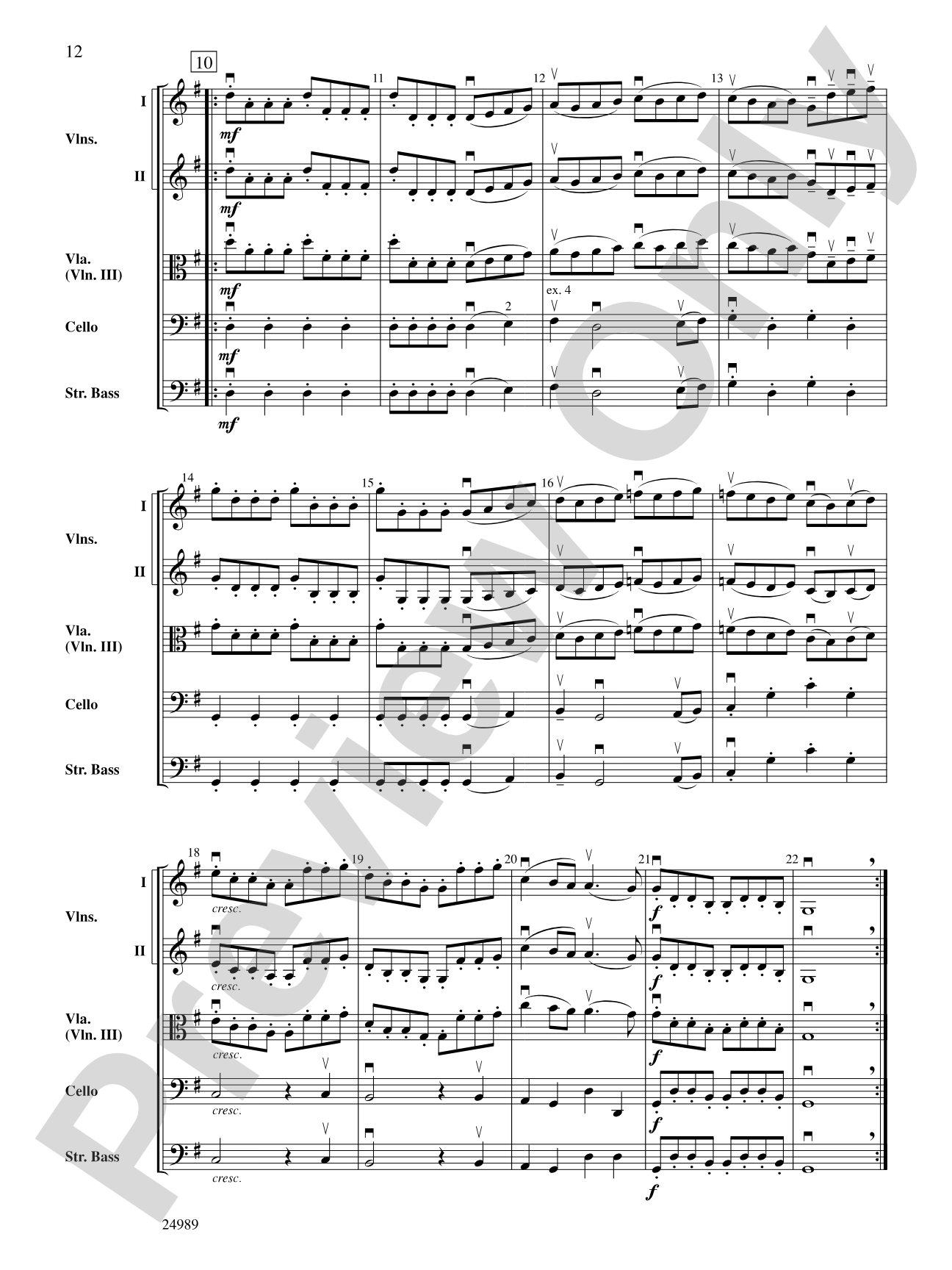

Belwin Beginning String Orchestra Kit #2: Score
A Complete Concert Including: Max and Moritz / In Church / Minuet / Fughetta / March
Music by Vladimir Rebikov, Peter Ilyich Tchaikovsky, Jean-François Dandrieu, and Johann Pachelbel / arr. Bob Cerulli
Grade: 2
Item: 00-PR-0000962
$6.00
Pickup currently not available
Description
Fantastic! Bob Cerulli has programmed and arranged these five lovely selections specifically to show off the young string orchestra. Play them all for a ready-to-go concert, or choose one or two. All are short, attainable and will sound great!


Don't just read it, hear it, play along with it, and watch your students grow with it. In MakeMusic Cloud, Belwin Beginning String Orchestra Kit #2: Score comes alive with professional accompaniment, adjustable tempo, and built-in practice tools that turn solo practice into real progress.
Open in the Player
Jump straight in and assign it today.
Start Your Free Trial
Open this title and explore the full library in minutes.
Sample Audio
1
Audio File
--:--
0:00
0:00
Sample Video
No sample videos found.
Additional Details
Series:
Belwin Beginning String Orchestra
Publisher:
Alfred Music
Page Count:
144
SKU:
00-PR-0000962
More about this title
About the Composer: Vladimir Rebikoff
Vladimir Rebikoff (1866-1920) was a Russian composer and pianist known for his accessible, lyrical writing and his gift for melody. His works, particularly those arranged for young ensembles, remain staples in music education because they balance musical substance with technical achievability, allowing students to play genuinely beautiful music early in their training.
Why we love this
Bob Cerulli's arrangement selections in this kit prove that Grade 2 orchestras don't need simple filler; they deserve real musical content that challenges and rewards. The five pieces span recognizable masterworks from different eras and national traditions, giving your ensemble a diverse concert program without requiring weeks of rehearsal per piece.
What to expect
These selections carry the elegance and melodic generosity of their original composers while remaining within reach of developing musicians. The writing feels timeless rather than diluted, offering students the satisfaction of playing recognizable, well-loved pieces.
Who it's for
Conductors leading Grade 2 string orchestras who want concert-ready repertoire without lengthy preparation time. This kit suits directors building their students' confidence through attainable arrangements of genuine classical masterworks.
How to get the most out of it
- Balance the melodic line across your first violin section so the tune carries clearly; unison doublings in lower voices should sit underneath without drowning out the main voice.
- Work the rhythmic precision of repeated figures in alla breve or cut-time sections separately; young players often rush these patterns, so isolate them with a metronome before full ensemble rehearsal.
- Shape longer note values with gentle dynamic contour rather than letting them decay; this maintains forward motion even when the orchestra holds sustained pitches.
- Listen specifically for intonation clarity on open strings and first-position notes, where tuning issues are most noticeable in a young orchestra; mark these moments in your score for targeted sectional work.
How to use it
Program all five selections as a themed concert celebrating string literature across centuries and cultures, or extract two or three as anchors for a larger concert mixing student compositions and other Grade 2 repertoire. The variety in style and era makes these particularly effective early in the season for demonstrating range to parents and community listeners.
Skills your students will build
- Sustaining melodic lines with consistent tone production
- Navigating key signatures and accidentals in first and second positions
- Ensemble balance in unison and homophonic textures
- Reading mixed articulations (legato, détaché, staccato) within single phrases
- Maintaining intonation stability across longer sustained passages