

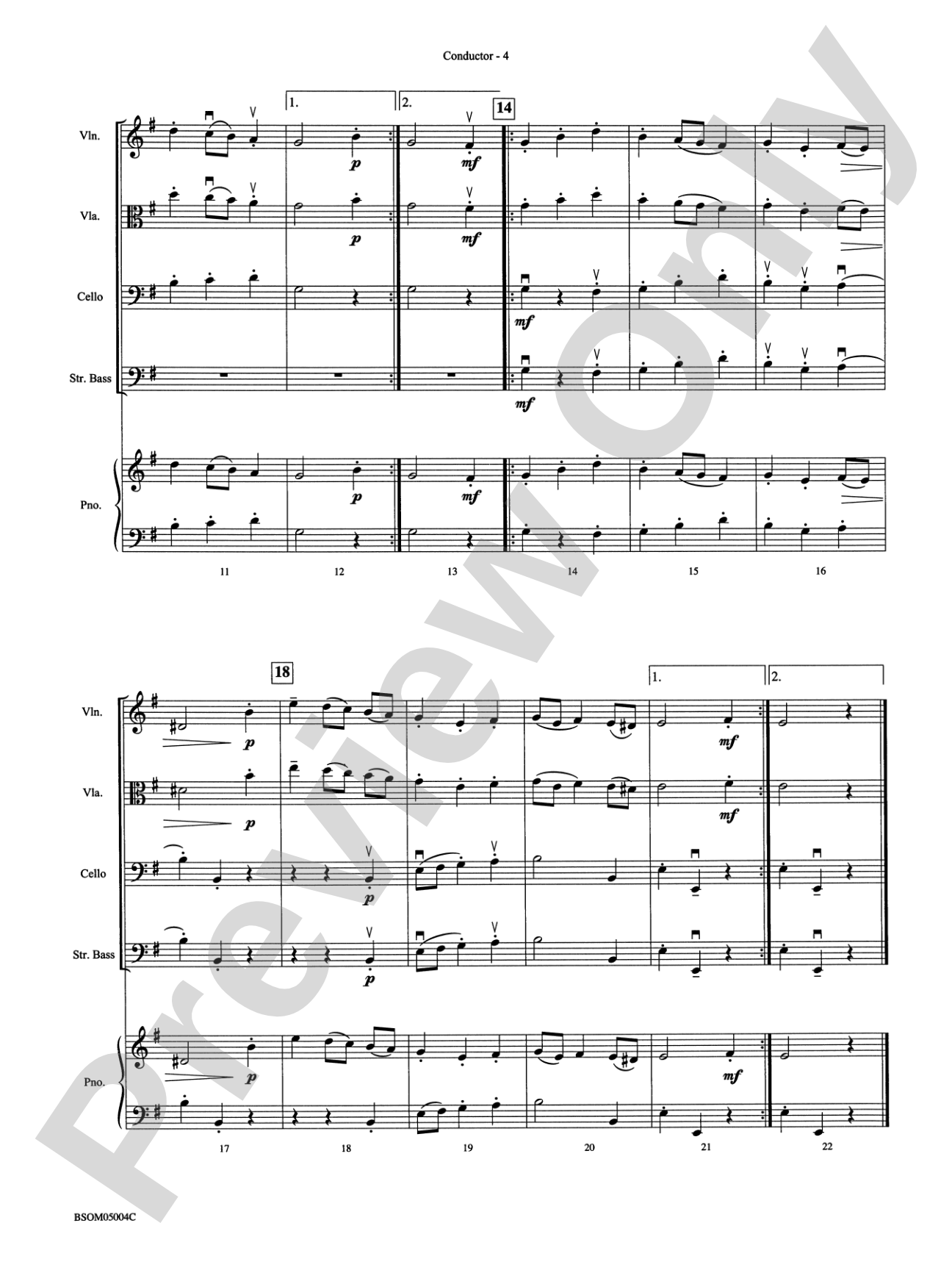
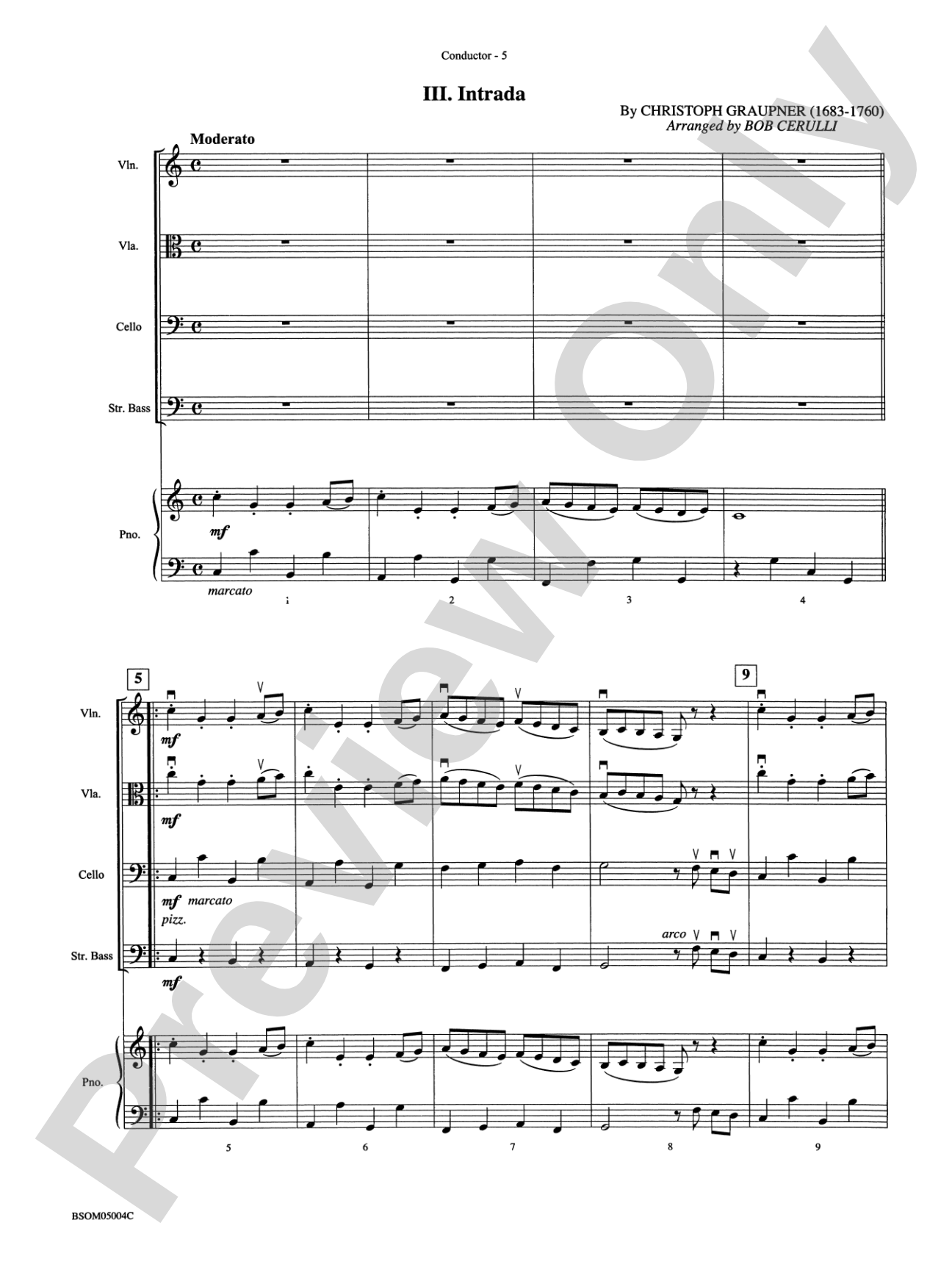
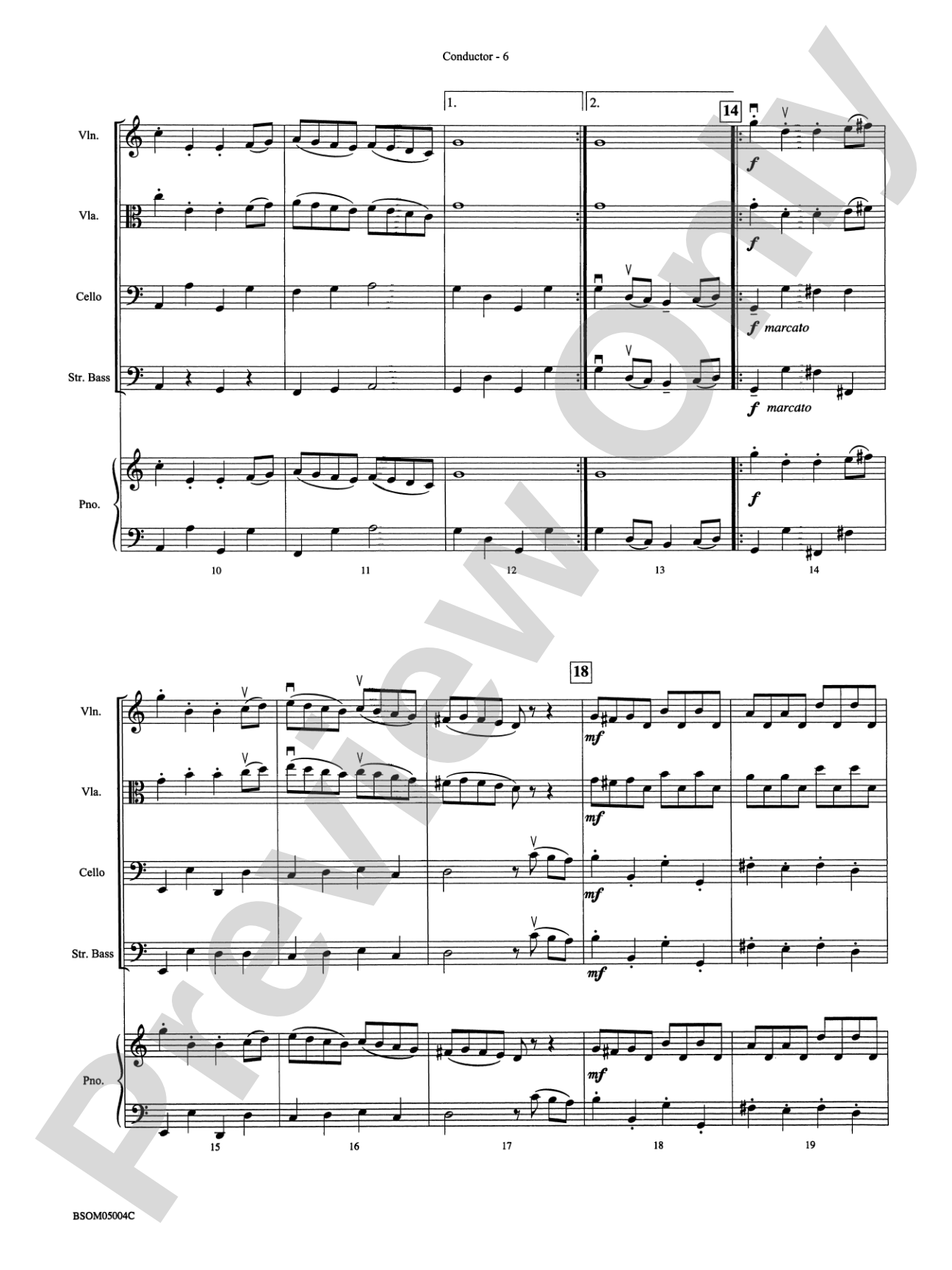
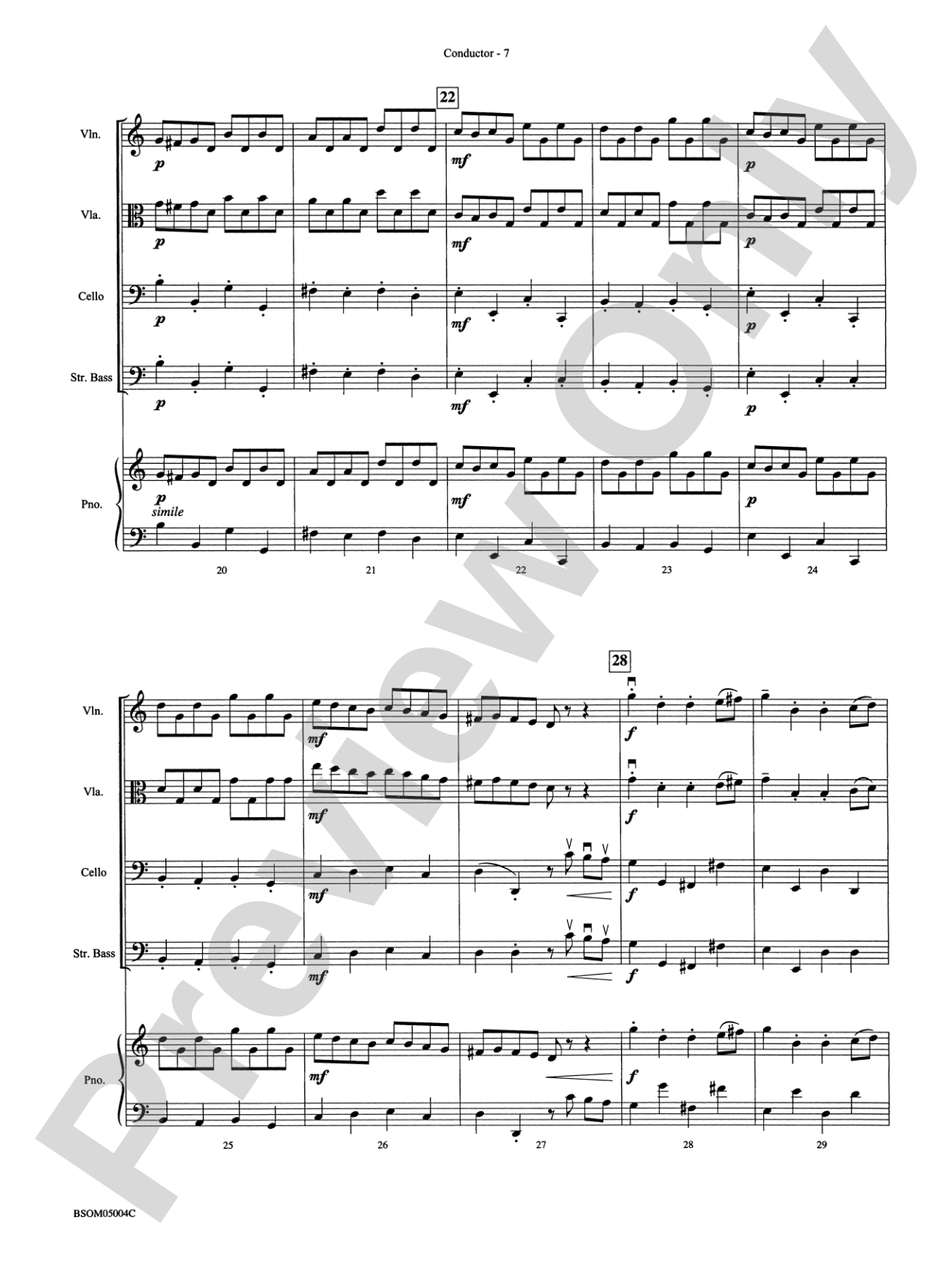
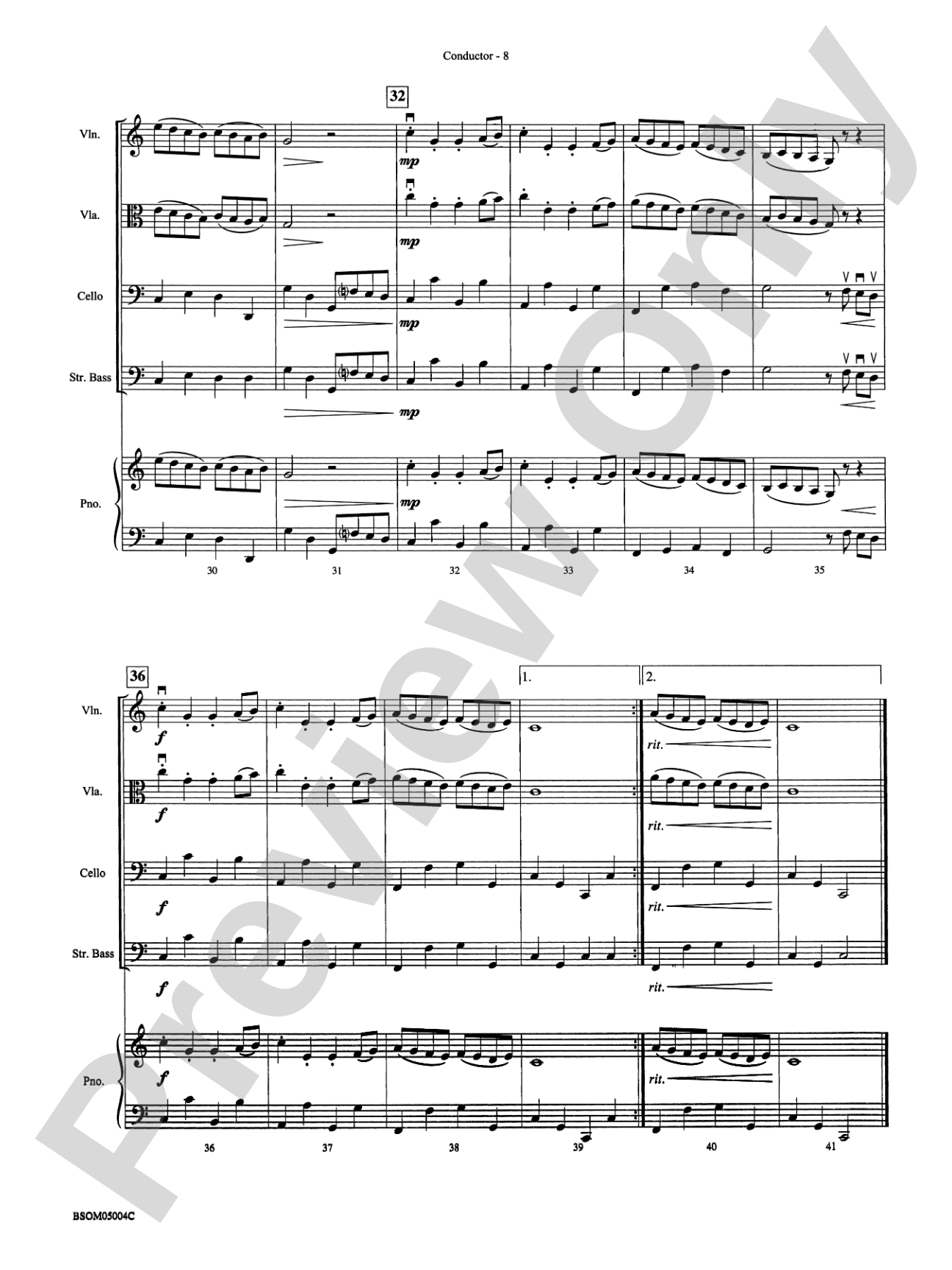



Belwin Beginning String Orchestra Kit #1: Score
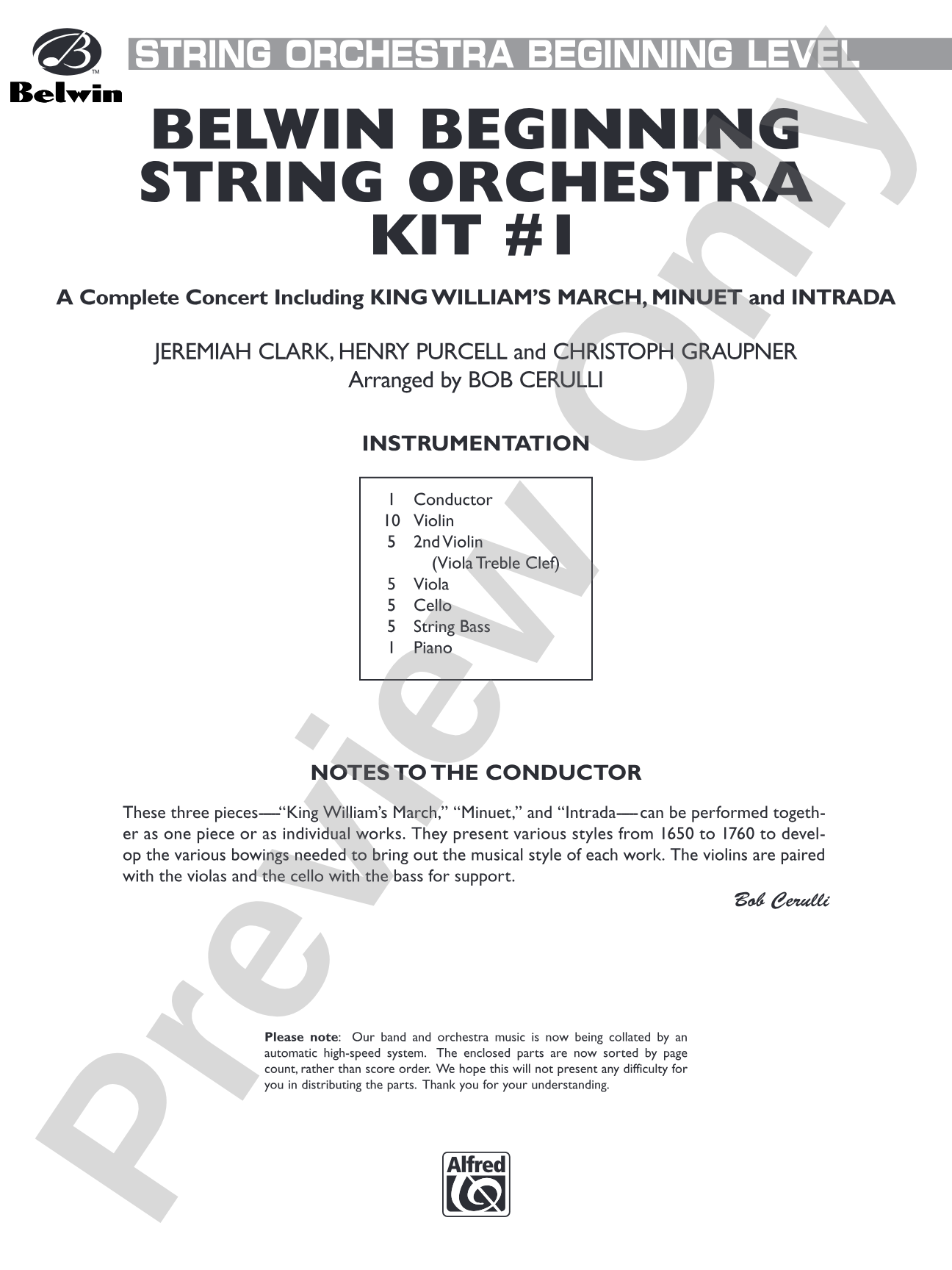
Featuring: King William's March / Minuet / Intrada
Music by Jeremiah Clark, Henry Purcell and Christoph Graupner / arr. Bob Cerulli
Grade: 1
Item: 00-PR-0002257
$8.00
Pickup currently not available
Description
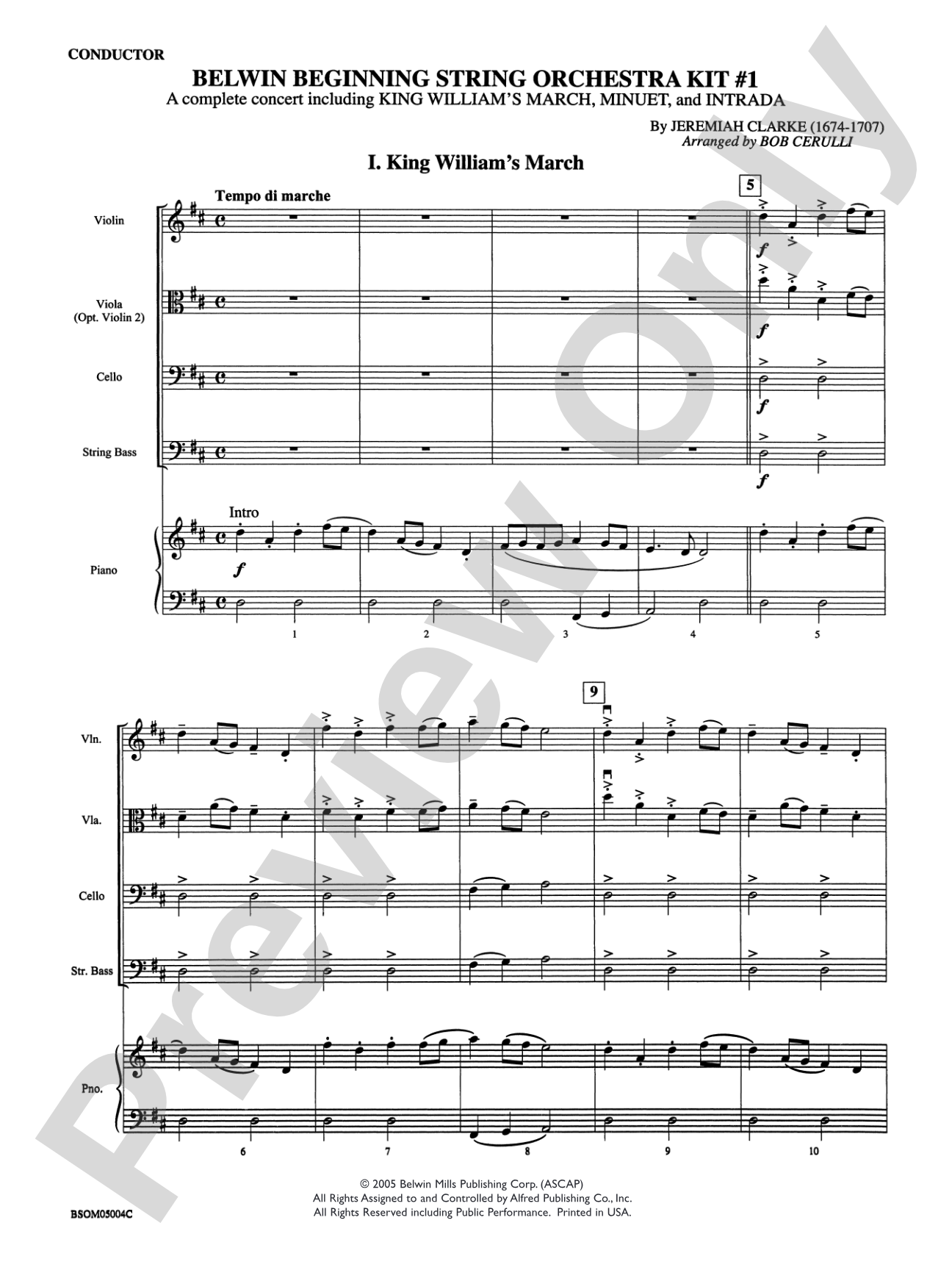
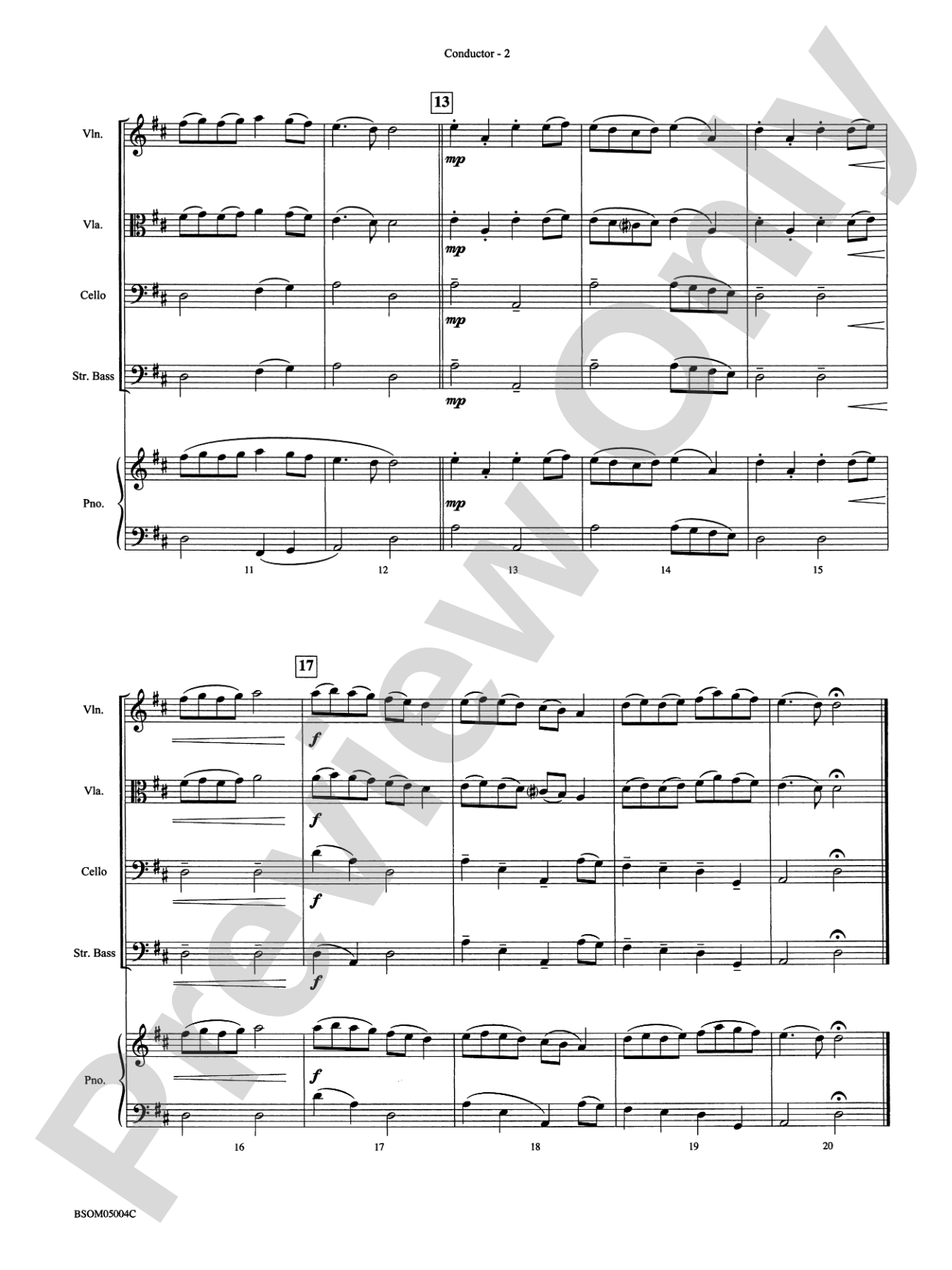
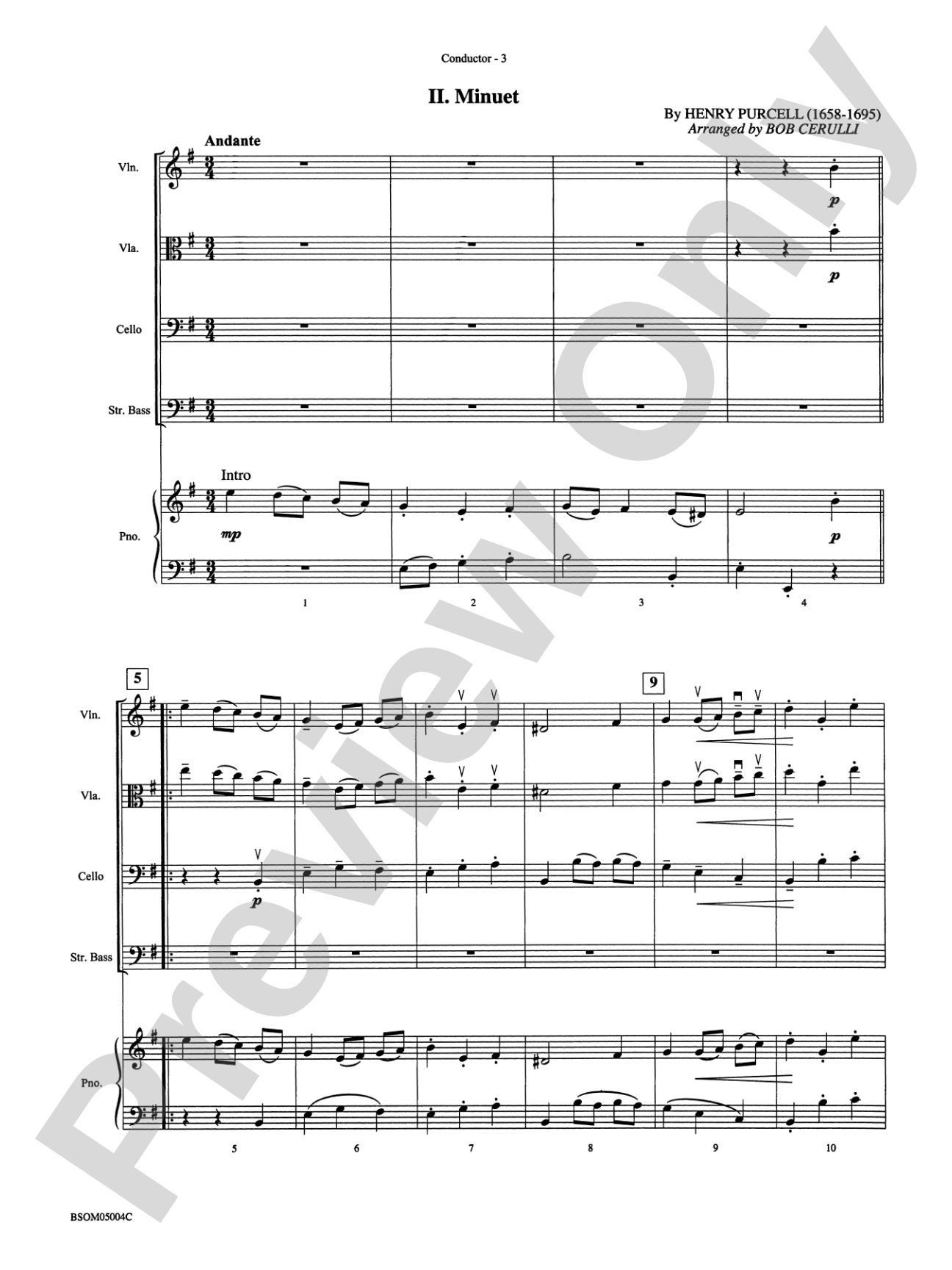
Here's a complete concert for your beginners! These are three independent works that could either be combined and performed as a complete beginners' concert or separated and played on different programs. A real bargain for your music budget, the kit contains "King William's March" by Jeremiah Clarke, "Minuet" by Henry Purcell, and "Intrada" by Christoph Graupner. Wonderfully playable music for your beginners. (4:23)


Don't just read it, hear it, play along with it, and watch your students grow with it. In MakeMusic Cloud, Belwin Beginning String Orchestra Kit #1: Score comes alive with professional accompaniment, adjustable tempo, and built-in practice tools that turn solo practice into real progress.
Open in the Player
Jump straight in and assign it today.
Start Your Free Trial
Open this title and explore the full library in minutes.
Sample Audio
1
Audio File
--:--
0:00
0:00
Sample Video
No sample videos found.
Additional Details
Series:
Belwin Beginning String Orchestra
Publisher:
Alfred Music
Page Count:
64
SKU:
00-PR-0002257
More about this title
About the Composer: Jeremiah Clark
Jeremiah Clark was an English composer and organist of the late 17th and early 18th centuries, best known for "The Prince of Denmark's March," which became a staple of ceremonial music in the English-speaking world. His instrumental works demonstrate a gift for memorable melody and clear harmonic structure, qualities that make his compositions ideal for teaching purposes. Clark's "King William's March" remains a touchstone for introducing young string players to baroque style and formal musical architecture.
Why we love this
This kit gives you three distinct works from the baroque masters, each with its own character and teaching value, all arranged for absolute beginners without dumbing down the music. Bob Cerulli's arrangements preserve the essential lines and harmonic integrity of the originals while keeping the technical demands reasonable. You get concert-ready material that teaches style, phrasing, and ensemble listening in a single package.
What to expect
These are elegant, straightforward pieces that move with baroque grace. There's ceremony and formality in the march, refinement and dance-like elegance in the minuet, and bright fanfare character in the intrada. Each work breathes clarity and architectural form that young players can actually hear and understand.
Who it's for
Conductors building a first-year string orchestra program who need accessible, musically legitimate concert material that reflects actual baroque repertoire rather than oversimplified arrangements. Teachers seeking three distinct works that fit cleanly into a single program or allow flexible programming across multiple concerts throughout the year.
How to get the most out of it
- Shape the phrases in "King William's March" by encouraging slight dynamic swells at natural arrival points rather than maintaining a static forte throughout; this brings life to the march without requiring sudden technical changes.
- Balance the inner voices in "Minuet" carefully, as the melody tends to dominate beginner players' attention; isolate viola and cello parts in sectional rehearsals to ensure they support rather than disappear.
- Set a clear, walking tempo for "Intrada" and maintain it steadily; resist the urge to rush during the more energetic sections, as ensemble rhythmic precision matters more than speed.
- Experiment with articulation choices across all three pieces; even slight differences in tonguing (detached vs. legato) change the baroque character significantly and give students ownership of interpretation.
How to use it
Open a winter or spring concert with all three as a cohesive baroque suite, or use them strategically throughout the year: the march for fall programs, the minuet for a more chamber-oriented concert, and the intrada as an energetic closer. They also pair well with classical-era works if you're building a historical timeline program or introducing students to compositional periods.
Skills your students will build
- Baroque articulation and ornamentation
- Phrase shaping and musical line
- Tempo consistency and ensemble rhythmic precision
- Balance between melody and harmonic support
- Reading and interpreting period-appropriate style markings
- Tuning in baroque-style minor keys