
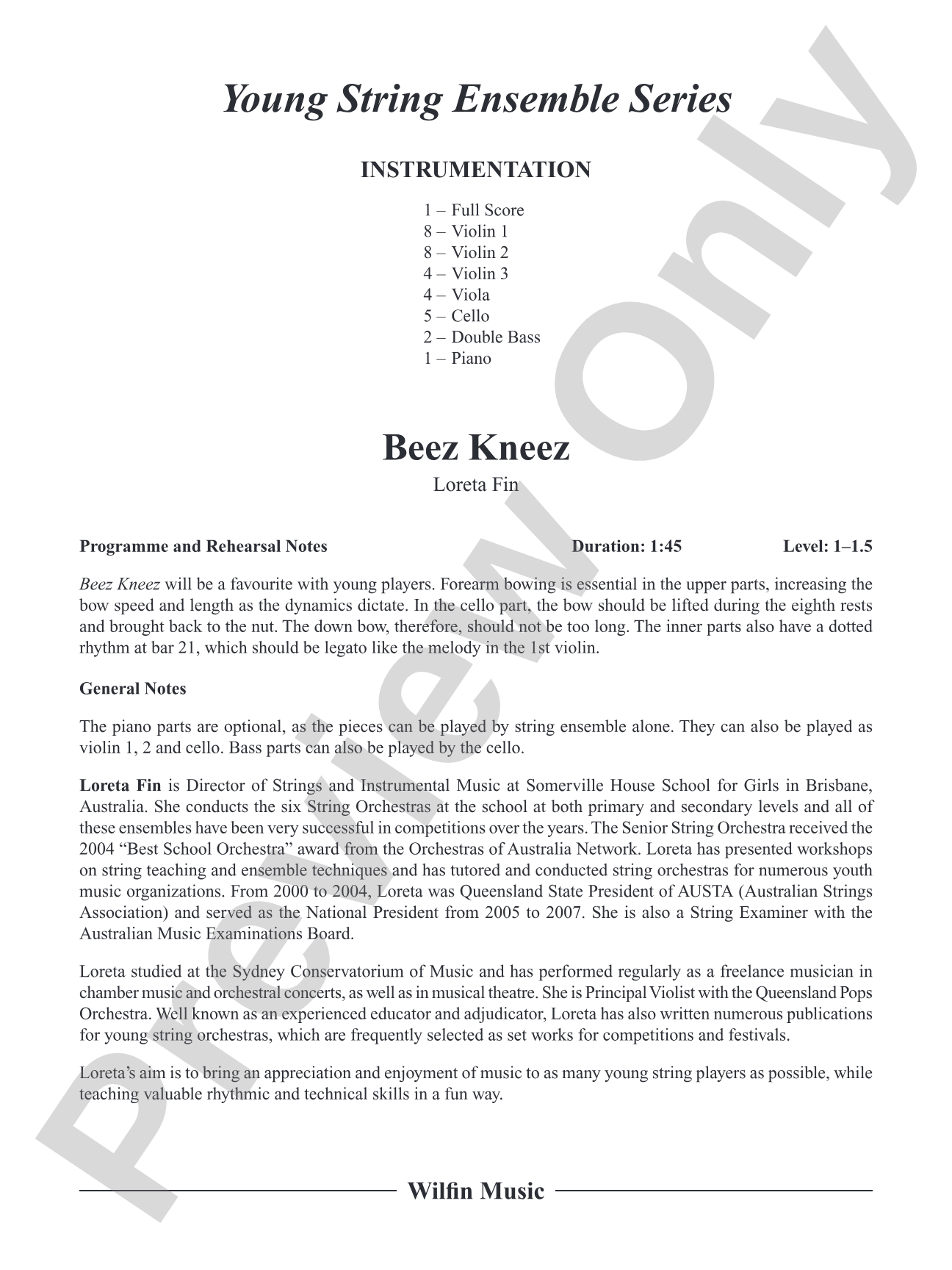
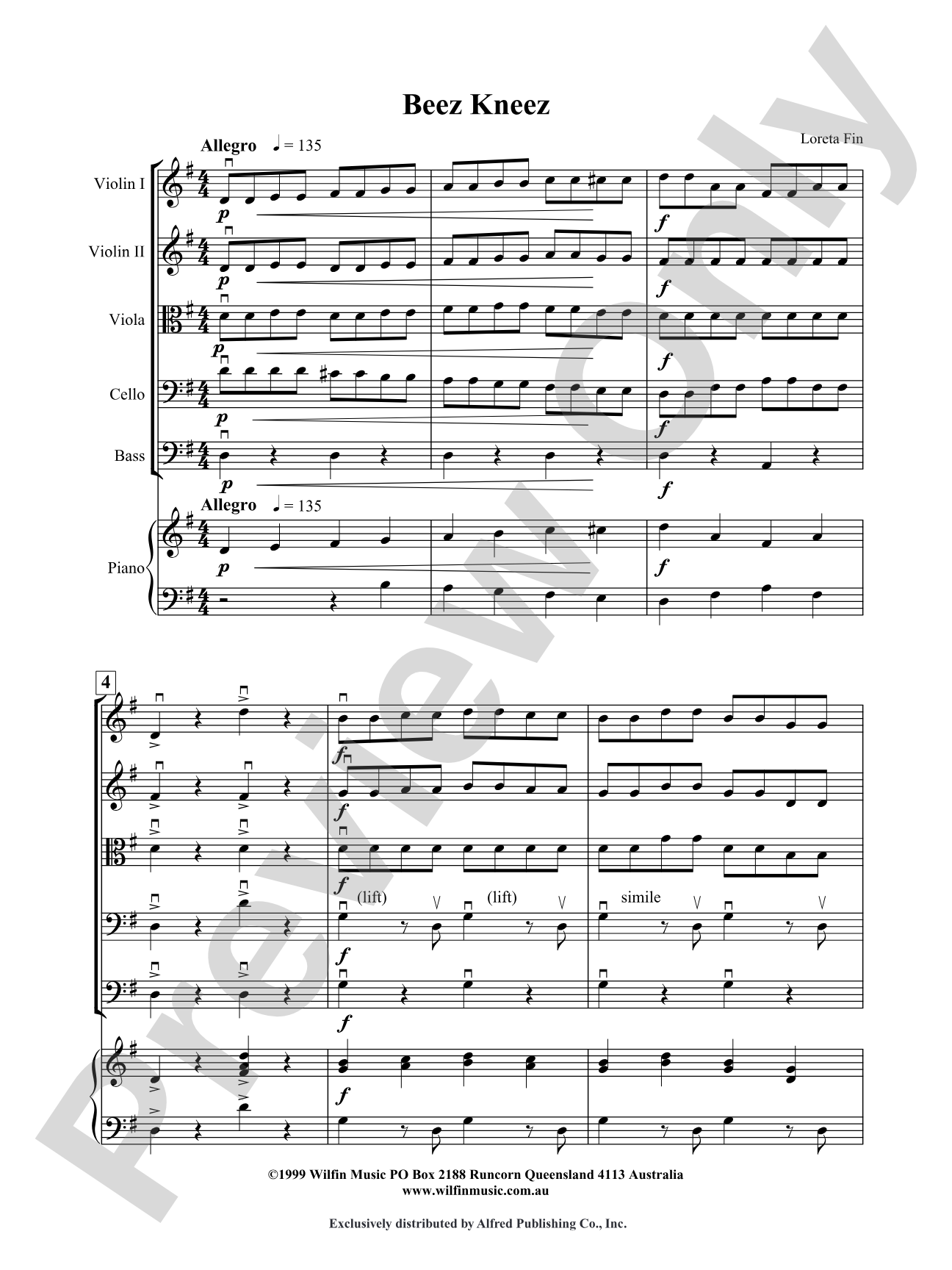
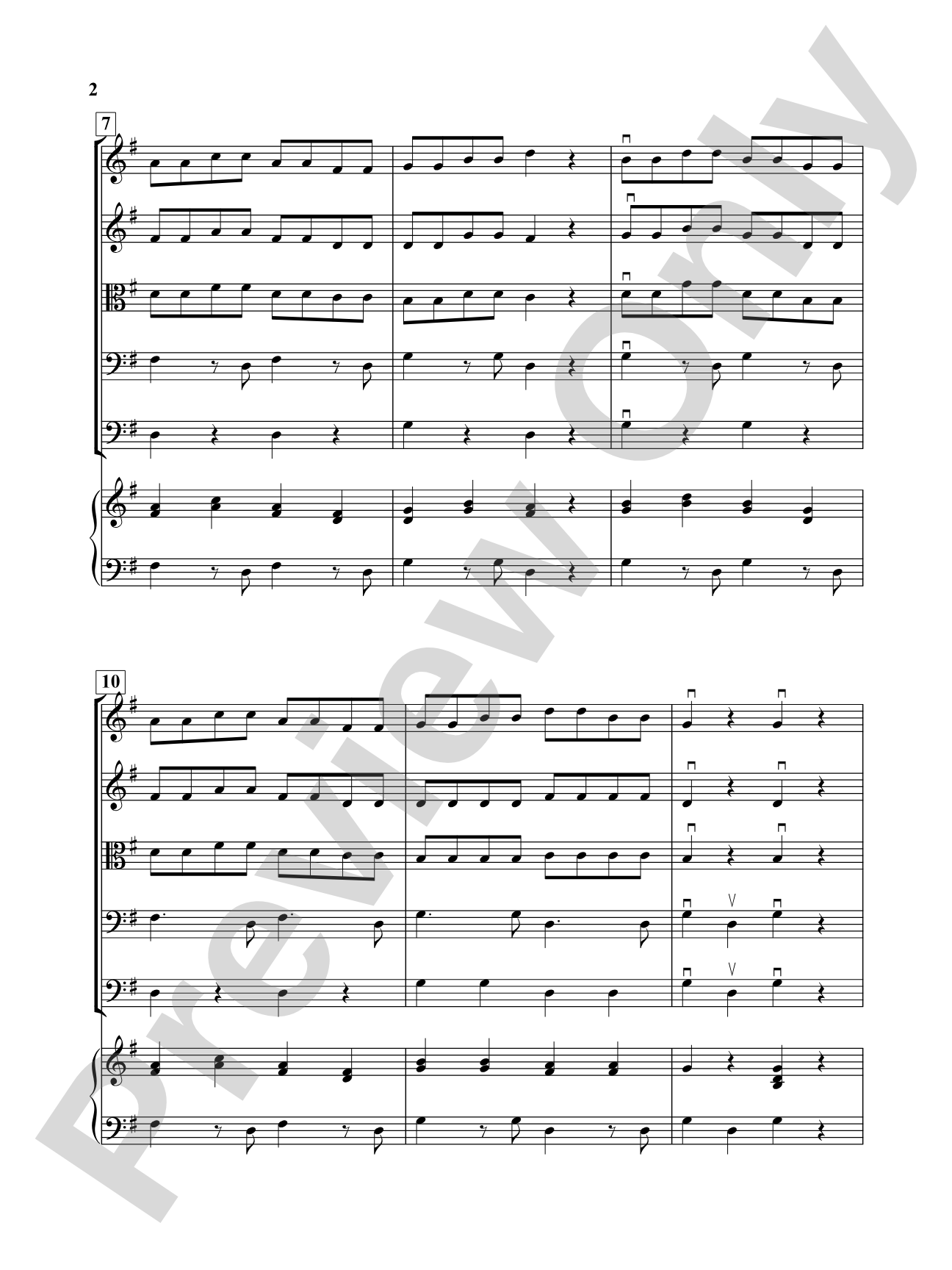
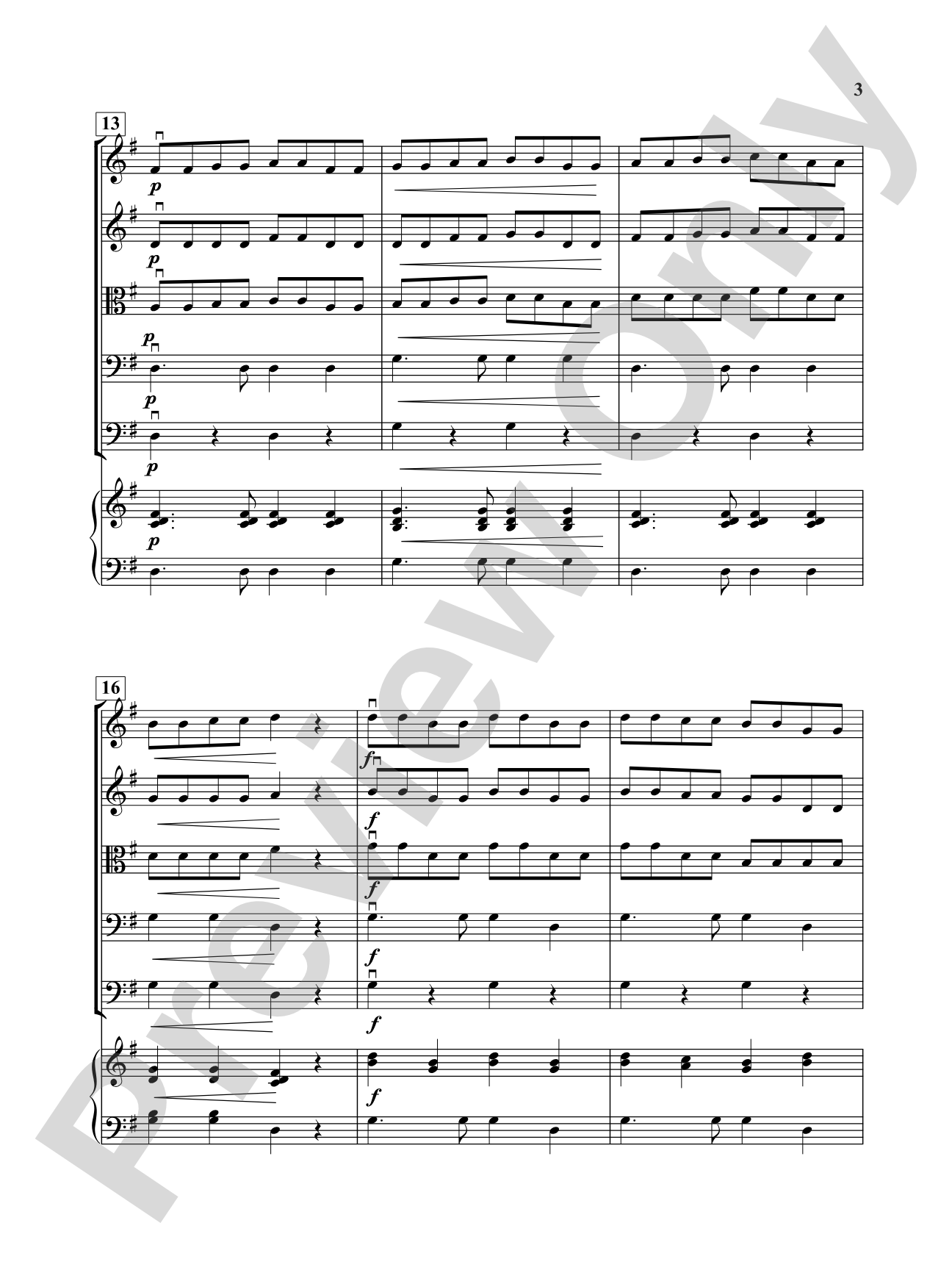
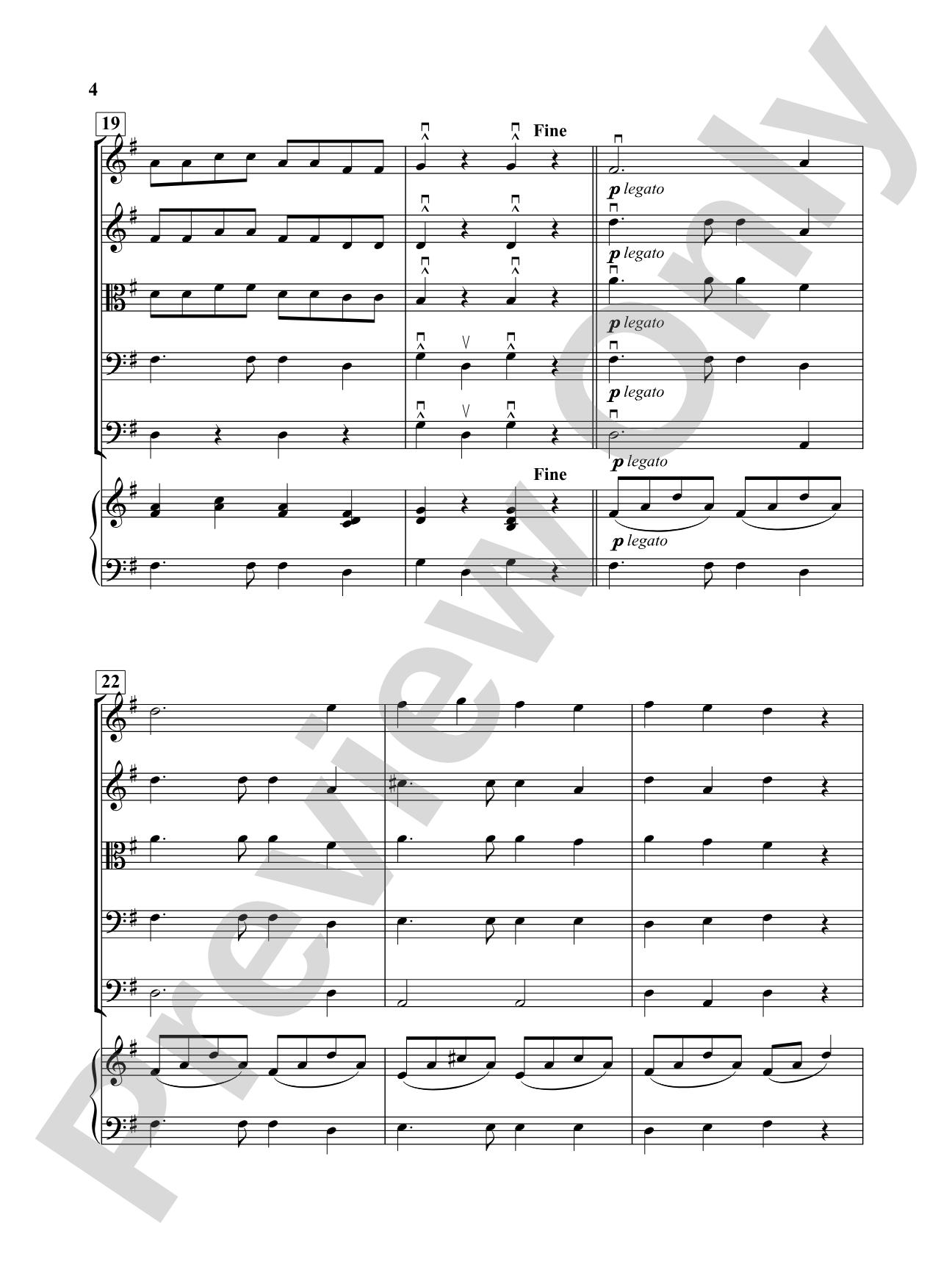
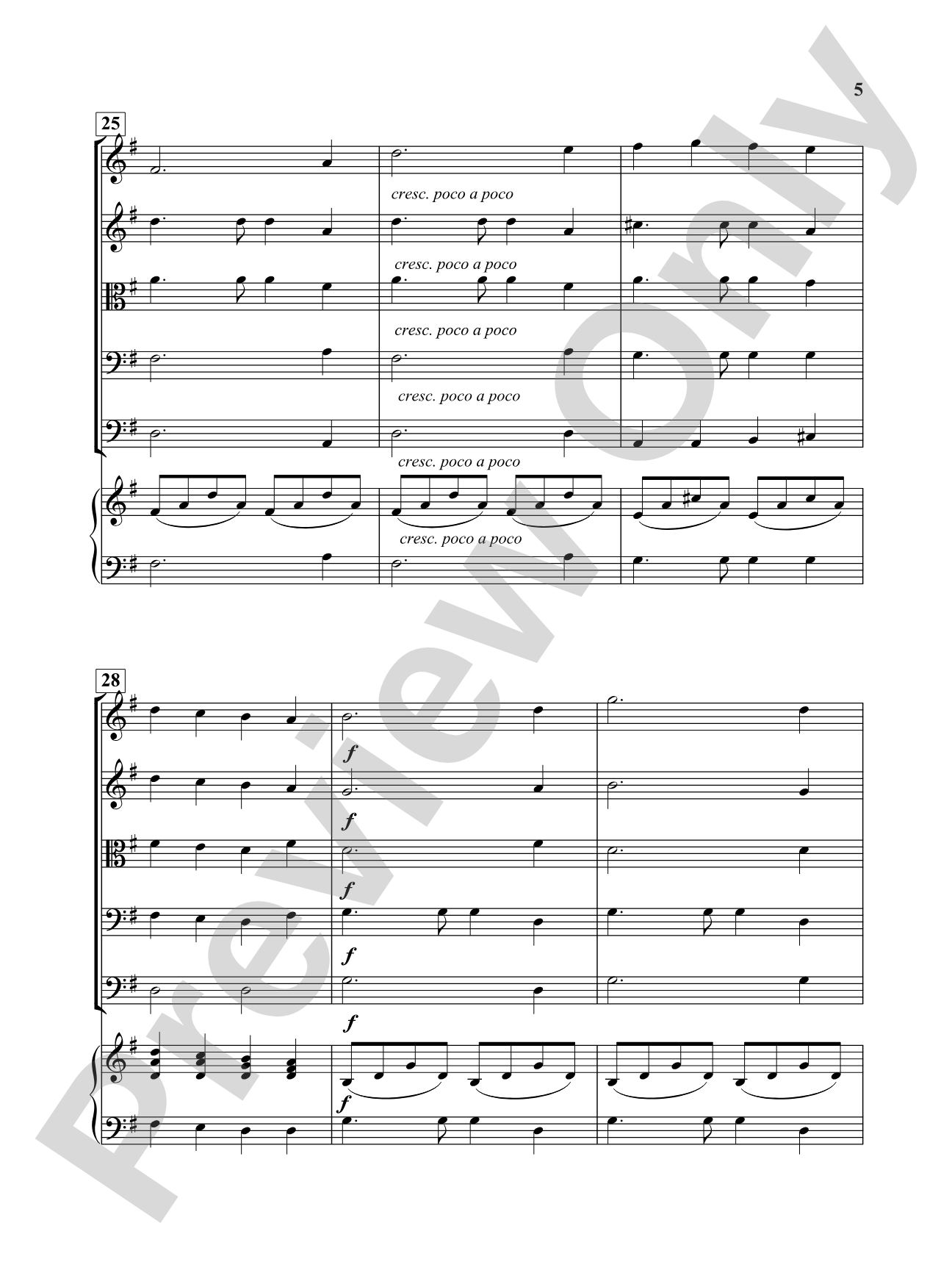
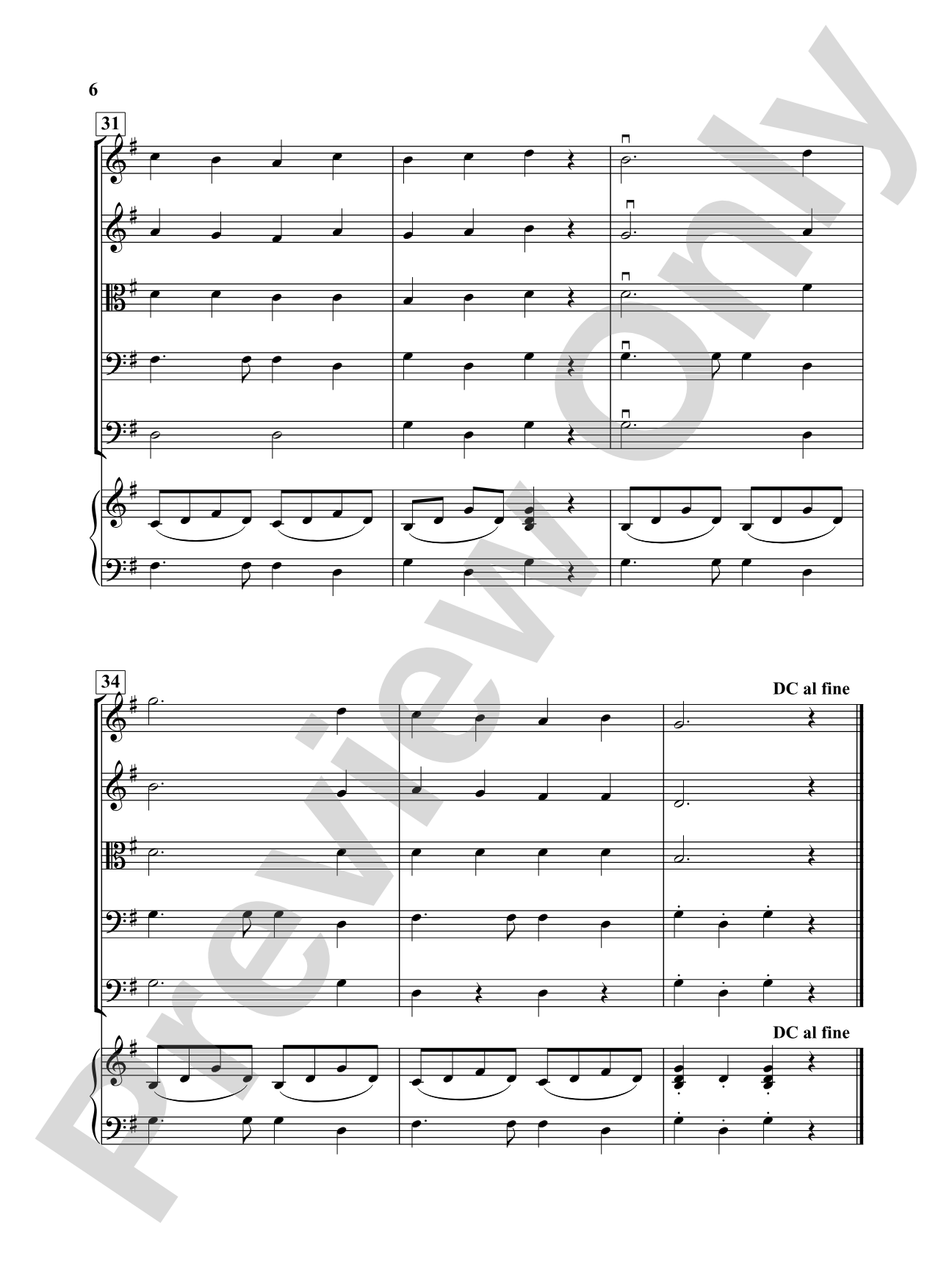

Beez Kneez: Score
By Loreta Fin
Grade: 1-1.5
Item: 76-PR-0000000
$7.00
Pickup currently not available
Description
In the style of moto perpetuo. Enjoyable and well written for elementary school level. Simple ideas that are fun to play.


Beez Kneez: Score isn't in MakeMusic Cloud just yet...but it could be. Let us know you'd like to see it, and you'll help shape what comes next. In the meantime, start a free trial and dive into thousands of interactive titles your students can play along with today.
Request This Title
Tell us you want it.
Start Your Free Trial
Explore everything that's ready to play right now.
Sample Audio
No sample audio found.
Sample Video
No sample videos found.
Additional Details
Series:
Wilfin String Orchestra: Young String Ensemble Series
Publisher:
Wilfin Music
Page Count:
66
SKU:
76-PR-0000000
More about this title
About the Composer: Loreta Fin

Loreta Fin AM is an Australian string educator and composer with deep roots in both performance and teaching. A graduate of the Sydney Conservatorium of Music and former first violinist with the Sydney Youth Orchestra, she spent over 25 years as Principal Viola player with the Queensland Pops Orchestra while building a distinguished career as Director of Strings at Somerville House School in Brisbane since 1993. Her extensive service to string music education earned her the National Award for Services to Music and String Teaching in Australia, and she has presented at numerous American and Australian National String Teachers' Conferences.
Fin has composed over 100 works for string orchestra published worldwide by Alfred Music, with particular expertise in writing for developing ensembles. She served the Australian Strings Association as both State and National President for more than 25 years, adjudicated major competitions across Australia, and since 2015 has regularly conducted the State and National Honours Ensembles Programs in Brisbane. Her work spans from beginner materials to sophisticated repertoire, and she continues to serve as State Advisor for Strings with the Australian Music Examinations Board.
Why we love this
Fin writes with a conductor's understanding of what young string players can achieve without frustration. The moto perpetuo style gives the piece energy and momentum while the grade 1-1.5 writing keeps technical demands reasonable, so students focus on ensemble listening and rhythmic precision rather than fighting the music. This is the kind of piece that sounds polished after two rehearsals and leaves students wanting to play it again.
What to expect
Buoyant and infectious, with the appeal of a perpetual motion study that never overstays its welcome. The repeating figures and straightforward harmonic language create a sense of fun and accomplishment, letting young musicians experience what it feels like to play as one unified body.
Who it's for
Elementary string orchestras preparing their first concert piece or looking for something energetic to balance a program. This works equally well for combined strings at the school level or young community ensembles still building fundamental ensemble skills.
How to get the most out of it
- Establish a steady underlying pulse before rehearsal so players understand the perpetual motion is the heartbeat, not a frantic rush. Use a metronome only if the ensemble loses confidence, but train them to feel the pulse together.
- Balance the melodic line across your violin sections so the tune cuts through the accompanying parts. Young orchestras often get lost in their own texture, so highlight who carries the primary voice at each section.
- Keep the bow action light and bouncy through the repeated figures. Heavy bowing will bog down the motor perpetuo effect and make the piece feel plodding instead of playful.
- Allow natural phrases to breathe slightly without losing momentum. The fun of this style relies on forward motion, but releasing tension at logical musical points prevents the players from sounding exhausted.
How to use it
Program this early in a spring concert when ensemble confidence is building but before the heavier repertoire. It pairs well with a slower chorale or folk song arrangement, giving audiences variety while showing off your string section's rhythmic precision and blend.
Skills your students will build
- Maintaining steady pulse in repeated rhythmic figures over multiple measures
- Balancing individual parts within a homophonic texture
- Light, consistent bow control across simple repeated passages
- Listening to ensemble blend while executing a single technical idea