Beethoven: Various Piano Works, Including Complete Bagatelles Sheet Music Preview

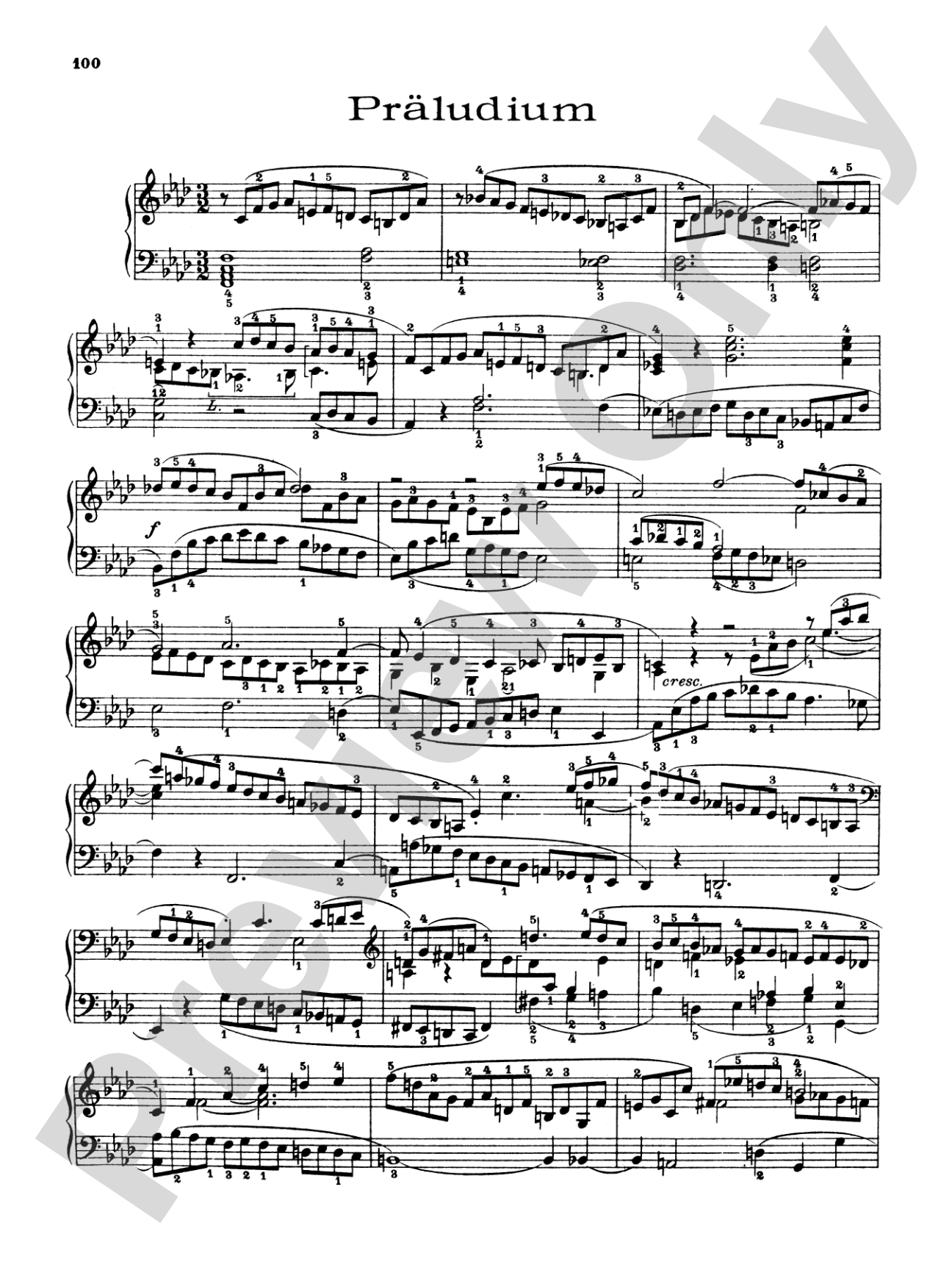
Beethoven: Various Piano Works, Including Complete Bagatelles

By Ludwig van Beethoven

Level: Intermediate / Advanced

Item: 00-PC-0005290

Digital Download
$0.99
Description
Includes: 7 Bagatelles, Opus 33 * 2 Preludes, Opus 39 * 2 Rondos, Opus 51 * Phantasy, Opus 77 * Polonaise, Opus 89 * 11 New Bagatelles, Opus 119 * Six Bagatelles, Opus 126 * Rondo a Capriccio, Opus 129 * Andante * Praeludium * Rondo. 103 pages.

Don't just read it, hear it, play along with it, and watch your students grow with it. In MakeMusic Cloud, Beethoven: Various Piano Works, Including Complete Bagatelles comes alive with professional accompaniment, adjustable tempo, and built-in practice tools that turn solo practice into real progress.

Sample Audio
No sample audio found.
Sample Video
Additional Details
Series: Kalmus Edition
Publisher: Alfred Music
Page Count: 104
SKU: 00-PC-0005290

More about this title

About the Composer: Ludwig van Beethoven

Ludwig van Beethoven (1770-1827) stands as the bridge between Classical and Romantic music, a composer whose relentless innovation redefined what the piano could express. His late works, particularly the bagatelles and character pieces gathered here, reveal a mind still experimenting with form and texture even as deafness isolated him from the world of sound around him.

Why we love this

Beethoven's smaller piano works pack monumental ideas into compact forms, making them ideal for pianists ready to wrestle with serious composition without the time commitment of the sonatas. This collection spans his creative life and showcases his gift for melody, harmonic surprise, and structural clarity—qualities that make these pieces as rewarding to teach as they are to perform. The bagatelles especially offer the kind of musical substance that keeps students engaged across an entire recital or concert program.

What to expect

These works radiate a restless intelligence—sometimes playful and whimsical, sometimes austere and searching. Moving through the collection, you encounter moments of pure lyricism alongside passages of angular harmony and unexpected structural turns that reveal a composer uninterested in comfortable predictability.

Who it's for

Intermediate to advanced pianists who have mastered Beethoven's earlier sonata works and are ready to explore his later, more introspective voice. Studio teachers building recital programs and piano curricula will find a wealth of substantial shorter works suited to performers at the high school and early undergraduate level.

How to get the most out of it

  • Attend closely to Beethoven's tempo markings and dynamic contrasts; these pieces rely on precision and character rather than virtuosity, so every marking serves the music's intent.
  • Explore the harmonic language carefully before performance; unexpected chord movements and key relationships can sound uncertain if not prepared with clear voicing choices.
  • Balance structural clarity with expressive depth; many of these works are short but densely argued, so make phrase boundaries audible without overselling the emotional content.
  • Use the contrast between pieces to shape your overall interpretation; moving from an energetic rondo into a lyrical bagatelle demands genuine tonal and textural variety.

How to use it

The bagatelles and character pieces here work beautifully as individual encore-length works or clustered into thematic programs that trace Beethoven's stylistic evolution. Pairing these with his major sonatas in a concert context offers audiences a fuller picture of his compositional scope, or they can anchor a recital exploring the Romantic character piece tradition.

Skills your students will build

  • Navigation of Classical and early Romantic harmonic language, including unexpected modulations and chromatic voice leading
  • Structural clarity in compressed forms (bagatelles, rondos, character pieces)
  • Pedal technique for creating depth and atmosphere without muddying texture
  • Interpretive choices balancing historical style with personal expression
  • Efficient practice strategies for learning multiple substantial works of moderate length

You May Also Like