
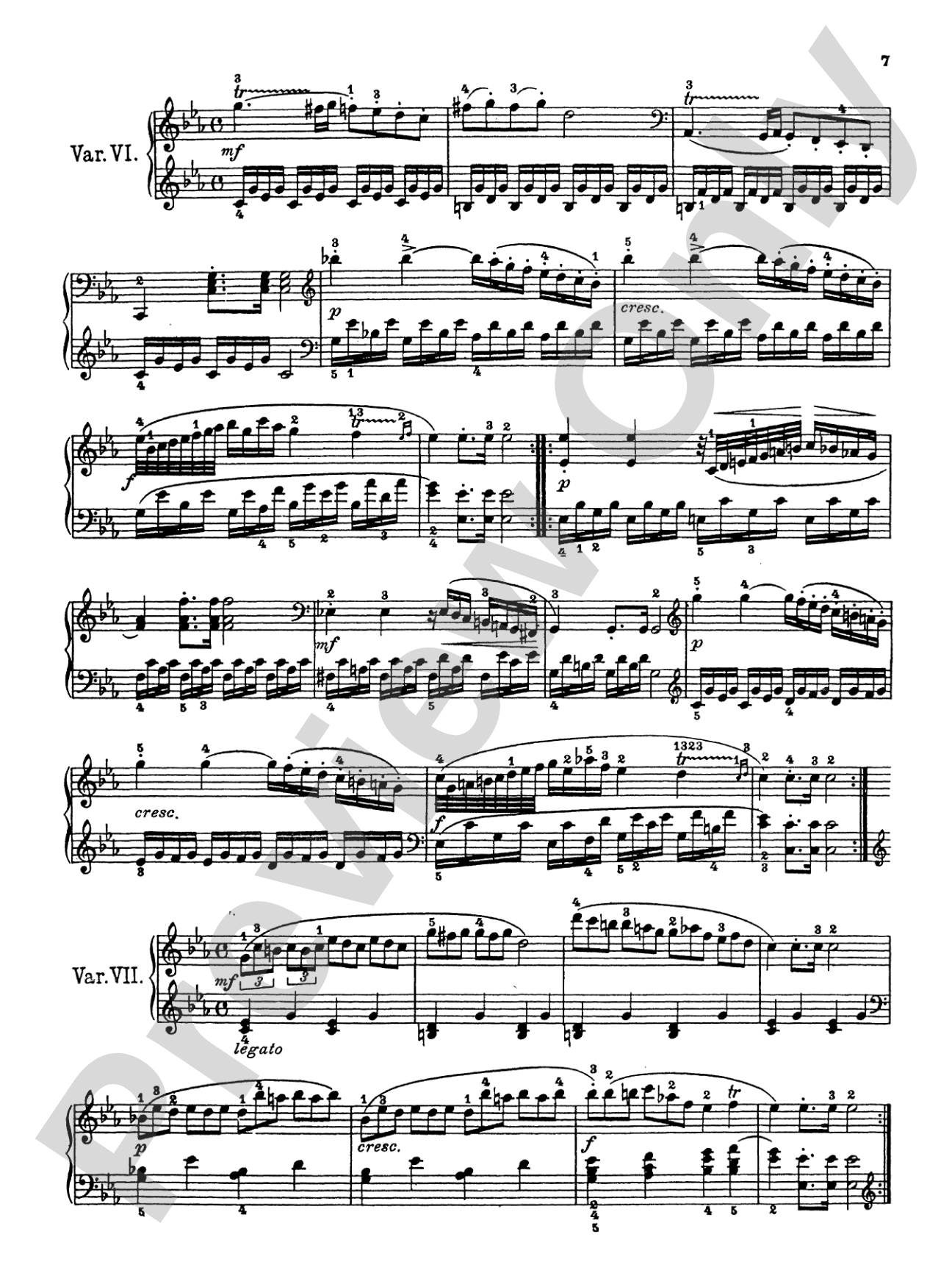
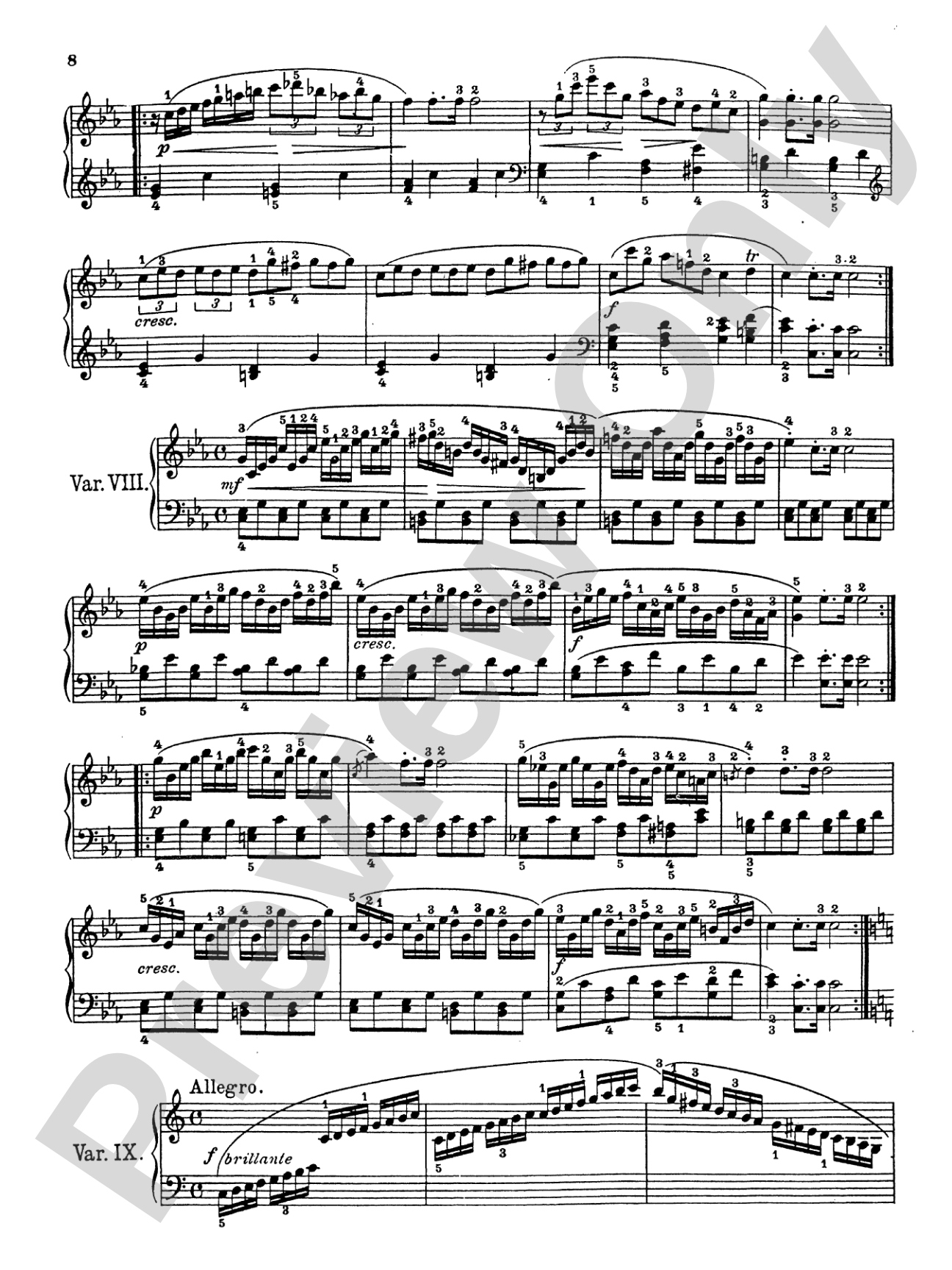
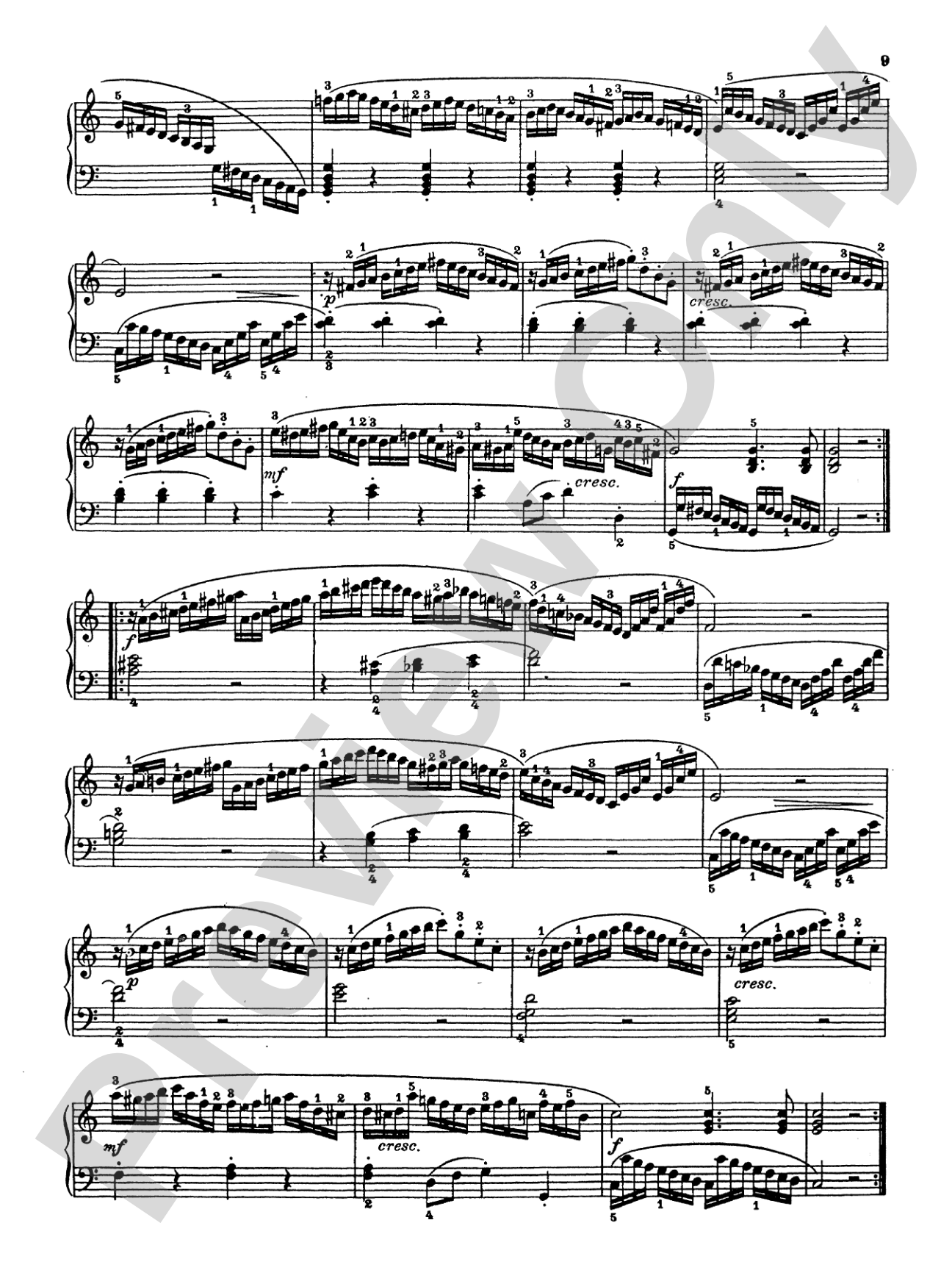

Beethoven: Variations (Volume II): Piano Book
By Ludwig van Beethoven
Item: 00-PK-0002916

$18.99
Pickup currently not available
Buy Extra Parts (Digital PDF Download)
| Product | Price | Quantity |
|---|---|---|
| Beethoven: Variations (Volume II) | $0.99 | |
| Beethoven: Variations (Volume II) | $0.99 | |
| Beethoven: Variations (Volume II) | $0.99 | |
| Beethoven: Variations (Volume II) | $0.99 | |
| Beethoven: Variations (Volume II) | $0.99 | |
| Beethoven: Variations (Volume II) | $0.99 | |
| Beethoven: Variations (Volume II) | $0.99 | |
| Beethoven: Variations (Volume II) | $0.99 | |
| Beethoven: Variations (Volume II) | $0.99 | |
| Beethoven: Variations (Volume II) | $0.99 | |
| Beethoven: Variations (Volume II) | $0.99 | |
| Beethoven: Variations (Volume II) | $0.99 | |
| Beethoven: Variations (Volume II) | $0.99 | |
| Beethoven: Variations (Volume II) | $0.99 |
Parts Added to Cart!
Related Items
Variations, Volume II: Piano Book |
$18.95
|
View |
Description
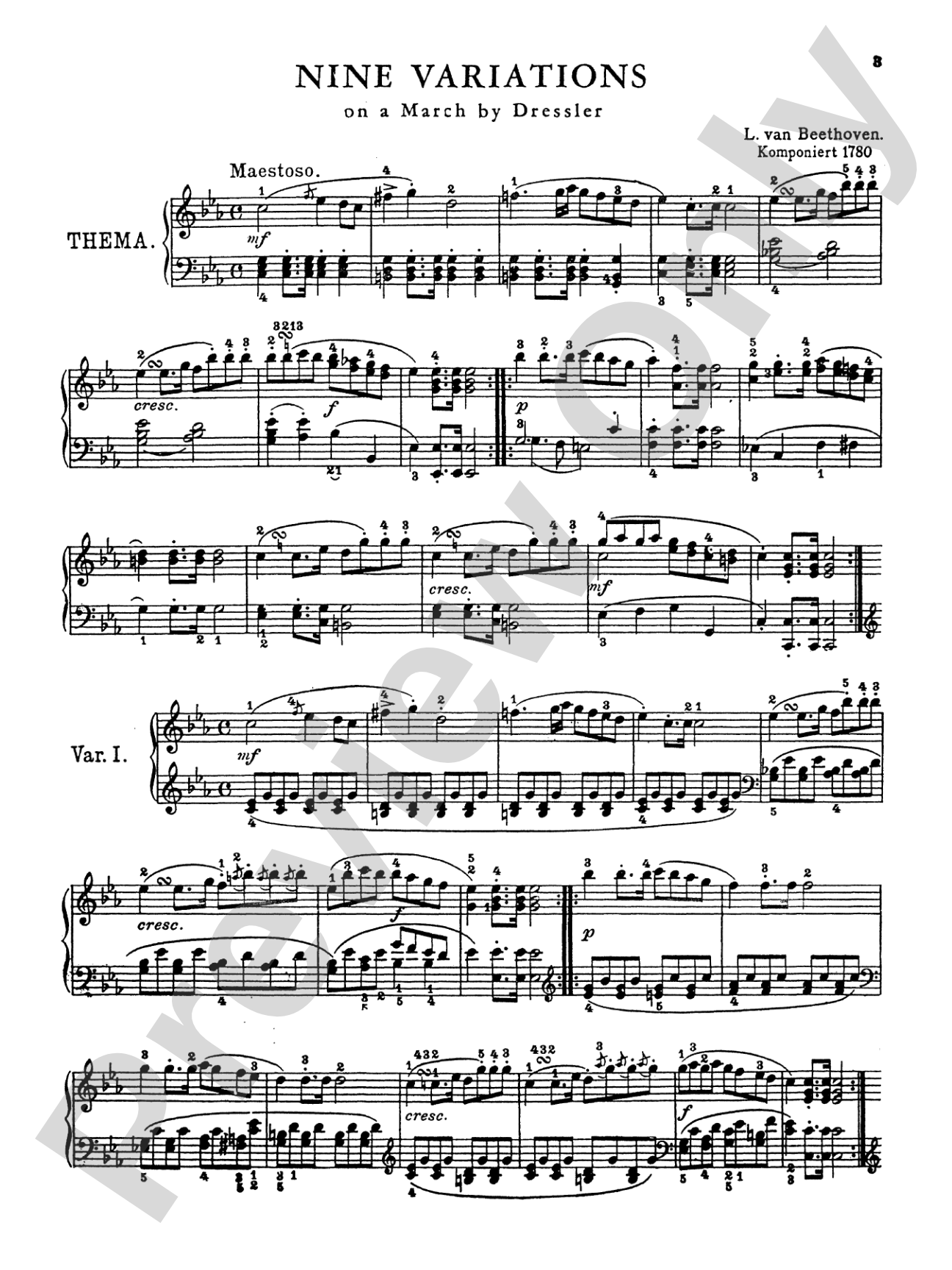
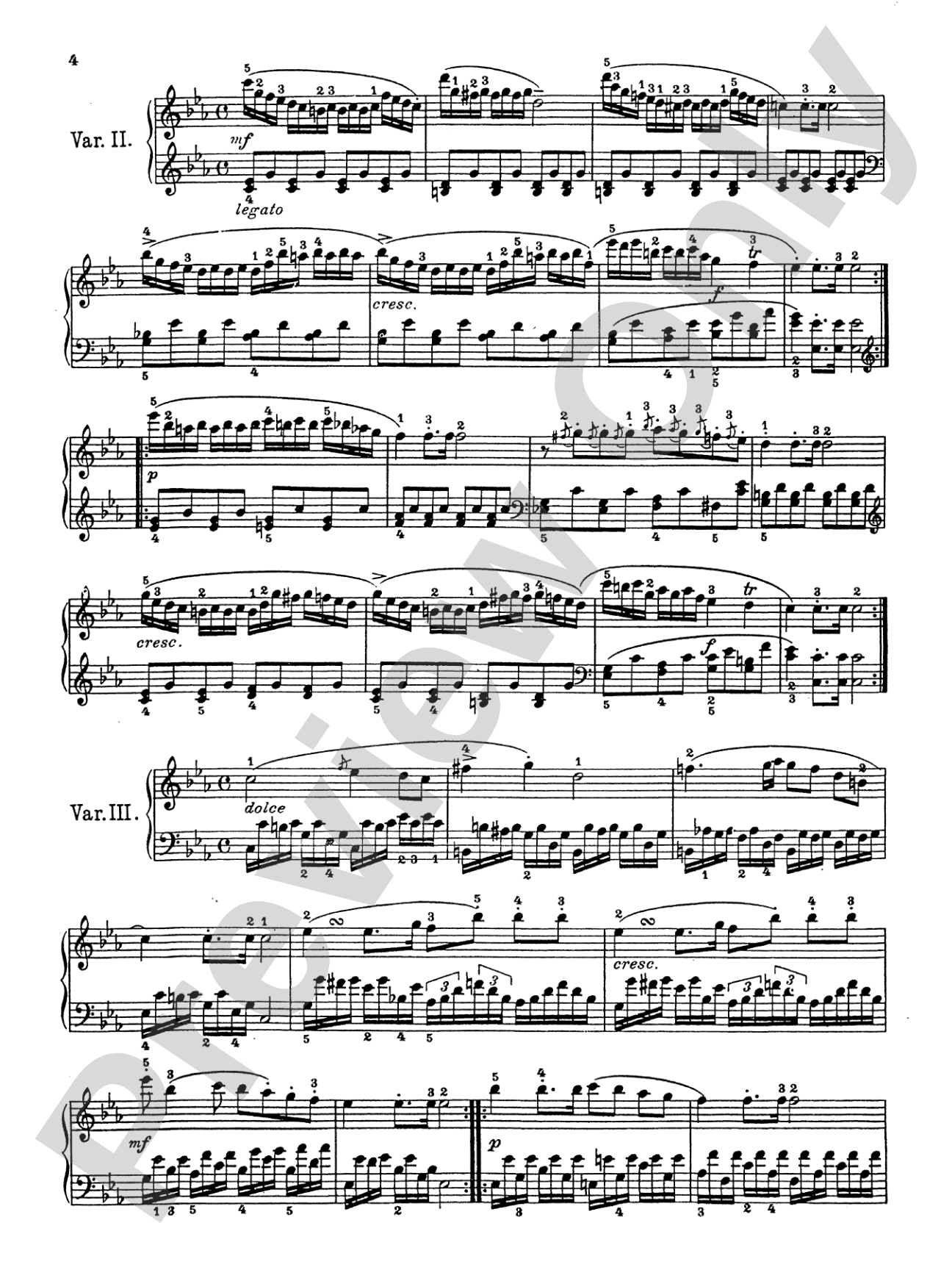
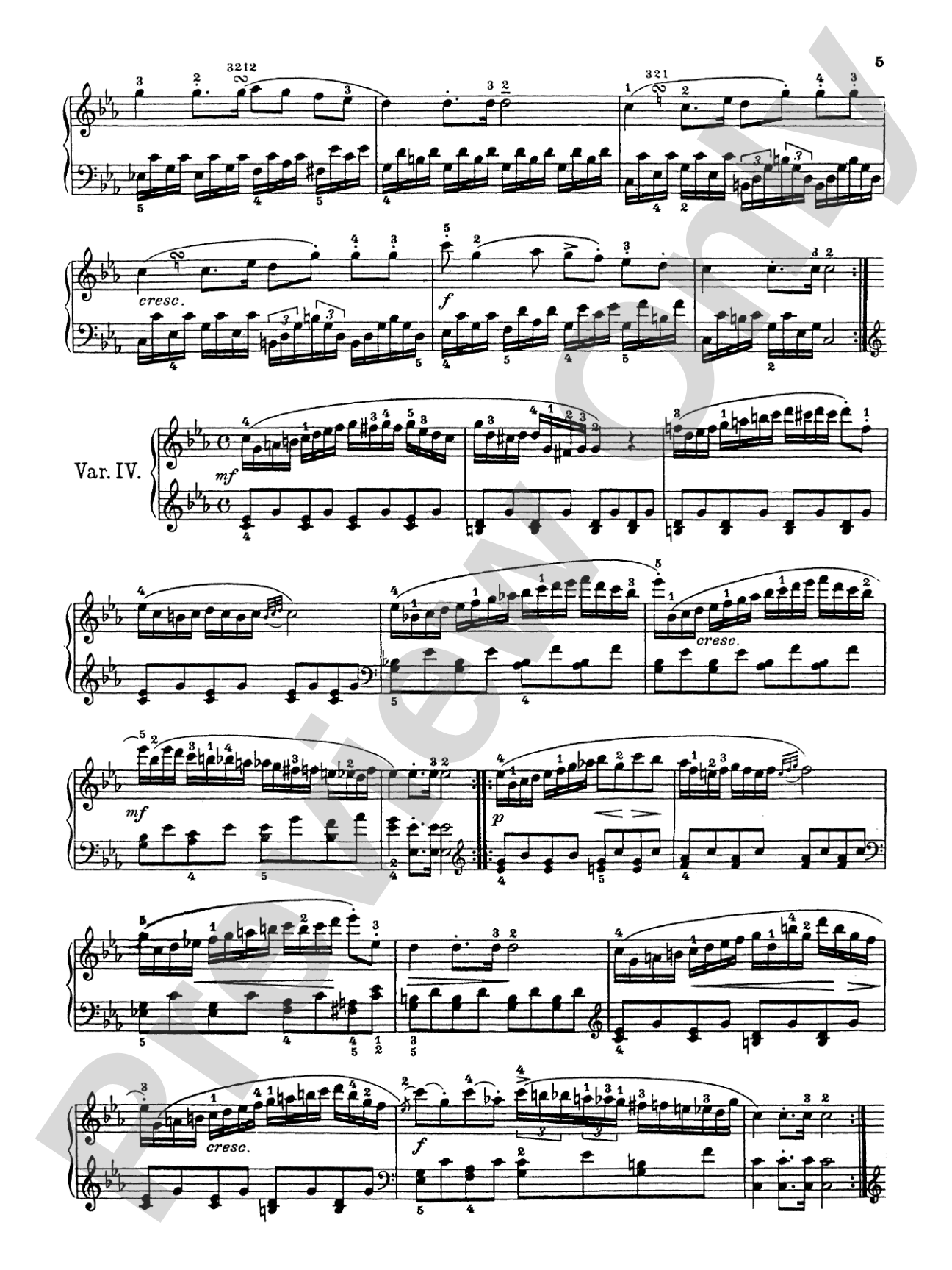
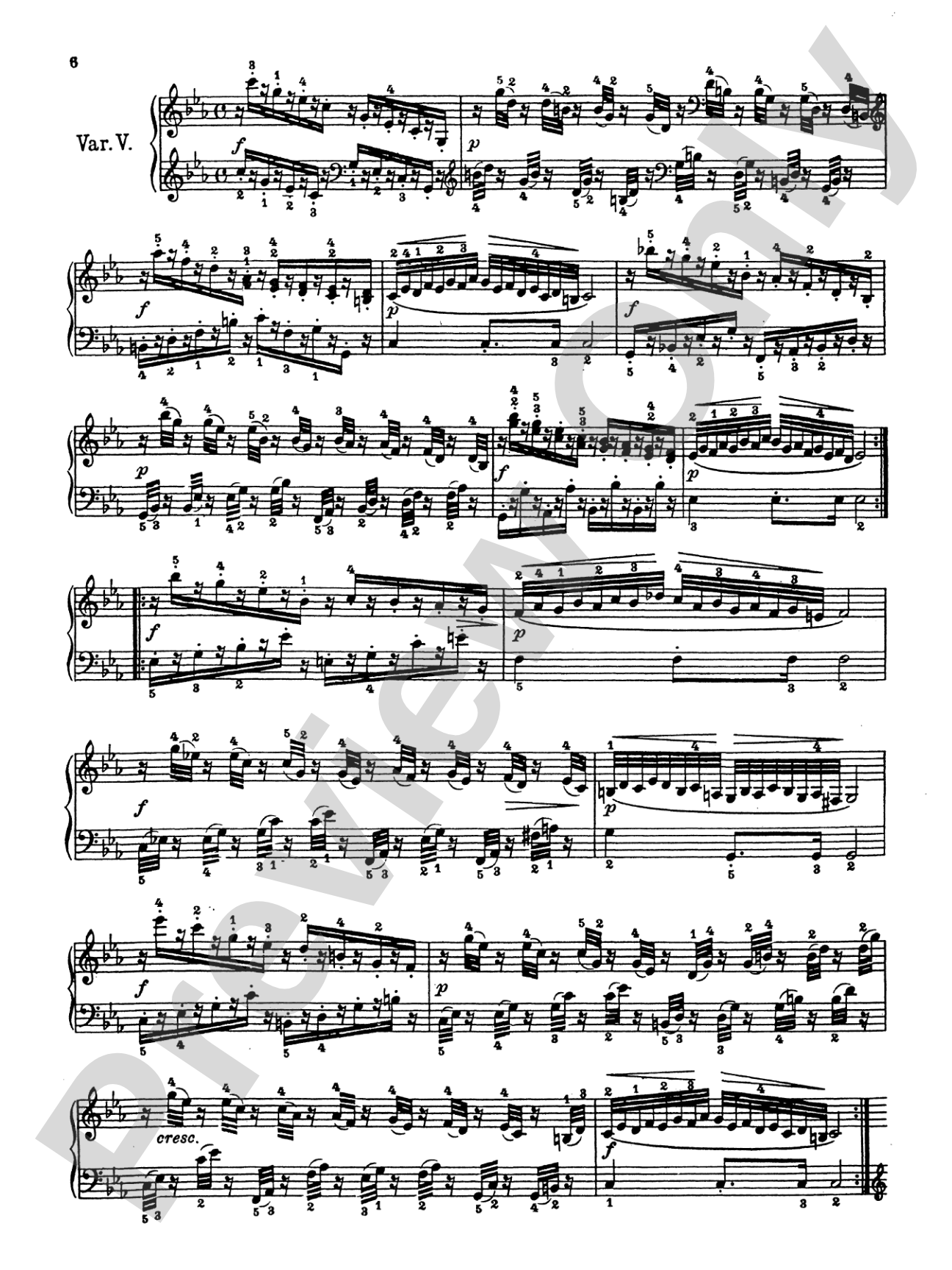
Includes: 9 Variations on a March by Dressler * 9 Variations on "Quanto e bello" by Paisiello * 6 Variations on "Nel co piu" by Paisiello * 12 Variations on a Minuet a la Vigano by Haibl * 8 Variations on "Une fièvre brûlante" by Grétry * 10 Variations on "La stessa, la stessissima" by Salieri * 7 Variations on "Kind, willst du ruhig schlafen" by Winter * 8 Variations on "Tändeln and Scherzen" by Süssmayr * 13 Variations on "Es war einmal ein alter Mann" by Dittersdorf * 6 Easy Variations on an Original Theme * 6 Easy Variations on a Swiss Song * 7 Variations on "God Save the King" * 5 Variations on "Rule Britannia" * 8 Variations on "Ich hab ein kleines Hüttchen nur." 103 pages.


Don't just read it, hear it, play along with it, and watch your students grow with it. In MakeMusic Cloud, Beethoven: Variations (Volume II): Piano Book comes alive with professional accompaniment, adjustable tempo, and built-in practice tools that turn solo practice into real progress.
Open in the Player
Jump straight in and assign it today.
Start Your Free Trial
Open this title and explore the full library in minutes.
Sample Audio
No sample audio found.
Sample Video
No sample videos found.
Additional Details
Series:
Kalmus Edition
Publisher:
Alfred Music
Page Count:
104
SKU:
00-PK-0002916
More about this title
About the Composer: Ludwig van Beethoven
Ludwig van Beethoven (1770-1827) bridged the Classical and Romantic eras, fundamentally reshaping what the piano could express. His exploration of variation form spans decades, reflecting his evolution from student composer to visionary master; these works document his technical ingenuity and harmonic daring across multiple phases of his career.
Why we love this
This collection captures Beethoven's restless imagination applied to a single formal idea, making it invaluable for pianists studying how great composers generate endless invention from modest material. The range from accessible miniatures to technically demanding passages means advanced students encounter both their current level and aspirational challenges in a single volume.
What to expect
These pieces pulse with intellectual energy and pianistic delight. Beethoven treats familiar tunes and original melodies as springboards for invention, layering them with arpeggios, scale passages, rhythmic disruptions, and harmonic surprises that feel both inevitable and audacious. The writing balances Classical clarity with Romantic expressiveness.
Who it's for
Advanced pianists building their Classical repertoire and understanding variation as a compositional strategy. Music theory students benefit from studying how Beethoven manipulates melody, harmony, and texture within a formal constraint; the progression from straightforward variations to elaborate transformations reveals compositional thinking at work.
How to get the most out of it
- Identify the theme first, even when it's embedded in ornamental figuration, so your interpretive choices strengthen rather than obscure Beethoven's underlying architecture.
- Observe Beethoven's dynamic markings with precision; the contrast between variations often hinges on subtle shifts in volume and articulation rather than dramatic tempo changes.
- Approach the keyboard writing as conversation between hands; many variations distribute thematic material across both staves in ways that demand clear voice leading and transparent texture.
How to use it
Solo recitals benefit from selecting a single extended variation set as a centerpiece, allowing the audience to follow one composer's transformative process. Alternatively, pair the shorter variations with other Classical sonata movements to build a program that traces formal logic across different genres.
Skills your students will build
- Recognizing theme and variation in Classical form
- Managing ornamentation and rhythmic variation while preserving harmonic structure
- Interpreting dynamic contrast and articulation as structural tools
- Developing hand independence in texturally complex passages
- Building stamina and focus across extended single-form works