
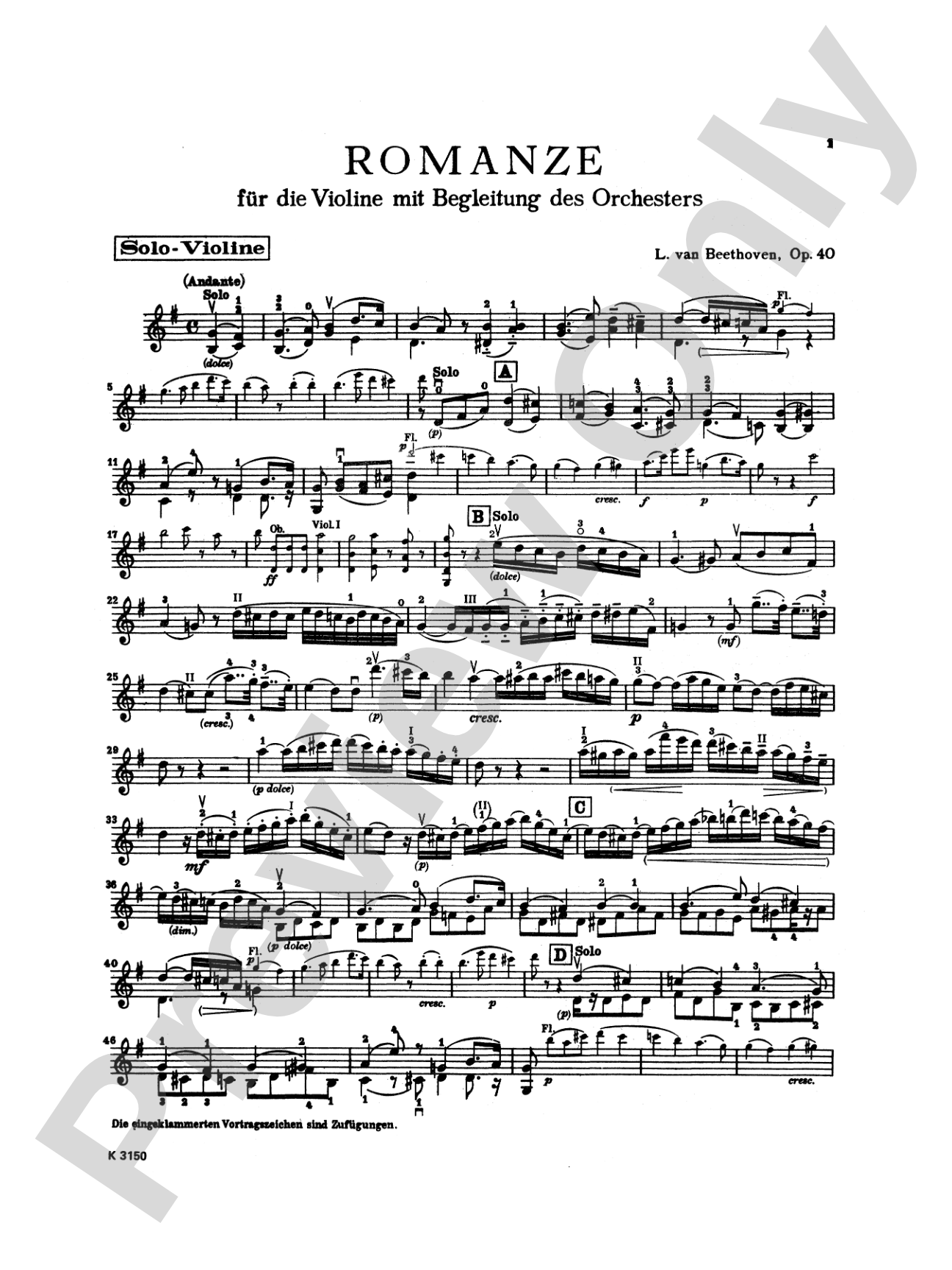
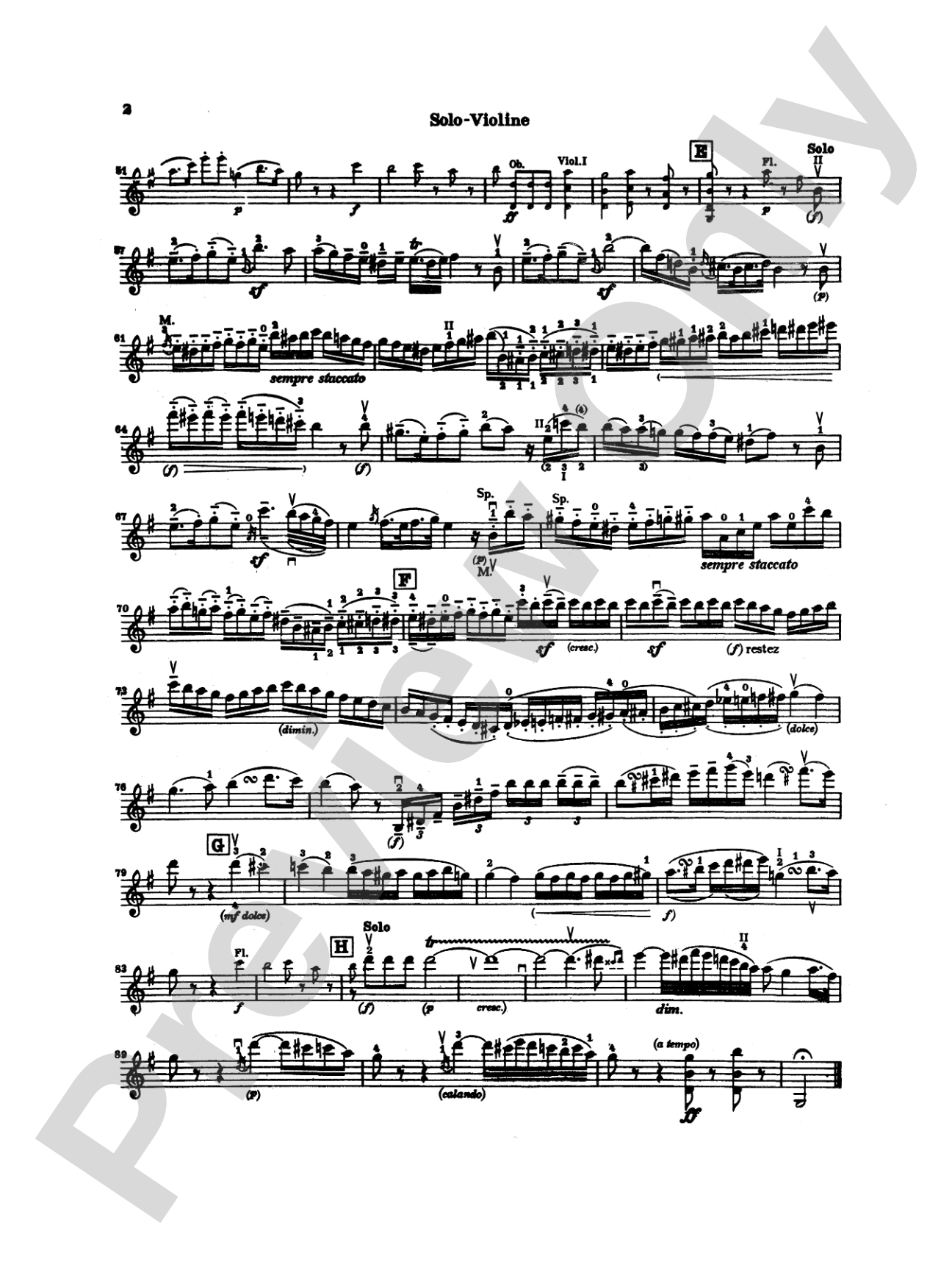

Beethoven: Two Romances, Op. 40 and 50: Violin Book
By Ludwig van Beethoven
Item: 00-PK-0002910

$9.99
Pickup currently not available
Buy Extra Parts (Digital PDF Download)
| Product | Price | Quantity |
|---|---|---|
| Beethoven: Two Romances, Op. 40 and 50 | $1.99 | |
| Beethoven: Two Romances, Op. 40 and 50 | $1.99 | |
| Beethoven: Two Romances, Op. 40 and 50 | $1.99 | |
| Beethoven: Two Romances, Op. 40 and 50 | $1.99 |
Parts Added to Cart!
Related Items
Two Romances, Opus 40 and 50: Violin Book |
$9.99
|
View |
Description
A solo, for Violin with Piano Accompaniment, composed by udwig van Beethoven.


Don't just read it, hear it, play along with it, and watch your students grow with it. In MakeMusic Cloud, Beethoven: Two Romances, Op. 40 and 50: Violin Book comes alive with professional accompaniment, adjustable tempo, and built-in practice tools that turn solo practice into real progress.
Open in the Player
Jump straight in and assign it today.
Start Your Free Trial
Open this title and explore the full library in minutes.
Sample Audio
No sample audio found.
Sample Video
No sample videos found.
Additional Details
Series:
Kalmus Edition
Publisher:
Alfred Music
Page Count:
24
SKU:
00-PK-0002910
More about this title
About the Composer: Ludwig Van Beethoven
Beethoven fundamentally reshaped what the violin could express in chamber music. His two Romances stand apart from the bulk of his output, lyrical, introspective works that showcase his gift for sustained melodic writing. Composed in the 1790s during his Vienna years, these pieces bridge Classical restraint and early Romantic sentiment, revealing a composer equally at home in intimate spaces as in grand symphonic statements.
For pedagogical purposes, these Romances matter because they demand something different from violinists than his more dramatic or technically demanding works. They require musical maturity: the ability to sing through the instrument, shape long phrases, and navigate dynamic subtlety without sacrificing structural clarity. Students who master these pieces gain insight into Beethoven's fundamental approach to melody and form.
Why we love this
The two Romances provide a gateway into Beethoven's chamber writing without the technical demand of his later works, making them ideal for advancing students preparing for competitions or recitals. Their sustained lyricism teaches violinists how to shape long phrases and balance the violin's singing quality against a living, responsive piano part. Performing these pieces connects students directly to the Romantic ideal of the violin as a voice.
What to expect
These two pieces unfold like intimate conversations between violin and piano, each Romance a contained meditation on lyrical beauty and harmonic subtlety. The first Romance (Op. 40 in G major) breathes with elegance and Classical restraint, while the second (Op. 50 in F major) deepens into more searching emotional territory. Together they showcase the violin's capacity for sustained singing and the emotional range that Beethoven brought to a traditionally lighter genre.
Who it's for
Violinists in the intermediate-to-advanced range who have solid command of first position and basic double stops, typically grades 3-5 in Suzuki progression or equivalent. This edition suits students preparing for competitions, recitals, or concert programming, as well as teachers seeking repertoire that bridges Classical form with Romantic expression.
How to get the most out of it
- Approach the opening melody as if singing rather than playing; listen to how the piano introduces harmonic color and shape your phrasing accordingly.
- Work with your accompanist from the start to establish a shared sense of tempo and rubato; the Romances thrive on flexibility and mutual breathing.
- Pay close attention to the tonal center and harmonic movement in the middle sections, where key shifts can blur if intonation wavers.
- Let the cadences breathe; resist the urge to rush into final phrases, as the quiet endings demand patience and control.
How to use it
Pair these Romances on a recital where you want to showcase the violinist's musicality and phrase control without placing them in the most technically demanding slot. They work exceptionally well as a contrasting set following a Bach or contemporary showpiece, or as the centerpiece of a Beethoven-focused program that includes a string quartet or sonata arrangement.
Skills your students will build
- Shaping long lyrical lines with consistent tone quality and vibrato control
- Balancing intonation and expressive intention in slow, exposed passages
- Listening and responding to a piano accompaniment with harmonic awareness
- Navigating key changes and harmonic progression through ear and score study
- Interpreting Classical-Romantic style conventions and applying period-appropriate phrasing