

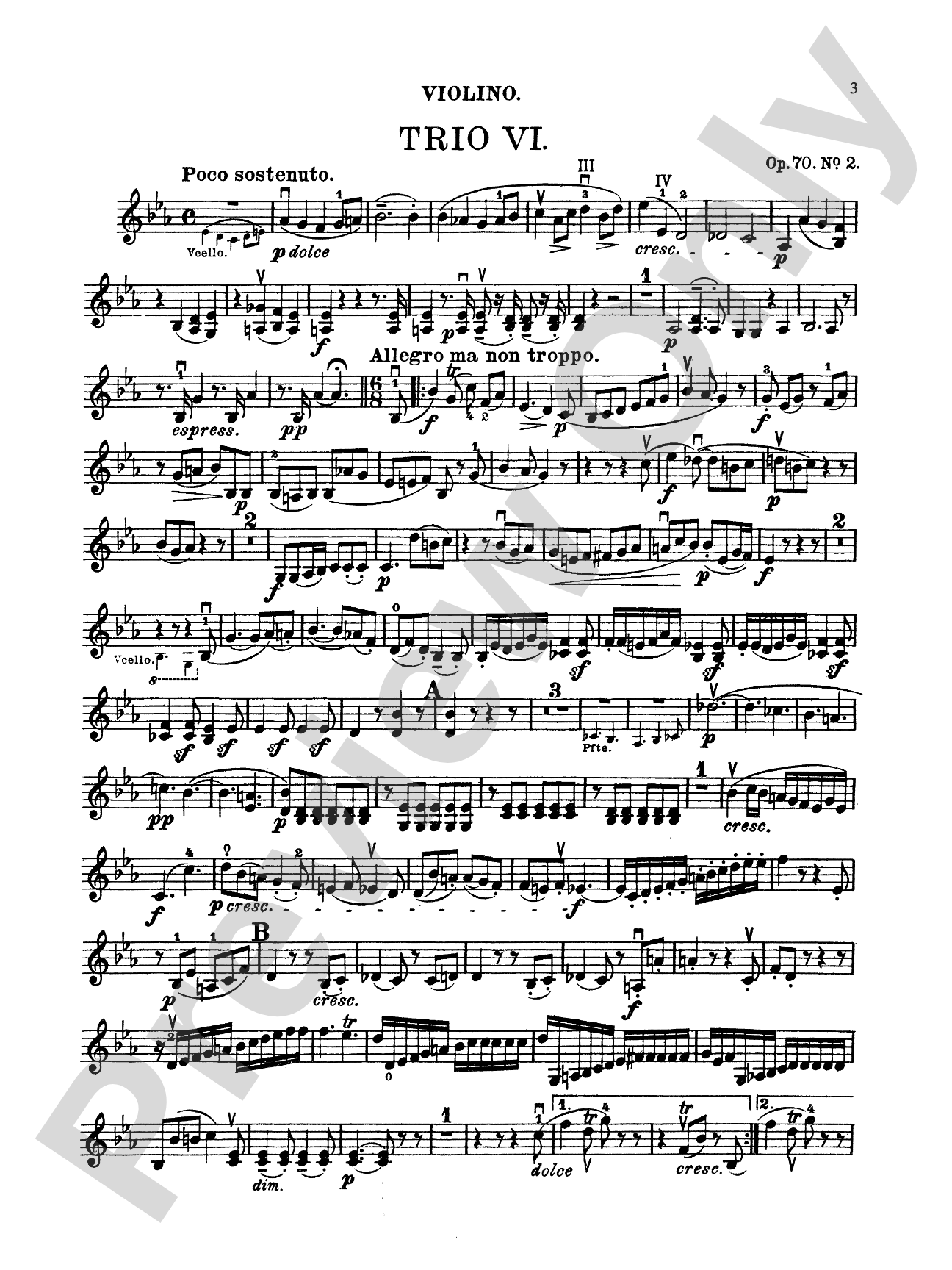
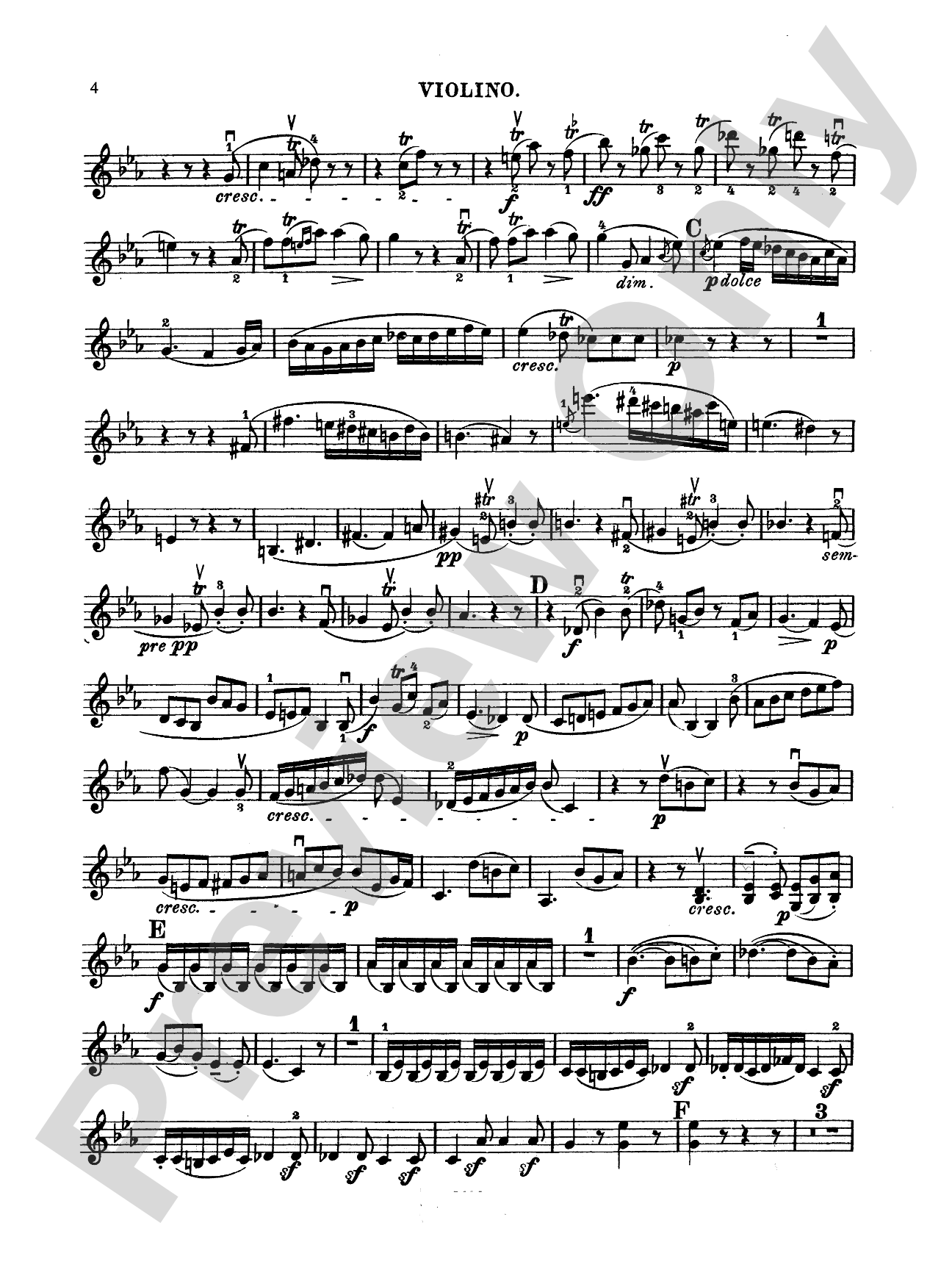
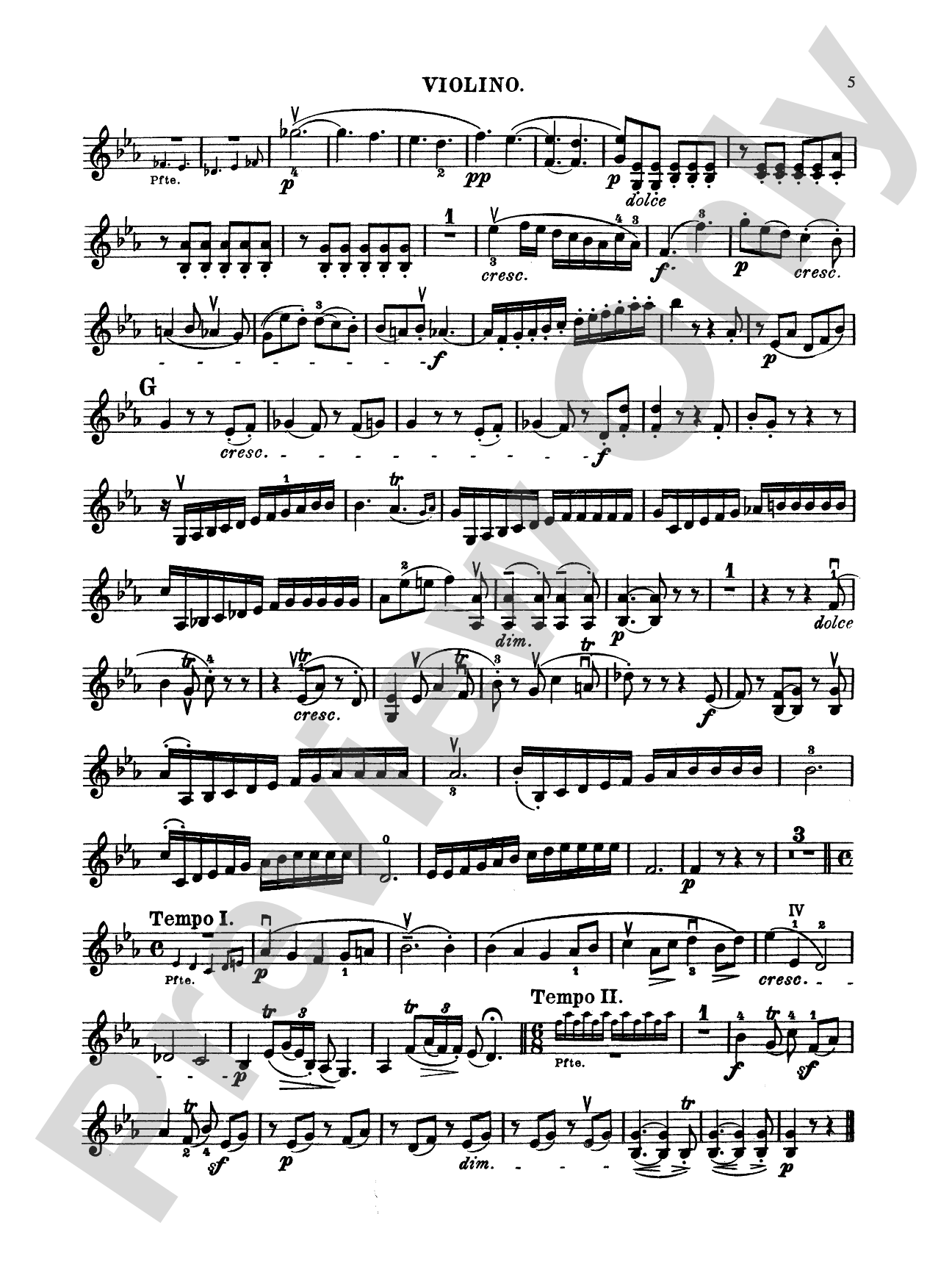
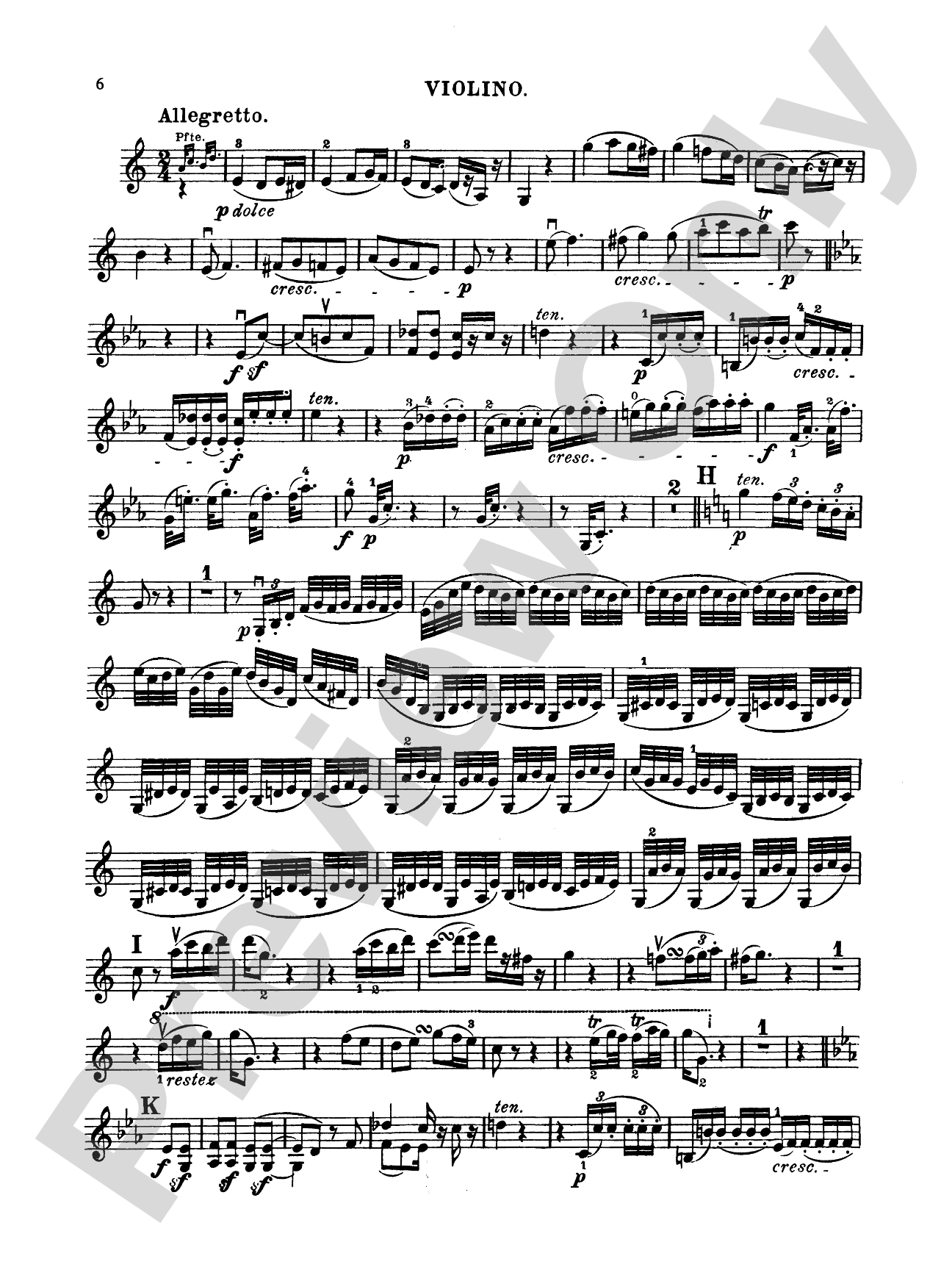
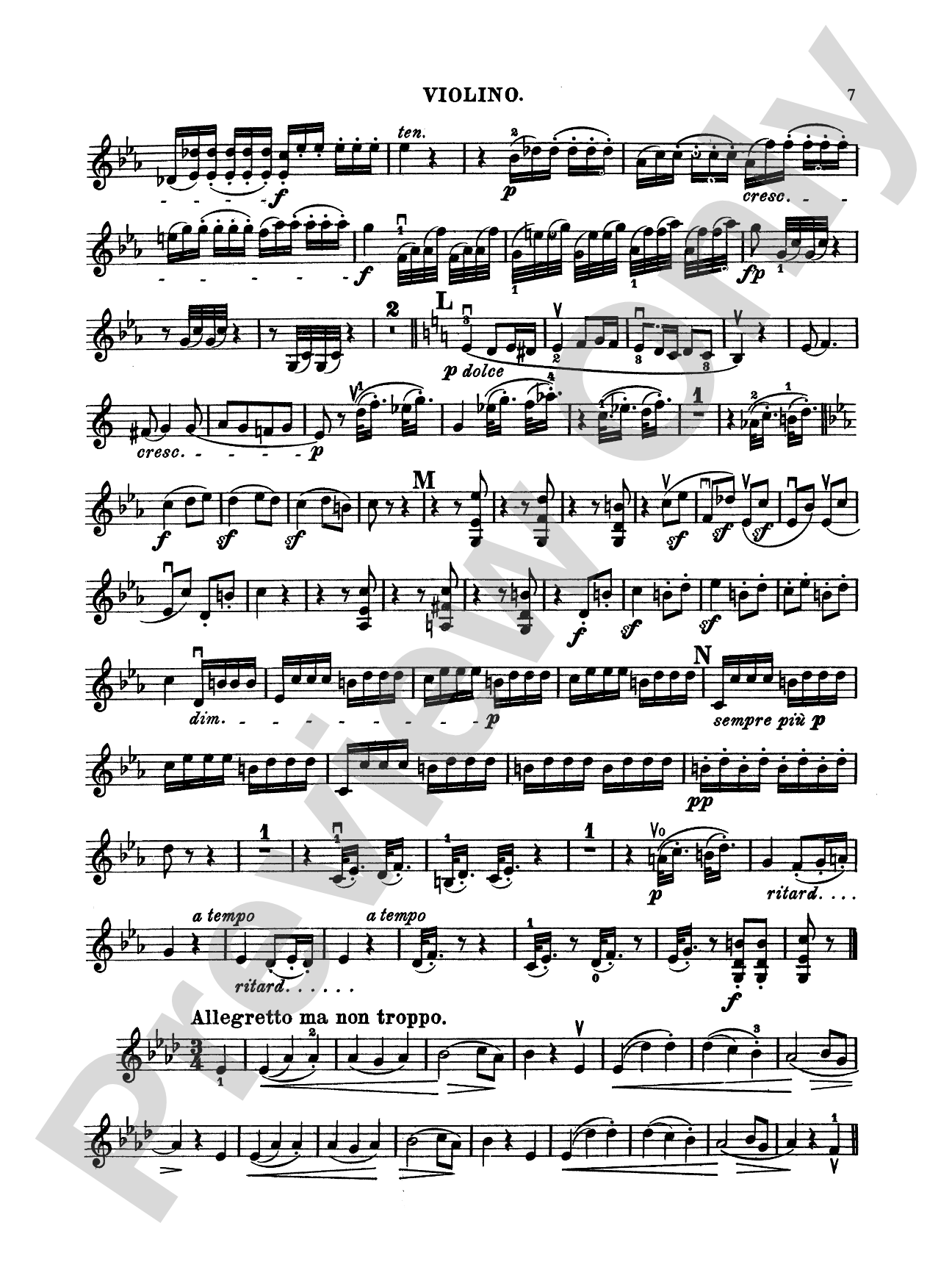
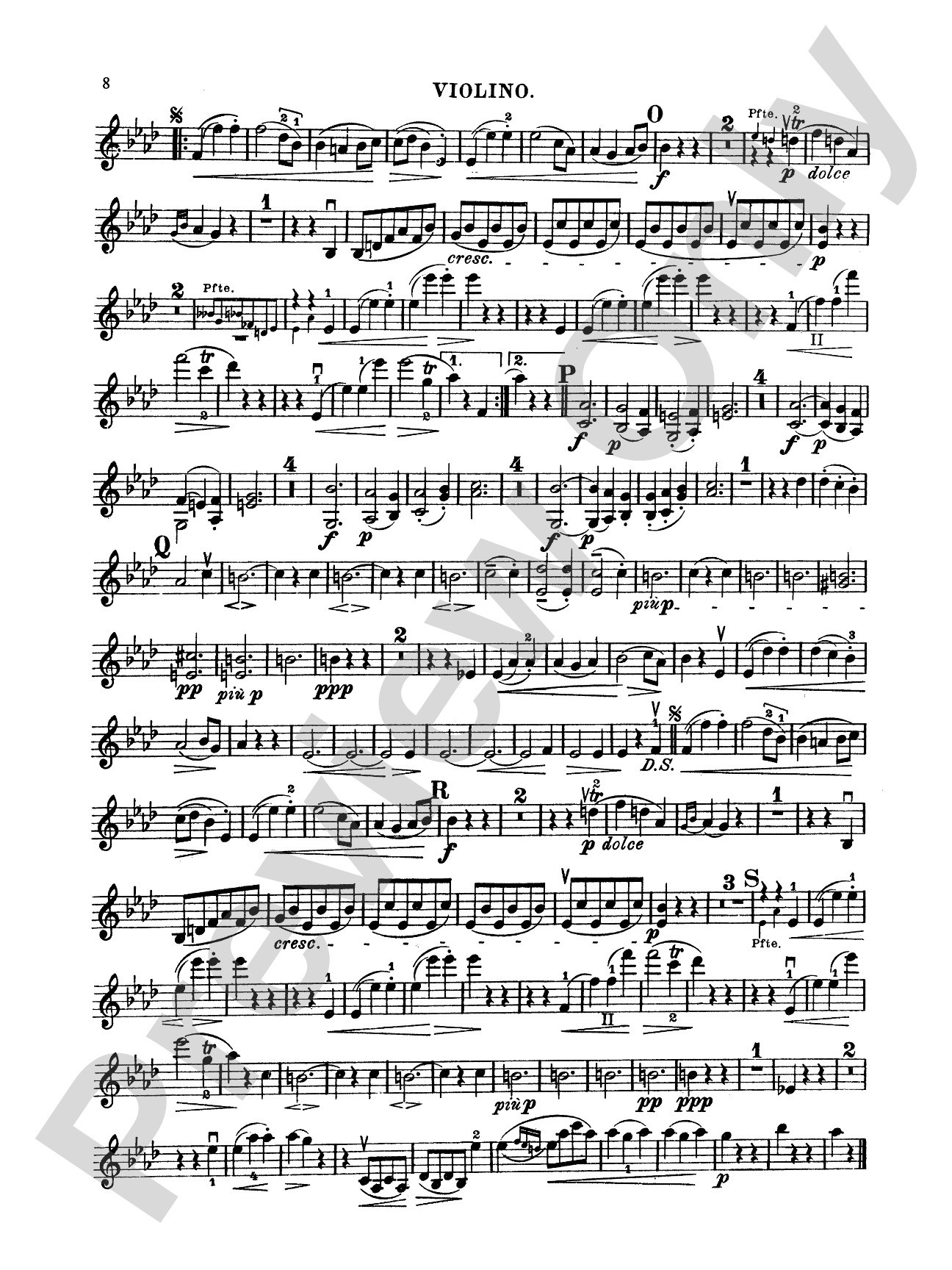
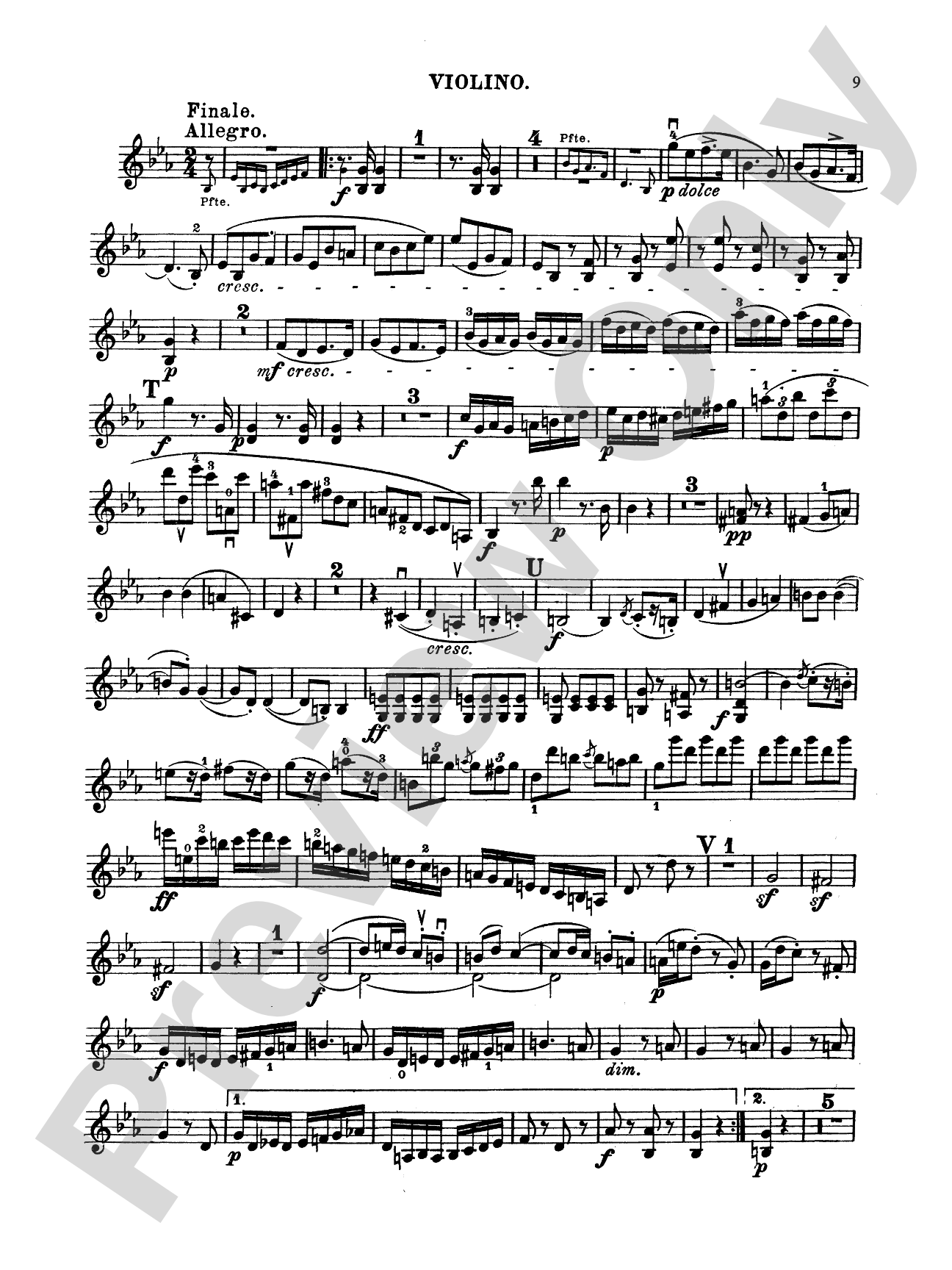
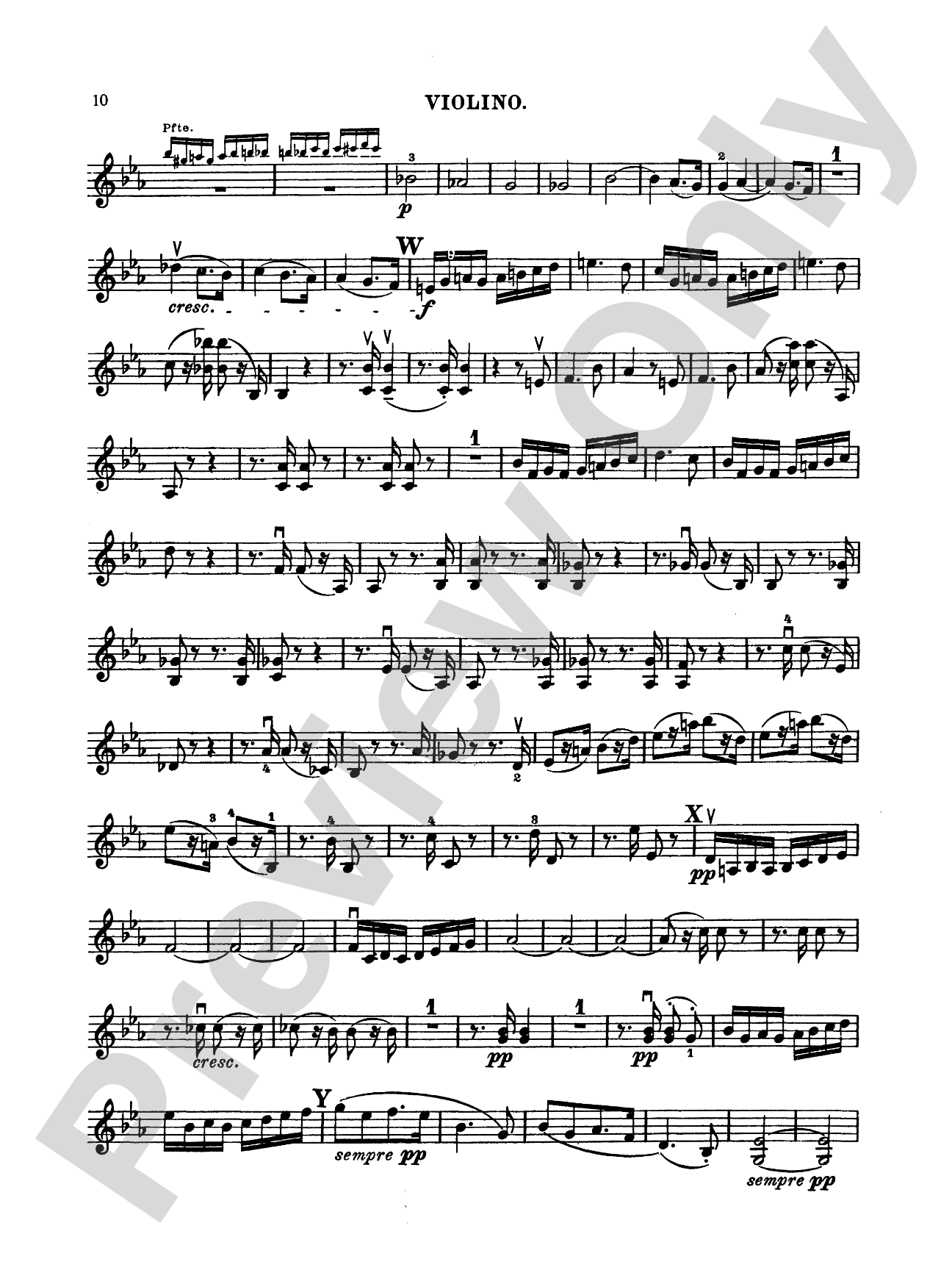
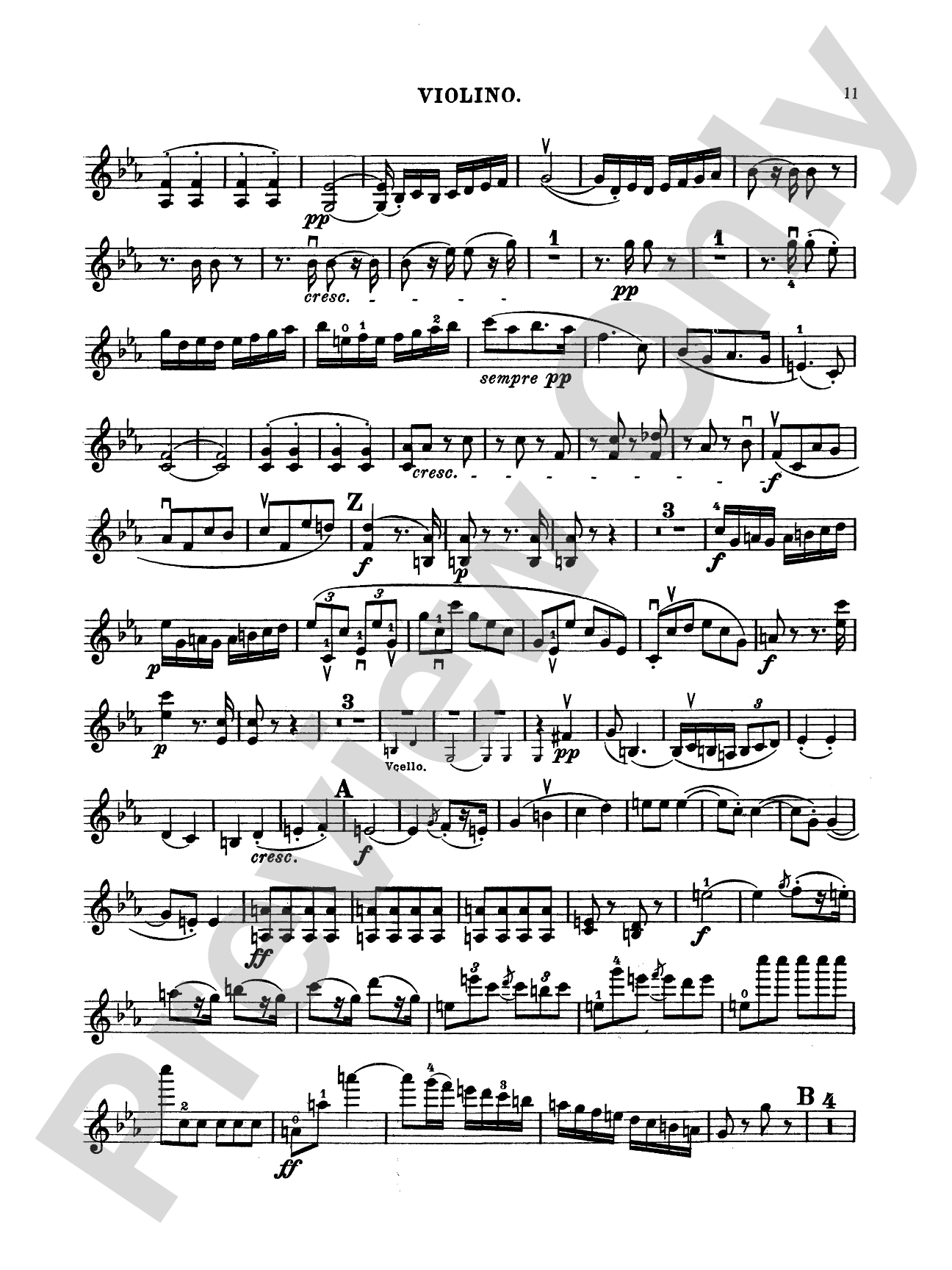
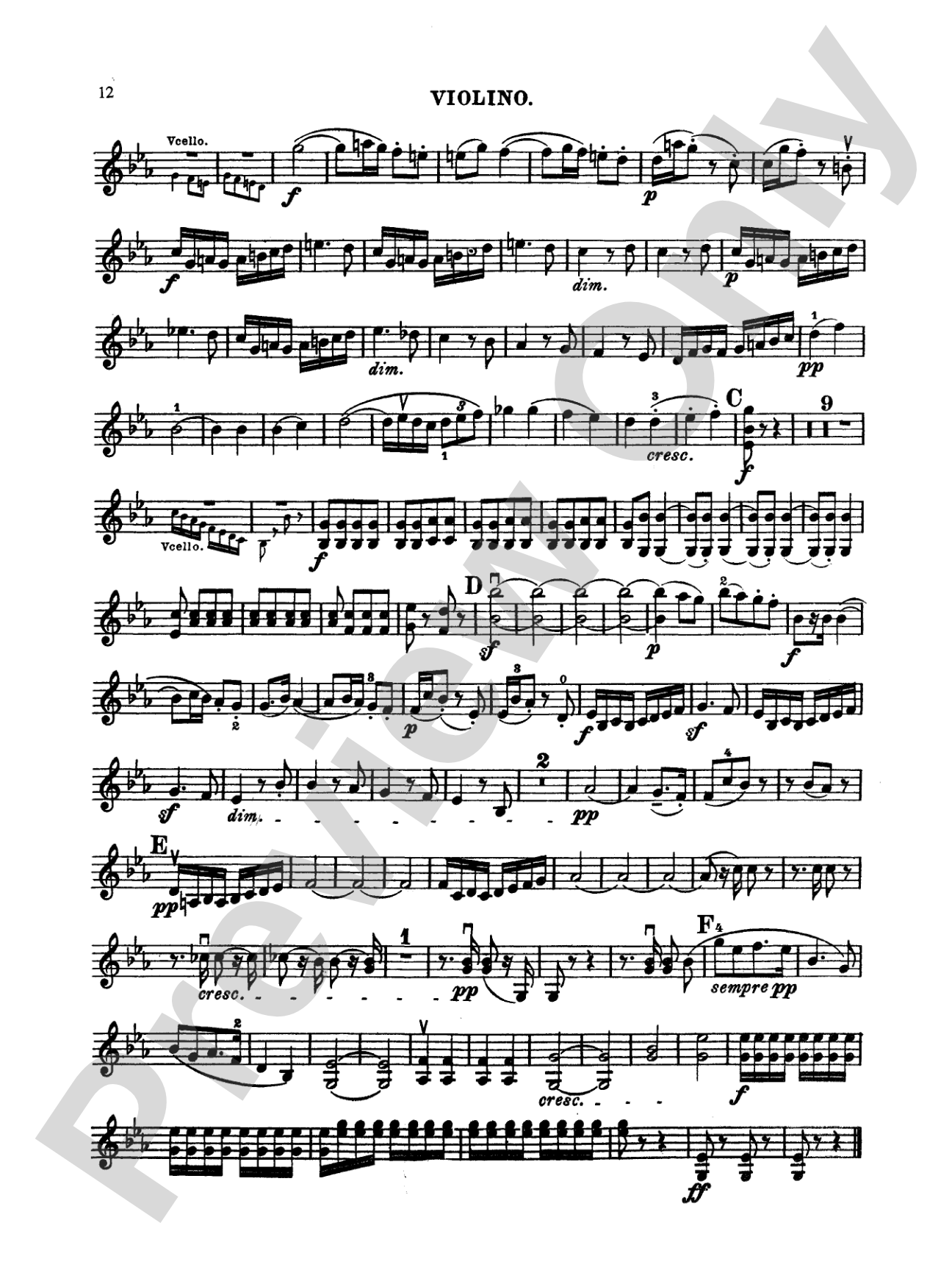

Beethoven: Trio No. 6, in E flat Major, Op. 70, No. 2 (for piano, violin, and cello): Chamber Trio Book
By Ludwig van Beethoven
Item: 00-PK-0003836
$17.99
Pickup currently not available
Buy Extra Parts (Digital PDF Download)
Parts Added to Cart!
Related Items
Piano Trio No. 6 - Opus 70, No. 2 in E-flat Major: Chamber Trio Book |
$17.95
|
View |
Description
Expertly arranged mixed string ensemble from our Kalmus Edition.


Beethoven: Trio No. 6, in E flat Major, Op. 70, No. 2 (for piano, violin, and cello): Chamber Trio Book isn't in MakeMusic Cloud just yet...but it could be. Let us know you'd like to see it, and you'll help shape what comes next. In the meantime, start a free trial and dive into thousands of interactive titles your students can play along with today.
Request This Title
Tell us you want it.
Start Your Free Trial
Explore everything that's ready to play right now.
Sample Audio
No sample audio found.
Sample Video
No sample videos found.
Additional Details
Series:
Kalmus Edition
Publisher:
Alfred Music
Page Count:
72
SKU:
00-PK-0003836
Instrumentation:
Piano, Violin & Cello
More about this title
About the Composer: Ludwig van Beethoven
Ludwig van Beethoven (1770–1827) stands as the bridge between Classical and Romantic eras, a composer whose chamber works reveal the full arc of his artistic evolution. His string trios and piano trios occupy a singular space in the repertoire: they demand virtuosity and interpretive maturity while remaining deeply intimate, allowing three musicians to engage in genuine musical dialogue without the scaffolding of larger ensembles.
Why we love this
Opus 70, No. 2 demonstrates Beethoven's gift for writing idiomatic piano trio textures that feel natural across all three instruments while maintaining substantial musical weight. The E flat major key opens into lyrical passages that reward sensitive phrasing, and the work's structural clarity makes it an ideal choice for chamber ensembles seeking serious repertoire that doesn't demand extreme virtuosity.
What to expect
The work unfolds with a blend of Classical restraint and Romantic warmth, moving between moments of intimate dialogue and broader lyrical statements. E flat major lends itself to a singing, cantabile approach, and Beethoven's writing encourages the three instruments to merge into a unified voice while maintaining individual character.
Who it's for
This trio serves pianists, violinists, and cellists preparing for chamber competitions, festival performances, or recital programming at the intermediate-advanced level. The Kalmus edition provides a clean, practical score suitable for ensemble study and public performance.
How to get the most out of it
- Balance the violin and cello lines against the piano with particular attention to the development sections, where Beethoven often shifts thematic responsibility between instruments.
- Approach the lyrical passages with sustained tone and shape each phrase toward natural arrival points rather than treating rhythmic units as isolated.
- Establish a clear hierarchy of tempos across movements to ensure that transitions feel organic and that the overall arc unfolds with purpose.
- Use the printed score to identify moments where the piano provides harmonic foundation versus moments where it carries melodic weight, adjusting your textural mix accordingly.
How to use it
Program this trio on chamber music recitals, competition rounds, or festival showcases where audiences appreciate substantial Classical-era works with emotional depth. It pairs well alongside later Beethoven chamber music or works by contemporaries like Schubert, creating a coherent exploration of the trio genre.
Skills your students will build
- Balancing independent lines in an ensemble of equal partners
- Sustaining tone quality across longer lyrical phrases in major keys
- Coordinating texture changes between homophonic and contrapuntal sections
- Responding to Beethoven's harmonic language and phrase architecture
- Developing chamber musicianship through dialogue and listening