
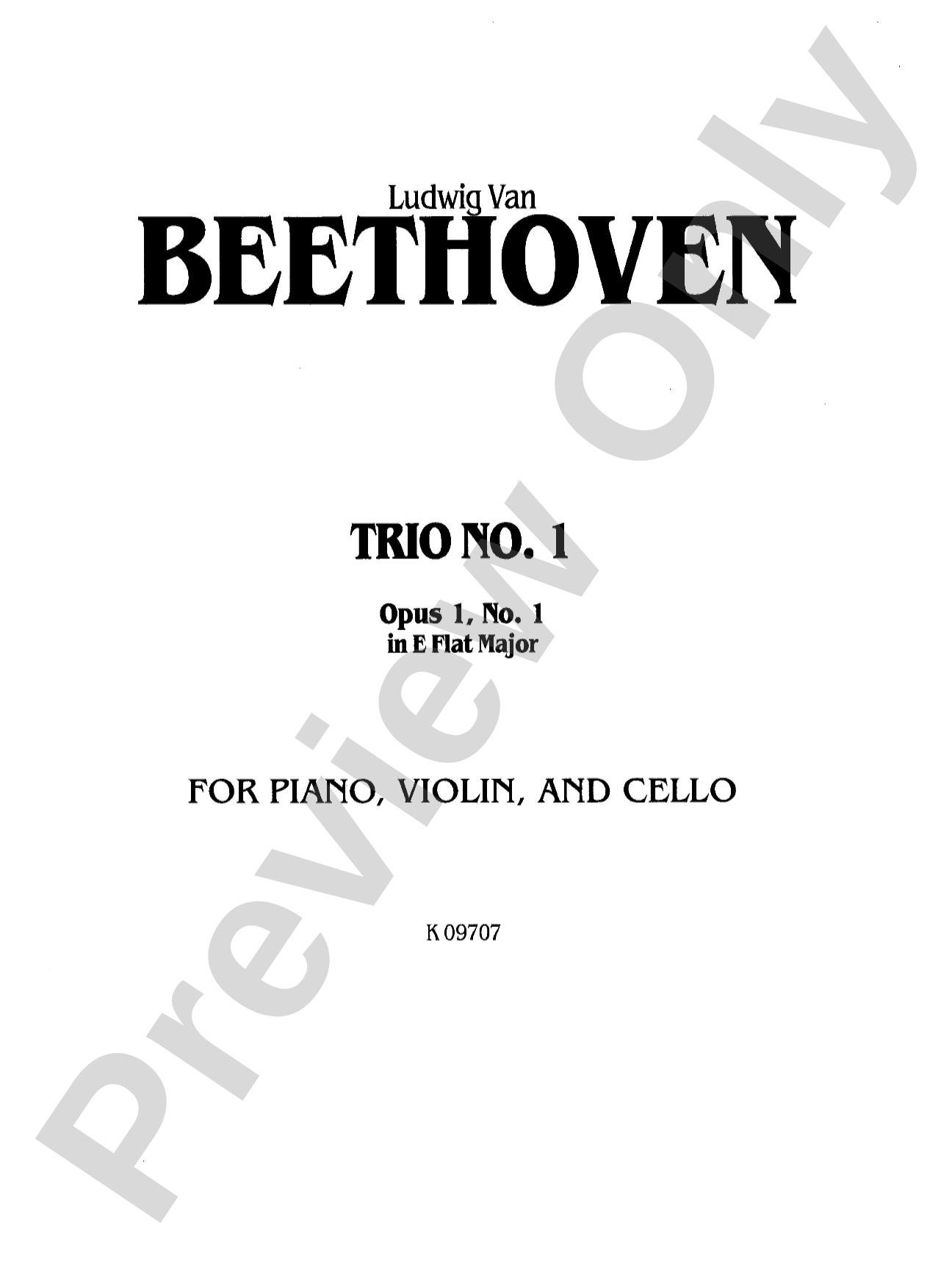

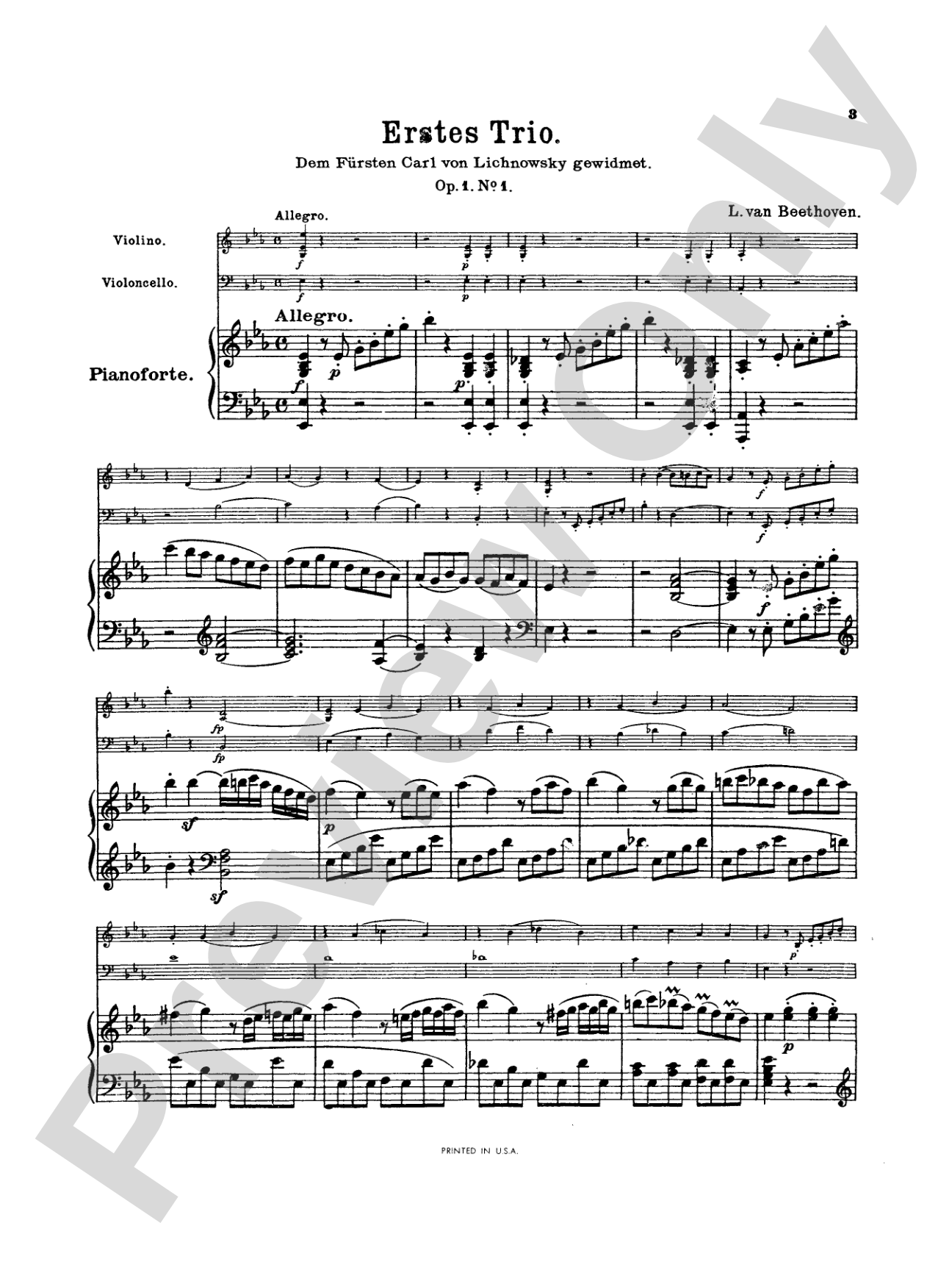
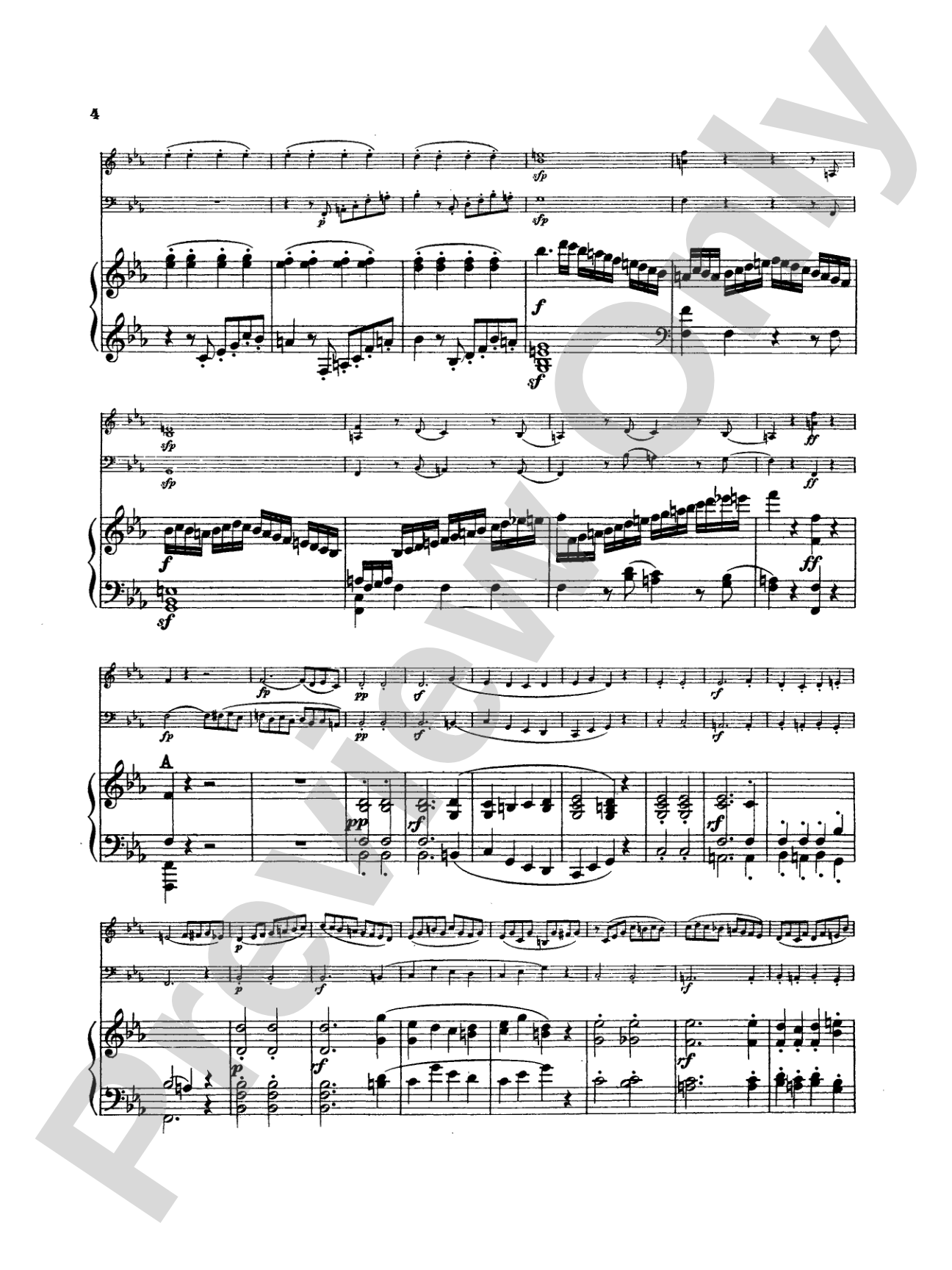
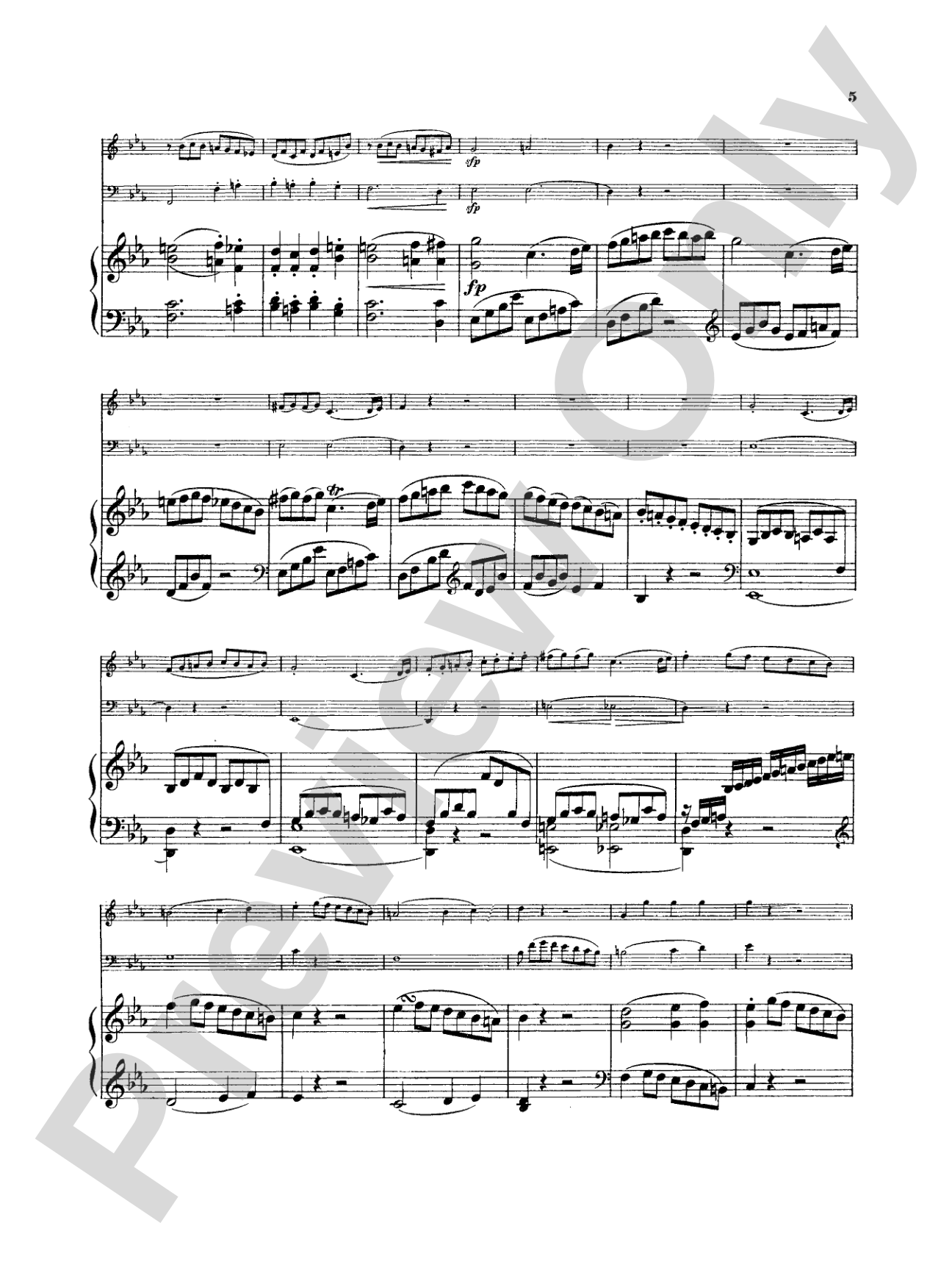
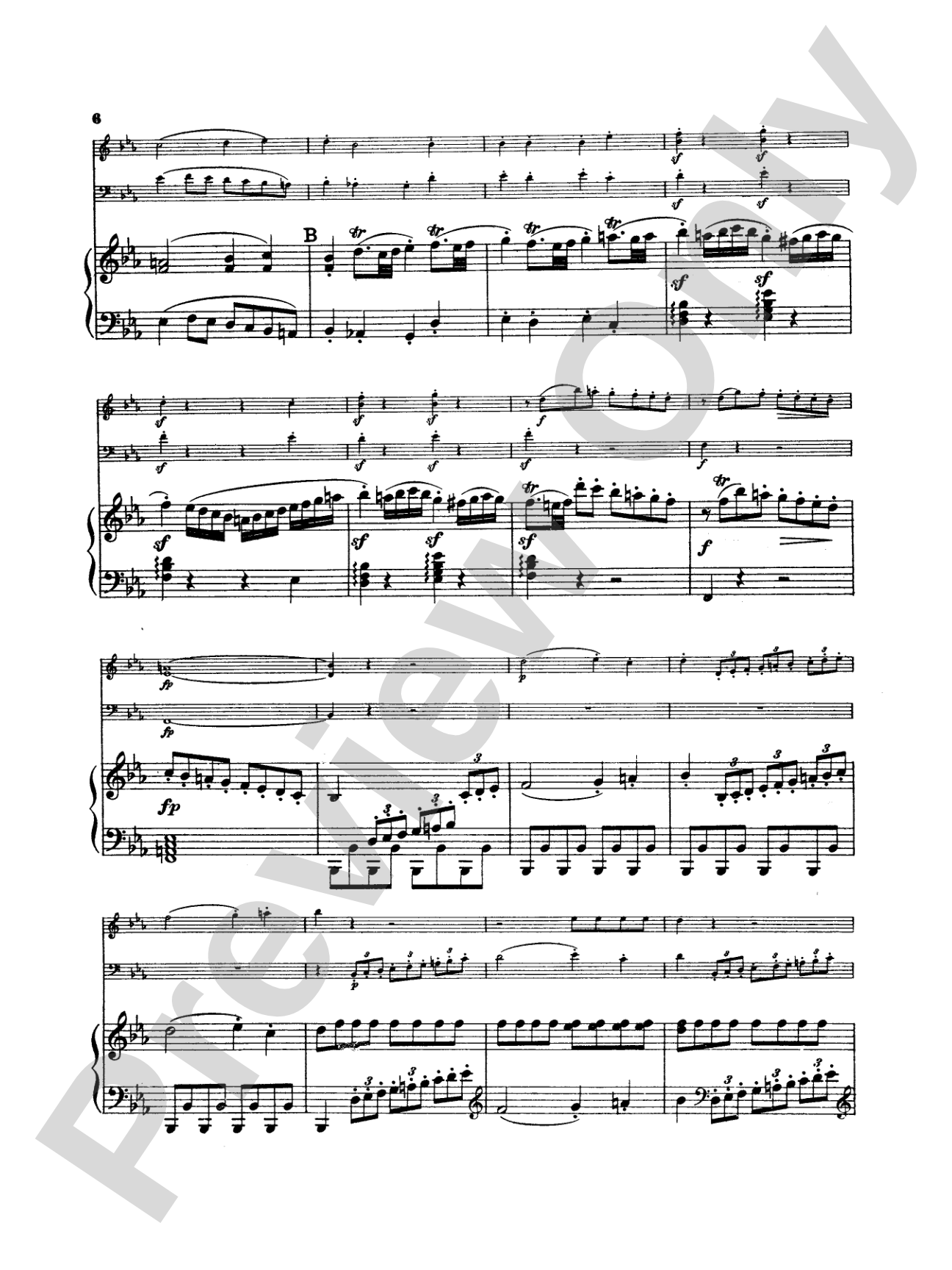
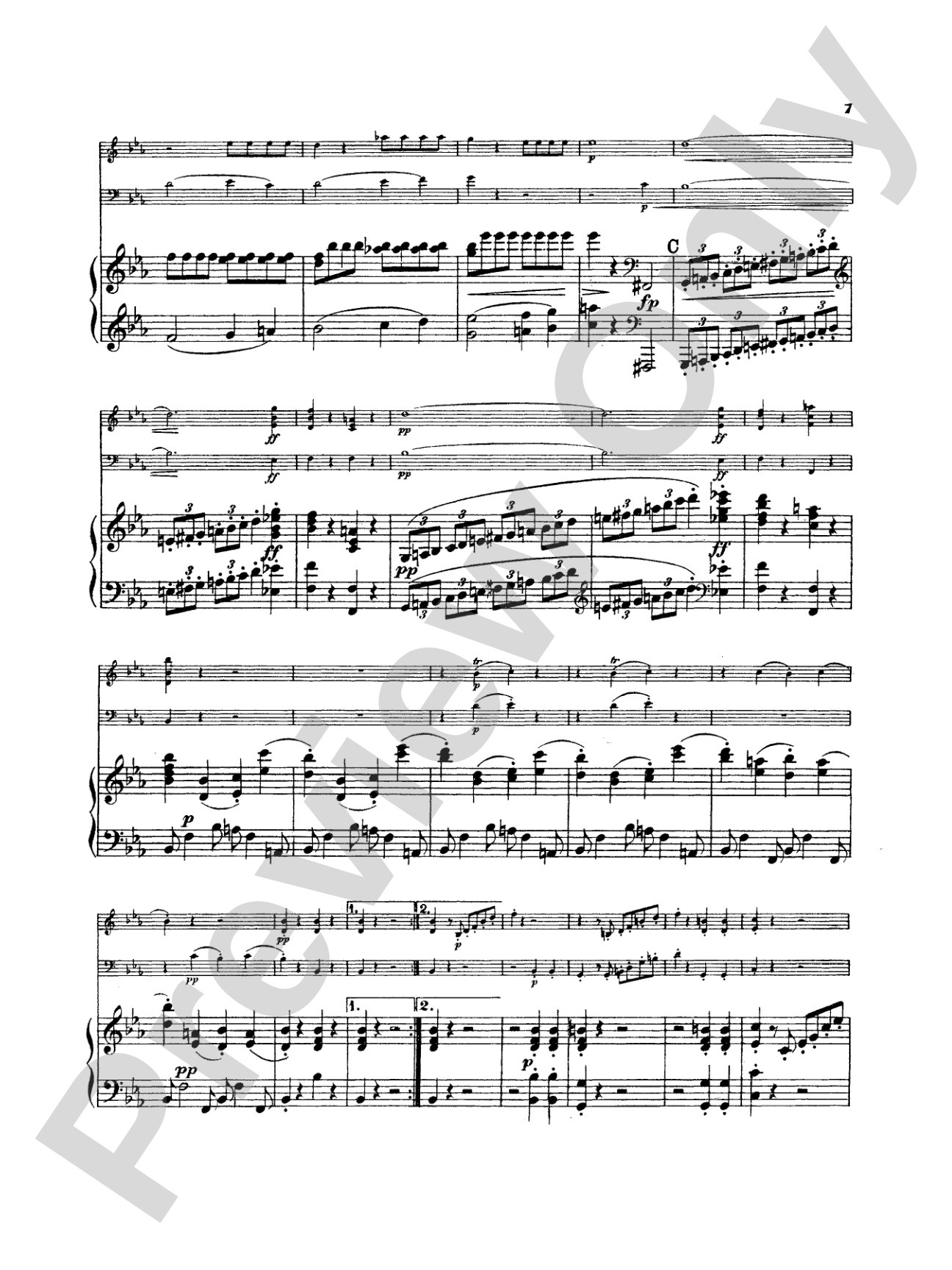
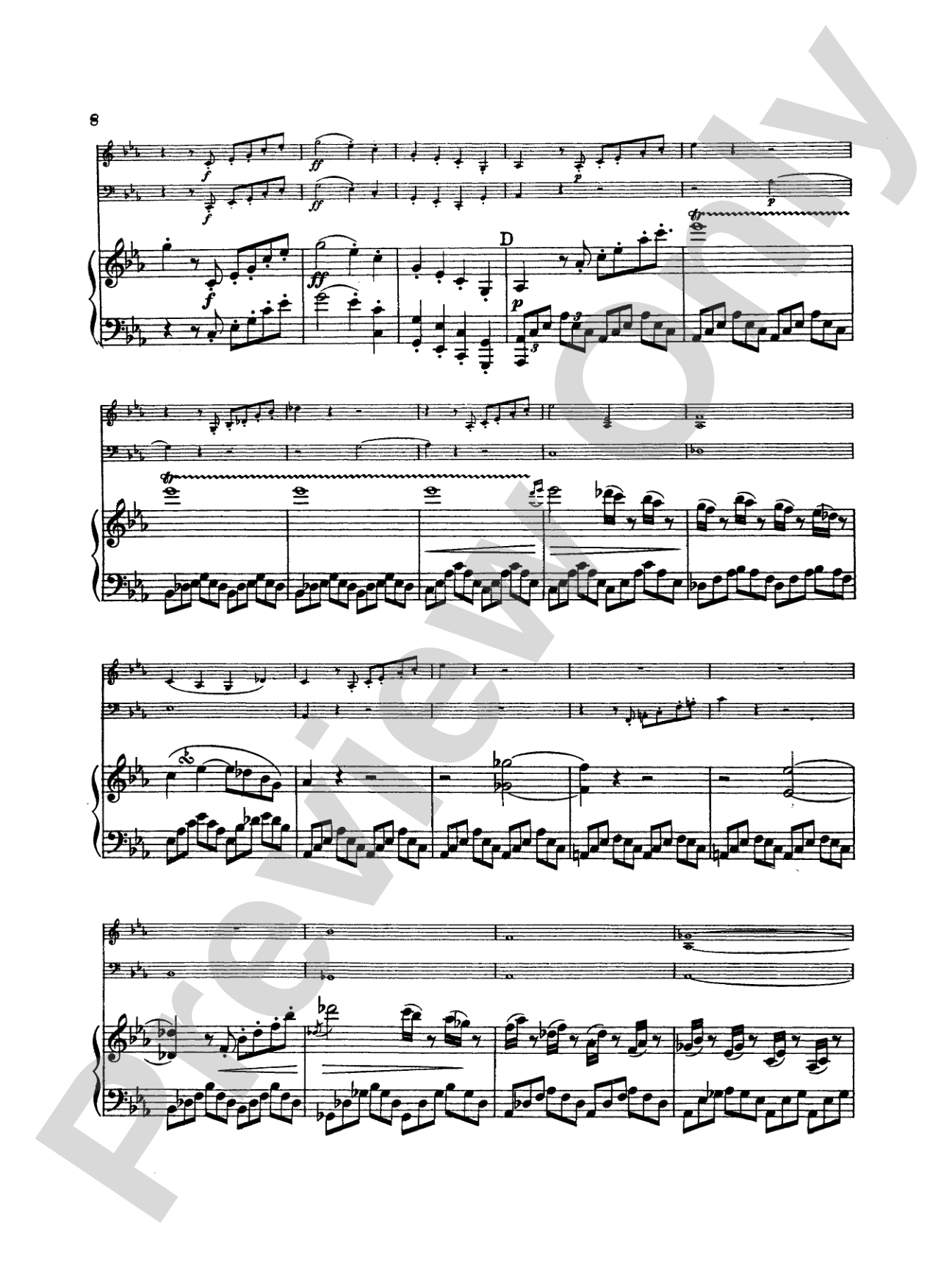
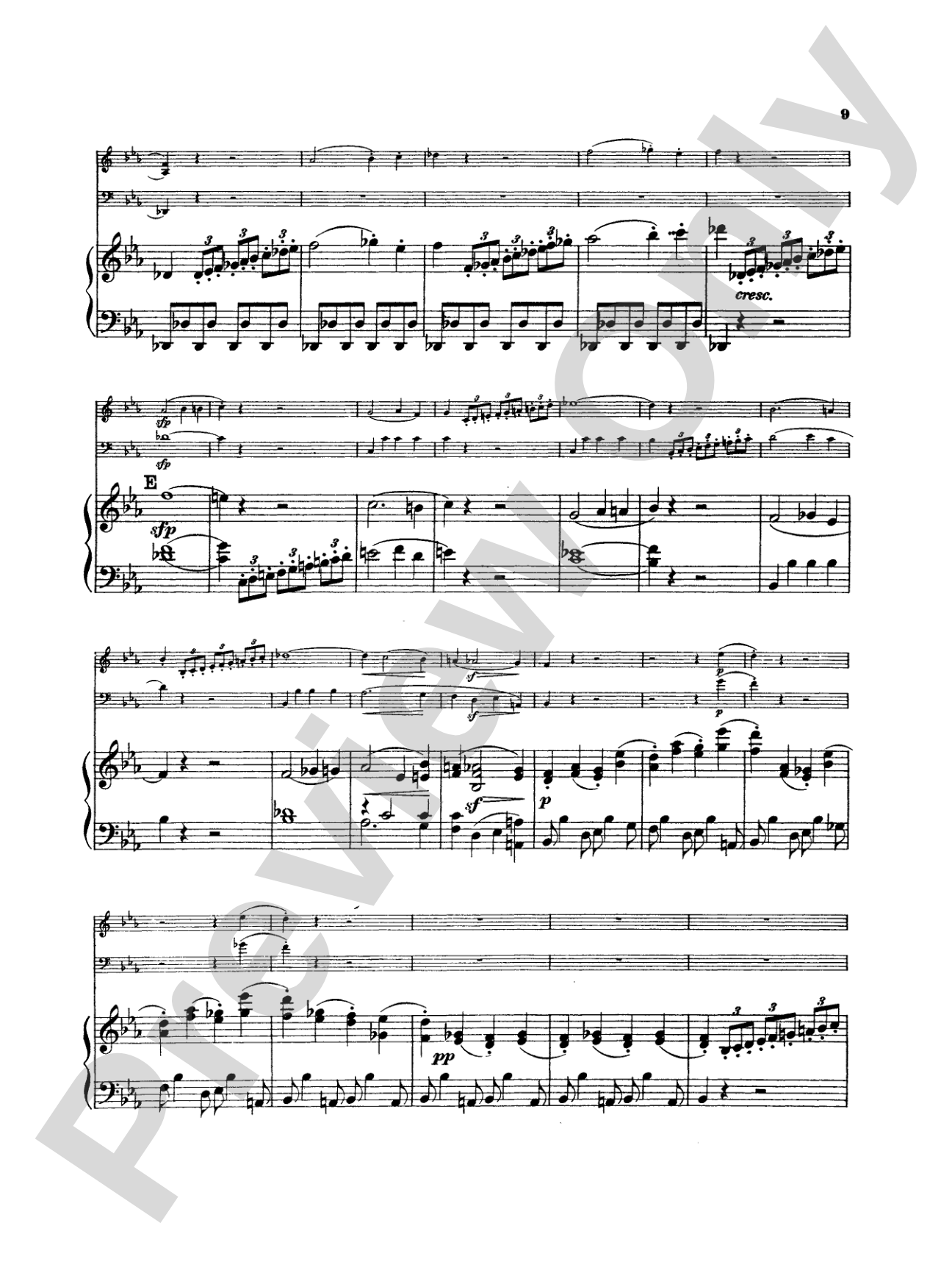

Beethoven: Trio No. 1, Op. 1, No. 1, in E flat Major (for piano, violin, and cello)
By Ludwig van Beethoven
Item: 00-PC-0013047
$4.95
Pickup currently not available
Description
Expertly arranged Piano Trio by Ludwig van Beethoven from the Kalmus Edition series. This Trio is from the Classical and Romantic eras.


Don't just read it, hear it, play along with it, and watch your students grow with it. In MakeMusic Cloud, Beethoven: Trio No. 1, Op. 1, No. 1, in E flat Major (for piano, violin, and cello) comes alive with professional accompaniment, adjustable tempo, and built-in practice tools that turn solo practice into real progress.
Open in the Player
Jump straight in and assign it today.
Start Your Free Trial
Open this title and explore the full library in minutes.
Sample Audio
No sample audio found.
Sample Video
No sample videos found.
Additional Details
Series:
Kalmus Edition
Publisher:
Alfred Music
Page Count:
72
SKU:
00-PC-0013047
Instrumentation:
Piano, Violin & Cello
More about this title
About the Composer: Ludwig van Beethoven
Ludwig van Beethoven (1770-1827) fundamentally reshaped how composers approached the sonata form and chamber music idiom. His early works, including the Op. 1 piano trios written in Bonn before his move to Vienna, already demonstrate the harmonic boldness and structural innovation that would define his legacy. Beethoven's chamber music stands as the bridge between Classical restraint and Romantic expansion, making his trios essential repertoire for understanding the evolution of Western music.
For ensemble musicians, Beethoven's writing demands both technical facility and interpretive maturity. His trios require the three players to balance between equal partnership and clear textural hierarchy, a skill that transfers directly to understanding all collaborative chamber music. These works reward careful study of phrase architecture, dynamic contrast, and the interplay between instruments.
Why we love this
This trio sits at a crucial pedagogical crossroads: it's substantial enough to command respect in competition and recital settings, yet accessible enough for advanced high school and early collegiate ensembles. The writing avoids the pianistic and technical extremes of later Beethoven, focusing instead on clarity of form and motivic development that teaches musicians how to listen across three independent voices.
What to expect
The opening theme unfolds with the warmth and directness of early Beethoven, moving through clearly articulated harmonic progressions that feel both inevitable and surprising. The dialogue between instruments creates an intimate conversation rather than a showy display, allowing the chamber setting to emphasize dialogue and balance over virtuosity.
Who it's for
Intermediate to advanced chamber ensembles working at the high school, collegiate, or pre-professional level. This trio suits musicians who have solid ensemble experience and are ready to engage with structured Romantic-era forms that demand both technical control and collaborative listening.
How to get the most out of it
- Establish the harmonic foundation together before layering in melodic material. The piano part in the opening Allegro contains essential structural information; excessive rubato from violin and cello will obscure the work's architectural integrity.
- Shape the first theme through gentle dynamic swells rather than abrupt accents. Beethoven's marking of Allegro demands forward motion, but the E flat major tonality benefits from a warm, singing approach that avoids brittleness.
- Attend closely to the balance between outer and inner voices in the Scherzo. The violin and cello must project their themes clearly while the piano provides rhythmic propulsion; resist the urge to let the piano become accompaniment.
- Prepare the Rondo finale with particular attention to ensemble entry points. The multiple theme restatements can blur together without precise rhythmic agreement across all three players, especially where the themes overlap or reappear in different voices.
How to use it
This Kalmus Edition serves equally well for competition preparation, educational concerts featuring canonical chamber works, or as part of a concert tracing Beethoven's stylistic development. Its 72 pages and moderate technical demands make it a solid choice for festivals where ensemble sight-reading or rapid preparation is required, while its musical substance justifies programming in formal recital contexts.
Skills your students will build
- Balanced ensemble playing across three independent lines with equal partnership
- Voice leading and harmonic analysis within Classical sonata form
- Dynamic control and phrase shaping in period-appropriate style
- Rhythmic precision and clarity of ensemble entry, especially in rapid figuration
- Understanding of motivic development and thematic transformation across multiple movements