
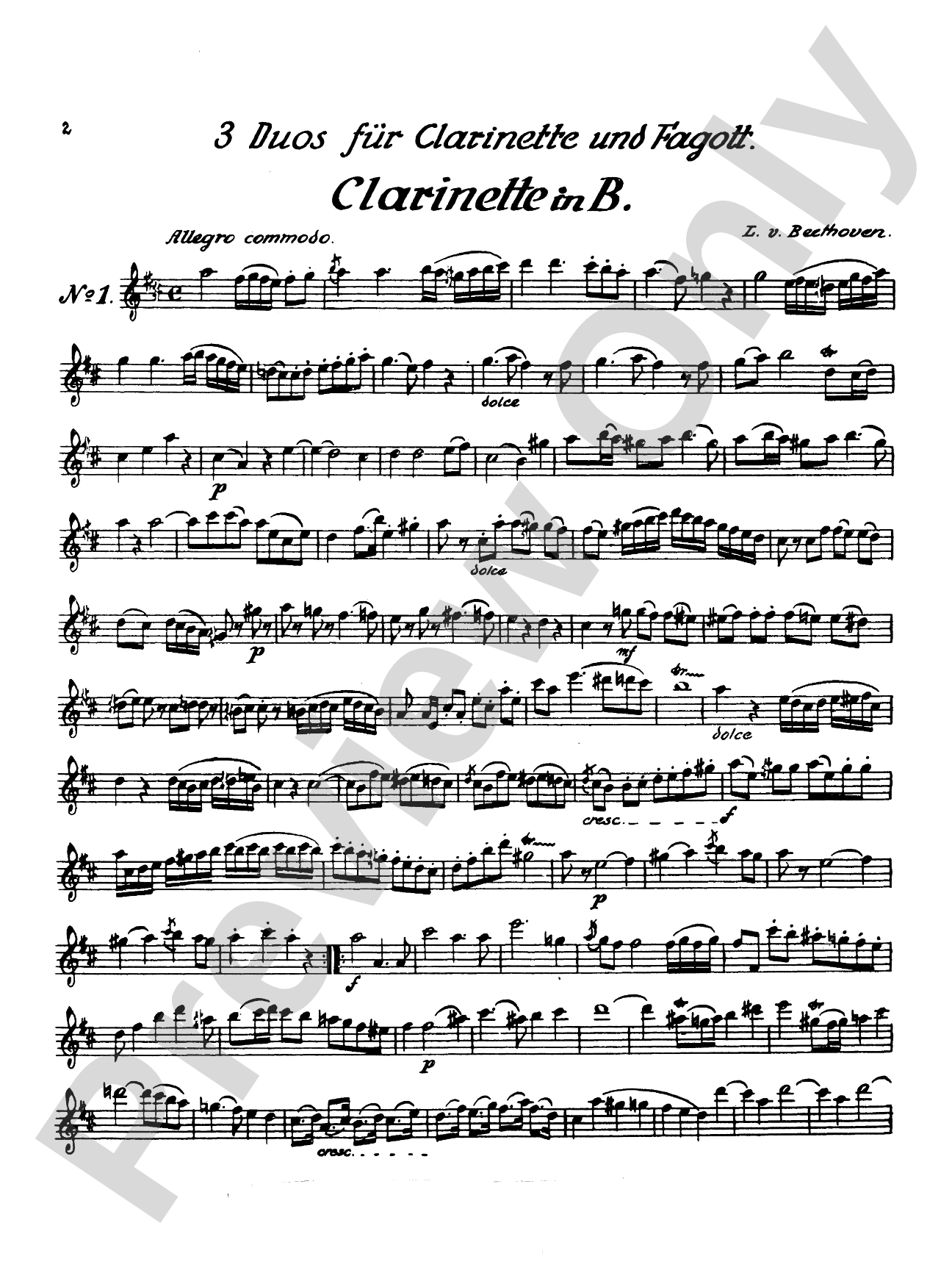
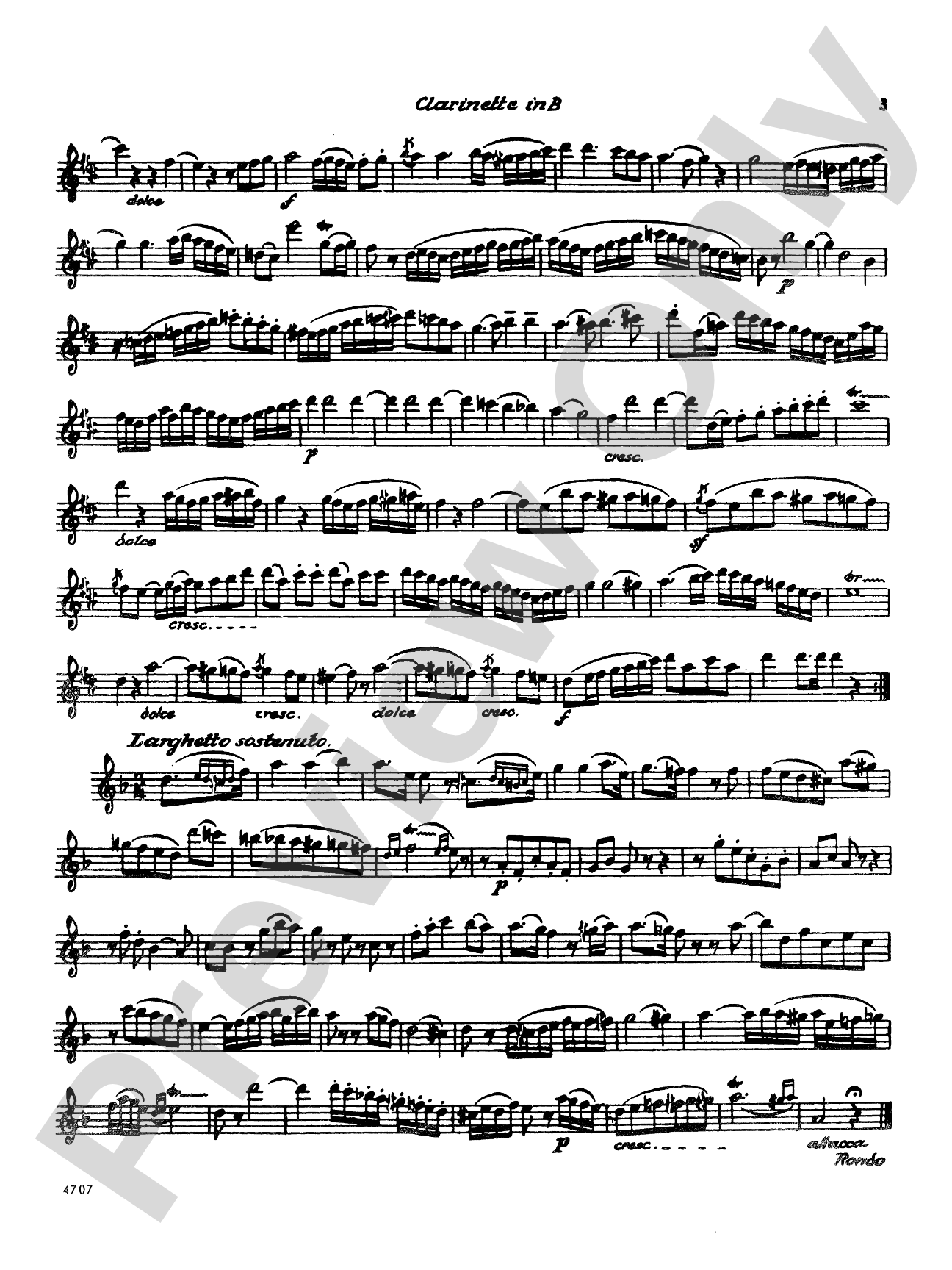
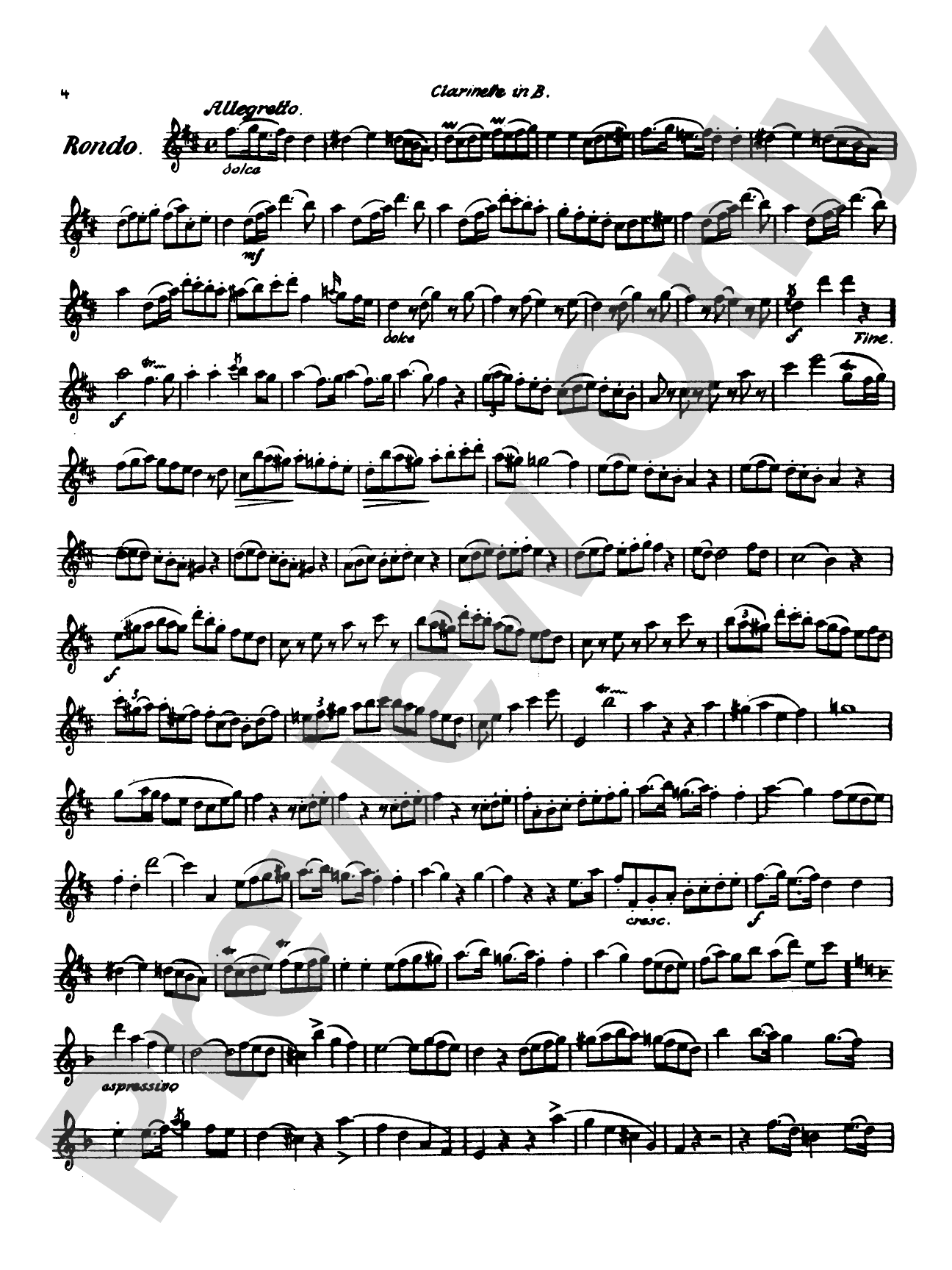
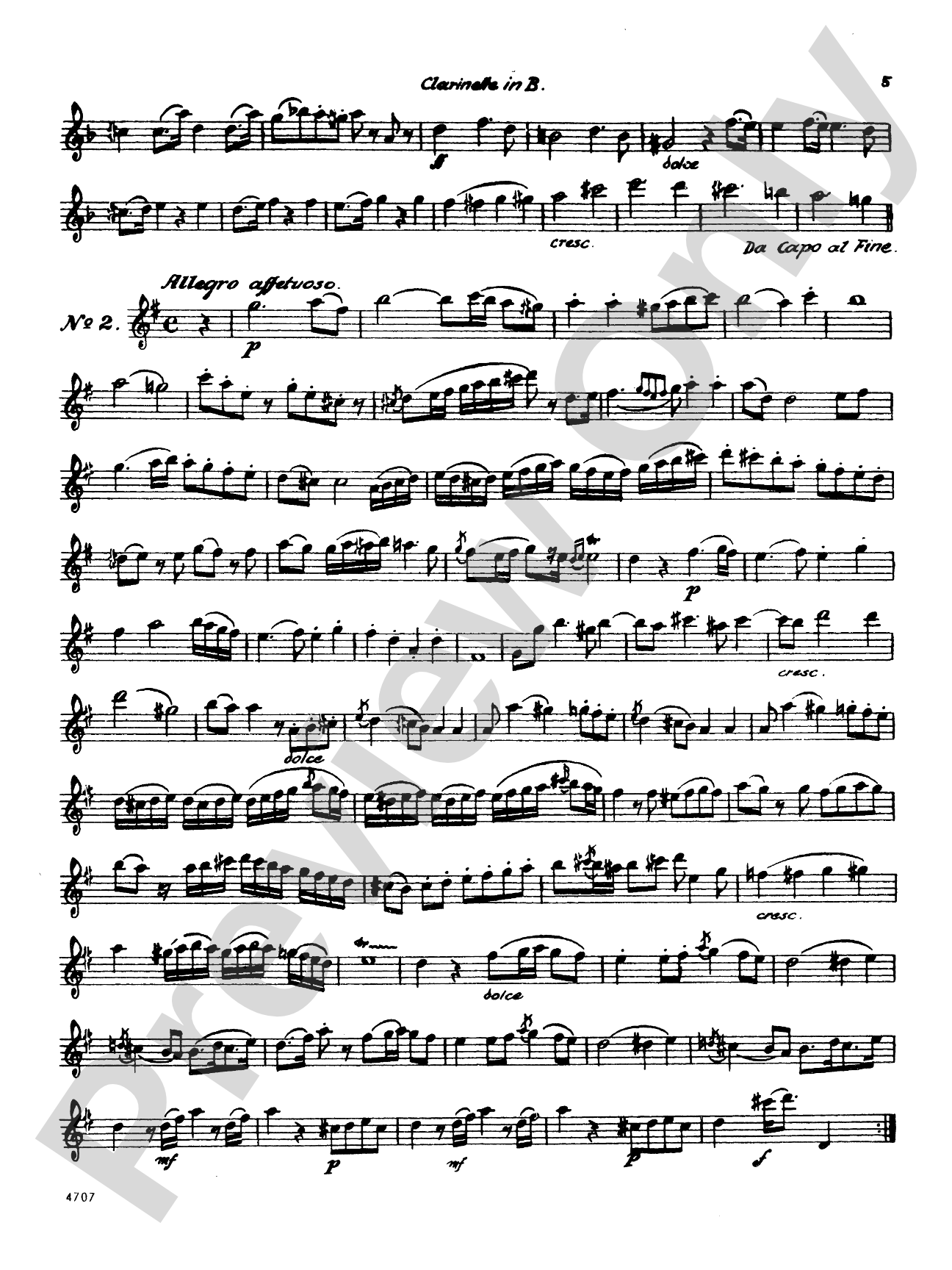

Beethoven: Three Duets for Clarinet and Bassoon: Chamber Duo Book
By Ludwig van Beethoven
Item: 00-PK-0003599

$9.99
Pickup currently not available
Buy Extra Parts (Digital PDF Download)
Parts Added to Cart!
Description
Thre duets for Clarinet and Bassoon, composed by Ludwig van Beethoven.


Don't just read it, hear it, play along with it, and watch your students grow with it. In MakeMusic Cloud, Beethoven: Three Duets for Clarinet and Bassoon: Chamber Duo Book comes alive with professional accompaniment, adjustable tempo, and built-in practice tools that turn solo practice into real progress.
Open in the Player
Jump straight in and assign it today.
Start Your Free Trial
Open this title and explore the full library in minutes.
Sample Audio
No sample audio found.
Sample Video
No sample videos found.
Additional Details
Series:
Kalmus Edition
Publisher:
Alfred Music
Page Count:
20
SKU:
00-PK-0003599
Instrumentation:
Clarinet & Bassoon
More about this title
About the Composer: Ludwig van Beethoven
Ludwig van Beethoven (1770-1827) shaped classical music into something larger and more personal than his predecessors could imagine. Working across genres from symphonies to string quartets to solo sonatas, he expanded harmonic language, extended forms, and embedded emotional urgency into every measure. His chamber works sit at the intersection of Classical restraint and Romantic expression, making them endlessly rewarding for musicians willing to engage with their architectural intelligence and dramatic weight.
Why we love this
Beethoven's duets for clarinet and bassoon occupy a rare space: they're genuinely appealing to play without demanding virtuosity that overshadows musicianship. The writing exploits the natural warmth and complementary ranges of both instruments while remaining accessible enough for serious intermediate players. These pieces offer a direct path into Beethoven's chamber aesthetic without the technical gauntlet of his string quartets.
What to expect
These duets move with Classical elegance and clarity while carrying an unmistakable Romantic warmth. The clarinet and bassoon conversation feels intimate and conversational, trading musical ideas with a sense of dialogue rather than competition. There's a dignity and earnestness to the writing that rewards careful listening and deliberate interpretation.
Who it's for
These duets work well for advanced high school or early college clarinet and bassoon players who have solid fundamentals and can sustain focused chamber music rehearsal. They're ideal for musicians ready to experience Beethoven's structural thinking within an intimate setting without the ensemble coordination demands of larger groups.
How to get the most out of it
- Shape phrases as a unified voice rather than playing instruments in parallel; the clarinet and bassoon should breathe together and mirror each other's articulation choices even when rhythms diverge.
- Balance tone so neither instrument dominates in their high passages; the clarinet's upper register can easily overwhelm the bassoon's natural warmth, requiring intentional restraint.
- Establish a steady pulse without rigidity; Beethoven's rhythmic figures suggest forward motion, but allow space for the harmonic content to settle when voices overlap.
- Attend to the register shifts in each part; moving between chalumeau and clarion, or between the bassoon's tenor and altissimo ranges, requires secure air support and clear tonal intention to maintain coherence.
How to use it
Program these as a sophisticated chamber interlude on a recital featuring other Classical duet literature, or pair them with a mixed wind ensemble piece to showcase how individual instruments can shine in closer proximity. They also work beautifully as a recital opener, establishing an atmosphere of formal but warm engagement before moving to larger or more elaborate works.
Skills your students will build
- Sustaining independent melodic lines while maintaining harmonic awareness
- Balance and blend across two instruments with contrasting timbres
- Phrasing as a unified duo rather than two separate voices
- Reading Classical form and understanding structural proportions
- Chamber ensemble listening and musical interdependence