Beethoven: Three Duets Sheet Music Preview

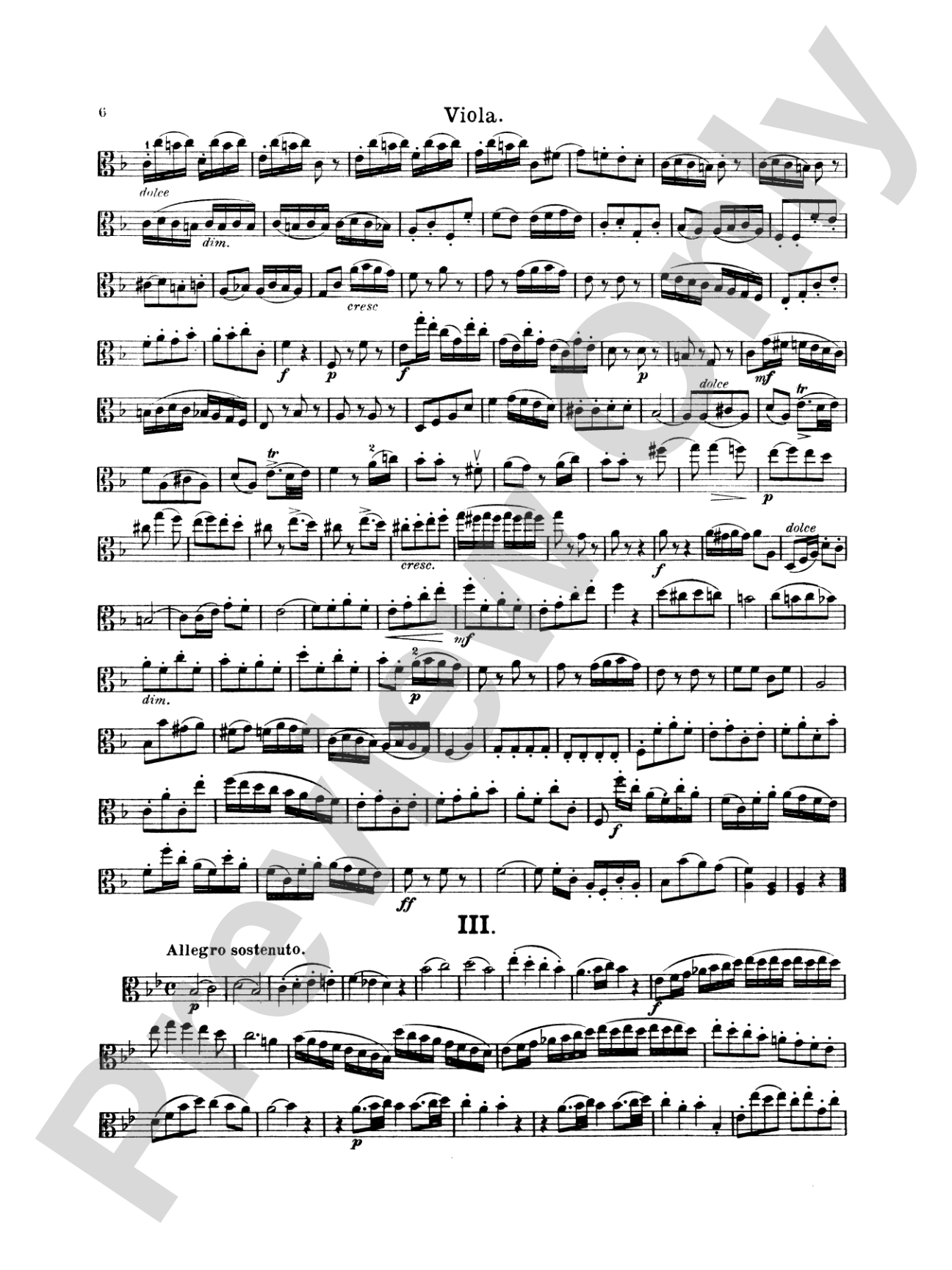
Beethoven: Three Duets

By Ludwig van Beethoven

Item: 00-PC-0010898

Digital Download
$0.99
Description
A collection of String Duets for Violin and Viola, composed by Ludwig van Beethoven.

Don't just read it, hear it, play along with it, and watch your students grow with it. In MakeMusic Cloud, Beethoven: Three Duets comes alive with professional accompaniment, adjustable tempo, and built-in practice tools that turn solo practice into real progress.

Sample Audio
No sample audio found.
Sample Video
Additional Details
Series: Kalmus Edition
Publisher: Alfred Music
Page Count: 20
SKU: 00-PC-0010898

More about this title

About the Composer: Ludwig van Beethoven

Ludwig van Beethoven (1770-1827) bridged the Classical and Romantic eras, expanding the formal structures of his predecessors while infusing them with unprecedented emotional depth and structural innovation. His chamber music, including duets for strings, showcases his gift for dialogue between instruments; each voice maintains independence while contributing to a unified whole, a hallmark of his compositional thinking.

Why we love this

These duets capture Beethoven at his most intimate, where the violin and viola engage in genuine conversation rather than default to solo-plus-accompaniment texture. They work beautifully for chamber music festivals and competitions because they demand genuine partnership and musical maturity from both players, yet they remain accessible enough for serious student ensembles.

What to expect

Intimate yet intellectually engaging, these duets balance Classical clarity with Romantic warmth. The dialogue between violin and viola creates moments of tenderness and dramatic intensity, inviting both players into a musical conversation that feels genuinely collaborative rather than hierarchical.

Who it's for

Intermediate to advanced violinists and violists seeking substantial yet manageable chamber repertoire. These duets suit student ensembles preparing for chamber music festivals, competitions, or recitals, as well as teachers looking to introduce Beethoven's chamber idiom to serious young players.

How to get the most out of it

  • Balance the two voices as equal partners. Resist the urge to favor the violin; Beethoven wrote for both instruments to be heard distinctly and simultaneously.
  • Pay close attention to articulation markings and dynamics. Beethoven's notation is precise, and these details create the dramatic shape and character of each movement.
  • Work on rhythmic independence first, then blend. Each player should know their own part securely before attempting to synchronize phrasing and breathing.
  • Approach tempo shifts and key changes as structural events. Beethoven uses these moments intentionally, so clarity and confidence in the transitions enhance the overall narrative.

How to use it

Program these duets on chamber music recitals or festival competitions as a counterpoint to larger ensemble works. They also serve as excellent repertoire for sectional coaching or masterclass demonstrations of ensemble playing, showing advanced students how two instruments can create compelling musical discourse.

Skills your students will build

  • Balancing two independent melodic lines
  • Chamber music communication and ensemble listening
  • Interpretation of Classical-Romantic style and articulation
  • Reading and executing Beethoven's dynamic and textural markings
  • Sustained legato playing and phrasing across longer phrases

You May Also Like