
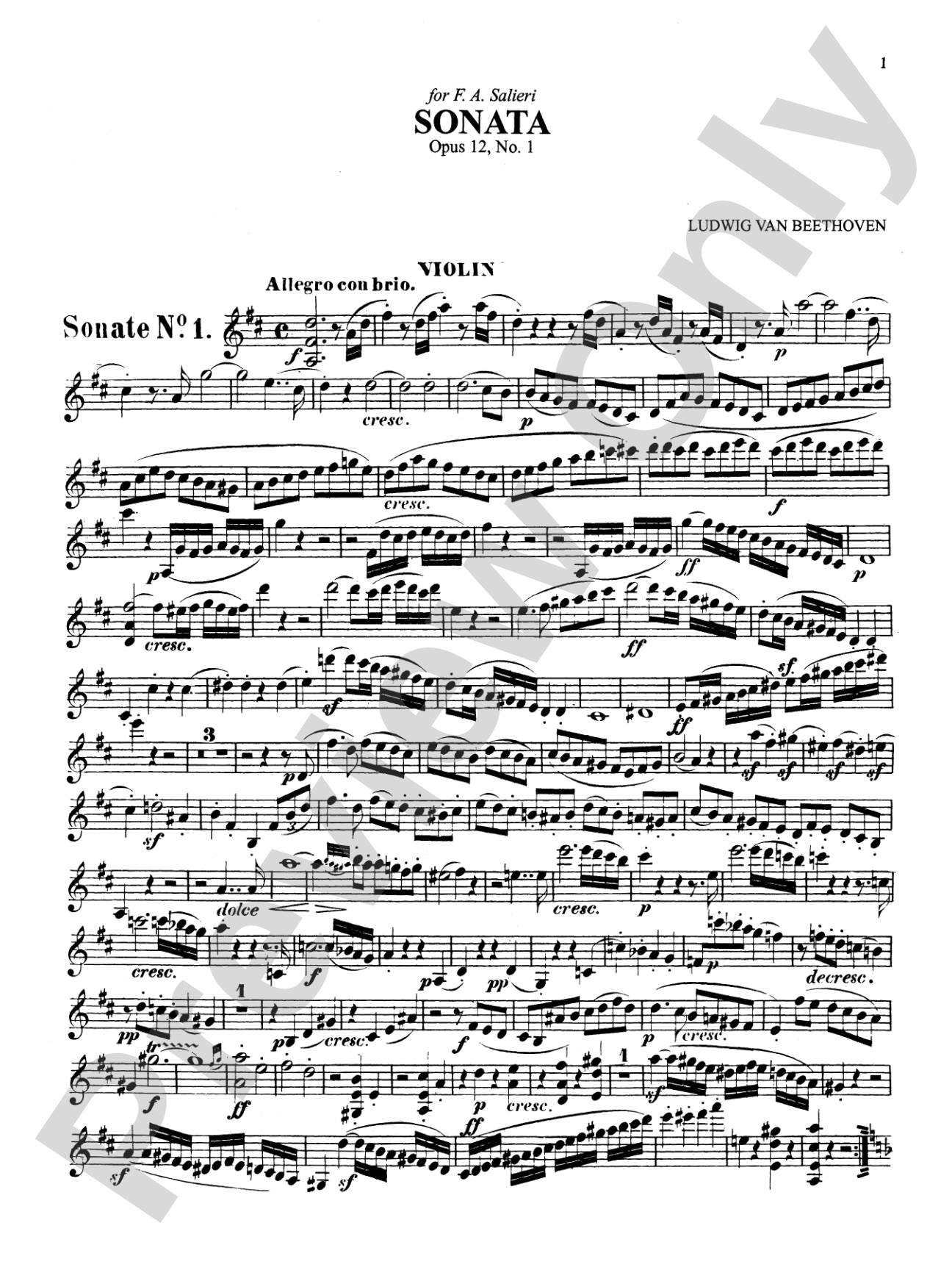
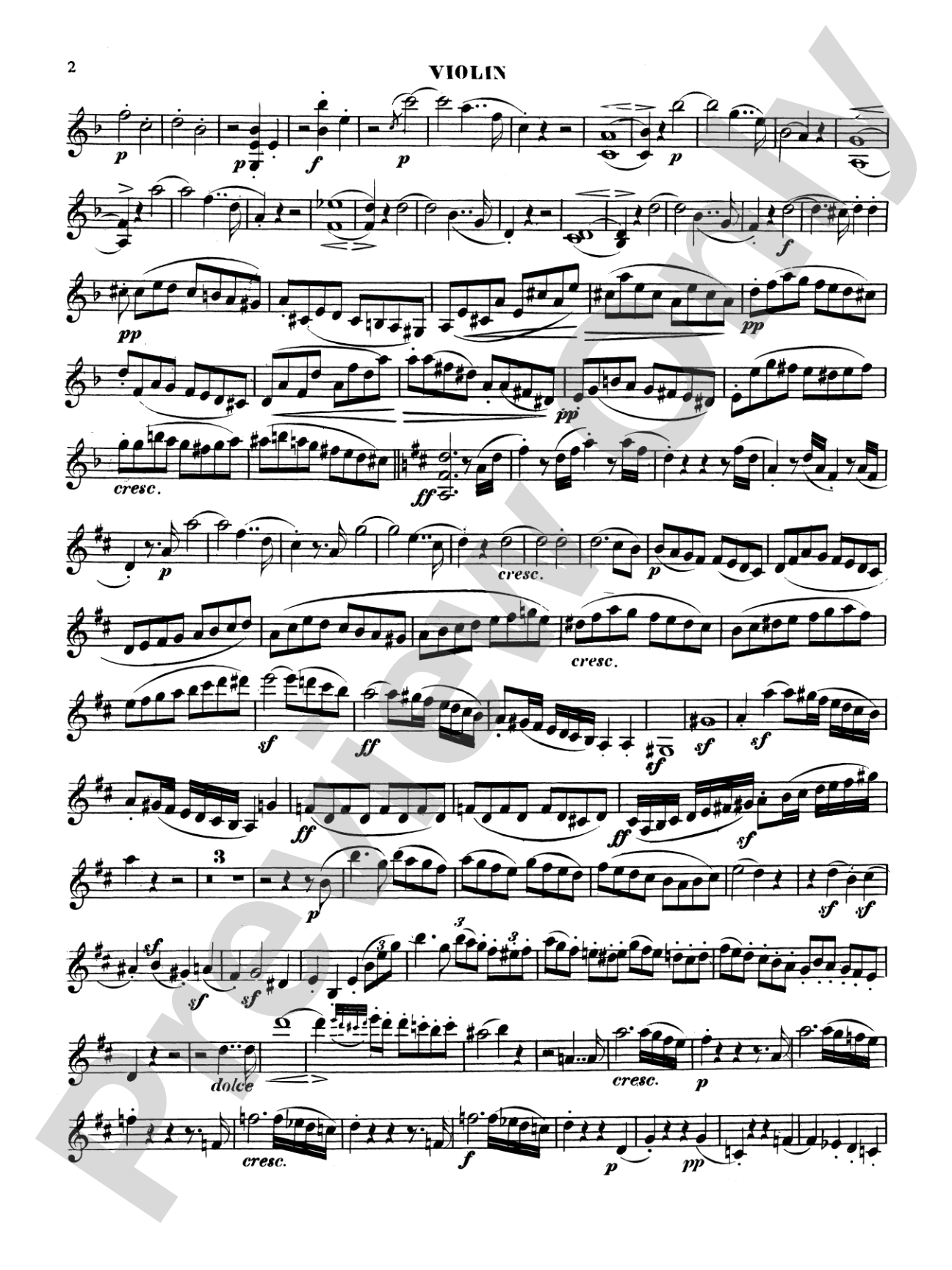
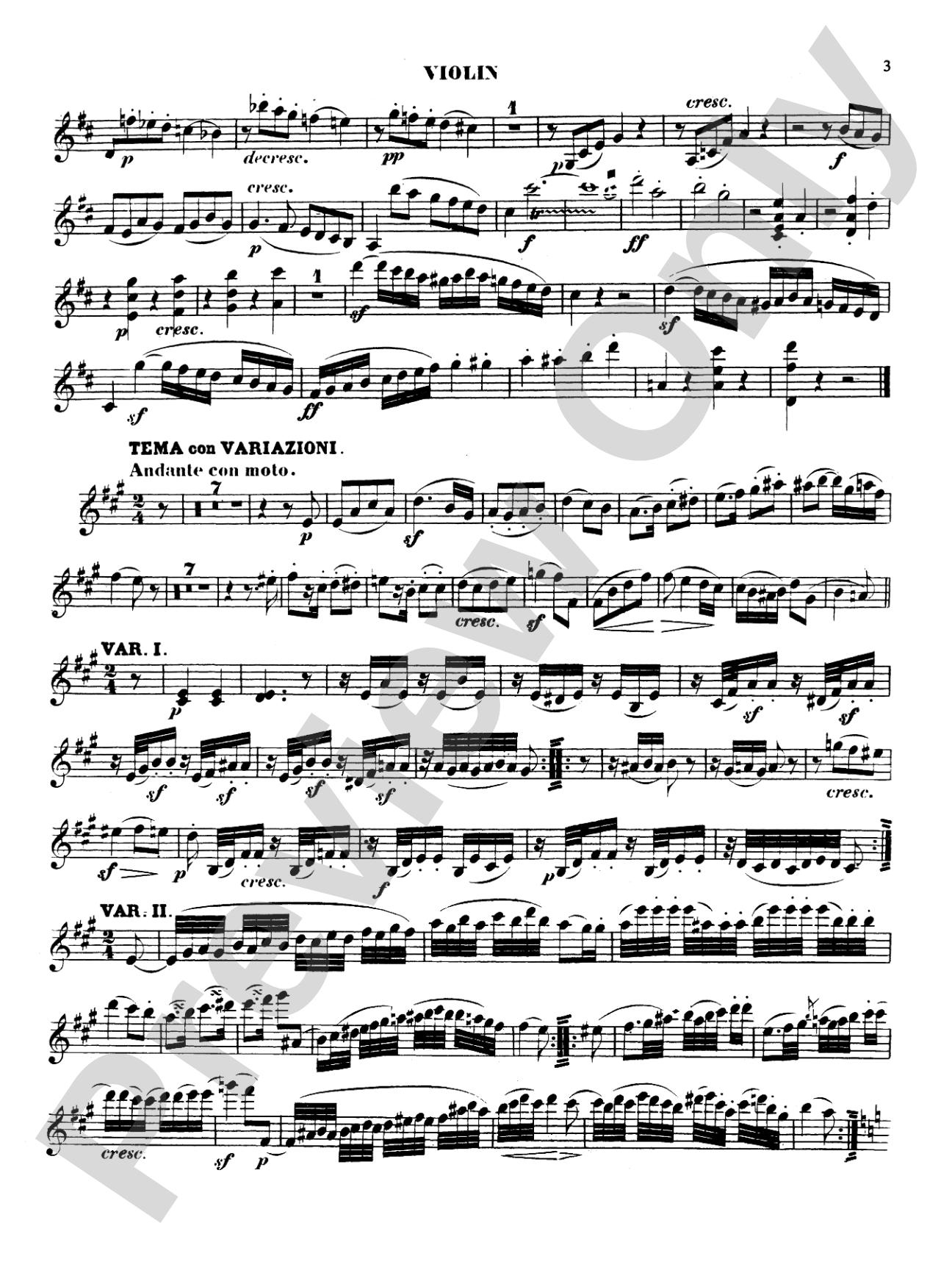
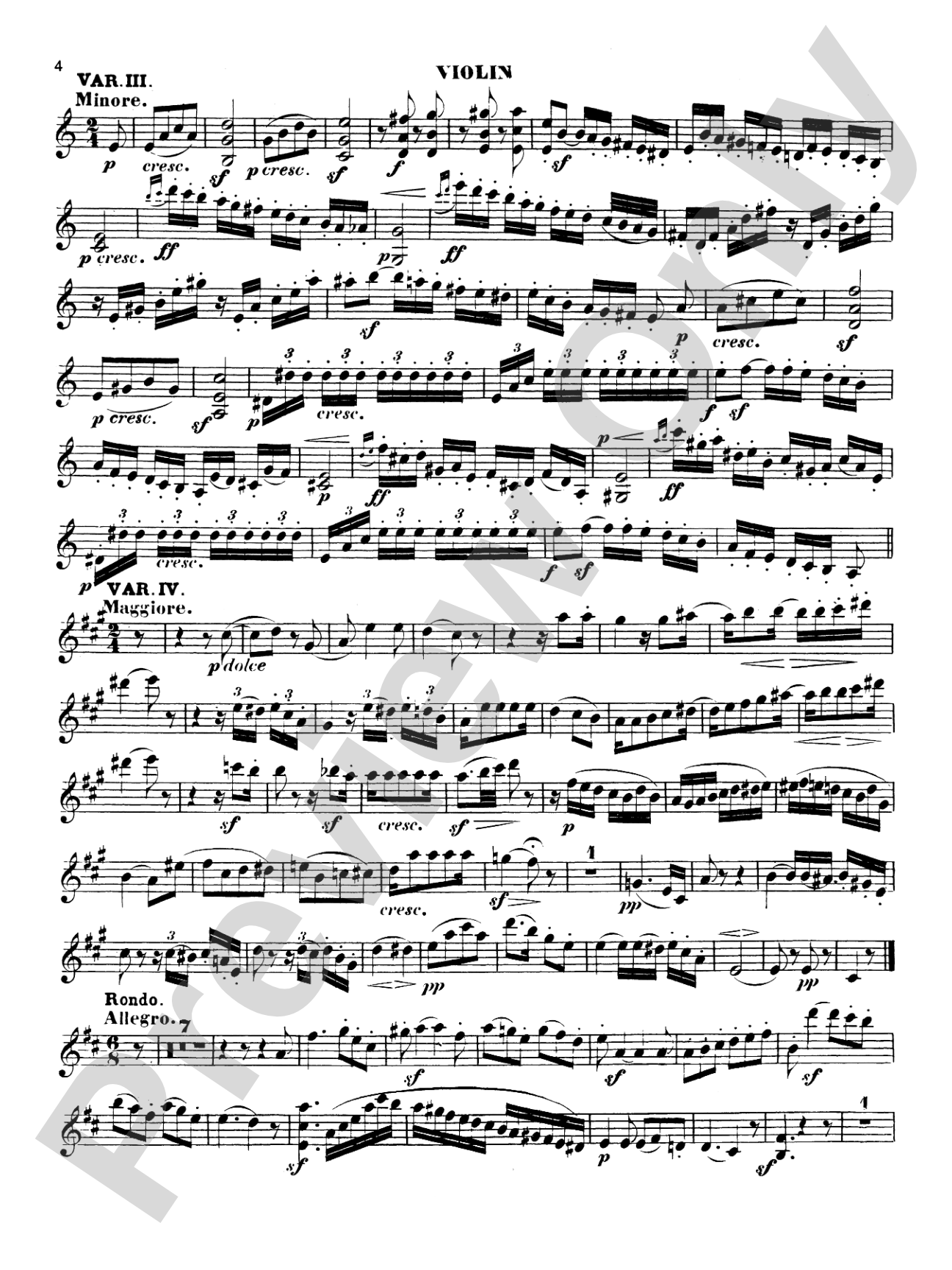
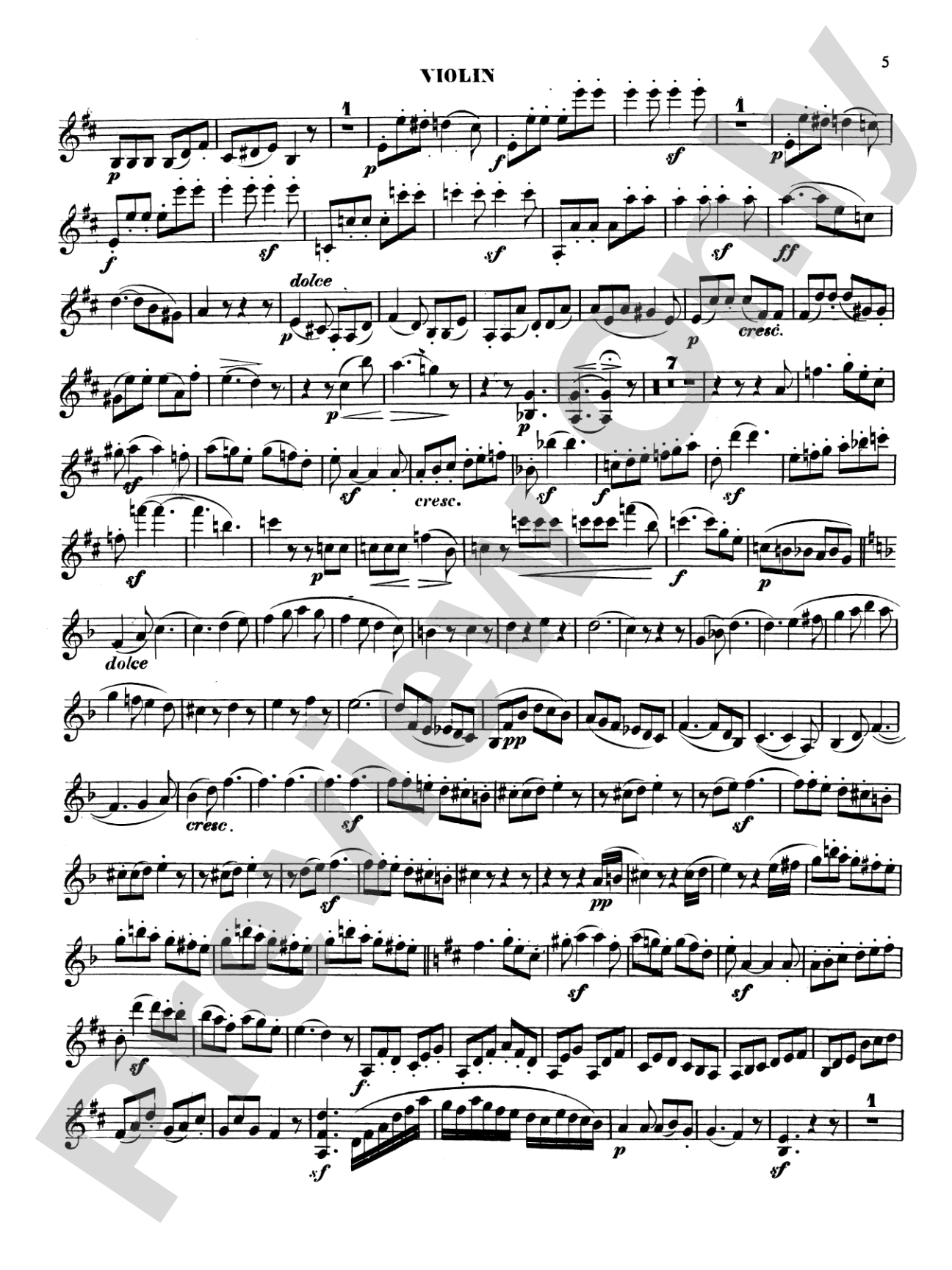
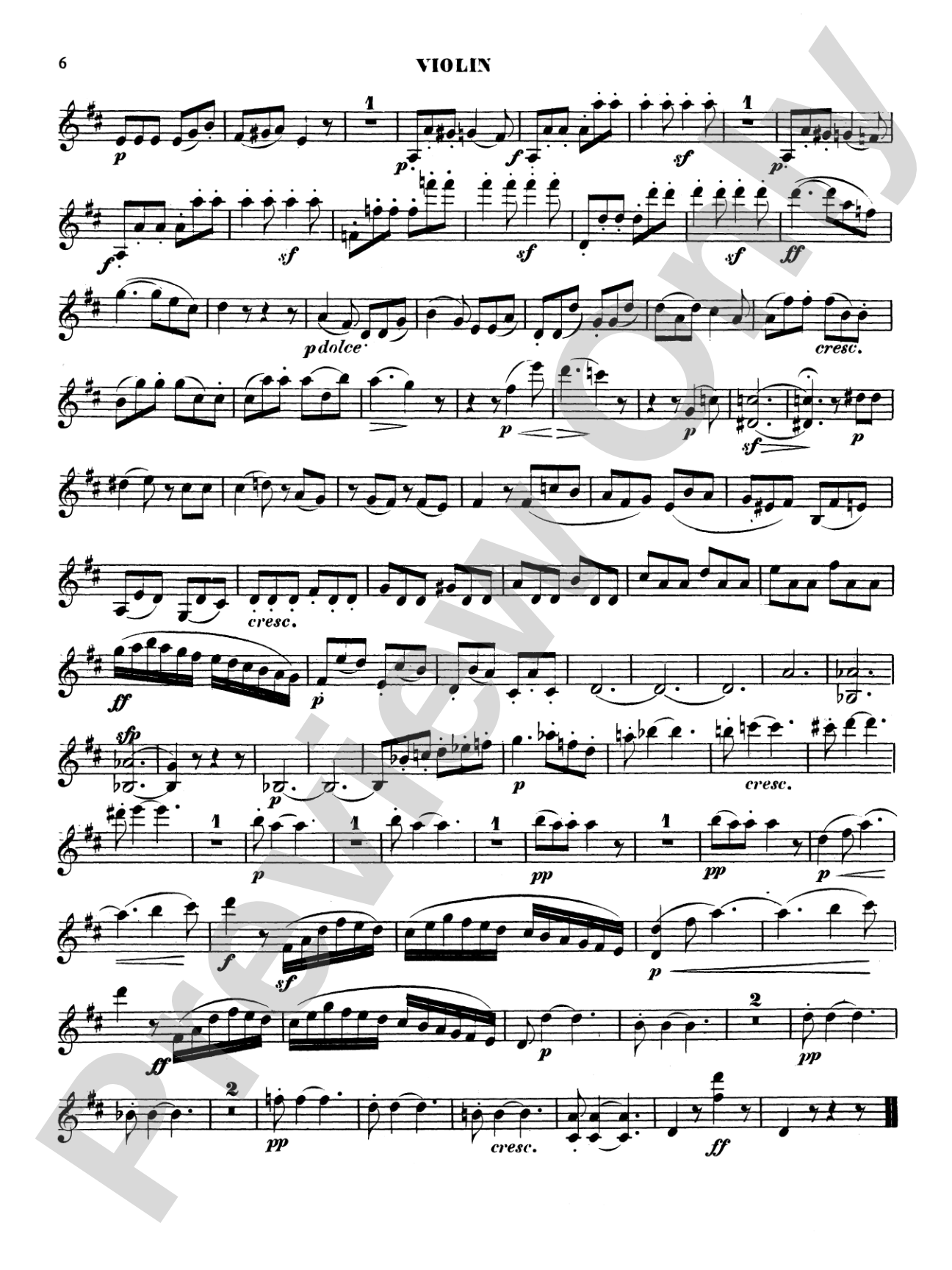

Beethoven: Ten Violin Sonatas, Volume I (Nos. 1-5): Violin Book
By Ludwig van Beethoven
Item: 00-PK-0002742

$14.99
Pickup currently not available
Buy Extra Parts (Digital PDF Download)
Parts Added to Cart!
Related Items
Ten Violin Sonatas, Volume I (Nos. 1-5): Violin Book |
$14.95
|
View |
Description
A wonderful new edition, cleanly printed, of the Beethoven Sonatas for violin and piano. Volume I contains sonatas 1-5.


Don't just read it, hear it, play along with it, and watch your students grow with it. In MakeMusic Cloud, Beethoven: Ten Violin Sonatas, Volume I (Nos. 1-5): Violin Book comes alive with professional accompaniment, adjustable tempo, and built-in practice tools that turn solo practice into real progress.
Open in the Player
Jump straight in and assign it today.
Start Your Free Trial
Open this title and explore the full library in minutes.
Sample Audio
No sample audio found.
Sample Video
No sample videos found.
Additional Details
Series:
Kalmus Edition
Publisher:
Alfred Music
Page Count:
144
SKU:
00-PK-0002742
More about this title
About the Composer: Ludwig Van Beethoven
Ludwig van Beethoven (1770-1827) fundamentally expanded what the violin sonata could express. Writing across his three compositional periods, he transformed the genre from a keyboard-dominated form into a genuine dialogue between equals, demanding from violinists an unprecedented range of technical facility and interpretive depth. His ten sonatas stand as cornerstones of the violin repertoire, each exploring different formal possibilities and emotional territories.
Why we love this
The first five sonatas trace Beethoven's artistic evolution during his Classical period and early transition toward Romanticism. This volume rewards violinists who are ready for genuine musical challenge: the writing is idiomatic yet demanding, the forms are clear yet inventive, and the dramatic range spans from intimate lyricism to rhetorical grandeur. Programming one of these alongside contemporary works shows students exactly how Beethoven's voice shaped everything that followed.
What to expect
These sonatas shimmer with Classical elegance while harboring Romantic intensity. You'll find moments of crystalline clarity and pure virtuosic joy alongside passages charged with philosophical weight. The emotional palette moves fluidly from playful to earnest, from virtuosic display to intimate introspection, always underpinned by Beethoven's relentless architectural logic.
Who it's for
Upper-level high school violinists and college music majors working toward recital repertoire. These sonatas suit performers with secure intonation, comfortable navigation of multiple positions, and the musical maturity to sustain long-form argument. They're equally valuable for teachers preparing students for all-state auditions or designing comprehensive recitals that span historical periods.
How to get the most out of it
- Attend carefully to the piano part; Beethoven writes for equal partners, not accompaniment. The violin emerges from an ongoing musical conversation, not a backdrop.
- Shape long phrases with structural awareness rather than relying on dynamic contrast alone. The Classical architecture demands clear hierarchies of importance within each movement.
- Approach rapid passagework with rhythmic precision and evenness. Beethoven's figurations serve harmonic and structural purposes, not display.
- Balance lyricism with forward momentum in the slower movements. These are not static meditations but active expressions of feeling.
How to use it
Pair individual sonatas from this volume with more contemporary works to frame Beethoven's historical position and influence. A single movement works well as a recital opener that commands attention without overpowering the program's overall arc. These sonatas also serve as benchmarks for student development: assigning one as an annual long-term project teaches sustained practice methodology and deepens interpretive thinking across a full season.
Skills your students will build
- Reading and performing in varied meters and key signatures across five substantial works
- Intonation adjustment in fast passage work and extended position shifts
- Phrasing across multiple-measure structures and Baroque-influenced counterpoint
- Rhythmic coordination with an equal partner at the keyboard
- Dynamic control and tonal variety within Classical formal structures
- Interpretation of structural harmonic function beyond surface expression