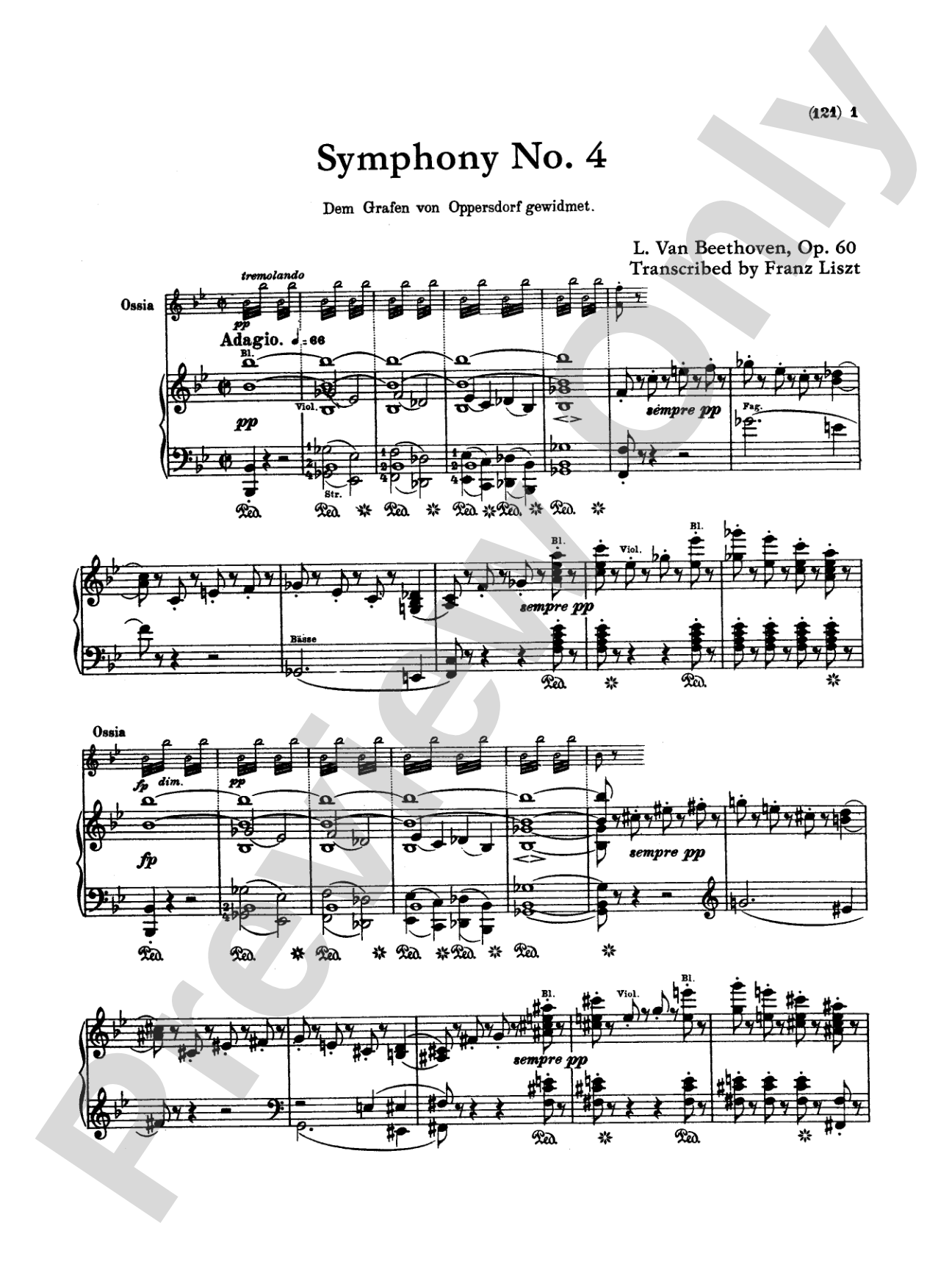
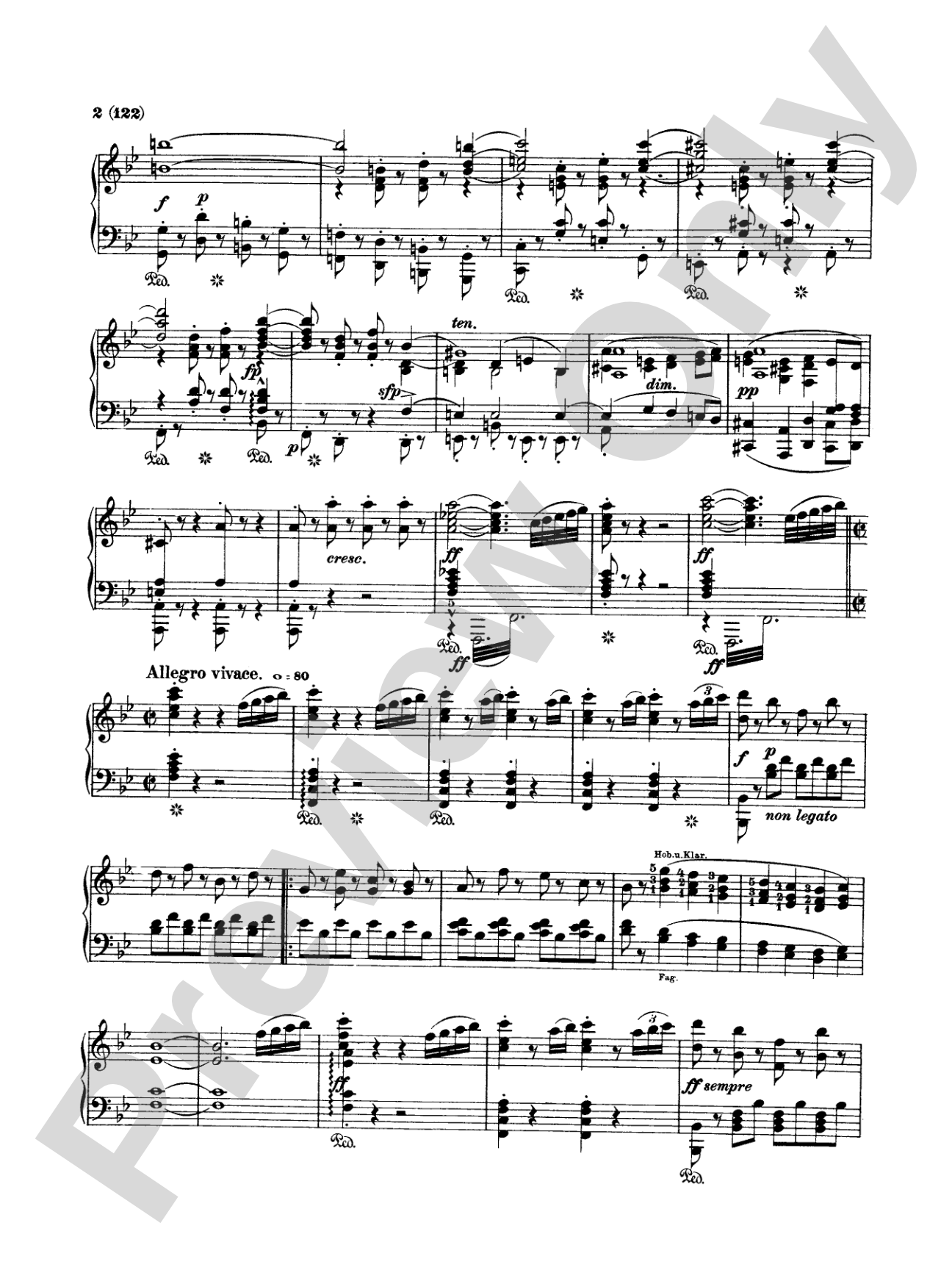
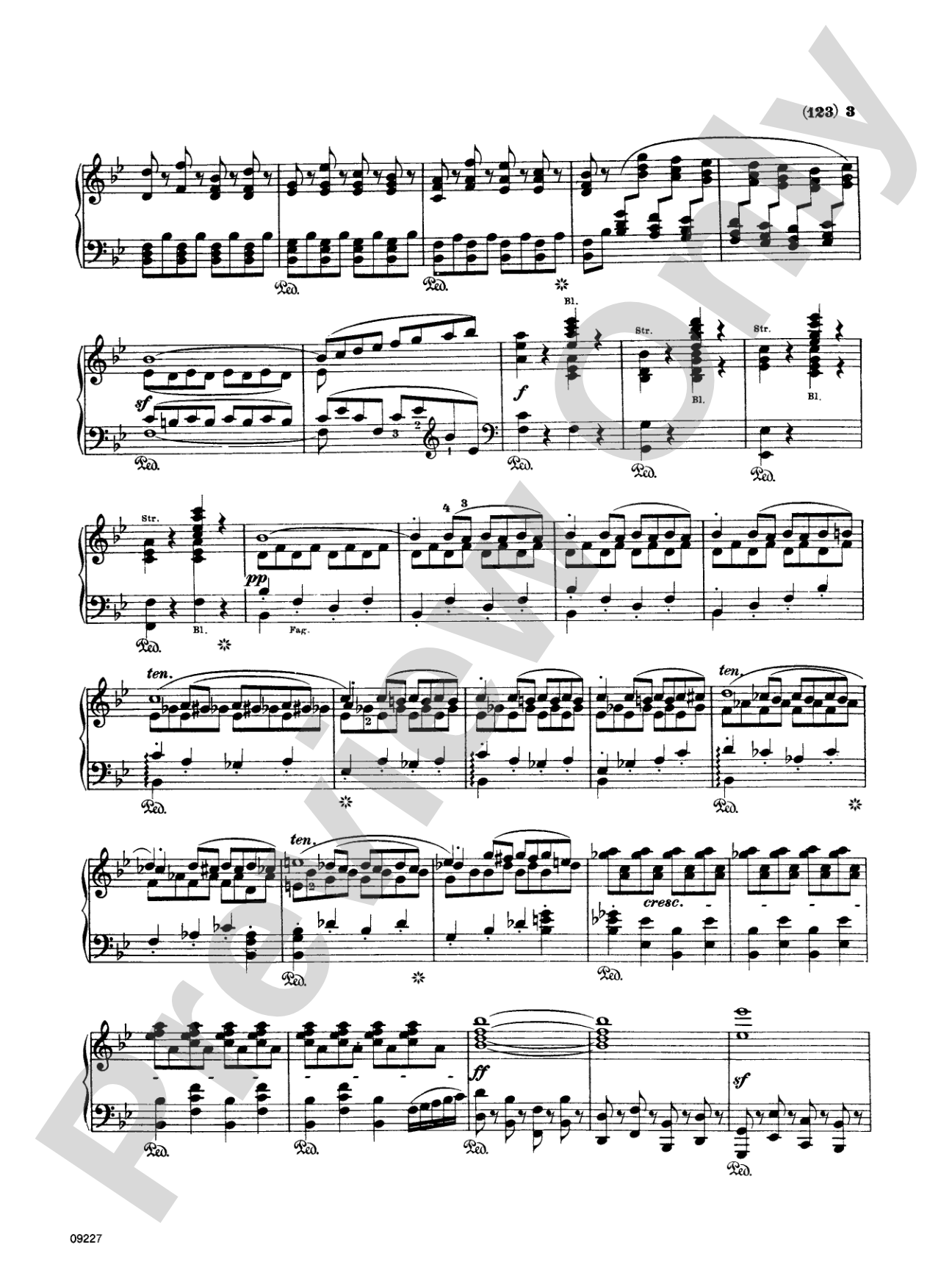
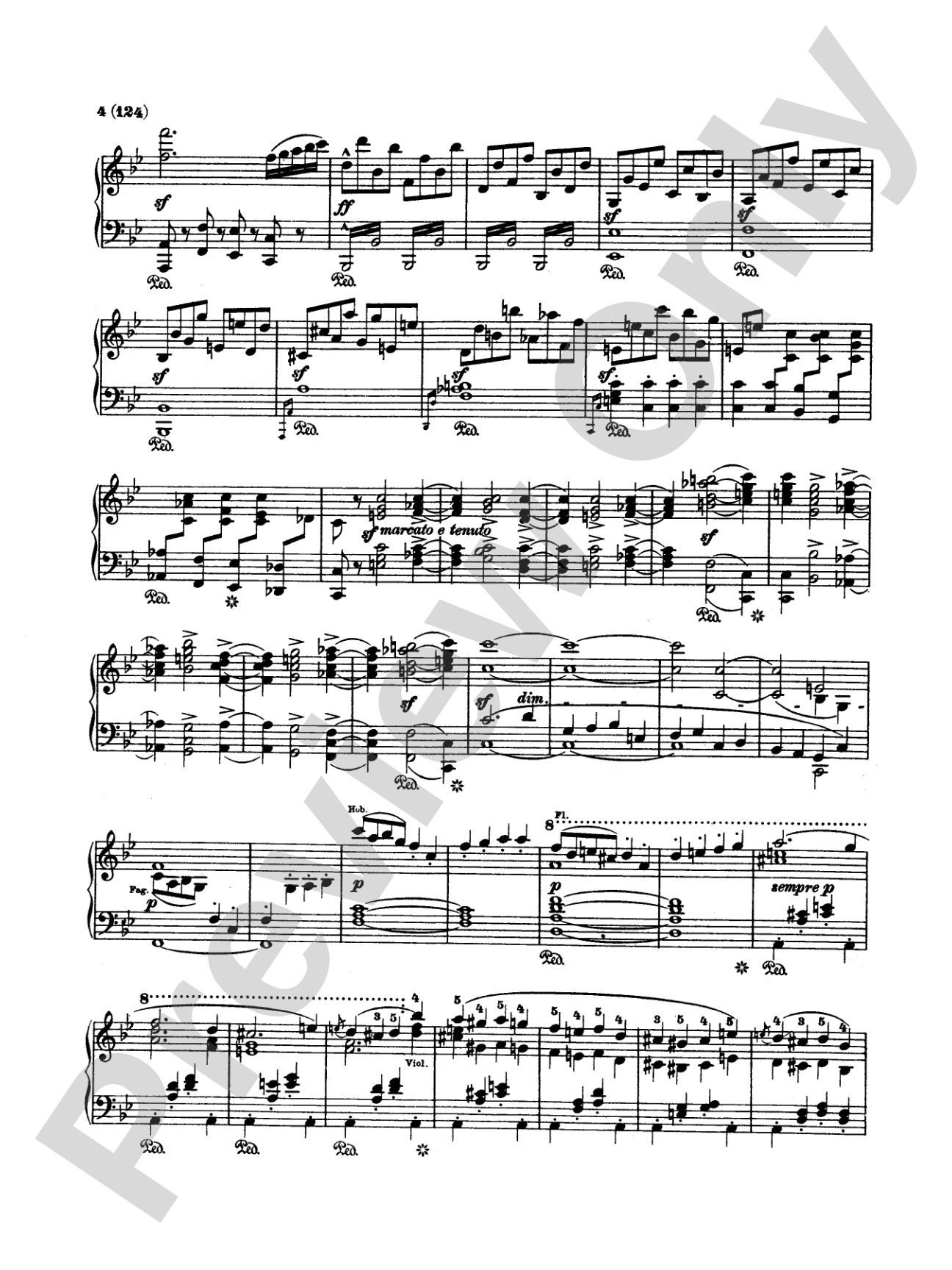
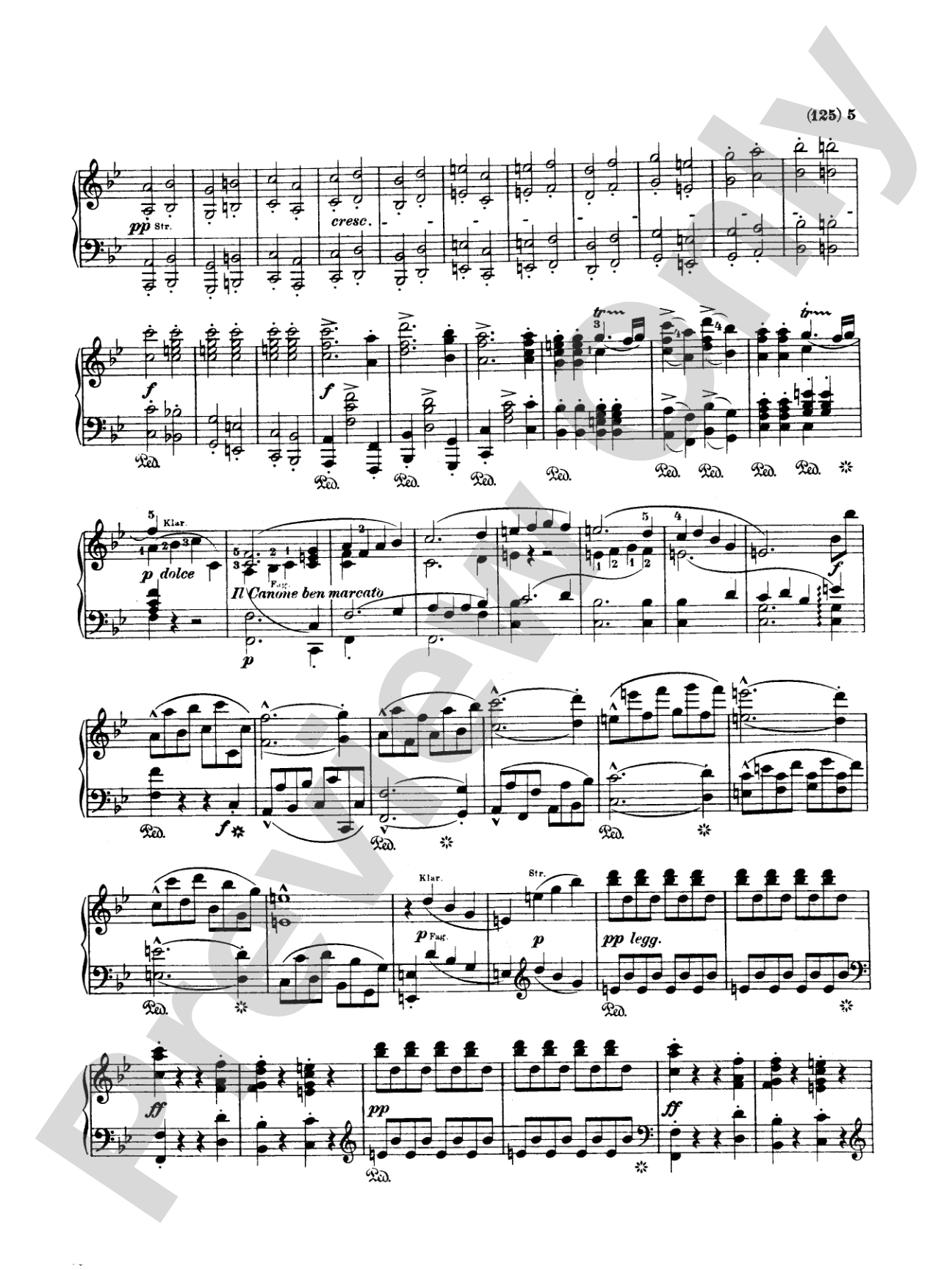
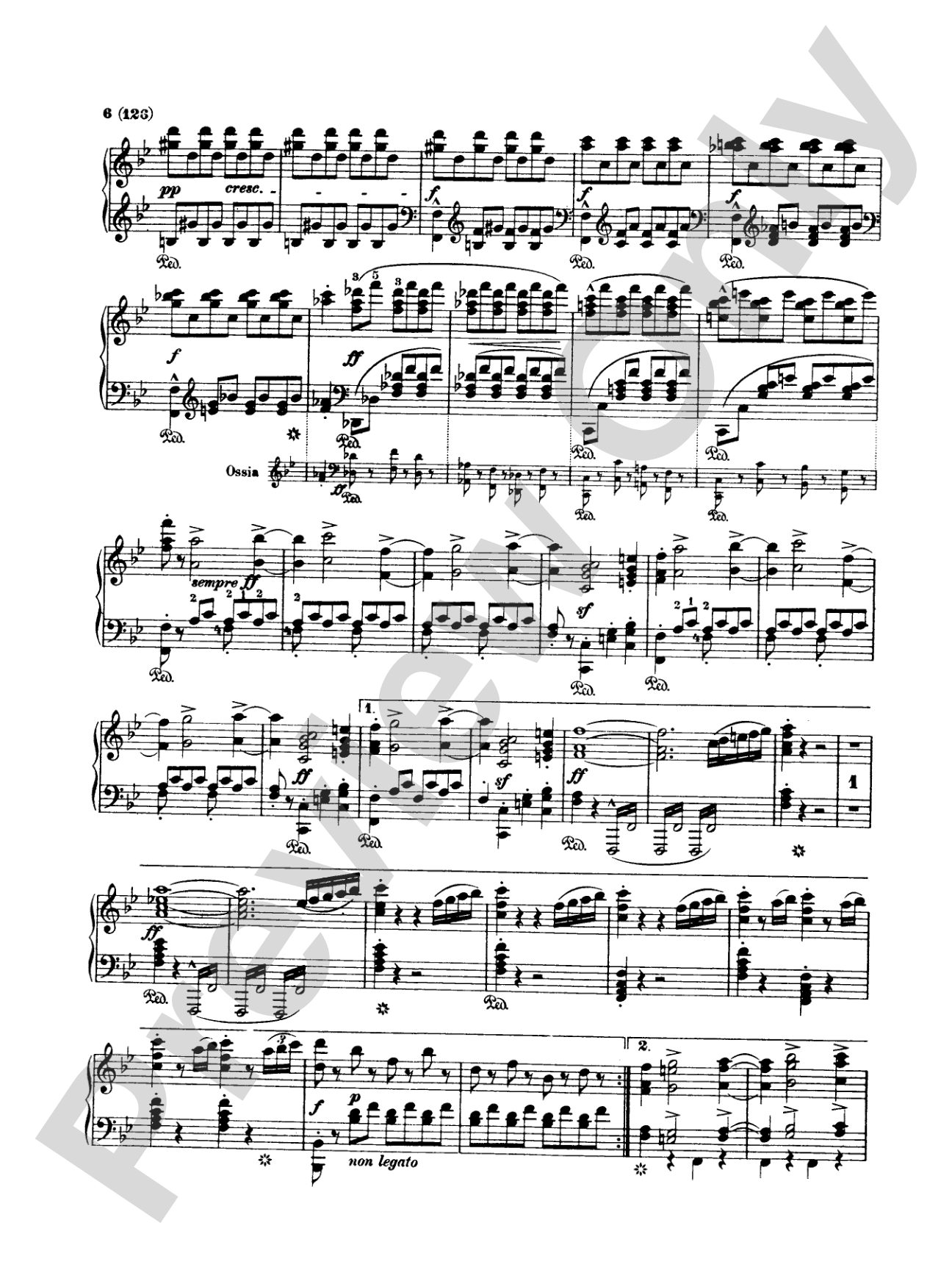
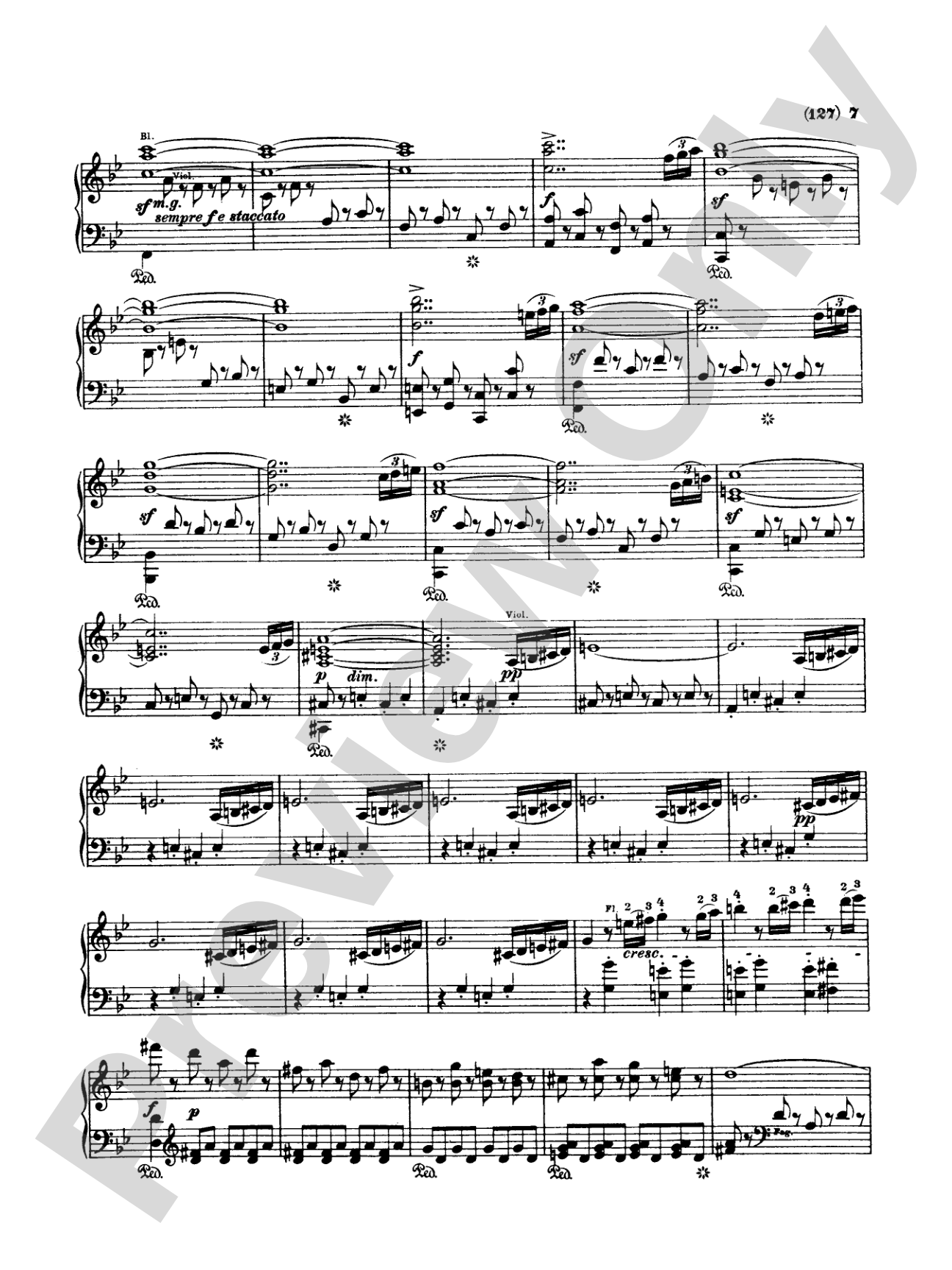
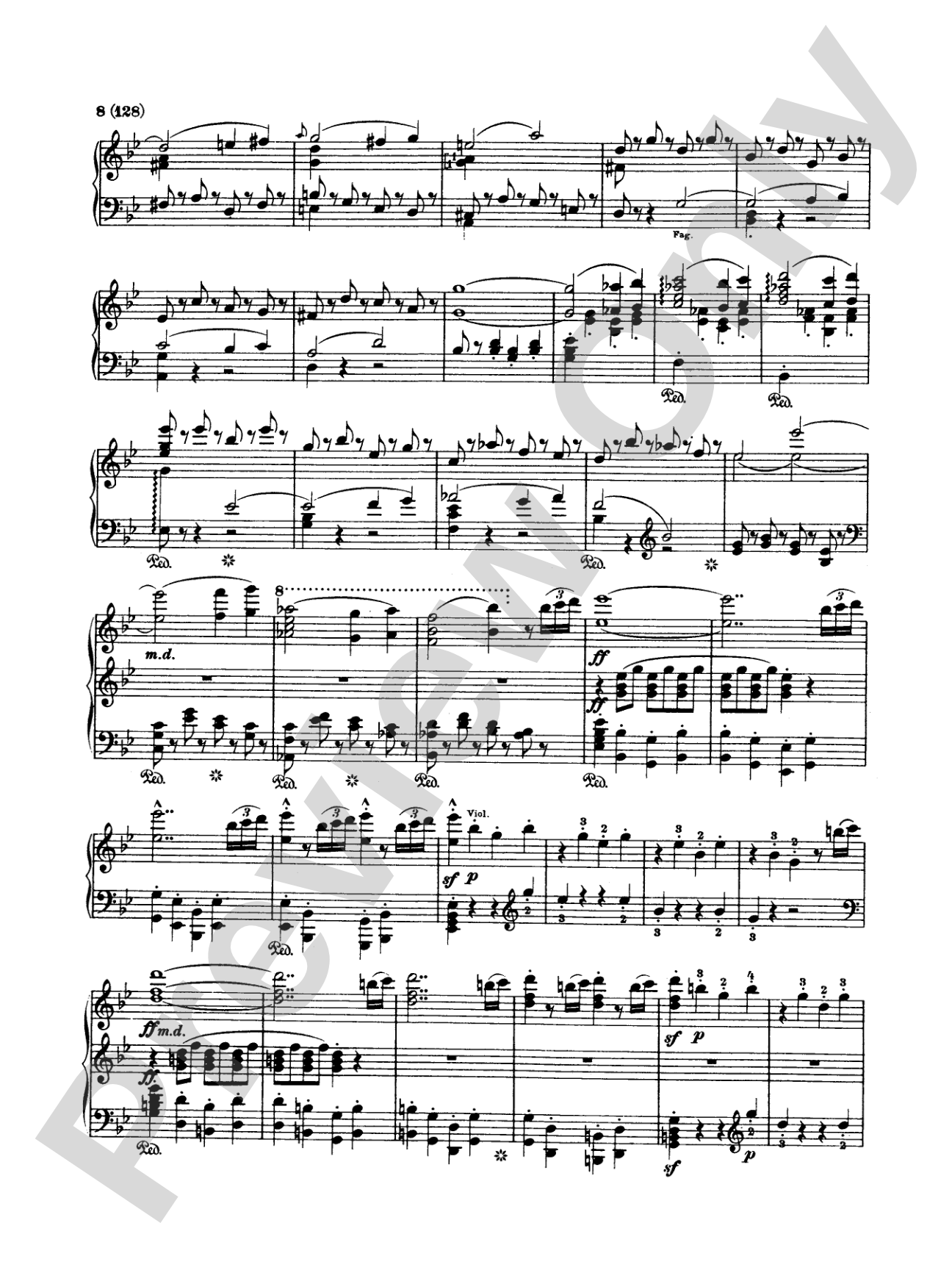
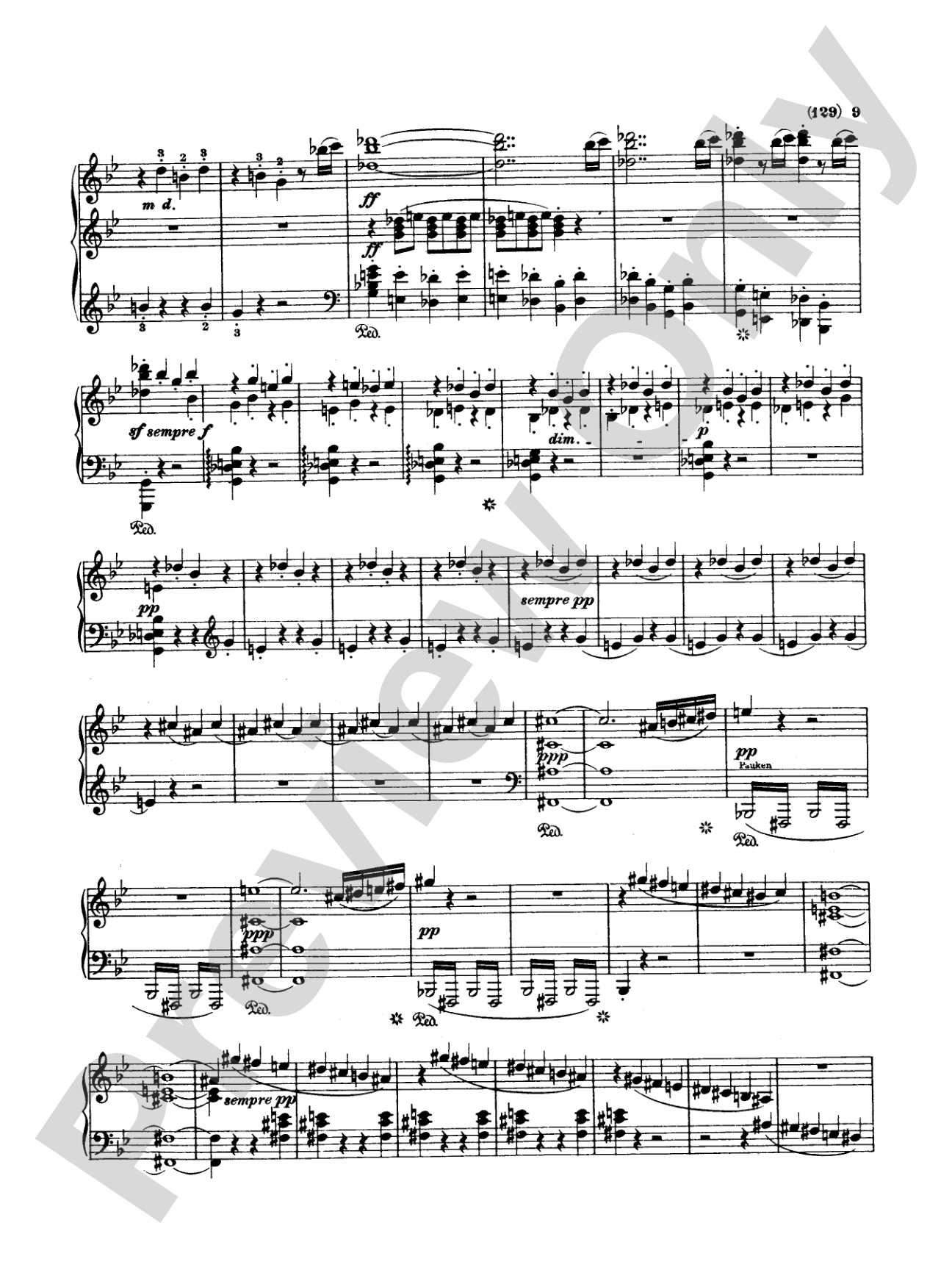
Beethoven: Symphonies (Nos. 1-5) (Arr. Franz Liszt)
By Ludwig van Beethoven / arr. Franz Liszt
Level: Advanced
Item: 00-PC-0011922
Pickup currently not available
Description
Beethoven: Symphonies (Nos. 1-5) (Arr. Franz Liszt) isn't in MakeMusic Cloud just yet...but it could be. Let us know you'd like to see it, and you'll help shape what comes next. In the meantime, start a free trial and dive into thousands of interactive titles your students can play along with today.
Tell us you want it.
Explore everything that's ready to play right now.
Sample Audio
Sample Video
Additional Details
More about this title
About the Composer: Ludwig van Beethoven
Ludwig van Beethoven (1770-1827) stands as the pivotal figure bridging Classical and Romantic music. His nine symphonies fundamentally redefined the genre, expanding its emotional range and structural possibilities while deepening the orchestra's expressive power. For pianists and music students, his work remains essential to understanding how individual voices and harmonic innovation can reshape entire musical traditions.
Beethoven's late-life transcriptions for keyboard, alongside Liszt's virtuosic reimagining of these symphonic masterworks, reveal how thoroughly pianists must grasp orchestral architecture. These transcriptions demand not just technical facility but genuine interpretive maturity, making them invaluable teaching works for advanced students ready to engage with music at its most intellectually and emotionally demanding.
Why we love this
Liszt's transcriptions preserve the symphonic sweep and argument of Beethoven's greatest works while demanding that pianists truly understand orchestration, texture, and long-form structure. Playing these arrangements teaches you to hear and shape multiple lines simultaneously, revealing compositional logic that conducting or ensemble study alone cannot fully convey. Advanced students who master even one of these symphonies gain insight into how great music actually works.
What to expect
These symphonies unfold with the weight and inevitability of human thought, moving from Classical clarity through passages of genuine storm and struggle toward moments of triumph and profound peace. Liszt's arrangements make you feel the full orchestral breadth within the limitations and possibilities of a single keyboard, creating an intimate yet grand experience that can feel both overwhelming and deeply rewarding.
Who it's for
This collection serves advanced pianists preparing for conservatory-level performance and pedagogy study, teachers seeking ambitious repertoire for talented students, and anyone working toward a deeper grasp of Beethoven's architectural genius. You should have solid command of Romantic-era keyboard writing, comfort with complex textures, and the interpretive maturity to sustain long formal structures.
How to get the most out of it
- Balance the orchestral voices across your hands with the same care a conductor uses in scoring. The left hand often carries entire instrumental sections, not merely harmonic filler.
- Approach each symphony's exposition and recapitulation as architectural events. These are not passages to rush; they carry the weight of thematic argument.
- Pedal selectively and deliberately, especially in the Scherzo movements where clarity of rhythm matters more than sustained resonance.
- Invest time in understanding the harmonic trajectory of each movement before focusing on technical challenges. Context makes the technical passages coherent.
How to use it
Feature these transcriptions in recitals celebrating Beethoven's legacy or surveying the piano's role in interpreting orchestral masterworks. A single movement from the Fifth Symphony makes a powerful concert opener; a complete symphony works as the centerpiece of a full recital. These also serve as reference material for students studying orchestration or working toward ensemble conducting positions.
Skills your students will build
- Reading and executing complex polyphonic textures across two staves
- Sustaining long-form structural awareness across movements lasting 10-50 minutes
- Balancing multiple orchestral voices (woodwinds, brass, strings) within keyboard limitations
- Interpreting dynamic and textural contrasts that reflect orchestral color changes
- Managing technical demands (extended left-hand passages, rapid hand crossing, harmonic leaps) while maintaining musical coherence