
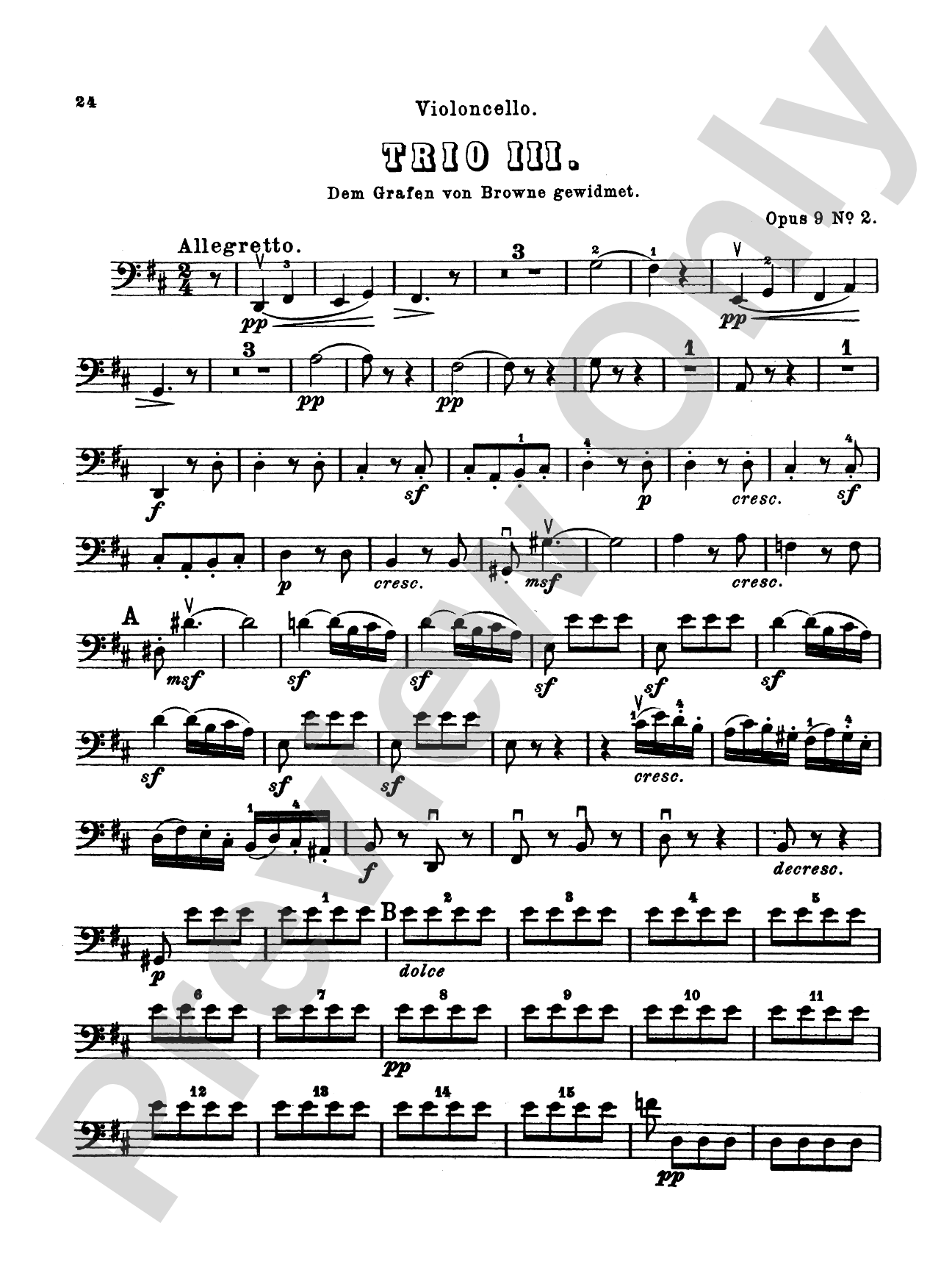
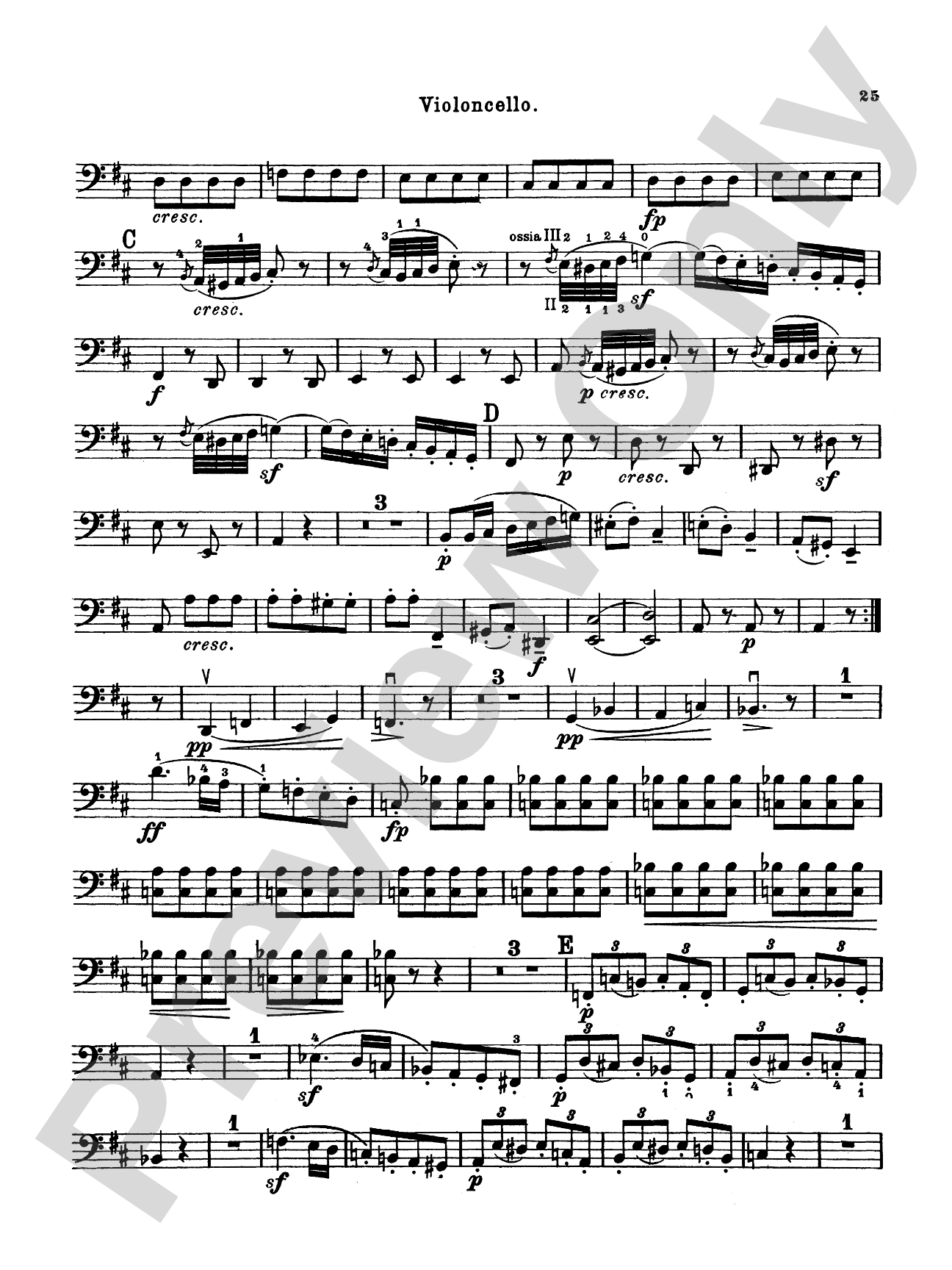

Beethoven: String Trio Compilations
By Ludwig van Beethoven
Item: 00-PC-0005109
$0.99
Pickup currently not available
Description


Beethoven: String Trio Compilations isn't in MakeMusic Cloud just yet...but it could be. Let us know you'd like to see it, and you'll help shape what comes next. In the meantime, start a free trial and dive into thousands of interactive titles your students can play along with today.
Request This Title
Tell us you want it.
Start Your Free Trial
Explore everything that's ready to play right now.
Sample Audio
No sample audio found.
Sample Video
No sample videos found.
Additional Details
Series:
Kalmus Edition
Publisher:
Alfred Music
Page Count:
184
SKU:
00-PC-0005109
More about this title
About the Composer: Ludwig van Beethoven
Ludwig van Beethoven (1770-1827) fundamentally transformed chamber music by infusing the string trio with the structural ambition and emotional depth typically reserved for symphonies. His six string trios span his creative life, from early Classical works modeled on Haydn to late compositions that pioneered new approaches to harmony, counterpoint, and ensemble dialogue. For string players, Beethoven's trios represent a bridge between the Classical tradition and Romantic-era orchestral thinking, requiring both technical command and interpretive maturity.
Beethoven's contribution to string trio repertoire extends beyond individual works; he established the medium as worthy of serious artistic investigation. His trios demand equal partnership among the three instruments, eliminating the hierarchical relationships common in earlier chamber music. Students performing these works gain insight into how a single composer's evolution across decades shaped an entire genre.
Why we love this
This collection gathers Beethoven's complete string trios in a single, practical format, eliminating the need to hunt across multiple editions for contest prep or in-depth ensemble study. The Kalmus edition provides reliable, clean texts that allow musicians to focus on interpretation rather than editorial confusion. String trios at this level of sophistication rarely appear in single volumes, making this an invaluable resource for advancing ensembles seeking repertoire that challenges without requiring orchestral resources.
What to expect
Beethoven's string trios combine Classical clarity with Romantic intensity, moving from elegant galant gestures to passages of profound introspection and moments of striking dramatic force. The ensemble writing creates an intimate yet urgent conversation, where each instrument must command attention and respond with precision. Performing these works demands both structural awareness and emotional commitment, rewarding ensembles with the satisfaction of executing some of chamber music's most rewarding scores.
Who it's for
Advanced high school and college string trios preparing for festival competition, chamber music contests, or concert performance. Music directors and private teachers seeking comprehensive Beethoven trio repertoire for serious student ensembles. String players approaching chamber music literature with interpretive and technical maturity.
How to get the most out of it
- Balance the first violin's melodic line against active viola and cello parts by listening across all three voices rather than supporting from below; Beethoven wrote genuine trio texture, not accompanied melody.
- Establish a unified approach to articulation and phrasing across all movements before sectional rehearsal; inconsistencies in bow style become immediately apparent in the transparency of trio writing.
- Pay close attention to dynamic markings and sudden shifts in character, as Beethoven uses contrast to develop thematic ideas rather than relying on orchestral color.
- Mark fingerings and position shifts collaboratively so all three players understand the physical choices behind phrase shapes and can adjust together.
How to use it
Feature a single Beethoven string trio as a substantial chamber work on a recital or concert, allowing the ensemble time to develop a fully realized interpretation. Pair contrasting trios from different periods of Beethoven's output to demonstrate his stylistic evolution. Include these works in a chamber music festival or competition curriculum where advanced students benefit from extended preparation and performance opportunities.
Skills your students will build
- Reading Classical and early Romantic notation conventions and performance practice expectations
- Executing dialogue between equal instrumental voices without hierarchy
- Coordinating sudden dynamic and character shifts across multiple movements
- Managing complex rhythmic figures and syncopation across three independent lines
- Responding to harmonic innovation and modulation typical of Beethoven's mature style
- Balancing technical passagework with sustained tone and expressive phrasing