
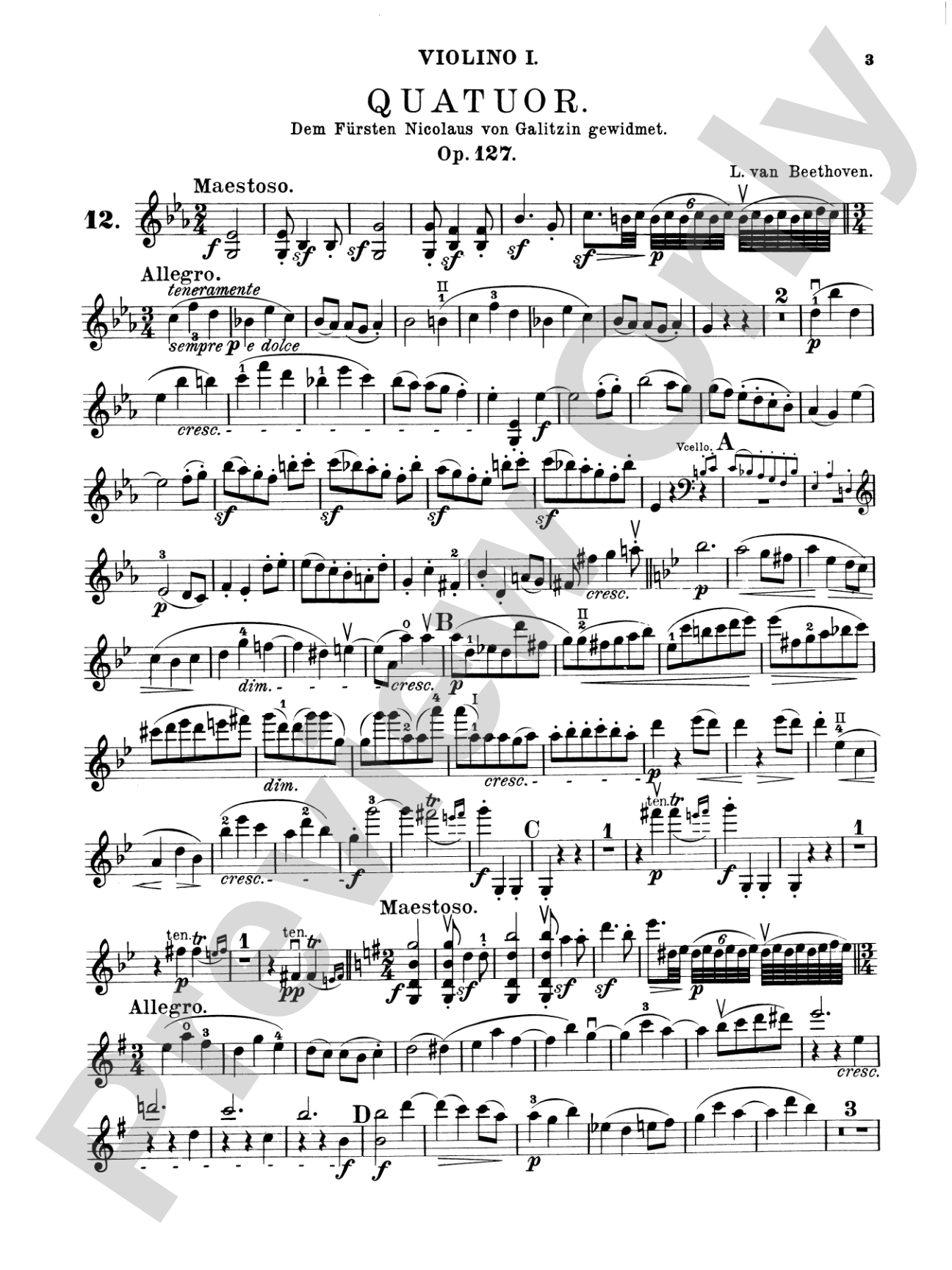
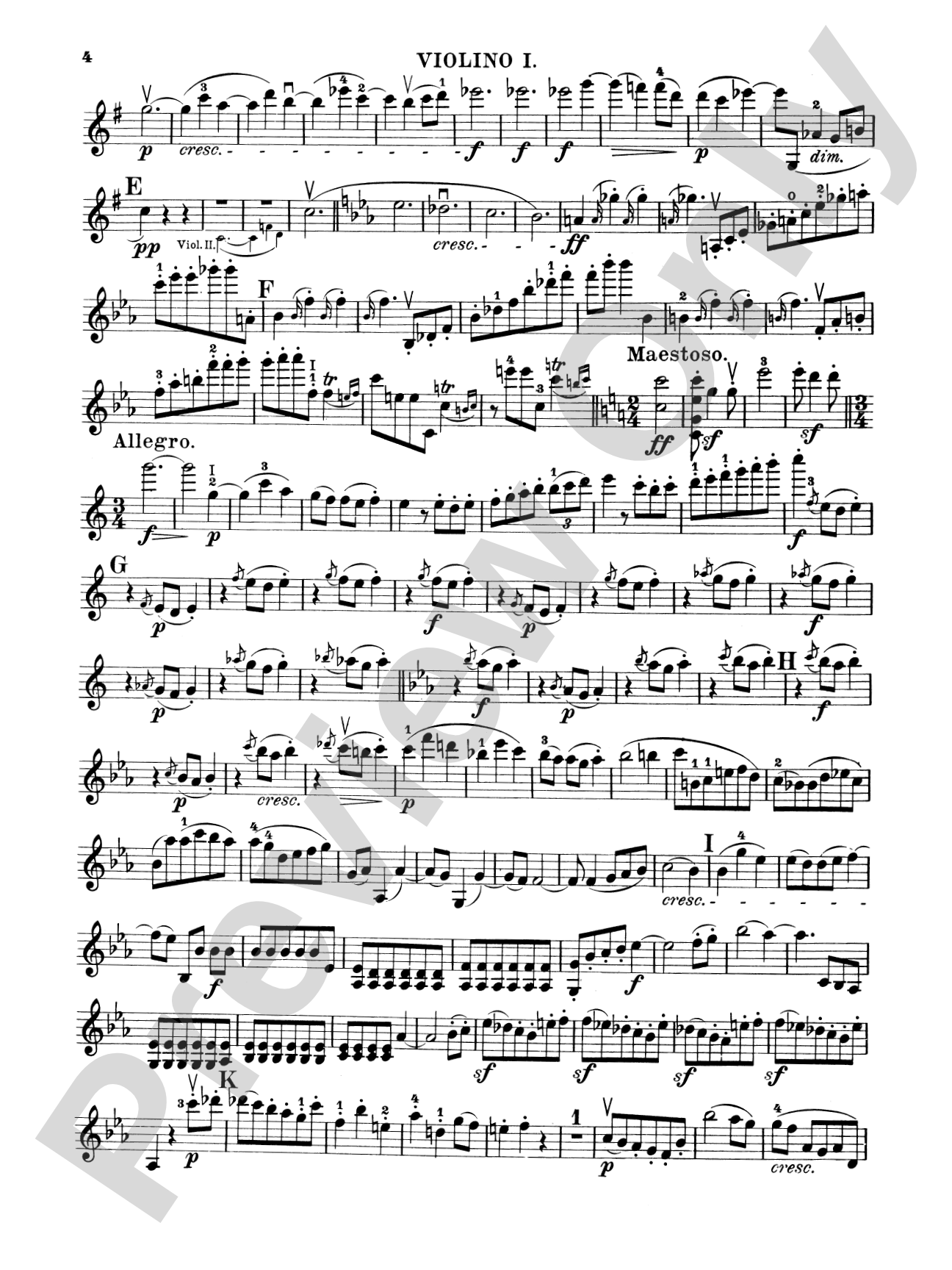

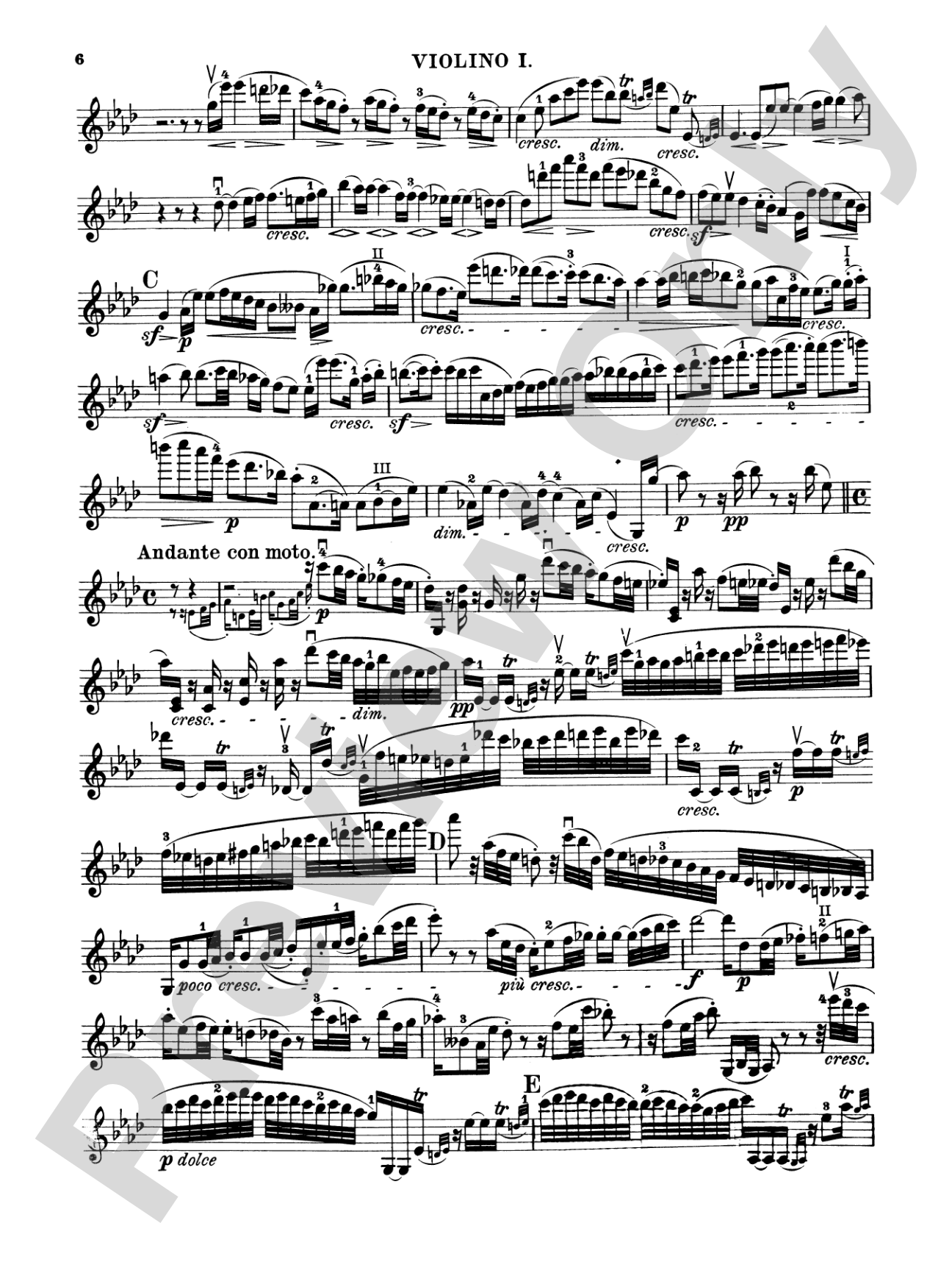
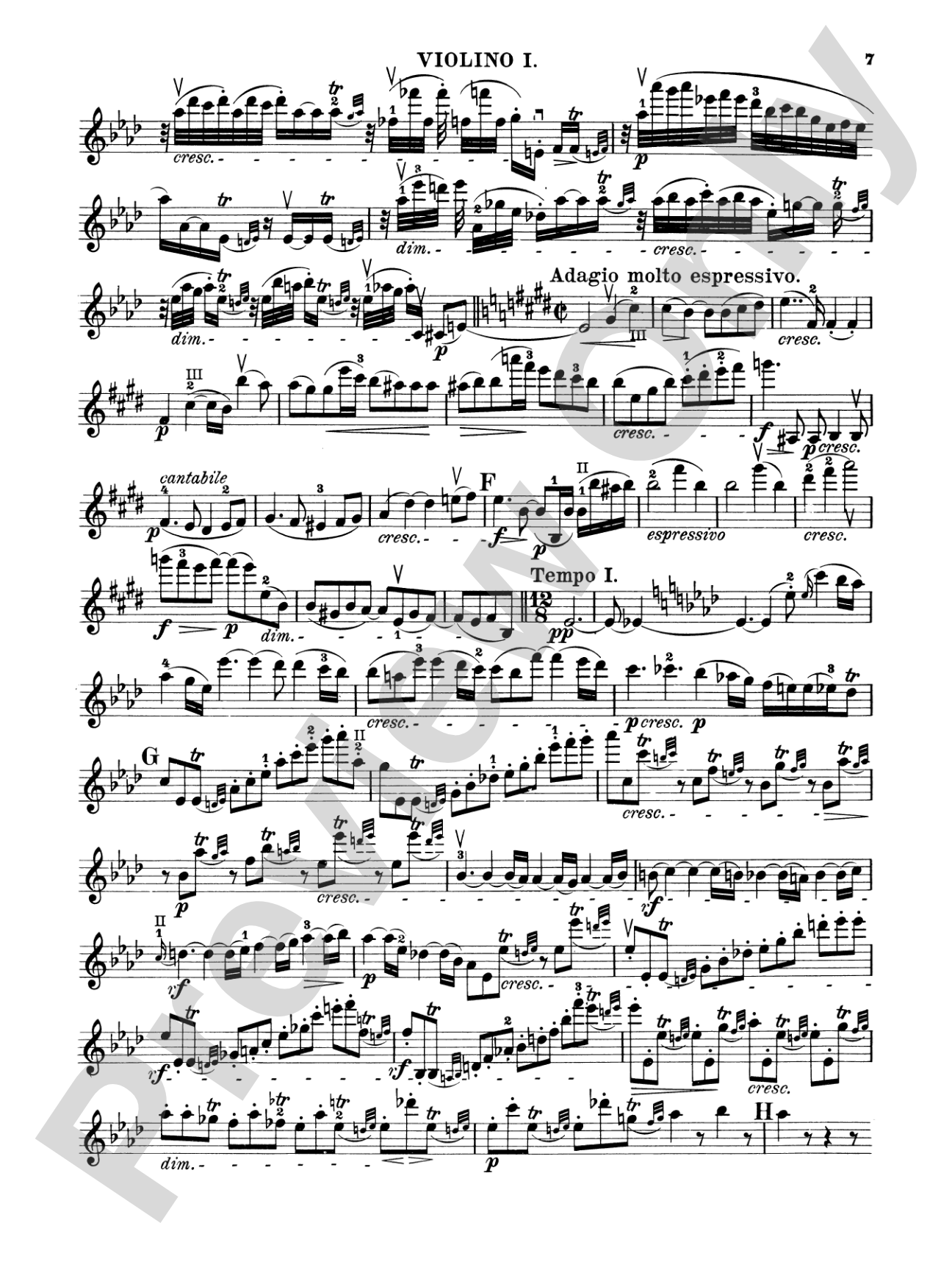
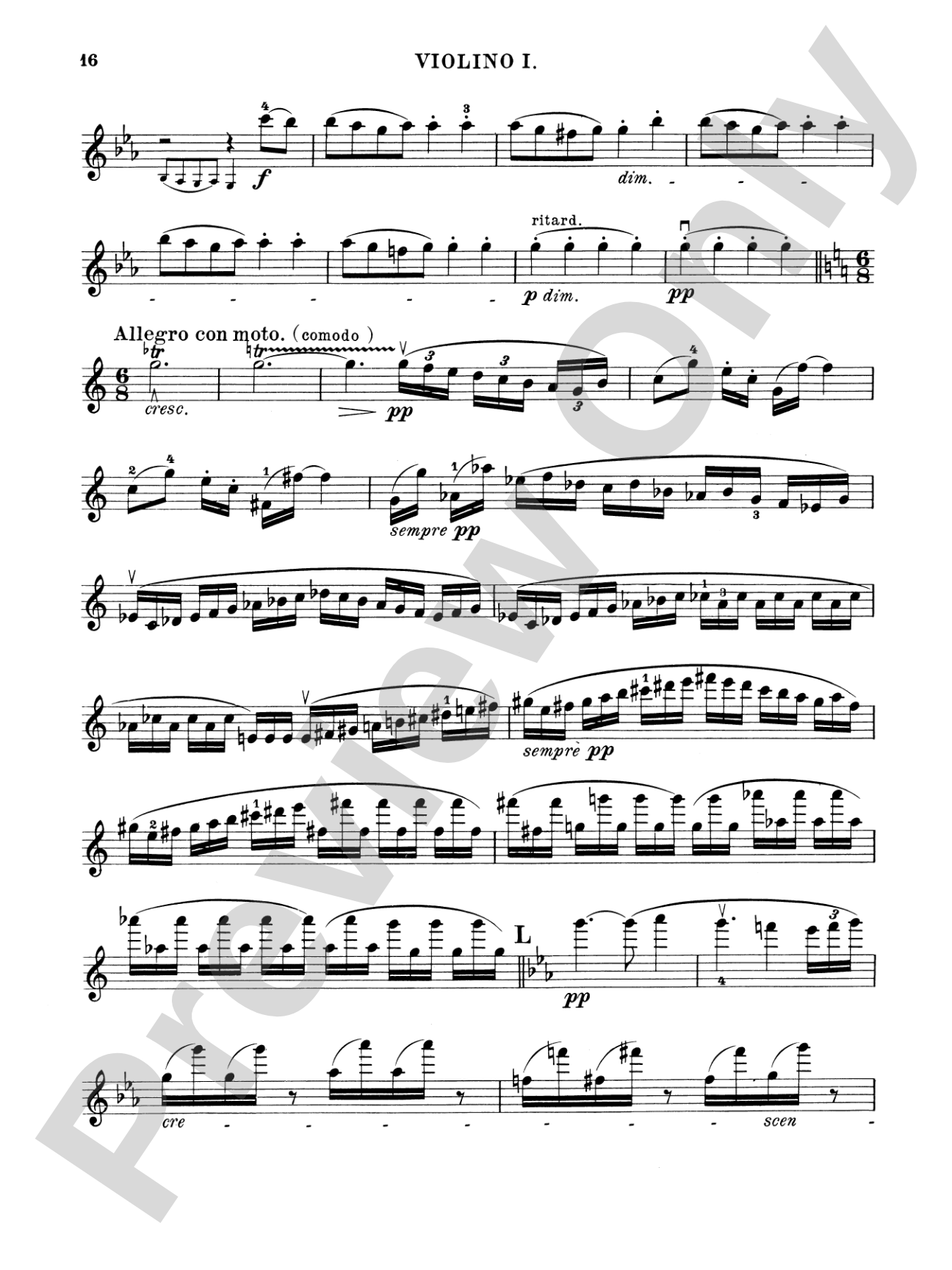
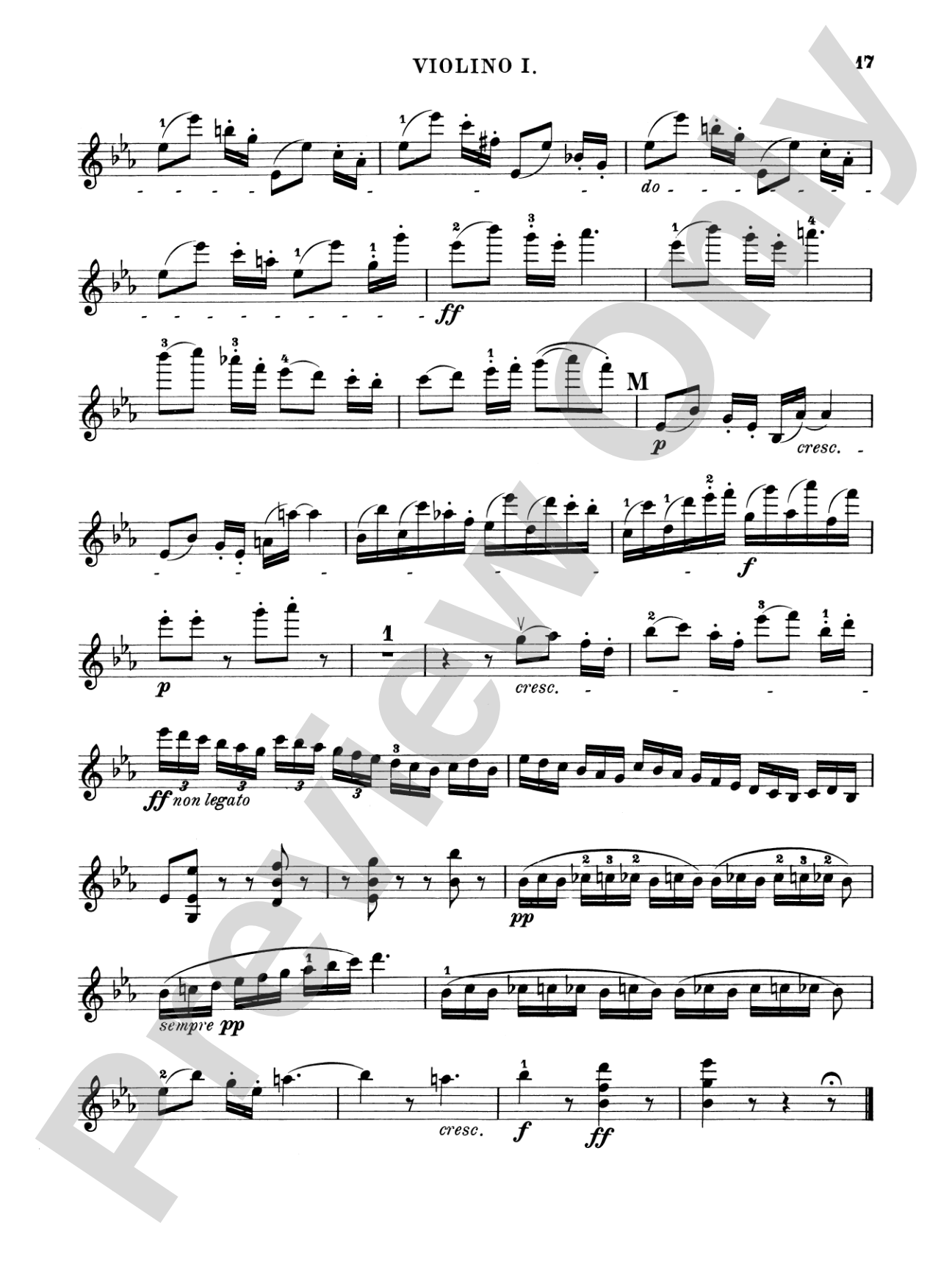

Beethoven: String Quartets, Volume III: String Quartet Book
By Ludwig van Beethoven
Item: 00-PK-0002908
$49.99
Pickup currently not available
Buy Extra Parts (Digital PDF Download)
Parts Added to Cart!
Related Items
String Quartets, Volume III, Opus 127, 130, 131,132, 133, 135: String Quartet Book |
$49.95
|
View |
Description
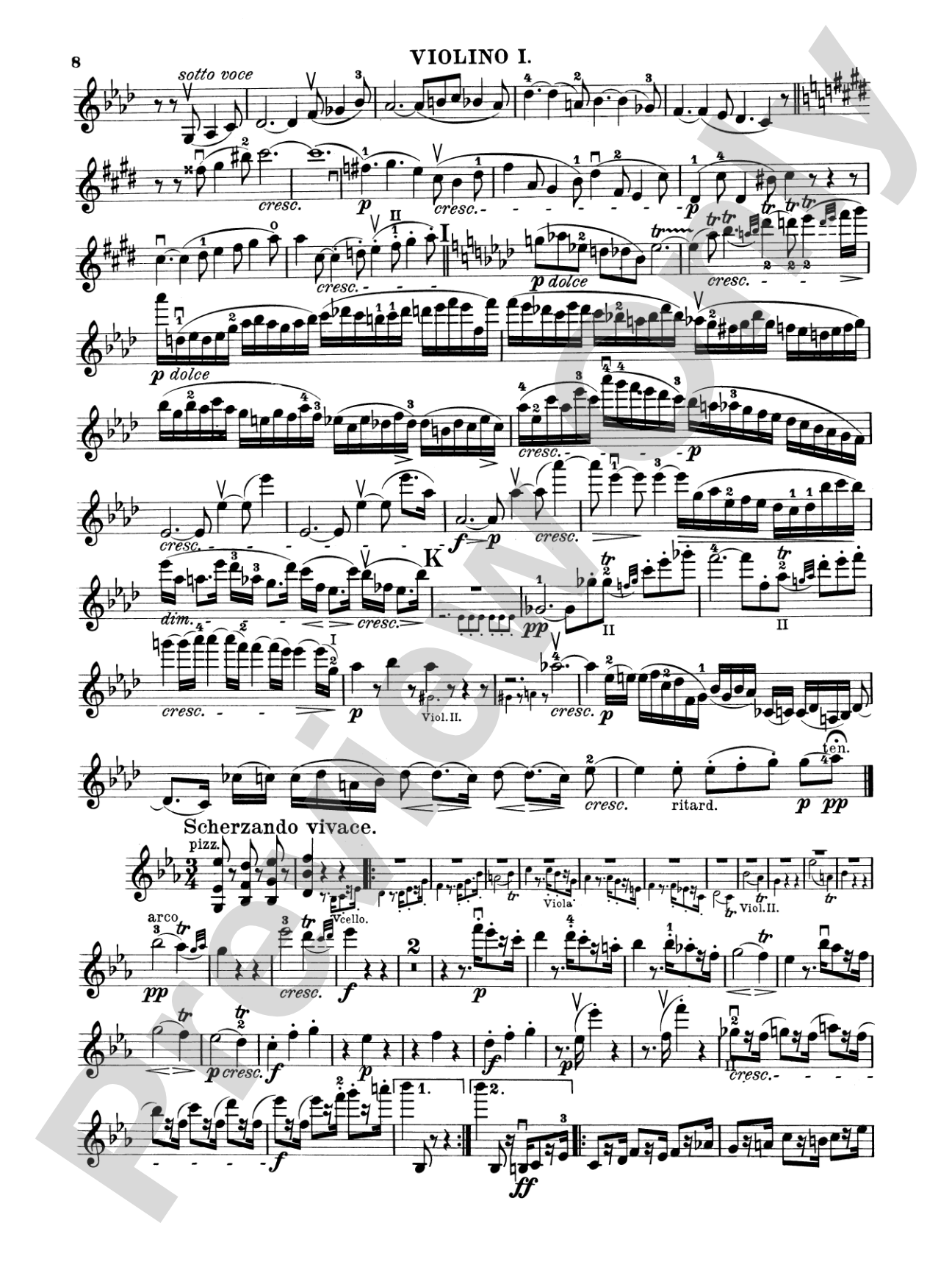
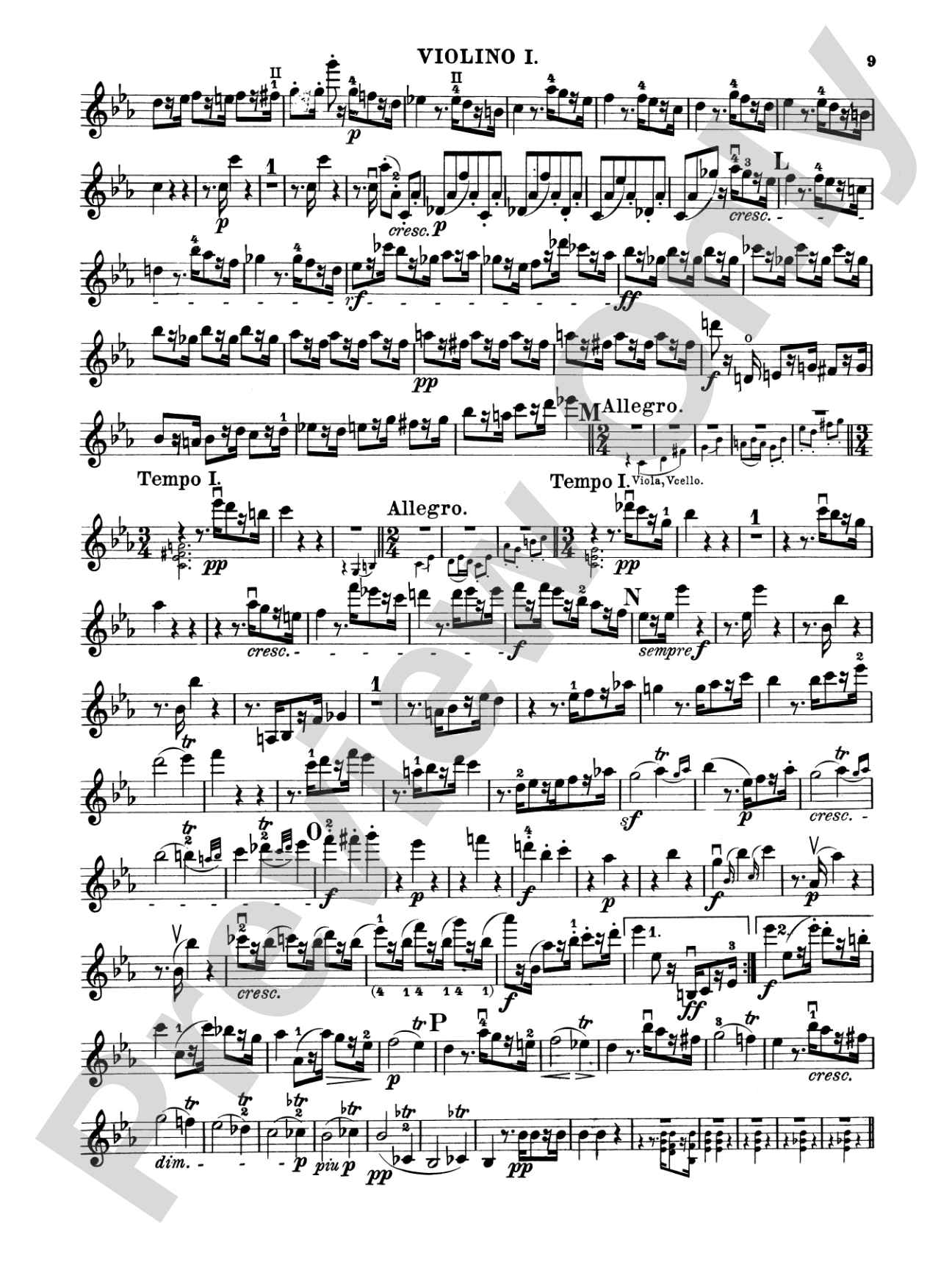
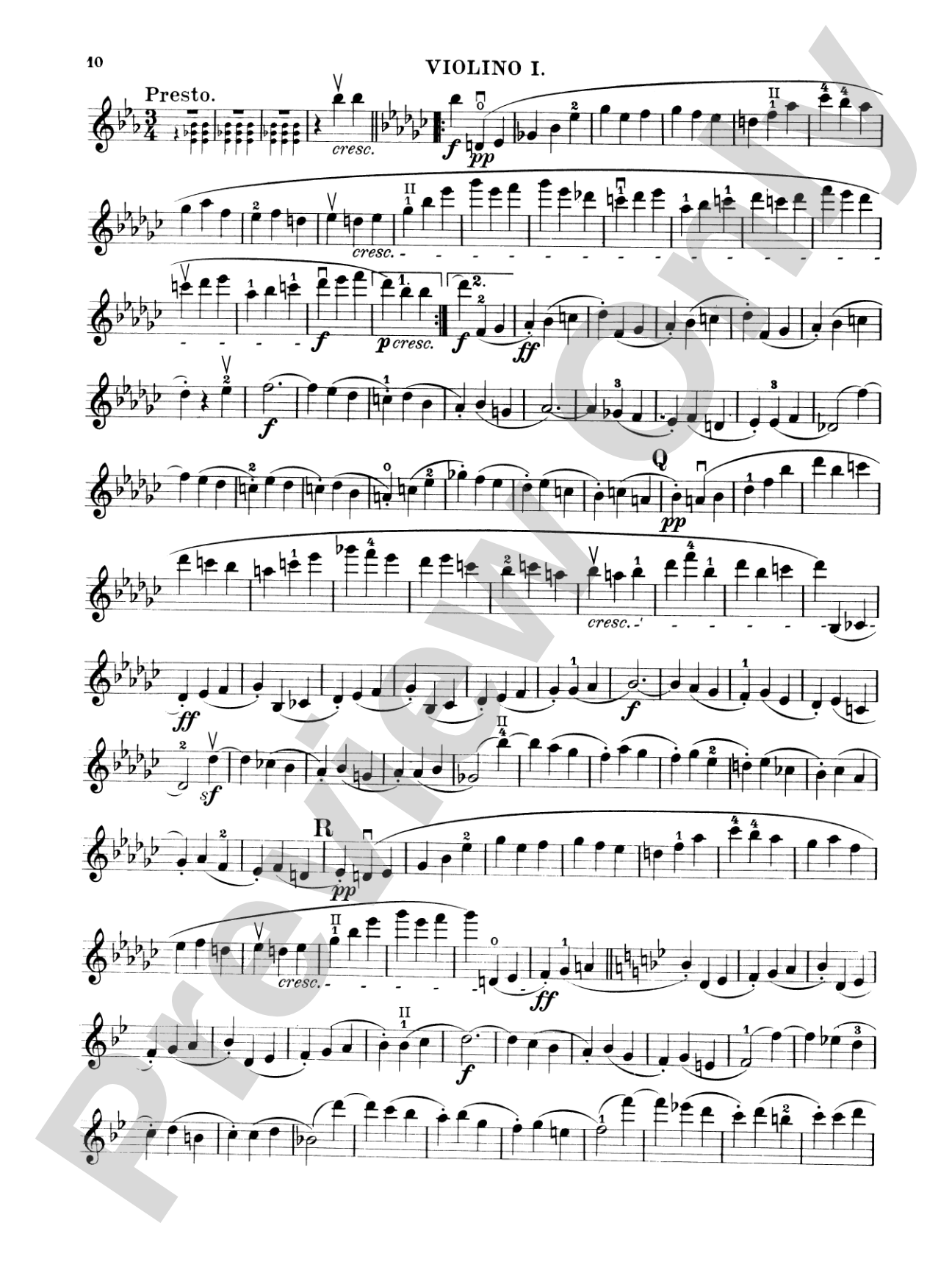
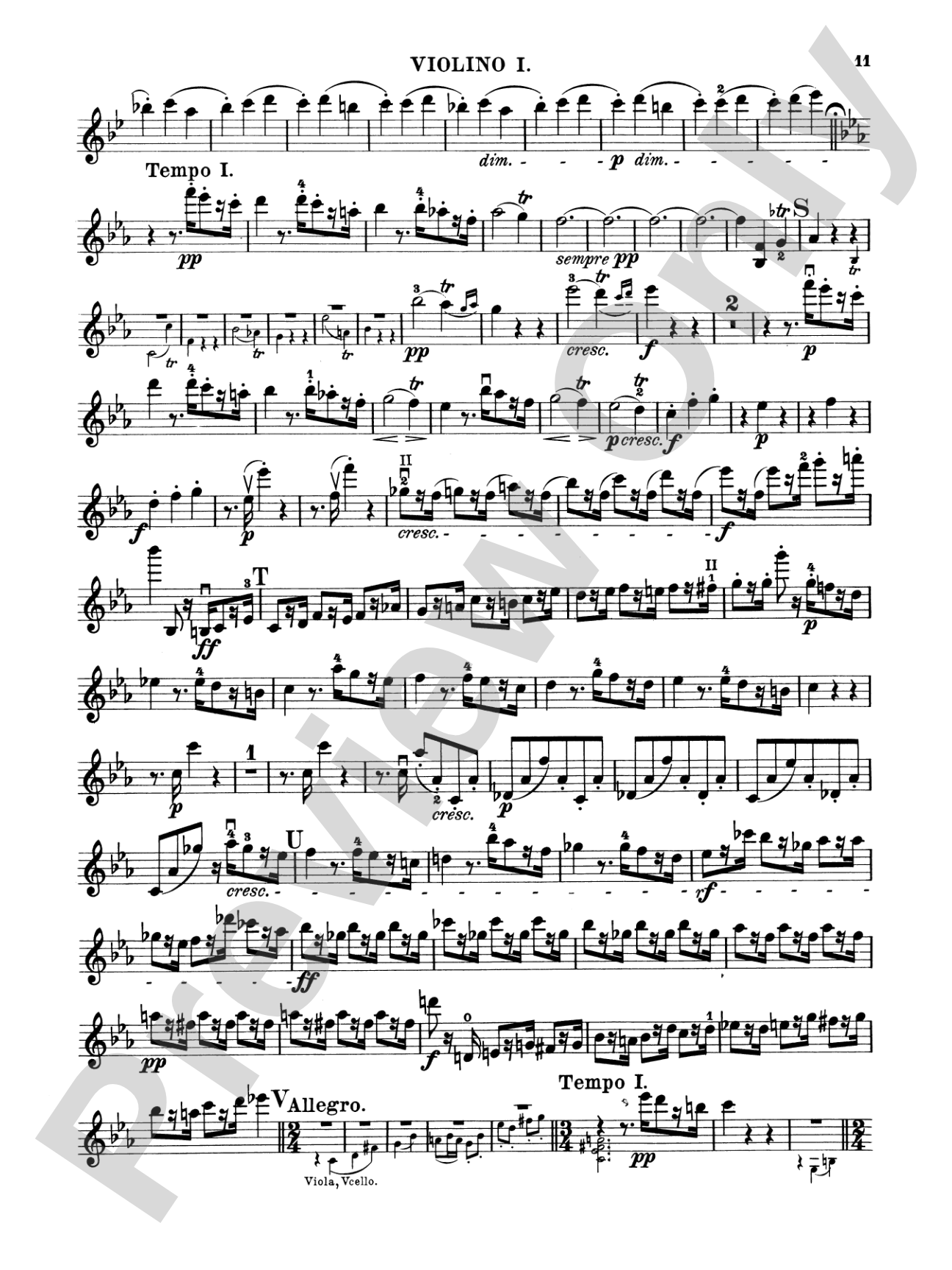
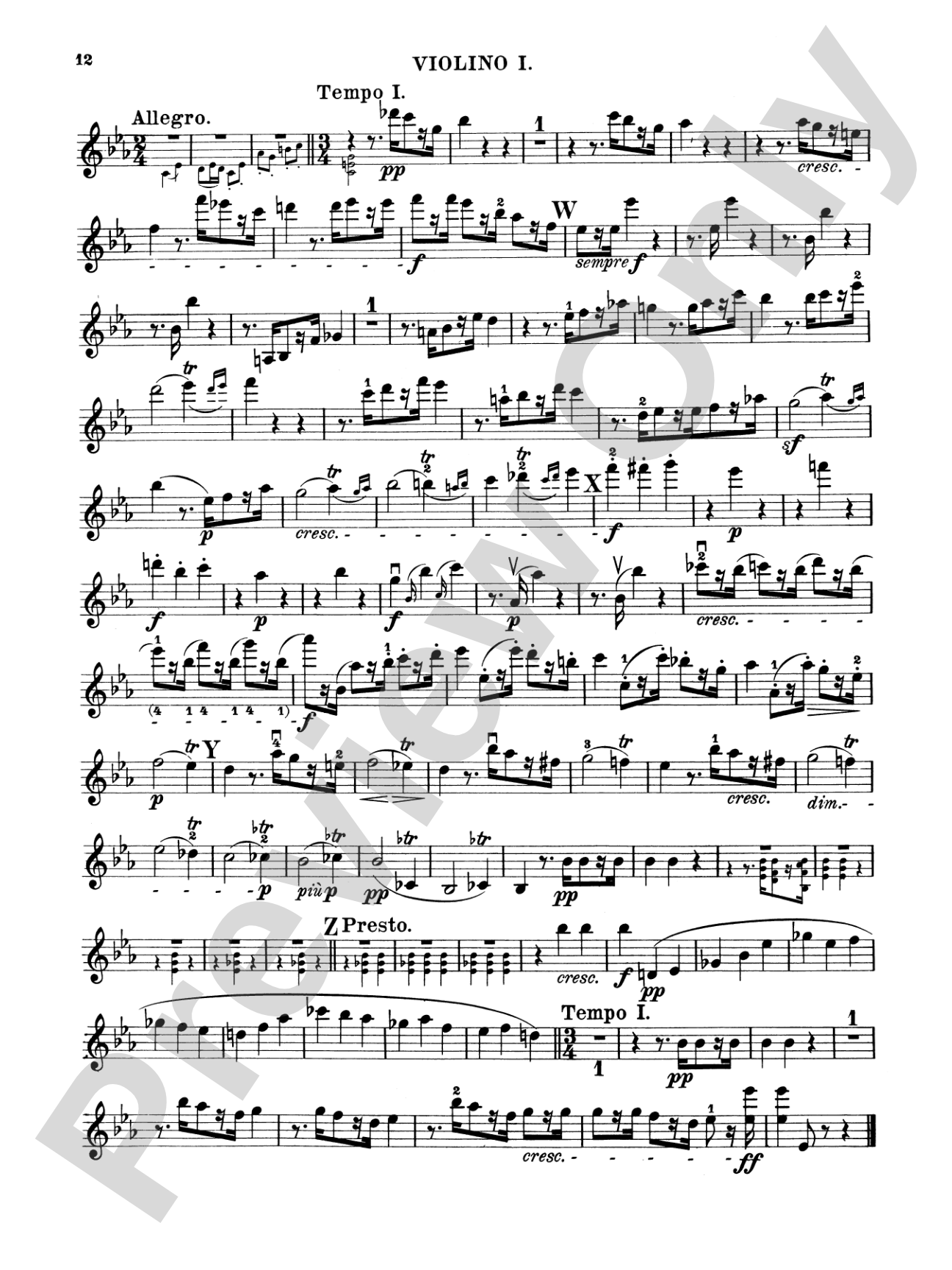
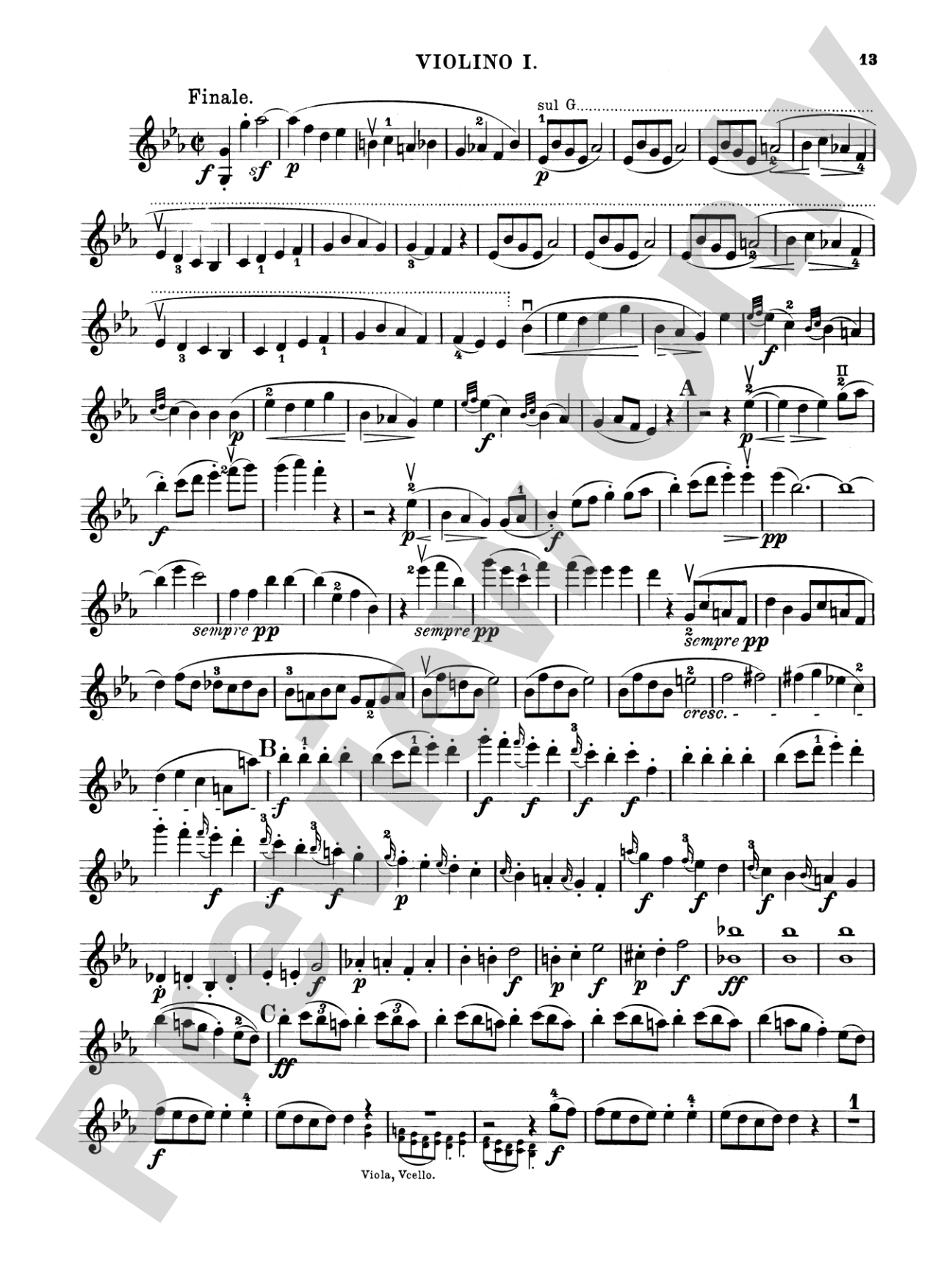
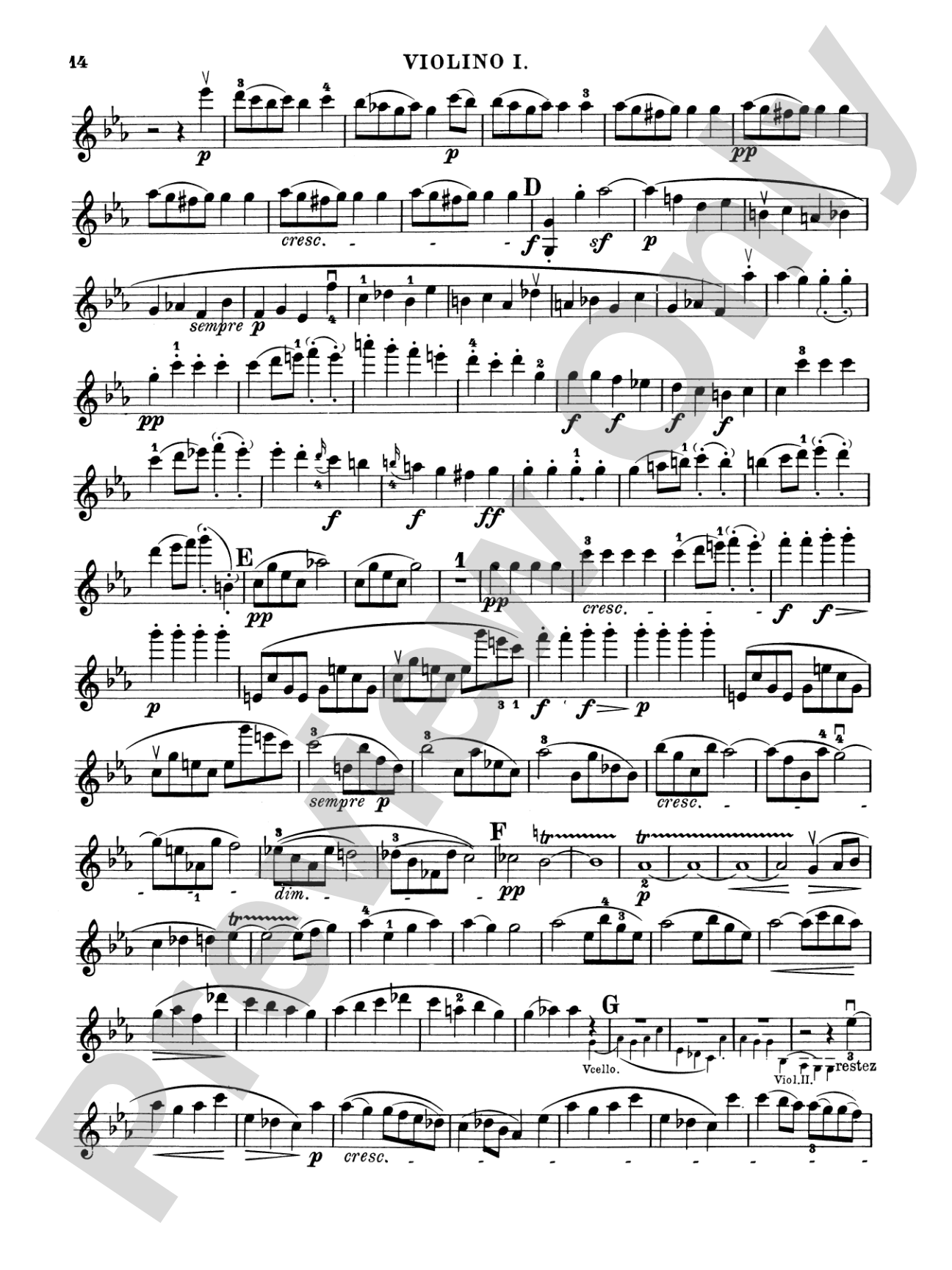
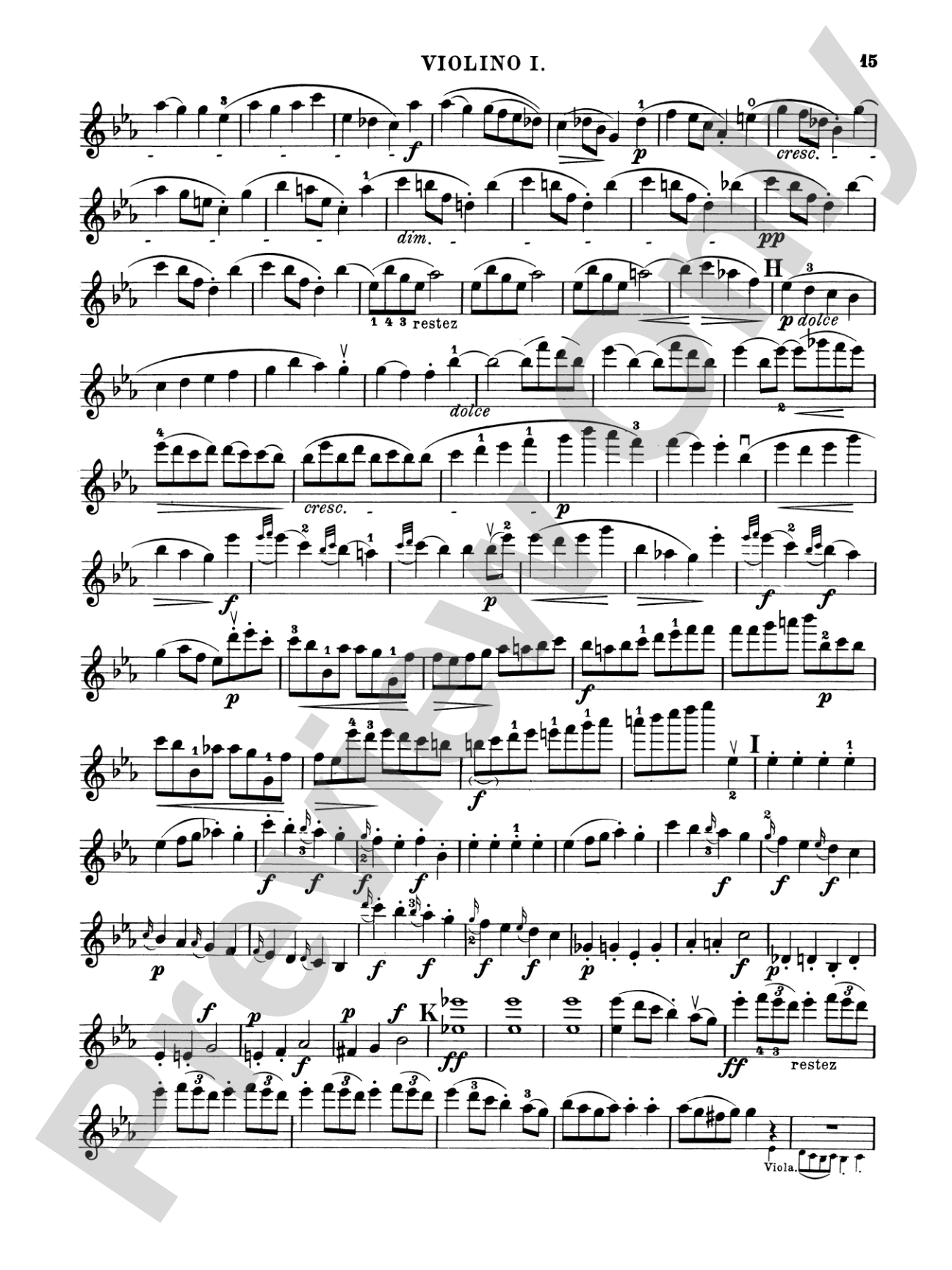
Expertly arranged String Quartets by Ludwig van Beethoven from the Kalmus Edition series. This is from the Romantic and Classical eras.


Beethoven: String Quartets, Volume III: String Quartet Book isn't in MakeMusic Cloud just yet...but it could be. Let us know you'd like to see it, and you'll help shape what comes next. In the meantime, start a free trial and dive into thousands of interactive titles your students can play along with today.
Request This Title
Tell us you want it.
Start Your Free Trial
Explore everything that's ready to play right now.
Sample Audio
No sample audio found.
Sample Video
No sample videos found.
Additional Details
Series:
Kalmus Edition
Publisher:
Alfred Music
Page Count:
304
SKU:
00-PK-0002908
More about this title
About the Composer: Ludwig van Beethoven
Ludwig van Beethoven (1770–1827) fundamentally transformed Western music by expanding the emotional and structural possibilities of classical forms. His string quartets represent the pinnacle of his chamber music achievement, written across three decades and spanning his early classical period through his most experimental late works. Beethoven elevated the string quartet from a vehicle for aristocratic entertainment to a medium of profound philosophical and artistic statement, influencing every composer who followed.
Why we love this
Beethoven's string quartets demand serious musicianship from every player. Volume III contains some of his most structurally ambitious and emotionally searching works, offering ensembles the chance to grapple with authentic masterworks that reveal new depths with each rehearsal. These quartets remain essential repertoire for any ensemble aiming to deepen their interpretive maturity and technical command.
What to expect
Beethoven's string quartets in this volume range from the crystalline wit and structural clarity of his middle period to the visionary, sometimes austere beauty of his late works. You'll encounter moments of profound lyricism alongside passages of fierce intellectual rigor, demanding that players balance virtuosic confidence with introspective listening.
Who it's for
Advanced string quartet ensembles preparing for competitions, festivals, or concert programs where authentic classical and romantic chamber music is essential. This volume suits groups with solid technique, ensemble experience, and the commitment to study complex scores in depth.
How to get the most out of it
- Balance the inner voices with care; Beethoven often writes the viola and second violin lines with thematic weight equal to the first violin, especially in the later quartets. Neglecting these voices flattens the harmonic and melodic architecture.
- Pay close attention to dynamic markings and articulation. Beethoven's notation is precise; every accent, slur, and dynamic change serves the structural and emotional logic of the movement.
- Establish a clear consensus on tempo before rehearsing; Beethoven's development sections can feel unmoored if the basic pulse wavers. A steady internal metronome keeps the larger architecture audible.
- Listen for the spaces between phrases. Beethoven often builds power through silence and rest; rushing past these moments diminishes the dramatic weight he carefully constructs.
How to use it
Feature individual quartets from this volume on recitals dedicated to chamber music or single-composer exploration. The 304 pages provide substantial material for programming a full concert of Beethoven, or select movements for mixed chamber programs pairing classical and romantic repertoire.
Skills your students will build
- Reading and interpreting detailed classical and romantic compositional notation
- Balancing four independent melodic lines while maintaining ensemble cohesion
- Understanding large-scale sonata form and developmental writing
- Responding to subtle dynamic and articulation changes as structural markers
- Sustaining long phrases with consistent tone and intonation across extended passages
- Navigating frequent meter and key changes within coherent harmonic frameworks