
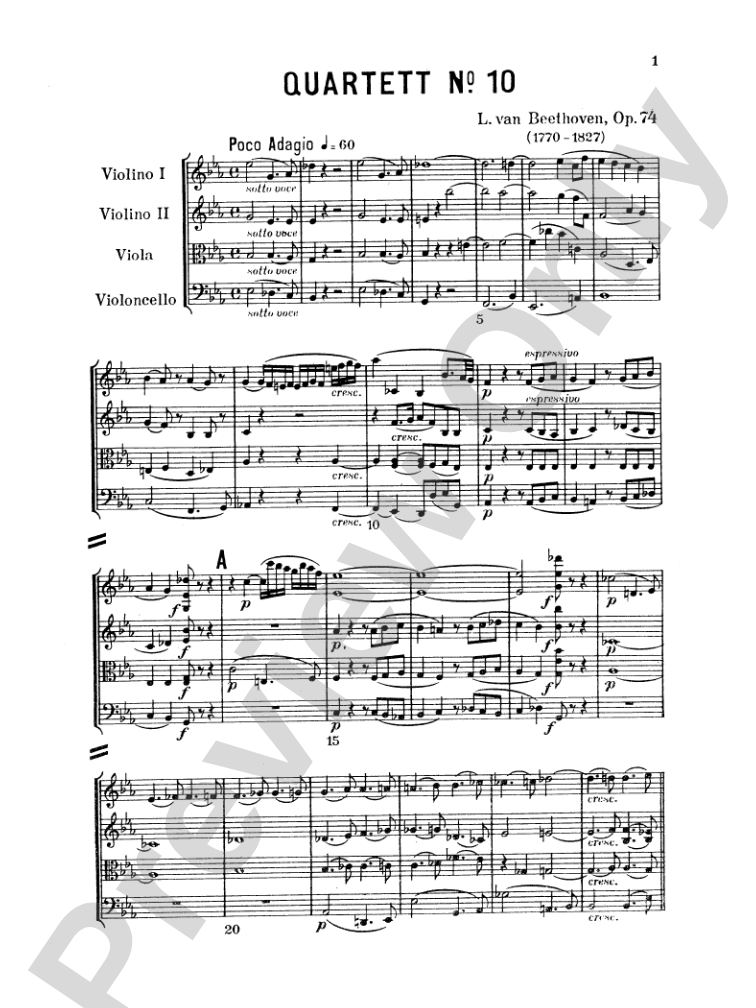
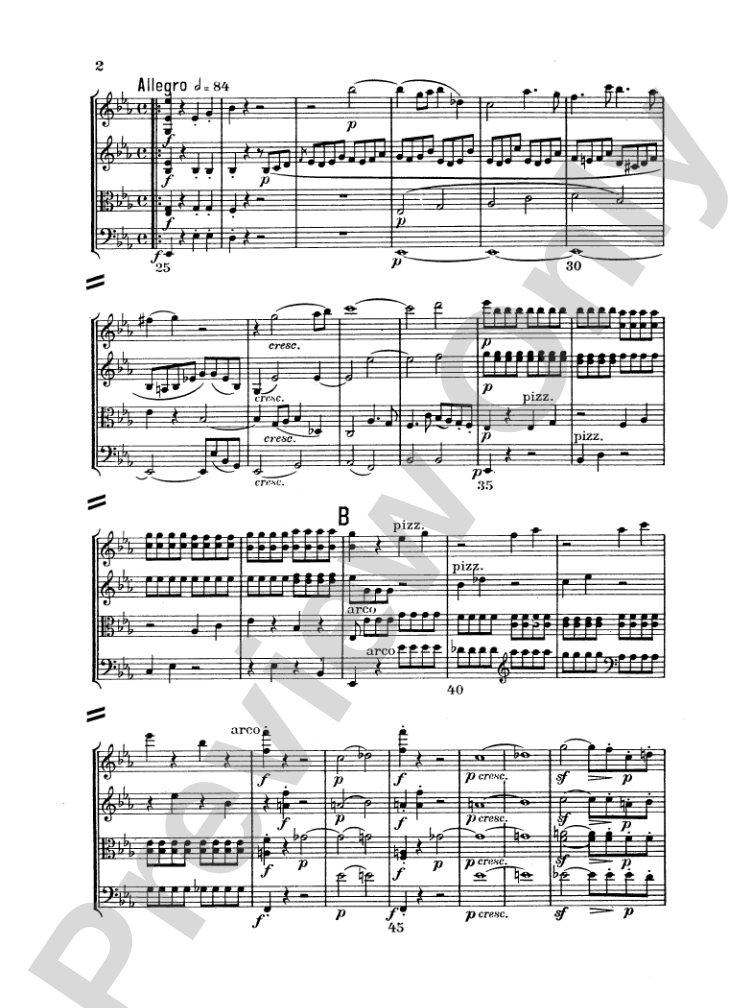
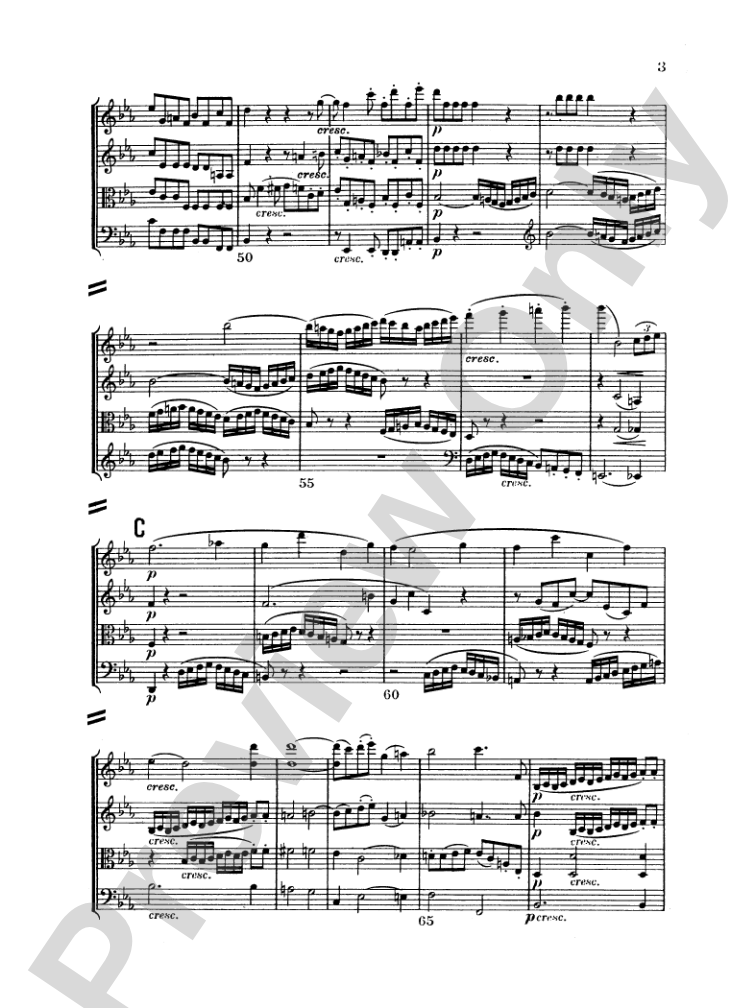
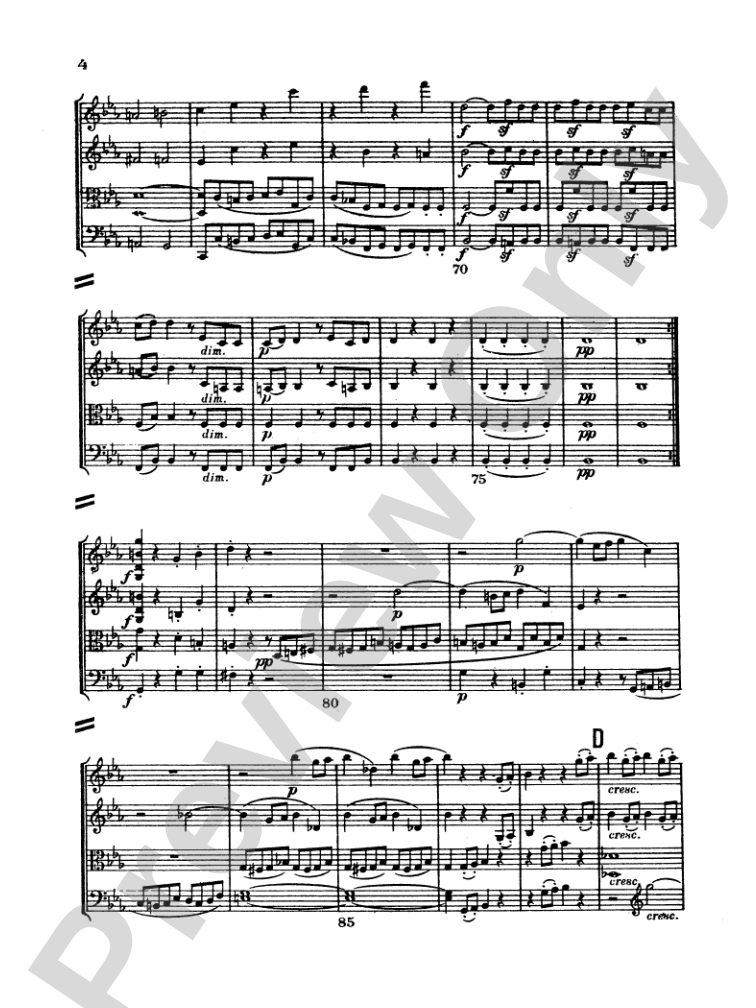
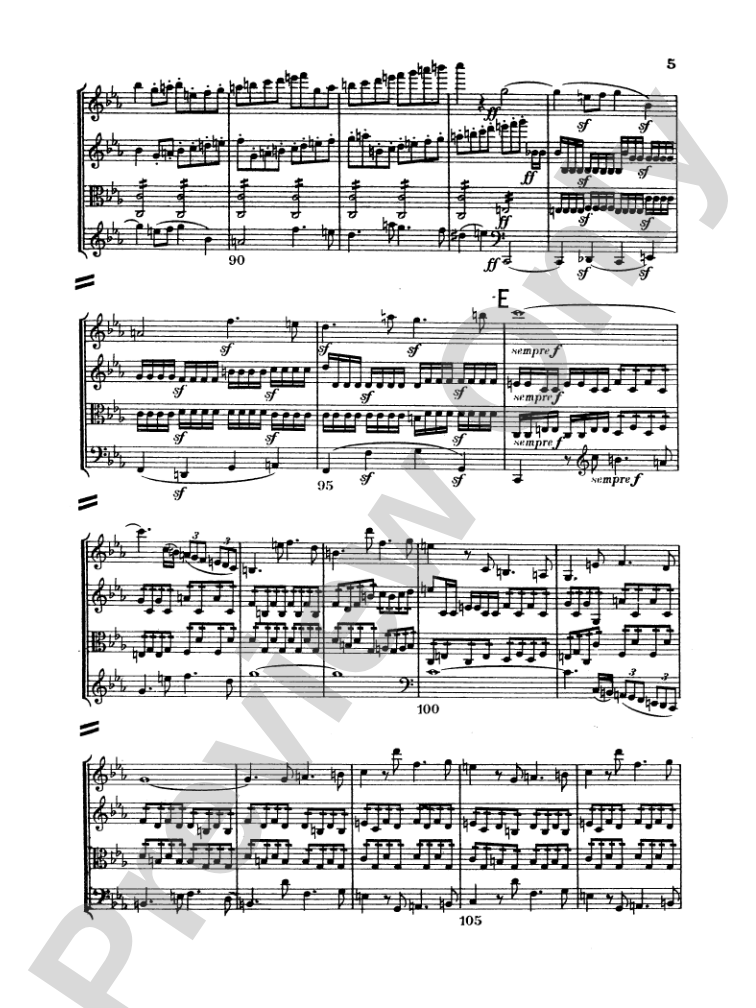
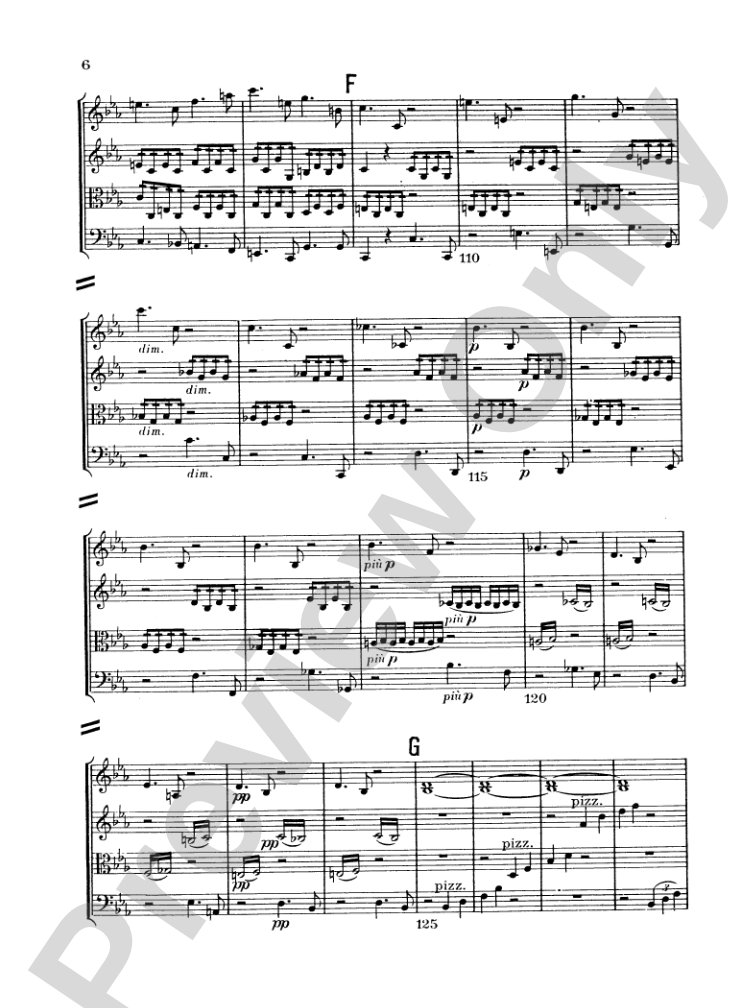
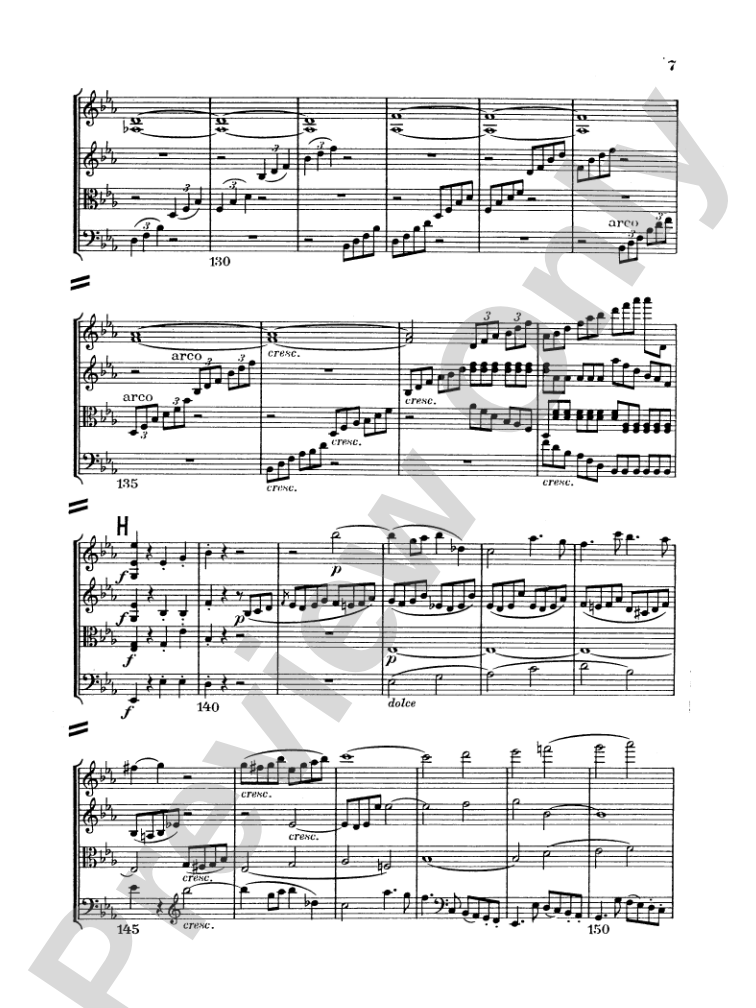
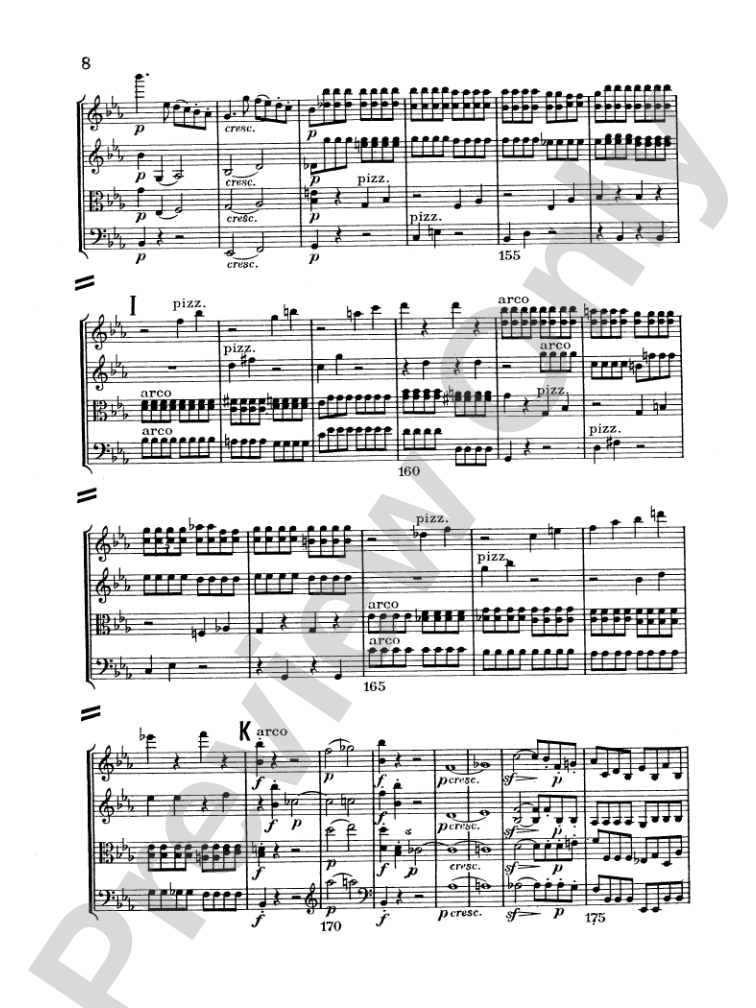
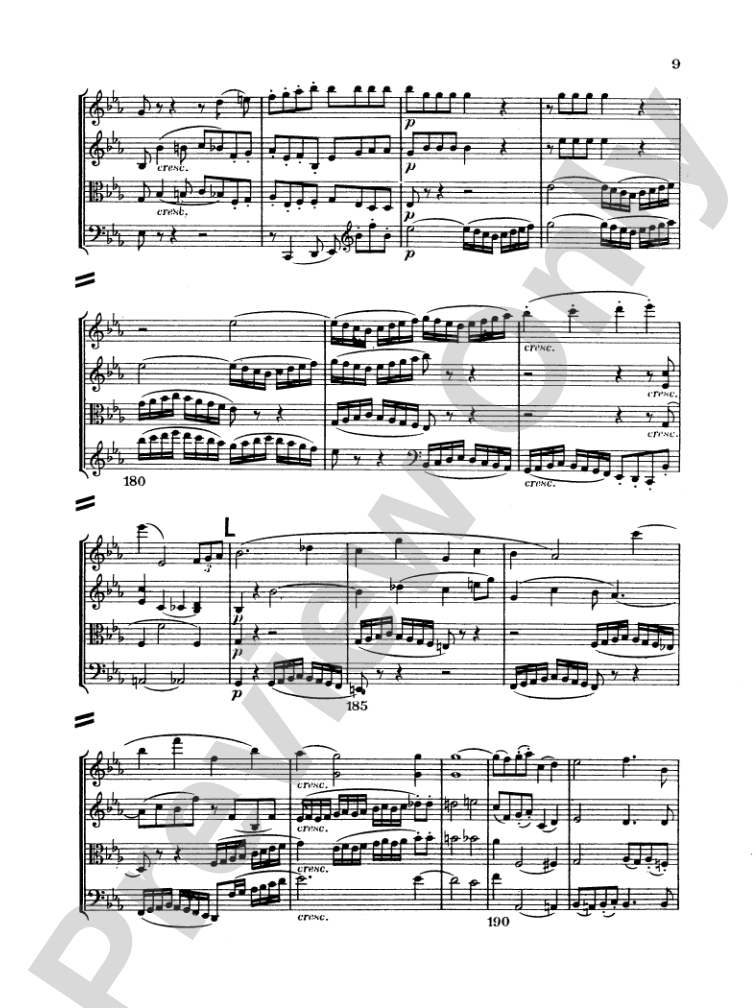
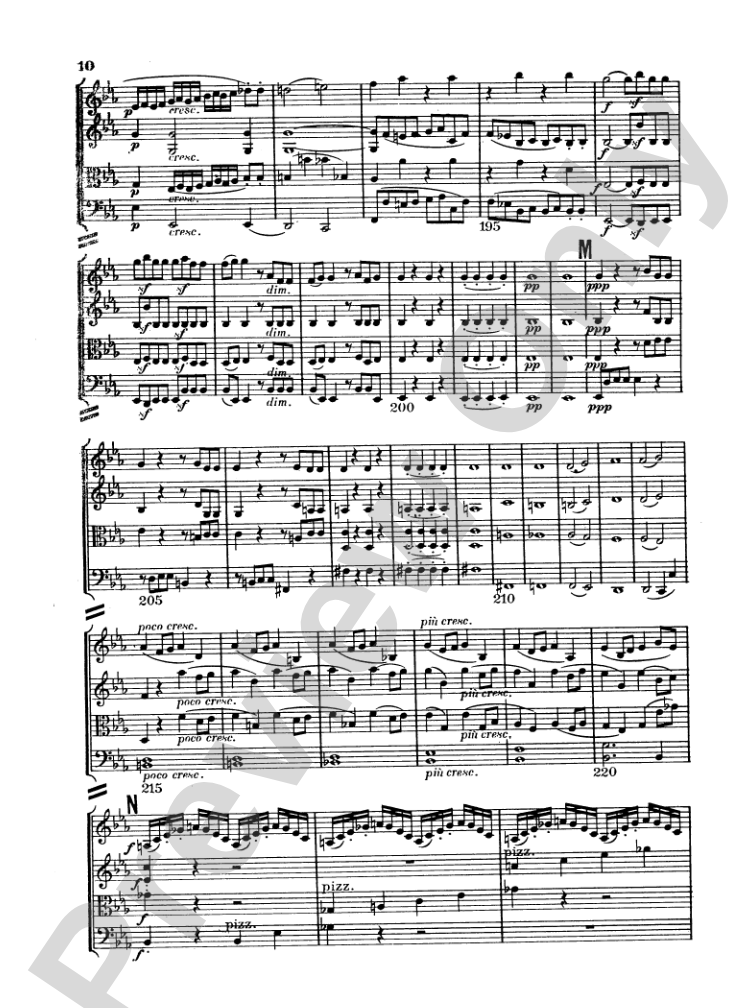
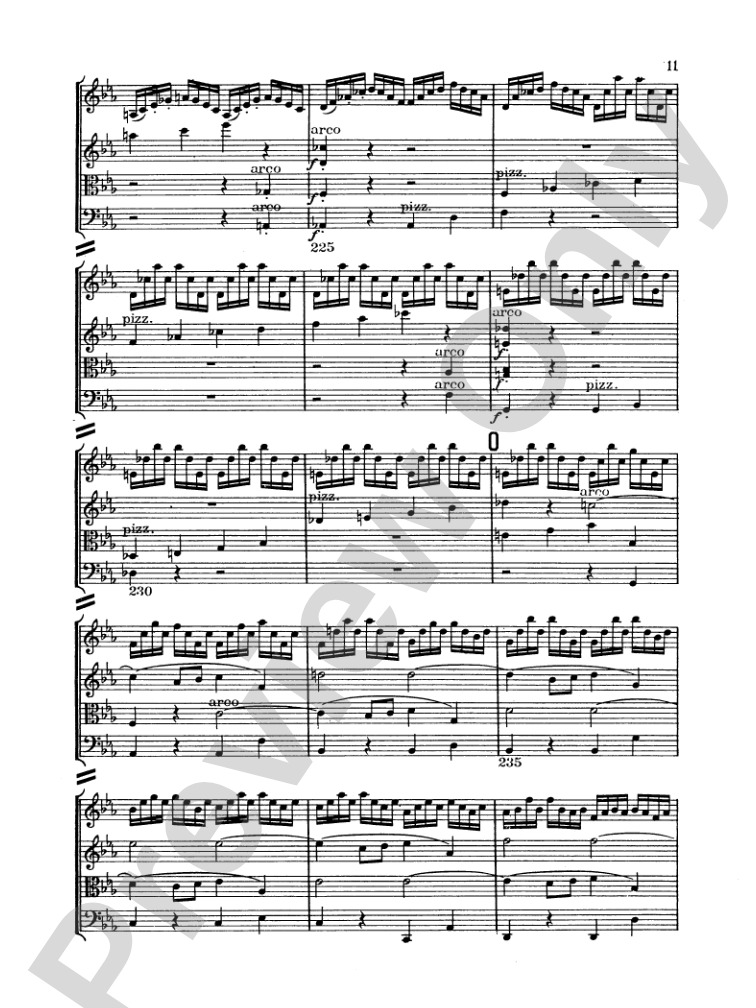
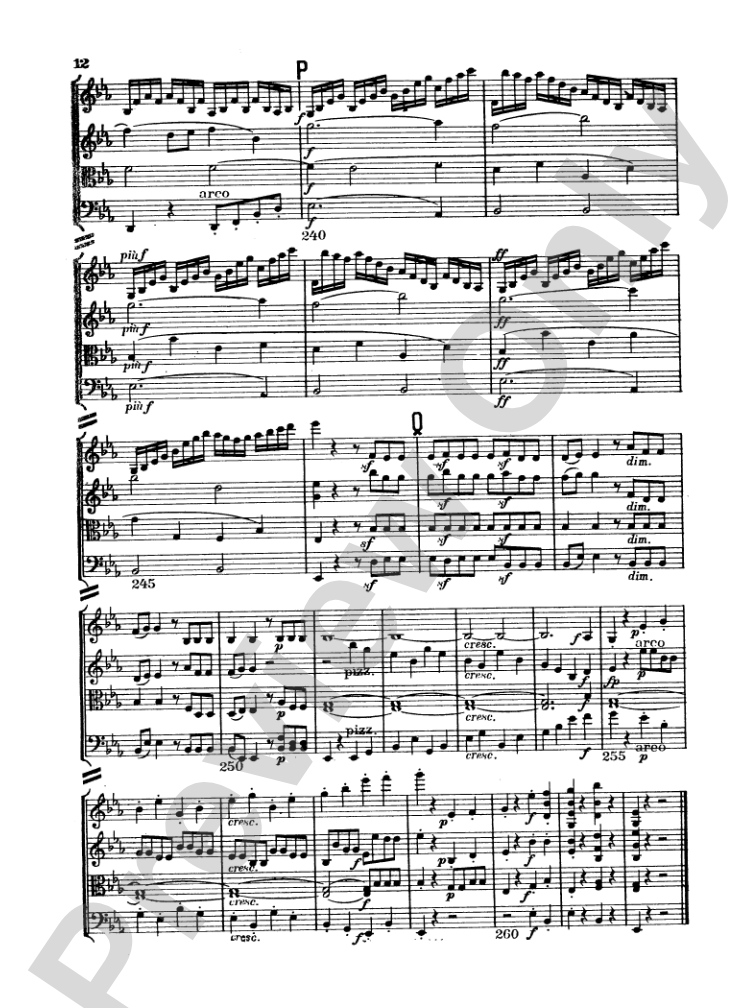
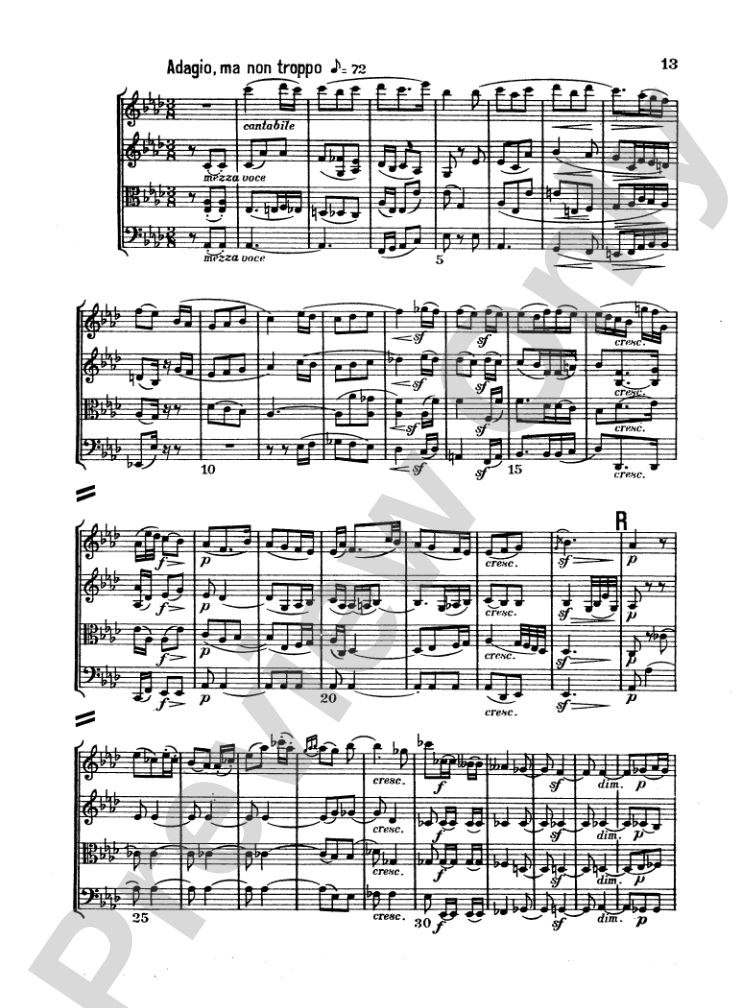
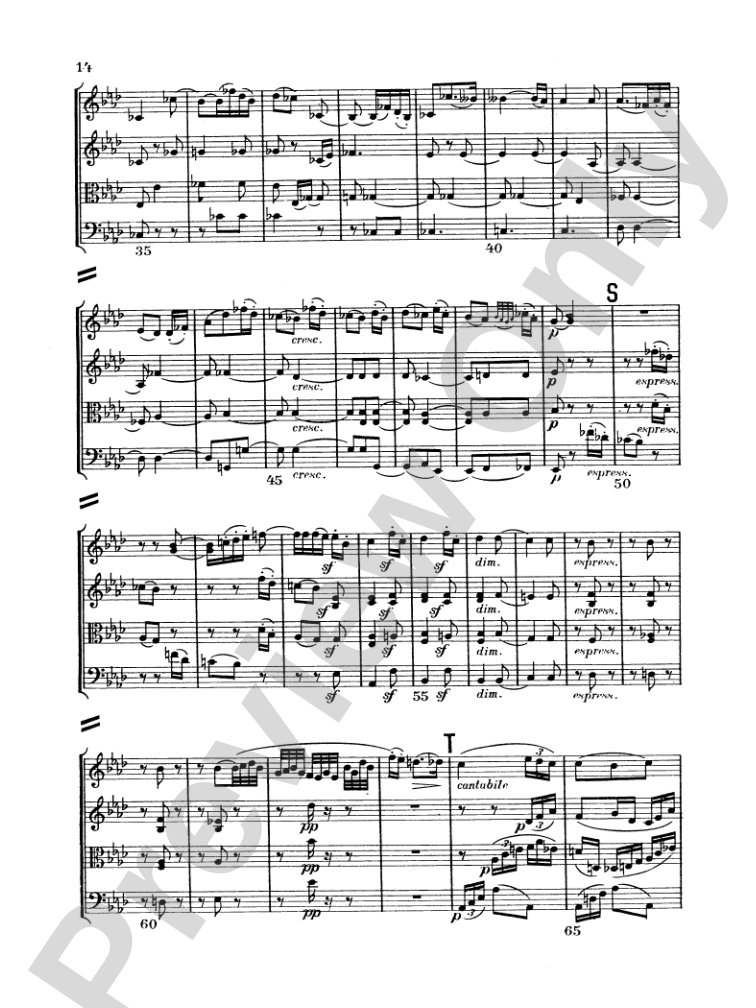
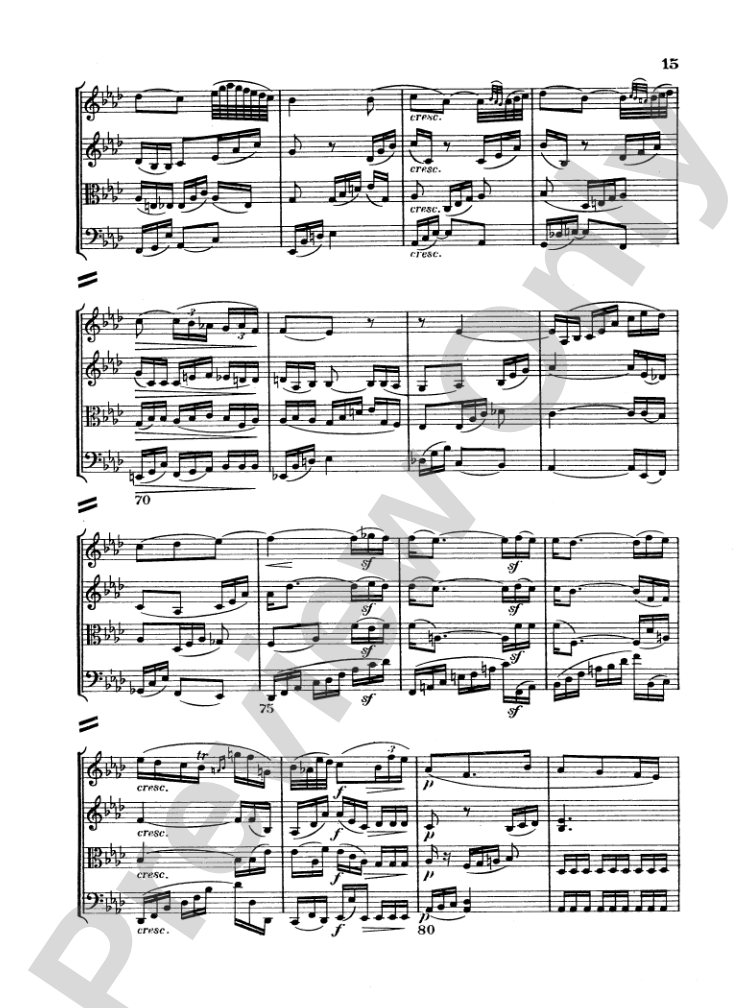
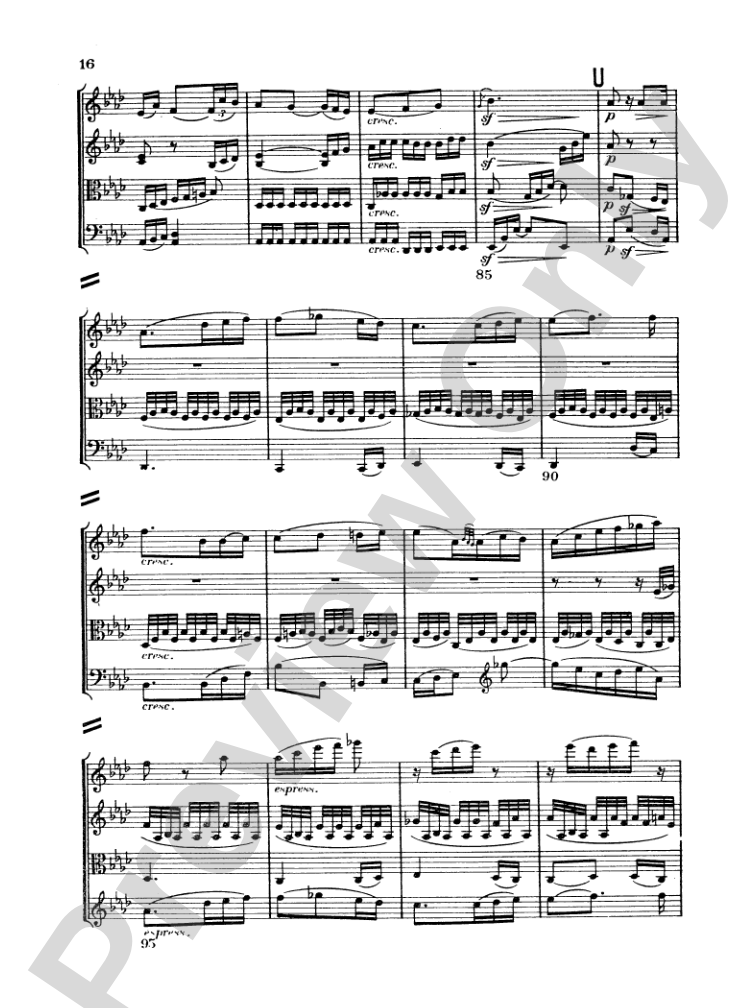
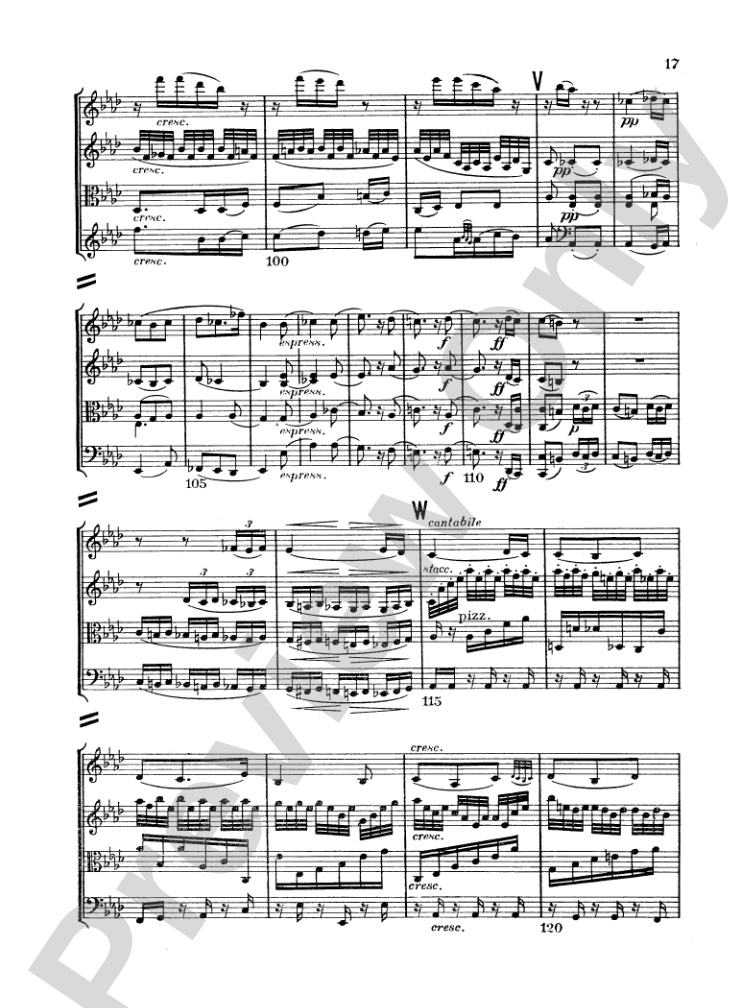
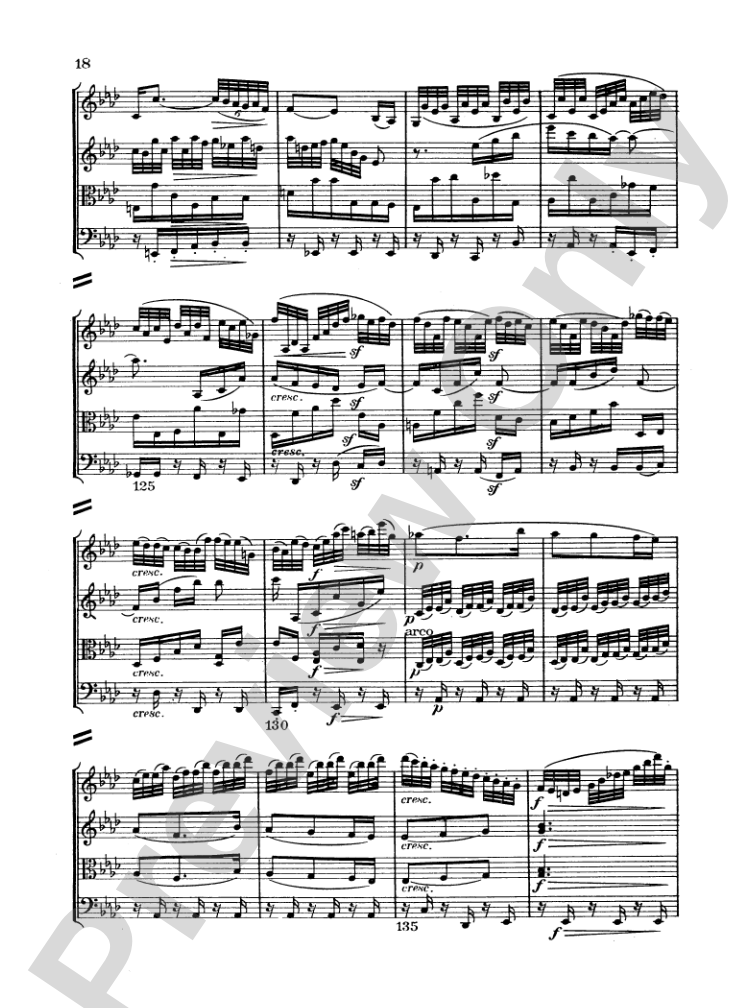
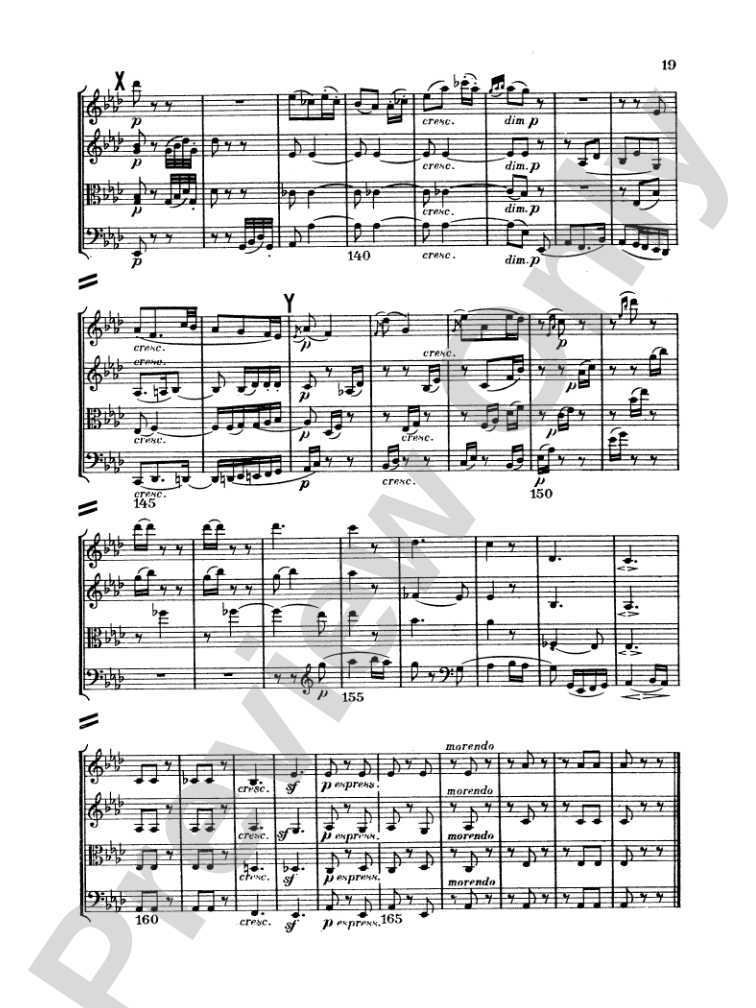
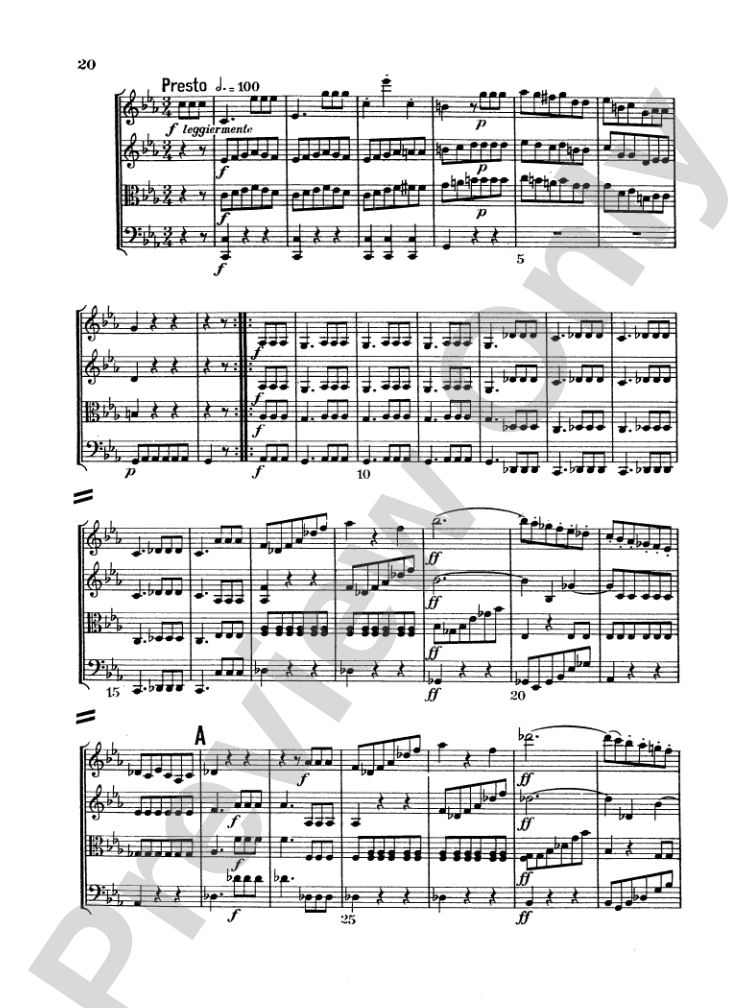
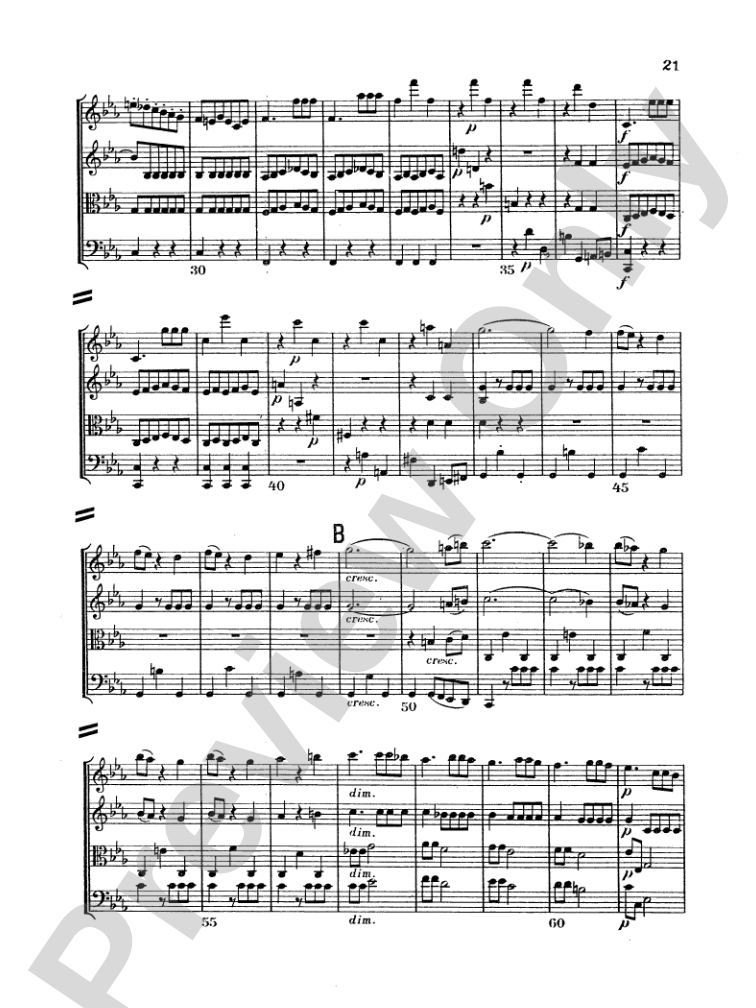
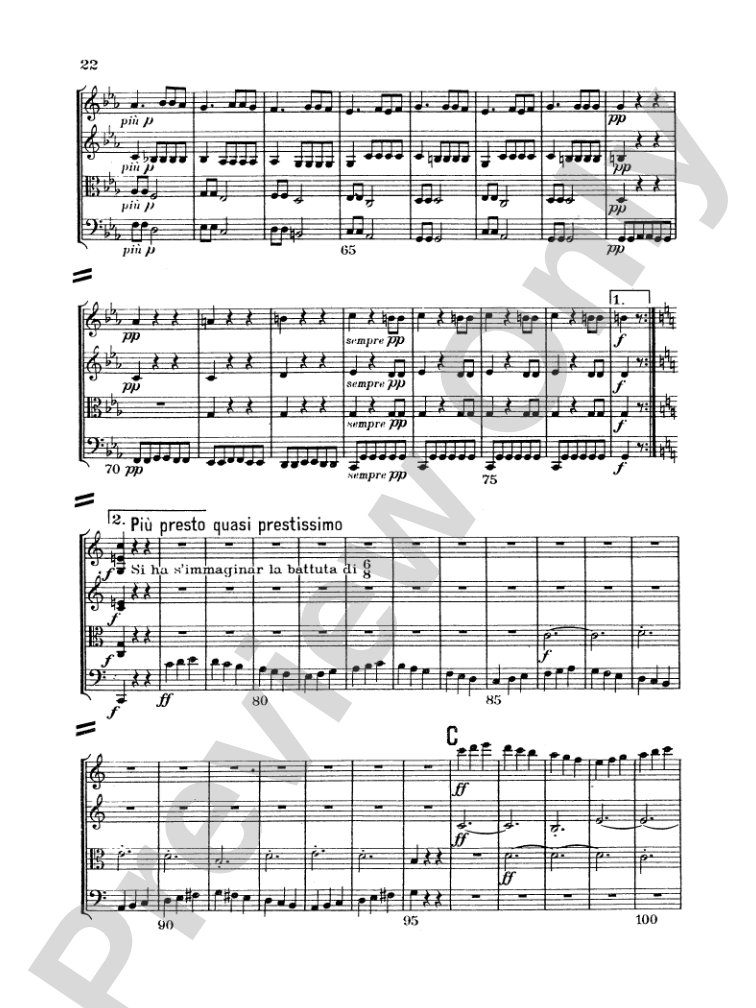
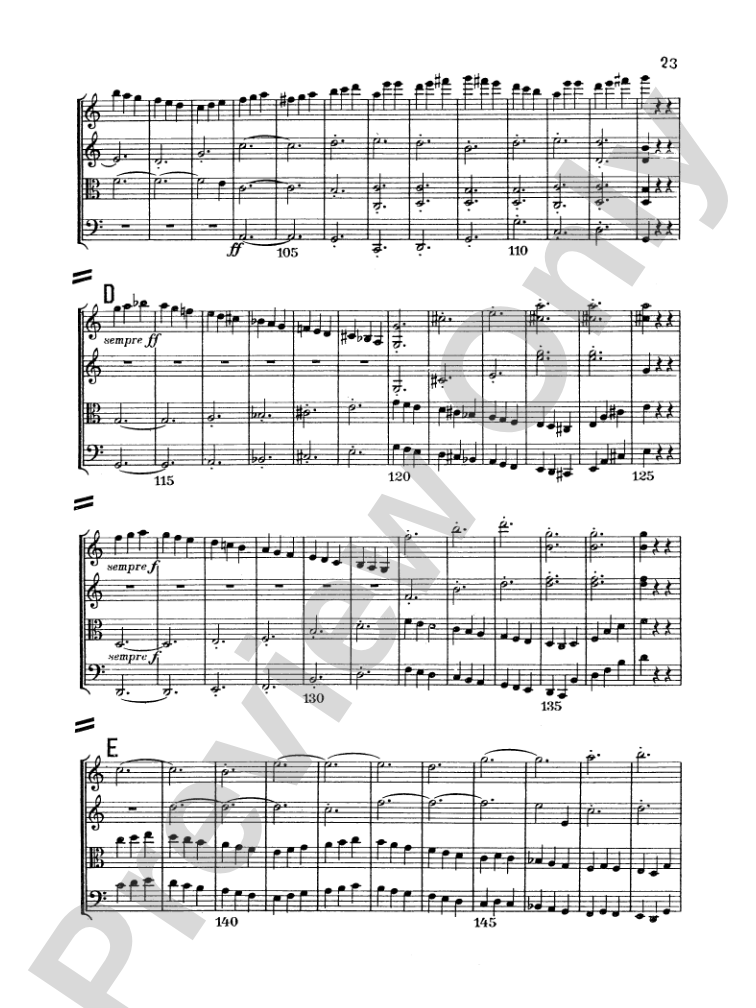
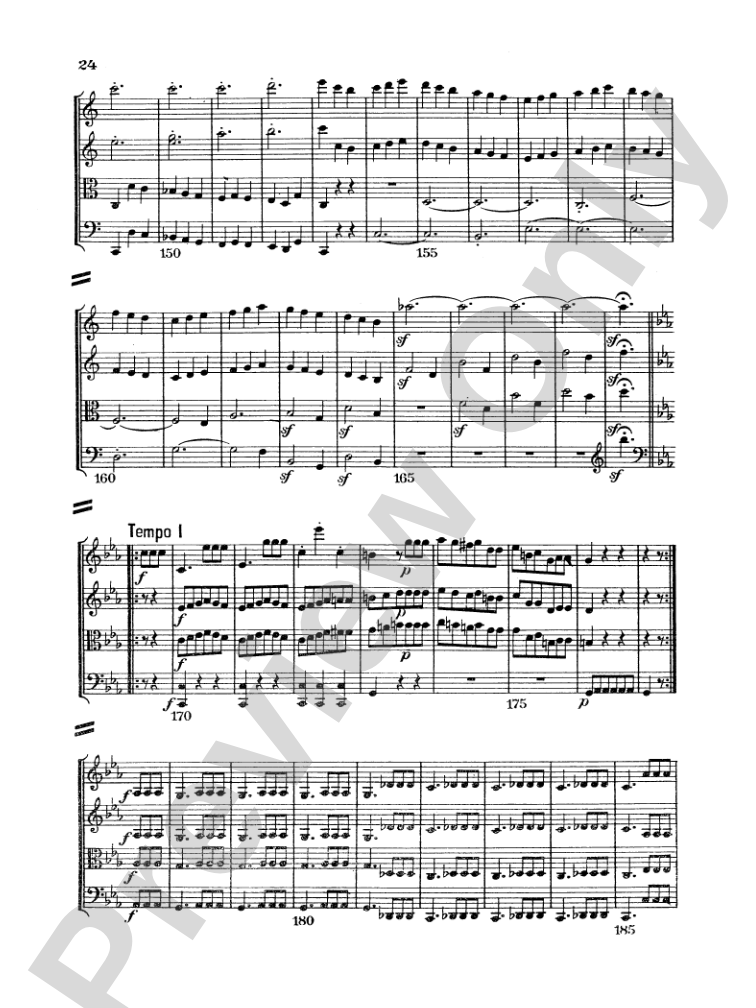
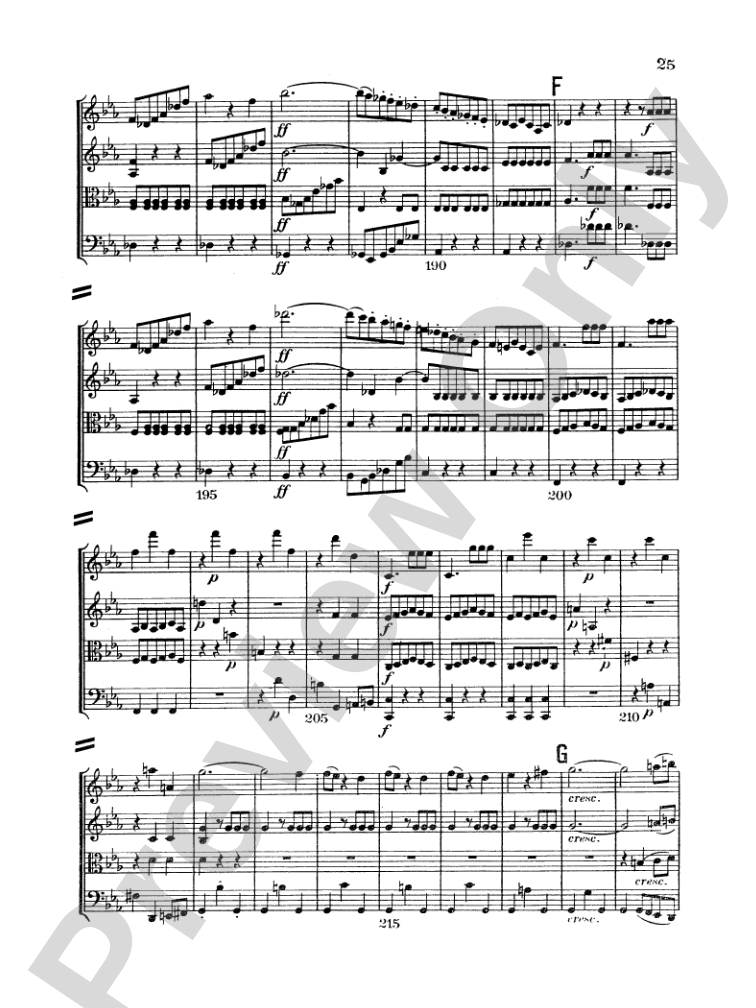
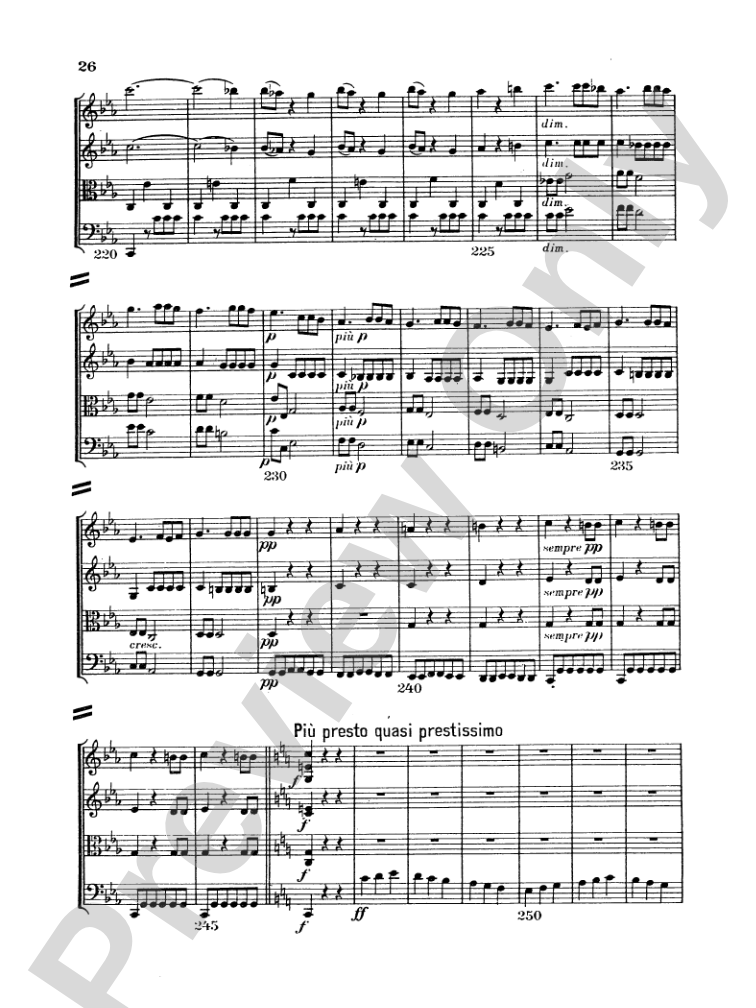
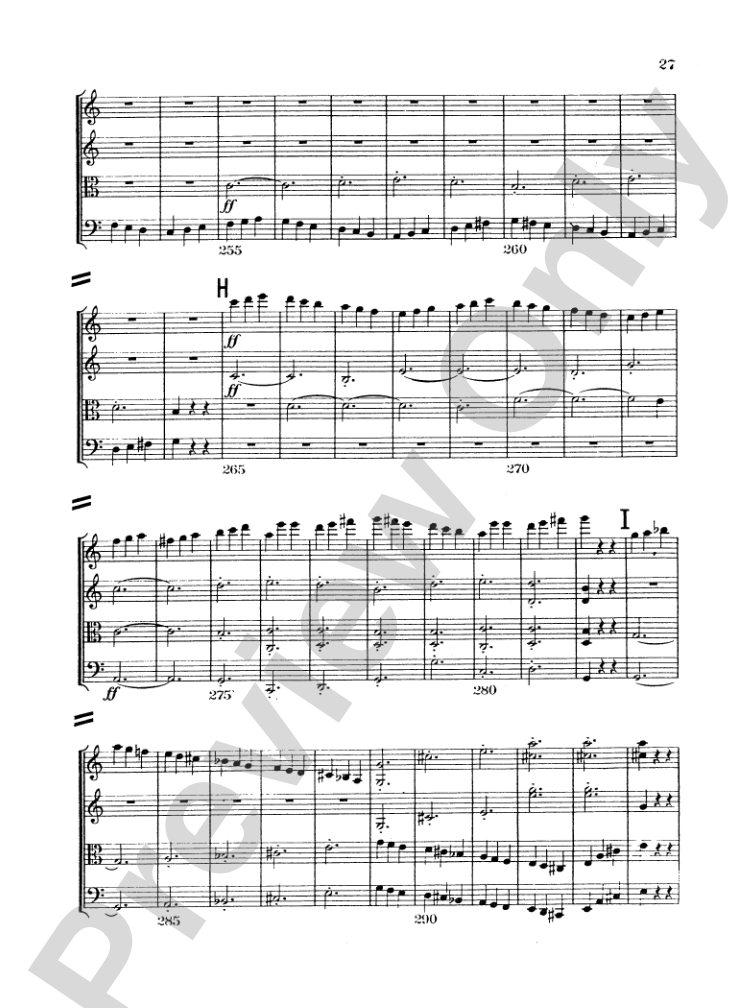
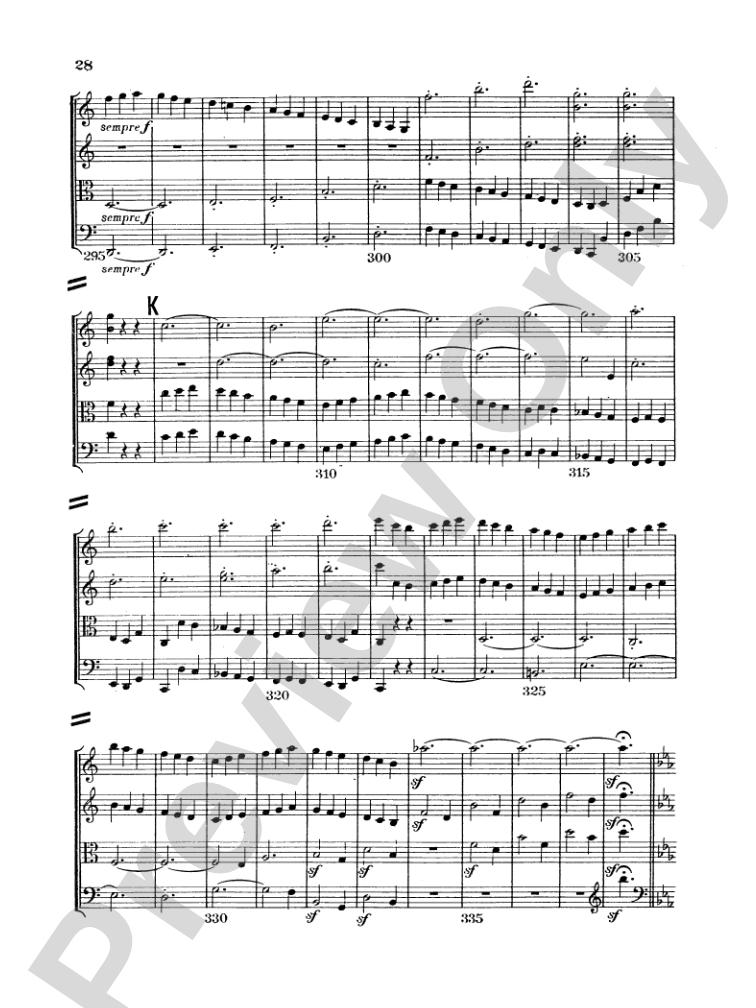
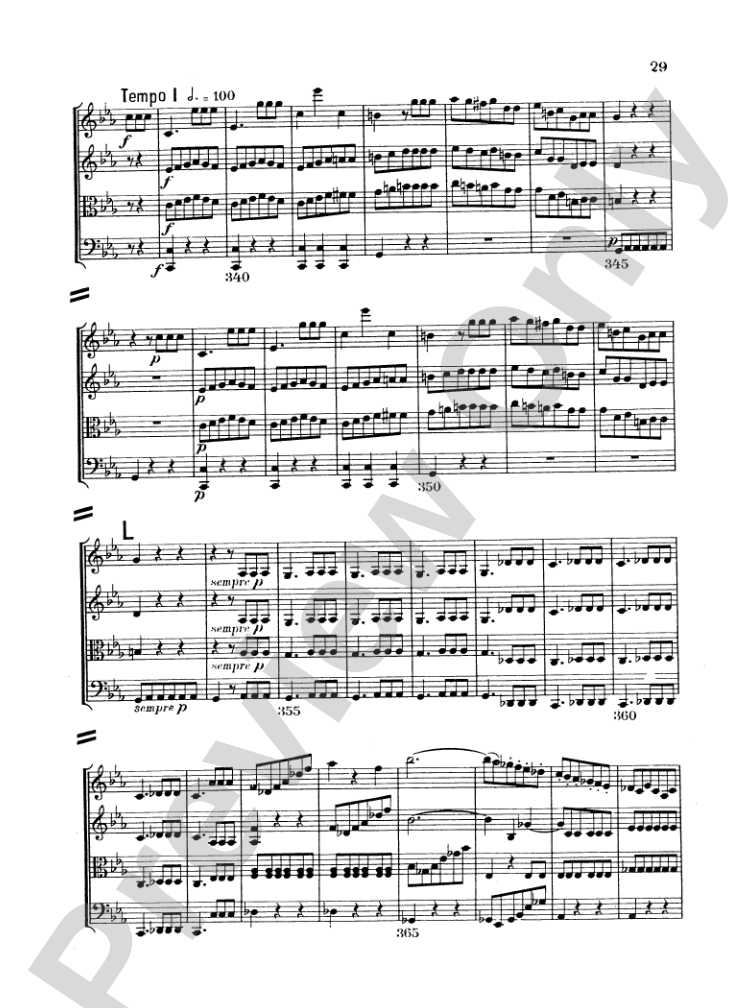
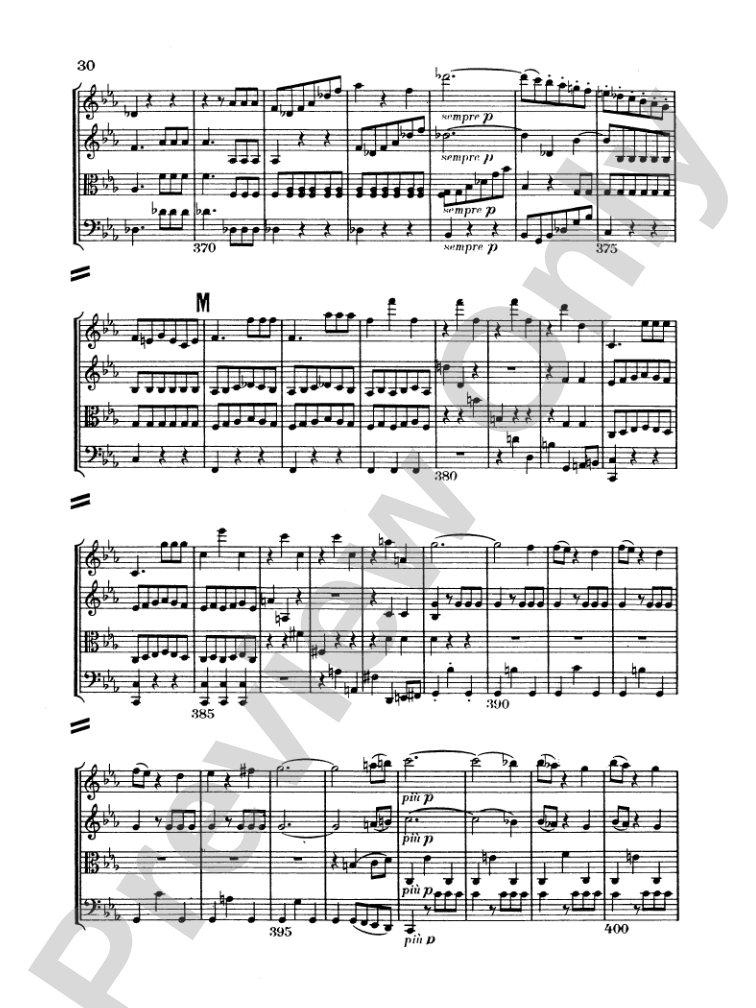
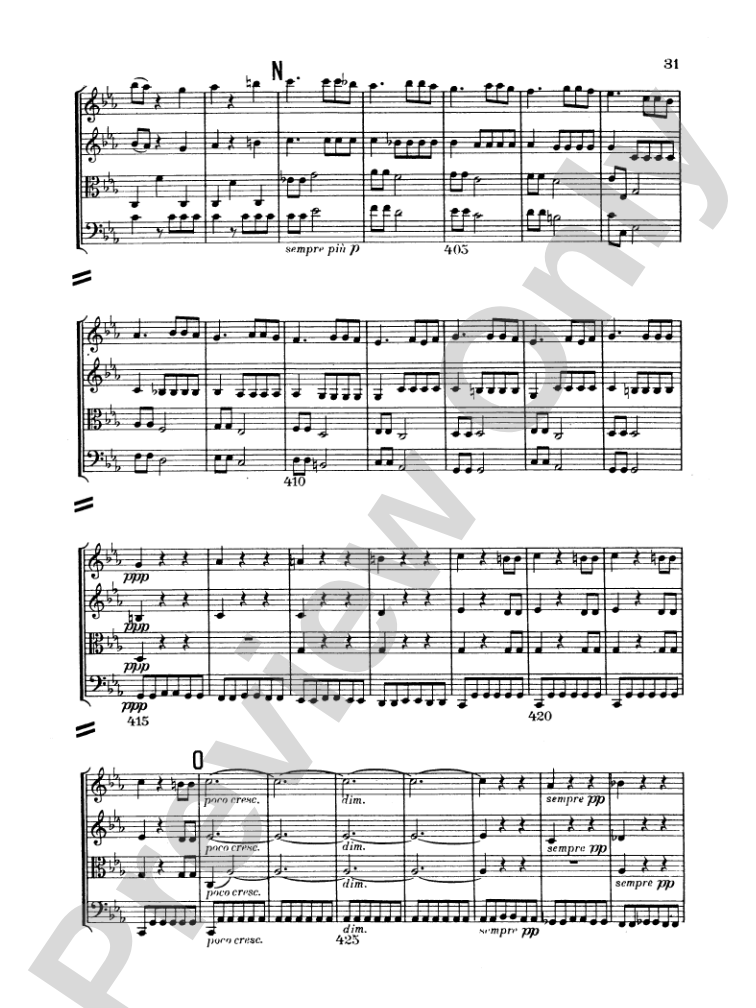
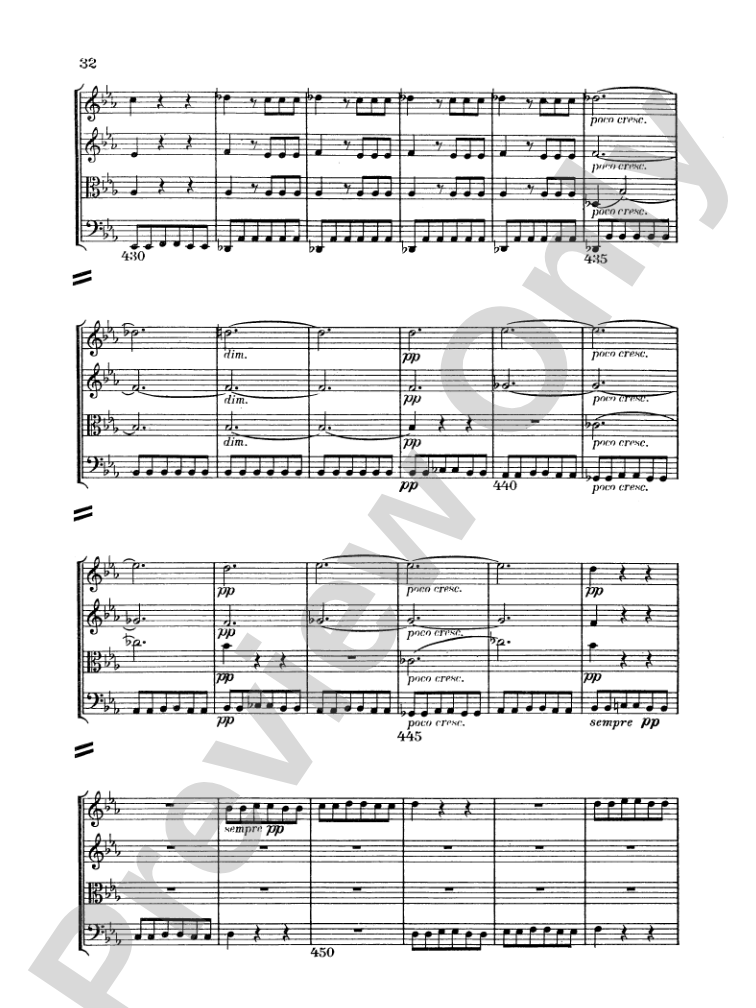
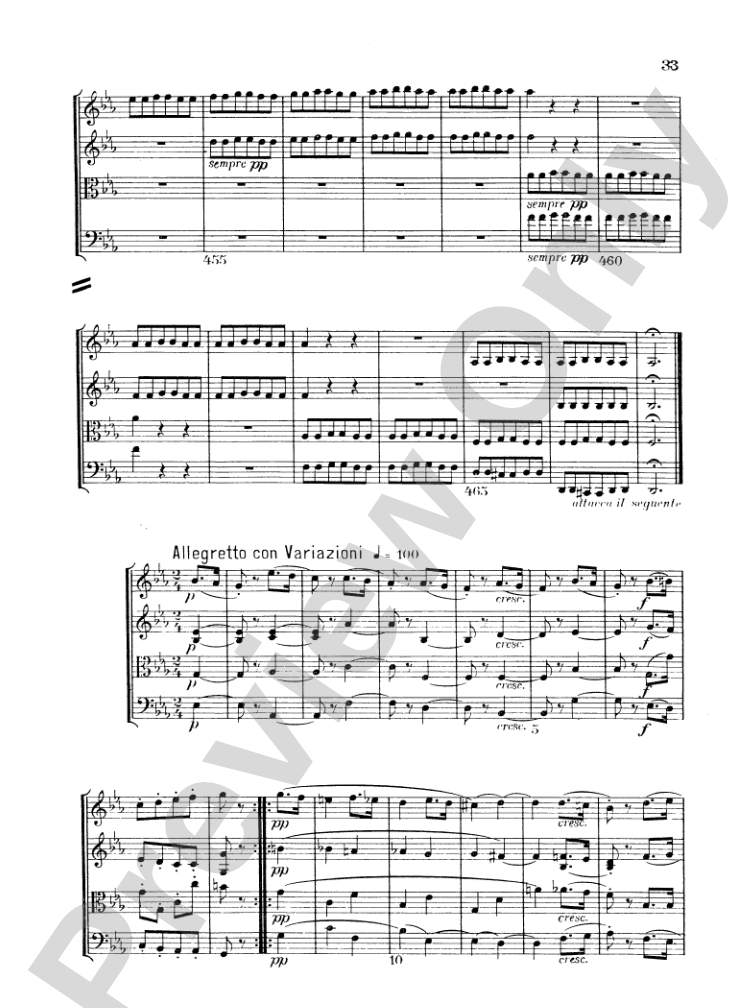
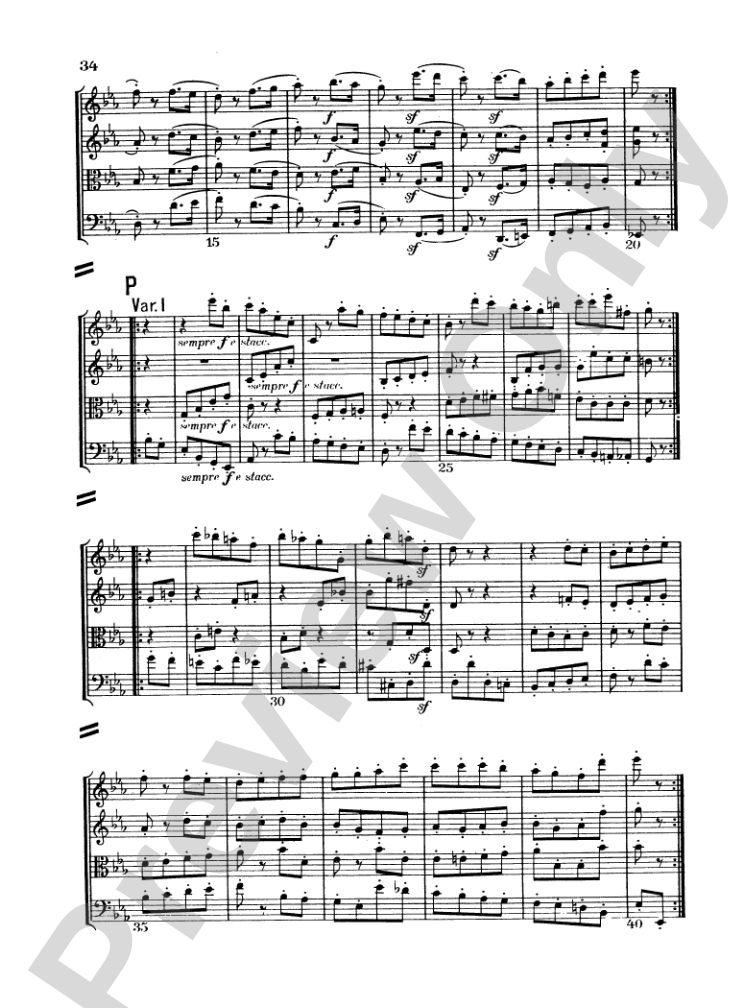
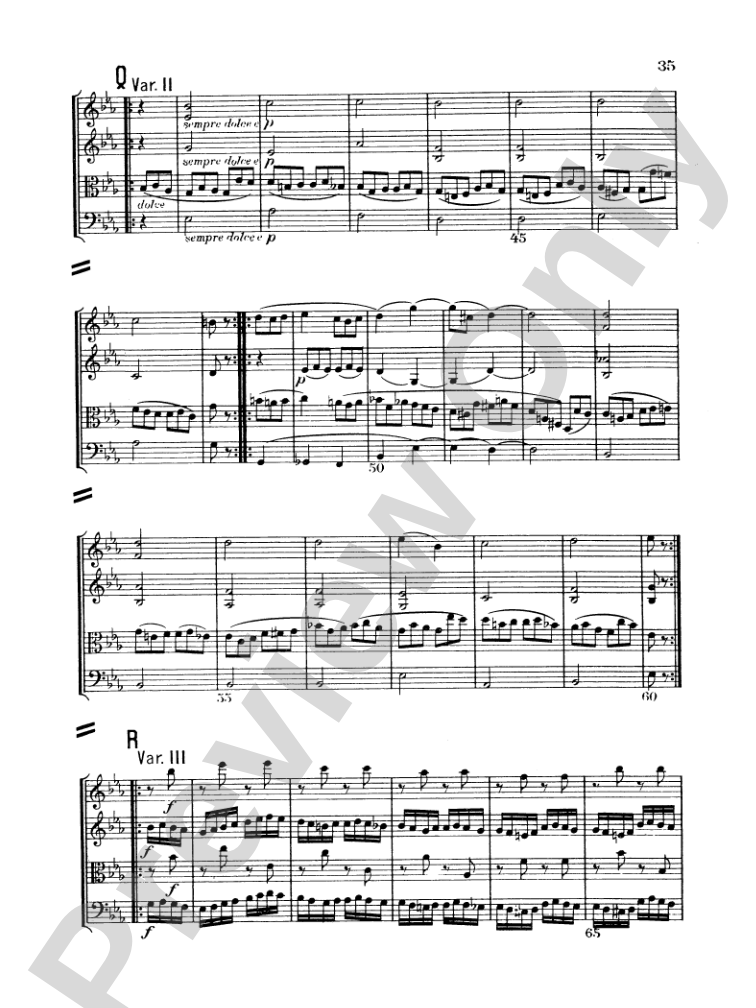
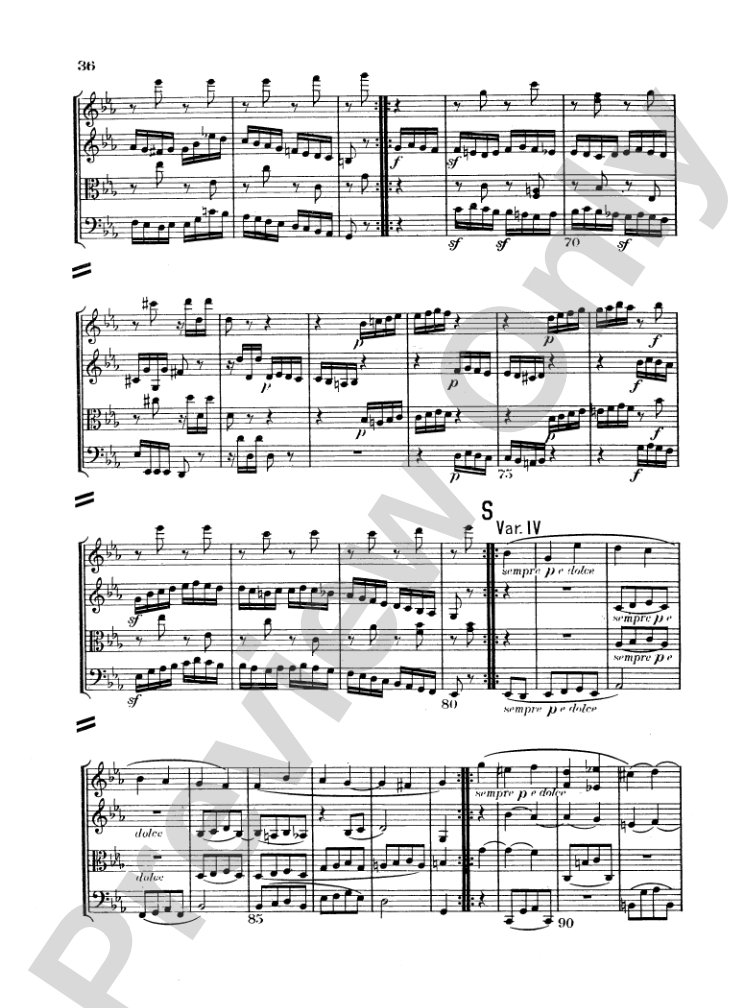
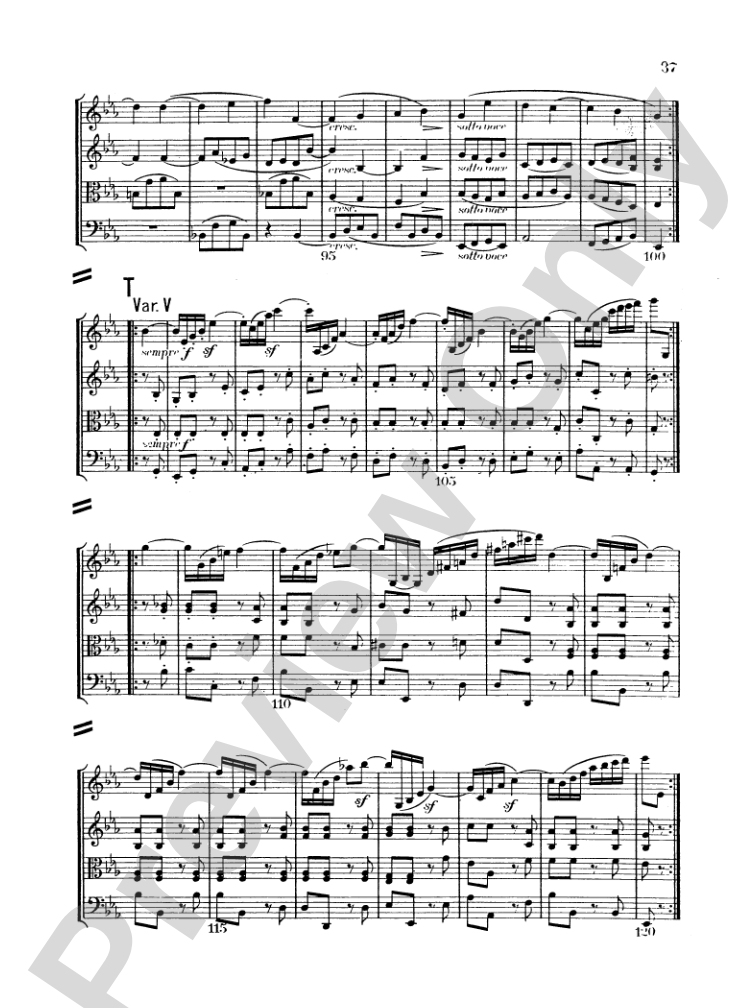
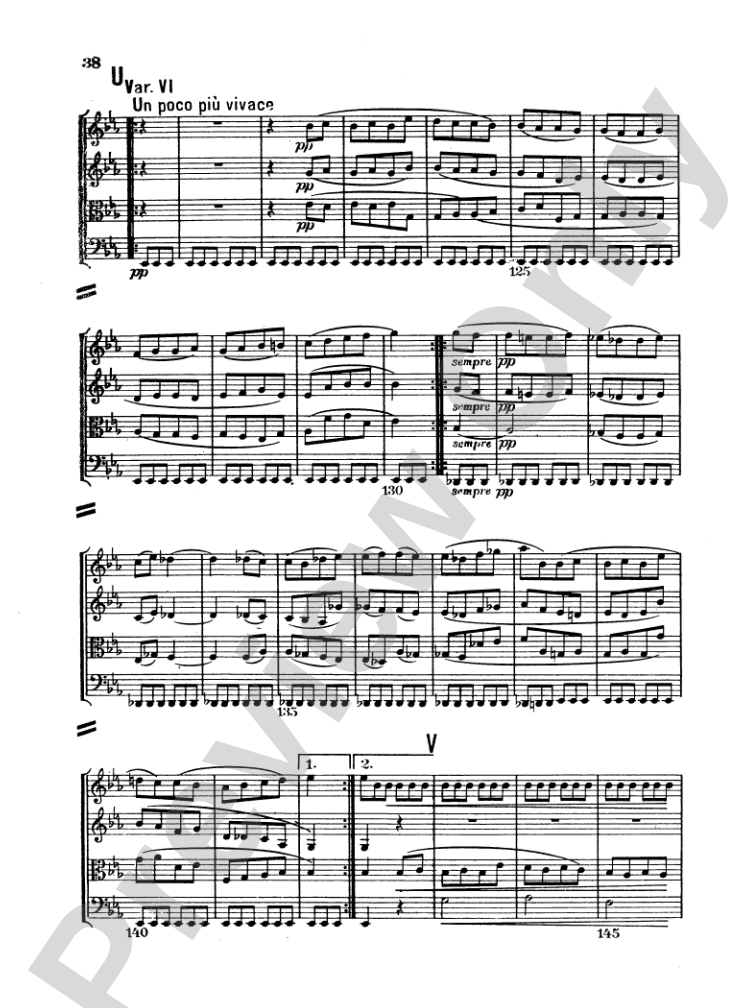
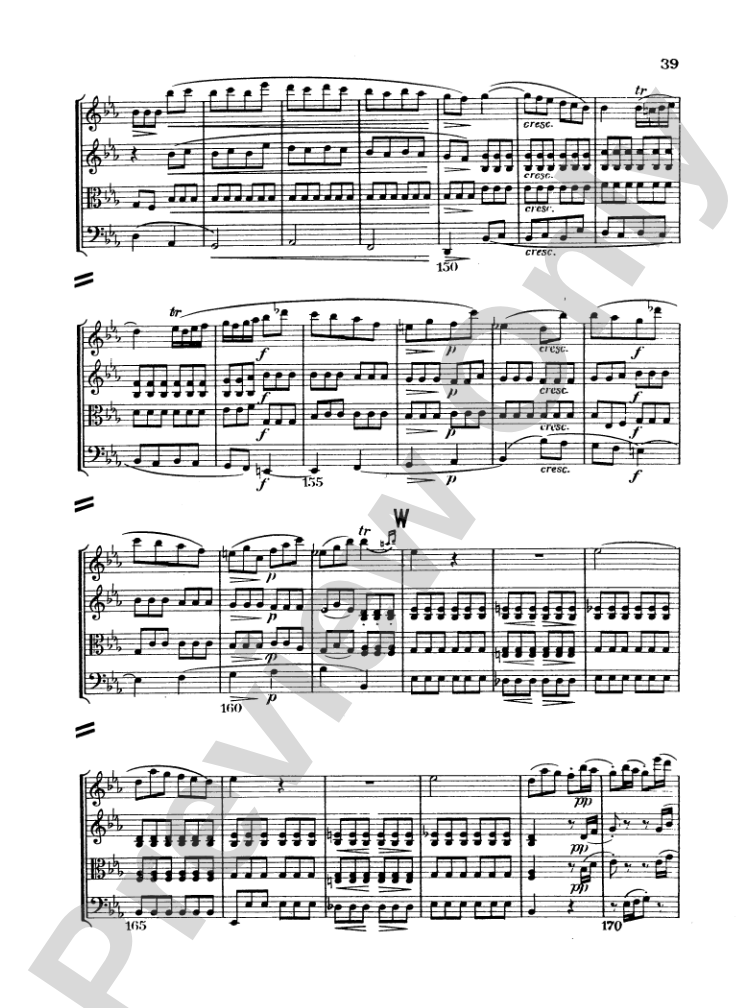
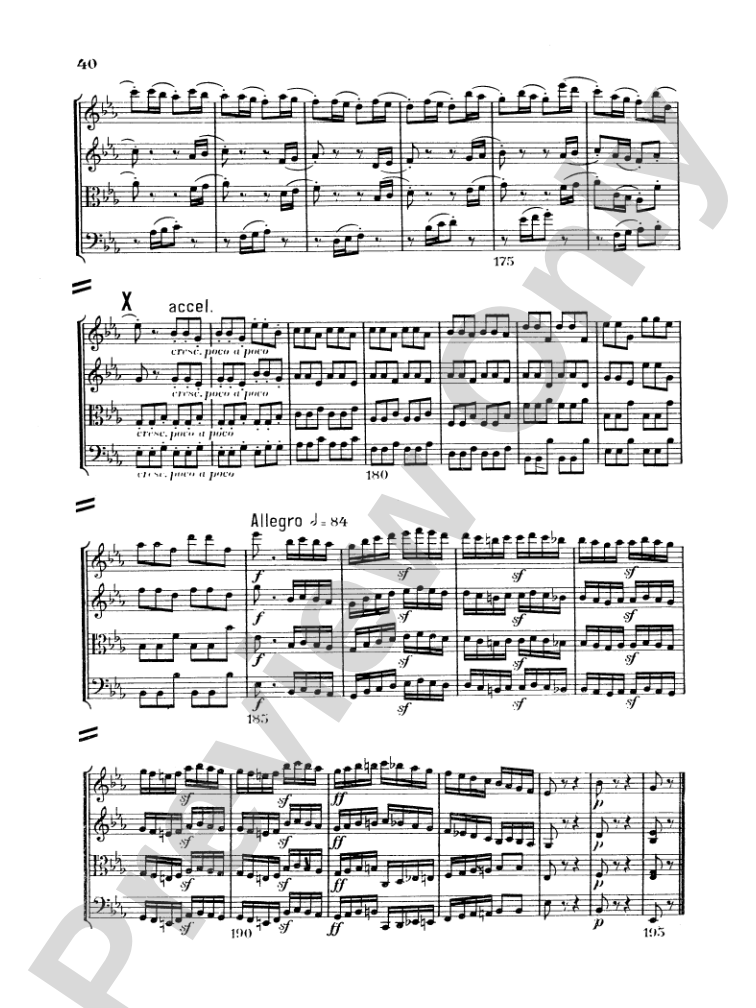

Beethoven: String Quartet in E flat Major, Op. 74: String Quartet Miniature Score
By Ludwig van Beethoven
Item: 00-PK-0002688

$7.99
Pickup currently not available
Buy Extra Parts (Digital PDF Download)
| Product | Price | Quantity |
|---|---|---|
| Beethoven: String Quartet in E flat Major, Op. 74 | $4.95 |
Parts Added to Cart!
Related Items
String Quartet in E-flat Major, Opus 74: String Quartet Miniature Score |
$7.99
|
View |
Description


Don't just read it, hear it, play along with it, and watch your students grow with it. In MakeMusic Cloud, Beethoven: String Quartet in E flat Major, Op. 74: String Quartet Miniature Score comes alive with professional accompaniment, adjustable tempo, and built-in practice tools that turn solo practice into real progress.
Open in the Player
Jump straight in and assign it today.
Start Your Free Trial
Open this title and explore the full library in minutes.
Sample Audio
No sample audio found.
Sample Video
No sample videos found.
Additional Details
Series:
Kalmus Edition
Publisher:
Alfred Music
Page Count:
40
SKU:
00-PK-0002688
More about this title
About the Composer: Ludwig van Beethoven
Ludwig van Beethoven (1770-1827) transformed chamber music from entertainment into profound artistic expression. His late string quartets, written after he had become completely deaf, represent some of the most intellectually ambitious and emotionally searching music ever composed. These works moved far beyond the conventions of his time, establishing the string quartet as a vehicle for complex musical ideas and structural innovation that would influence composers for generations.
Why we love this
Op. 74, the "Harp" Quartet, stands apart for its lyrical beauty and the innovative pizzicato effects that give it its nickname. This score offers quartets access to a masterwork that bridges Beethoven's middle and late periods, presenting genuine artistic challenge without the extreme technical demands of his final quartets. The dramatic arc and singable themes make it both musically rewarding and repertoire that ensembles return to throughout their development.
What to expect
The "Harp" Quartet opens with a singing, lyrical theme that feels almost Romantic in its expressiveness, yet the pizzicato figures that emerge create a unique textural identity. The work balances intimacy with rhetorical weight, moving between moments of great tenderness and passages of driving dramatic intensity, all within the refined sound world of the string quartet.
Who it's for
String quartets preparing repertoire for chamber festivals, competitions, and recitals will find this miniature score essential for rehearsal and performance. Advanced high school and college quartets seeking repertoire that deepens their understanding of Beethoven's compositional language will engage meaningfully with this work's structural and expressive demands.
How to get the most out of it
- Balance the distinctive pizzicato passages against the sustained voices; these rhythmic figures carry harmonic weight and should not be played lightly or merely accompanimental.
- Shape the lyrical opening with long lines and careful vibrato control to establish the quartet's songful character before the pizzicato writing enters.
- Attend to dynamic contrast between sections; Beethoven's markings are specific, and respecting them creates the dramatic tension that defines this work.
- Coordinate ensemble entries precisely in the fugal passages, particularly where individual voices carry themes; clarity of line matters more than volume.
How to use it
Program this quartet on recitals celebrating Beethoven's chamber music legacy, pairing it with earlier classical quartets to show his stylistic evolution or with later Romantic works that inherit his innovations. The work's moderate length and distinct character make it an excellent centerpiece for a quartet recital or a featured work in a chamber music festival that highlights essential classical masterworks.
Skills your students will build
- Balancing pizzicato rhythmic figures with sustained melodic voices
- Executing sustained legit playing with consistent vibrato in lyrical passages
- Coordinating complex rhythmic relationships across multiple voice parts
- Responding to dramatic dynamic shifts and sudden textural changes
- Ensemble precision in fugal writing and imitative passages