

Beethoven Sonatas, Volume II: 32 Piano Sonatas in Five Volumes (Sonatas 7-12)
32 Piano Sonatas in Five Volumes (Sonatas 7-12)
By Ludwig van Beethoven
Item: 00-PC-0002679
$1.99
Pickup currently not available
Description
This is the second of five reduced-size editions of piano sonatas by Ludwig van Beethoven. Volume two includes:
*Sonata 7, Op. 10, No. 3
*Sonata 8, Op. 13 ("Pathétique")
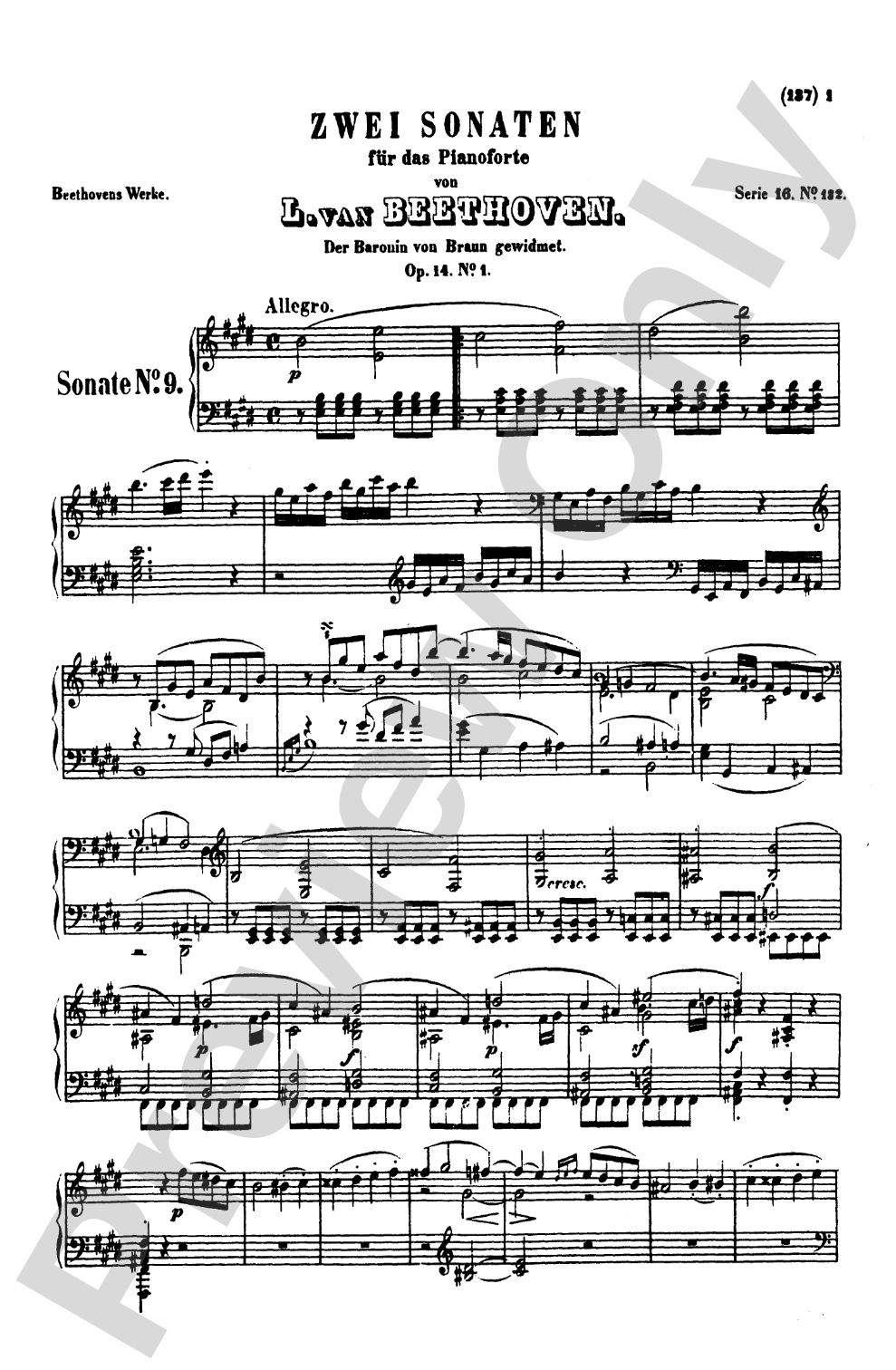
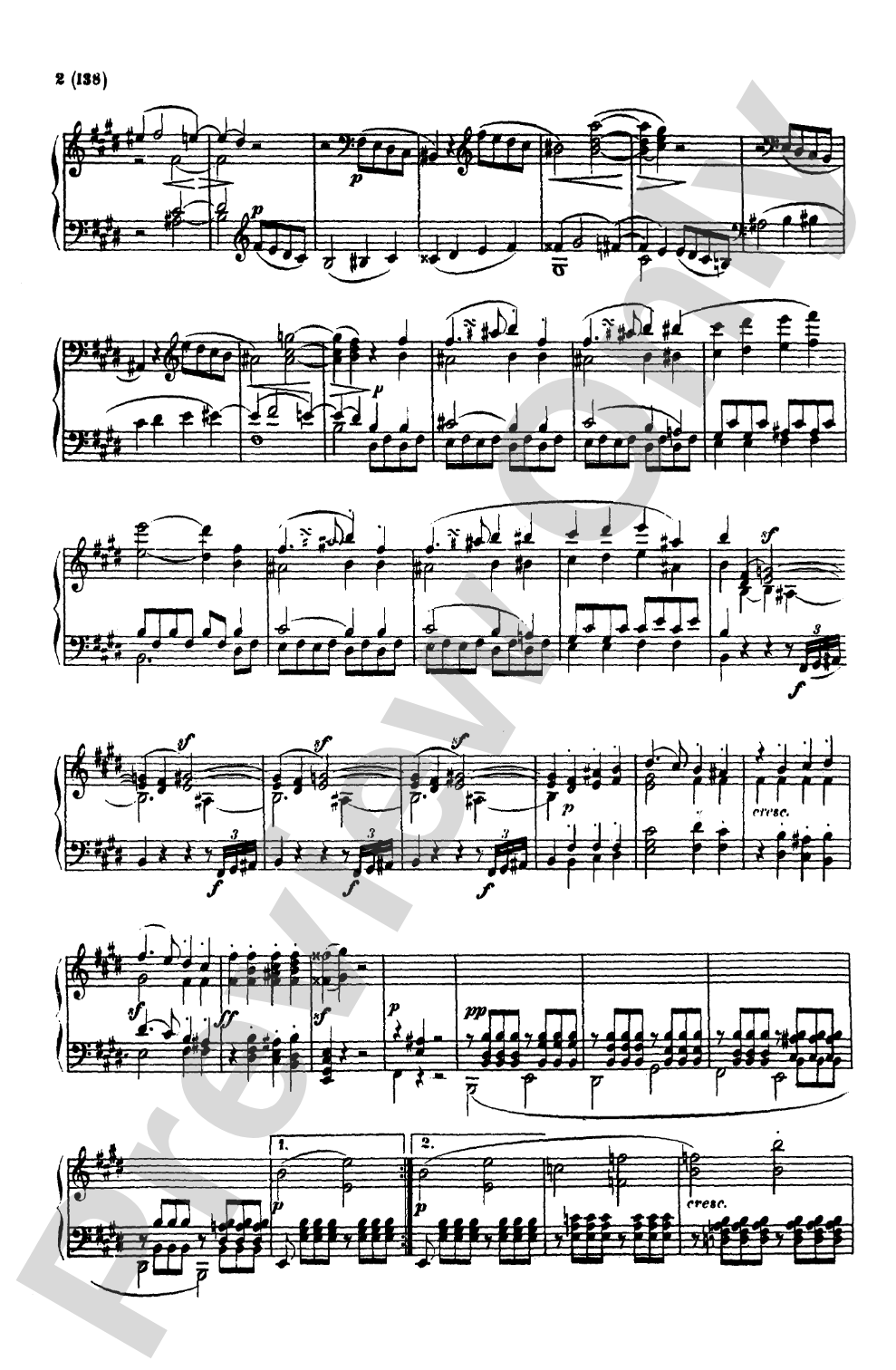
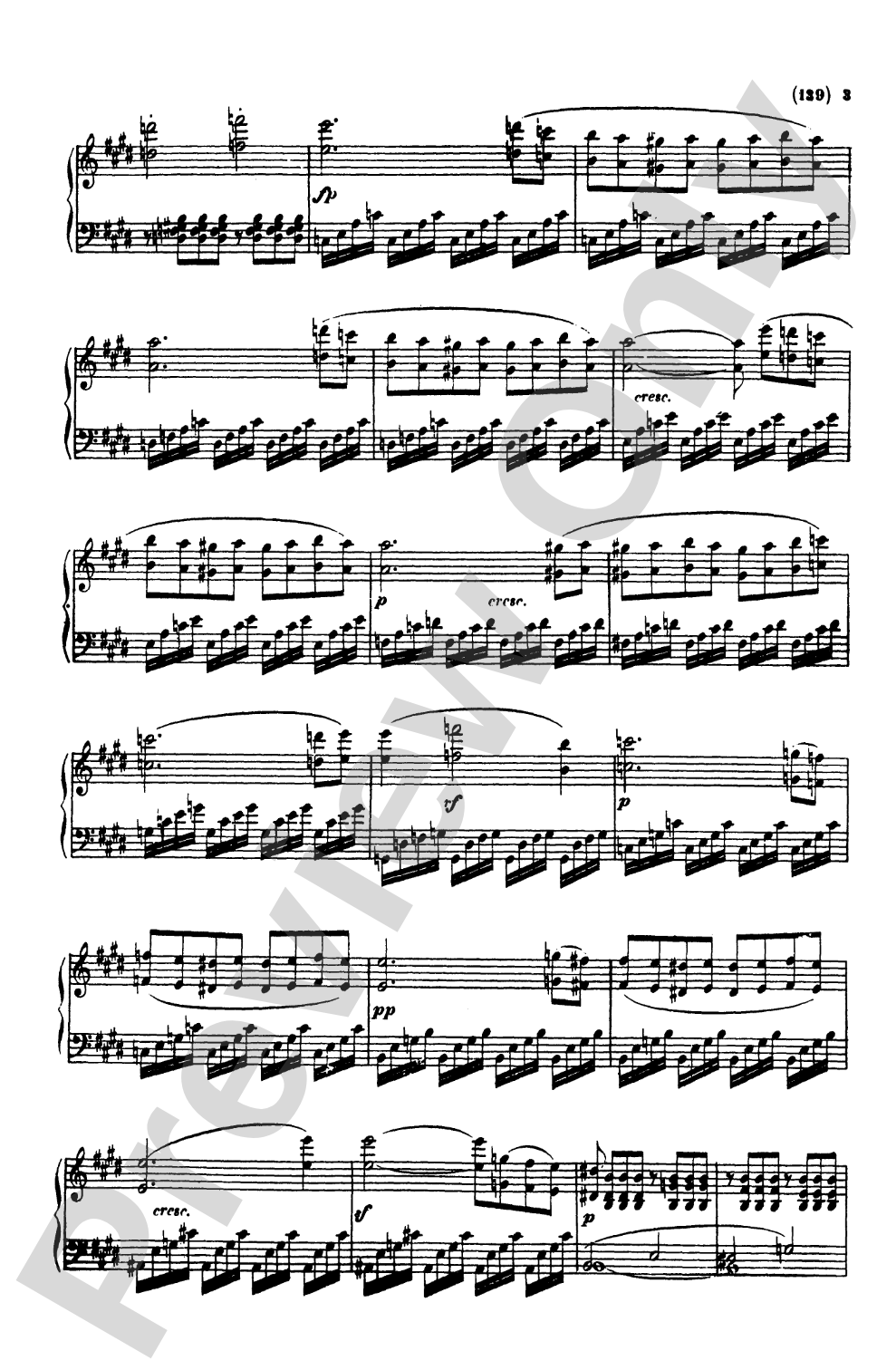
*Sonata 9, Op. 14, No. 1
*Sonata 10, Op. 14, No. 2
*Sonata 11, Op. 22
*Sonata 12, Op. 26 ("Funeral March")


*Sonata 7, Op. 10, No. 3
*Sonata 8, Op. 13 ("Pathétique")
*Sonata 9, Op. 14, No. 1
*Sonata 10, Op. 14, No. 2
*Sonata 11, Op. 22
*Sonata 12, Op. 26 ("Funeral March")
Don't just read it, hear it, play along with it, and watch your students grow with it. In MakeMusic Cloud, Beethoven Sonatas, Volume II: 32 Piano Sonatas in Five Volumes (Sonatas 7-12) comes alive with professional accompaniment, adjustable tempo, and built-in practice tools that turn solo practice into real progress.
Open in the Player
Jump straight in and assign it today.
Start Your Free Trial
Open this title and explore the full library in minutes.
Sample Audio
No sample audio found.
Sample Video
No sample videos found.
Additional Details
Series:
Kalmus Edition
Publisher:
Alfred Music
Page Count:
112
SKU:
00-PC-0002679
More about this title
About the Composer: Ludwig van Beethoven
Ludwig van Beethoven (1770-1827) stands as the crucial bridge between Classical form and Romantic expression. His nine symphonies, thirty-two piano sonatas, and chamber works fundamentally reshaped what composers could ask of their instruments and audiences. Working through increasing deafness, Beethoven drove the sonata form toward emotional depths and structural innovation that influenced every composer who followed.
For pianists and students, Beethoven's sonatas represent the essential repertoire: they demand technical command, interpretive maturity, and the ability to balance architectural clarity with powerful feeling. His exploration of harmony, dynamics, and keyboard texture across these works charts the evolution of the instrument itself and remains central to classical piano training.
Why we love this
This collection assembles six pivotal sonatas spanning Beethoven's early and middle periods, including two of his most performed works: the "Pathétique" and "Funeral March" sonatas. The reduced-size format keeps the score legible while making it practical for practice, study, and performance preparation. Pianists at the intermediate-to-advanced level will find these sonatas offer the ideal repertoire for developing independence between hands, navigating harmonic language beyond Mozart, and discovering the dramatic possibilities within Classical forms.
What to expect
These six sonatas encompass Beethoven's range from Classical restraint to Romantic urgency. The "Pathétique" opens with turbulent minor-key drama; Sonata 11 unfolds with lyrical grace and technical brilliance; the "Funeral March" of Sonata 12 moves with stately, funeral procession solemnity. Across the volume, harmonic surprise, sudden dynamic shifts, and moments of tender introspection sit alongside passages of keyboard virtuosity and structural daring.
Who it's for
Pianists working at the intermediate-advanced level who are ready to tackle substantive Classical and early Romantic repertoire. This volume serves students preparing for competitions, recital programs, or university-level piano study, as well as teachers seeking authoritative scores of these canonical works.
How to get the most out of it
- Attend carefully to Beethoven's dynamic markings and tempo indications; they are specific architectural elements, not suggestions. The contrast between fortissimo passages and pianissimo sections in the "Pathétique" and Sonata 11 drives the emotional architecture.
- Practice each hand separately until the structural independence is secure, especially in Sonatas 11 and 12 where the writing becomes more contrapuntal and the rhythmic independence between parts increases.
- Explore the variety of touch and tone color Beethoven requests across these sonatas; the "Funeral March" from Sonata 12 requires a fundamentally different sonority than the spirited passagework in Sonata 10.
How to use it
Program individual sonatas from this volume across a season to introduce students to Beethoven's evolving voice. The "Pathétique" and "Funeral March" work well as standalone recital pieces for advanced pianists; Sonata 10 offers a lighter, more accessible entry point for younger players discovering Beethoven. Teachers might sequence selections from these six works to show students how Beethoven's harmonic language, keyboard writing, and emotional scope deepen from early to middle-period works.
Skills your students will build
- Reading and interpreting Classical sonata form across six distinct structural approaches
- Balancing melody and accompaniment across both hands with harmonic independence
- Controlling dynamic range and tone color to support dramatic contrast and emotional architecture
- Managing hand independence in contrapuntal passages, especially in Sonata 11 and 12
- Performing trills, alberti figures, and rapid figurations with accuracy and musical intent
- Understanding harmonic language transitioning from Classical conventions toward chromaticism and unexpected tonal shifts