
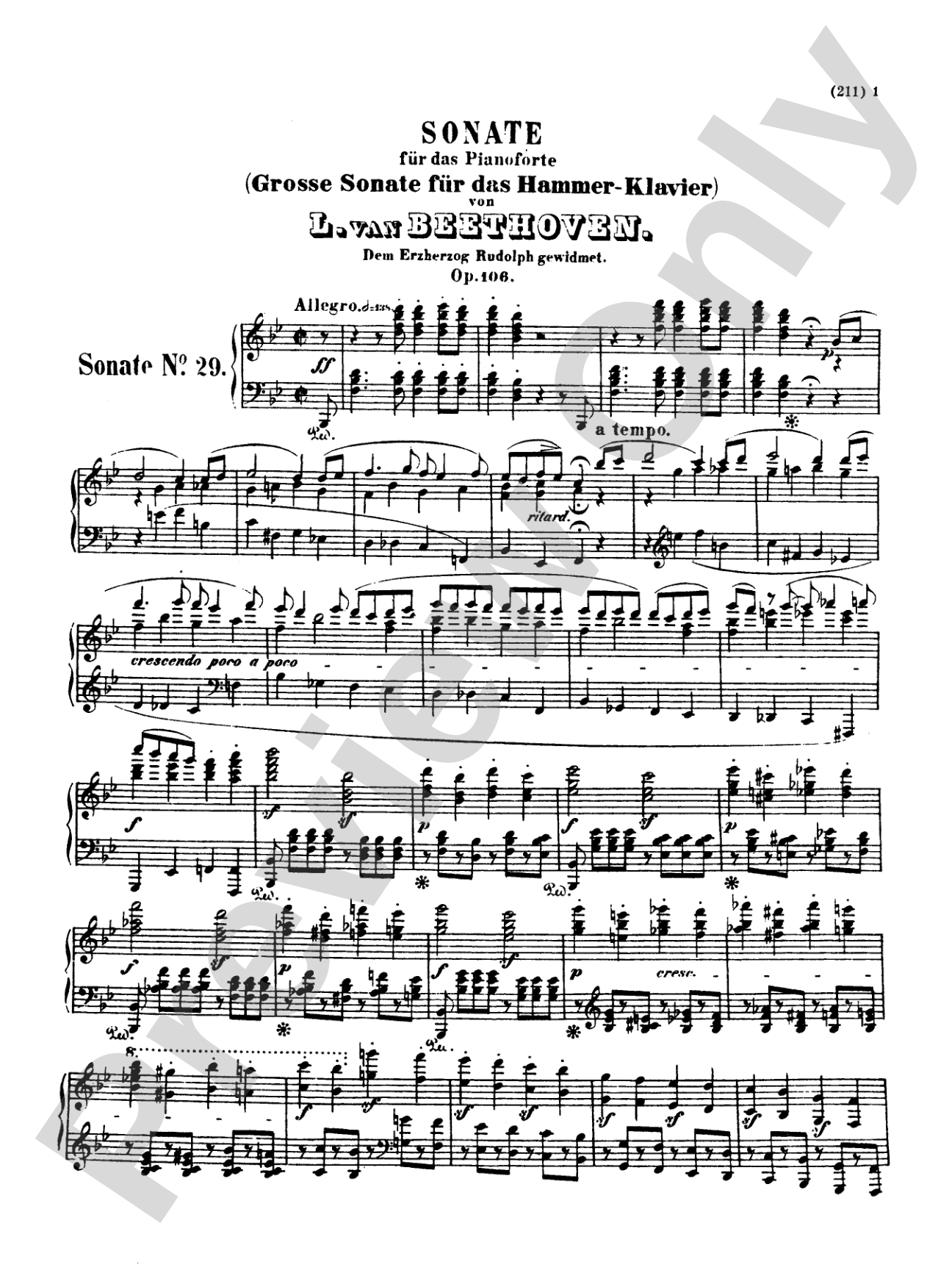
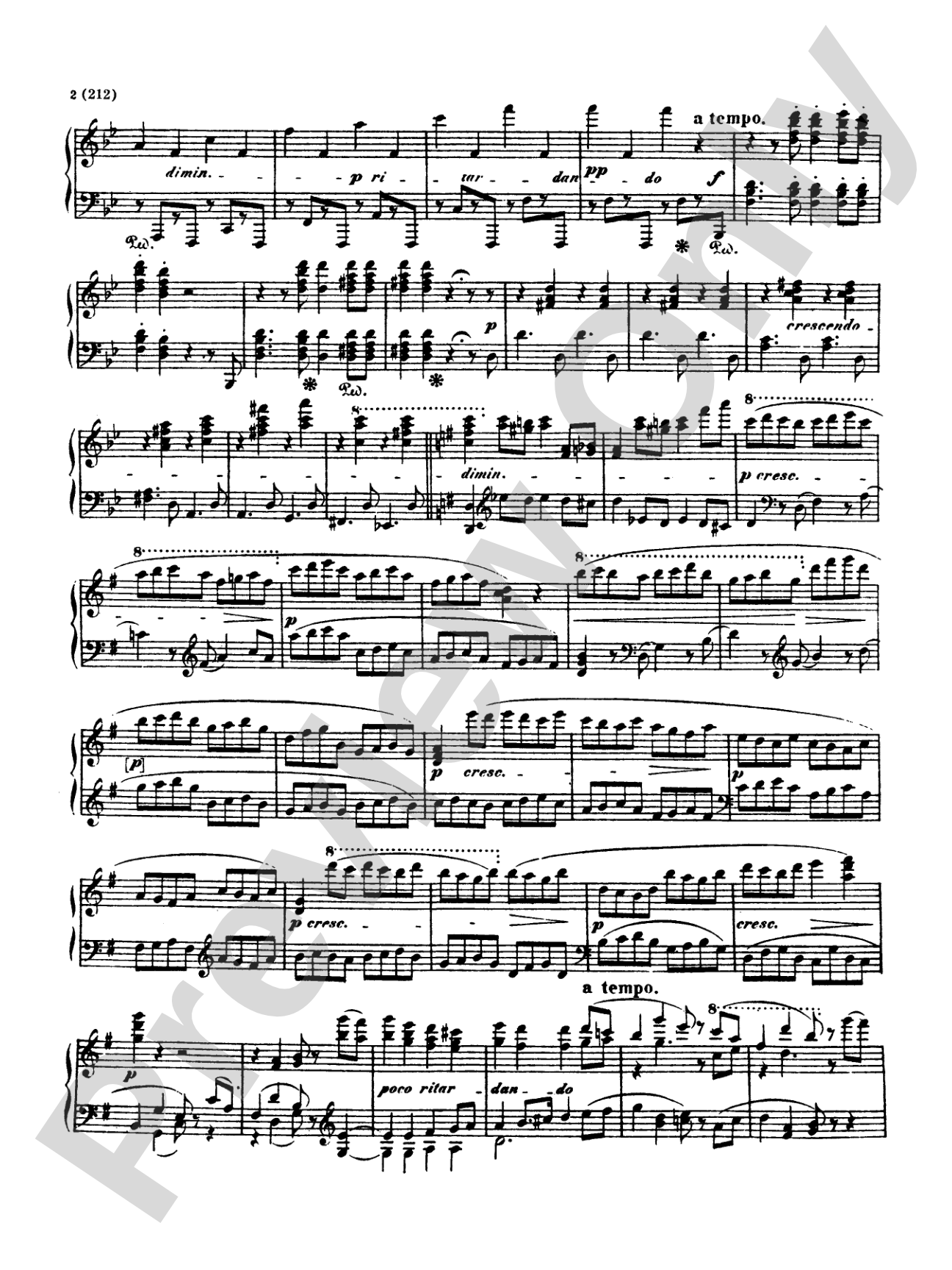
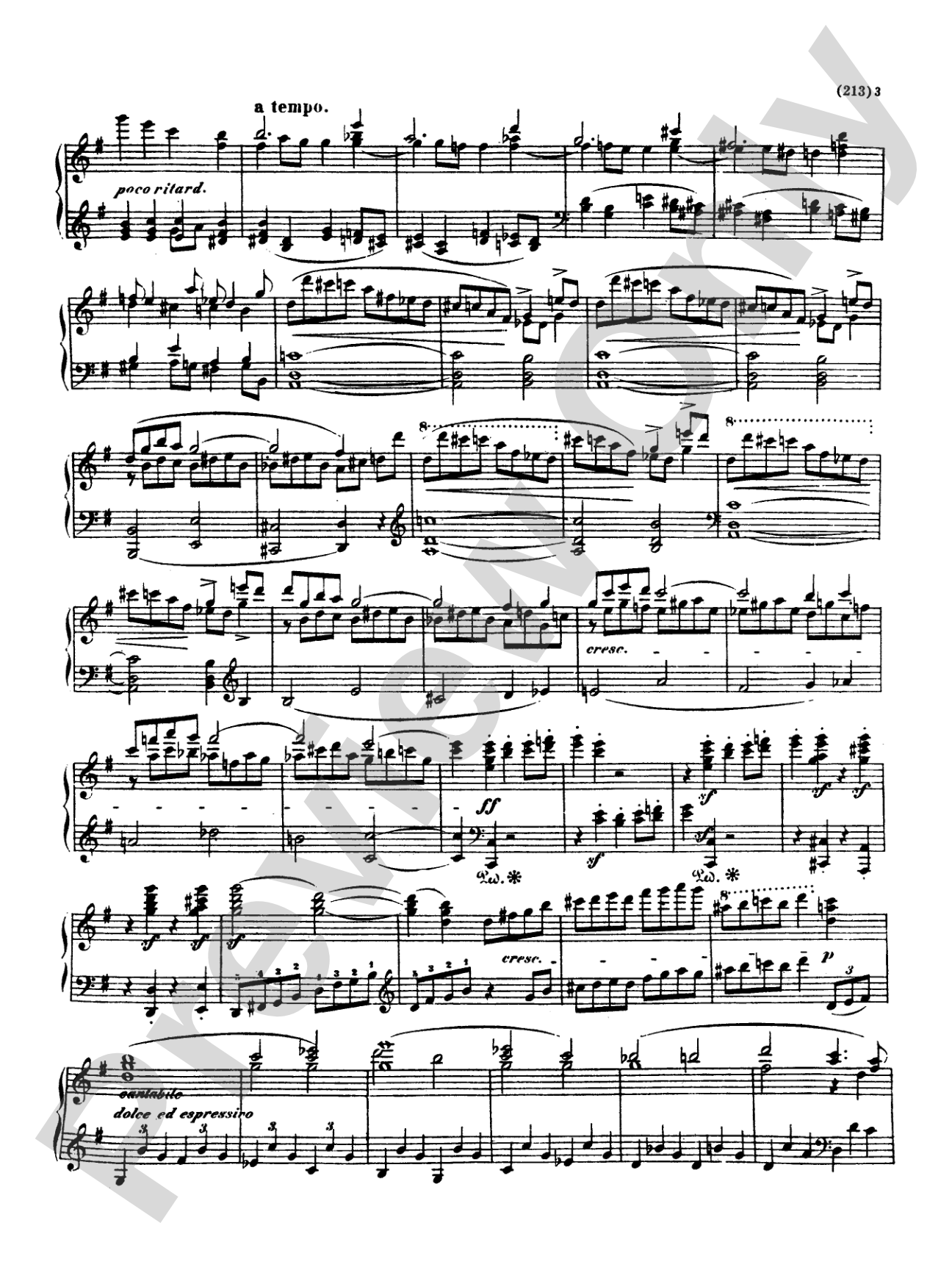
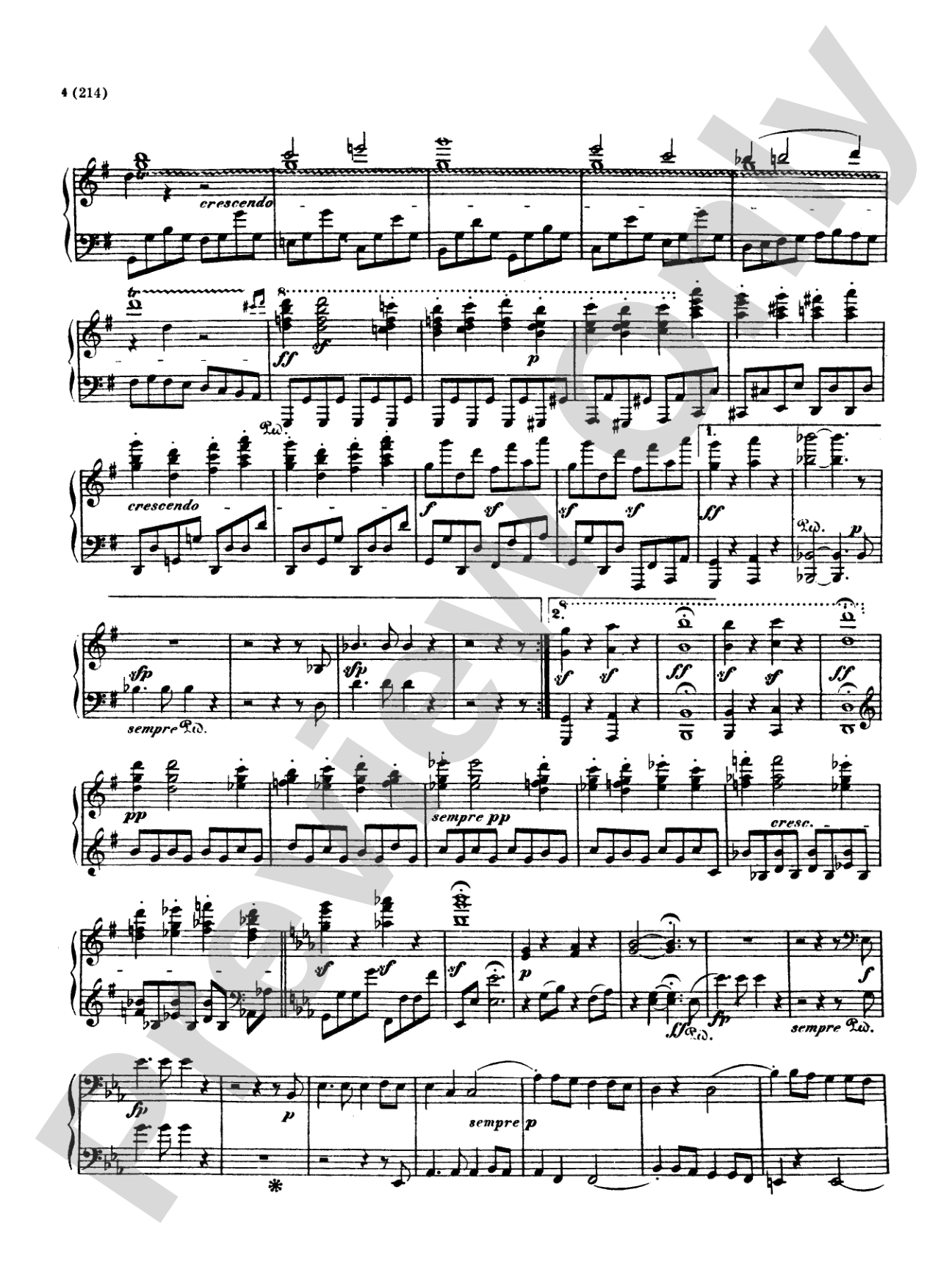
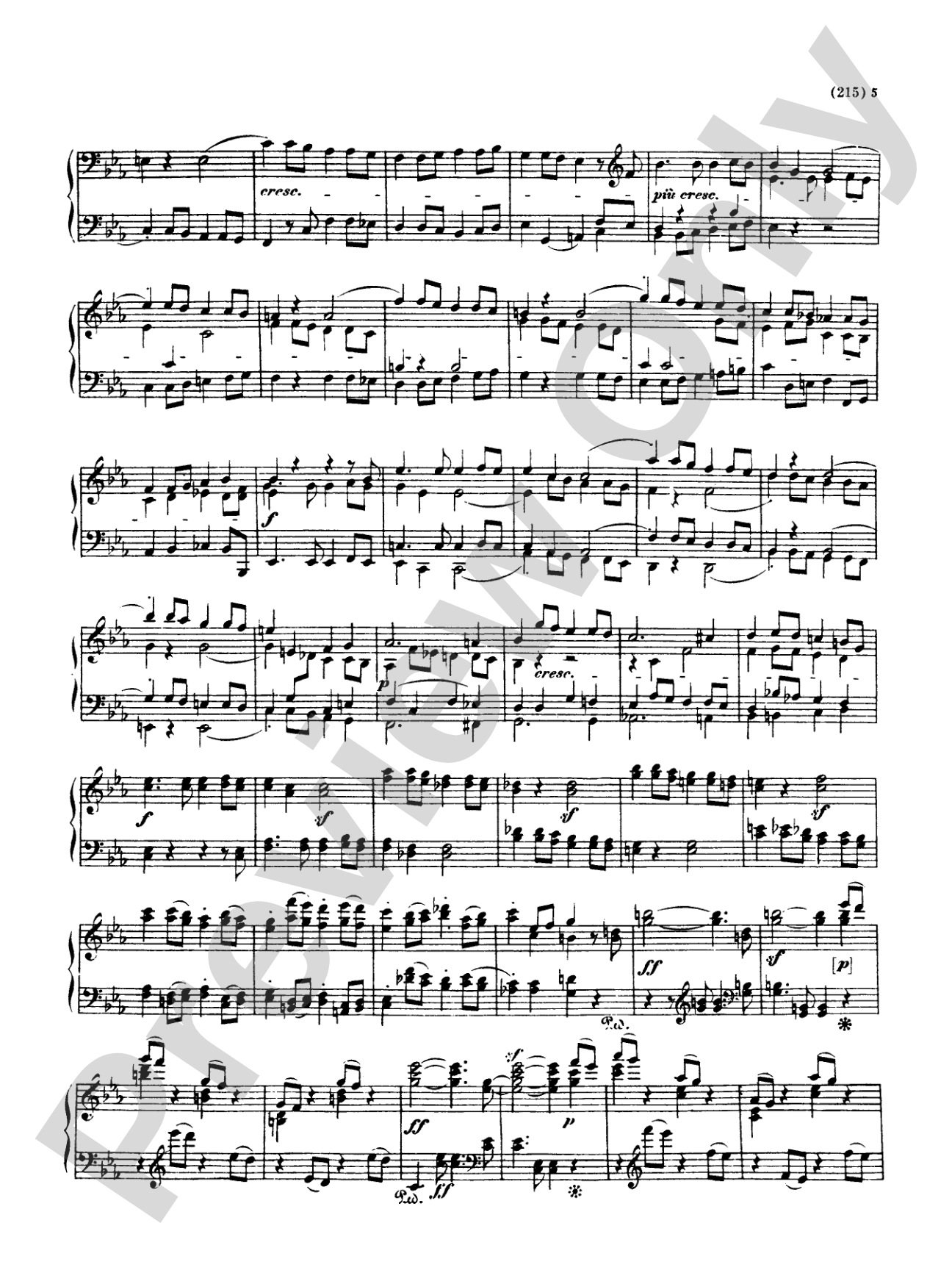
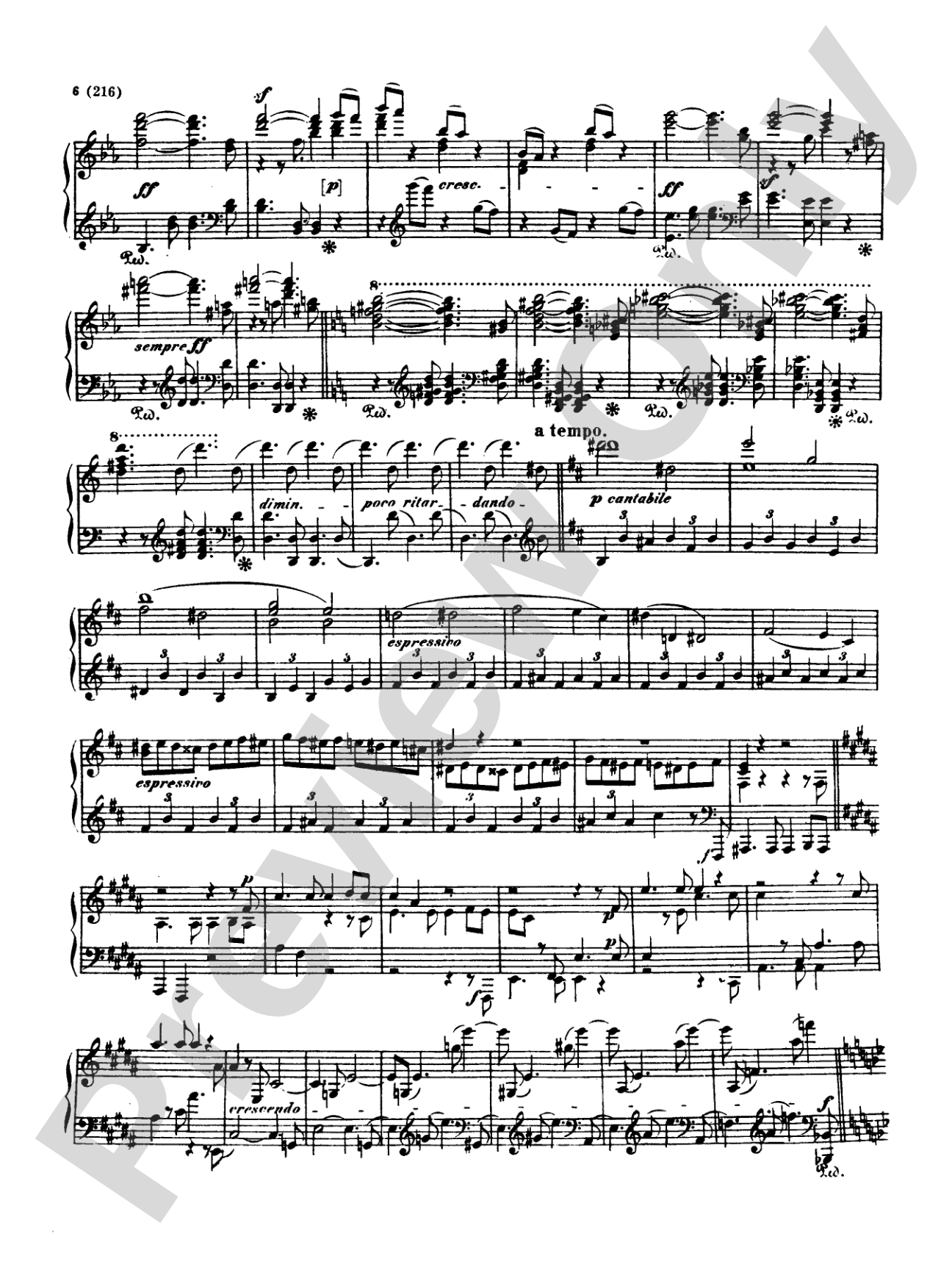
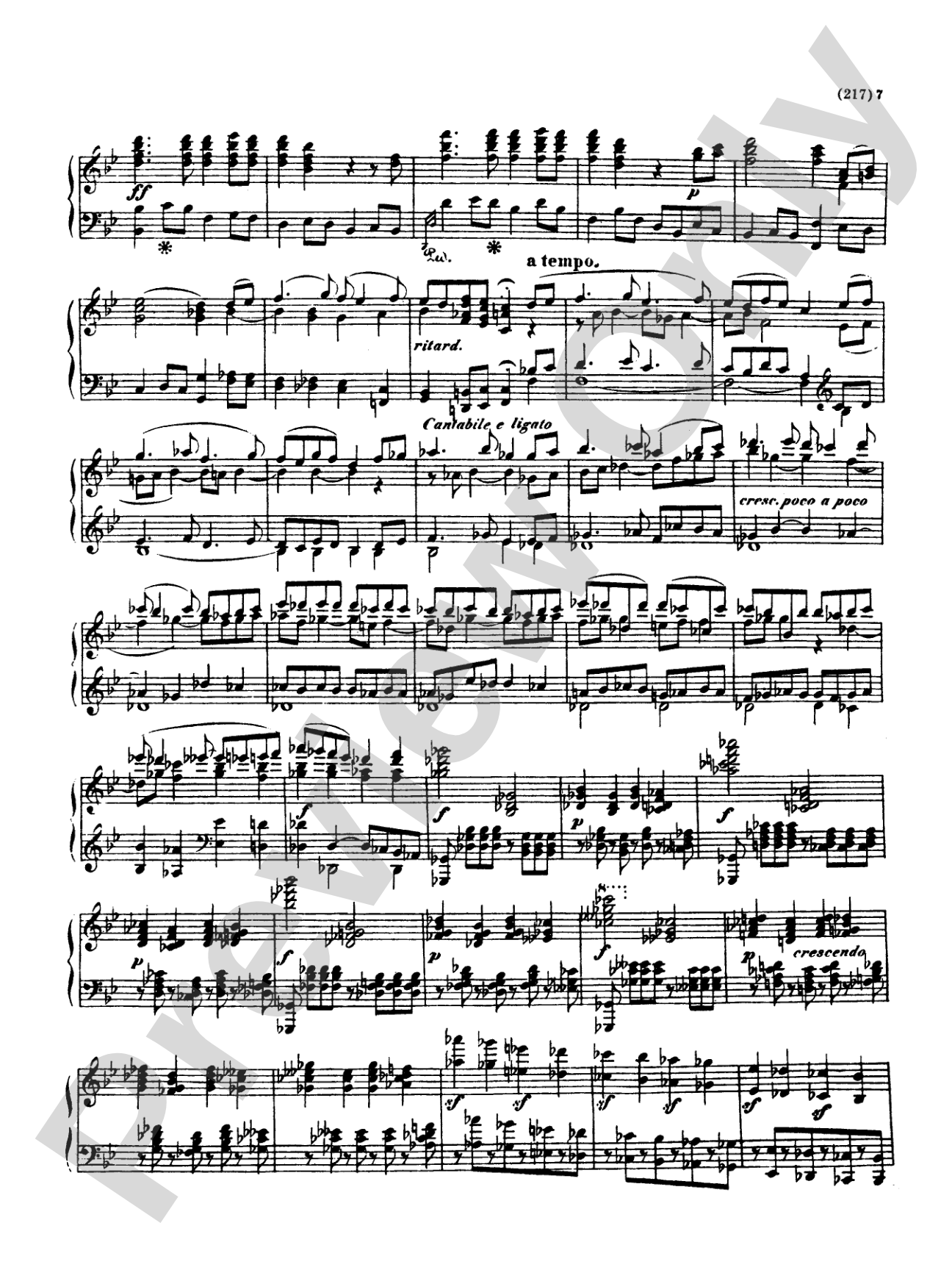
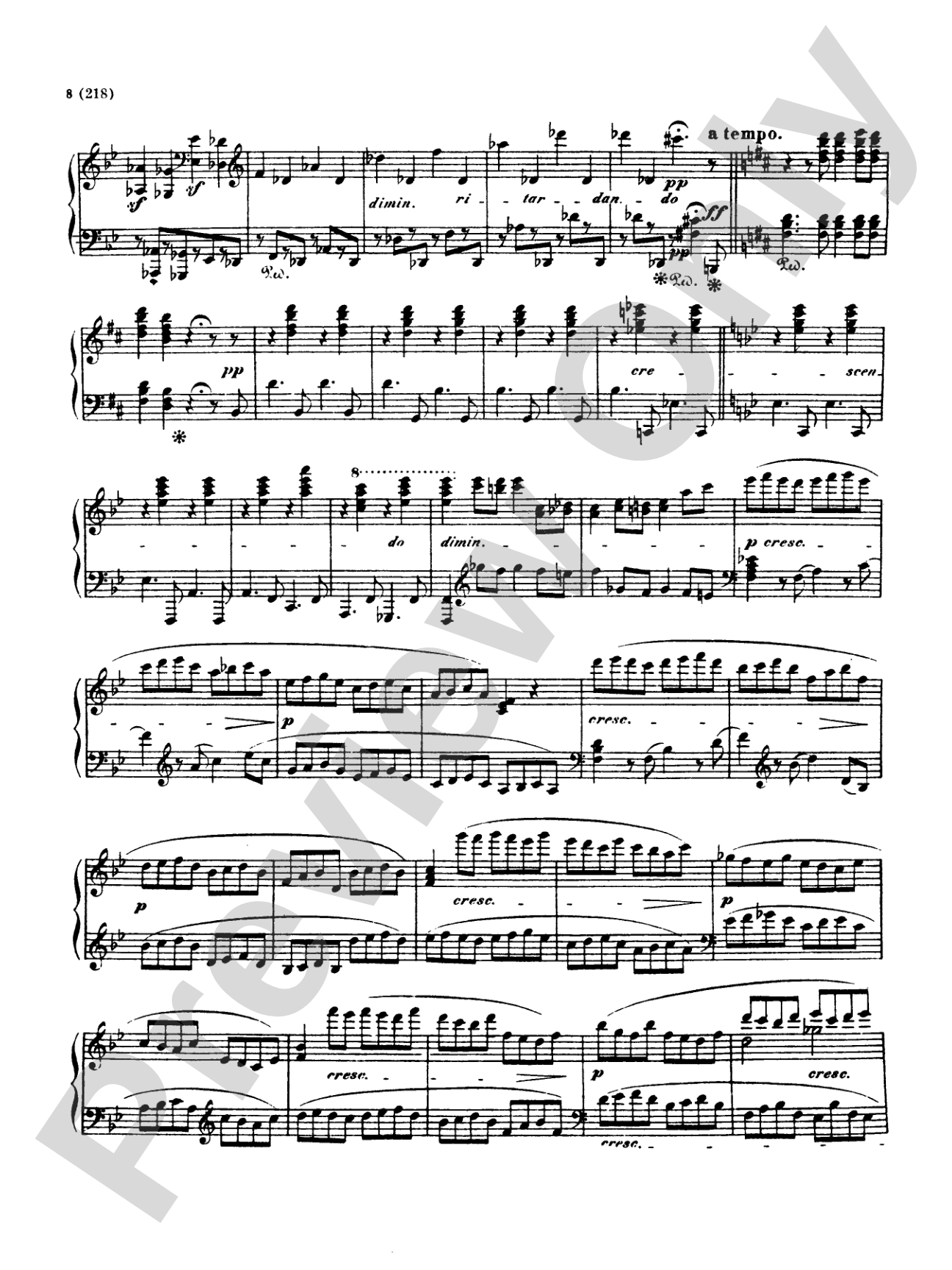
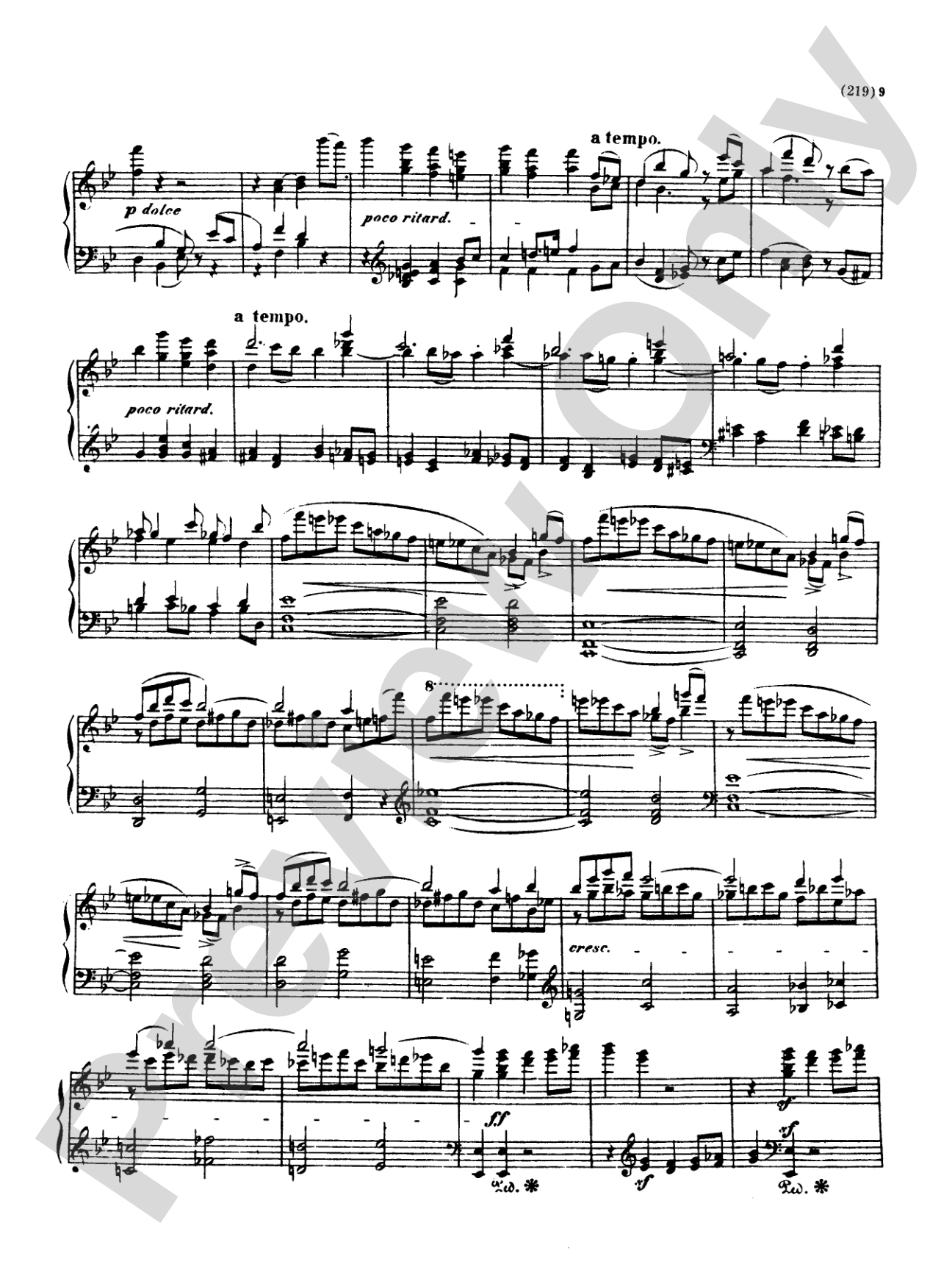

Beethoven: Sonatas (Urtext), Volume II
By Ludwig van Beethoven
Level: Advanced
Item: 00-PC-0005236
$0.99
Pickup currently not available
Description
Contents: No. 16 in G Major * No. 17 in D Minor * No. 18 in E-Flat Major * No. 19 in G Minor * No. 20 in G Major * No. 21 in C Major * No. 22 in F Major * No. 23 in F Minor * No. 24 in F-sharp Major * No. 25 in G Major * No. 26 in E-Flat Major * No. 27 in E Minor * No. 28 in A Major * No. 29 in B-Flat Major * No. 30 in E Major * No. 31 in A-Flat Major * No. 32 in C Minor.


Don't just read it, hear it, play along with it, and watch your students grow with it. In MakeMusic Cloud, Beethoven: Sonatas (Urtext), Volume II comes alive with professional accompaniment, adjustable tempo, and built-in practice tools that turn solo practice into real progress.
Open in the Player
Jump straight in and assign it today.
Start Your Free Trial
Open this title and explore the full library in minutes.
Sample Audio
No sample audio found.
Sample Video
No sample videos found.
Additional Details
Series:
Kalmus Edition
Publisher:
Alfred Music
Page Count:
320
SKU:
00-PC-0005236
More about this title
About the Composer: Ludwig van Beethoven
Ludwig van Beethoven (1770-1827) stands as the bridge between Classical and Romantic eras, a composer whose pianistic innovations fundamentally expanded what the instrument could express. His 32 piano sonatas chronicle his artistic evolution across four decades, moving from the formal structures of Haydn and Mozart toward increasingly introspective and formally audacious works that anticipate modernism.
Why we love this
This Urtext edition captures Beethoven's later sonatas in their most authentic form, without editorial interpretation layered on top. Advanced pianists working through this repertoire gain access to the composer's actual notation and intent, making it essential for serious study of the Romantic sonata.
What to expect
These 17 sonatas range from intimate introspection to architectural grandeur. You encounter tender lyricism in G Major (No. 25), philosophical struggle in the opening of the Hammerklavier (No. 29), and transcendent acceptance in the final C Minor Sonata (No. 32). Each work demands technical command, but more importantly, asks you to sustain long-form narrative arc and emotional honesty.
Who it's for
Advanced pianists and conservatory students engaging with the later Beethoven sonatas as cornerstones of Romantic repertoire. This collection serves pianists preparing recital programs, studying sonata form evolution, or deepening their understanding of Beethoven's artistic trajectory.
How to get the most out of it
- Study each sonata's structural architecture before diving into details; Beethoven's later works often defy conventional sonata form, and understanding his harmonic logic prevents interpretive mistakes.
- Mark phrase endings and harmonic arrivals clearly in your score; these sonatas demand conscious architectural shaping across long lines, not just local expression.
- Approach the fugal passages (especially in No. 28 and No. 29) as contrapuntal study, not merely ornamental texture; clarity of voice independence serves the music's philosophical weight.
- Use the pedal sparingly in earlier movements and reserve atmospheric pedaling for the late-period works where harmonic innovation justifies sustained resonance.
How to use it
Select individual sonatas for faculty recitals or advanced student recitals rather than performing the entire volume; pairing contrasting works from this collection (perhaps a lyrical G Major alongside a turbulent F Minor) showcases Beethoven's expressive range. These sonatas also anchor semester-long studies of Classical-to-Romantic transition or serve as capstone works in advanced piano curricula.
Skills your students will build
- Reading and interpreting Urtext notation without editorial interference
- Sustaining large-scale formal structures across multiple movements
- Executing complex rhythmic figures and syncopation in late Beethoven idiom
- Managing harmonic density and voice independence in contrapuntal sections
- Controlling dynamic gradation and tonal shaping across extended phrases
- Navigating rapid passagework and octave passages requiring both precision and power