

Beethoven: Sonatas (Urtext), Volume IB
For Advanced Piano
By Ludwig van Beethoven
Level: Advanced
Item: 00-PC-0005220
$1.99
Pickup currently not available
Description
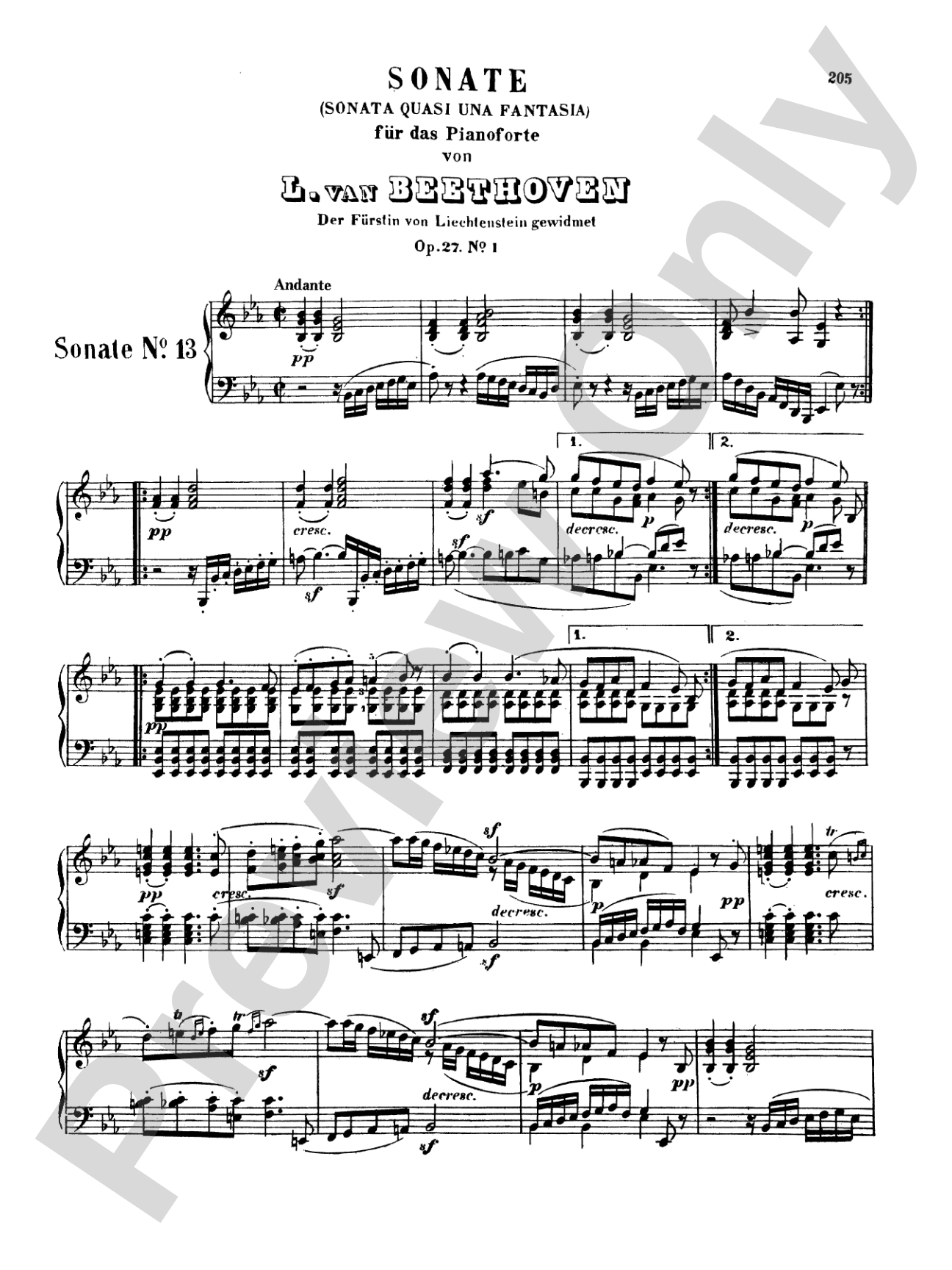
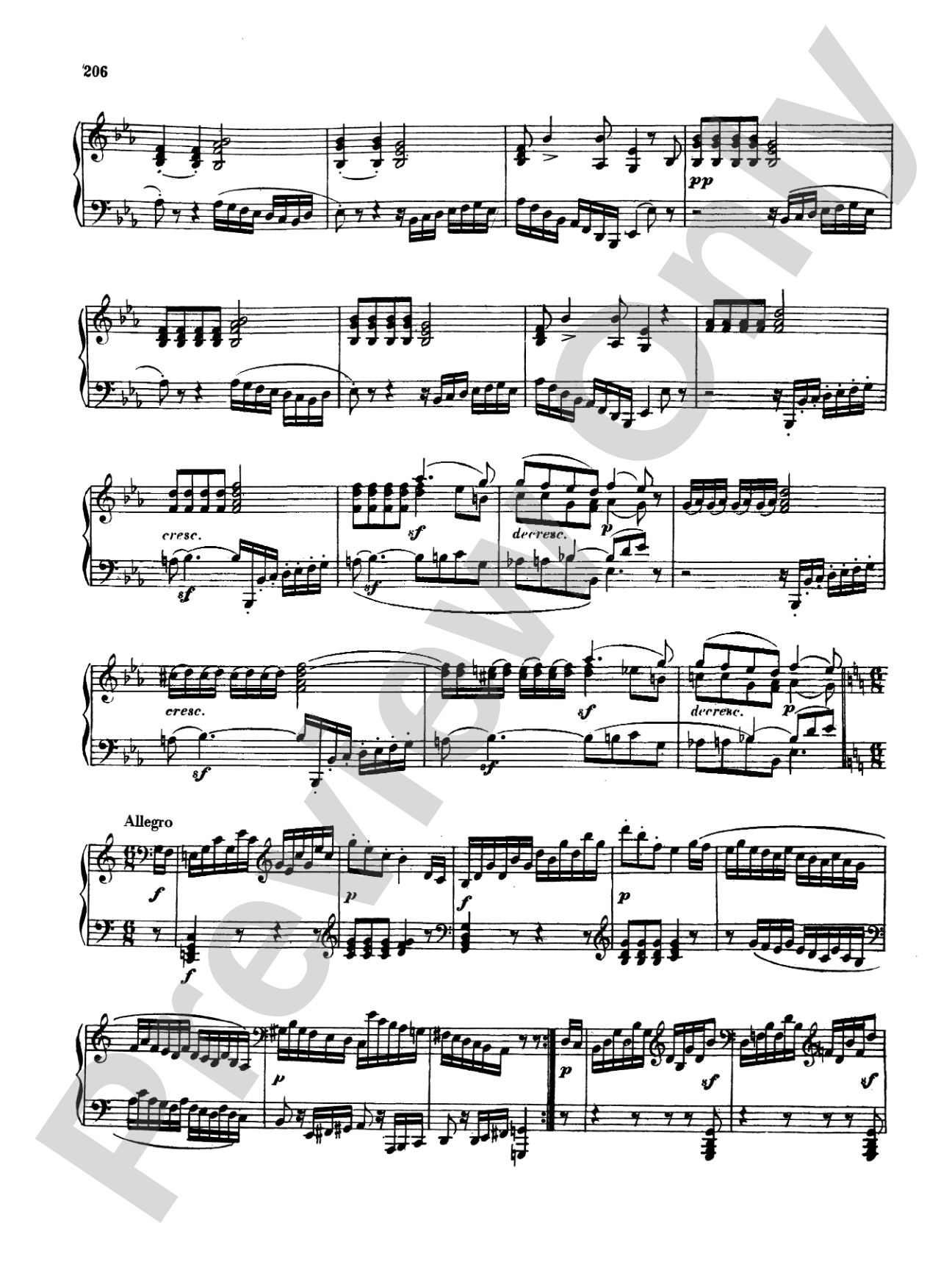
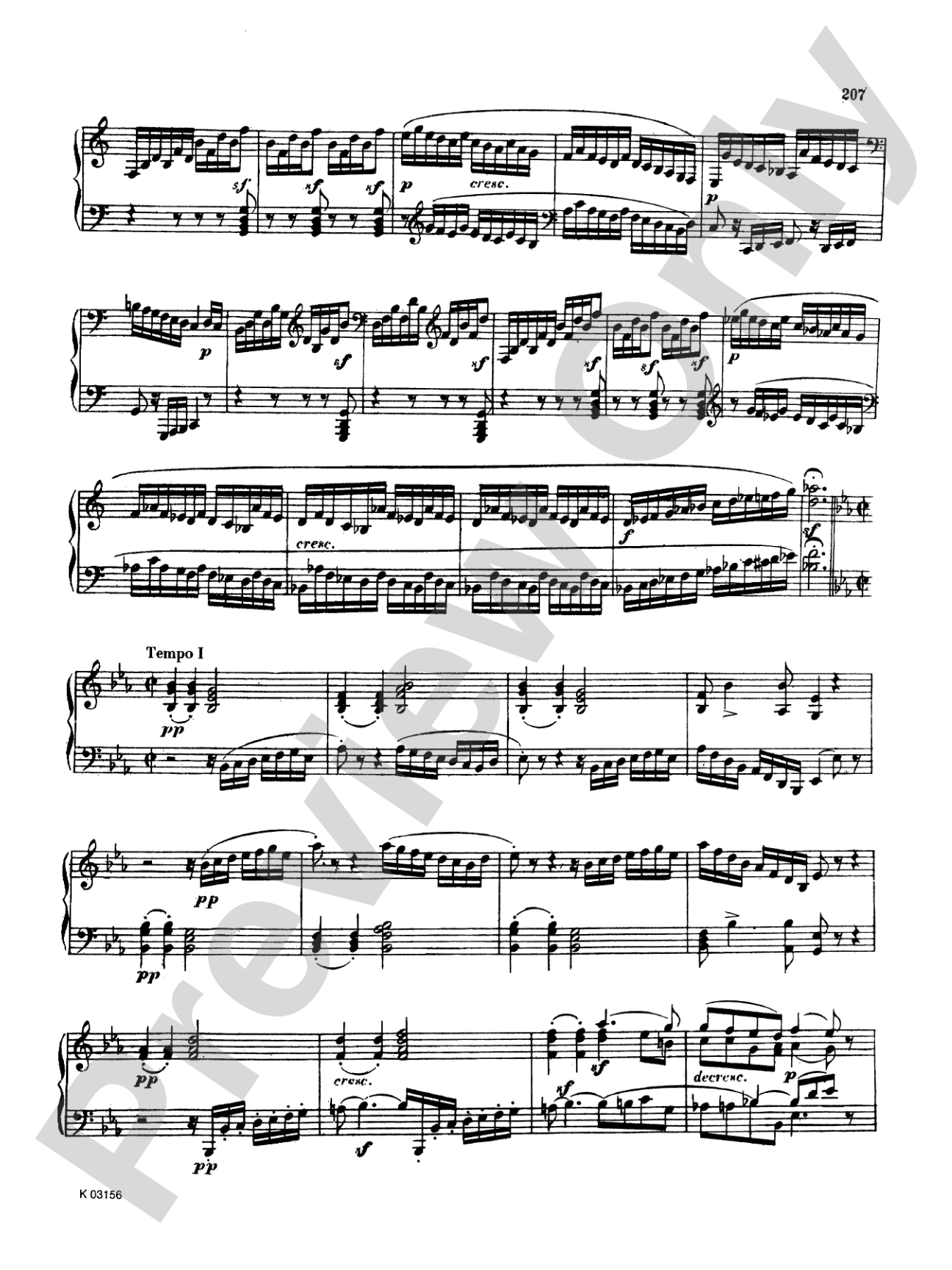
This "Urtext Edition" of Beethoven's Piano Sonatas, Nos. 8-15, includes editorial and performance notes by Carl Krebs (Berlin, March 1898). Includes: Sonata No. 8, Op. 13 ("Pathetique") * Sonata No. 9, Op. 14, No. 1 * Sonata No. 10, Op. 14, No. 2 * Sonata No. 11, Op. 22 * Sonata No. 12, Op. 26 * Sonata No. 13, Op. 27, No. 1, (Quasi Fantasia) * Sonata No. 14, Op. 27, No. 2, (Quasi Fantasia, "Moonlight Sonata") * Sonata No. 15, Op. 28, (Pastorale).


Don't just read it, hear it, play along with it, and watch your students grow with it. In MakeMusic Cloud, Beethoven: Sonatas (Urtext), Volume IB comes alive with professional accompaniment, adjustable tempo, and built-in practice tools that turn solo practice into real progress.
Open in the Player
Jump straight in and assign it today.
Start Your Free Trial
Open this title and explore the full library in minutes.
Sample Audio
No sample audio found.
Sample Video
No sample videos found.
Additional Details
Series:
Kalmus Edition
Publisher:
Alfred Music
Page Count:
140
SKU:
00-PC-0005220
More about this title
About the Composer: Ludwig van Beethoven
Ludwig van Beethoven (1770-1827) transformed the piano sonata from a galant entertainment into a vehicle for profound philosophical and emotional expression. His 32 sonatas span his entire creative life and document his evolution from Classical conventions toward the expansive formal ambitions of Romanticism, making them essential study for pianists seeking to understand how the genre itself matured across two centuries.
As a pedagogue and reformer, Beethoven demanded technical mastery from his students but always in service of musical substance. His sonatas remain among the most frequently performed and taught works in the piano repertoire precisely because they require pianists to balance virtuosity with interpretive depth, and they reward both the advancing student and the concert professional with inexhaustible musical content.
Why we love this
This Urtext edition presents eight sonatas spanning Beethoven's middle period, from the grief-stricken intensity of the Pathétique to the introspective experiments of the Quasi Fantasia works. Carl Krebs's editorial notes ground performers in historically informed choices without imposing interpretive dogma, letting the score itself guide decisions about tempo, dynamics, and structural clarity. For serious pianists, this collection anchors a season of study or performance in texts that honor Beethoven's own intentions.
What to expect
These eight works move through emotional landscapes of striking breadth: from the stormy turbulence and resignation of the Pathétique to the intimate, almost conversational exchanges in the two Quasi Fantasia sonatas. The Pastorale offers pastoral serenity, while the other works blend Enlightenment clarity with proto-Romantic yearning, creating a sonic world where structure and feeling are inseparable.
Who it's for
Advanced pianists preparing for recitals, competitions, or comprehensive study of the sonata repertoire will benefit from this Urtext approach. Conservatory students and serious amateurs tackling Beethoven's middle-period works need editions that prioritize fidelity to the composer's notation without editorial interference.
How to get the most out of it
- Attend carefully to Beethoven's repeated dynamic markings within phrases; these often signal structural turning points or emotional shifts rather than mere emphasis. Resist the Romantic impulse to smooth over his sudden contrasts.
- Test different voicing choices in multi-textured passages, especially in the development sections. The Urtext reveals voice-leading decisions that period editions may have obscured under added expression marks.
- Balance technical security with expressive risk. These sonatas demand both the ability to execute rapid passagework cleanly and the interpretive courage to sustain long lines without rushing or adding unnecessary pedal.
- Study the slow movements as carefully as the fast ones. Beethoven's adagios and andantes contain some of his most adventurous harmonic writing and require supreme control of tone color and timing.
How to use it
This collection functions well as a thematic programming anchor for a concert or recital series focused on Beethoven's formal innovations or emotional range. A single sonata from this volume pairs naturally with contemporary works by Schubert or Brahms, or you might program two contrasting works (the Pathétique and the Moonlight, for instance) to showcase different facets of Beethoven's artistic vision. For students, working through this volume across an academic year provides steady engagement with progressively demanding material.
Skills your students will build
- Control of large-scale structural architecture across four-movement and three-movement forms
- Navigation of Beethoven's harmonic innovation, including chromatic voice-leading and rapid key relationships
- Distinction between Classical phrase structure and Romantic expansiveness within the same work
- Pedal technique for sustaining color in slow movements while maintaining clarity in fast passages
- Interpretive choices that honor Urtext notation while developing personal artistic voice