
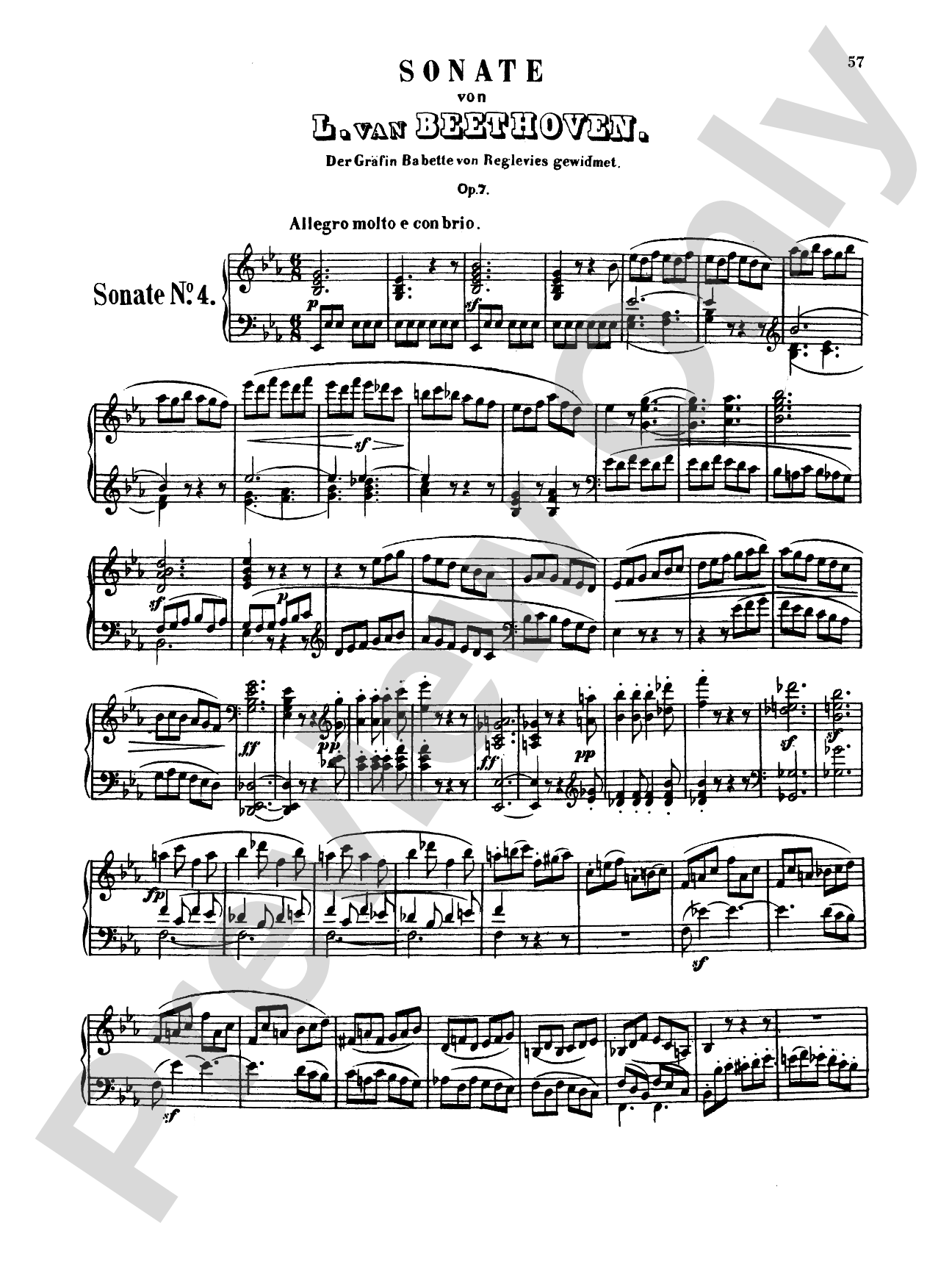
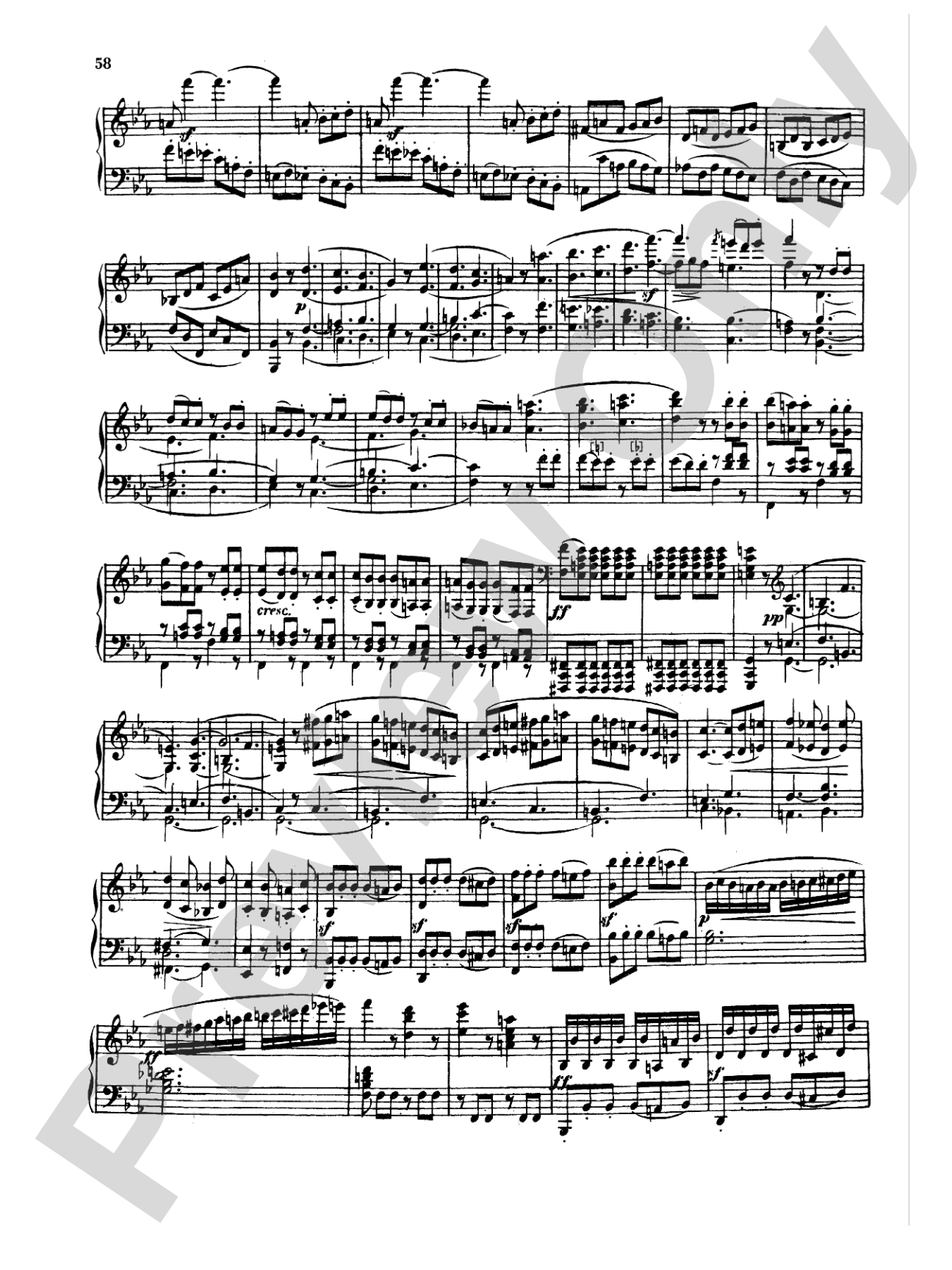
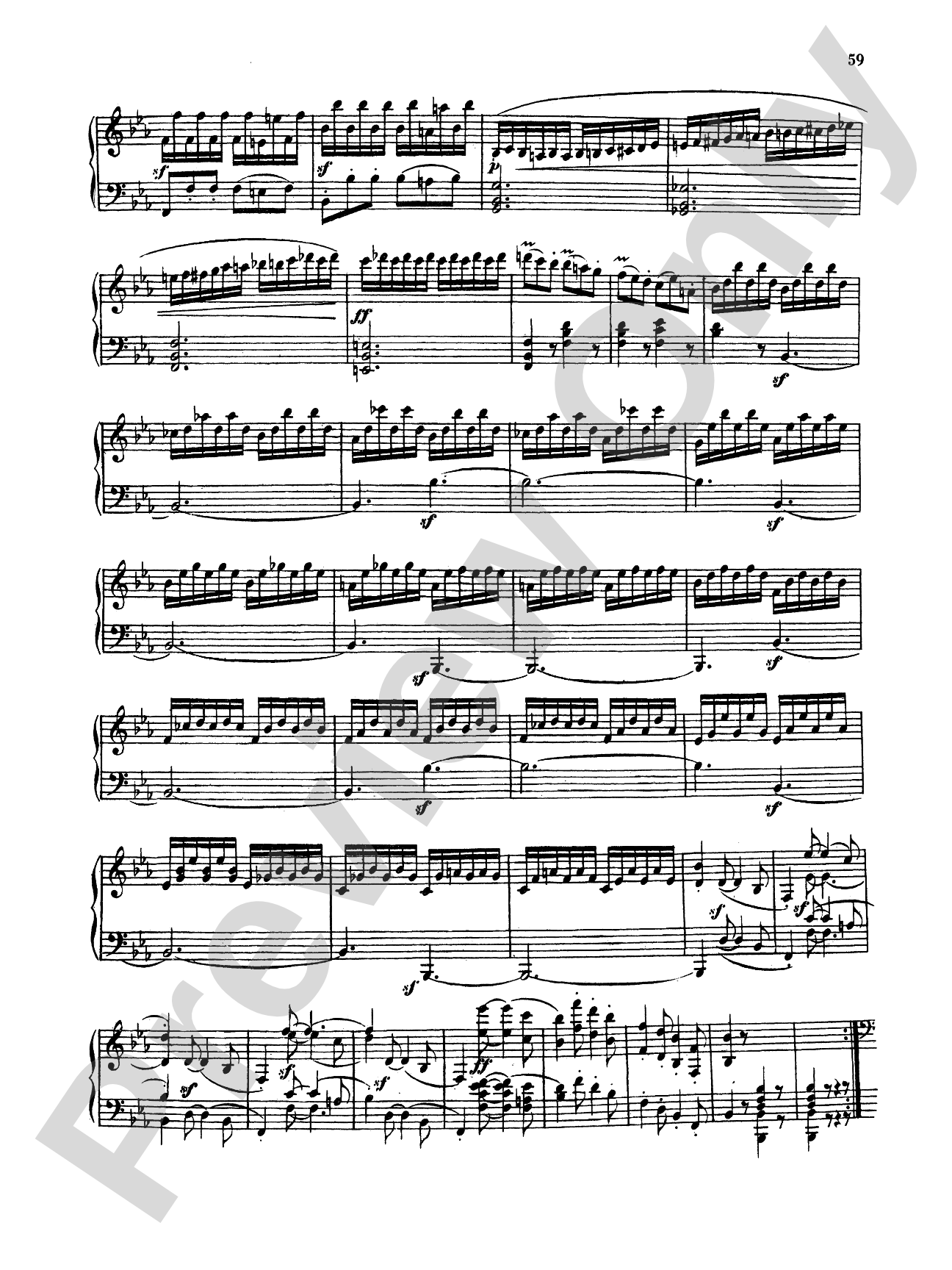
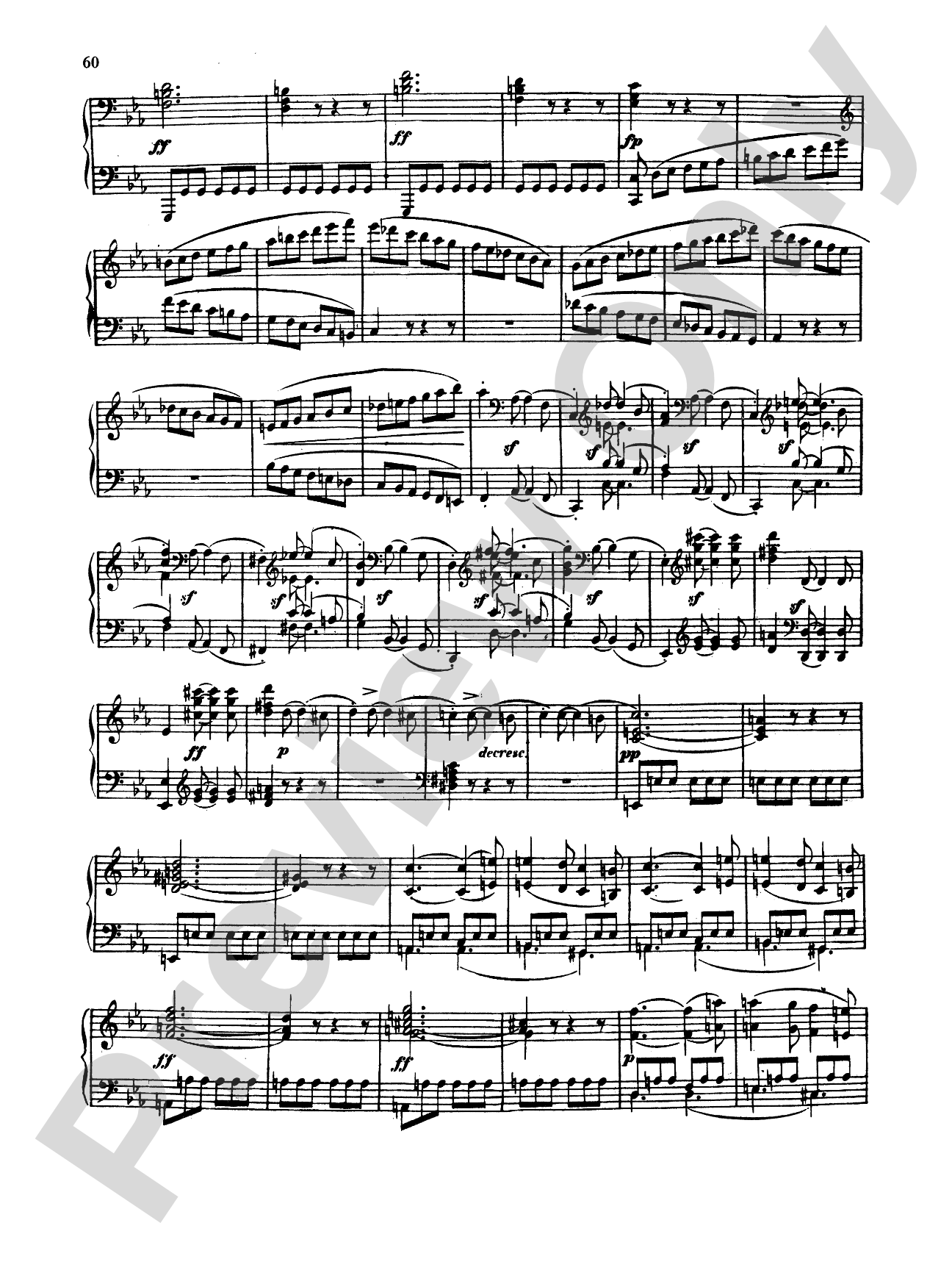
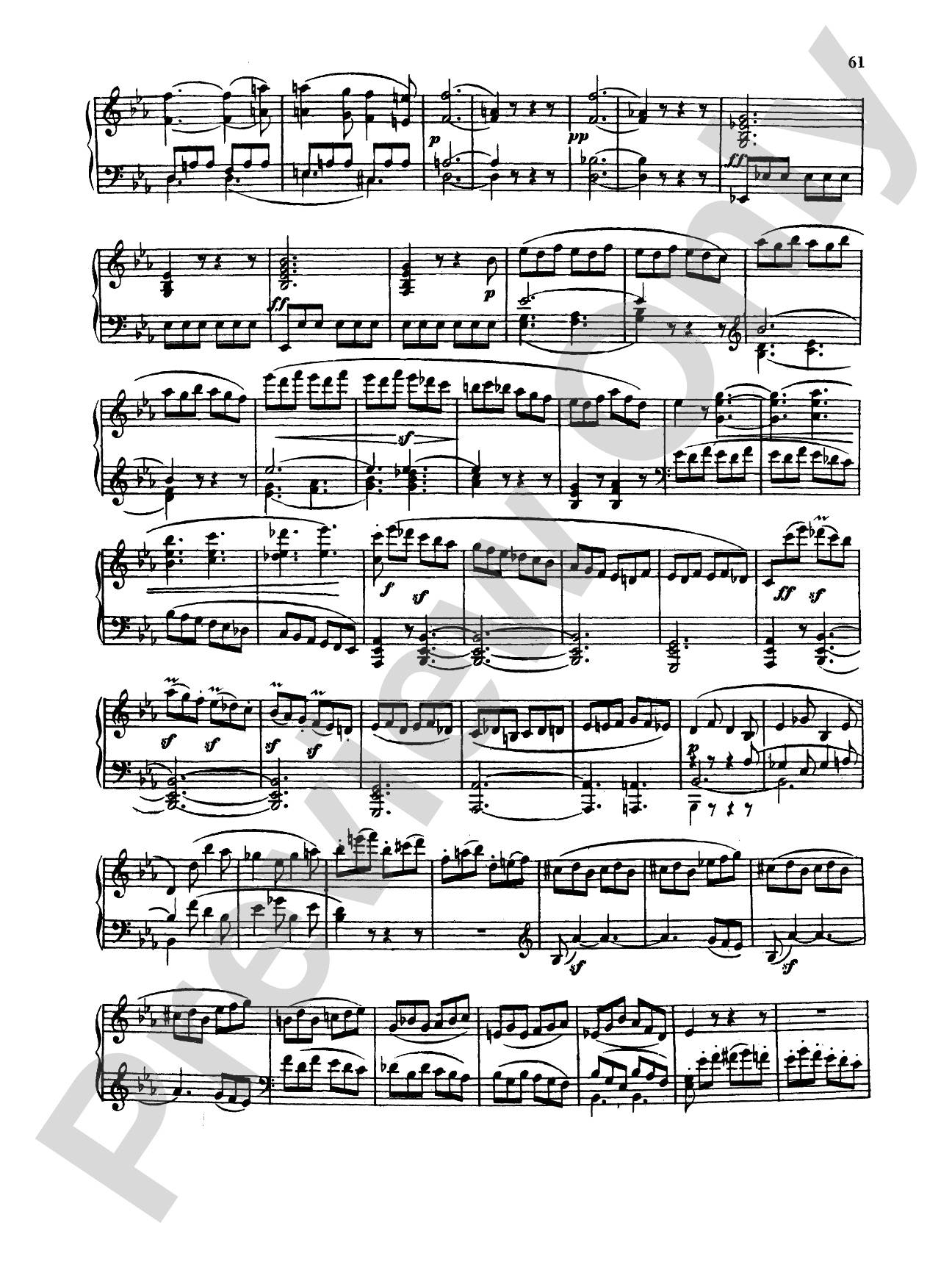

Beethoven: Sonatas (Urtext), Volume IA
For Advanced Piano
By Ludwig van Beethoven
Level: Advanced
Item: 00-PC-0005211
$1.95
Pickup currently not available
Description
This "Urtext Edition" of Beethoven's Piano Sonatas, Nos. 1-7, includes editorial and performance notes by Carl Krebs (Berlin, March 1898). Includes: Sonata No. 1, Op. 2, No. 1 * Sonata No. 2, Op. 2, No. 2 * Sonata No. 3, Op. 2, No. 3 * Sonata No. 4, Op. 7 * Sonata No. 5, Op. 10, No. 1 * Sonata No. 6, Opus 10, No. 2 * Sonata No. 7, Opus 10, No. 3.


Don't just read it, hear it, play along with it, and watch your students grow with it. In MakeMusic Cloud, Beethoven: Sonatas (Urtext), Volume IA comes alive with professional accompaniment, adjustable tempo, and built-in practice tools that turn solo practice into real progress.
Open in the Player
Jump straight in and assign it today.
Start Your Free Trial
Open this title and explore the full library in minutes.
Sample Audio
No sample audio found.
Sample Video
No sample videos found.
Additional Details
Series:
Kalmus Edition
Publisher:
Alfred Music
Page Count:
132
SKU:
00-PC-0005211
More about this title
About the Composer: Ludwig van Beethoven
Ludwig van Beethoven (1770-1827) revolutionized the piano sonata form, expanding it from a vehicle for aristocratic entertainment into a medium for profound artistic expression. His early sonatas, composed during his first decade in Vienna, already demonstrate the harmonic adventurousness and structural innovation that would define his legacy, moving beyond the Classical templates of Haydn and Mozart to explore new possibilities in key relationships, thematic development, and emotional range.
Why we love this
An Urtext edition grounded in Beethoven's original intentions, this collection preserves the composer's notation while offering Carl Krebs's interpretive guidance for pianists navigating sonatas that sit at the threshold between Classical restraint and Romantic intensity. Programming all seven early sonatas across a season (or selecting individual works for recitals) gives advanced students a coherent narrative of Beethoven's evolving voice during his most prolific period.
What to expect
These seven sonatas pulse with youthful ambition tempered by structural discipline. You encounter sudden key shifts that feel almost reckless, lyrical passages of genuine tenderness, and finale rhythms that drive forward with relentless energy. The writing sits comfortably under the hand while demanding nuance and stamina; Beethoven respects the instrument without surrendering his voice to it.
Who it's for
Advanced pianists preparing for conservatory auditions, recitals, or graduate-level study will find these sonatas essential to their technical and interpretive development. This Urtext edition serves students and professionals who want to engage with Beethoven's early compositional thinking on historically informed terms, rather than relying solely on 20th-century editorial interventions.
How to get the most out of it
- Study the editorial notes alongside the score; Krebs's annotations illuminate historical performance practice and clarify passages where 19th-century printing conventions obscure Beethoven's intent.
- Attend to the harmonic surprises Beethoven plants in development sections; these moments often reward a slight rhythmic elasticity rather than metronomic rigidity.
- Distinguish between the intimate, chamber-like quality of Op. 10, Nos. 1-2 and the architectural grandeur of Op. 7; each demands different voice-leading transparency at the keyboard.
- Shape the opening themes with character; Beethoven's early sonatas often present deceptively simple melodies that gain power only through precise articulation and dynamic control.
How to use it
Build a thematic recital around the Op. 2 triptych to showcase Beethoven's range at the threshold of his career, or pair Op. 7 with later works to trace harmonic evolution. Instructors working with advanced students over a full academic year can assign one sonata per month, creating a sustained conversation with early Beethoven that deepens semester by semester.
Skills your students will build
- Navigating extended harmonic modulations and unexpected key relationships
- Balancing structural clarity with Romantic-era emotional expression
- Interpreting performance directions and dynamics in Urtext notation
- Voicing Beethoven's contrapuntal textures transparently across the full keyboard
- Understanding the evolution of sonata form from Classical conventions toward expanded dimensions