

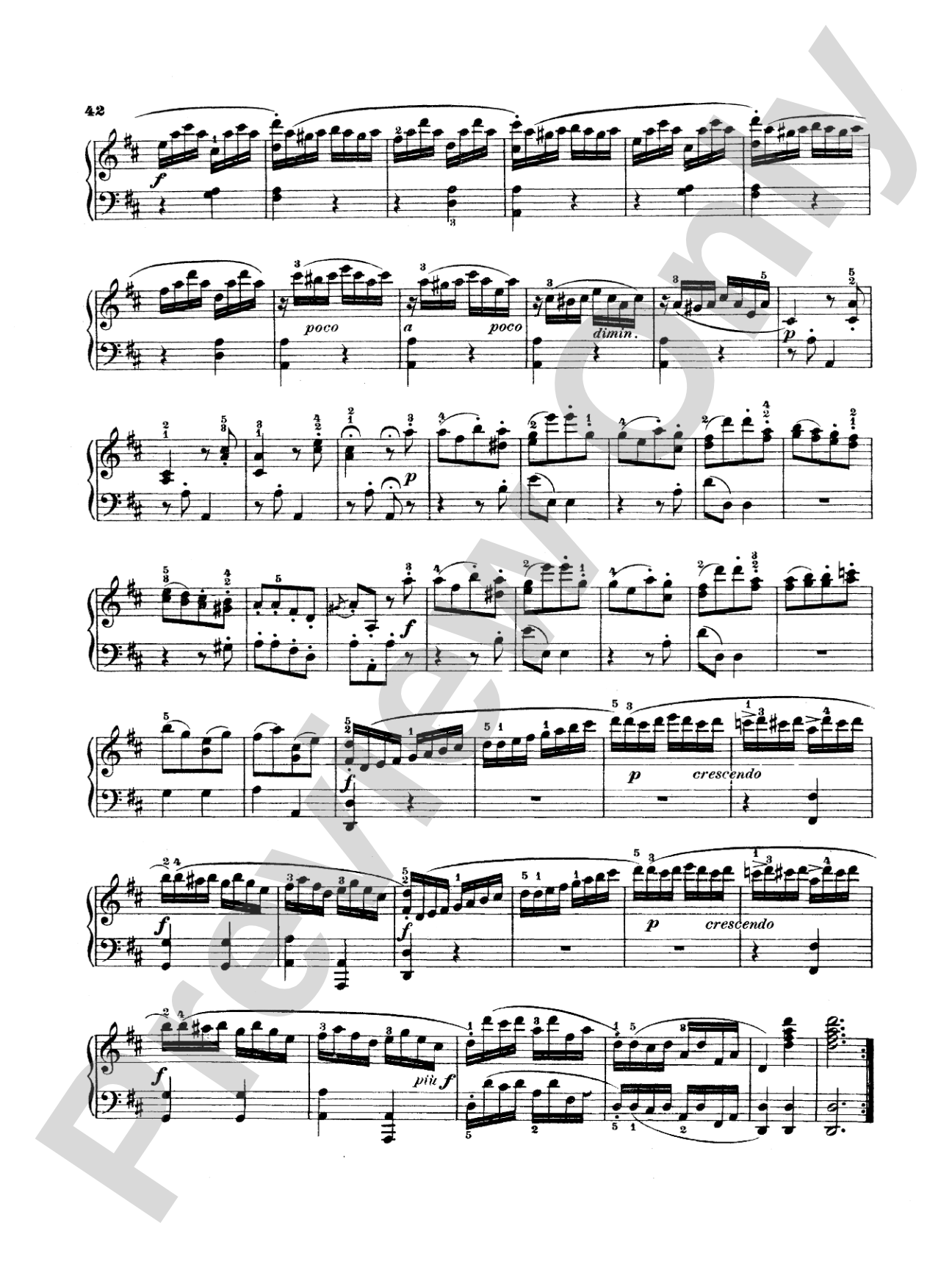



Beethoven: Sonata No. 3 in D Major: Piano
By Ludwig van Beethoven
Level: Advanced
Item: 00-PK-0002924

$6.99
Pickup currently not available
Buy Extra Parts (Digital PDF Download)
| Product | Price | Quantity |
|---|---|---|
| Beethoven: Sonata No. 3 in D Major | $3.99 |
Parts Added to Cart!
Description
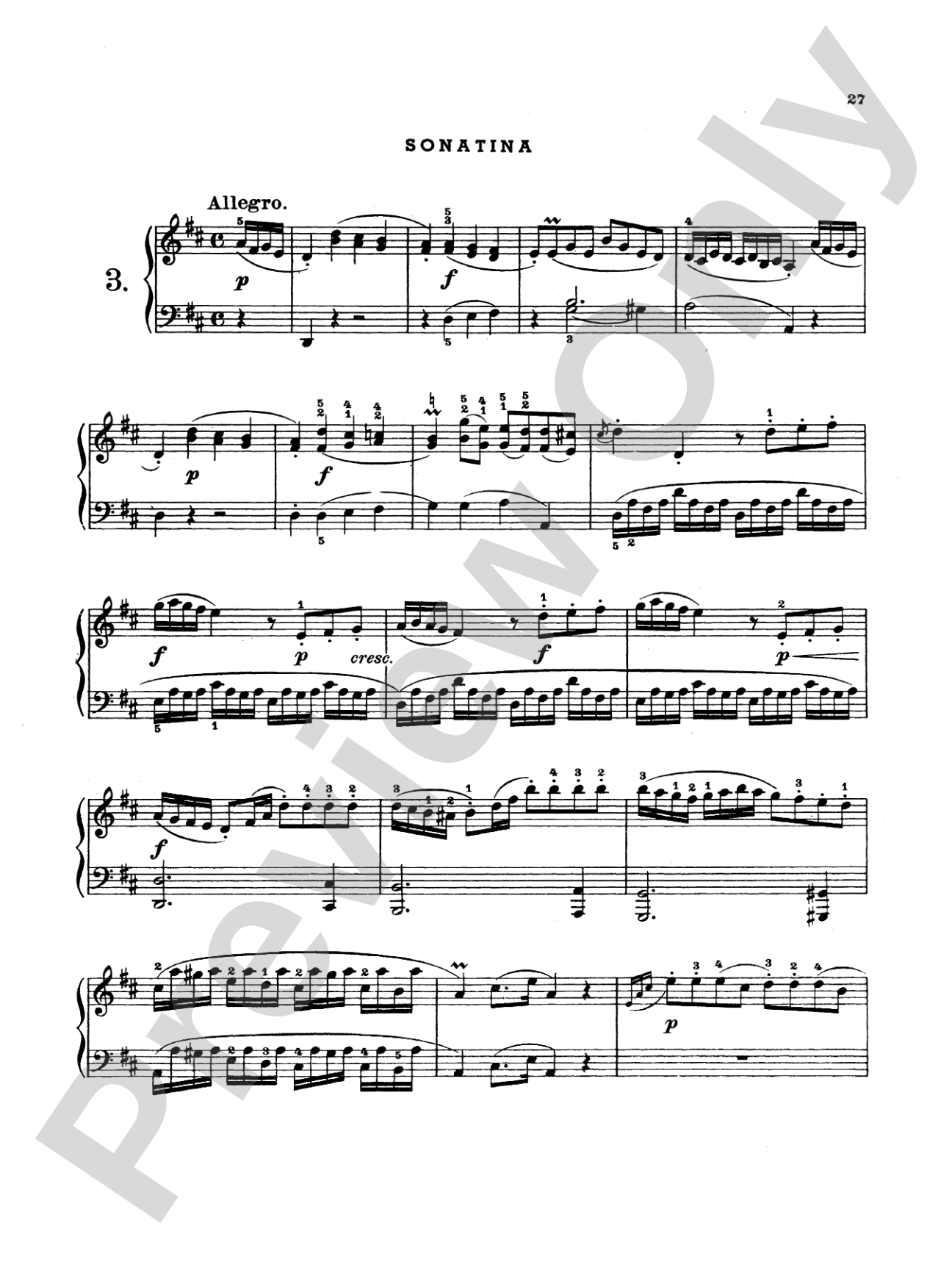
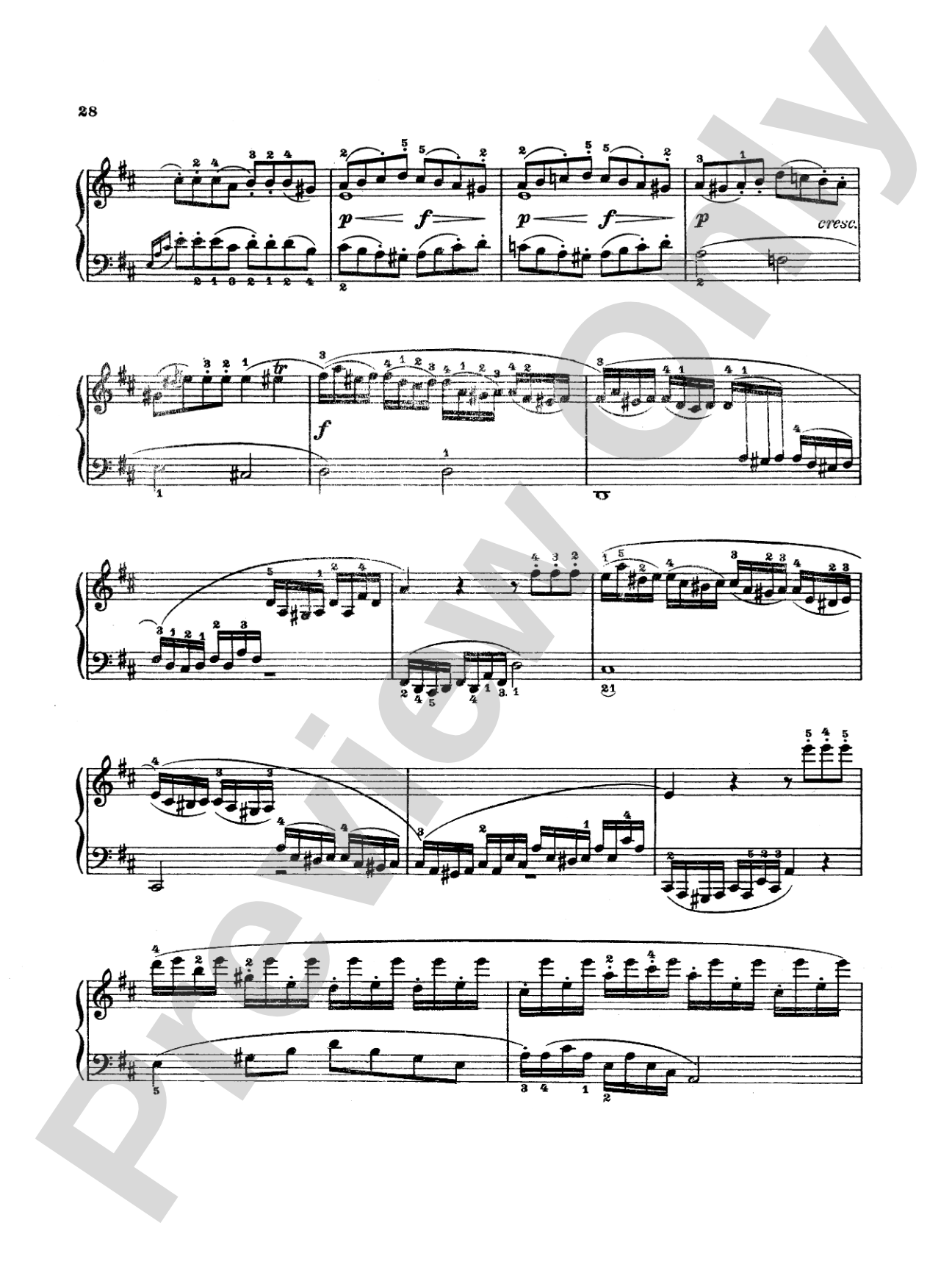
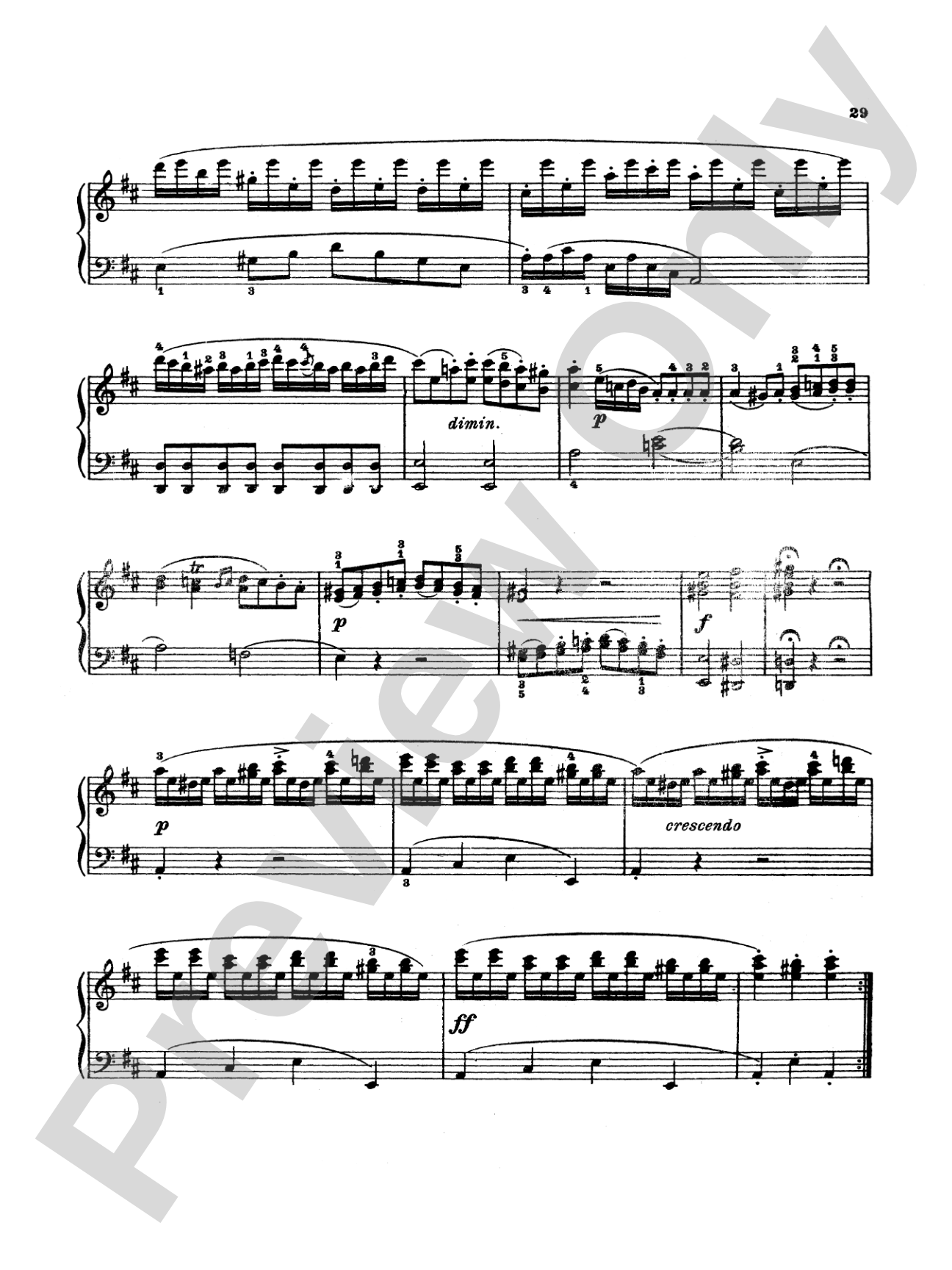
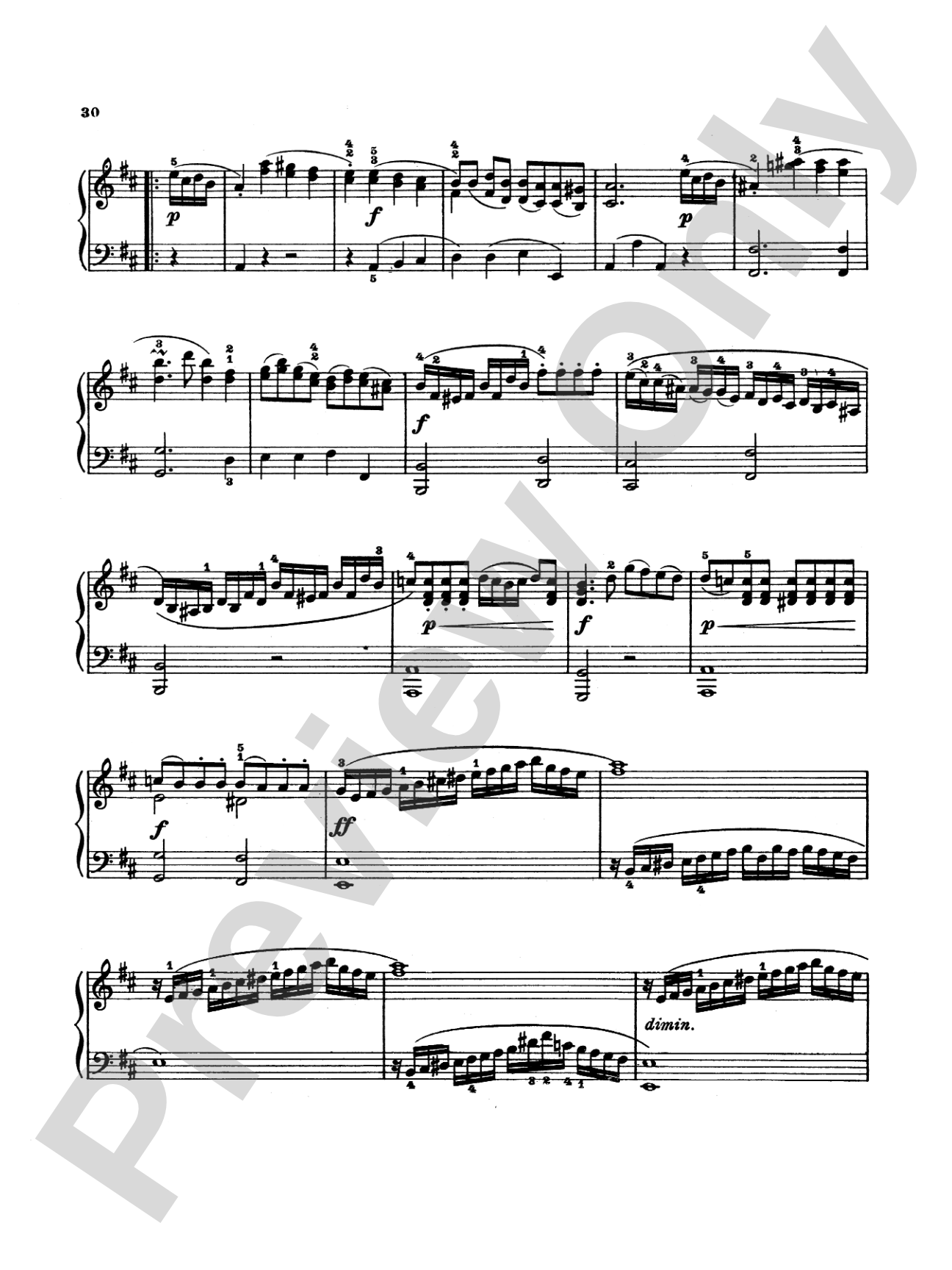
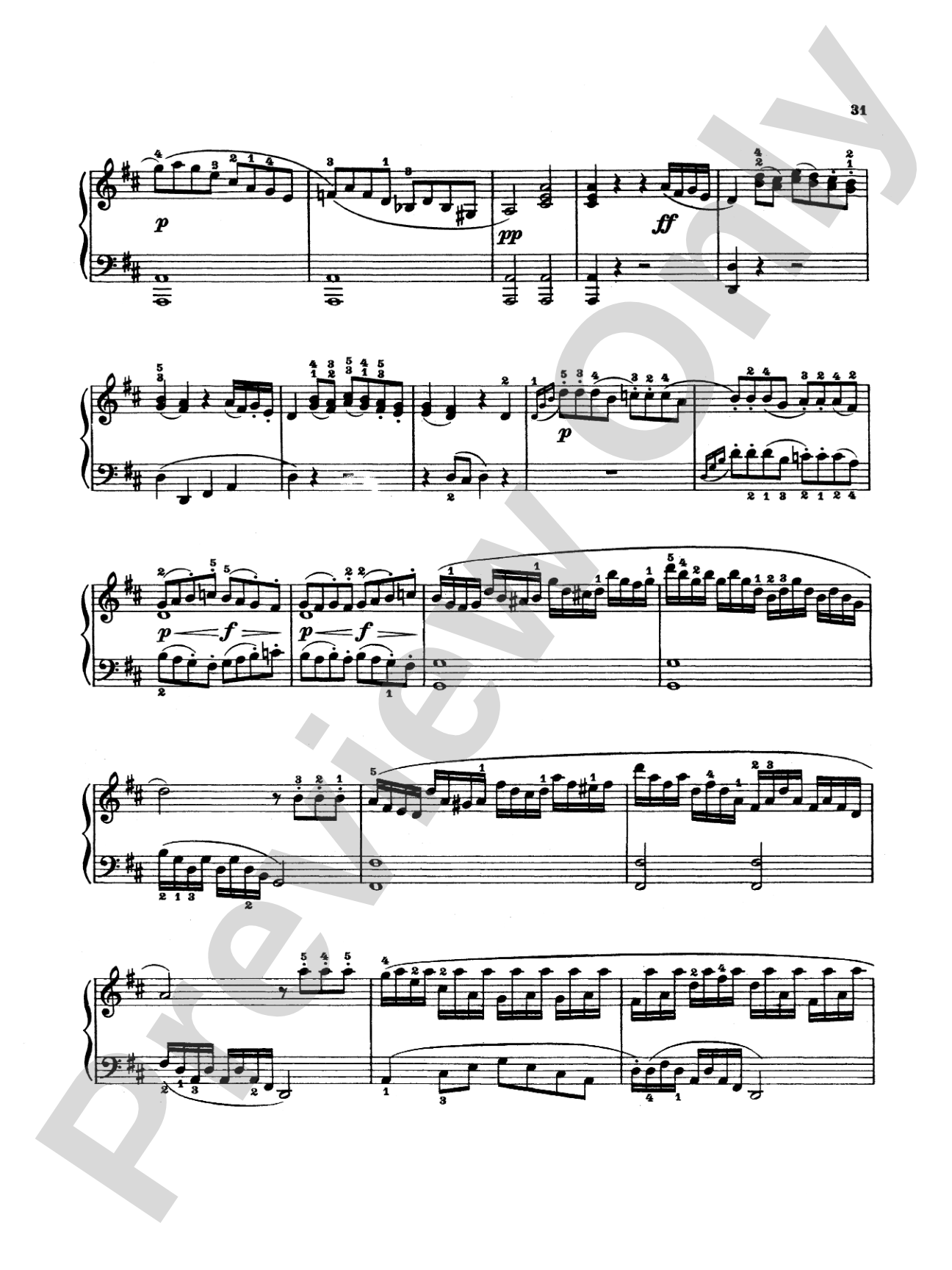
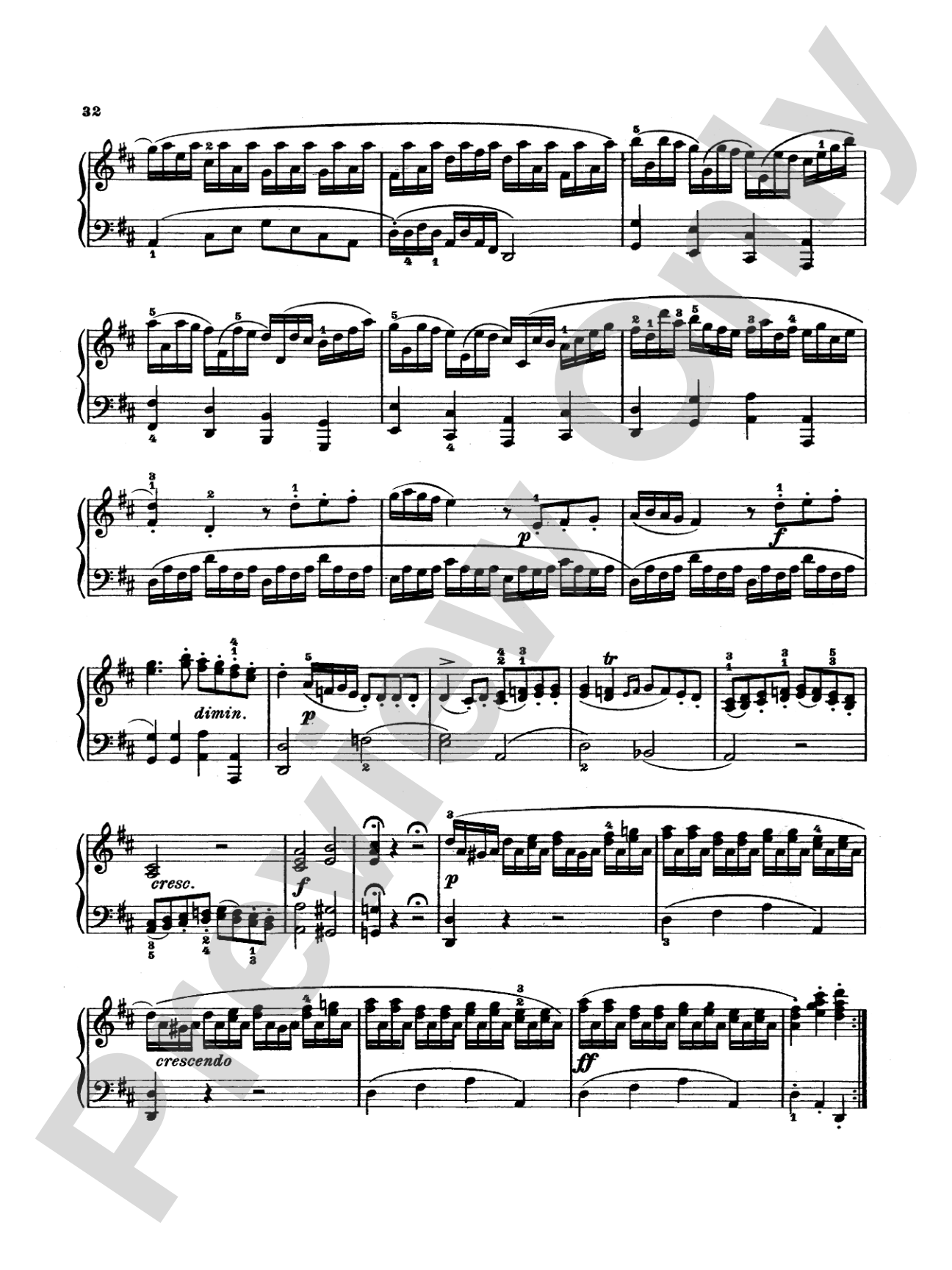
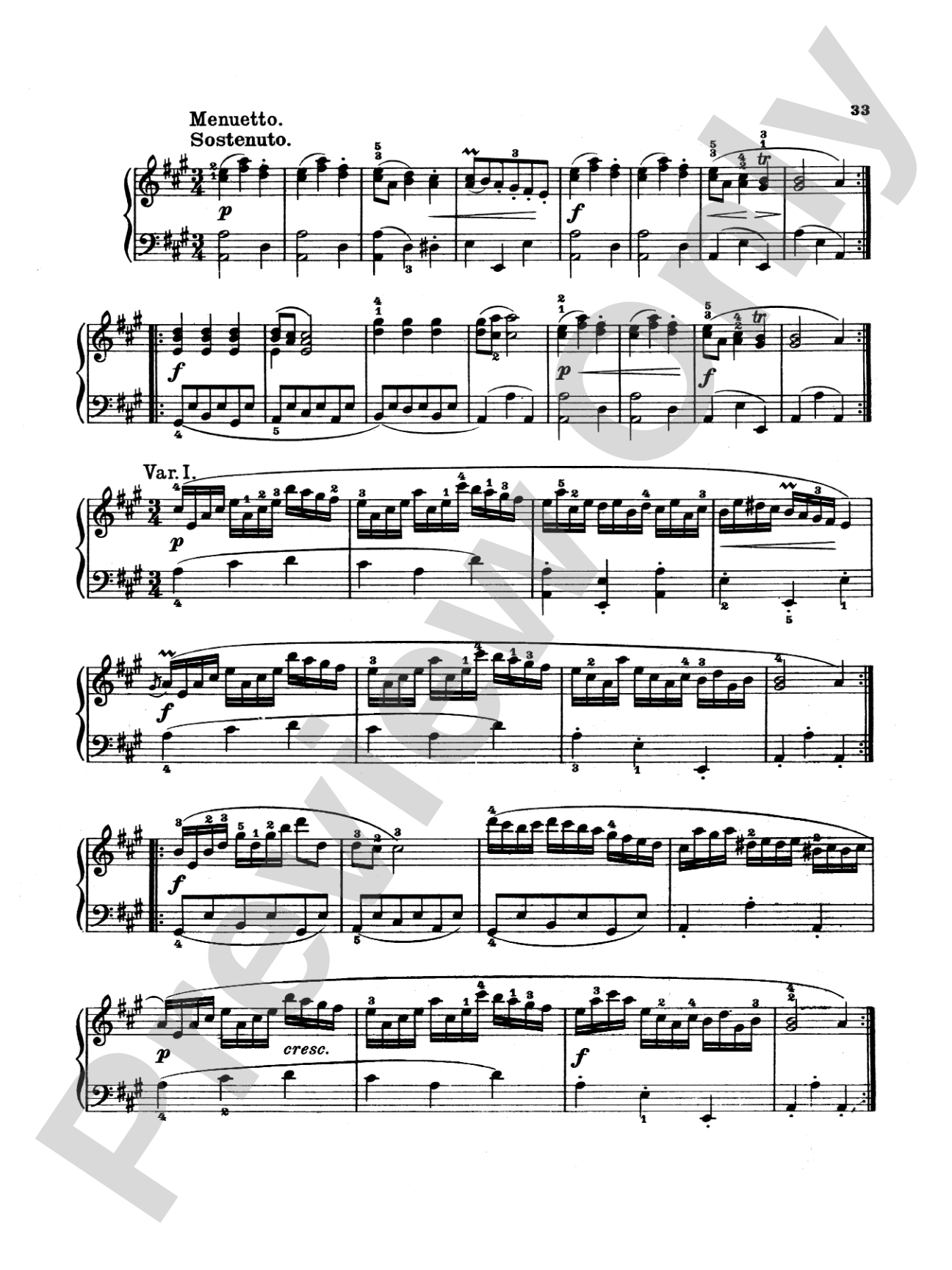
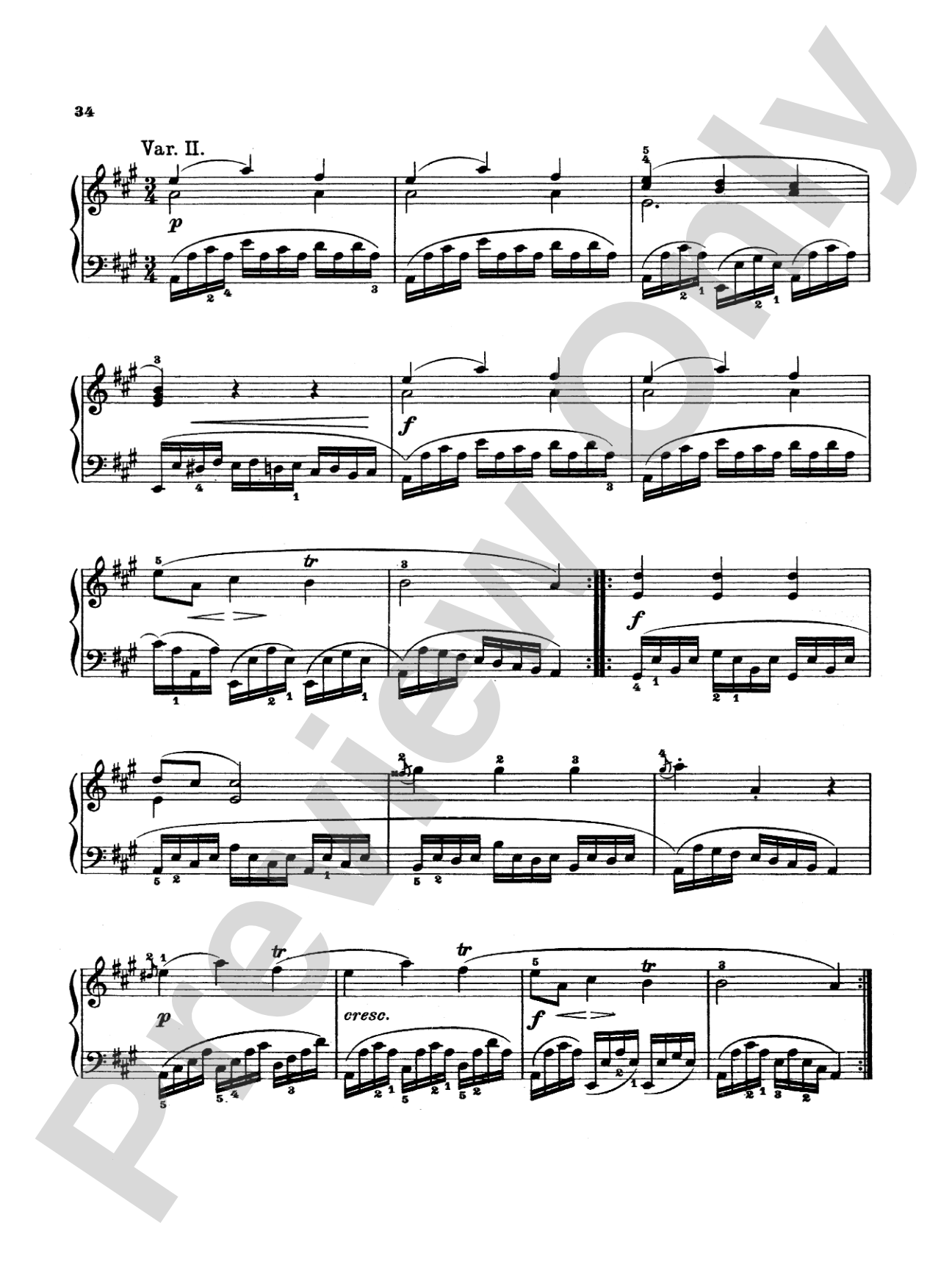
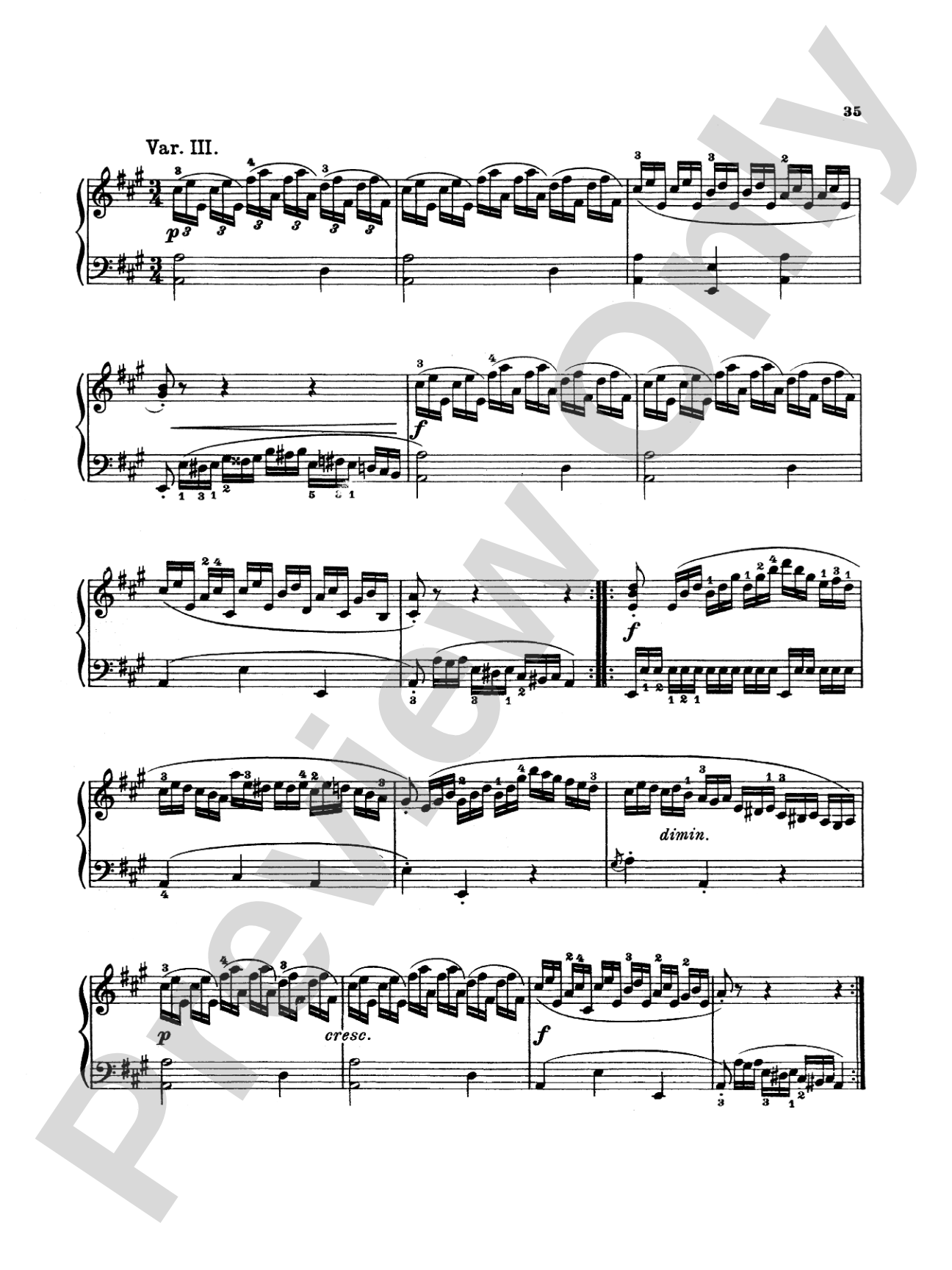
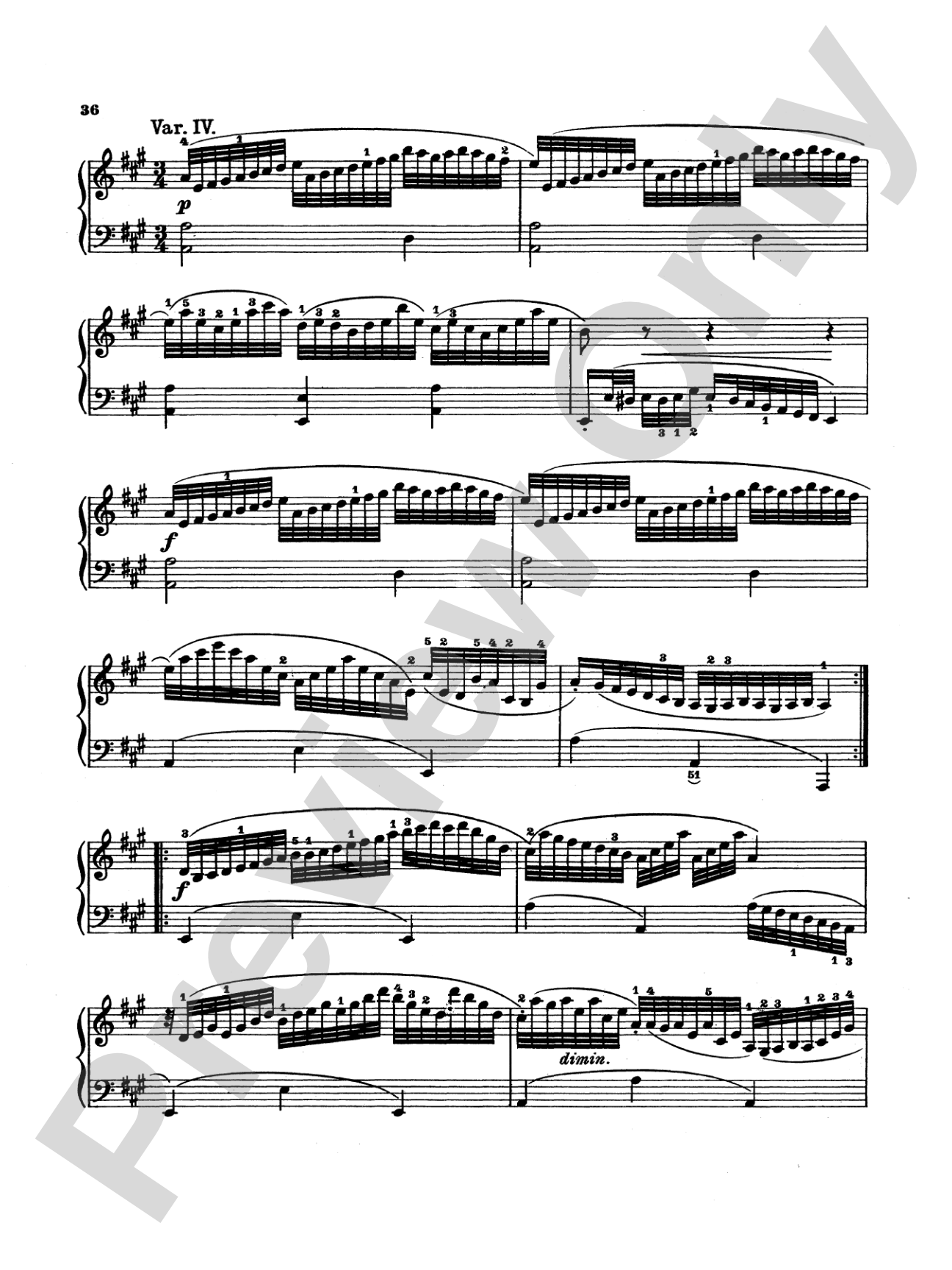
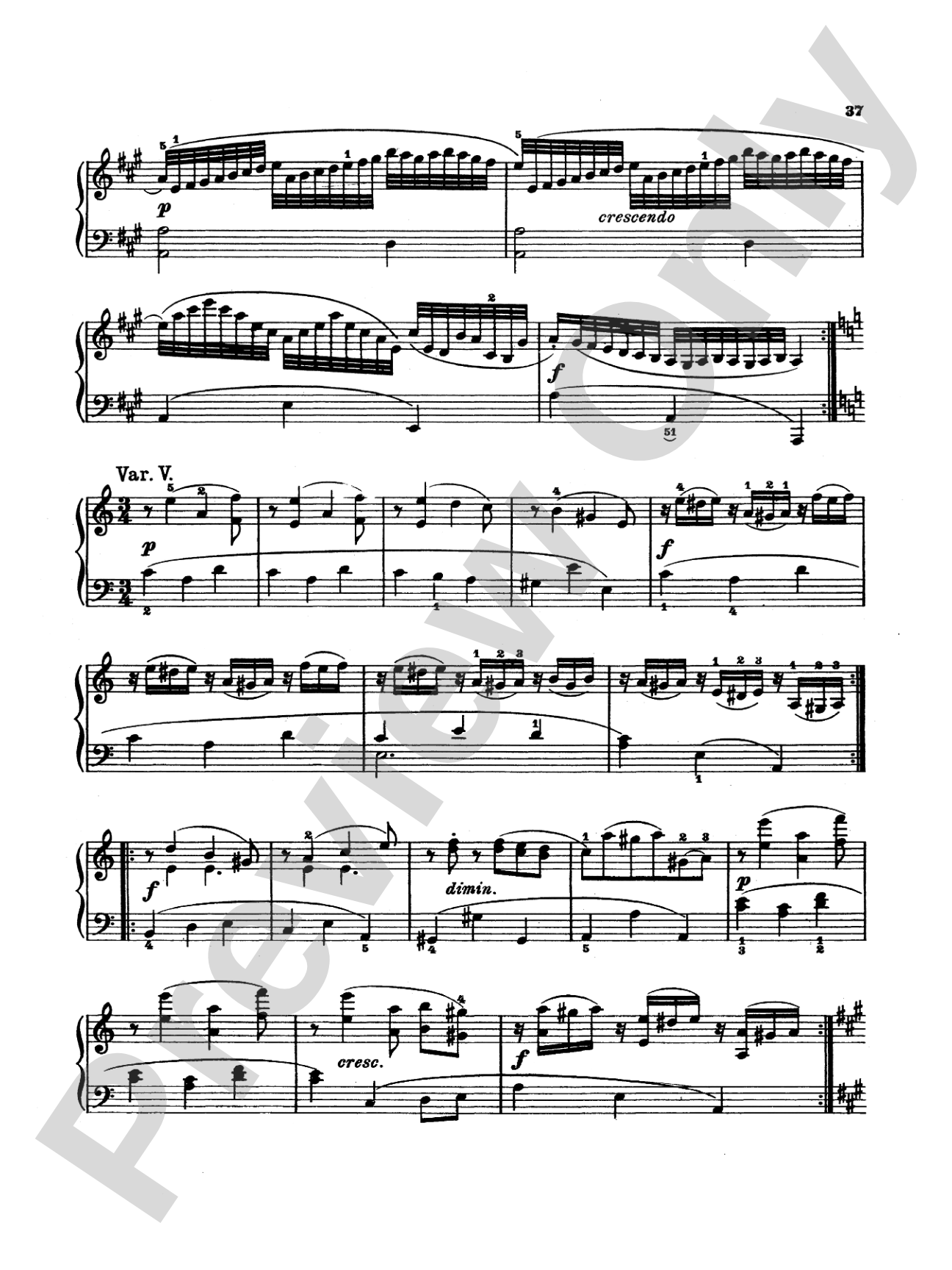
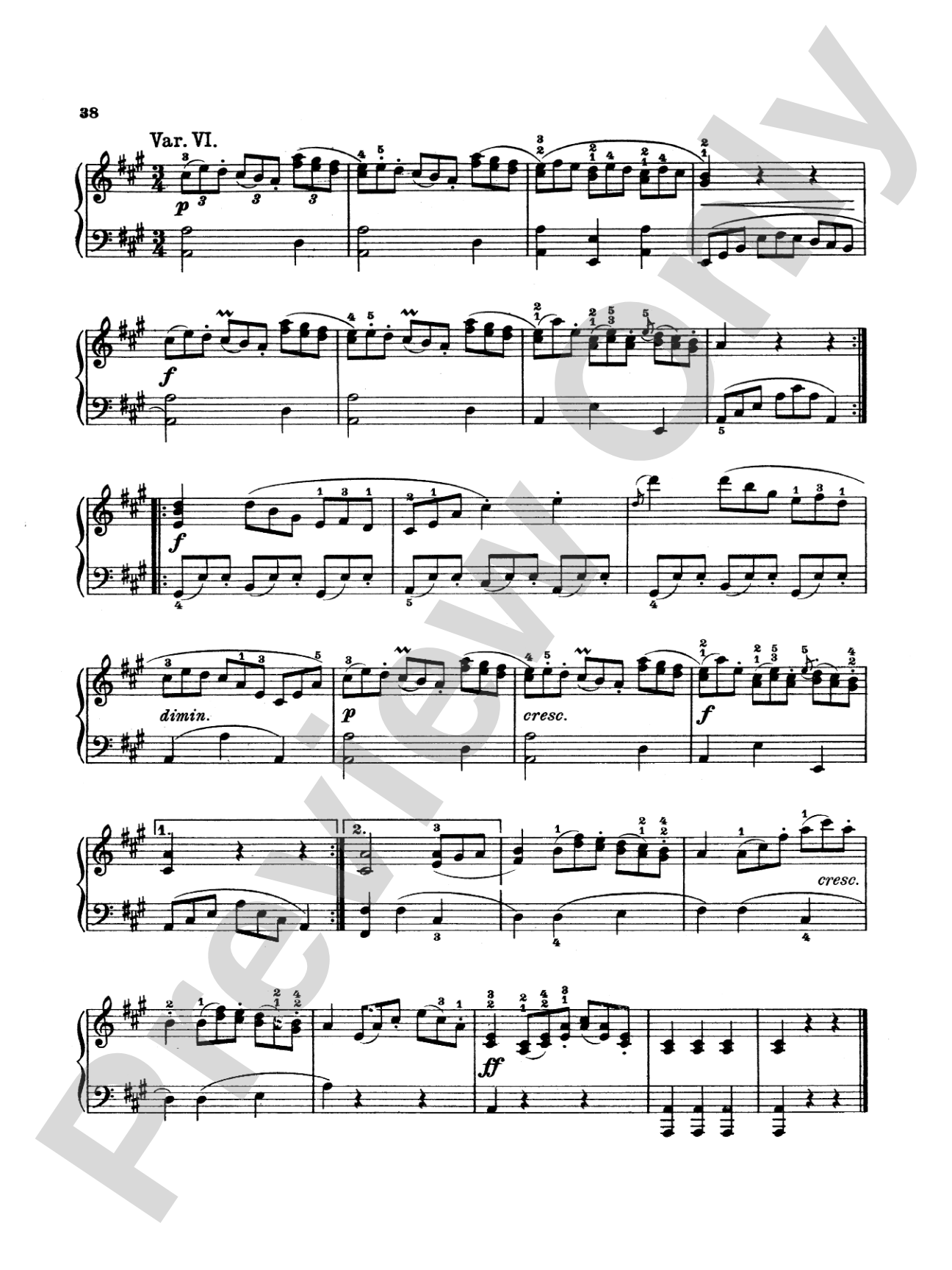
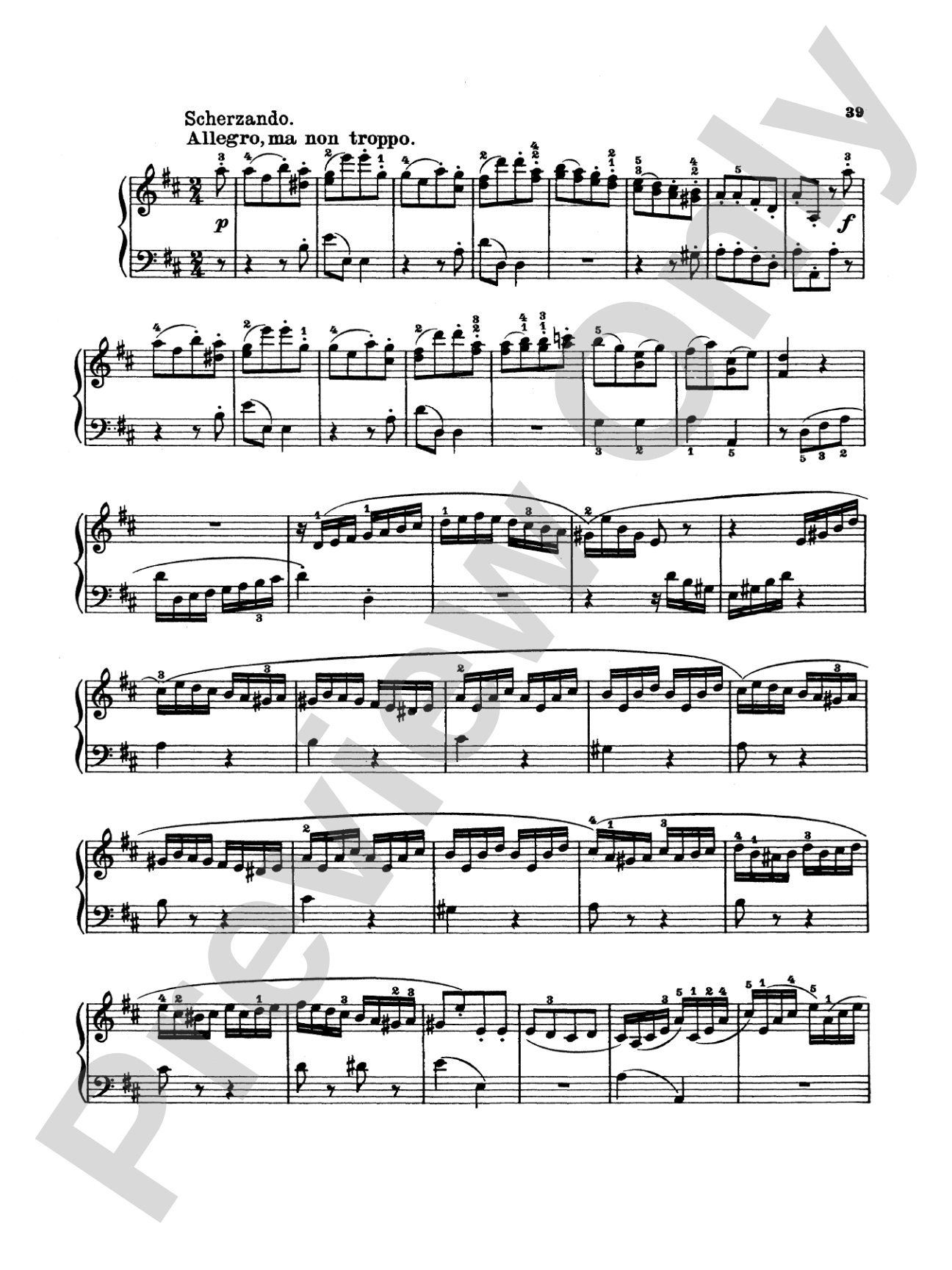
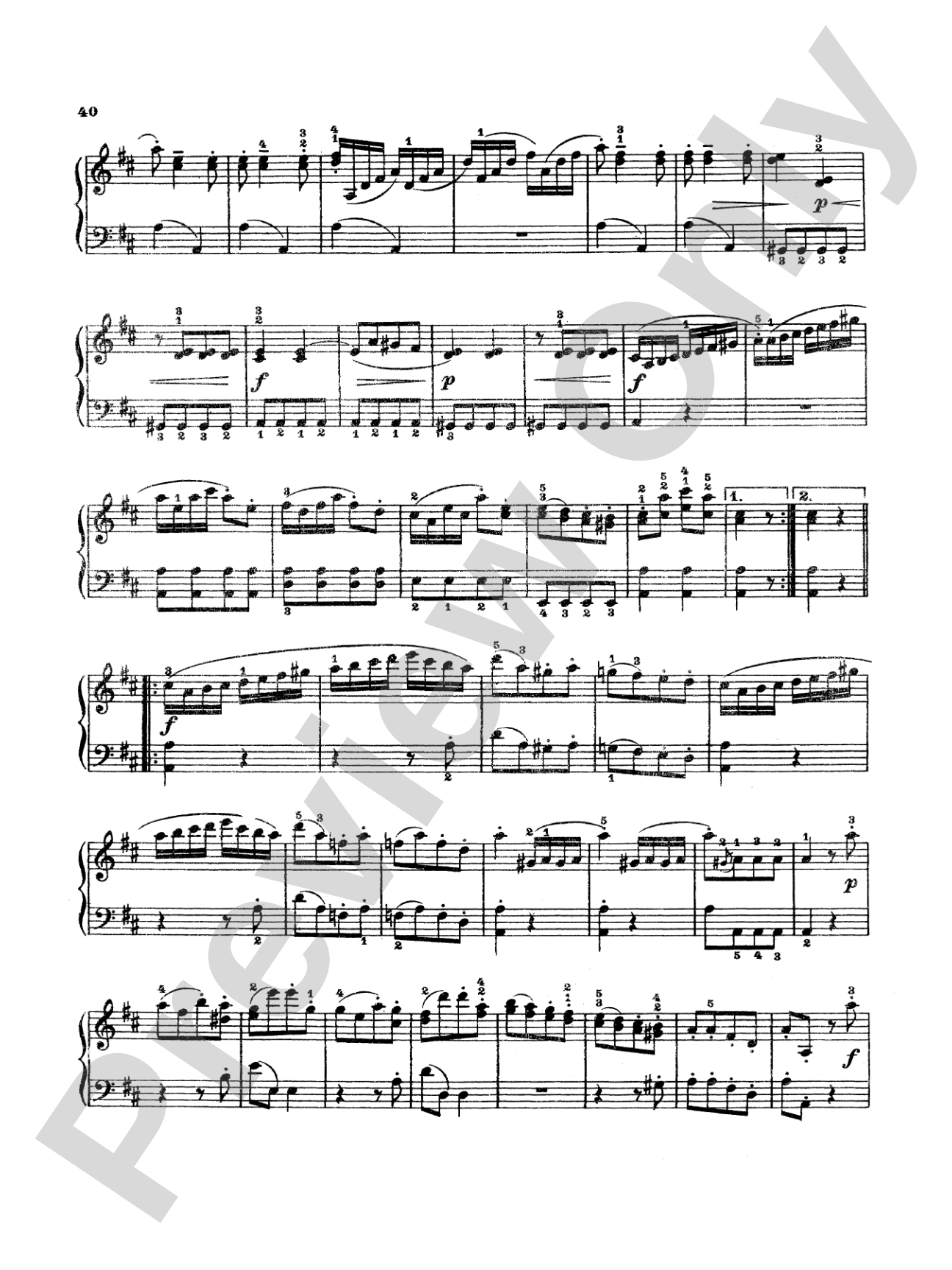
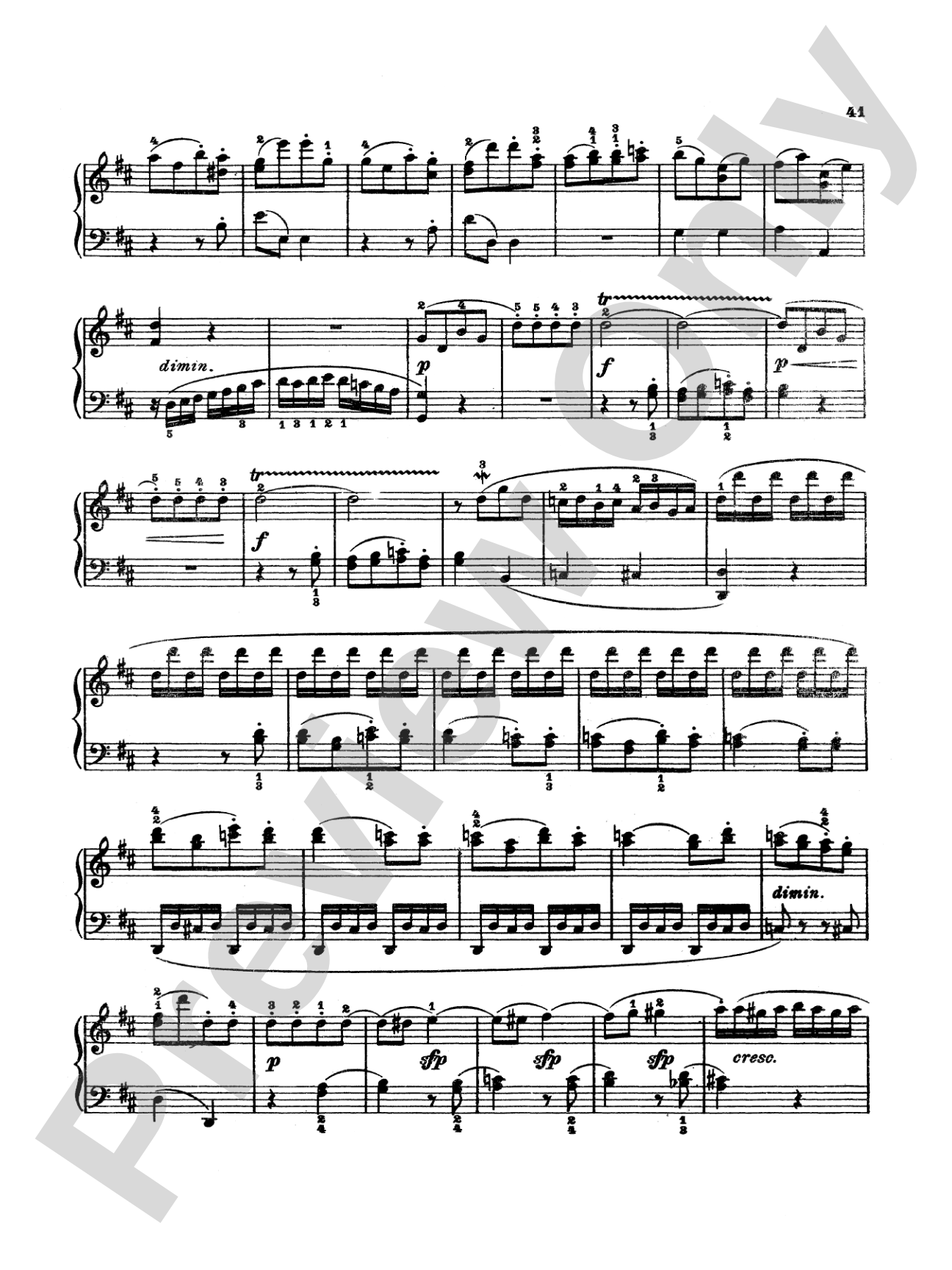
Beethoven's third Sonatina, in D Major, includes: 1. Allegro * 2. Minuet (with variations) * 3. Scherzando, Allegro, ma non troppo.


Don't just read it, hear it, play along with it, and watch your students grow with it. In MakeMusic Cloud, Beethoven: Sonata No. 3 in D Major: Piano comes alive with professional accompaniment, adjustable tempo, and built-in practice tools that turn solo practice into real progress.
Open in the Player
Jump straight in and assign it today.
Start Your Free Trial
Open this title and explore the full library in minutes.
Sample Audio
No sample audio found.
Sample Video
No sample videos found.
Additional Details
Series:
Kalmus Edition
Publisher:
Alfred Music
Page Count:
20
SKU:
00-PK-0002924
More about this title
About the Composer: Ludwig van Beethoven
Ludwig van Beethoven (1770-1827) stands as the bridge between Classical and Romantic music, a composer whose influence reshaped what the piano sonata could express. Working in Vienna during a period of profound personal challenge, including progressive hearing loss, Beethoven expanded the technical and emotional range of keyboard writing, demanding both virtuosity and interpretive maturity from performers.
His sonatinas occupy a curious position in his output: shorter and more approachable than his grand sonatas, yet no less carefully crafted. Written early in his career, they remain touchstones for pianists developing the stamina and interpretive skill needed for larger-scale Classical forms.
Why we love this
This sonatina rewards the advanced pianist with genuine Classical architecture and character writing that feels neither simplistic nor overwrought. The Minuet with variations and the witty Scherzando finale give students a chance to work with formal structures they'll encounter in Beethoven's larger works, but on a manageable scale where every voice and gesture matters.
What to expect
Elegant and purposeful, with the clarity of Classical form underlying moments of genuine warmth and wit. The D Major tonality opens with brightness, while the harmonic language hints at Beethoven's later innovations, giving the piece an intellectual energy that demands careful listening from both player and audience.
Who it's for
Advanced pianists who have solidified their technical foundation and are ready to work with multi-movement Classical forms with musical maturity. This sonatina suits students preparing for competitions, examinations, or recitals where a shorter Beethoven work demonstrates serious musicianship without requiring the stamina of the longer sonatas.
How to get the most out of it
- Shape the opening Allegro by listening closely to the interplay between the melodic line and the accompanying voices; resist the urge to let the accompaniment recede into purely textural background.
- In the Minuet, allow the variations to breathe with distinct character and tempo without losing the underlying pulse; each repetition should feel like a new interpretation rather than a mechanical restatement.
- Approach the Scherzando finale with rhythmic precision and a light touch; Beethoven's humor here depends on crisp articulation and clear voice independence in the texture.
- Attend to the dynamic markings scrupulously; Beethoven's contrasts between forte and piano sections are structural decisions that shape the form, not mere surface coloring.
How to use it
Program this alongside Bach or Mozart to show the evolution of keyboard writing across the Classical era, or pair it with one of Beethoven's larger sonatas to demonstrate how his musical thinking operated across different scales. It also works well as a recital anchor for an advanced student whose program spans multiple periods.
Skills your students will build
- Formal analysis of multi-movement sonata structures
- Voice independence in Classical texture and accompaniment patterns
- Variation technique and structural clarity across repeated material
- Interpretation of articulation and dynamic markings as structural tools
- Rhythmic precision in compound meters and mixed rhythmic figures
- Pedal control in Classical context (distinct from Romantic usage)