

Beethoven: Selected Works Transcribed for Guitar: Light Classics Arrangements for Guitar: Solo Guitar
Light Classics Arrangements for Guitar
The music of Ludwig van Beethoven / transcr. Howard Wallach
Level: Intermediate
Item: 00-PB-0001861
$8.99
Pickup currently not available
Related Items
Beethoven: Selected Works Transcribed for Guitar: Guitar Book |
$8.99
|
View |
Description
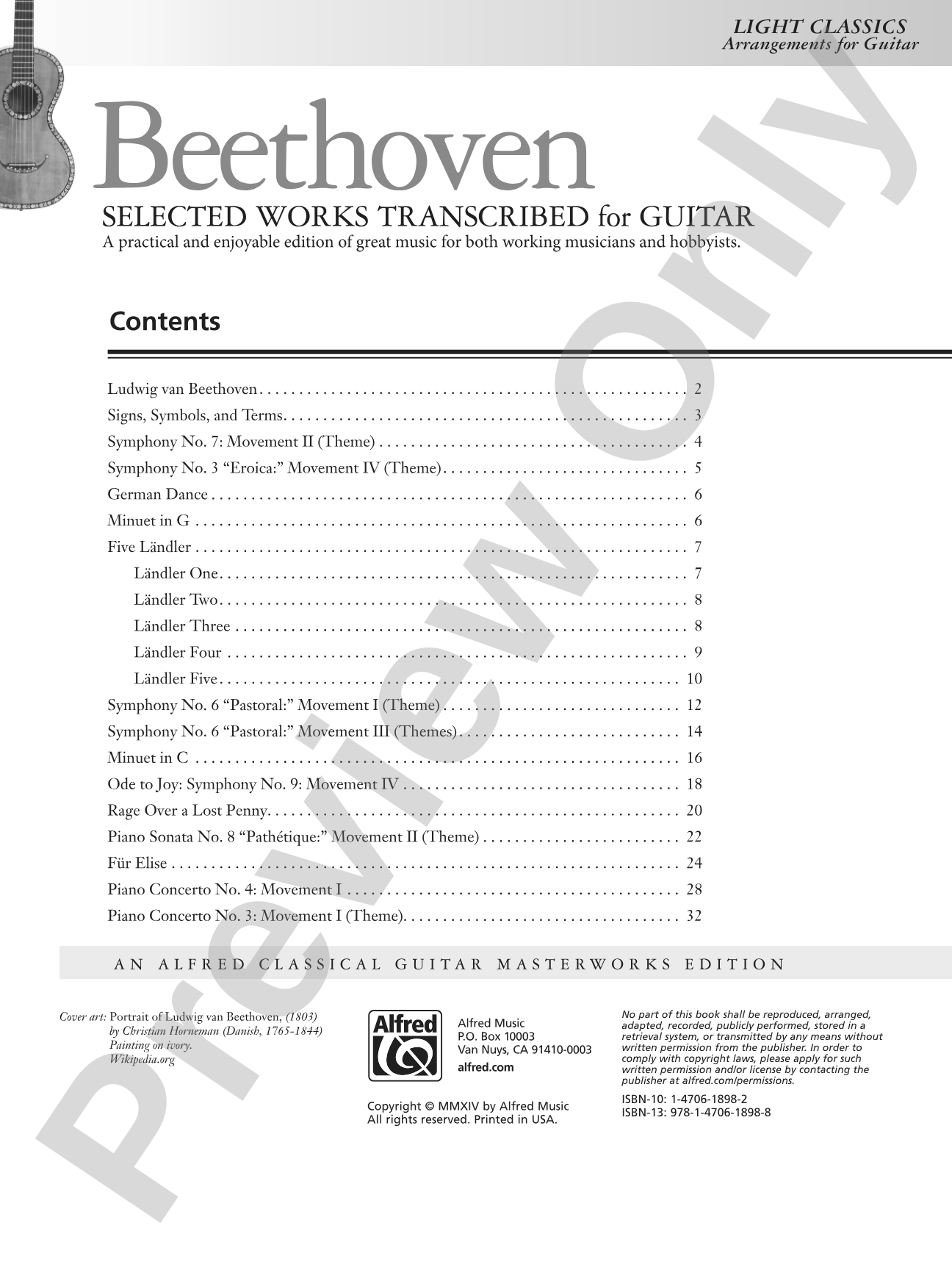
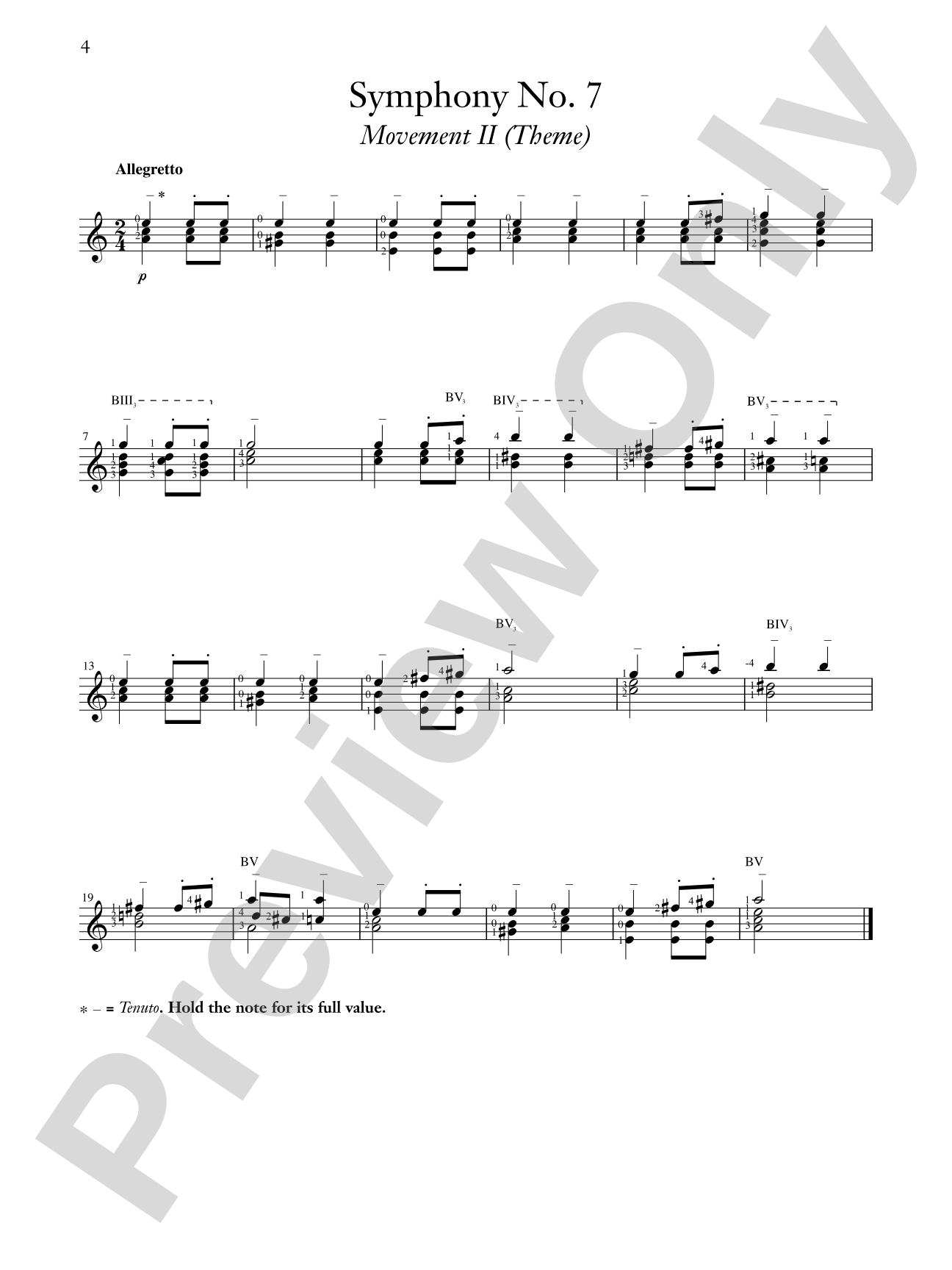
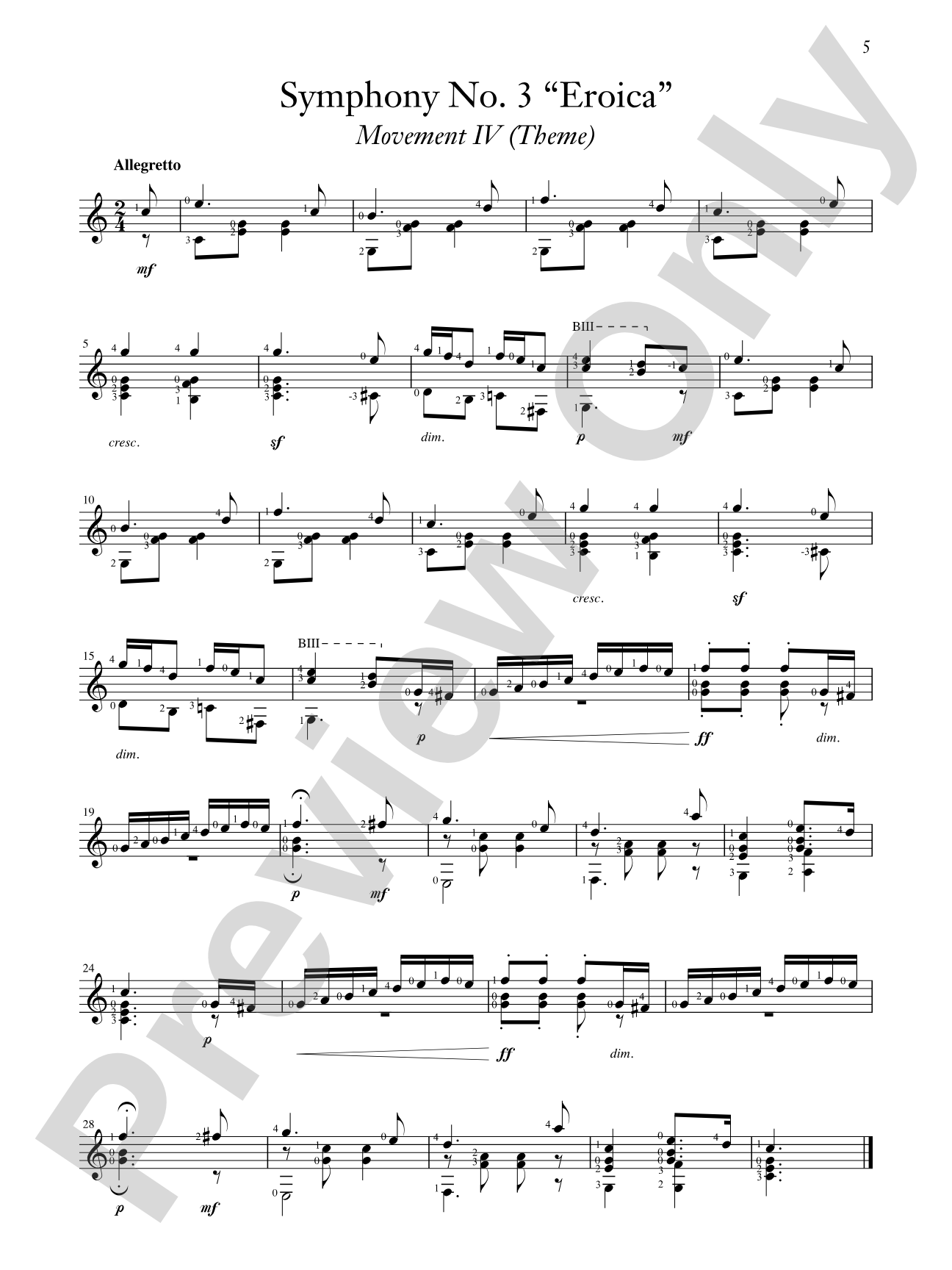
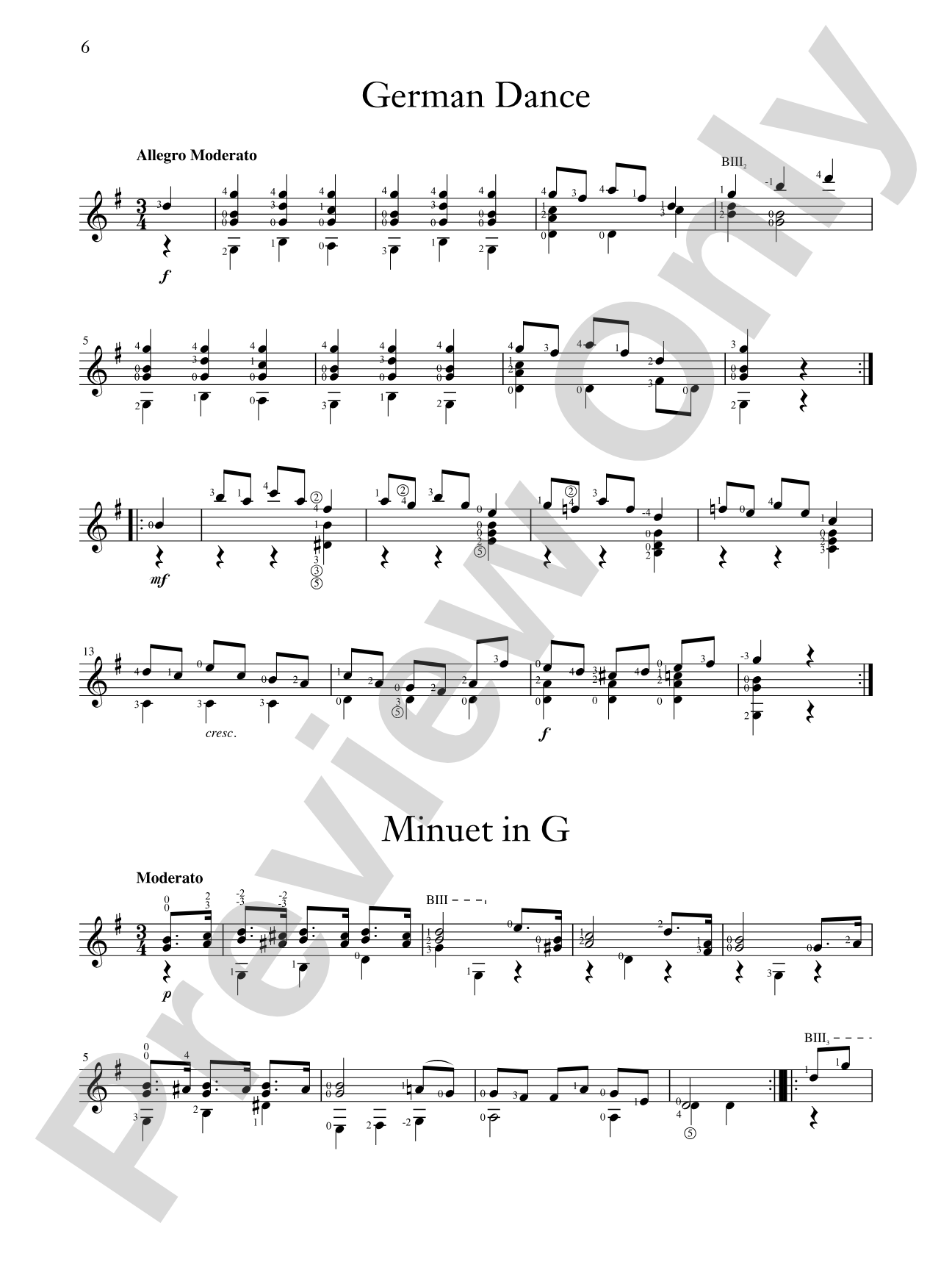
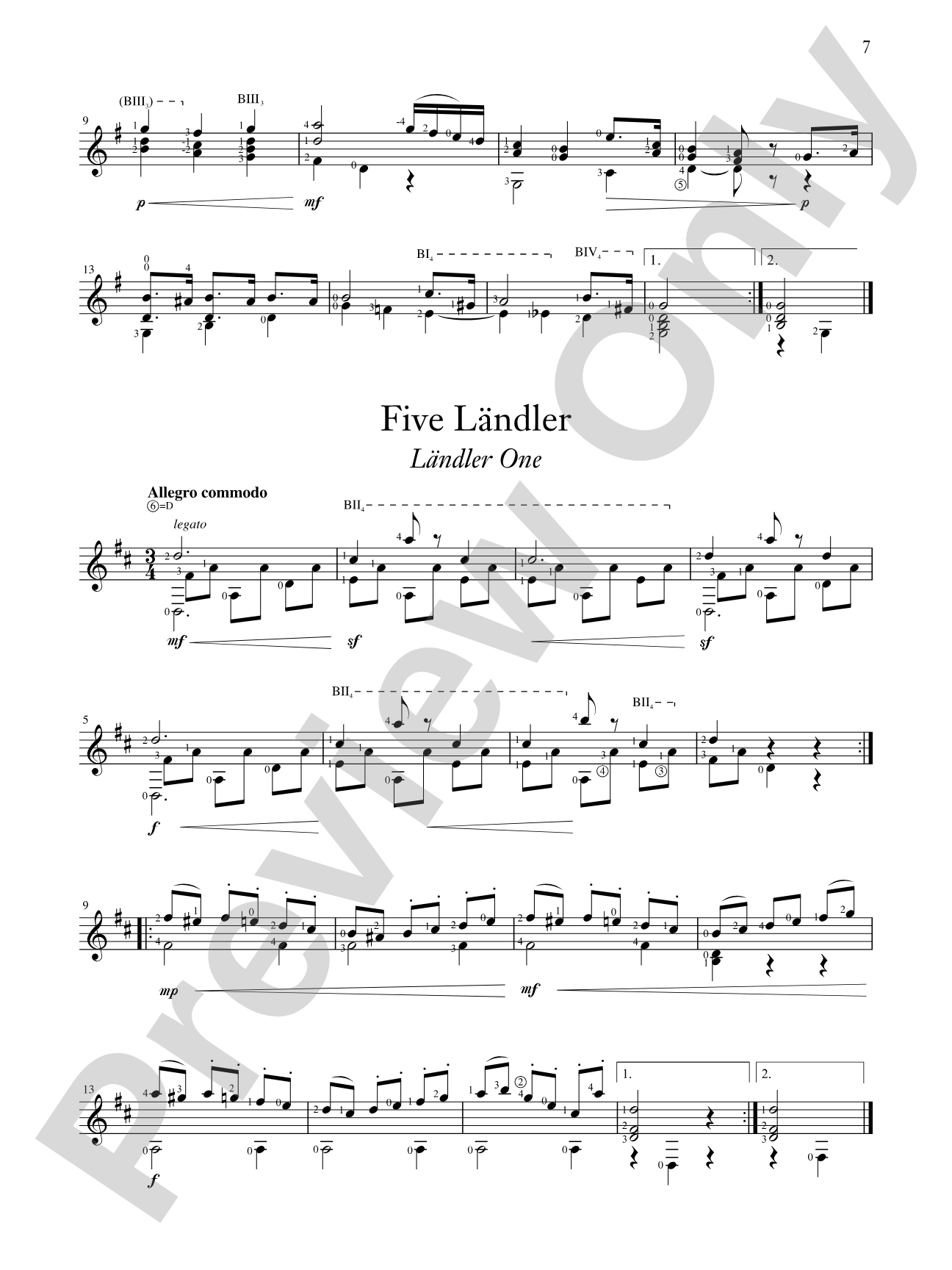
Intended for both working guitarists and those who play strictly for the enjoyment of great music, this collection of 18 famous Beethoven pieces will add something special to any party or gathering. Arrangements of masterpieces such as the theme to the second movement of Symphony No. 7, "Ode to Joy" from the monumental Symphony No. 9, and even the piano favorite, "Für Elise," make this a fun and edifying book to play through. Included is a short essay on Beethoven and his importance in music history, as well as additional favorites, like Five Lãndler, the theme from the first movement of Symphony No. 6 (Pastoral), and "Rage Over a Lost Penny," to provide you with a repertoire of crowd-pleasers for any event.


Beethoven: Selected Works Transcribed for Guitar: Light Classics Arrangements for Guitar: Solo Guitar isn't in MakeMusic Cloud just yet...but it could be. Let us know you'd like to see it, and you'll help shape what comes next. In the meantime, start a free trial and dive into thousands of interactive titles your students can play along with today.
Request This Title
Tell us you want it.
Start Your Free Trial
Explore everything that's ready to play right now.
Sample Audio
No sample audio found.
Sample Video
No sample videos found.
Additional Details
Series:
Alfred Classical Guitar Masterworks
Publisher:
Alfred Music
Page Count:
32
SKU:
00-PB-0001861
More about this title
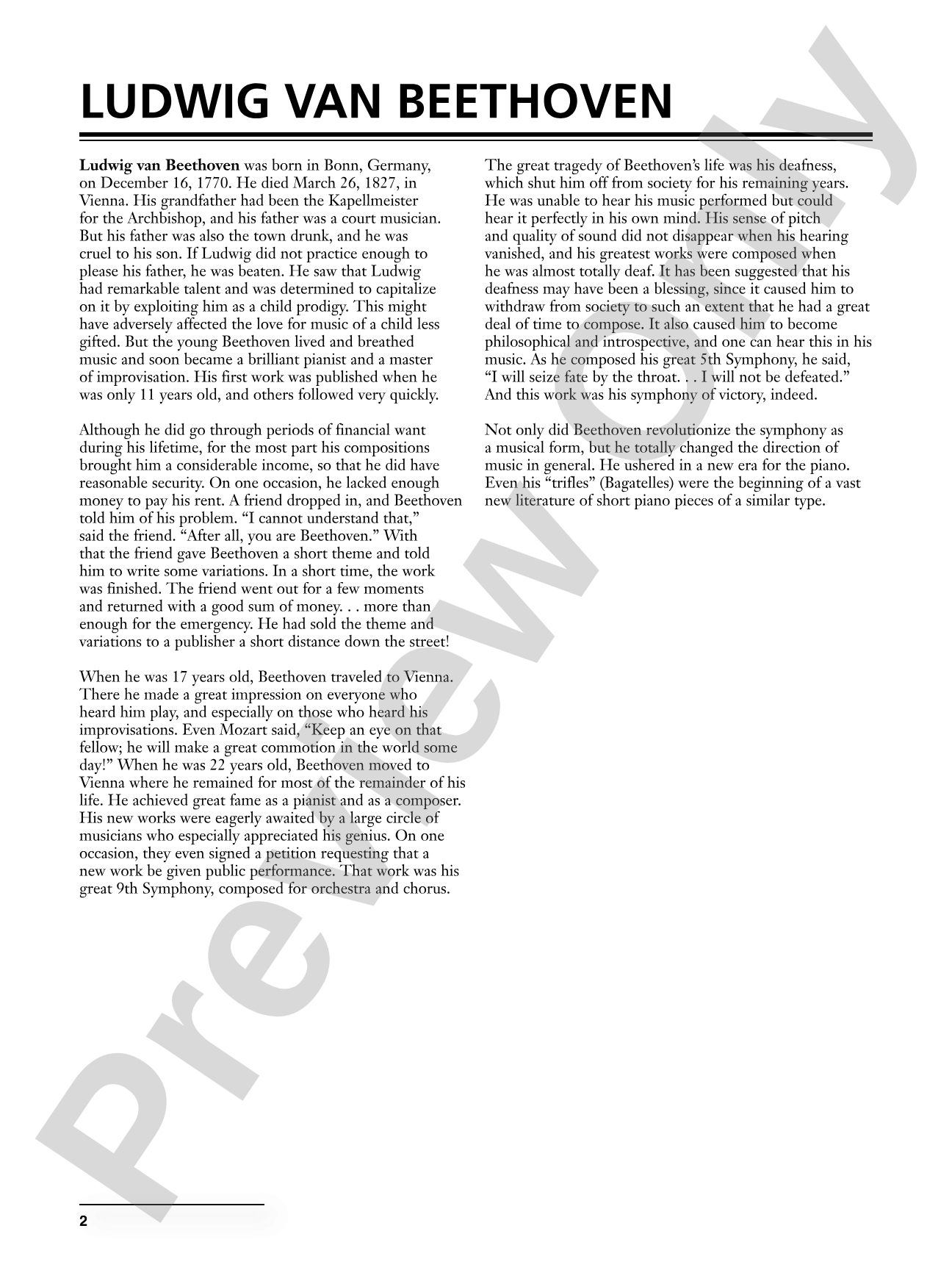
About the Composer: Ludwig van Beethoven
Beethoven fundamentally changed what a composer could be: a voice that spoke directly to the listener's inner life, unafraid of emotion, struggle, and triumph. Working across genres, he expanded the symphony from elegant entertainment into a profound artistic statement, and his piano sonatas became a proving ground for virtuosity and structural innovation that composers still study today.
Why we love this
This collection presents Beethoven's most recognizable moments in arrangements that actually work on the guitar, making these masterpieces accessible without oversimplifying them. Your students get to own the big, familiar gestures of Beethoven's genius while learning how different instruments can reshape a musical idea.
What to expect
These arrangements capture Beethoven's range: the joyful exuberance of "Ode to Joy," the lyrical grace of "Für Elise," the pastoral tranquility of the Sixth Symphony. Each piece carries weight and intention without demanding virtuosic fireworks, so you can focus on conveying the emotional core.
Who it's for
Intermediate guitarists who want to expand beyond folk and pop arrangements into genuine classical repertoire will find familiar entry points here. This collection serves players looking to build confidence interpreting masterworks while still enjoying the satisfaction of sounding polished in a social setting.
How to get the most out of it
- Shape the melodic lines with the same architectural clarity Beethoven brings to his original works; resist the urge to rush through flowing passages.
- Let the bass notes anchor the harmony, especially in pieces like the Pastoral theme where the guitar's lower register supports the entire musical structure.
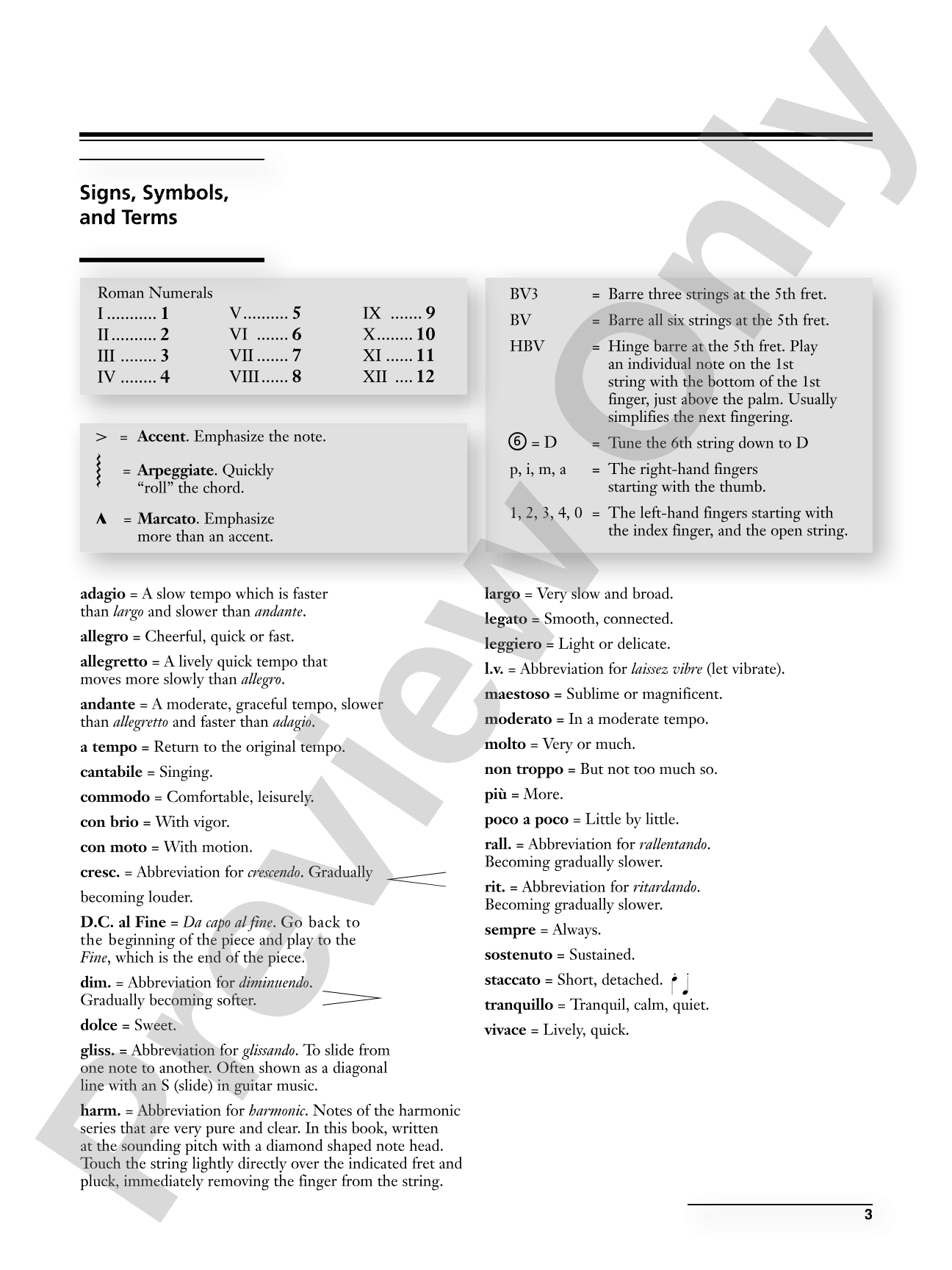
- Pay attention to the dynamics marked throughout; these arrangements preserve Beethoven's dynamic arch, which is essential to the drama.
- Use the essay included in the collection as context before you perform each piece; understanding Beethoven's intention behind a work transforms how you play it.
How to use it
Feature individual pieces at informal recitals or student showcases to demonstrate that classical guitar reaches far beyond contemporary acoustic styles. A single arrangement like the Pastoral theme can anchor a program segment exploring nature in music across different periods and instruments.
Skills your students will build
- Interpreting dynamic markings and phrase structure from the classical tradition
- Transcribing idiomatic keyboard or orchestral writing to the guitar fingerboard
- Building fluency with extended classical forms at an accessible level
- Balancing melody and accompaniment within a single instrument's range