
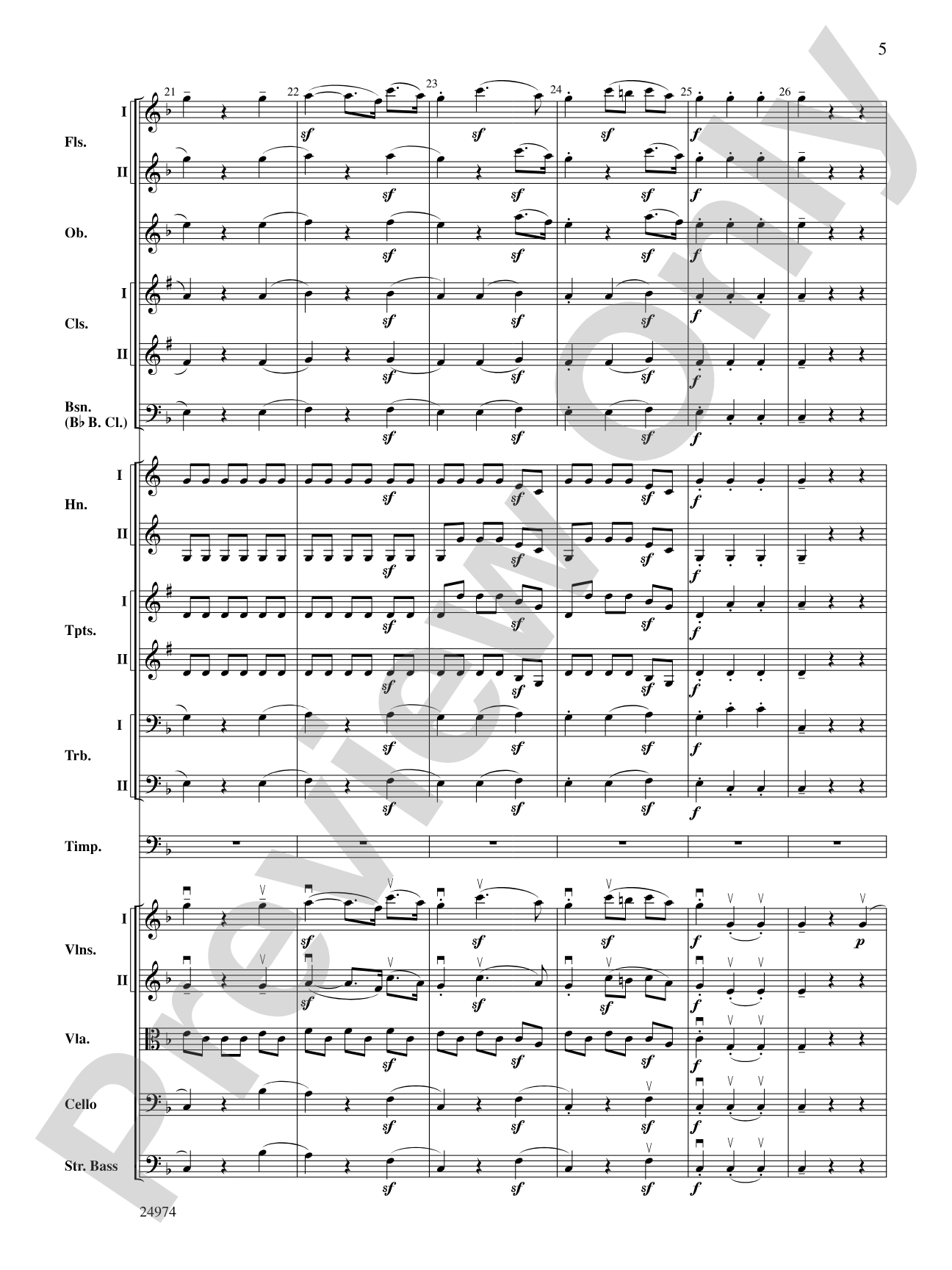
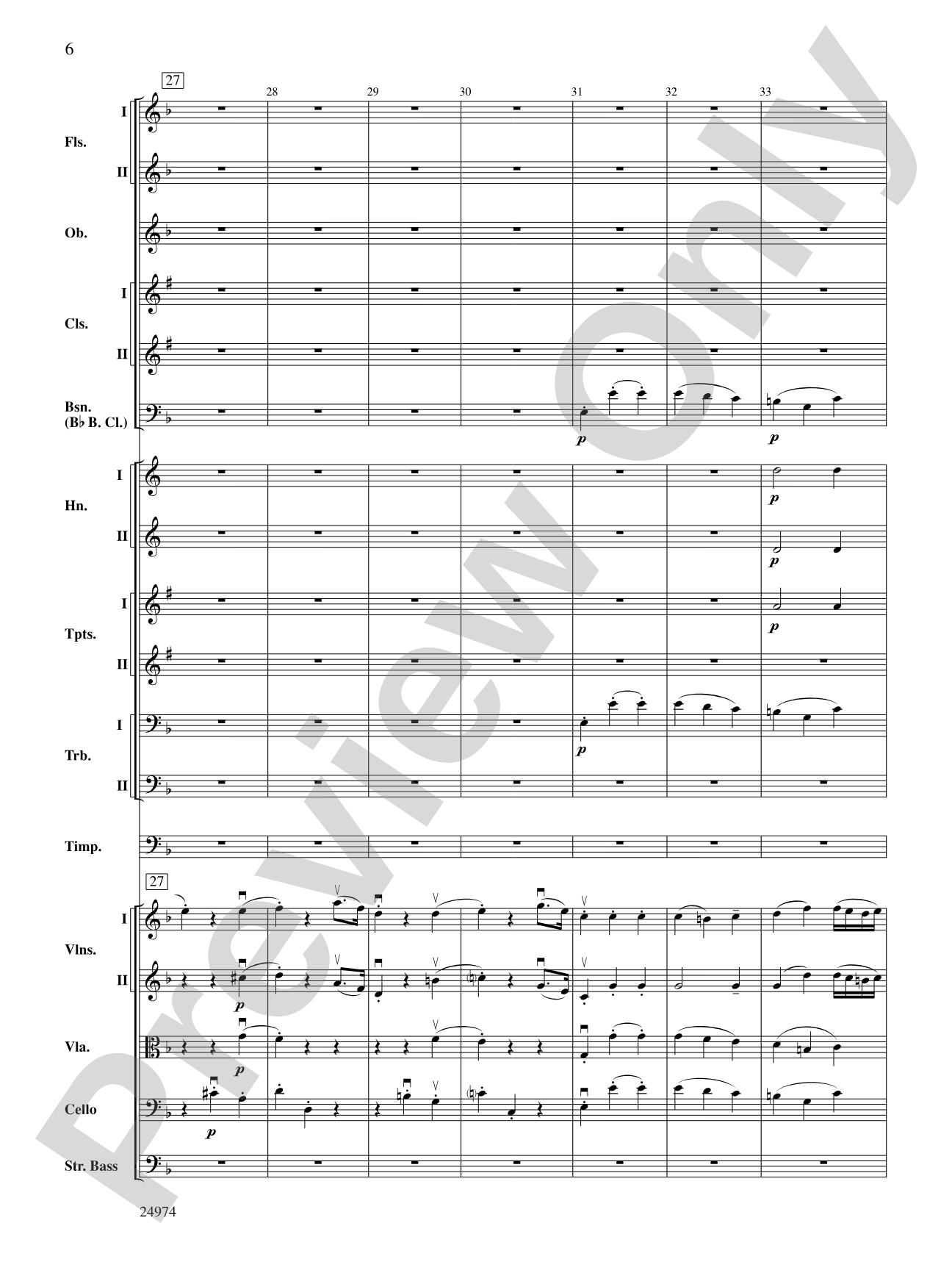
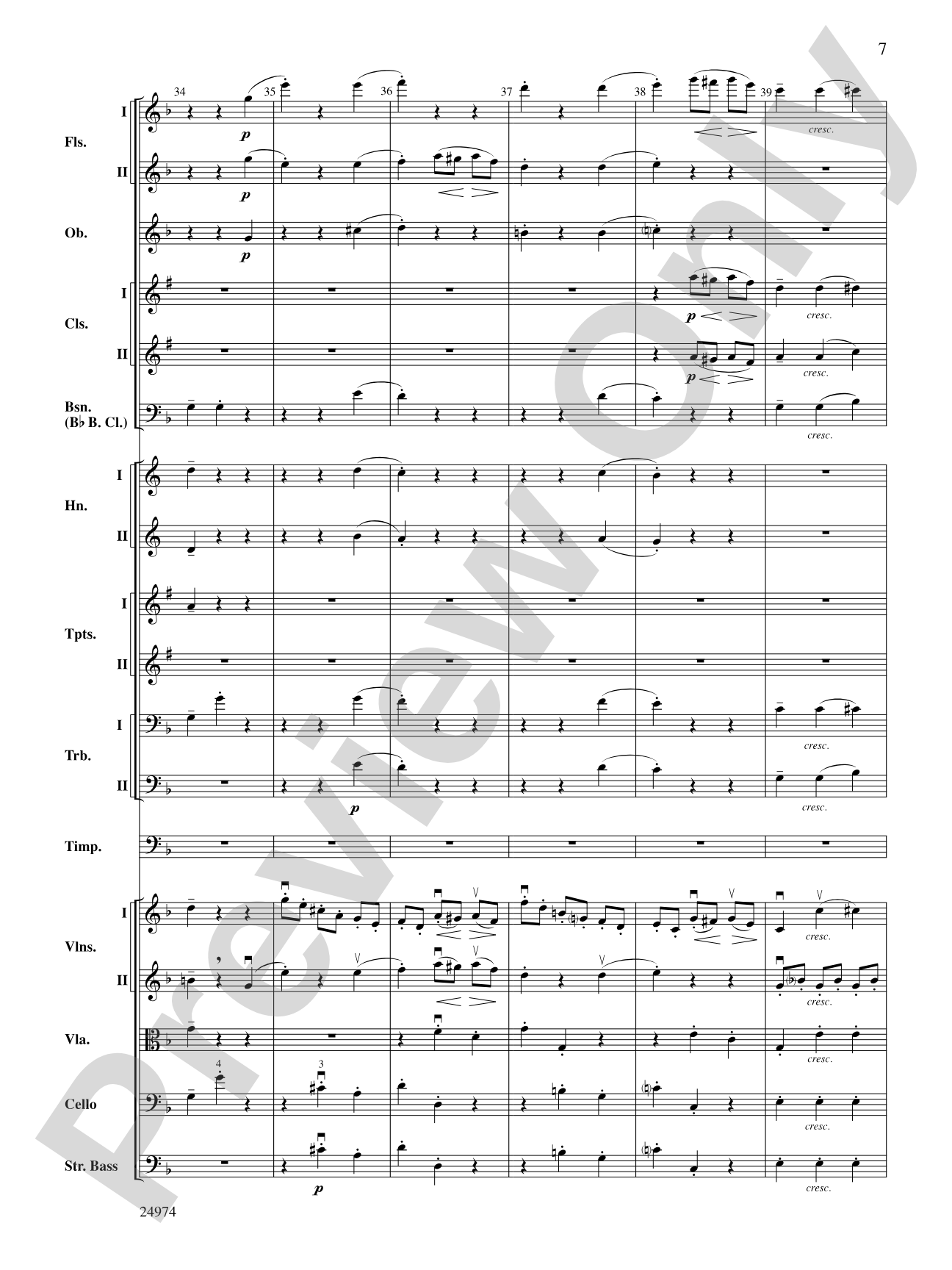
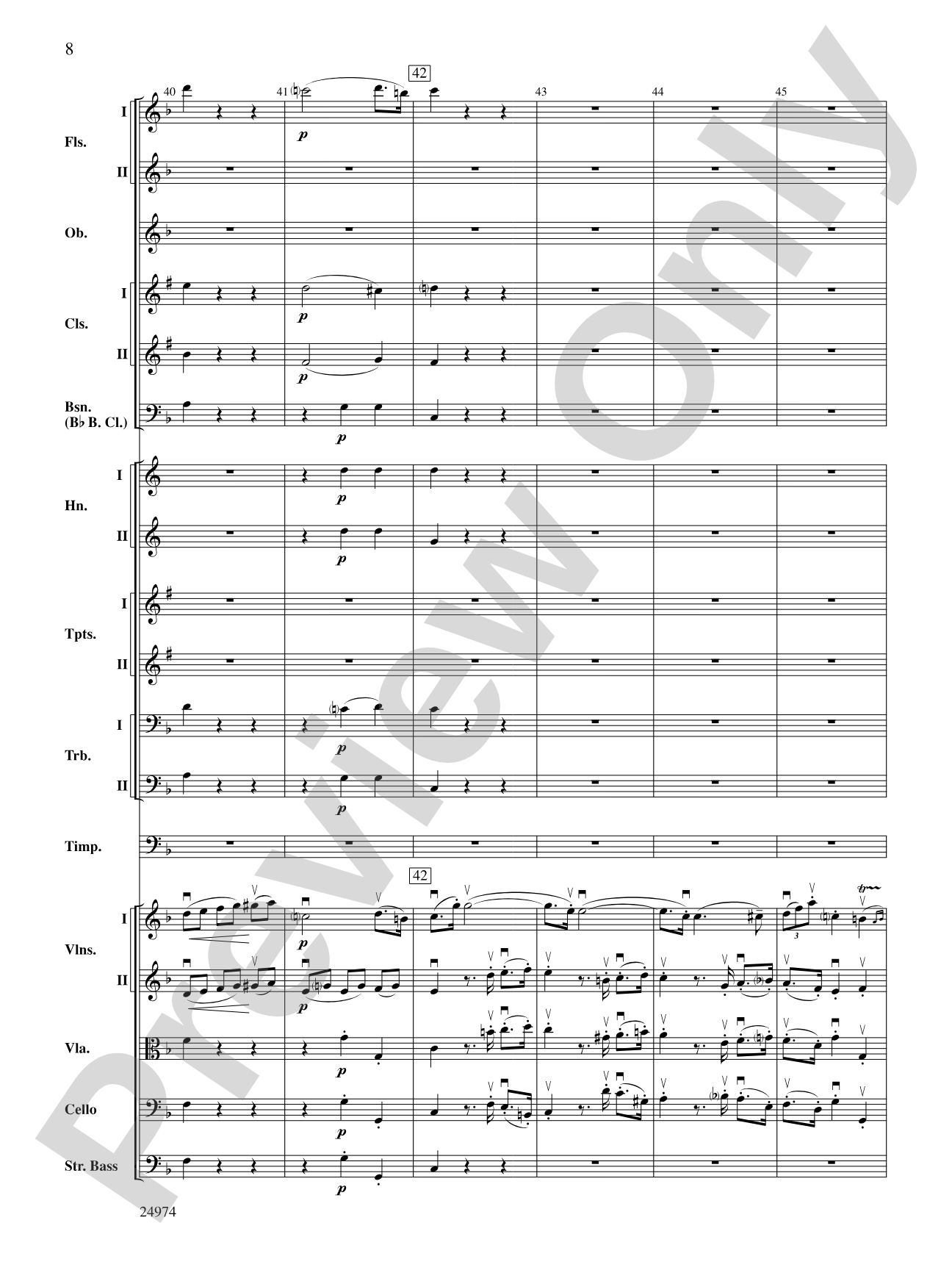
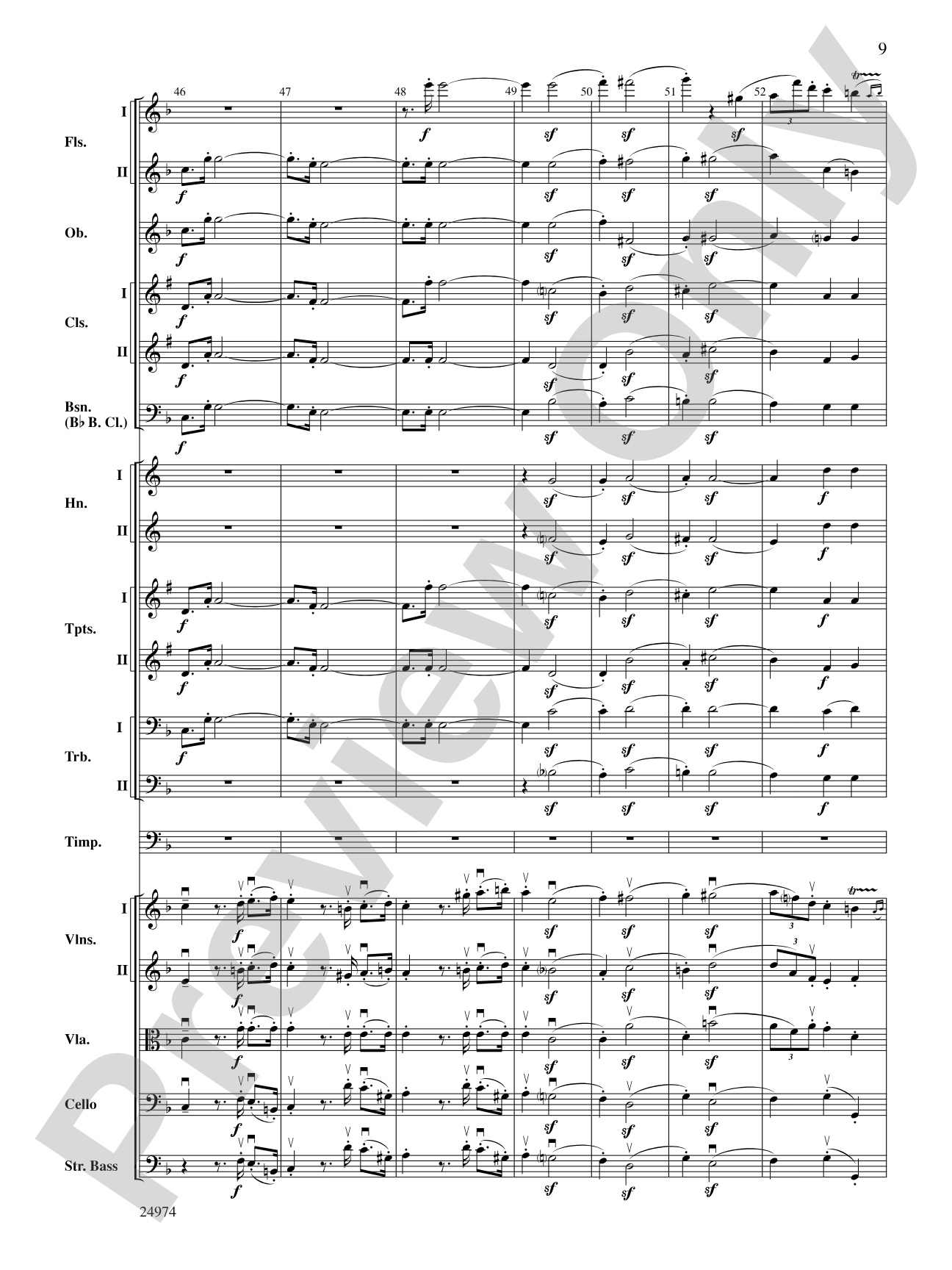
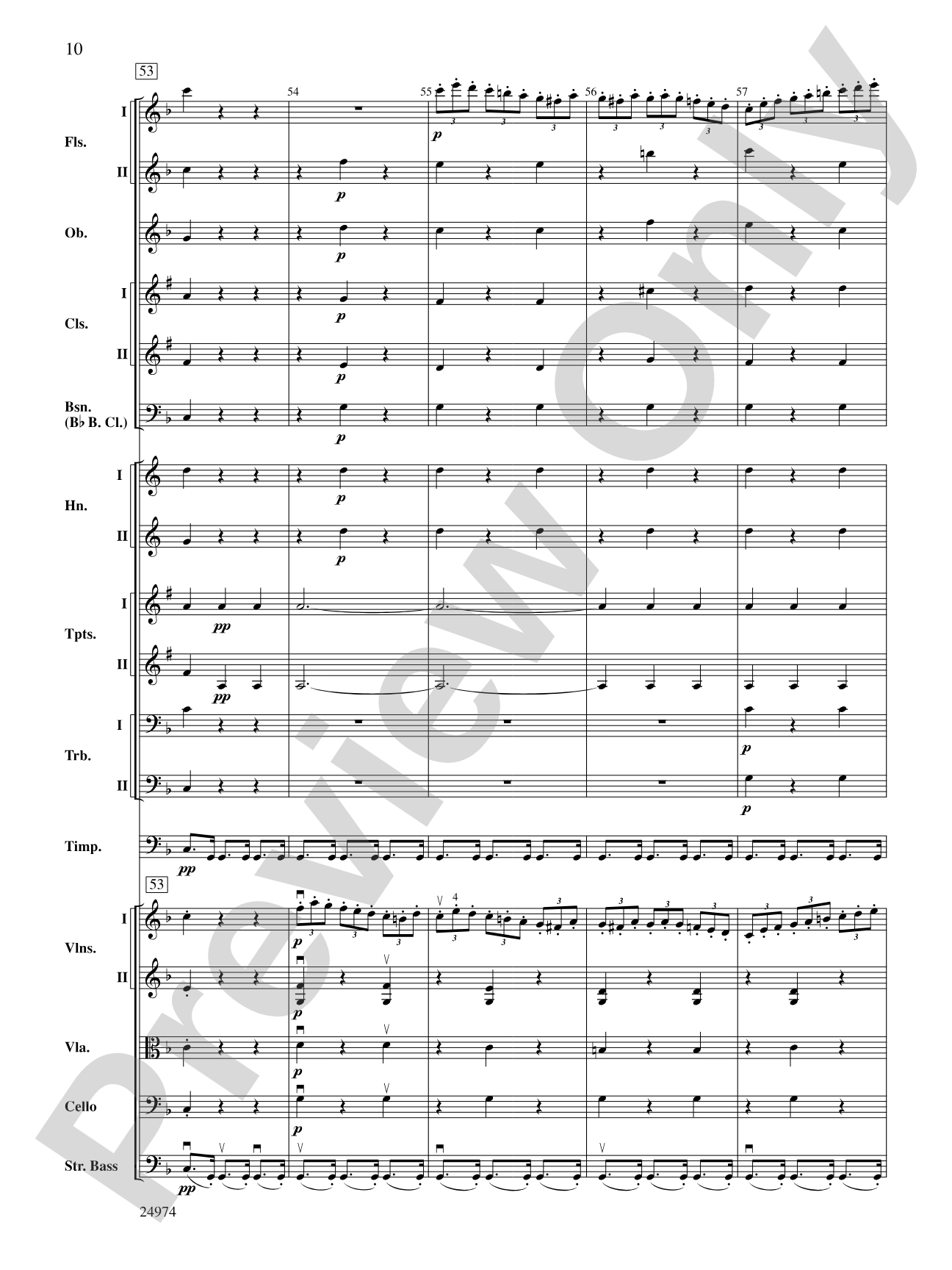
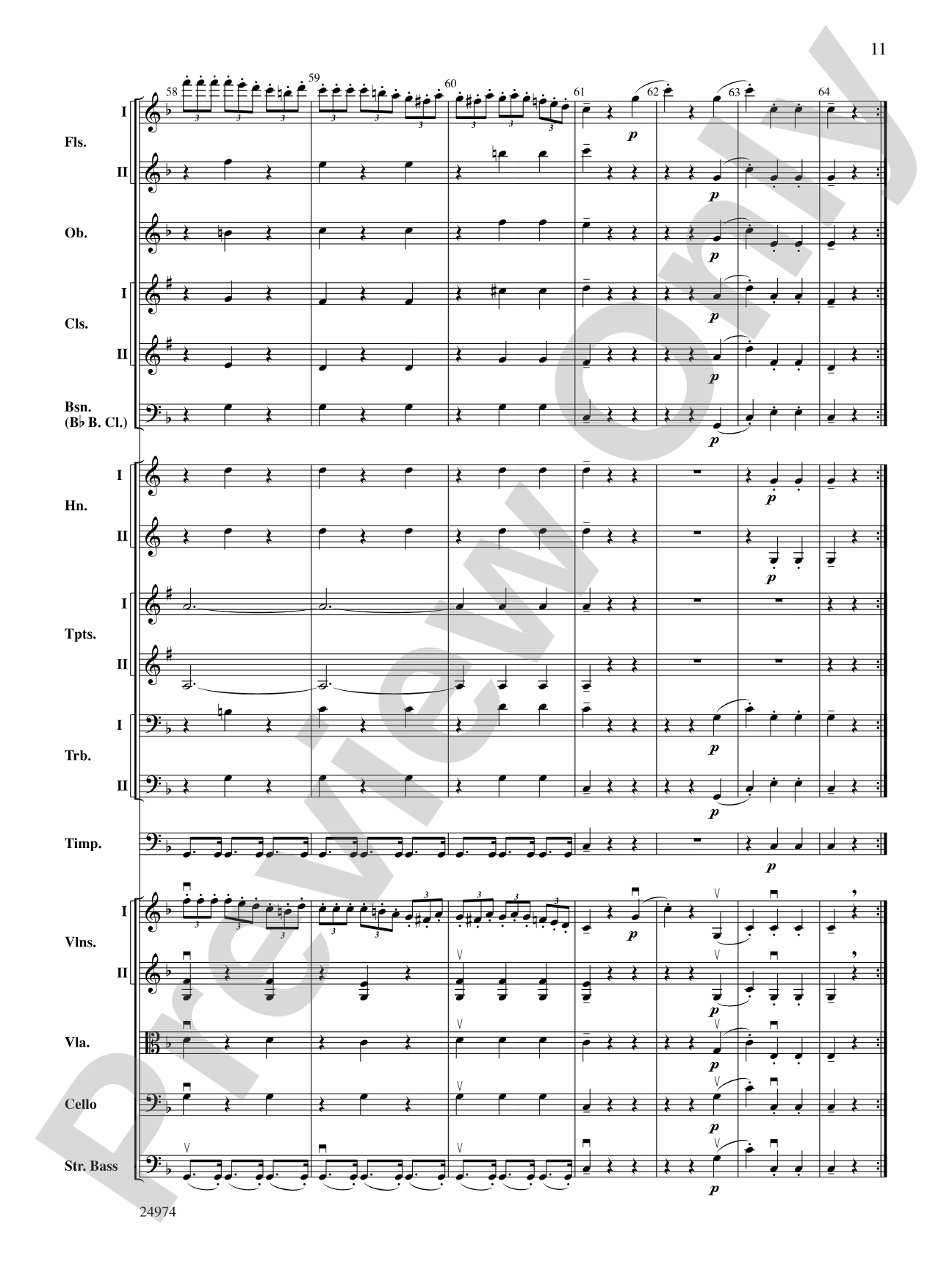
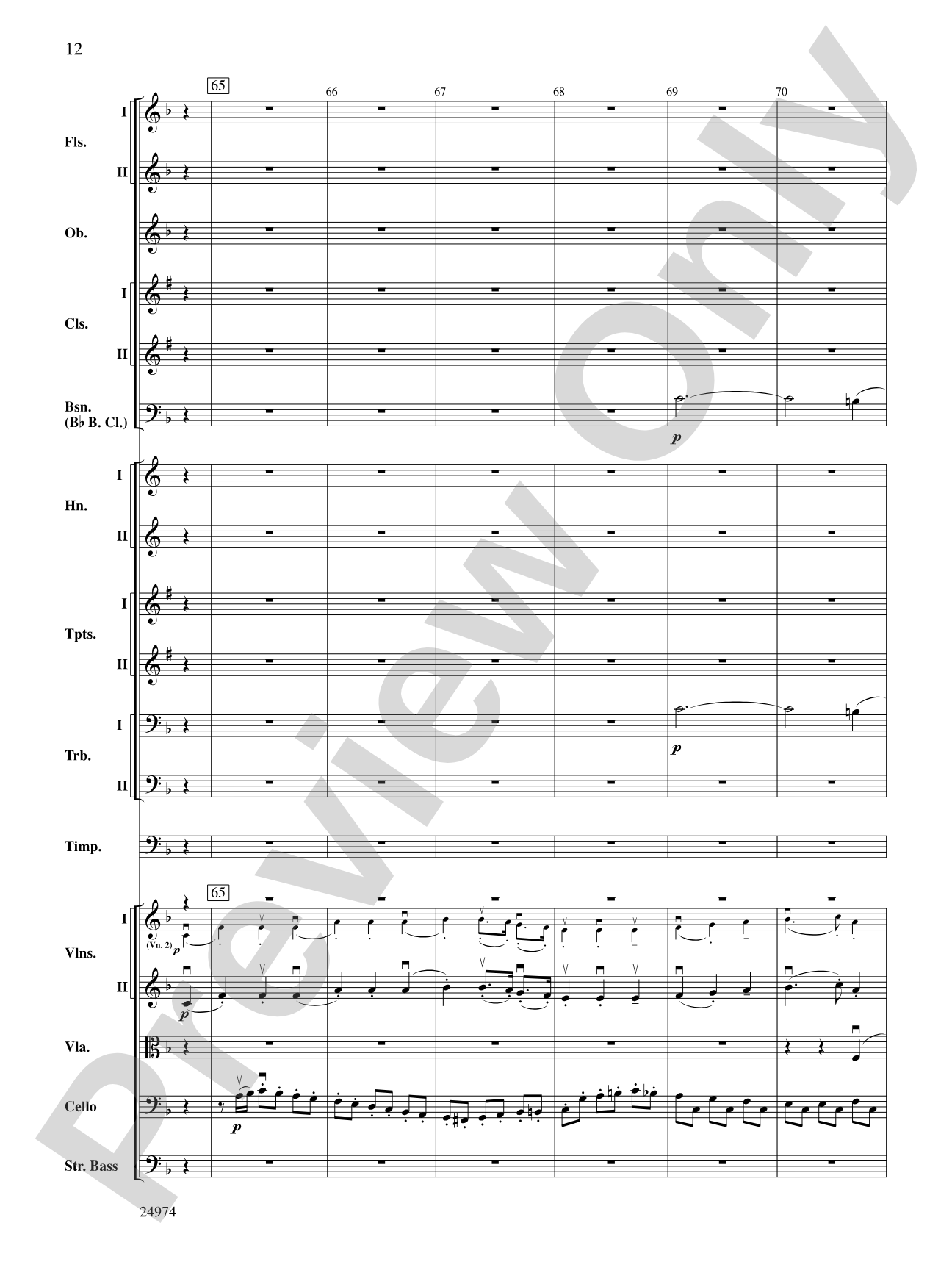
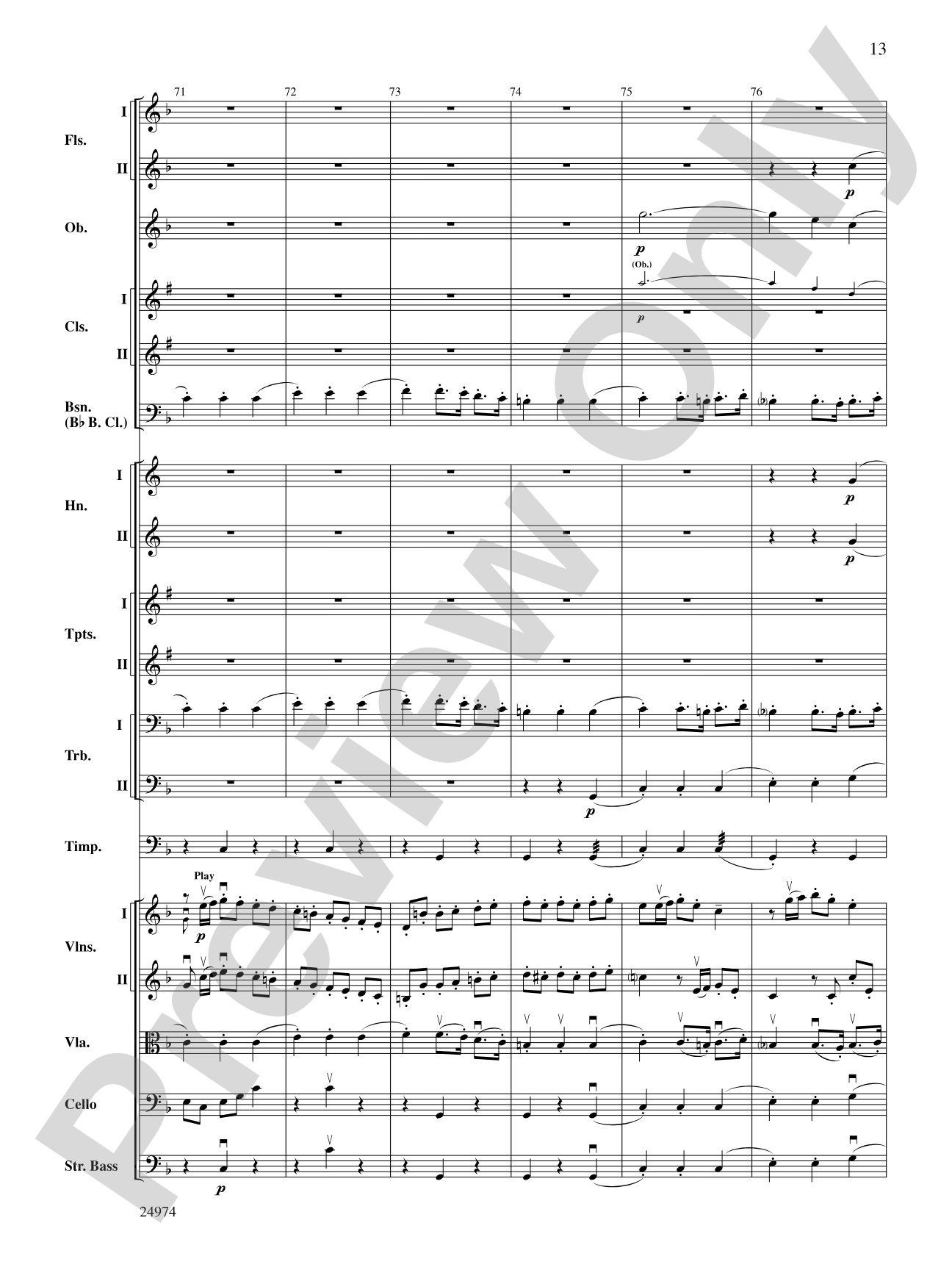
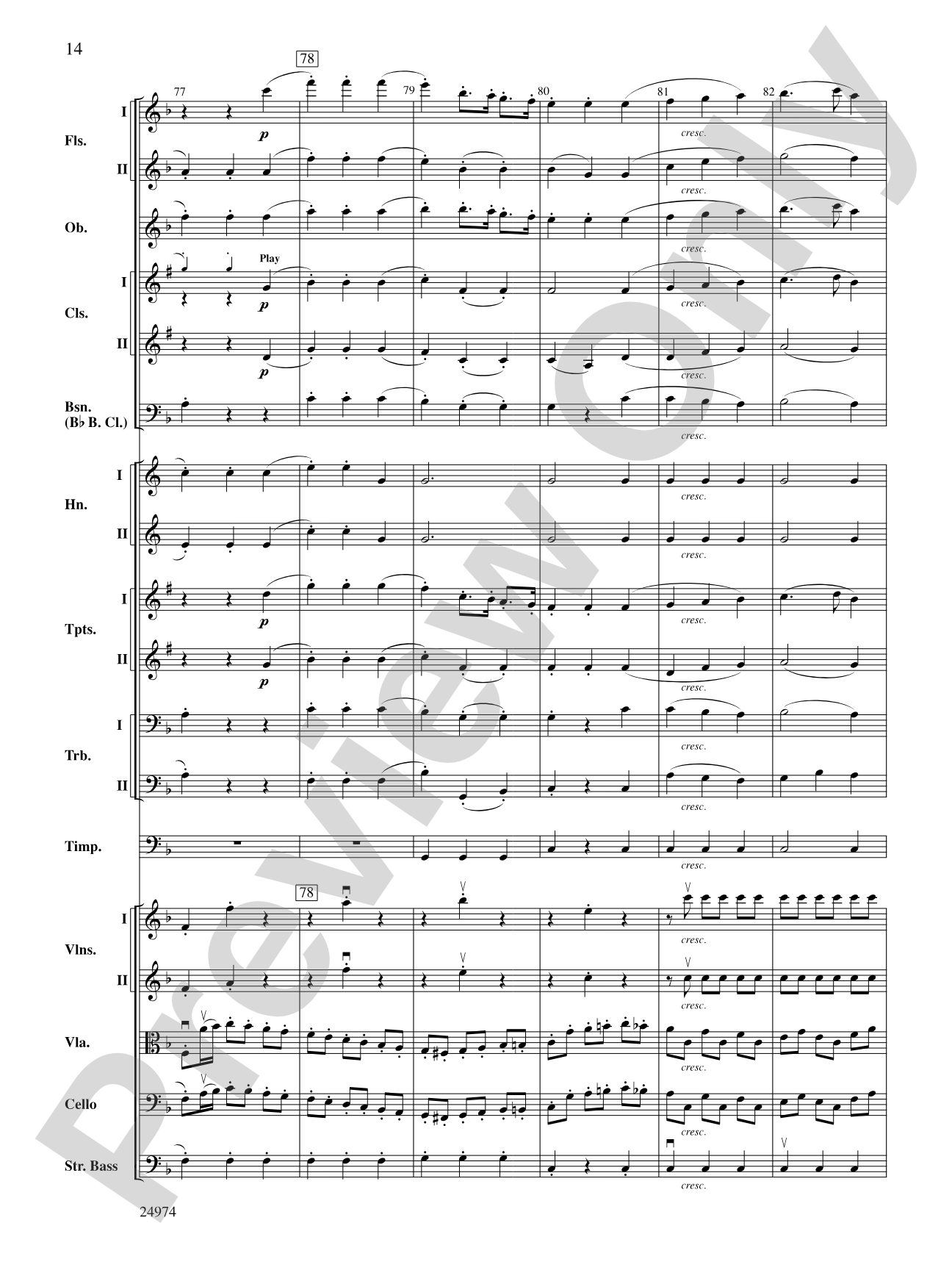
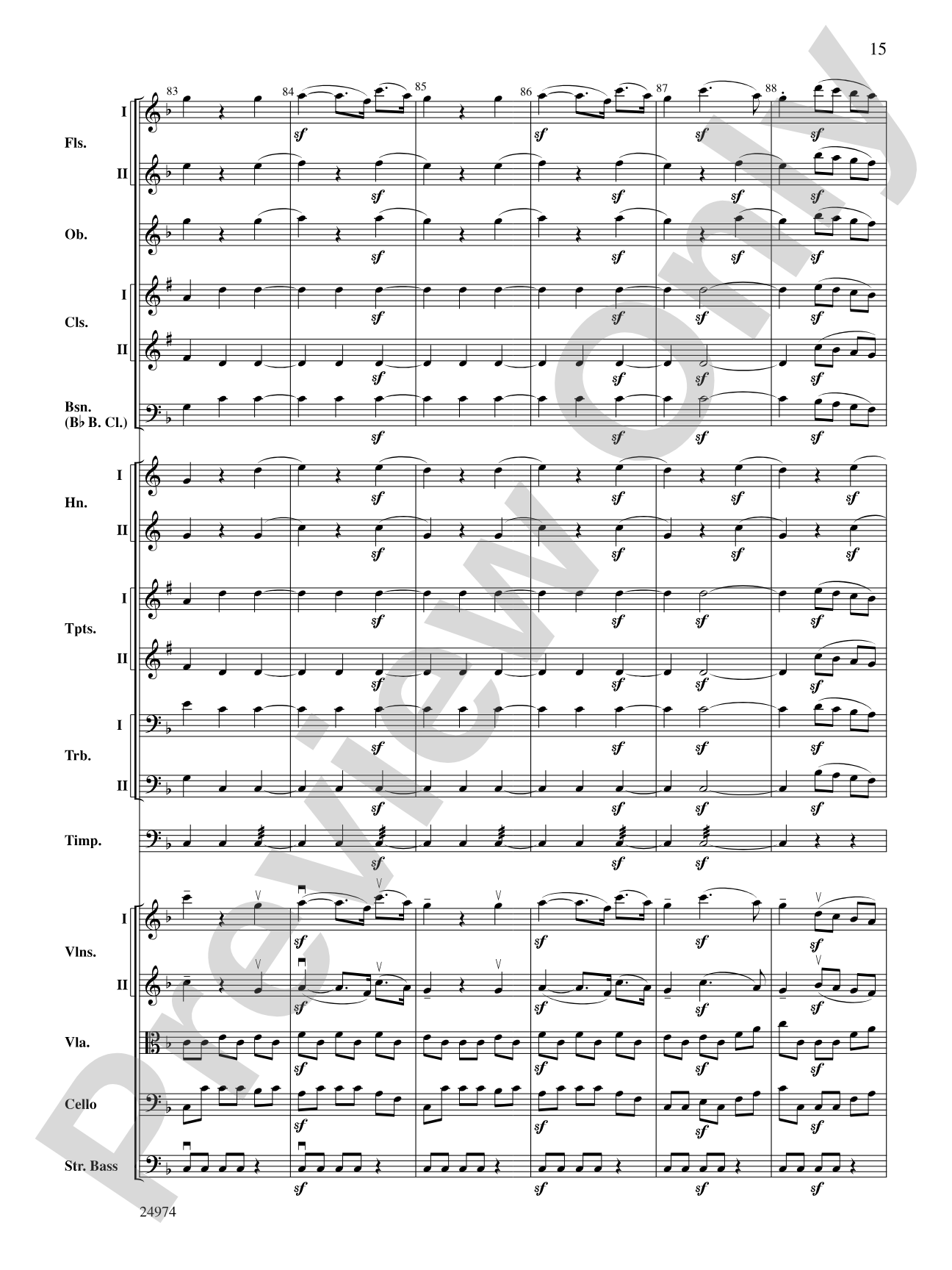
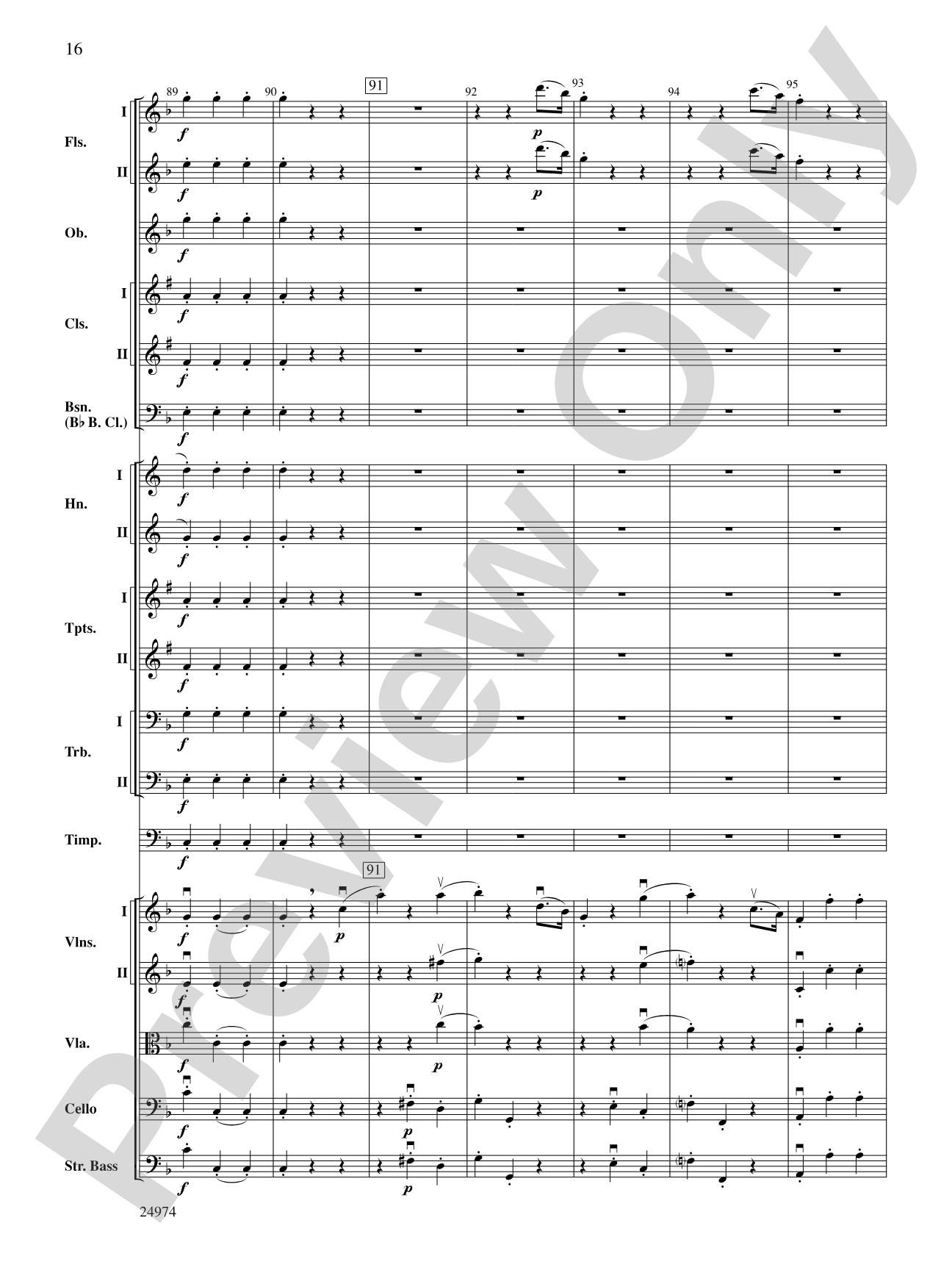
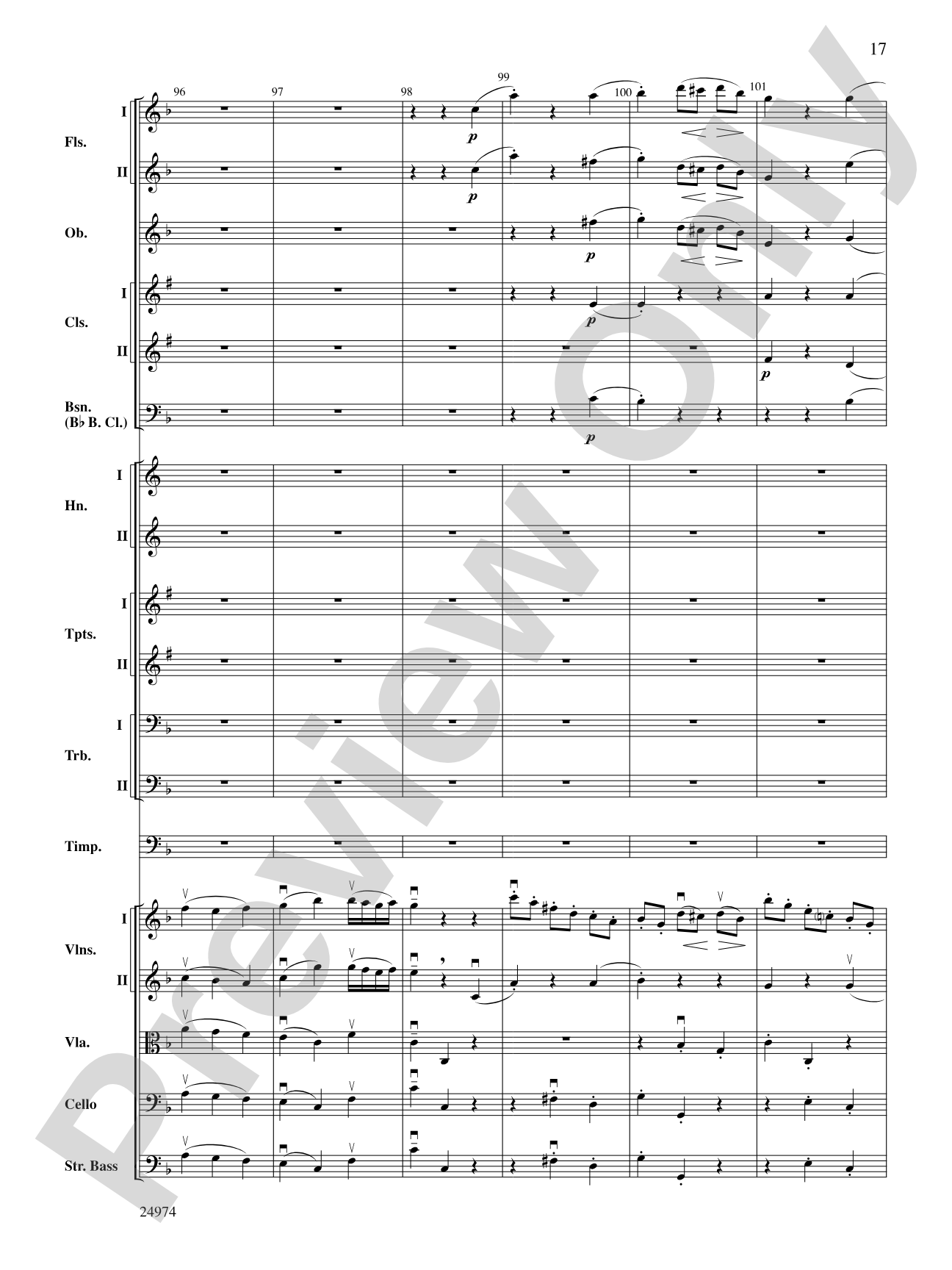
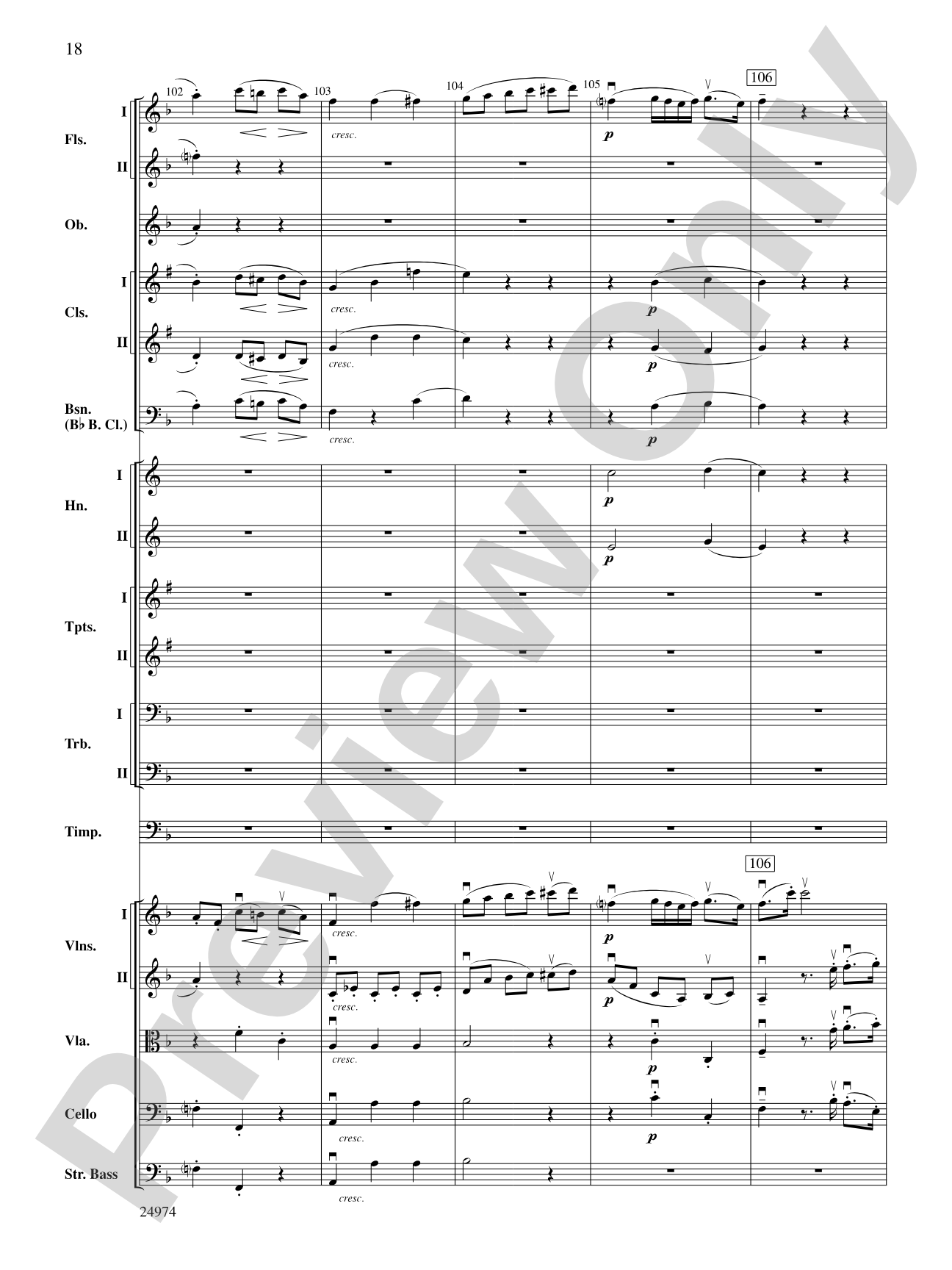
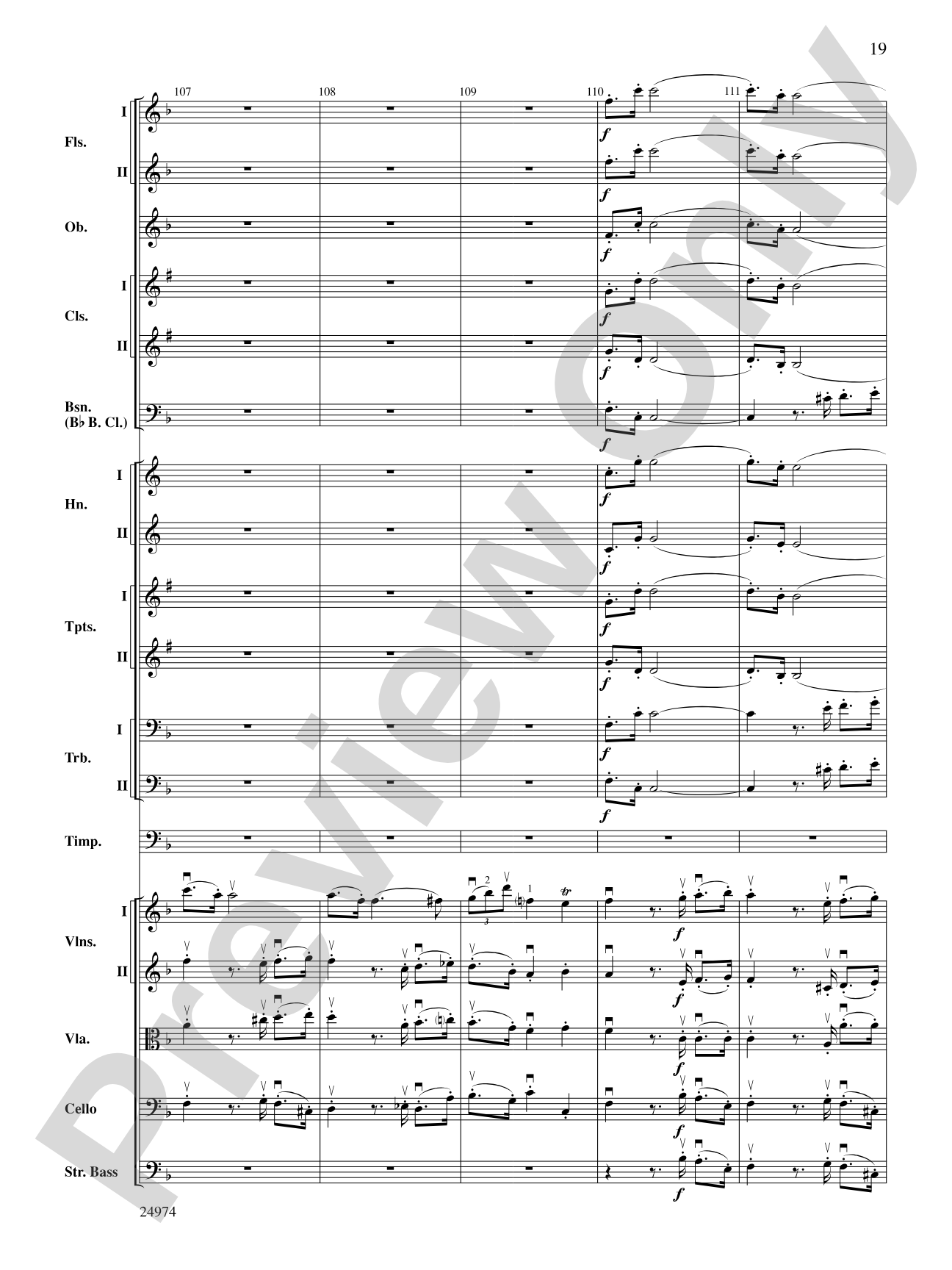
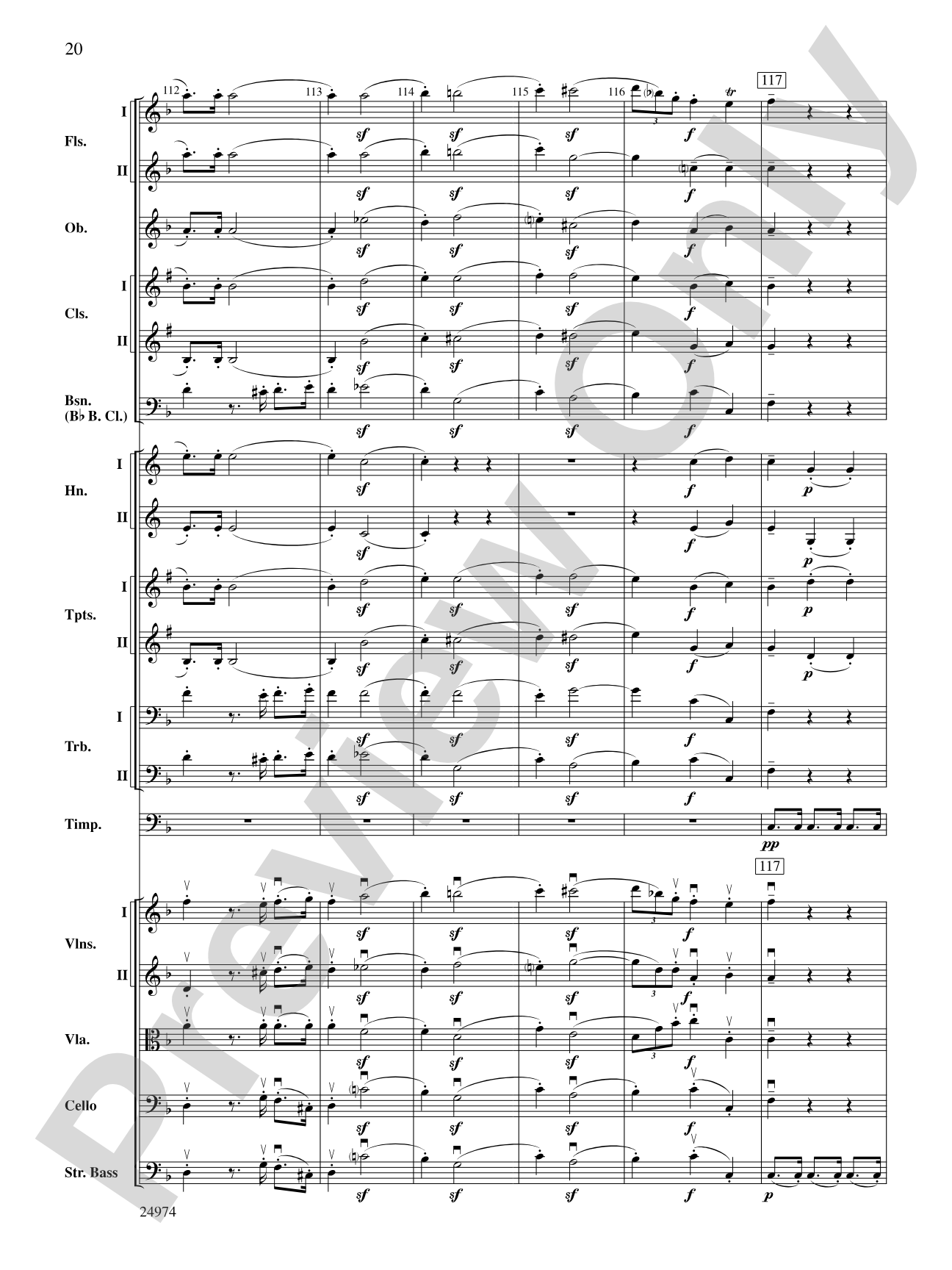
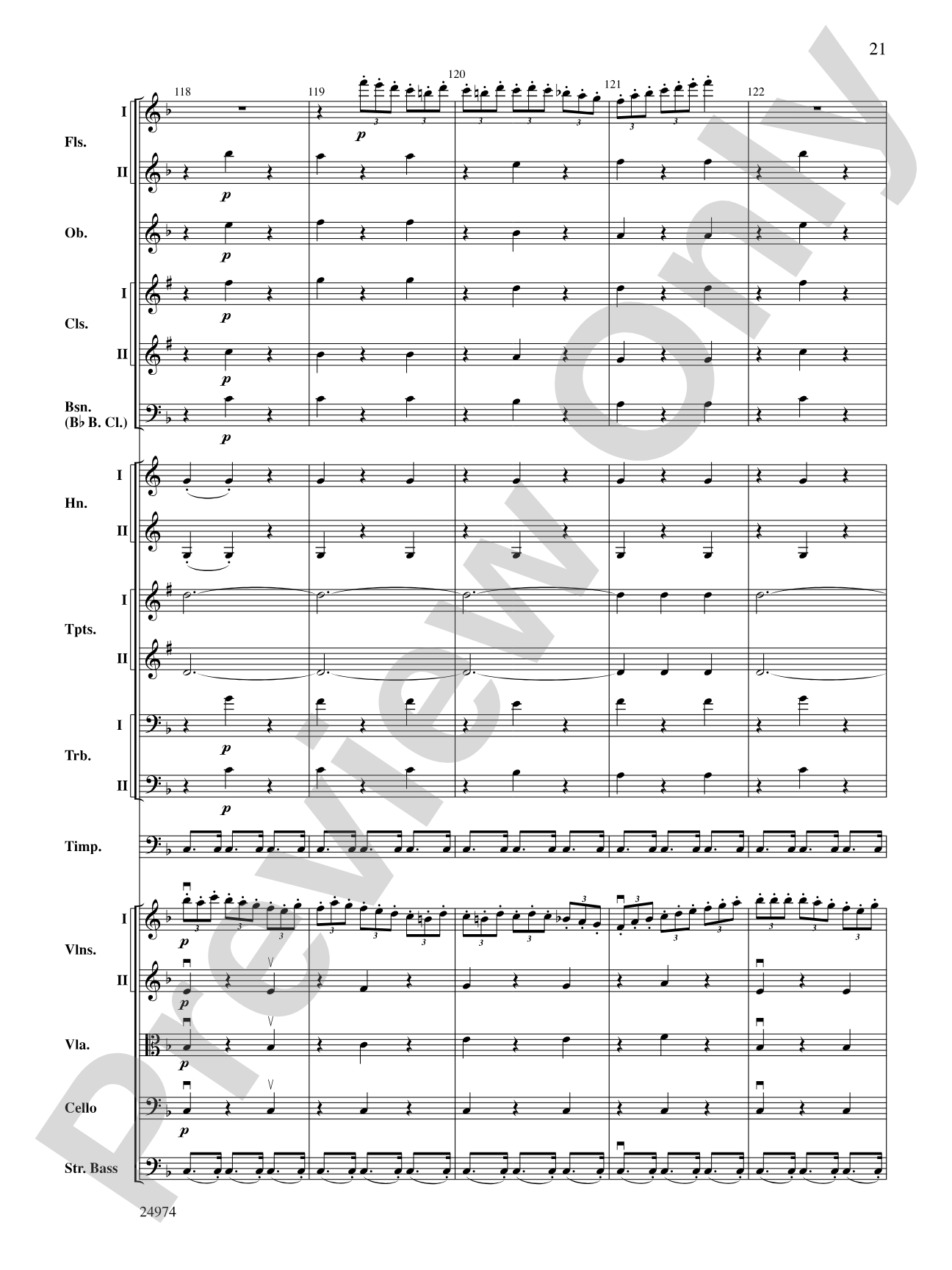
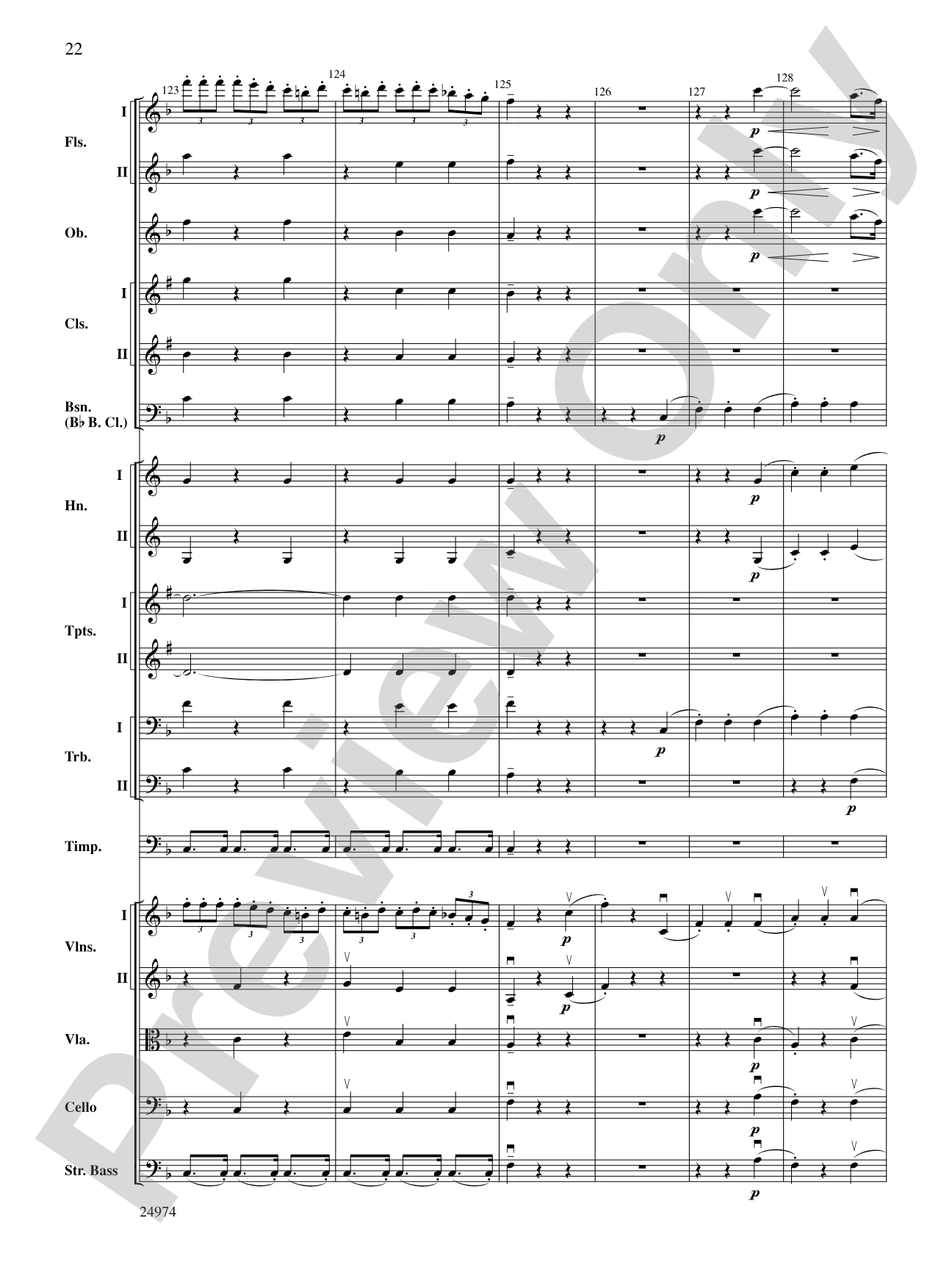
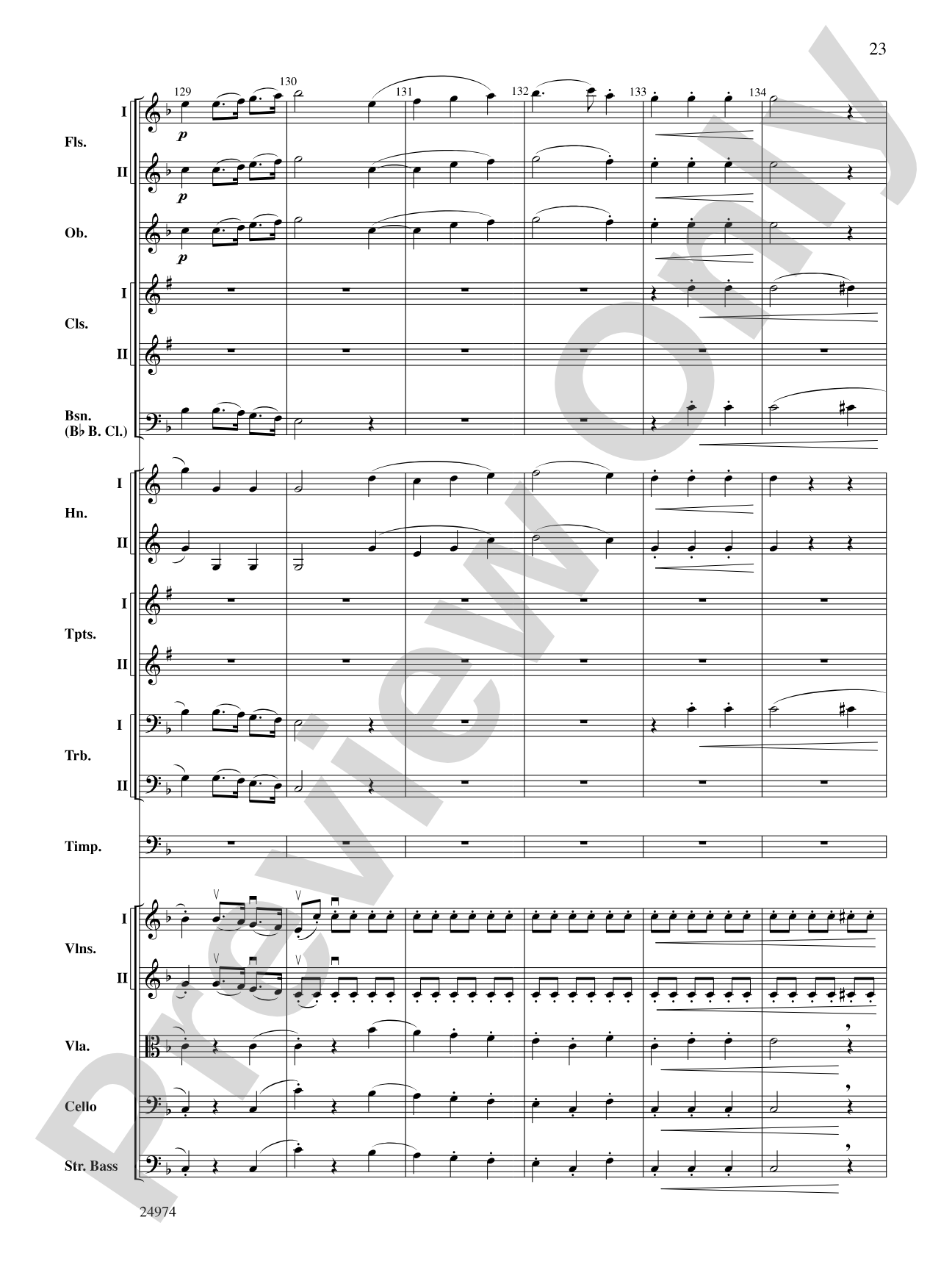
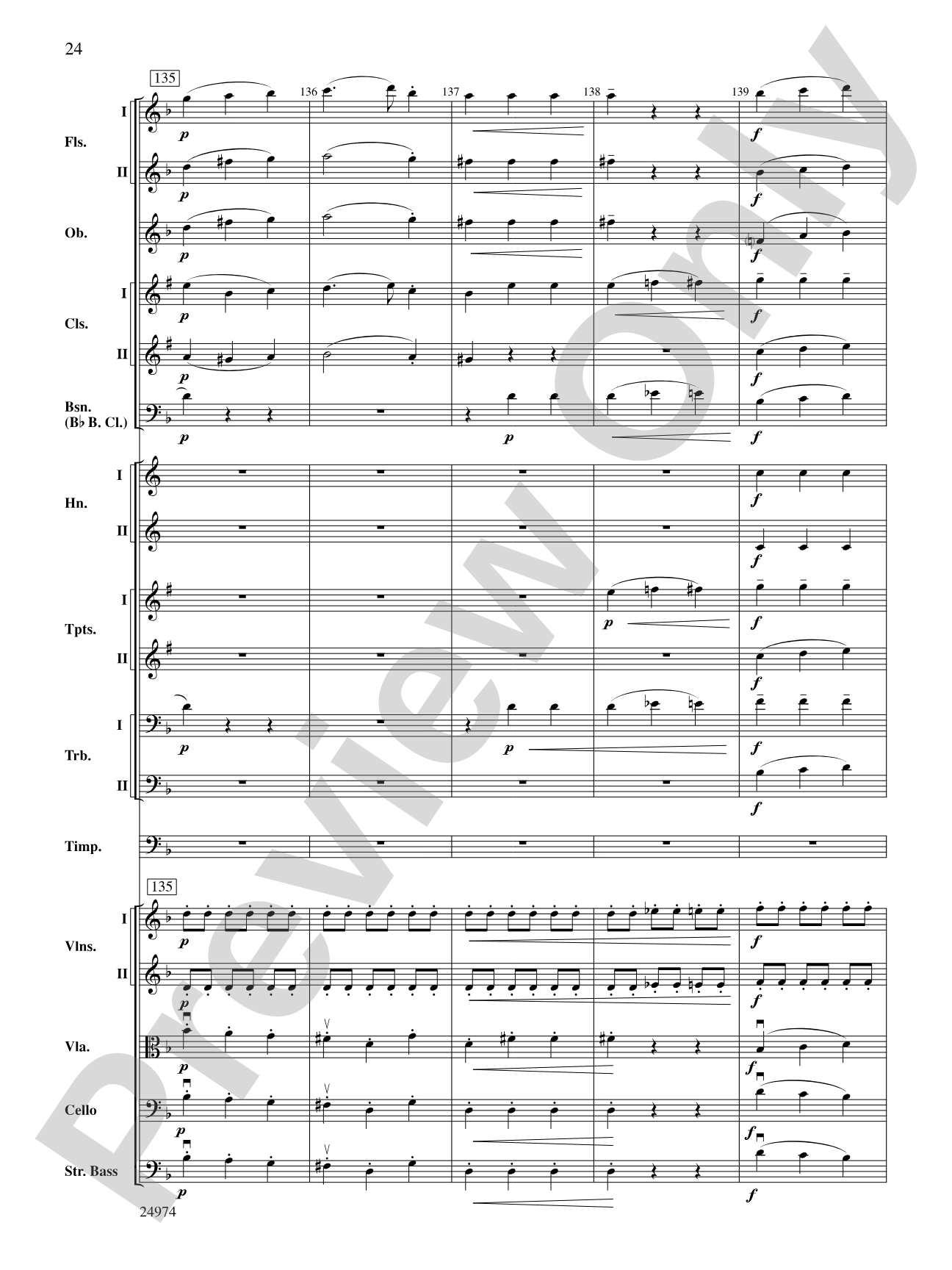
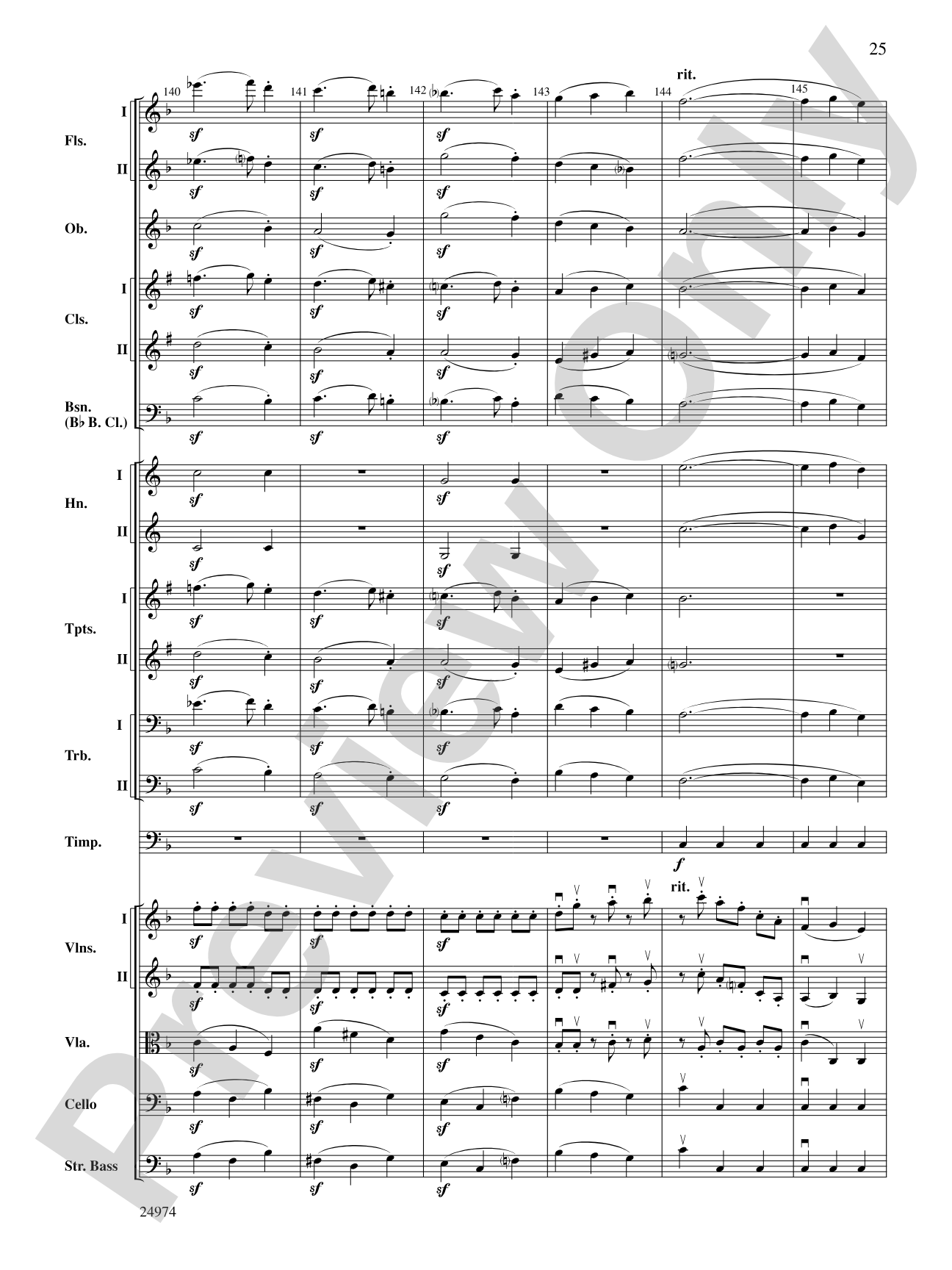
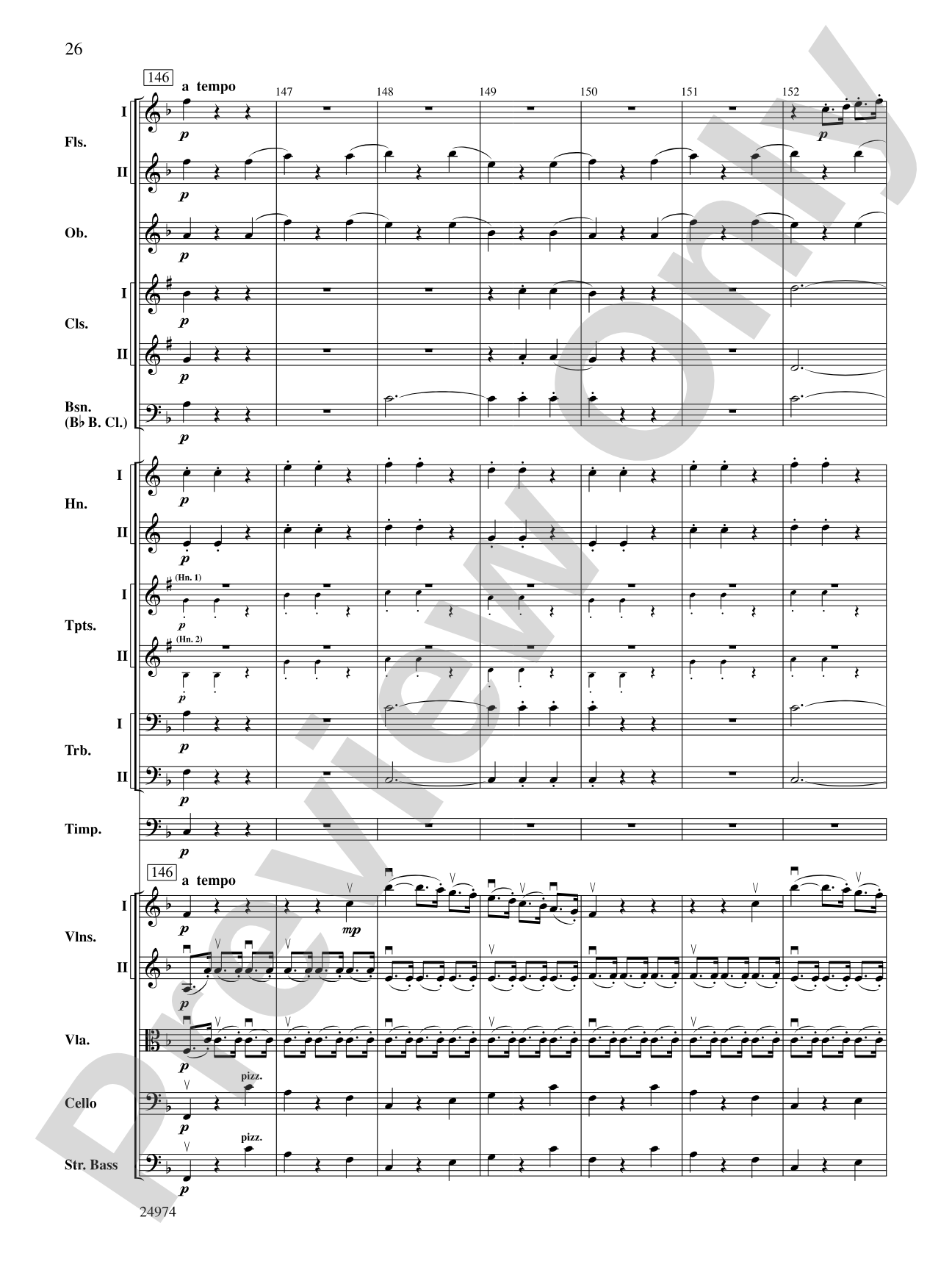
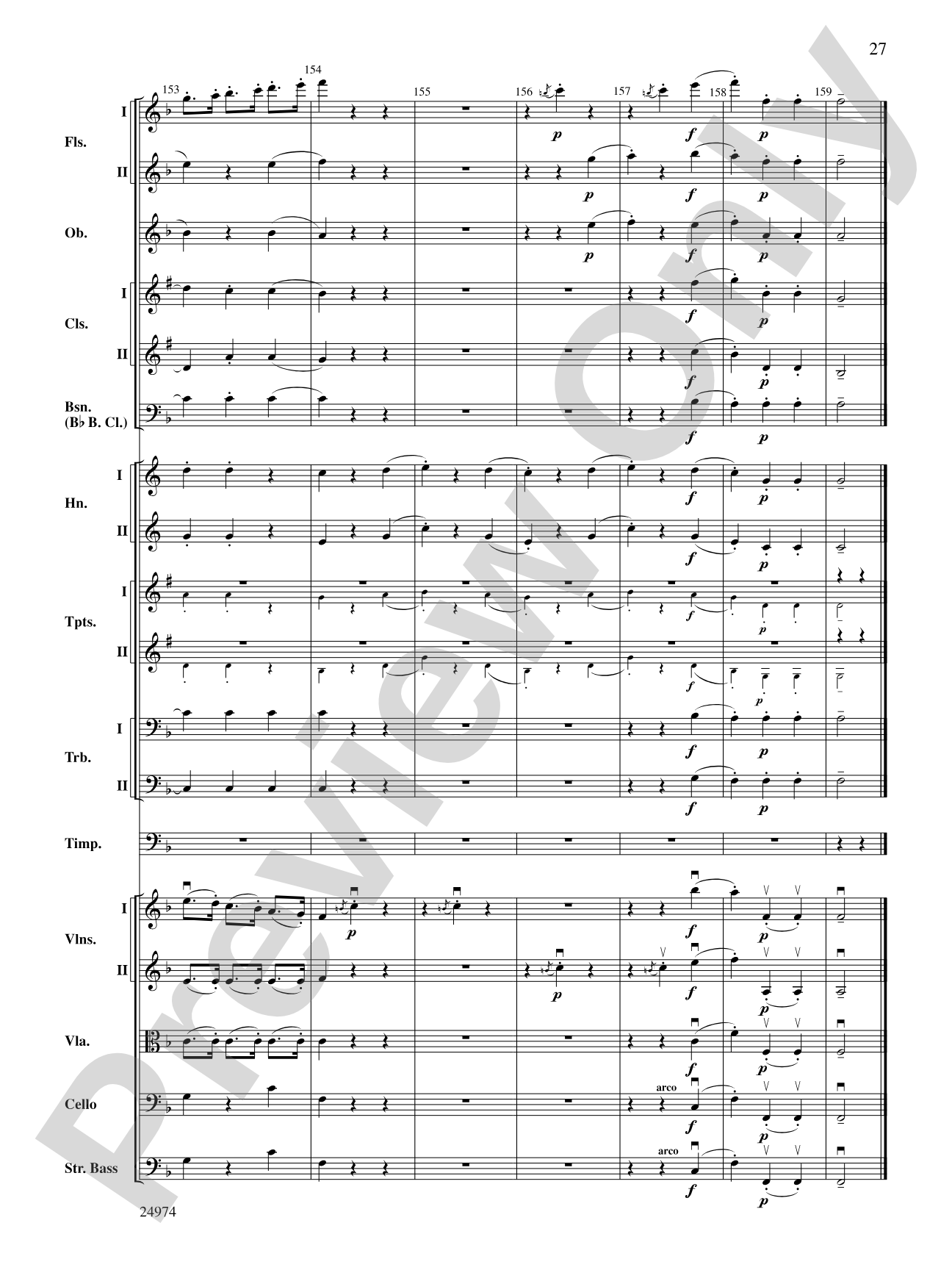


Beethoven's First Symphony, Second Movement: Full Orchestra Conductor Score & Parts
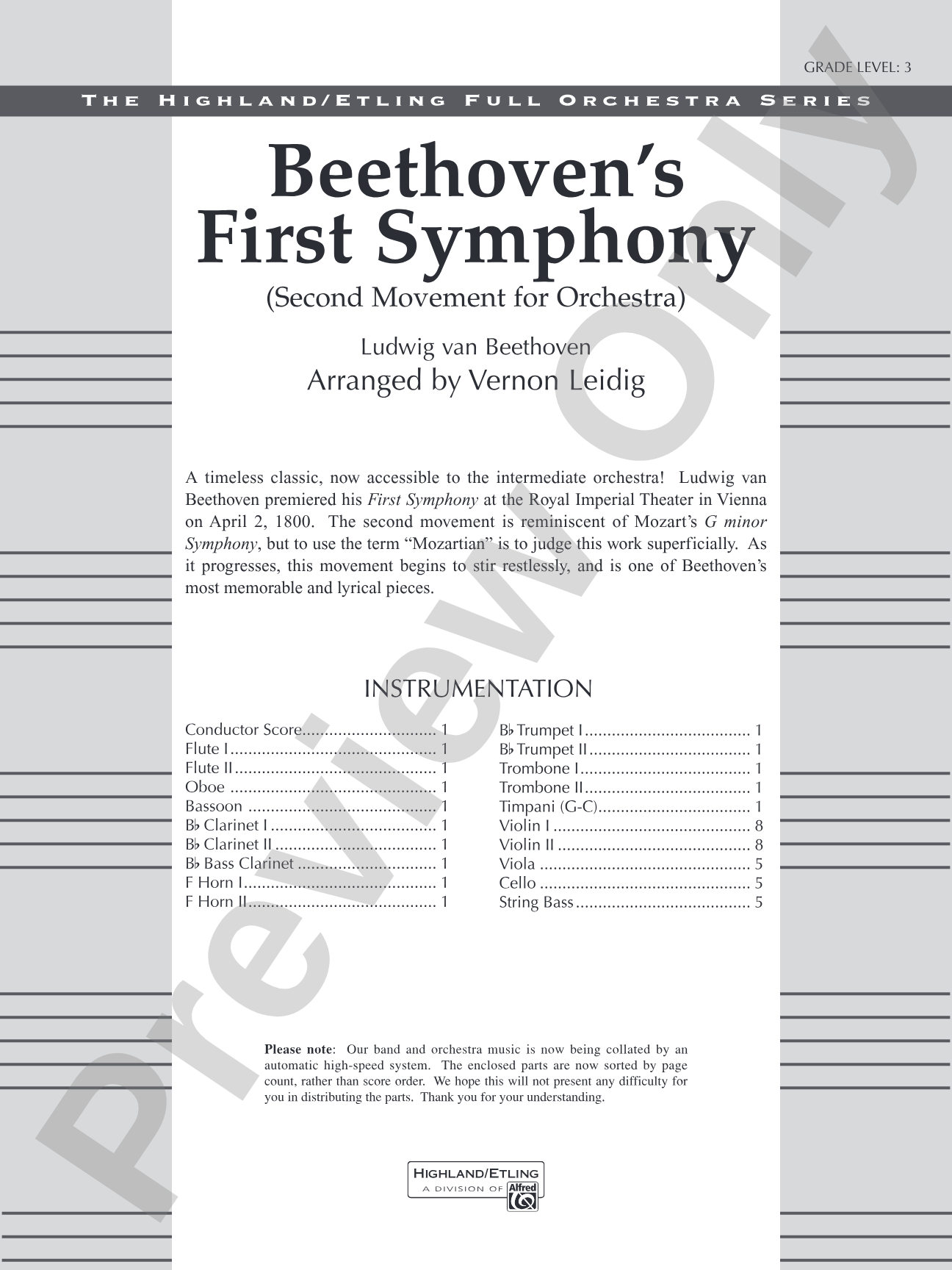
Second Movement for Orchestra
By Ludwig van Beethoven / arr. Vernon Leidig
Grade: 3
Item: 00-PK-0000969

$73.00
Pickup currently not available
Buy Extra Parts (Digital PDF Download)
Parts Added to Cart!
Description
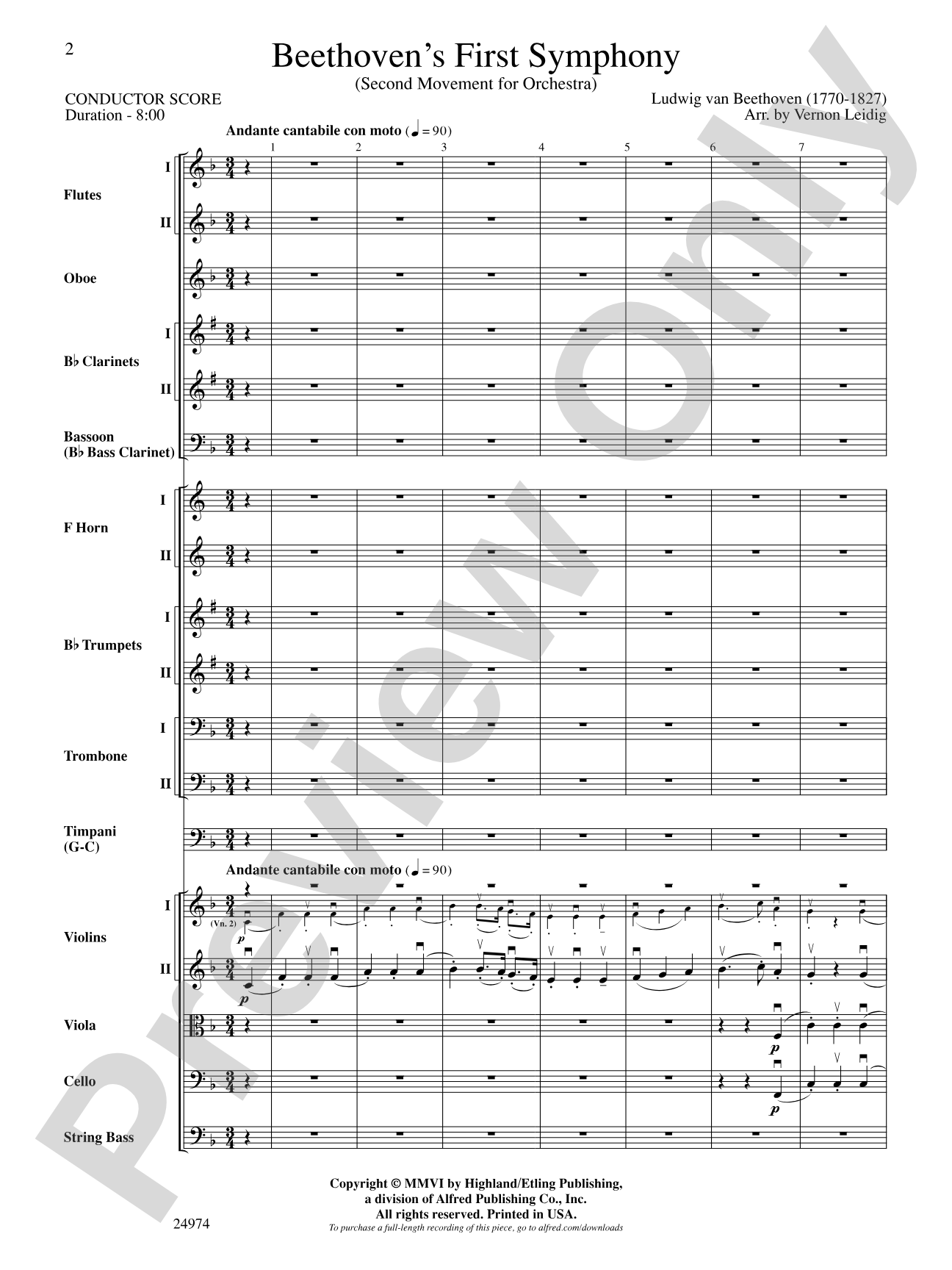
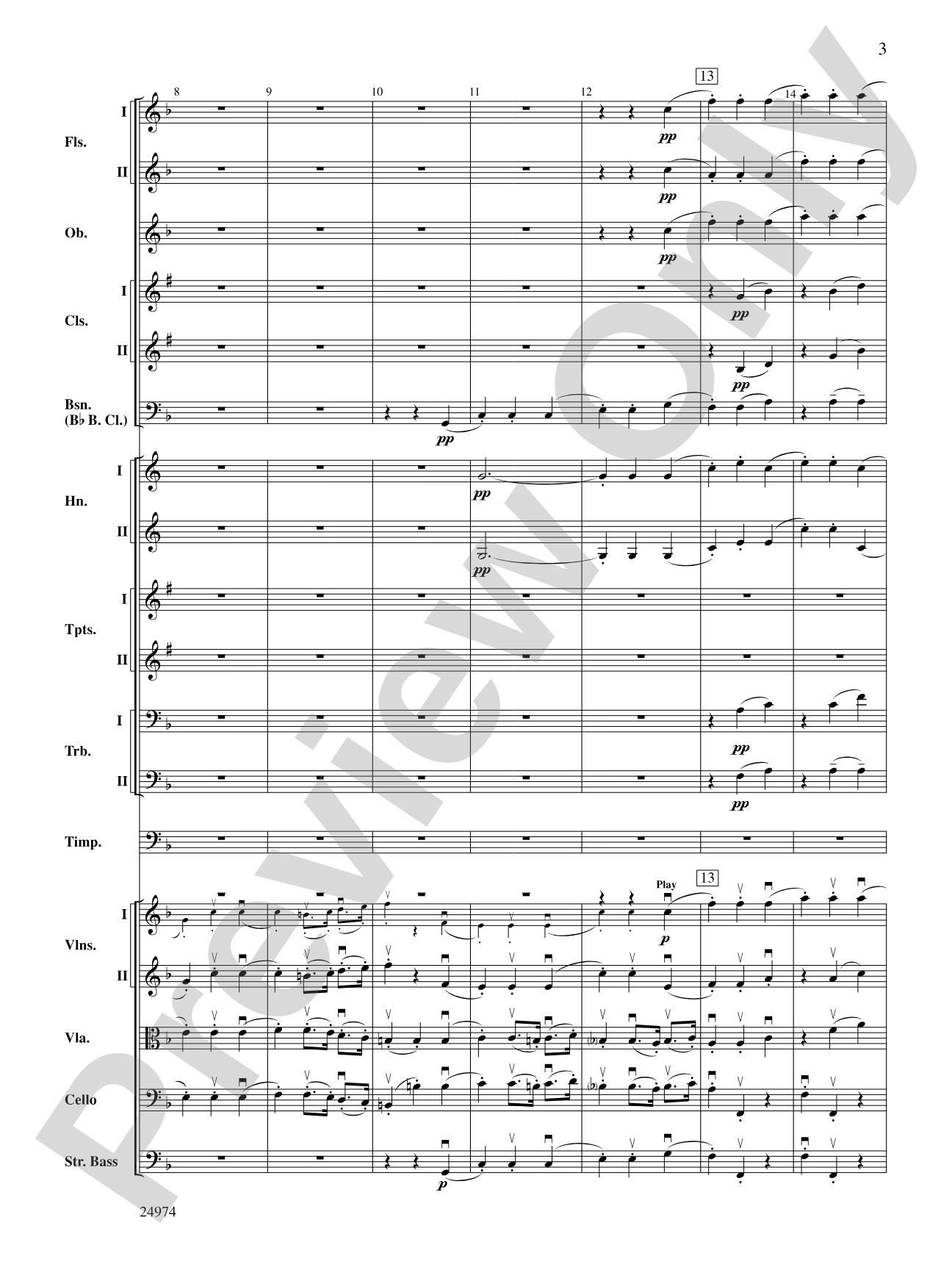
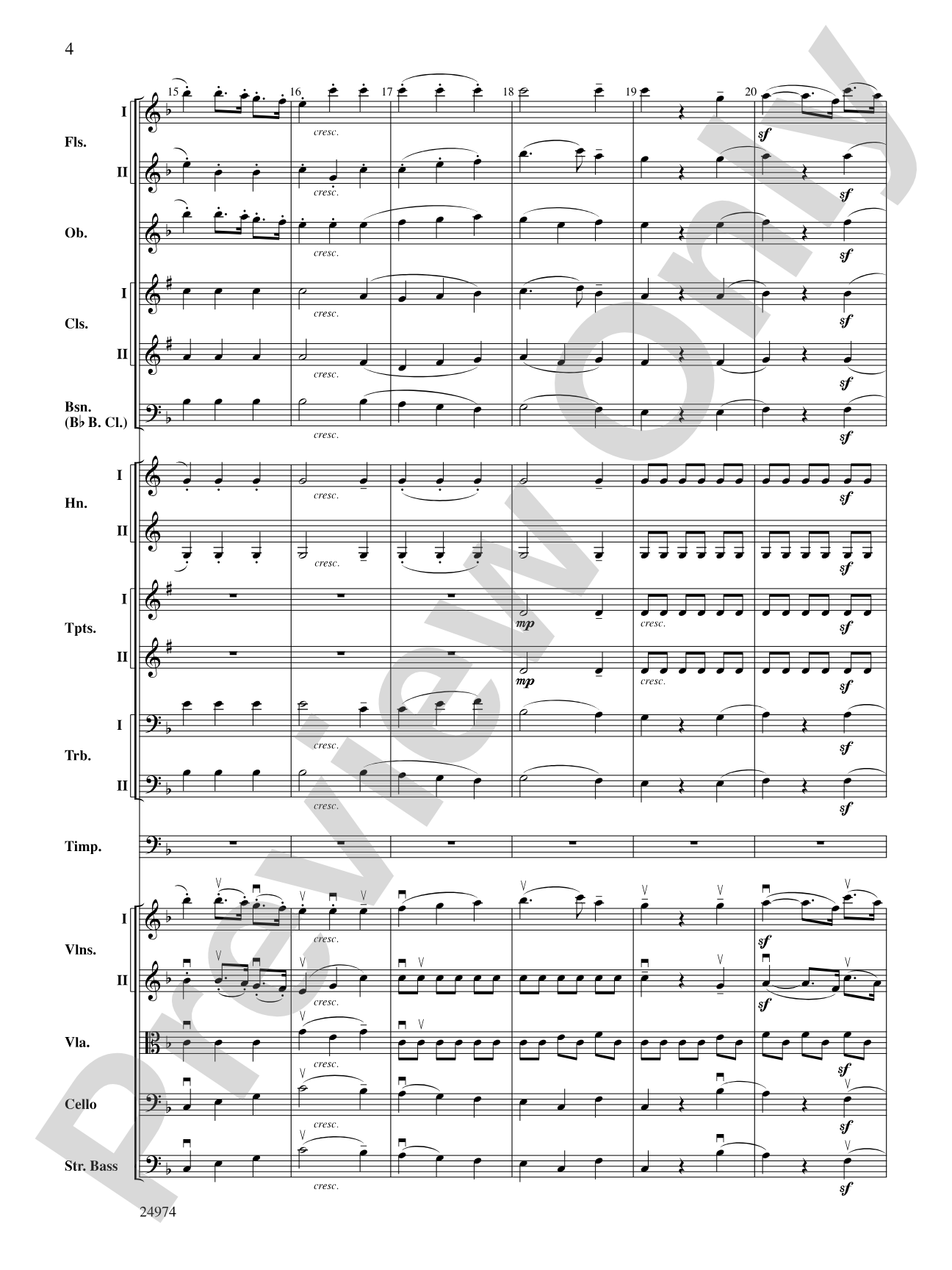
A great classic for intermediate-level orchestra! Ludwig van Beethoven first performed the Symphony No. 1 in C Major, Op. 21 at the Royal Imperial Theater in Vienna on April 2, 1800. The Second Movement is loosely reminiscent of the slow movement of Mozart's Symphony No. 40 in G Minor. But, to use the term "Mozartian" is to judge the work superficially. The movement begins to stir restlessly as it progresses. It is one of Beethoven's most singable and lyrical movements. (7:38)


Don't just read it, hear it, play along with it, and watch your students grow with it. In MakeMusic Cloud, Beethoven's First Symphony, Second Movement: Full Orchestra Conductor Score & Parts comes alive with professional accompaniment, adjustable tempo, and built-in practice tools that turn solo practice into real progress.
Open in the Player
Jump straight in and assign it today.
Start Your Free Trial
Open this title and explore the full library in minutes.
Sample Audio
1
Audio File
--:--
0:00
0:00
Sample Video
Additional Details
Series:
Highland/Etling Full Orchestra
Publisher:
Alfred Music
Page Count:
178
SKU:
00-PK-0000969
More about this title
About the Composer: Ludwig van Beethoven
Ludwig van Beethoven (1770-1827) stands as the pivotal figure between Classical and Romantic music. Born in Bonn and trained in the Classical tradition, he moved to Vienna as a young man and quickly established himself as a virtuoso pianist and innovative composer. His nine symphonies chart a compositional journey that fundamentally redefined what orchestral music could express, moving from the elegant proportions of Haydn and Mozart toward expansive, emotionally direct statements.
Beethoven's early works, including the First Symphony, still honor Classical forms and orchestration but carry unmistakable seeds of his mature style: harmonic boldness, rhythmic vitality, and a restless dramatic energy. For music educators, his symphonies represent essential repertoire that teaches students how to listen for structural coherence, thematic development, and the expressive potential of orchestration across an entire movement.
Why we love this
This arrangement captures the lyrical warmth and architectural clarity of Beethoven's original while remaining thoroughly accessible for Grade 3 orchestras. The Second Movement's unhurried pacing and songlike character give young musicians room to develop ensemble blend and phrase awareness without the technical demands of faster movements. Programming this movement offers your orchestra a masterwork credential and a genuine artistic experience in a single rehearsal block.
What to expect
A gentle, reflective conversation that gradually stirs with inner restlessness before settling back into calm contemplation. The movement breathes with an intimate quality; moments of tender lyricism give way to subtle agitation before returning to serene resolution. Young musicians often describe the experience as both meditative and emotionally present.
Who it's for
Intermediate-level orchestras seeking repertoire that combines historical significance with musical substance. Directors working with mixed-ability sections will appreciate how this arrangement supports emerging players while offering strong musicians genuine musical challenges in ensemble coordination and tonal control.
How to get the most out of it
- Establish a warm, singing tone from the opening phrase. The movement's lyricism depends on sustained vibrato and consistent dynamic support across the line.
- Balance the first violins and violas carefully during the restless mid-section passages. These inner voices carry important motivic material that should register clearly without overwhelming the primary melody.
- Shape phrases through gentle dynamic curves rather than strict adherence to printed markings. Allow the orchestra to breathe with the music's natural speech patterns, especially at cadences.
- Mark the return to the opening material with subtly increased intensity. Beethoven writes this transition to feel like a quiet reawakening, not a mechanical repeat.
How to use it
This works beautifully on a concert devoted to Classical masterworks or as the centerpiece of a program exploring Beethoven's evolution. Its moderate tempo and introspective character make it an excellent choice following a faster opening number or preceding a more dramatic finale. Festival adjudicators respond well to orchestras that tackle canonical repertoire with care.
Skills your students will build
- Sustaining lyrical lines with even tone and consistent vibrato
- Balancing transparent orchestration where each section supports rather than dominates
- Recognizing and executing subtle harmonic motion in slowly moving passages
- Responding to gentle dynamic curves that shape phrase architecture
- Coordinating ensemble sound across mixed ability levels without sacrificing musical clarity