

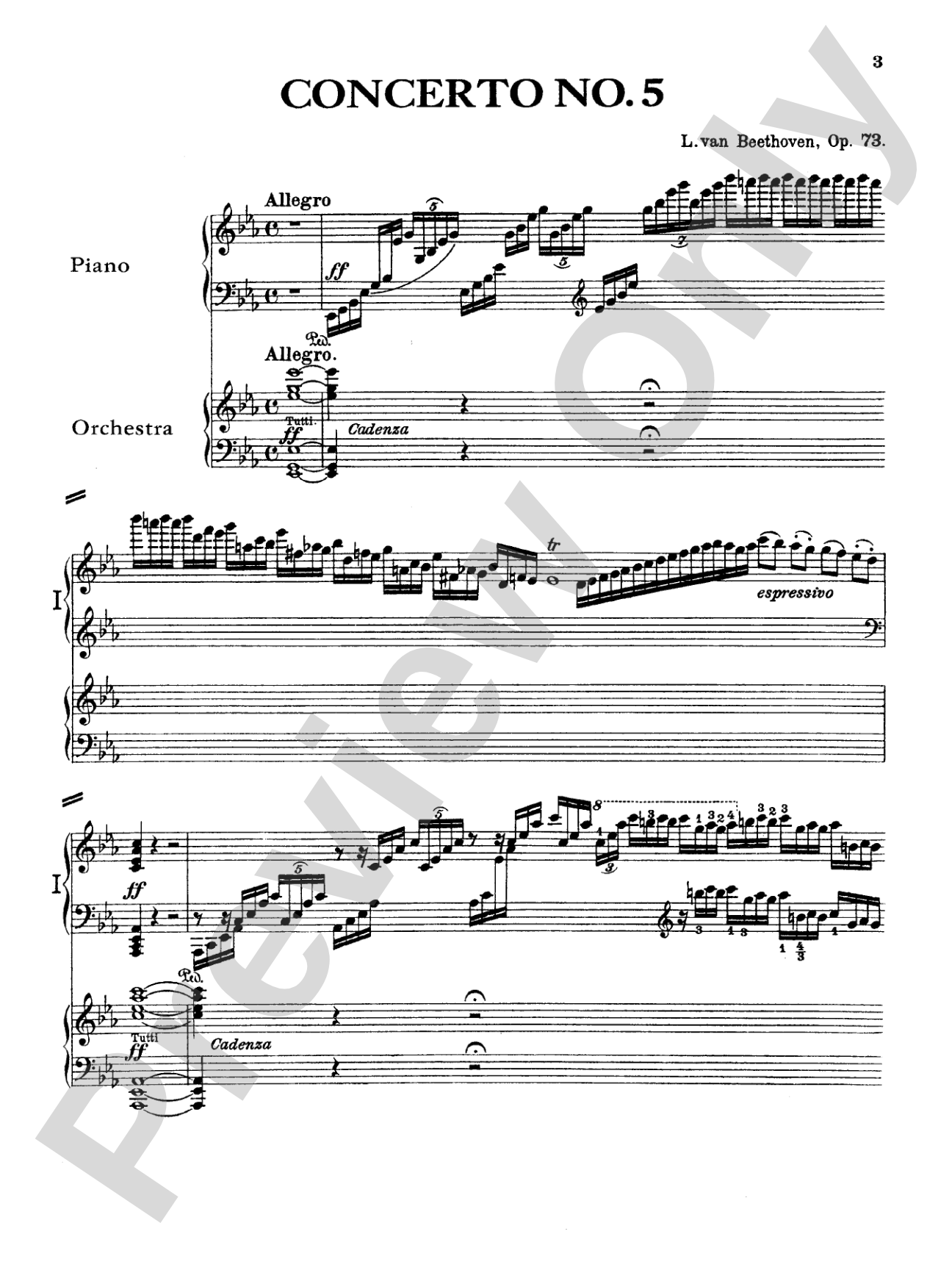
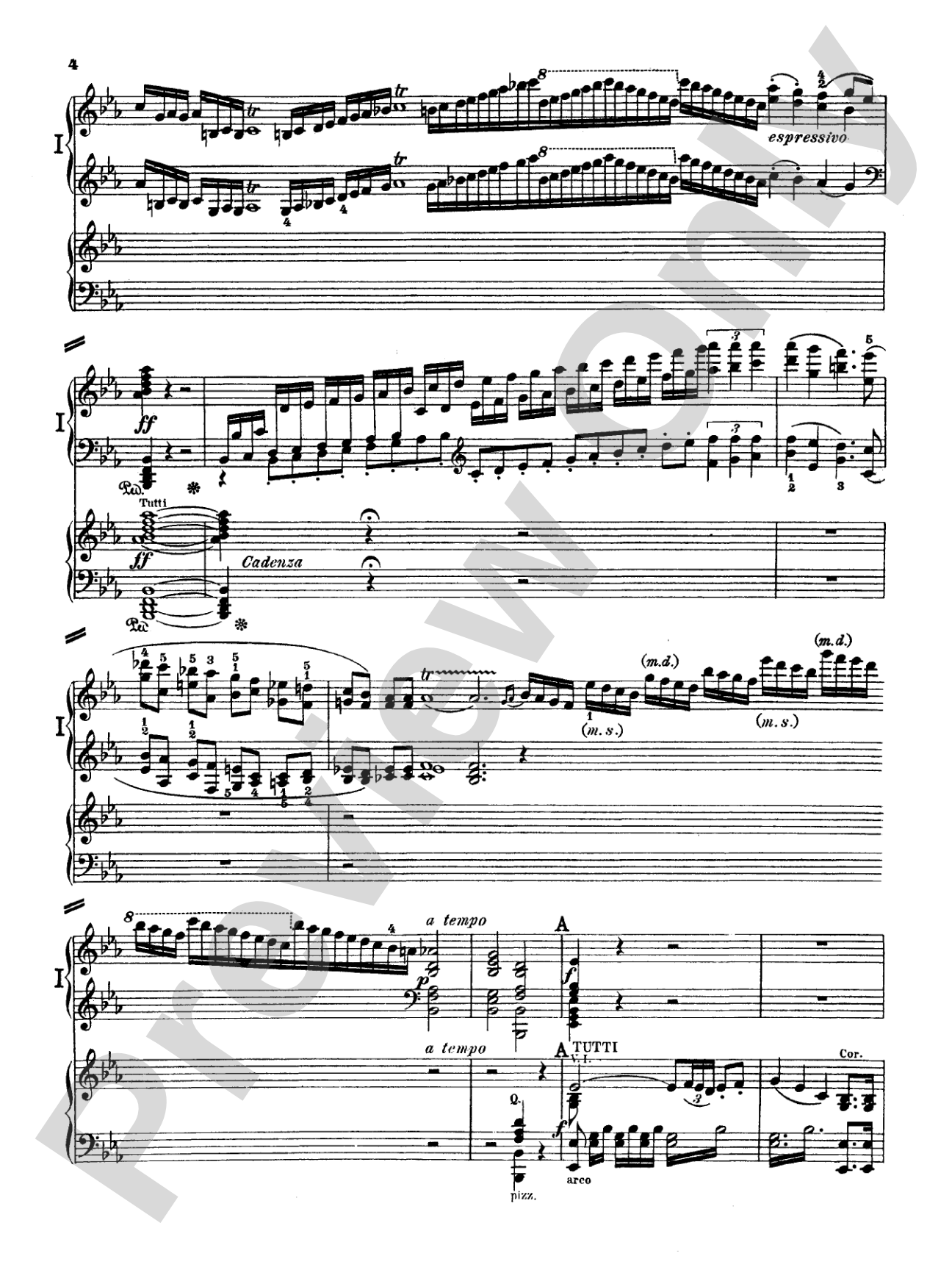
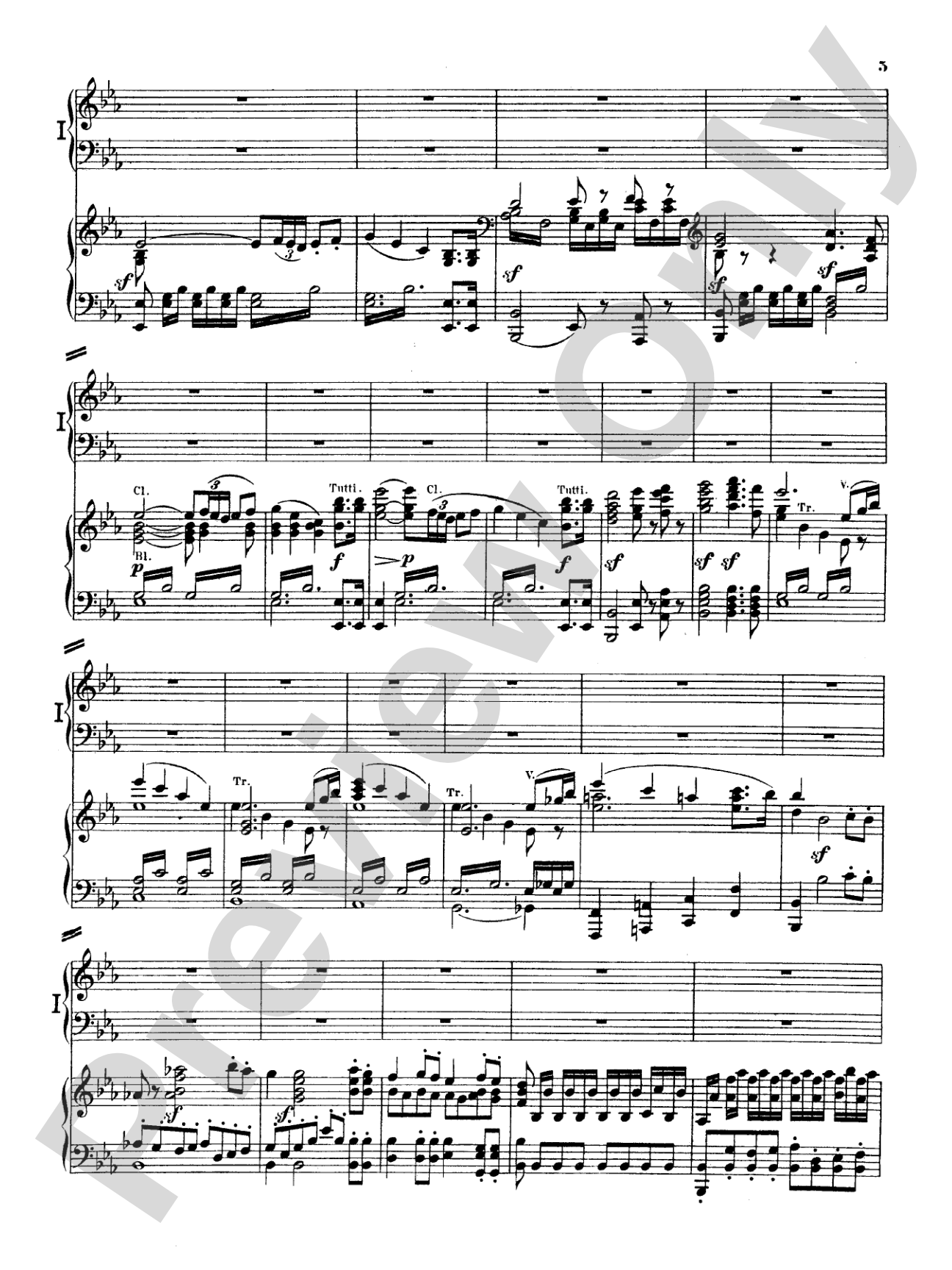
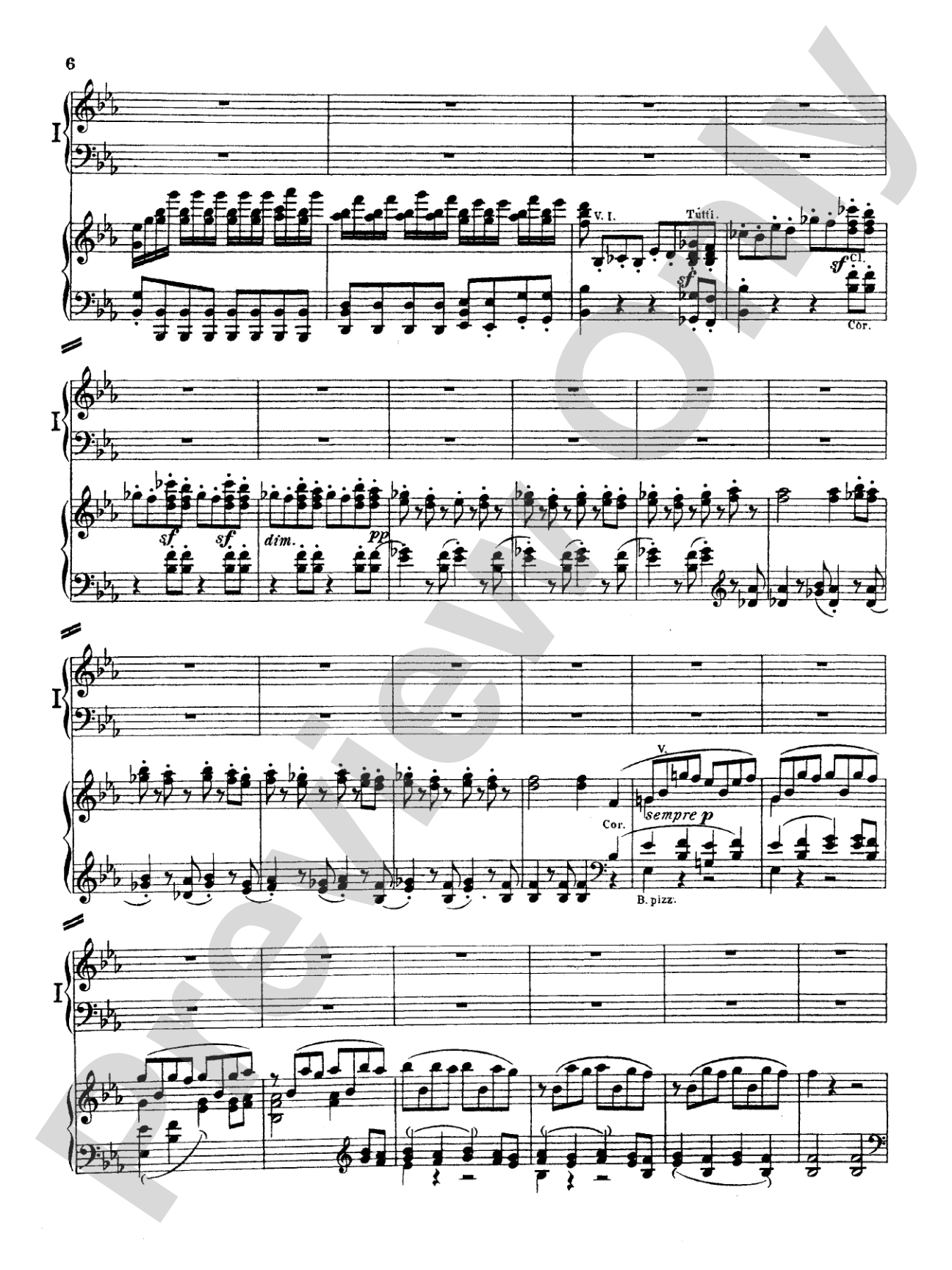
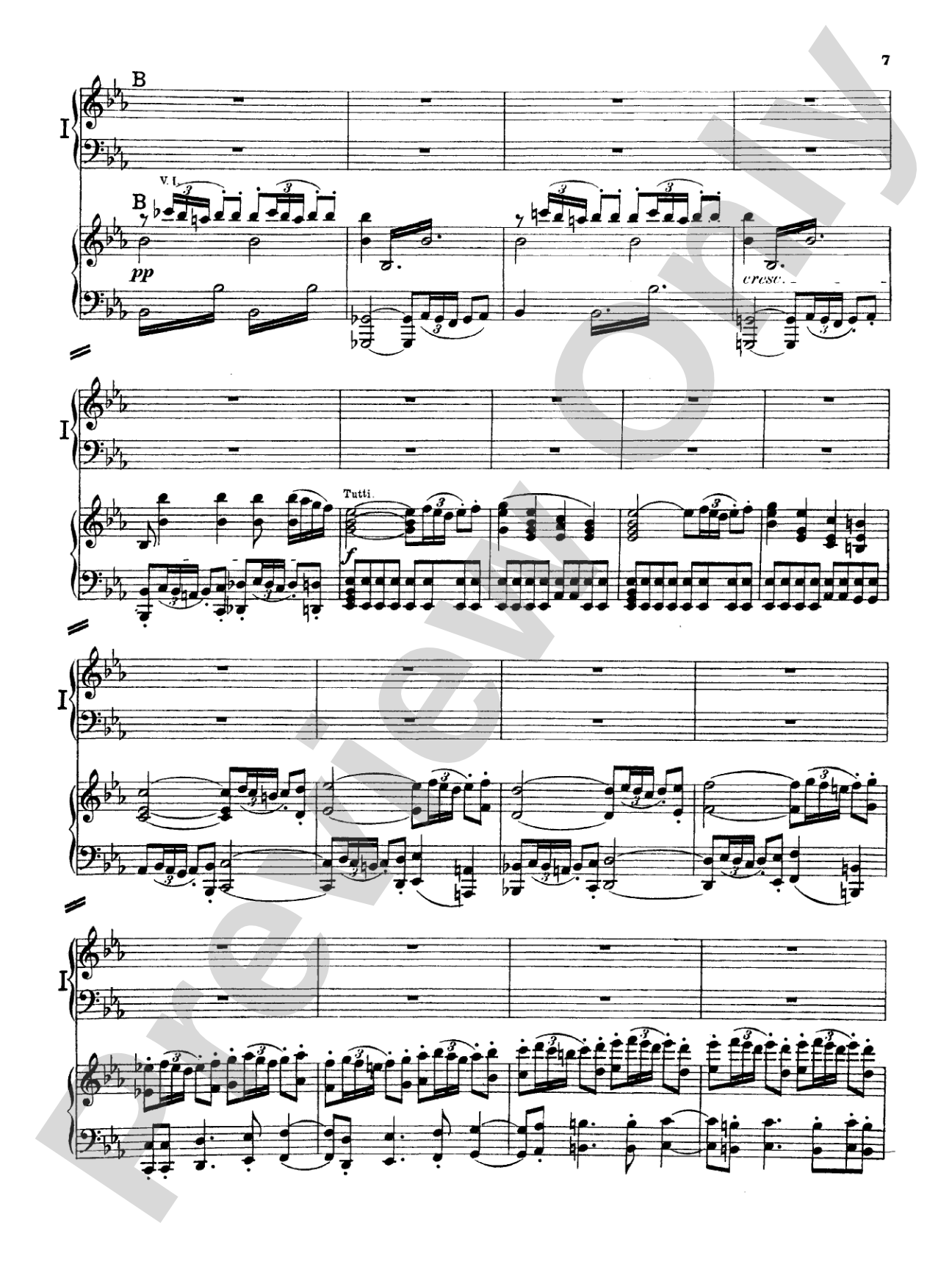
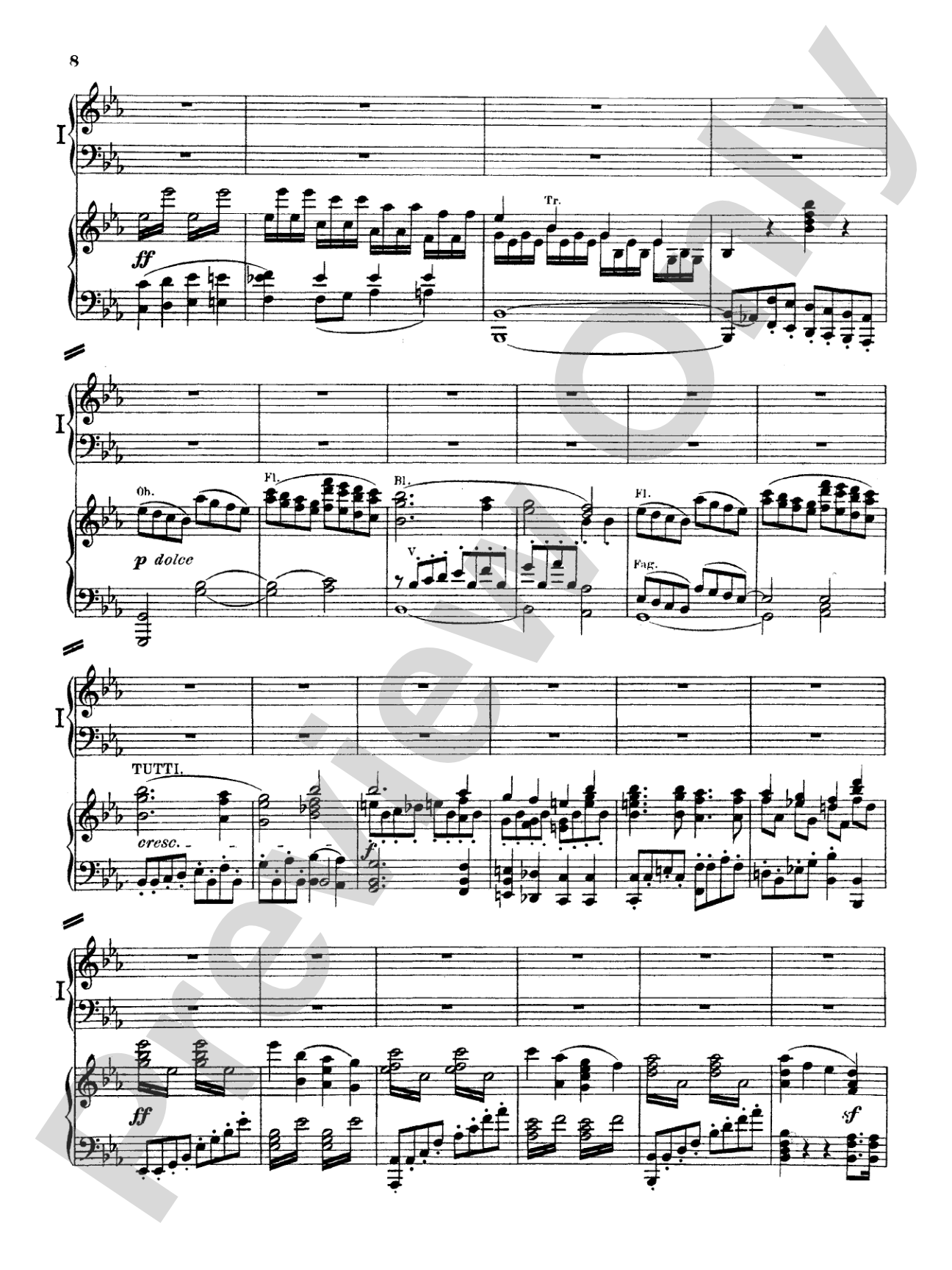
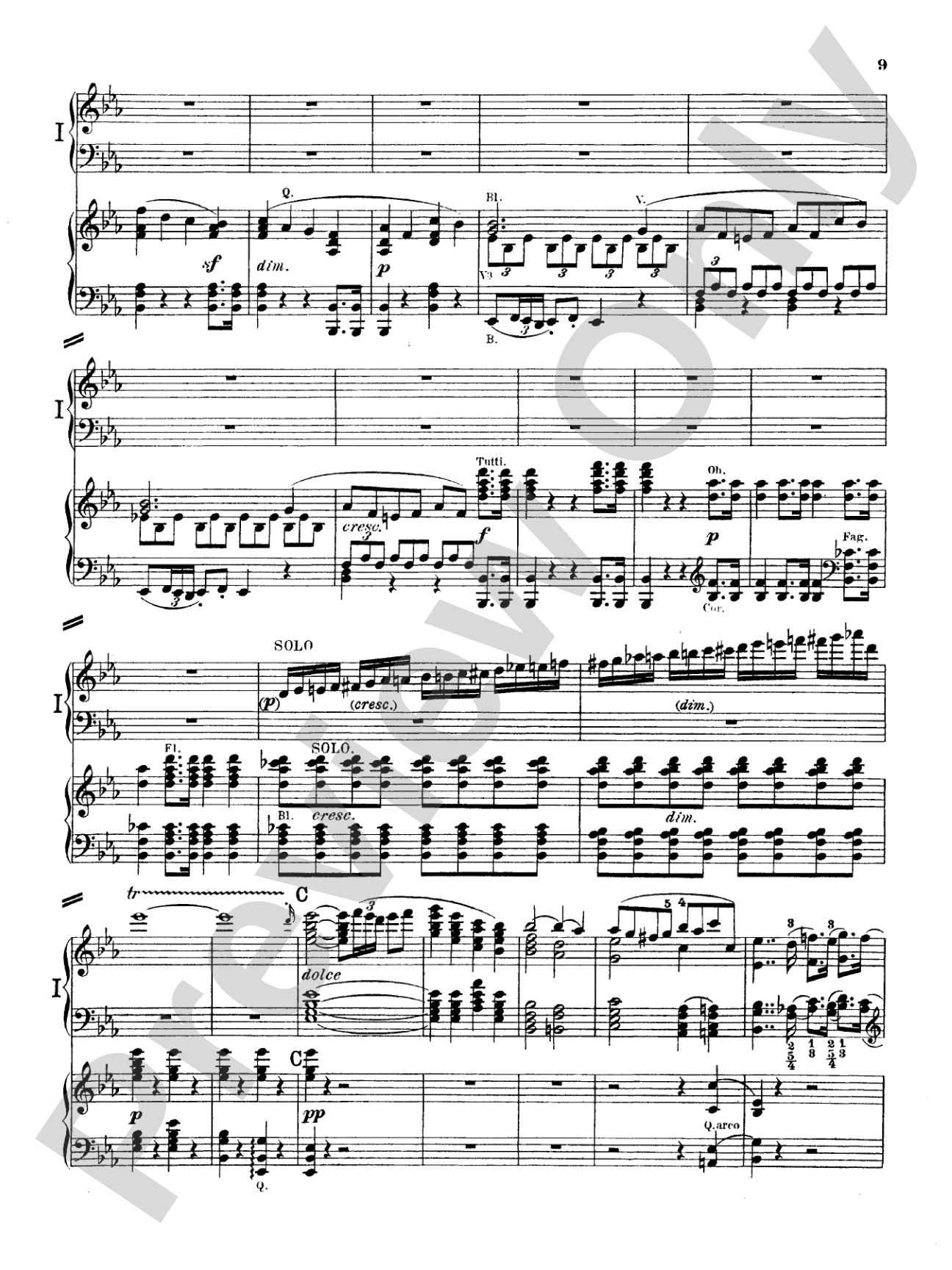
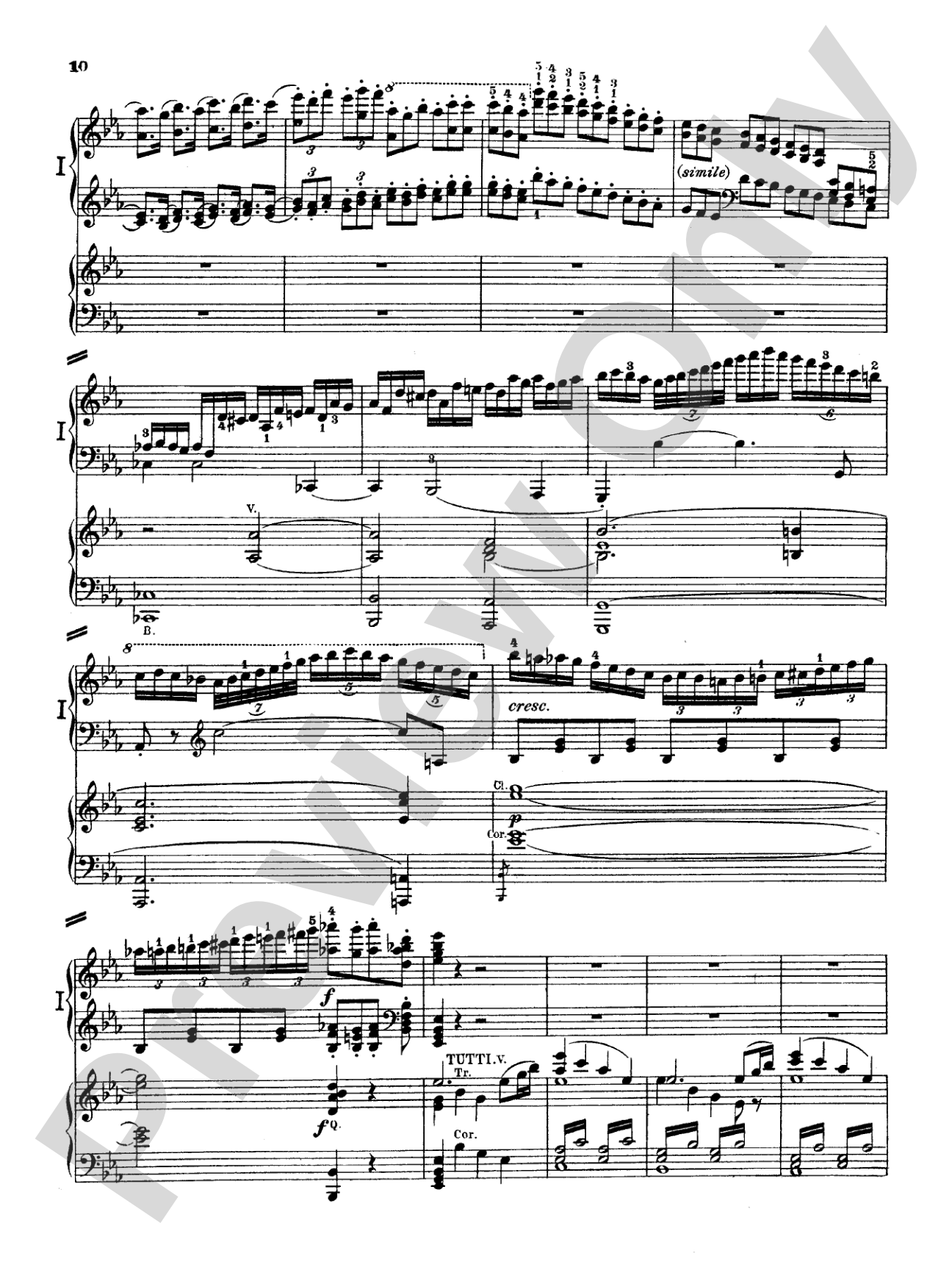
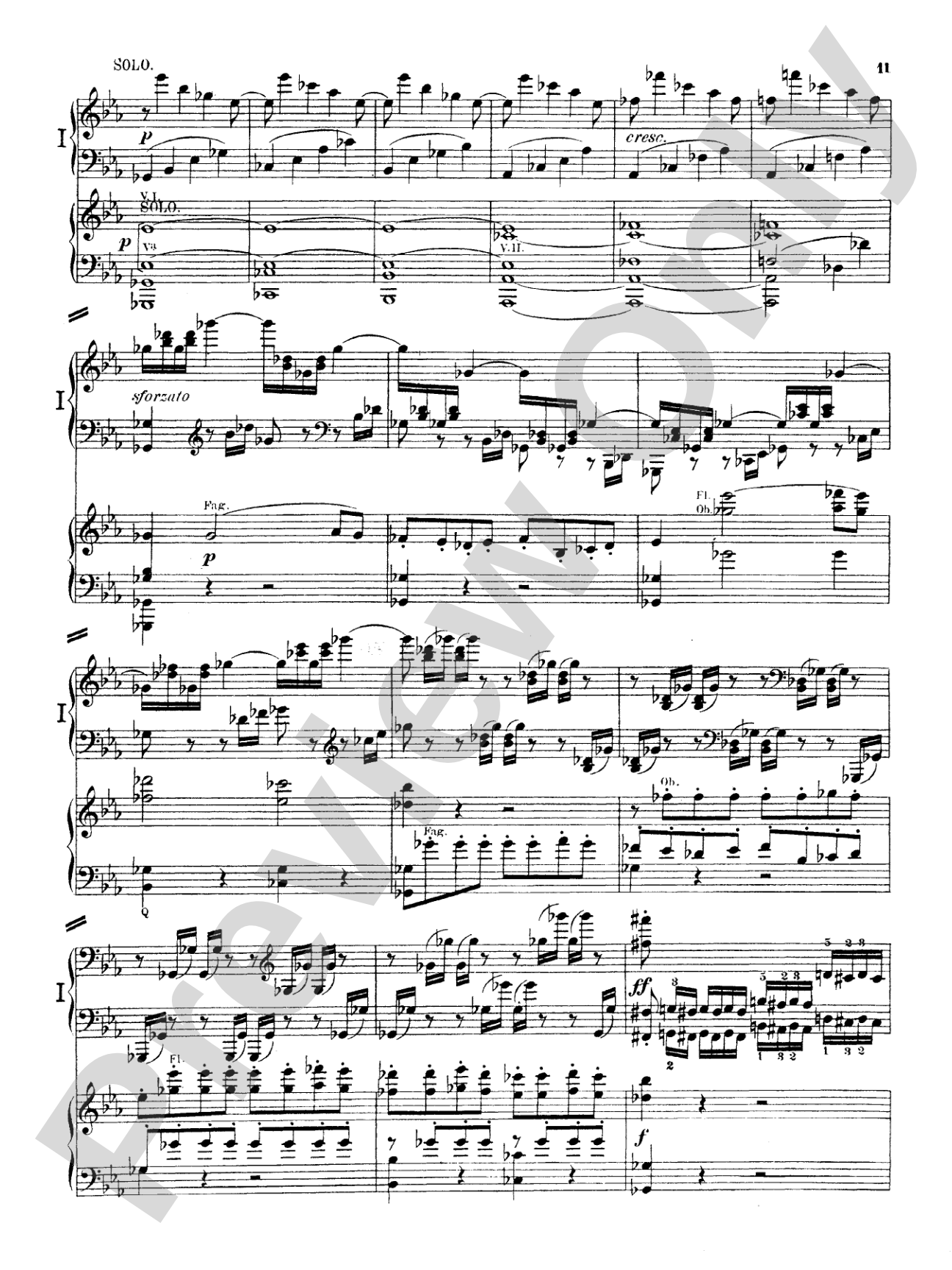
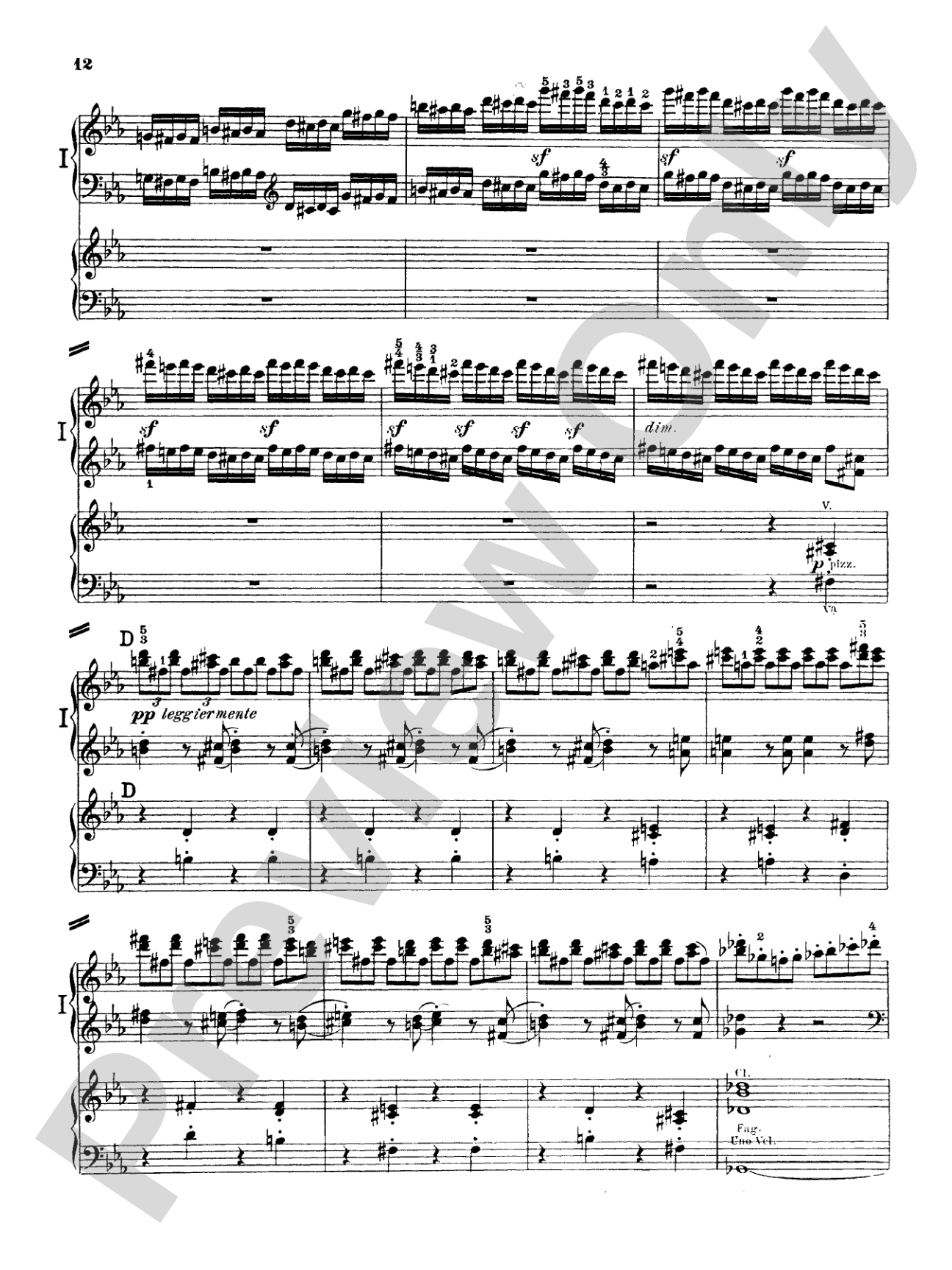
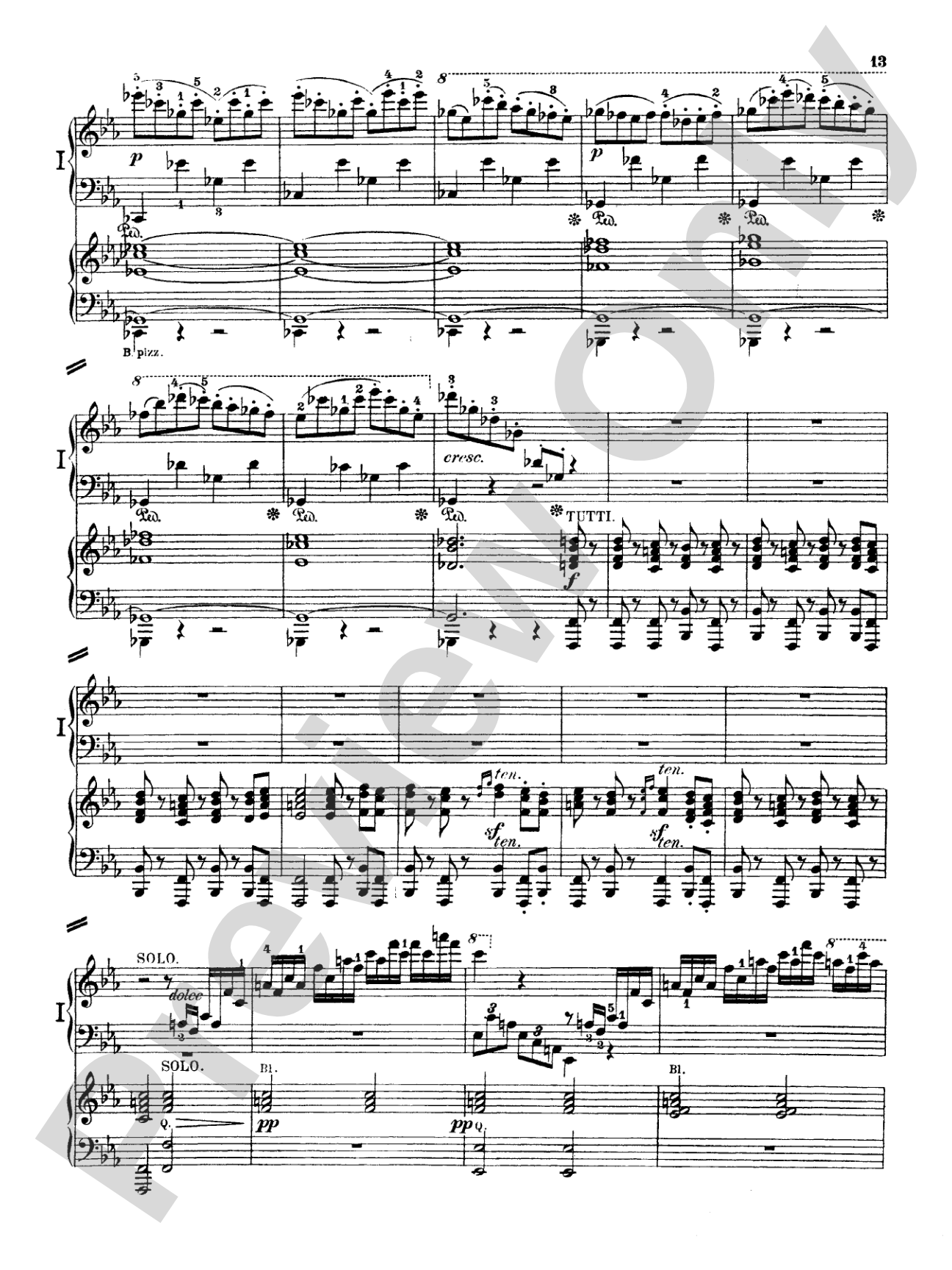
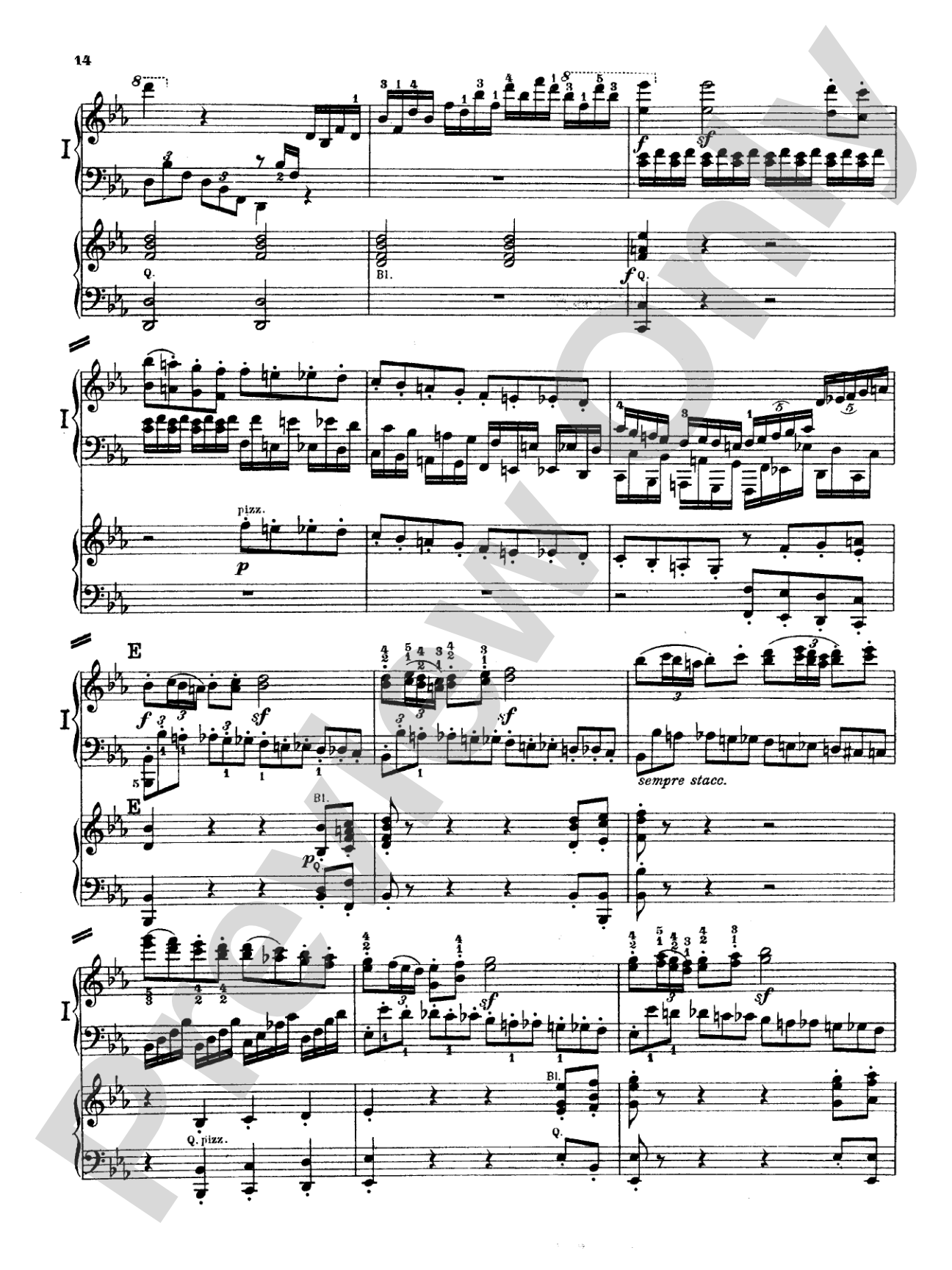
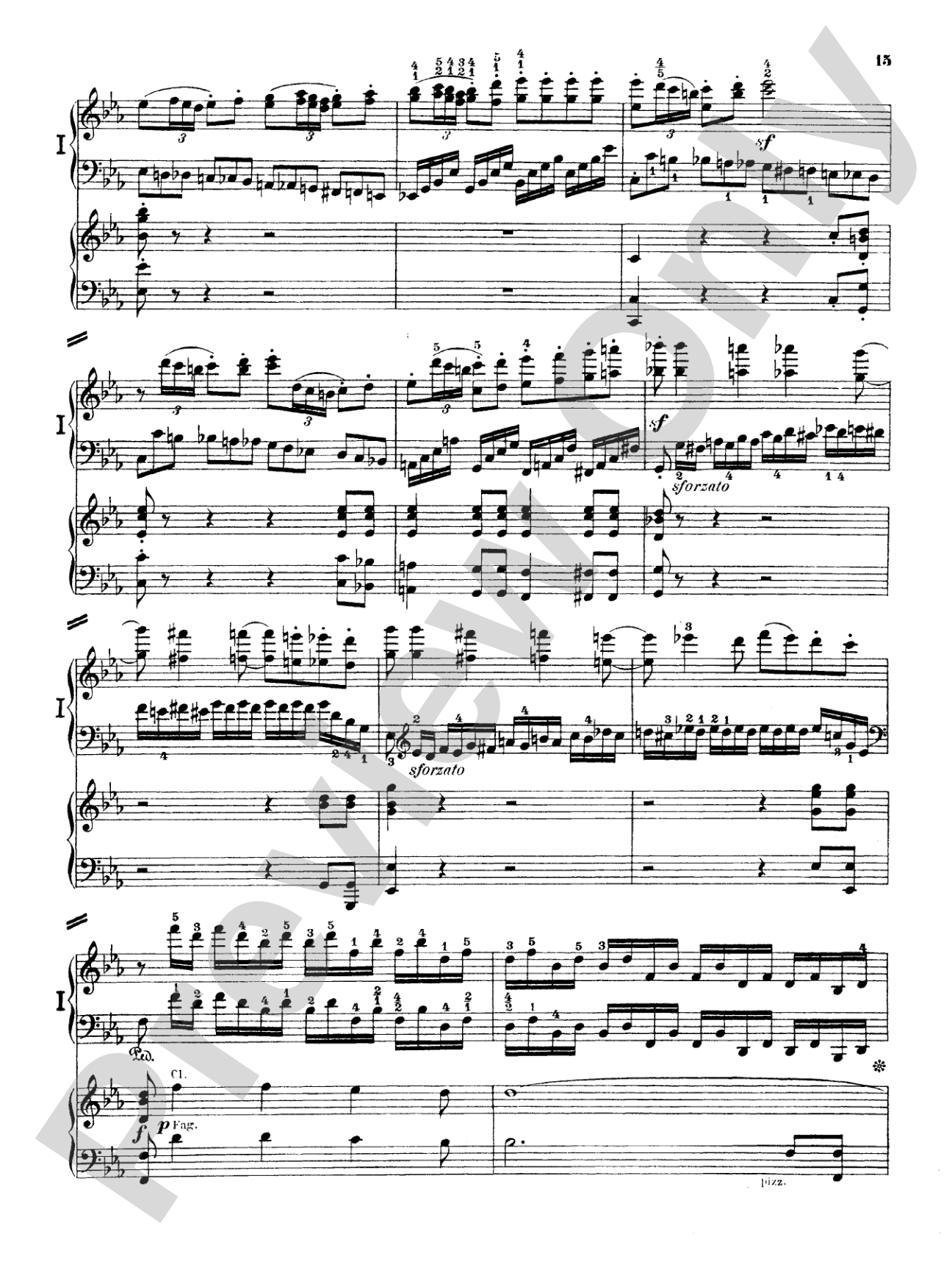

Beethoven: Piano Concerto No. 5 in E flat Major, Opus 73
By Ludwig van Beethoven
Level: Advanced
Item: 00-PC-0005265
$13.95
Pickup currently not available
Description
Expertly arranged Piano Duet by Ludwig van Beethoven from the Kalmus Edition series. This Advanced Piano Duet (2 Pianos, 4 Hands) is from the Classical and Romantic eras. 2 copies are required for performance.


Beethoven: Piano Concerto No. 5 in E flat Major, Opus 73 isn't in MakeMusic Cloud just yet...but it could be. Let us know you'd like to see it, and you'll help shape what comes next. In the meantime, start a free trial and dive into thousands of interactive titles your students can play along with today.
Request This Title
Tell us you want it.
Start Your Free Trial
Explore everything that's ready to play right now.
Sample Audio
No sample audio found.
Sample Video
No sample videos found.
Additional Details
Series:
Kalmus Edition
Publisher:
Alfred Music
Page Count:
72
SKU:
00-PC-0005265
More about this title
About the Composer: Ludwig van Beethoven
Ludwig van Beethoven (1770-1827) stands as the bridge between Classical and Romantic music, a composer whose bold harmonic language and expansive formal structures challenged the conventions of his era. His nine symphonies, thirty-two piano sonatas, and ten violin sonatas remain central to the repertoire, and his late works reveal a mind grappling with profound philosophical and artistic questions even as deafness isolated him from the hearing world.
For music educators, Beethoven's catalog offers unmatched pedagogical value. His concertos demand technical command while rewarding players with dramatic arc, memorable themes, and the exhilaration of performing music that changed what the concerto form could express. The Fifth Piano Concerto in particular showcases his mastery of orchestral color and his gift for writing passages that sit gratefully under the fingers while maintaining intellectual substance.
Why we love this
This arrangement brings one of the Romantic era's most commanding works into the two-piano setting without sacrificing the heroic sweep or structural integrity of the original. Playing Beethoven's Fifth as a piano duo gives advanced students access to a masterwork they might otherwise only experience as listeners, building interpretive maturity and the ability to balance individual voice independence with collaborative ensemble awareness.
What to expect
Heroic and intimate at once. The opening's martial confidence gives way to lyrical reflection in the Adagio, then builds to a rondo finale that radiates triumph and forward momentum. Two pianos allow Beethoven's original orchestral breadth to breathe while creating a chamber-scale intensity that keeps both players engaged throughout.
Who it's for
Advanced pianists ready to tackle Beethoven's architectural demands and collaborative complexity. This arrangement suits duet partnerships preparing for concerto repertoire, chamber music festivals, or advanced studio recitals where the two-piano format offers novelty and musical substance.
How to get the most out of it
- Invest rehearsal time in the first movement's dramatic structural points. The shift from the opening timpani solo to the piano's entry, and later the cadenza section, require precise communication between players to maintain harmonic and dramatic coherence.
- Approach the slower movement as a dialogue rather than a monologue. The interplay between the two pianos mirrors Beethoven's original orchestration, and clarity of phrasing will reveal the conversation beneath the surface.
- In the finale's faster passages, prioritize rhythmic lock in the accompaniment figures so that the melodic writing emerges naturally. Precision here allows the heroic character to shine without forcing.
- Shape the second piano's inner voices with the same care you'd give to a principal melody. These voices carry harmonic and structural weight, and voicing them clearly enriches the texture.
How to use it
Feature this as an advanced recital centerpiece or concert finale where two accomplished pianists can command the stage together. It also serves well as a climactic moment in a piano duo concert series, following lighter or earlier-period works to showcase the duo's range and maturity.
Skills your students will build
- Balancing independence and unity in two-piano ensemble contexts
- Reading Beethoven's expansive harmonic language and formal structure
- Managing technical passagework while maintaining collaborative precision
- Interpreting Classical-to-Romantic stylistic boundaries through performance choices
- Executing dramatic arc across a large-scale multi-movement work