

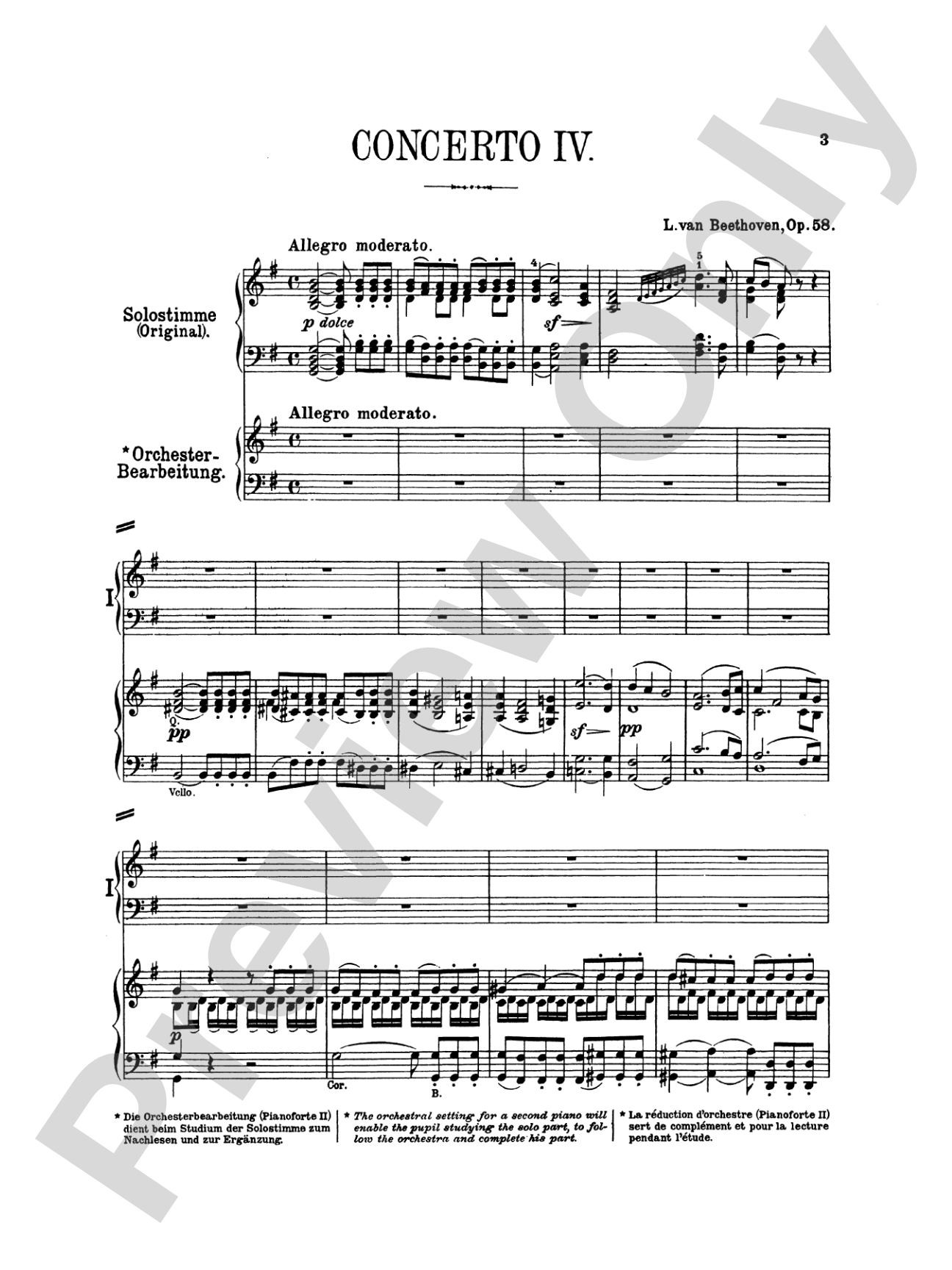
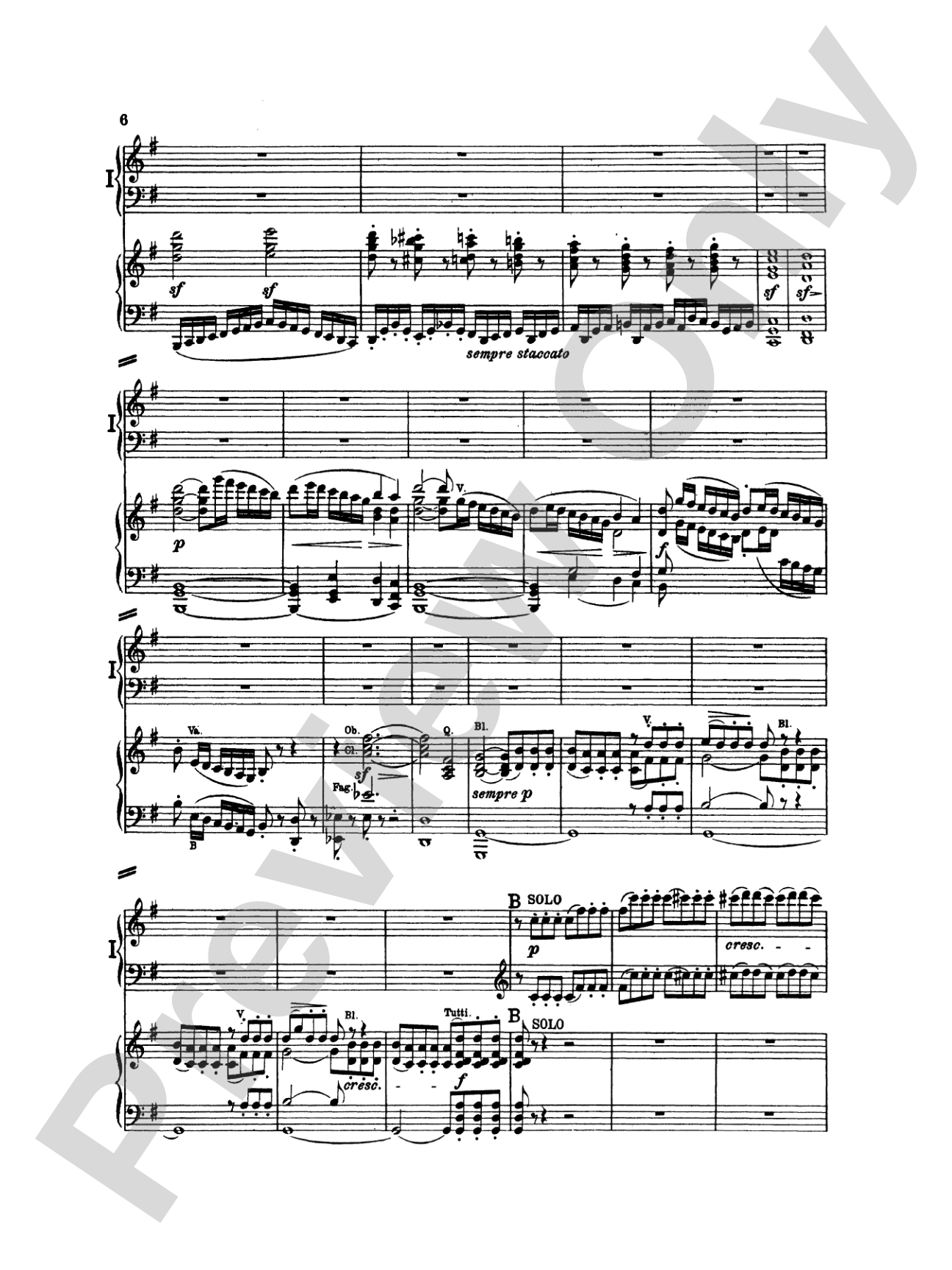
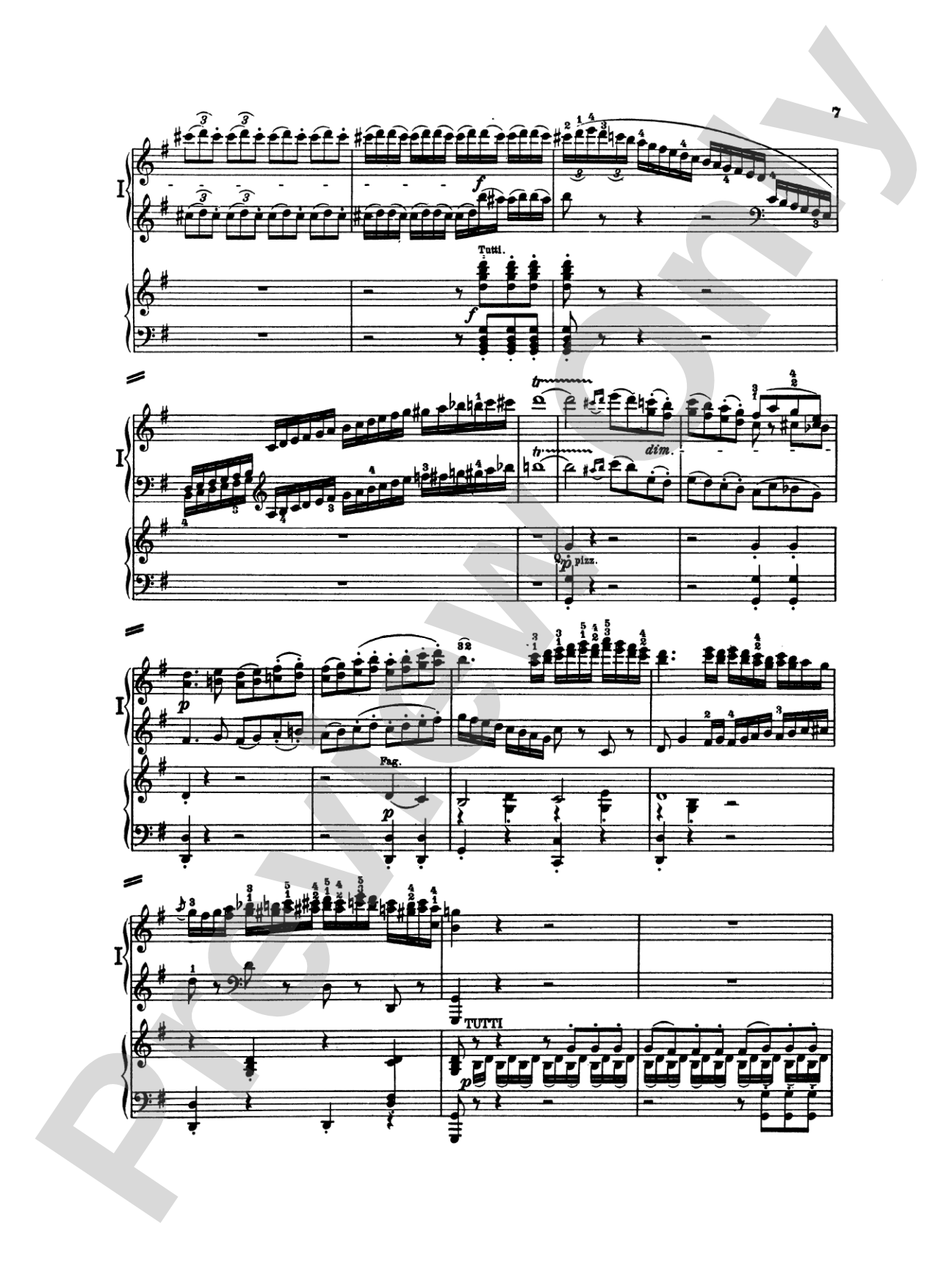
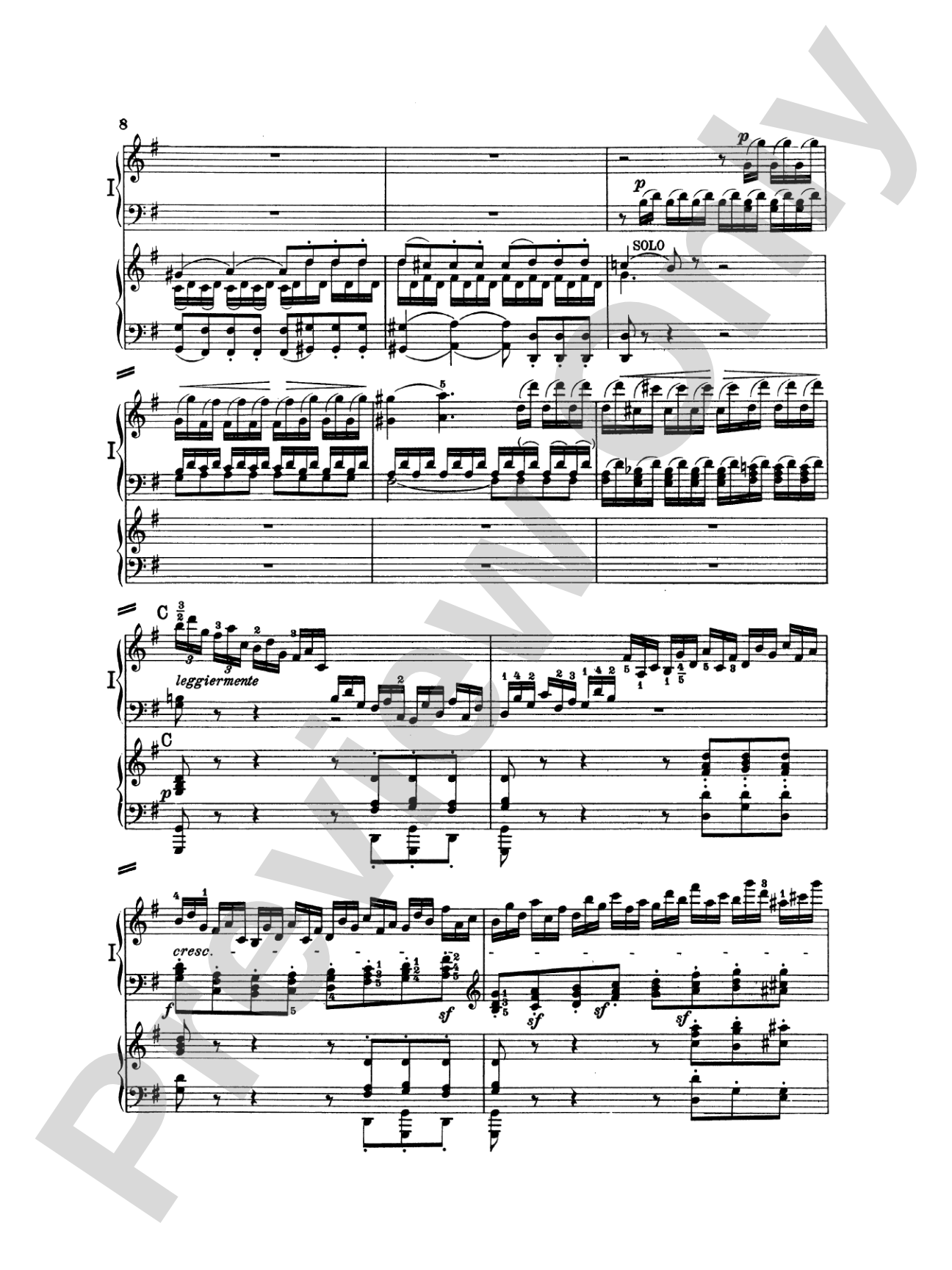
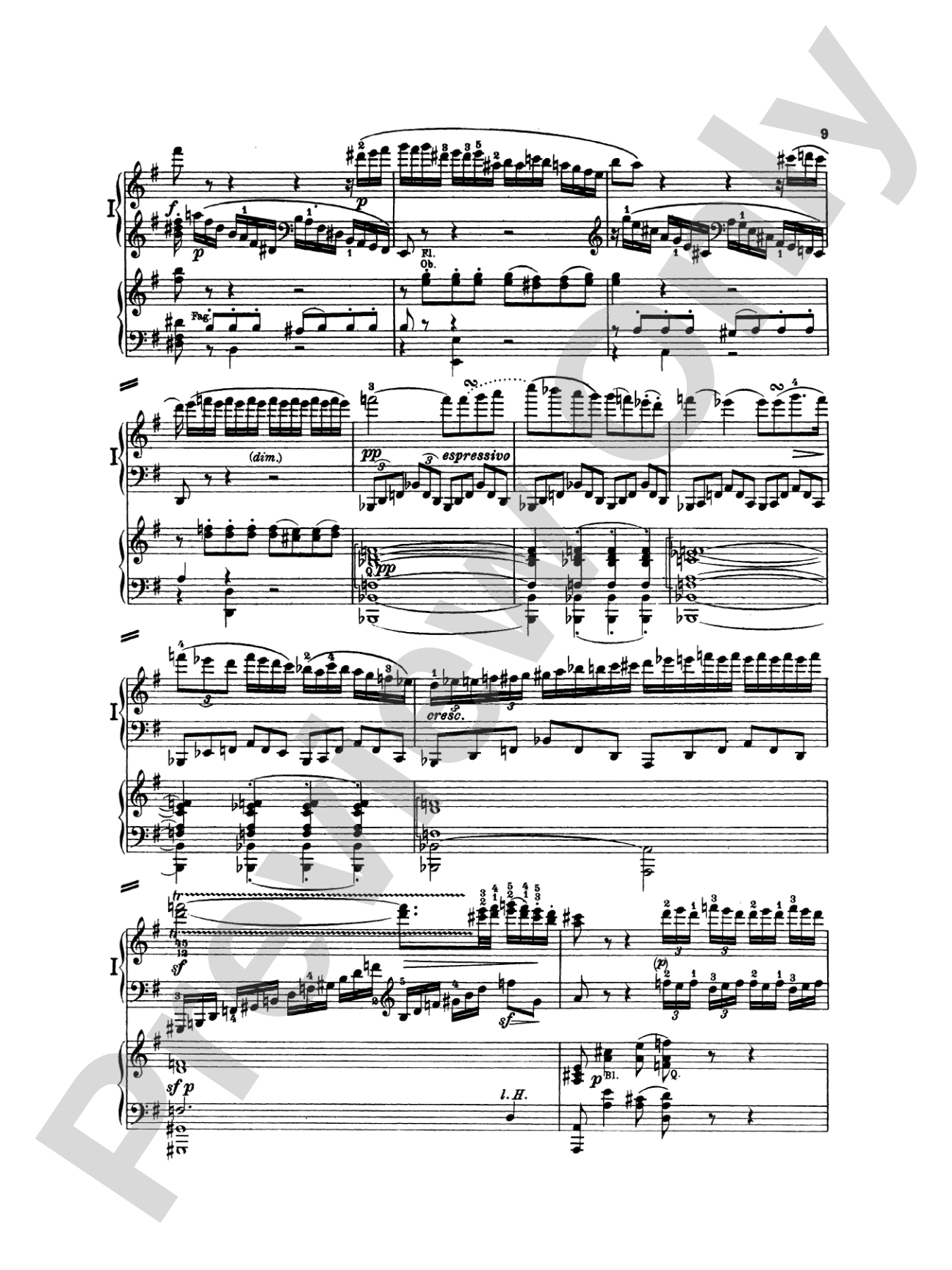
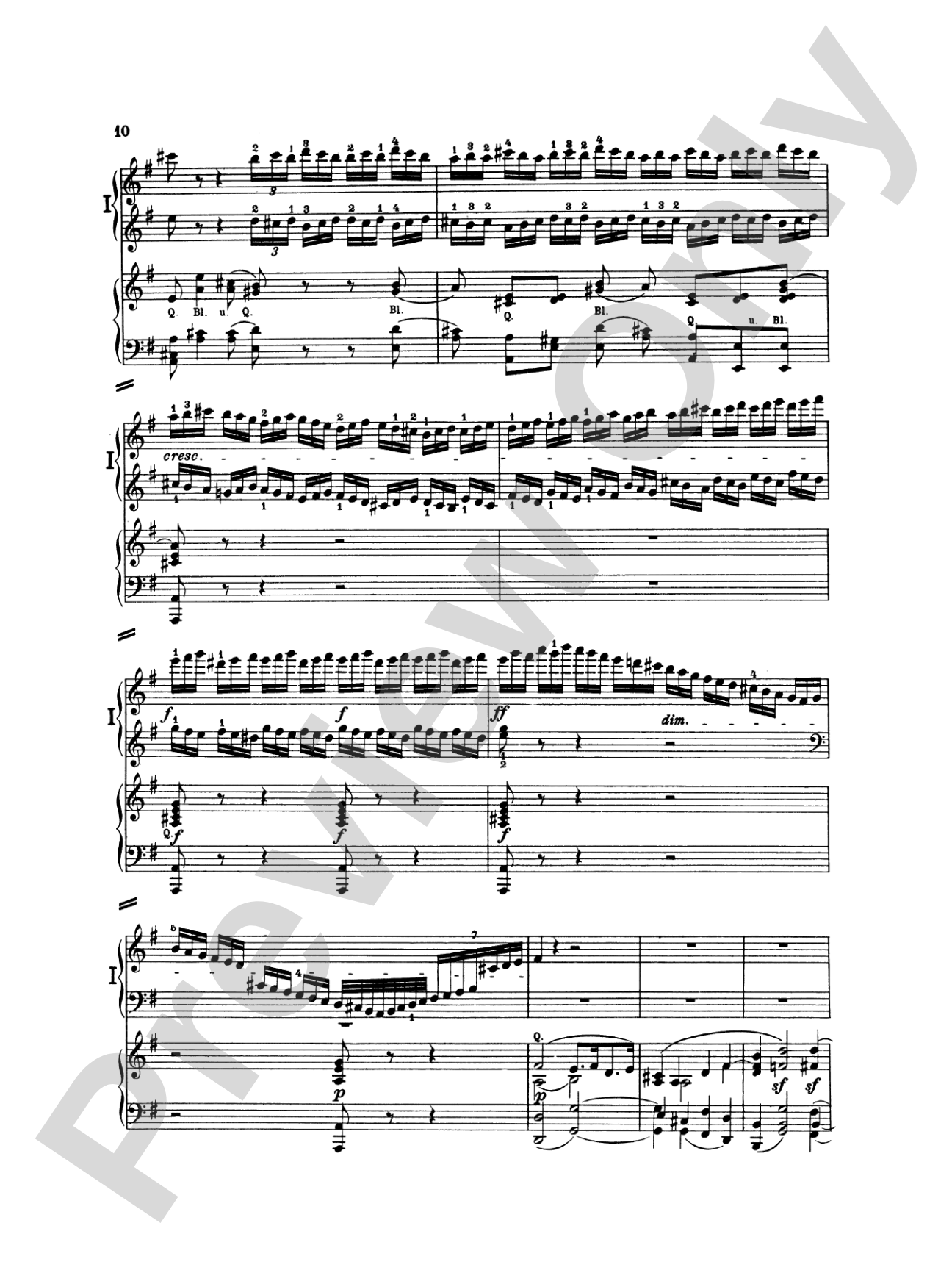
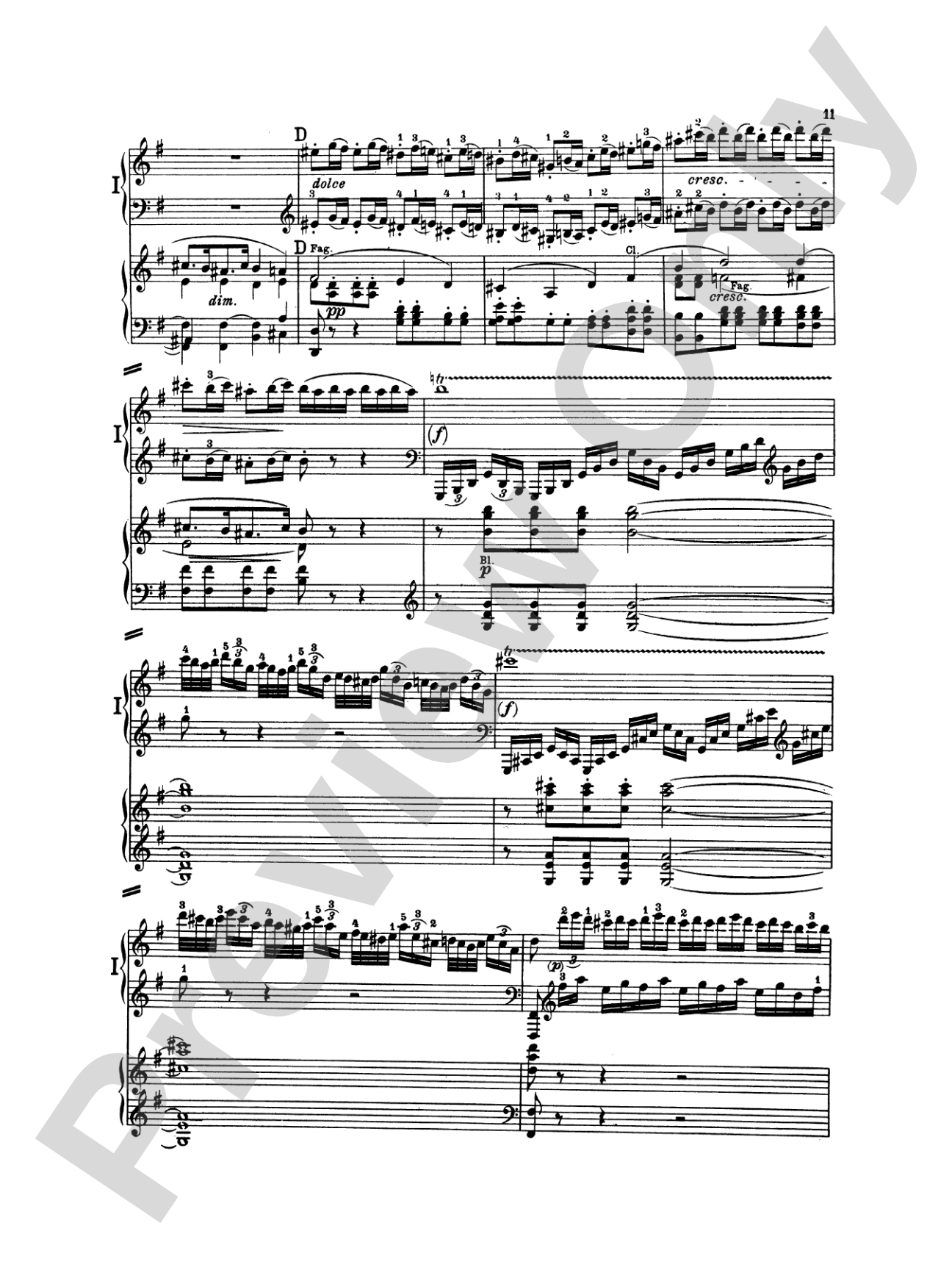
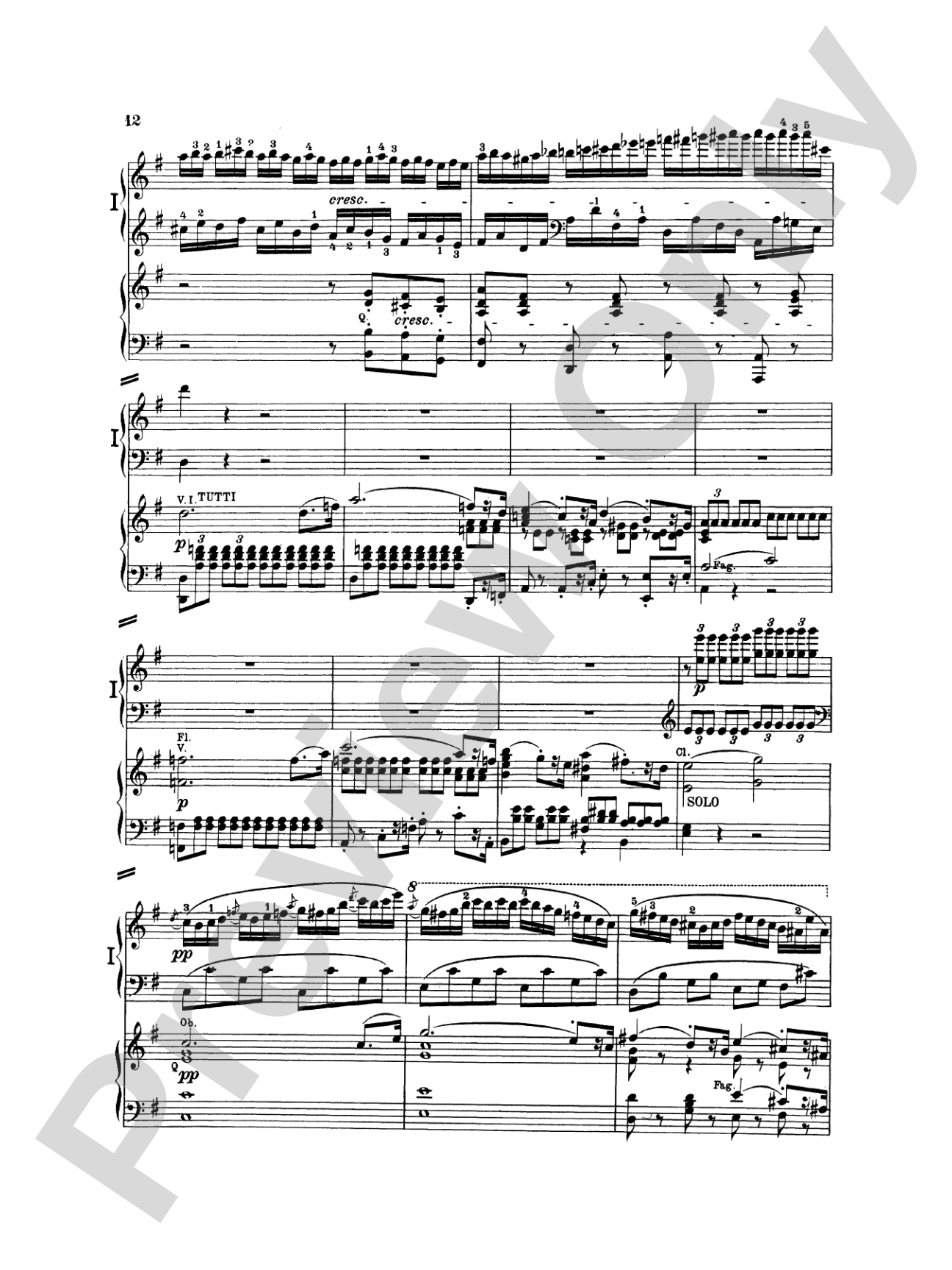
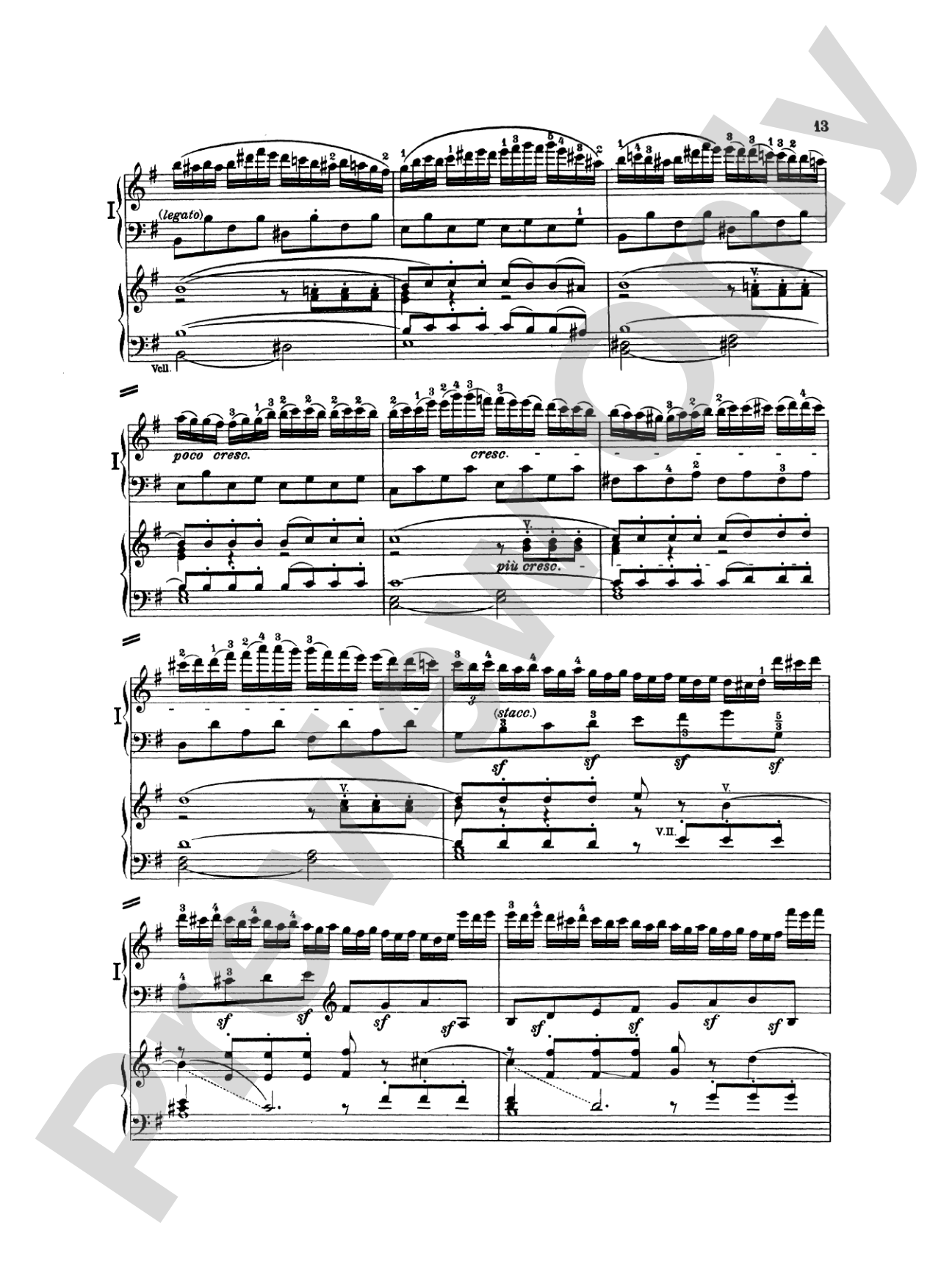
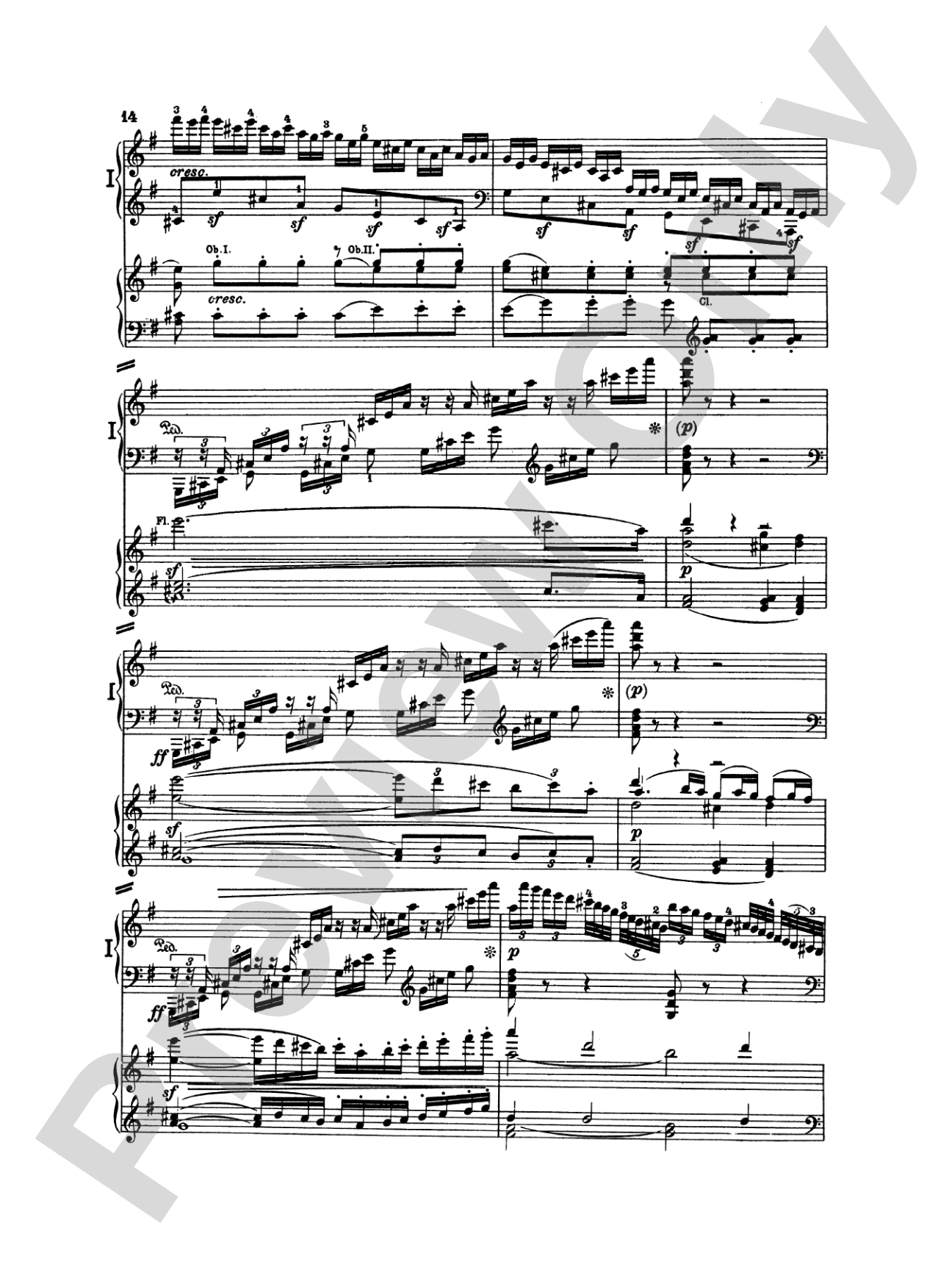
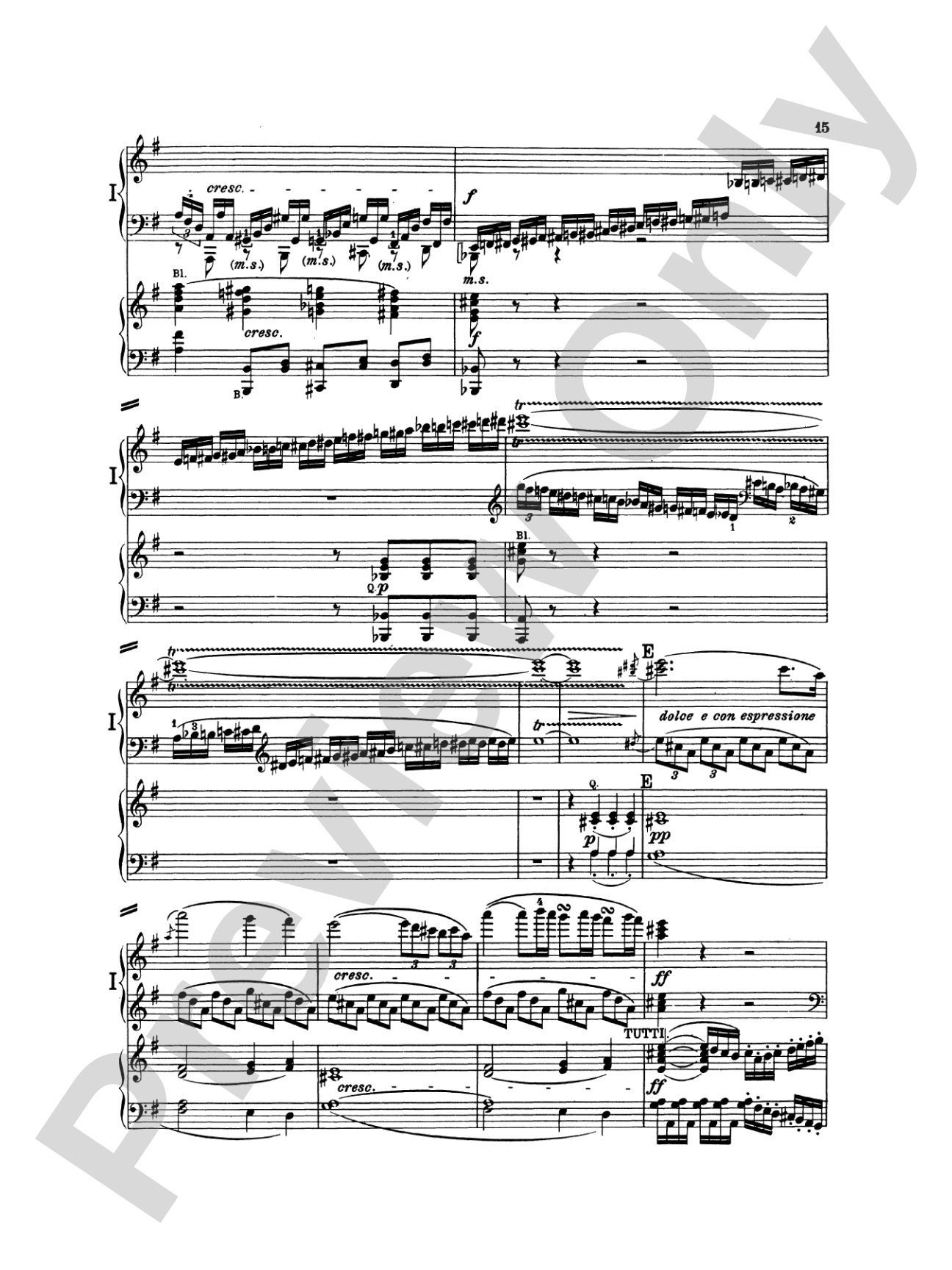
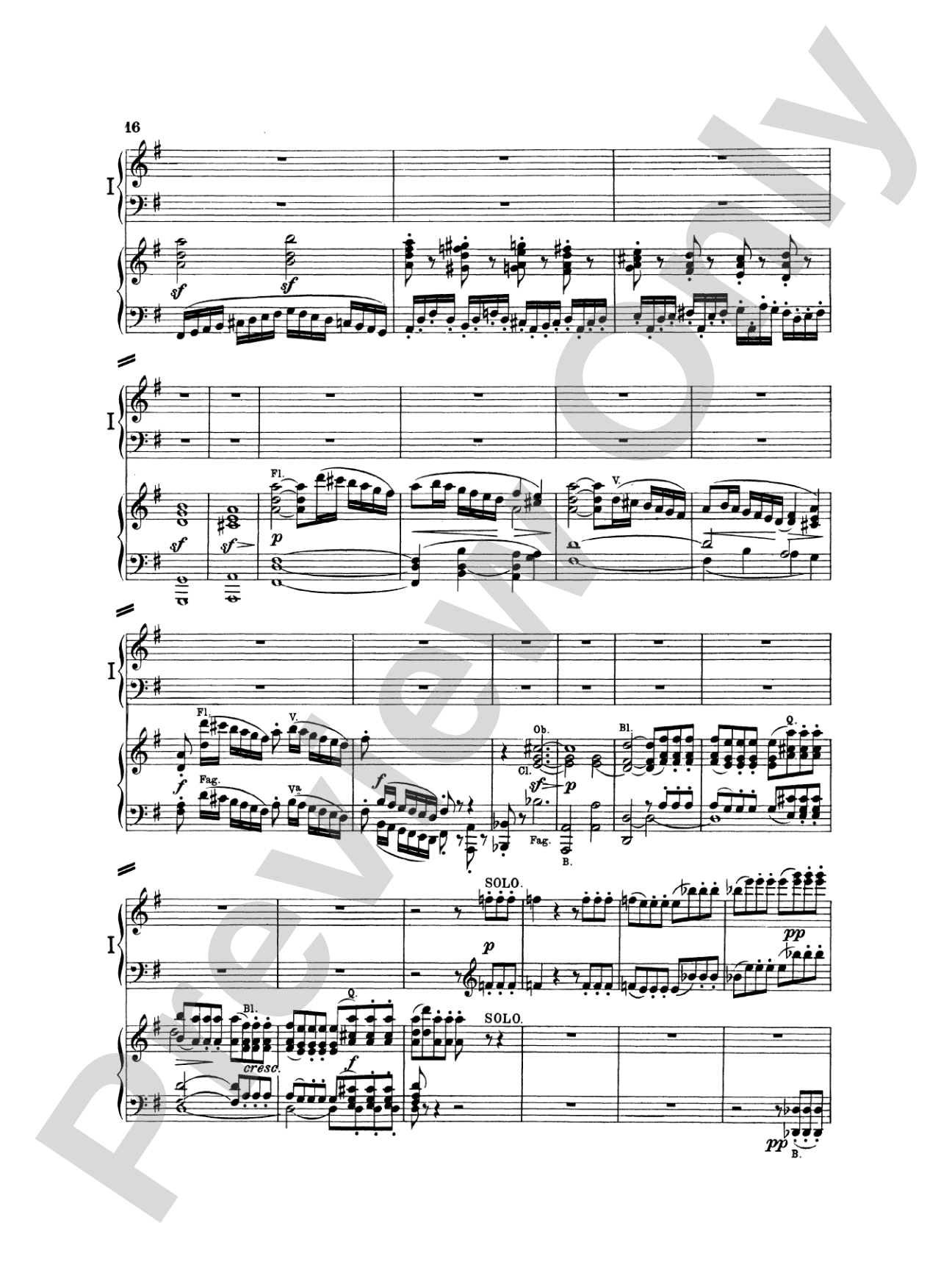
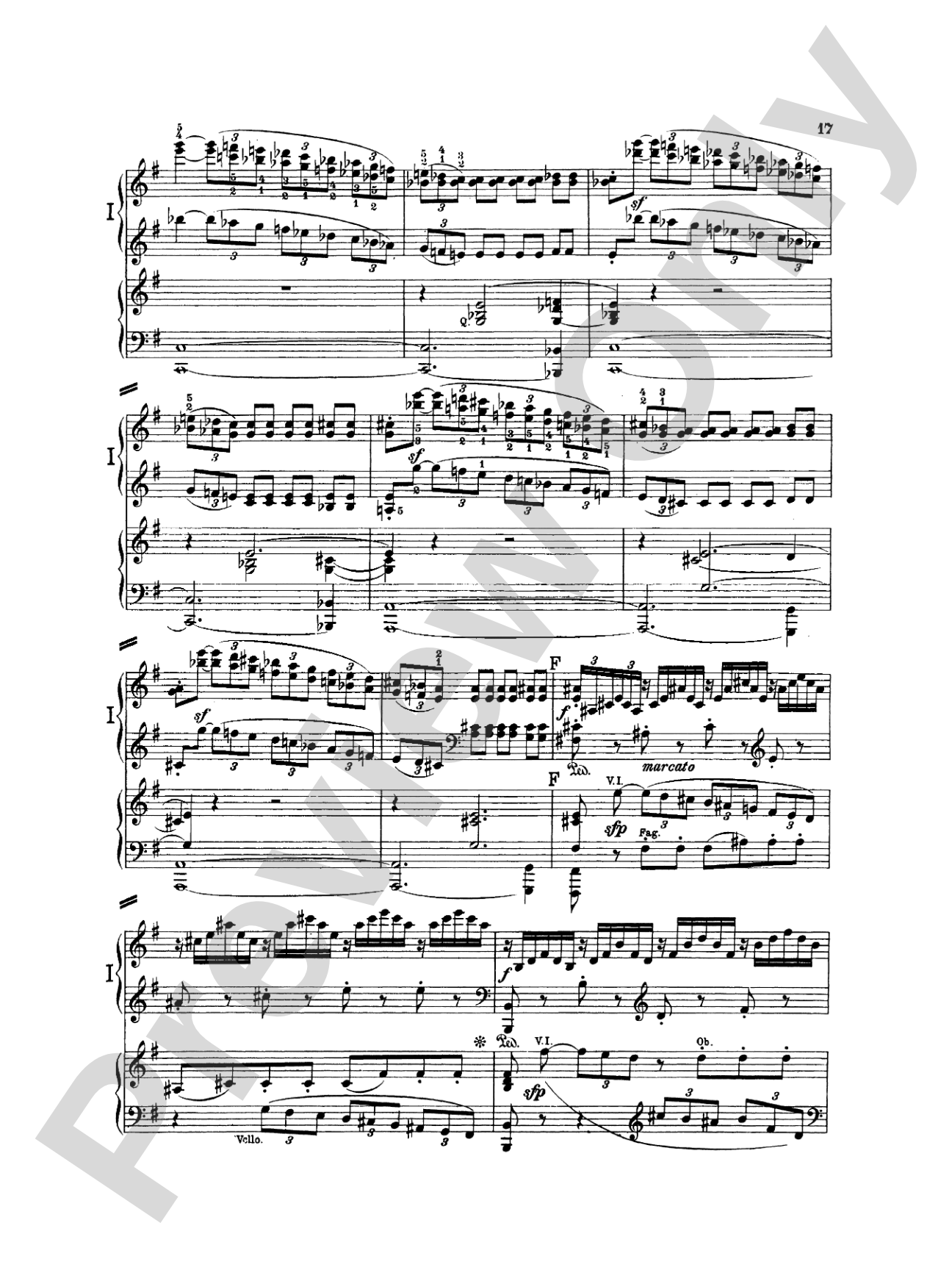
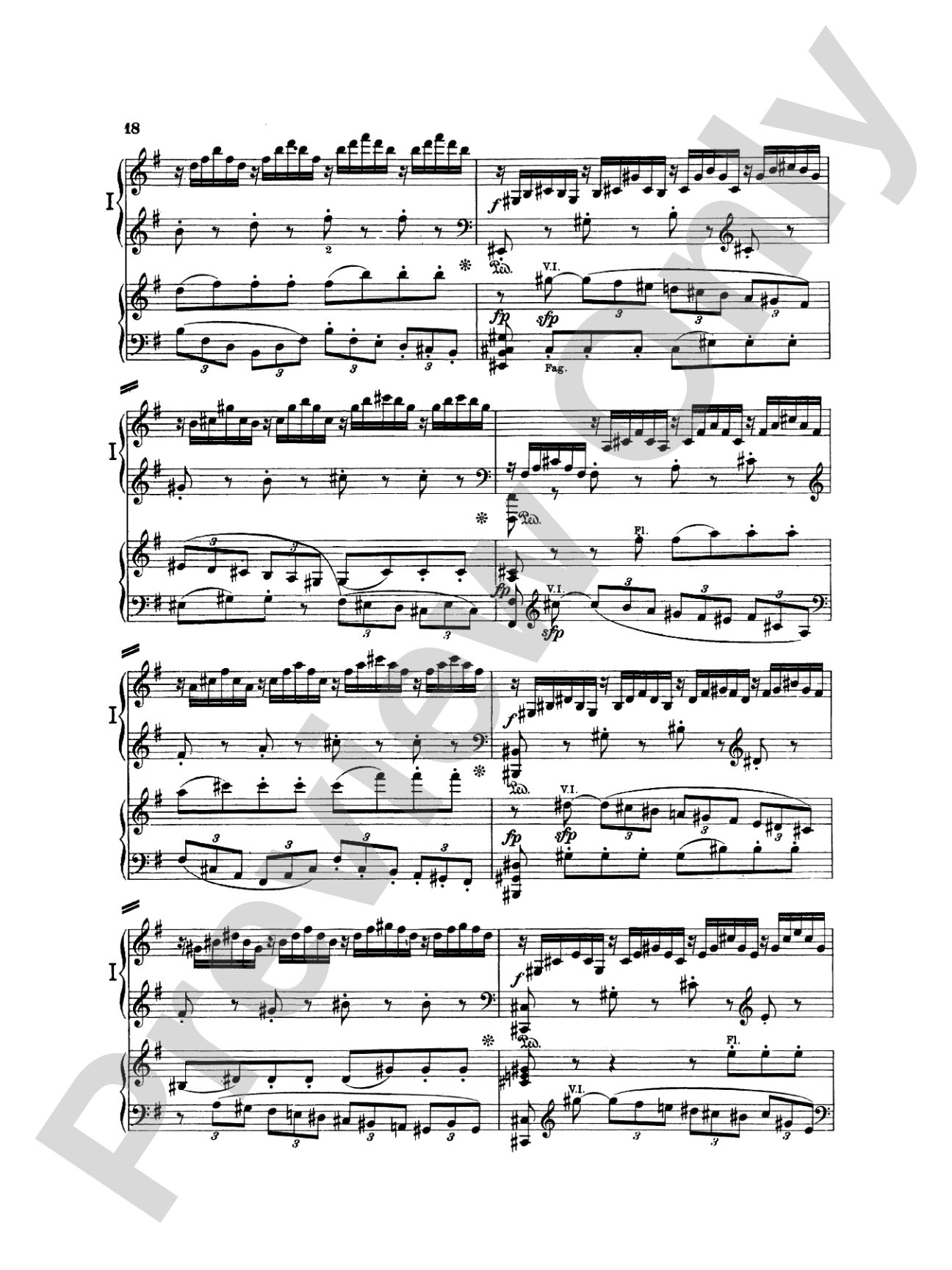
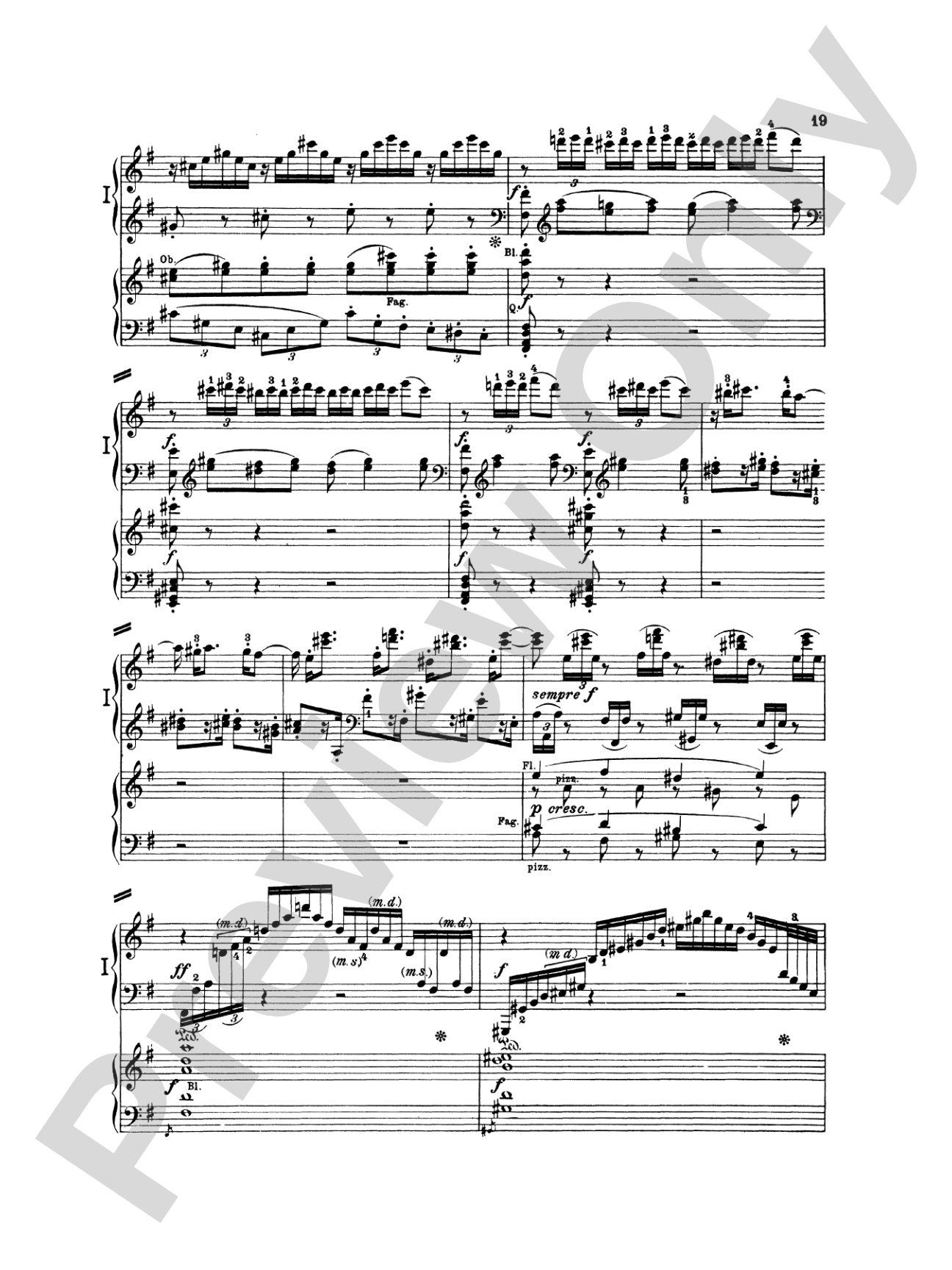
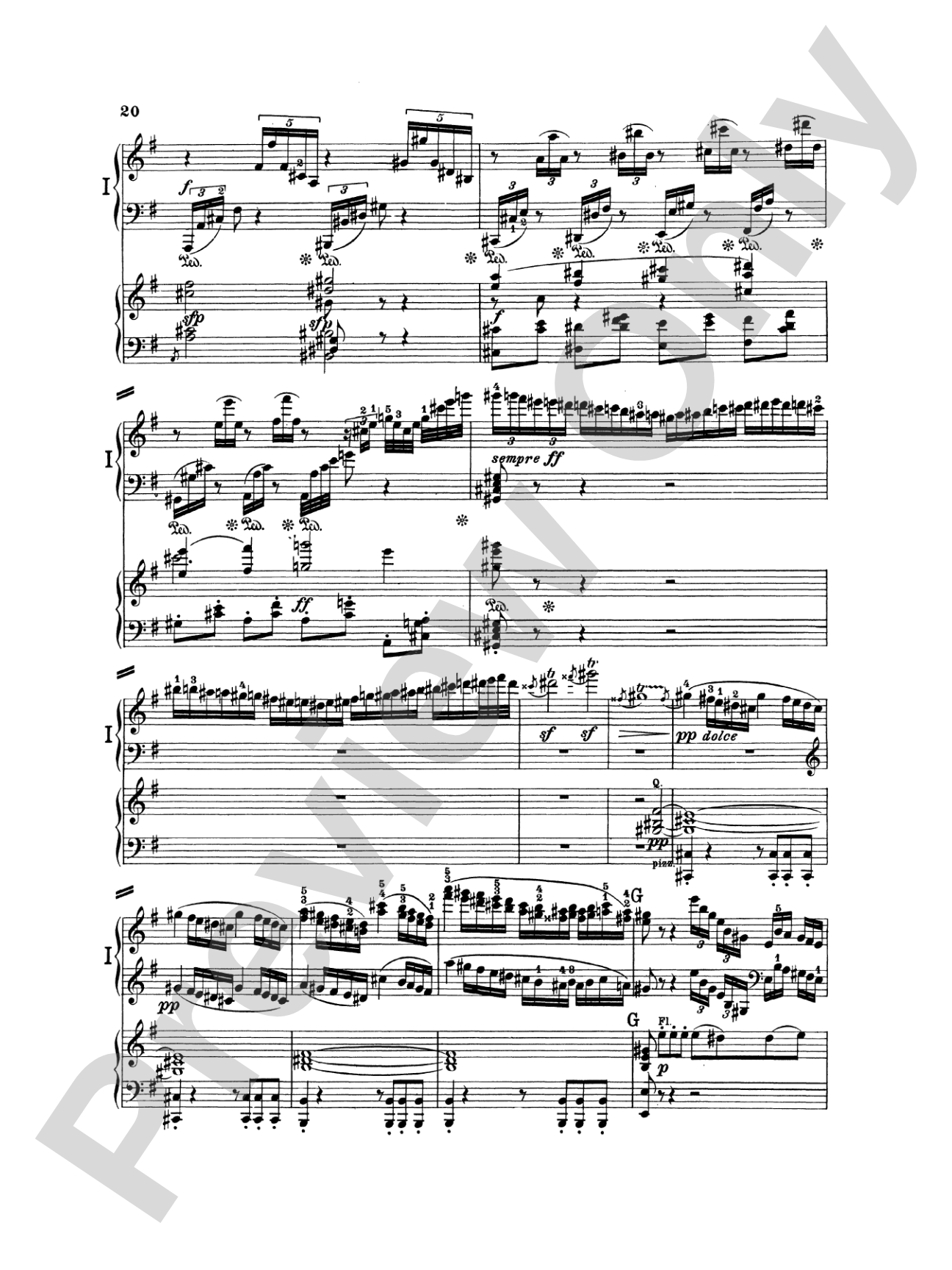
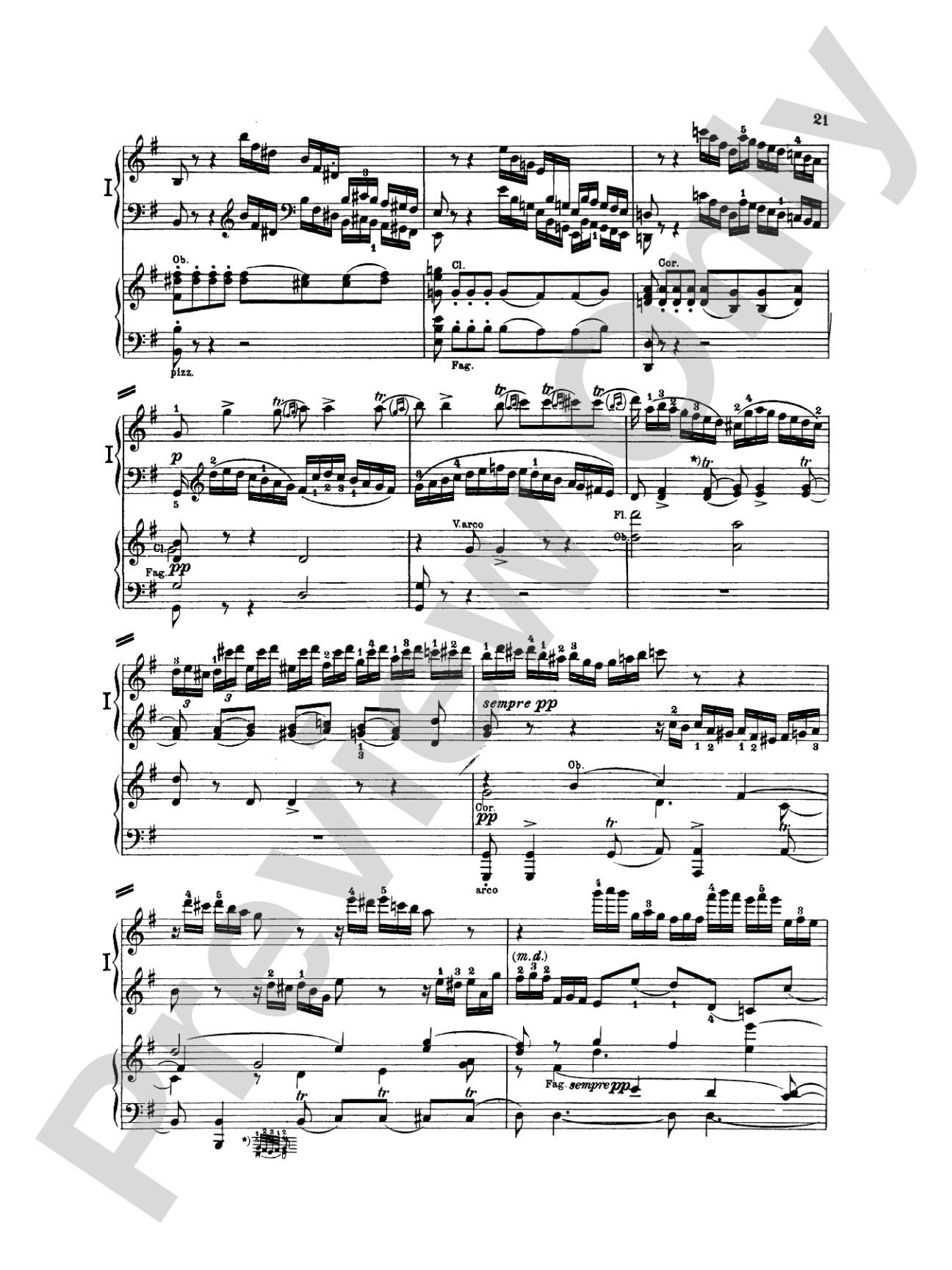
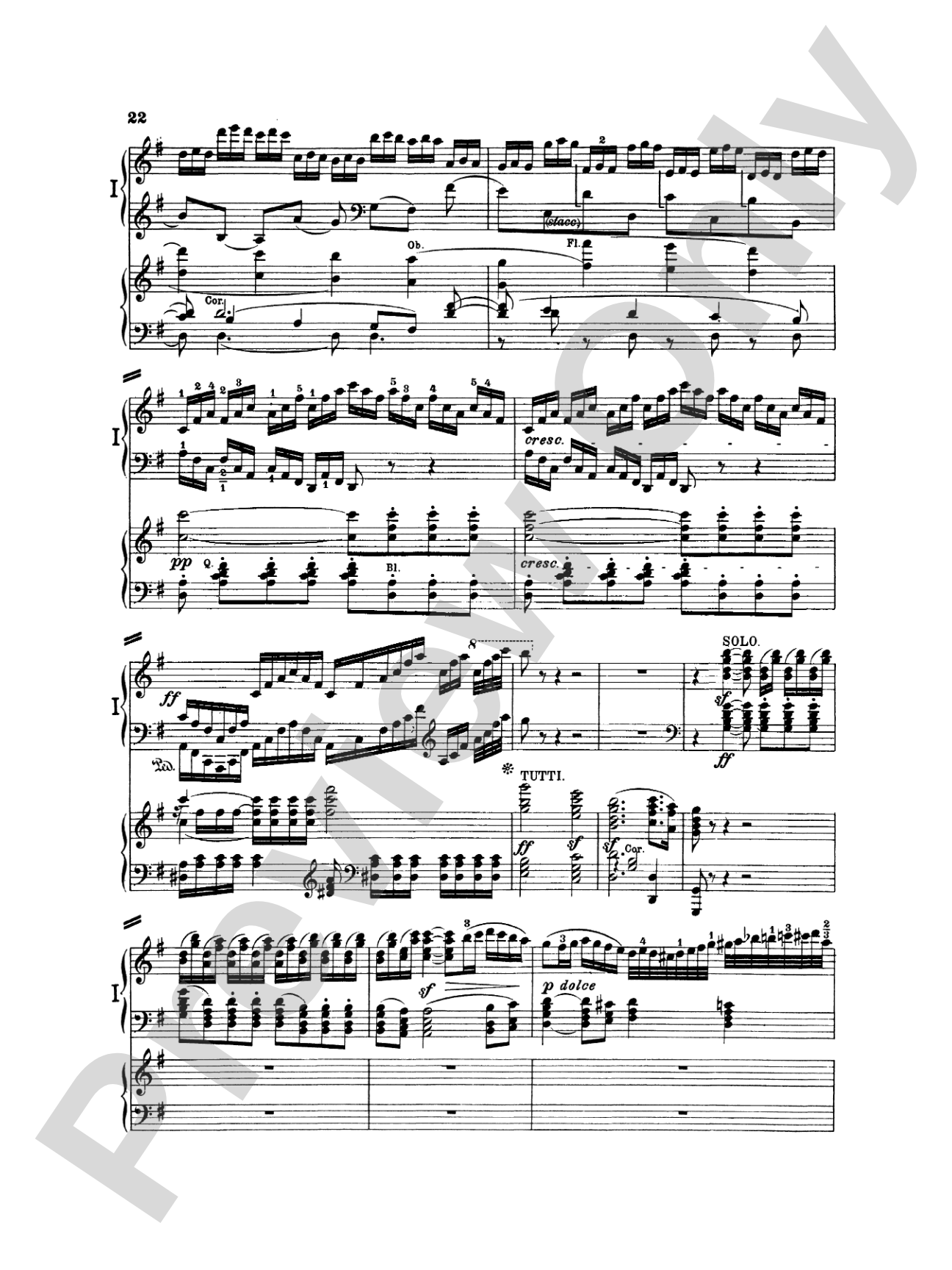
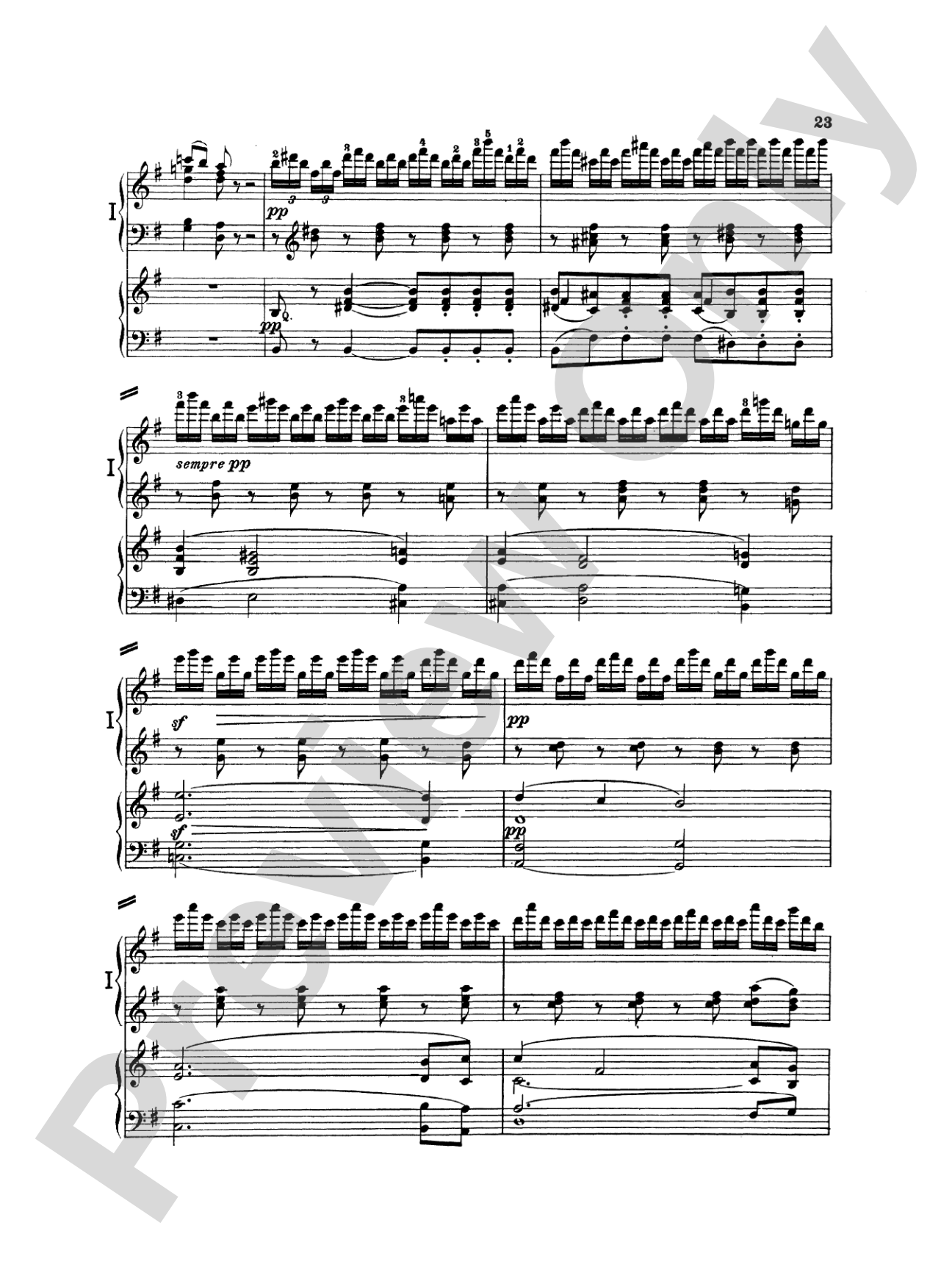
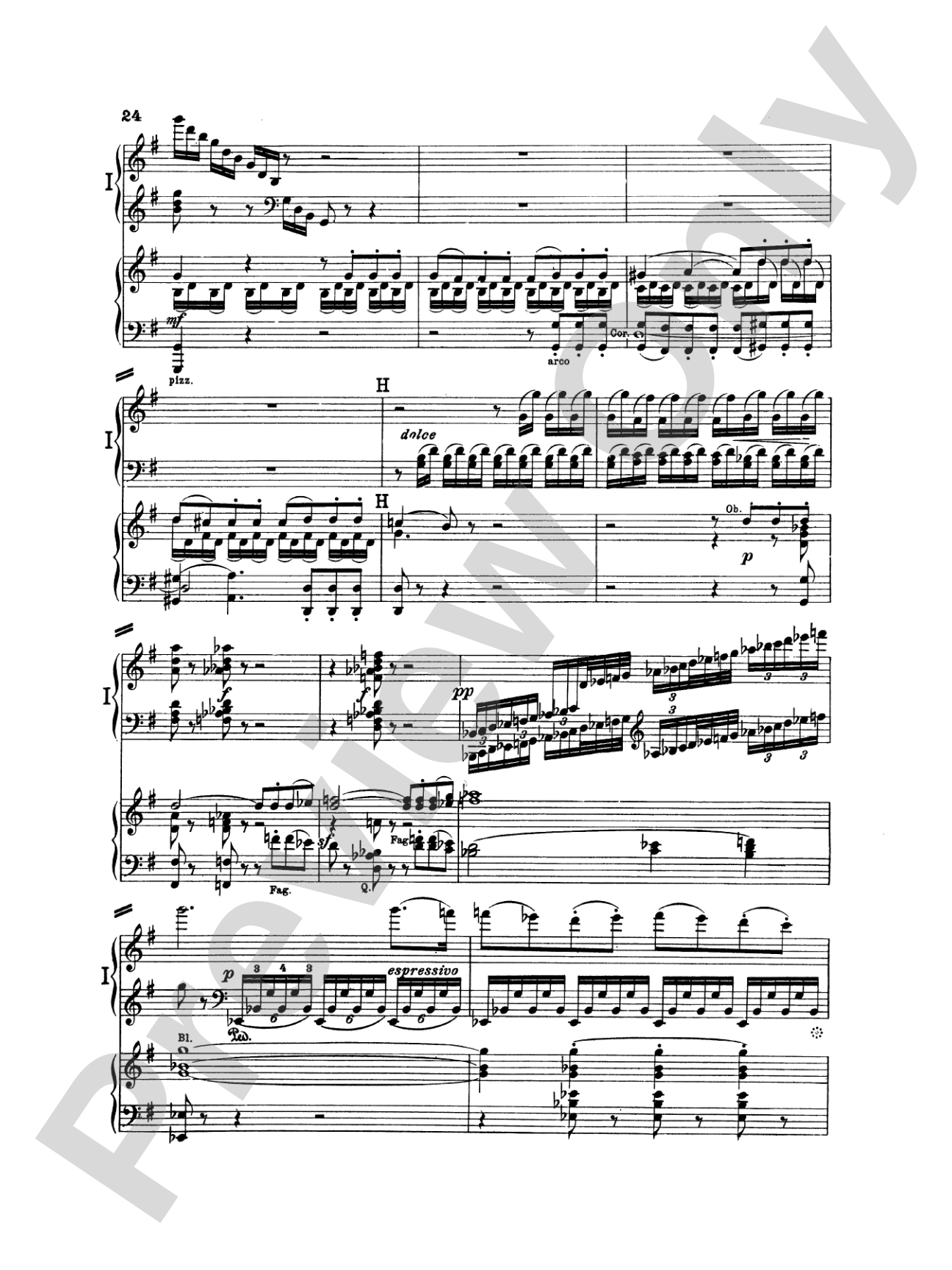
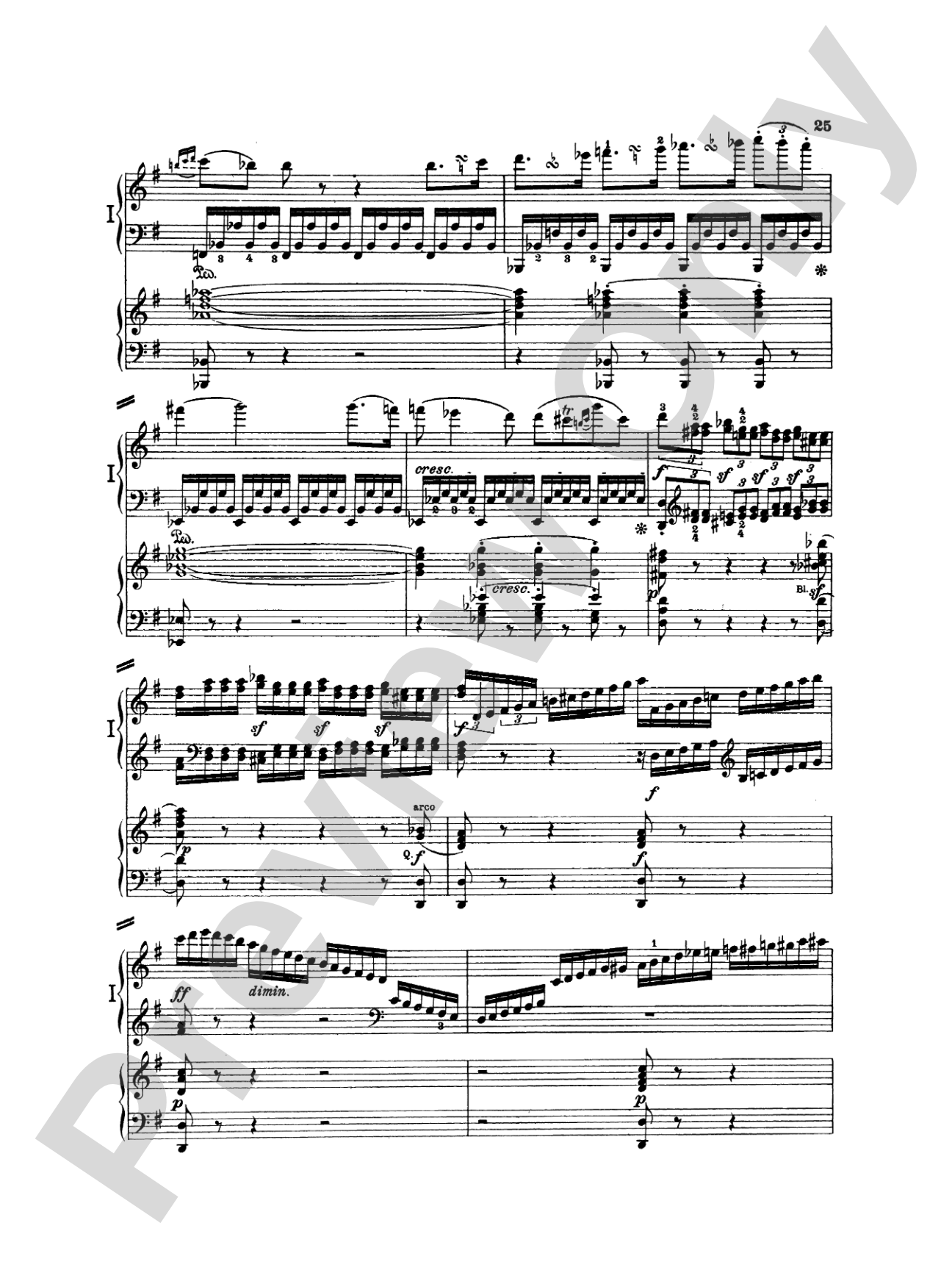
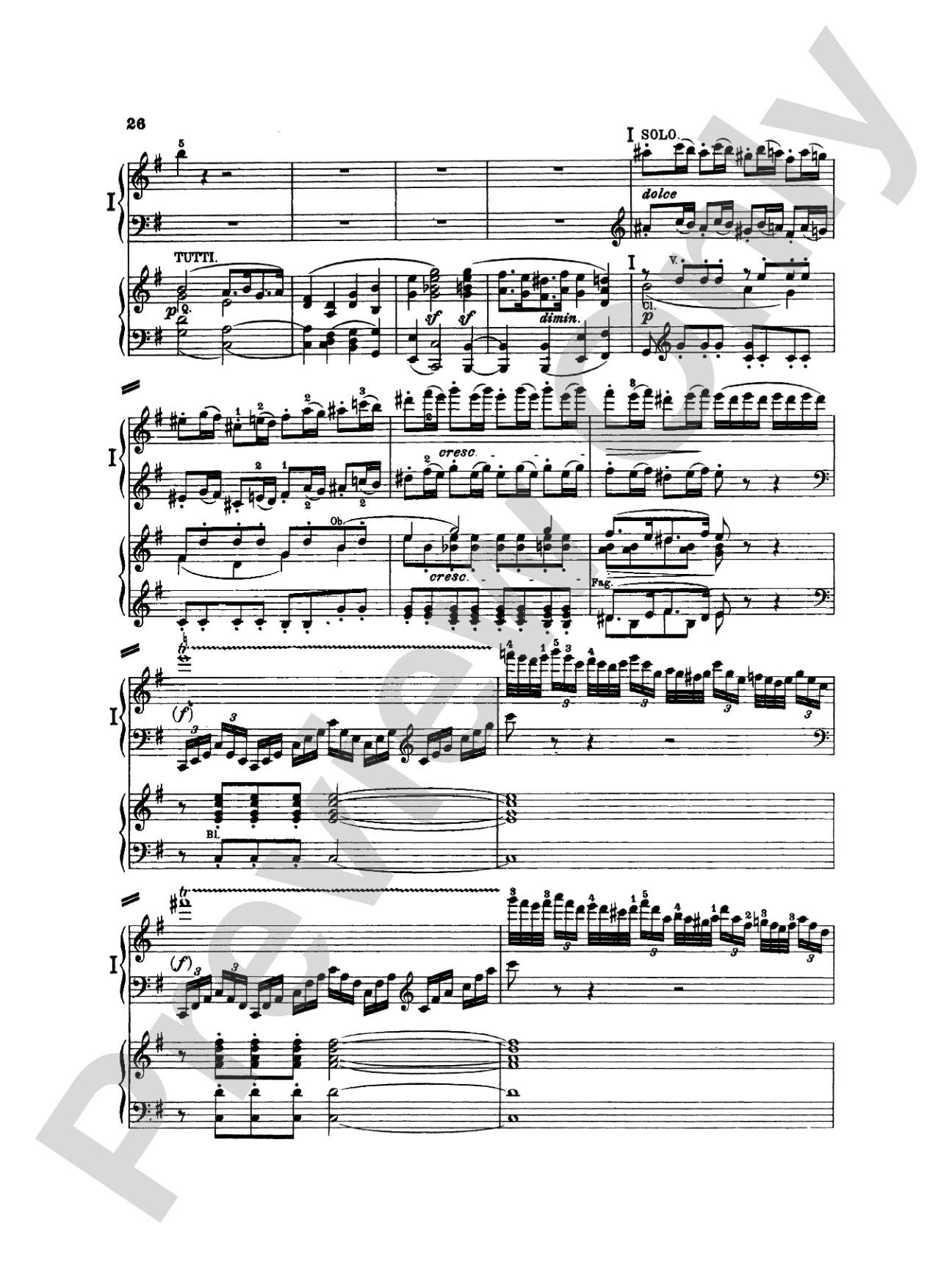
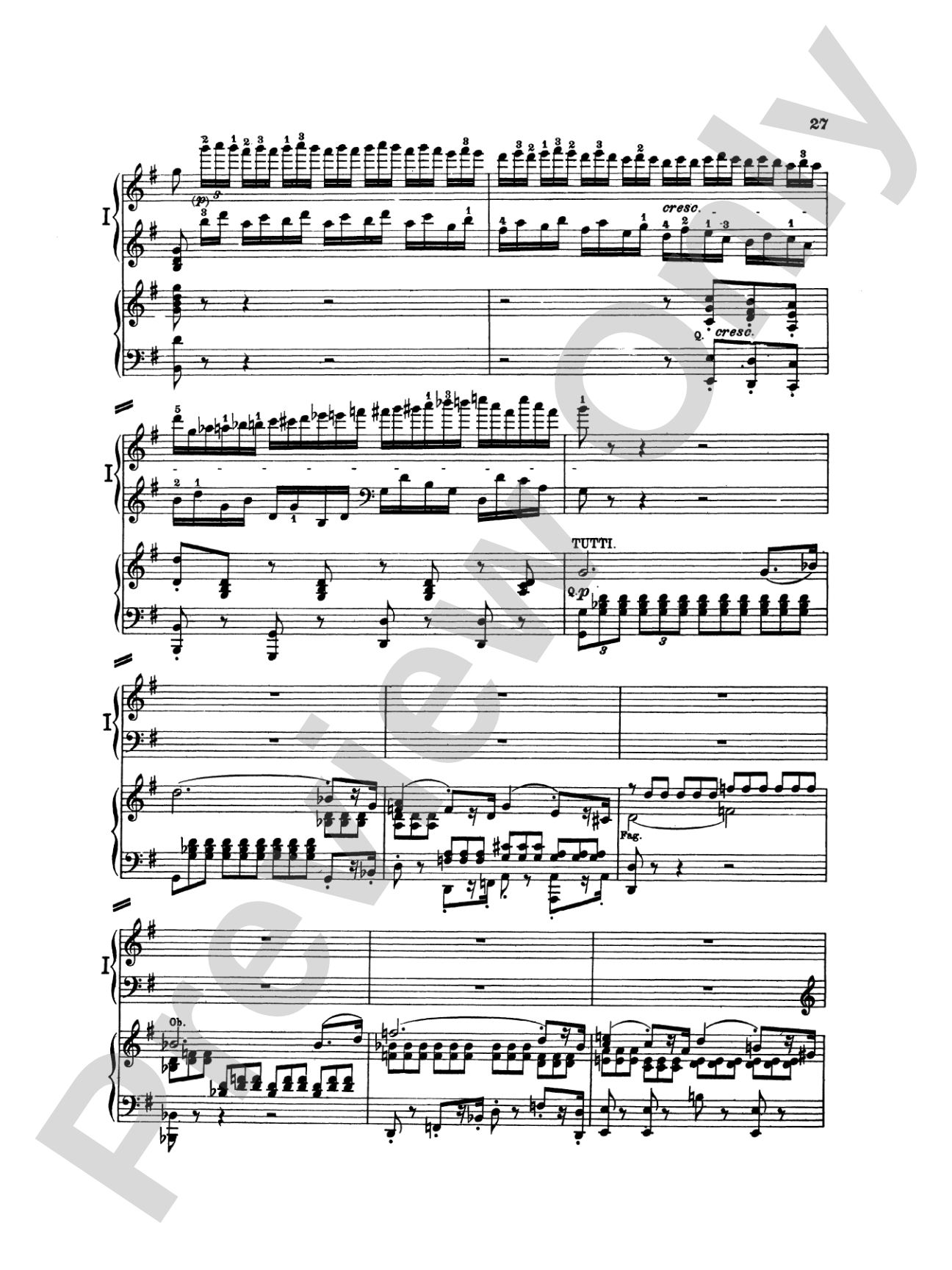
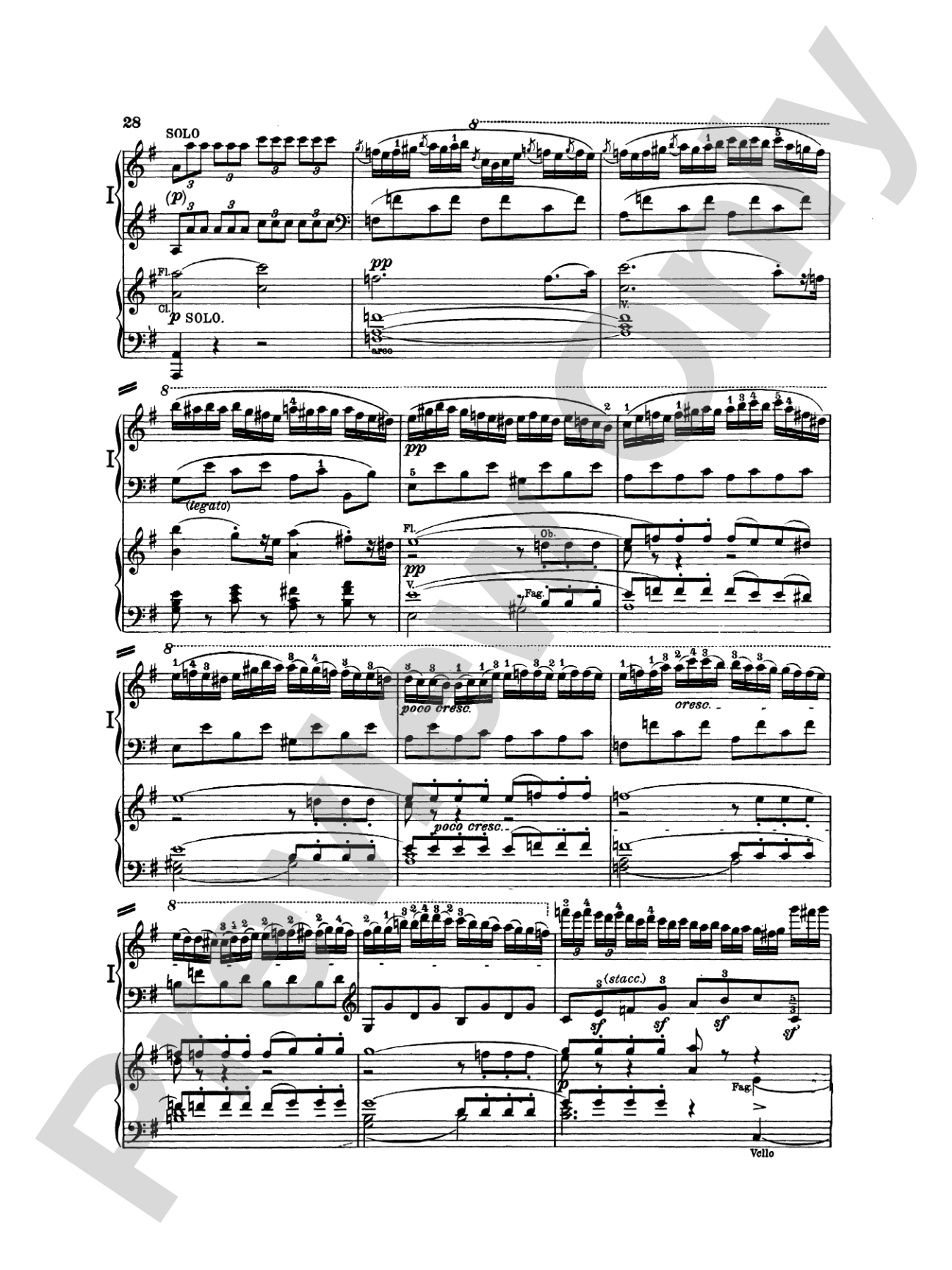
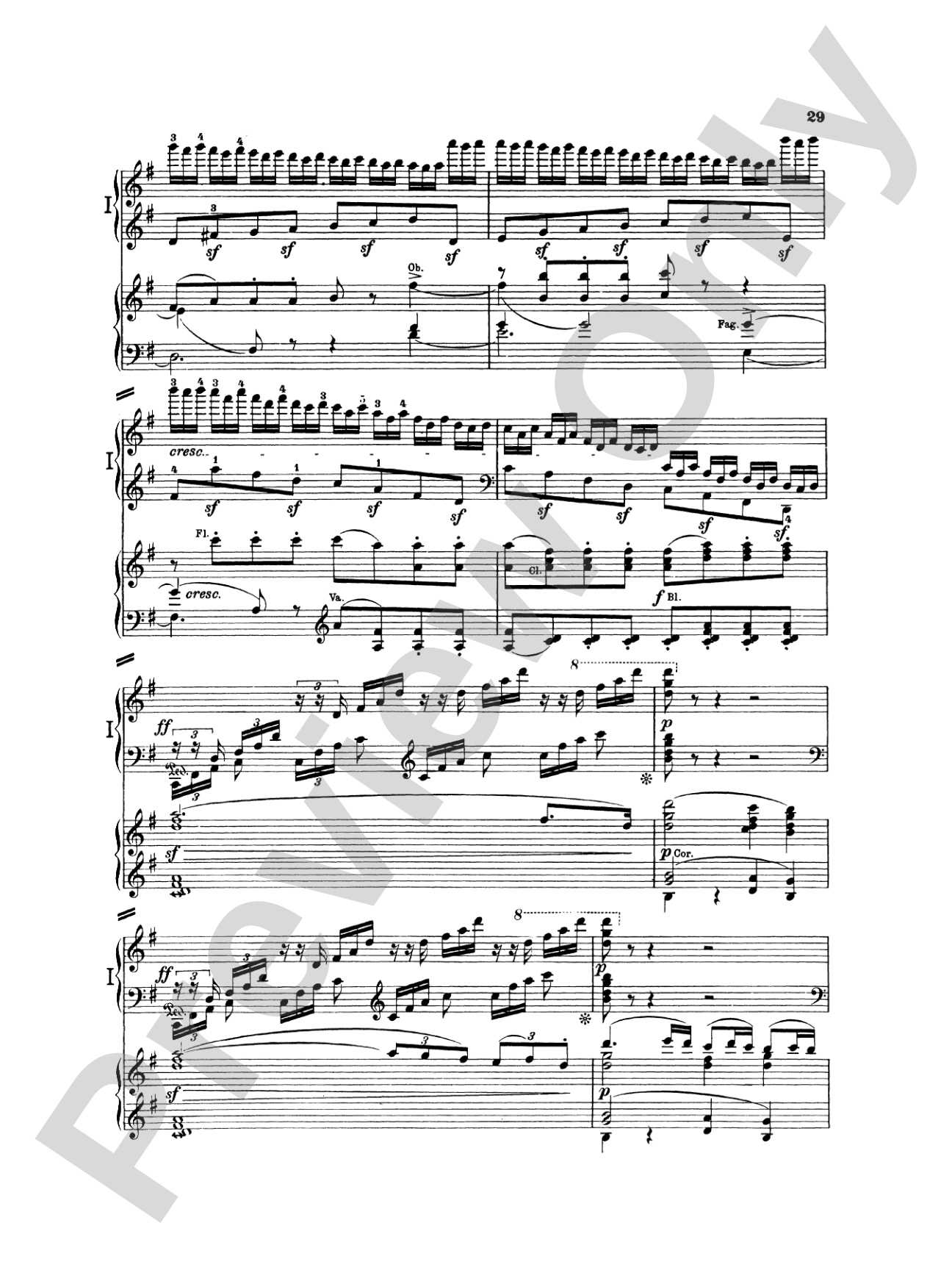
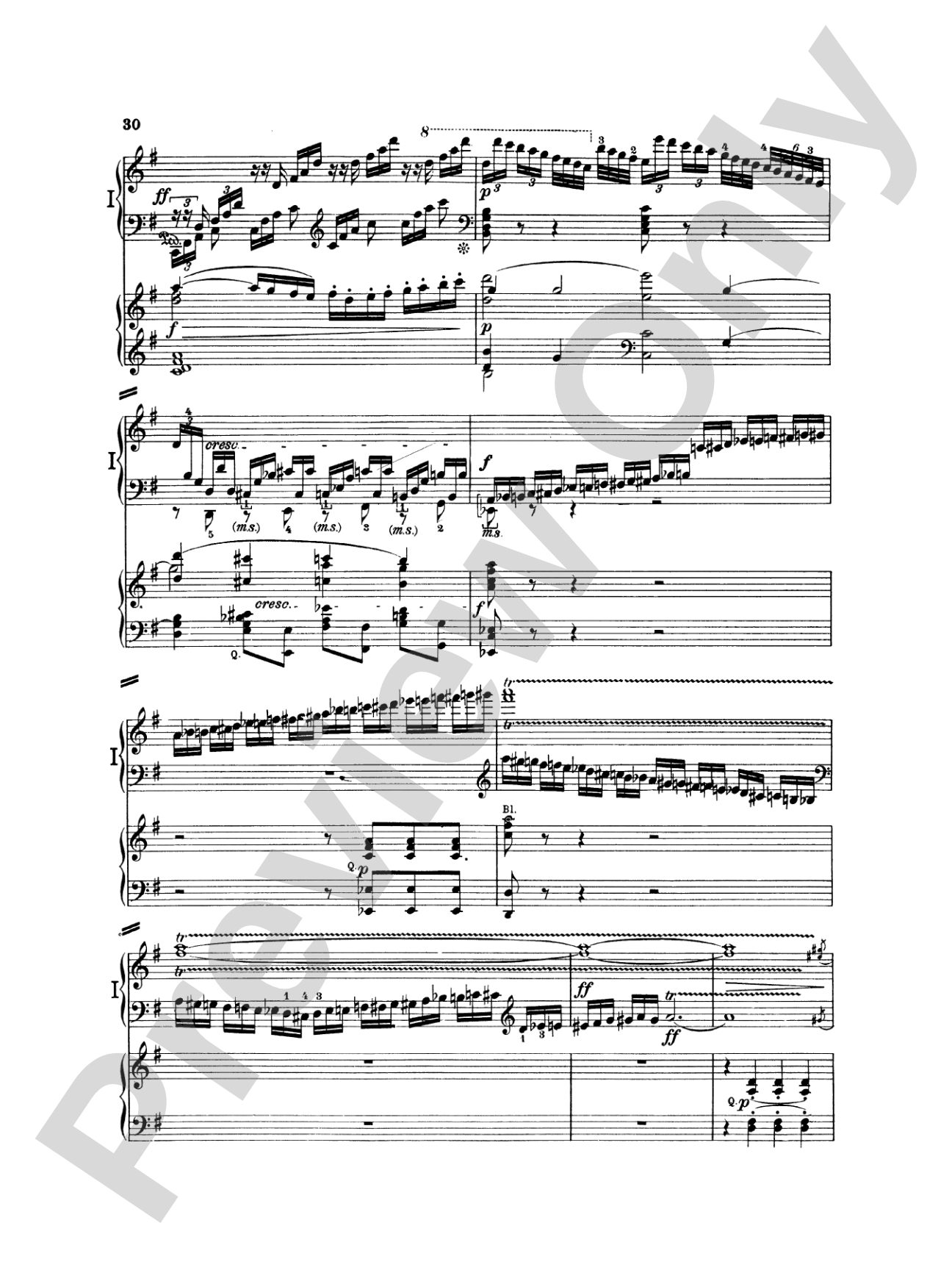
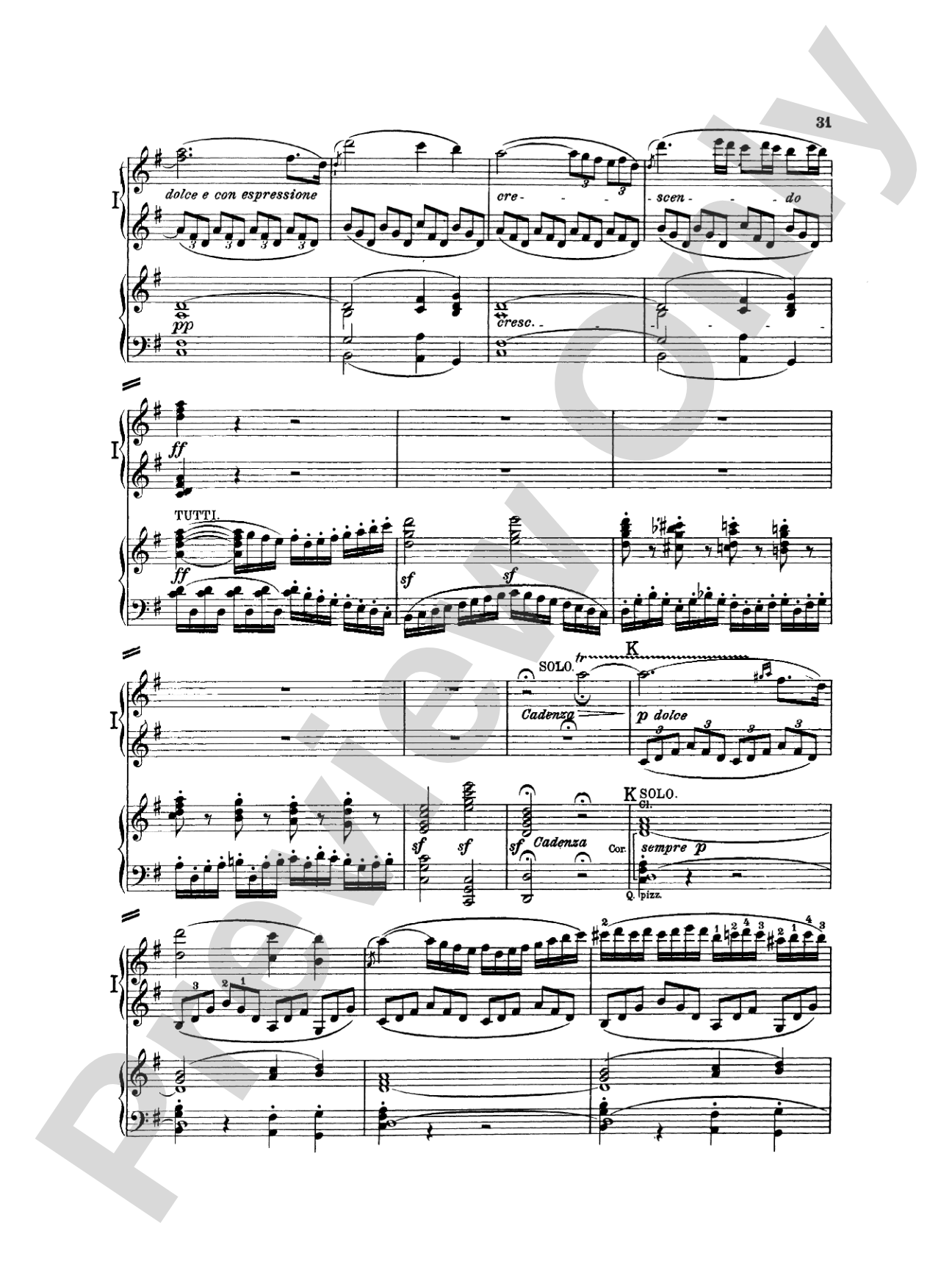
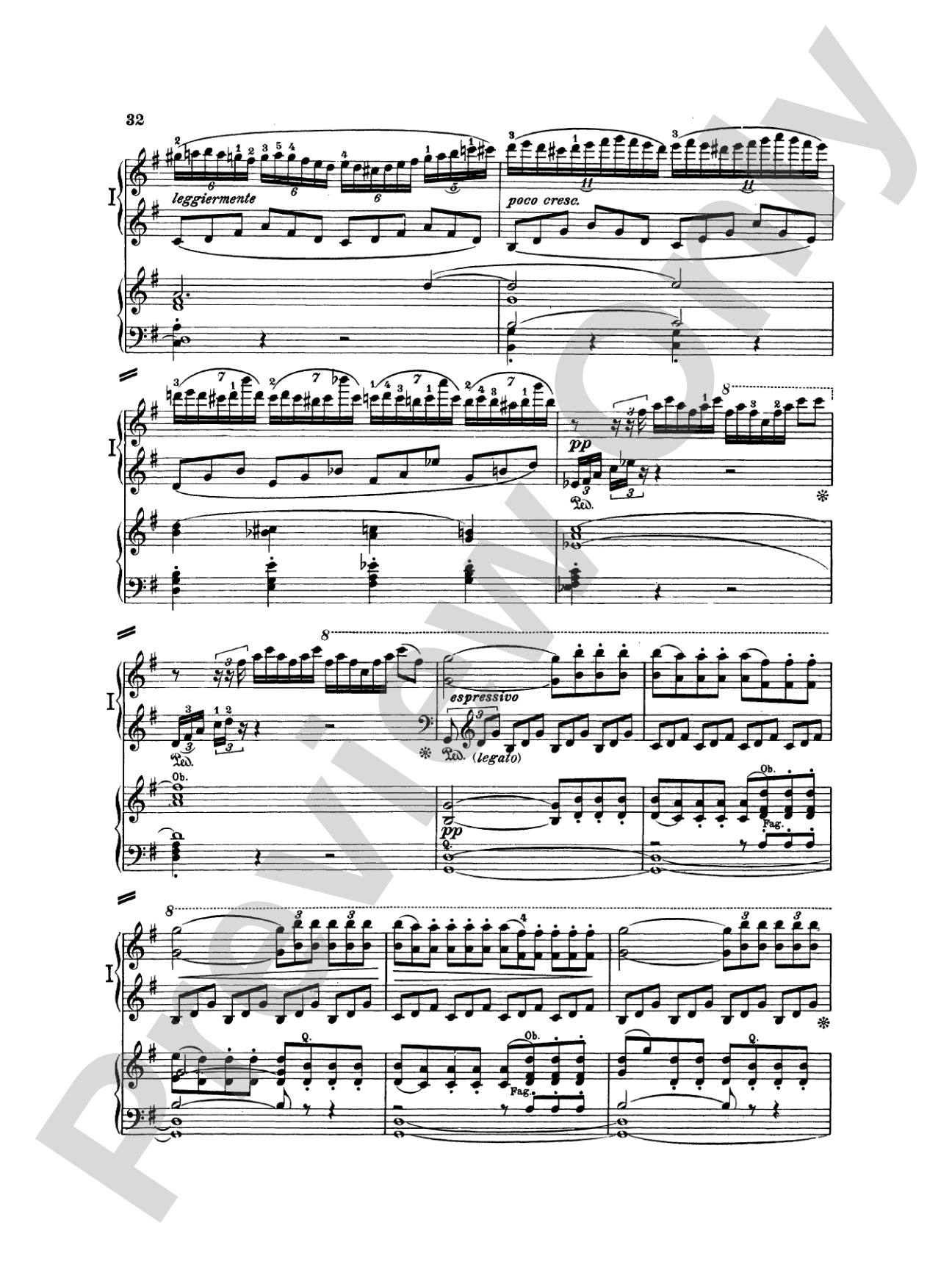
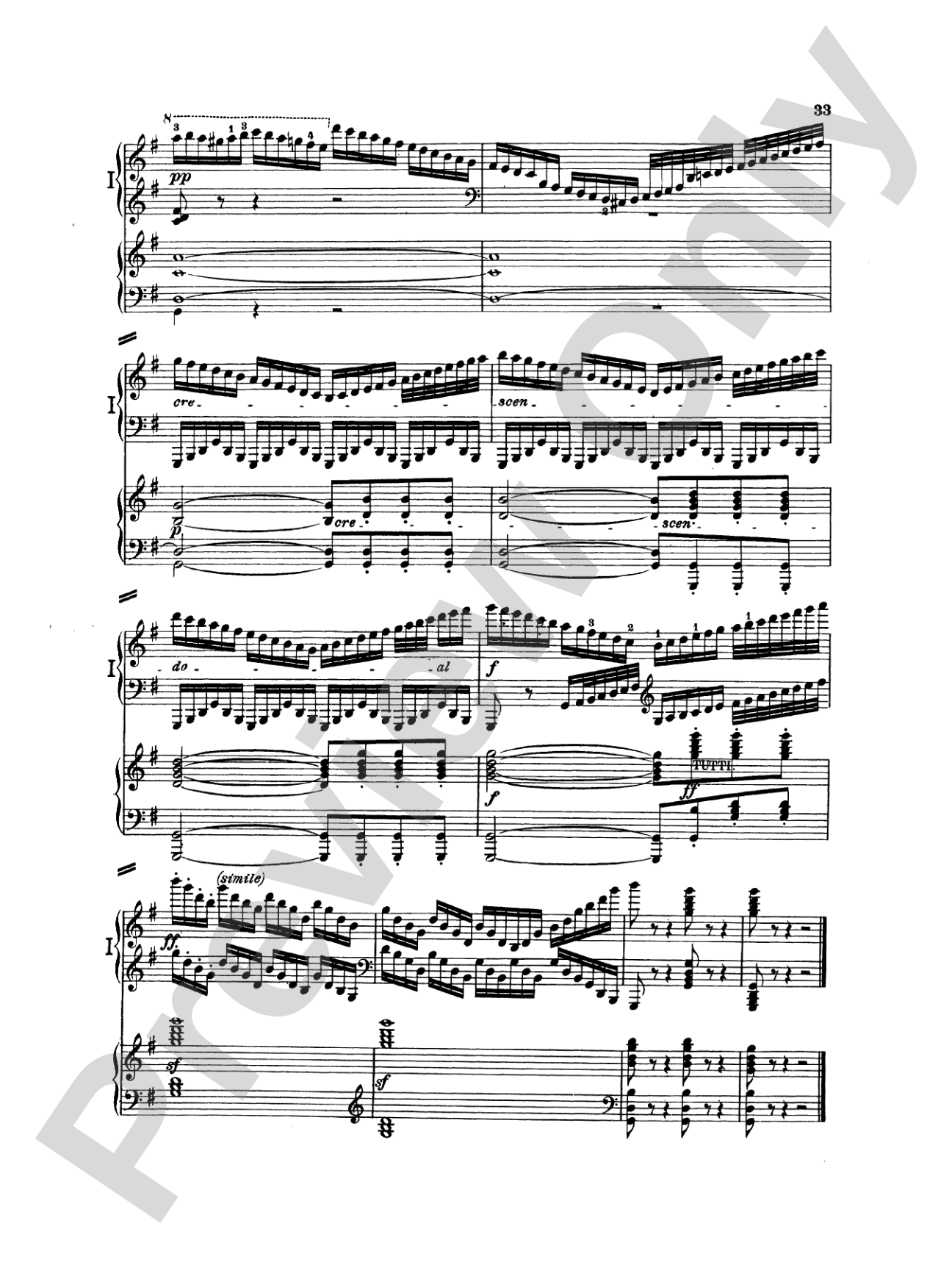
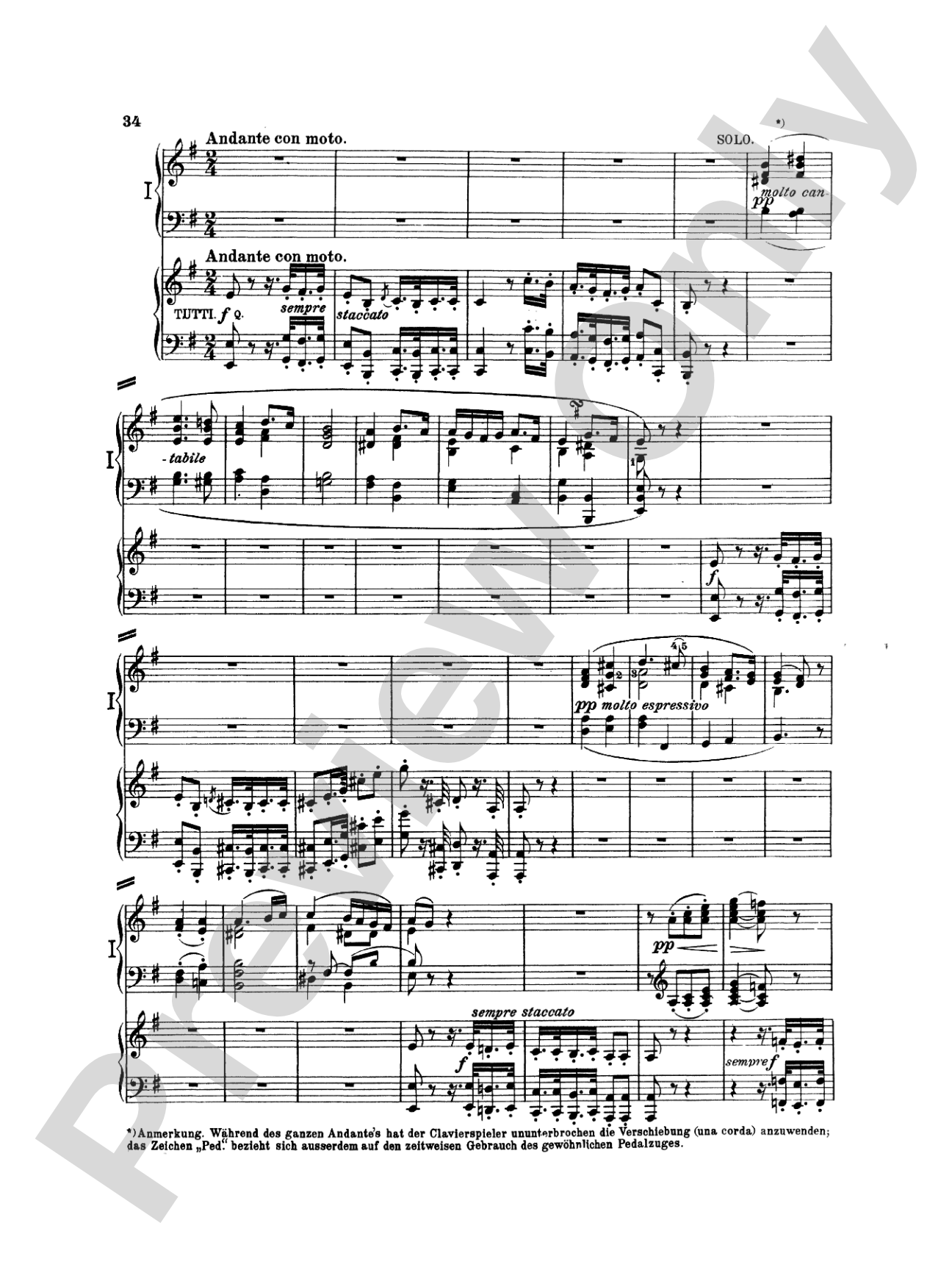
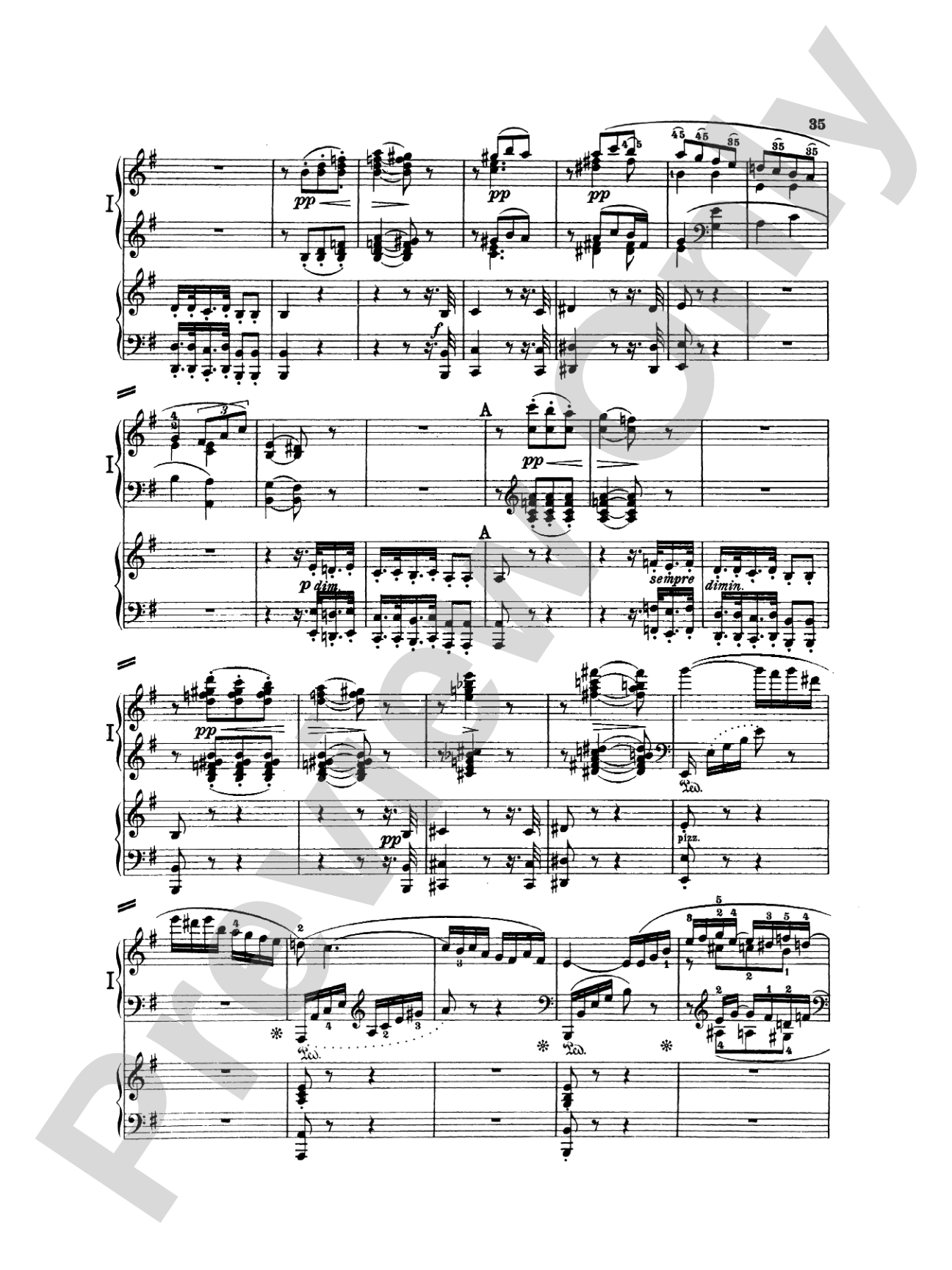
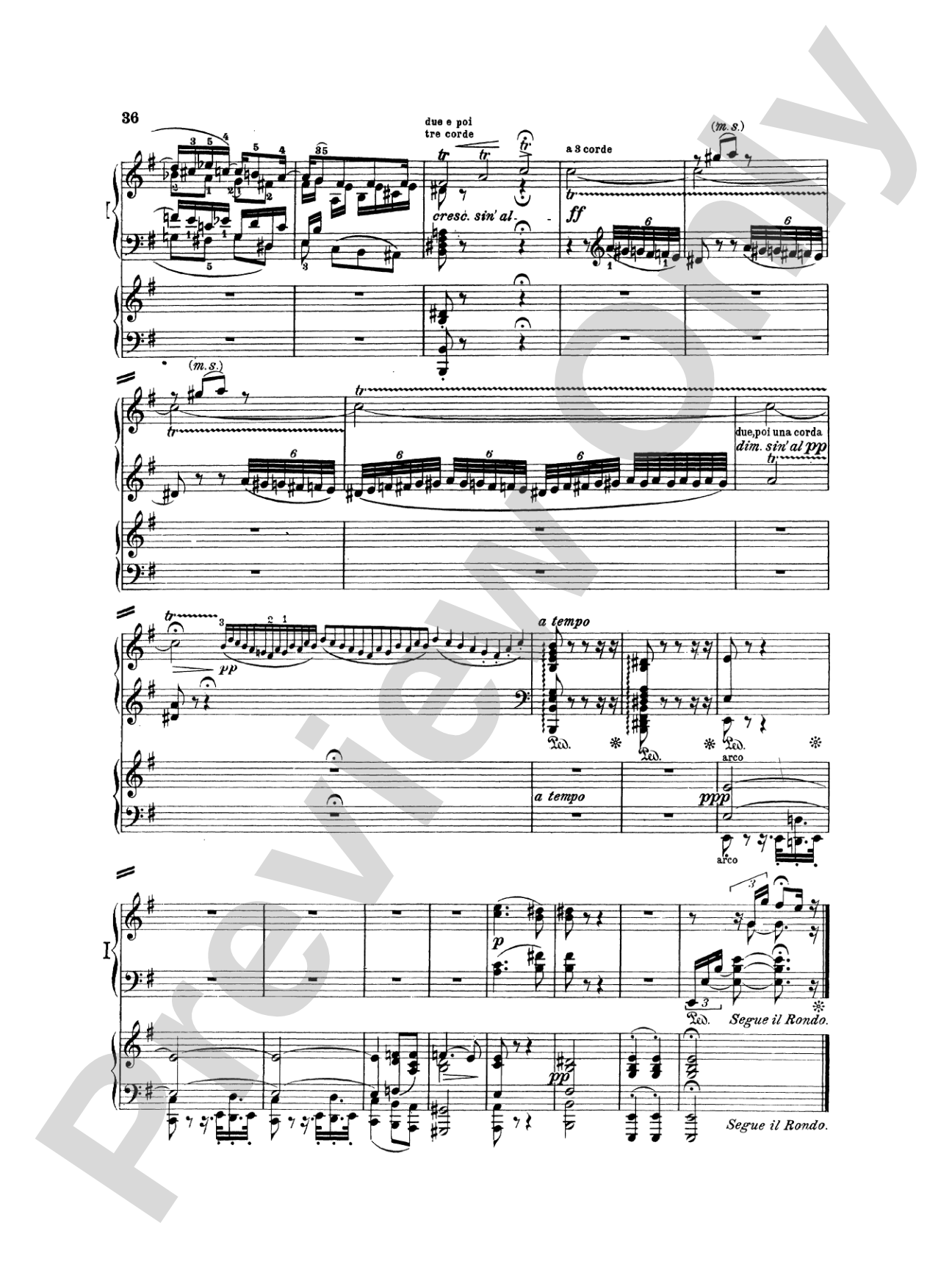
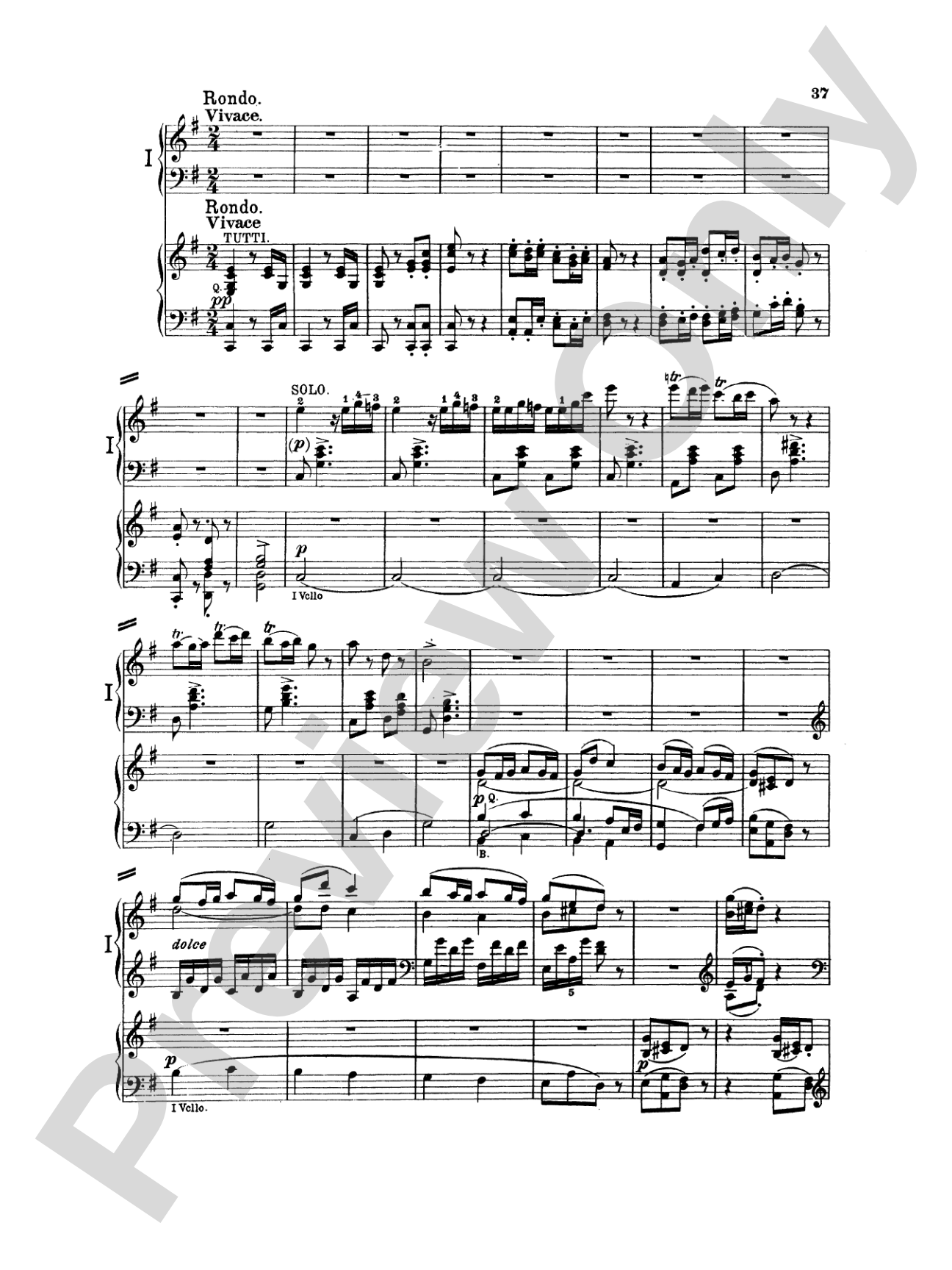
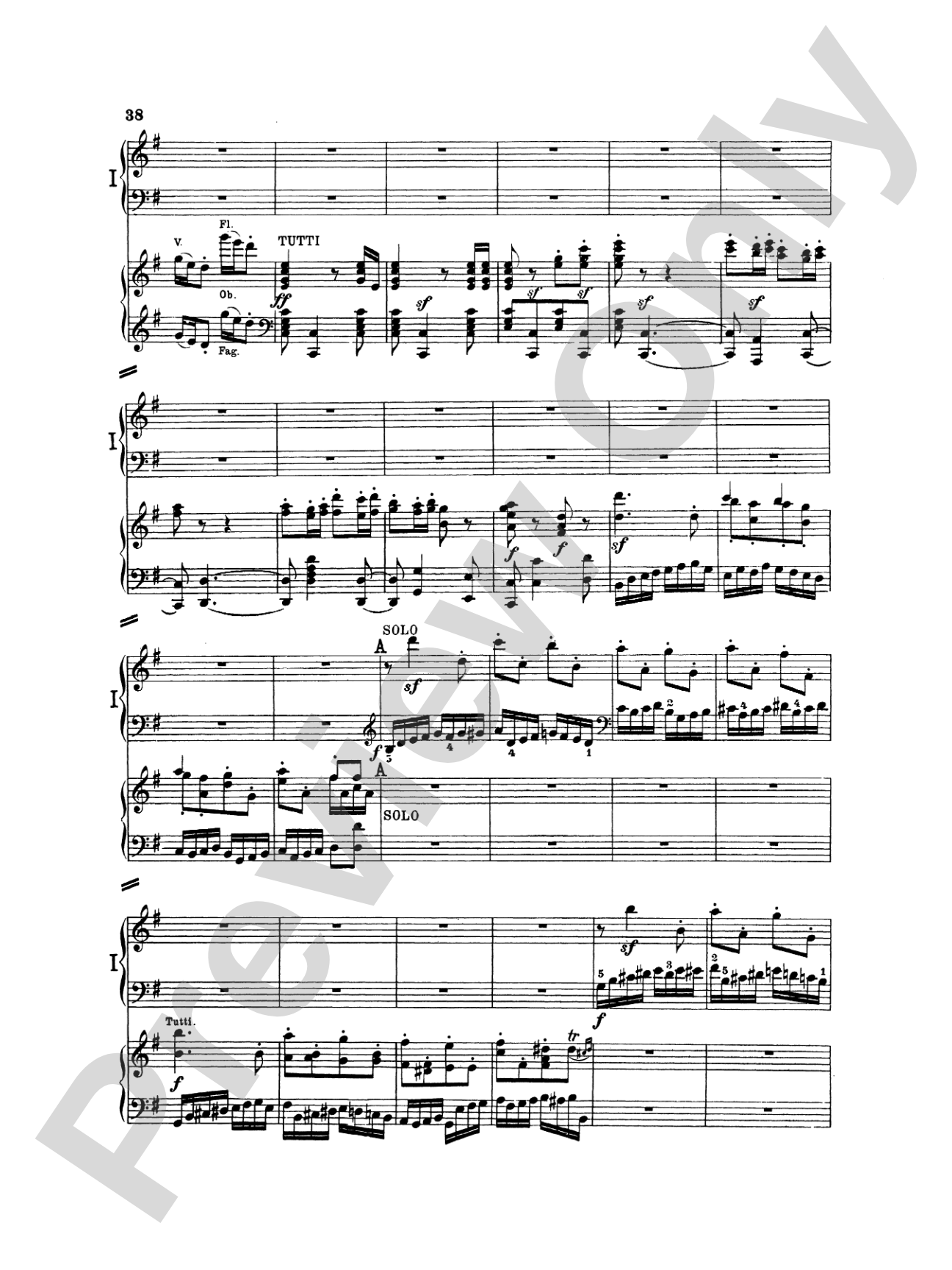
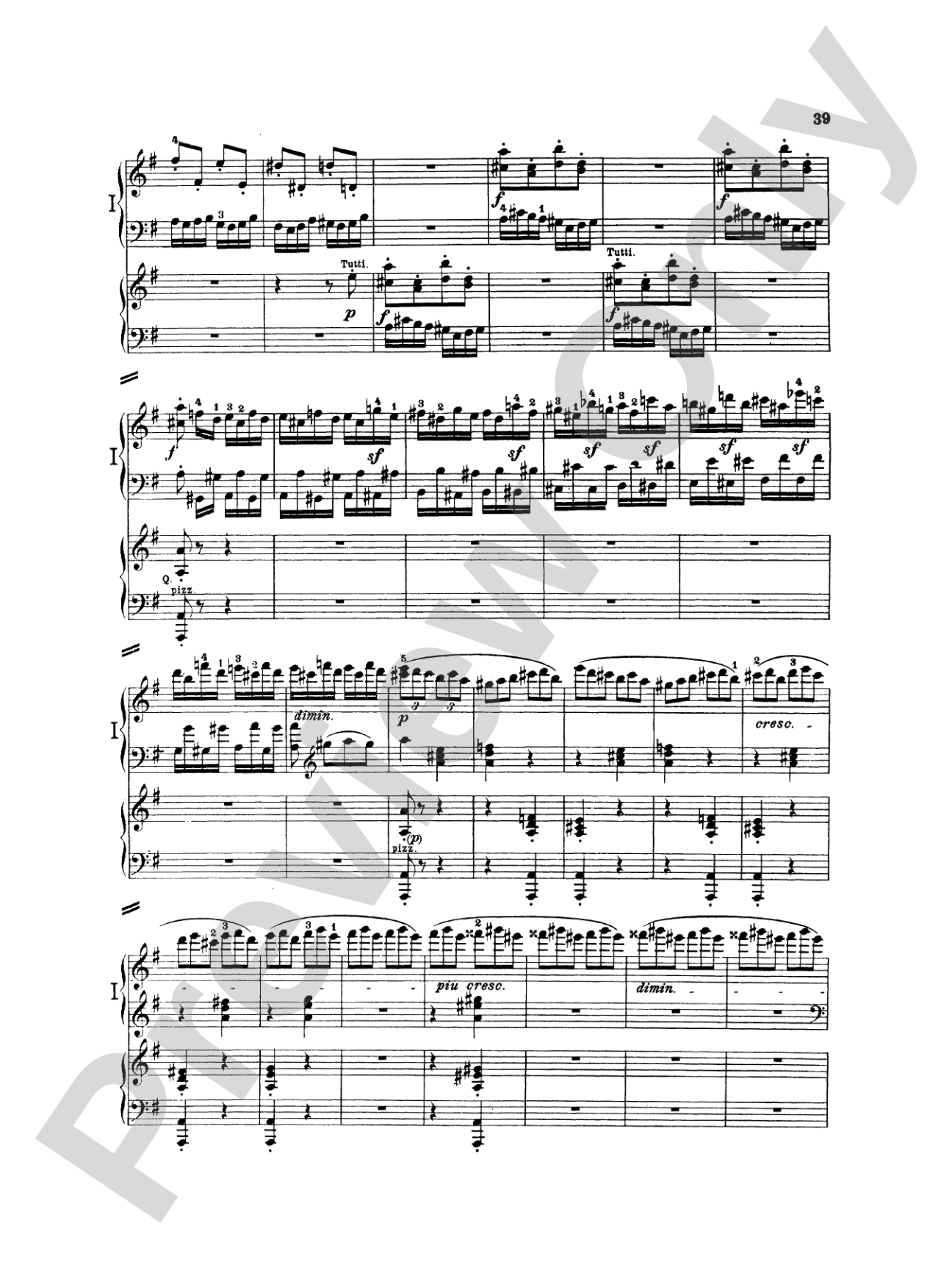
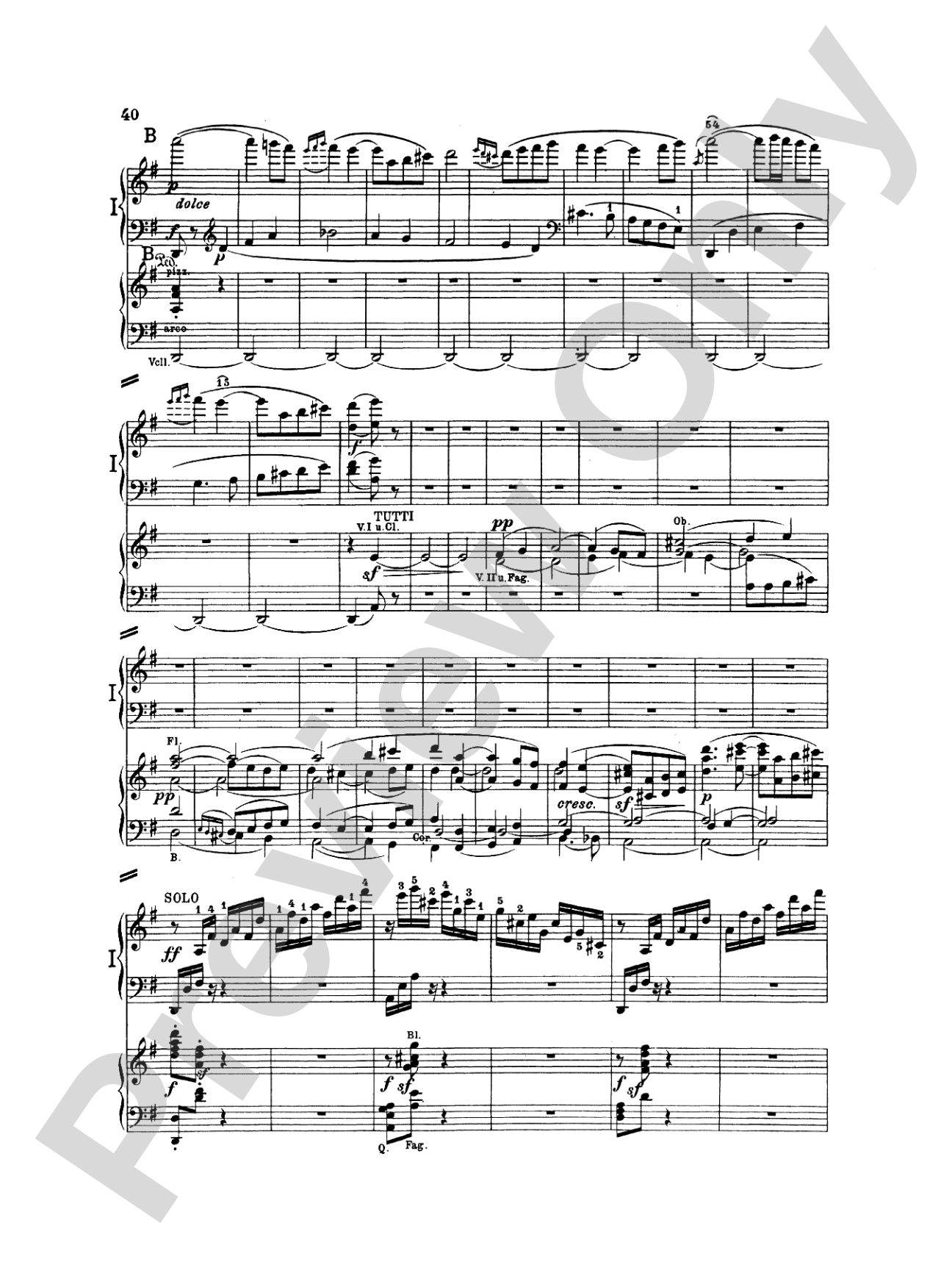
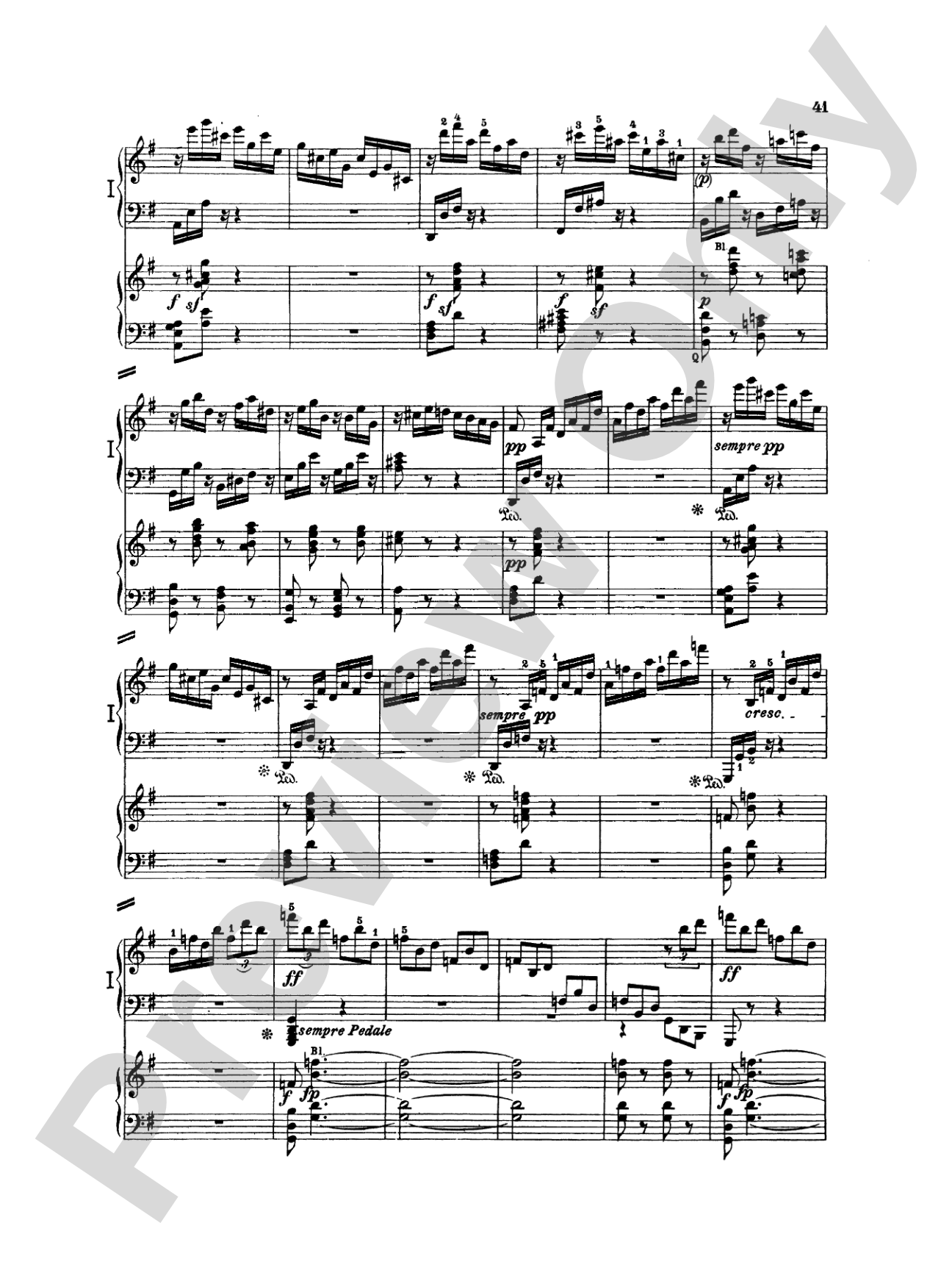
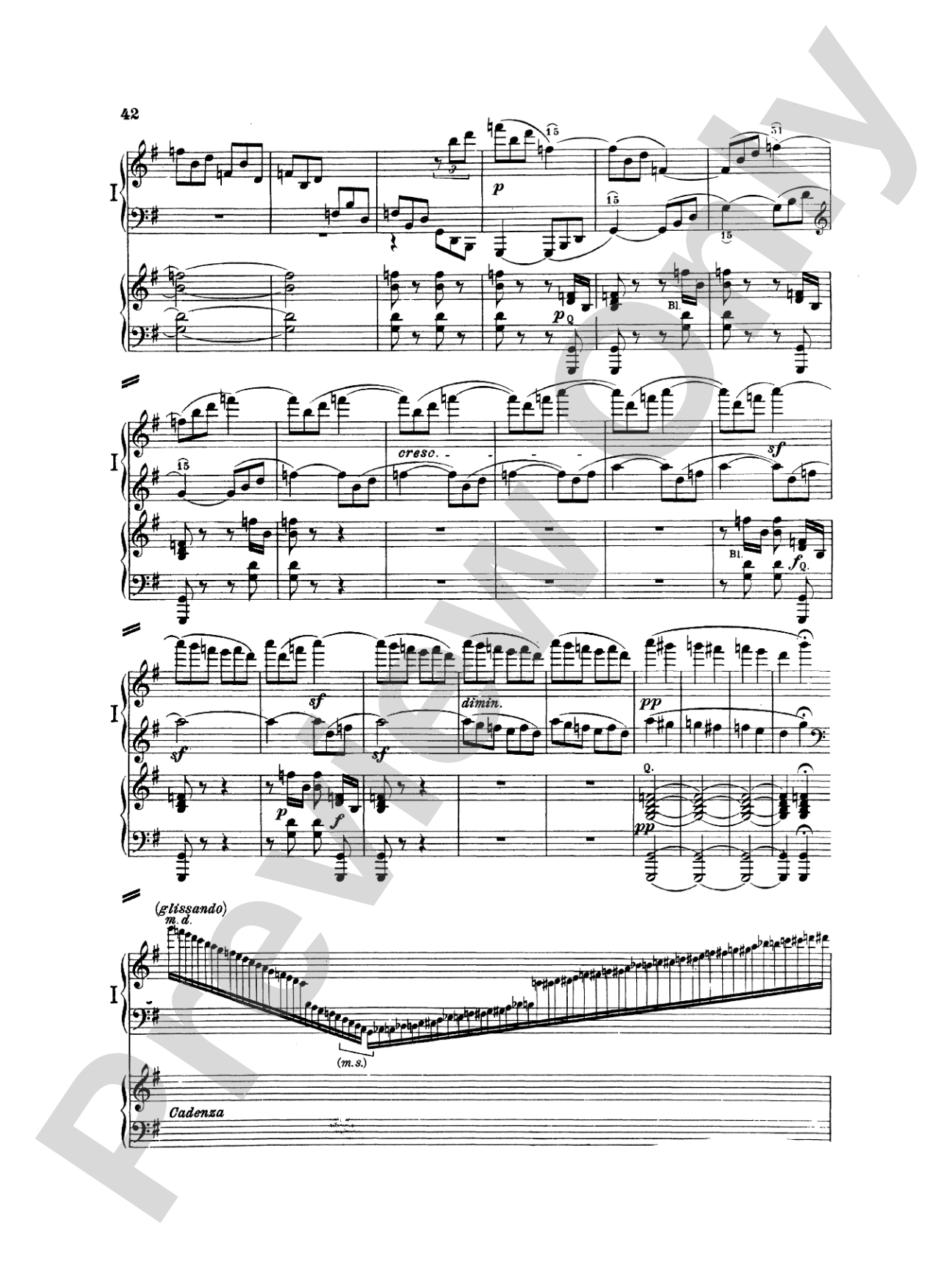
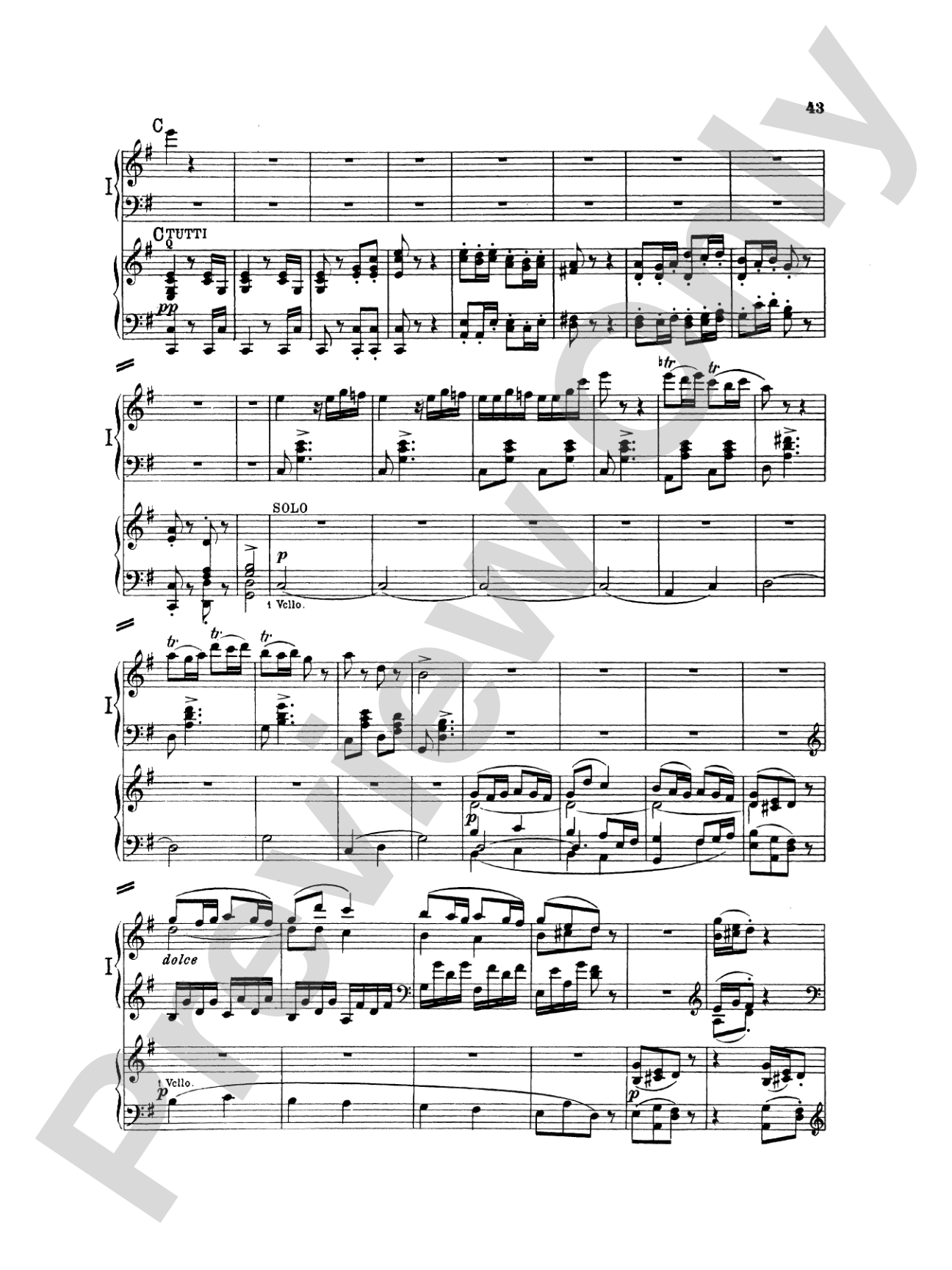
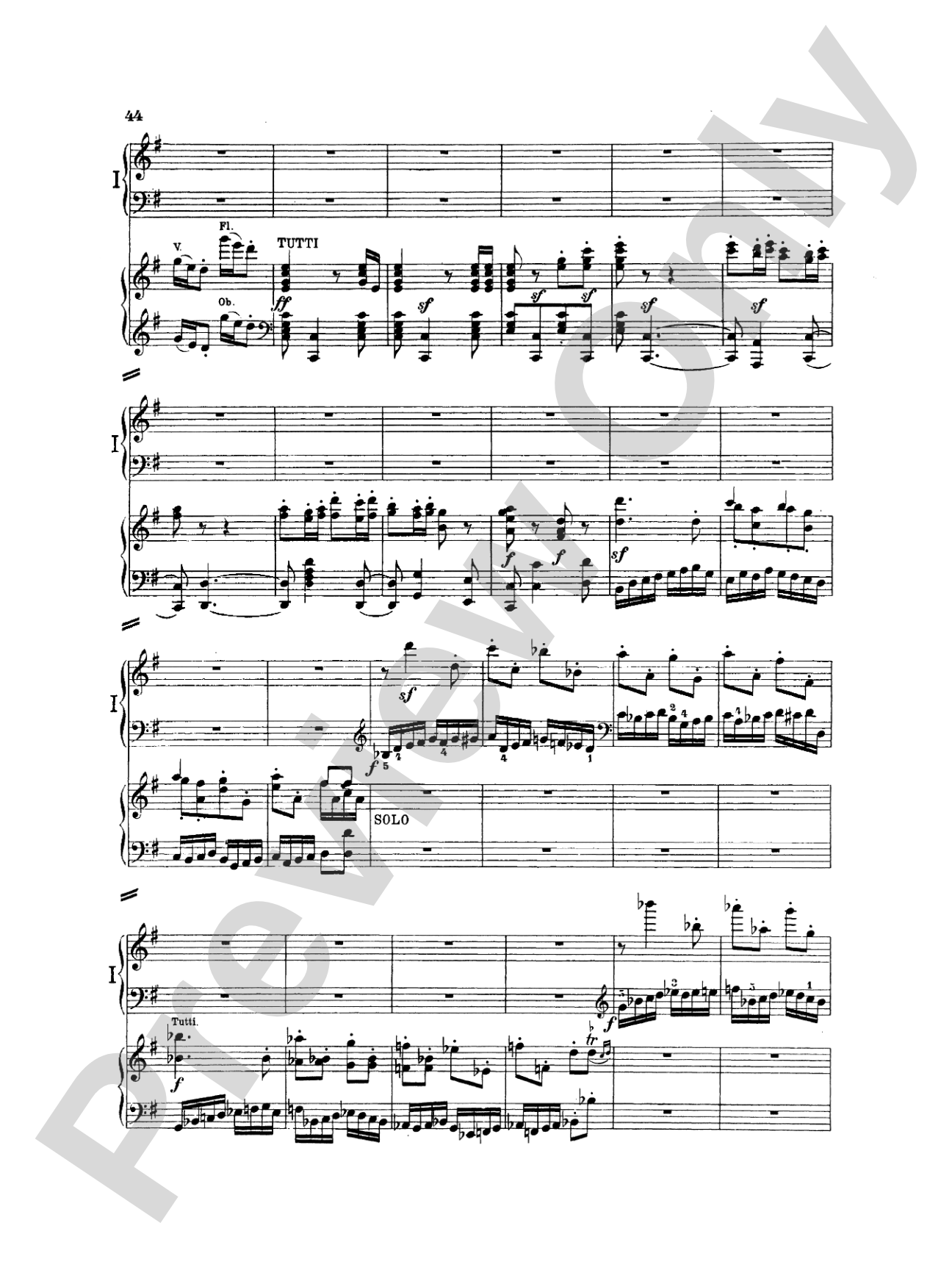
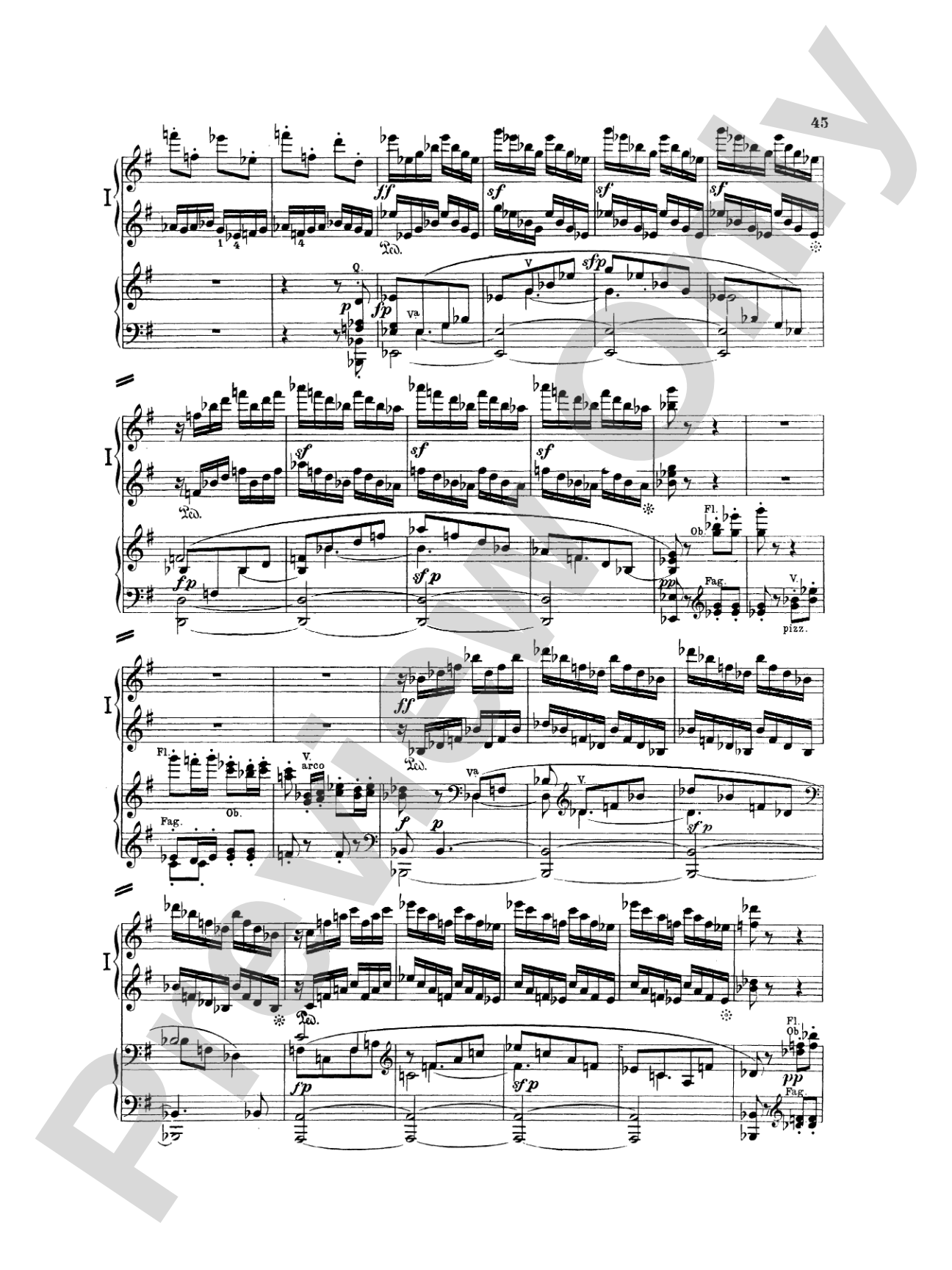
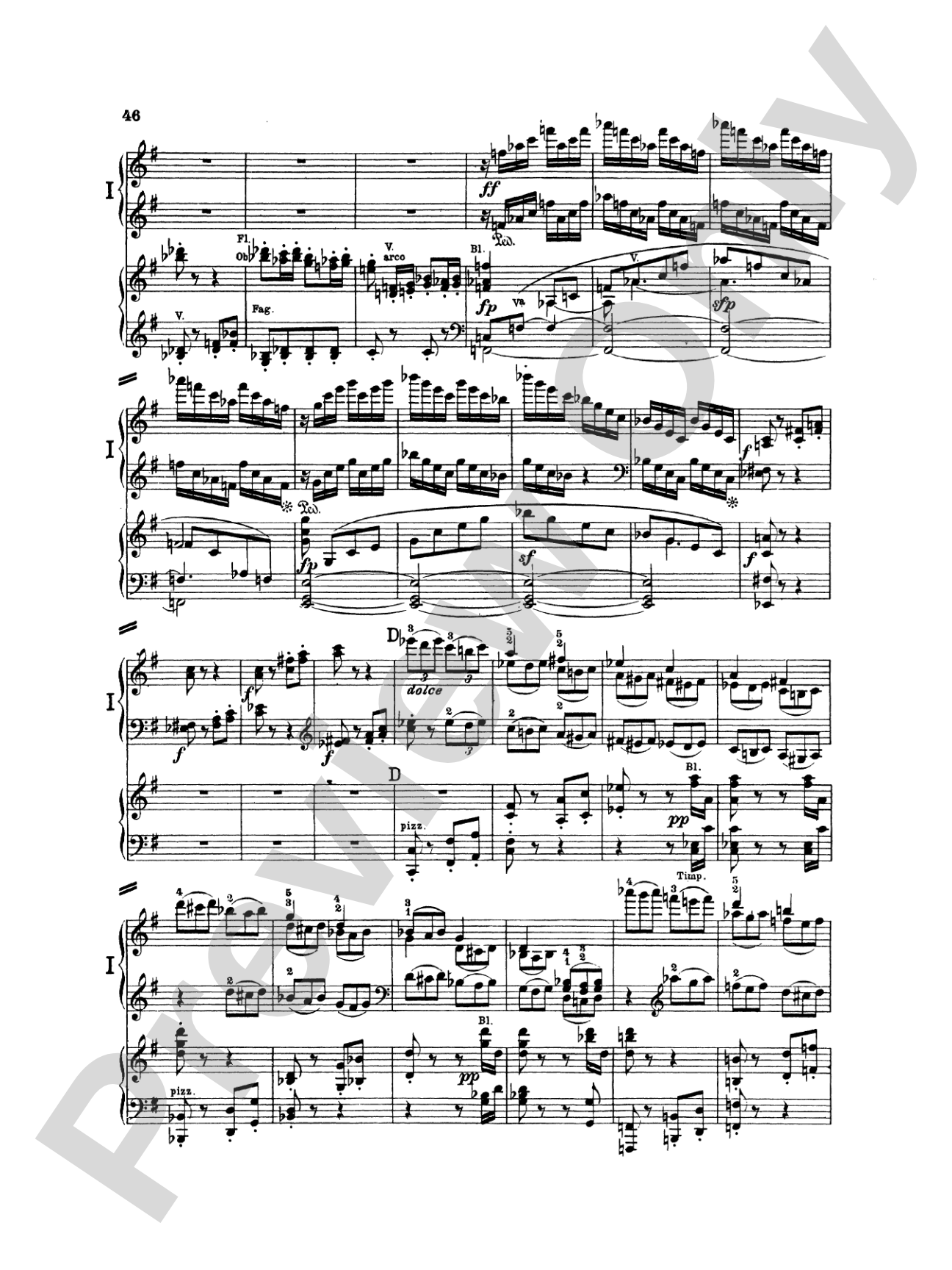
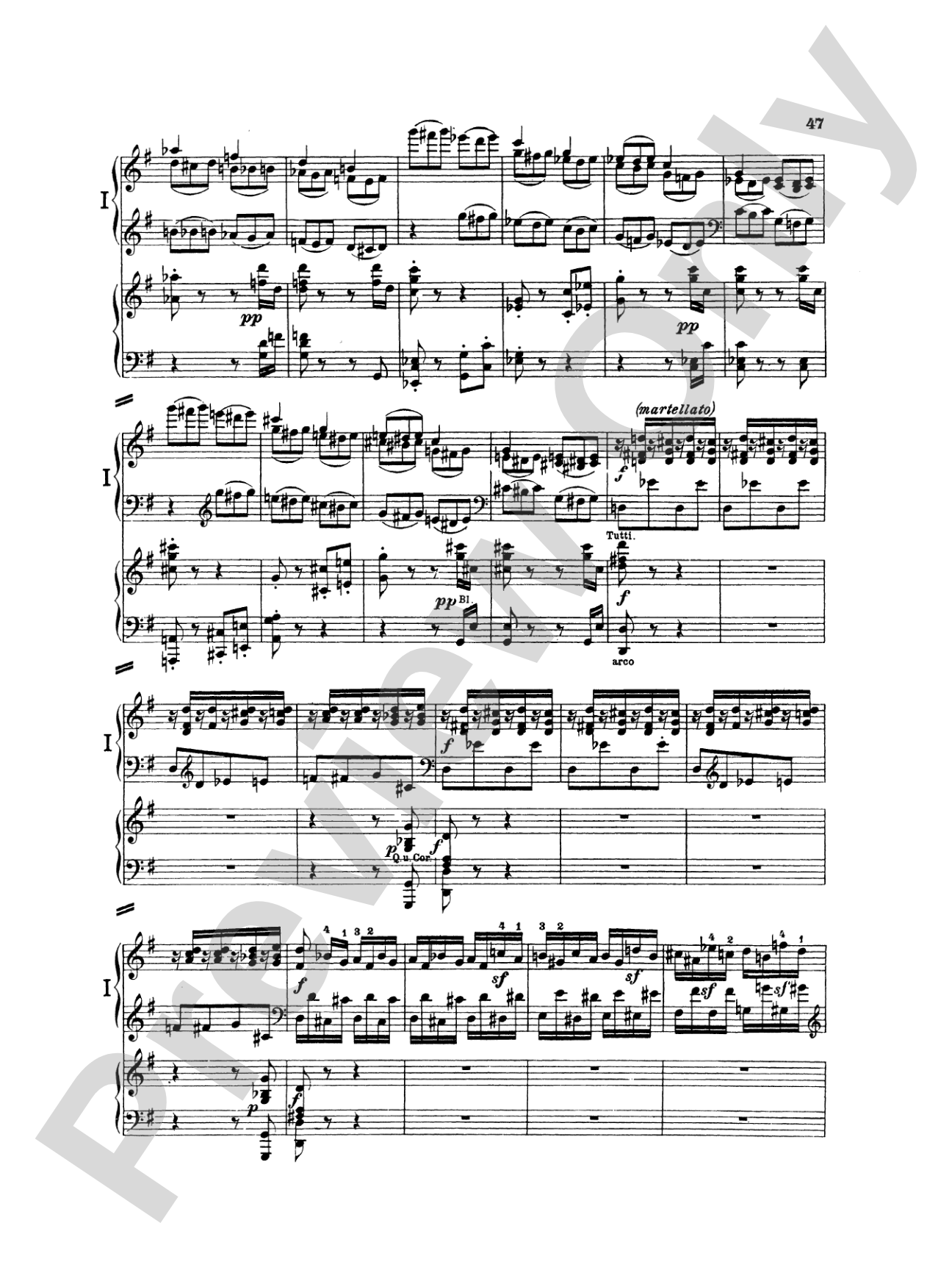
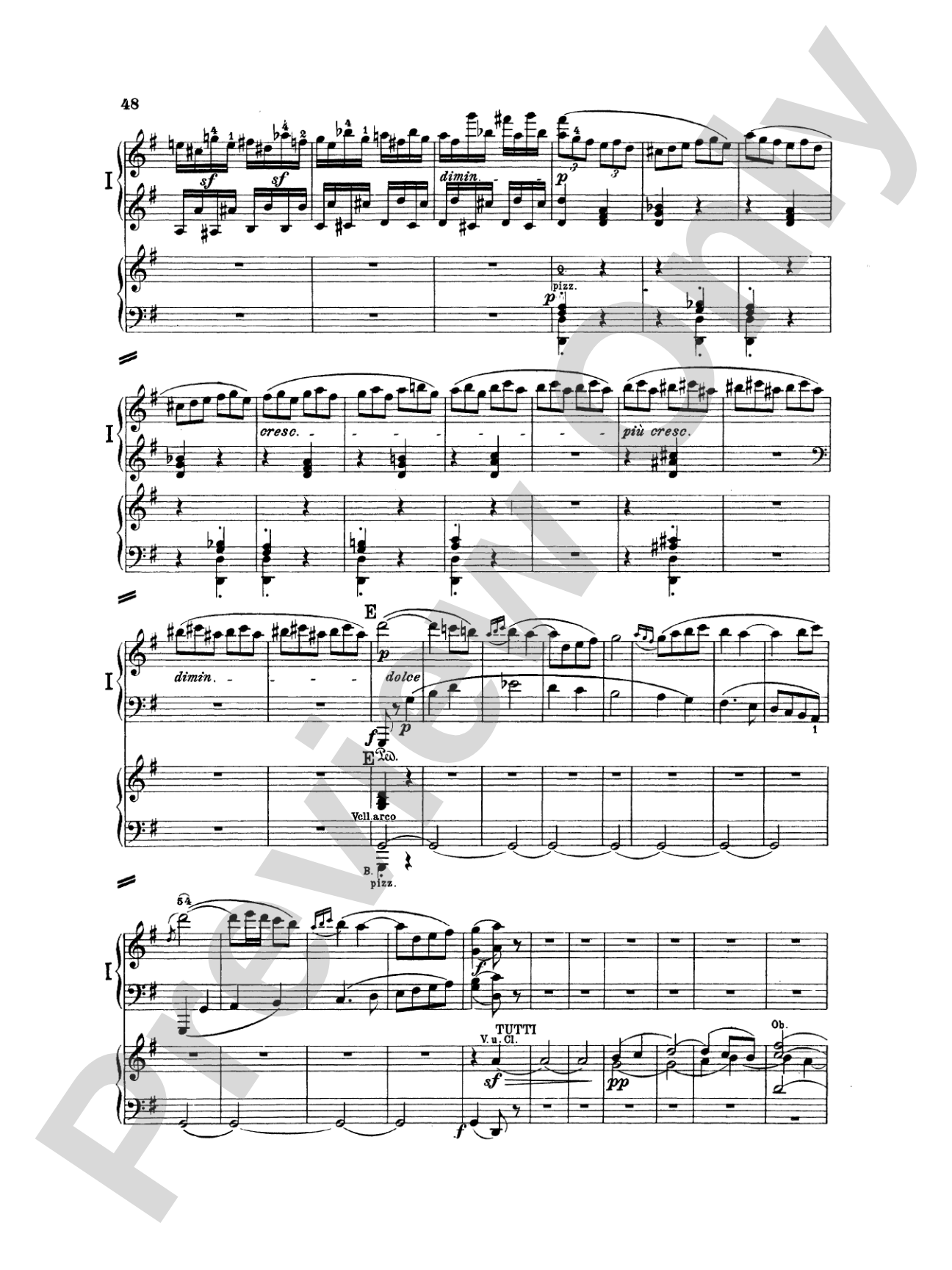
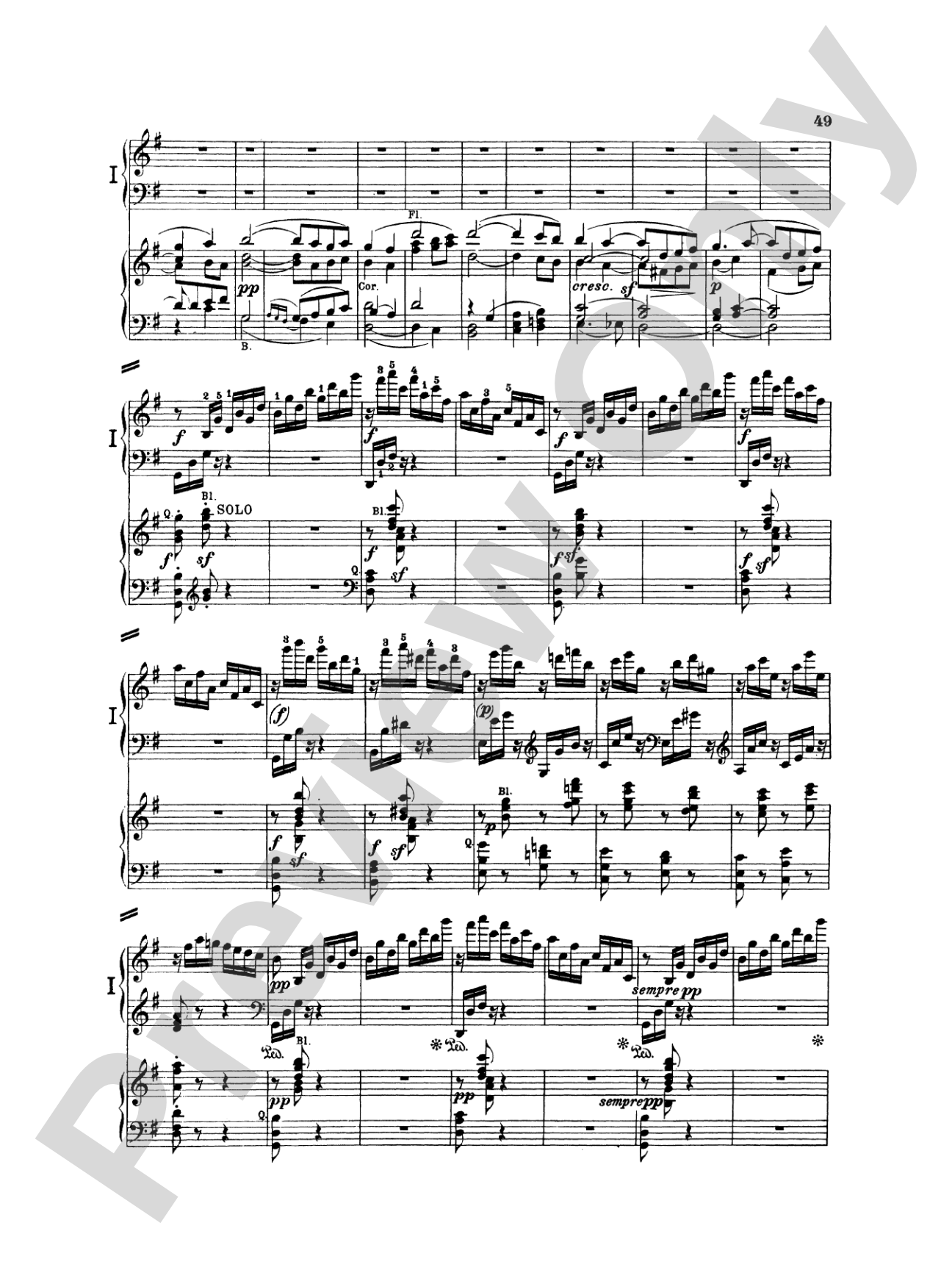
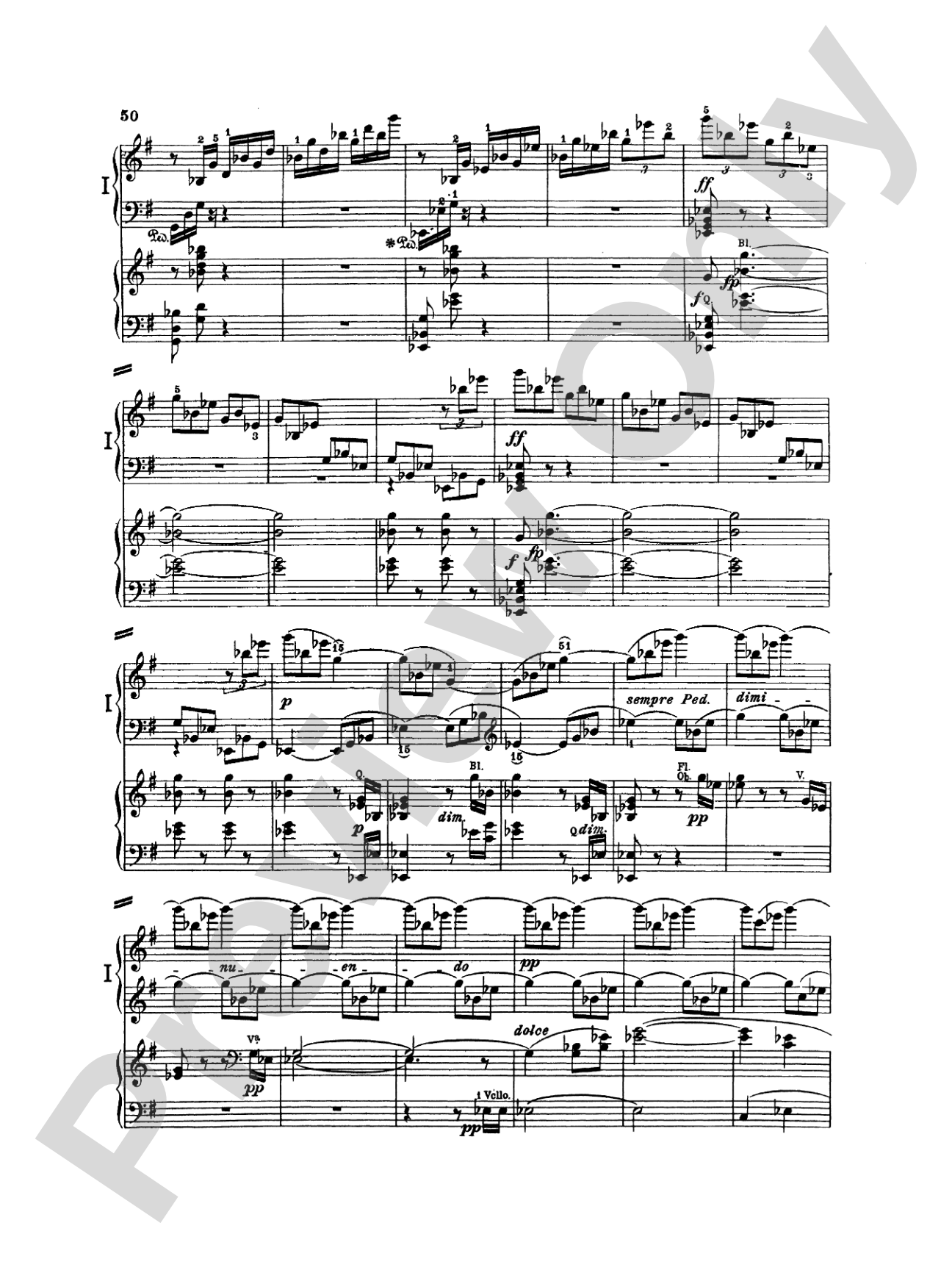

Beethoven: Piano Concerto No. 4 in G Major, Opus 58: Piano Duo (2 Pianos, 4 Hands) Book (2 copies required)
By Ludwig van Beethoven
Level: Advanced
Item: 00-PK-0002920

$12.95
Pickup currently not available
Buy Extra Parts (Digital PDF Download)
| Product | Price | Quantity |
|---|---|---|
| Beethoven: Piano Concerto No. 4 in G Major, Opus 58 | $11.95 |
Parts Added to Cart!
Related Items
Piano Concerto No. 4 in G, Opus 58: Piano Duo (2 Pianos, 4 Hands) Book (2 copies required) |
$12.95
|
View |
Description
A Piano Duet for 2 pianos, 4 hands, composed by Ludwig van Beethoven.


Don't just read it, hear it, play along with it, and watch your students grow with it. In MakeMusic Cloud, Beethoven: Piano Concerto No. 4 in G Major, Opus 58: Piano Duo (2 Pianos, 4 Hands) Book (2 copies required) comes alive with professional accompaniment, adjustable tempo, and built-in practice tools that turn solo practice into real progress.
Open in the Player
Jump straight in and assign it today.
Start Your Free Trial
Open this title and explore the full library in minutes.
Sample Audio
No sample audio found.
Sample Video
No sample videos found.
Additional Details
Series:
Kalmus Edition
Publisher:
Alfred Music
Page Count:
60
SKU:
00-PK-0002920
More about this title
About the Composer: Ludwig van Beethoven
Ludwig van Beethoven (1770-1827) fundamentally transformed the piano concerto from a vehicle for virtuosic display into a work of profound symphonic scope. His later concertos, written in the early 1810s, pushed beyond the Classical restraint of his predecessors and opened pathways toward Romantic expression that influenced generations of composers.
Beethoven's four-hand and two-piano arrangements of his own works were not incidental transcriptions. They served a practical purpose in the era before recordings: allowing pianists to experience his orchestral textures and architectural ambitions in the home or studio. These arrangements remain vital pedagogical tools, offering insights into how Beethoven voiced ideas across instrumental families.
Why we love this
This concerto sits at a pivotal moment in Beethoven's output, where Classical forms receive Romantic emotional depth and orchestral grandeur translates into piano writing of stunning clarity. Playing it as a duo reveals the independence and dialogue between the solo and tutti roles in ways that deepen understanding of the original; the two-piano format demands acute listening and rhythmic partnership from advanced pianists who can handle its technical and interpretive challenges.
What to expect
Nobility and grandeur open the work, but Beethoven soon draws you into intimate musical conversations between the two pianos. The outer movements pulse with forward momentum and Sturm und Drang urgency; the sublime slow movement asks for singing tone and complete harmonic transparency.
Who it's for
Advanced pianists in recital partnerships or collegiate piano programs seeking to deepen their understanding of Beethoven's orchestral textures and concerto architecture. This arrangement also suits chamber musicians exploring two-piano literature who want substantial Classical repertoire with Romantic scope.
How to get the most out of it
- Establish a clear hierarchy between solo and accompaniment material from the start. The primo piano carries the primary melodic voice, but this shifts fluidly; identify these transitions in rehearsal and mark them for easy reference.
- Pay close attention to Beethoven's dynamic markings and orchestral cues. The secondo part often doubles what strings or winds do in the original, so treating those moments as textural support rather than equal partners will improve balance.
- Manage the long-span phrasing typical of Beethoven; resist breaking the line at obvious harmonic cadences. Work through the concerto section by section to map breathing points that honor his structural logic, not merely rest fingers.
- Lock tempo and articulation between the two pianists before diving into emotional interpretation. A shared understanding of pulse in the rapid figurations and scale passages prevents the piece from fragmenting.
How to use it
This work stands as a recital centerpiece for a two-piano team, offering the gravitas and length to anchor a full program. It pairs well with Brahms or later Romantic two-piano works, creating a historical arc that shows how Beethoven's innovations shaped the genre.
Skills your students will build
- Balancing melody and accompaniment across two instruments
- Reading full orchestral textures translated for two pianos
- Managing rhythmic independence while maintaining unified phrasing
- Interpreting Classical sonata form with Romantic expressivity
- Executing rapid passagework with precision at advanced tempos