
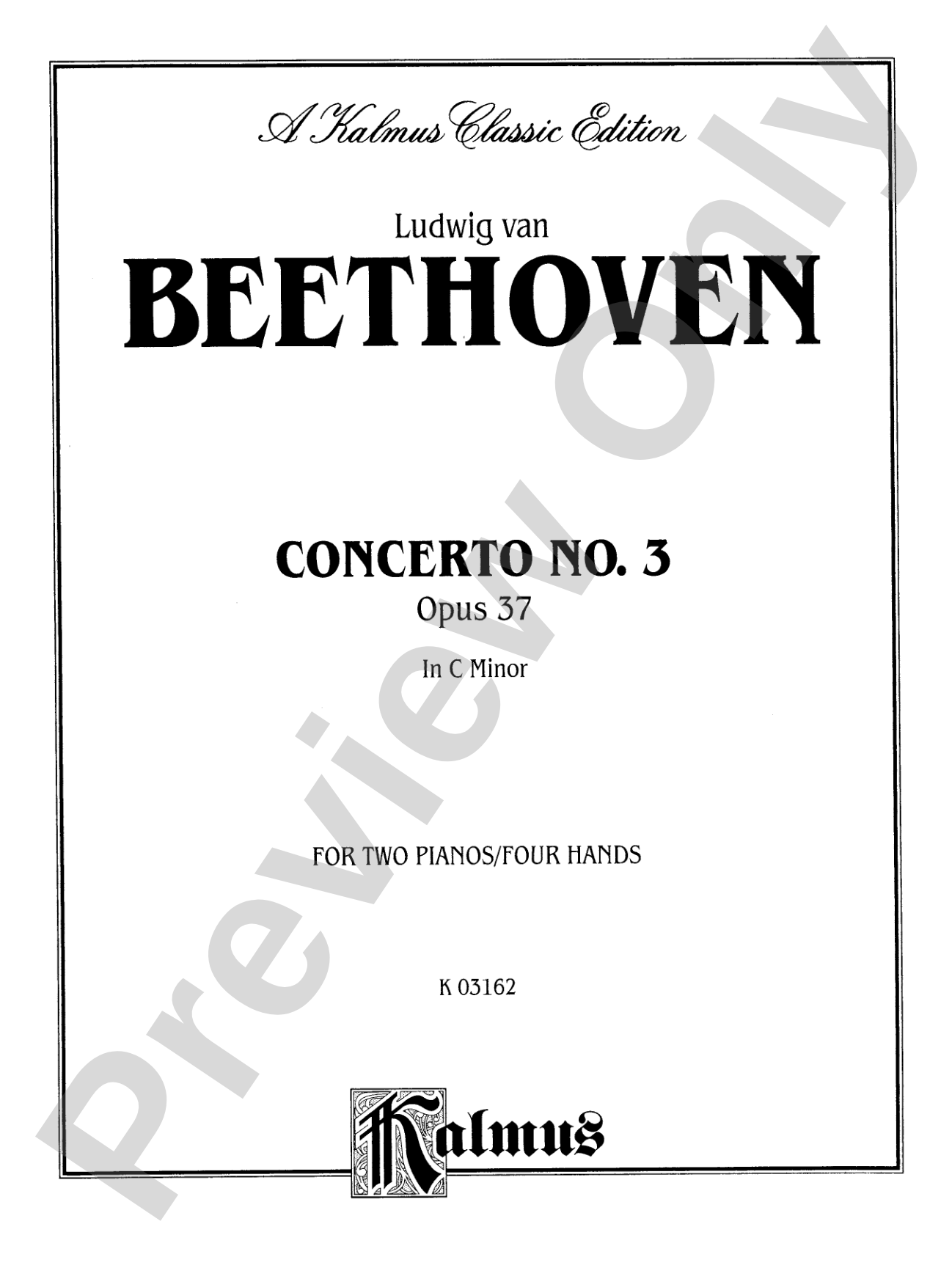

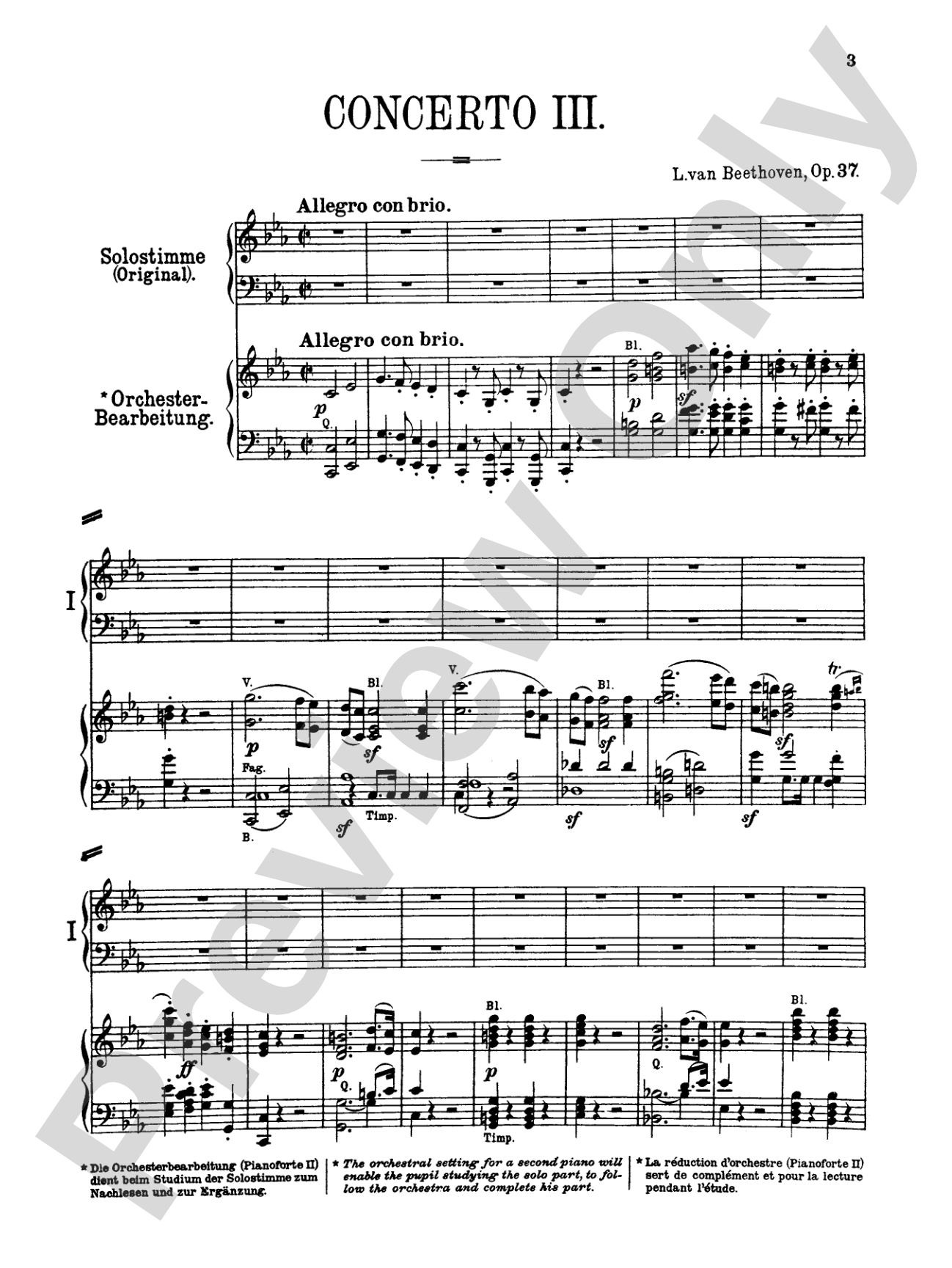
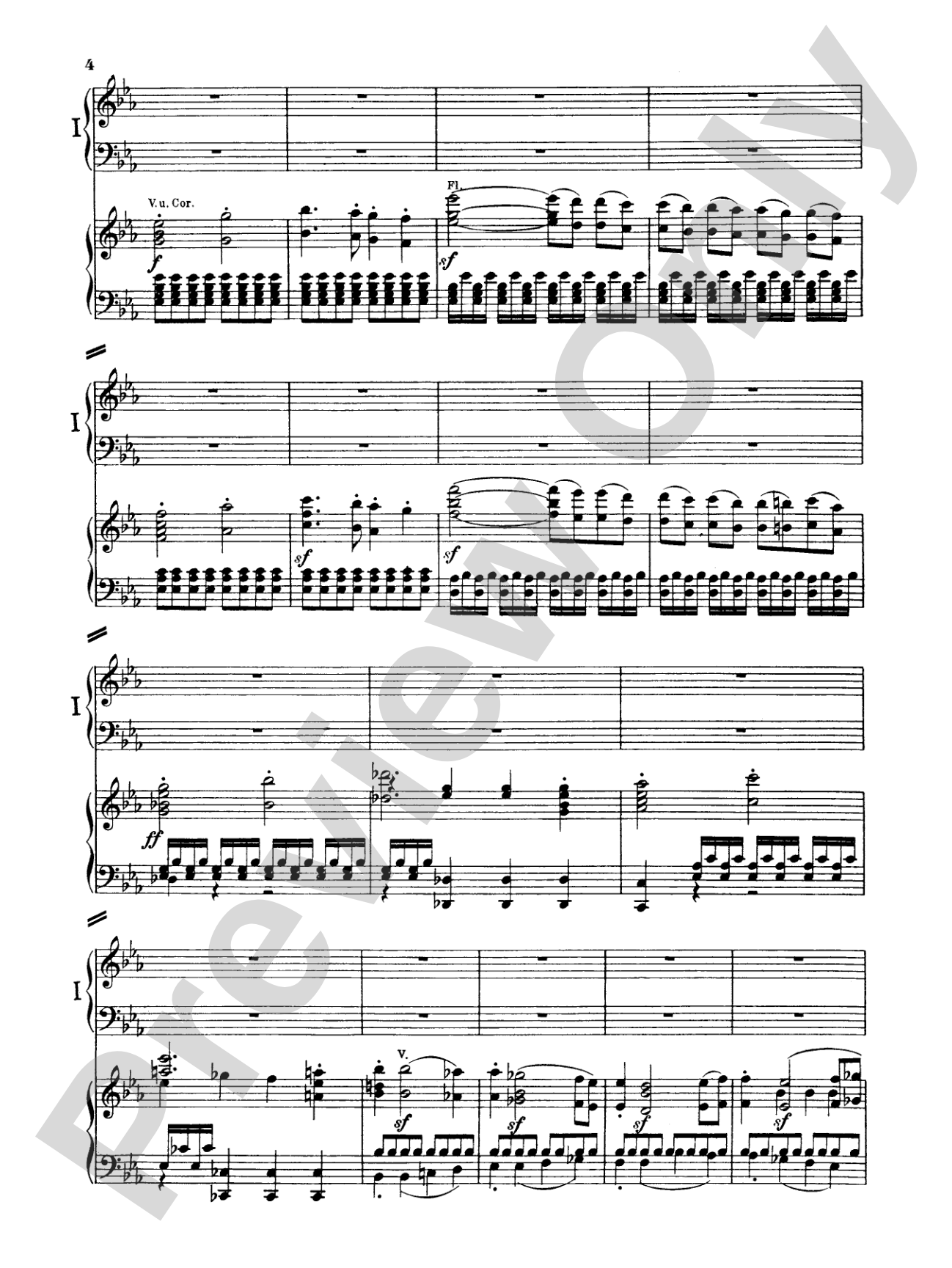
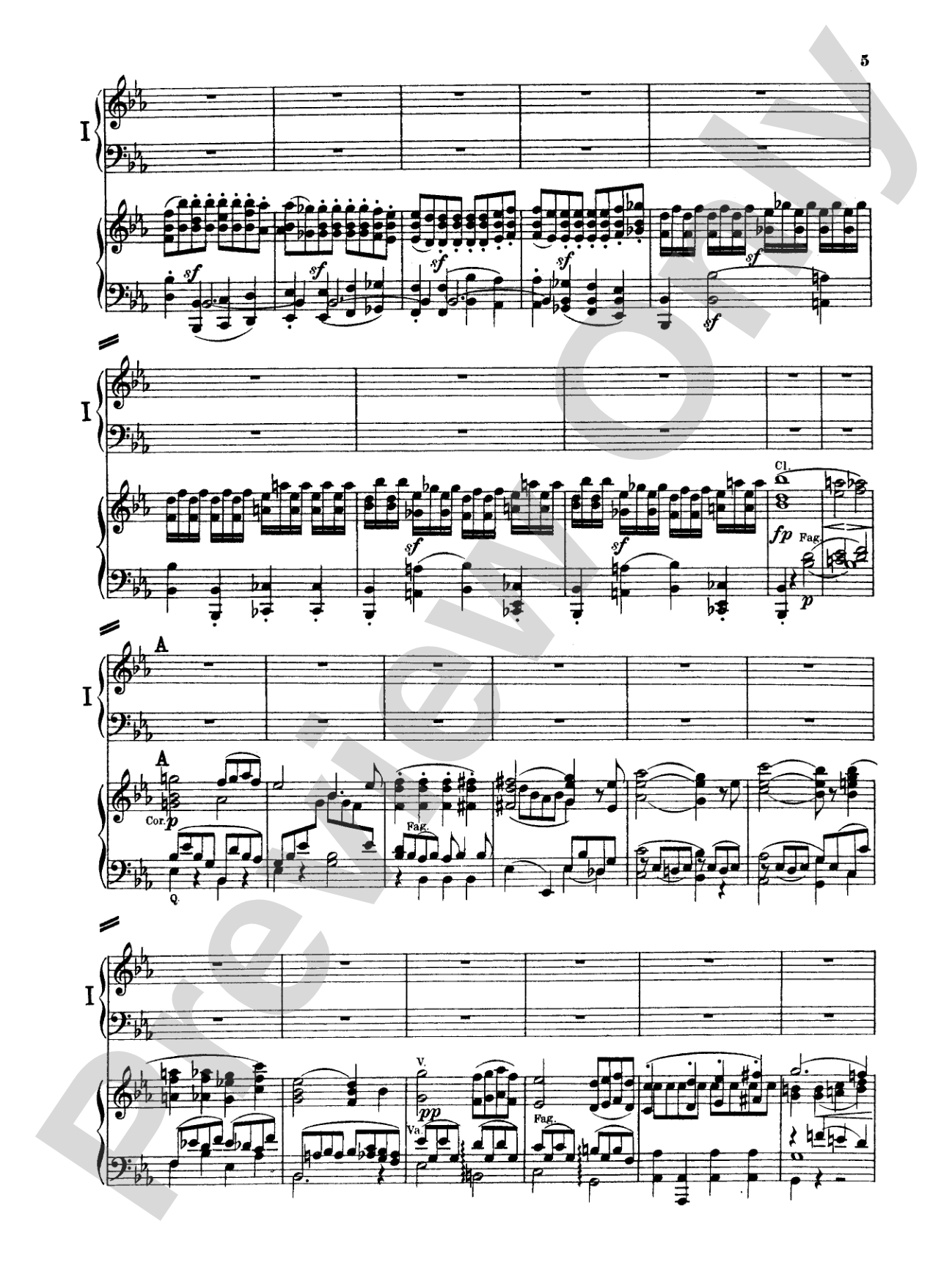
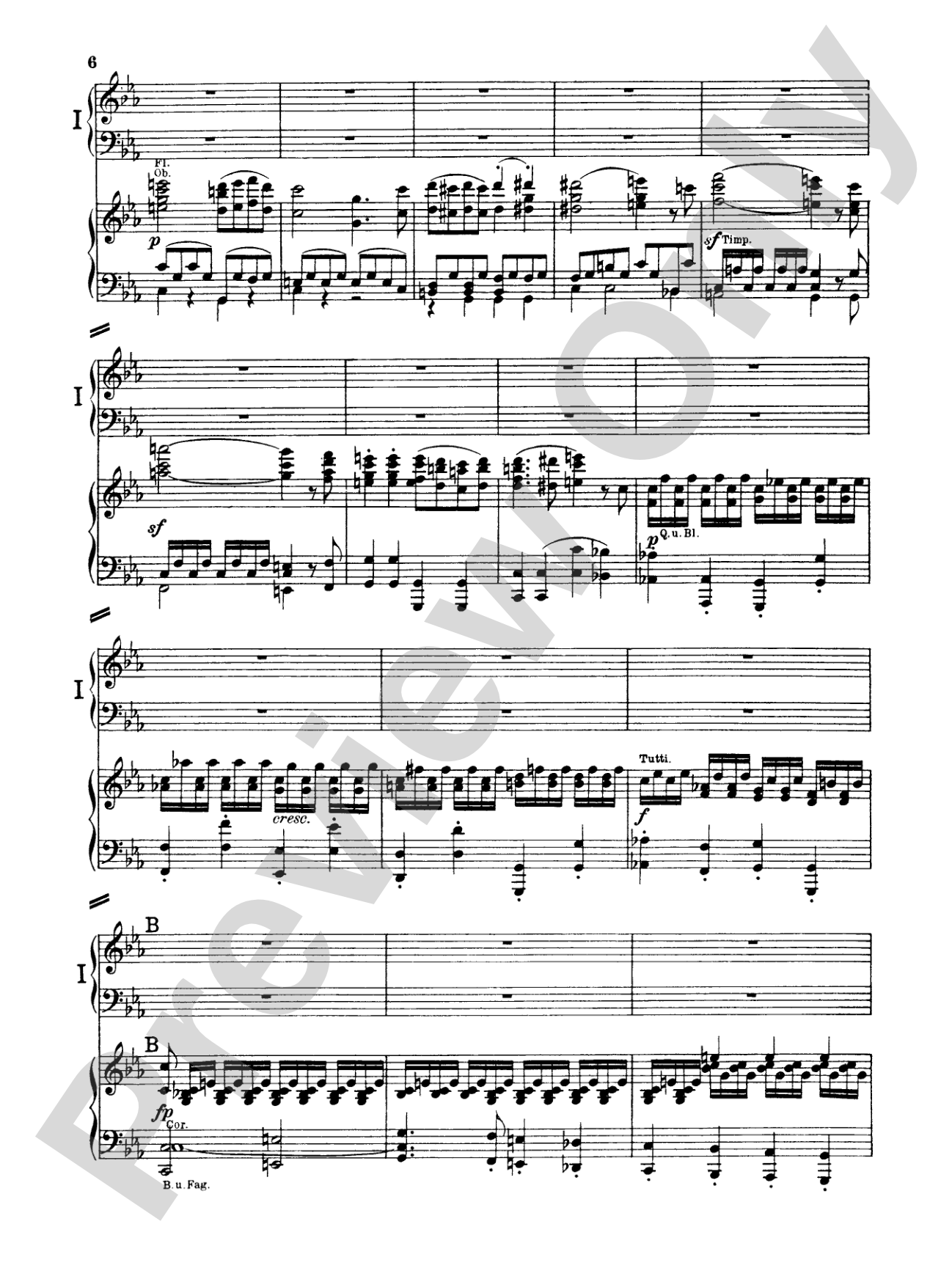
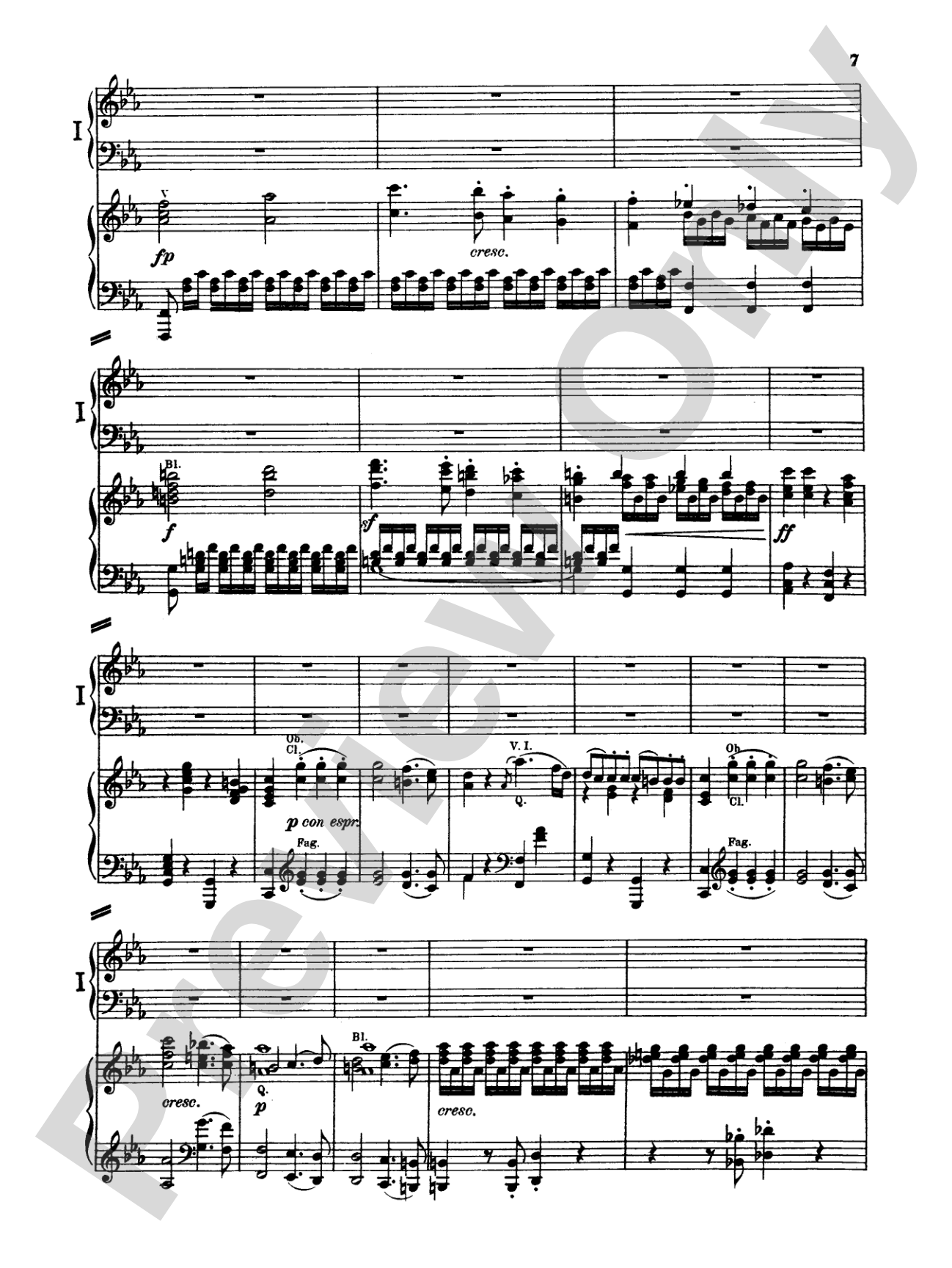
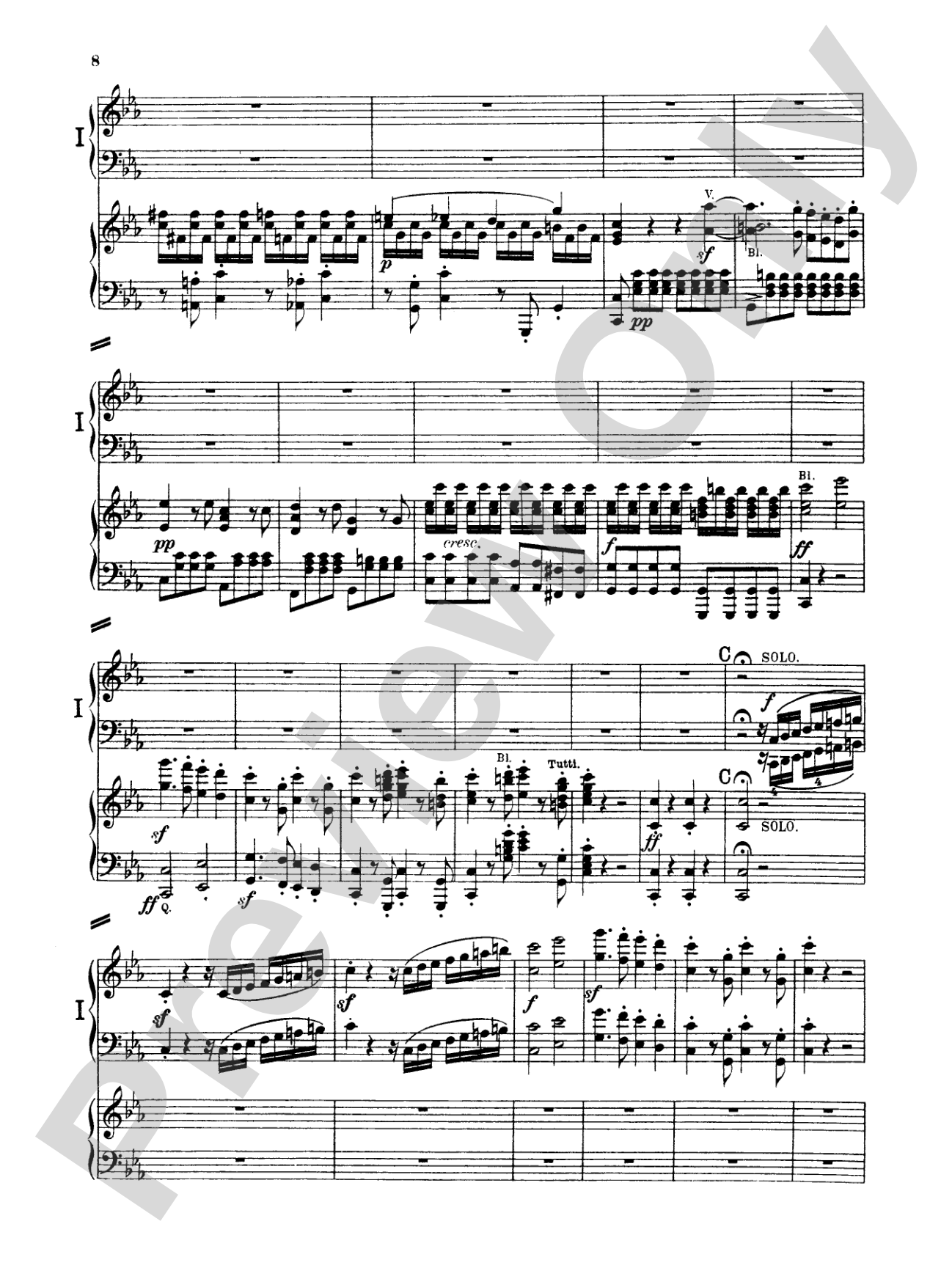
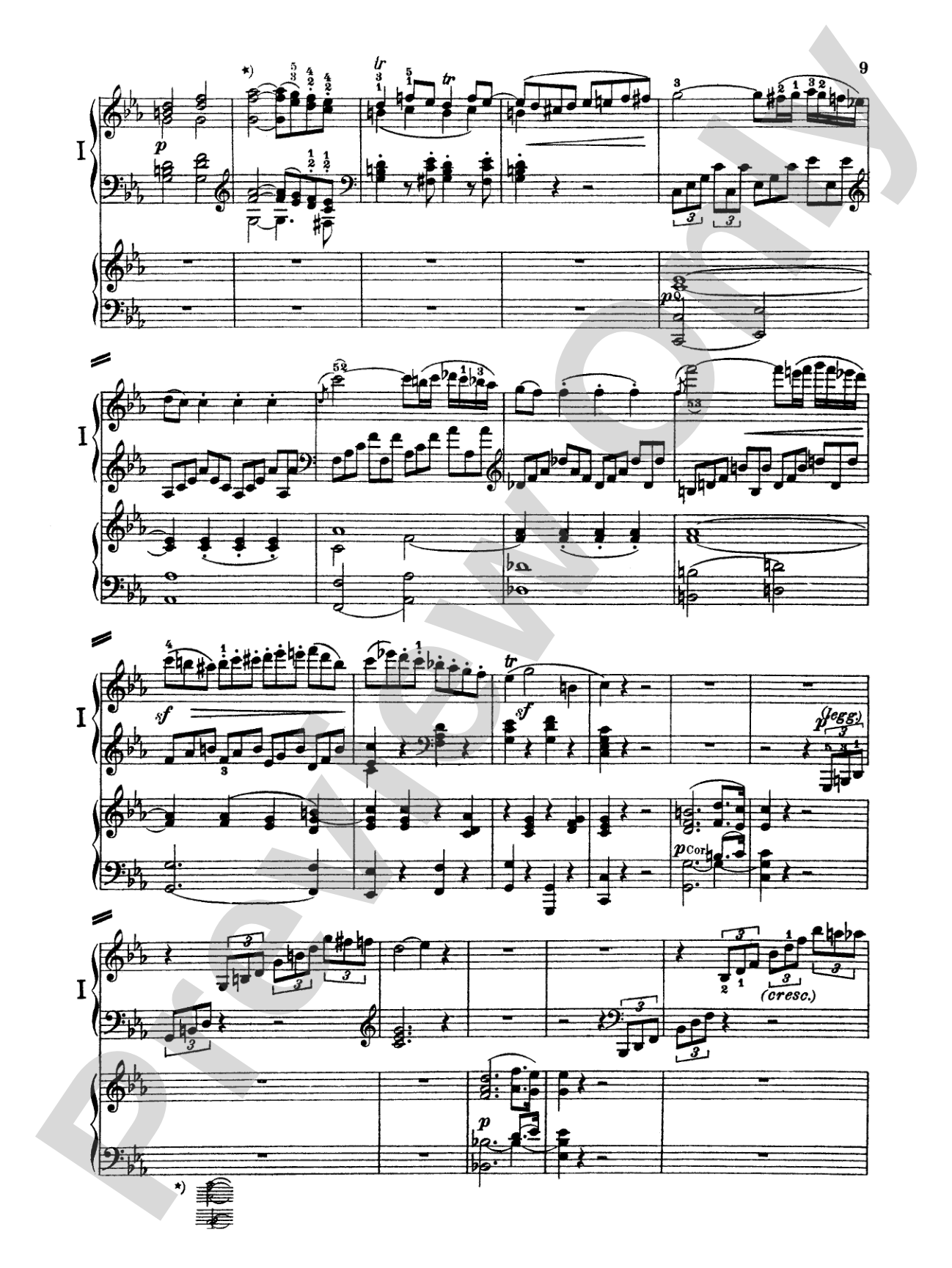
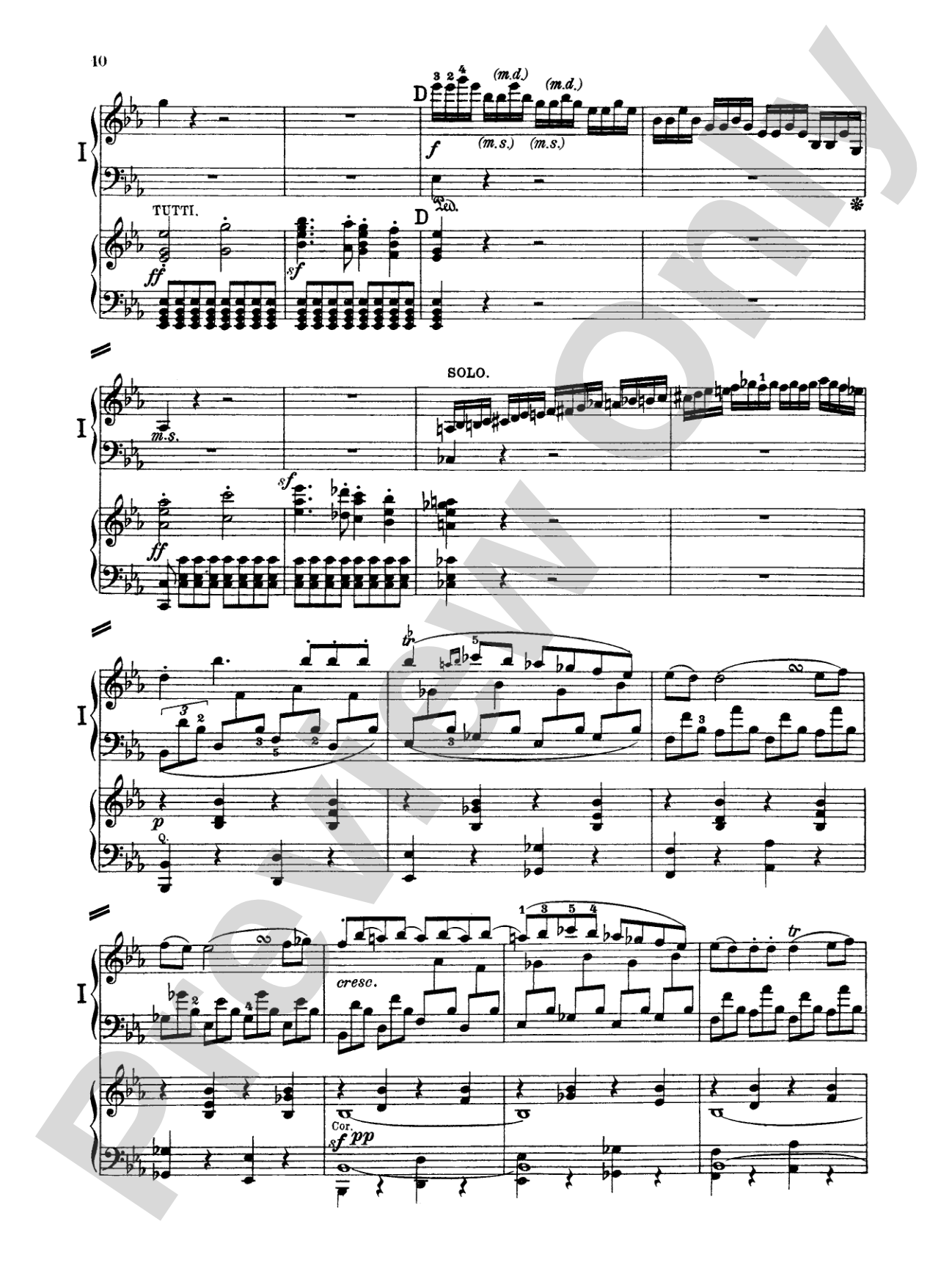
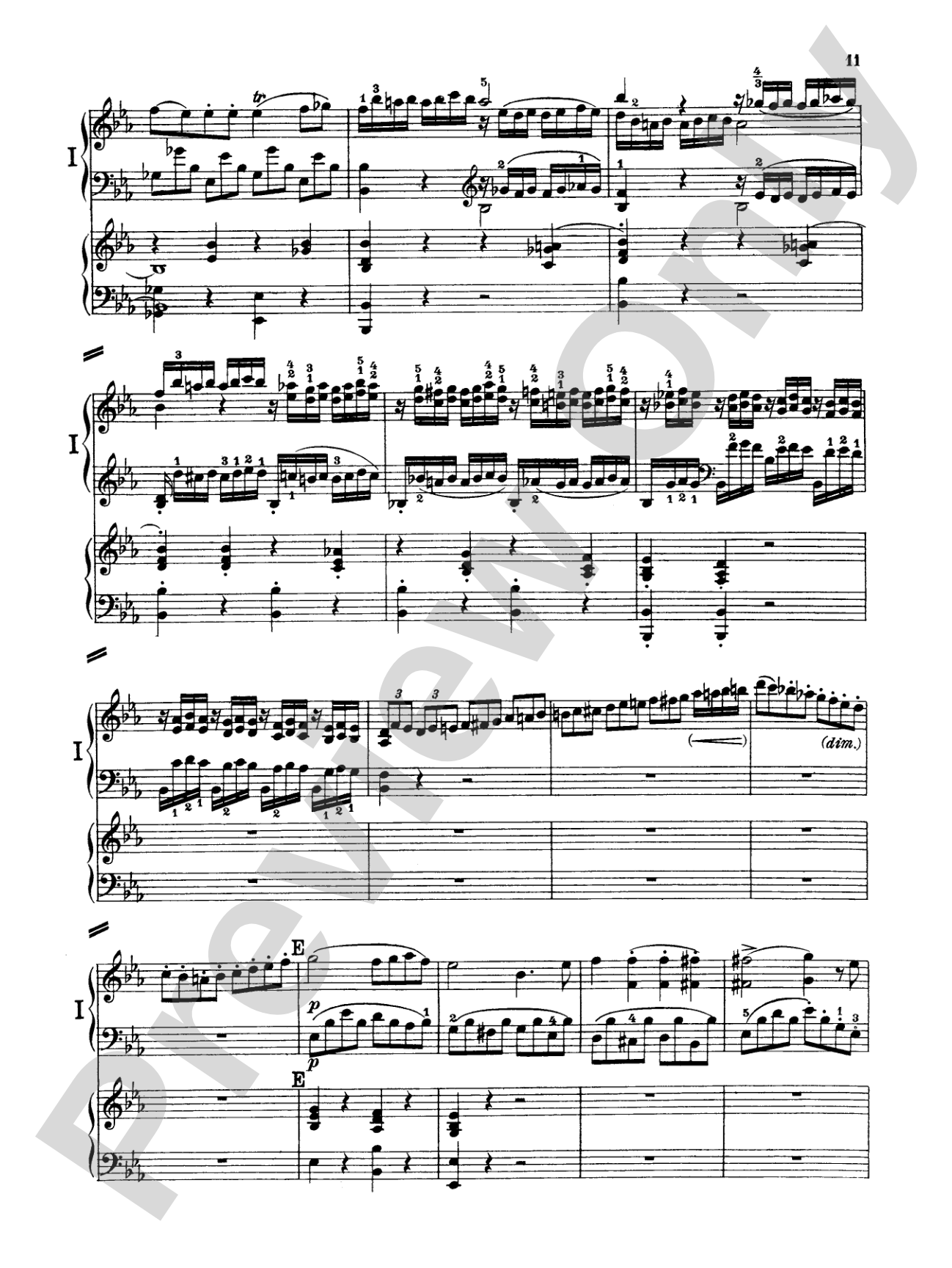
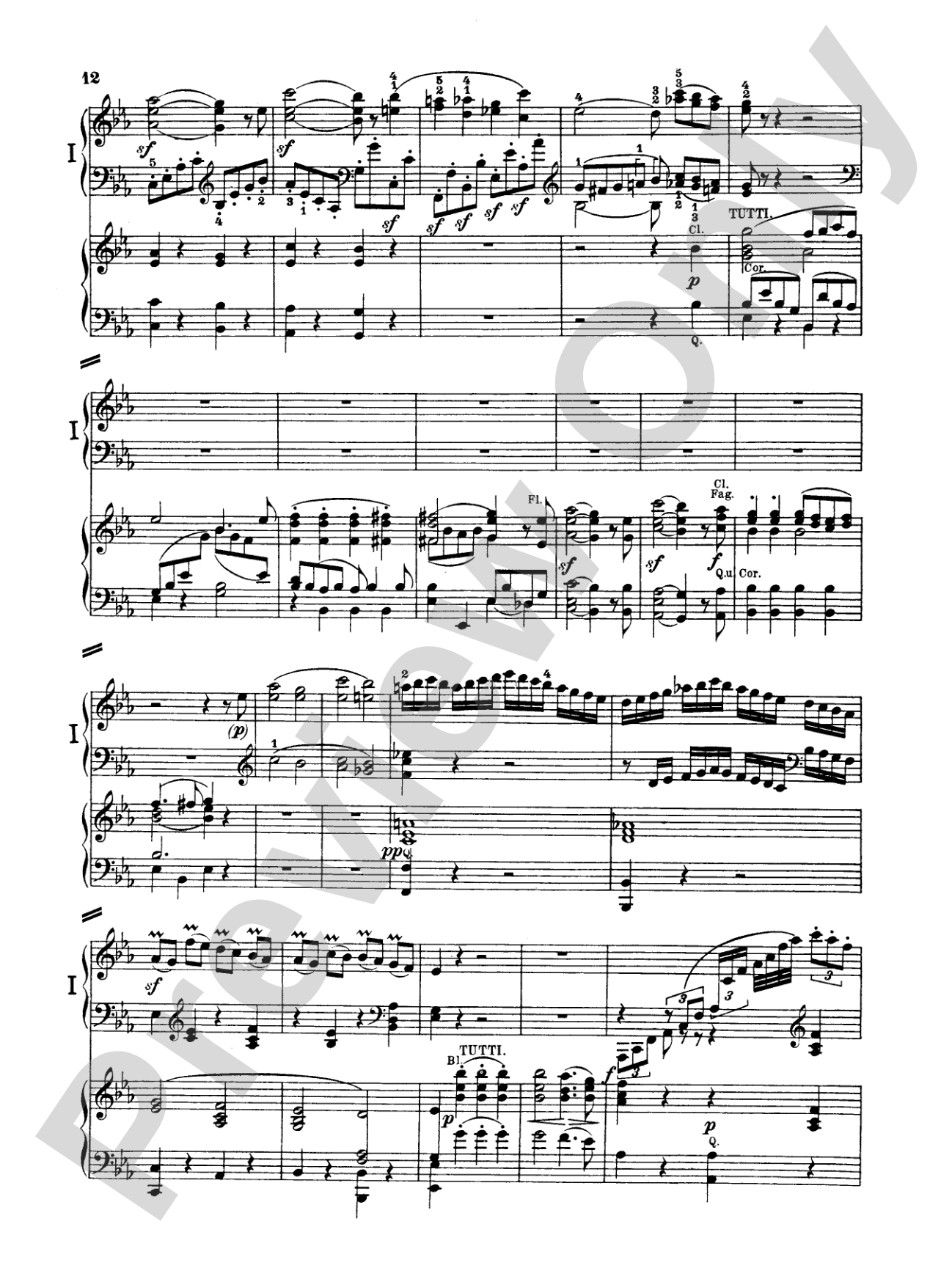
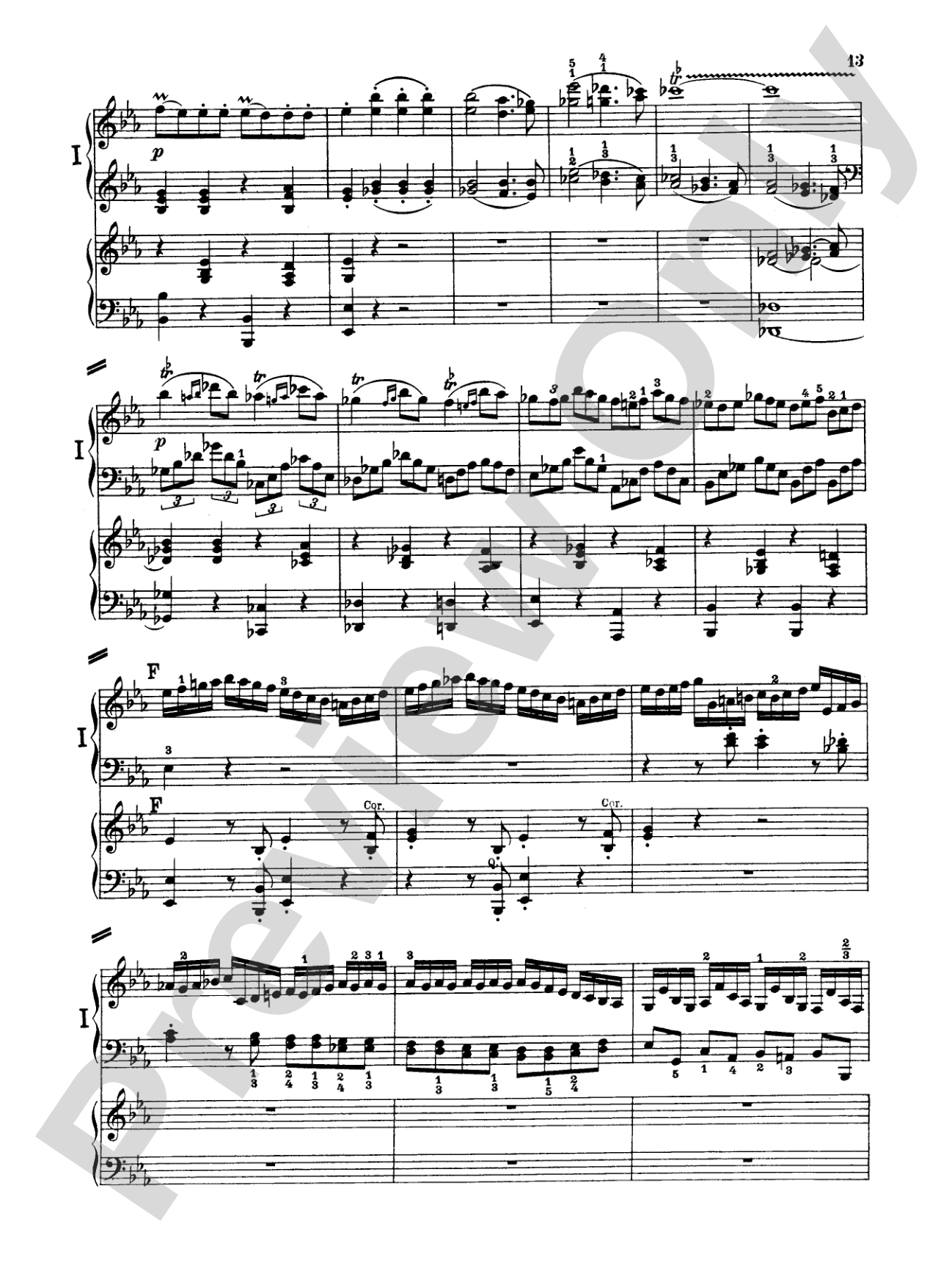
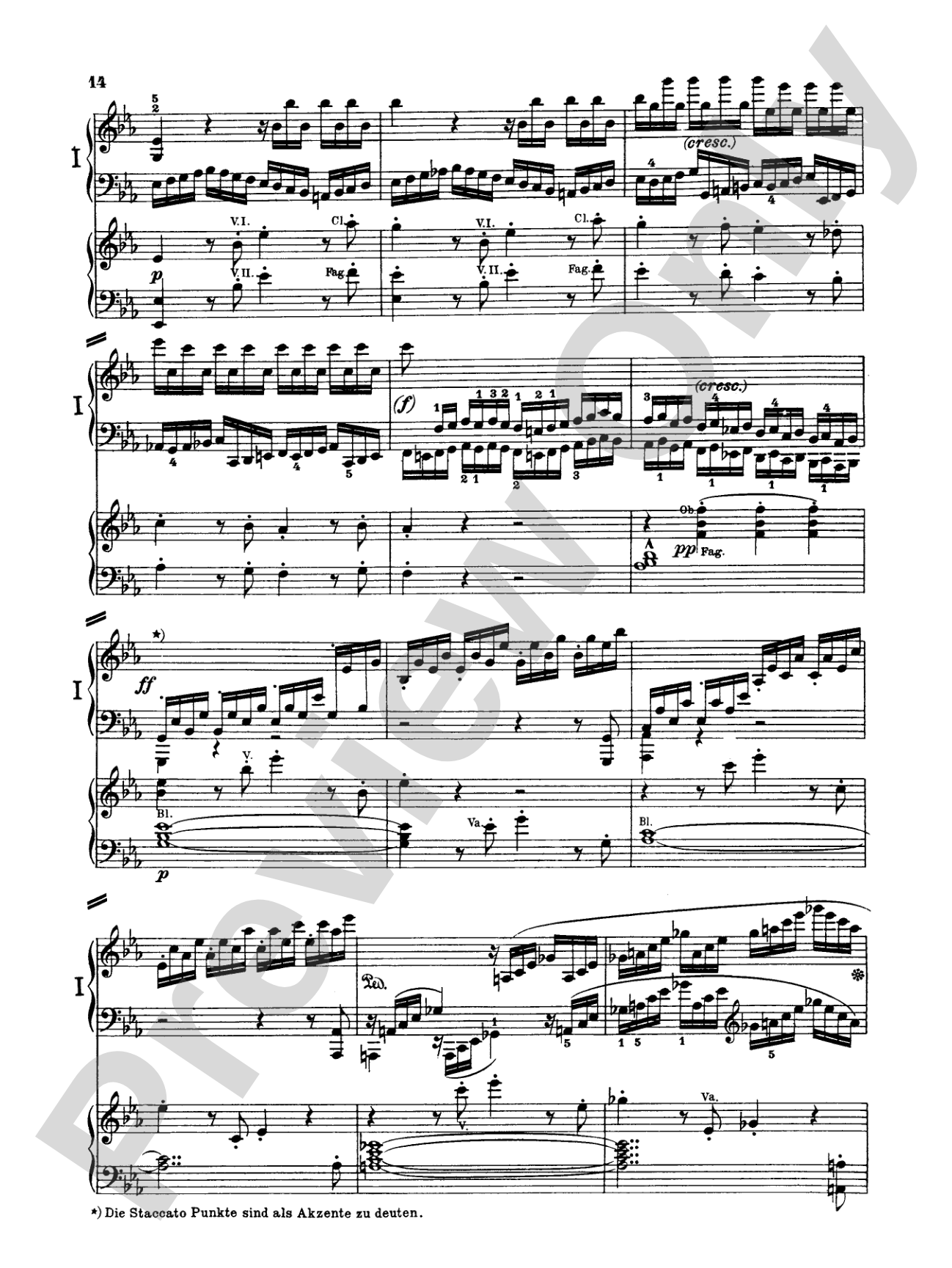
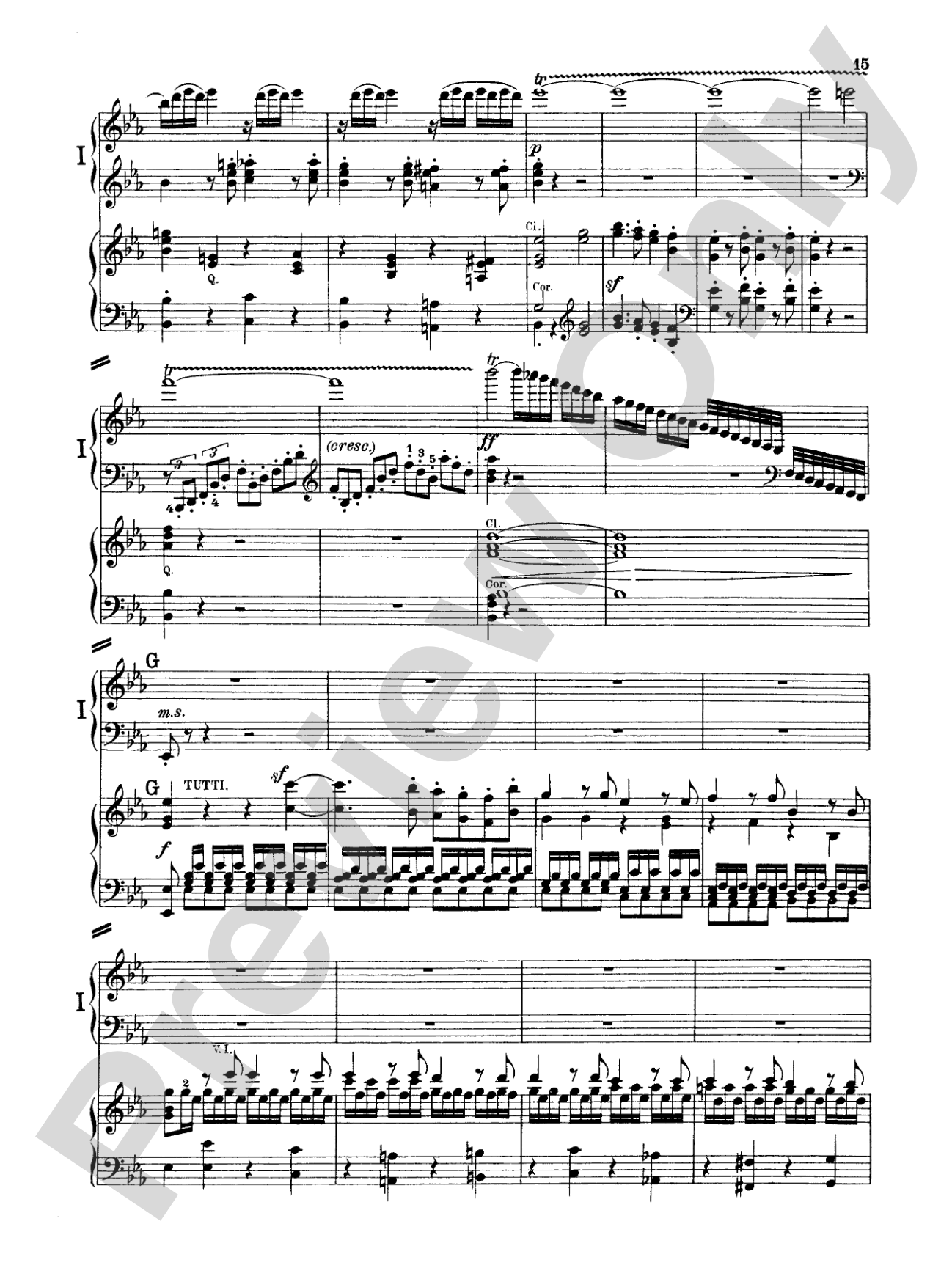
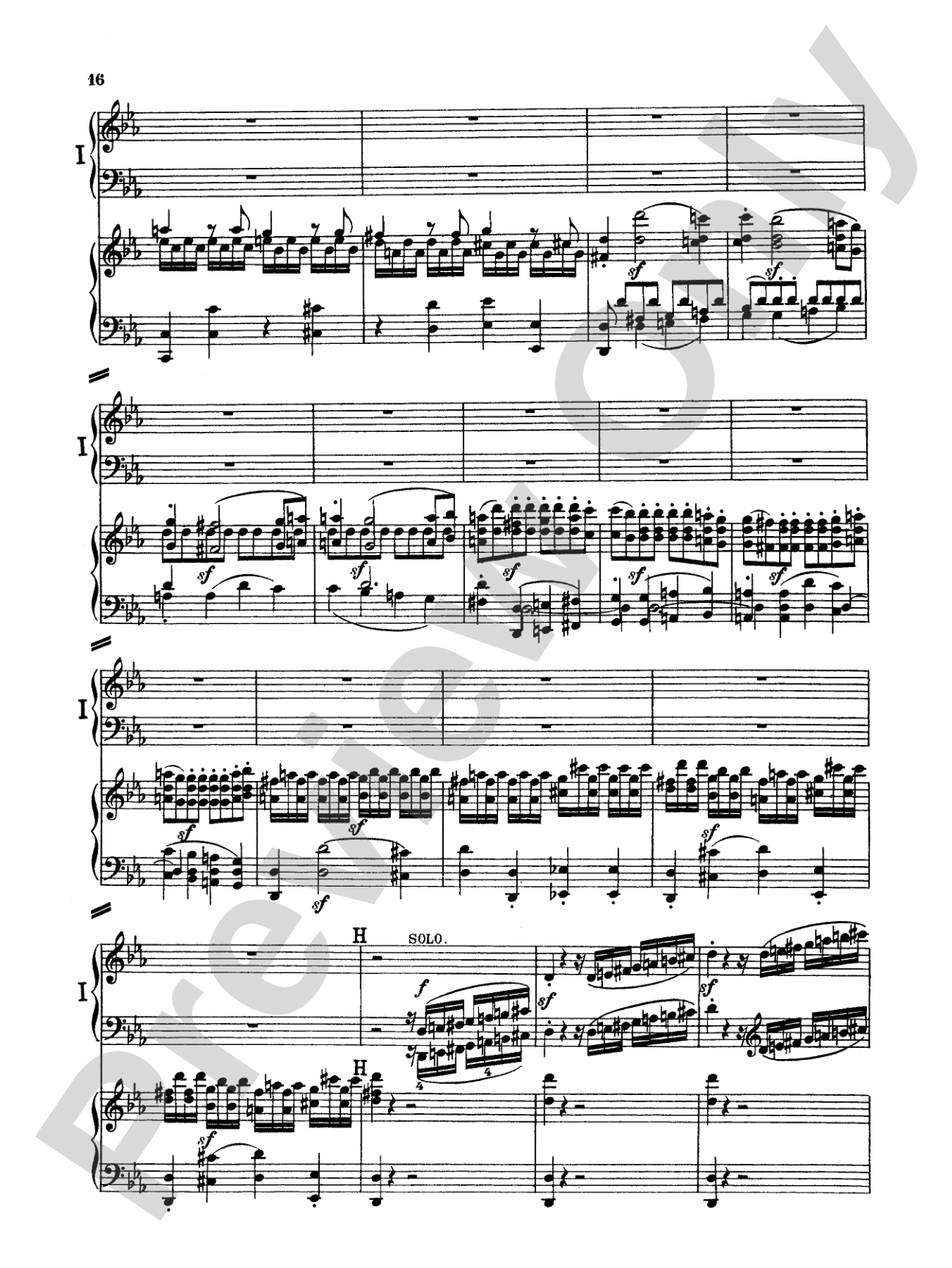
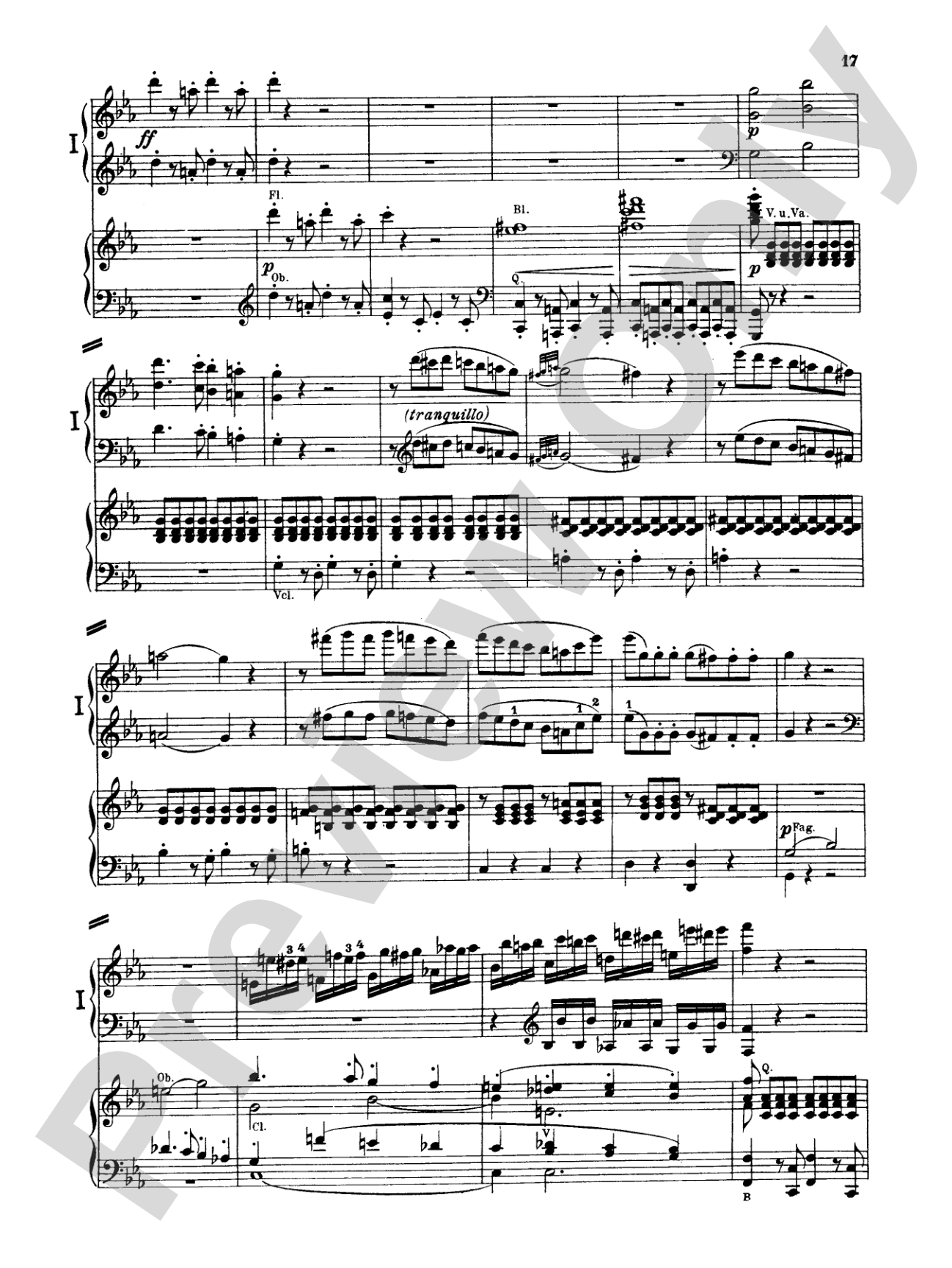
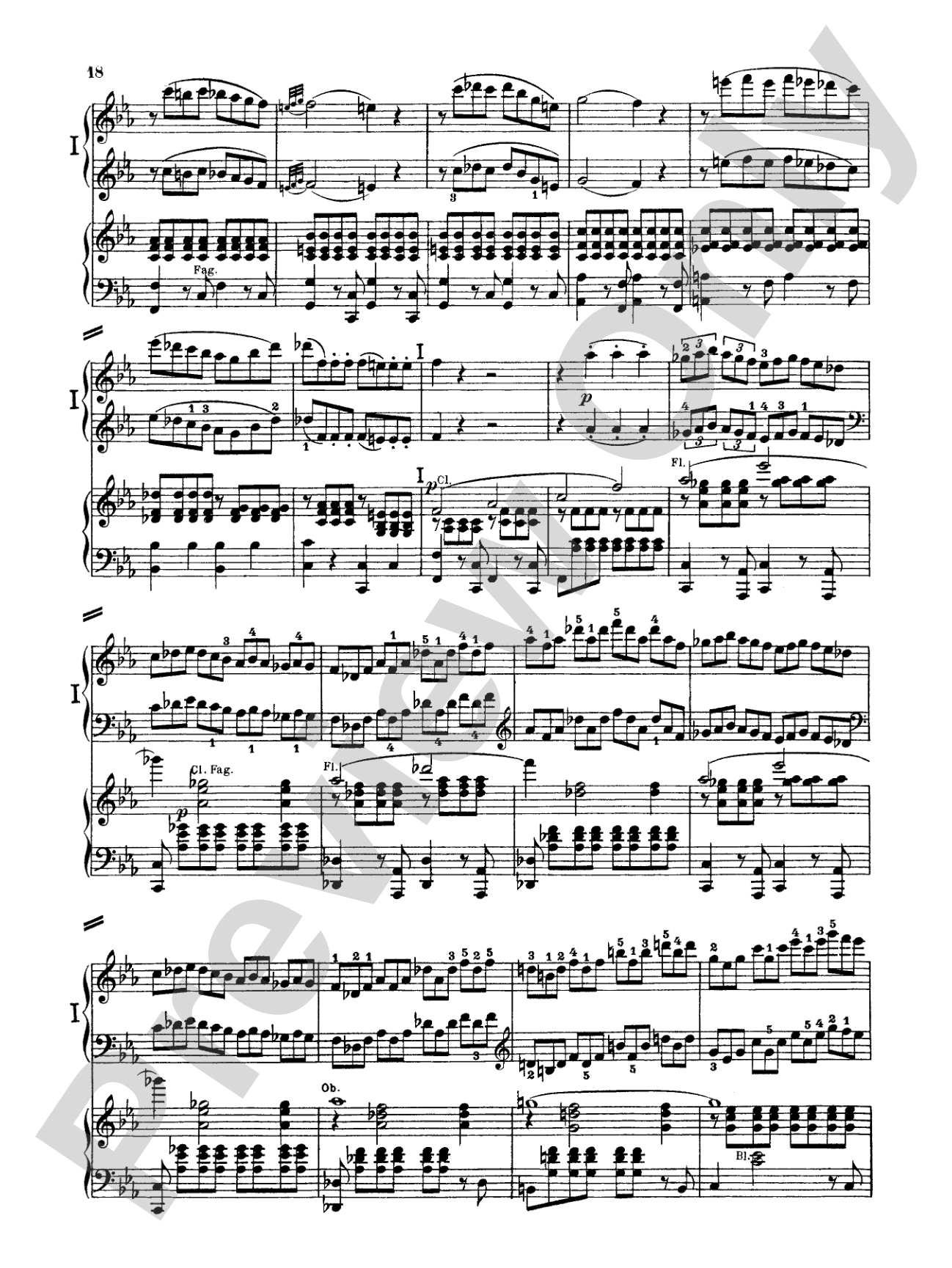
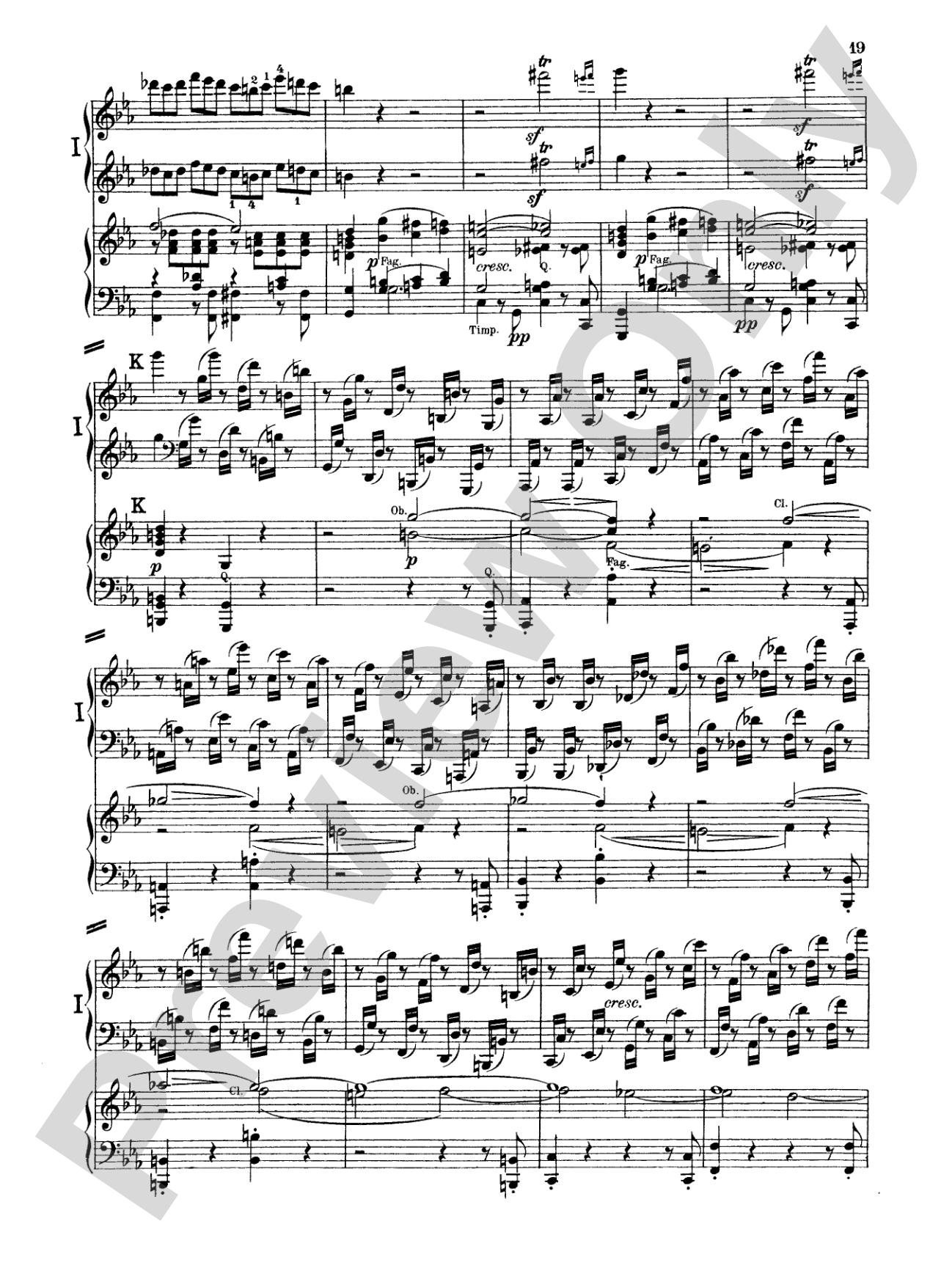
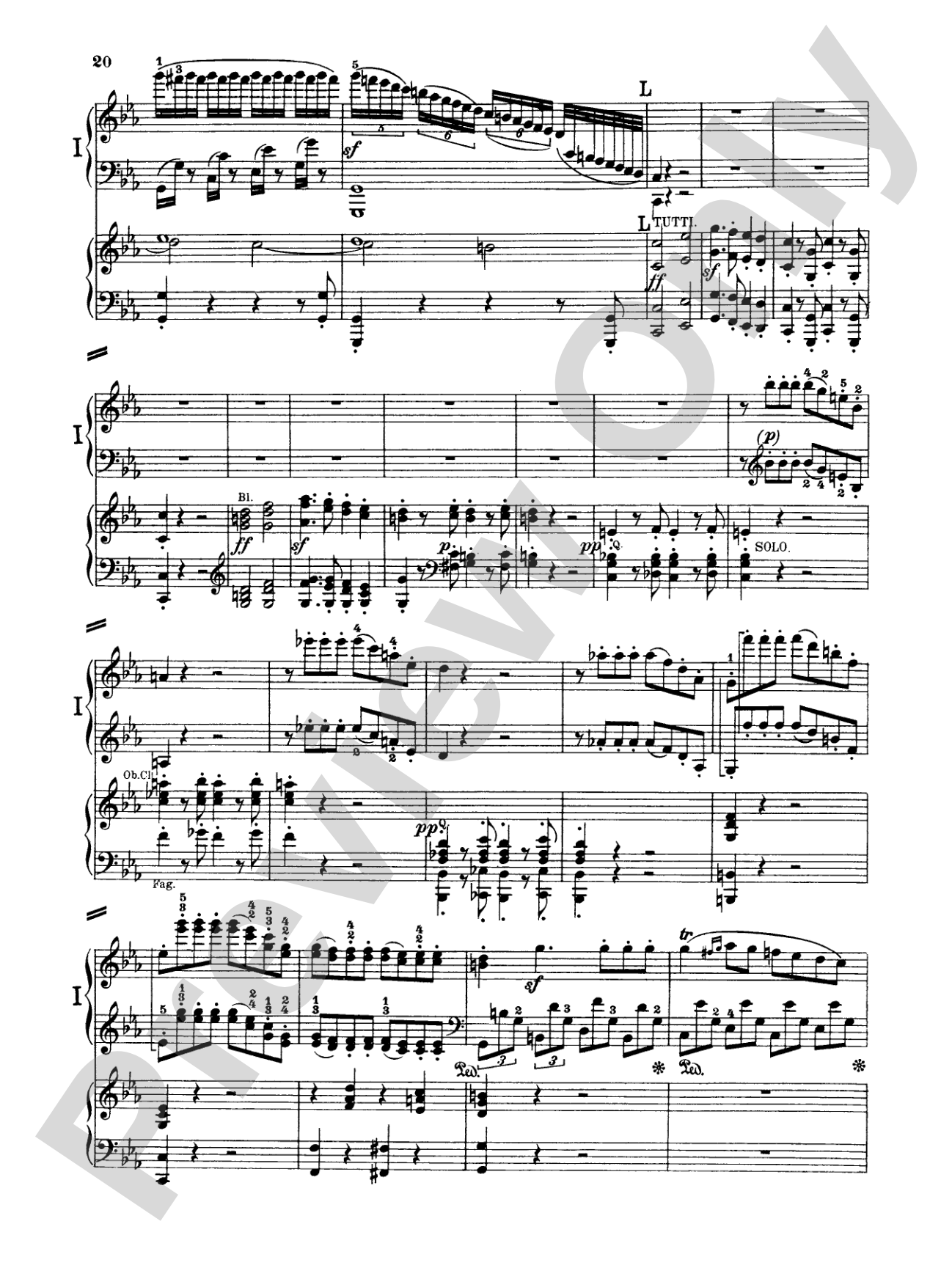
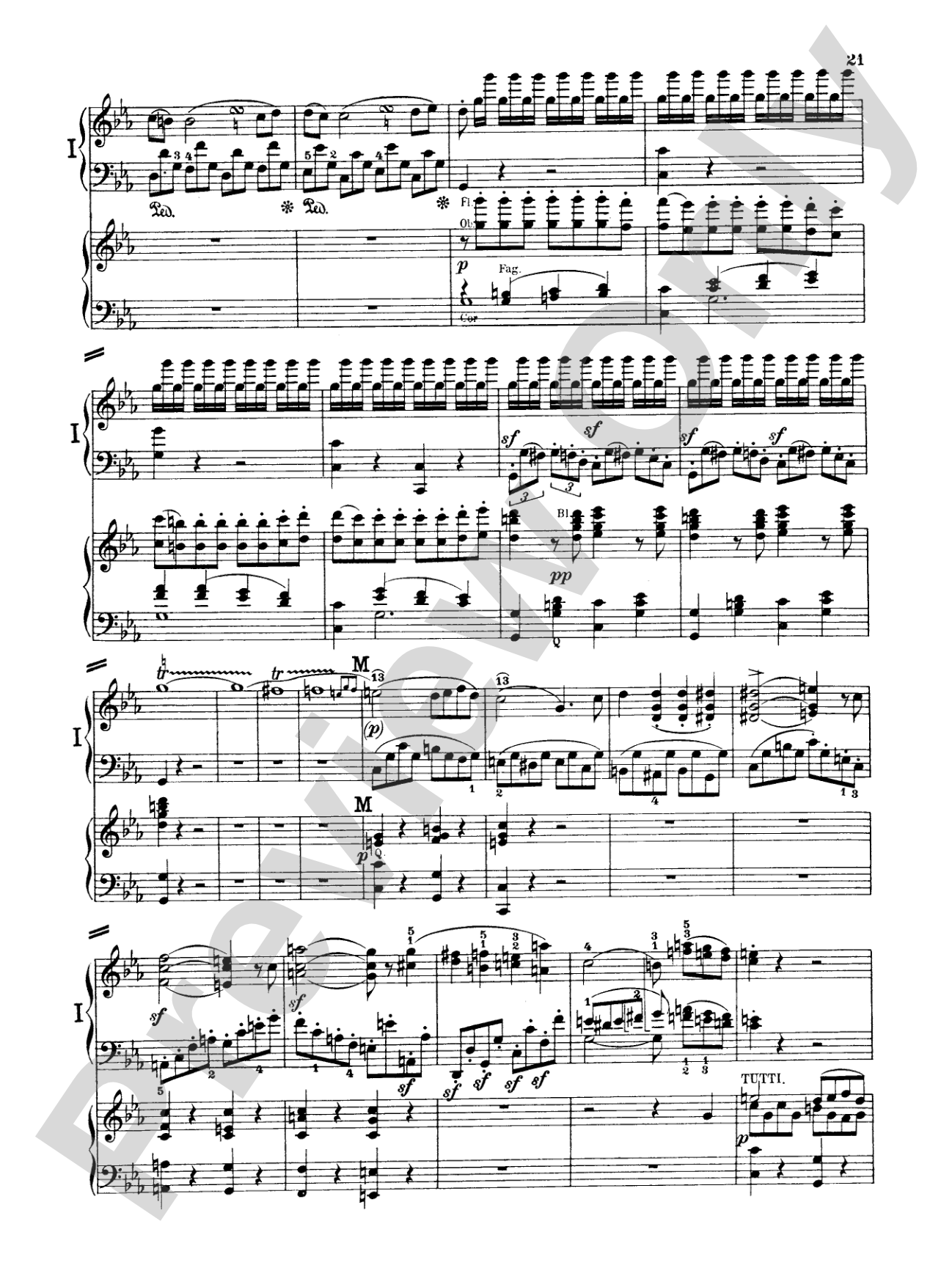
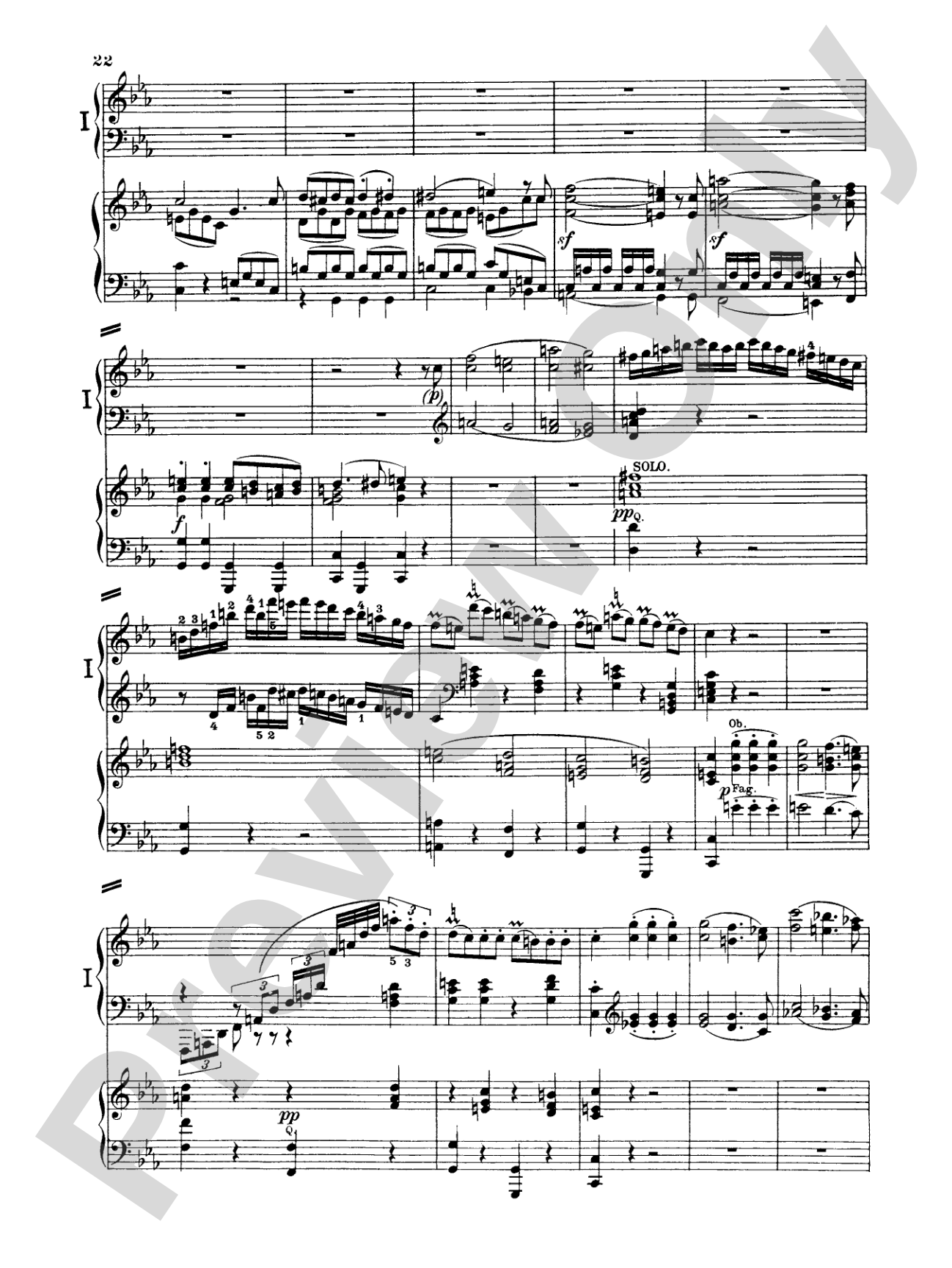
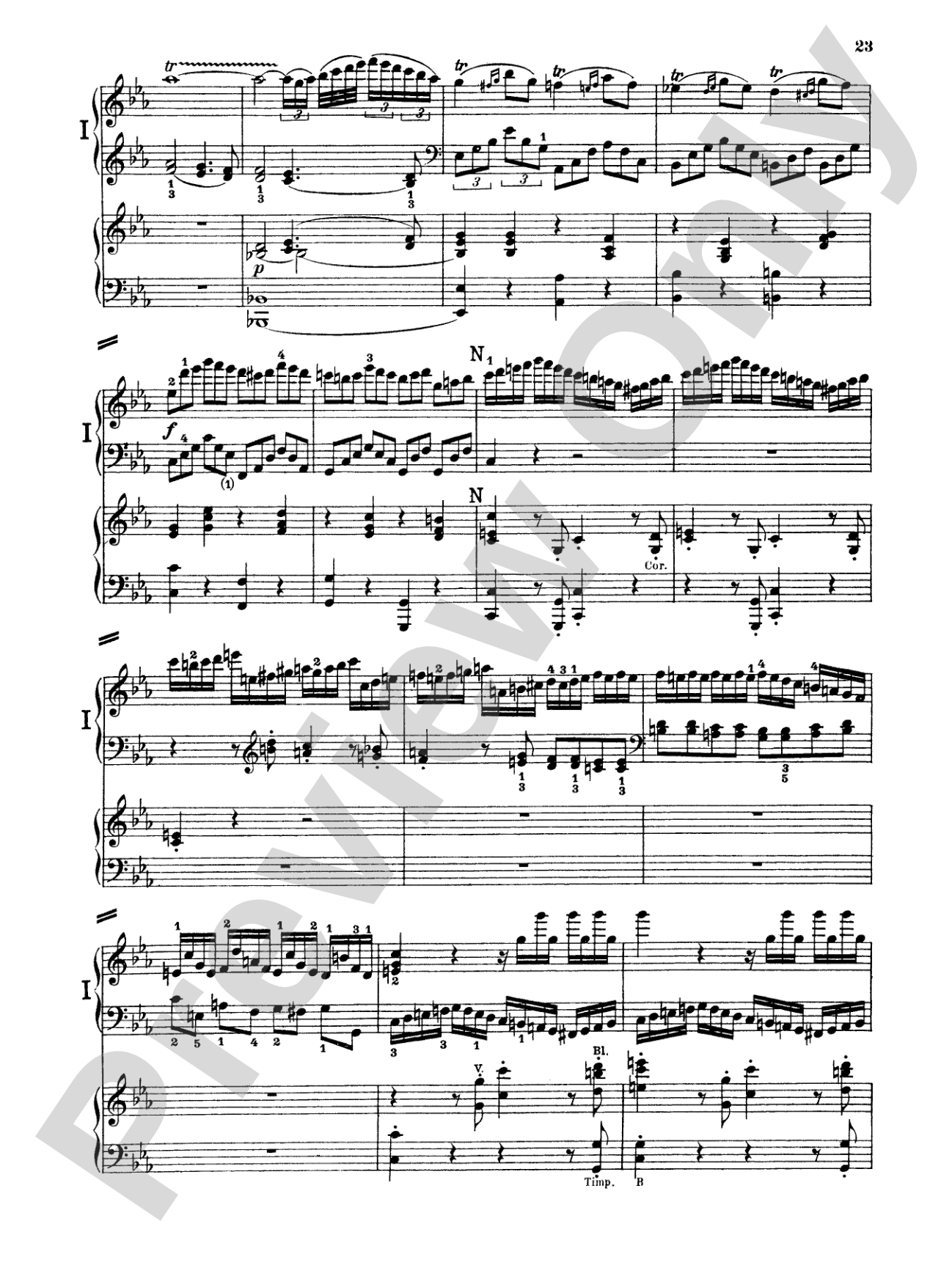
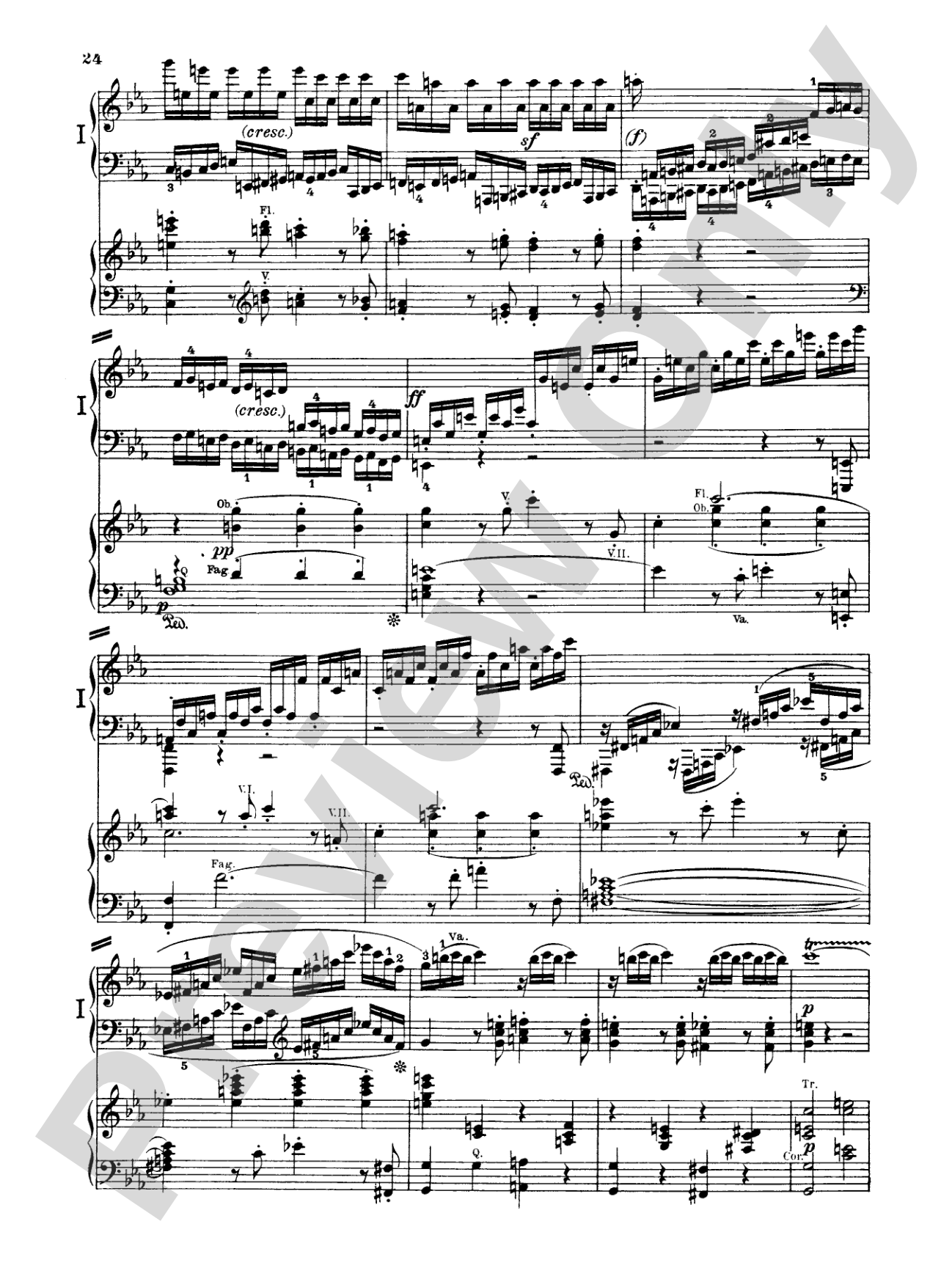
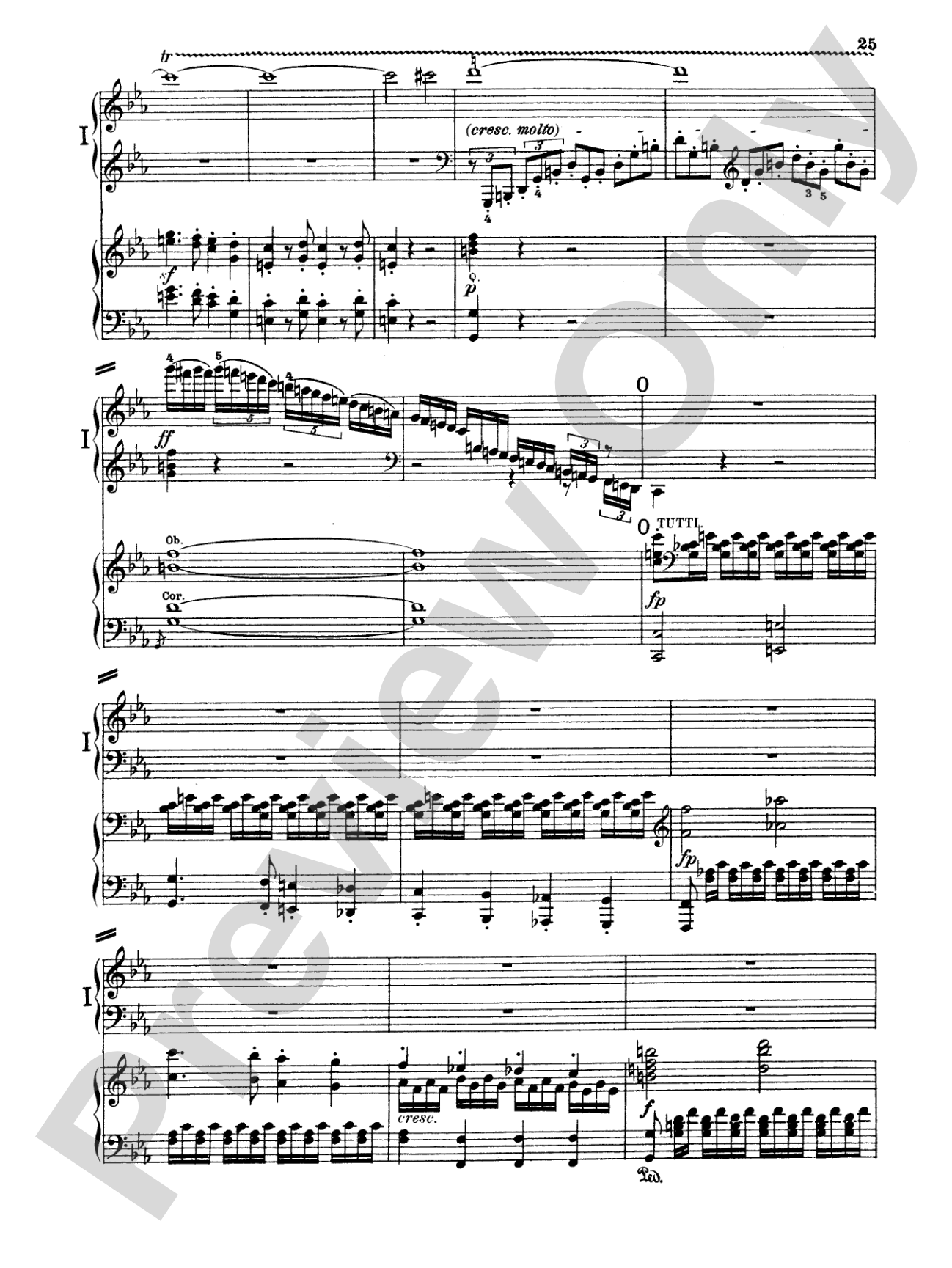
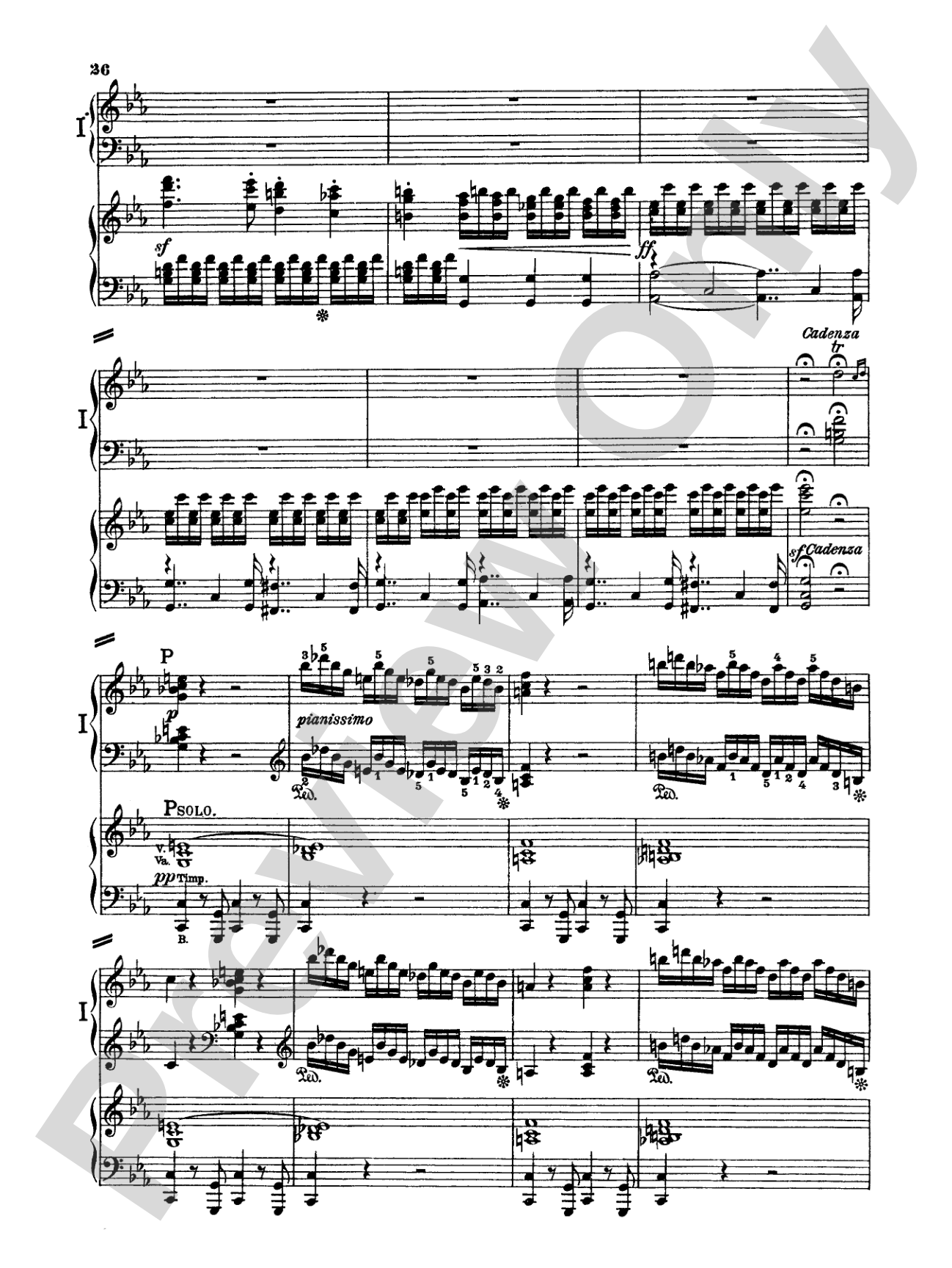
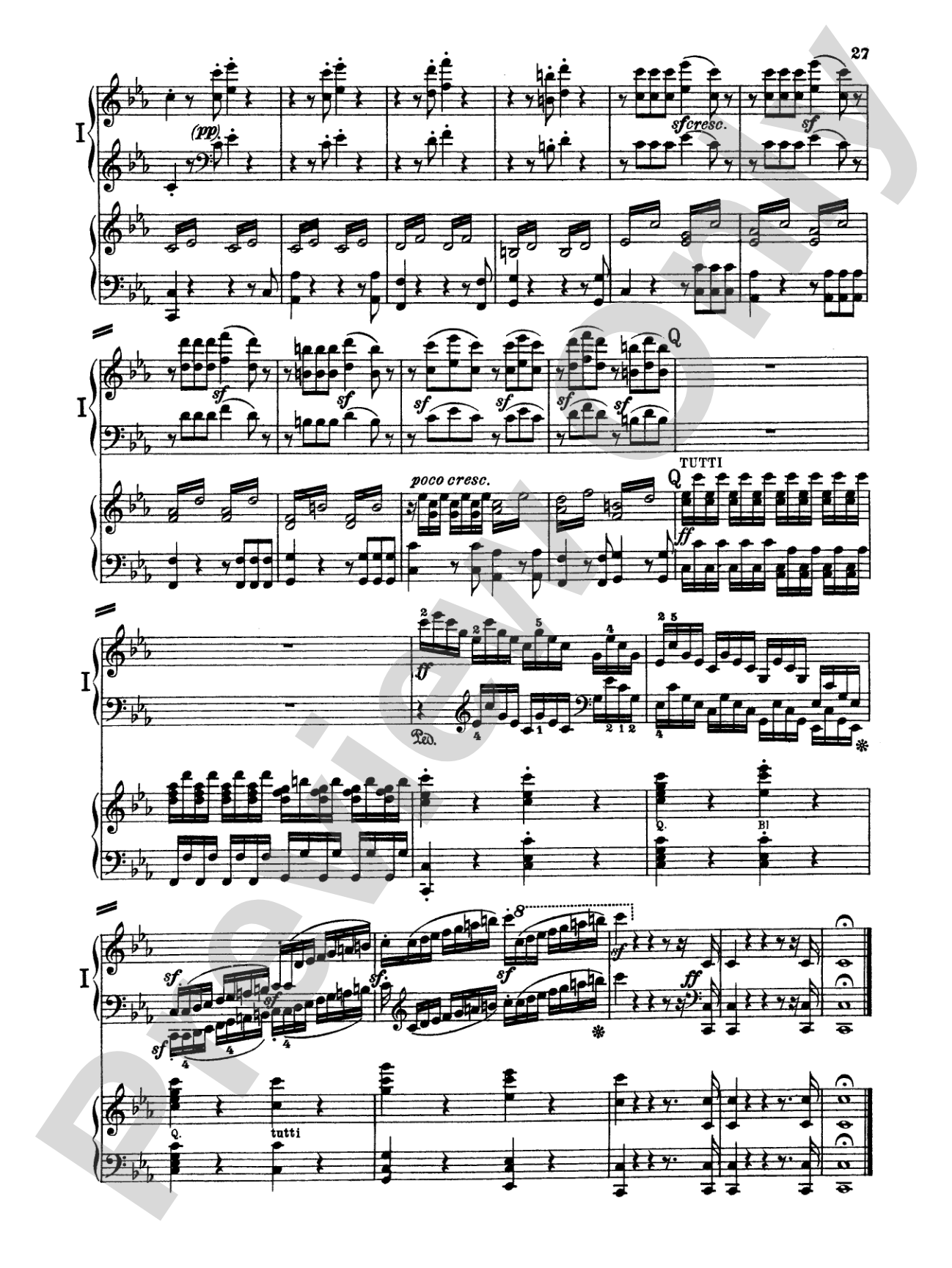
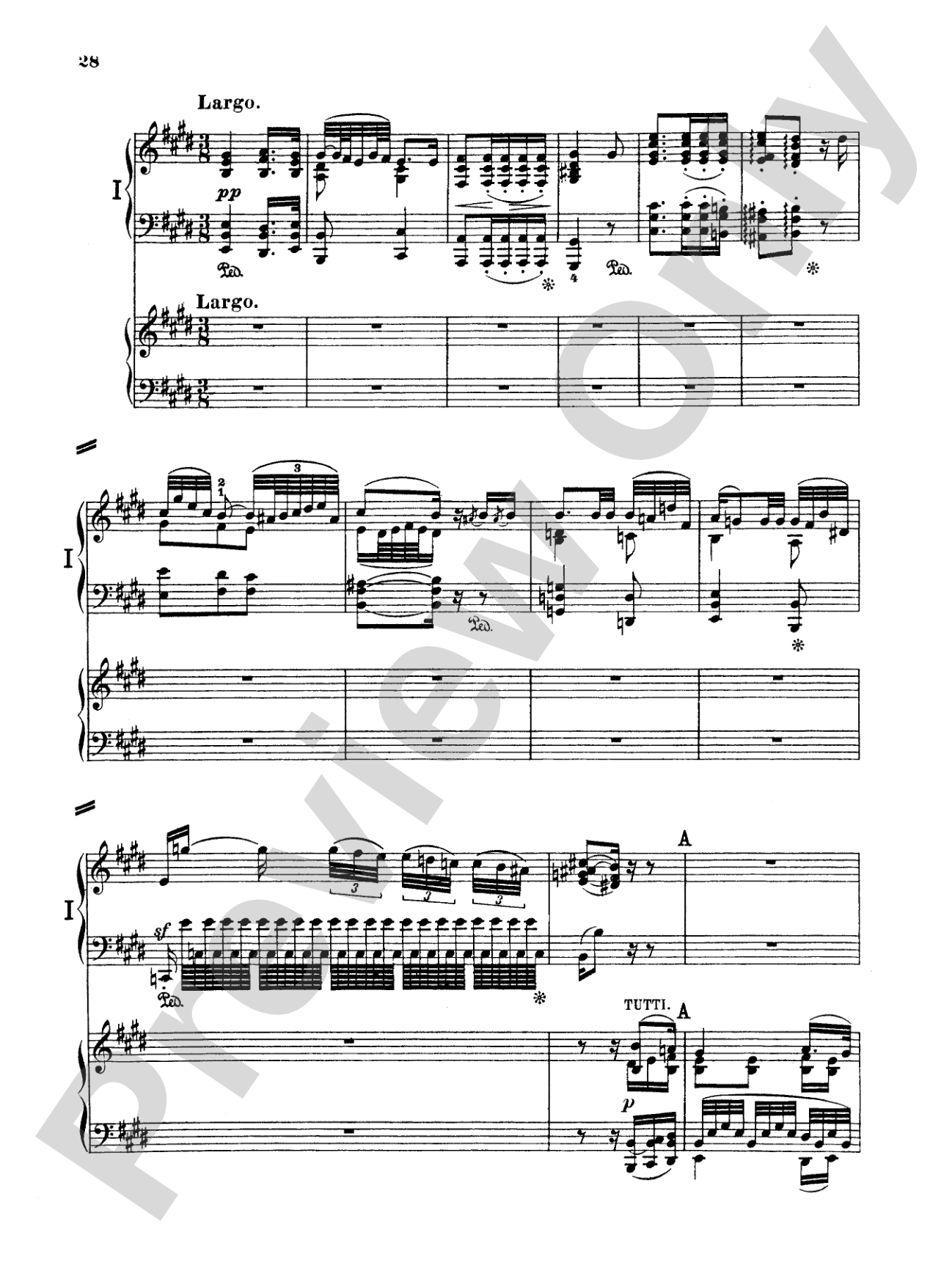
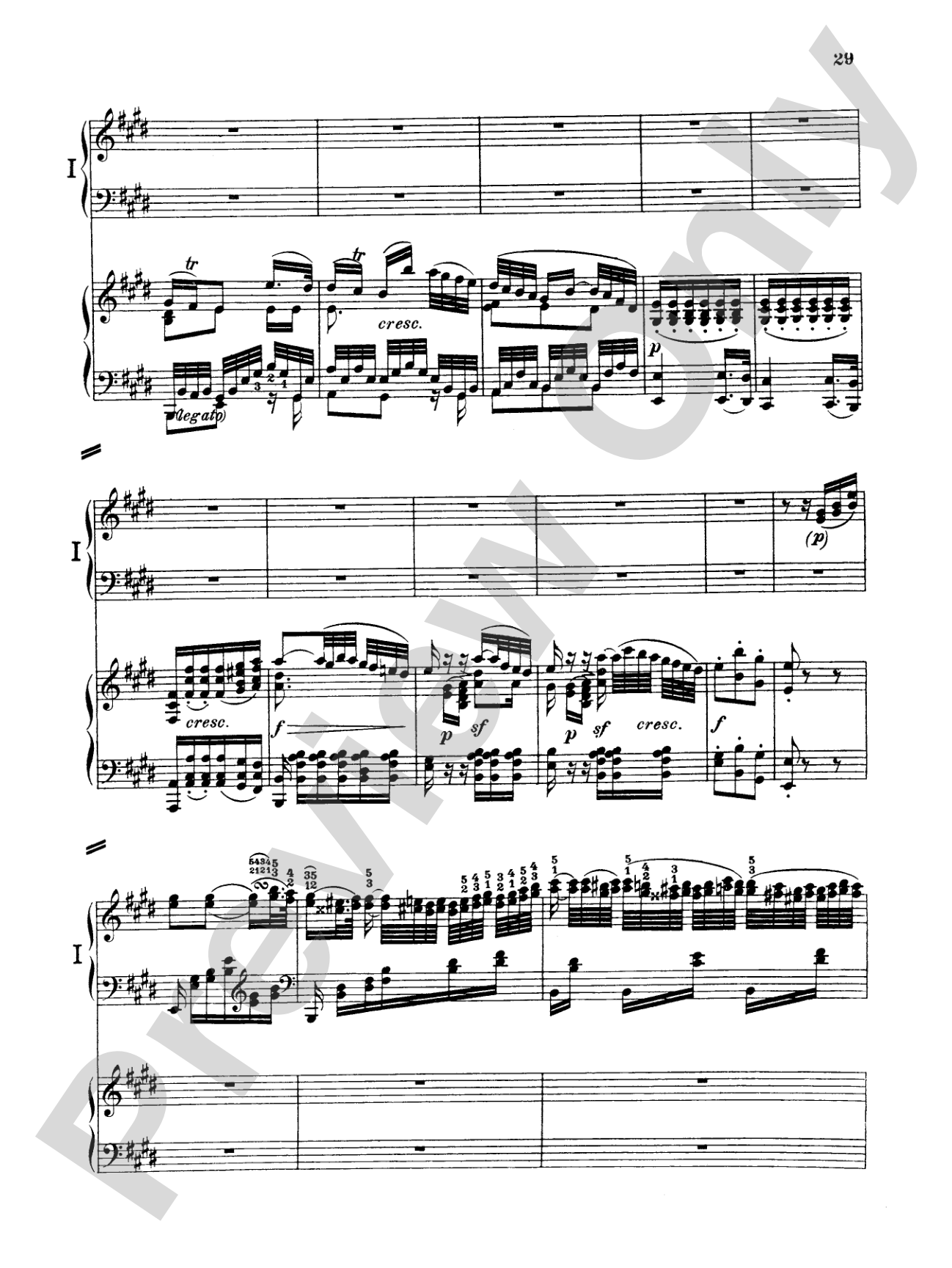
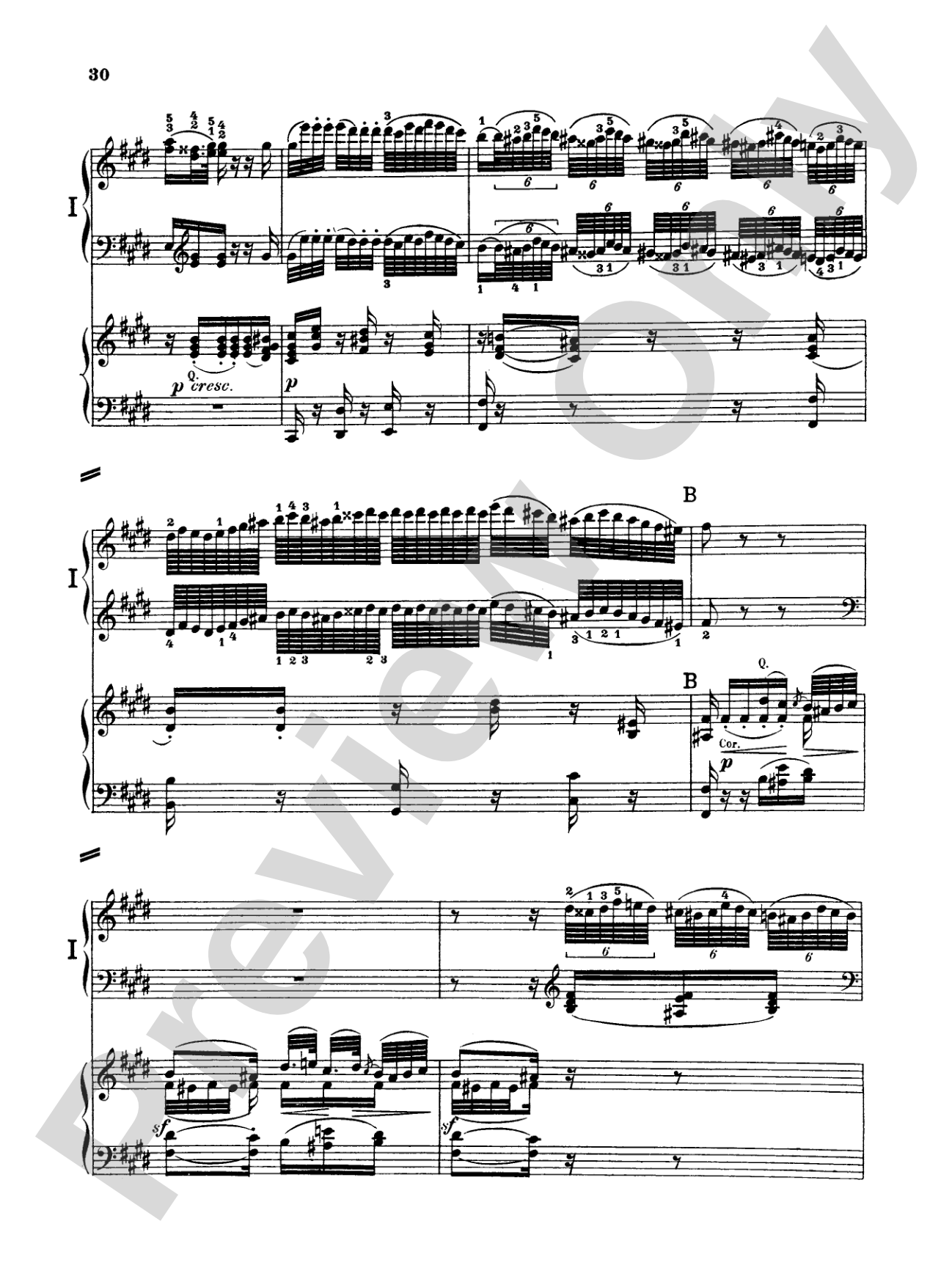
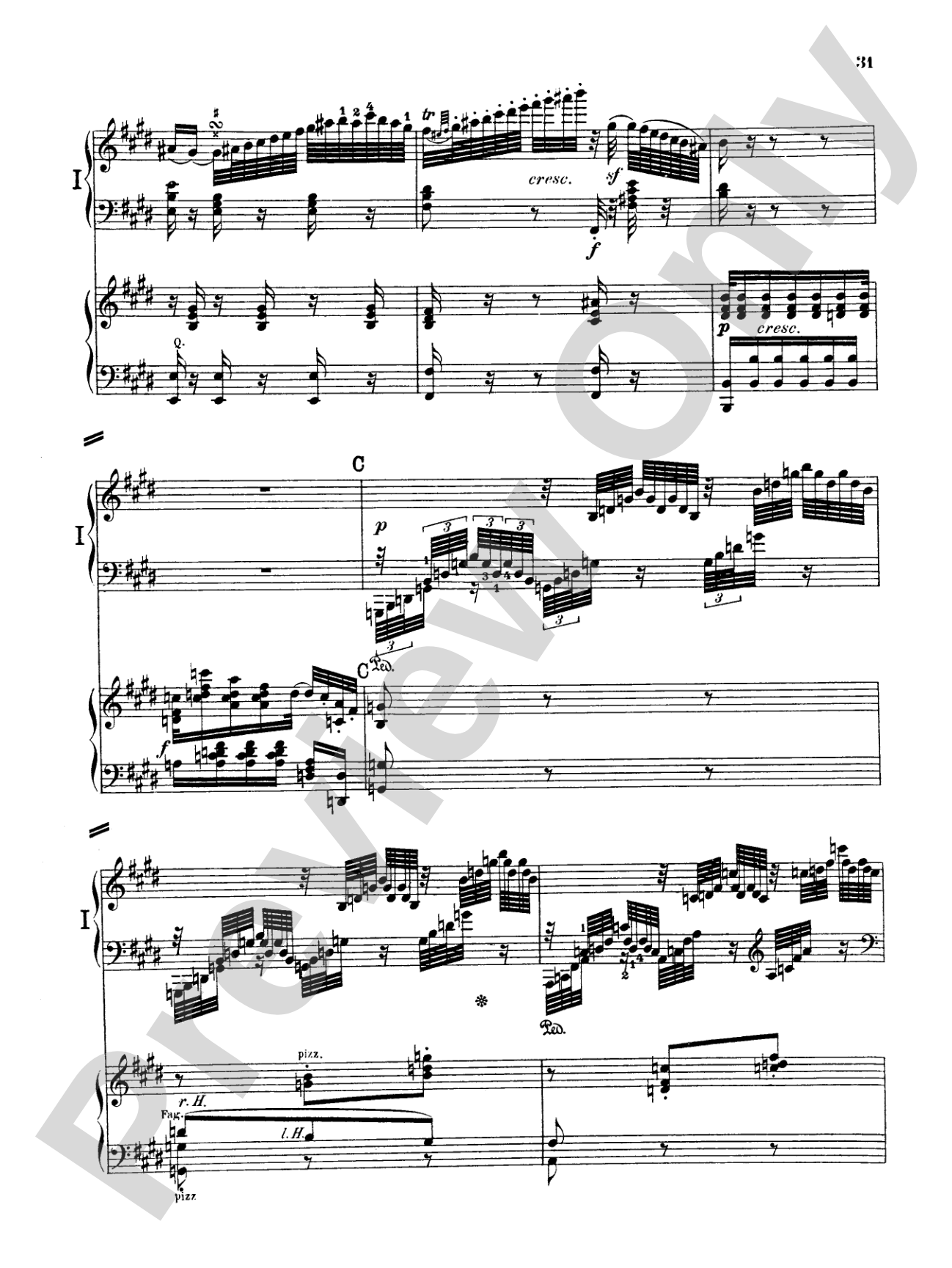
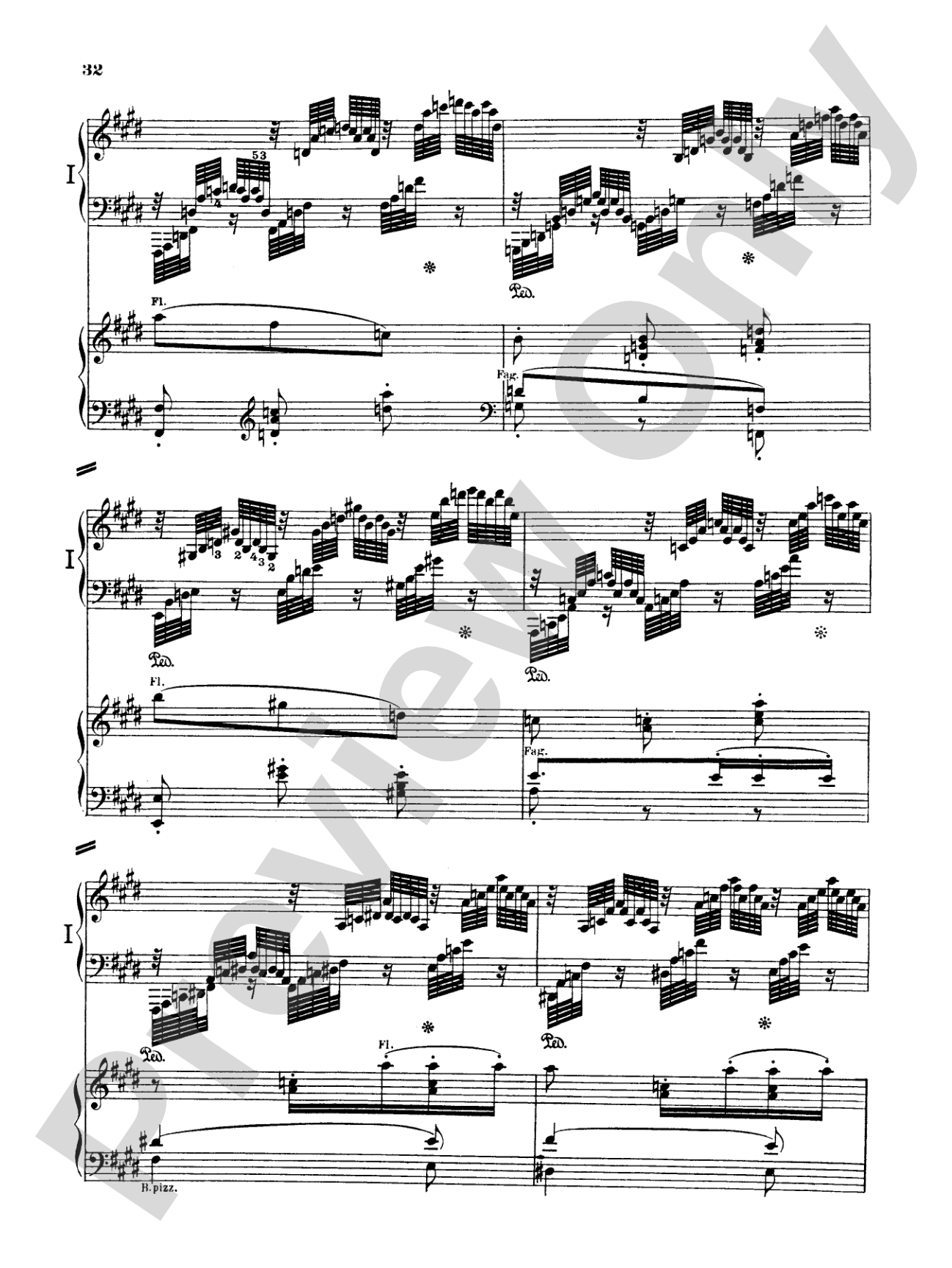
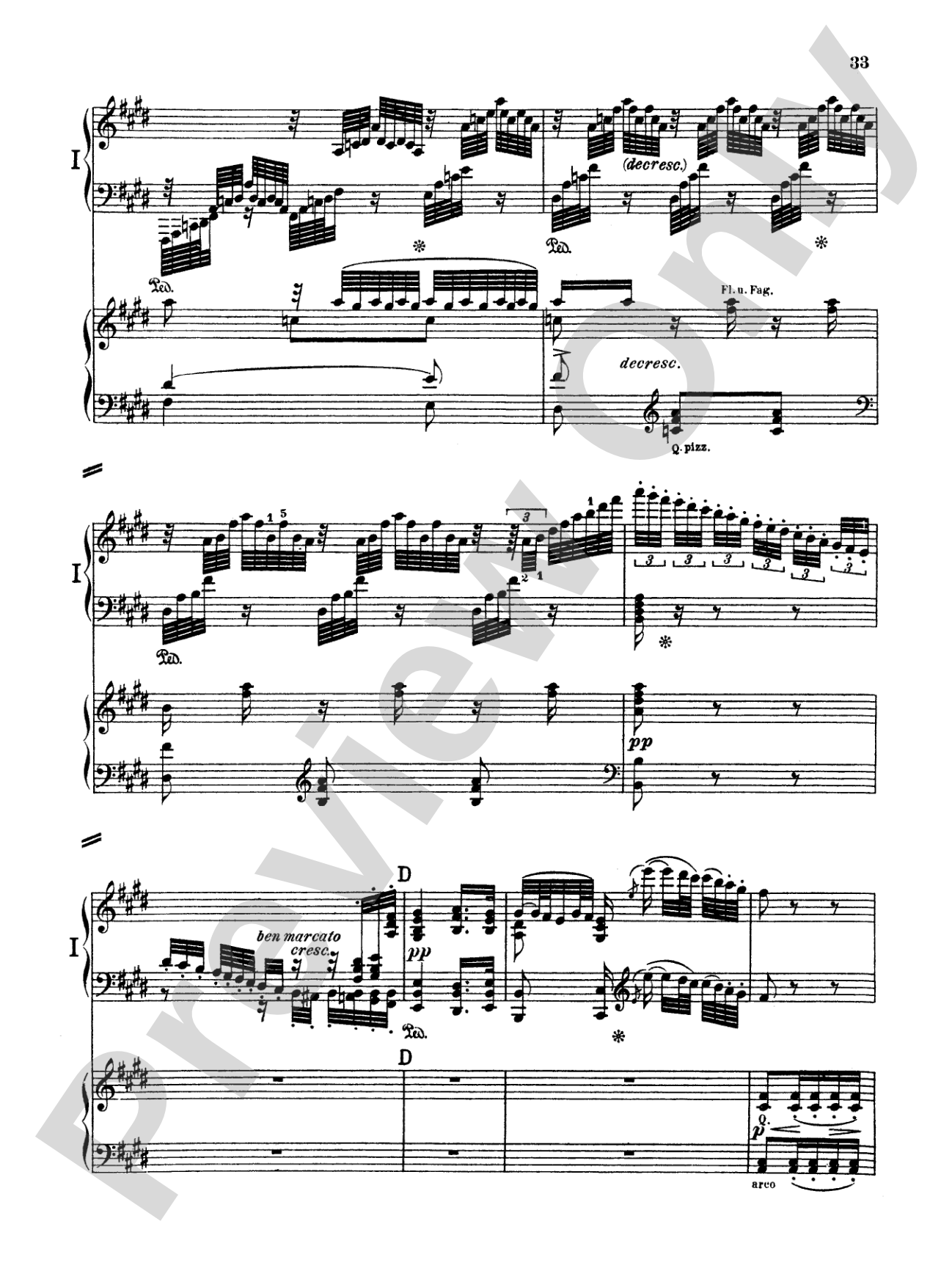
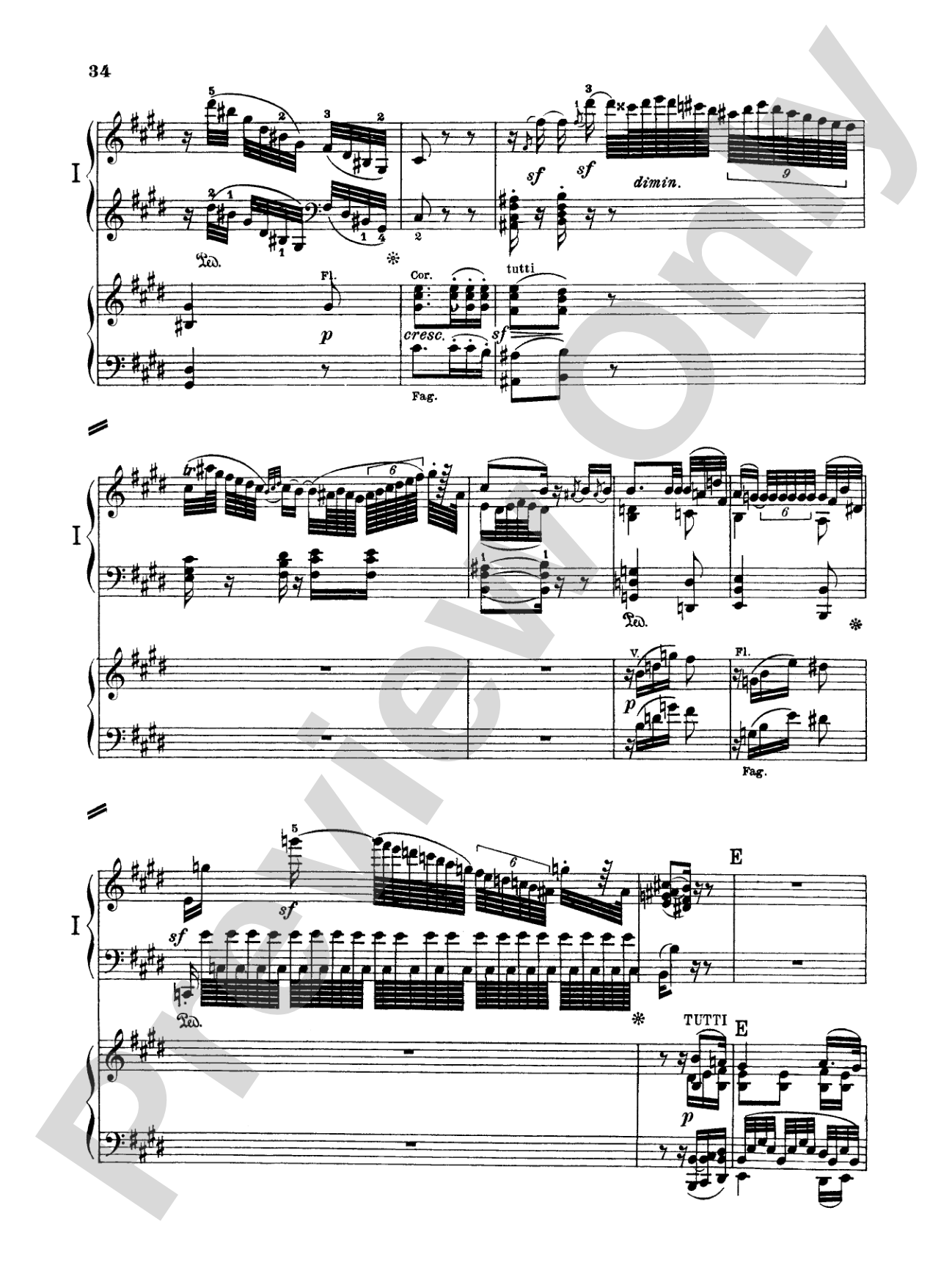
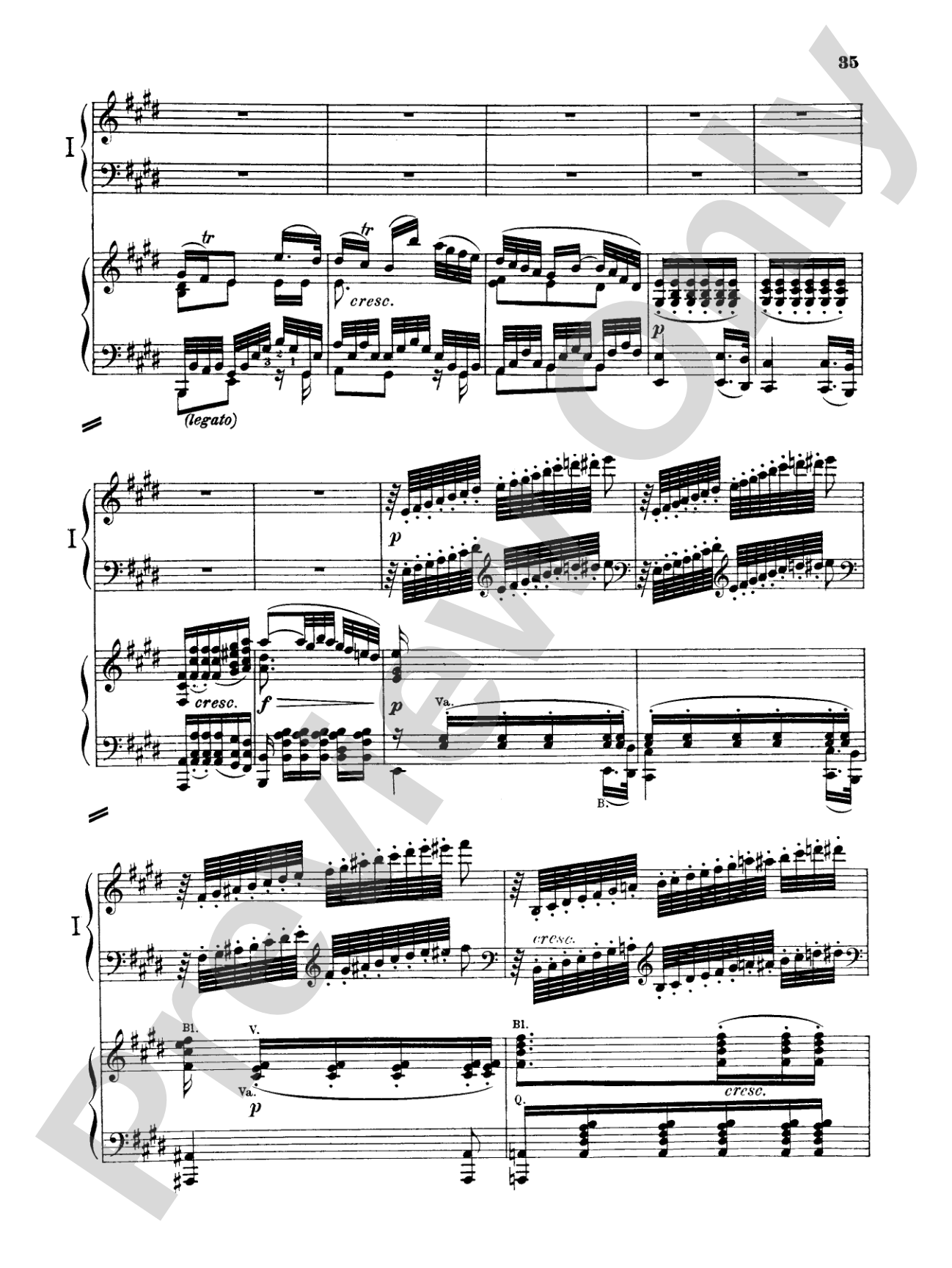
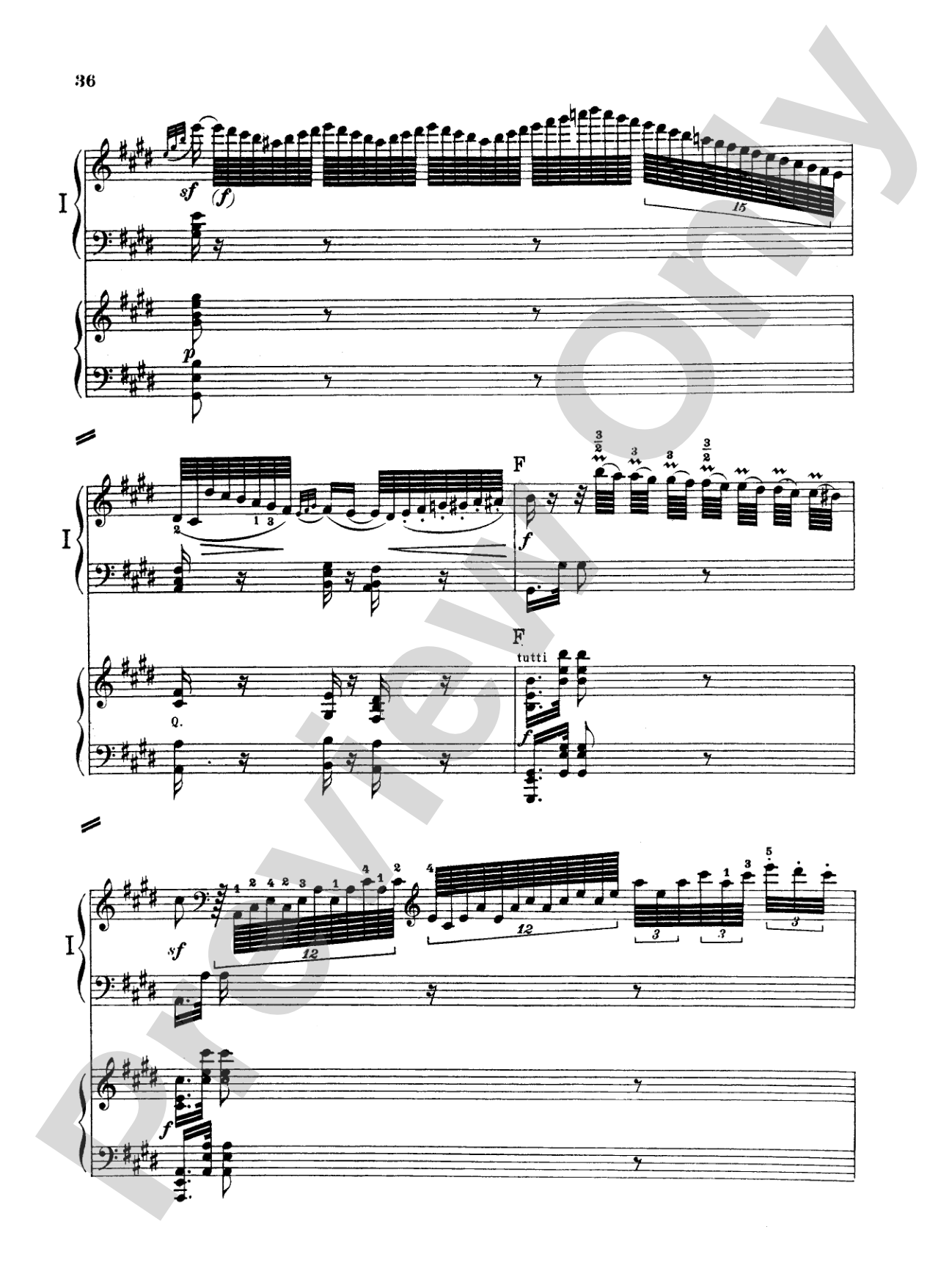
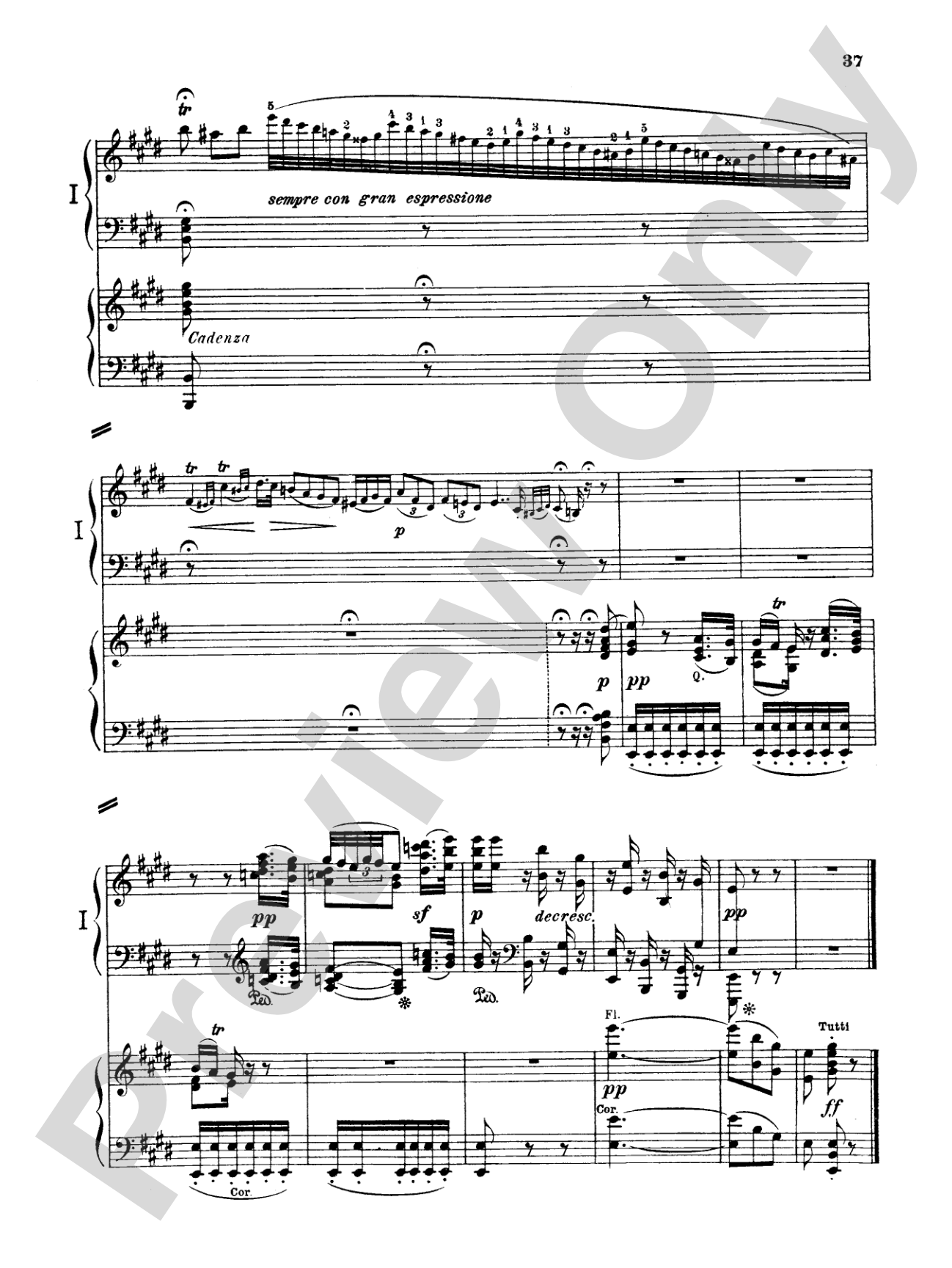
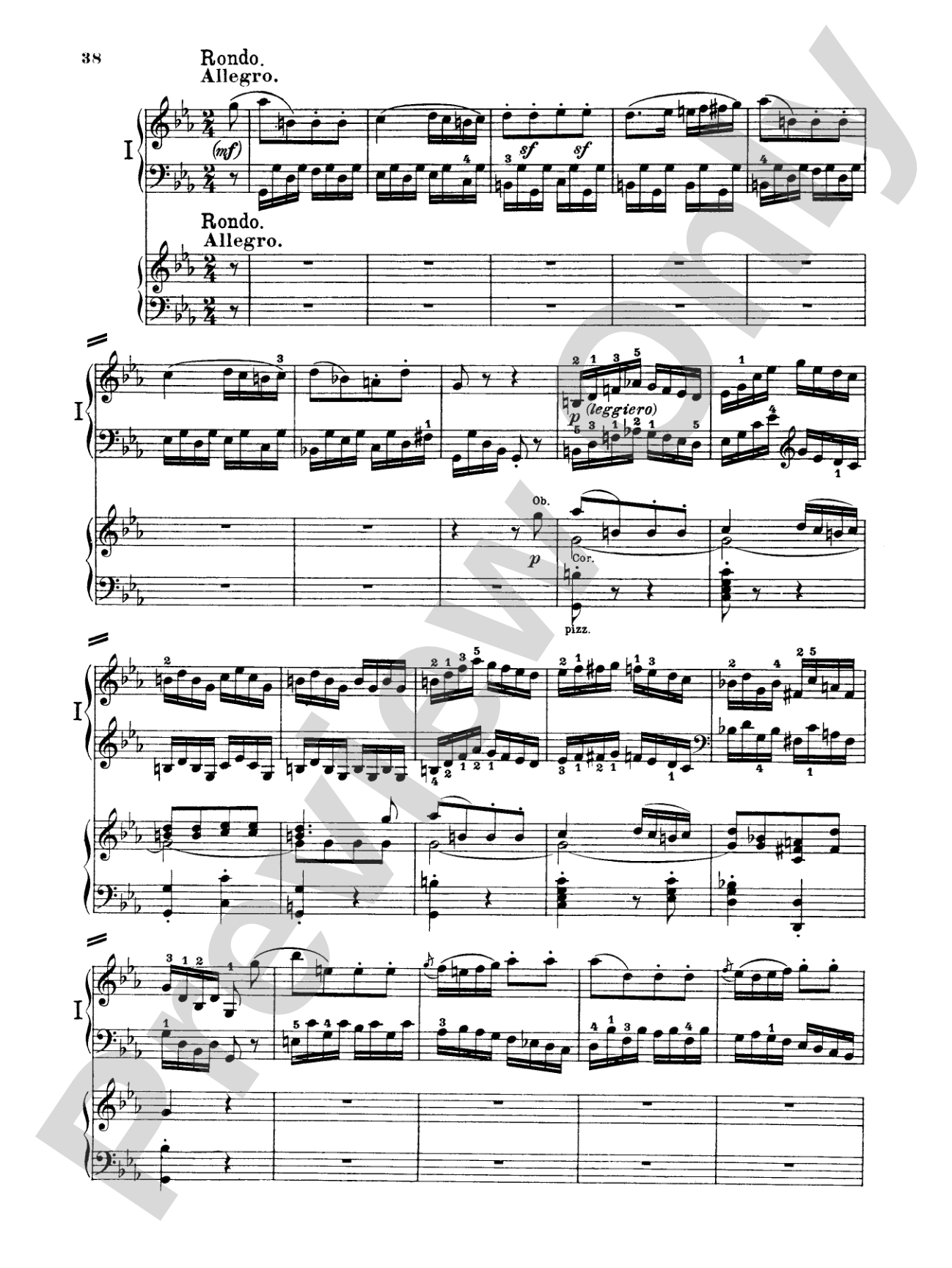
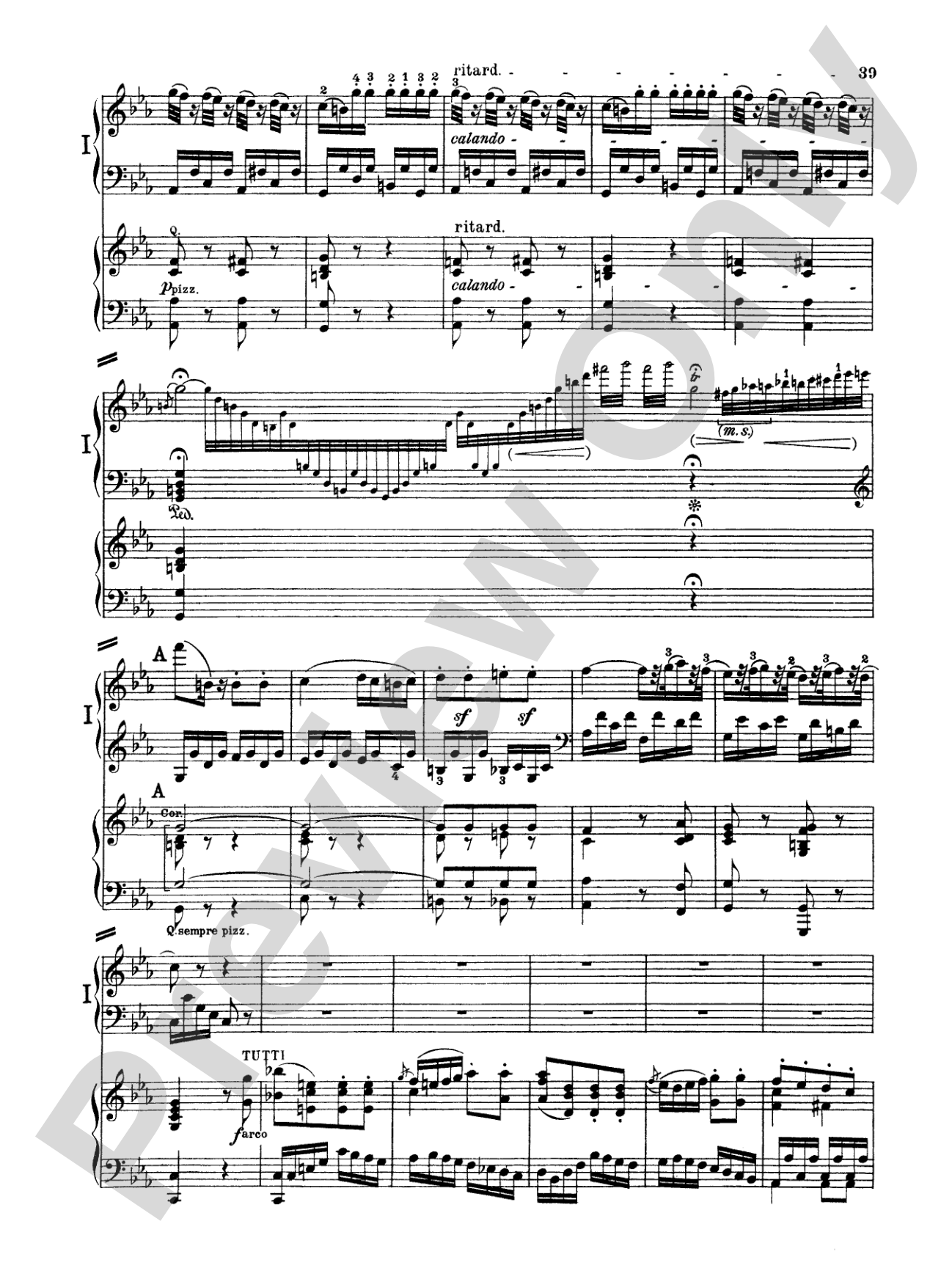
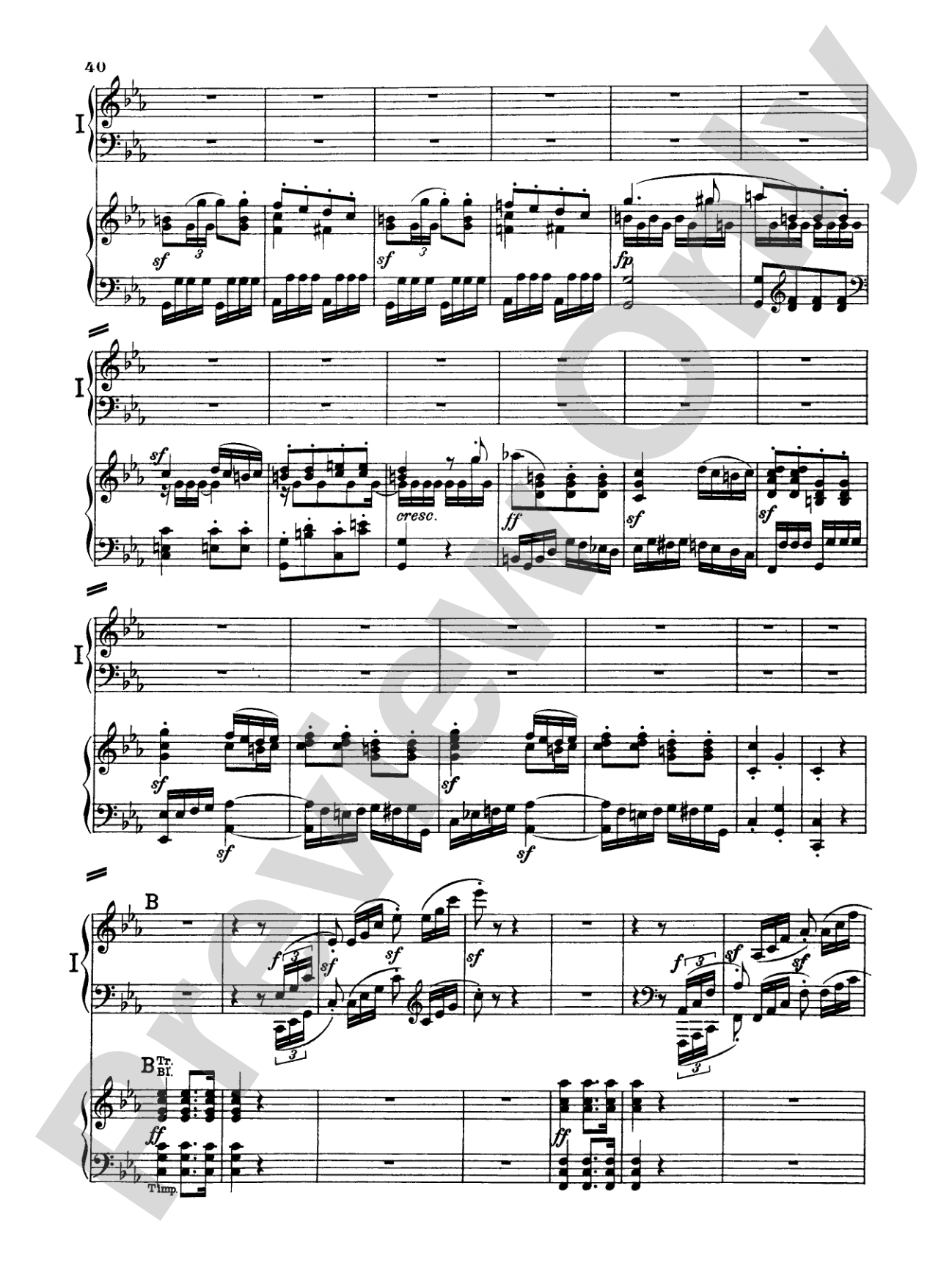
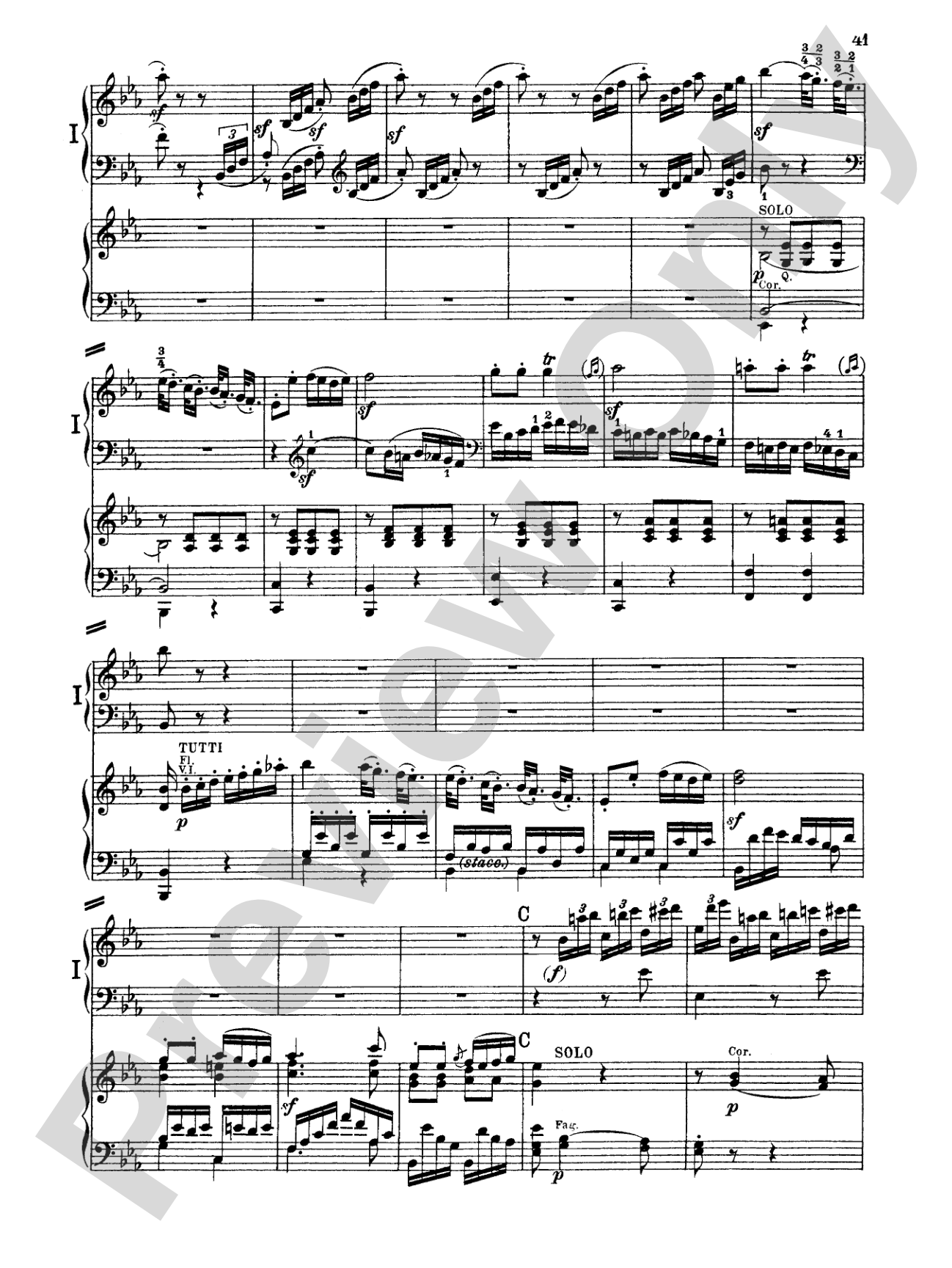
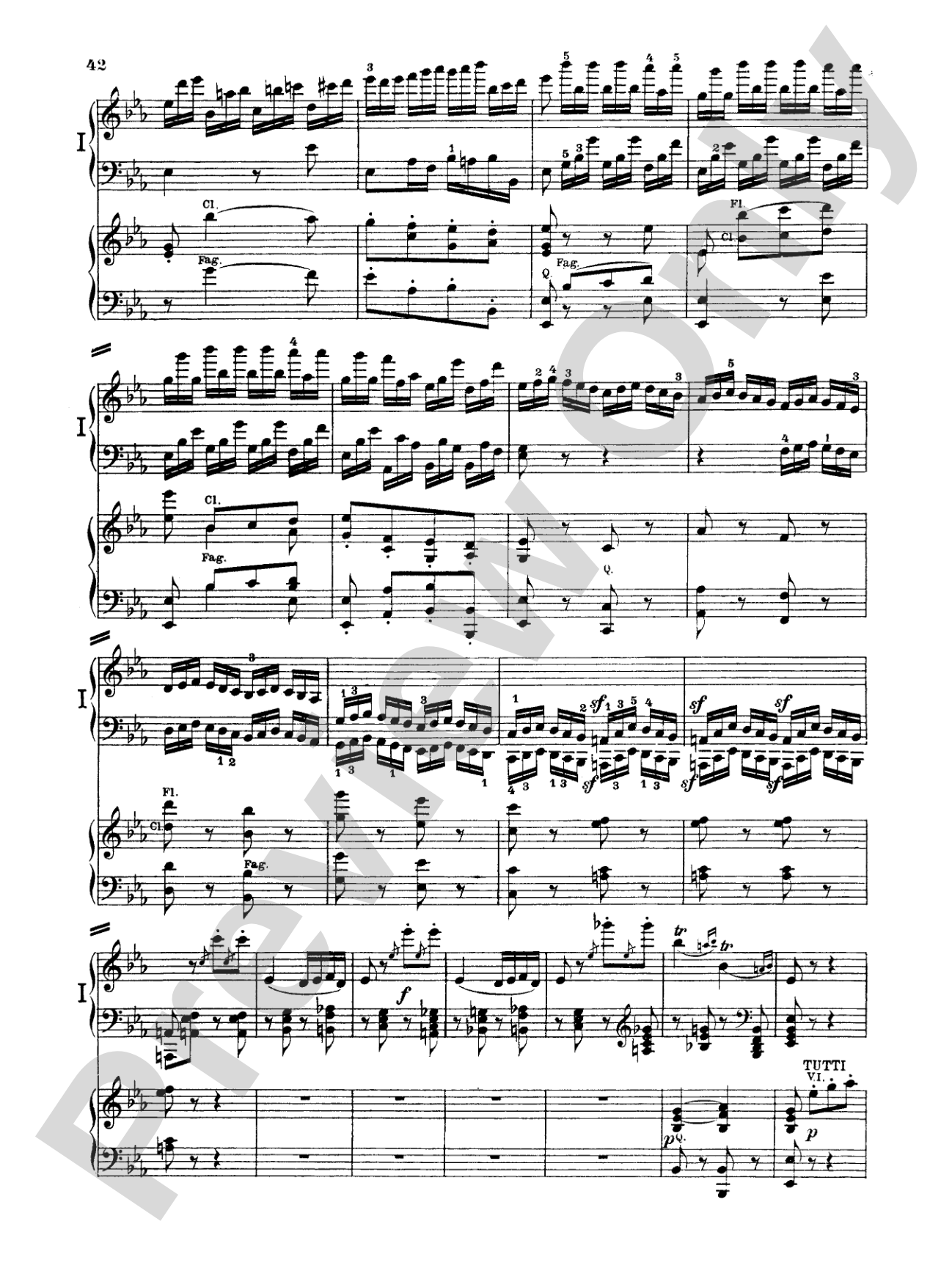
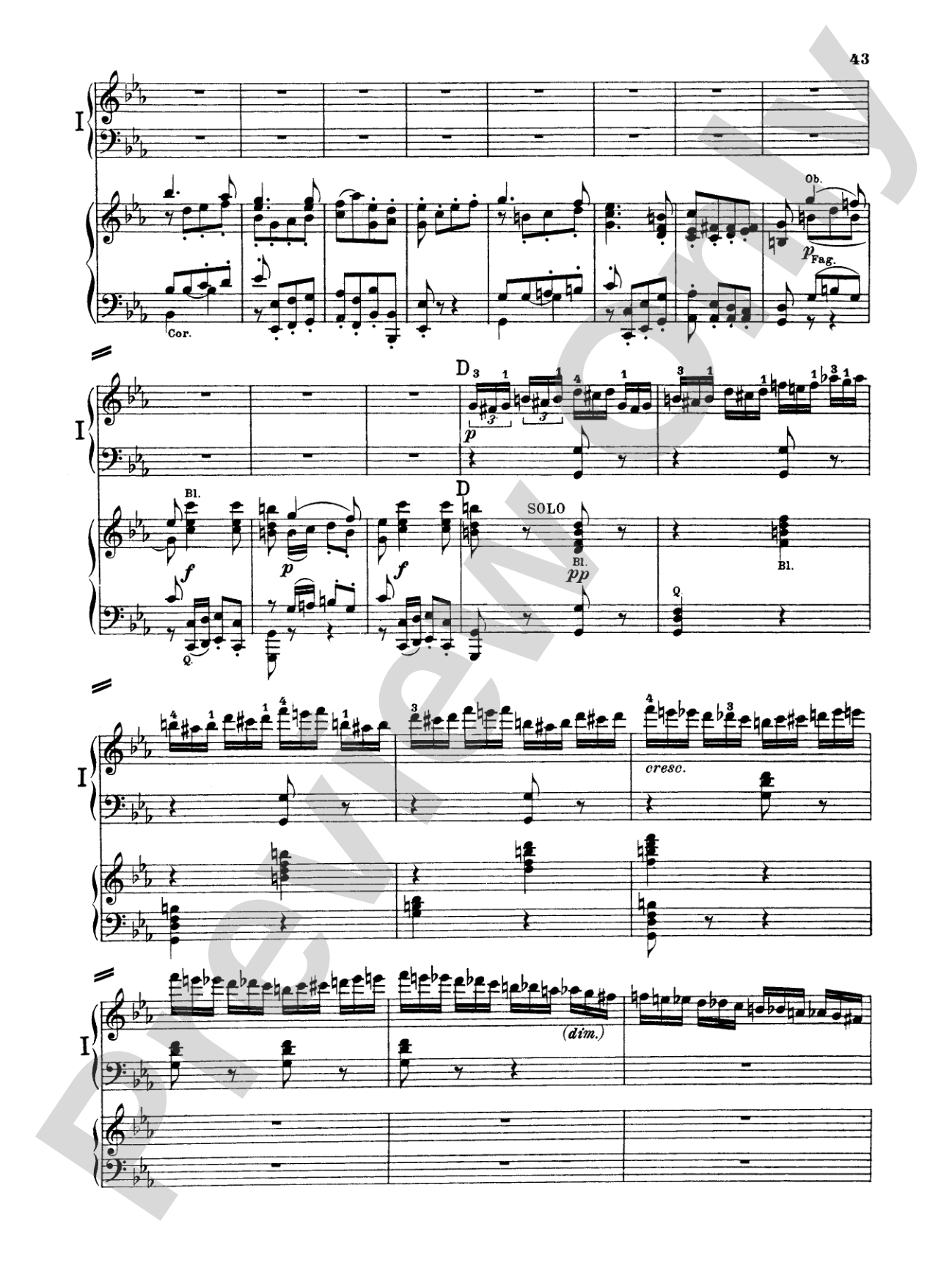
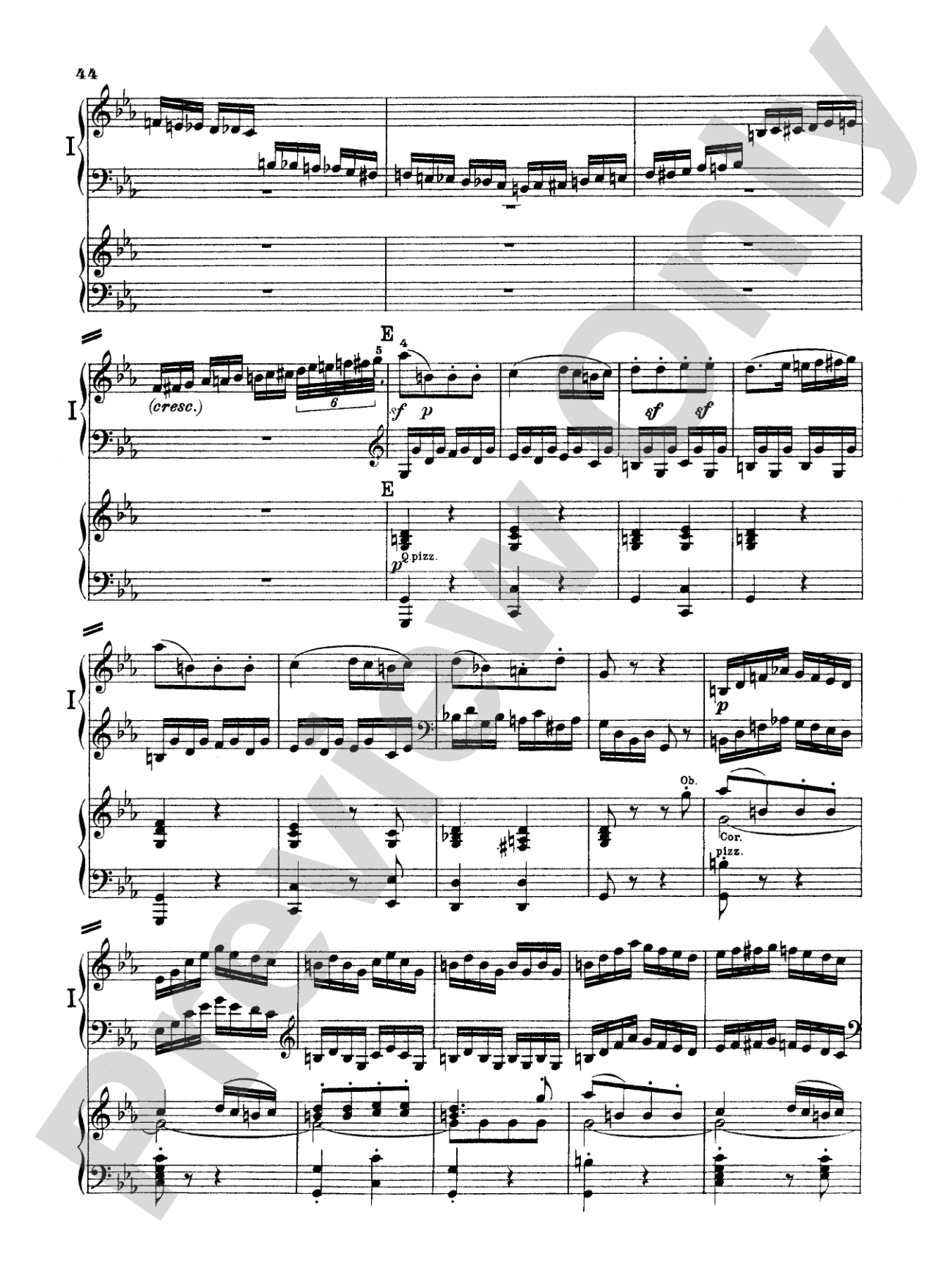
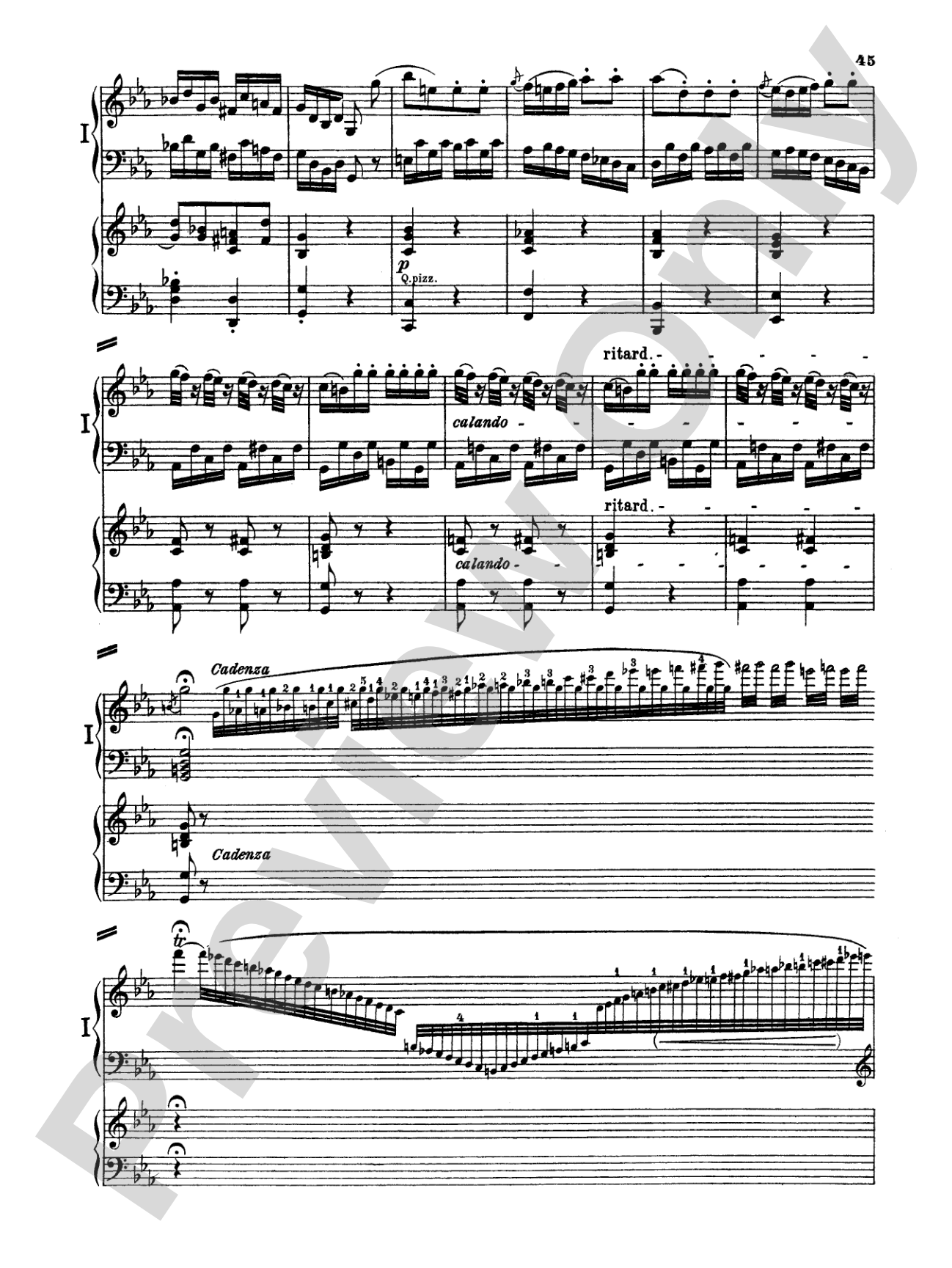
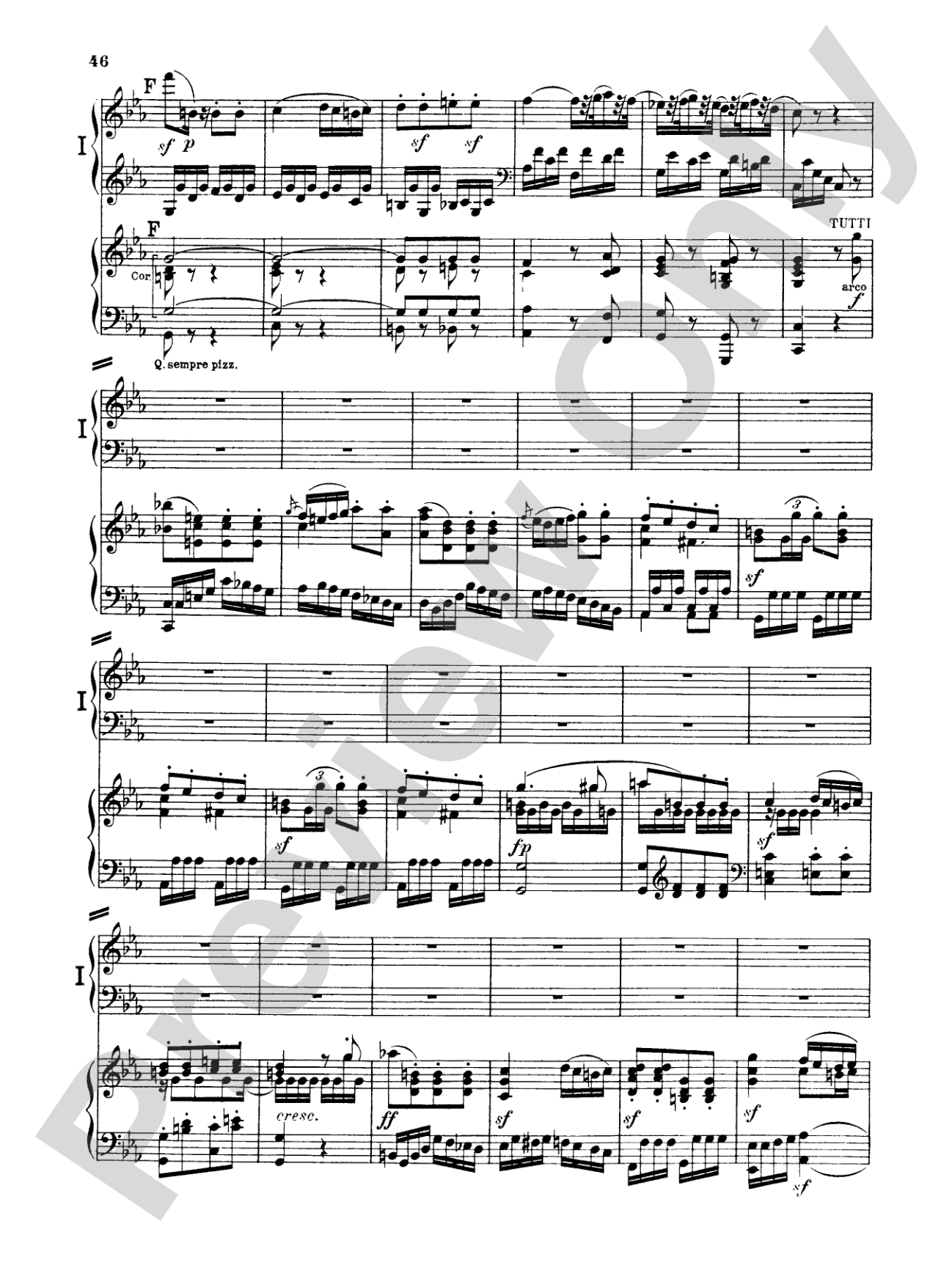
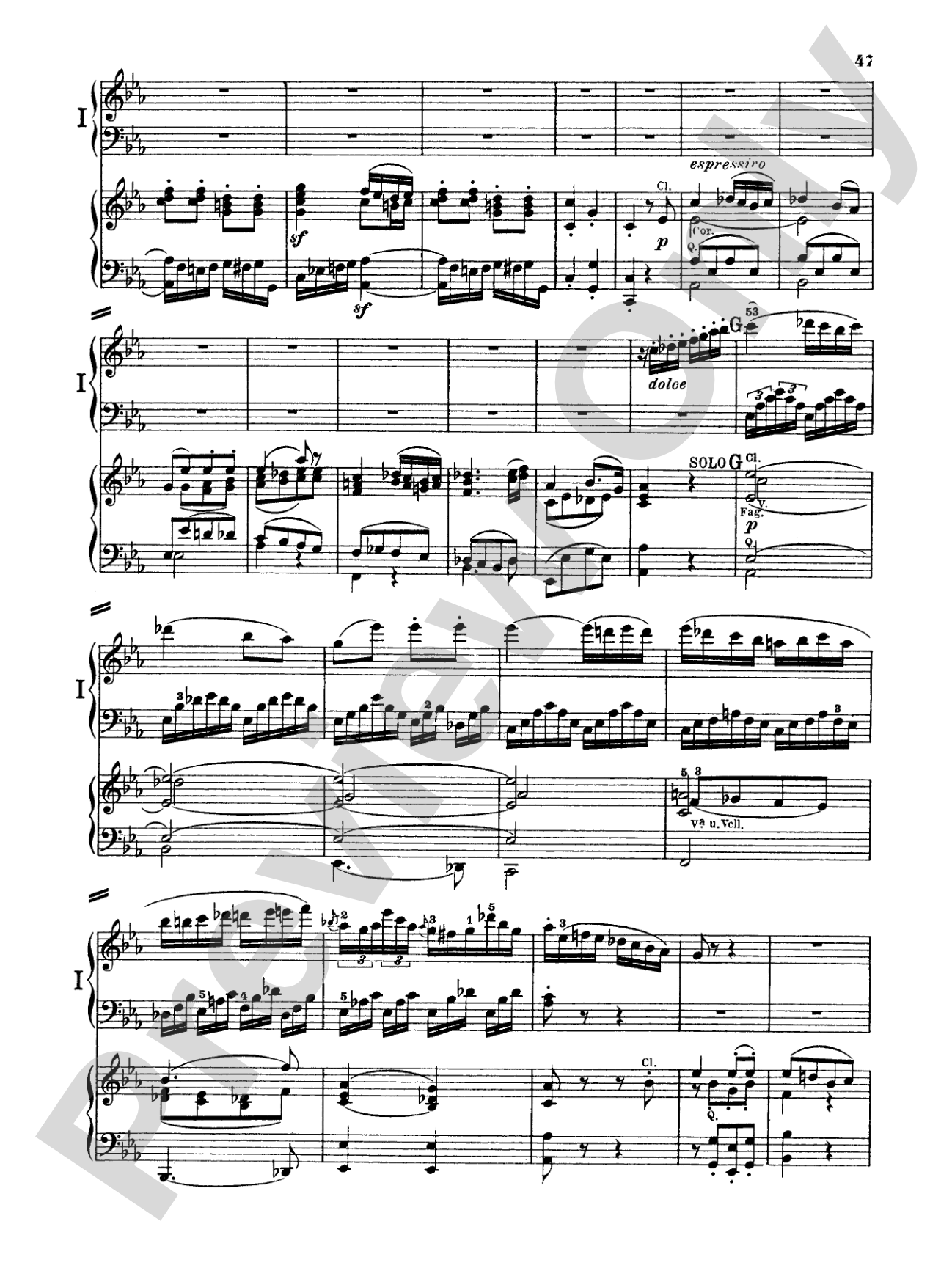
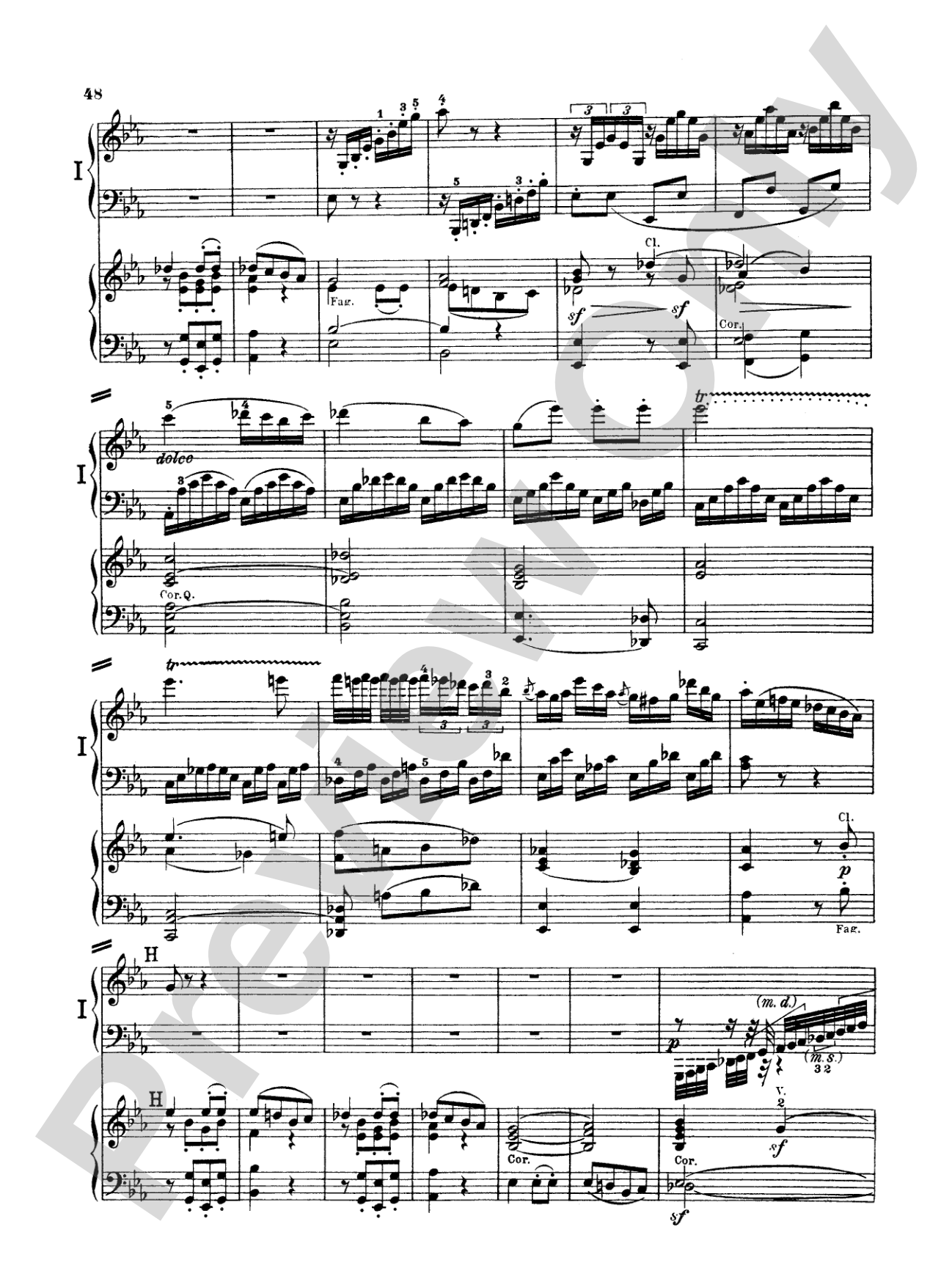
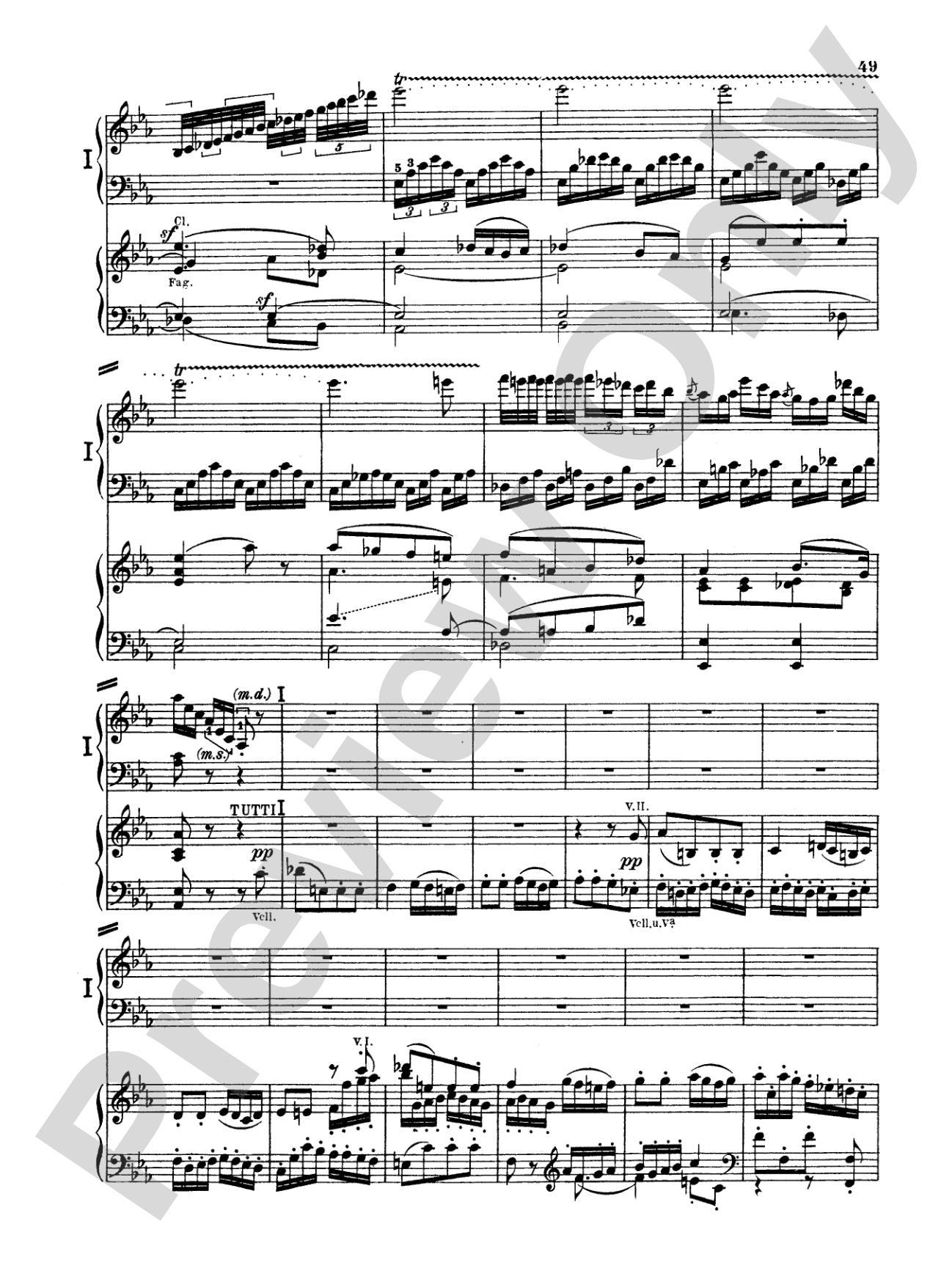
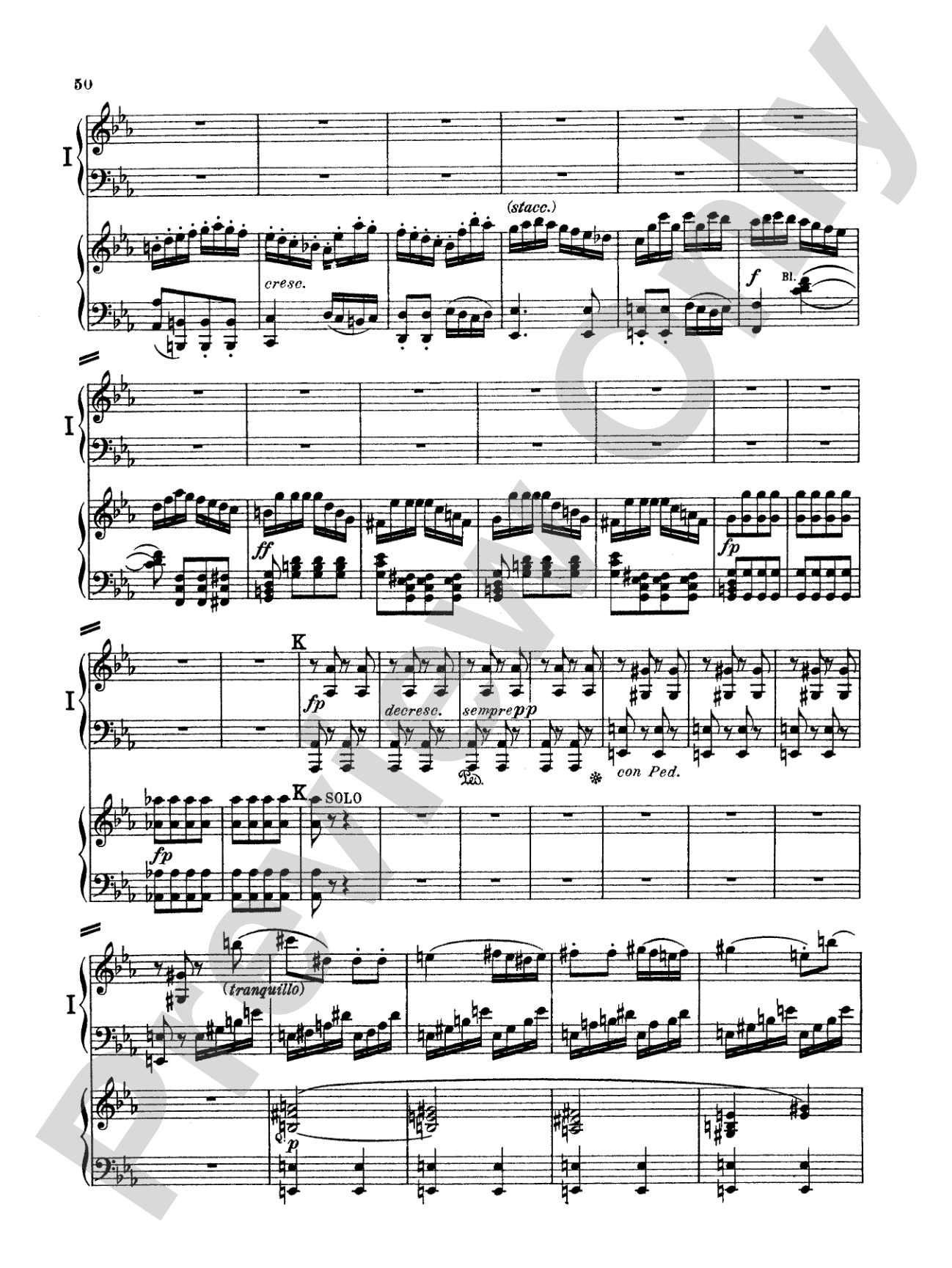

Beethoven: Piano Concerto No. 3 in C Minor, Opus 37: Piano Duo (2 Pianos, 4 Hands) Book (2 copies required)
By Ludwig van Beethoven
Level: Advanced
Item: 00-PK-0002919

$12.95
Pickup currently not available
Buy Extra Parts (Digital PDF Download)
| Product | Price | Quantity |
|---|---|---|
| Beethoven: Piano Concerto No. 3 in C Minor, Opus 37 | $11.95 |
Parts Added to Cart!
Related Items
Piano Concerto No. 3 in C Minor, Opus 37: Piano Duo (2 Pianos, 4 Hands) Book (2 copies required) |
$12.95
|
View |
Description
A Piano Duet for 2 pianos, 4 hands, composed by Ludwig van Beethoven.


Don't just read it, hear it, play along with it, and watch your students grow with it. In MakeMusic Cloud, Beethoven: Piano Concerto No. 3 in C Minor, Opus 37: Piano Duo (2 Pianos, 4 Hands) Book (2 copies required) comes alive with professional accompaniment, adjustable tempo, and built-in practice tools that turn solo practice into real progress.
Open in the Player
Jump straight in and assign it today.
Start Your Free Trial
Open this title and explore the full library in minutes.
Sample Audio
No sample audio found.
Sample Video
No sample videos found.
Additional Details
Series:
Kalmus Edition
Publisher:
Alfred Music
Page Count:
60
SKU:
00-PK-0002919
More about this title
About the Composer: Ludwig van Beethoven
Ludwig van Beethoven (1770-1827) stands as the bridge between Classical and Romantic music, a composer whose radical harmonic language and structural innovations reshaped what the piano concerto could express. His nine symphonies, thirty-two piano sonatas, and chamber works established him as the central figure of Western classical music, even as deafness forced him to compose entirely from his inner ear during his most prolific years.
Why we love this
This concerto demands absolute partnership between two pianists, making it ideal for advanced students seeking repertoire that builds genuine ensemble maturity rather than simply splitting a solo part. The two-piano arrangement preserves the orchestral grandeur and dramatic tension of the original while creating an intimate musical conversation, where both players shape the architecture of one of Beethoven's most structurally adventurous concertos.
What to expect
Turbulent, intellectually demanding, and ultimately transcendent. The C minor tonality casts a shadow of urgency across the opening movement, while the dialogue between two instruments creates moments of surprising intimacy within passages of symphonic sweep. The whole work pulses with Beethoven's relentless creative force, rewarding performers who commit fully to its structural and emotional demands.
Who it's for
Advanced pianists who have mastered multi-movement Classical concerto forms and are ready to tackle Beethoven's harmonic language in a collaborative setting. This arrangement suits studio teachers preparing students for advanced repertoire milestones or pianists seeking substantial two-piano literature with orchestral scope.
How to get the most out of it
- Establish clear communication about tempo and rubato before rehearsal. The first movement's dramatic shifts require both pianists to breathe together, especially through the stormy development section.
- Balance the dialogue between concertante and accompaniment roles. Neither player should dominate; instead, treat the second piano's sustained harmonic foundation as equally essential to the musical narrative.
- Pay close attention to dynamic correspondence across both instruments. When one piano grows louder, listen for the other to adjust proportionally, maintaining the weight and drama of the orchestral original.
- Shape the slow movement with particular care for singing tone. The Largo's introspective character requires both pianists to voice chords with a chamber musician's sensitivity rather than a soloist's projection.
How to use it
Feature this as a centerpiece recital work at an advanced student showcase or collaborative concert devoted to two-piano literature. The work's substantial 60-page score and formal sophistication positions it as a capstone repertoire choice for high-level pianists, offering the prestige and musical substance of a full concerto experience without the need for orchestral accompaniment.
Skills your students will build
- Balancing ensemble roles while maintaining individual musical clarity
- Reading full orchestral reductions across two staves simultaneously
- Sustaining dramatic momentum across a large three-movement cycle
- Realizing Beethoven's harmonic language and structural logic at the keyboard
- Collaborating with another pianist on tempo, dynamics, and phrasing
- Navigating rapid scalar passage work and arpeggiations at advanced tempi