
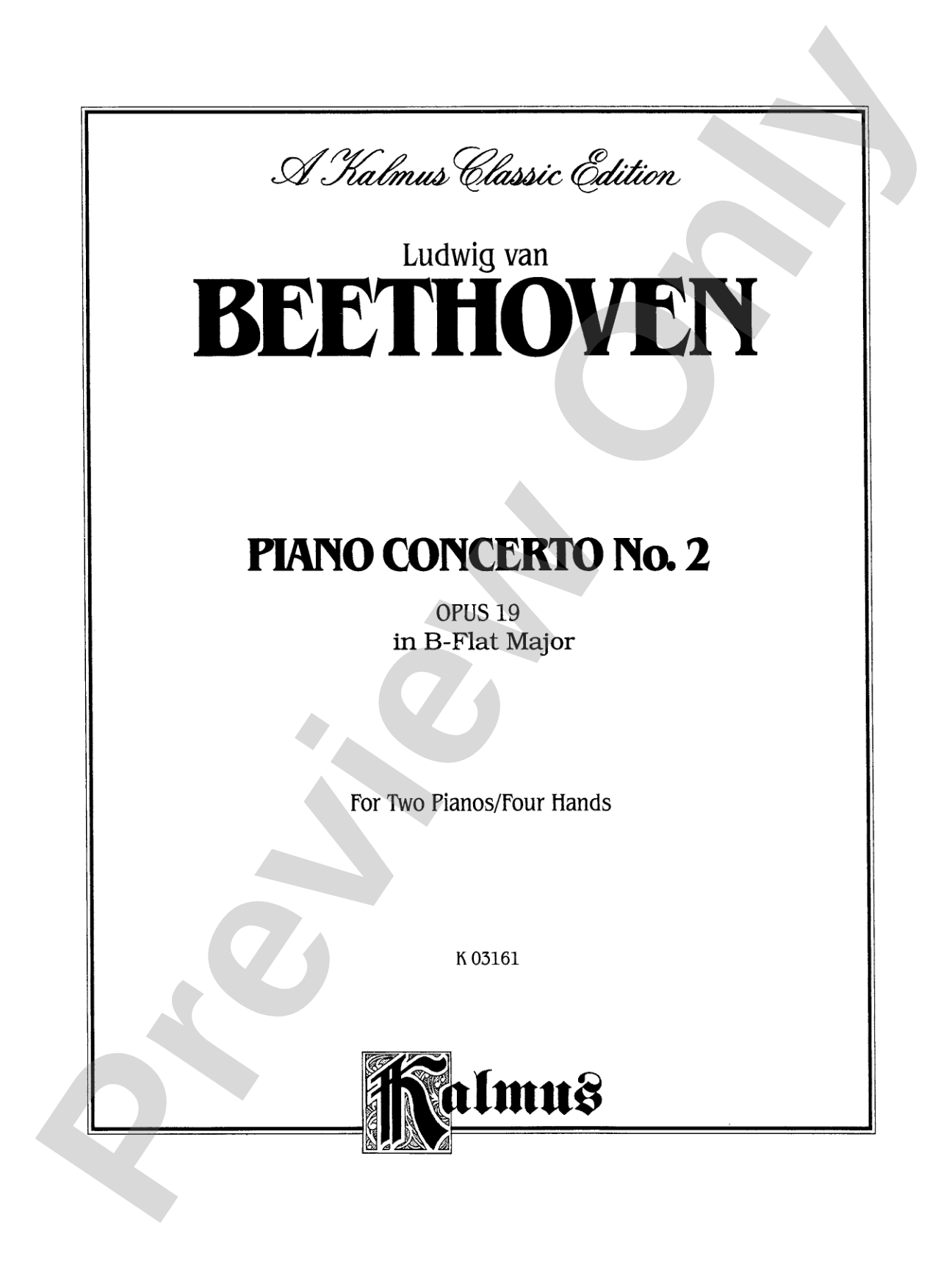

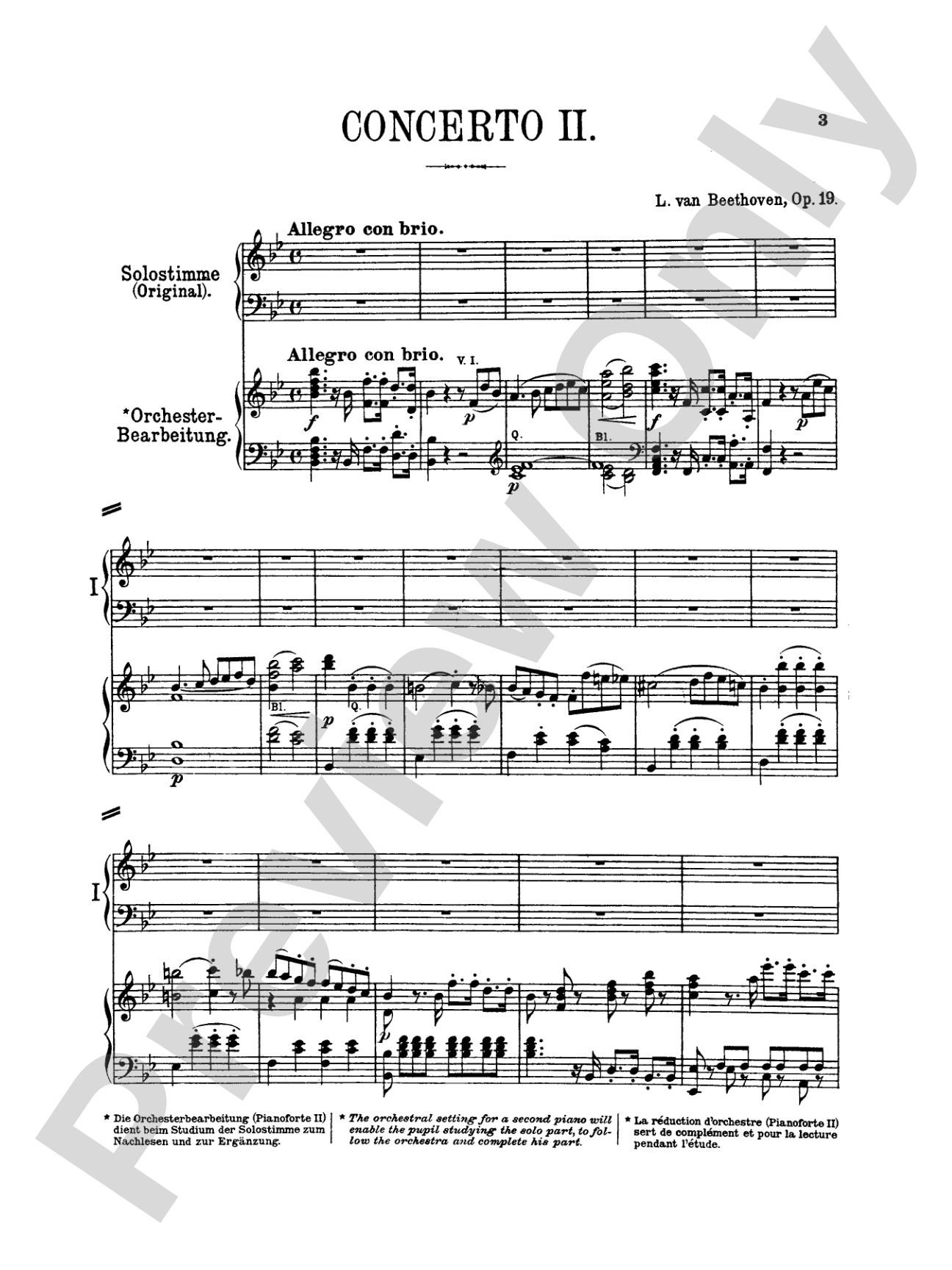
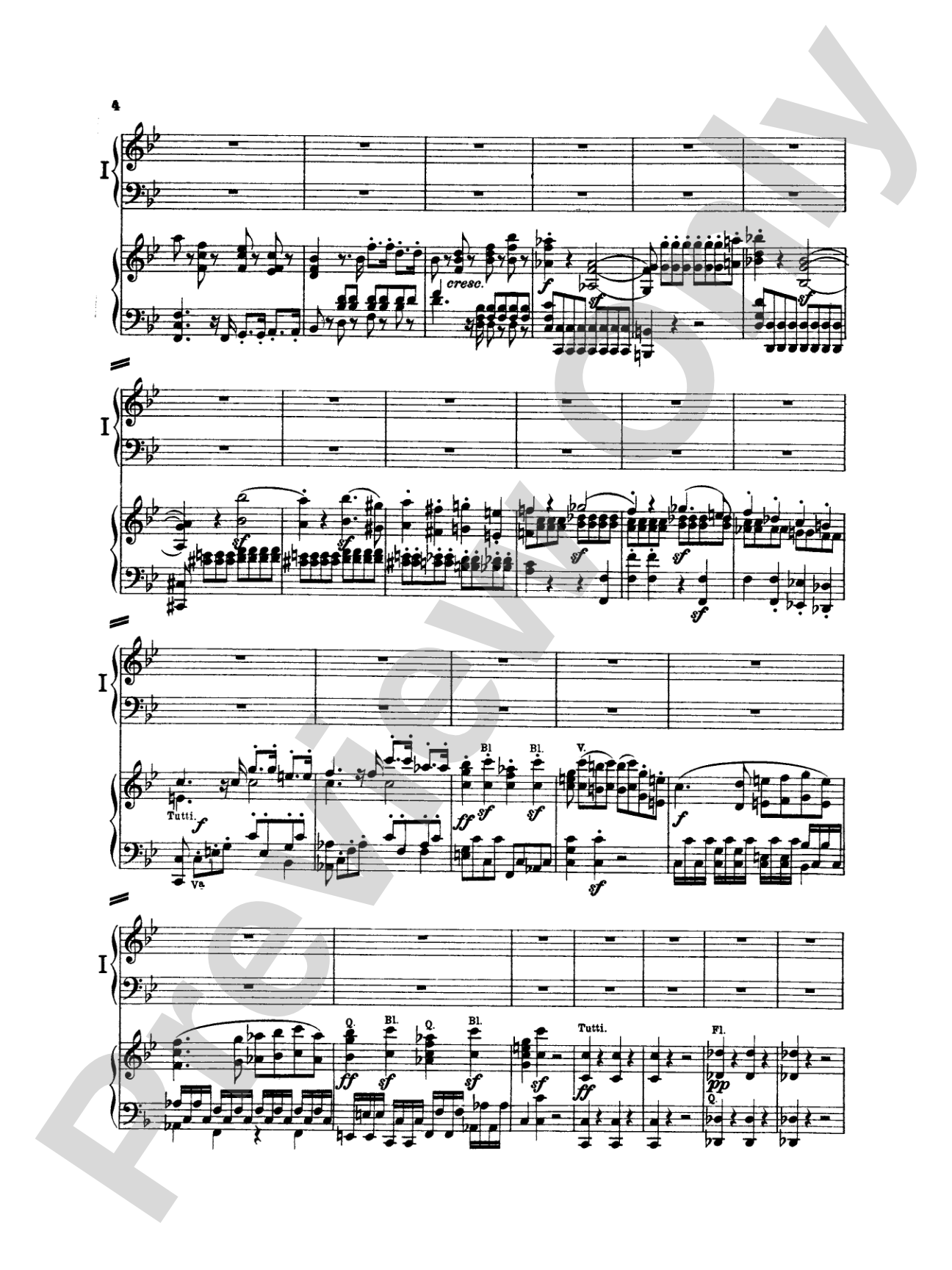
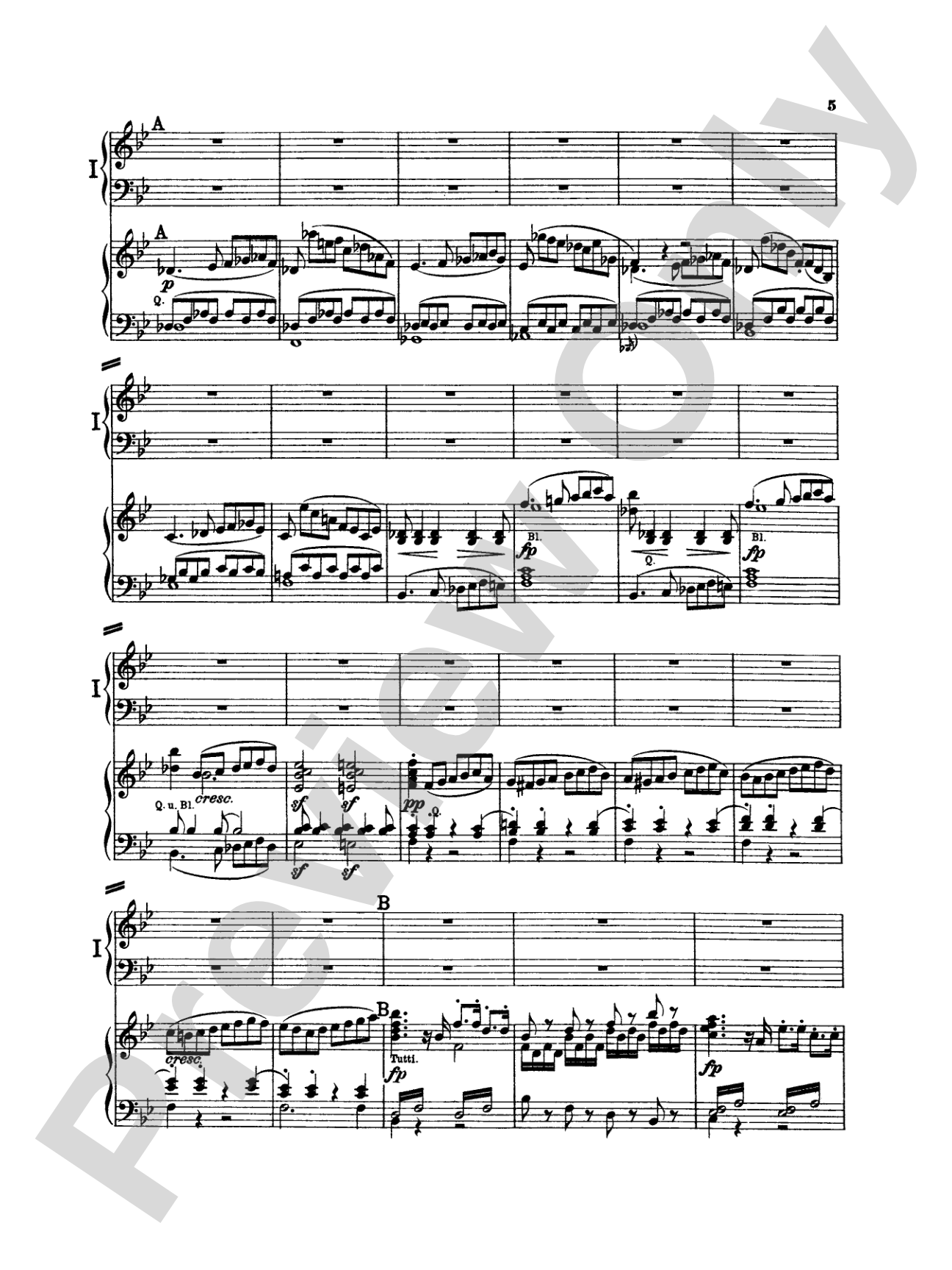
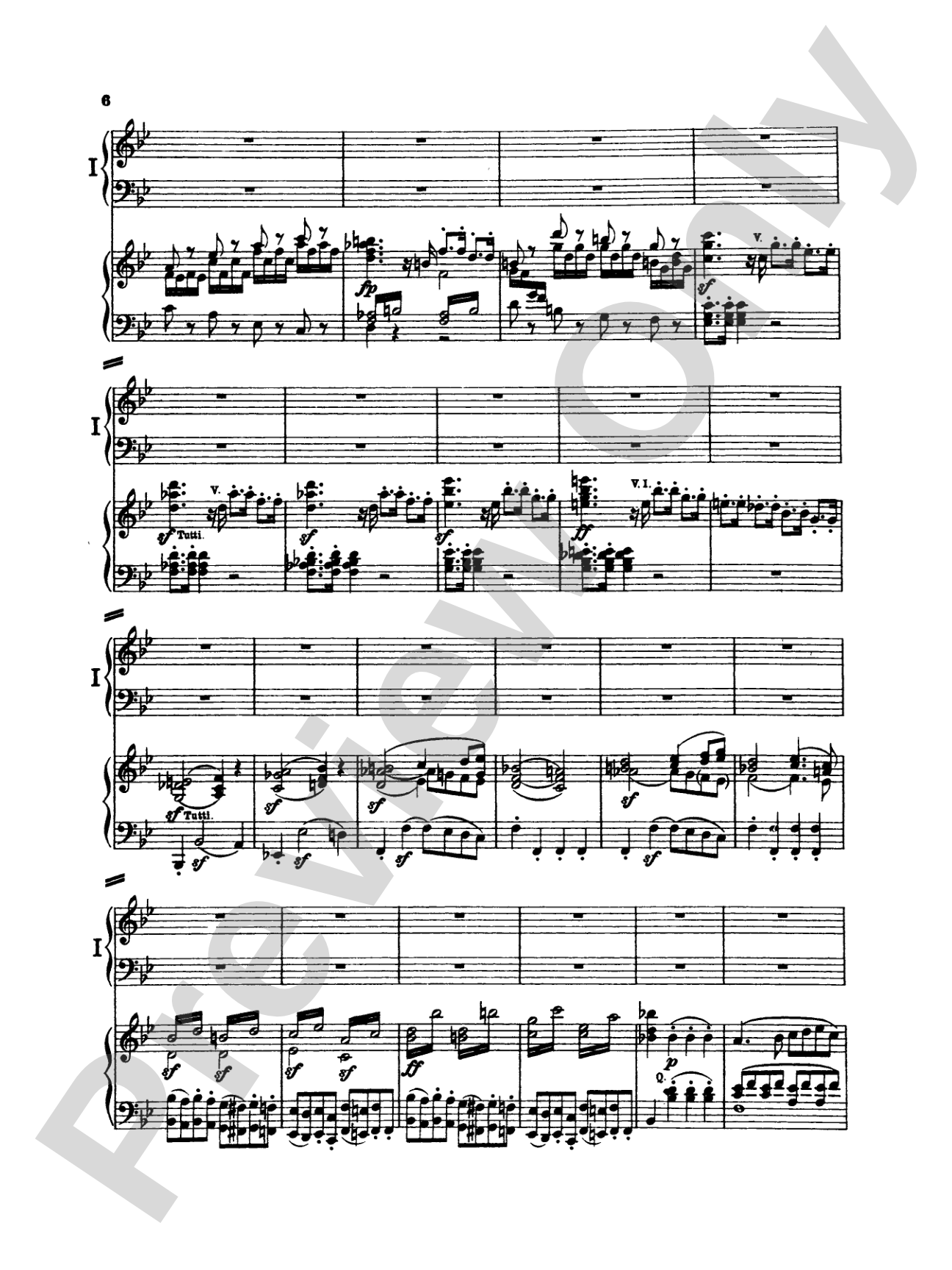
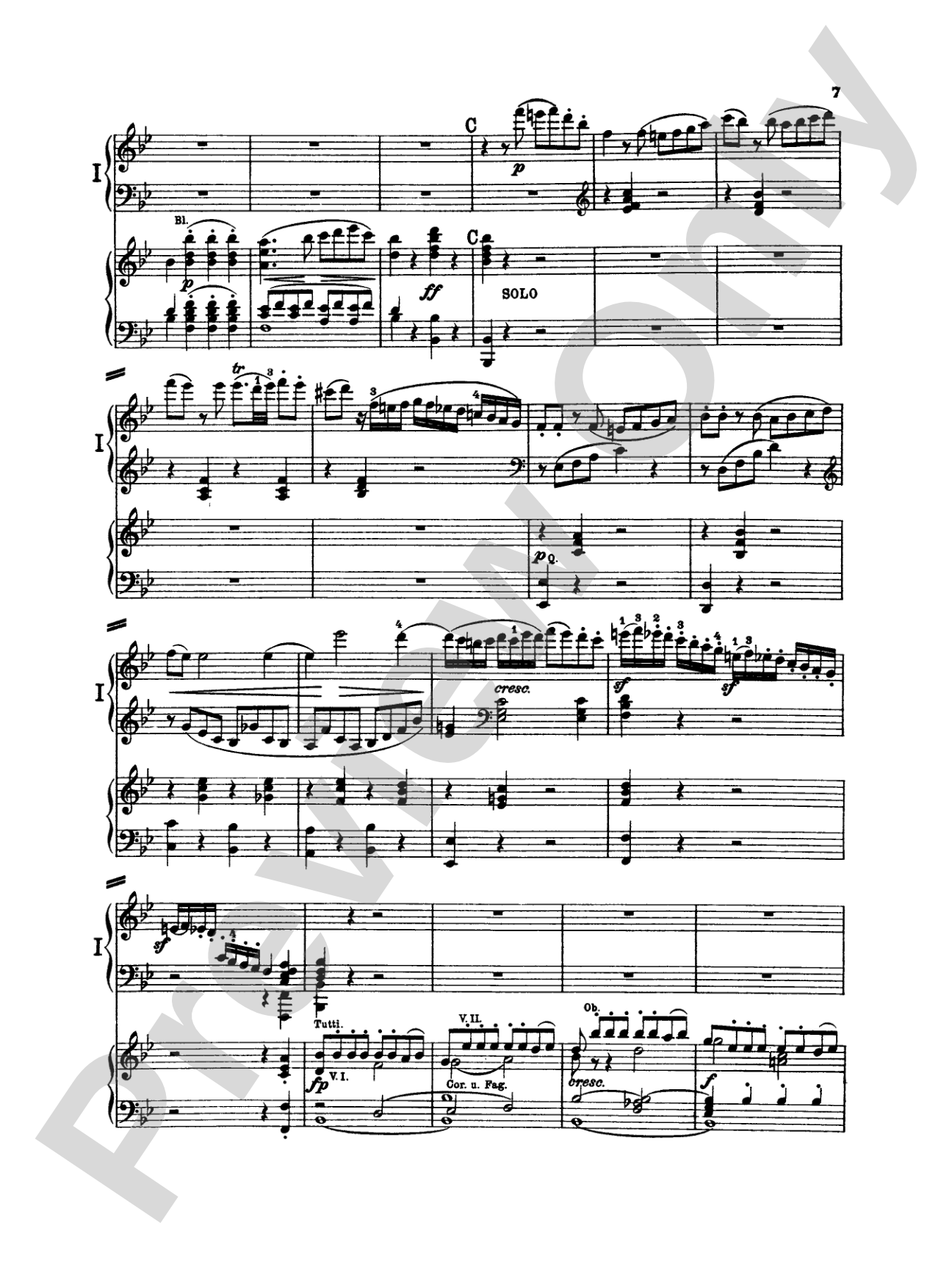
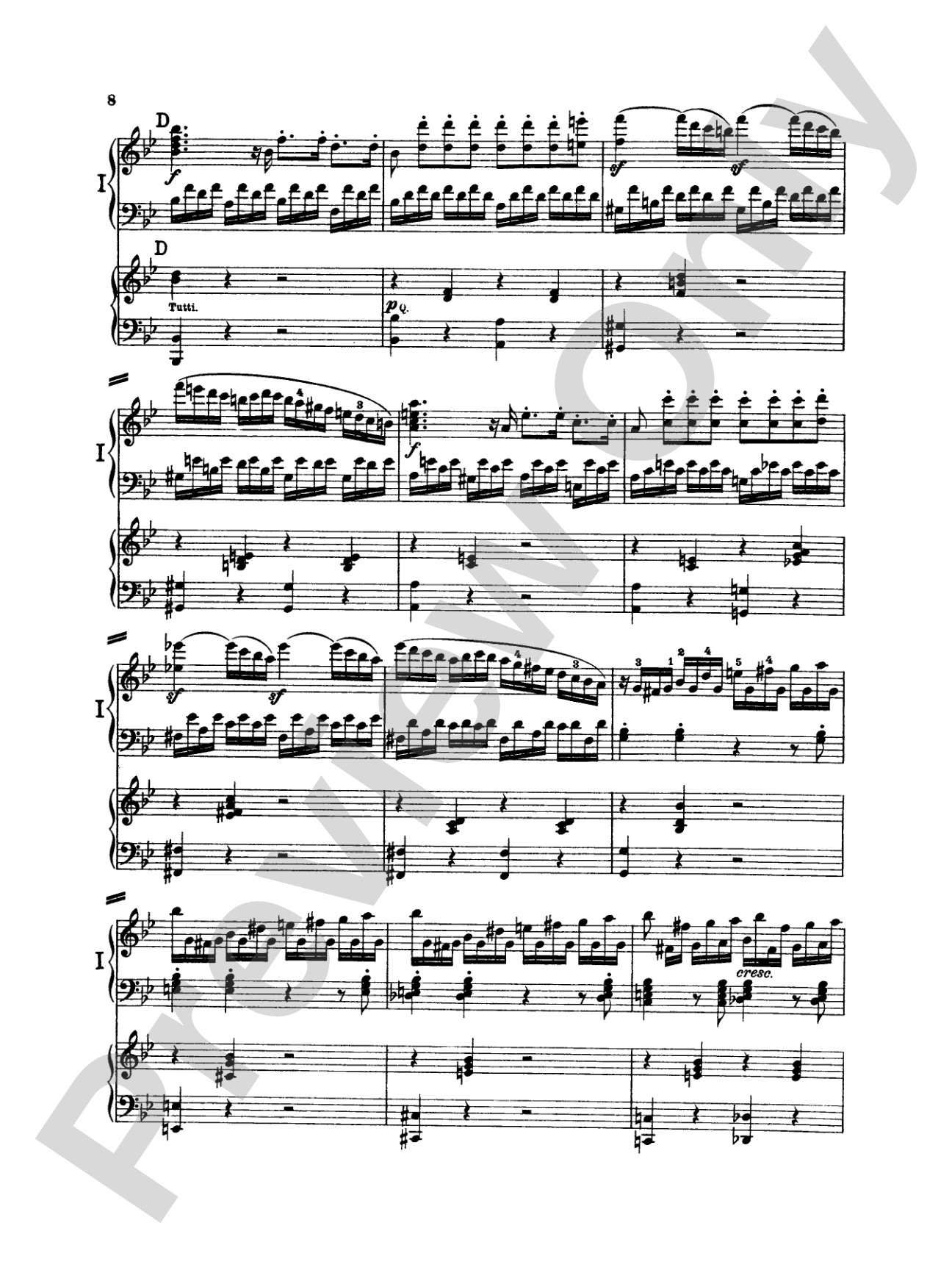
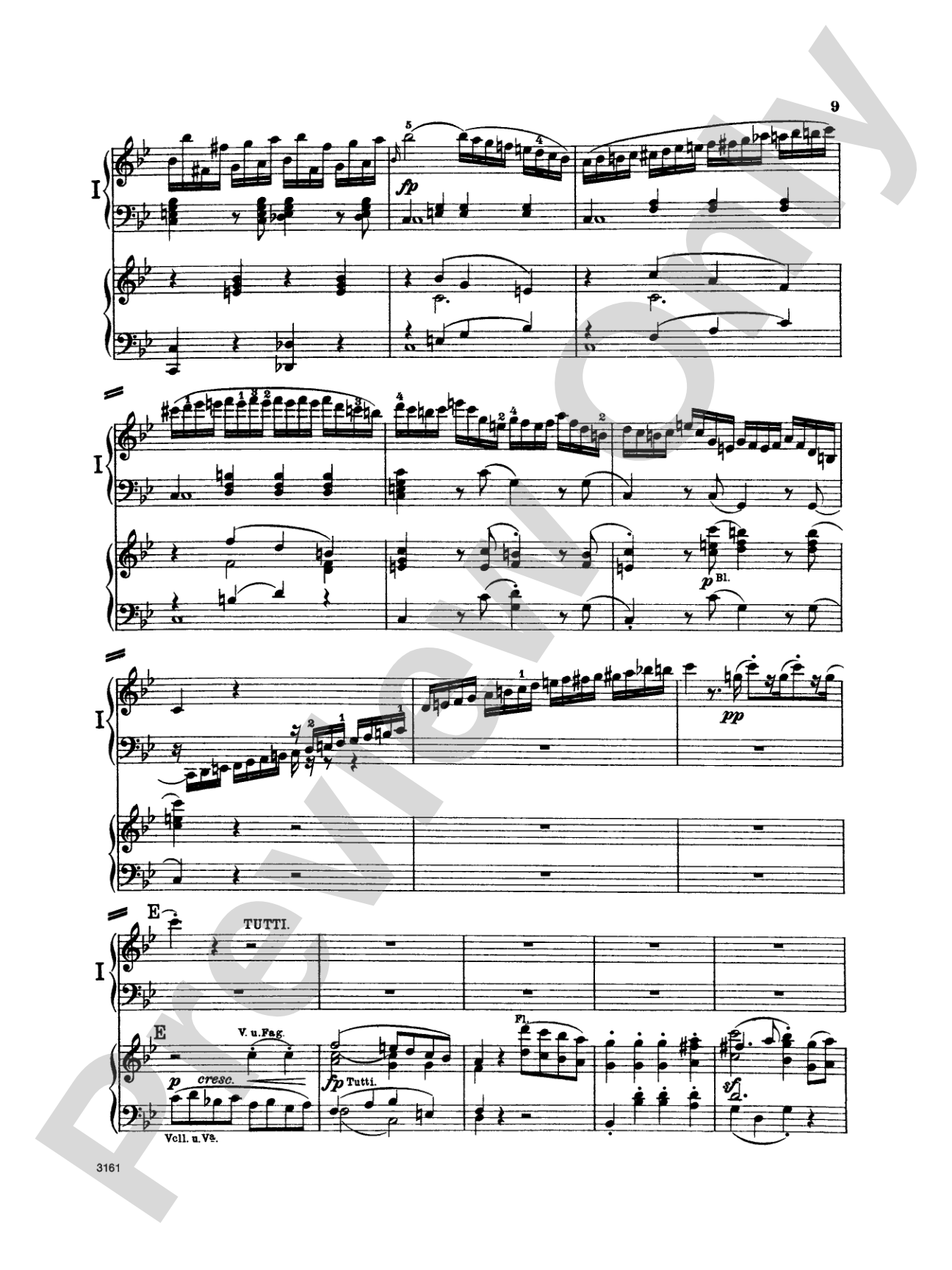
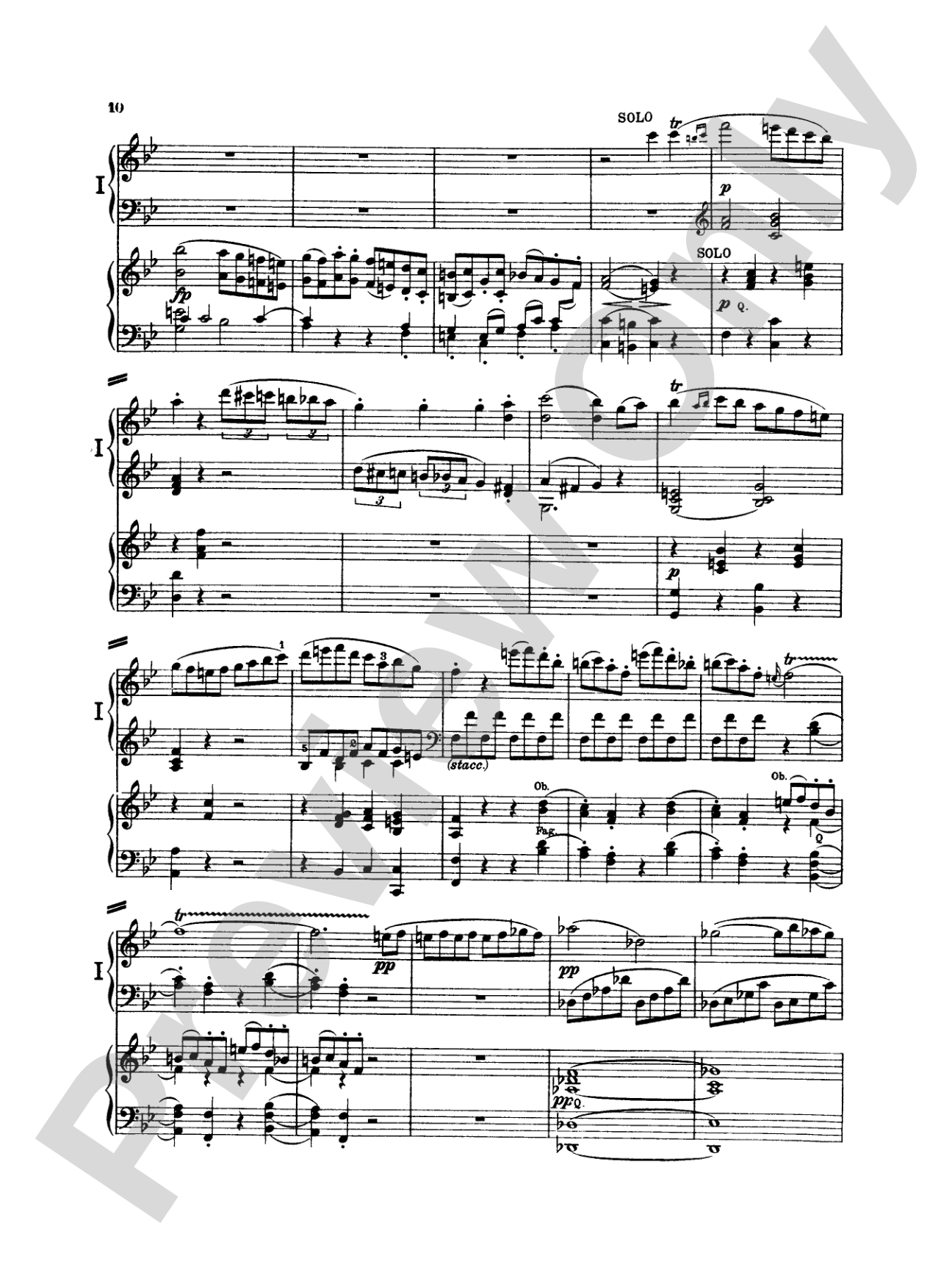
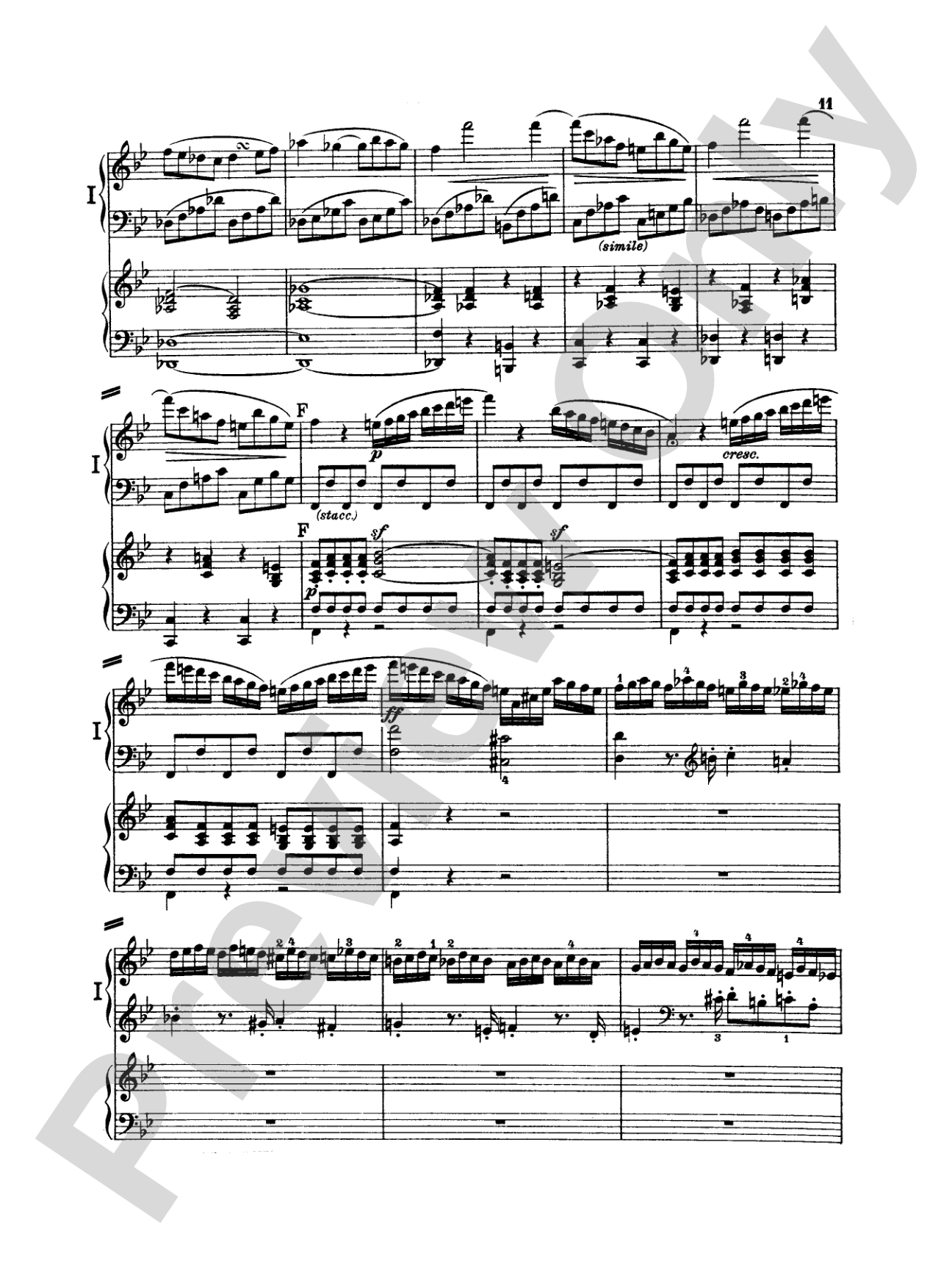
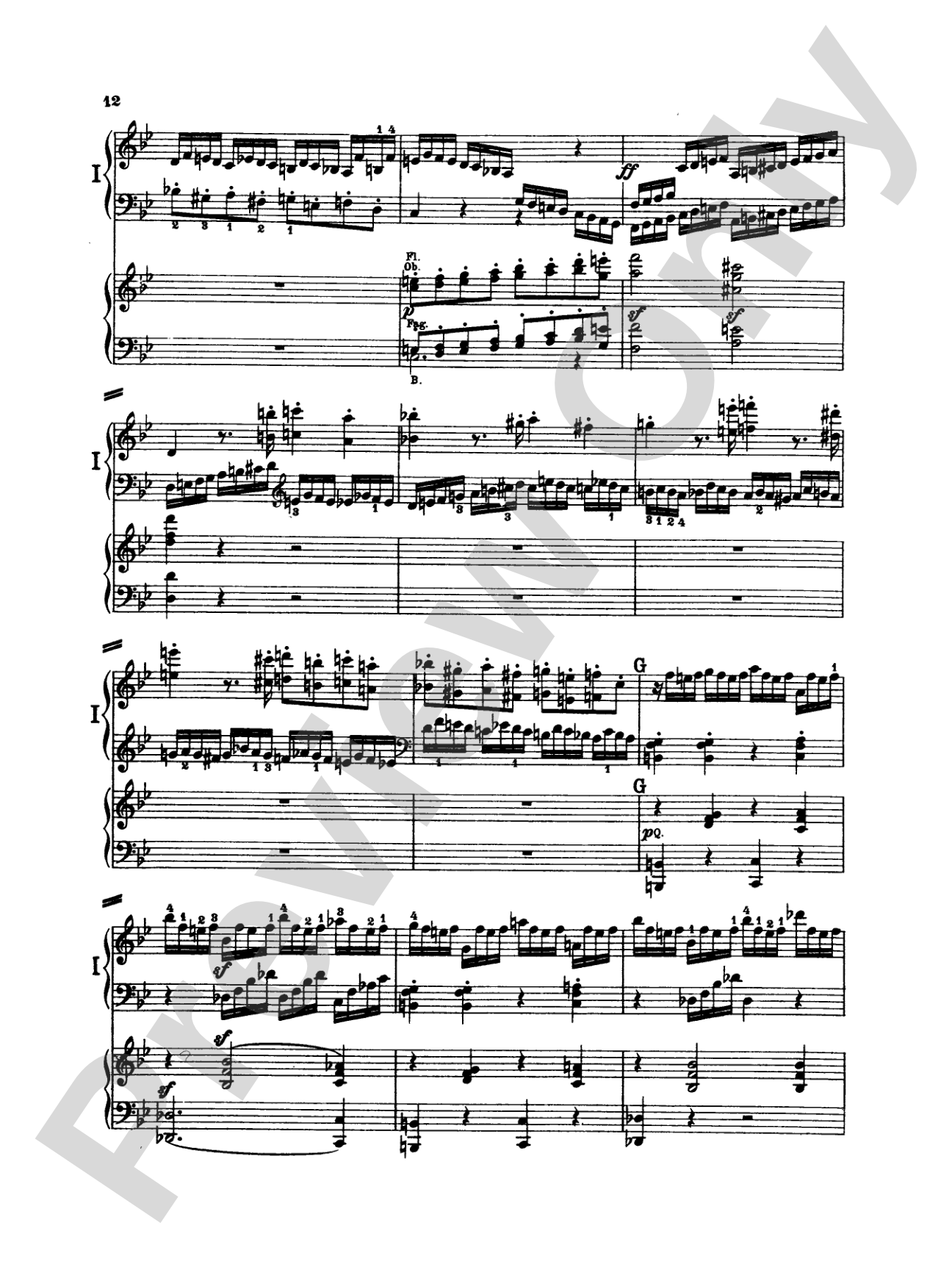
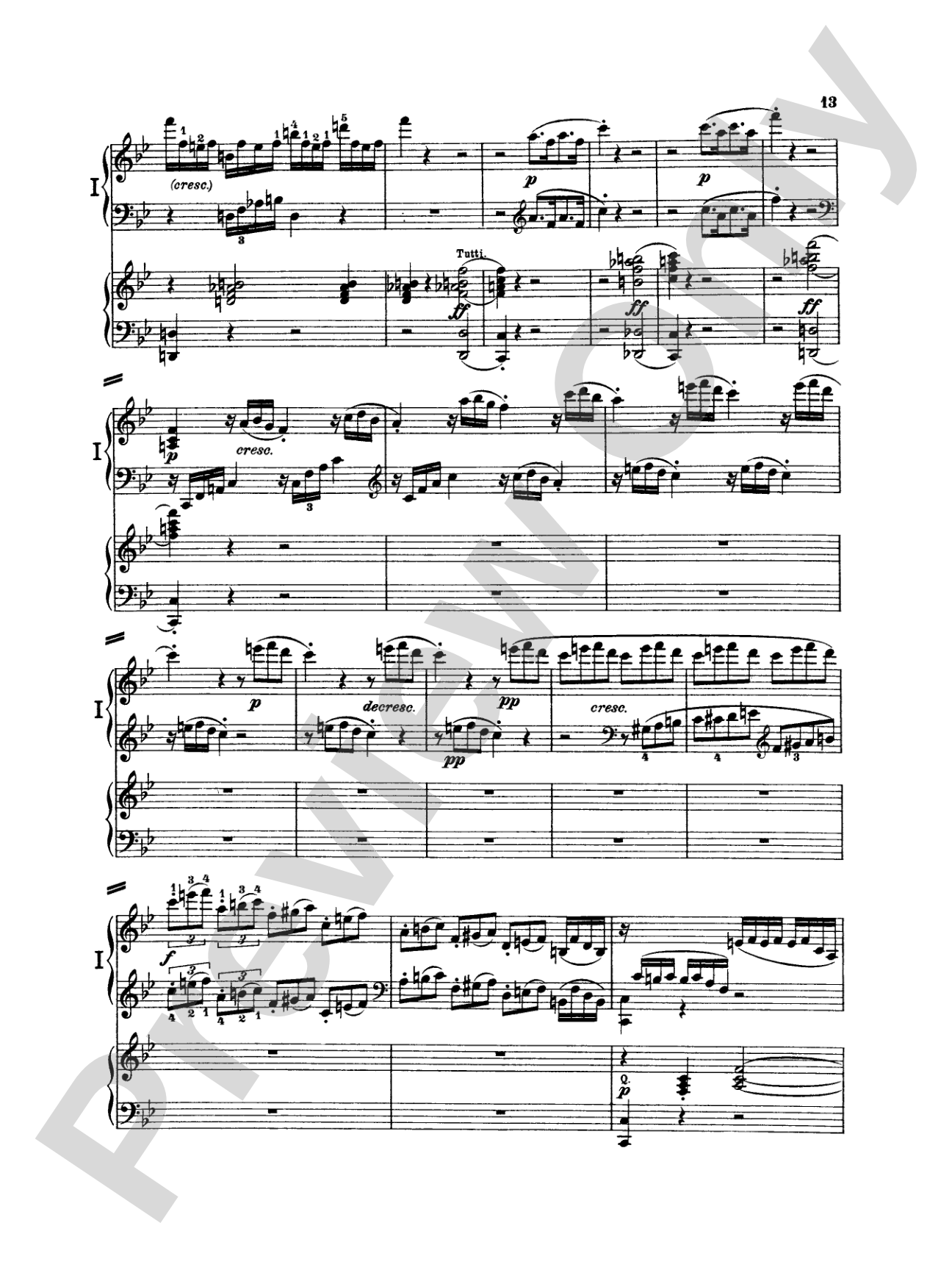
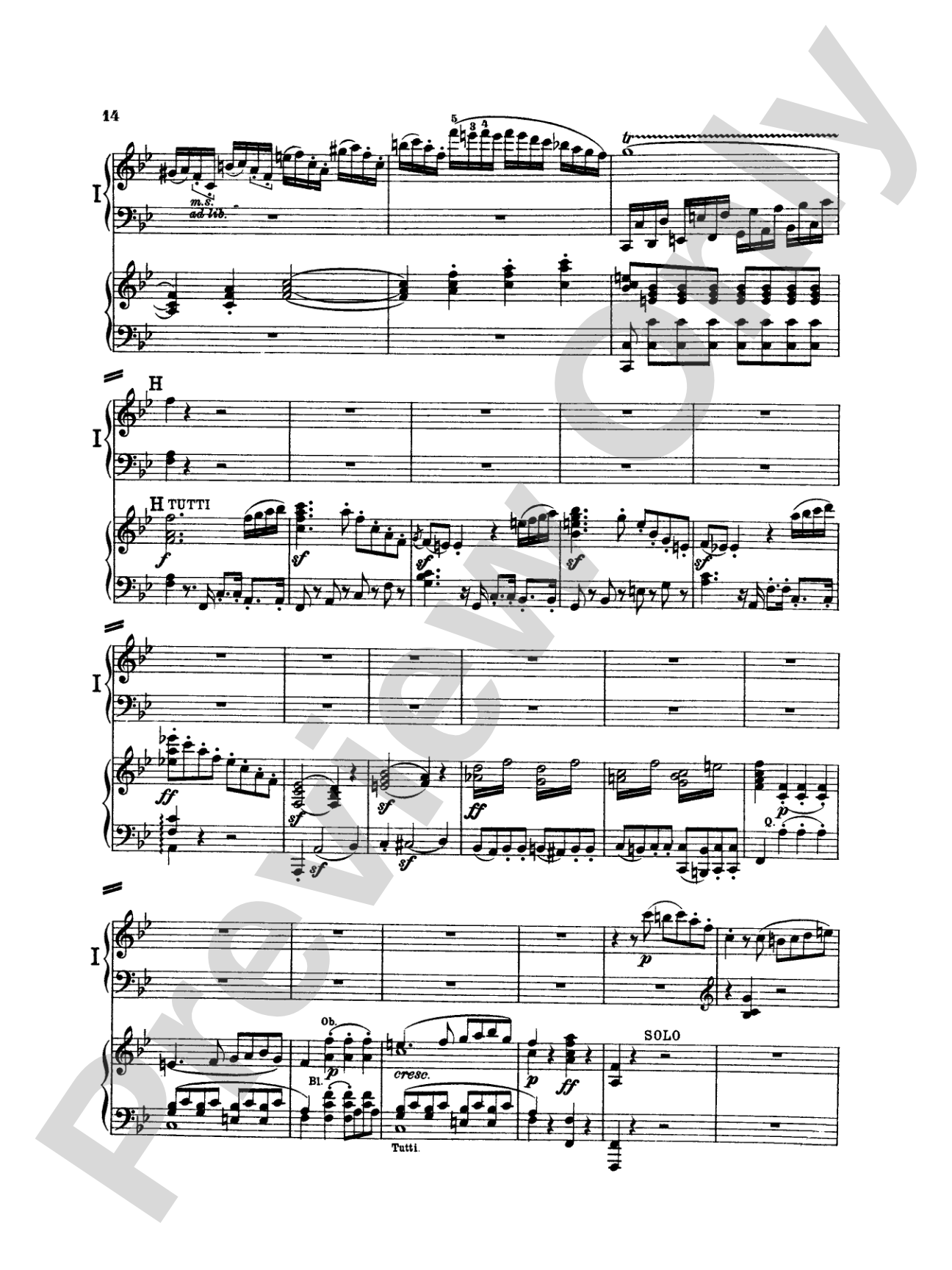
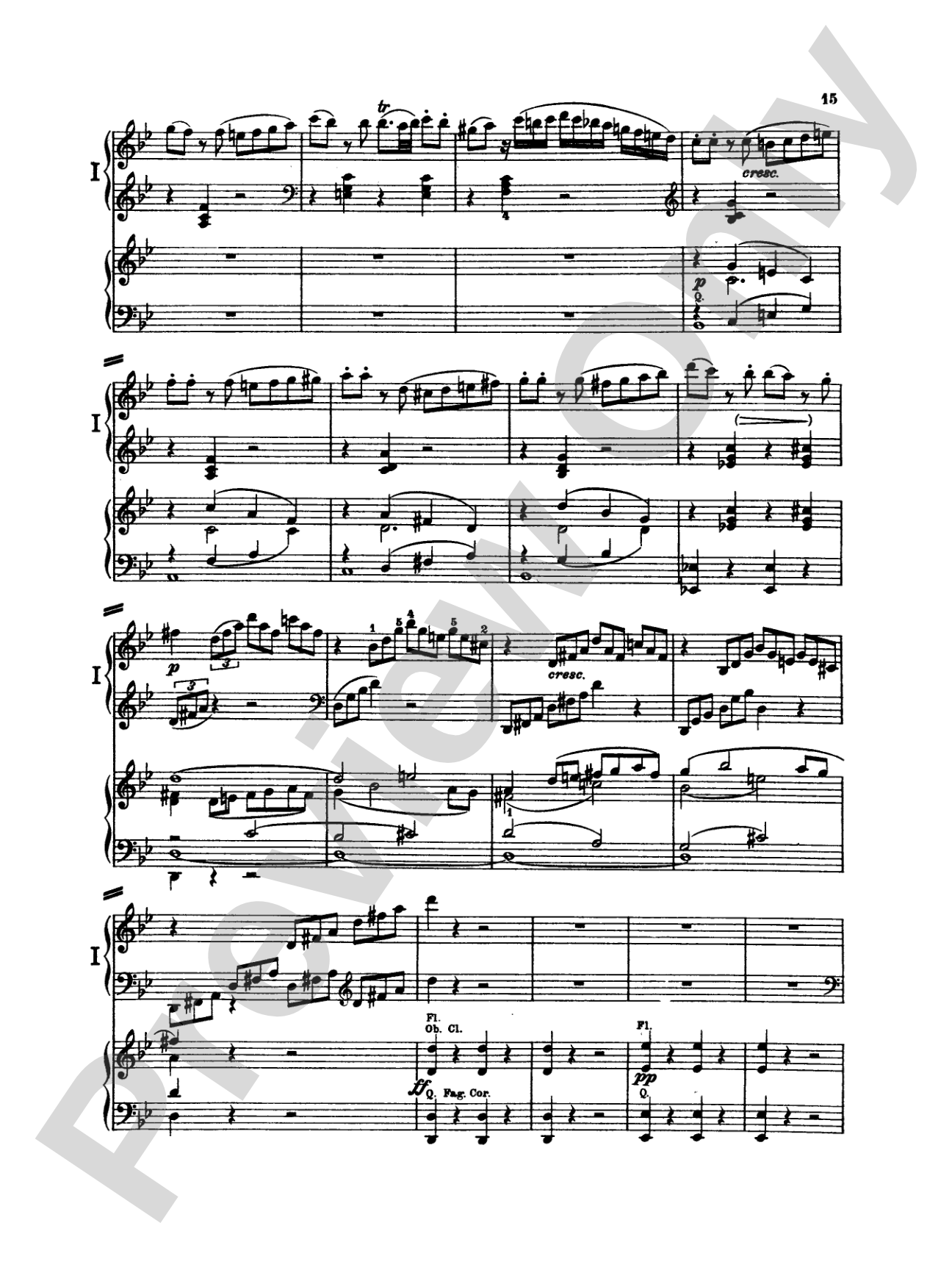
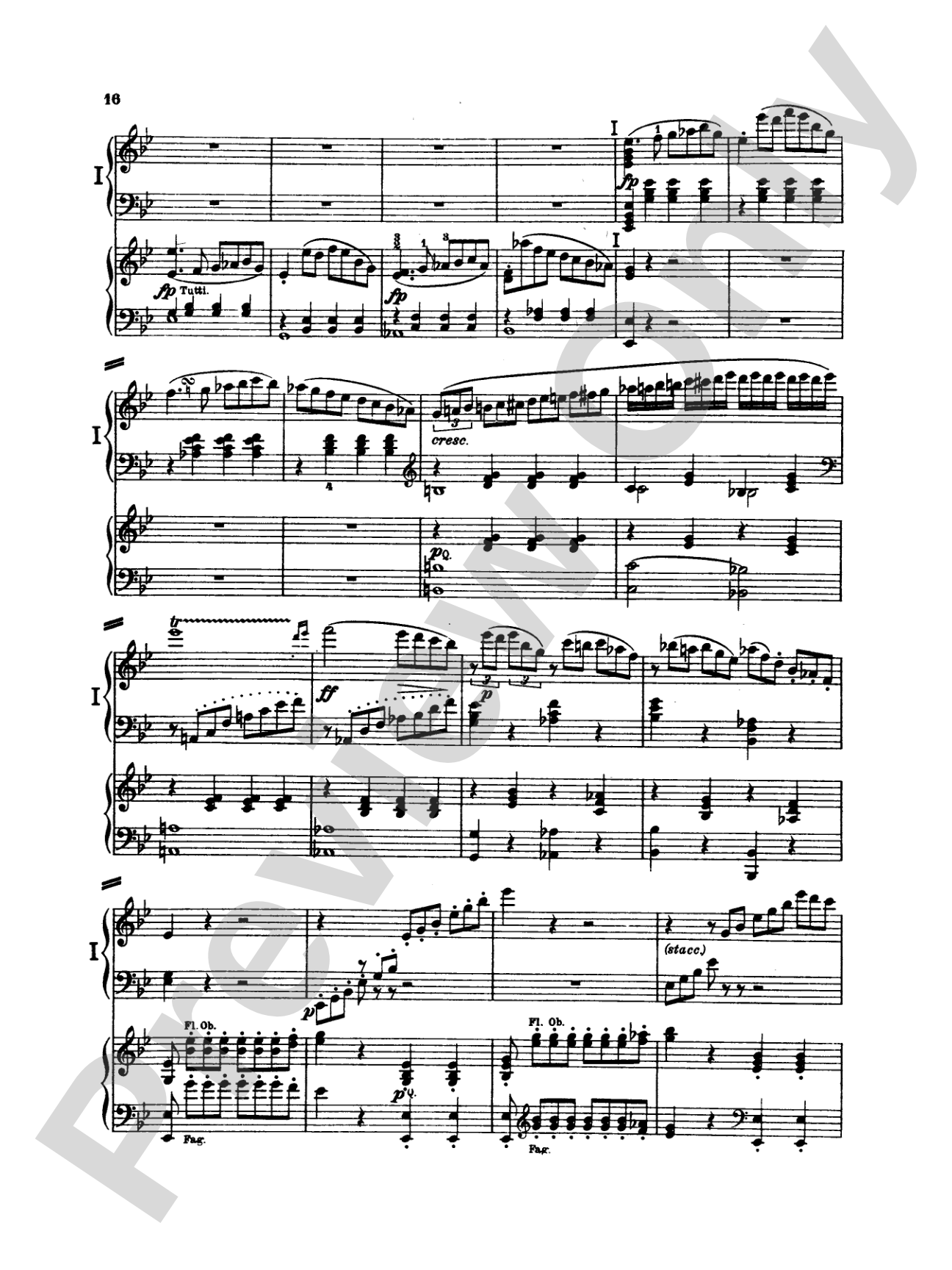
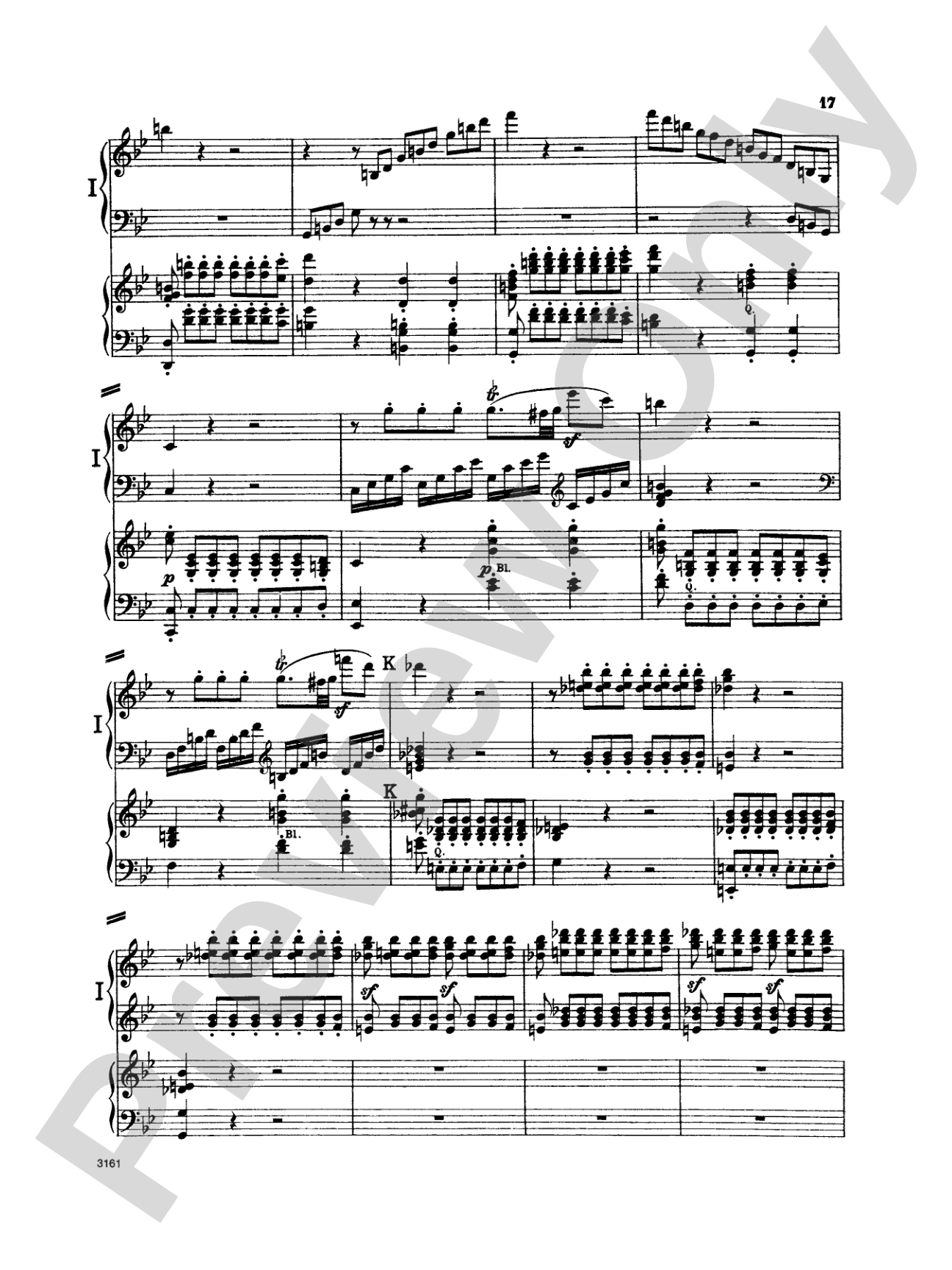
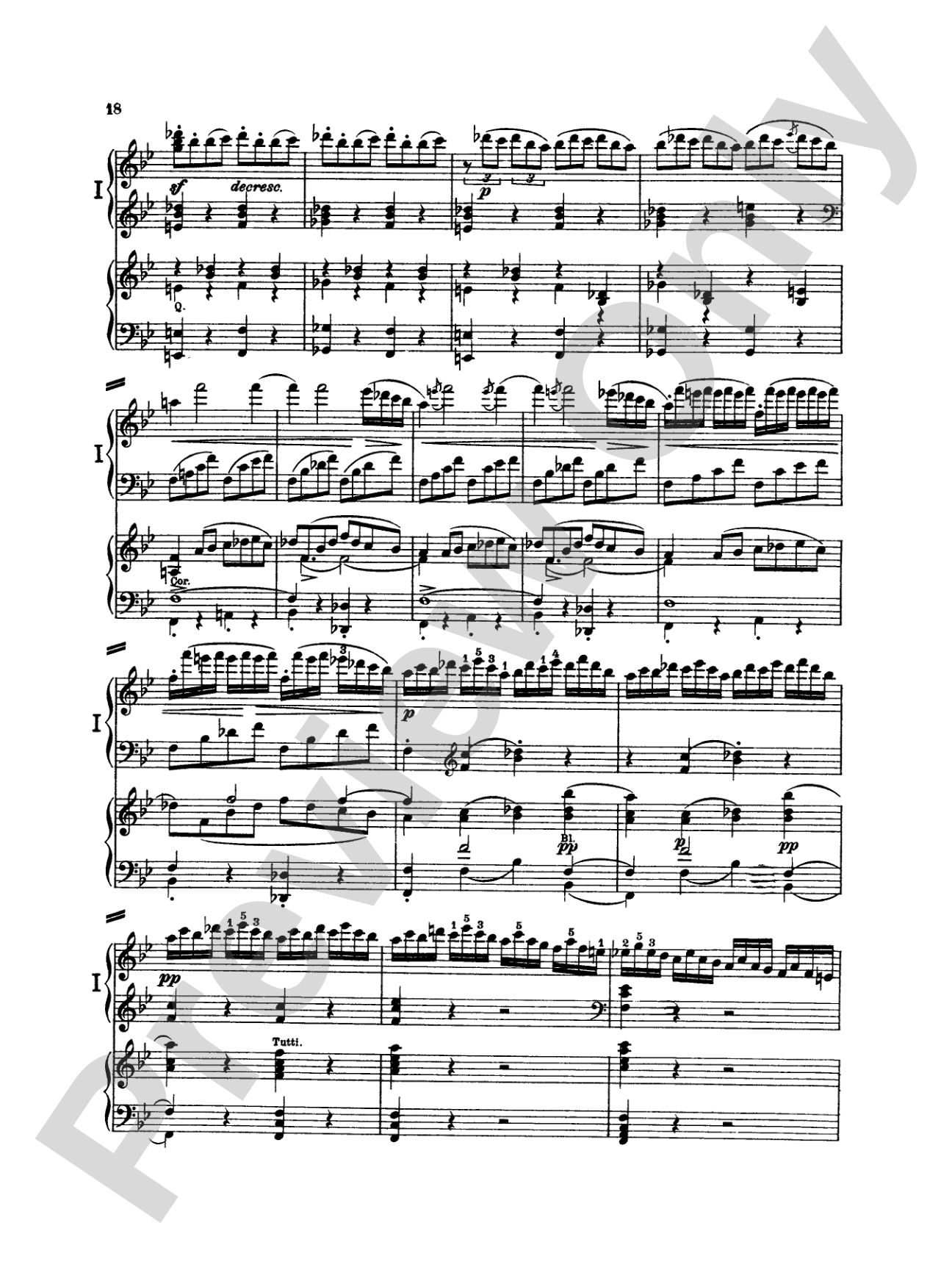
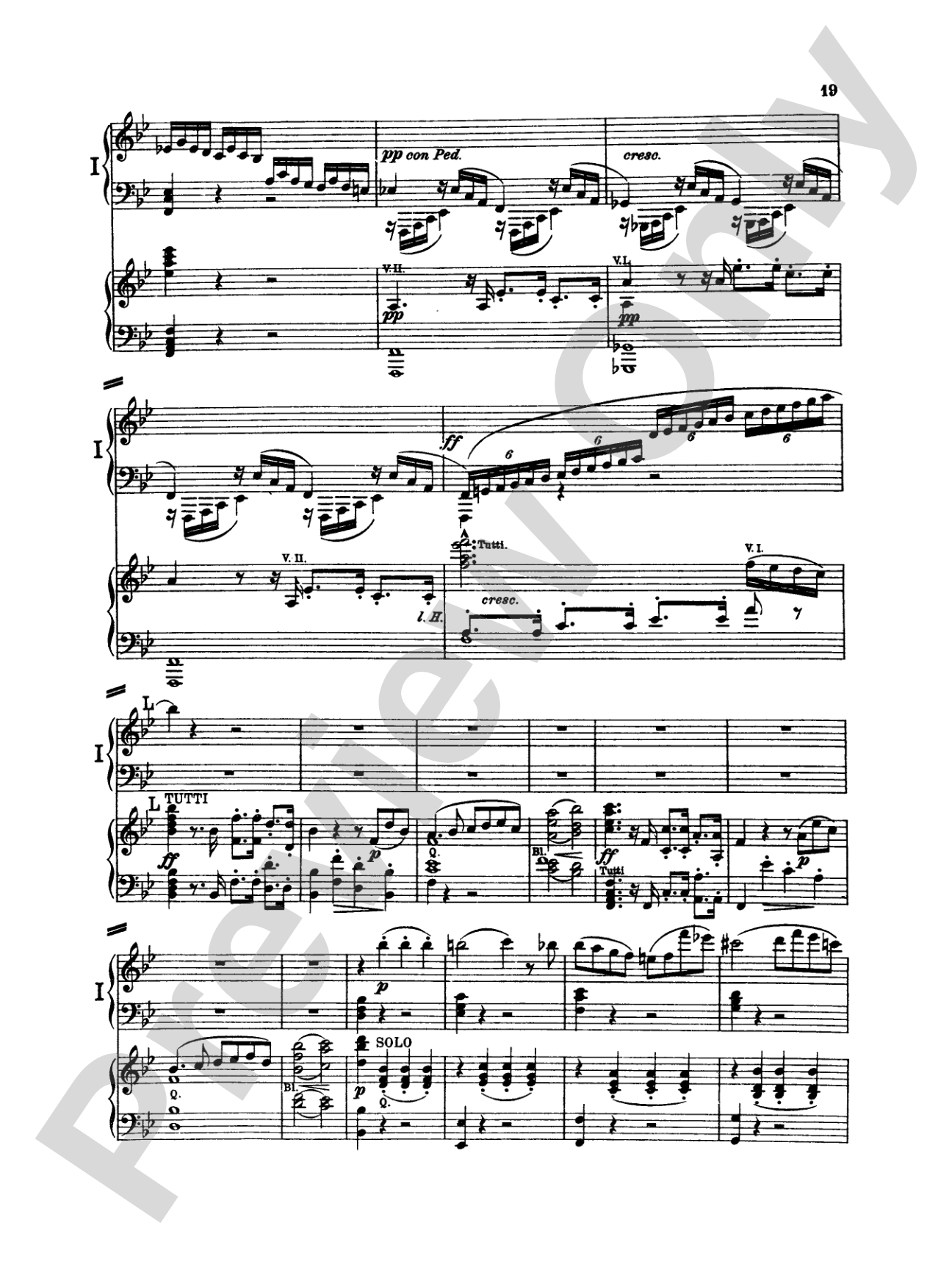
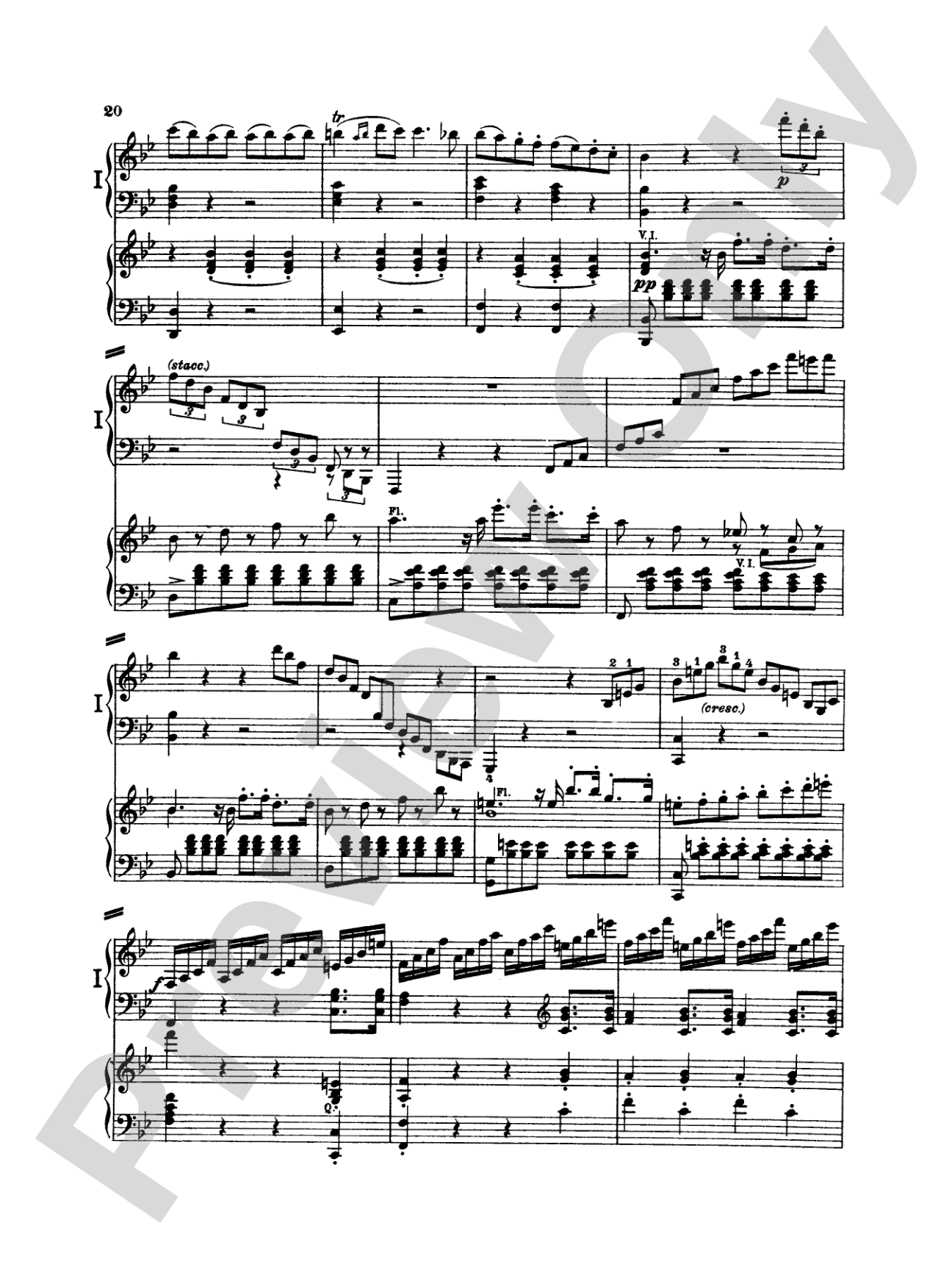
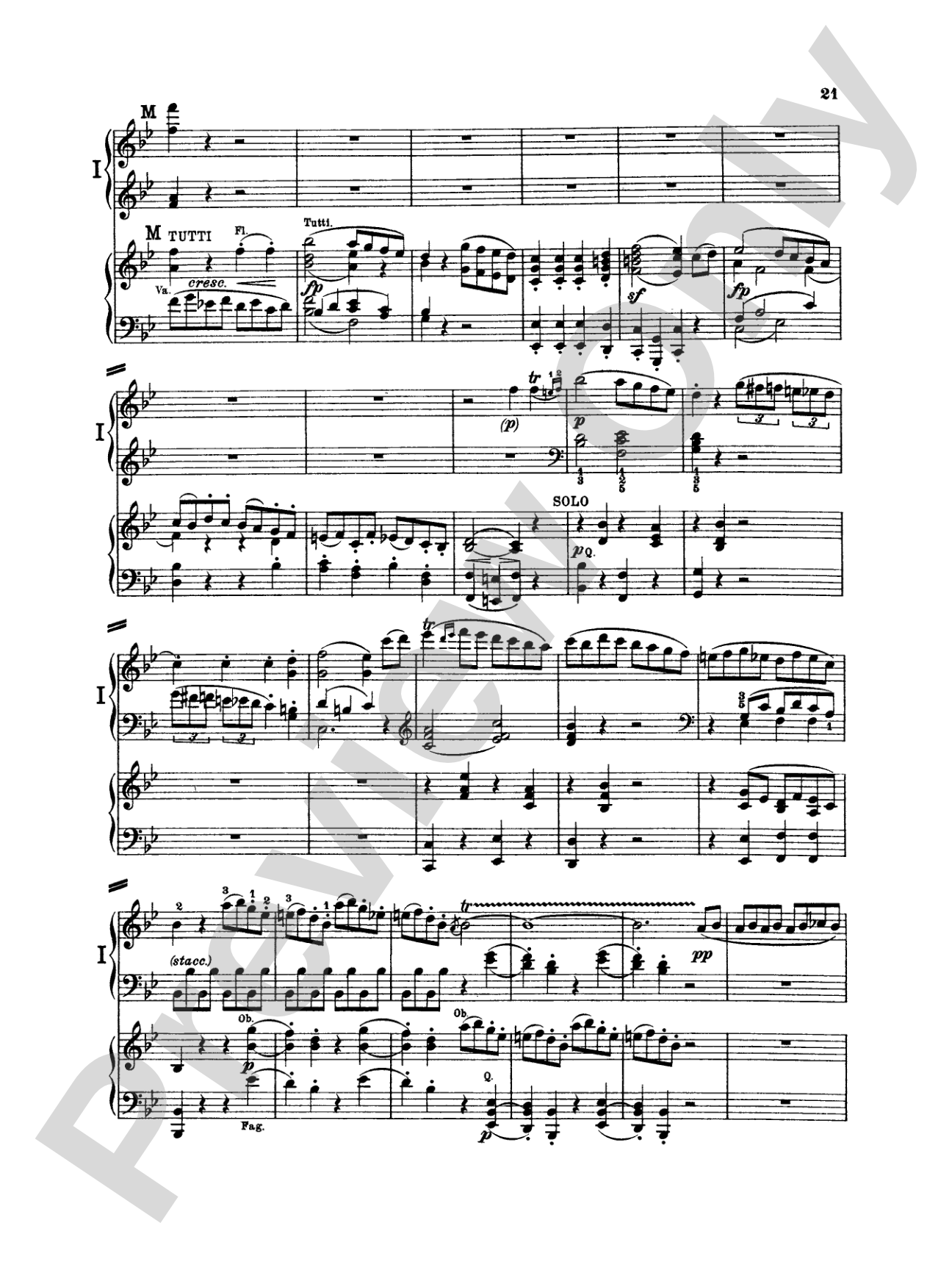
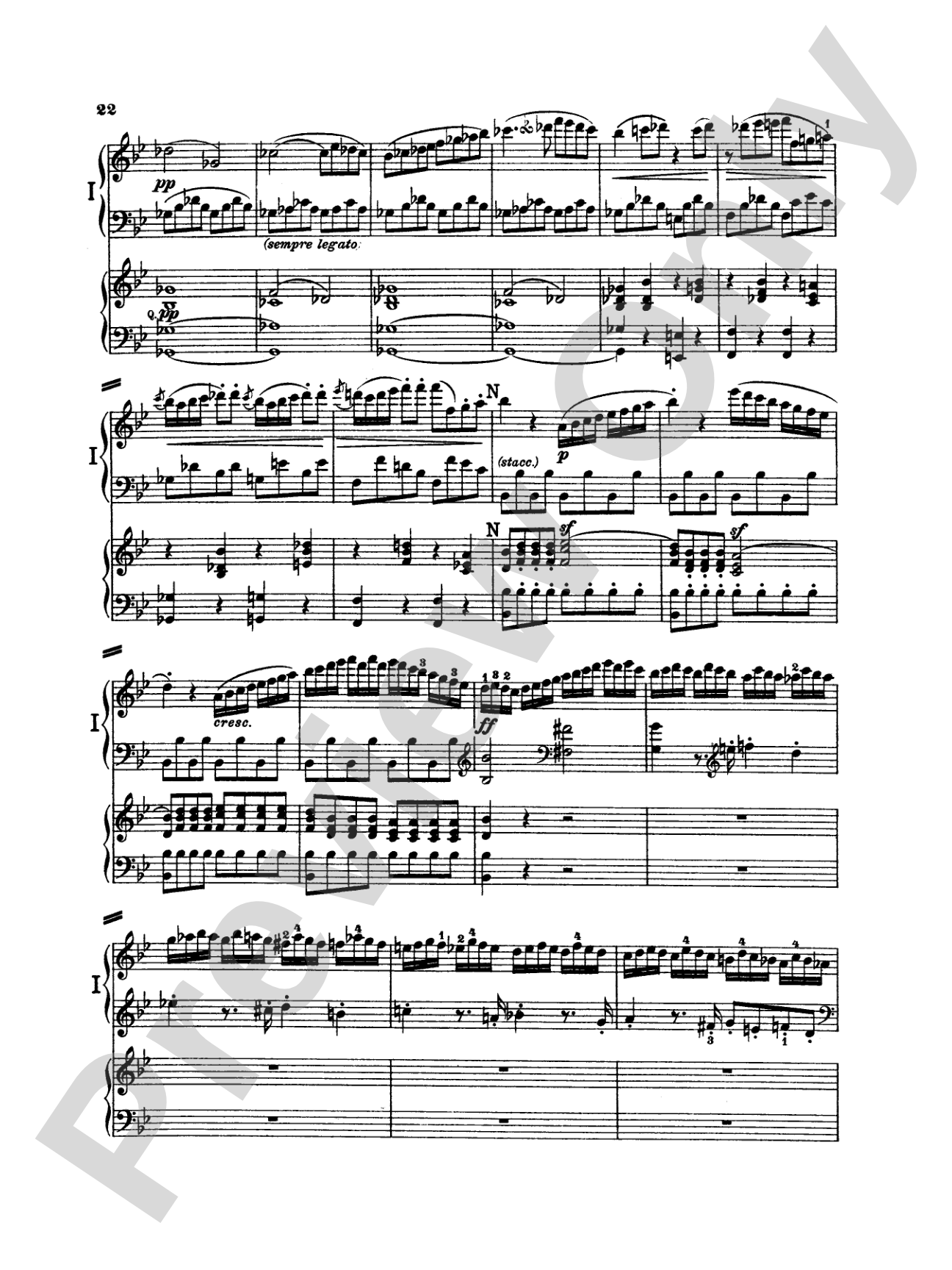
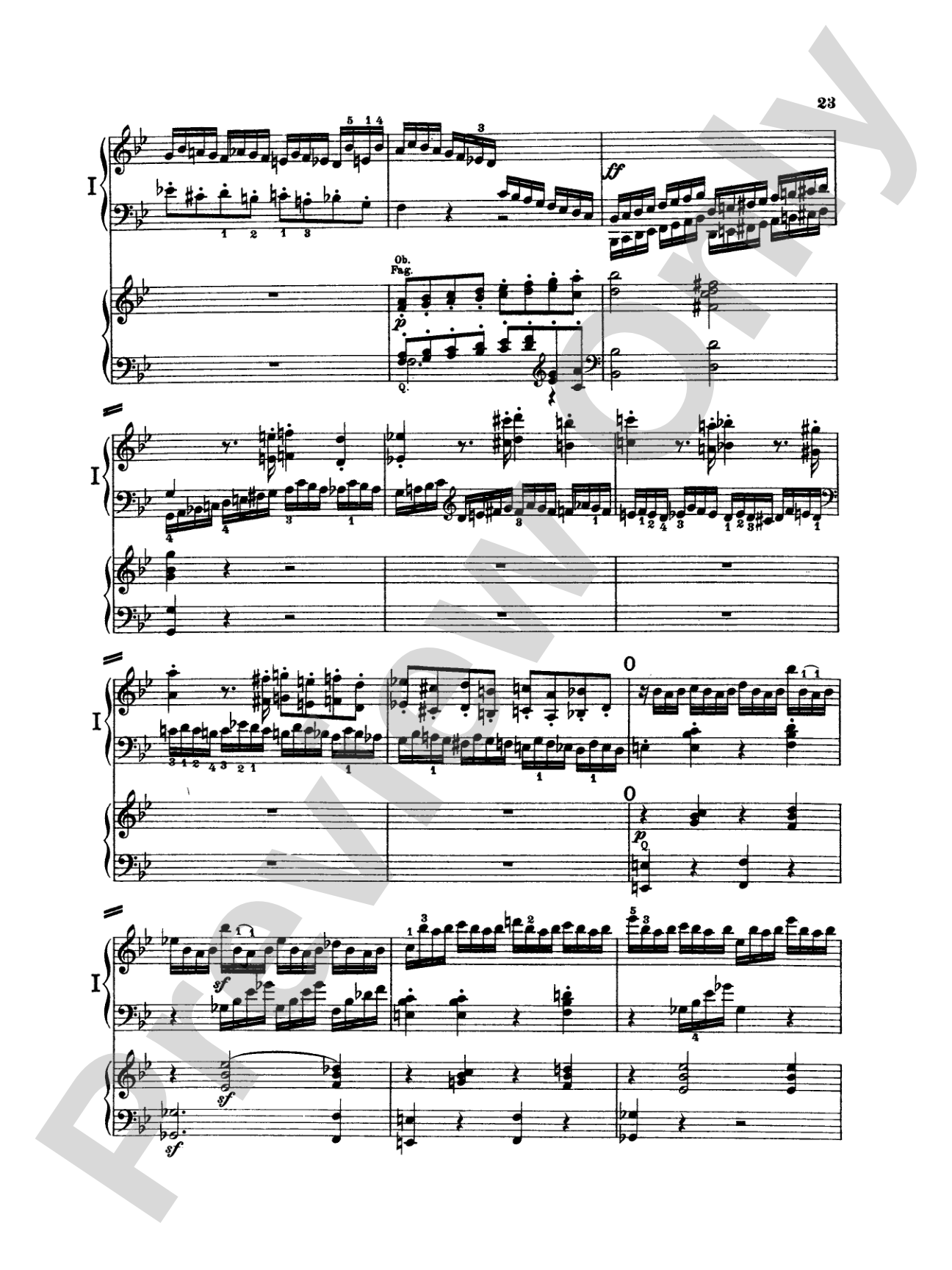
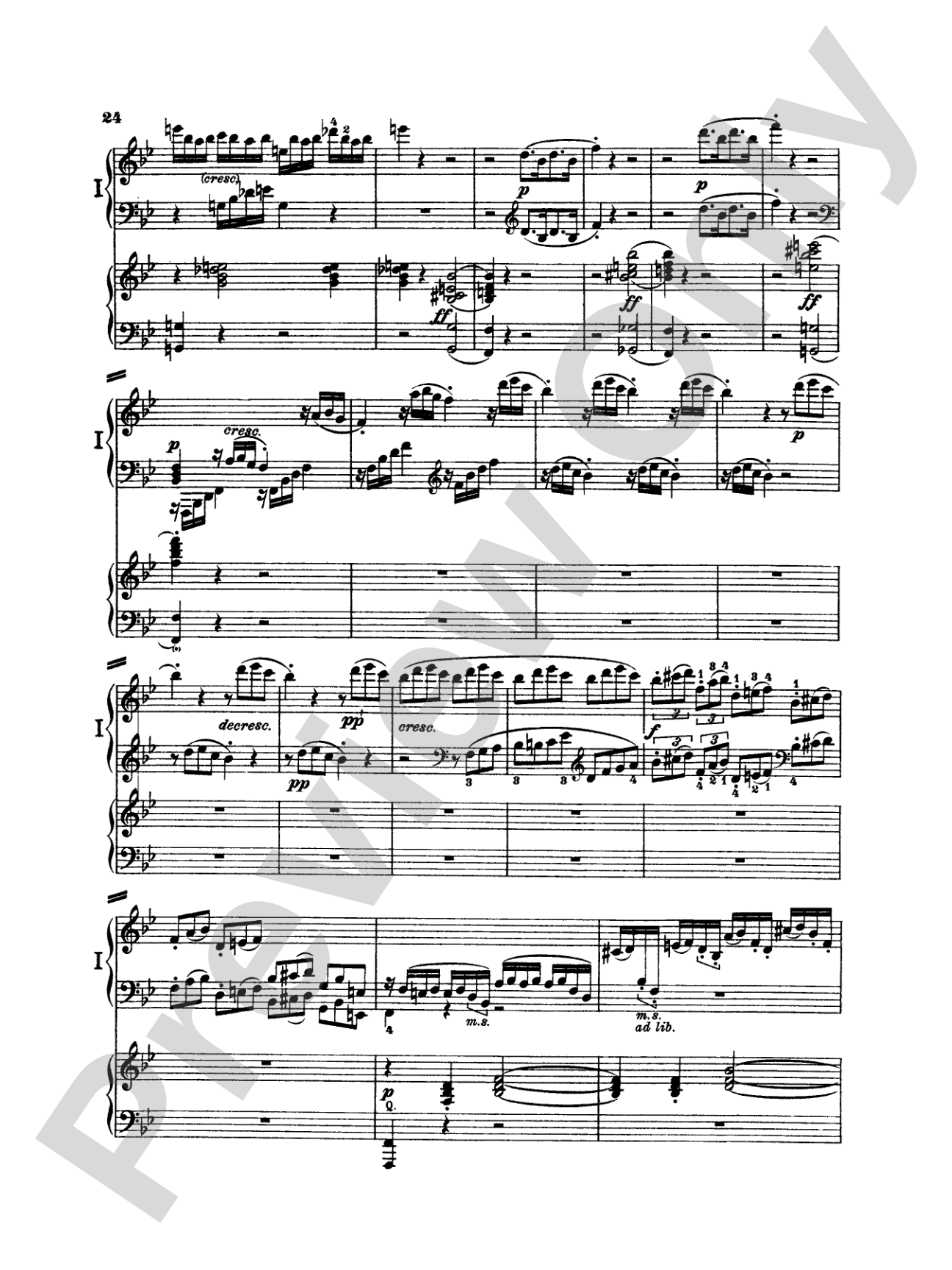
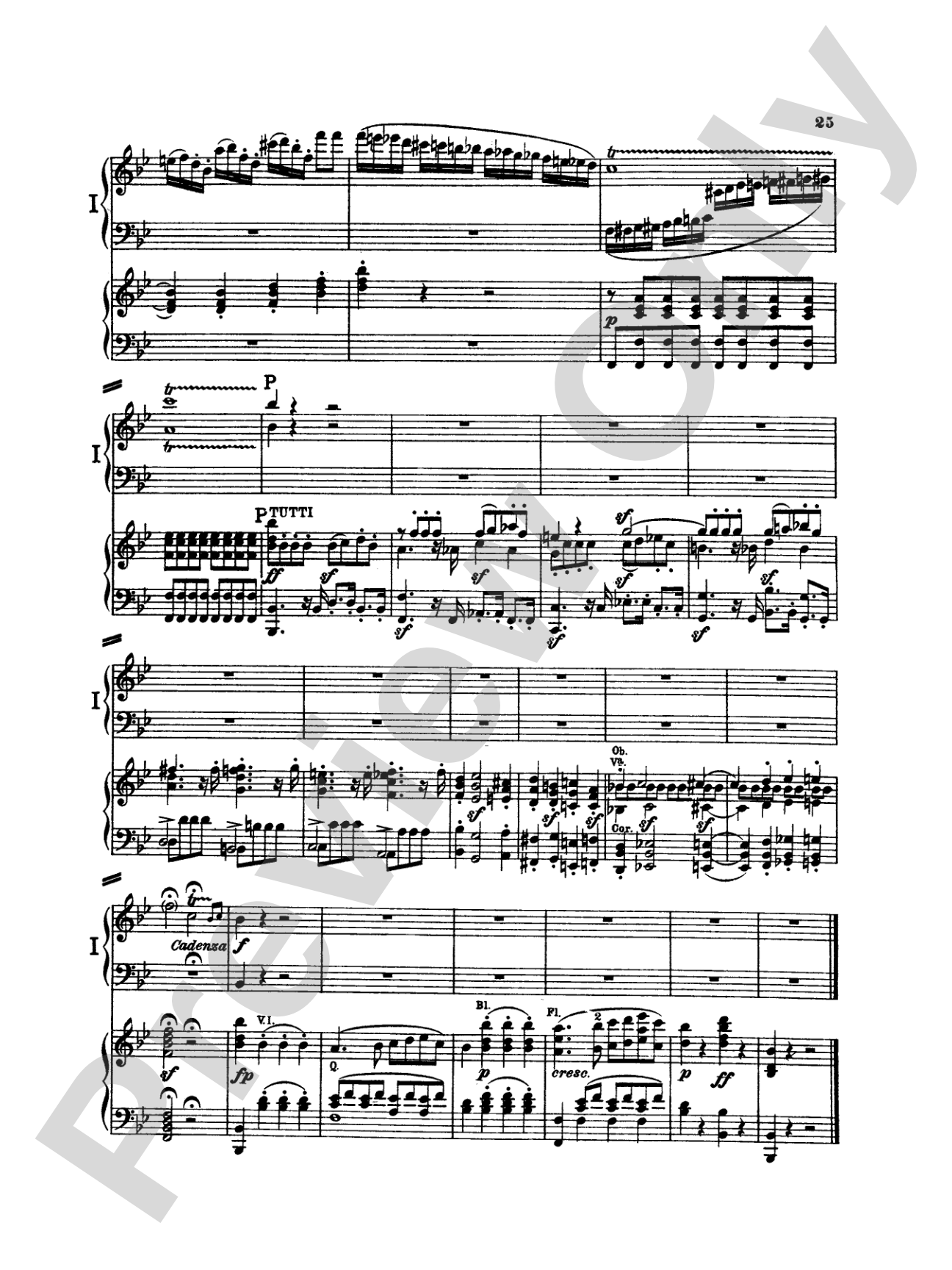
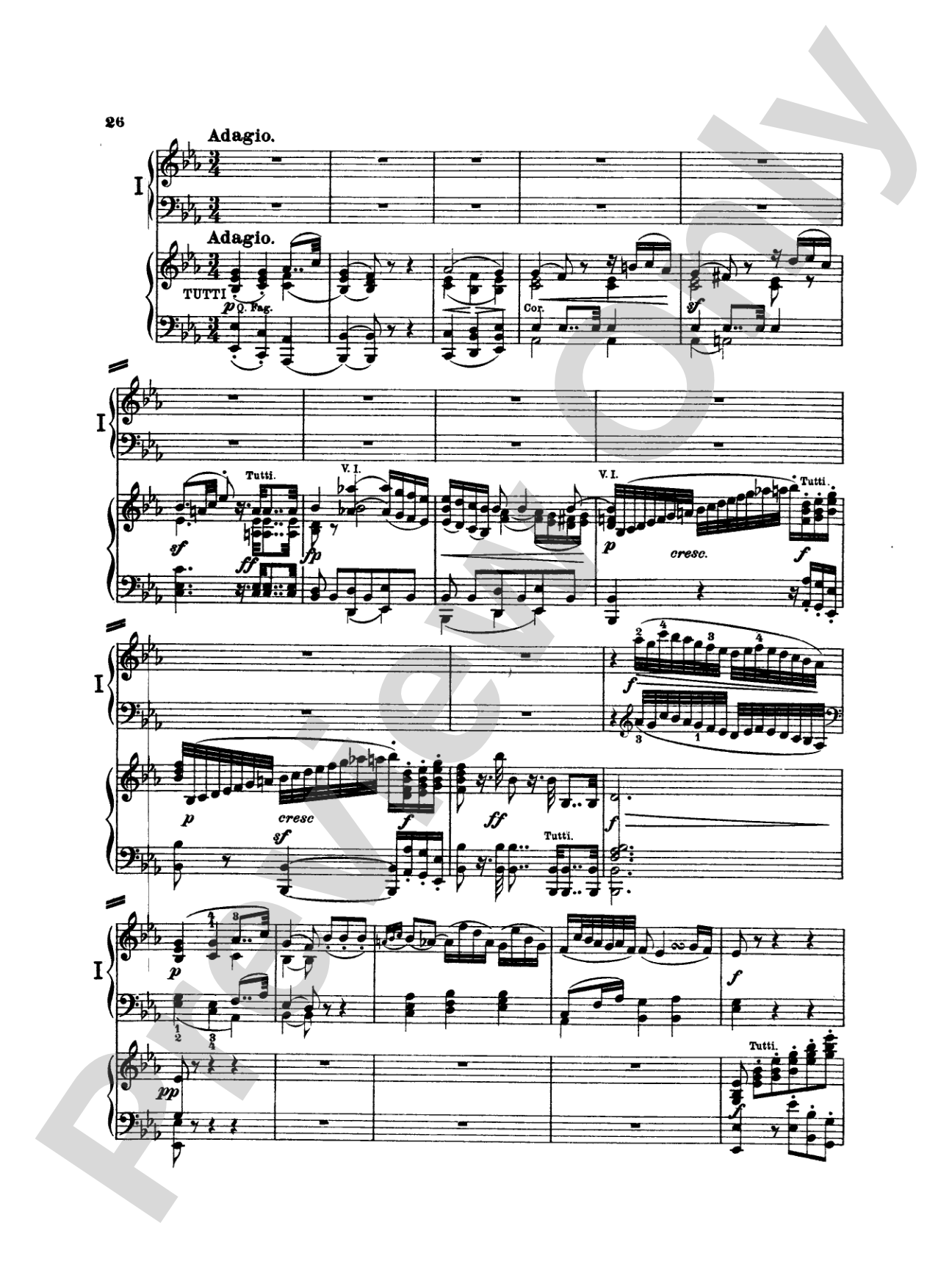
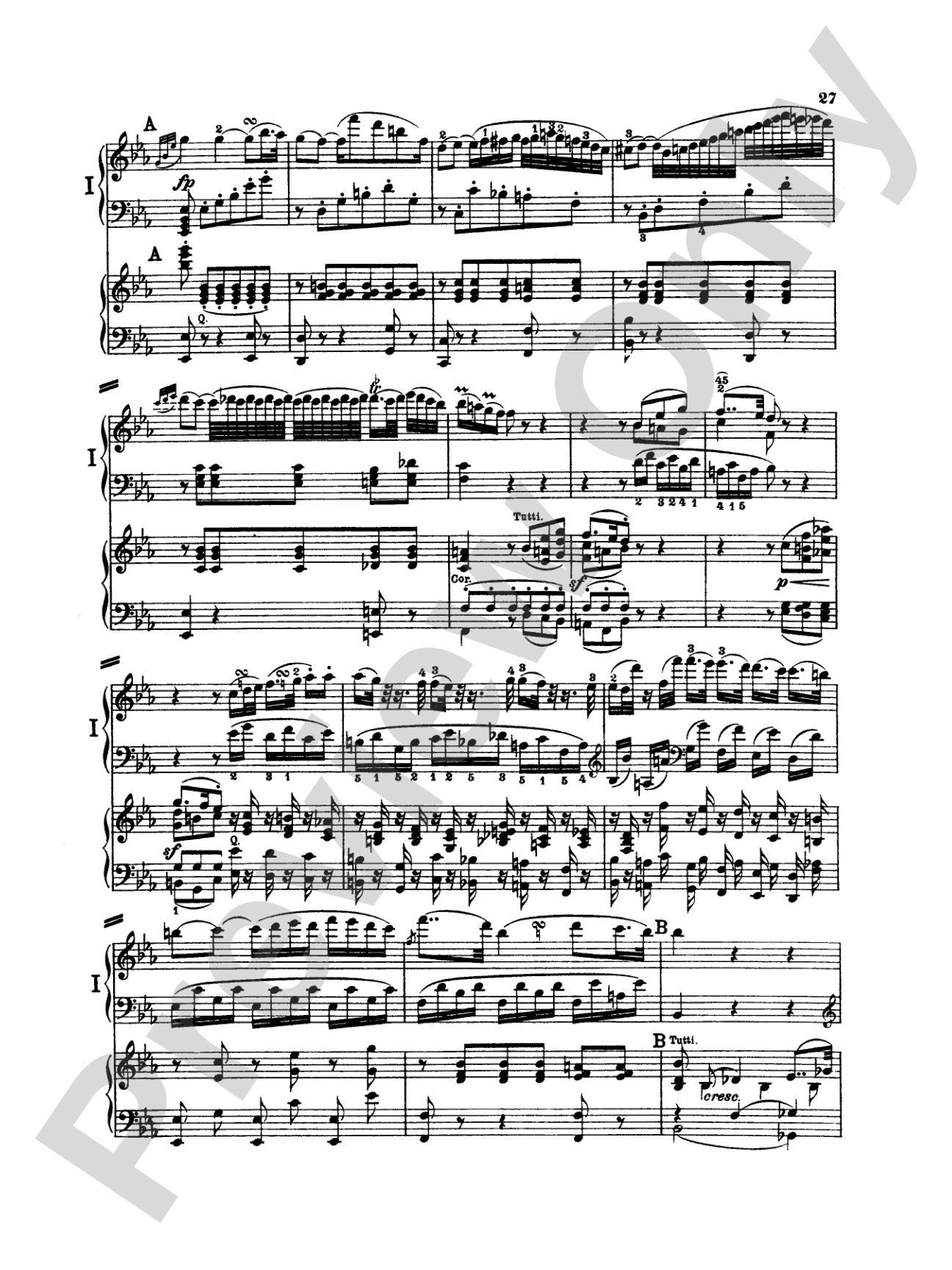
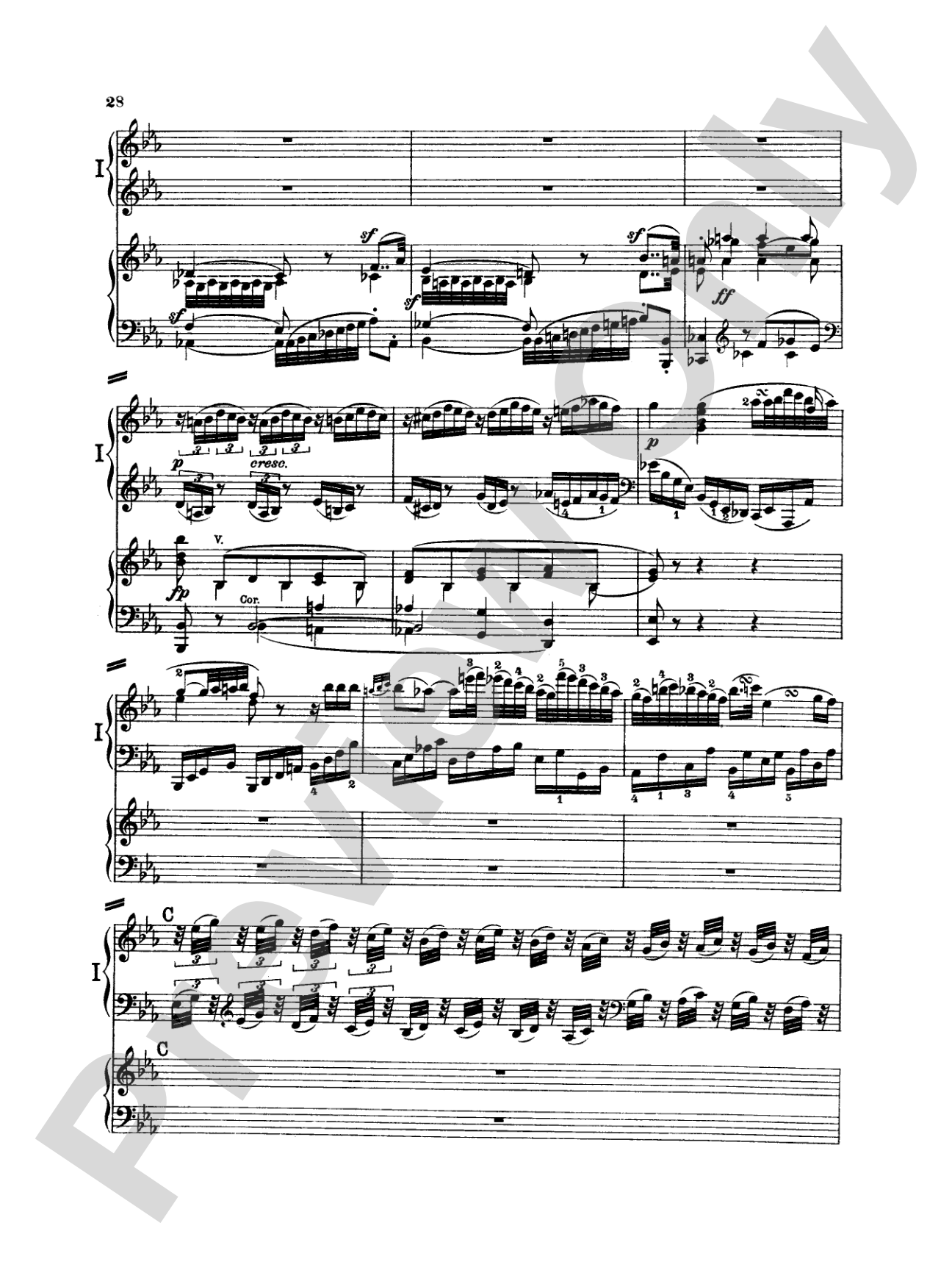
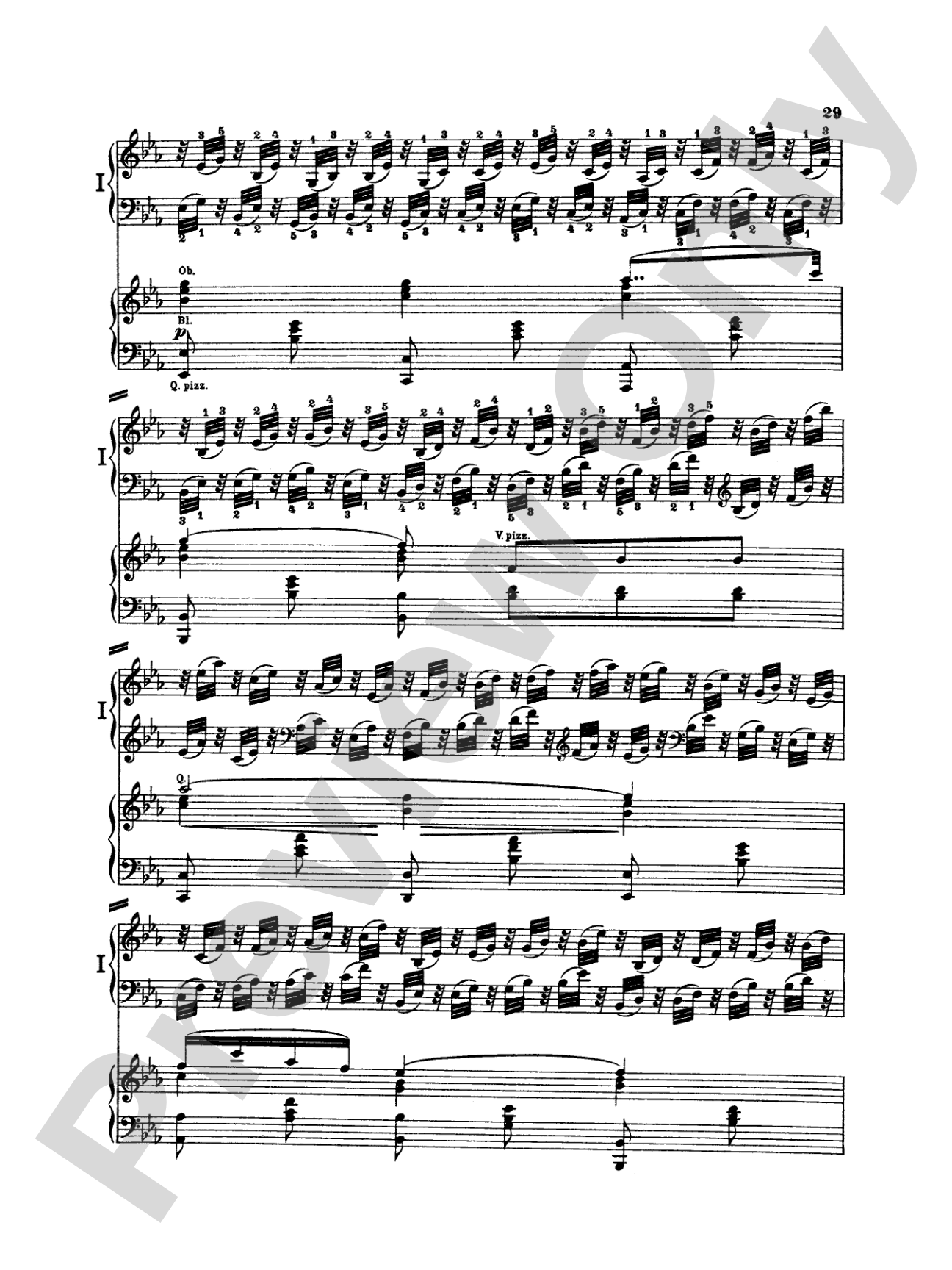
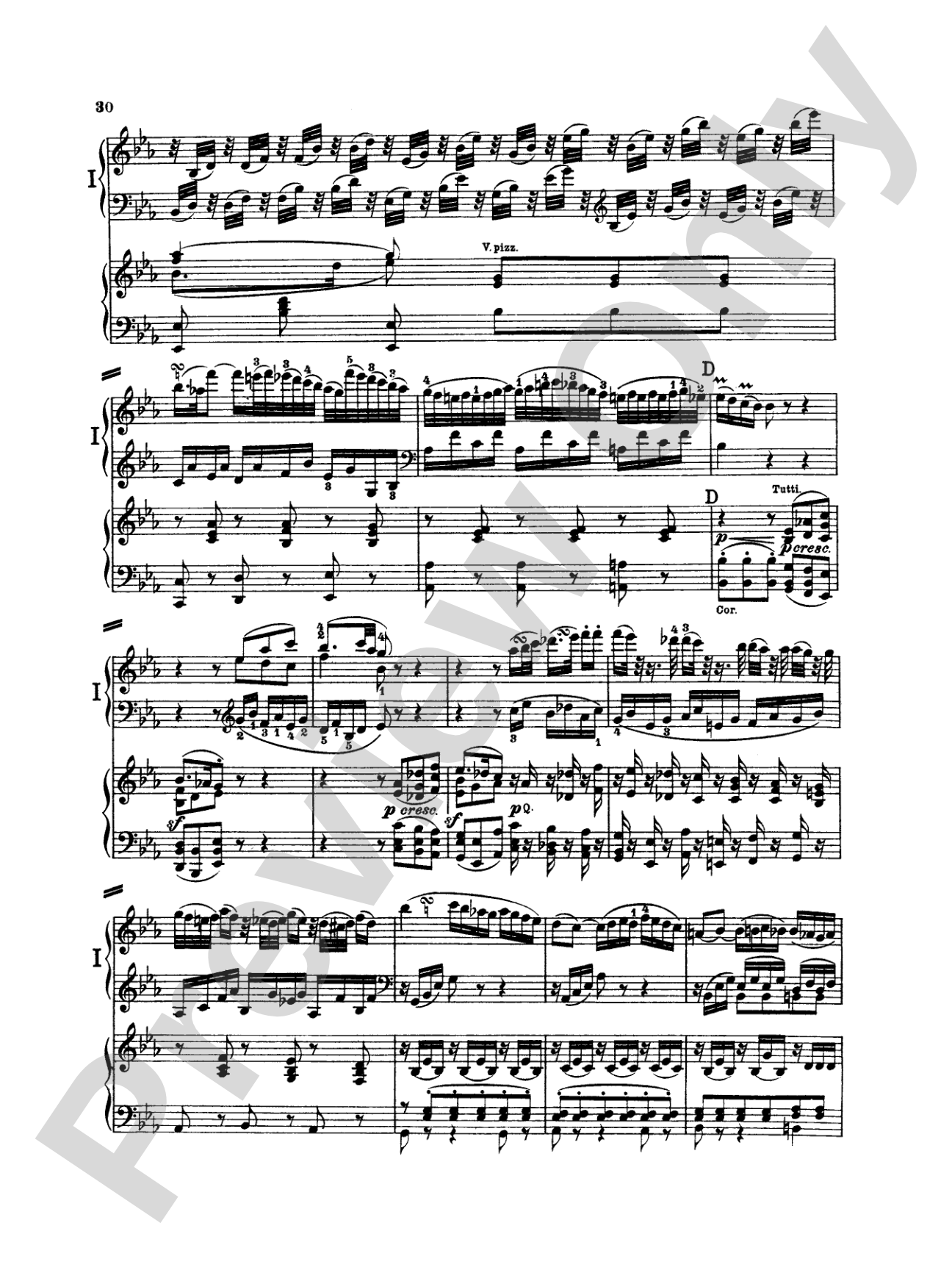
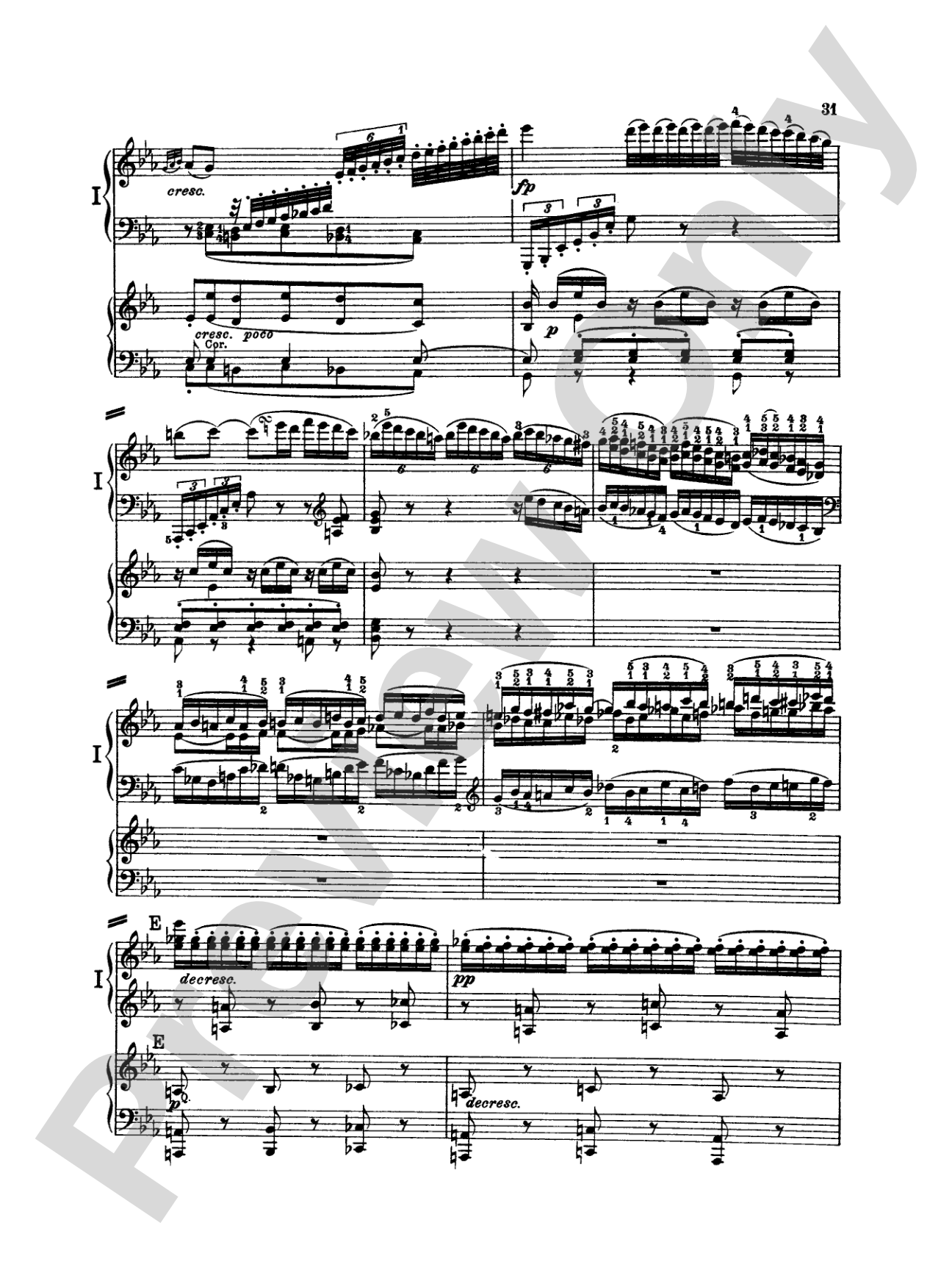
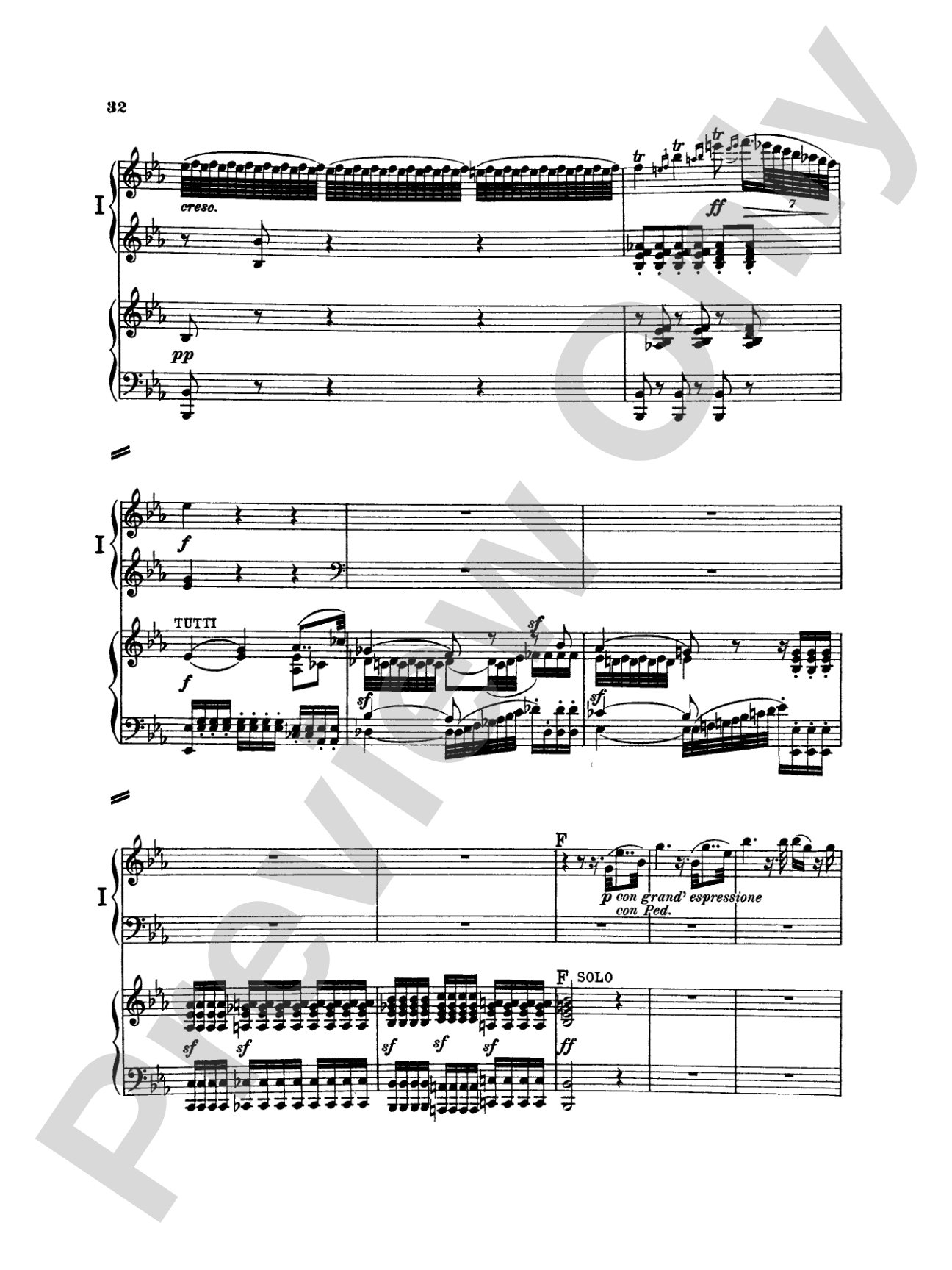
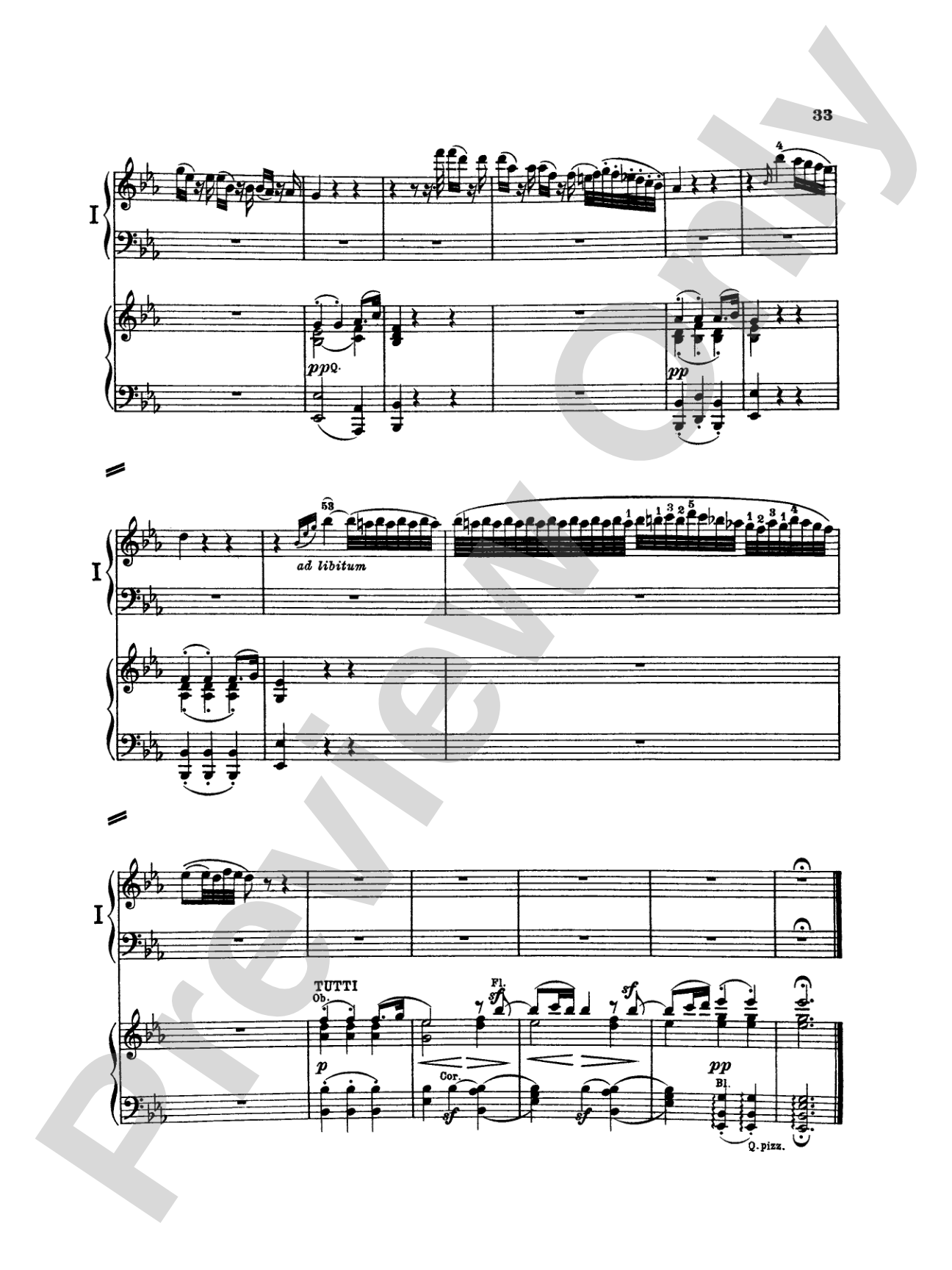
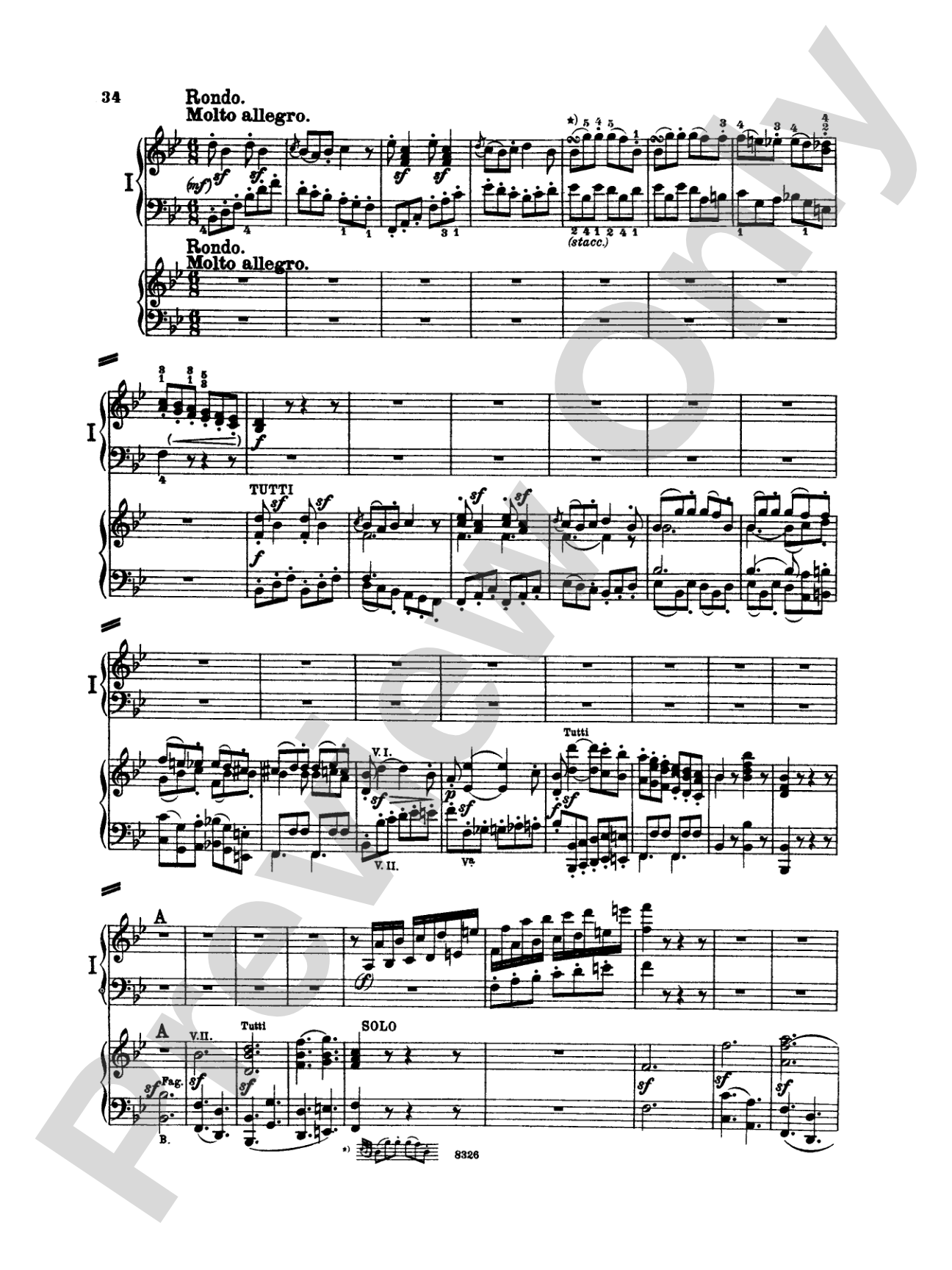
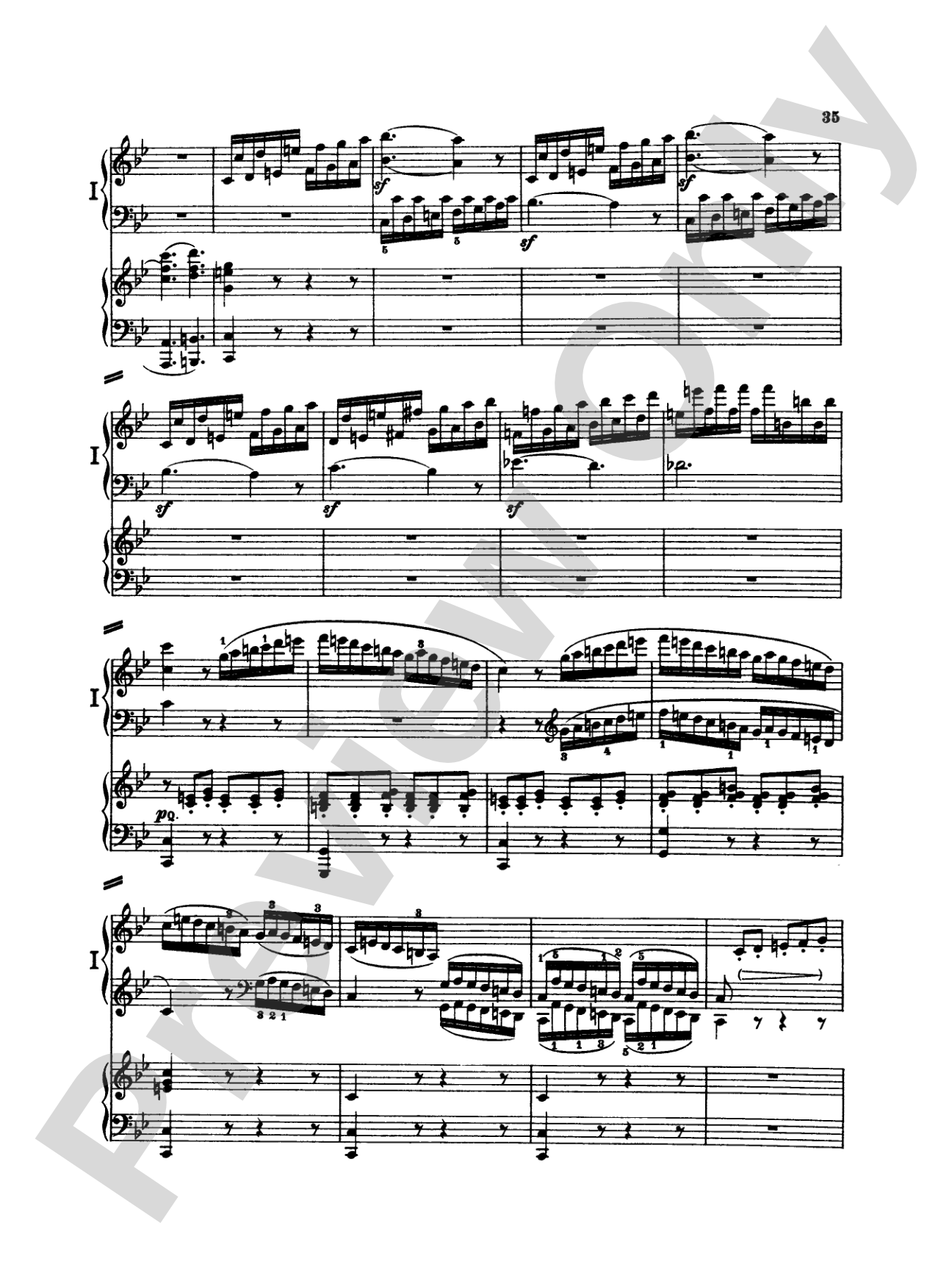
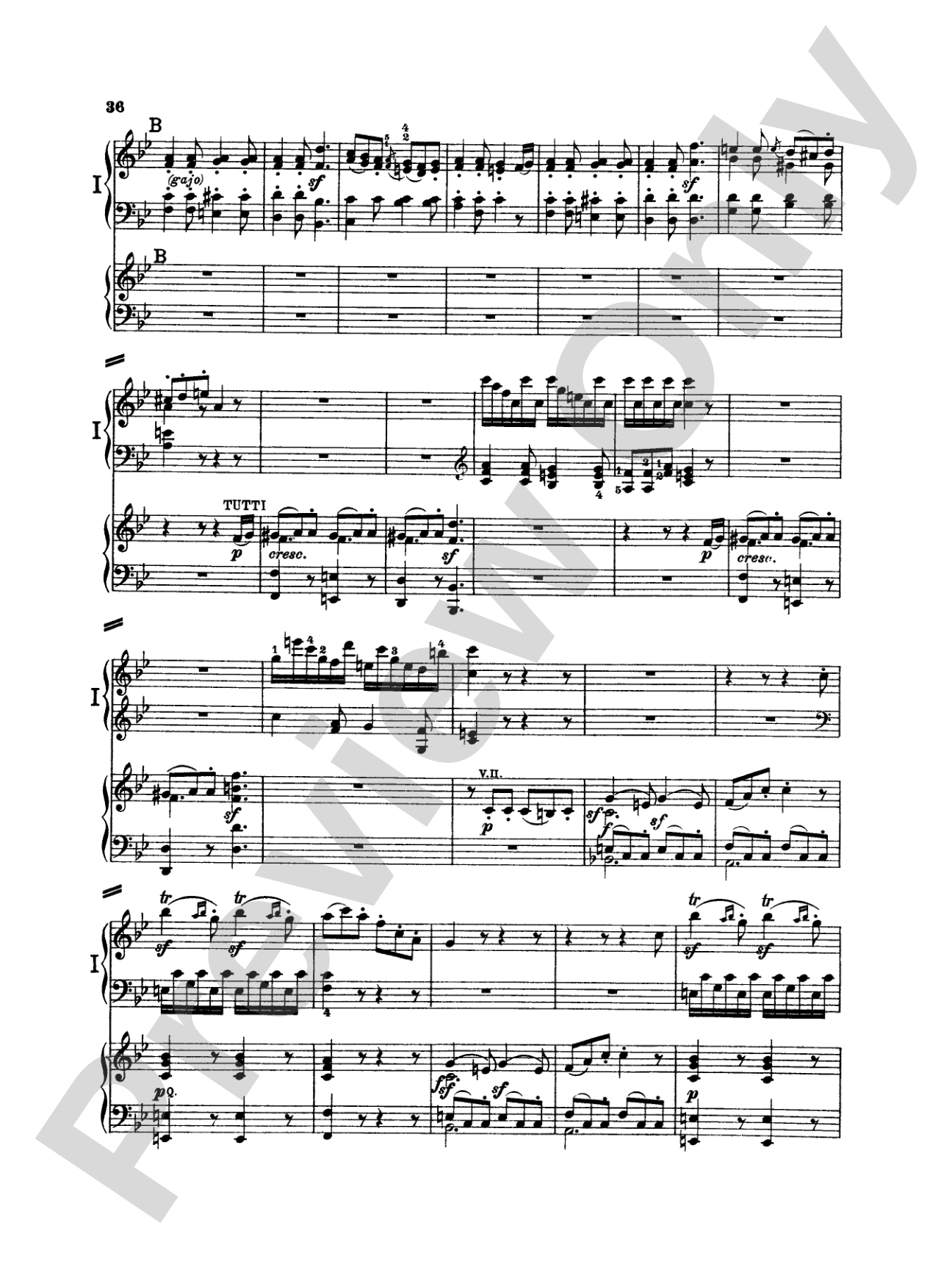
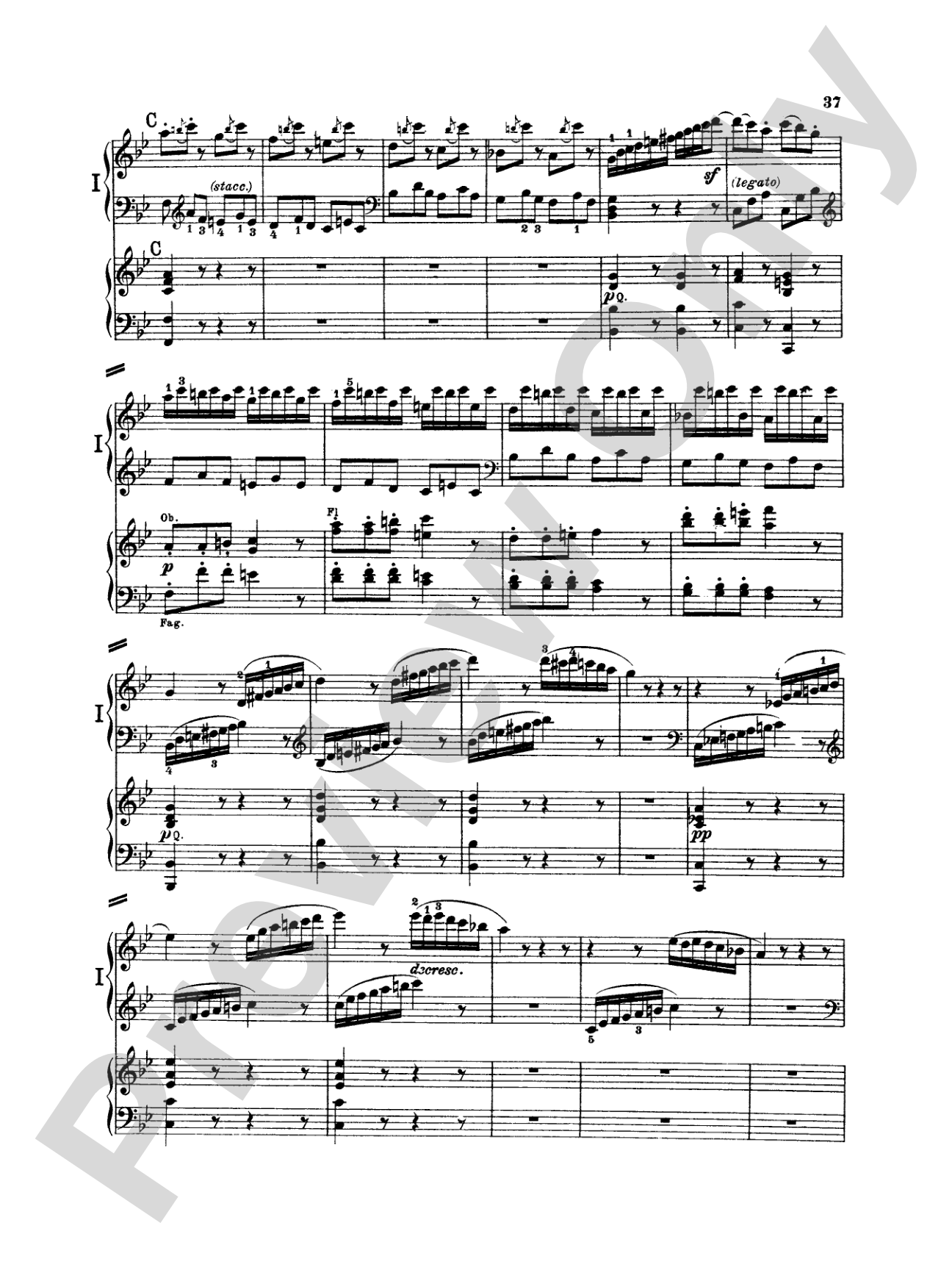
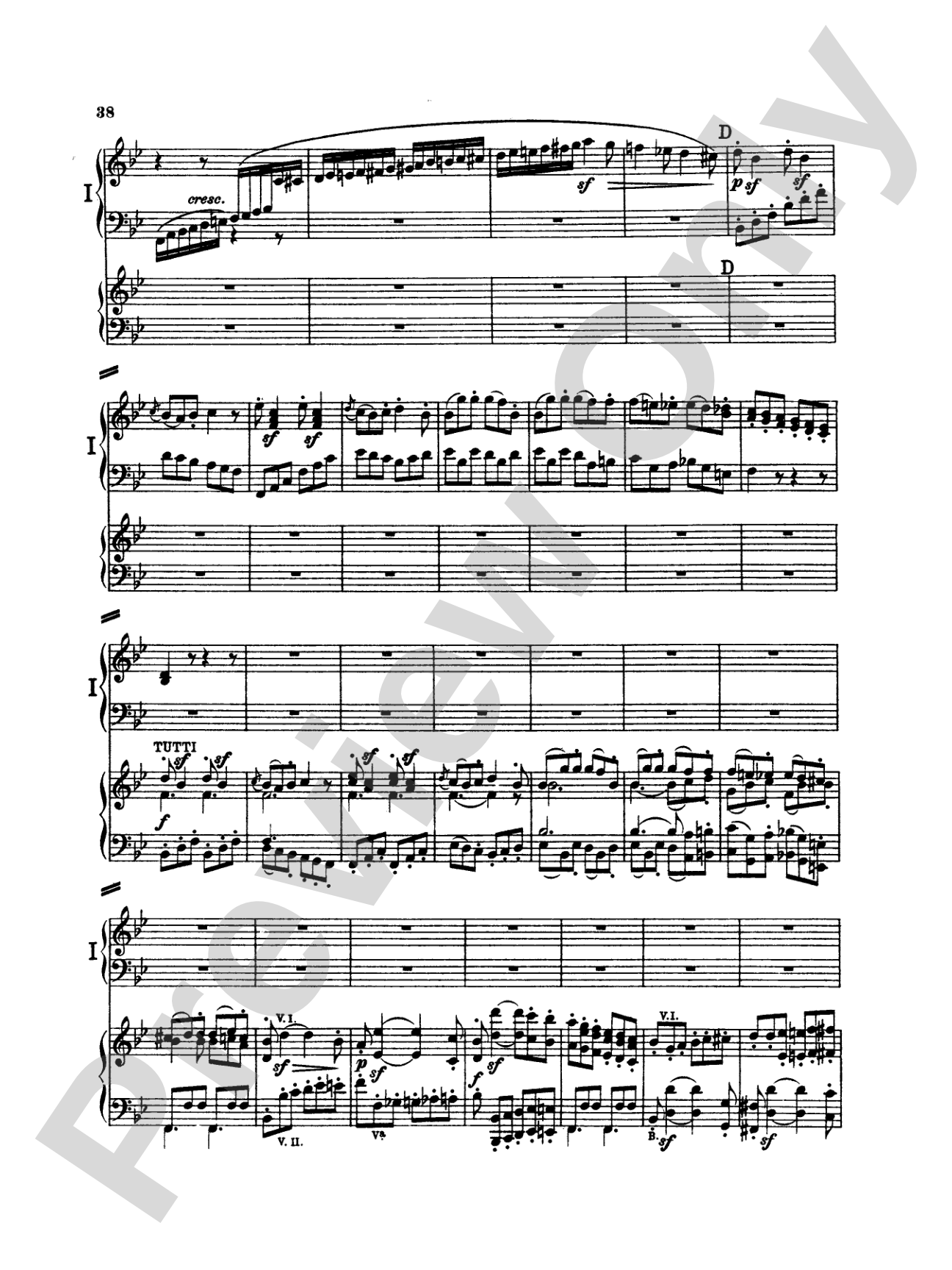
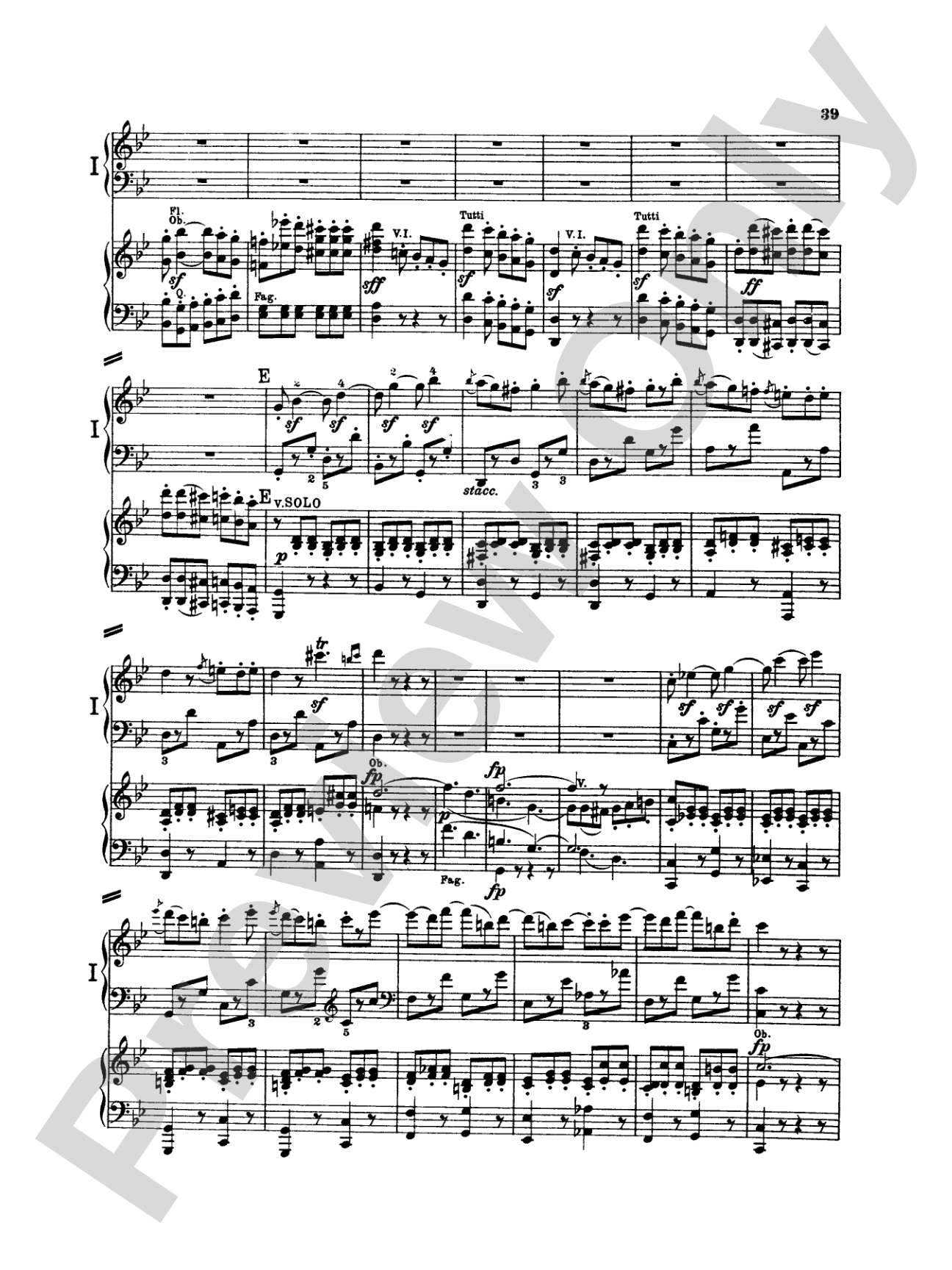
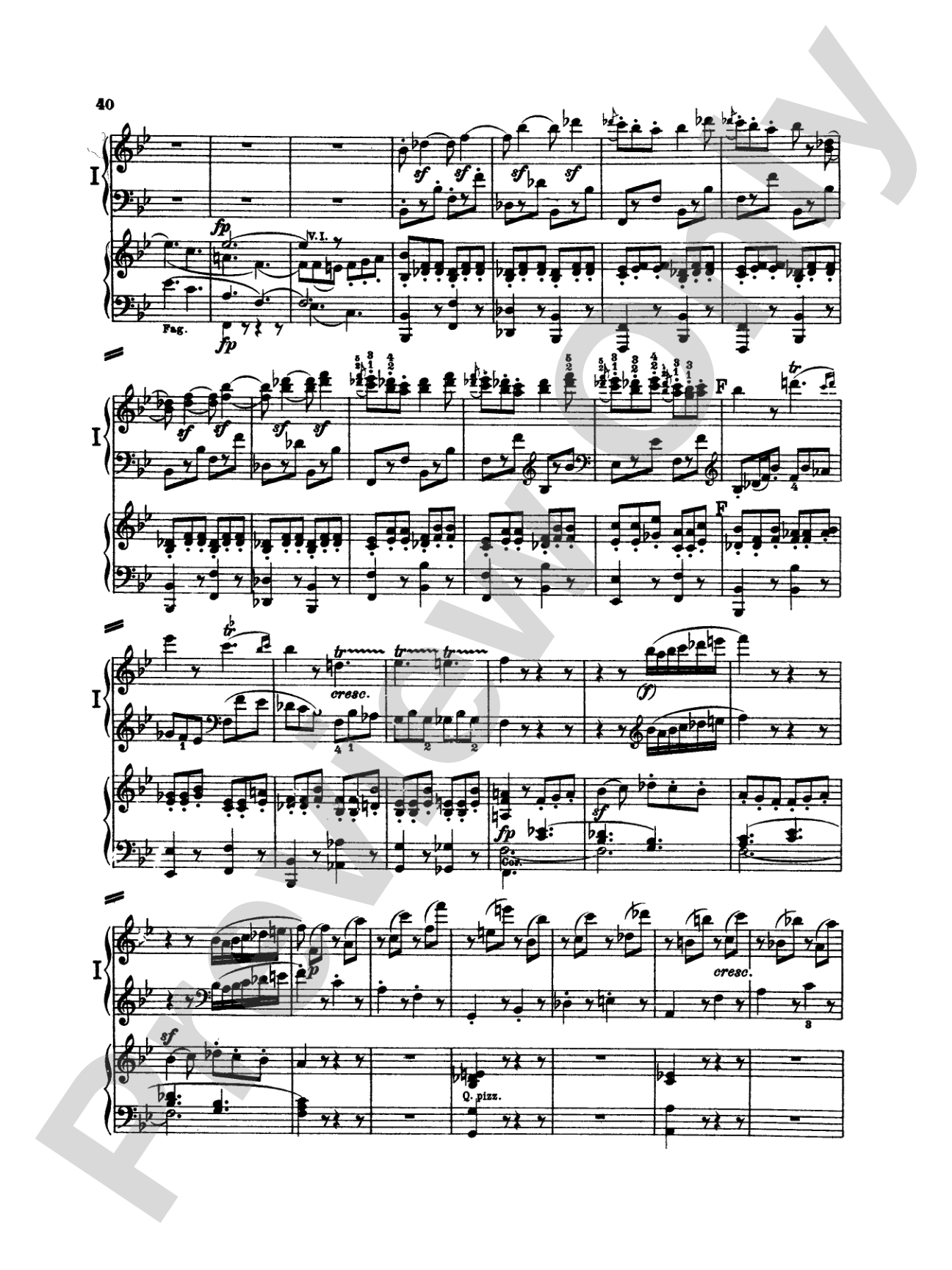
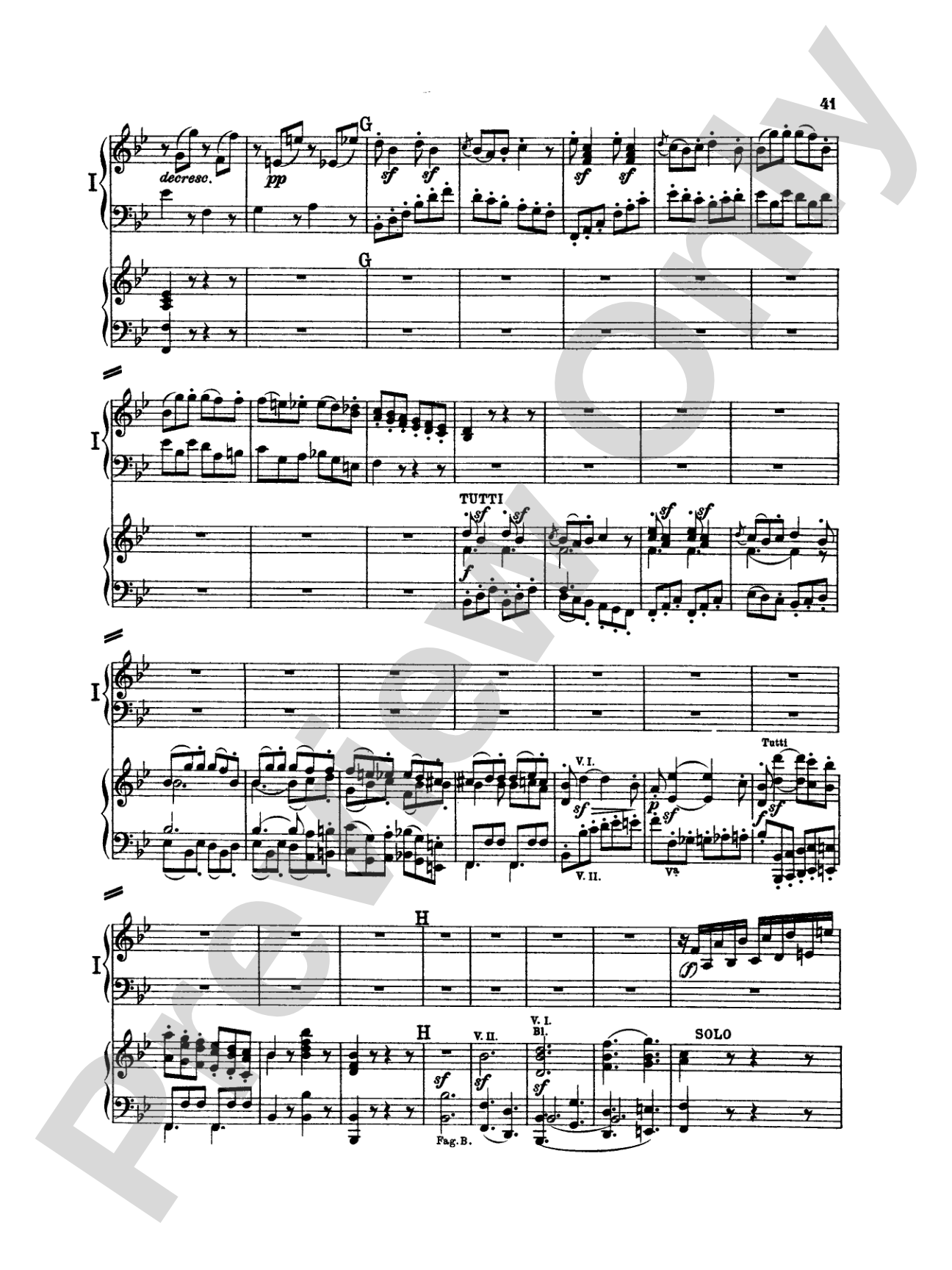
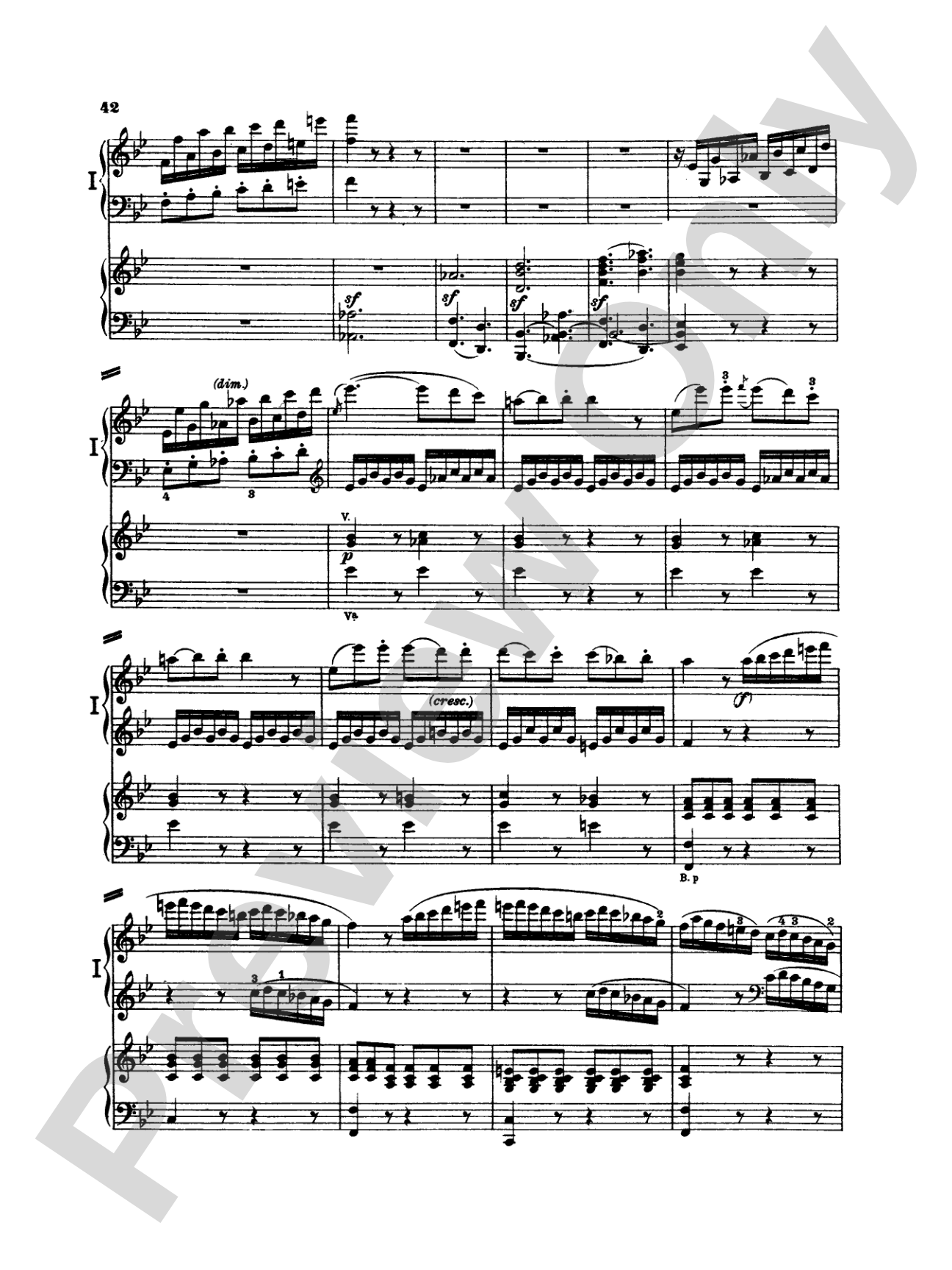
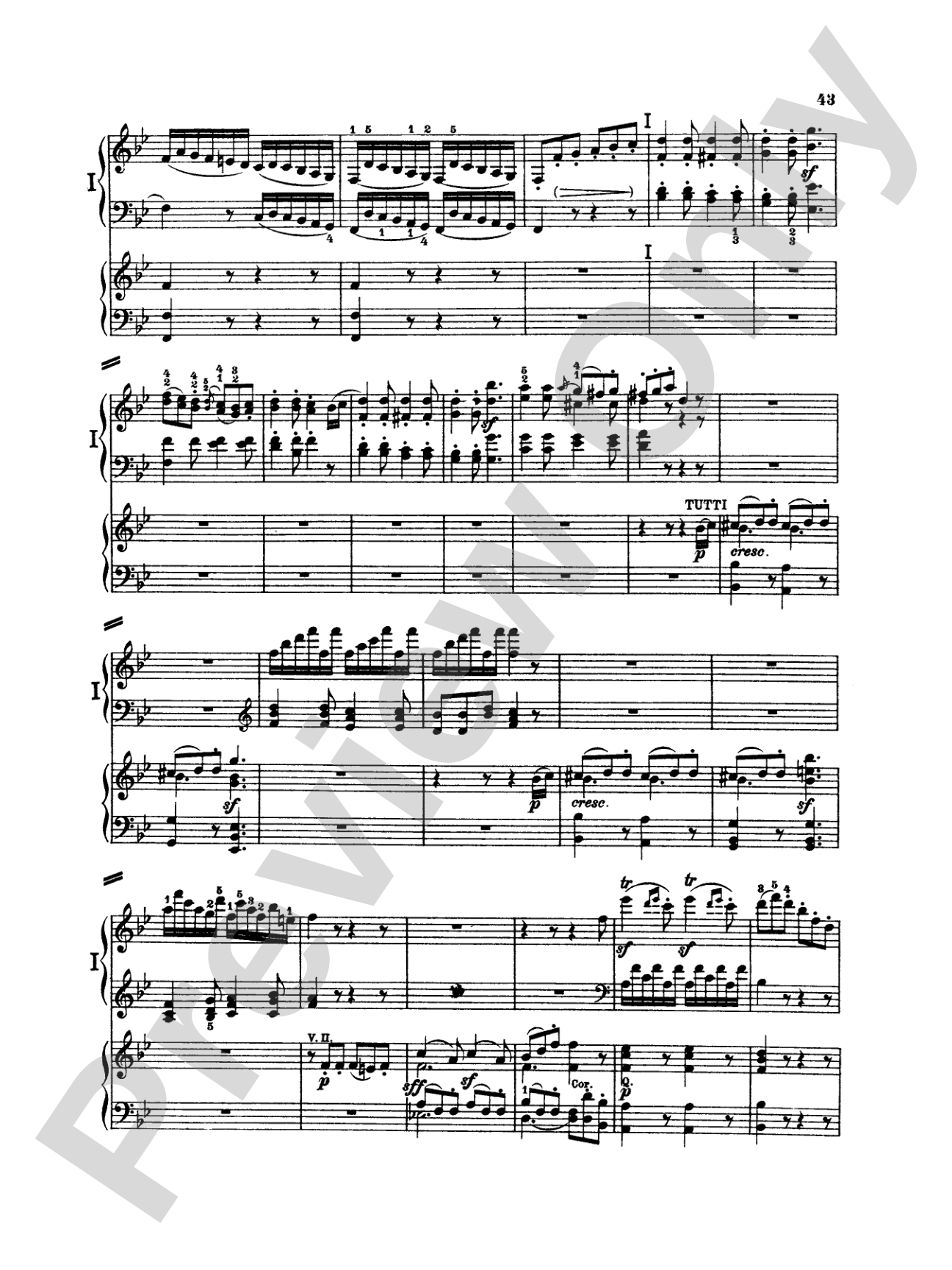
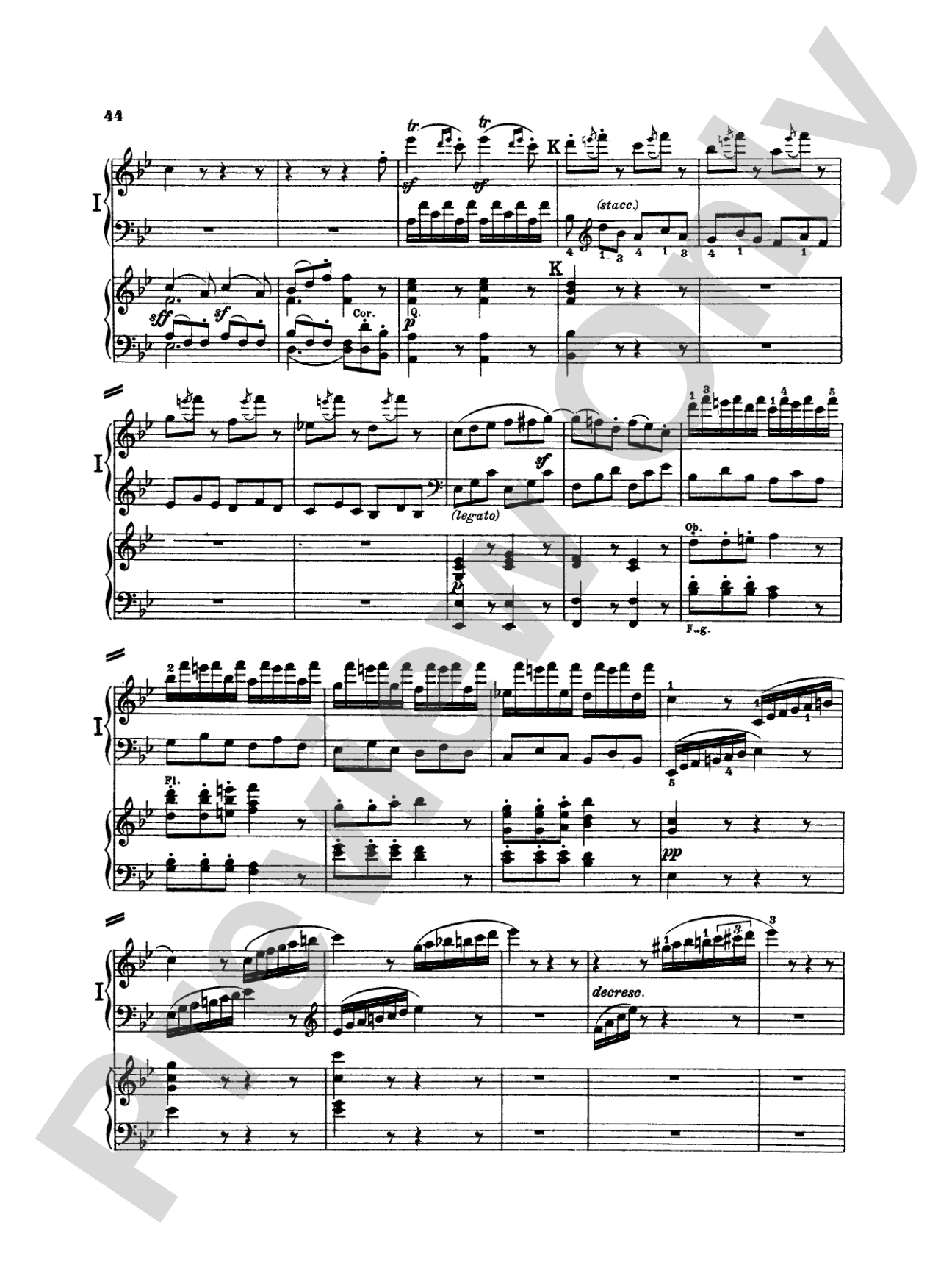
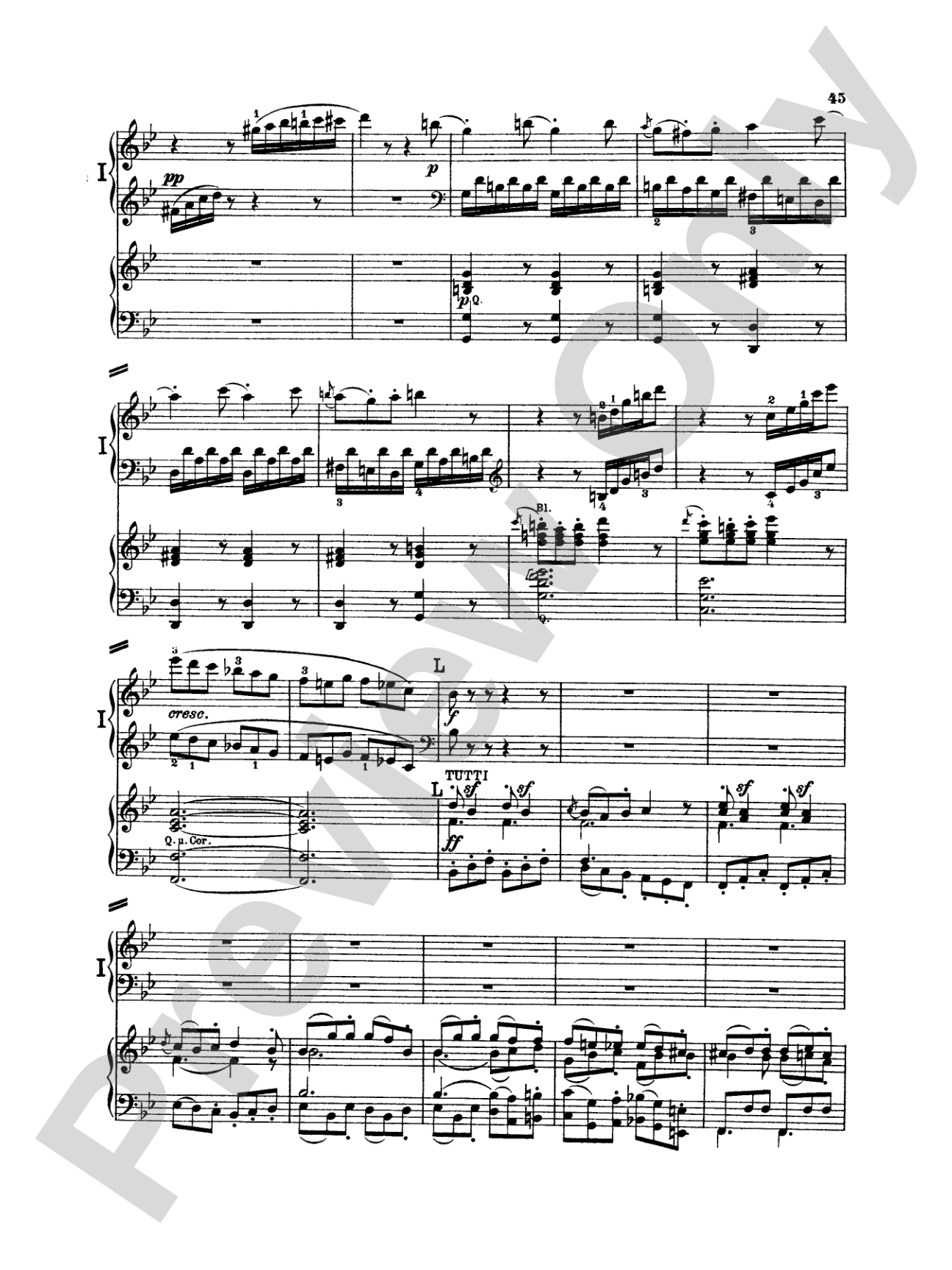
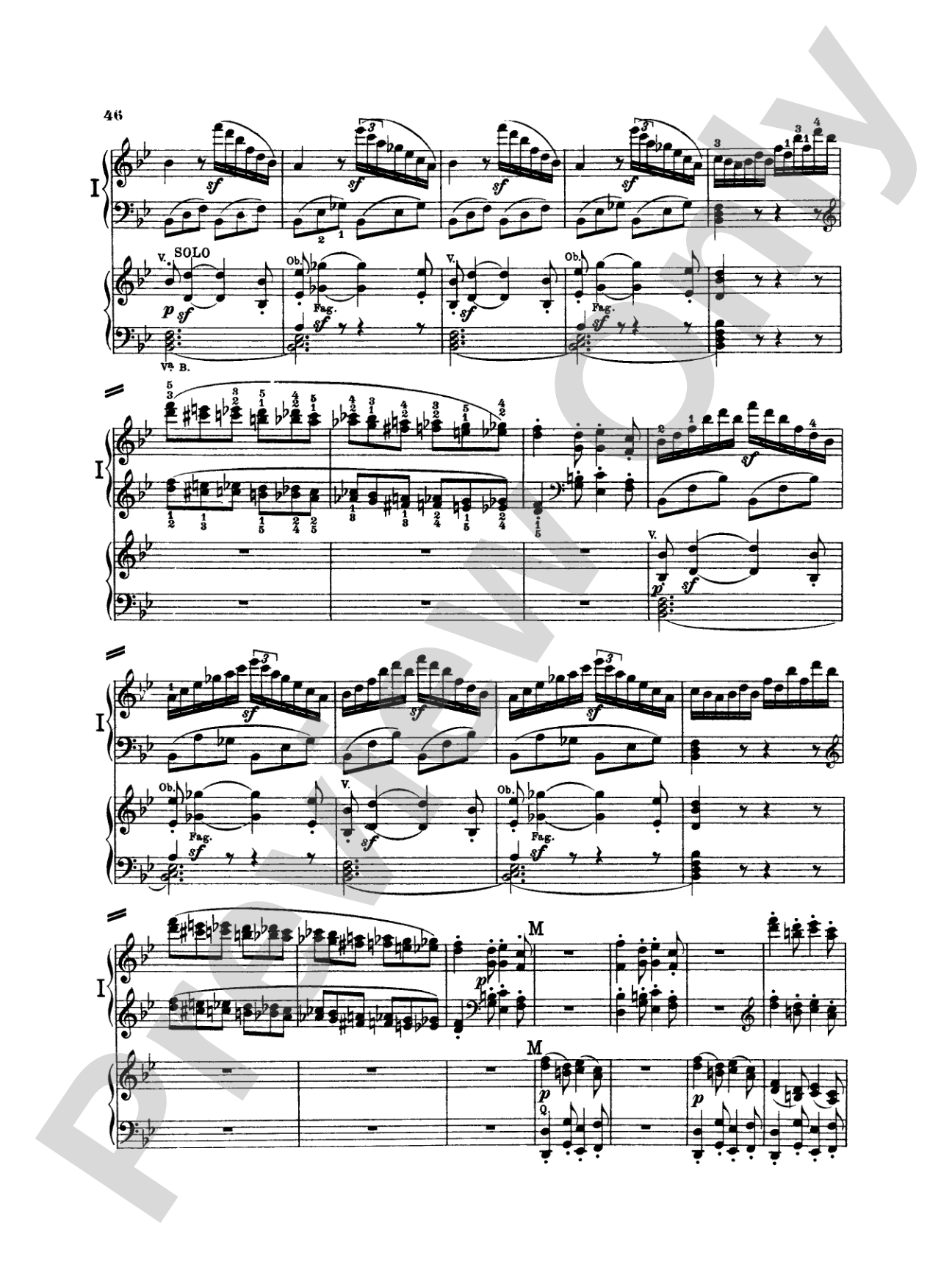
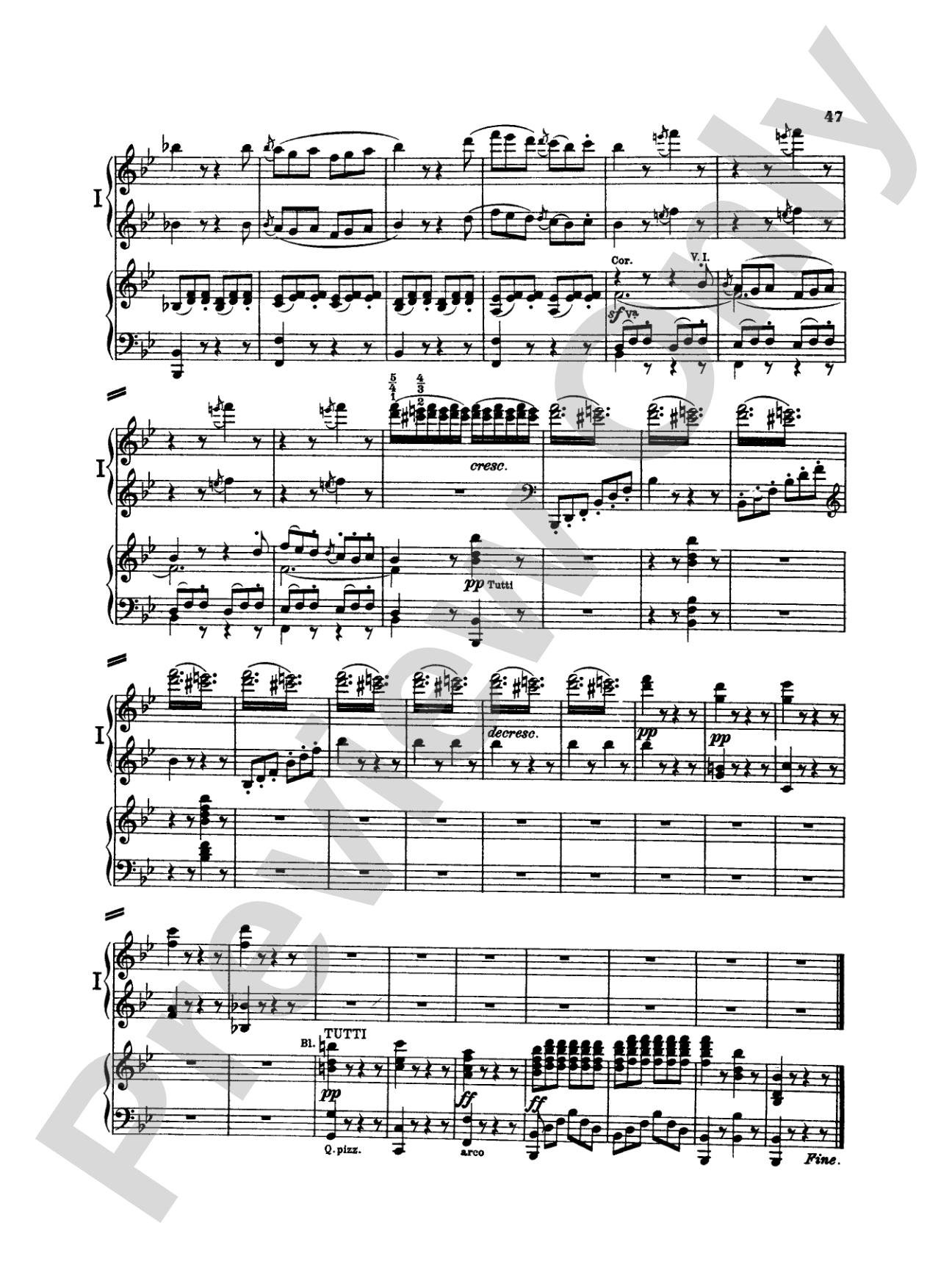


Beethoven: Piano Concerto No. 2 in B flat Major, Opus 19: Piano Duo (2 Pianos, 4 Hands) Book (2 copies required)
By Ludwig van Beethoven
Level: Advanced
Item: 00-PK-0002918

$12.95
Pickup currently not available
Buy Extra Parts (Digital PDF Download)
| Product | Price | Quantity |
|---|---|---|
| Beethoven: Piano Concerto No. 2 in B flat Major, Opus 19 | $11.95 |
Parts Added to Cart!
Related Items
Piano Concerto No. 2 in B-flat, Opus 19: Piano Duo (2 Pianos, 4 Hands) Book (2 copies required) |
$12.95
|
View |
Description
A Piano Duet for 2 pianos, 4 hands, composed by Ludwig van Beethoven.


Don't just read it, hear it, play along with it, and watch your students grow with it. In MakeMusic Cloud, Beethoven: Piano Concerto No. 2 in B flat Major, Opus 19: Piano Duo (2 Pianos, 4 Hands) Book (2 copies required) comes alive with professional accompaniment, adjustable tempo, and built-in practice tools that turn solo practice into real progress.
Open in the Player
Jump straight in and assign it today.
Start Your Free Trial
Open this title and explore the full library in minutes.
Sample Audio
No sample audio found.
Sample Video
No sample videos found.
Additional Details
Series:
Kalmus Edition
Publisher:
Alfred Music
Page Count:
48
SKU:
00-PK-0002918
More about this title
About the Composer: Ludwig van Beethoven
Ludwig van Beethoven (1770-1827) stands as the pivotal figure connecting Classical and Romantic composition. Working across all major instrumental genres, he expanded harmonic language, structural possibilities, and expressive range while maintaining rigorous formal design. His influence on Western music remains unparalleled, and his works form the foundation of advanced piano repertoire.
Beethoven's early piano concertos, written during his Vienna years, showcase his gift for orchestral color and virtuosic keyboard writing. The Second Concerto, composed around 1788-1789, reveals a composer still rooted in Classical tradition yet reaching toward the dramatic intensity that would define his middle period.
Why we love this
This duo version opens Beethoven's orchestral grandeur to two pianists without requiring an orchestra, making it genuinely performable in recital settings. The score retains the dramatic arc and harmonic sophistication of the original while preserving the essential dialogue between soloist and ensemble, creating an intimate yet commanding chamber experience that challenges both players equally.
What to expect
The Second Concerto balances elegant galanterie with stormy dramatic gestures, moving freely between virtuosic passagework and singing melody lines. Its Classical proportions and bright B-flat tonality create an atmosphere of youthful energy tempered by moments of genuine introspection, particularly in the Adagio.
Who it's for
Advanced pianists seeking duo repertoire that moves beyond salon pieces into substantive Classical-era works. Pairs of players preparing for recital performance or studying major orchestral concertos in chamber arrangement will find this score both musically rewarding and technically demanding.
How to get the most out of it
- Balance the primo and secondo parts carefully in the opening ritornello; the orchestration is distributed across both pianos, so neither player should overpower the musical line.
- Shape the long melodic lines of the Adagio with careful attention to phrase breathing and dynamic shaping, as the sustained character depends on phrasing rather than orchestral color.
- Maintain rhythmic precision in the Rondo without sacrificing the elegant charm of its material; lock the tempo with secure eye contact and a clear sense of pulse from the start.
- Use the cadenza passage to build excitement through gradual dynamic increase and slight rubato, but return to strict tempo before the final tutti section.
How to use it
Program this as a centerpiece of a Beethoven-focused recital or as a bridge between Classical and Romantic repertoire in a mixed concert. It works equally well paired with sonatas or other chamber works, offering both pianists equal weight and interpretive responsibility.
Skills your students will build
- Balancing two equal voices across four hands while maintaining orchestral thinking
- Sustaining long lines and managing phrasing in Classical and proto-Romantic style
- Coordinating ensemble rhythm and adjusting tempo together through extended passages
- Interpreting structural form and harmonic language of early Beethoven
- Managing technical passages (scales, arpeggios, hand crossings) at a high level