
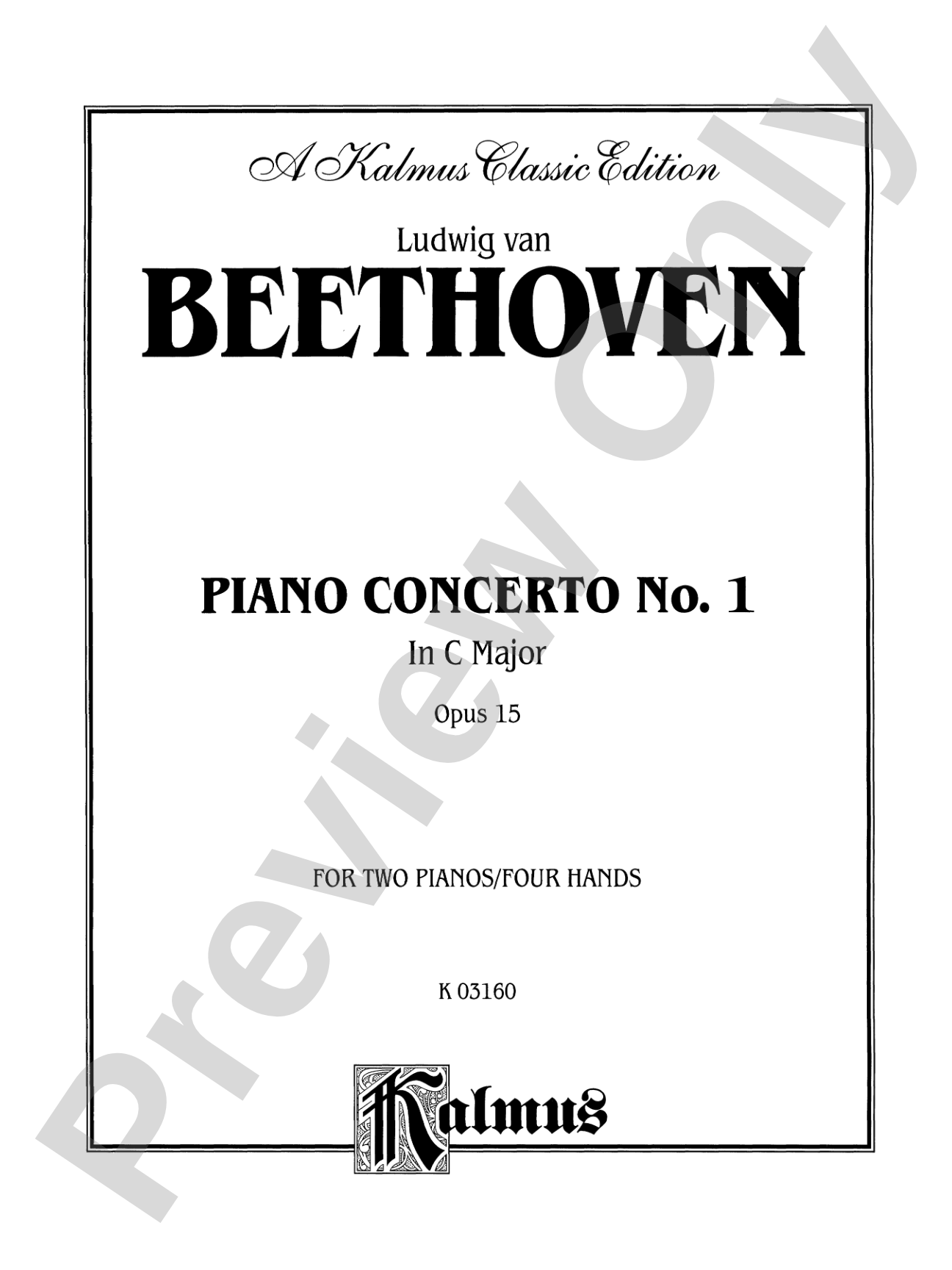
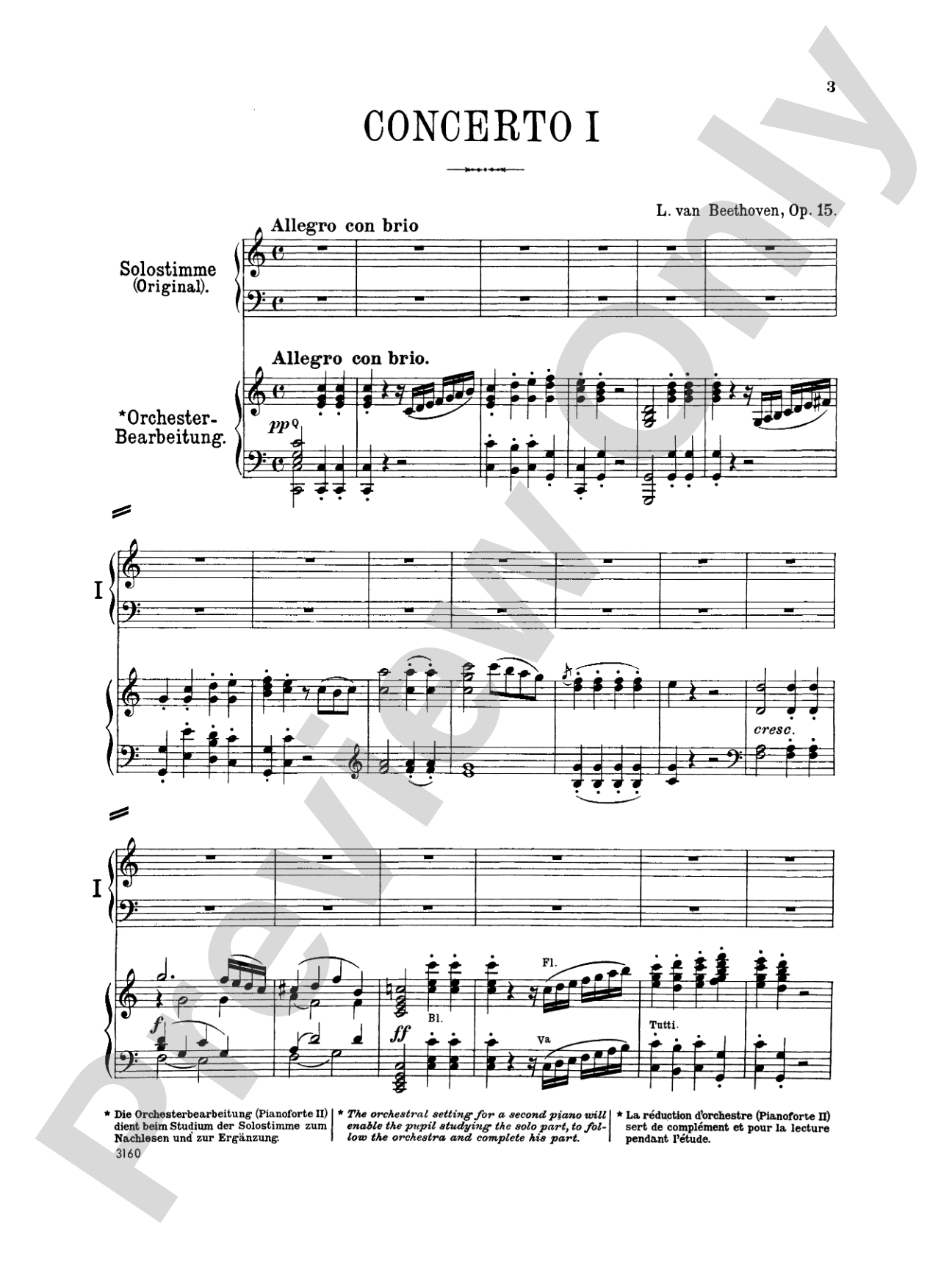
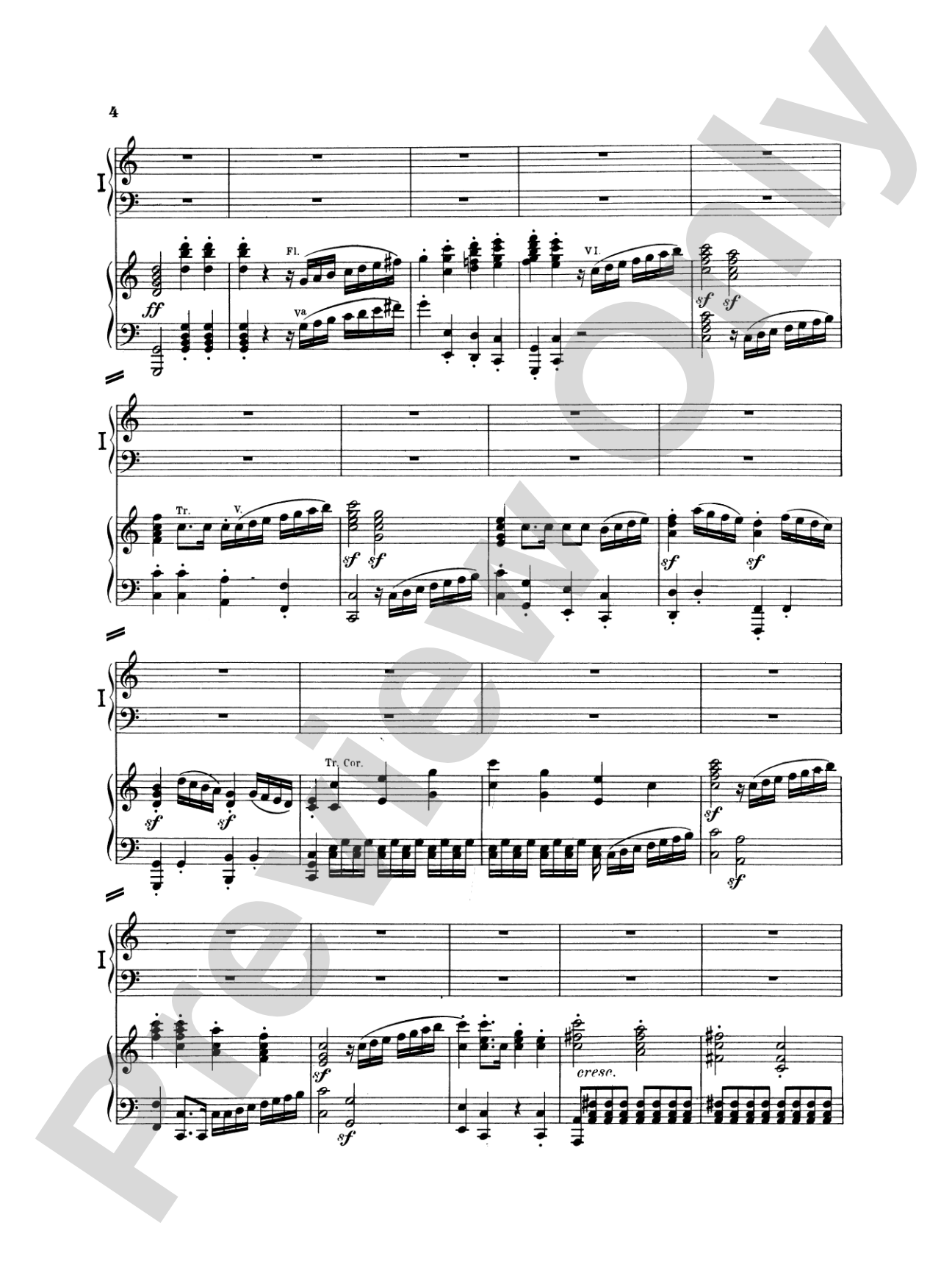
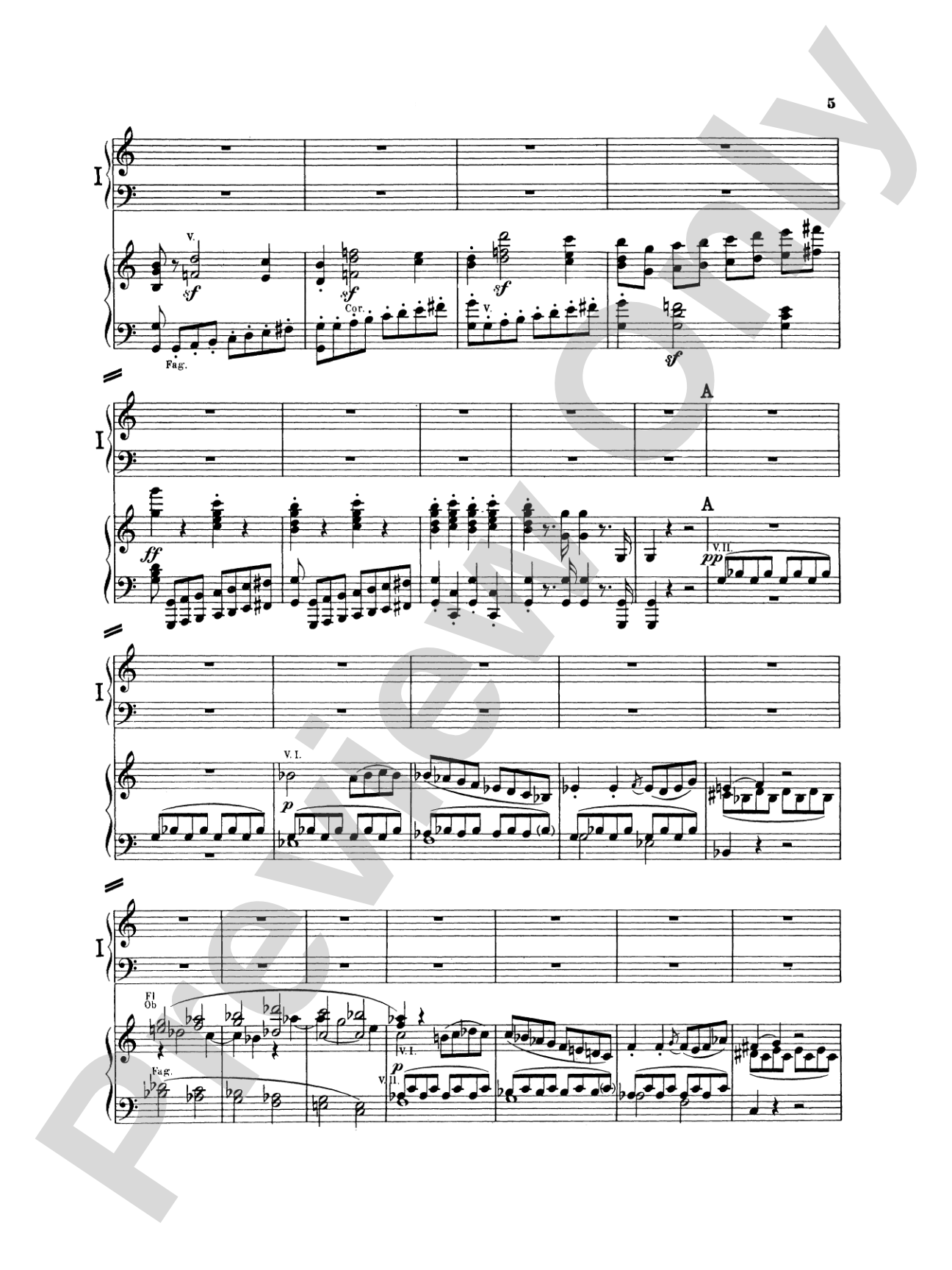
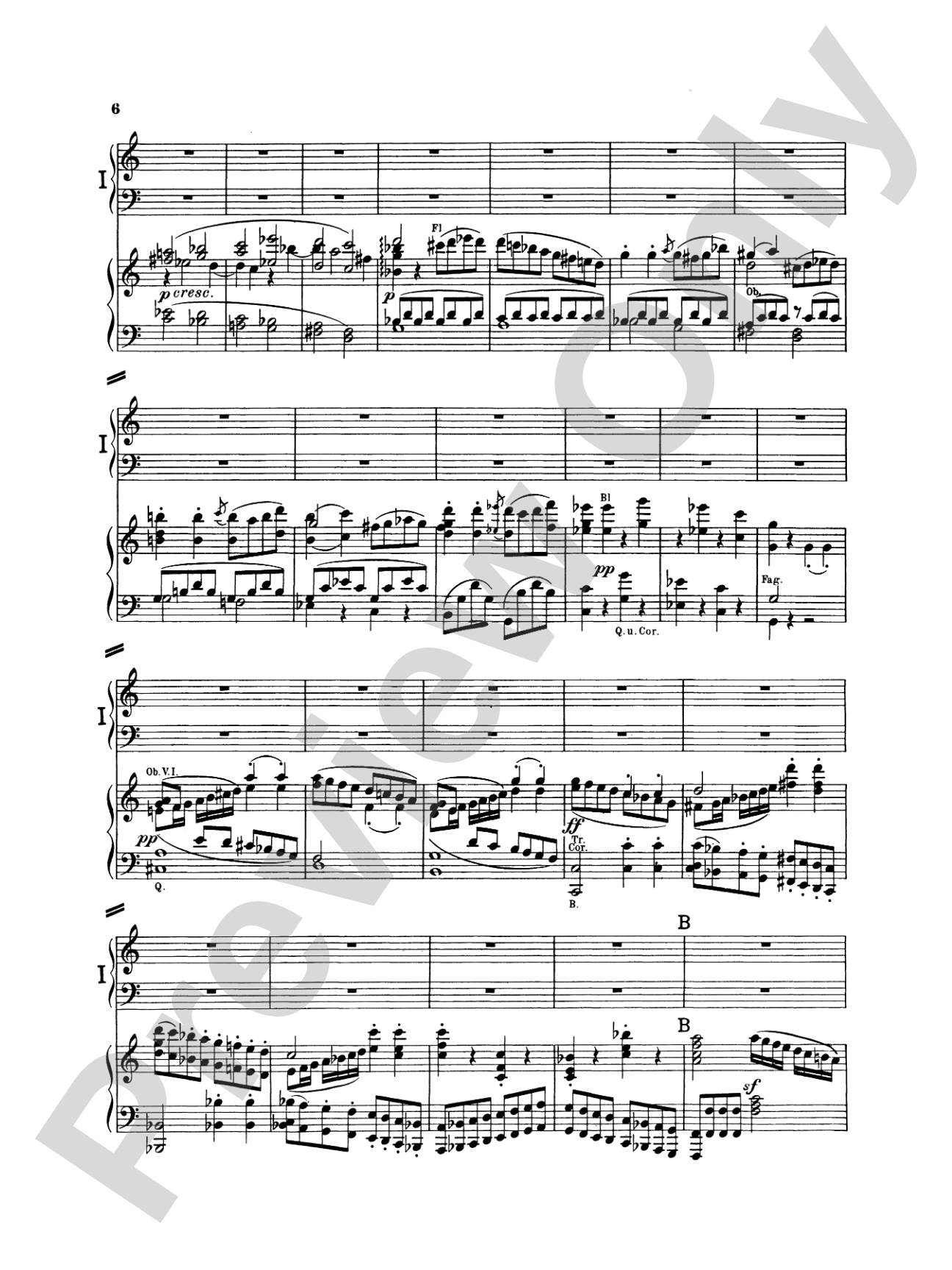
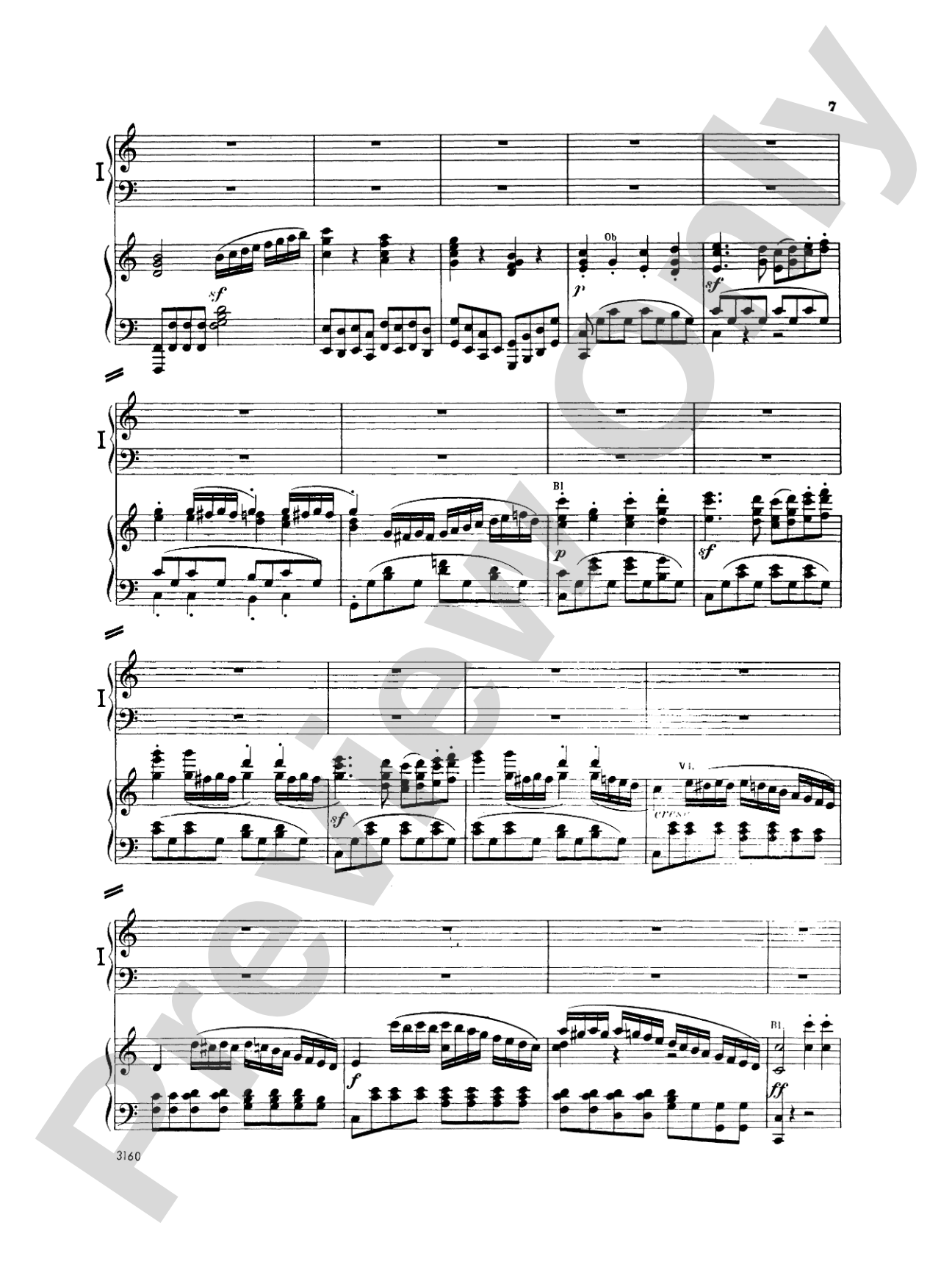
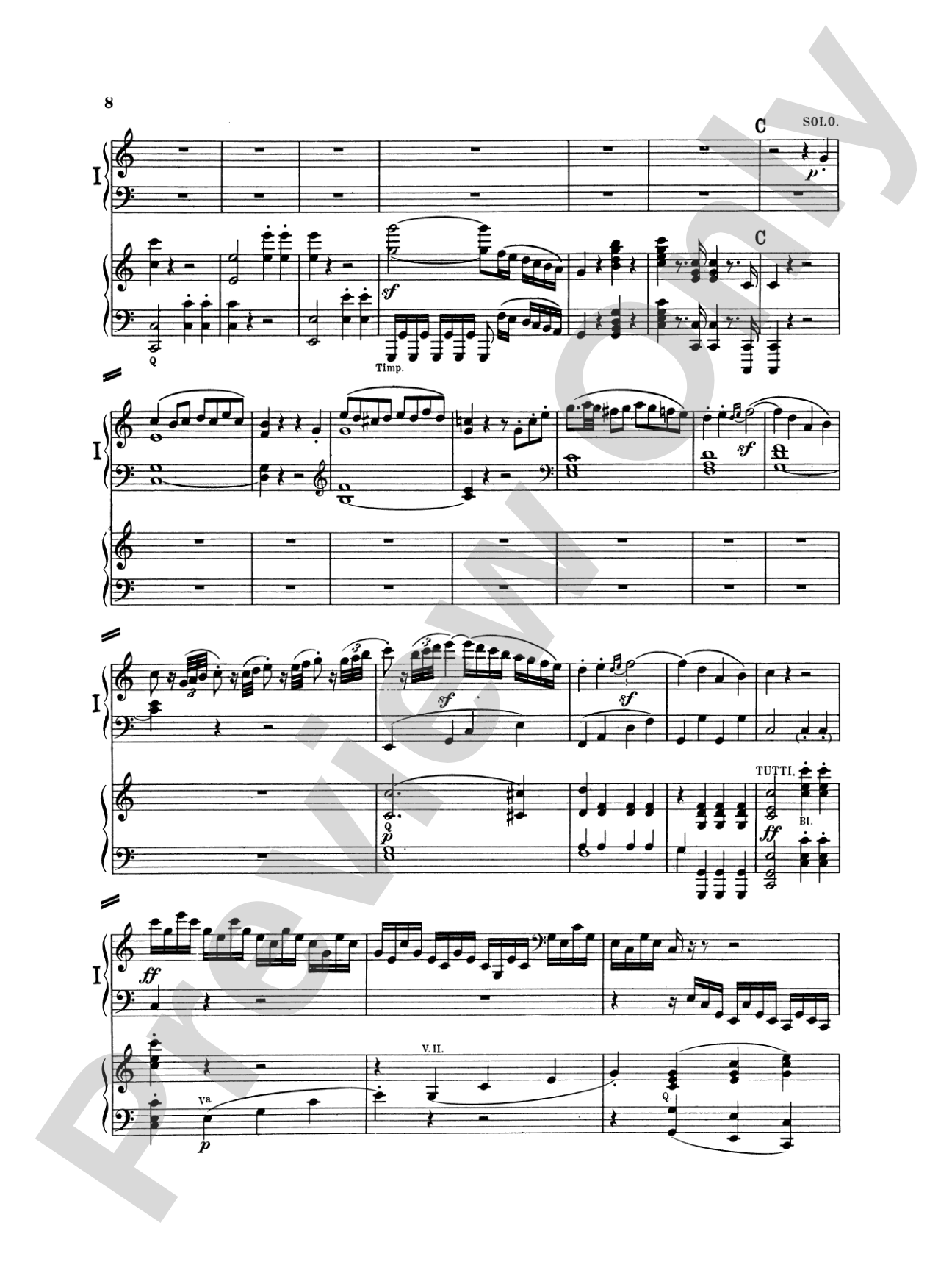
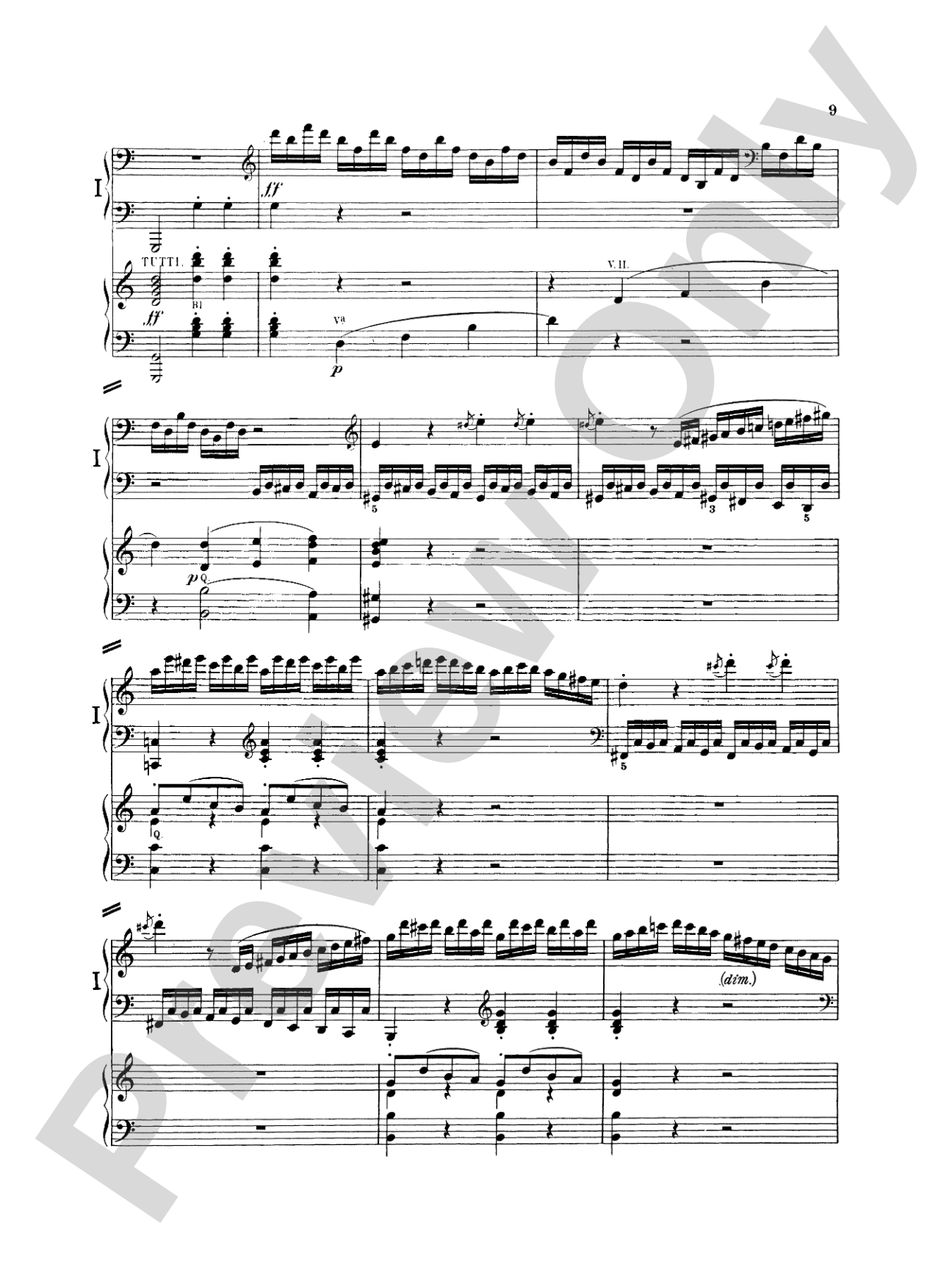
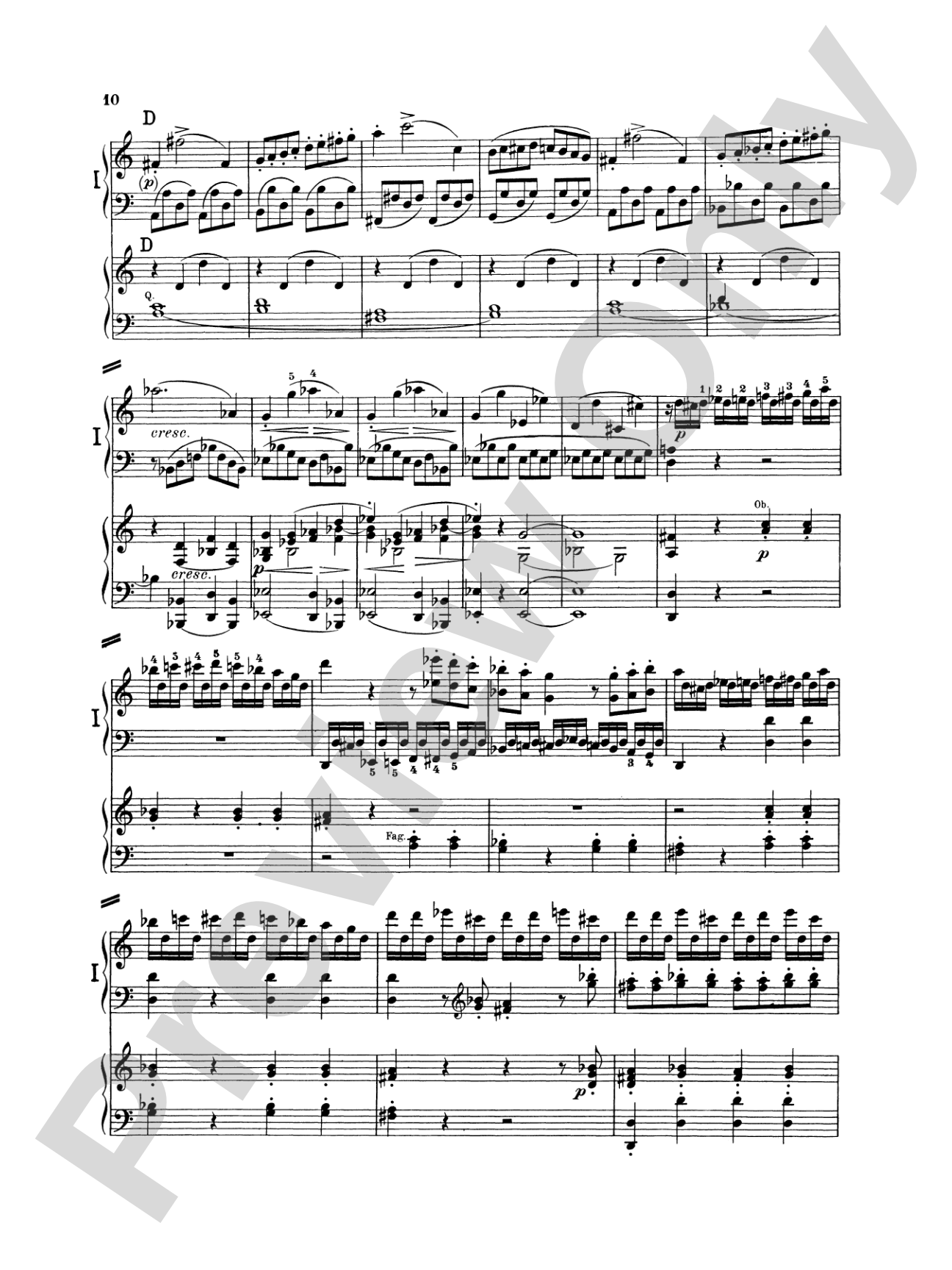
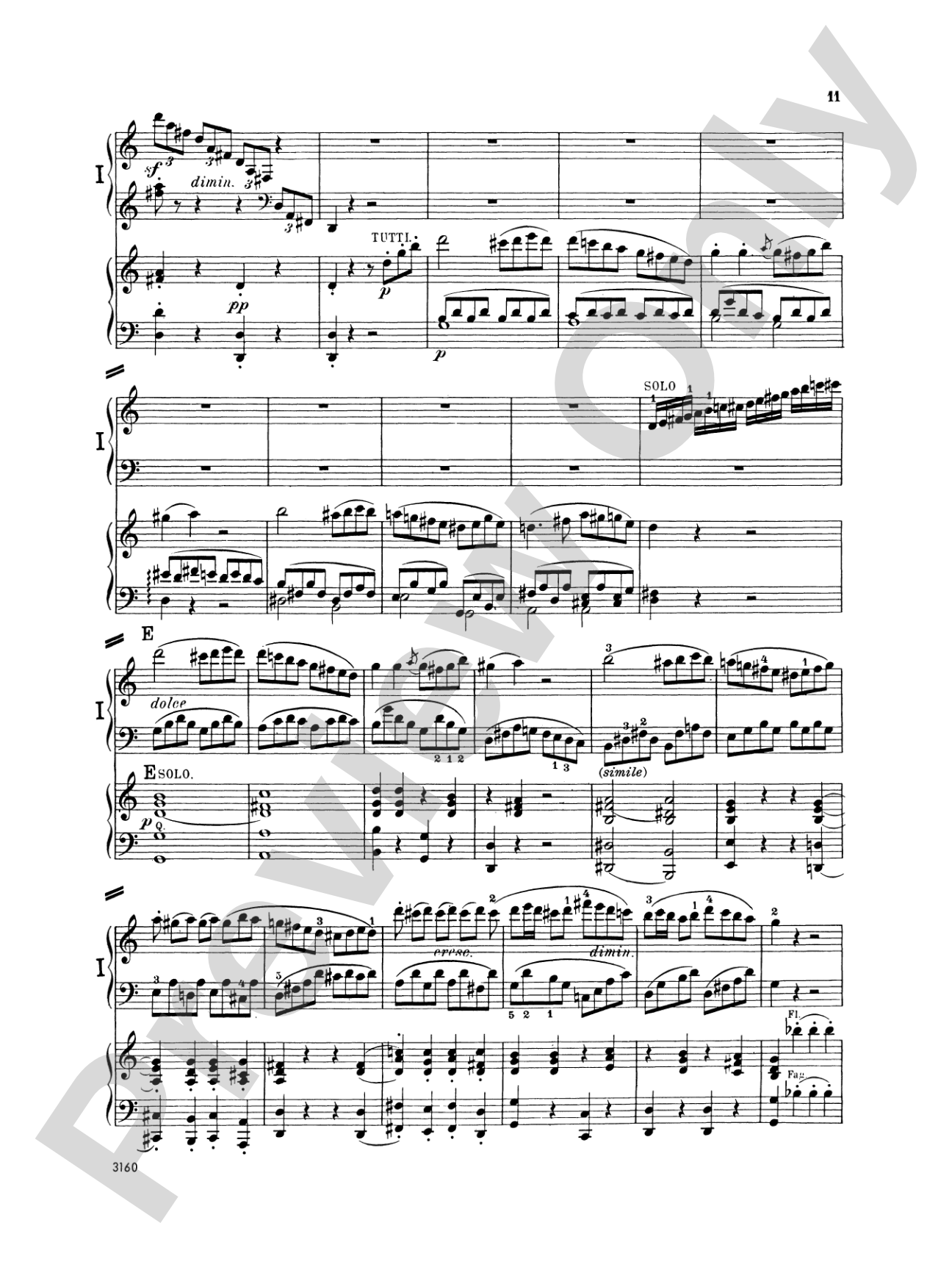
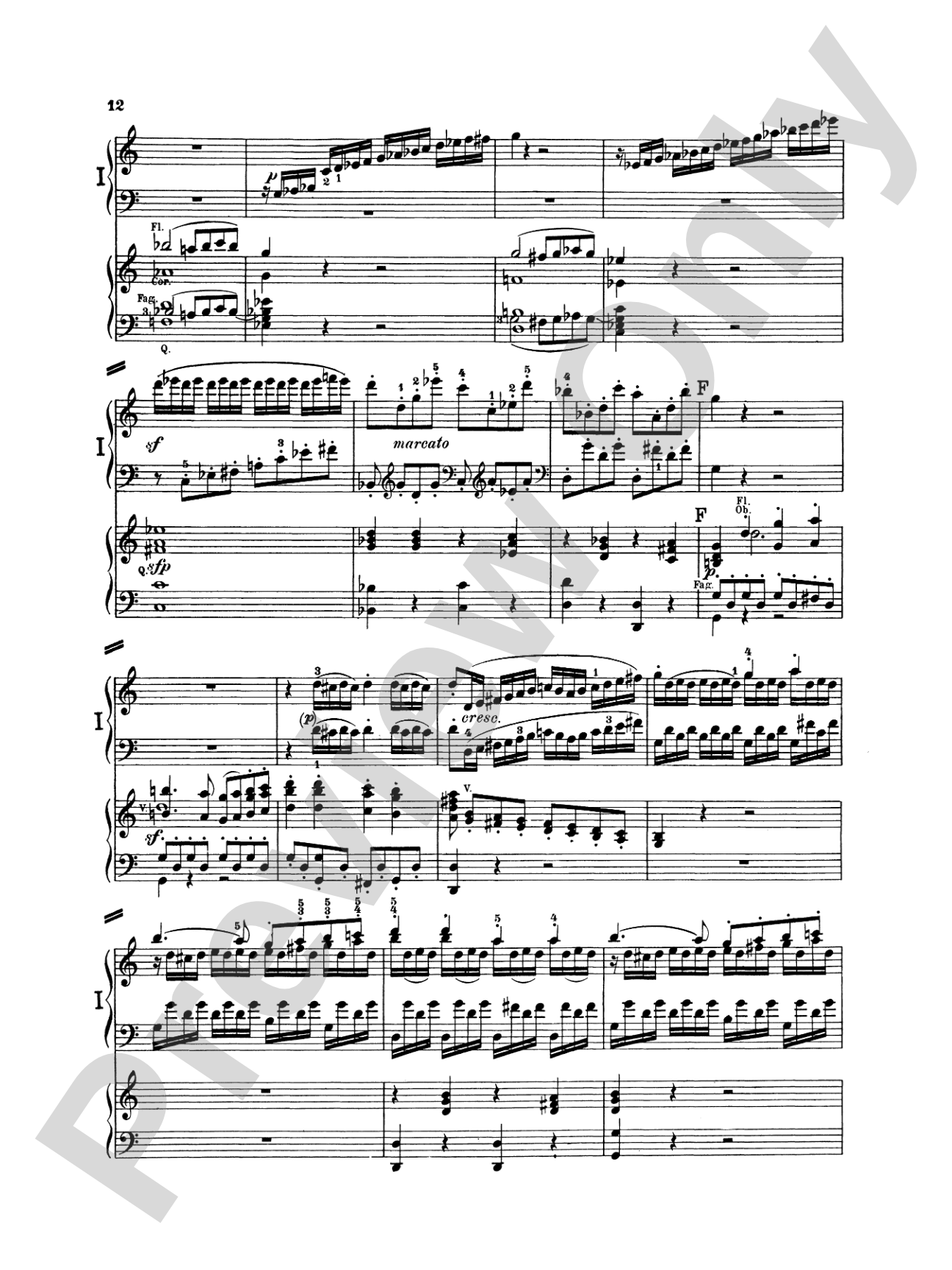
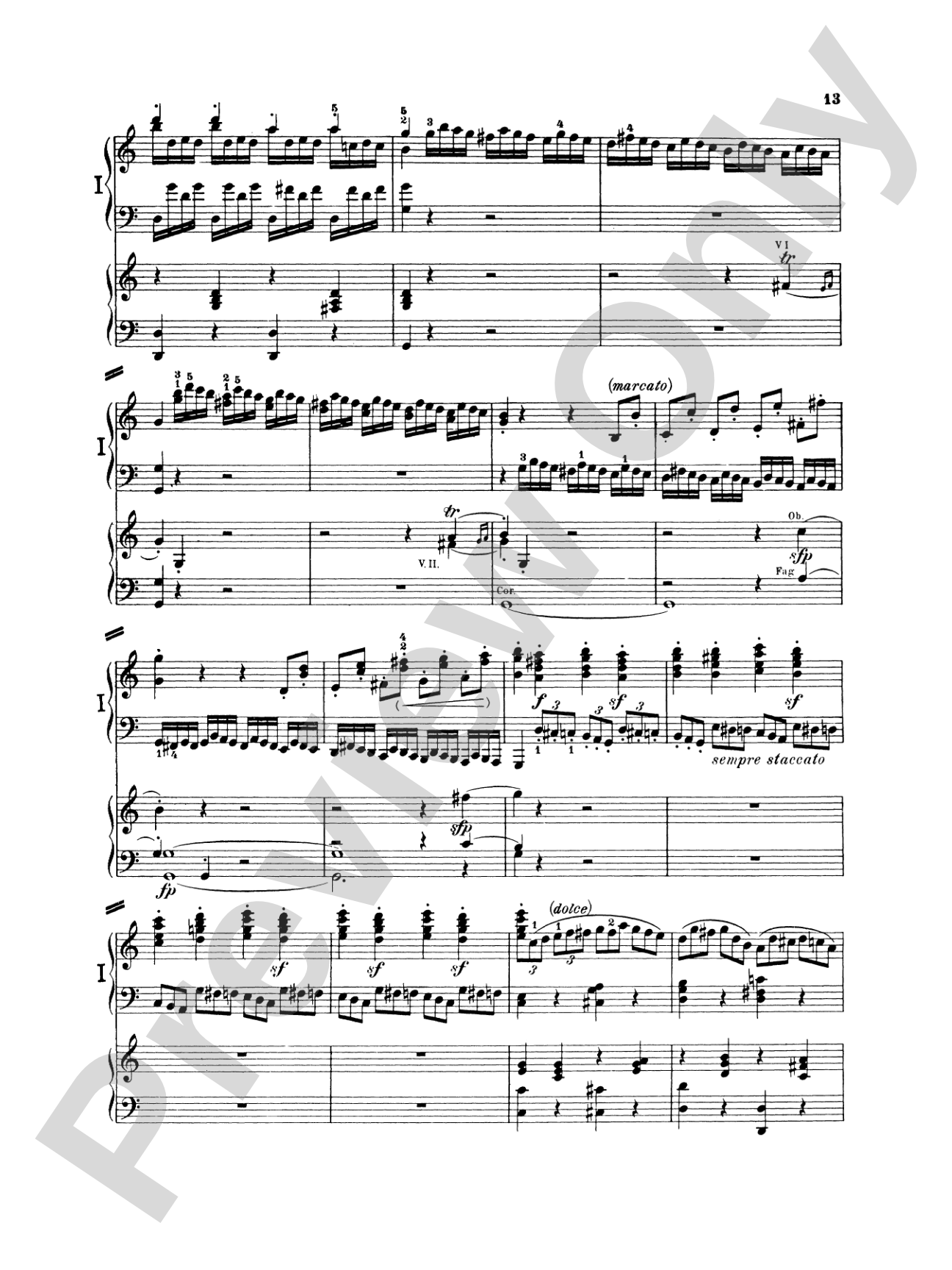
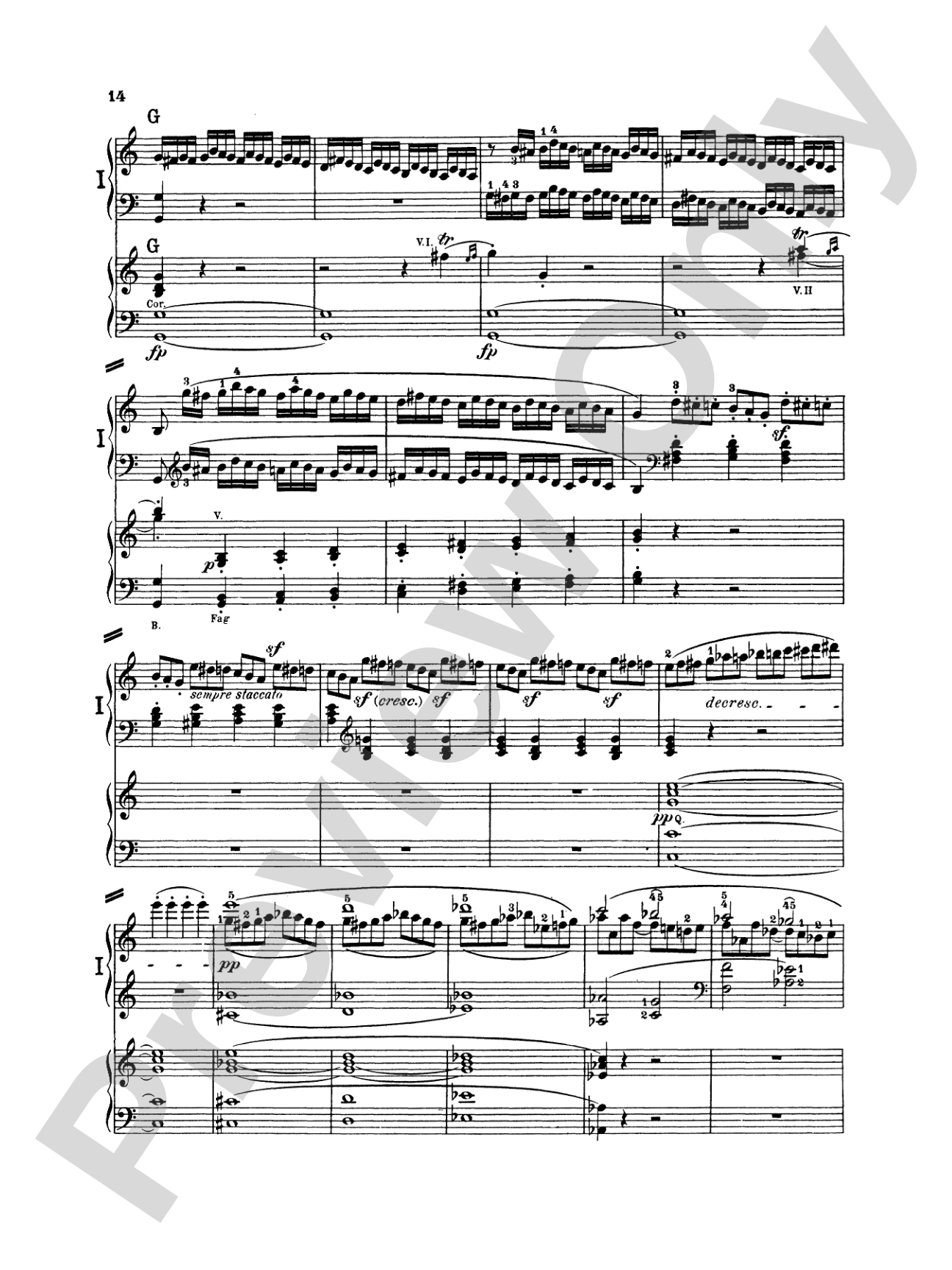
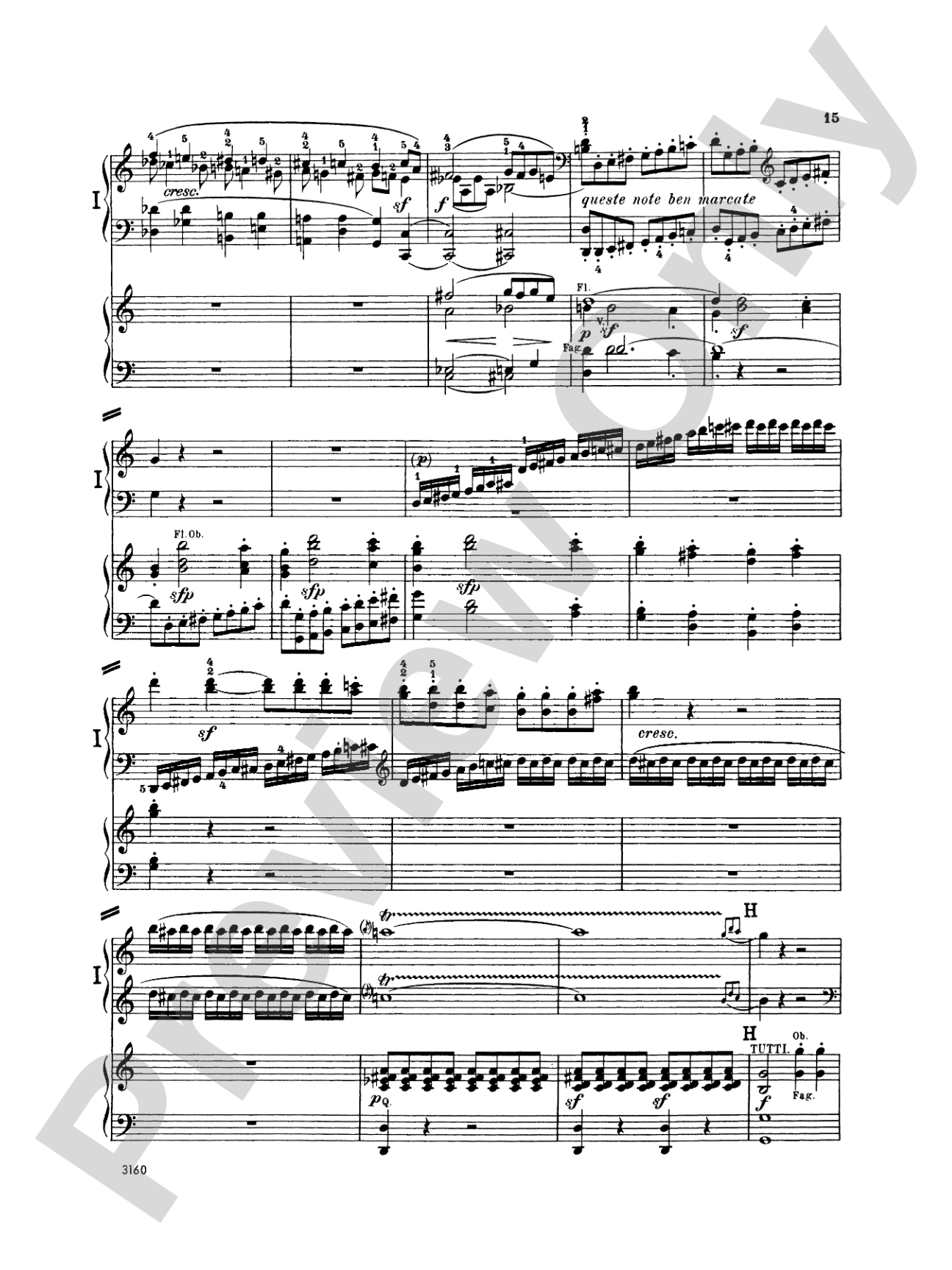
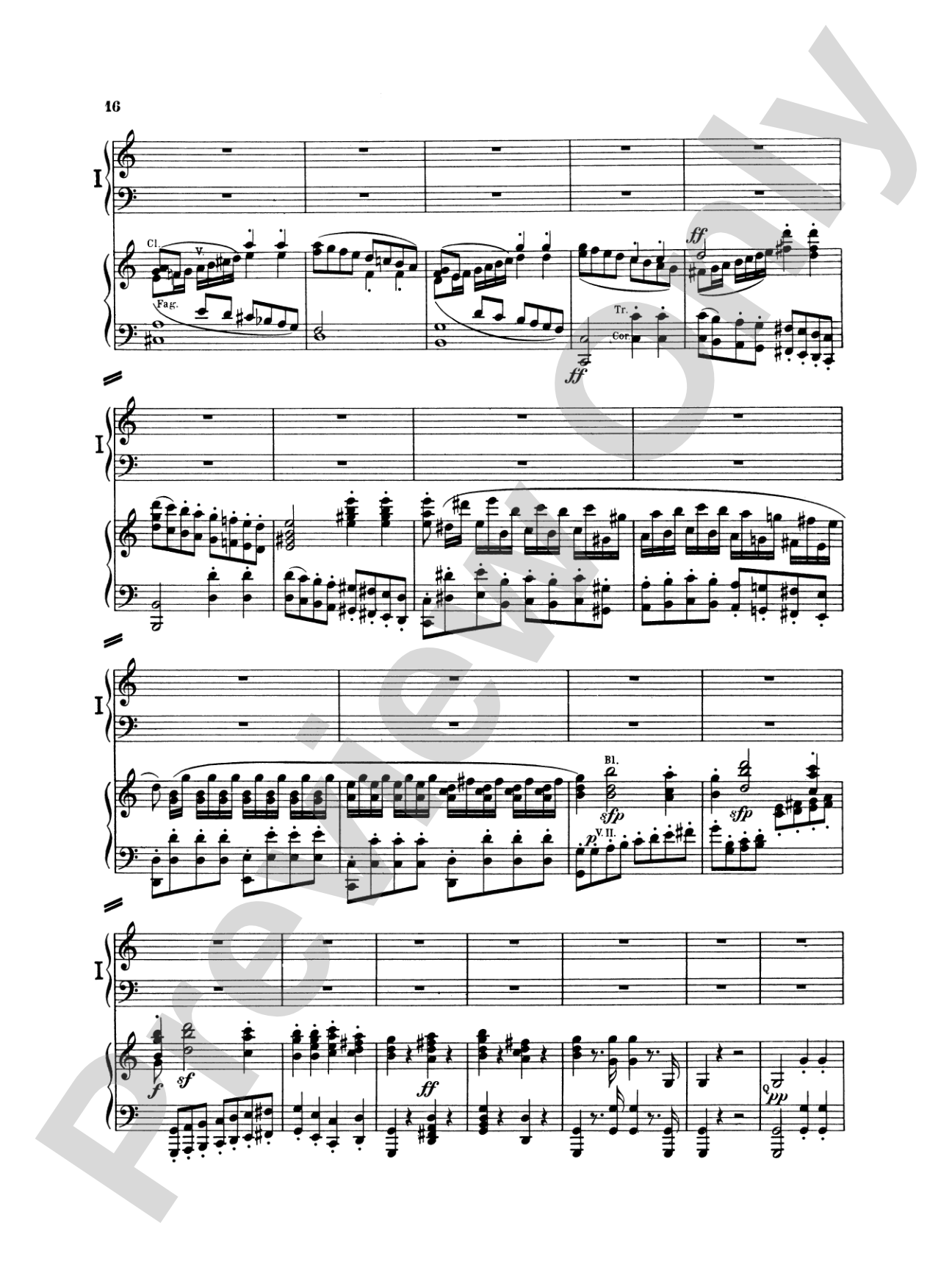
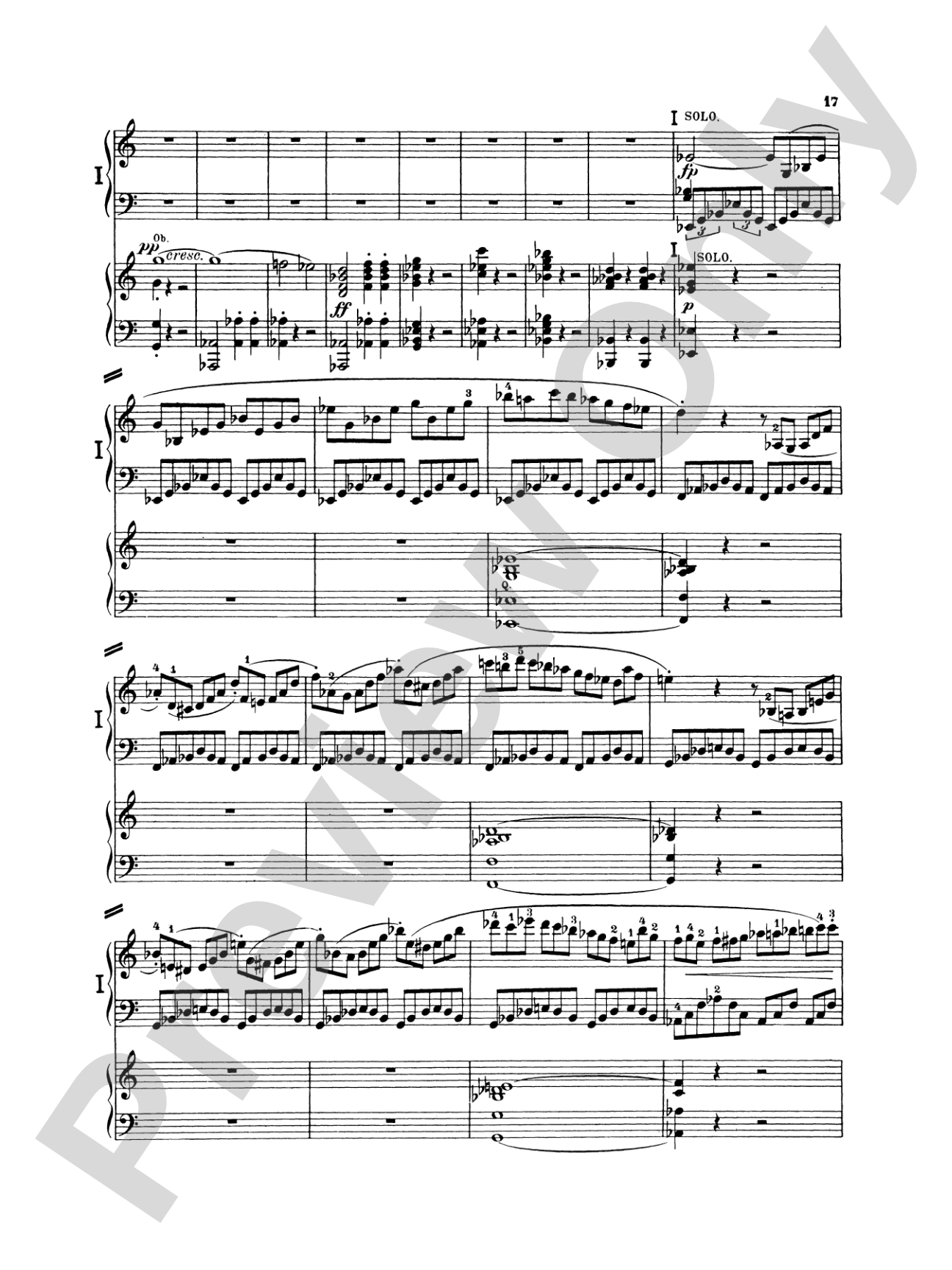
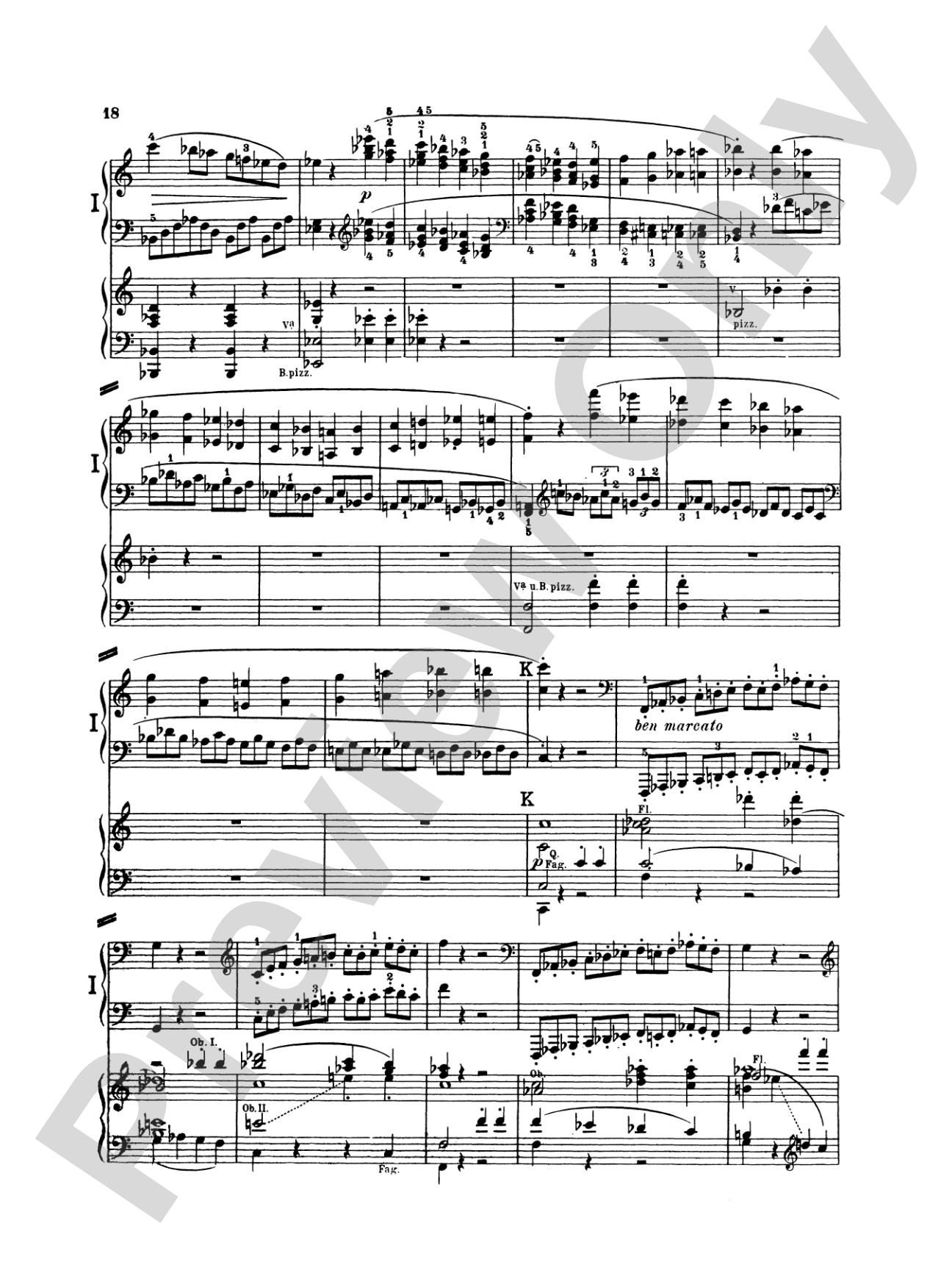
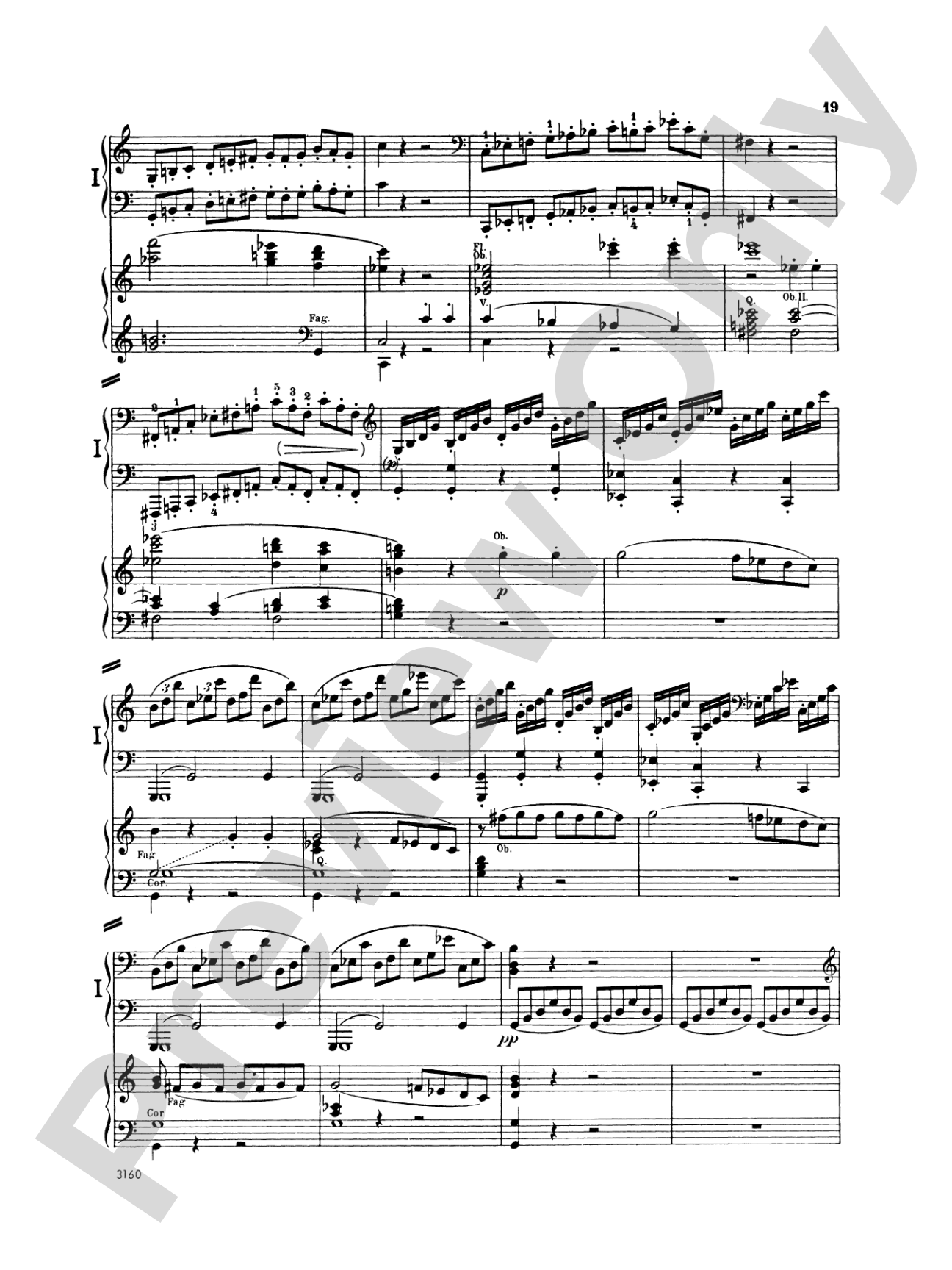
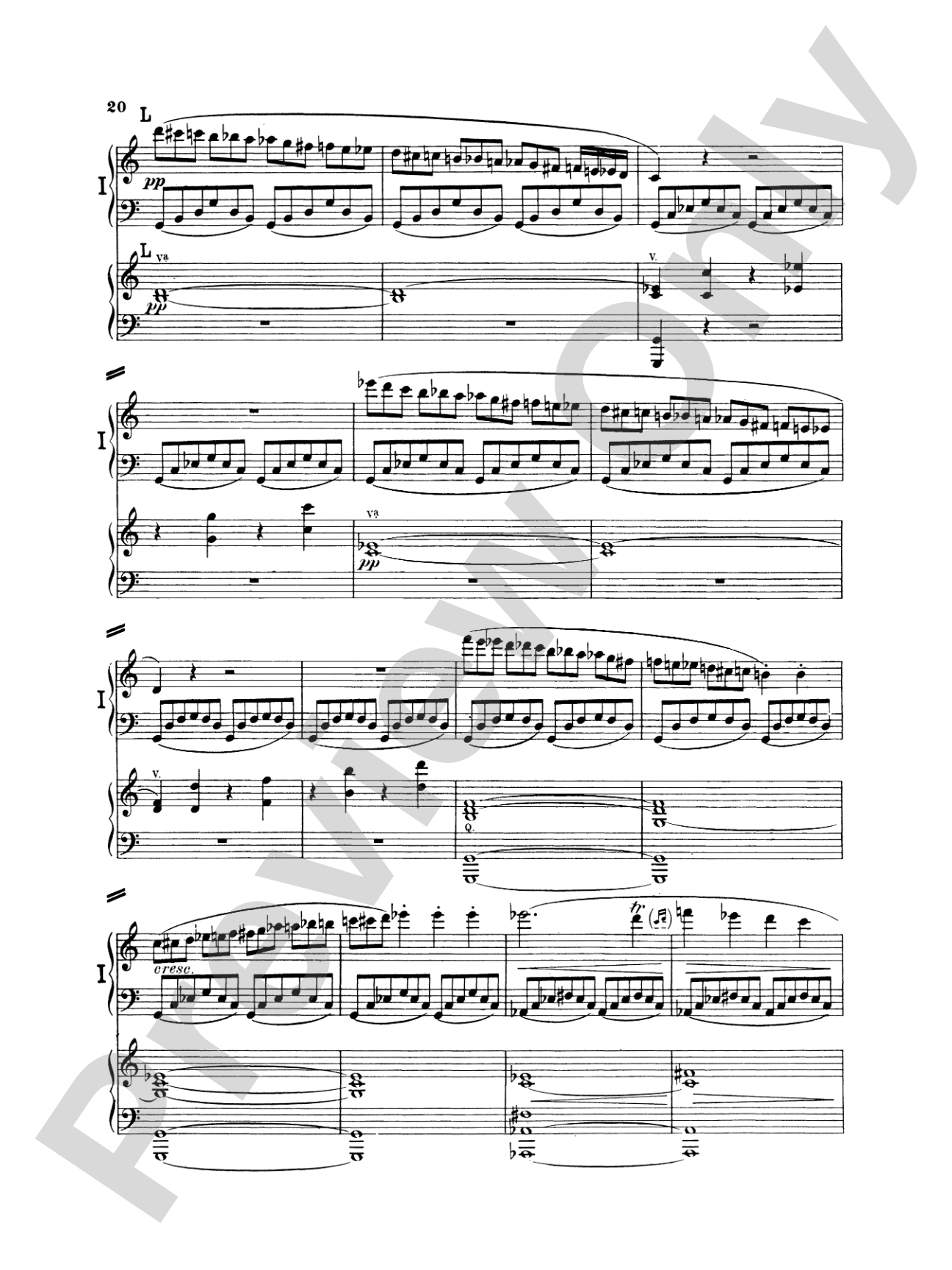
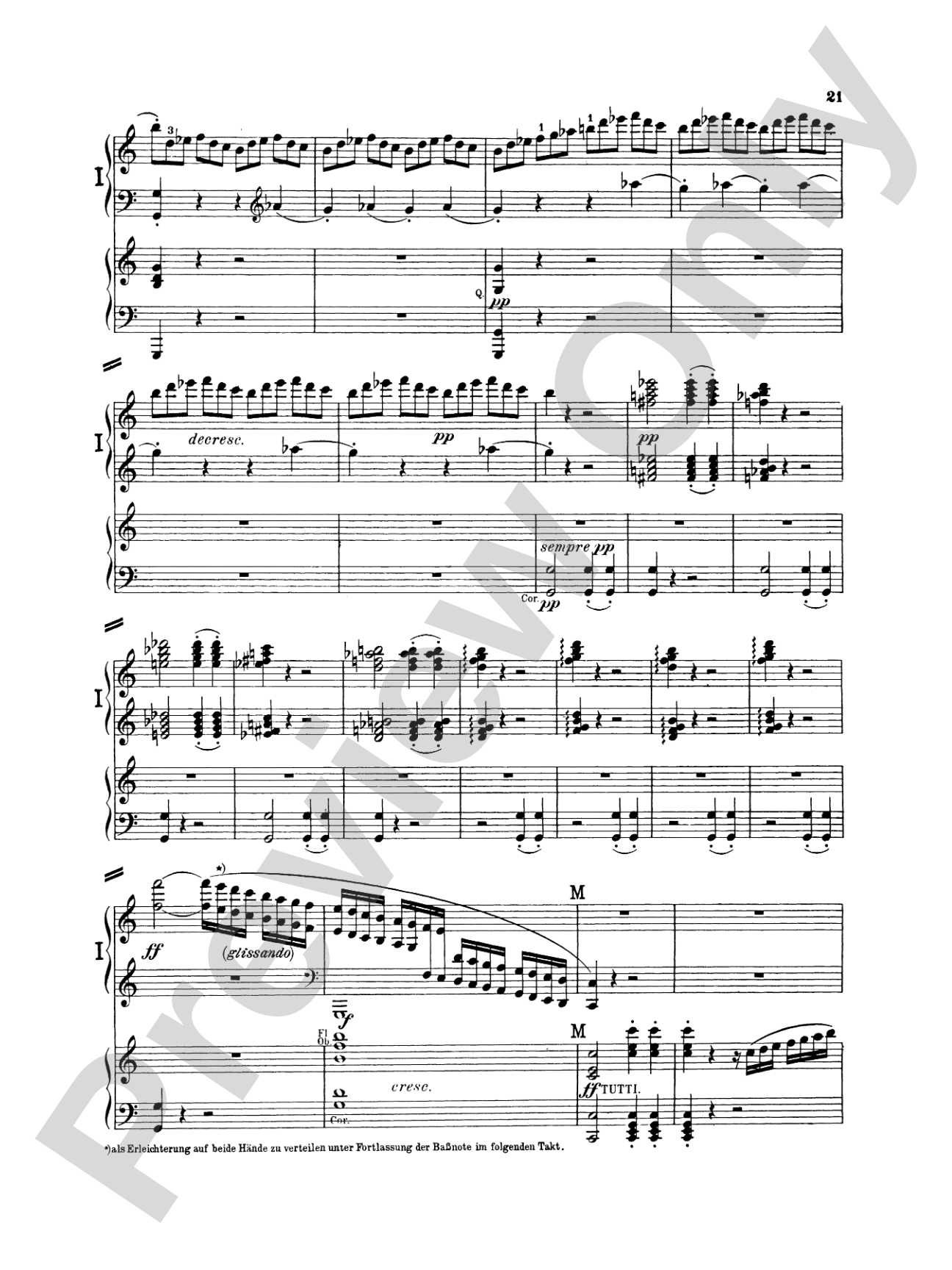
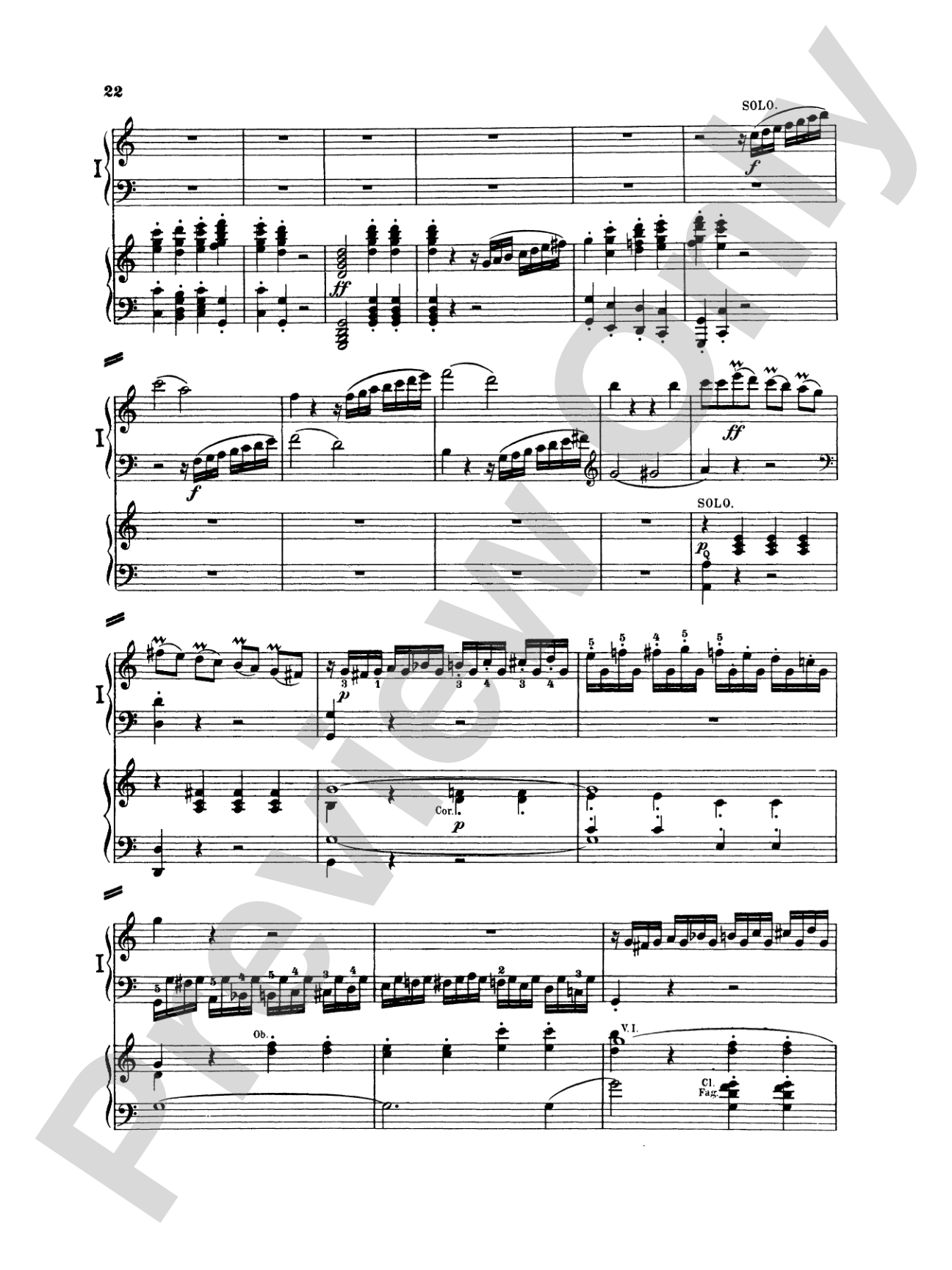
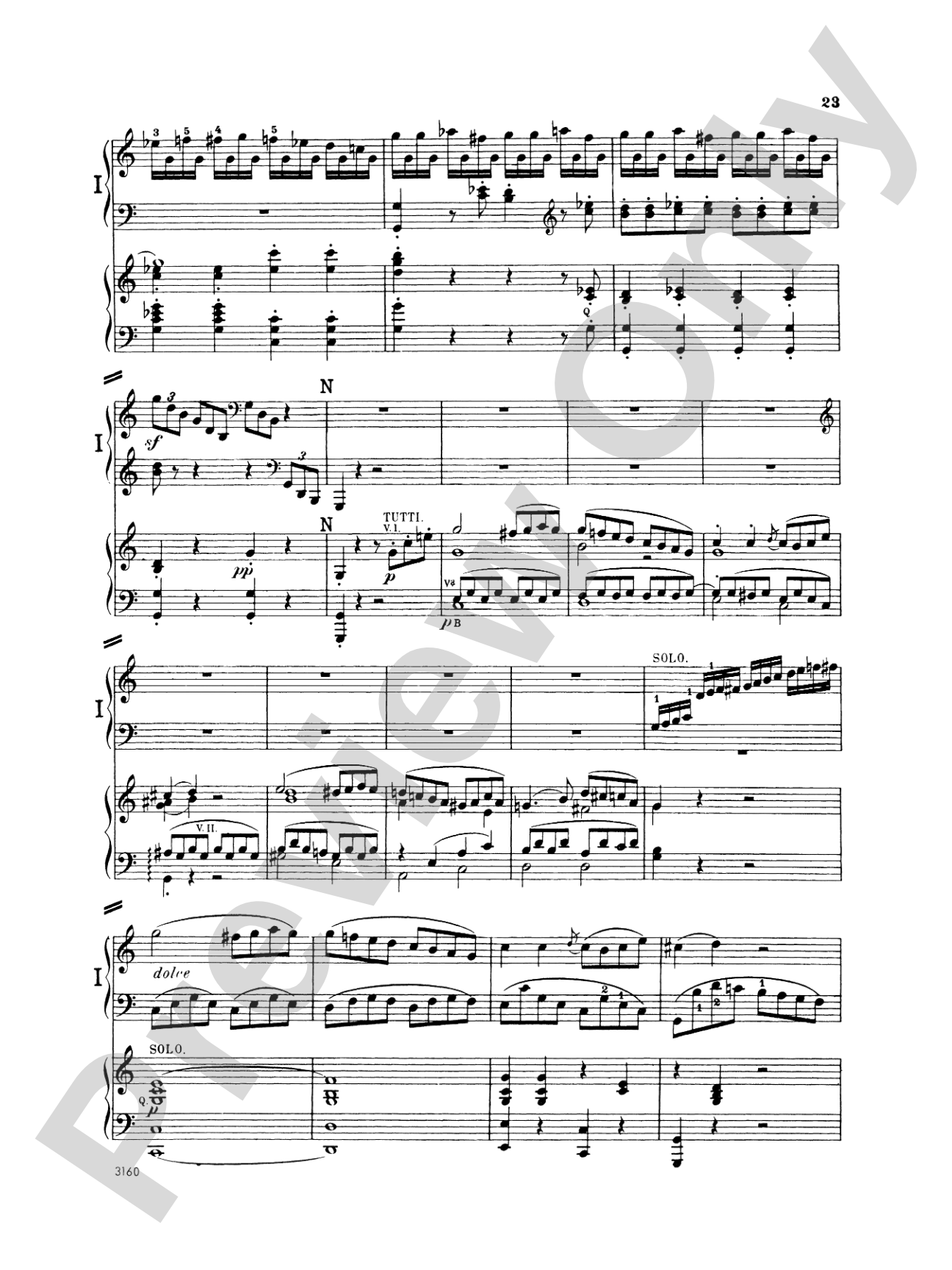
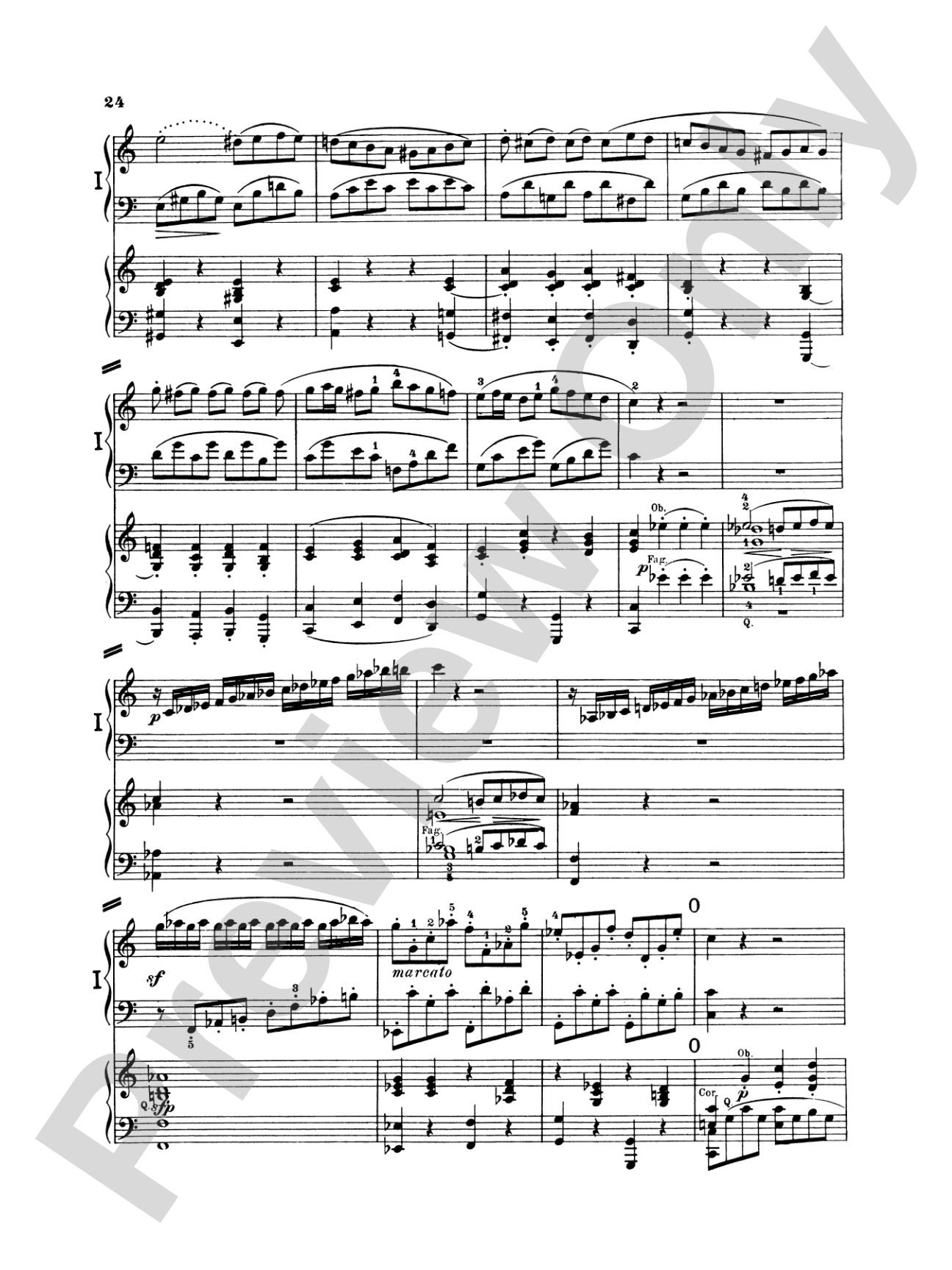
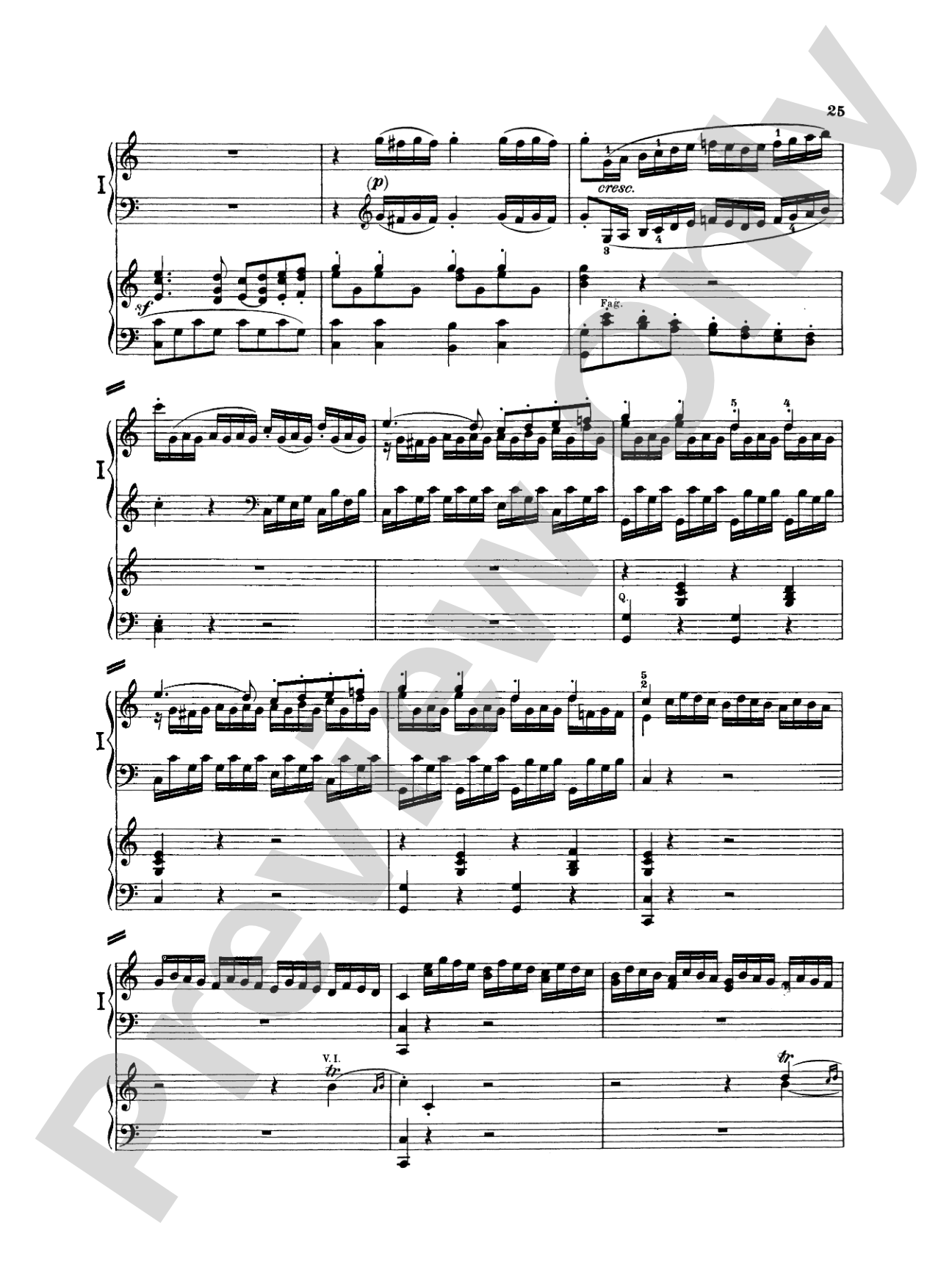
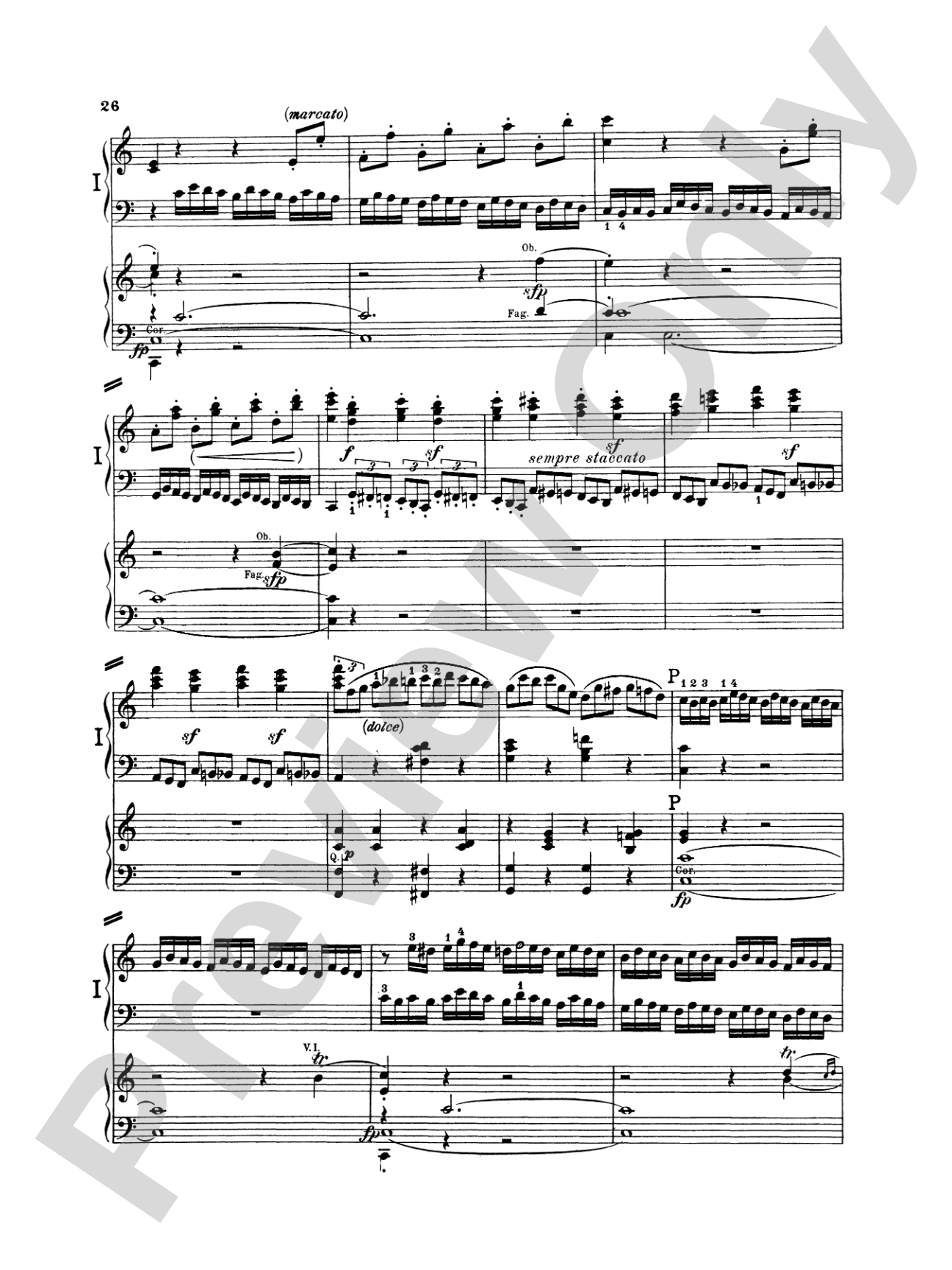
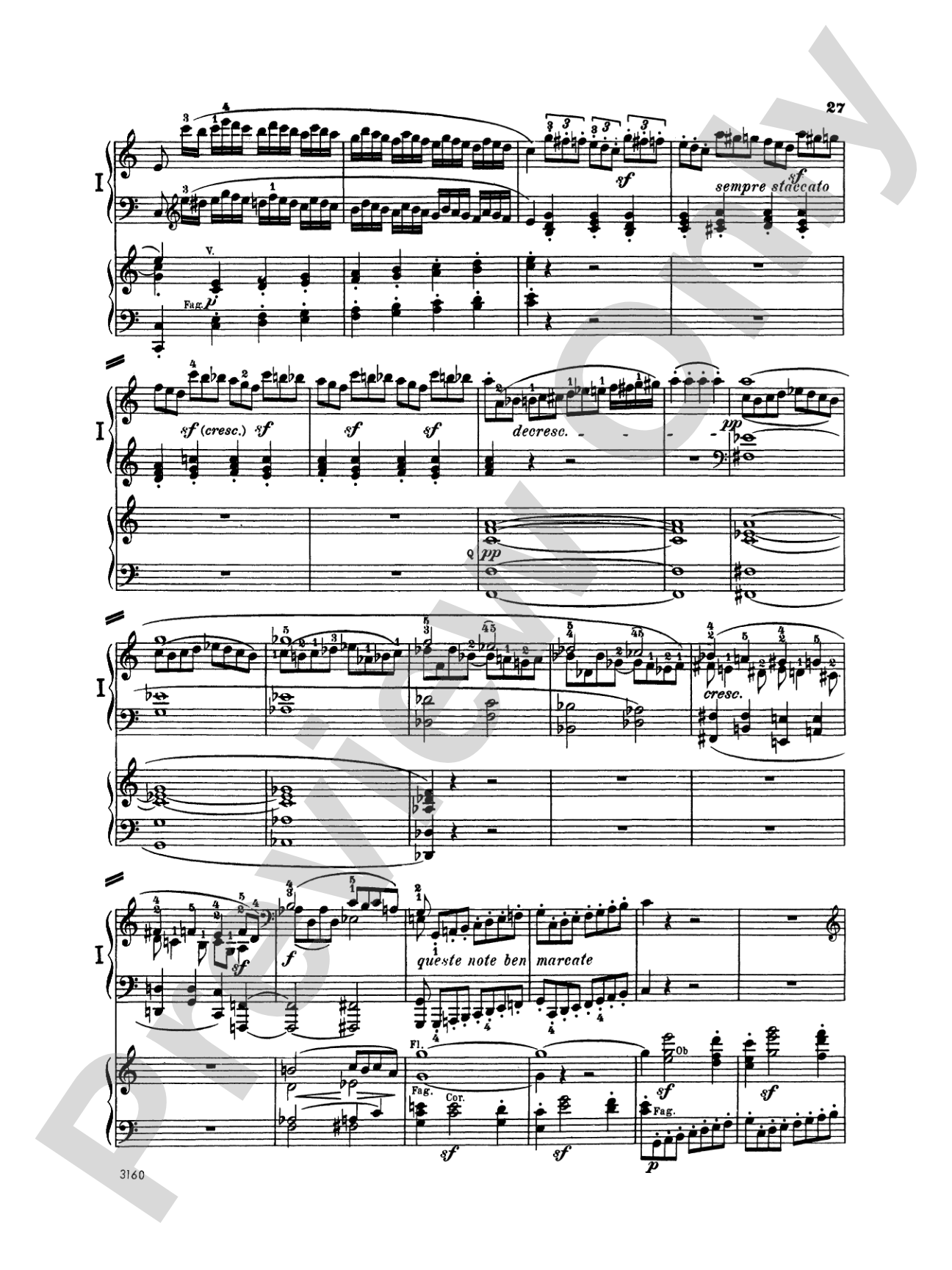
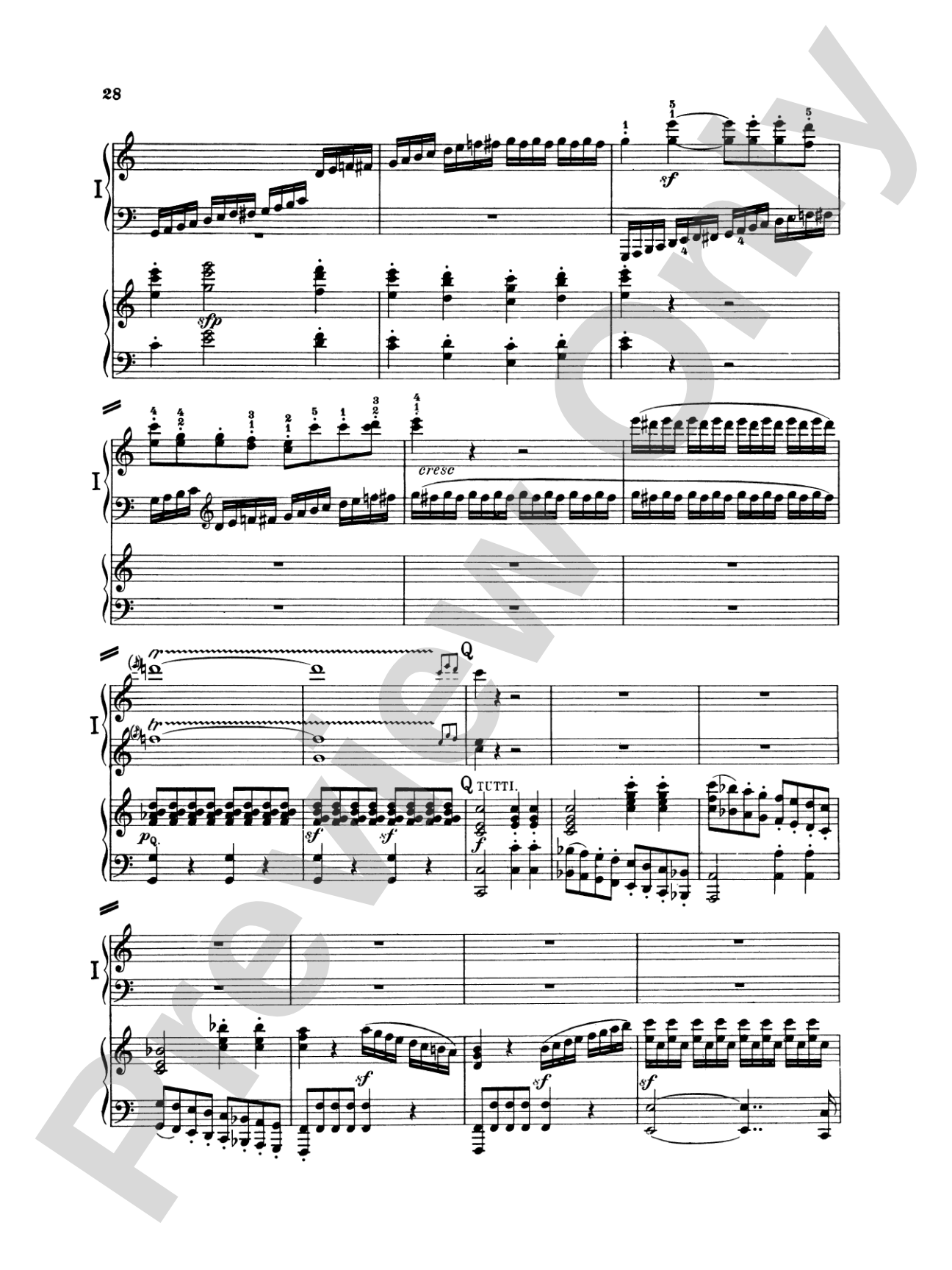
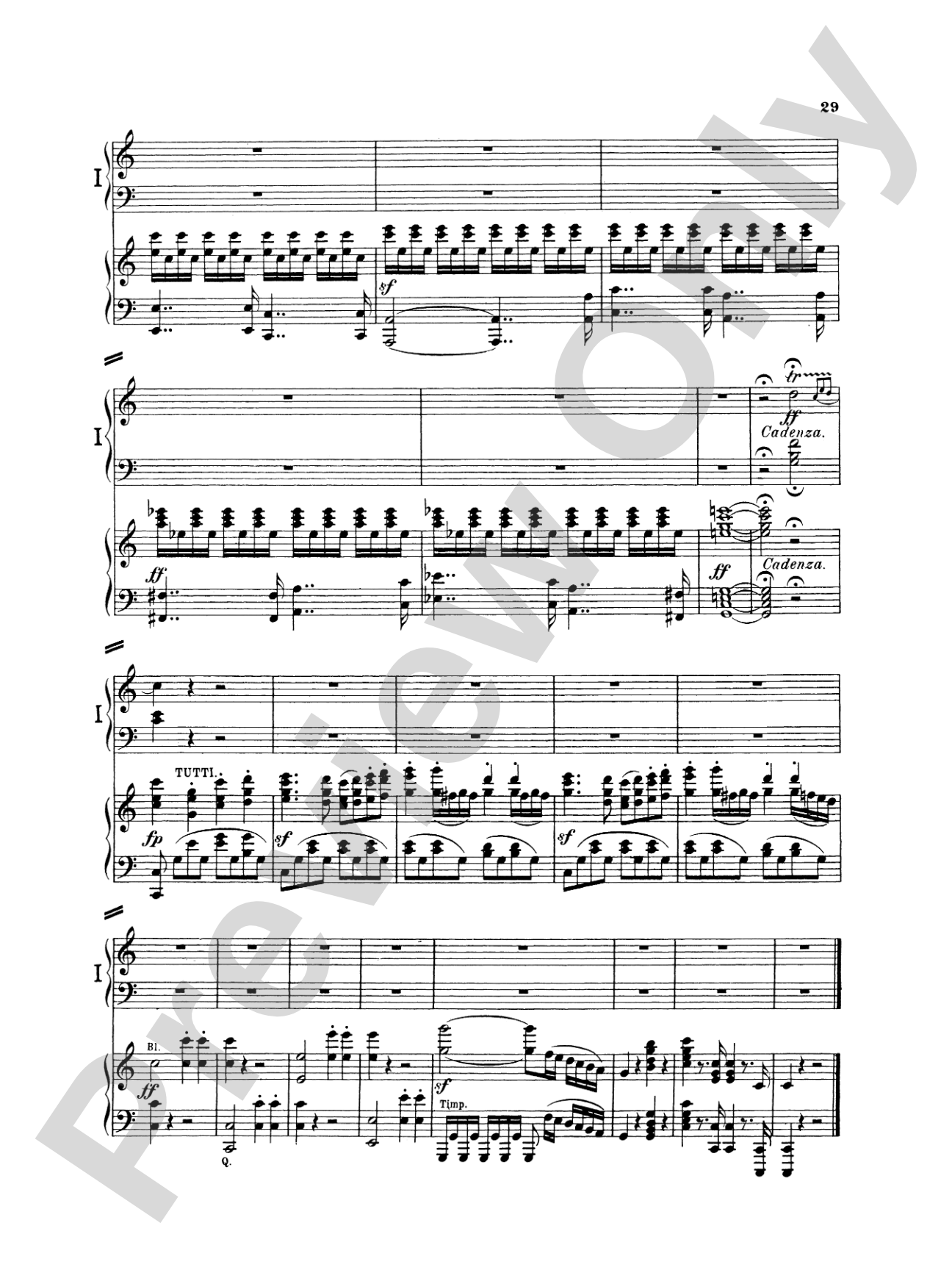
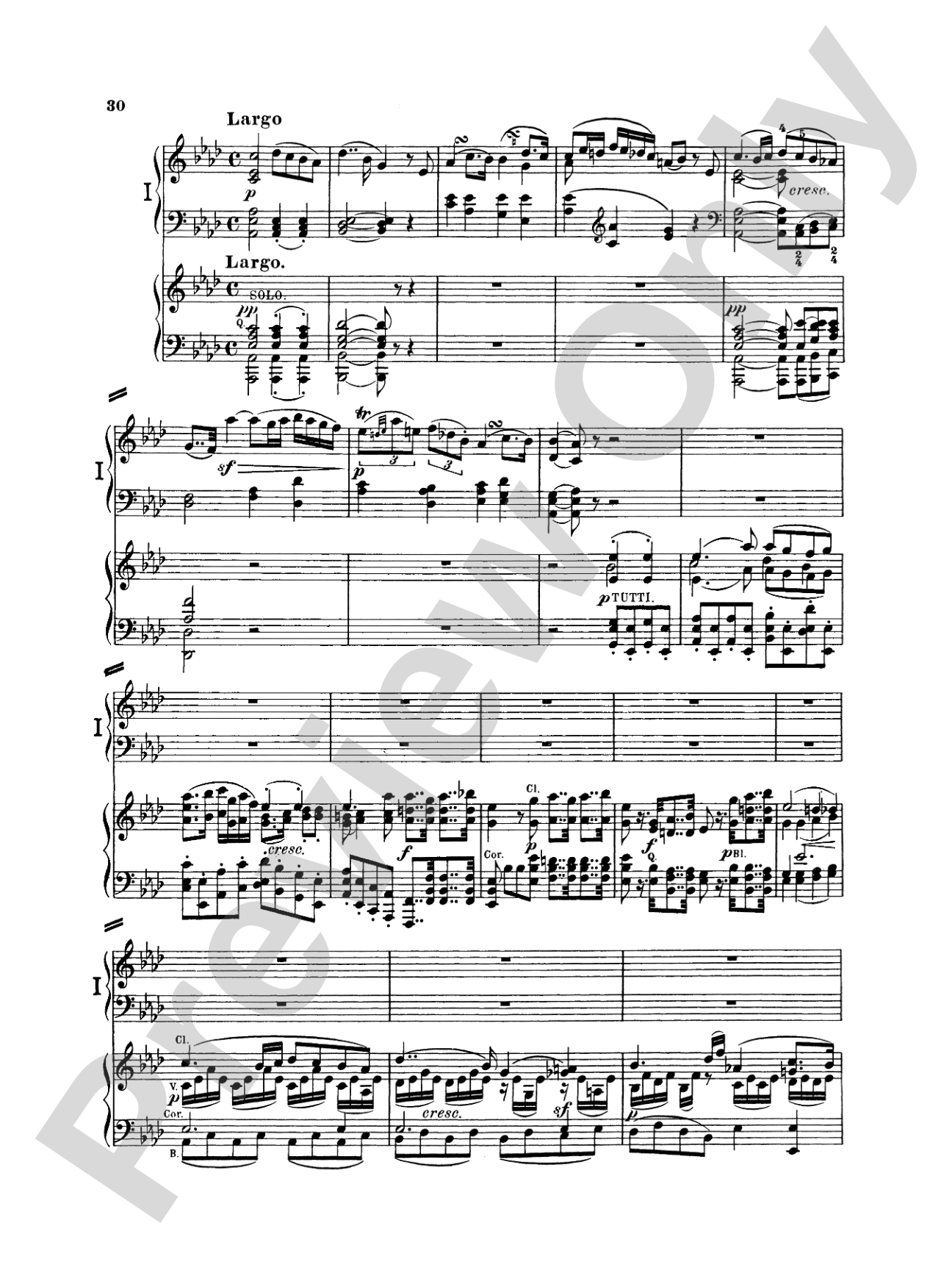
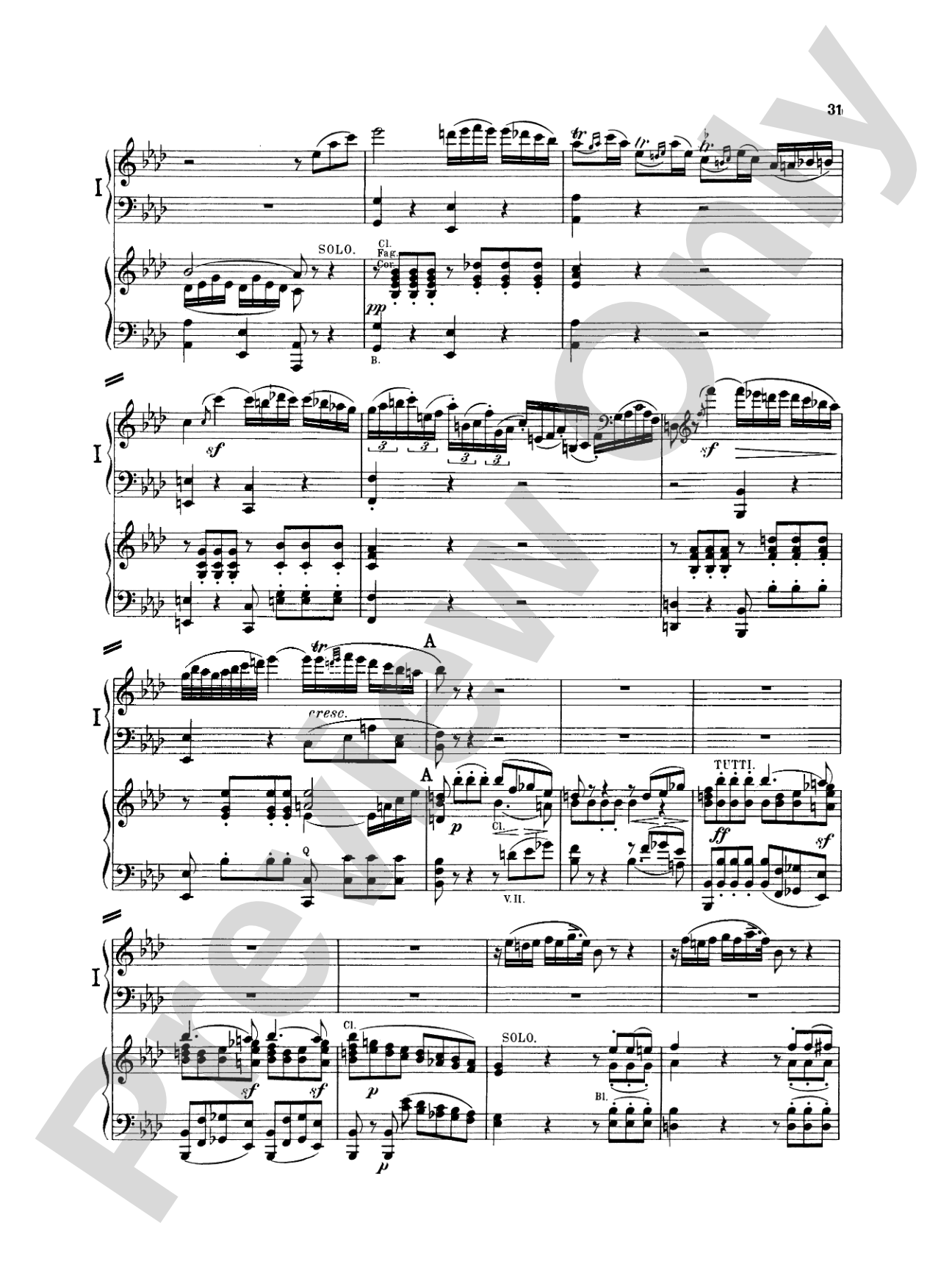
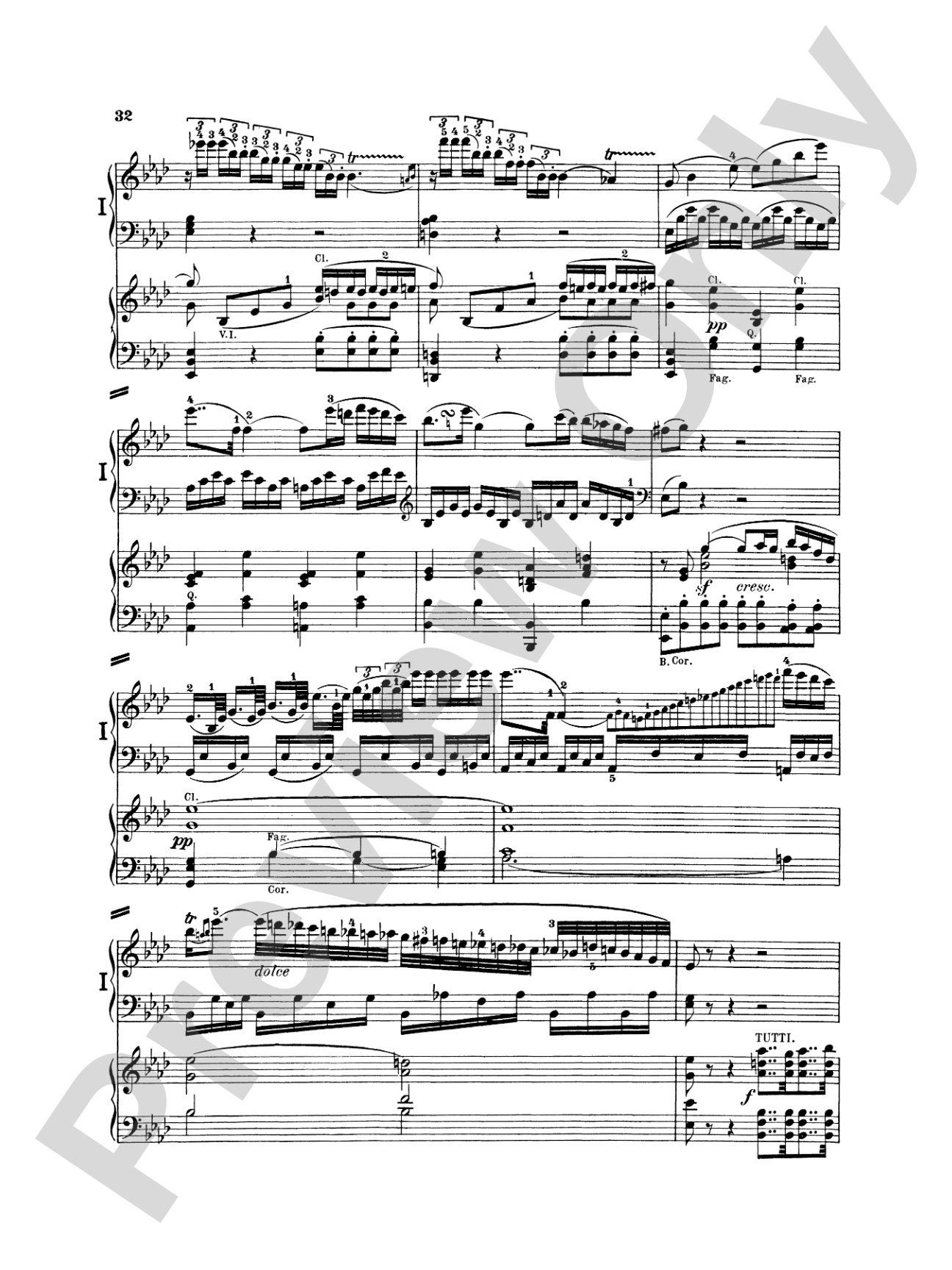
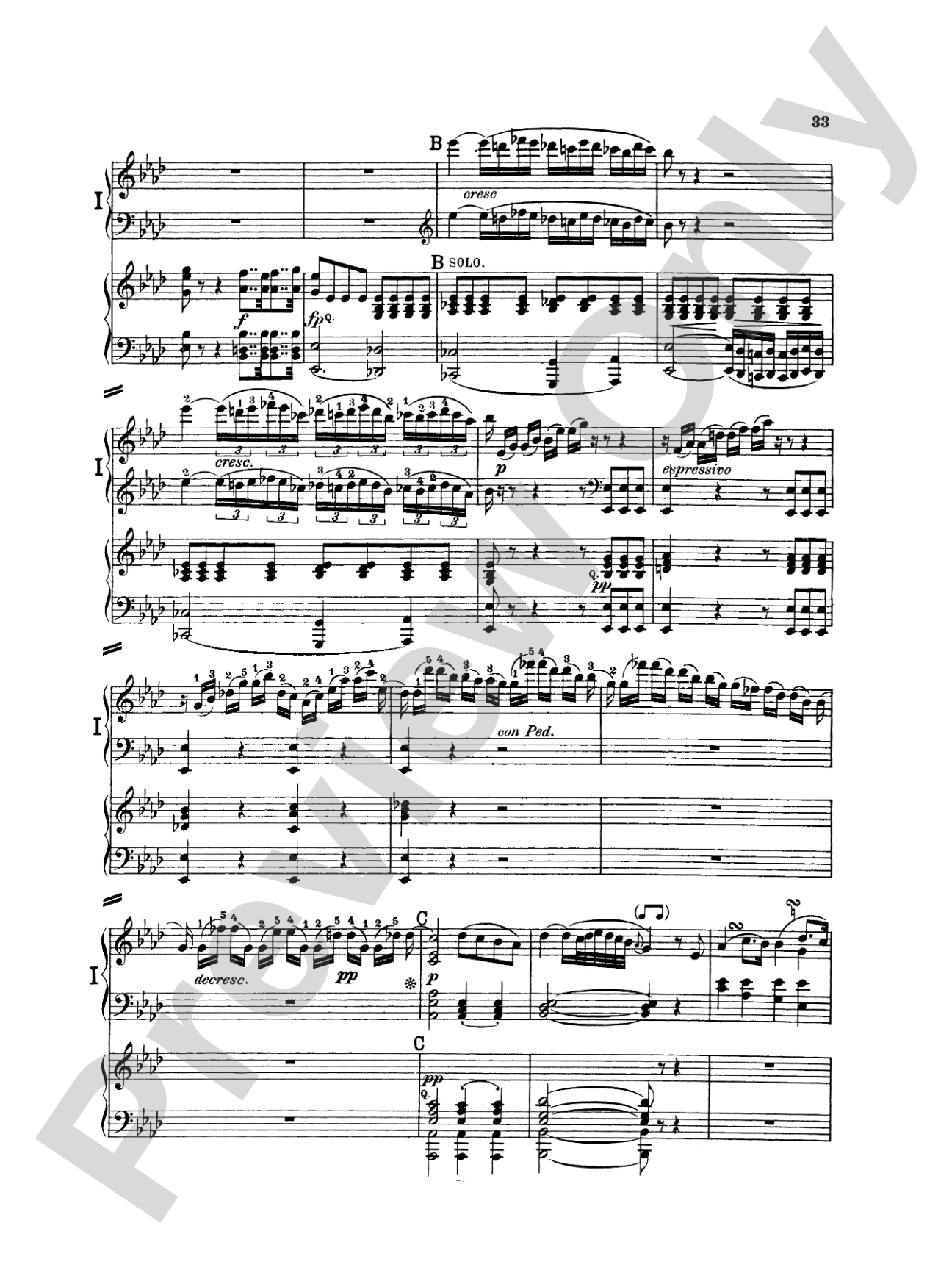
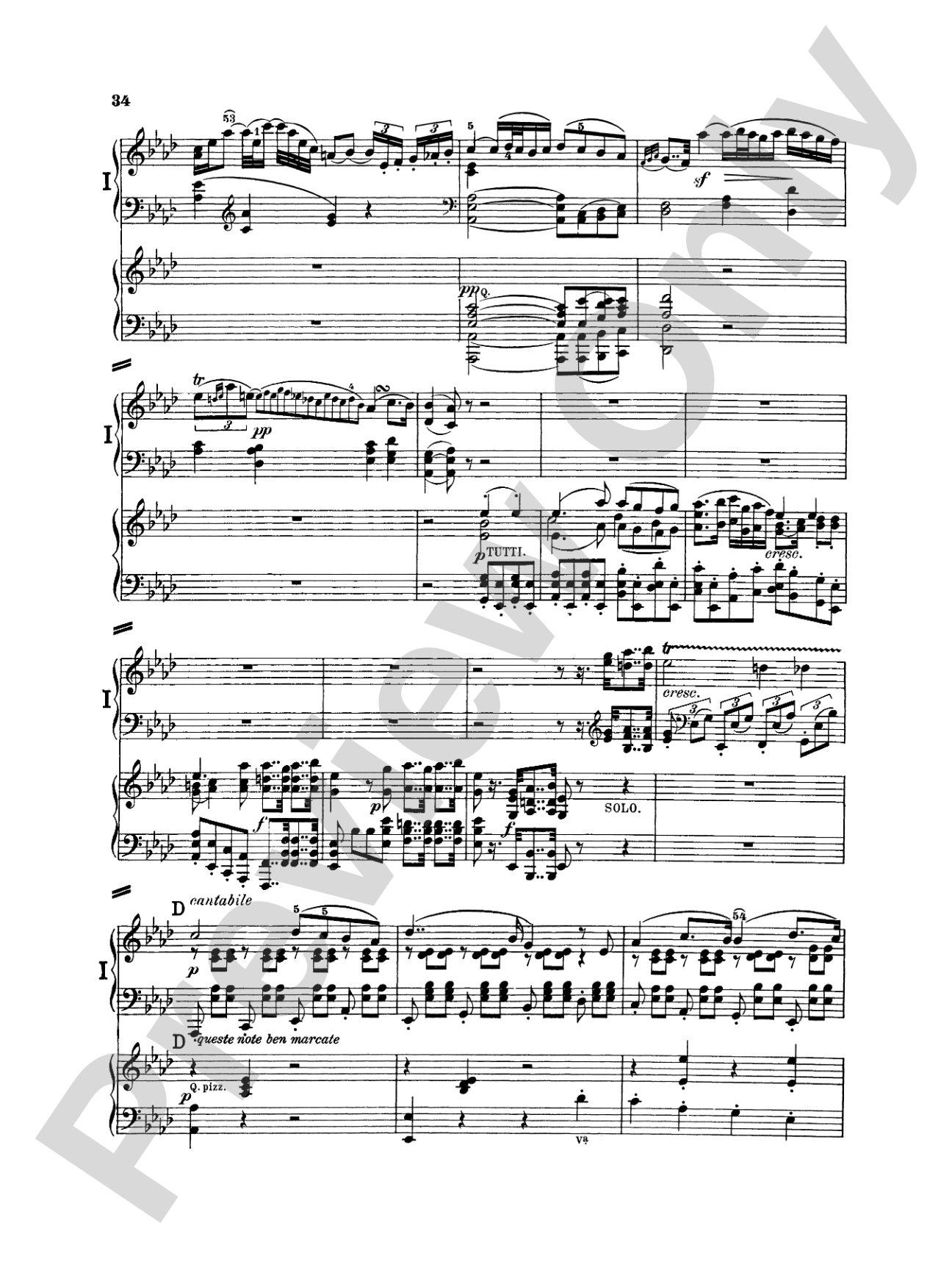
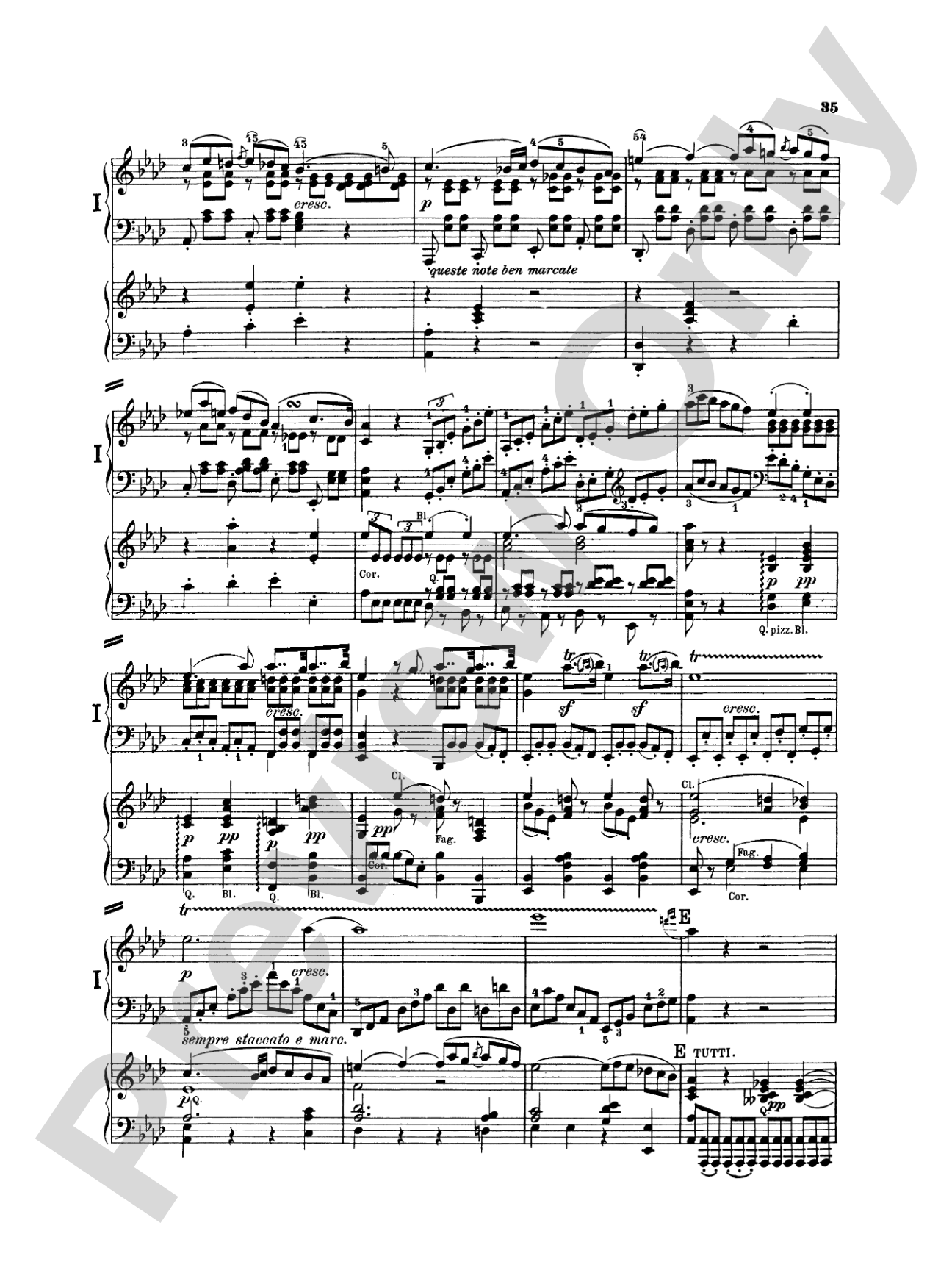
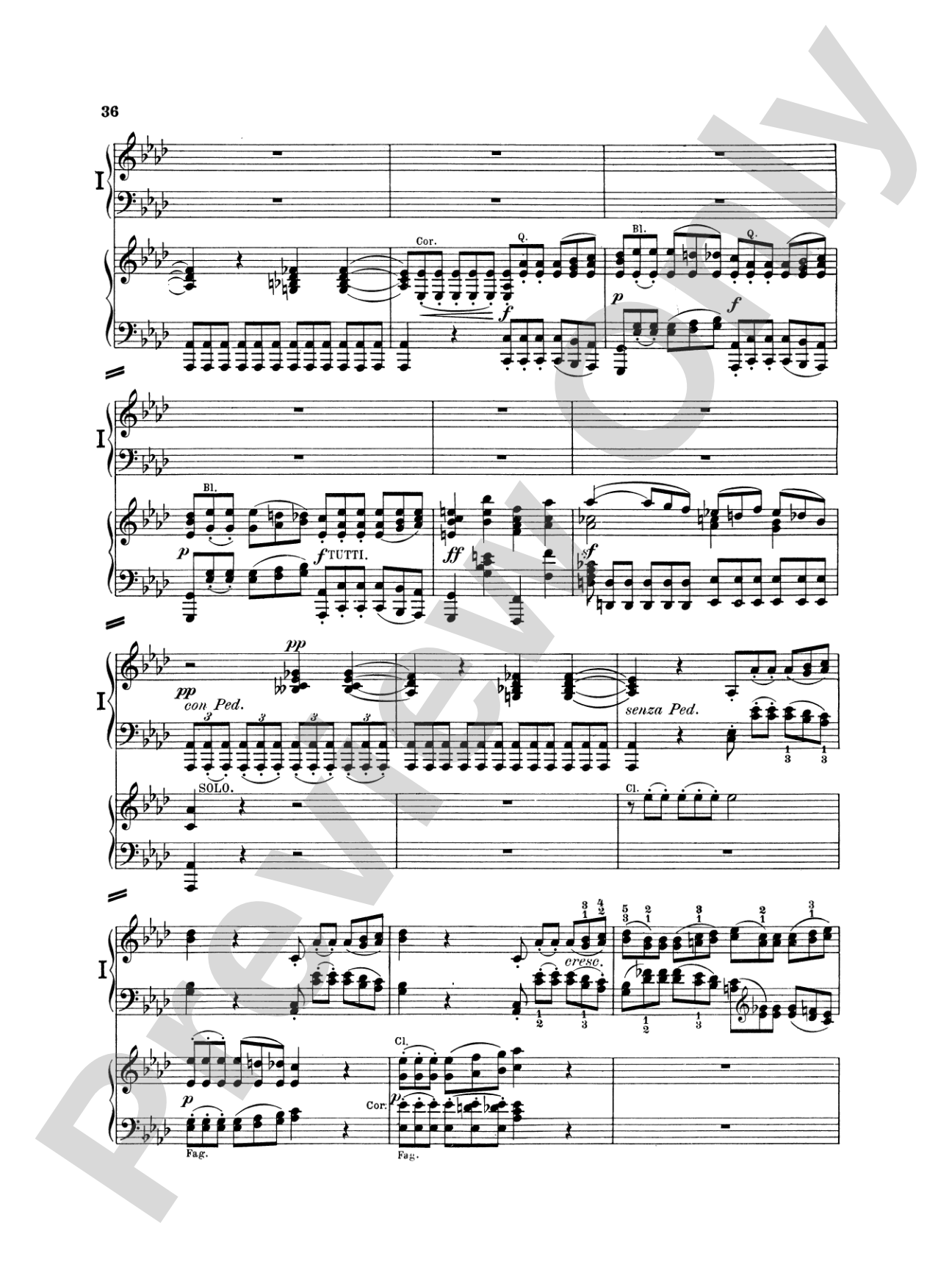
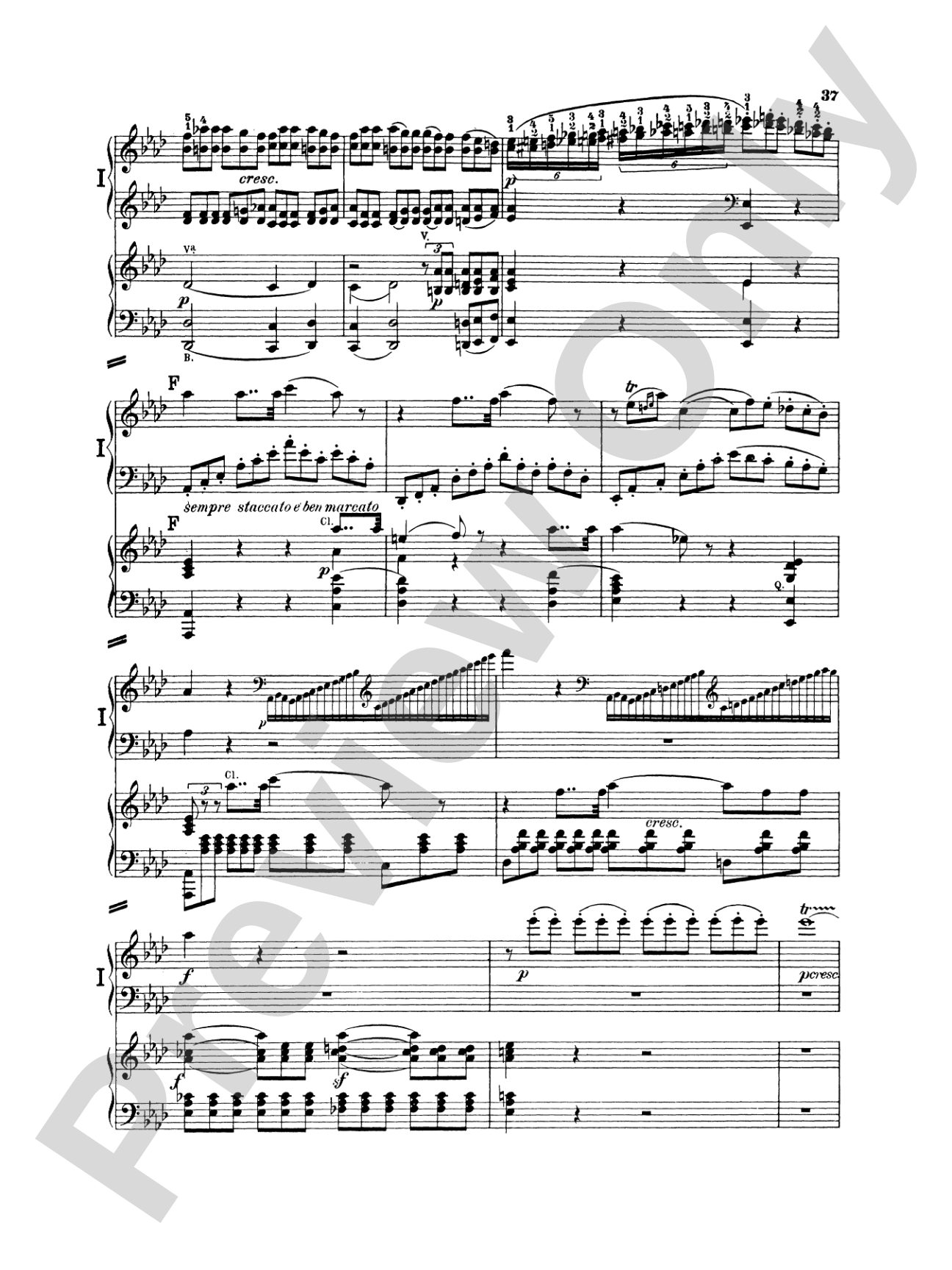
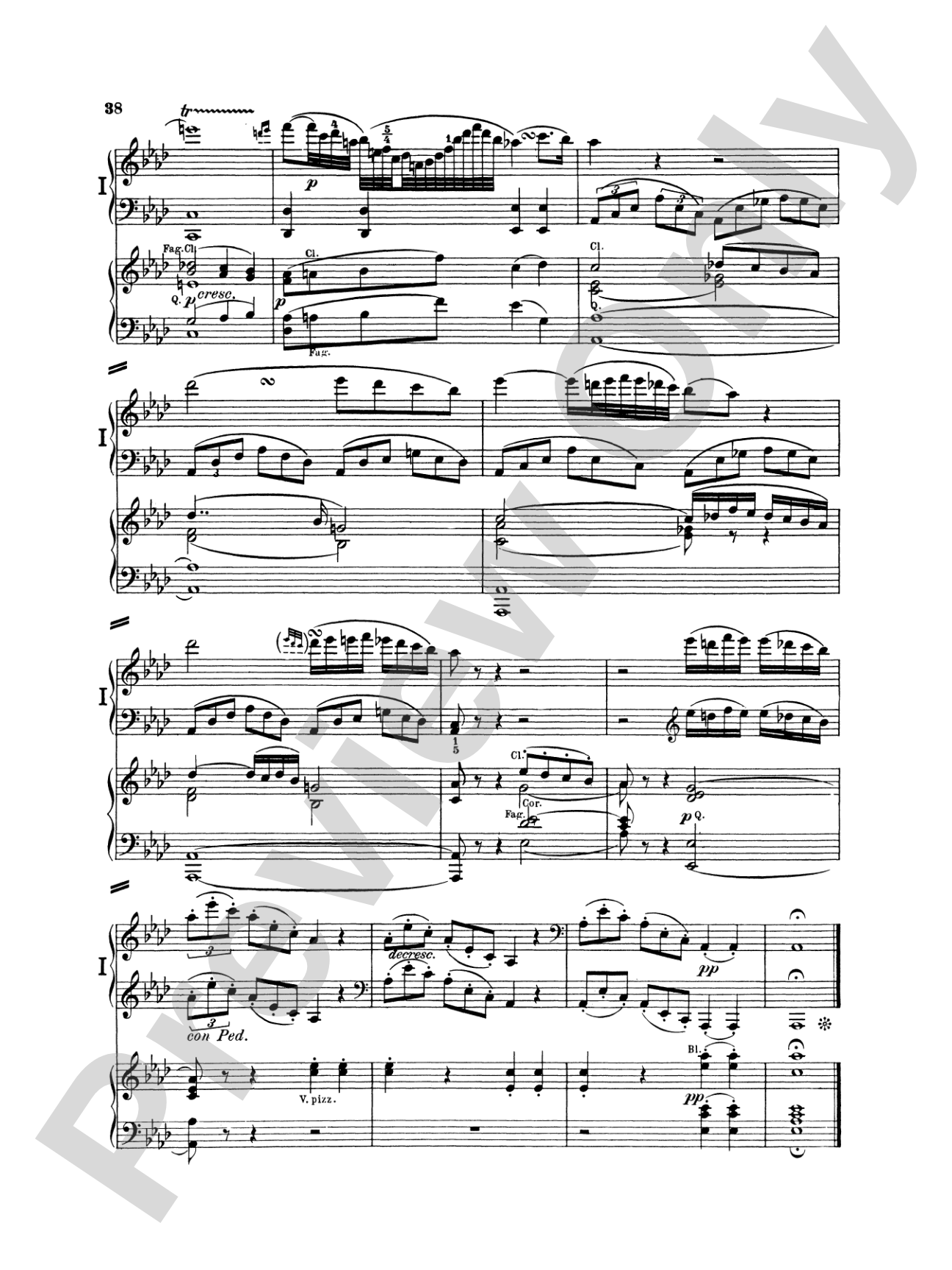
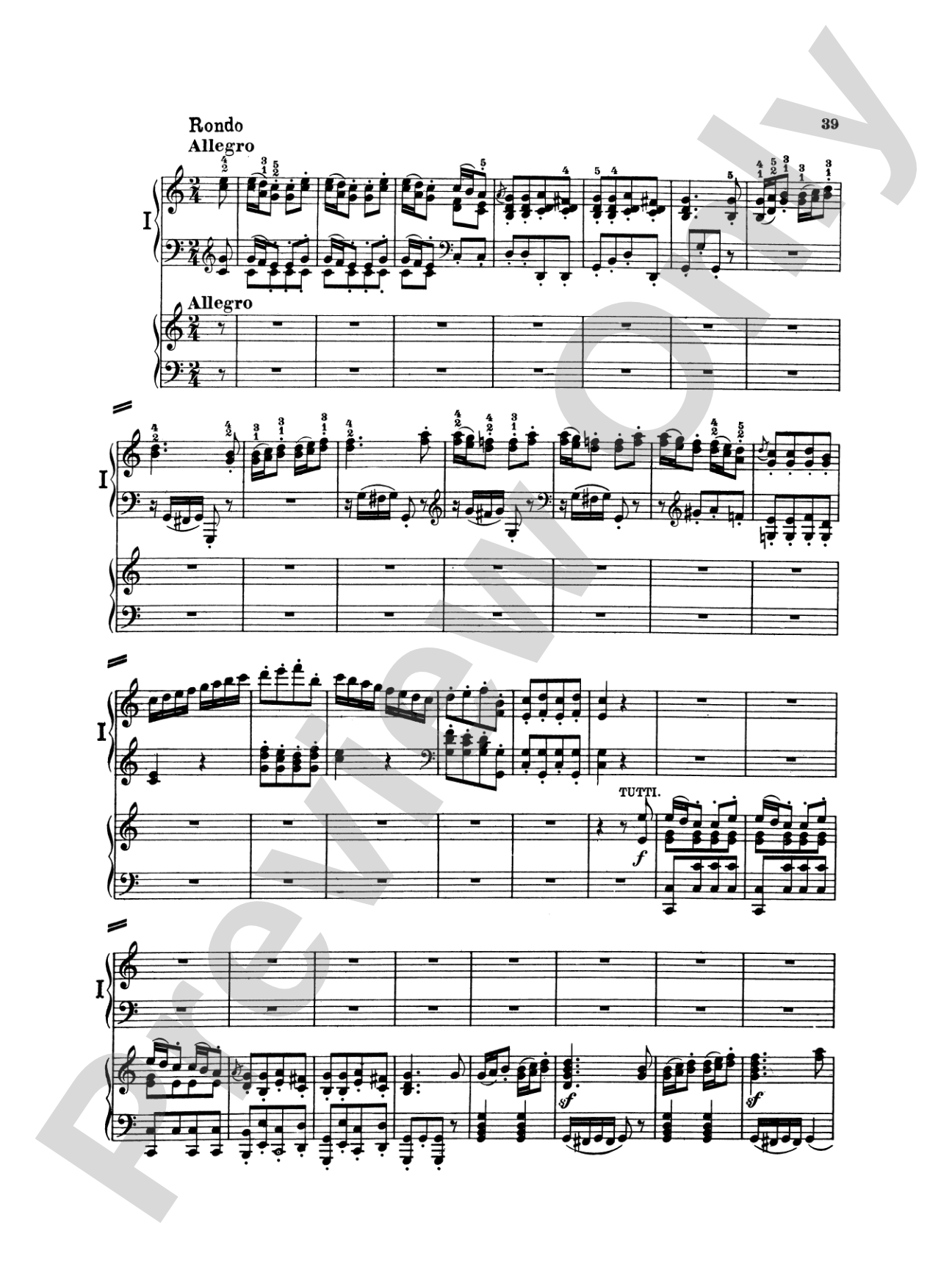
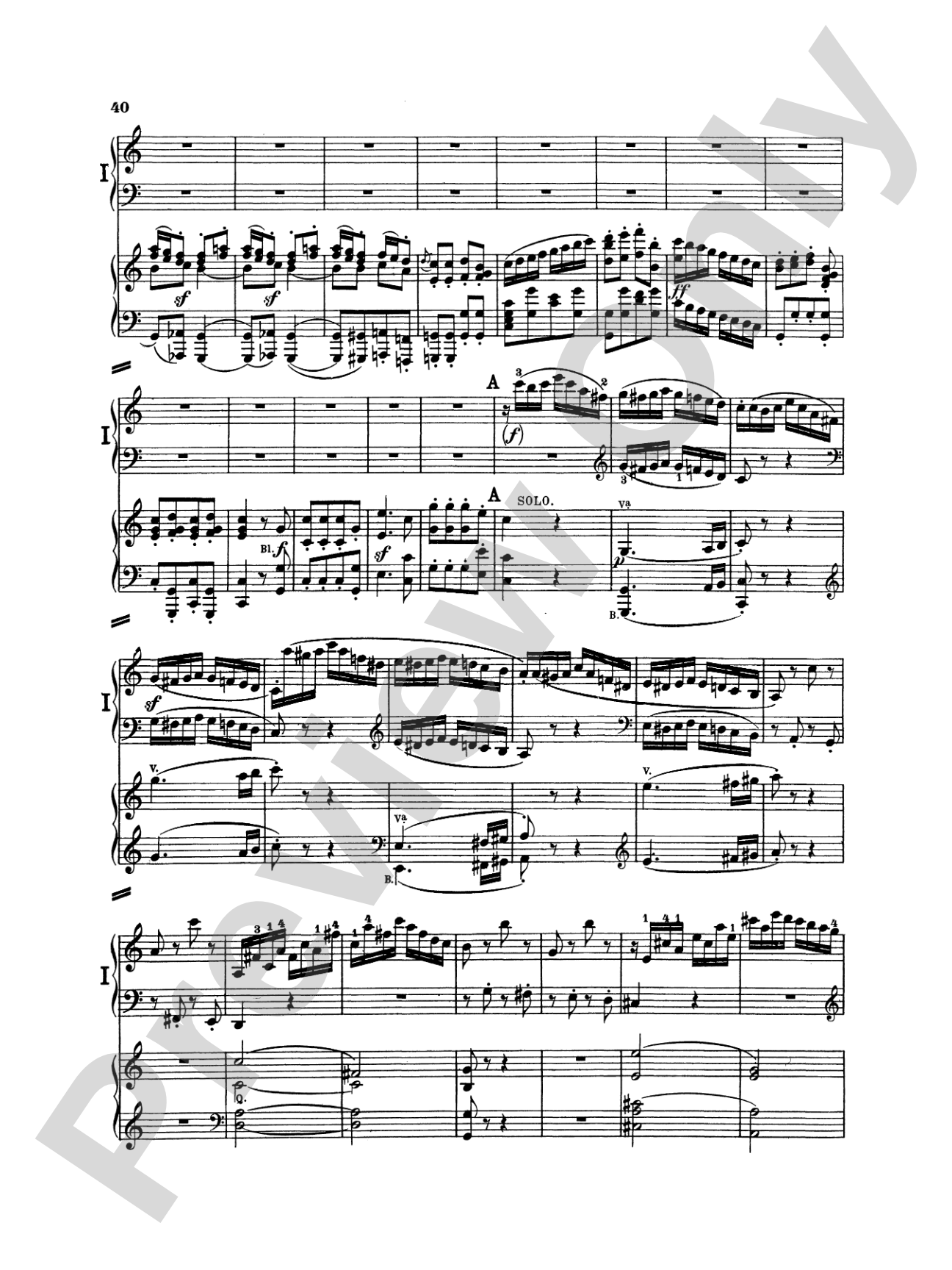
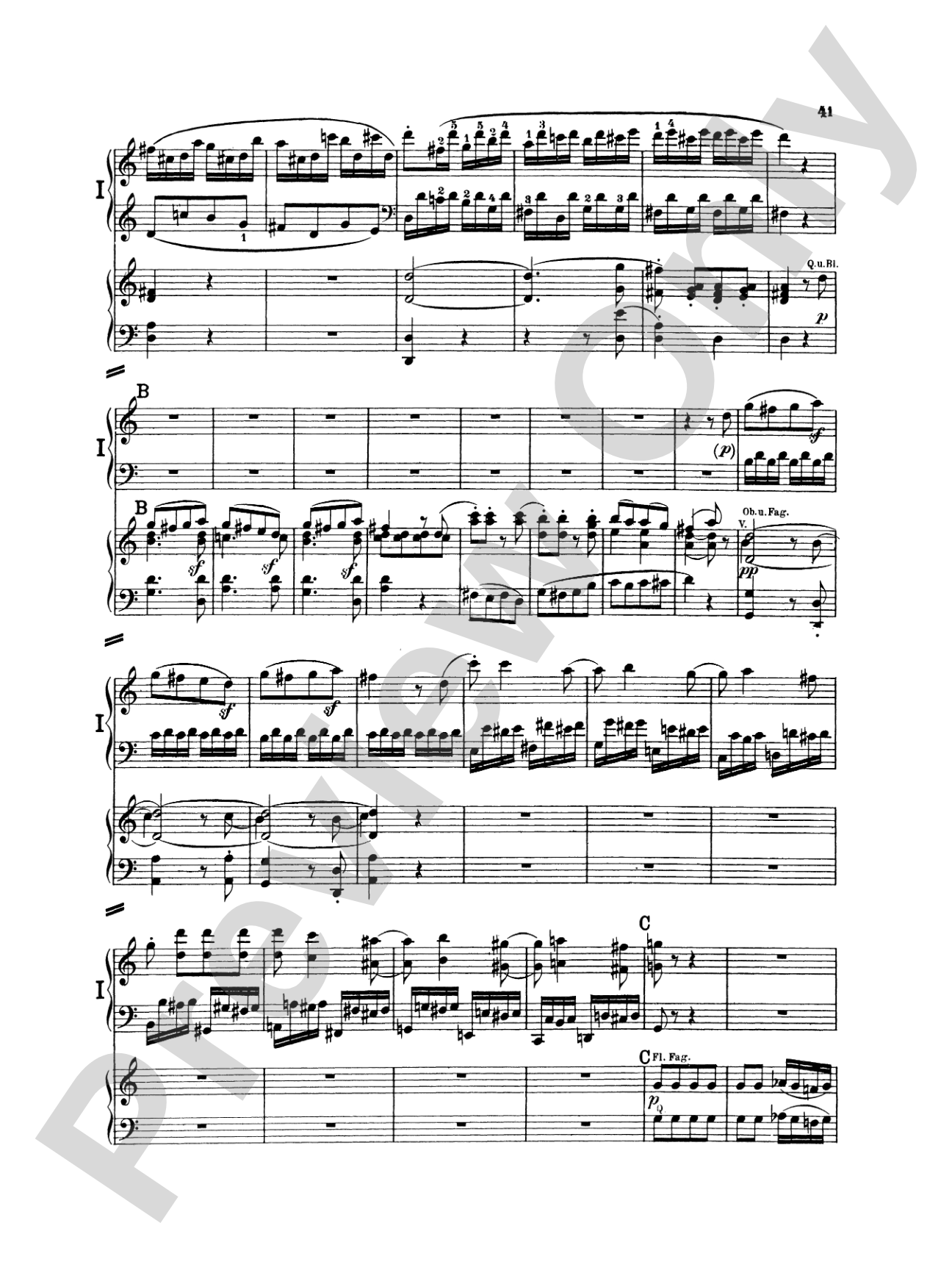
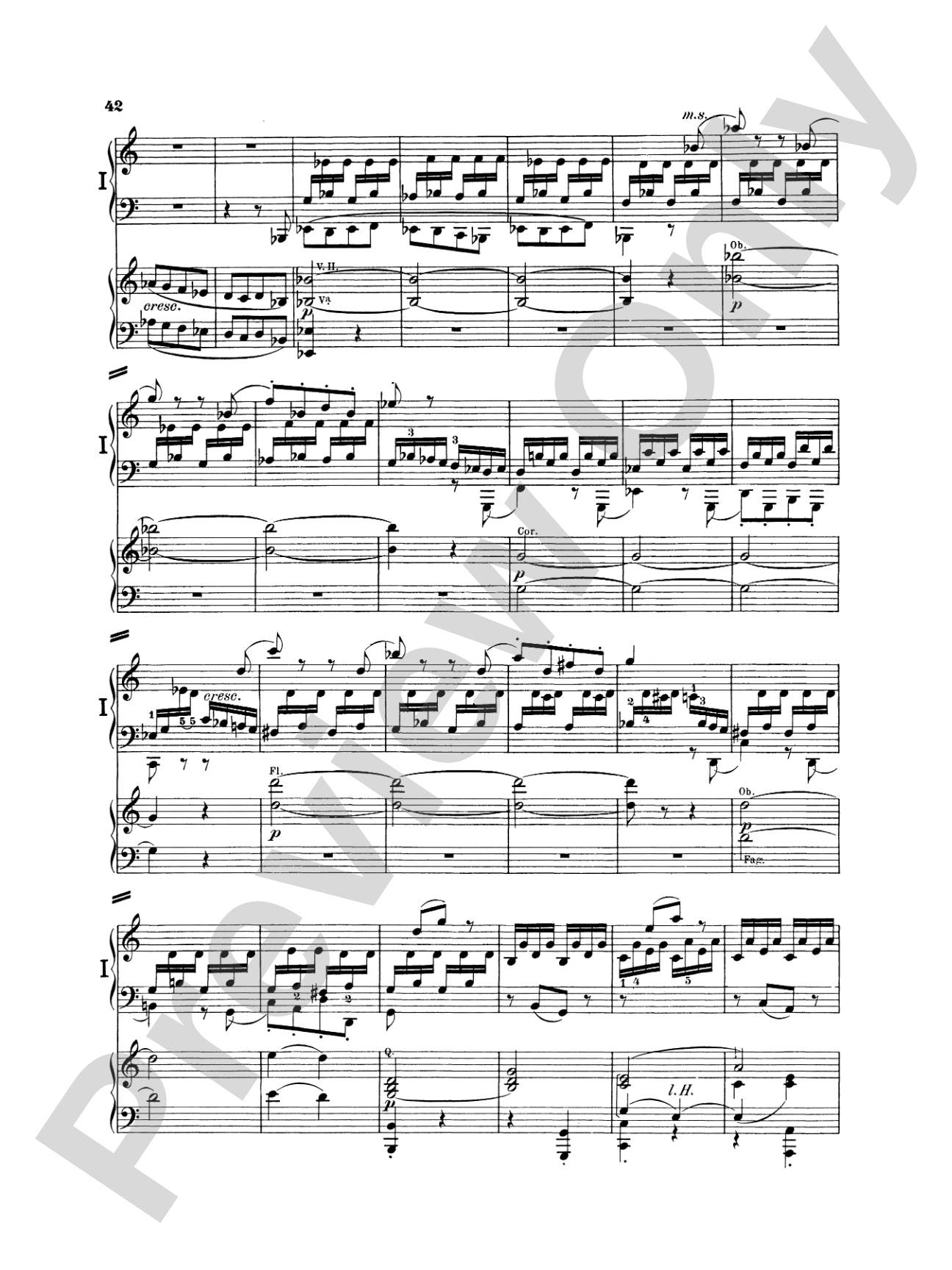
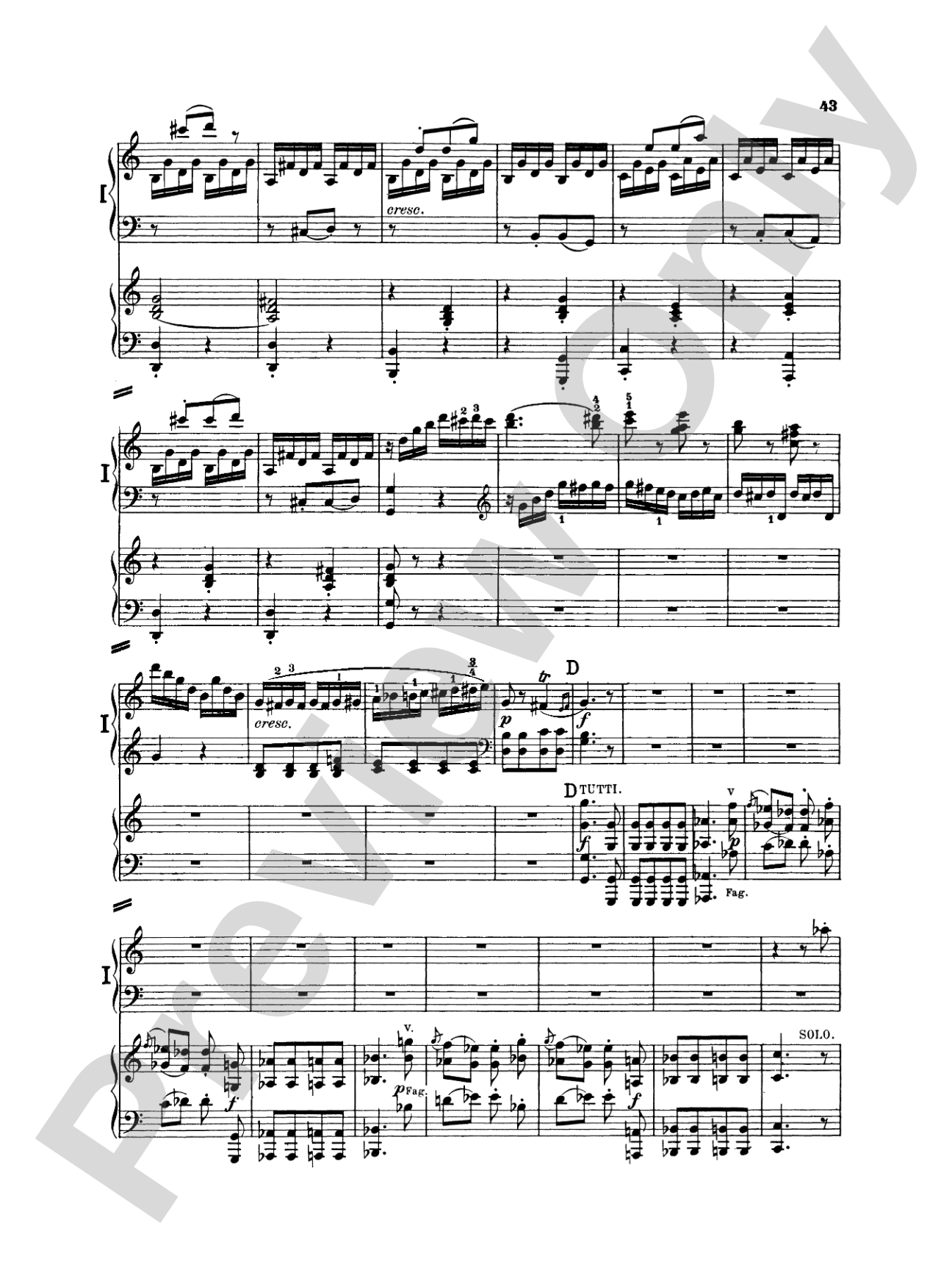
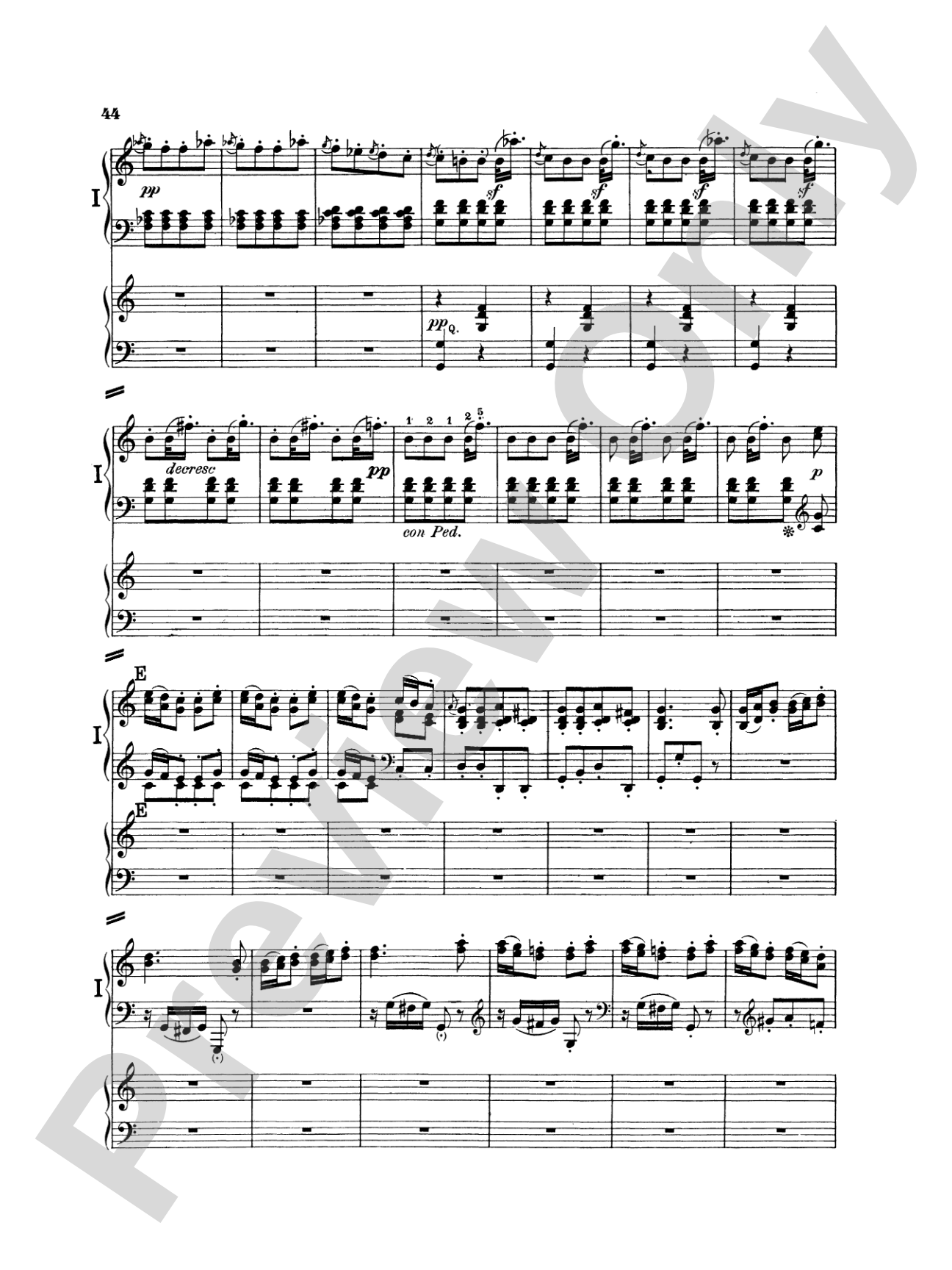
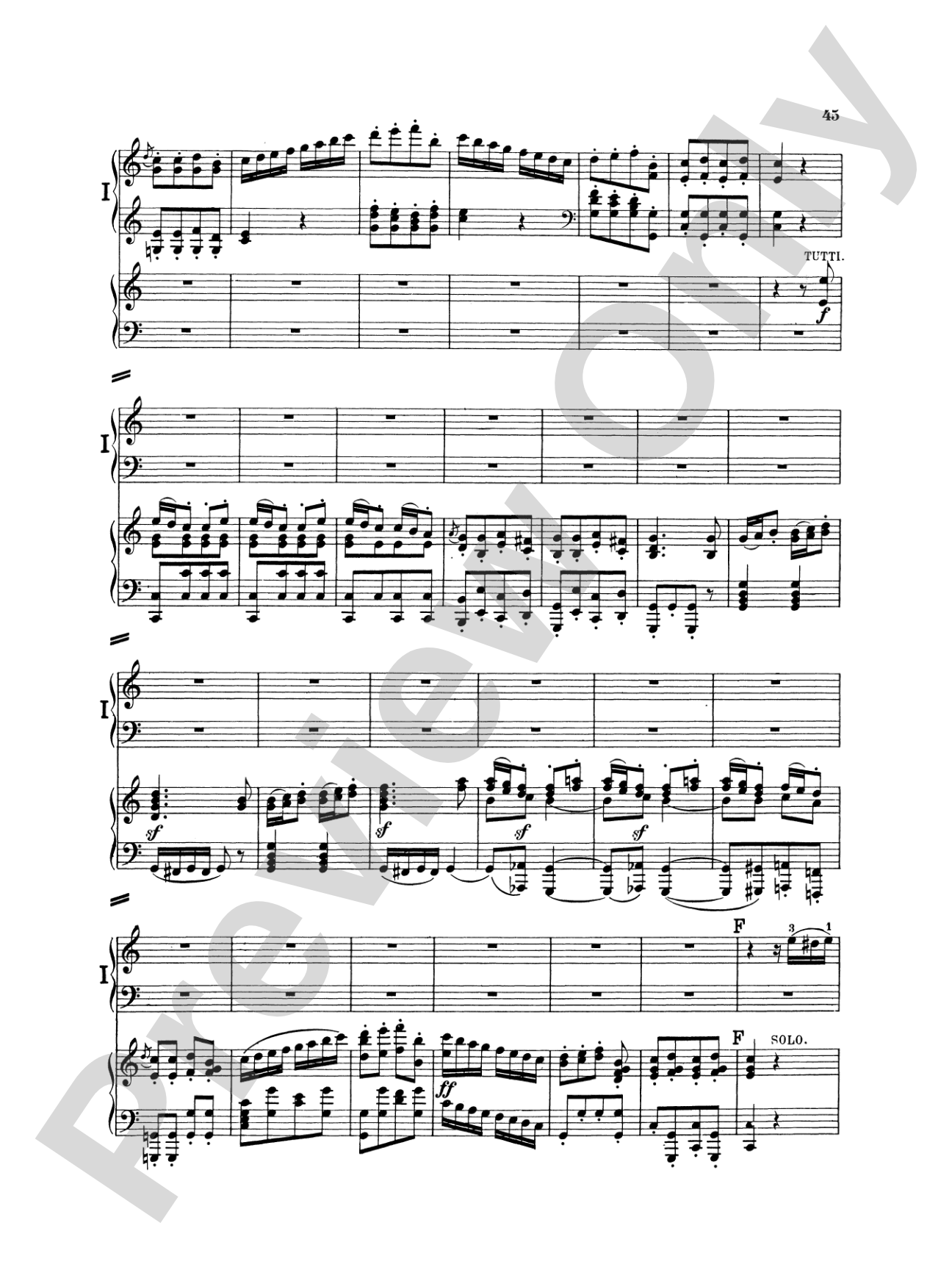
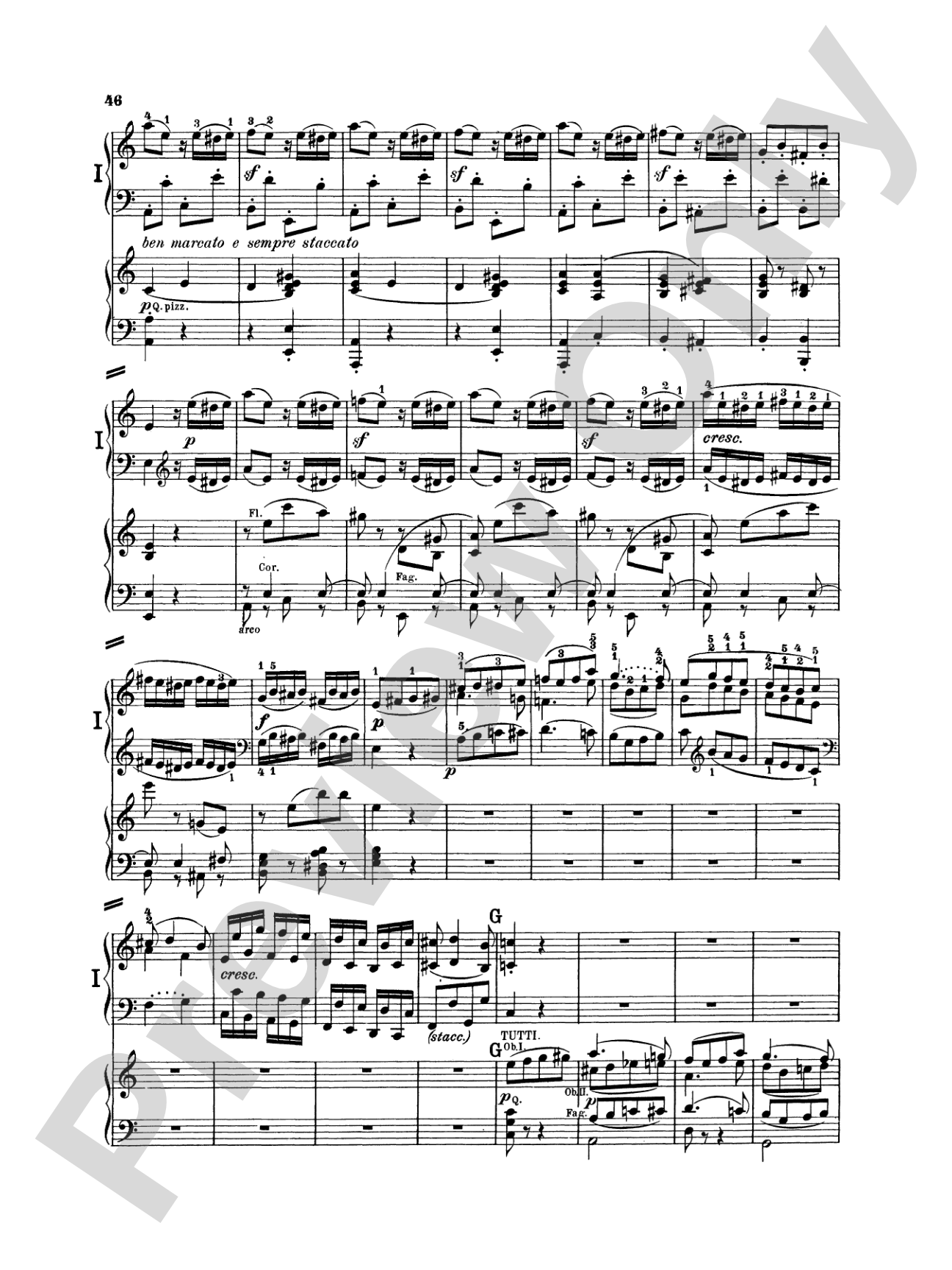
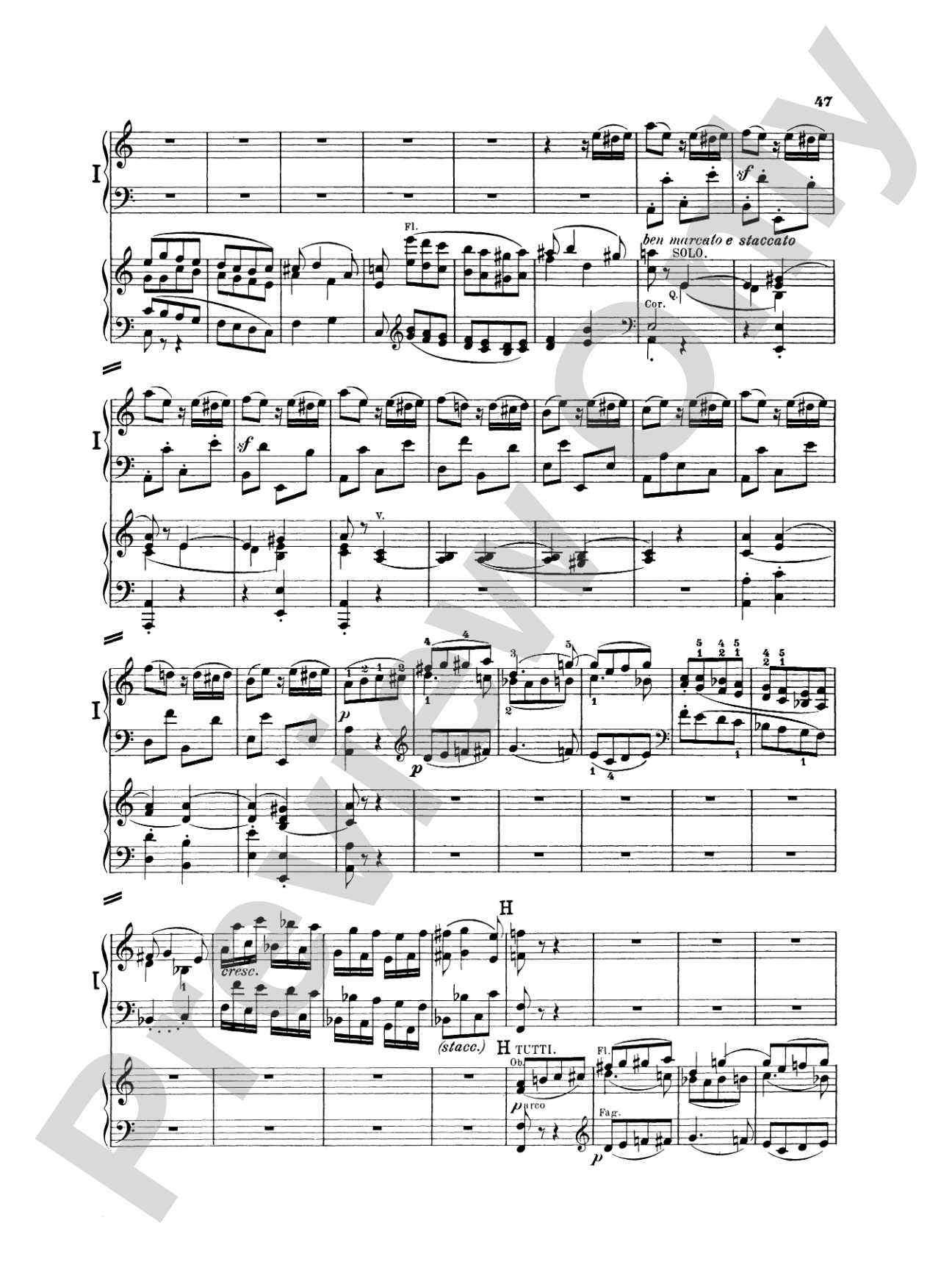
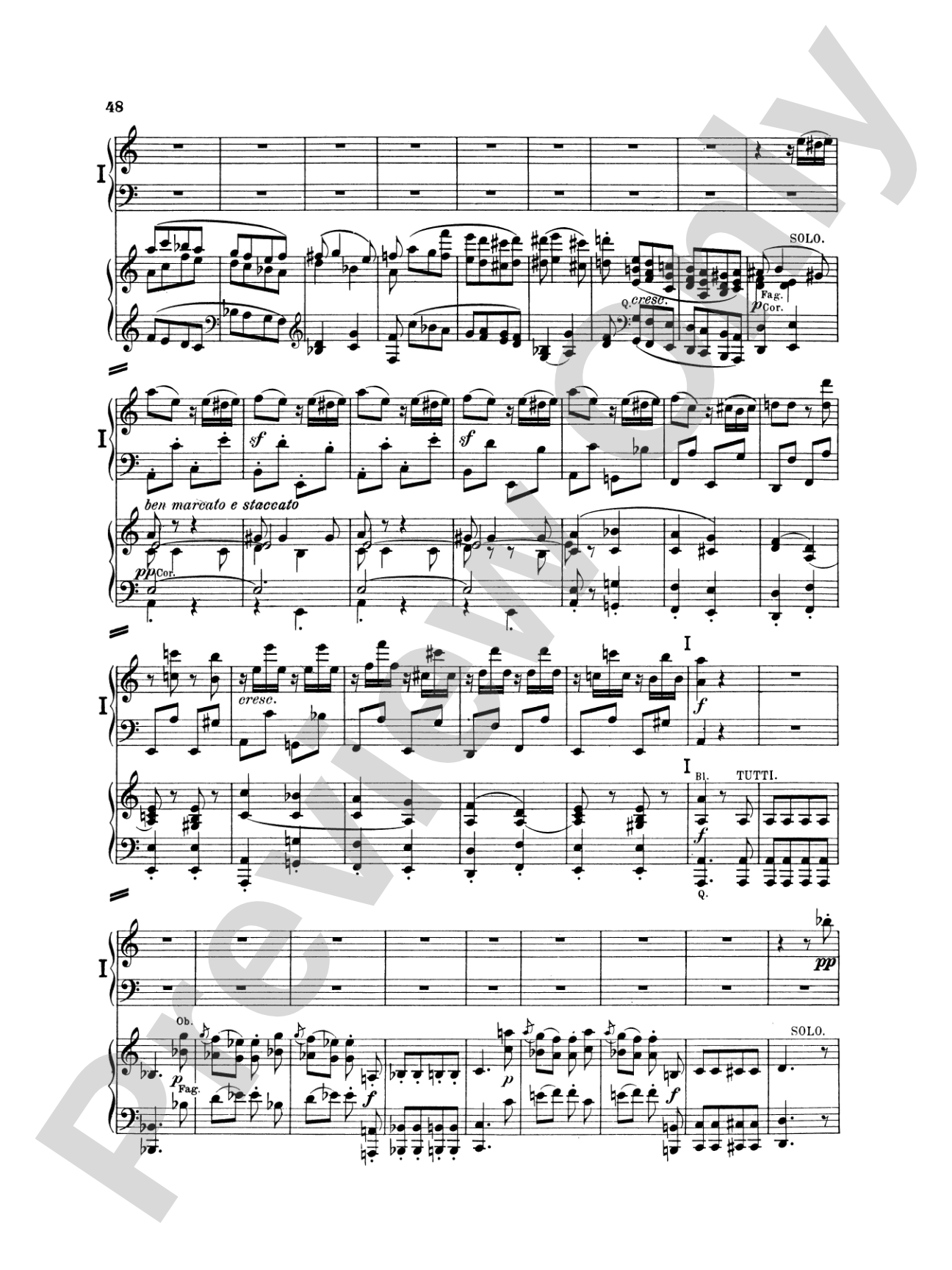
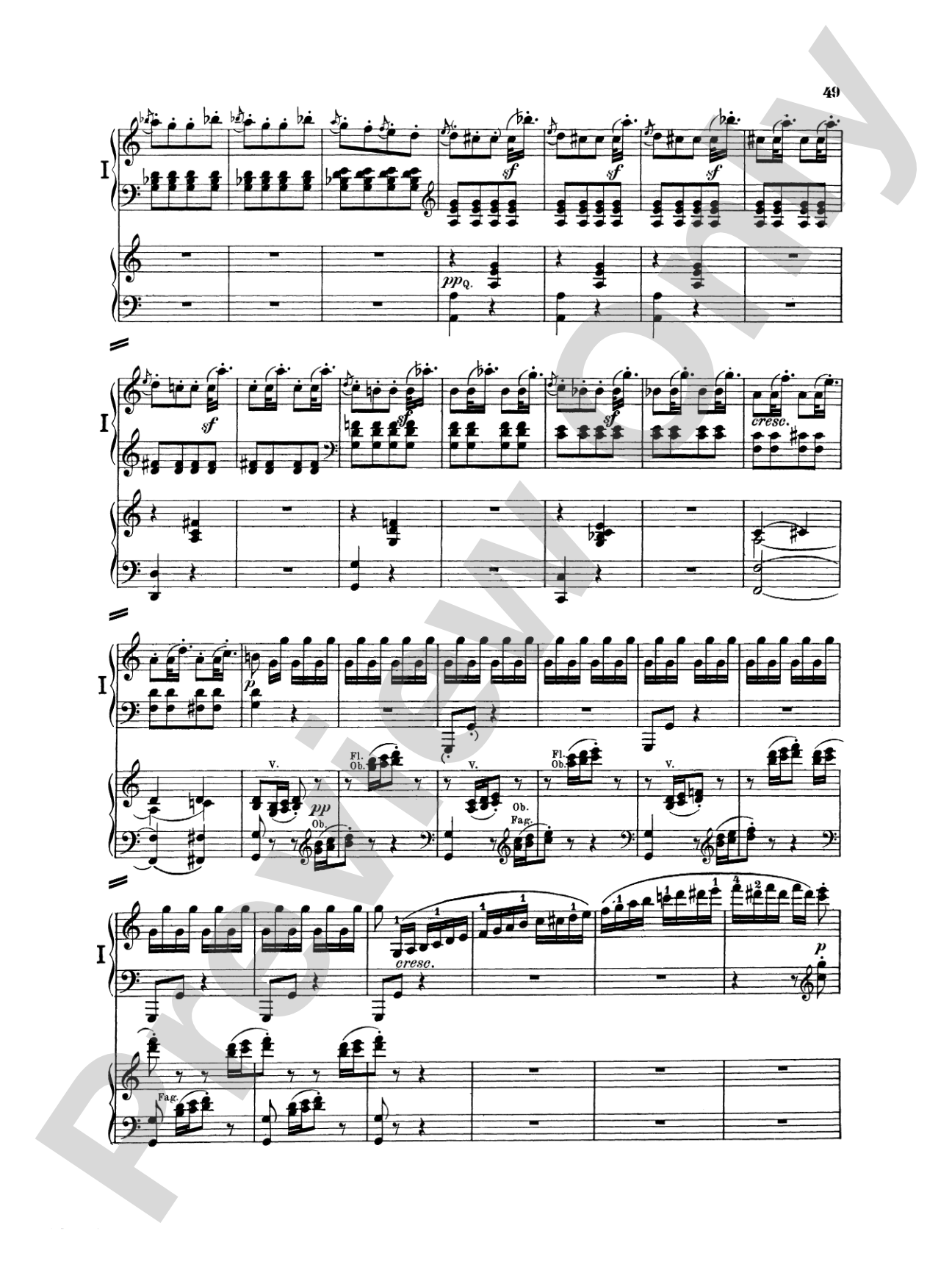
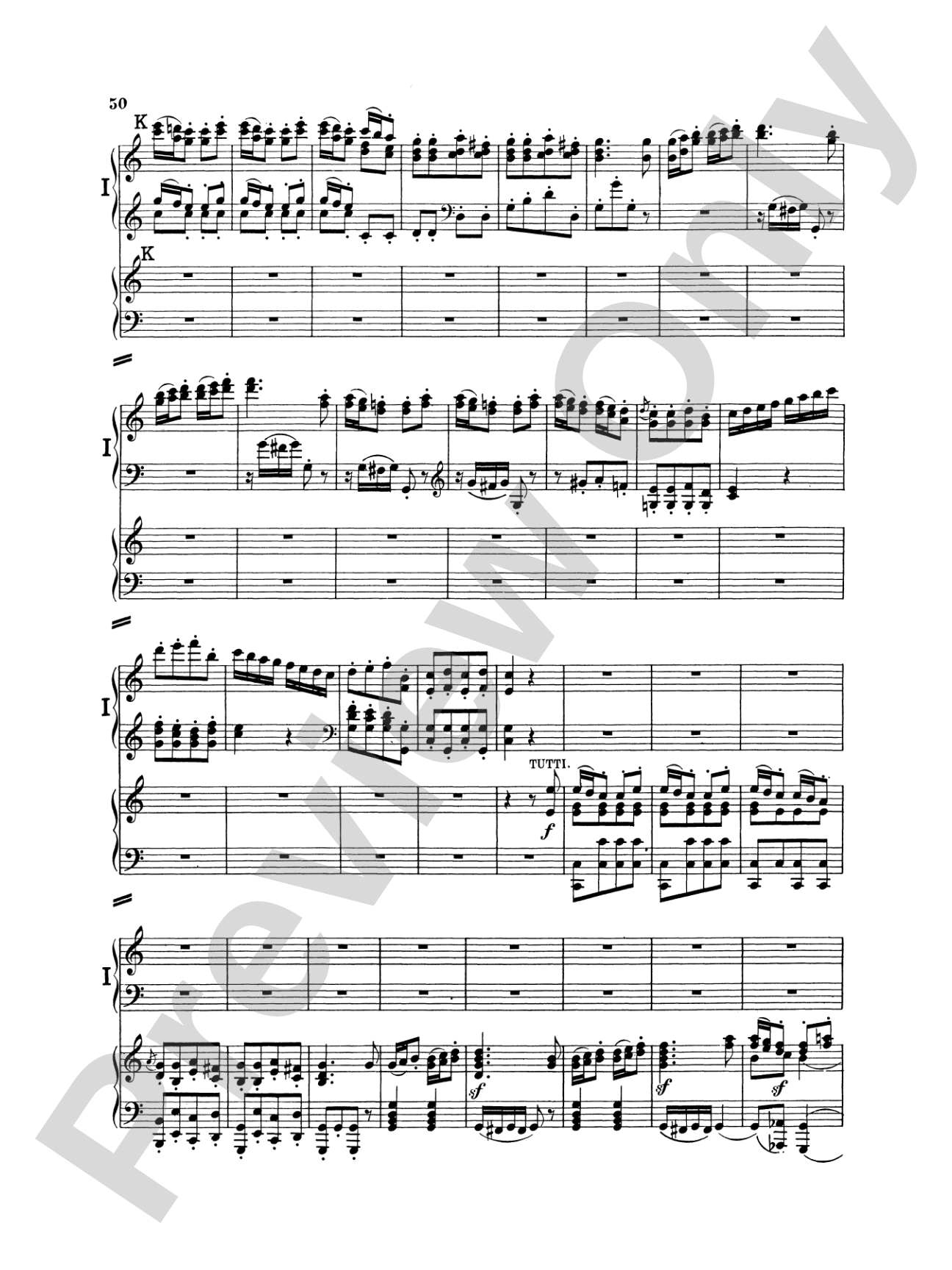
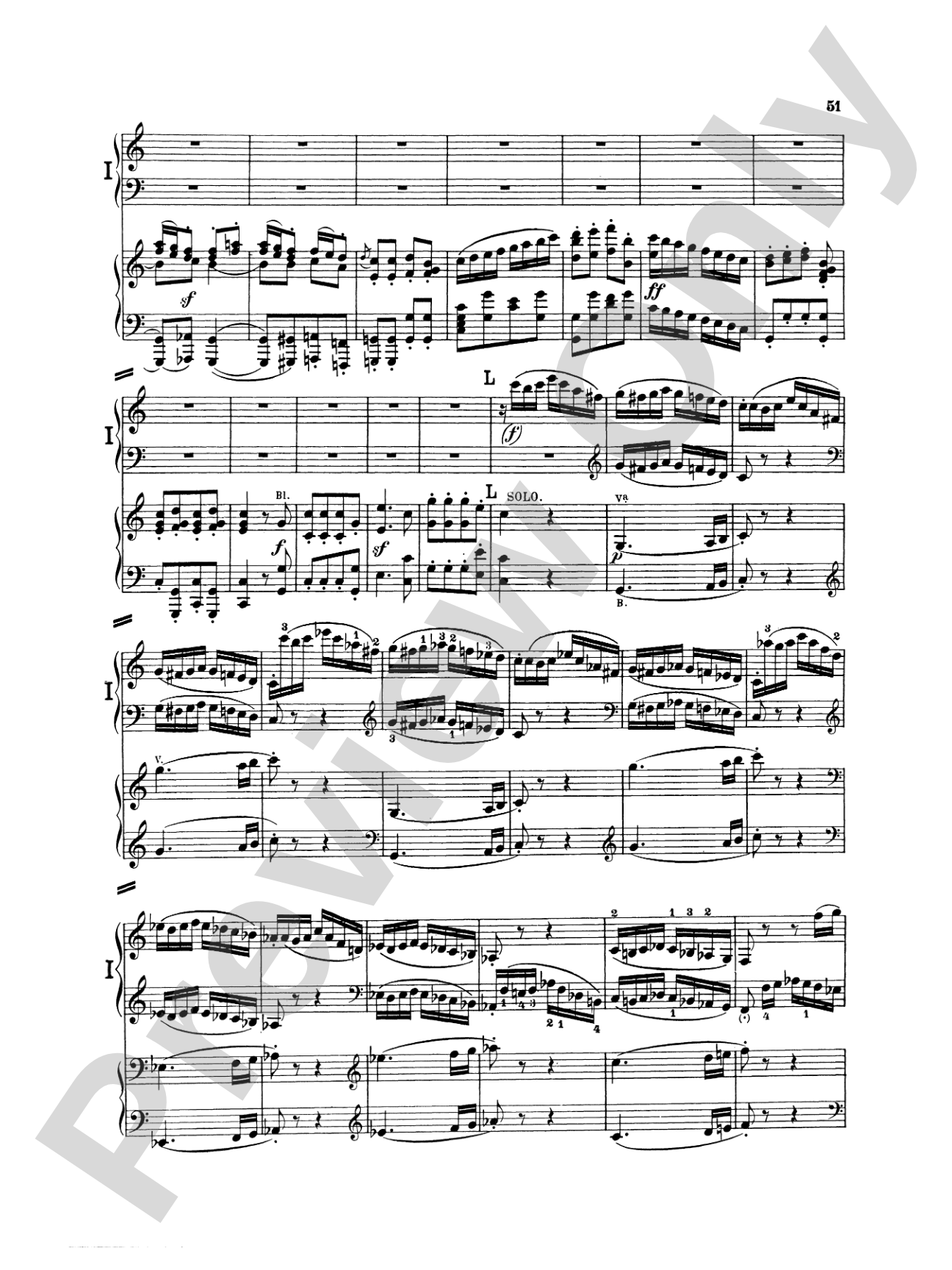

Beethoven: Piano Concerto No. 1 in C Major, Opus 15: Piano Duo (2 Pianos, 4 Hands) Book (2 copies required)
By Ludwig van Beethoven
Level: Advanced
Item: 00-PK-0002917

$12.95
Pickup currently not available
Buy Extra Parts (Digital PDF Download)
| Product | Price | Quantity |
|---|---|---|
| Beethoven: Piano Concerto No. 1 in C Major, Opus 15 | $11.95 |
Parts Added to Cart!
Related Items
Piano Concerto No. 1 in C, Opus 15: Piano Duo (2 Pianos, 4 Hands) Book (2 copies required) |
$12.95
|
View |
Description
Expertly arranged Piano Duet by Ludwig van Beethoven from the Kalmus Edition series. This Advanced Piano Duet (2 Pianos, 4 Hands) is from the Classical and Romantic eras. 2 copies are required for performance.


Don't just read it, hear it, play along with it, and watch your students grow with it. In MakeMusic Cloud, Beethoven: Piano Concerto No. 1 in C Major, Opus 15: Piano Duo (2 Pianos, 4 Hands) Book (2 copies required) comes alive with professional accompaniment, adjustable tempo, and built-in practice tools that turn solo practice into real progress.
Open in the Player
Jump straight in and assign it today.
Start Your Free Trial
Open this title and explore the full library in minutes.
Sample Audio
No sample audio found.
Sample Video
No sample videos found.
Additional Details
Series:
Kalmus Edition
Publisher:
Alfred Music
Page Count:
60
SKU:
00-PK-0002917
More about this title
About the Composer: Ludwig van Beethoven
Ludwig van Beethoven (1770-1827) stands as the bridge between Classical and Romantic music, a composer whose relentless innovation reshaped what the piano concerto could express. His early concertos, written while he was establishing himself in Vienna, showcase brilliant passage work and orchestral ambition translated into keyboard writing that demands virtuosity paired with interpretive maturity.
Why we love this
This concerto captures Beethoven at a pivotal moment: the writing is muscular and direct without the experimental density of his later work, making it genuinely rewarding for advanced pianists to inhabit. The two-piano arrangement preserves the essential drama of the original while creating an intimate performance context that keeps the focus on the pianists rather than relying on orchestral color.
What to expect
Heroic and graceful in equal measure. The opening theme announces itself with Classical clarity before the music expands into passages of brilliant figuration; the slow movement offers space for introspection, and the final rondo crackles with drive and wit. Playing this concerto feels like stepping into Beethoven's confidence.
Who it's for
Advanced pianists comfortable with substantial Classical-era keyboard writing and ready to navigate the technical demands of fast scales, hand crossings, and sustained lyrical passages. This arrangement is ideal for accomplished duo partners who want to perform major concerto literature in a two-piano setting without full orchestral resources.
How to get the most out of it
- Balance the primo and secondo parts carefully during the opening themes; the secondo provides harmonic foundation, but both voices need projection to sustain momentum through the longer lines.
- Establish a steady shared pulse before the first rehearsal by playing through the opening pages at half speed, paying attention to where one pianist's phrase ends and the other's begins.
- In the faster passage work, maintain clarity by breathing together at phrase endpoints rather than pushing tempo; Beethoven's architecture is more important than raw speed.
- Mark your entrances and key harmonic moments in advance; with two pianos, sightlines between players matter as much as what's on the page.
How to use it
Feature this as a centerpiece recital work that signals serious pianistic partnership, or program it alongside other Classical concerto arrangements to showcase your advanced students' command of the era. The 60-page score rewards the time investment in rehearsal and pays off dramatically in performance.
Skills your students will build
- Reading and executing rapid passagework in the Classical idiom
- Coordinating ensemble balance between primo and secondo voices
- Interpreting Romantic-era expressive marking within Classical formal structures
- Managing hand position and crossings in extended figurations
- Sustaining lyrical phrasing across movement and sectional boundaries