
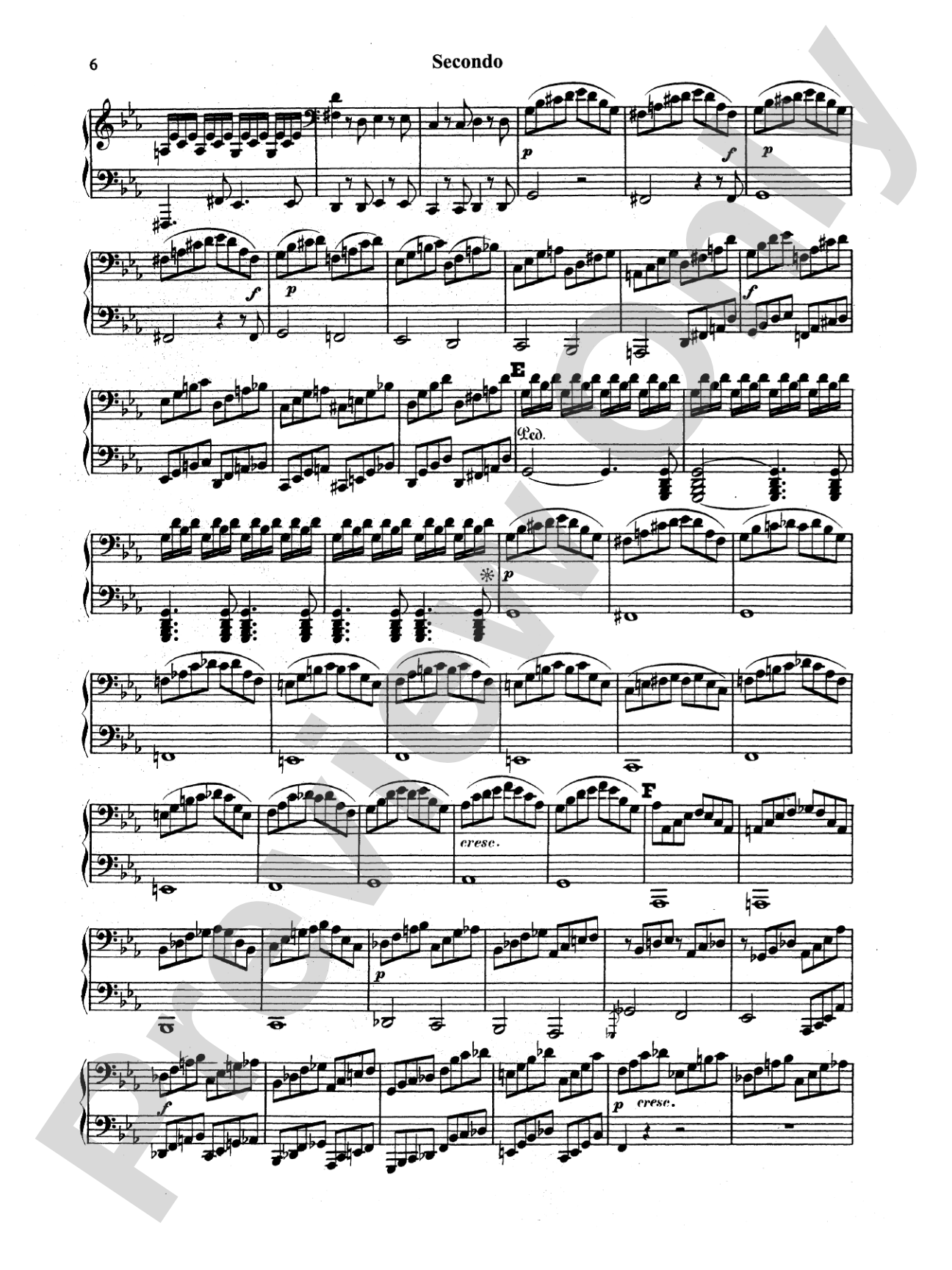
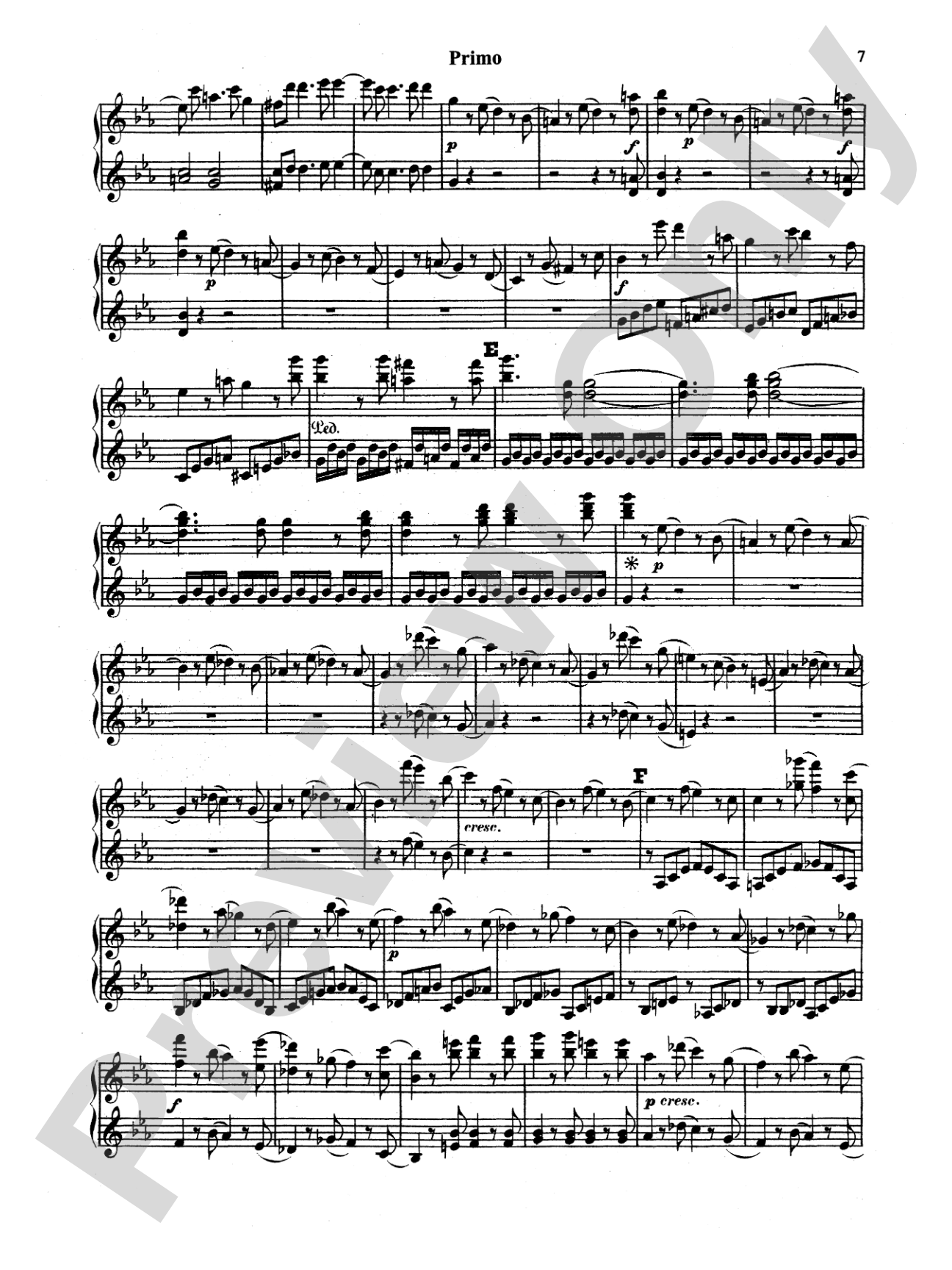
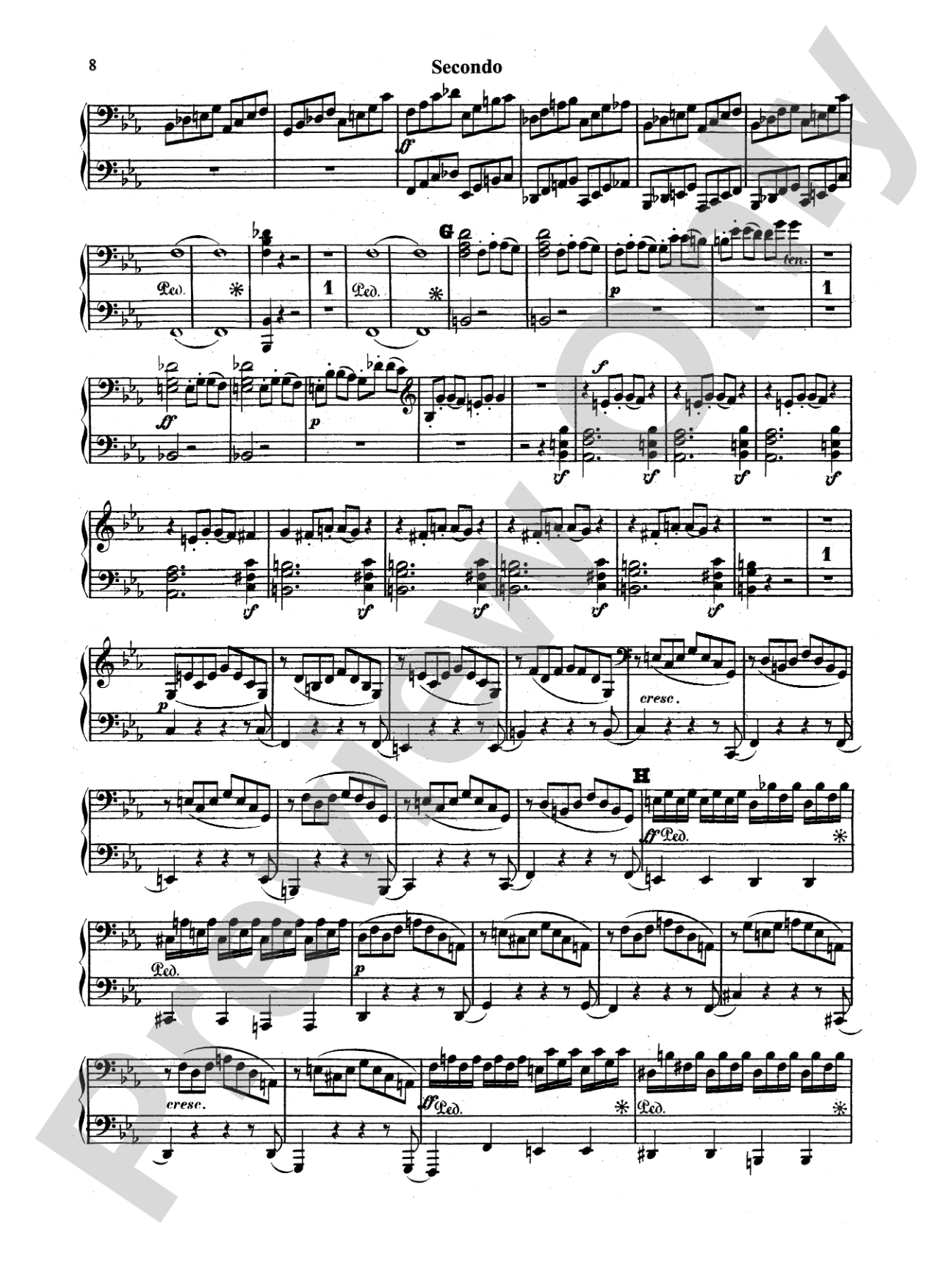
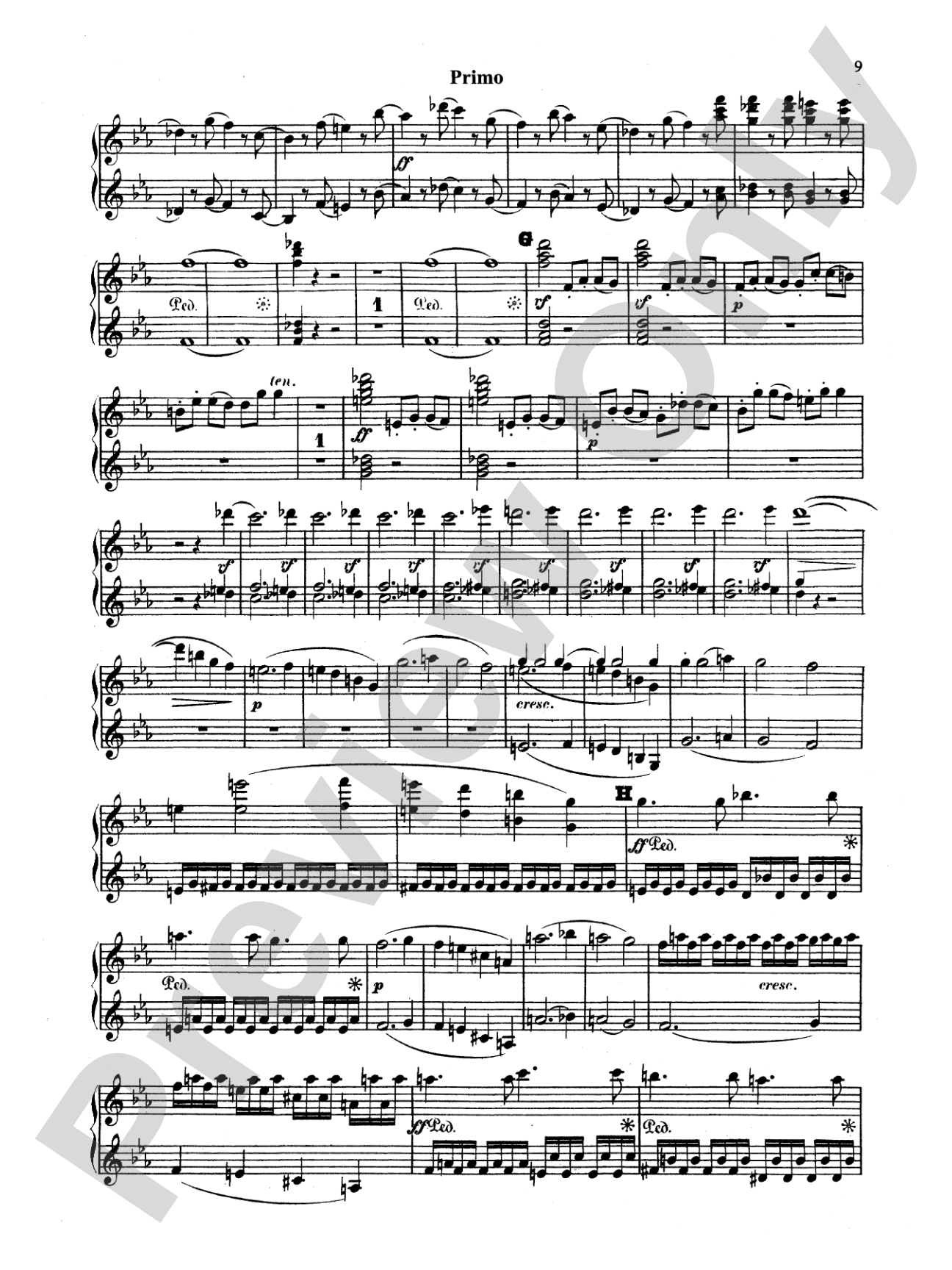
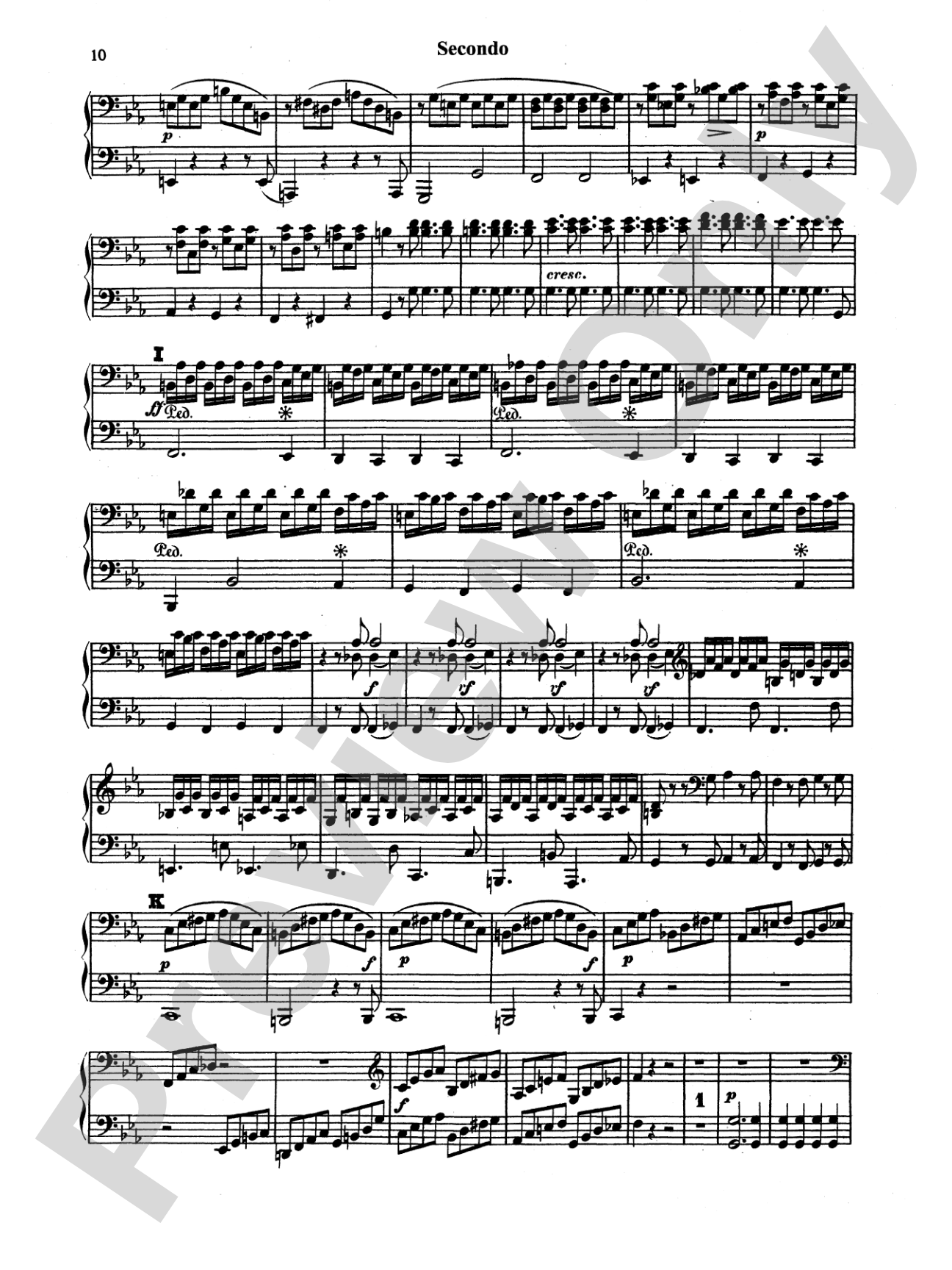
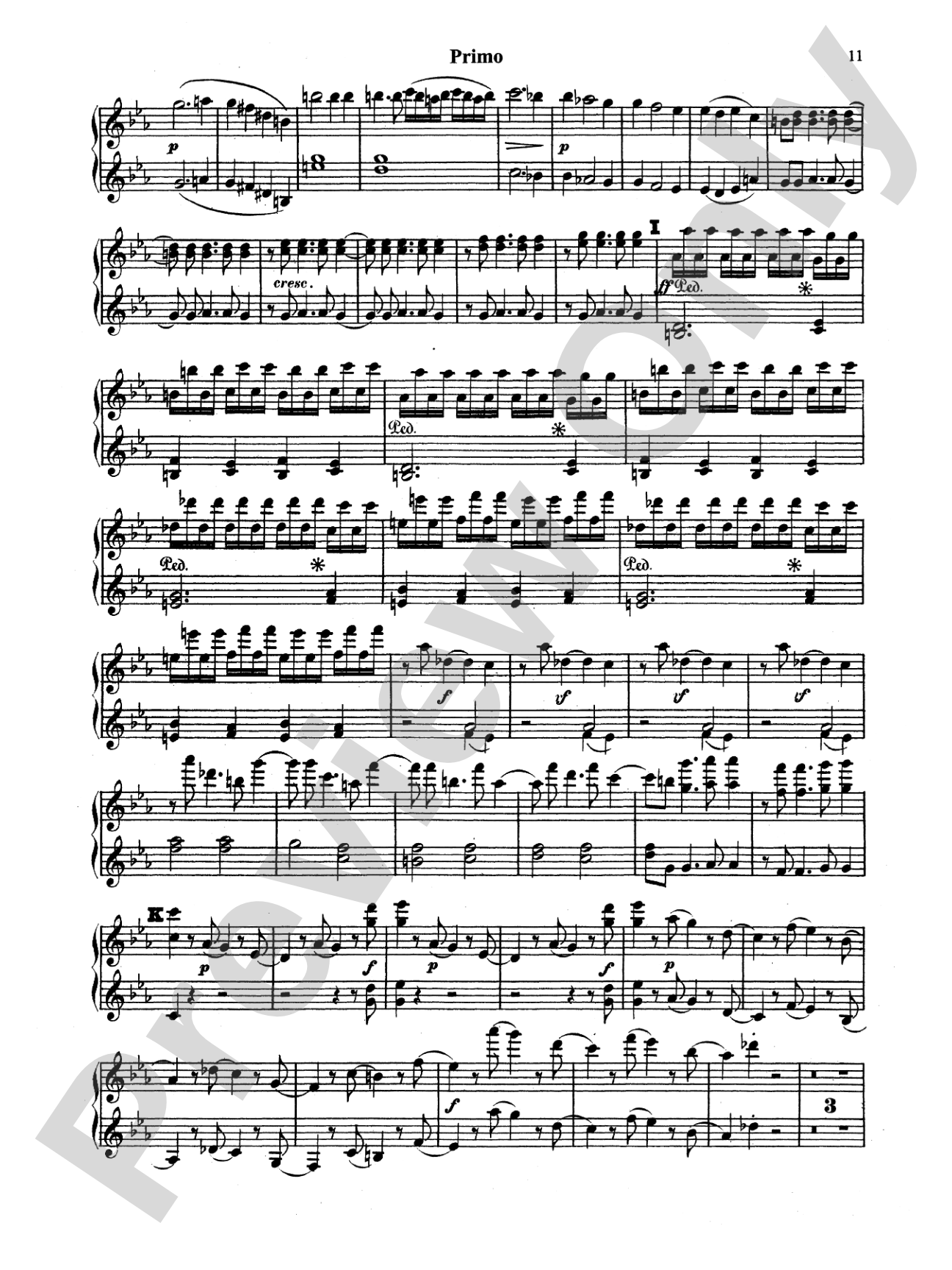
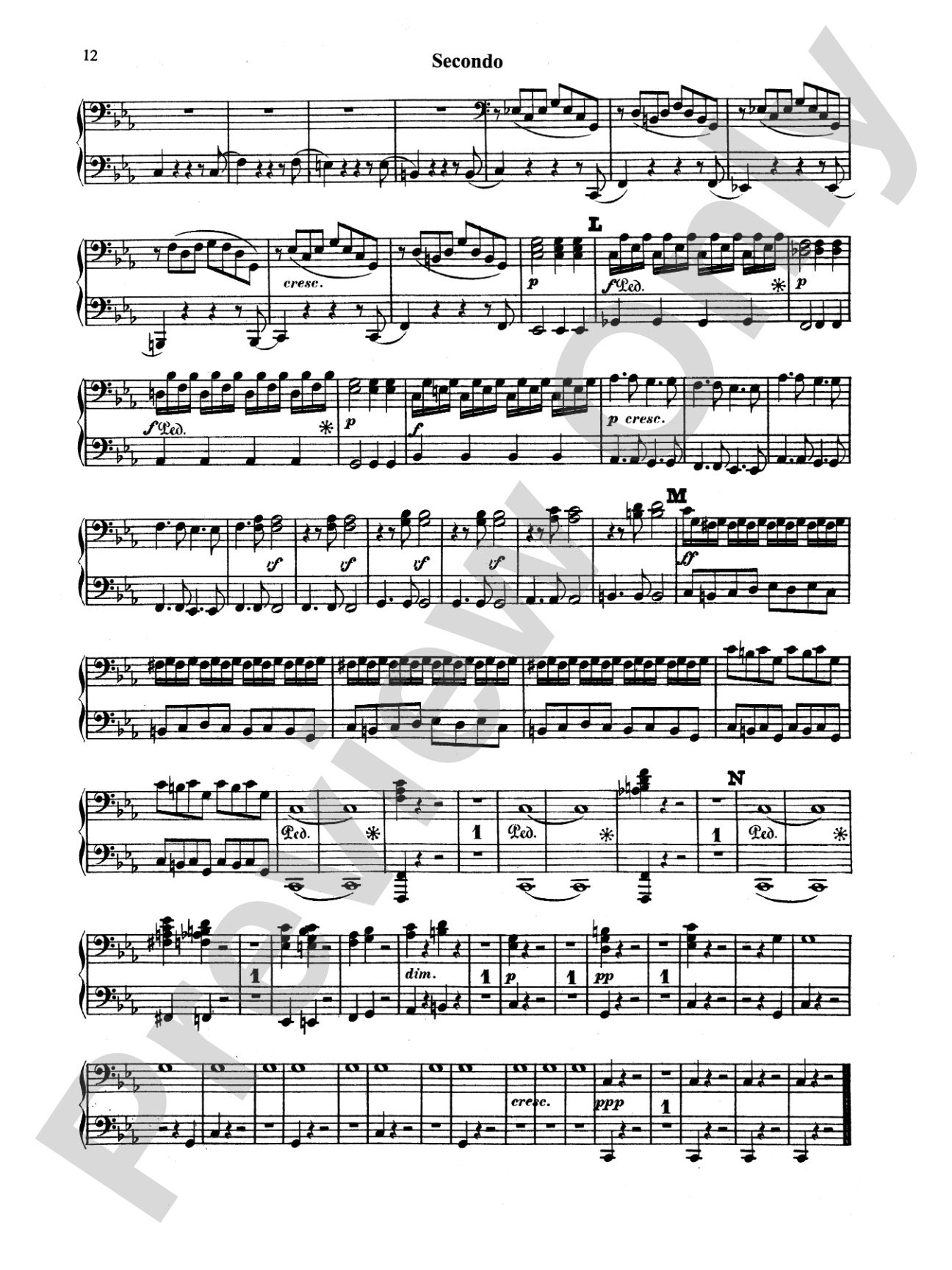
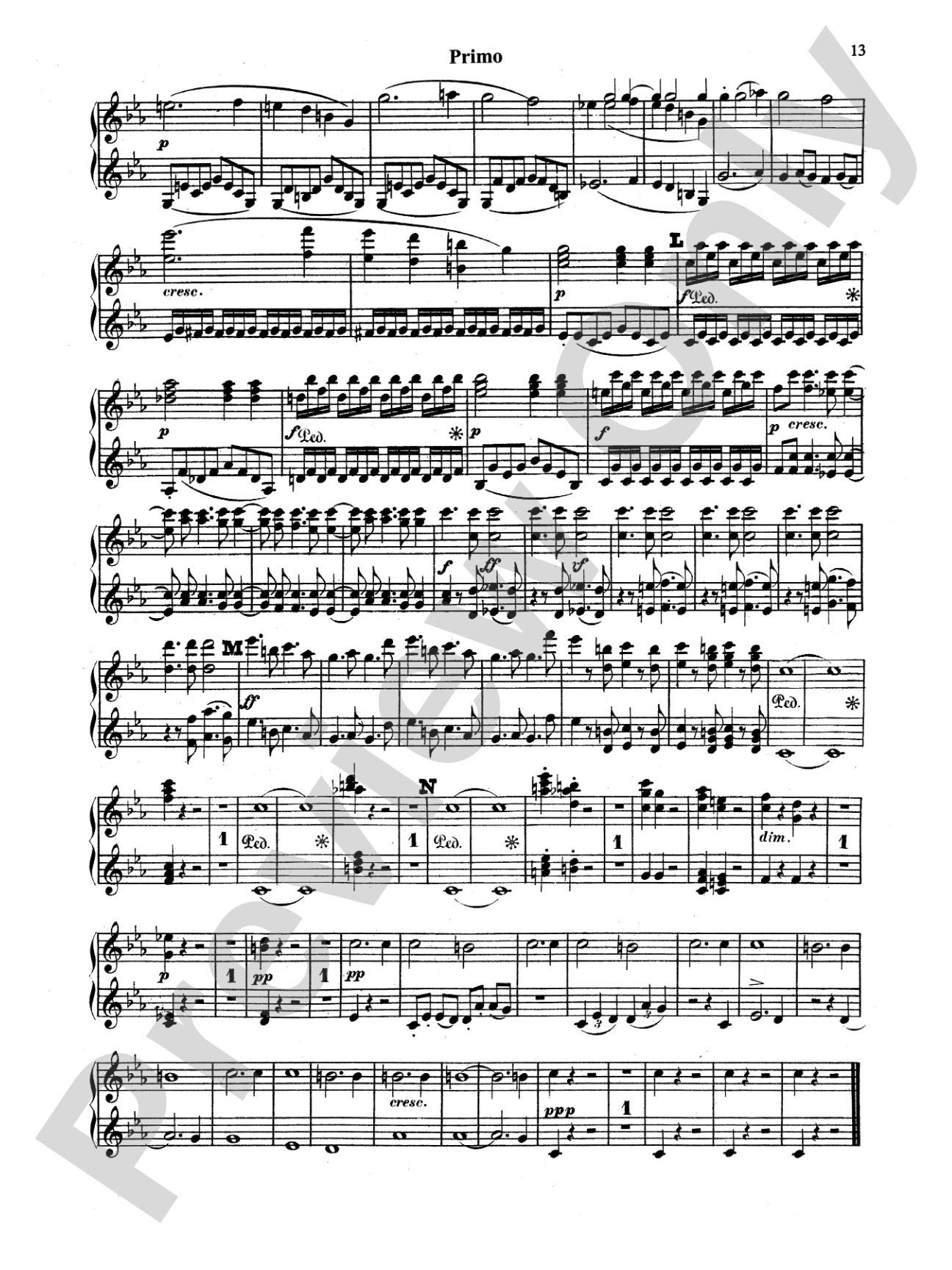

Beethoven: Overtures (Arranged): Piano Duet (1 Piano, 4 Hands) Book
By Ludwig van Beethoven
Item: 00-PK-0002751

$9.99
Pickup currently not available
Buy Extra Parts (Digital PDF Download)
| Product | Price | Quantity |
|---|---|---|
| Beethoven: Overtures (Arranged) | $0.99 | |
| Beethoven: Overtures (Arranged) | $0.99 | |
| Beethoven: Overtures (Arranged) | $0.99 | |
| Beethoven: Overtures (Arranged) | $0.99 | |
| Beethoven: Overtures (Arranged) | $0.99 | |
| Beethoven: Overtures (Arranged) | $0.99 | |
| Beethoven: Overtures (Arranged) | $0.99 |
Parts Added to Cart!
Related Items
Overtures: Piano Duet (1 Piano, 4 Hands) Book |
$9.95
|
View |
Description
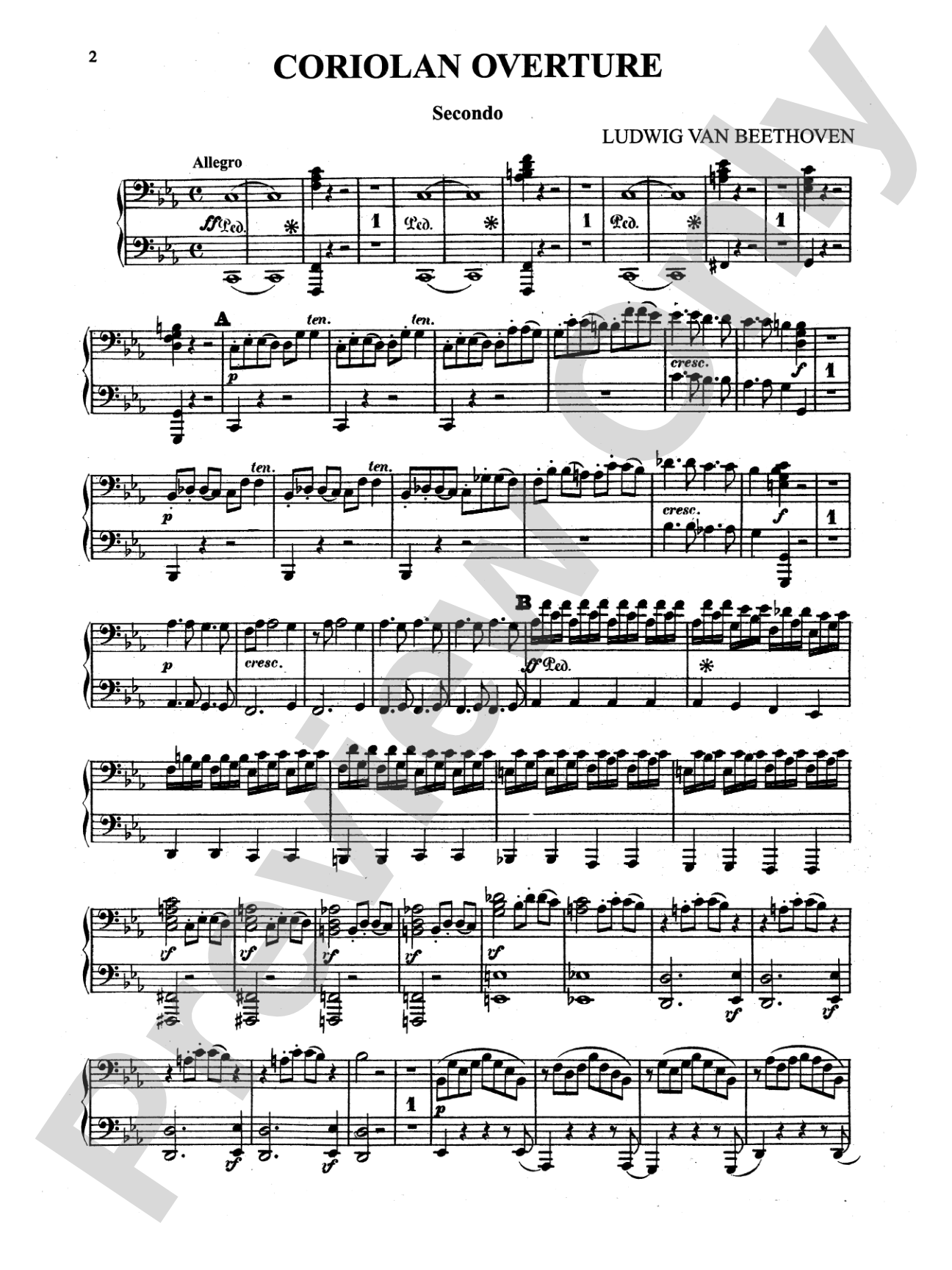
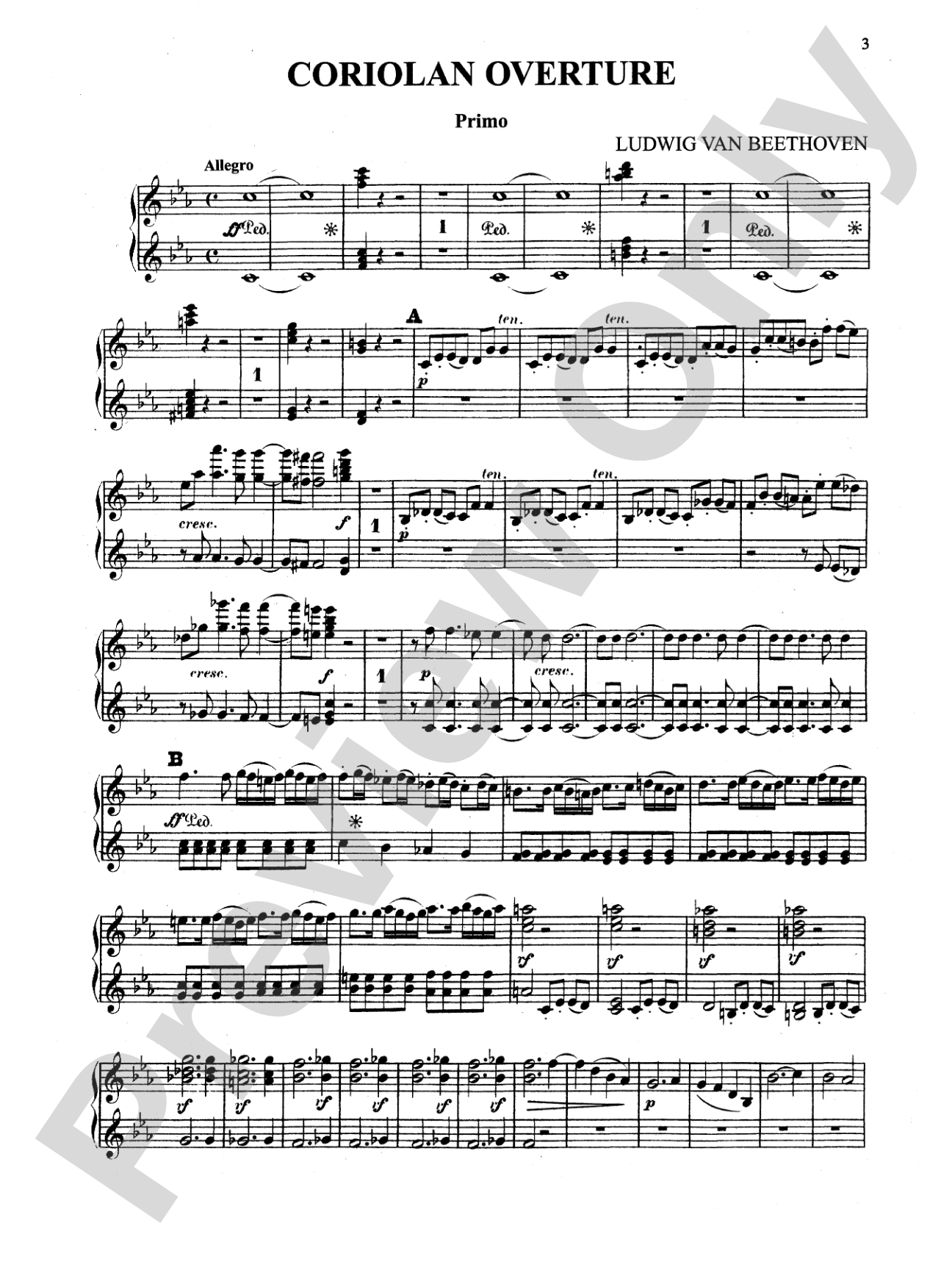
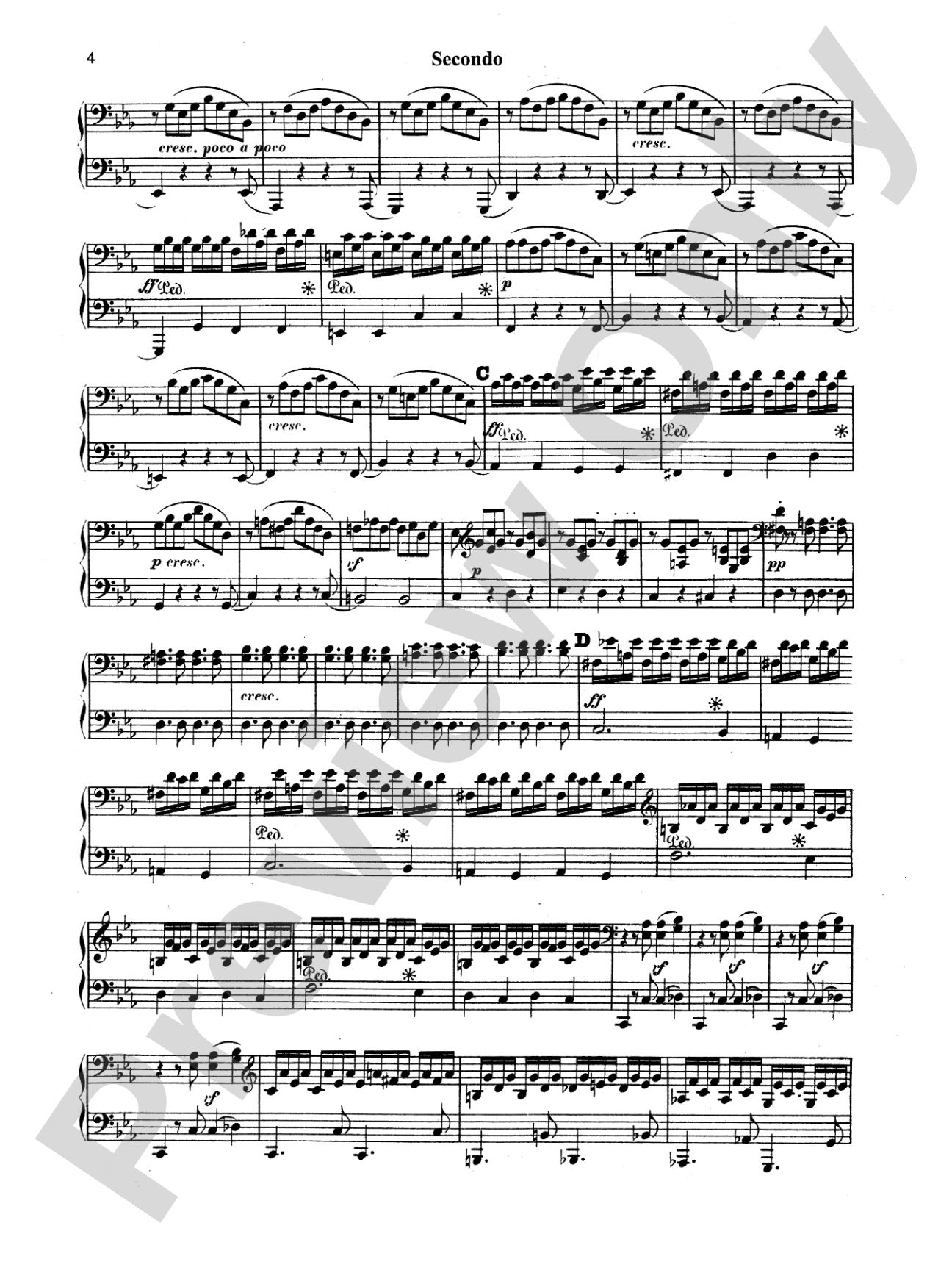
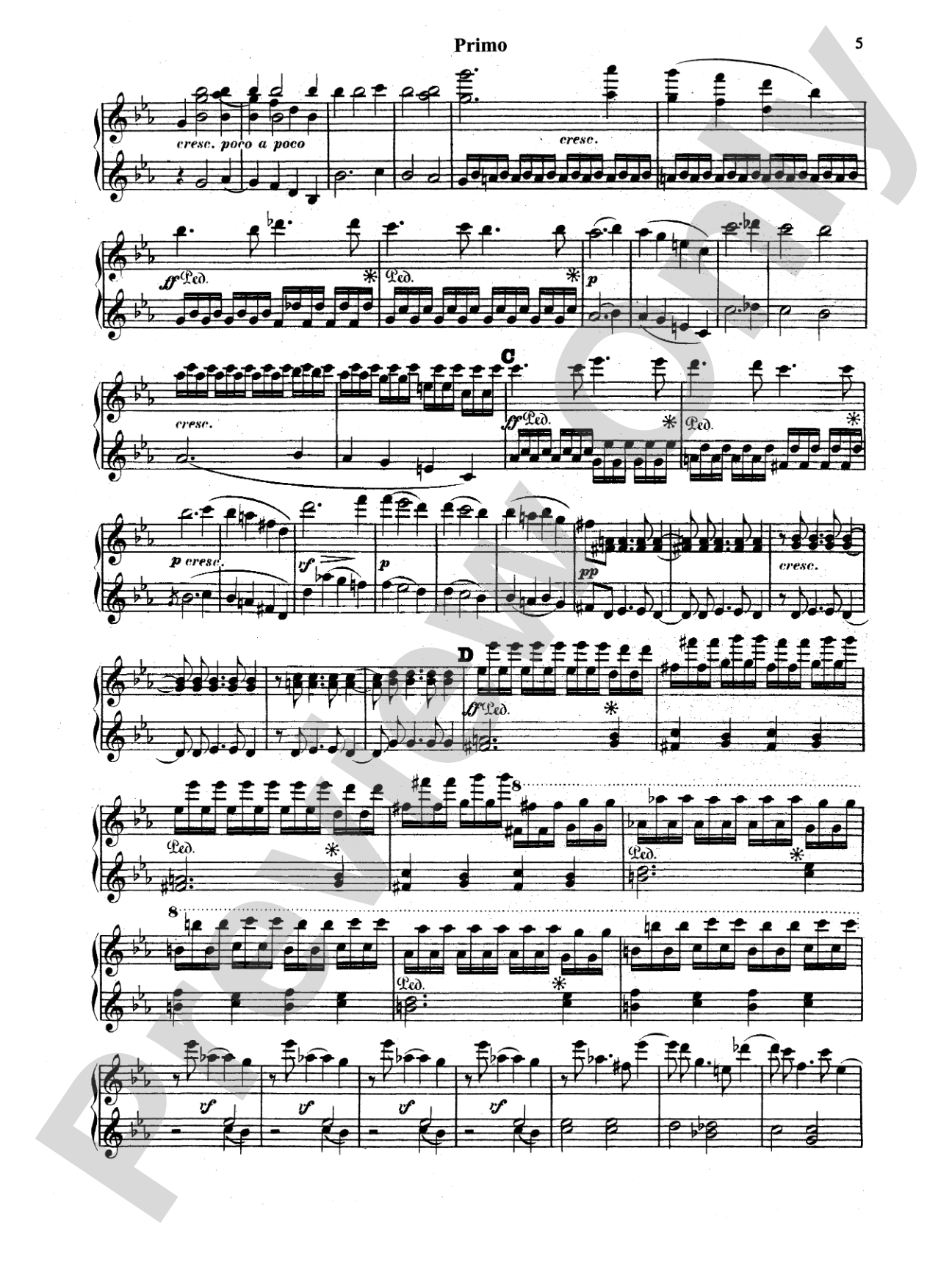
Included are piano duet arrangements of famous Beethoven overtures such as Cariolan, Egmont, Fidelio, Leonore, Prometheus, and The Ruins of Athens.


Don't just read it, hear it, play along with it, and watch your students grow with it. In MakeMusic Cloud, Beethoven: Overtures (Arranged): Piano Duet (1 Piano, 4 Hands) Book comes alive with professional accompaniment, adjustable tempo, and built-in practice tools that turn solo practice into real progress.
Open in the Player
Jump straight in and assign it today.
Start Your Free Trial
Open this title and explore the full library in minutes.
Sample Audio
No sample audio found.
Sample Video
No sample videos found.
Additional Details
Series:
Kalmus Edition
Publisher:
Alfred Music
Page Count:
80
SKU:
00-PK-0002751
More about this title
About the Composer: Ludwig van Beethoven
Ludwig van Beethoven (1770-1827) stands as the bridge between Classical and Romantic musical traditions, and his overtures exemplify his genius for dramatic architecture and orchestral innovation. A native of Bonn who spent his mature years in Vienna, Beethoven composed overtures that rank among the most performed works in the concert repertoire, each one a masterclass in thematic development, harmonic exploration, and the building of tension toward inevitable climax.
Why we love this
These arrangements preserve the architectural brilliance of Beethoven's orchestral writing while opening the work to piano duet players who might never encounter these overtures otherwise. The collection spans his career from the youthful energy of Prometheus through the profound humanity of Fidelio, offering duet partners a genuine window into Beethoven's dramatic voice rather than a simplified approximation.
What to expect
These overtures crackle with theatrical energy and emotional weight. You'll encounter the exultant fanfares of victorious heroes, the brooding tension of political struggle, and the transcendent clarity of human triumph. Playing through this collection is like conducting an entire dramatic arc at the keyboard, complete with complex orchestrations rendered transparent enough for two pianists to manage.
Who it's for
Piano teachers with advanced duet students who are ready for serious repertoire, and pairs of pianists preparing recital programs that showcase Beethoven's dramatic and structural mastery. This collection appeals to students who have developed solid technique and are eager to tackle works with real compositional substance.
How to get the most out of it
- Balance the primo and secondo parts carefully; these arrangements distribute thematic material between both players, so neither part should dominate the dialogue.
- Pay attention to dynamic contrasts as written. Beethoven's dramatic gestures depend on sharp changes in volume and intensity to land effectively.
- Practice the transition passages slowly. Rapid key changes and modulations require both players to lock in harmonically to maintain forward momentum.
- Observe fermatas and tempo indications precisely. Beethoven uses structural pauses to heighten anticipation before major thematic returns.
How to use it
Duet performances of single overtures work beautifully as standalone recital pieces or as dramatic openers for a collaborative concert featuring both solo and ensemble piano work. Consider pairing an overture with solo works by Beethoven or his contemporaries to create a cohesive program exploring a single compositional era.
Skills your students will build
- Maintaining independence between primo and secondo voices while tracking shared harmonic movement
- Navigating rapid modulations and key changes without losing harmonic grounding
- Executing dramatic dynamic shifts and sudden textural changes with precision
- Coordinating large-scale architectural structures across 80 pages of music
- Adapting orchestral textures and colors to the four-hand piano medium