

Beethoven: Diabelli Variations
By Ludwig van Beethoven
Item: 00-PC-0005304
$7.95
Pickup currently not available
Description
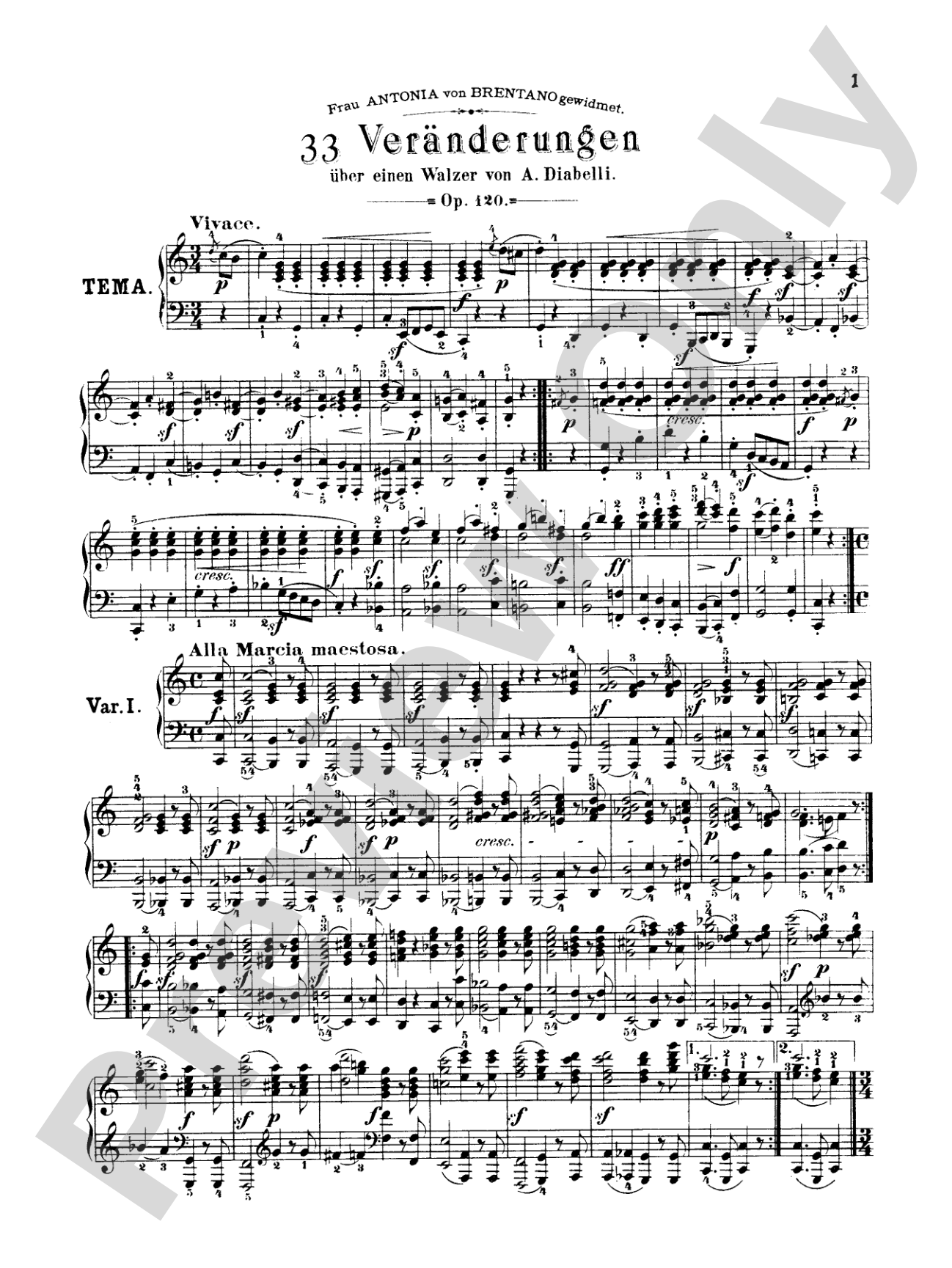
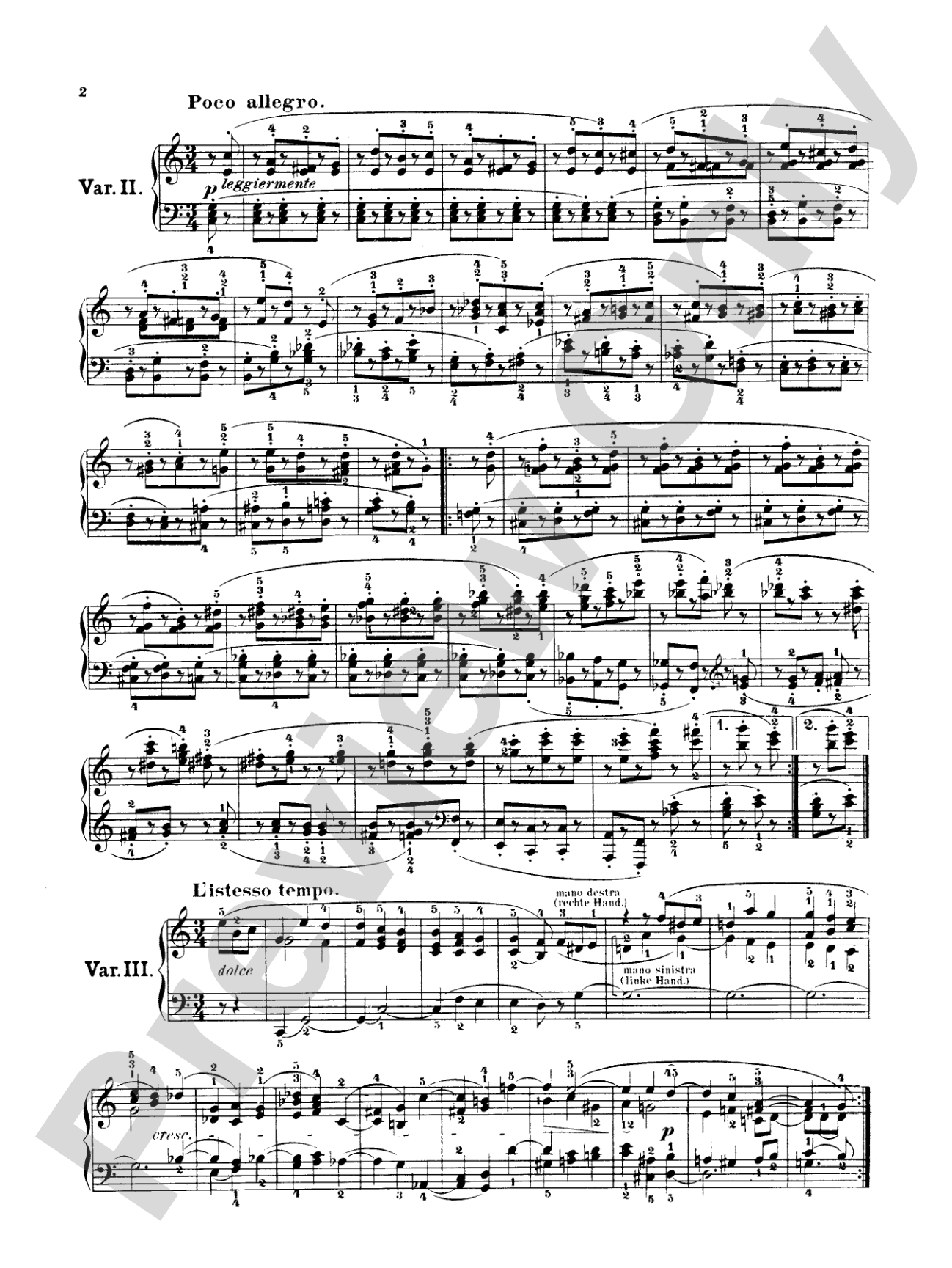
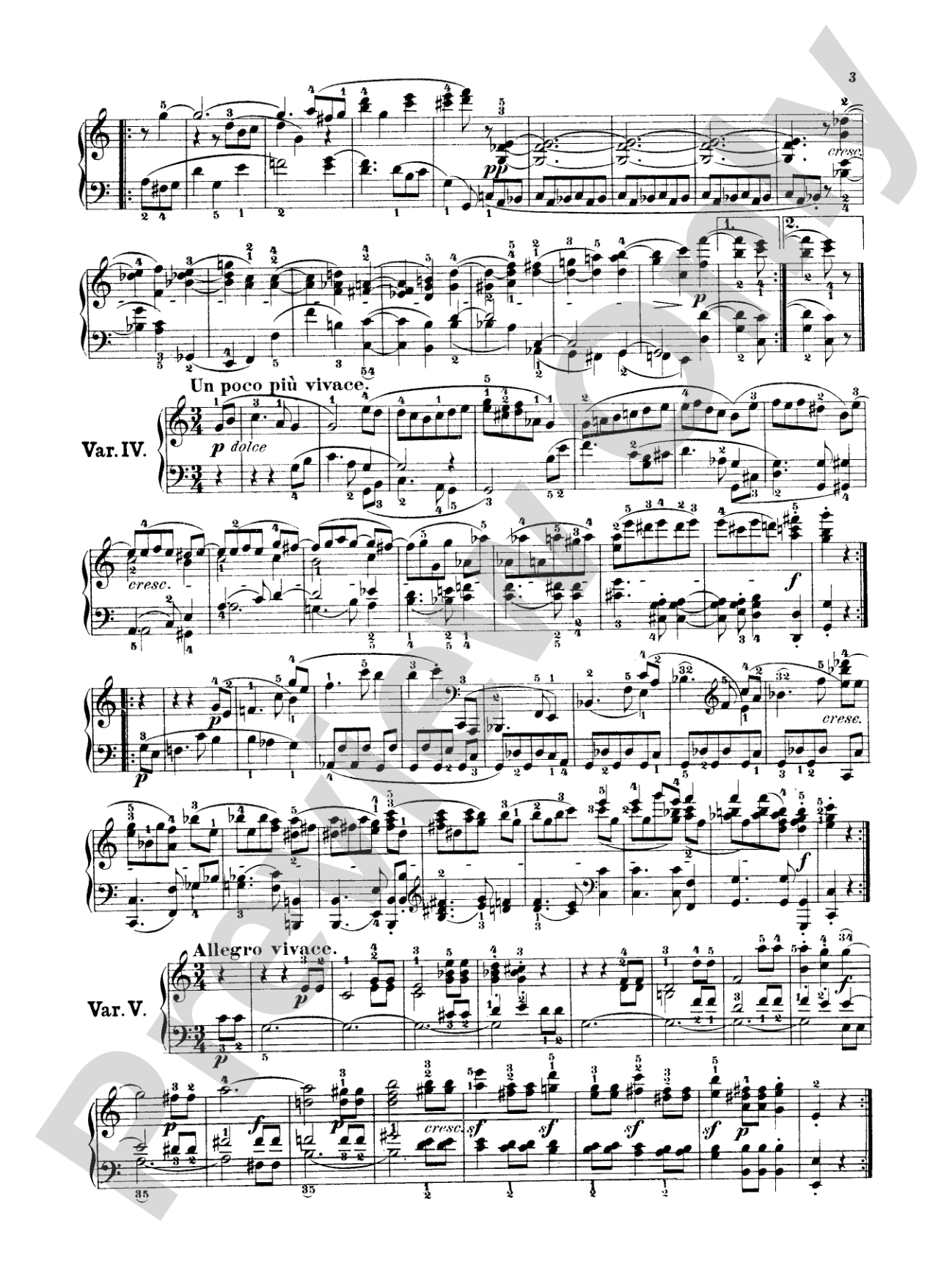
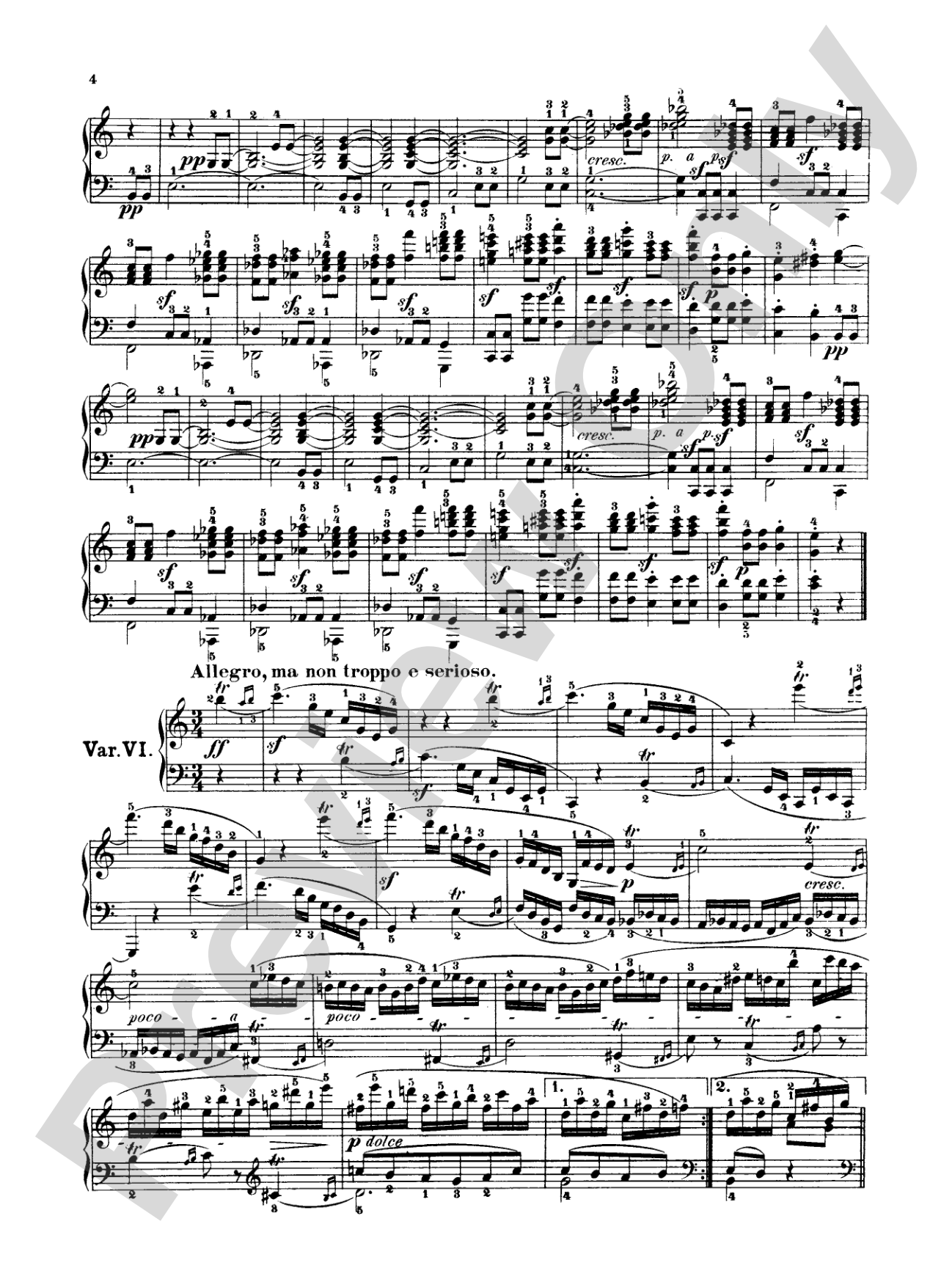
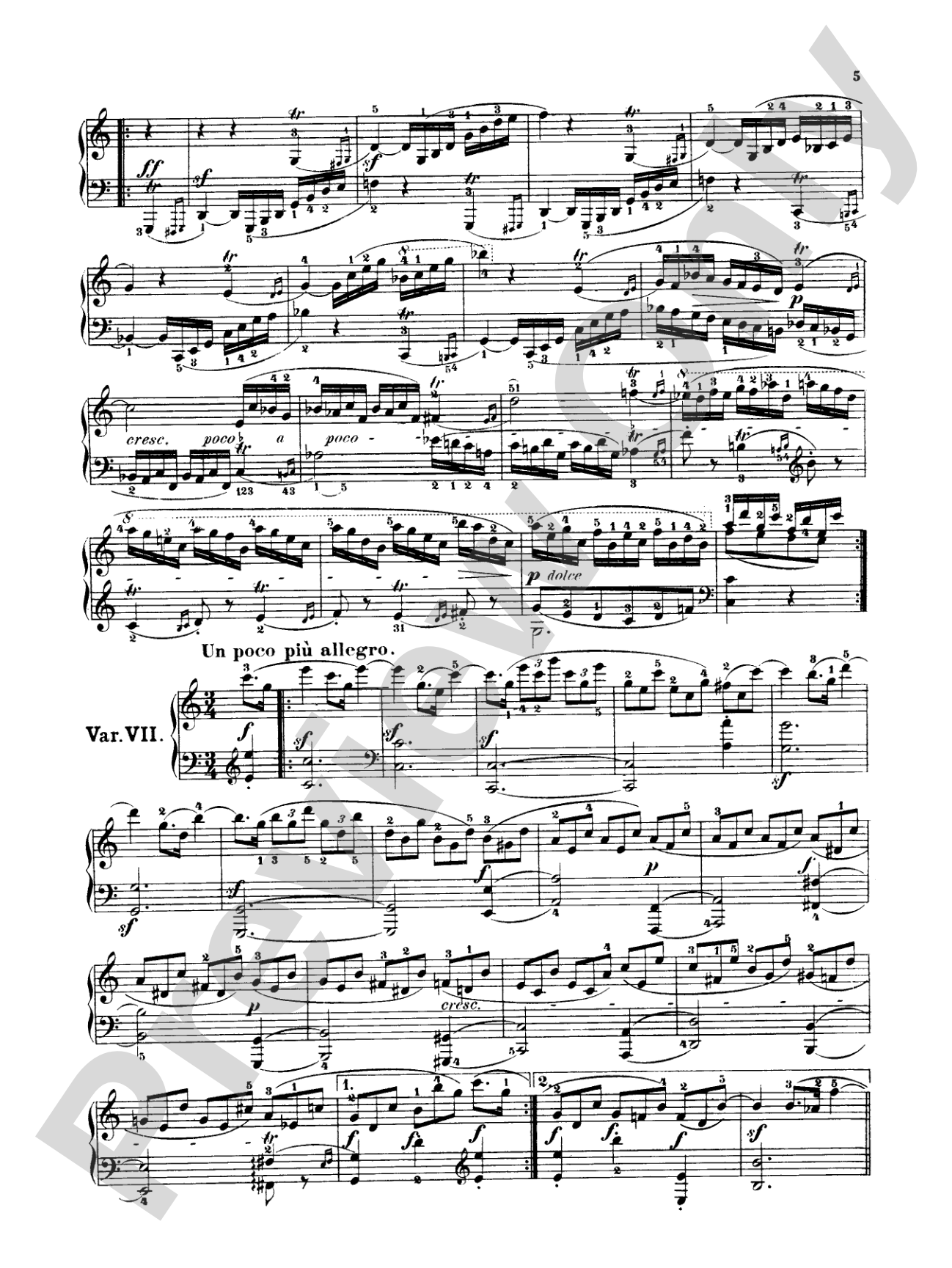
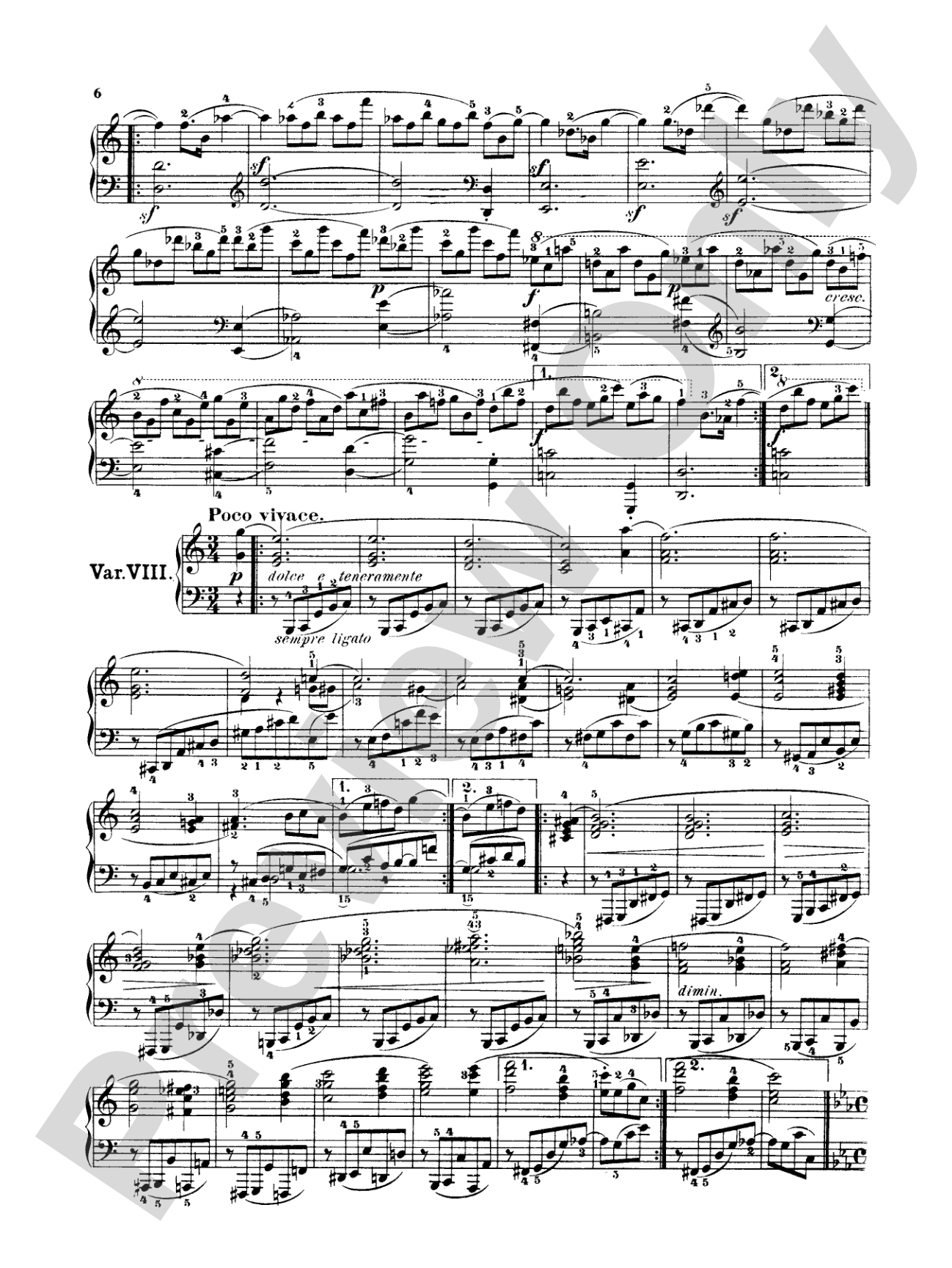
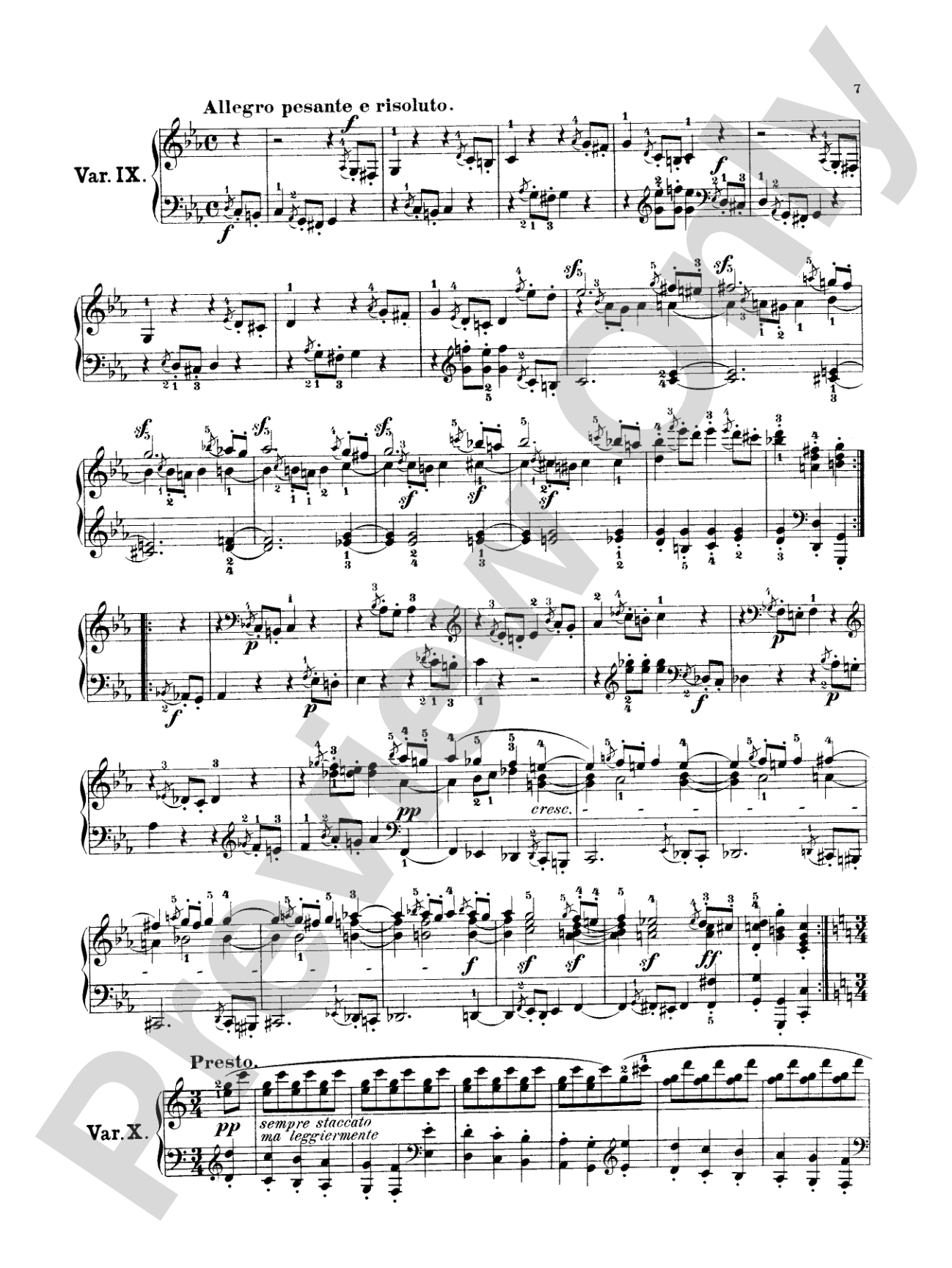
Beethoven wrote the 33 Variations on a waltz by Anton Diabelli, Op. 120, commonly known as the Diabelli Variations, between 1819 and 1823. Martin Cooper writes, "The variety of treatment is almost without parallel, so that the work represents a book of advanced studies in Beethoven's manner of expression and his use of the keyboard." 32 pages.


Don't just read it, hear it, play along with it, and watch your students grow with it. In MakeMusic Cloud, Beethoven: Diabelli Variations comes alive with professional accompaniment, adjustable tempo, and built-in practice tools that turn solo practice into real progress.
Open in the Player
Jump straight in and assign it today.
Start Your Free Trial
Open this title and explore the full library in minutes.
Sample Audio
No sample audio found.
Sample Video
No sample videos found.
Additional Details
Series:
Kalmus Edition
Publisher:
Alfred Music
Page Count:
32
SKU:
00-PC-0005304
More about this title
About the Composer: Ludwig van Beethoven
Ludwig van Beethoven (1770-1827) fundamentally transformed the piano from a drawing-room instrument into a vehicle for symphonic thought and virtuosic expression. His late works, composed after increasing deafness isolated him from performance, represent some of the most intellectually demanding and emotionally profound music ever written for the instrument.
Why we love this
The Diabelli Variations stands as Beethoven's most comprehensive exploration of keyboard technique and compositional invention written for solo piano. Each variation demands something different from the performer—rhythmic precision, tonal control, interpretive maturity, or sheer technical command—making this work an invaluable resource for advanced pianists seeking to understand how a single musical idea can sustain 33 explorations without exhaustion. Programming it signals serious artistic ambition and offers audiences a masterclass in variation form.
What to expect
The Diabelli Variations unfold like a vast gallery of moods, textures, and keyboard possibilities all tethered to a single humble waltz theme. Playful fugatos and virtuosic etude-like passages alternate with intimate song-like variations; thunderous declamations give way to delicate finger work; the emotional landscape ranges from comedy to profound introspection, often shifting within a single page. By the final variations, the work achieves an almost visionary quality, as if Beethoven has exhausted every corner of the keyboard and the human imagination.
Who it's for
Advanced pianists preparing for recital repertoire, conservatory students studying variation form and keyboard writing, and accomplished amateurs seeking a major work that rewards months of focused study. This is not introductory material; it assumes solid technique, mature interpretive judgment, and genuine commitment to understanding one of the piano literature's supreme achievements.
How to get the most out of it
- Study the theme first as a standalone piece; understanding Diabelli's original waltz as a coherent musical statement will make the variations themselves far more transparent and meaningful.
- Map out the character and technical demands of each variation before diving into hands together; some emphasize counterpoint, others explosive passagework, still others lyrical singing lines that must emerge clearly from complex textures.
- Attend carefully to Beethoven's dynamic markings and articulation; the variations often succeed through contrast, and precise execution of ppp markings, staccato patterns, and accent placements creates the architectural coherence that justifies the work's length.
- Record yourself regularly and listen back to gauge unity across variations; with 33 separate sections, it's easy to lose sight of the work as a whole rather than as a carefully proportioned journey.
How to use it
The Diabelli Variations works best as the anchor of a recital devoted entirely to late Beethoven piano works, or as the substantial second half of a program that opens with earlier sonatas or classical-era repertoire. Its 45-minute span demands a concert context where audiences expect depth and intellectual engagement rather than variety; programming it alongside shorter character pieces or early romantic works diminishes its power. Consider pairing it with a lecture or program notes that prepare listeners for the work's structure and scope.
Skills your students will build
- Reading and executing complex rhythmic figures across changing meters and textures
- Control of dynamic extremes (ppp through fff) and precise articulation across rapid passages
- Understanding variation form as a structural and expressive principle
- Pedal management in both thick chordal textures and transparent contrapuntal writing
- Stamina, memory, and interpretive consistency across an extended single-movement work
- Keyboard independence and simultaneous execution of divergent rhythmic and melodic lines
- Recognition of thematic transformation and harmonic planning across large-scale structures