

Beethoven: Contra Dances: Piano Book
By Ludwig van Beethoven
Level: Intermediate / Advanced
Item: 00-PK-0002926

$6.99
Pickup currently not available
Buy Extra Parts (Digital PDF Download)
| Product | Price | Quantity |
|---|---|---|
| Beethoven: Contra Dances | $1.99 | |
| Beethoven: Contra Dances | $1.99 | |
| Beethoven: Contra Dances | $1.99 |
Parts Added to Cart!
Related Items
Contra Dances: Piano Book |
$6.95
|
View |
Description
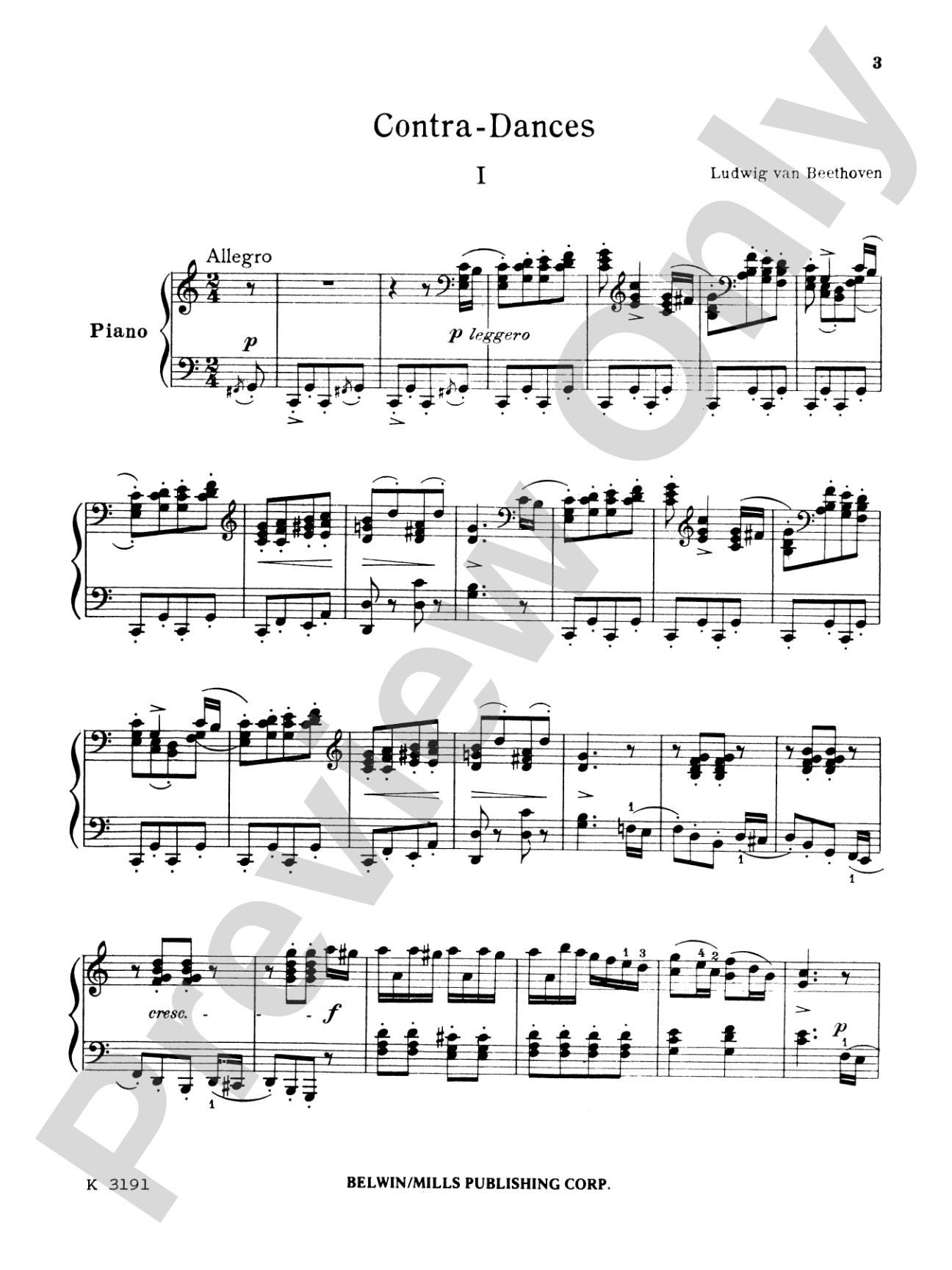
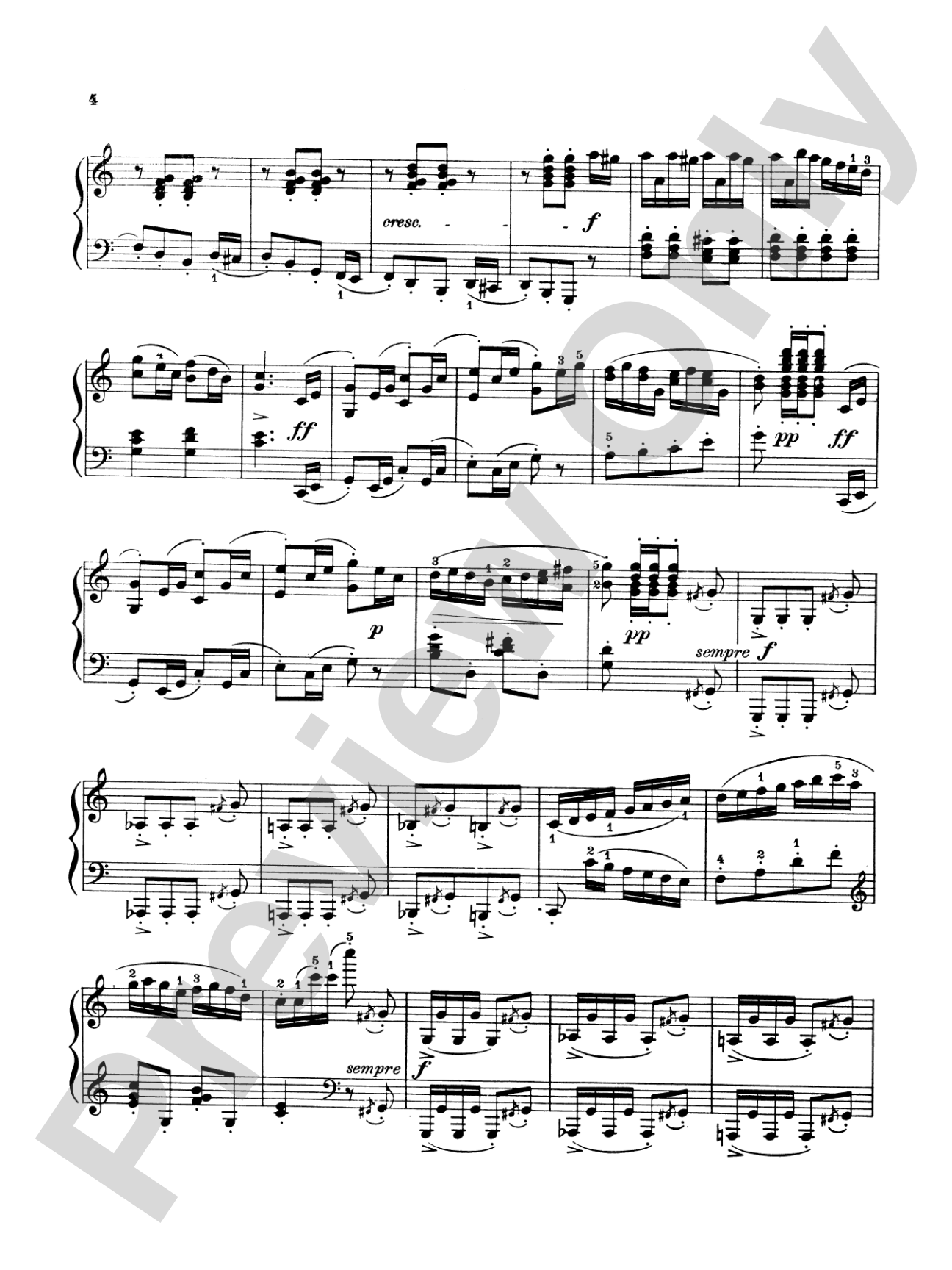
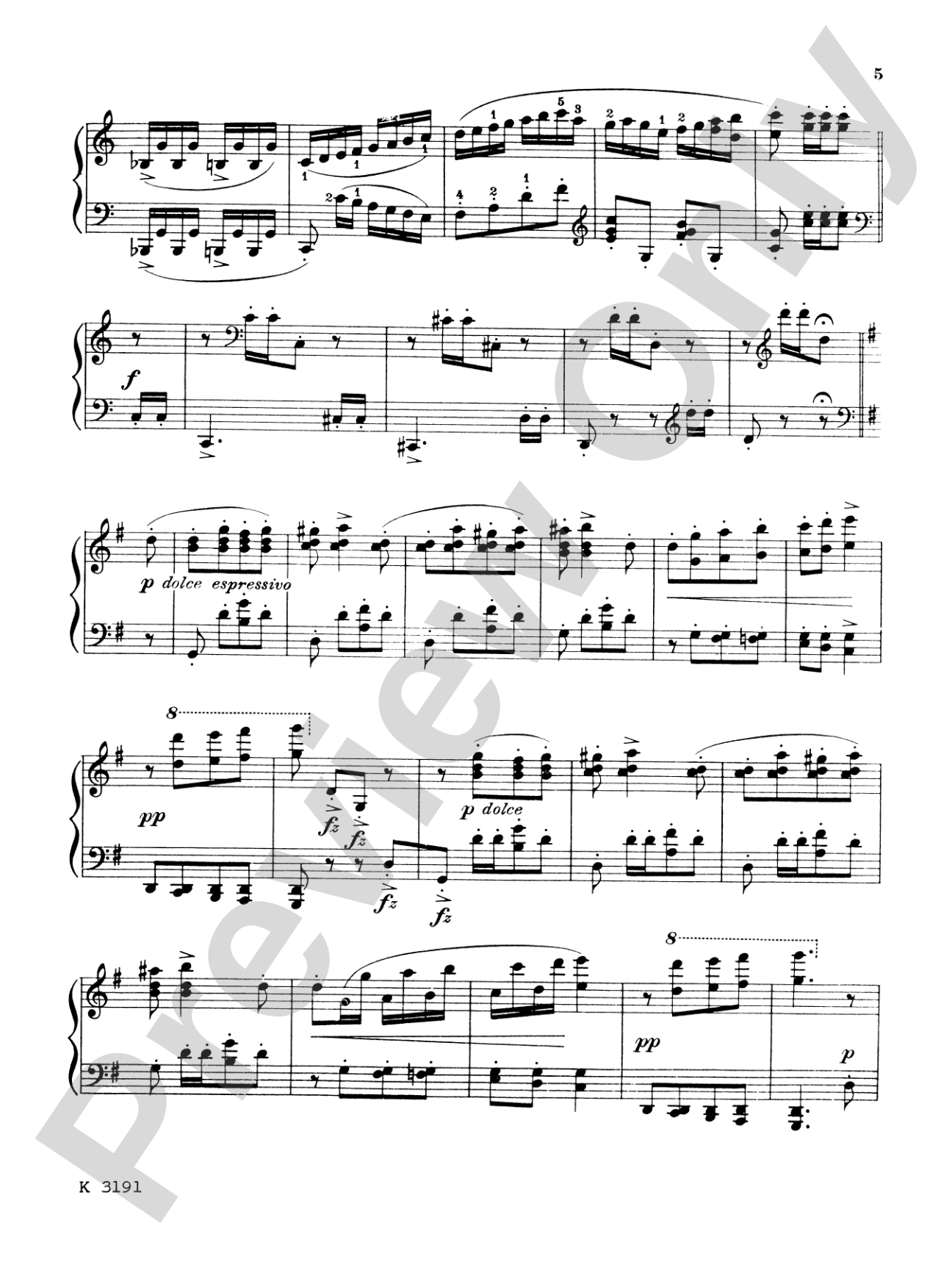
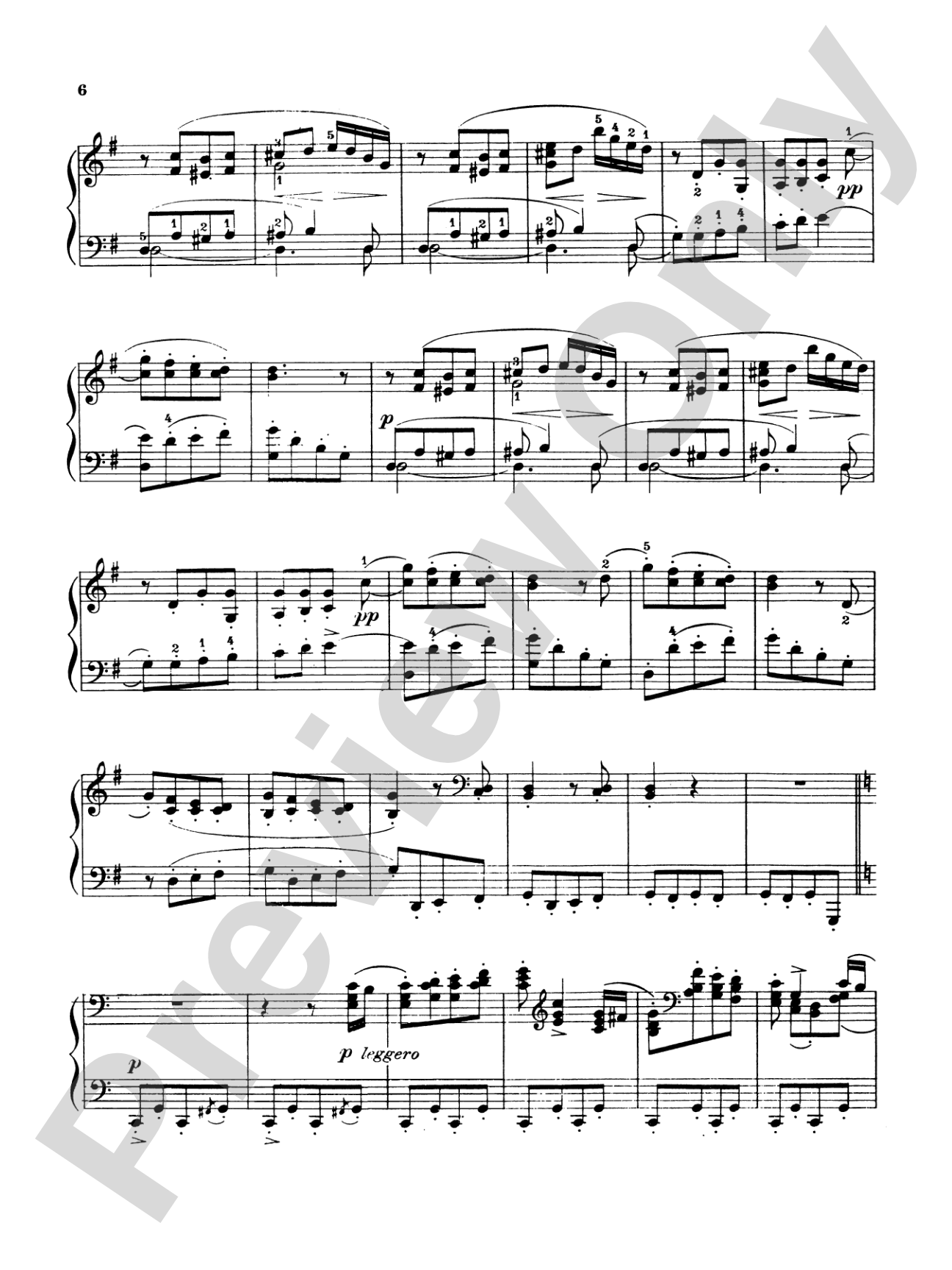
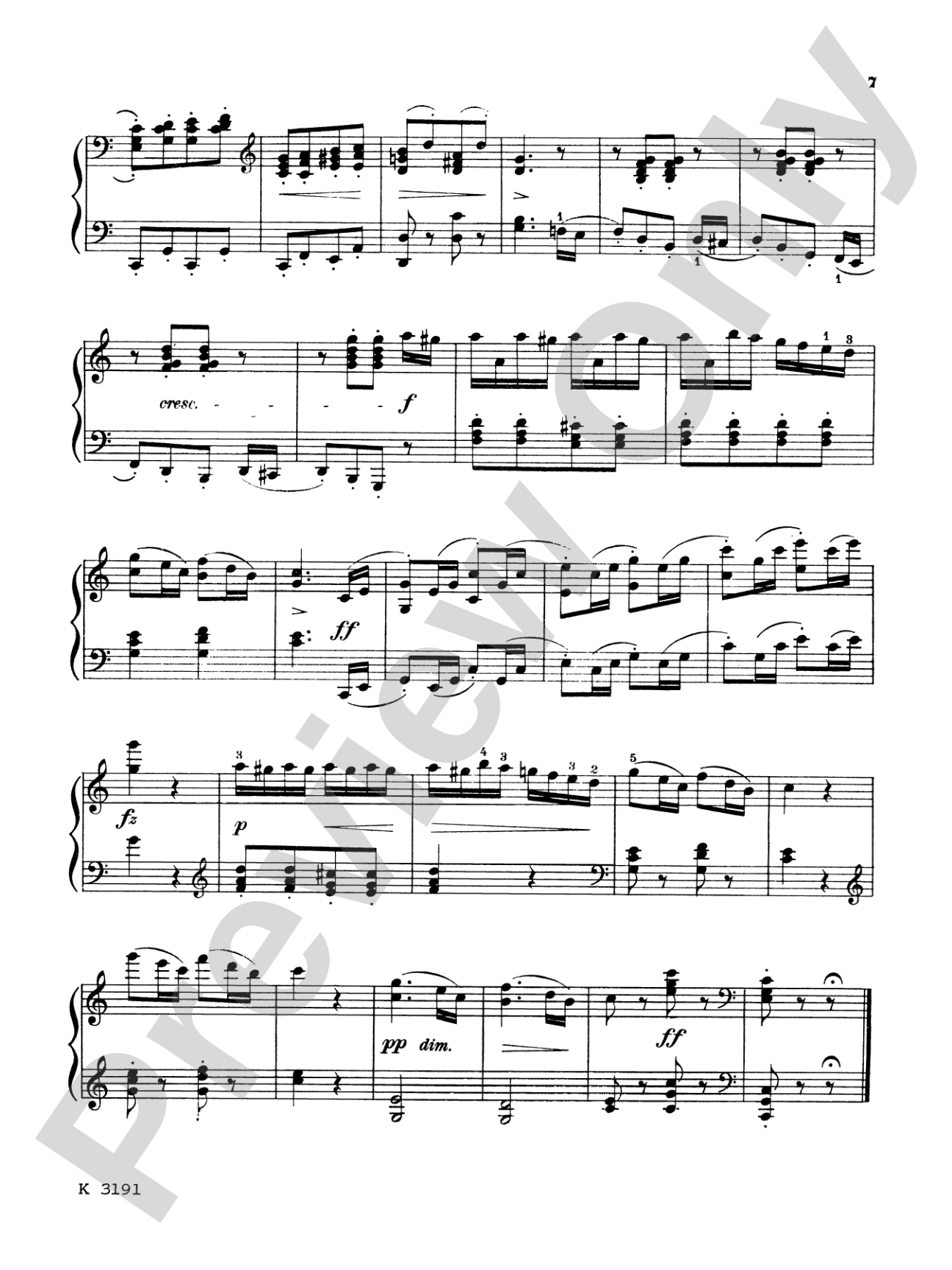
This is a collection of three Contra Dances, by Ludwig van Beethoven, transcribed by Isidor Seiss, reproduced from an early Belwin/Mills printing. Includes: 1. Allegro (C Major) * 2. Allegretto (E-flat Major) * 3. Allegro con brio (C Major).


Don't just read it, hear it, play along with it, and watch your students grow with it. In MakeMusic Cloud, Beethoven: Contra Dances: Piano Book comes alive with professional accompaniment, adjustable tempo, and built-in practice tools that turn solo practice into real progress.
Open in the Player
Jump straight in and assign it today.
Start Your Free Trial
Open this title and explore the full library in minutes.
Sample Audio
No sample audio found.
Sample Video
No sample videos found.
Additional Details
Series:
Kalmus Edition
Publisher:
Alfred Music
Page Count:
16
SKU:
00-PK-0002926
More about this title
About the Composer: Ludwig van Beethoven
Ludwig van Beethoven (1770-1827) stands as the bridge between Classical restraint and Romantic expression. His work transformed the symphony, sonata, and concerto from elegant salon entertainment into vehicles for profound emotional and philosophical ideas. His influence on Western music is immeasurable; every composer who followed grappled with the legacy he established.
Beyond his monumental symphonies and sonatas, Beethoven composed prolifically across all genres, including dance music. His Contra Dances occupy a distinctive space in his output: they are occasional works, written for social occasions and court balls, yet they carry the harmonic sophistication and rhythmic vitality that characterize his best writing. These pieces reveal how even Beethoven's "lighter" works demand serious musicianship from the performer.
Why we love this
Contra Dances give advanced students access to Beethoven's architectural thinking without the sustained technical demands of his major piano sonatas. The three dances here showcase his gift for memorable melodic writing and clever harmonic movement, compressed into compact forms that feel complete and satisfying. Programming them alongside Romantic-era miniatures or as a contrasting interlude in a recital bridges Classical clarity with expressive depth.
What to expect
These dances pulse with the elegant vigor of a ballroom or court gathering. The Allegro in C Major dances with straightforward gallantry; the Allegretto shifts into a more intimate, singing character with its E-flat Major warmth; the final Allegro con brio returns to brilliant motion. Throughout, Beethoven's harmonic surprises and rhythmic wit prevent these pieces from feeling conventional, even as they honor the dance idiom.
Who it's for
This collection suits advanced pianists seeking substantial yet accessible Classical repertoire, intermediate-advanced students ready to engage with Beethoven's harmonic language, and performers building recital programs that move beyond the standard sonata literature. The three dances work well for those developing ensemble skills alongside solo technique, as these pieces appear in many arrangements and transcriptions.
How to get the most out of it
- Observe the character distinction among the three dances. The opening Allegro in C Major is straightforward and gallant; bring warmth and clarity to the melody while maintaining the steady pulse that defines the form. The middle movement in E-flat Major invites a more lyrical touch; let the Alberti accompaniment recede slightly so the singing line emerges.
- Shape phrases within the dance structure. These are not sonata movements, so avoid the temptation to develop material extensively. Instead, commit fully to each phrase as written, allowing the strong cadences to punctuate naturally.
- Balance texture between right and left hand carefully. In the Allegretto especially, the left hand patterns can easily dominate; use dynamics and touch to ensure the melody sings through.
- Keep the final Allegro con brio energized and rhythmically tight. Beethoven's marking demands buoyancy; resist pulling the tempo during figuration passages, and maintain consistent articulation in repeated note patterns.
How to use it
Present all three consecutively as a suite that showcases Beethoven's range within a single genre, or intersperse them throughout a recital as elegant transitions between weightier works. They pair naturally with other Classical dances and minuets, or stand alone as a charming final group before an encore. These pieces are also excellent vehicle for exploring how historical context (the social dance) shapes musical form.
Skills your students will build
- Maintaining rhythmic integrity and forward motion in dance forms
- Balancing Alberti accompaniment patterns with singing melody lines
- Understanding Beethoven's harmonic vocabulary and his use of functional harmony with Romantic-era chromaticism
- Executing clean articulation in repeated figurations
- Shaping Classical forms without over-developing material
- Reading and interpreting early editions and transcriptions