





Beethoven: 32 Variations: Piano
By Ludwig van Beethoven
Item: 00-PK-0002932

$7.99
Pickup currently not available
Parts Added to Cart!
Related Items
32 Variations: Piano |
$7.95
|
View |
Description
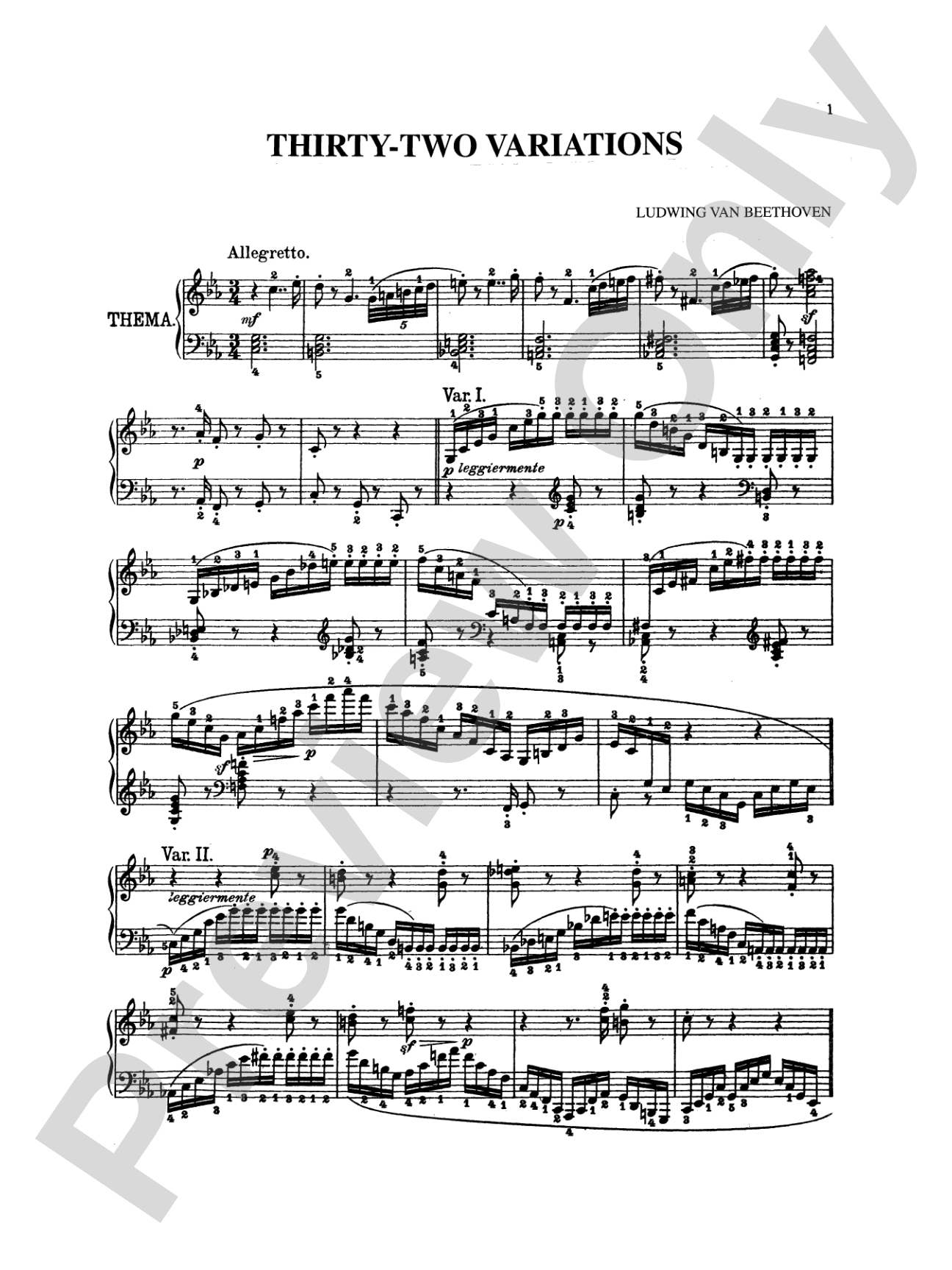
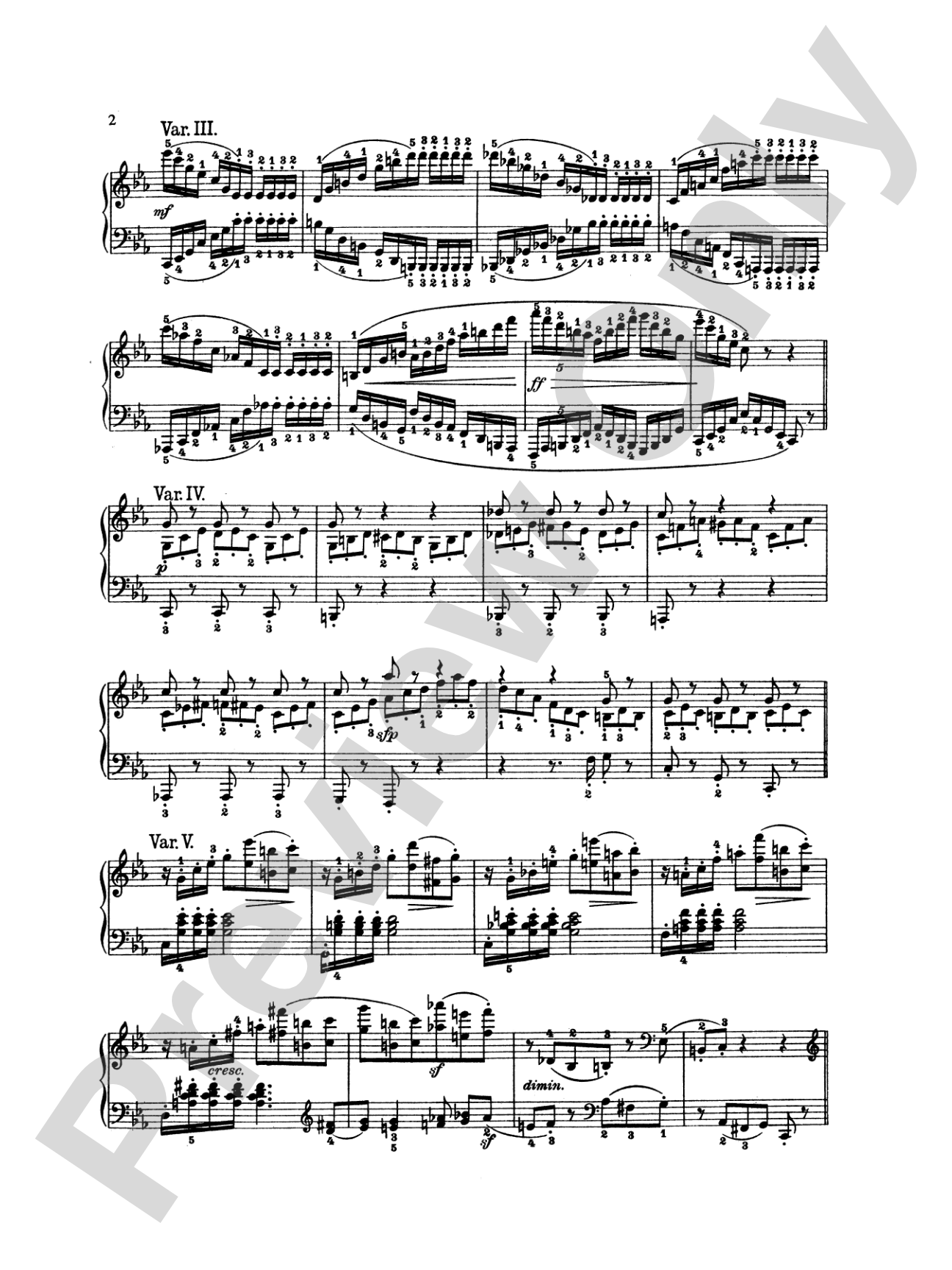
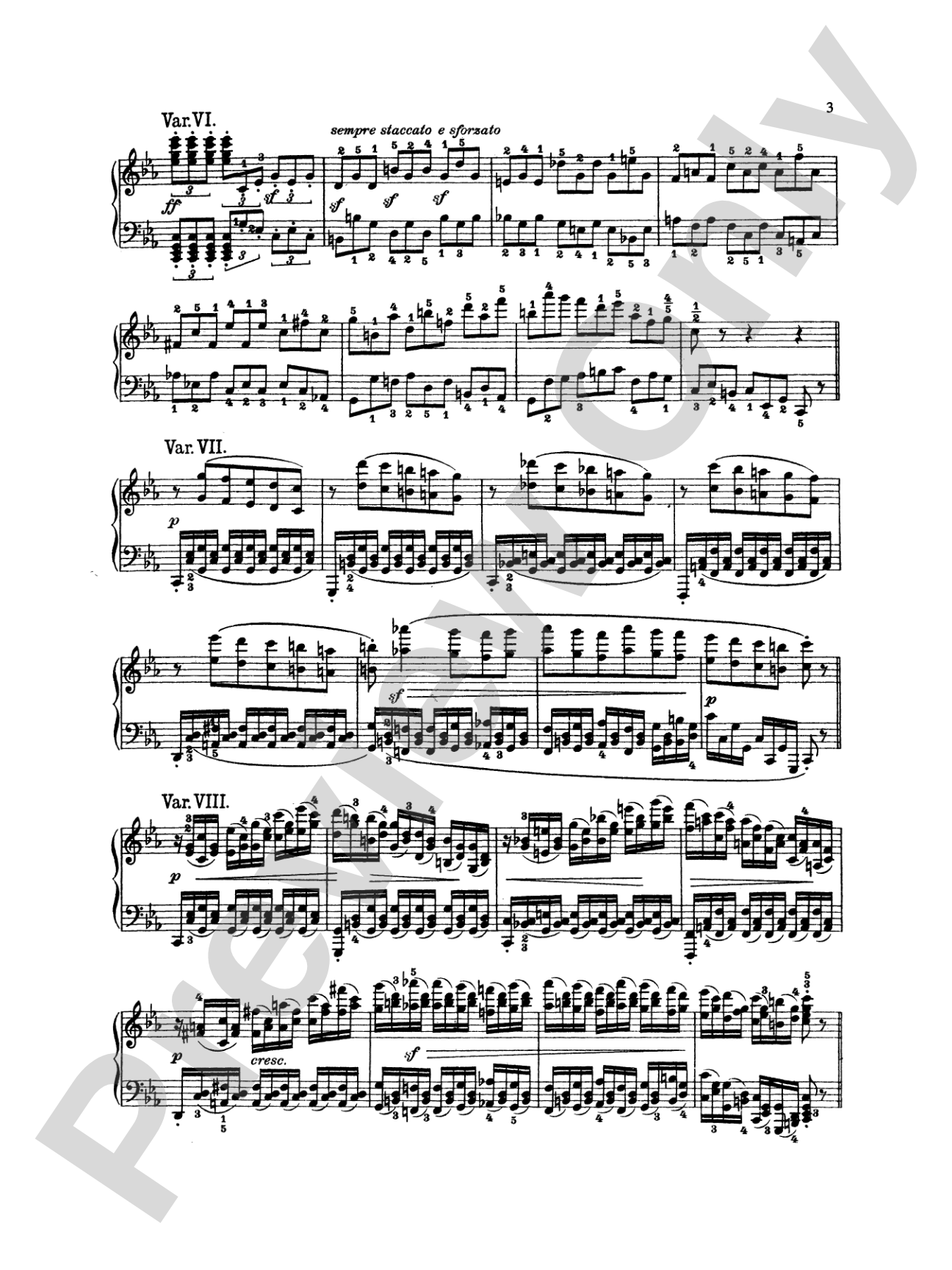
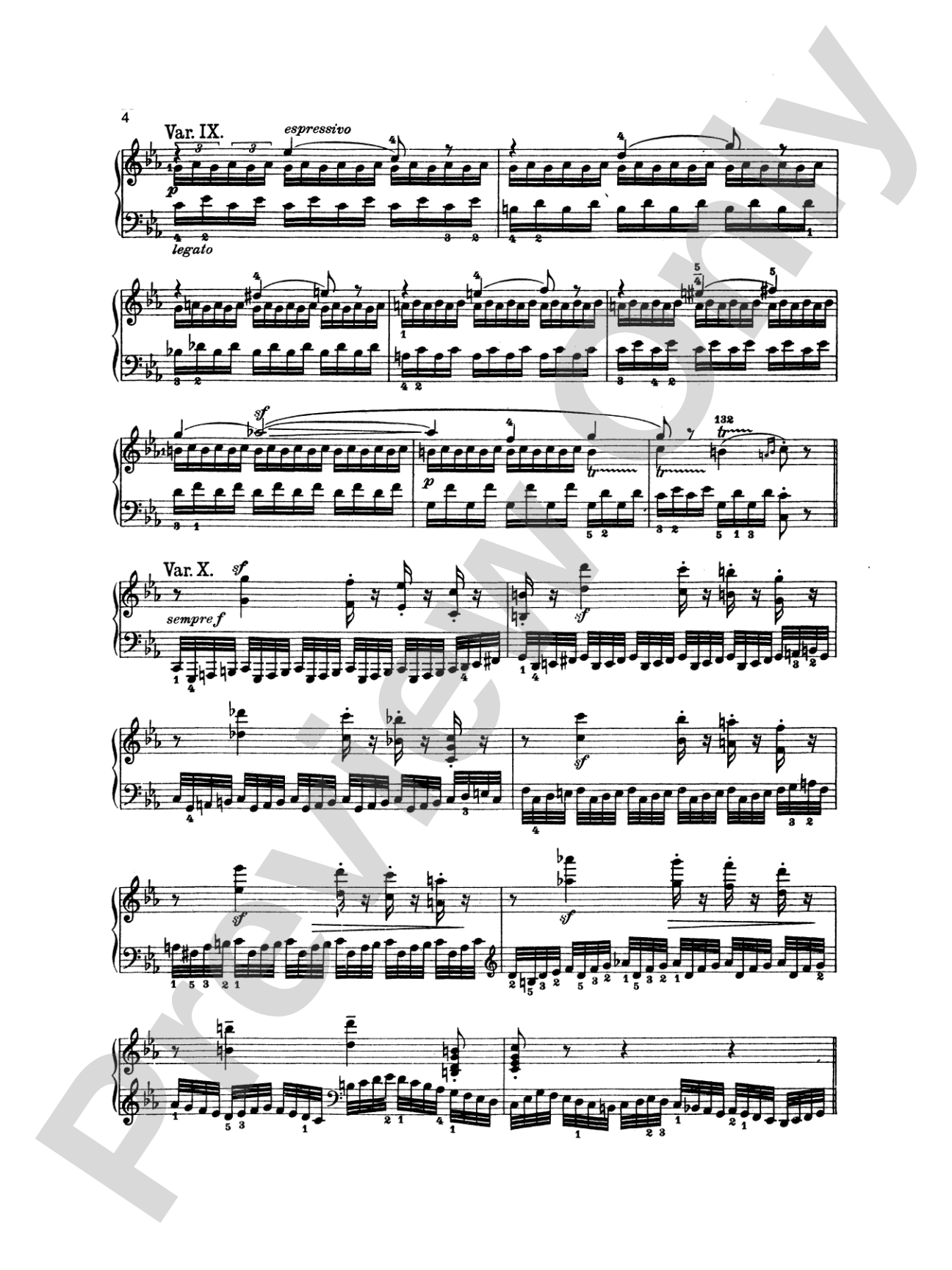
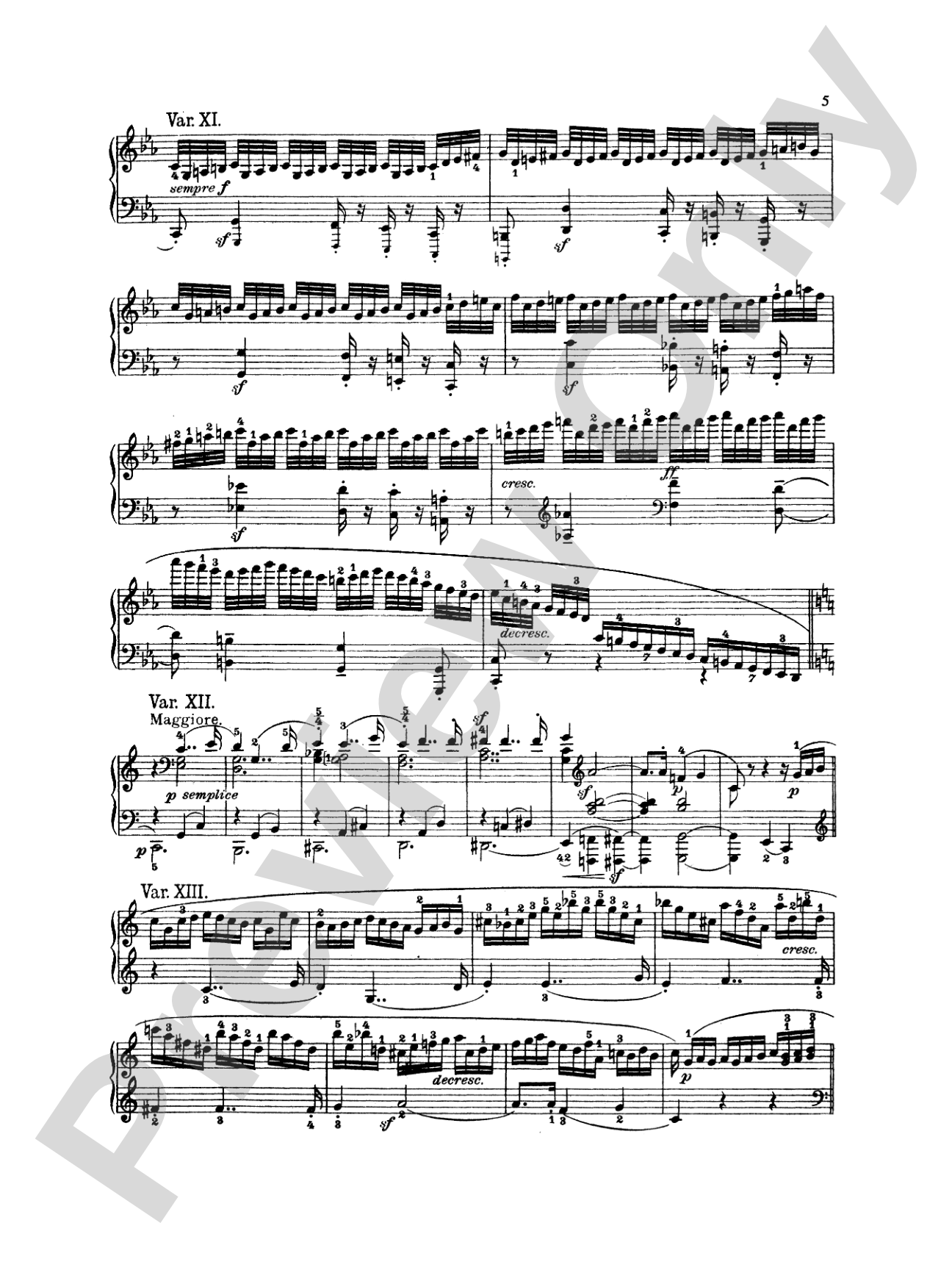
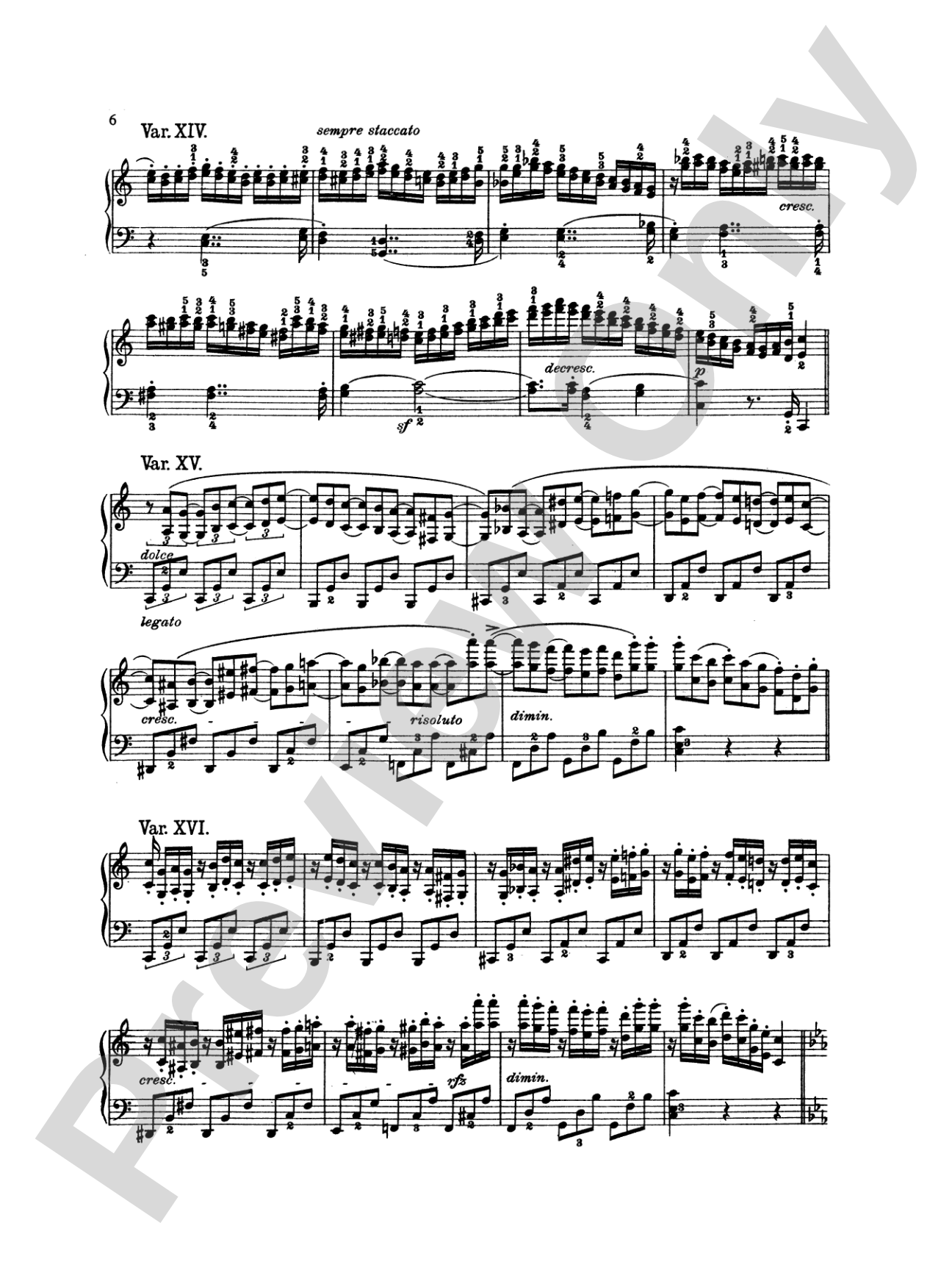
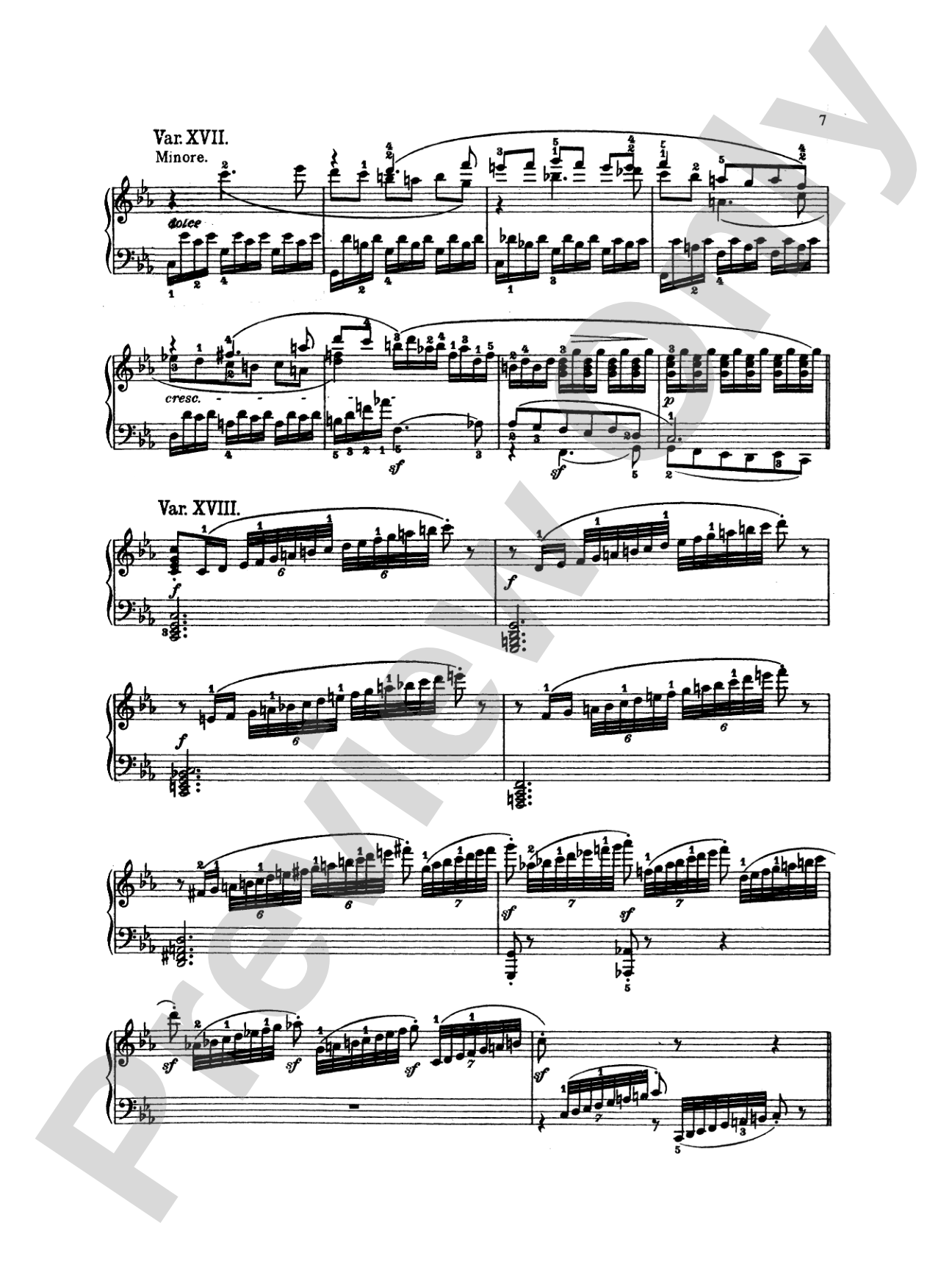
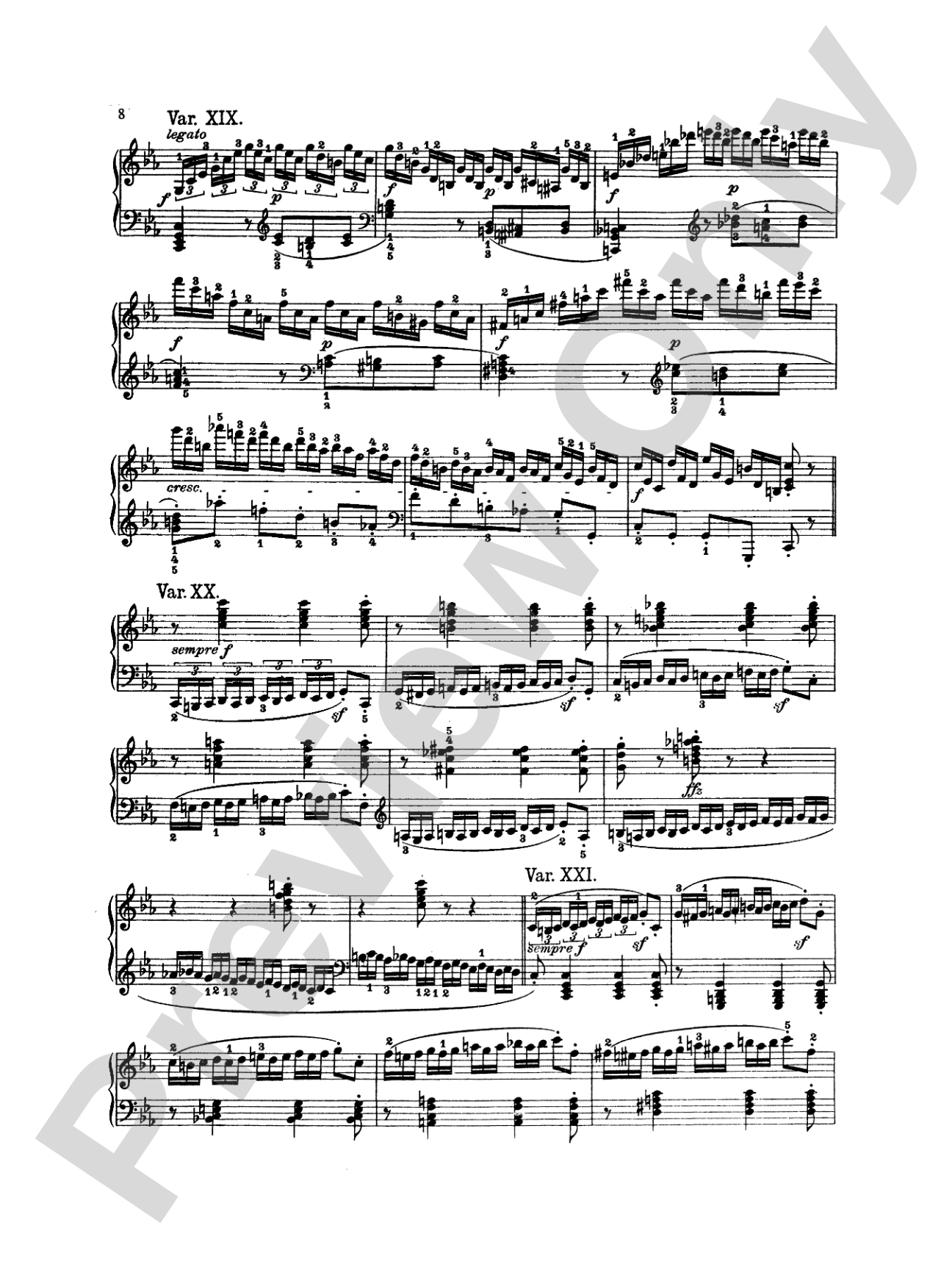
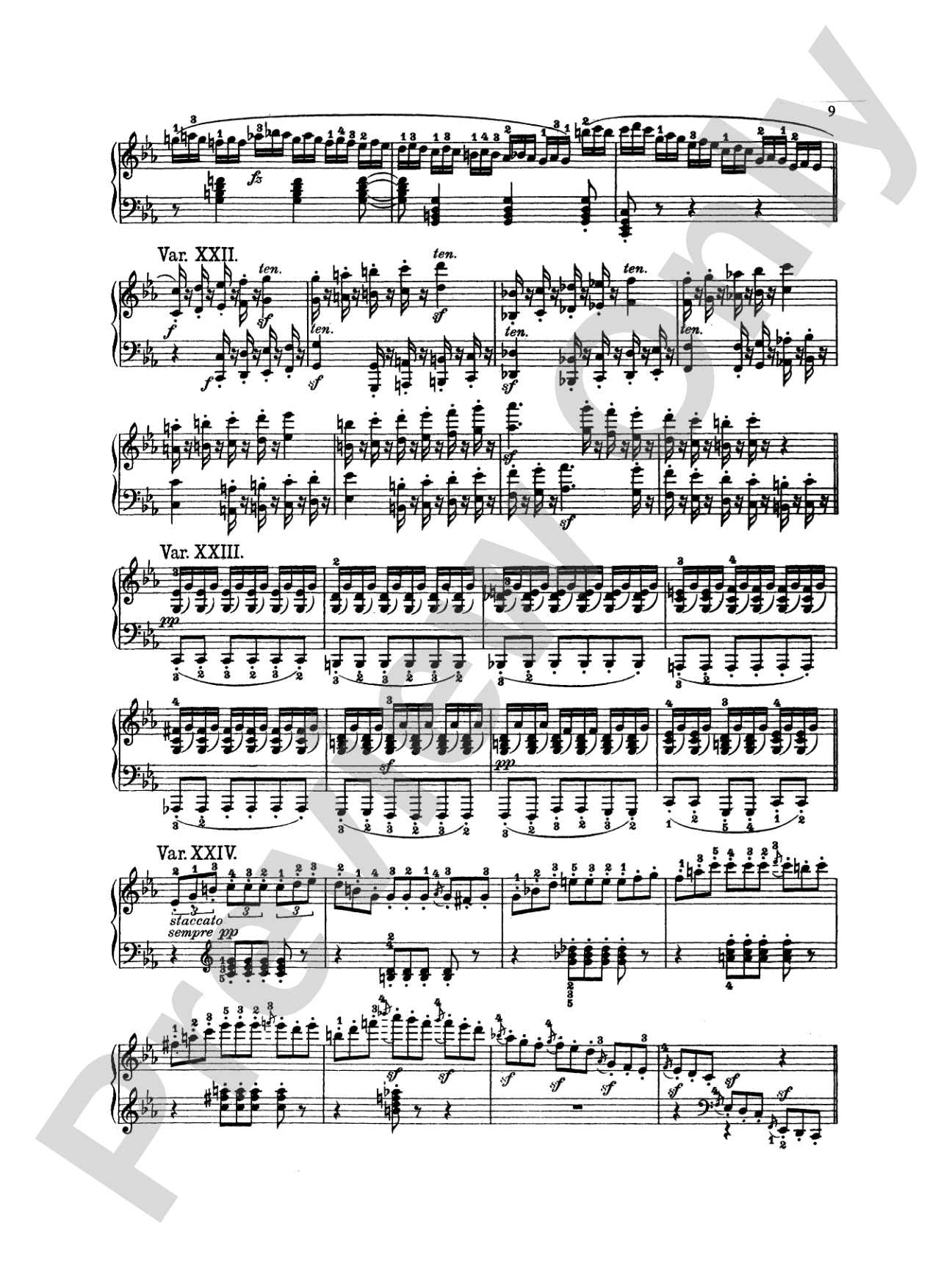
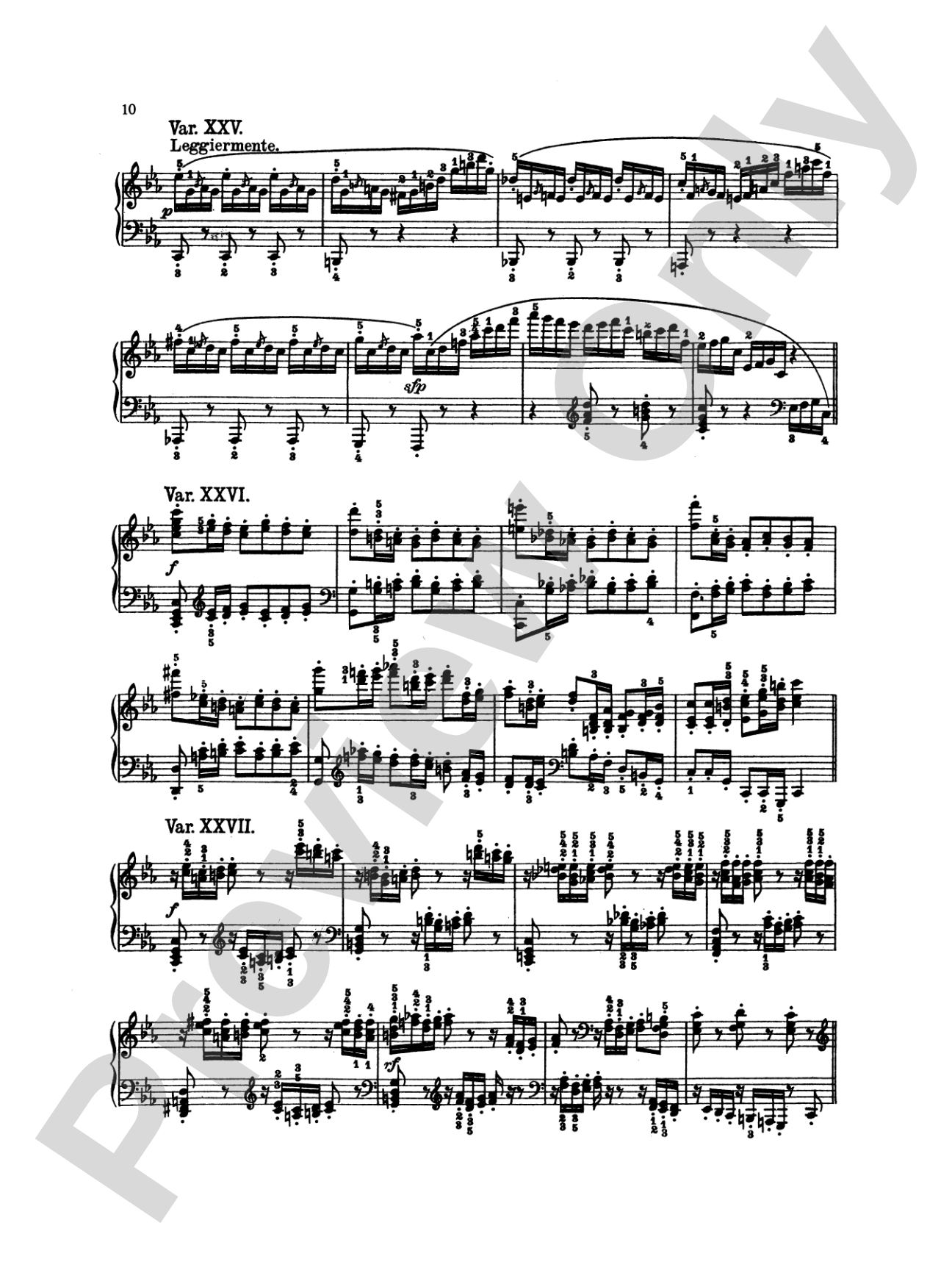
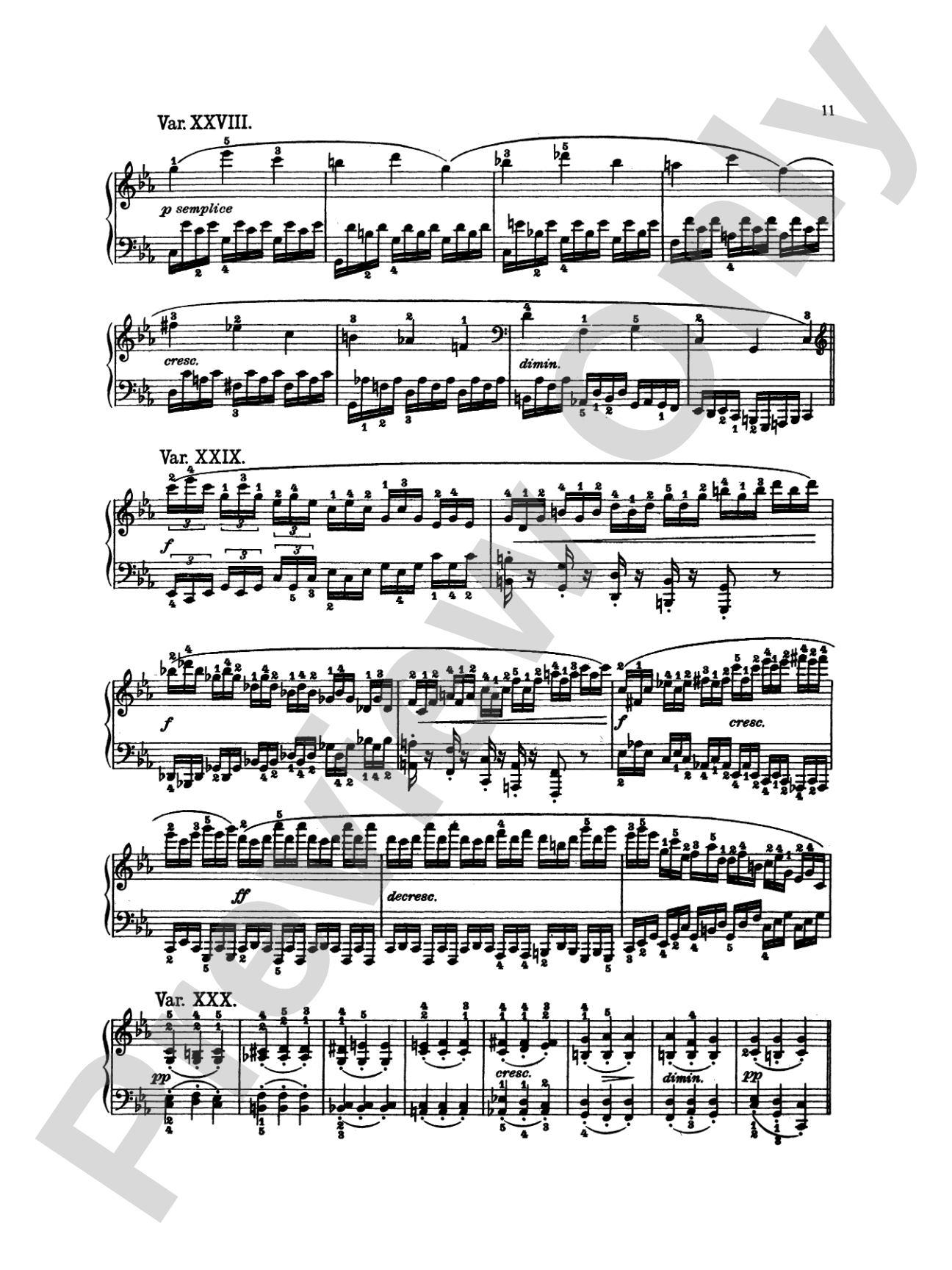
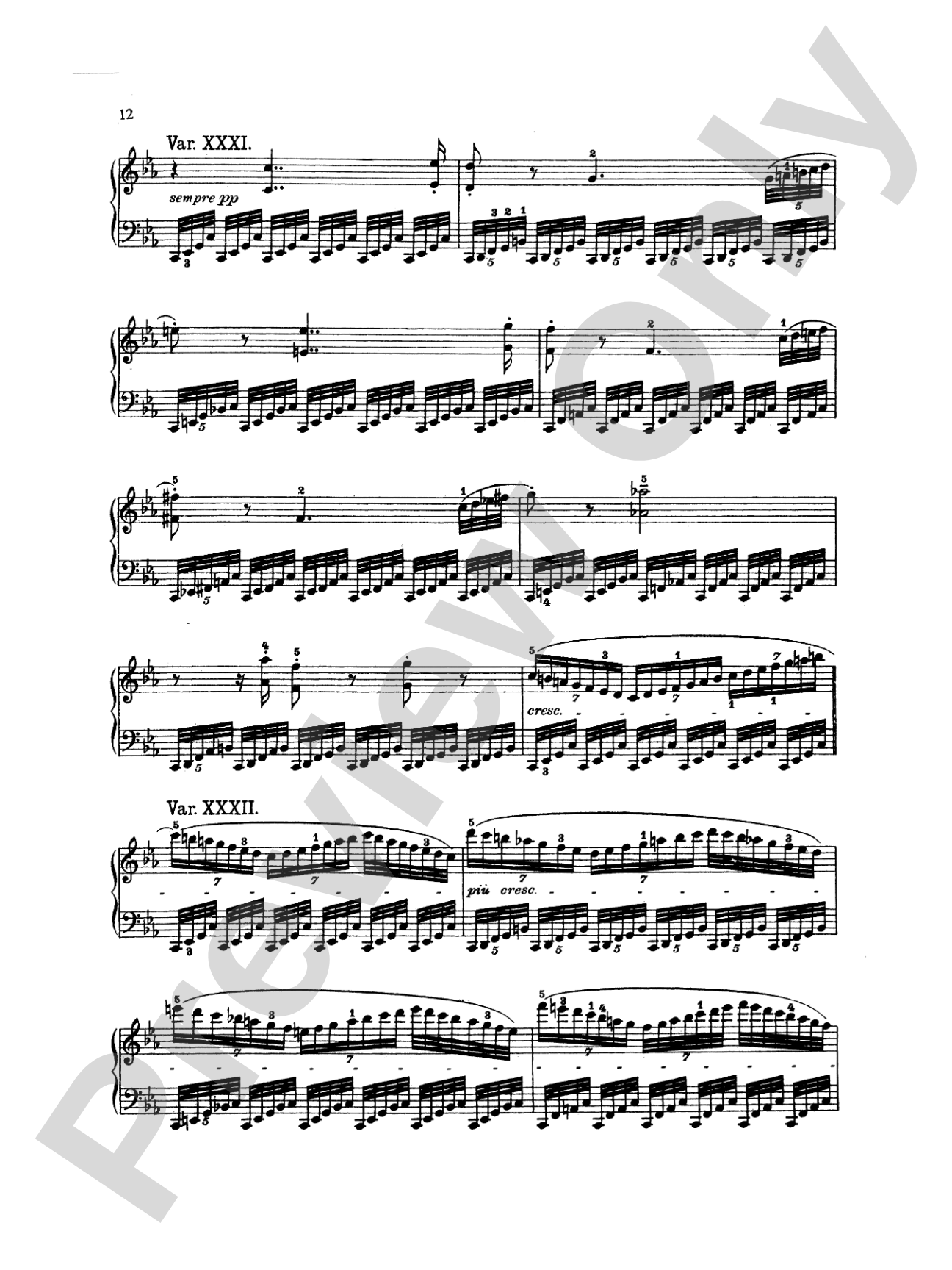
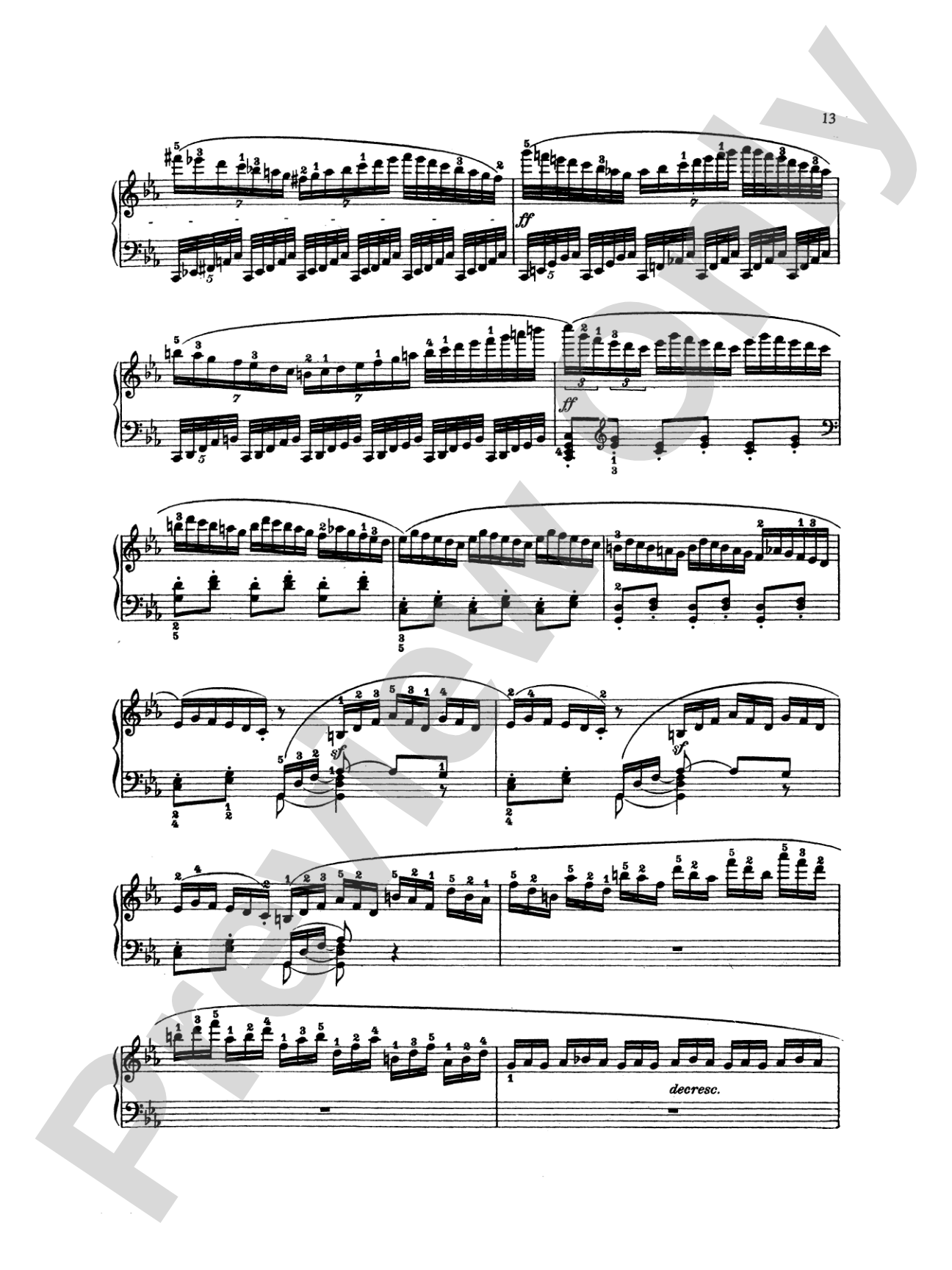
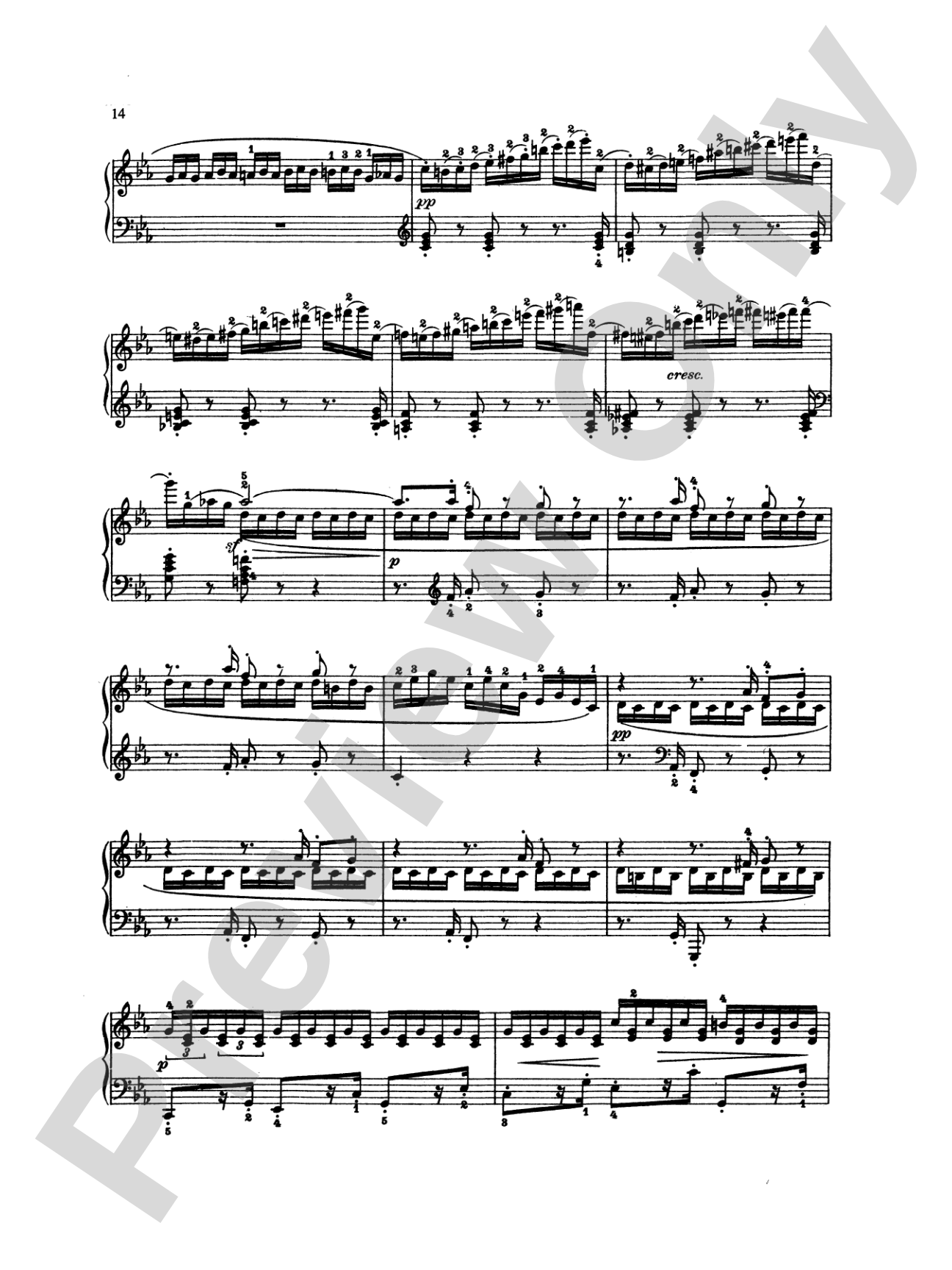
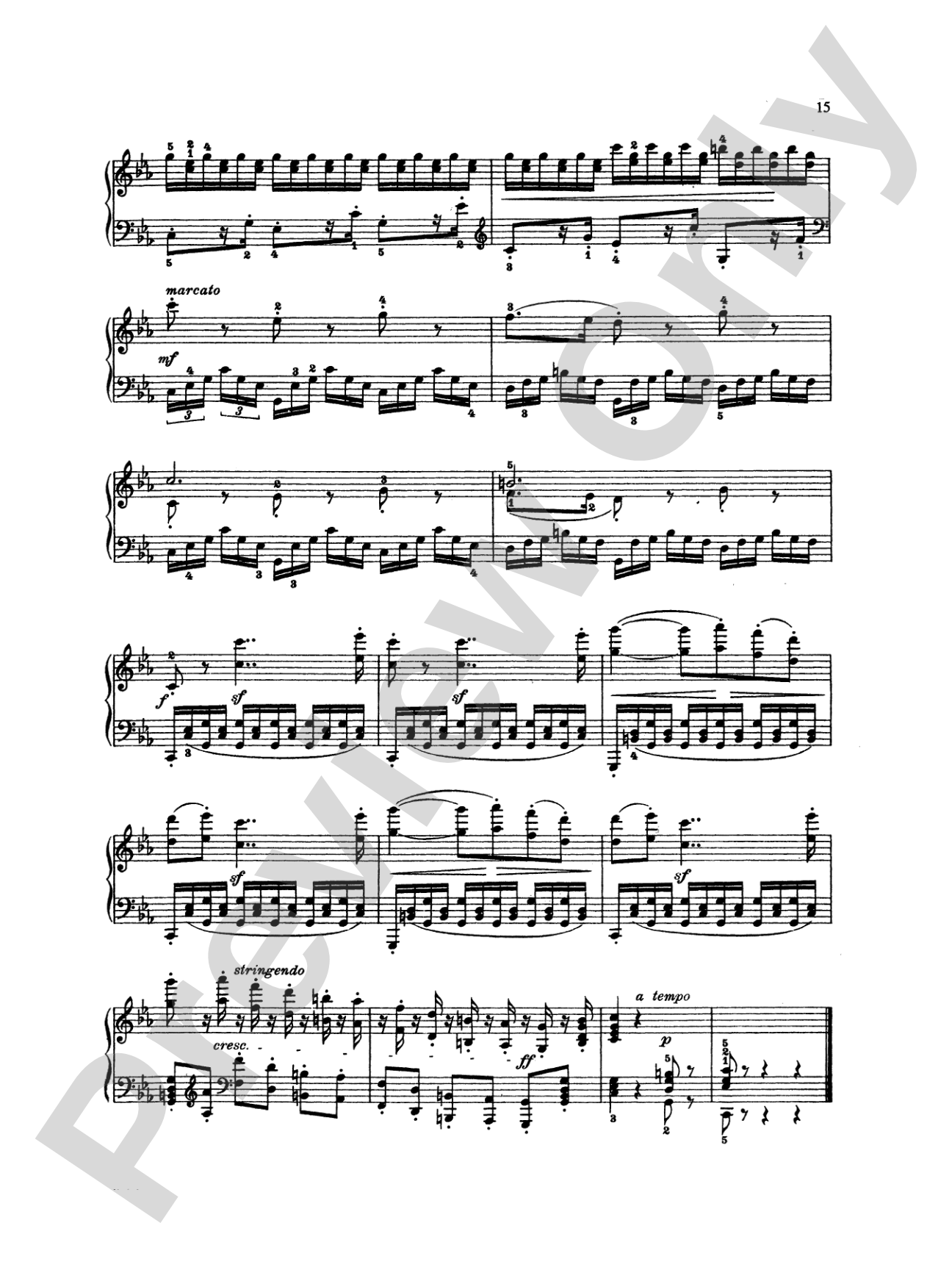
Beethoven composed his 32 Variations on an Original Theme in C minor, WoO. 80, in 1806. It begins with an eight-bar main theme and there follow 32 variations based on that theme. The variations differ in character, technical difficulty and dynamics.


Don't just read it, hear it, play along with it, and watch your students grow with it. In MakeMusic Cloud, Beethoven: 32 Variations: Piano comes alive with professional accompaniment, adjustable tempo, and built-in practice tools that turn solo practice into real progress.
Open in the Player
Jump straight in and assign it today.
Start Your Free Trial
Open this title and explore the full library in minutes.
Sample Audio
No sample audio found.
Sample Video
No sample videos found.
Additional Details
Series:
Kalmus Edition
Publisher:
Alfred Music
Page Count:
20
SKU:
00-PK-0002932
More about this title
About the Composer: Ludwig van Beethoven
Ludwig van Beethoven (1770–1827) bridged the Classical and Romantic eras, expanding the expressive and structural possibilities of every form he touched. His late works especially pushed against convention, revealing a composer unafraid to challenge performers and listeners with harmonic boldness, dramatic scope, and technical demands that seemed to reimagine what instruments could do.
Why we love this
This work showcases Beethoven's mastery of variation technique at its most inventive. Each variation transforms the eight-bar theme into something fresh—sometimes intimate, sometimes virtuosic, sometimes structurally playful—giving pianists the rare chance to perform a substantial, unified cycle that spans from gentle introspection to brilliant display. It's a window into how a mind of genius thinks through musical material.
What to expect
The work unfolds like a series of character sketches, each one surprising in its specificity. You move between moments of Romantic introspection and Classical clarity, between technical display and intimate lyricism, all tethered to a simple, memorable theme that gradually reveals new dimensions.
Who it's for
Advanced pianists preparing for recital or competition will find a substantial solo work that demonstrates command of style, variation craft, and the full range of the instrument. Teachers seeking a single comprehensive piece to address technical growth, interpretive choice, and large-form thinking will value its scope and pedagogical richness.
How to get the most out of it
- Treat the original theme as a touchstone throughout. Return to it mentally between variations to maintain structural coherence, even when the surface details diverge dramatically.
- Attend carefully to the dynamic markings and character indications Beethoven specifies. Variations differ in mood as much as in technique, and respecting those contrasts is essential to the work's architecture.
- Plan your fingering and hand position shifts early in your practice. With 32 variations spanning multiple technical idioms, secure physical preparation prevents the work from feeling episodic.
- Shape the work's overall arc. Consider which variations demand full engagement and which invite restraint, so the entire cycle feels like a journey rather than a sequence of independent pieces.
How to use it
This works beautifully as a recital centerpiece or as part of a Beethoven-focused program pairing it with sonatas or bagatelles. It can also anchor a concert exploring the theme-and-variations form across different eras, giving audiences a masterclass in how composers approach structural invention.
Skills your students will build
- Variation form and thematic transformation
- Shifting between contrasting characters and moods within a single work
- Technical facility across multiple idioms (scalar passagework, arpeggiation, hand independence, octave work)
- Structural navigation of a 32-section cycle
- Interpretation of Beethoven's dynamic and expressive markings
- Sustaining listener engagement across an extended single-movement form