
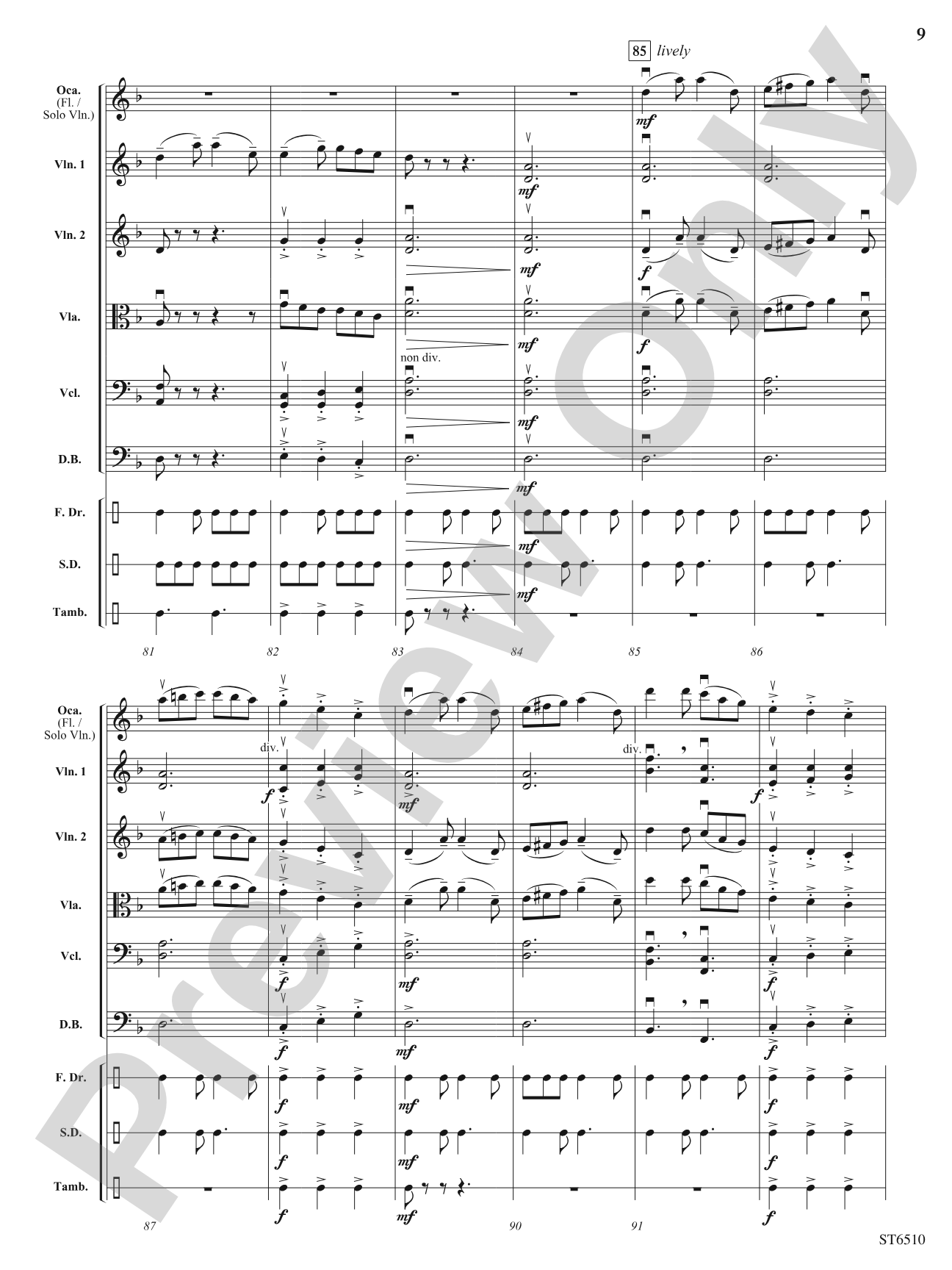
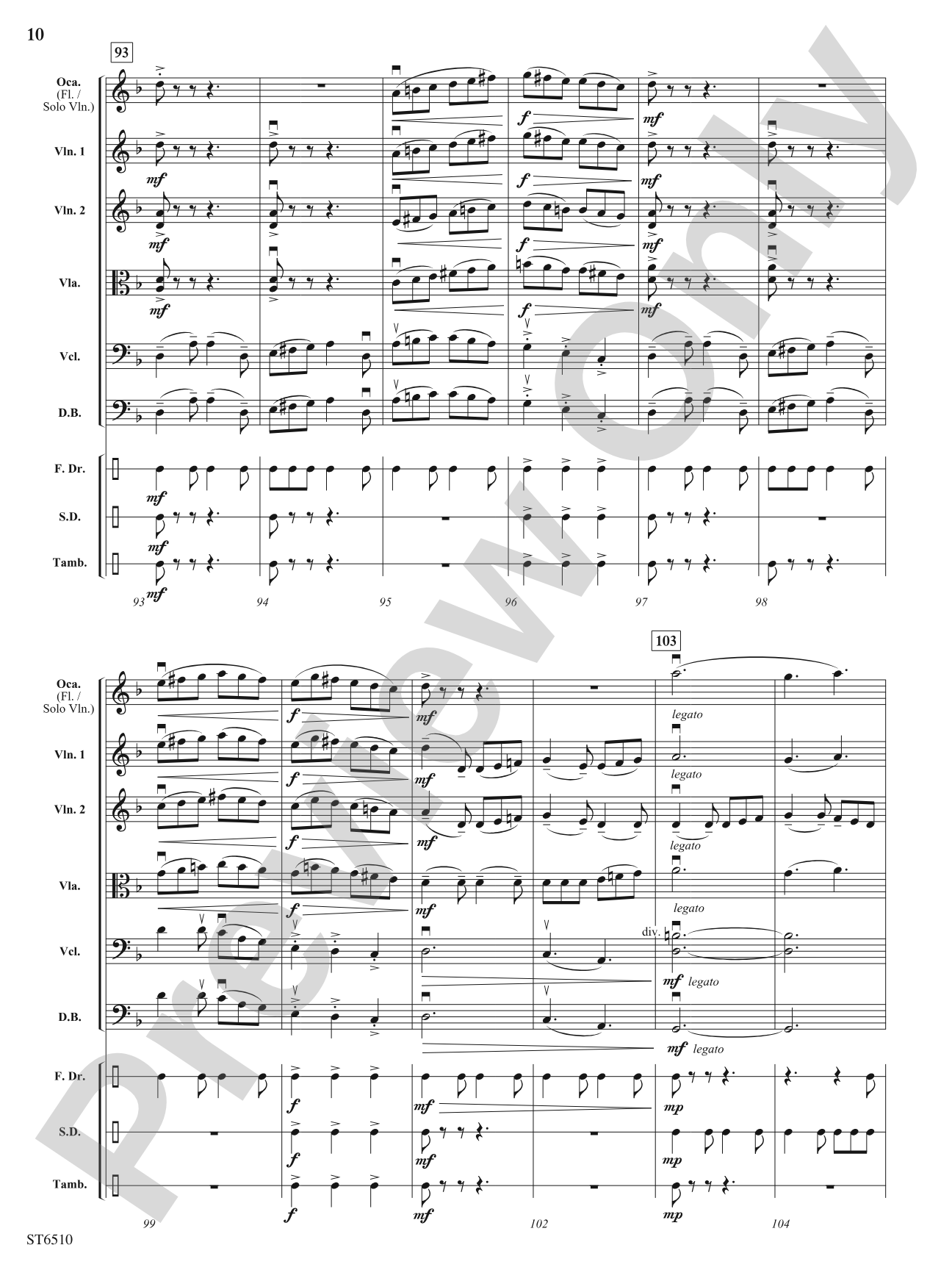
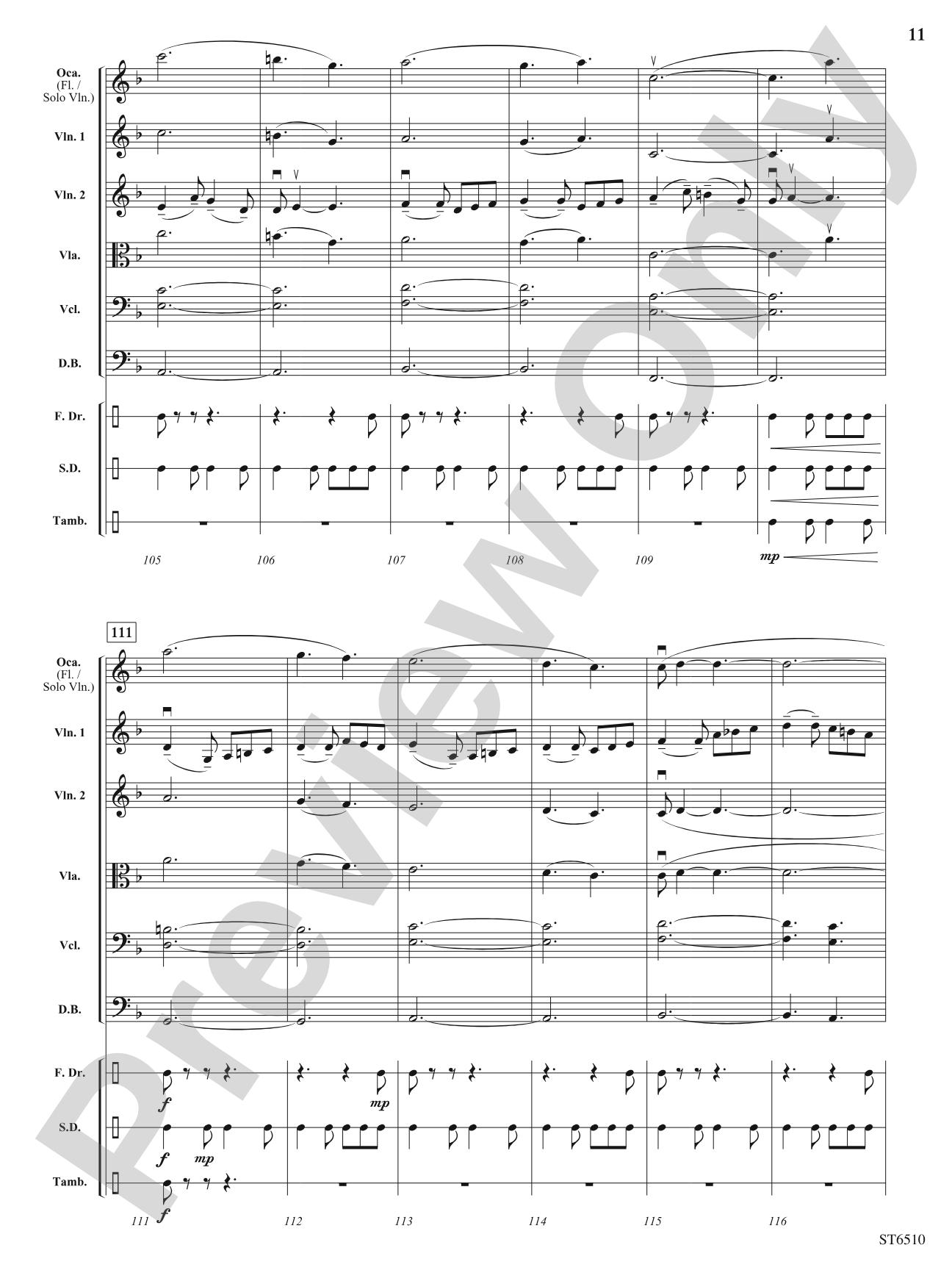
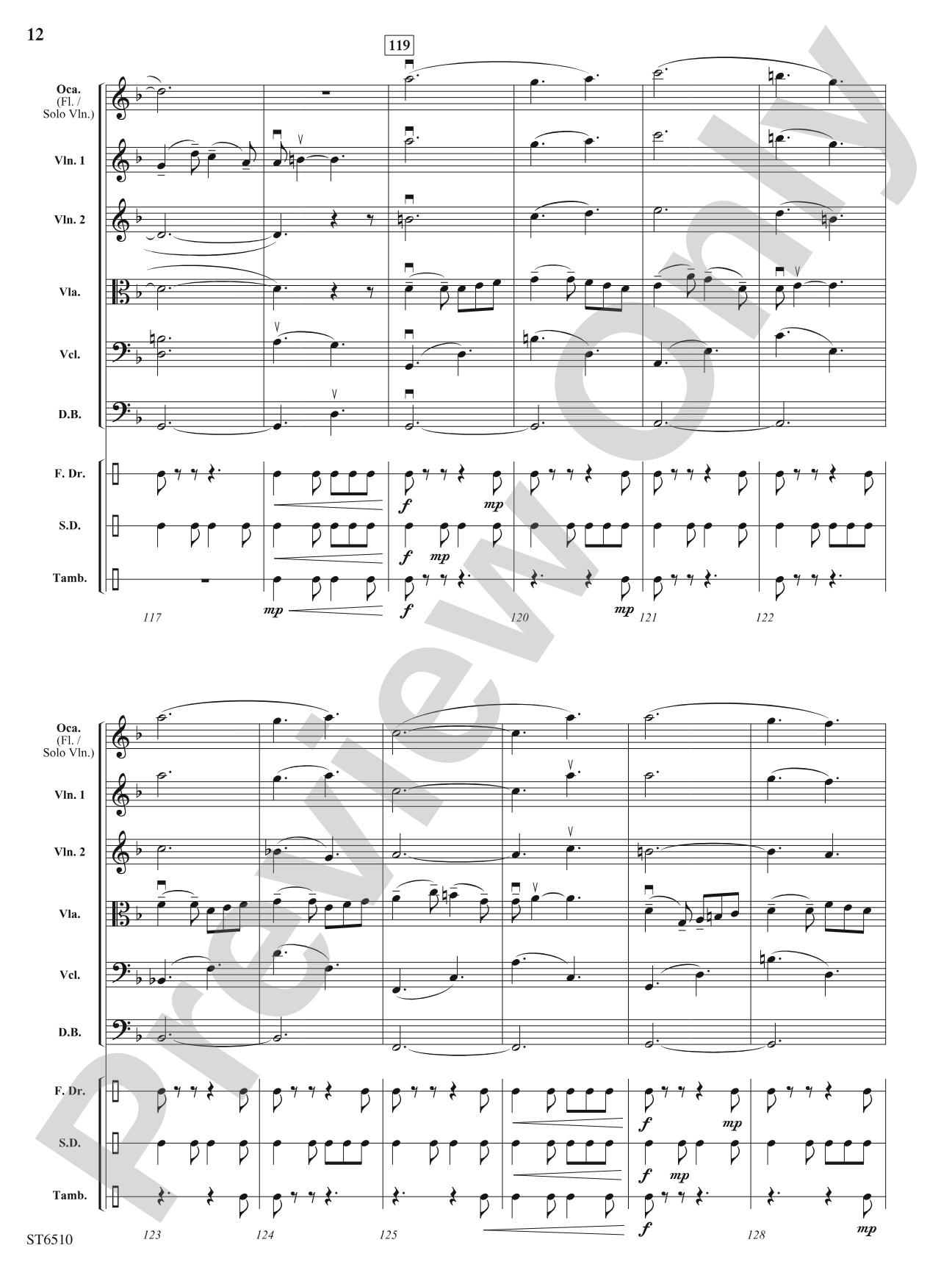
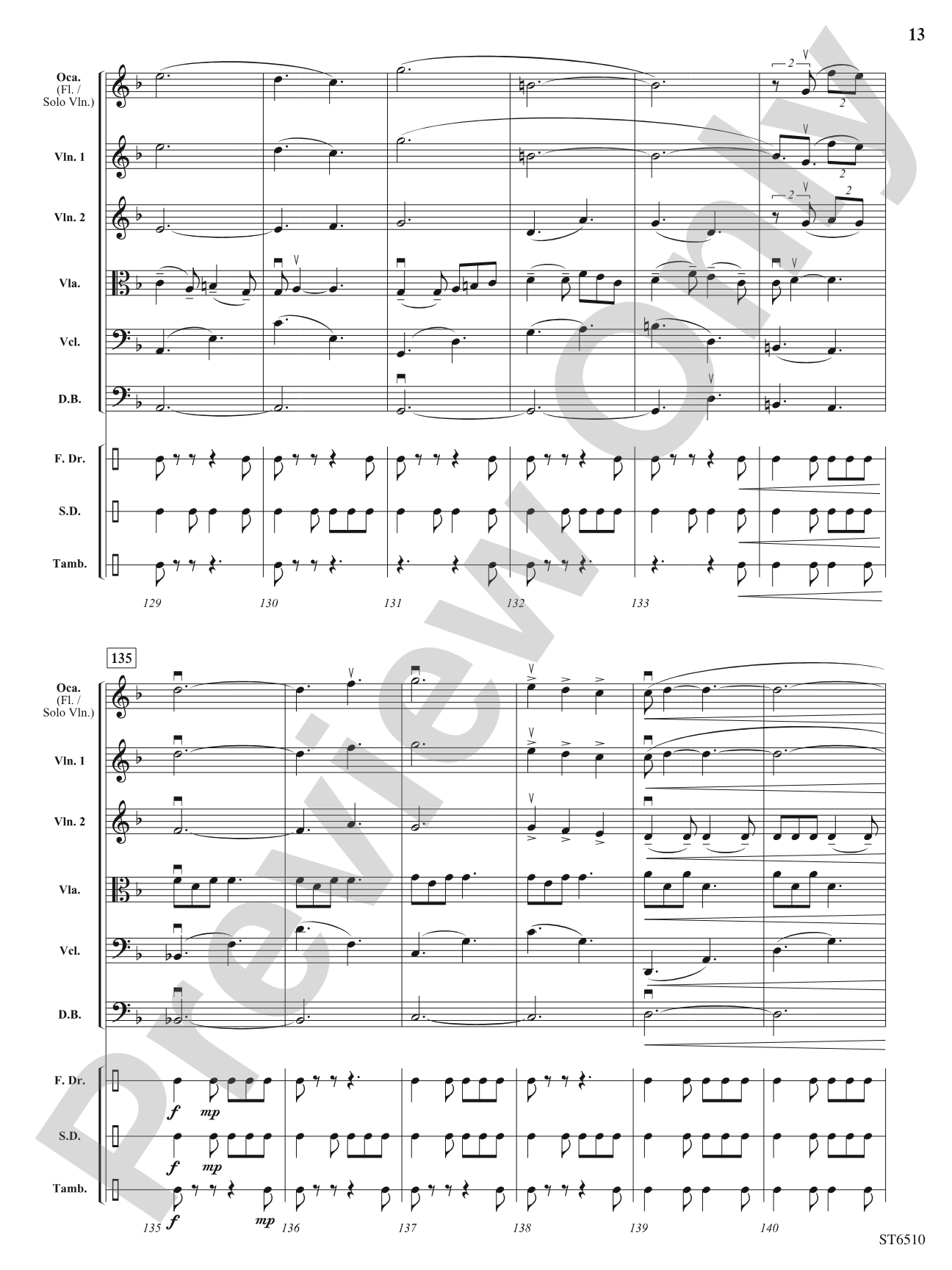
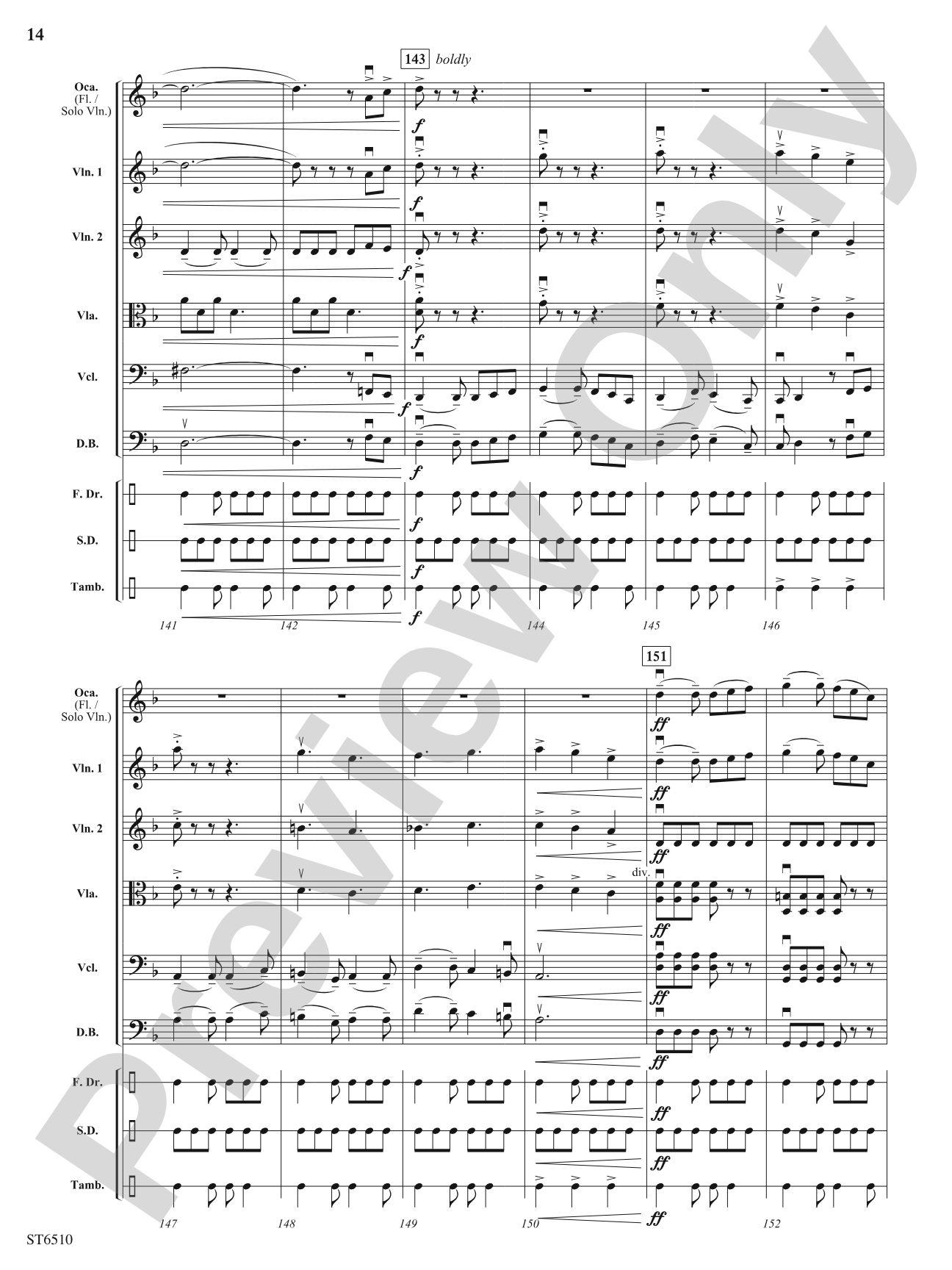
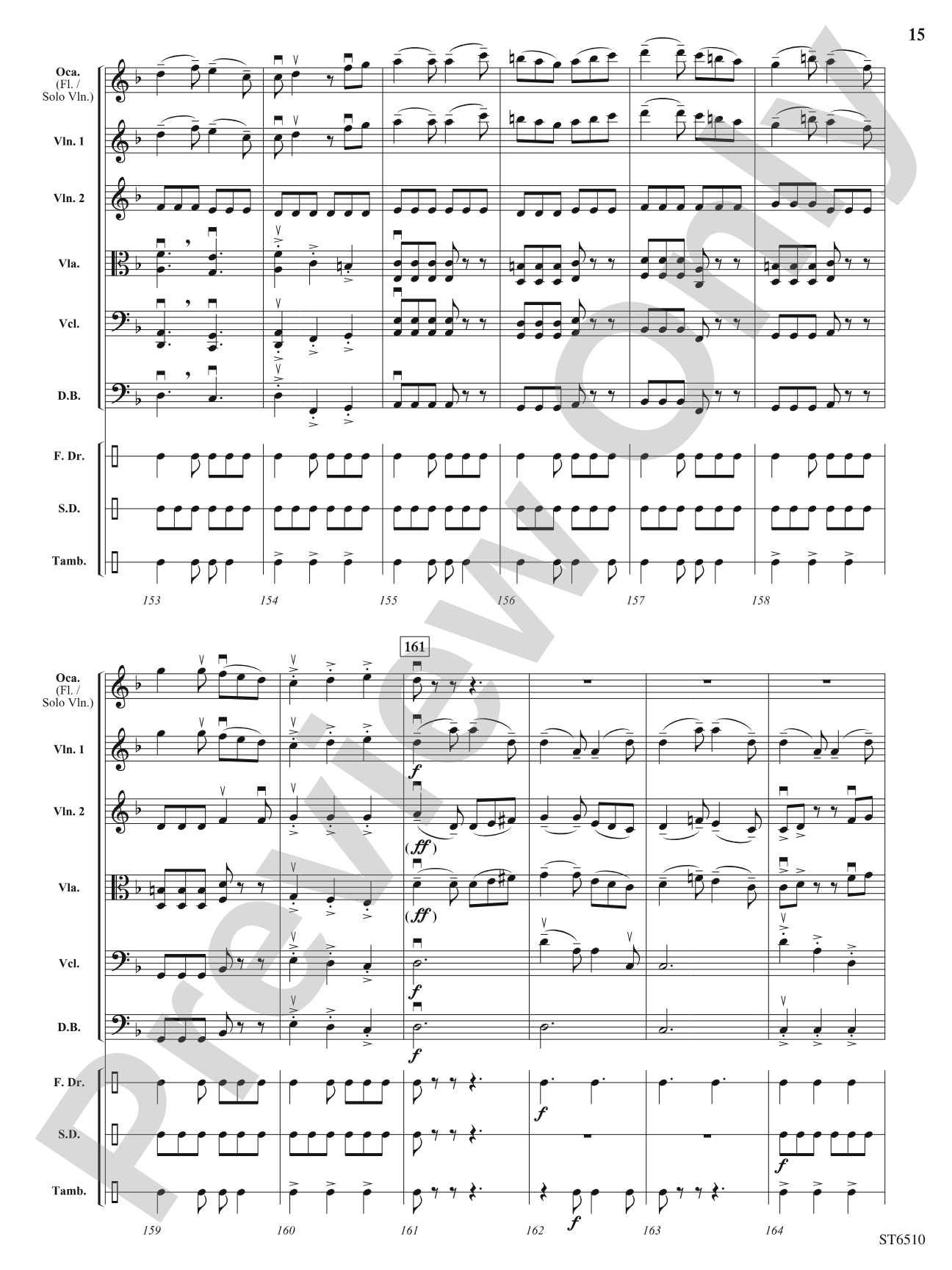
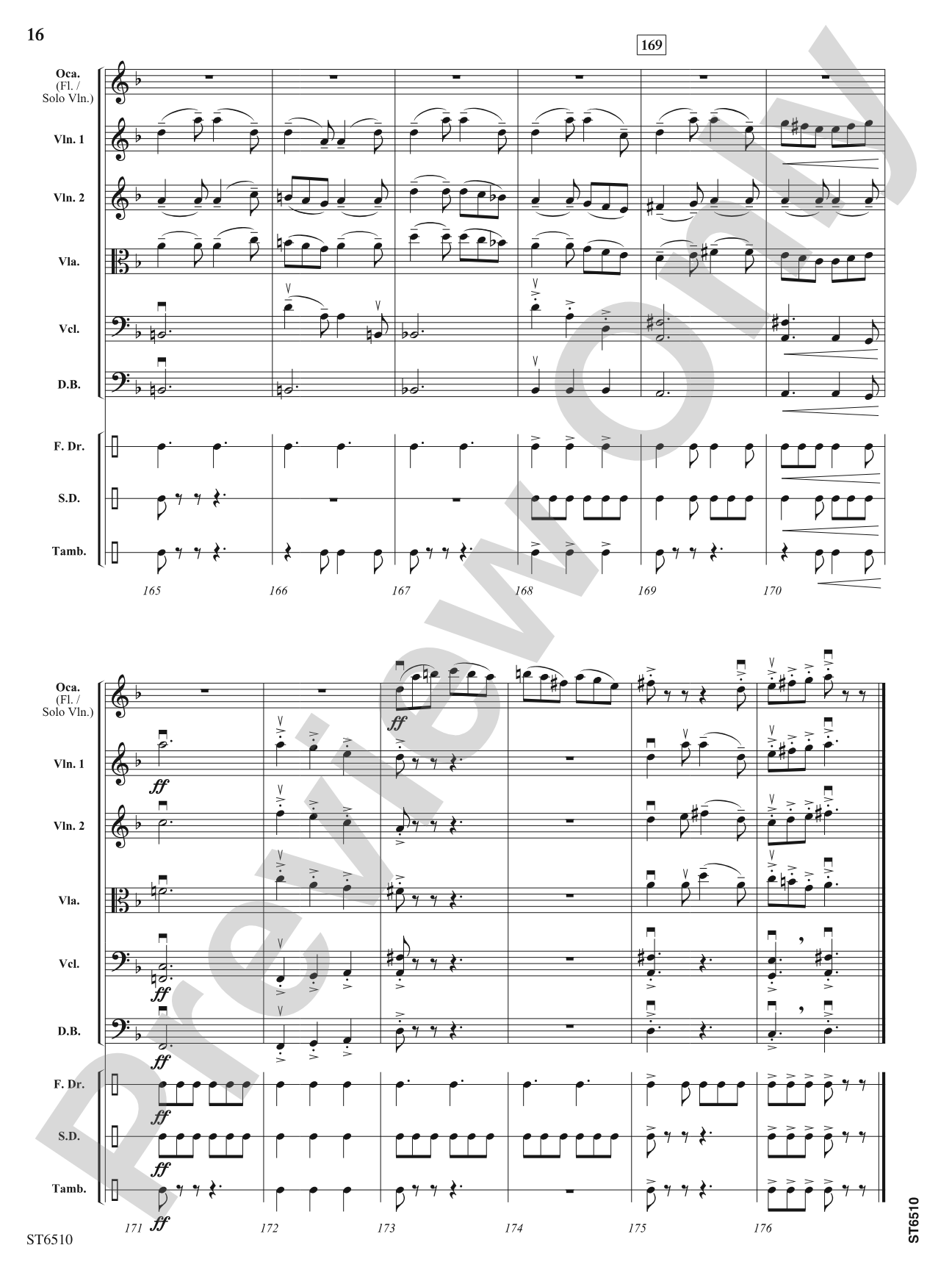

Beauty and Fire (The Quest Begins): String Orchestra Conductor Score & Parts
The Quest Begins
By Chris Thomas
Grade: 3
Item: 98-DST6510

$65.00
Pickup currently not available
Buy Extra Parts (Digital PDF Download)
Parts Added to Cart!
Description
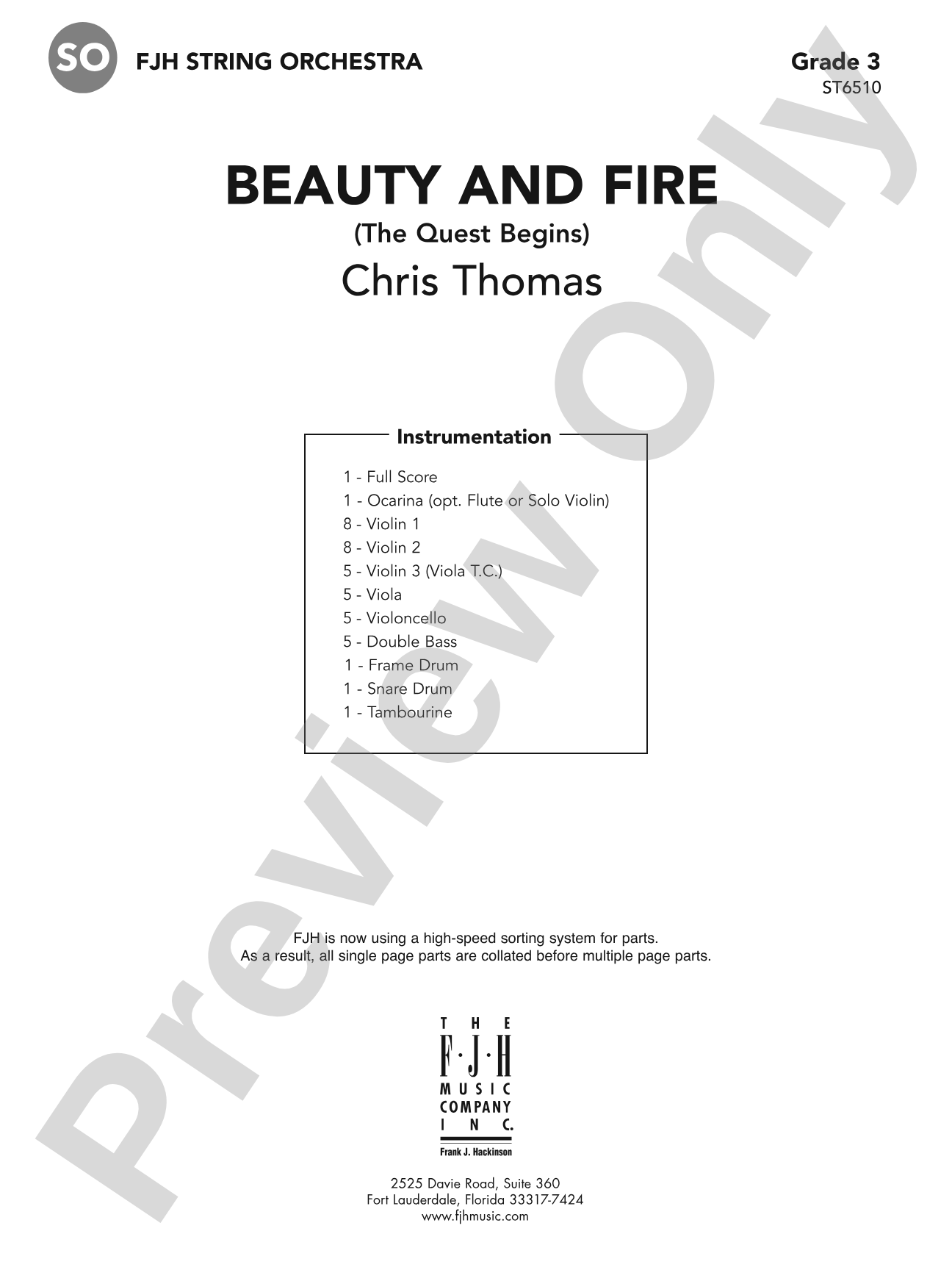
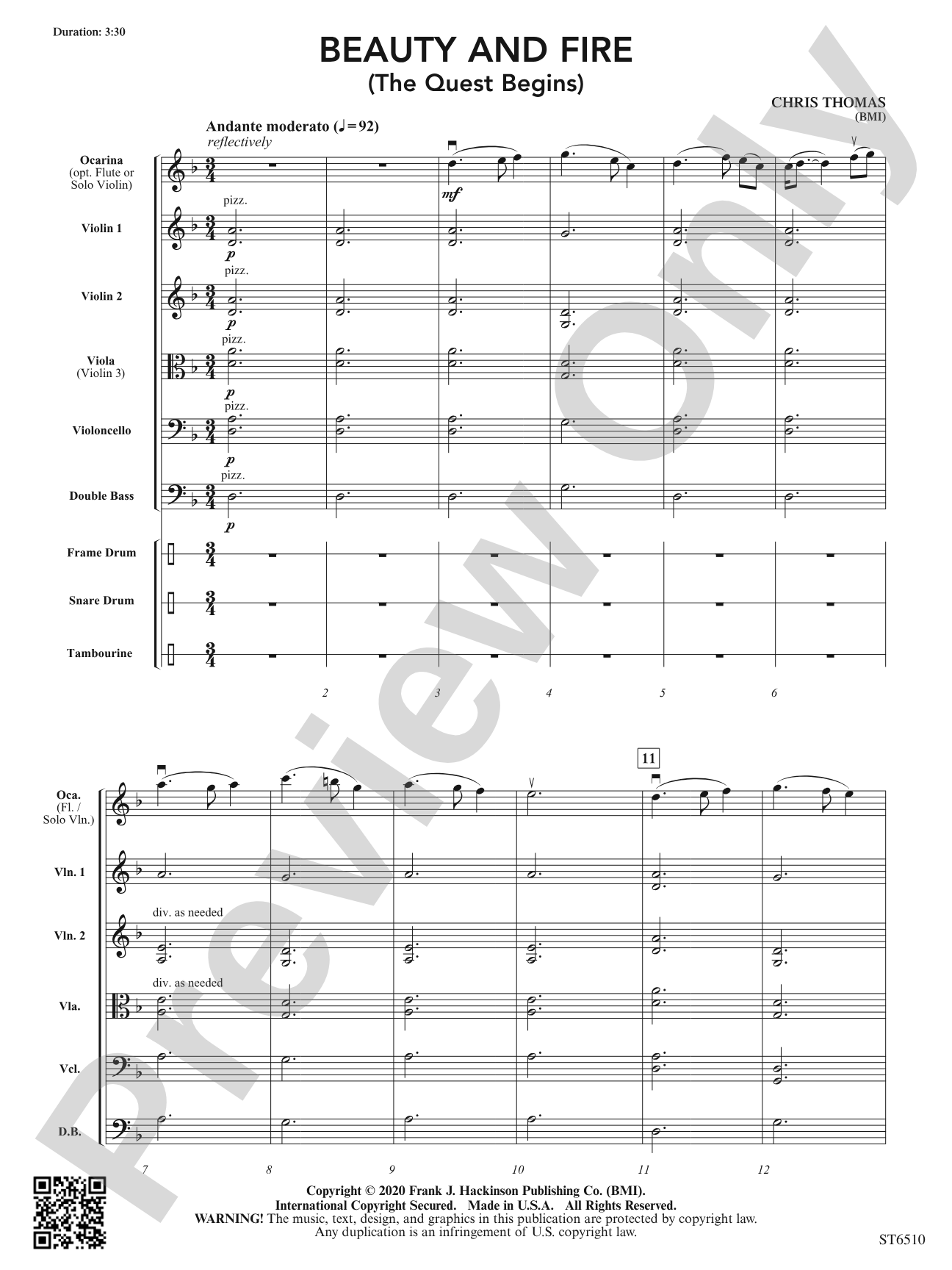
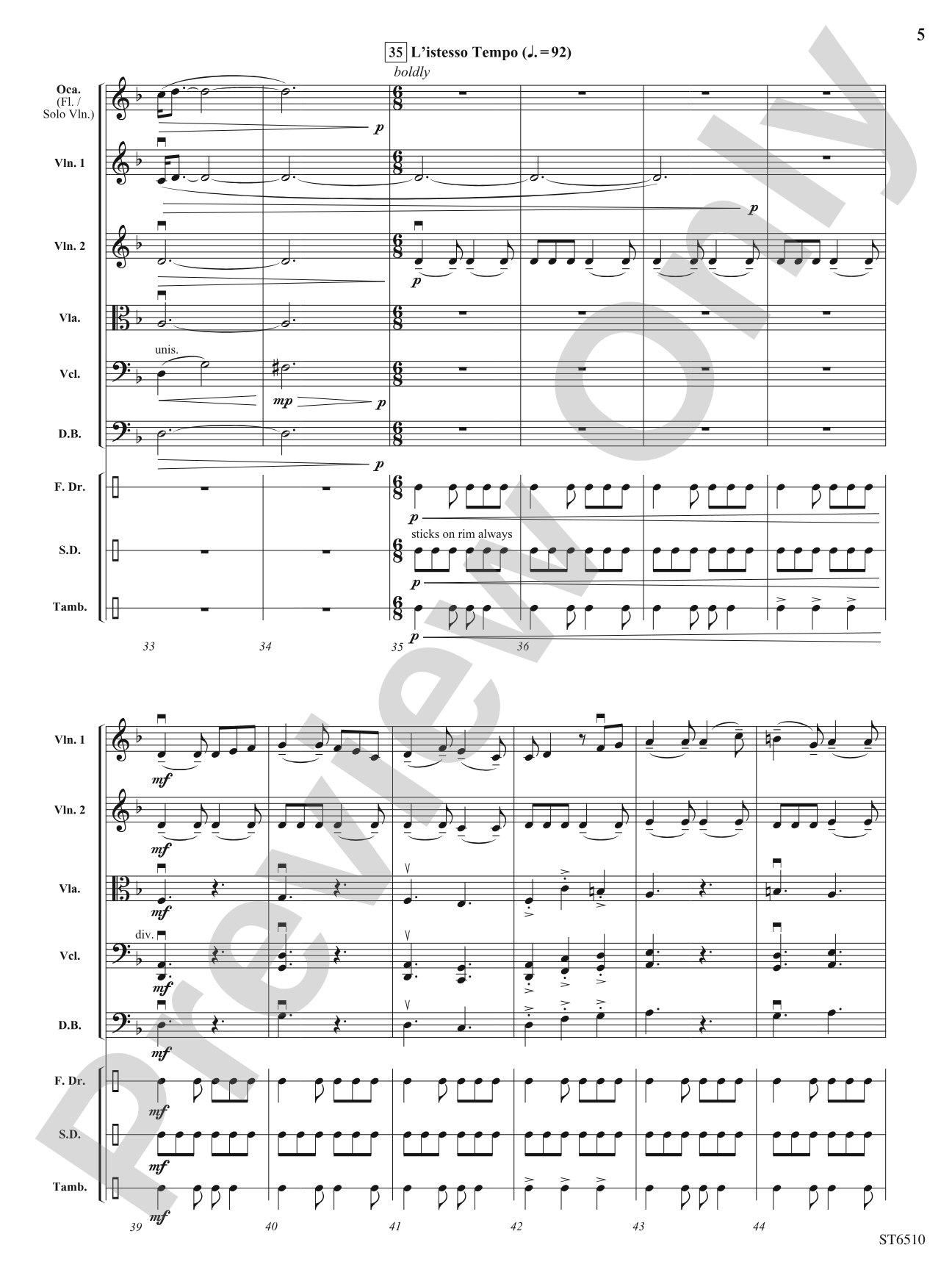
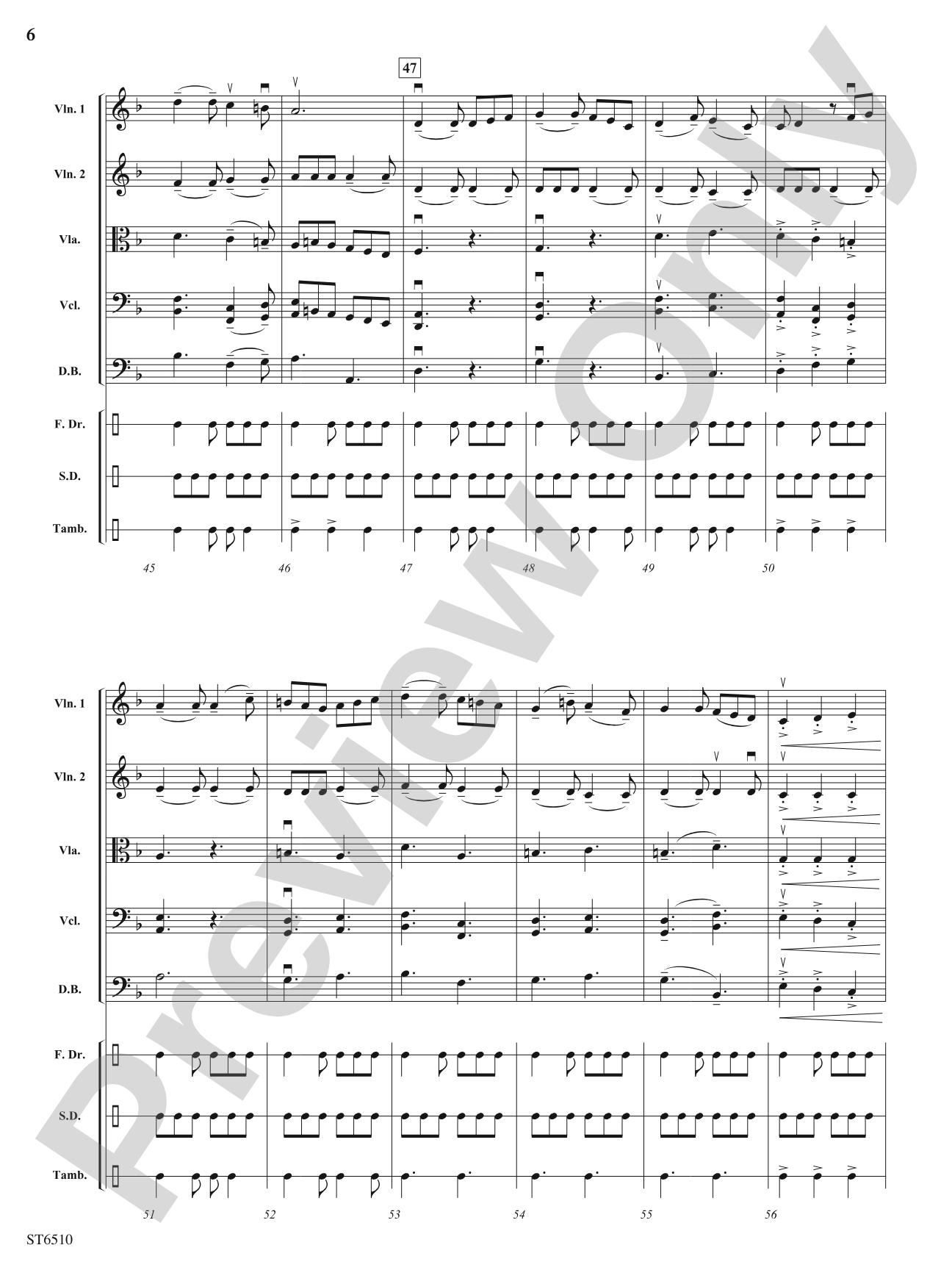
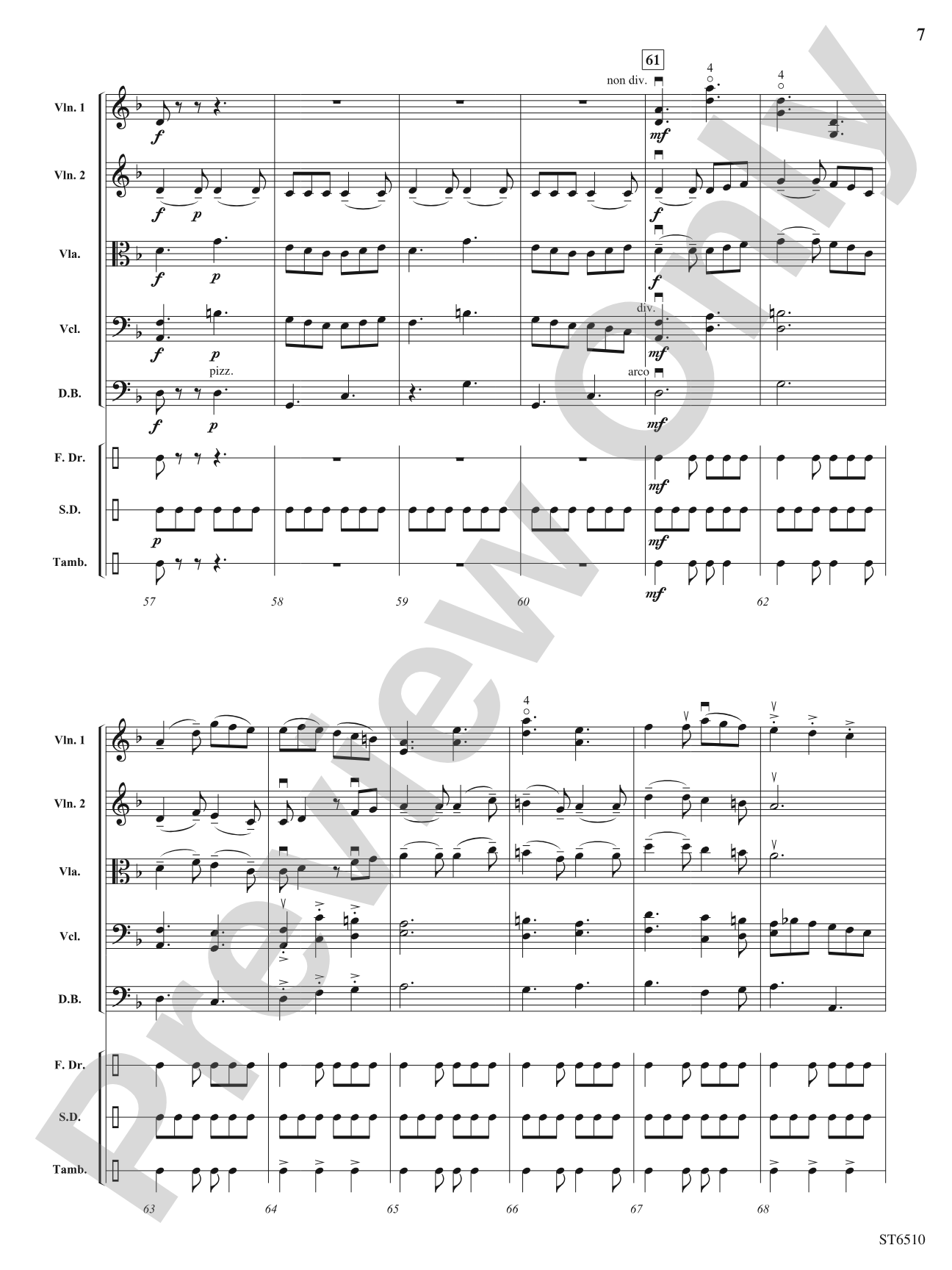
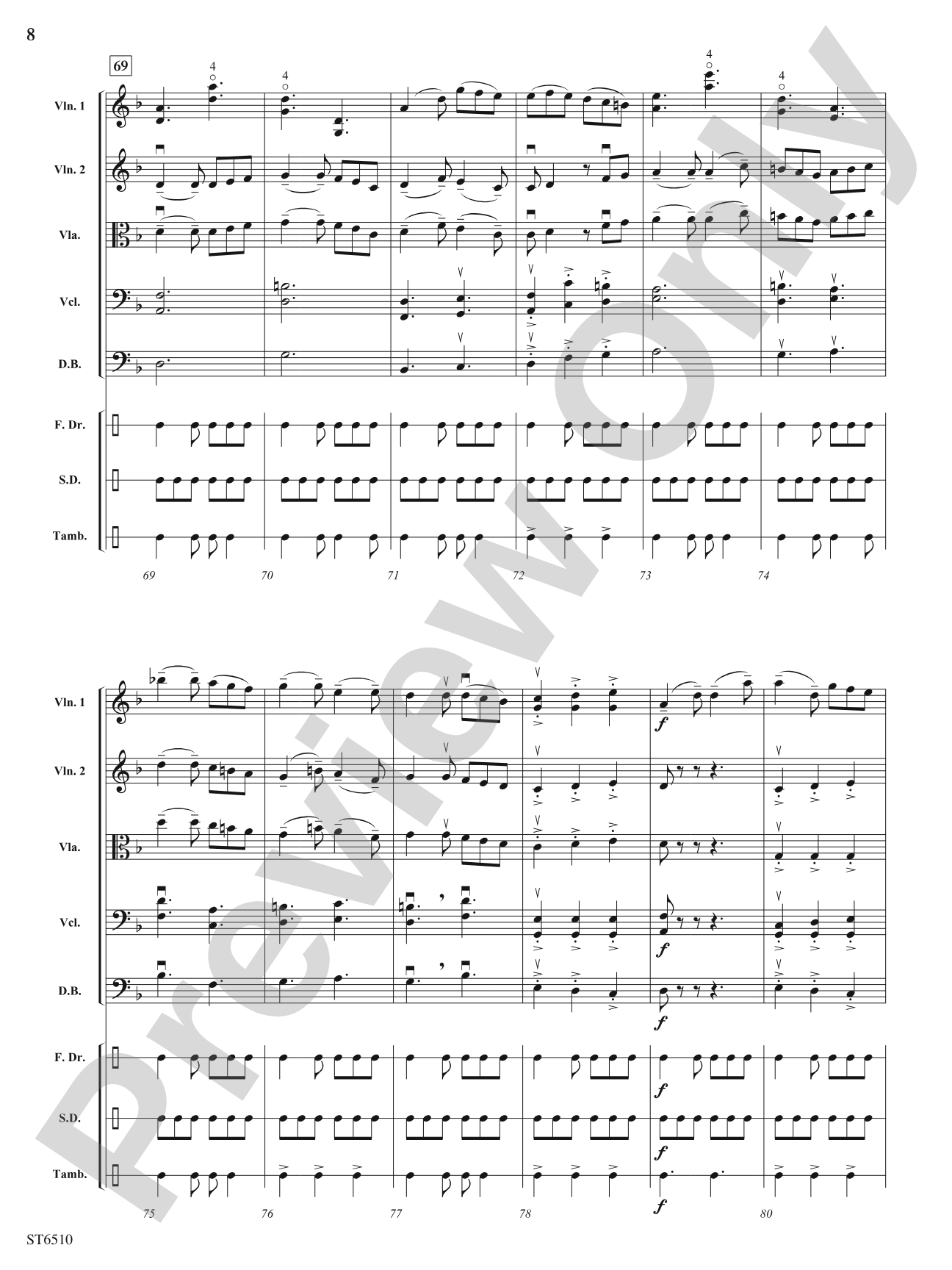
In a world of sorcerers, magic, elven warriors, and fantastical creatures, anything is possible. This musical adventure continues the story from Thomas's popular Land of Dragons. In this chapter, a lively band of warriors join the quest. The music includes fierce rhythmic interplay, syncopation, and soaring melodies. A solo ocarina (optional violin or flute) and a lively percussion section add to the cinema-style orchestration. An entrancing addition to your concert program!


Don't just read it, hear it, play along with it, and watch your students grow with it. In MakeMusic Cloud, Beauty and Fire (The Quest Begins): String Orchestra Conductor Score & Parts comes alive with professional accompaniment, adjustable tempo, and built-in practice tools that turn solo practice into real progress.
Open in the Player
Jump straight in and assign it today.
Start Your Free Trial
Open this title and explore the full library in minutes.
Sample Audio
1
Audio File
--:--
0:00
0:00
Sample Video
Additional Details
Series:
FJH String Orchestra
Publisher:
The FJH Music Company, Inc.
SKU:
98-DST6510
More about this title
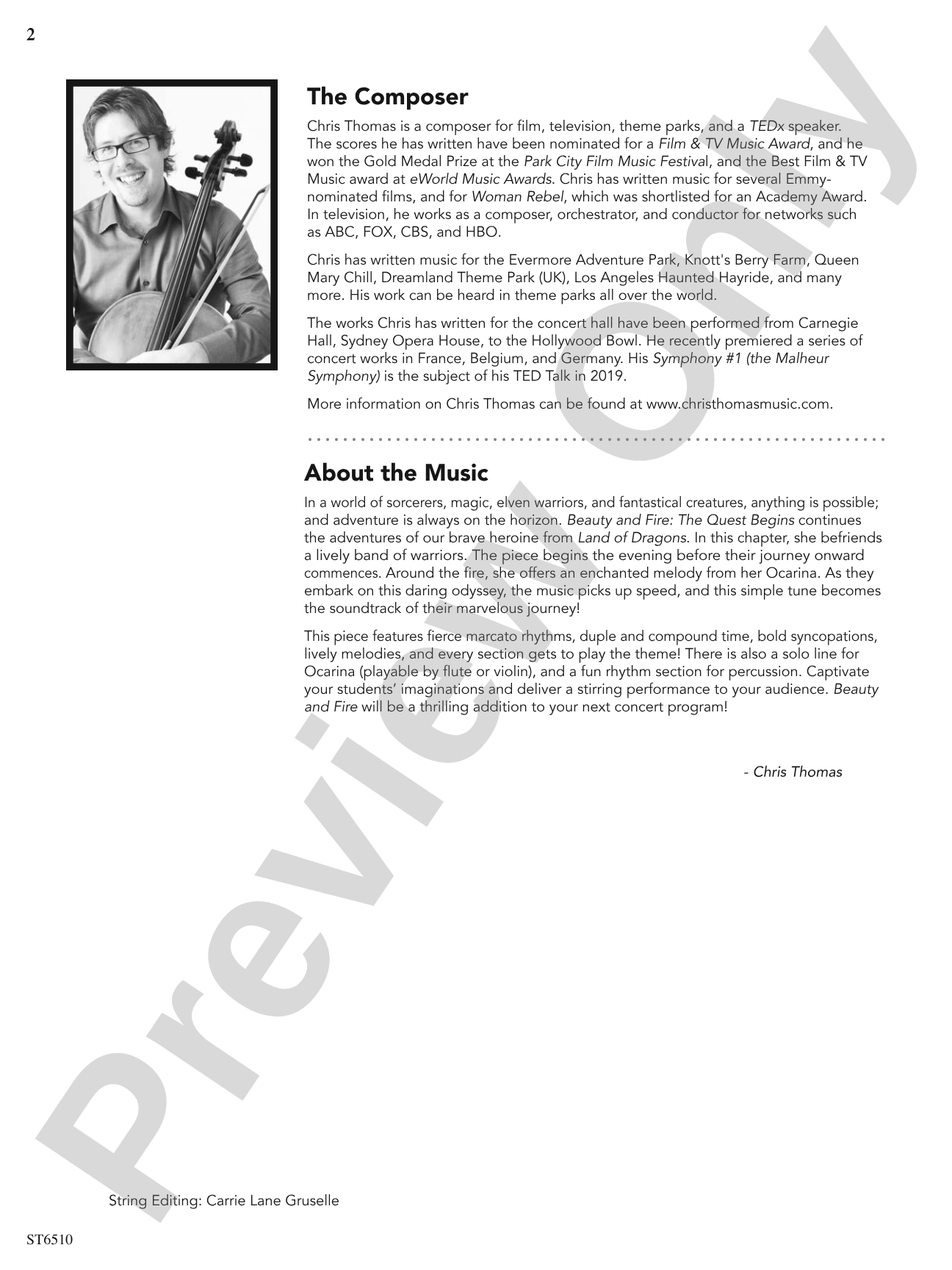
About the Composer: Chris Thomas

Chris Thomas writes music for film, television, theme parks, and concert stages. His accolades include a Hollywood Music in Media Award, two American Prize nominations (2nd place), a Global Music Award, and the Gold Medal at the Park City Film Music Festival. He has composed for Emmy-nominated films and served as composer, orchestrator, and conductor for major studios including Sony, ABC, FOX, CBS, and HBO. His theme park compositions can be heard across Evermore Adventure Park, Knott's Berry Farm, The Void, and international venues like Dreamland Theme Park in the UK.
Thomas's concert works have graced prestigious halls such as Carnegie Hall, the Sydney Opera House, and the Hollywood Bowl. His Symphony No. 1 (the Malheur Symphony) was featured in his 2019 TED Talk, exploring the intersection of orchestral storytelling and environmental narrative. Learn more at www.christhomasmusic.com.
Why we love this
Thomas brings genuine cinematic craft to this Grade 3 score without overshooting the technical ability of young orchestras. The programmatic narrative gives conductors a clear dramatic arc to shape, while the rhythmic interplay and syncopation keep players engaged with modern compositional language. As a sequel to Land of Dragons, this piece works beautifully for programs where you want to build an adventure story across multiple works.
What to expect
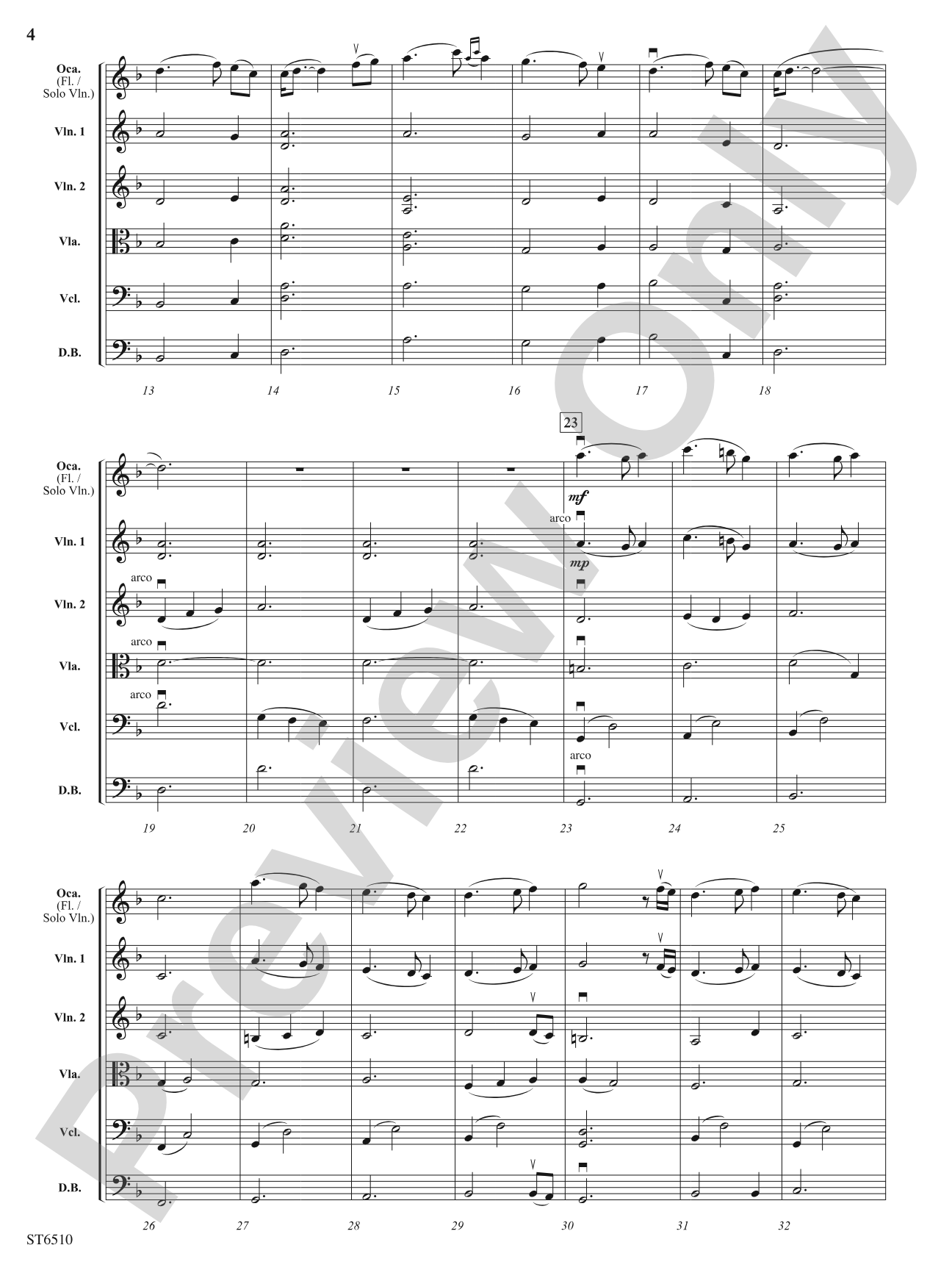
The piece captures the energy of warriors gathering for an epic quest, with fierce rhythmic momentum and bright orchestral color. Soaring melodic passages rise above the driving accompaniment, creating moments of heroic grandeur alongside the propulsive action. The optional ocarina brings an exotic, mystical quality that transports the ensemble into a fantastical world.
Who it's for
String orchestras at the Grade 3 level seeking music that combines accessible technical demands with genuine dramatic storytelling. Conductors who want to engage young players in programmatic music will find a narrative that feels cinematic without requiring elaborate staging. This works equally well for concert performance or educational contexts where orchestration and character development matter.
How to get the most out of it
- Shape the syncopated passages with clear articulation from the rhythm section; these rhythmic figures are the backbone of the action sequences and need precise ensemble coordination.
- Balance the solo ocarina (or violin/flute substitute) carefully against the string texture. The solo should sing above the accompaniment without requiring the soloist to force volume.
- Let the percussion section breathe. The lively percussion writing enhances the cinema-style orchestration, so give those players confidence in their rhythmic independence.
- Build intensity through the soaring melodies by gradually opening dynamic range across the full string section rather than jumping to forte too early.
How to use it
Program this as the centerpiece of a fantasy or adventure-themed concert, pairing it with Land of Dragons if you have access to that work. It also stands alone as an engaging opener or closer that appeals to audiences of all ages. Consider performing it mid-season when your ensemble has developed the rhythmic precision needed for the syncopated writing.
Skills your students will build
- Syncopated rhythm reading and execution
- Ensemble coordination with independent rhythmic figures in the percussion section
- Dynamic shaping and phrasing in soaring melodic lines
- Balancing solo lines with ensemble accompaniment
- Responding to programmatic cues for dramatic expression and character