Beautiful Things Cover Image

Beautiful Things: Piano Sheet

$3.50 USD
Sale price  $3.50 USD Regular price 
Skip to product information
Beautiful Things Cover Image

Beautiful Things: Piano Sheet

By Gayle Kowalchyk

Level: Elementary

Item: 00-20754

$3.50
Shipped

One moment…

Description
Written in middle C position and 3/4 time, this solo is in A-B-A form. The B section provides the student with an opportunity to use the damper pedal while playing a G major broken triad hand-over-hand (bringing up treasure from under the sea). The repeat of the A section has a short coda and the lyrics in this section deliver a simple message about sharing.

Beautiful Things: Piano Sheet isn't in MakeMusic Cloud just yet...but it could be. Let us know you'd like to see it, and you'll help shape what comes next. In the meantime, start a free trial and dive into thousands of interactive titles your students can play along with today.

Sample Pages

Sample Audio
No sample audio found.
Sample Video
Additional Details
Series: Signature Series
Publisher: Alfred Music
Page Count: 4
ISBN10: 0-7390-2413-2
ISBN13: 978-0-7390-2413-3
UPC: 038081195704
SKU: 00-20754

More about this title

About the Composer: Gayle Kowalchyk
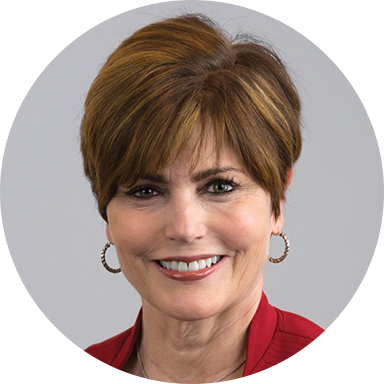
Gayle Kowalchyk

Dr. Gayle Kowalchyk has shaped piano pedagogy across multiple institutions and at the national level. Her teaching career includes faculty positions at California State University, Northridge; Eastern Illinois University; Oklahoma Baptist University; and the University of Oklahoma, where she directed piano preparatory programs and coordinated class piano curricula. She holds degrees from Ohio University and Northwestern University in piano performance, plus an Ed.D. in piano pedagogy from Teachers College, Columbia University.

A prolific author and clinician, Dr. Kowalchyk has co-authored over 300 educational piano publications with her husband, Dr. E. L. Lancaster, including Alfred's Premier Piano Course and Music for Little Mozarts. She regularly presents at national conferences for the Music Teachers National Association, Music Educators National Conference, and the World Piano Pedagogy Conference. Her work reflects decades of experience teaching students of all ages and a deep commitment to making piano accessible and joyful for young learners.

Why we love this

Kowalchyk knows exactly what elementary pianists need to explore next after mastering basic hand position. The B section's hand-over-hand broken triad introduces damper pedal technique in a musically intentional way (painting the image of bringing up treasure from the sea), so the pedal becomes a storytelling tool rather than an abstract concept. The simple message about sharing in the A-section return gives young students reason to care about what they are playing.

What to expect

Gentle and imaginative, with a narrative arc that rewards listening. The A section has a lyrical quality that invites legato playing, while the B section's hand-over-hand broken triads create a shimmering, dreamlike texture—especially once the damper pedal adds resonance. The return to A feels like coming home, and the coda provides a satisfying conclusion.

Who it's for

Elementary pianists comfortable reading in treble clef and playing in middle C position who are ready to explore damper pedal technique and slightly longer musical forms. This solo works well for students around levels 2-3 of a graded piano curriculum who need repertoire that bridges basic technique with modest musical storytelling.

How to get the most out of it

  • Explore the damper pedal gradually during the B section. Have the student press the pedal down completely before playing the broken triad, listen to how the notes blend and resonate, then lift it crisply to clear the sound before the next triad.
  • Balance the hand-over-hand motion so both hands arrive at the next note cleanly. Practice the motion slowly without pedal first, focusing on smooth hand placement rather than speed.
  • Let the A section repeat feel natural and conversational, not mechanical. The added coda gives the piece closure; use a slight breath or tempo breath before it to signal something new is coming.

How to use it

Program this as a recital piece for early elementary students or include it in a spring student showcase where simpler, character-driven solos pair well with slightly more advanced repertoire from older students. It also works as a teaching piece in a group lesson when introducing damper pedal technique to several students at once.

Skills your students will build

  • Reading and playing in A-B-A form
  • Playing hand-over-hand broken triads in G major
  • Introduction to damper pedal technique and when to engage and release it
  • Playing in 3/4 time signature
  • Phrasing and musical expression in a simple melodic context

You May Also Like