
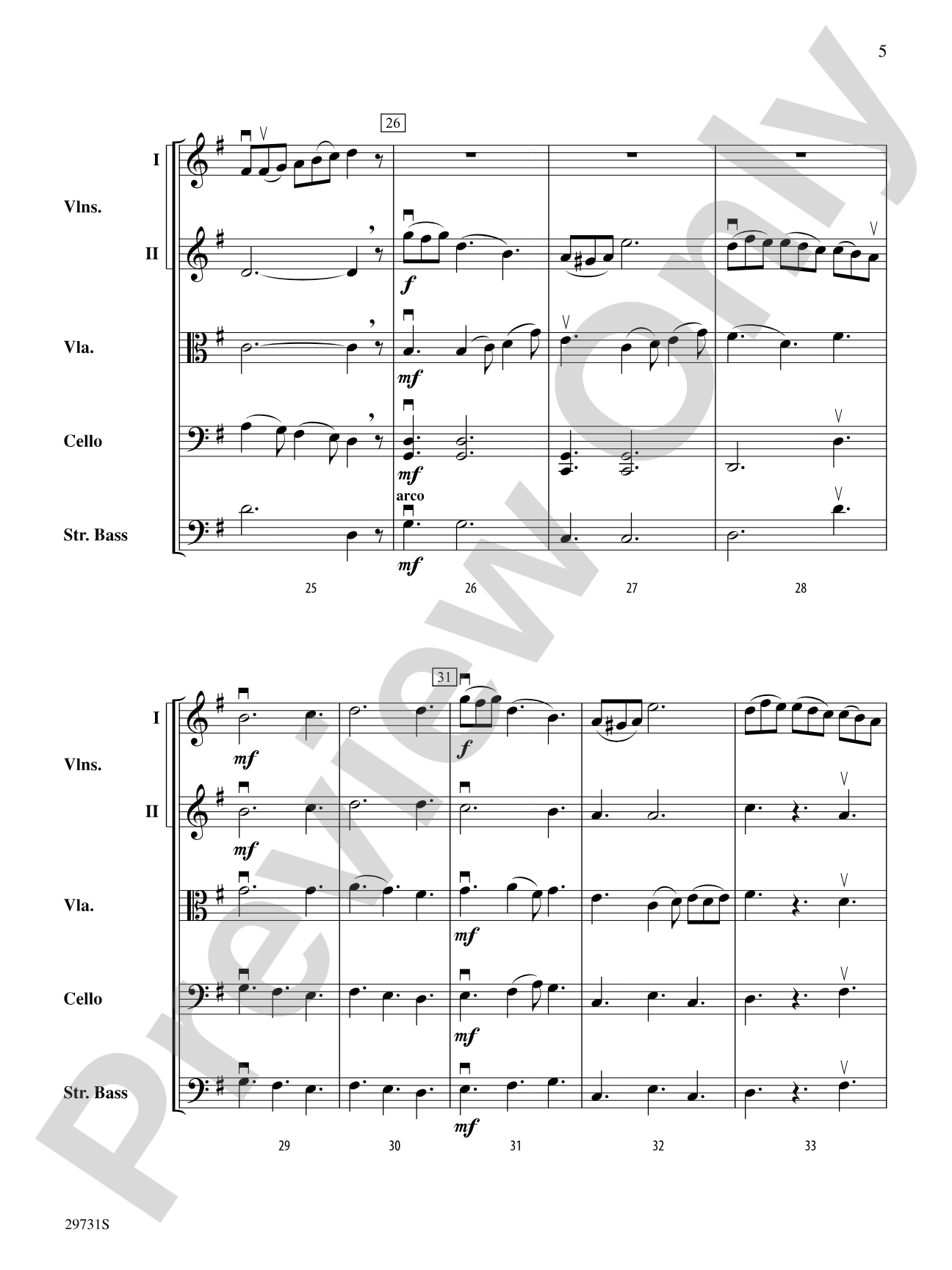
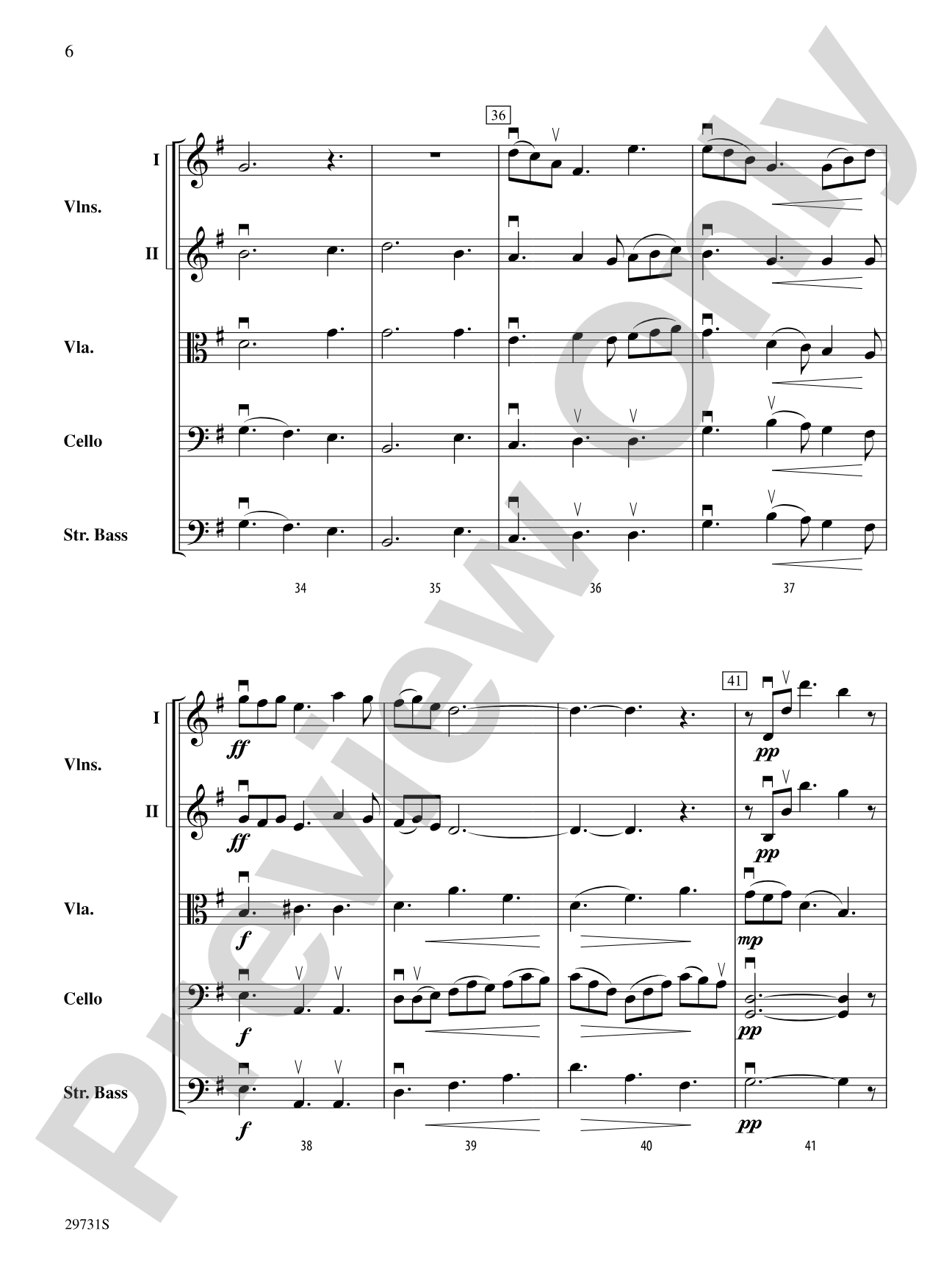
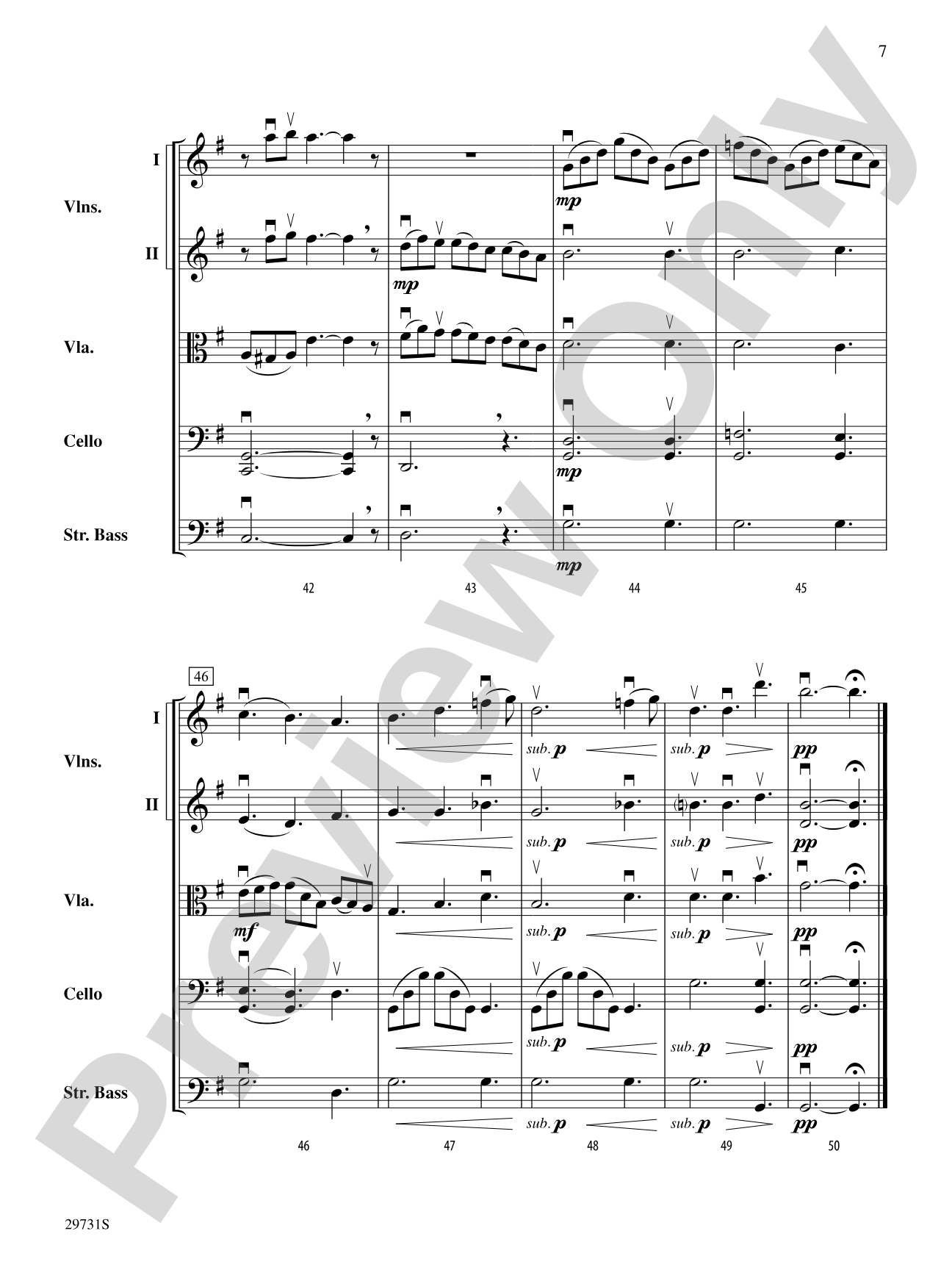


Beautiful Dreamer: String Orchestra Conductor Score & Parts
By Stephen Foster / arr. Carrie Lane Gruselle
Grade: 2.5
Item: 00-PK-0001592

$45.00
Pickup currently not available
Buy Extra Parts (Digital PDF Download)
| Product | Price | Quantity |
|---|---|---|
| Beautiful Dreamer: Score | $9.00 | |
| Beautiful Dreamer: 1st Violin | $5.99 | |
| Beautiful Dreamer: 2nd Violin | $5.99 | |
| Beautiful Dreamer: Viola | $5.99 | |
| Beautiful Dreamer: Cello | $5.99 | |
| Beautiful Dreamer: String Bass | $5.99 |
Parts Added to Cart!
Description
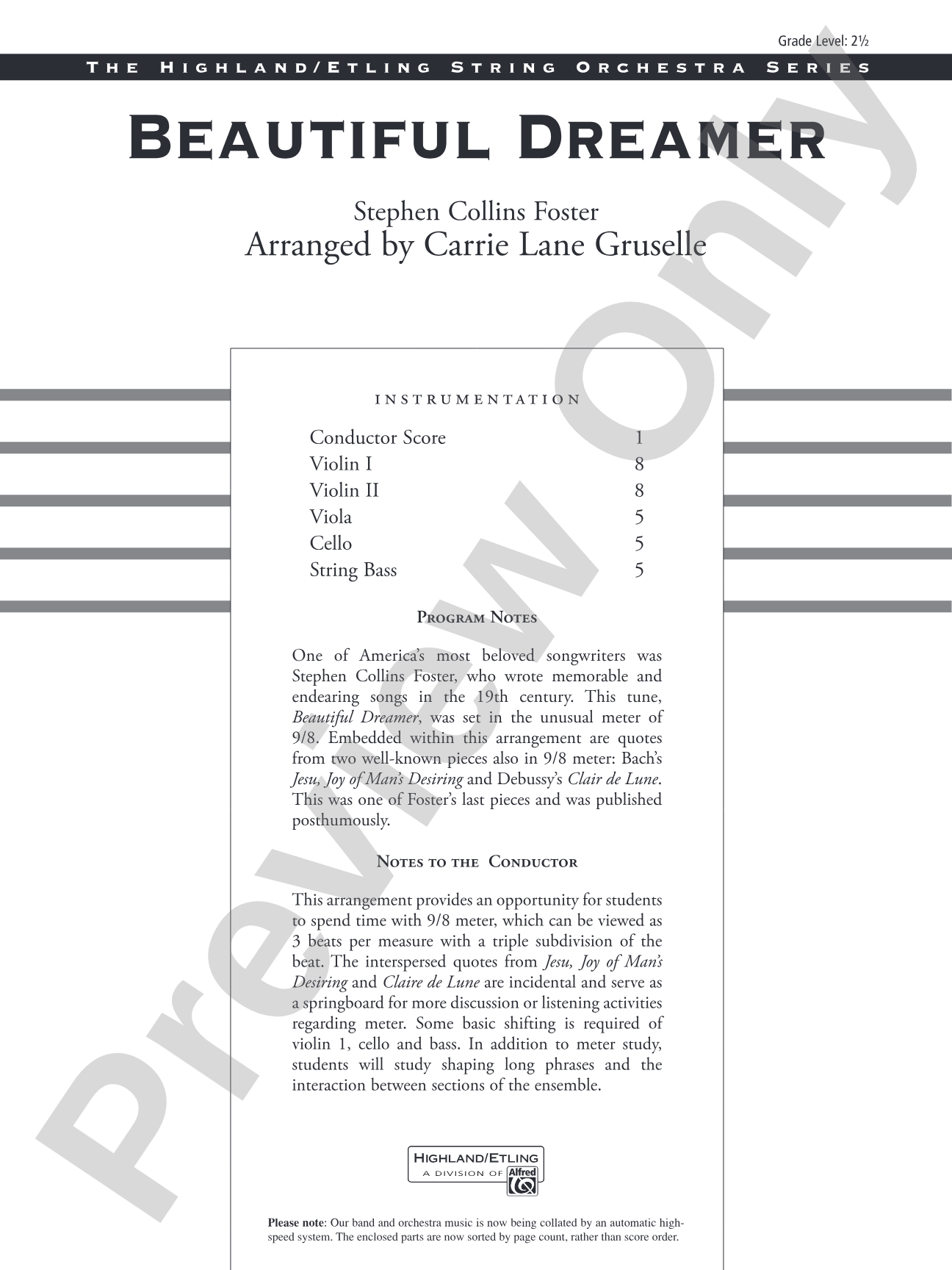
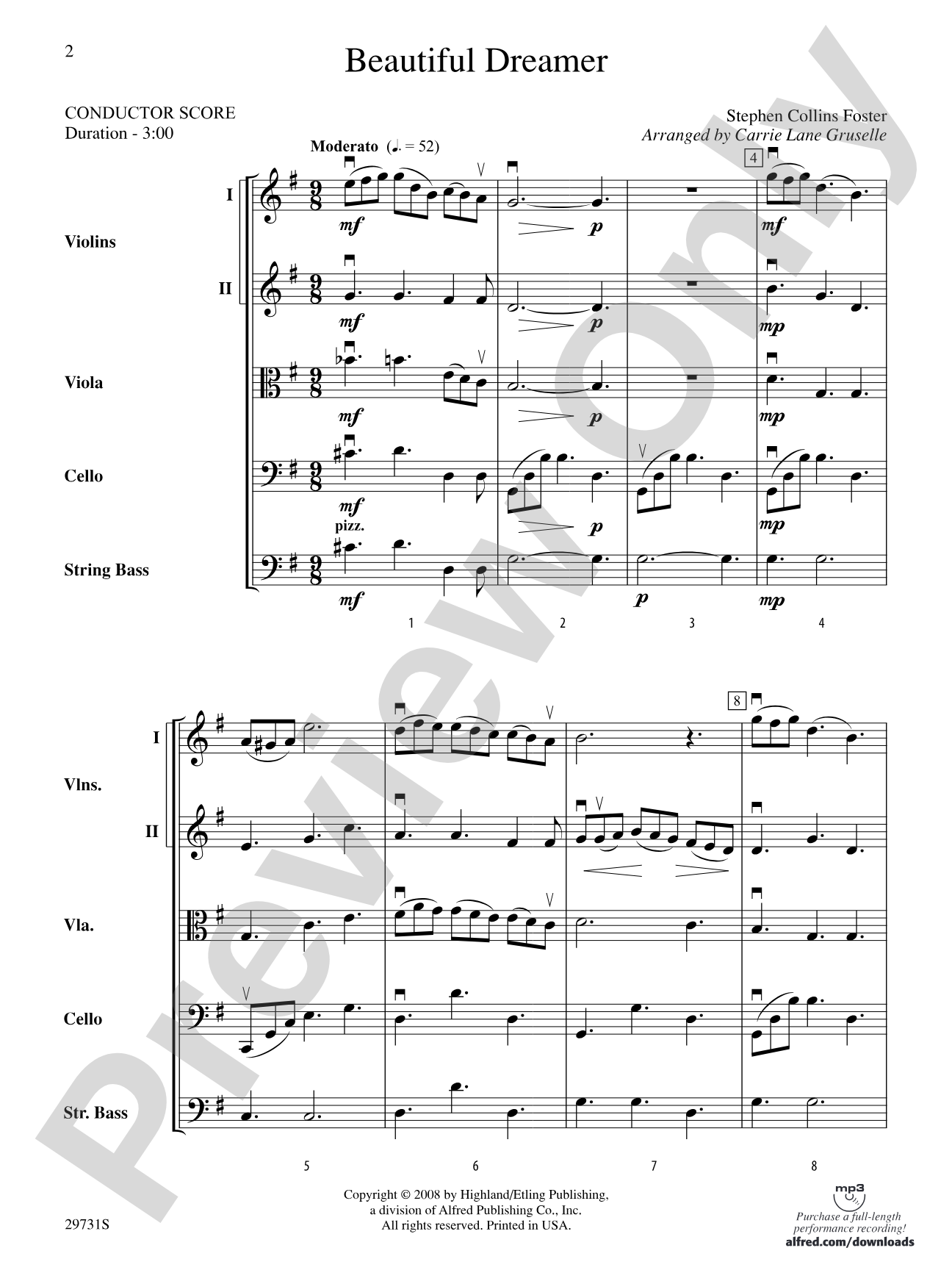
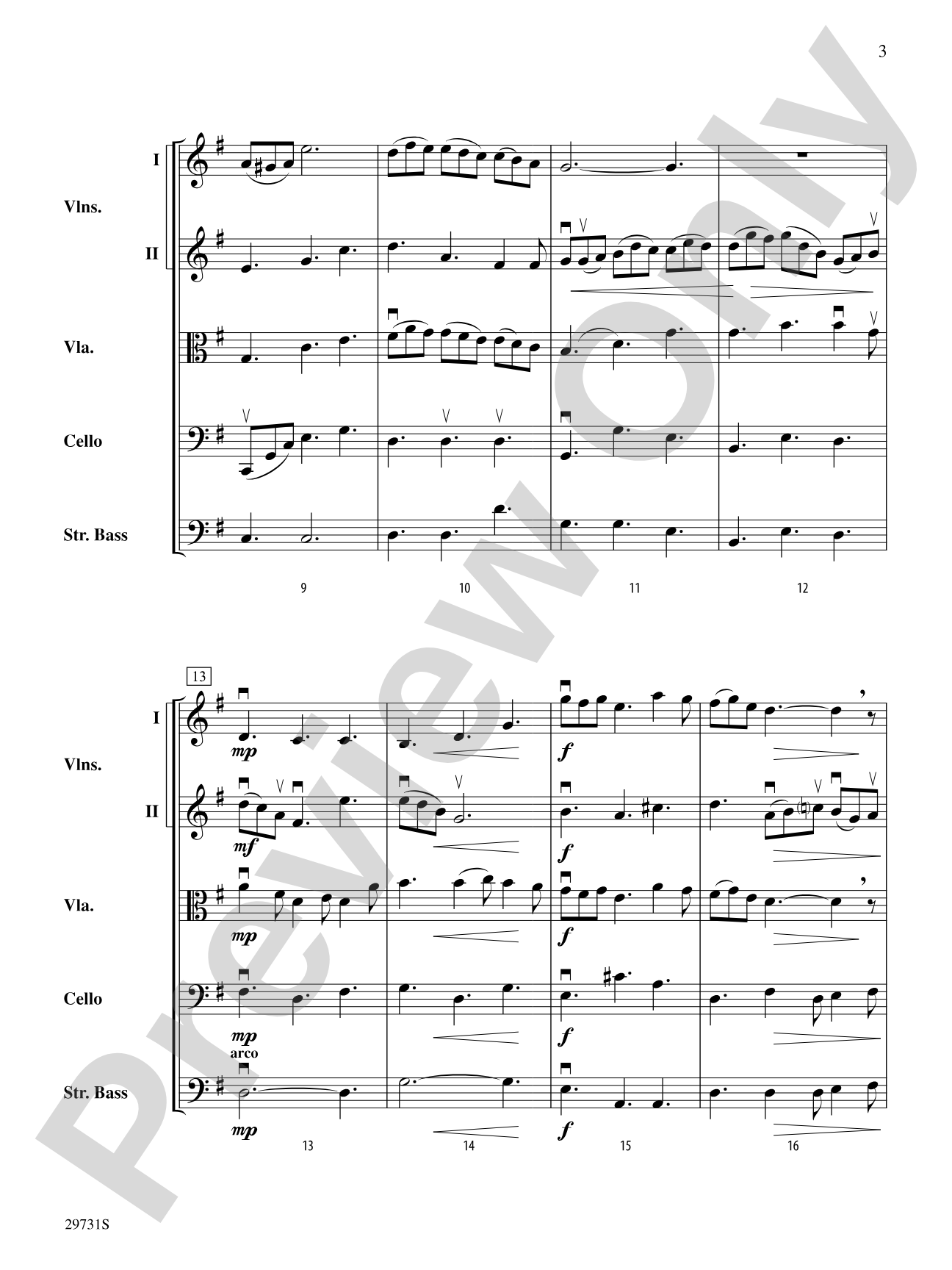
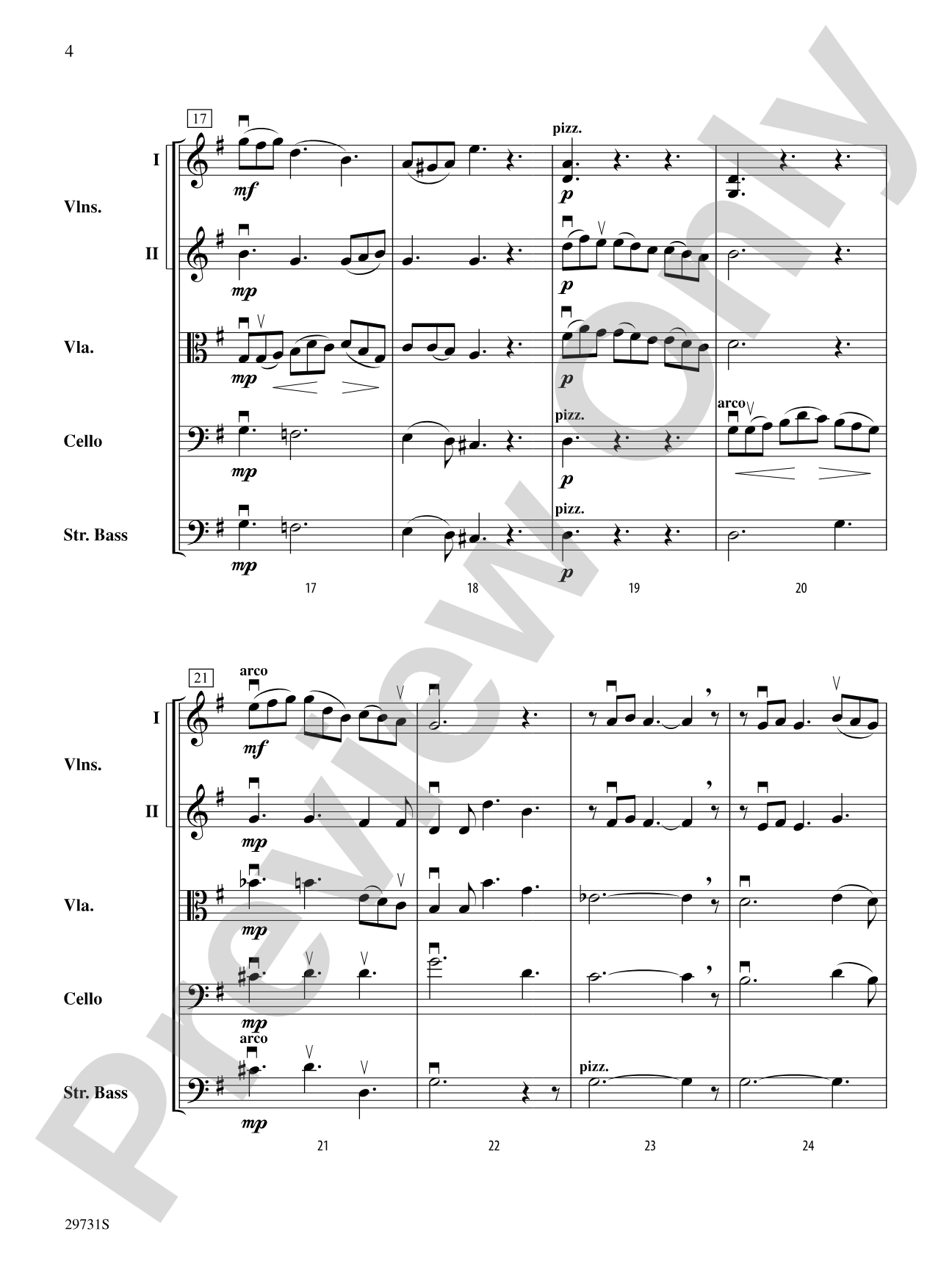
If you haven't yet introduced 9/8 meter, or if you want to reinforce 9/8, look no further. Through this beautiful melody by a beloved American songwriter, students can learn that 9/8 is just another way to play three beats per measure. For added support, this arrangement is sprinkled with quotes from two well-known examples of 9/8 meter: Bach's "Jesu, Joy of Man's Desiring," and Debussy's "Clair de Lune." Comfortably in the key of G, some basic shifting is required of violin 1, cello and bass. Excellent for studying long phrases and interaction between sections of your ensemble. (3:00)


Don't just read it, hear it, play along with it, and watch your students grow with it. In MakeMusic Cloud, Beautiful Dreamer: String Orchestra Conductor Score & Parts comes alive with professional accompaniment, adjustable tempo, and built-in practice tools that turn solo practice into real progress.
Open in the Player
Jump straight in and assign it today.
Start Your Free Trial
Open this title and explore the full library in minutes.
Sample Audio
1
Audio File
--:--
0:00
0:00
Sample Video
No sample videos found.
Additional Details
Series:
Highland/Etling String Orchestra
Publisher:
Alfred Music
Page Count:
124
SKU:
00-PK-0001592
More about this title
About the Composer: Stephen Foster
Stephen Foster (1826, 1864) stands as one of America's most prolific songwriters, composing nearly 200 songs that became woven into the fabric of 19th-century American culture. His melodies are remarkable for their directness and emotional clarity; they settle into the ear immediately and stay there. Foster wrote during a pivotal moment in American music history, creating work that bridges European salon traditions and genuinely American song.
Why we love this
This arrangement uses Foster's gift for melody as the perfect vehicle for teaching 9/8 meter in a way that feels natural rather than forced. The embedded references to Bach and Debussy reward students who listen carefully, and the writing allows you to genuinely explore how different orchestral sections dialogue with one another, something that matters far more at this level than technical flashiness.
What to expect
Luminous and gently contemplative, with the kind of sustained melodic beauty that allows listeners to settle into the unusual meter without resistance. The arrangement glows quietly, inviting the ensemble to inhabit longer musical lines and discover how 9/8 breathes naturally when the melody guides the way.
Who it's for
String orchestra directors at the Grade 2 to 2.5 level who want to introduce or solidify 9/8 meter through repertoire rather than drills. This works equally well for conductors programming a concert that needs a lighter, concert-appropriate piece or for teachers seeking a pedagogical tool that engages rather than isolates the rhythm concept.
How to get the most out of it
- Use the musical quotations as landmarks during rehearsal. When students recognize the Bach or Debussy phrases within the Foster melody, they internalize 9/8 as a living context rather than a counting exercise.
- Shape the long phrases by identifying the natural breath points within each 9/8 measure. This prevents the ensemble from rushing and reveals the architecture Foster's melody inherently possesses.
- Balance the dialogue between sections carefully. The arrangement's effectiveness depends on hearing when the lead passes between upper and lower strings, so mark these transitions clearly in your parts.
- Plan the violin 1 and cello shifts ahead of rehearsal time. Preview these passages in sectionals so players approach them as musical events, not technical hurdles.
How to use it
Program this after you've established 9/8 understanding in rehearsal, positioning it as a reinforcement piece that sounds polished enough for public performance. It pairs well on a concert with more traditional duple or triple meter works, offering a distinct tonal color and a chance to showcase ensemble maturity through phrasing control rather than technical difficulty.
Skills your students will build
- Reading and performing in 9/8 meter with natural, unselfconscious phrasing
- Playing sustained, long melodic lines without rhythmic collapse
- Following section-to-section dialogue and maintaining ensemble cohesion through transitions
- Executing violin 1, cello, and bass shifts with musical intention
- Listening across the ensemble to identify musical quotations and harmonic relationships