
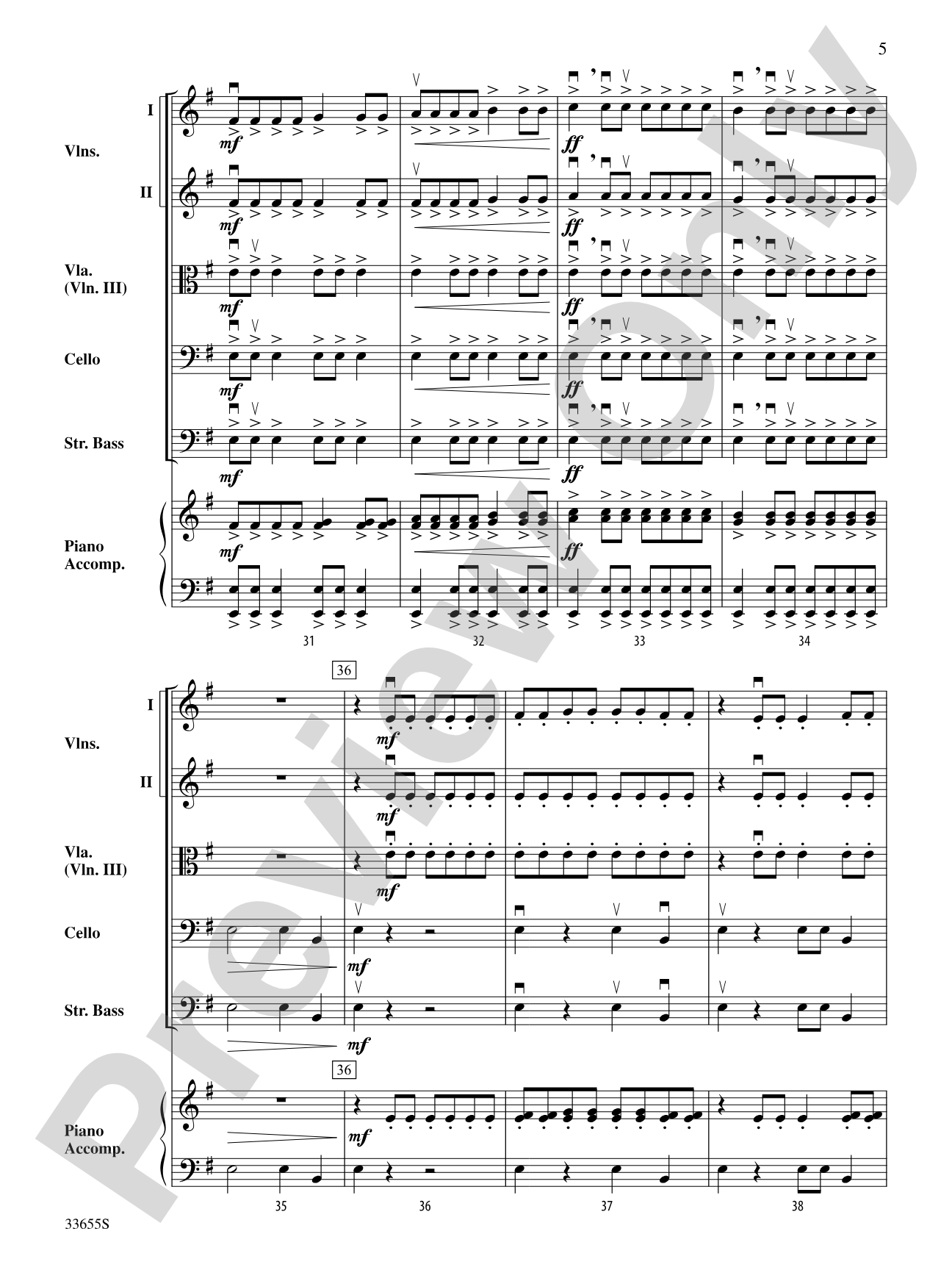
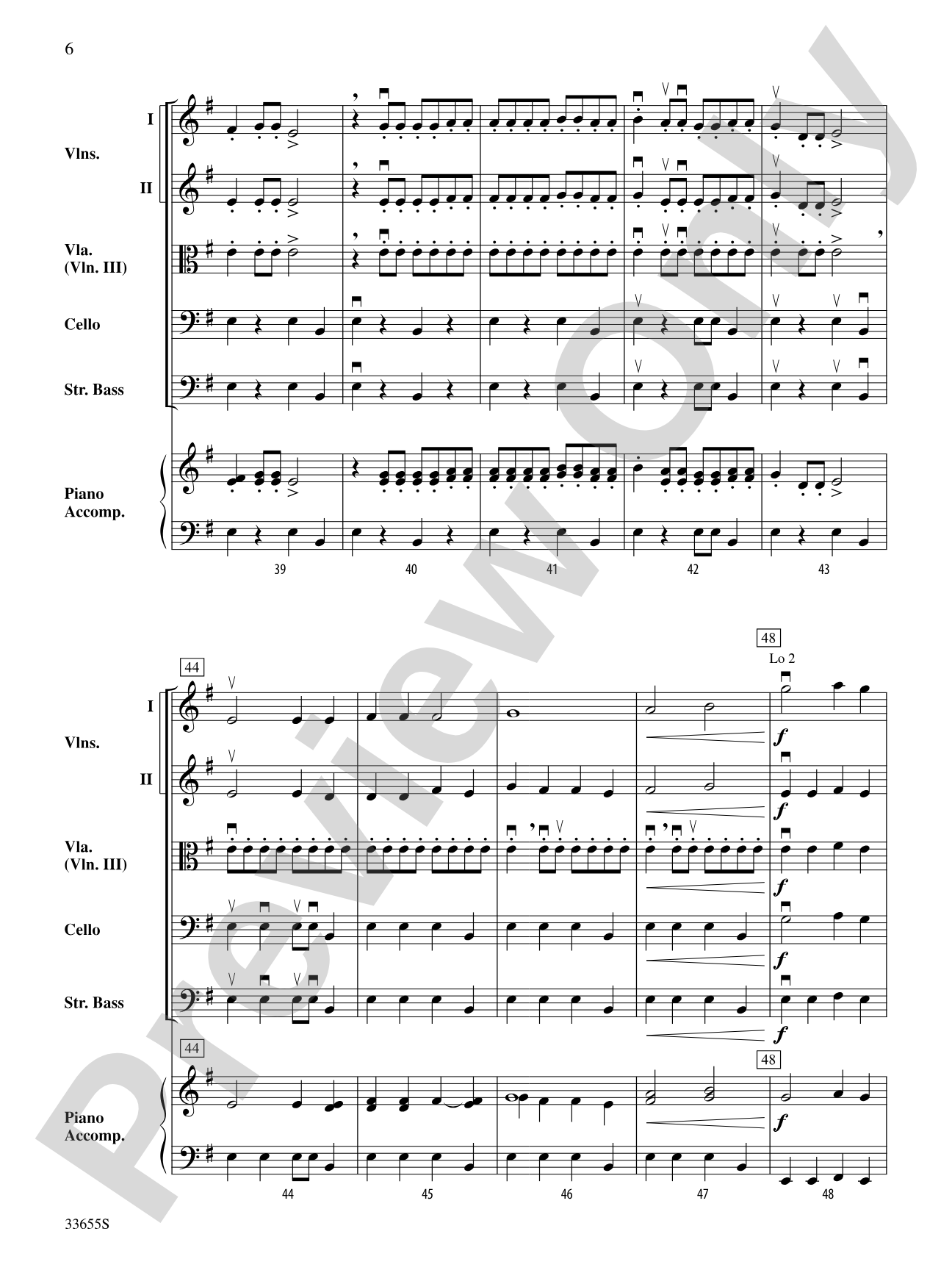
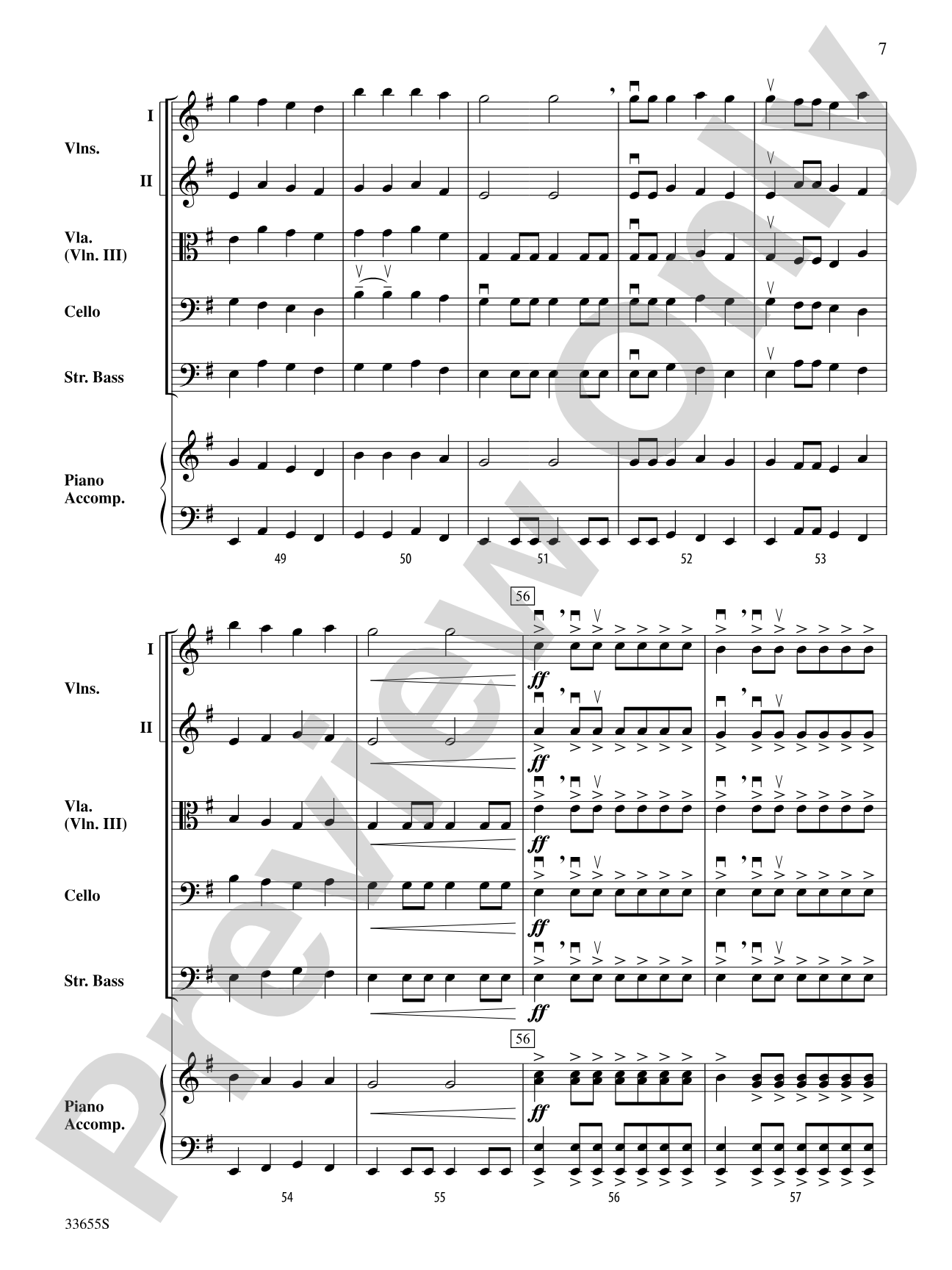
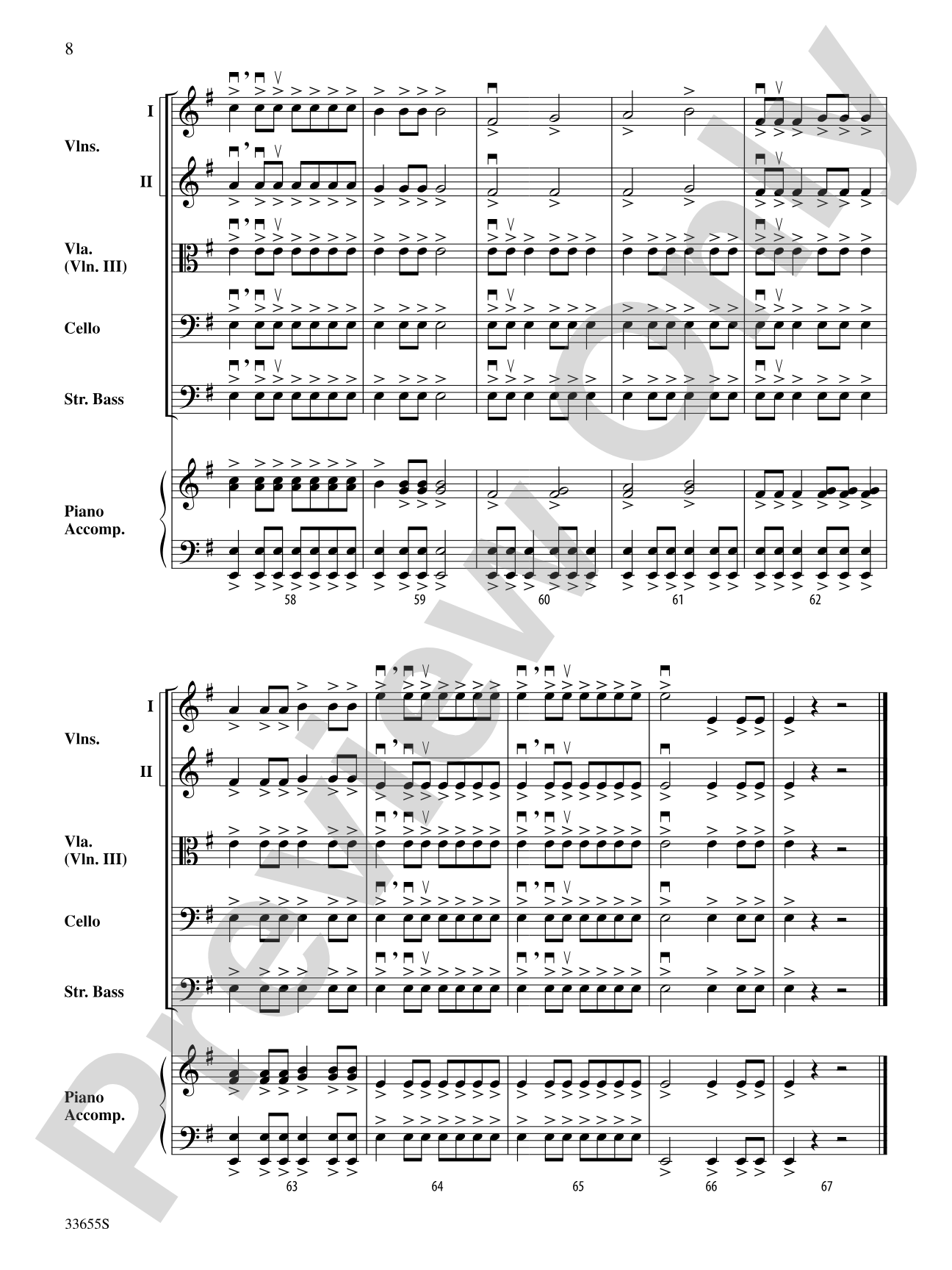

Battle of the Ancient Dragons: String Orchestra Conductor Score & Parts
By Rob Grice
Grade: 1.5
Item: 00-PK-0004153

$46.00
Pickup currently not available
Buy Extra Parts (Digital PDF Download)
Parts Added to Cart!
Description
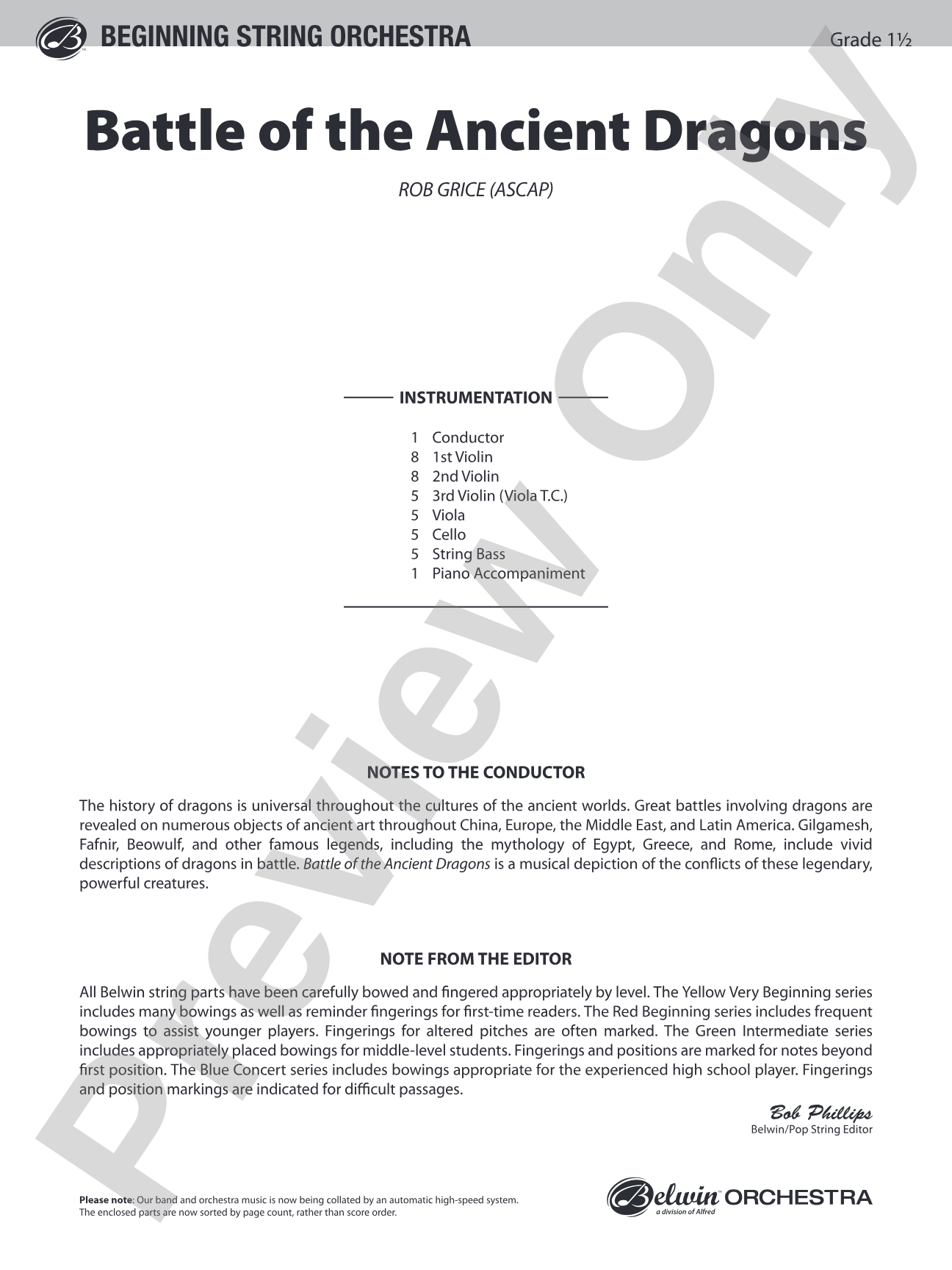
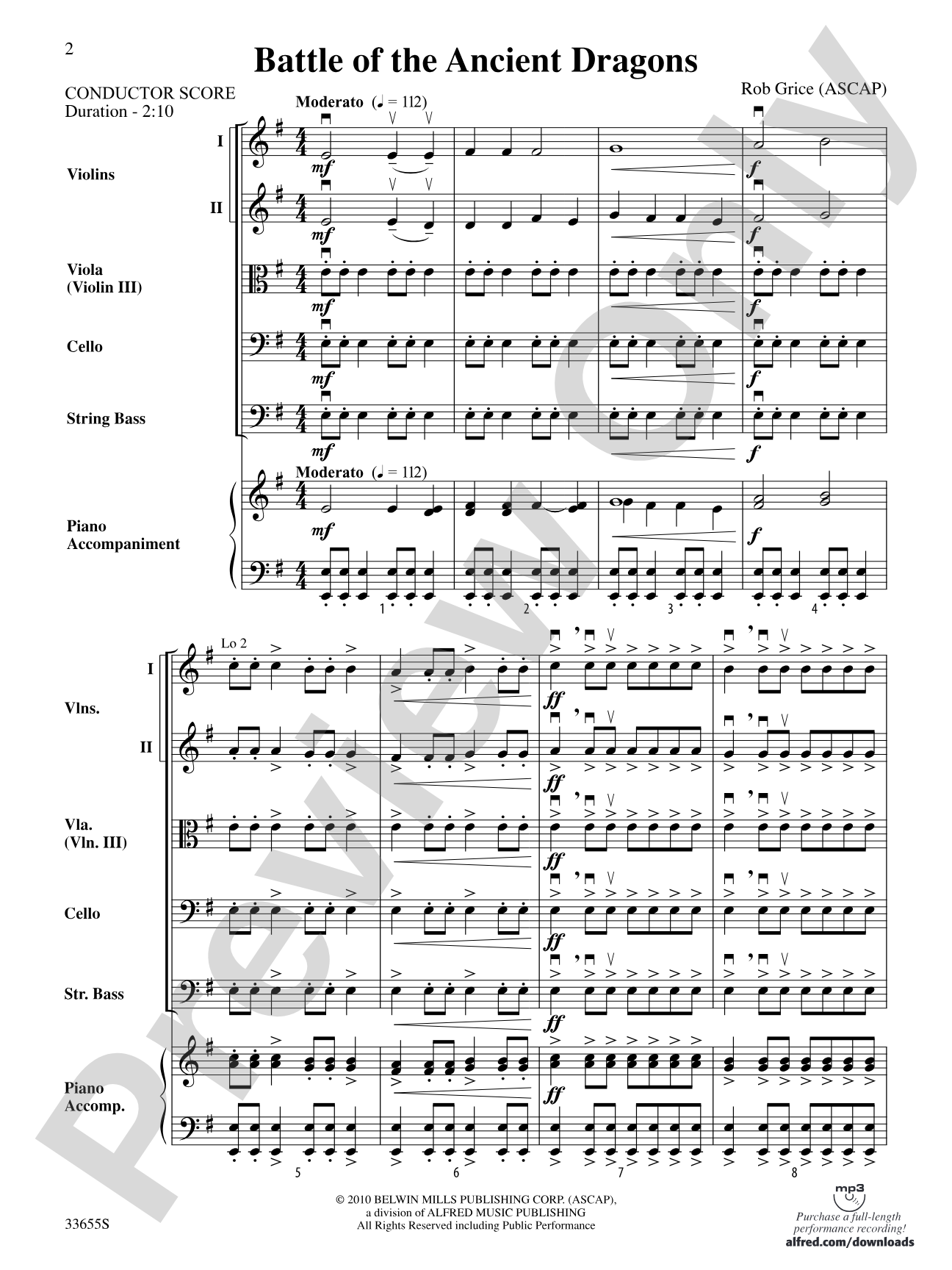
The history of dragons is universal throughout the cultures of the ancient worlds. Great battles involving dragons are revealed on numerous objects of ancient art. This exciting original composition is a musical depiction of the conflicts of these legendary, powerful creatures. This title is available in MakeMusic Cloud.


Don't just read it, hear it, play along with it, and watch your students grow with it. In MakeMusic Cloud, Battle of the Ancient Dragons: String Orchestra Conductor Score & Parts comes alive with professional accompaniment, adjustable tempo, and built-in practice tools that turn solo practice into real progress.
Open in the Player
Jump straight in and assign it today.
Start Your Free Trial
Open this title and explore the full library in minutes.
Sample Audio
1
Audio File
--:--
0:00
0:00
Sample Video
No sample videos found.
Additional Details
Series:
Belwin Beginning String Orchestra
Publisher:
Alfred Music
Page Count:
76
SKU:
00-PK-0004153
More about this title
About the Composer: Rob Grice

Rob Grice's compositions and arrangements have earned recognition across North America, Europe, and Asia, with performances at the Midwest Clinic, Carnegie Hall, and numerous state and regional festivals. His pedagogical approach stems from decades of classroom experience at elementary, secondary, and community college levels, where he developed a gift for crafting music that serves both educational purpose and artistic merit.
Grice has been honored as Secondary Teacher of the Year in his school system and received recognition from local media for his educational contributions. He remains active as a guest conductor, clinician, and adjudicator, and his works consistently appear on state and national contest lists.
Why we love this
This score proves that Grade 1.5 repertoire doesn't require watered-down orchestration or predictable writing. Grice deploys genuine dramatic gestures and programmatic storytelling without overwhelming younger string players; the result feels substantial enough for concert programming while remaining completely accessible to developing orchestras. The mythological subject matter engages students immediately and gives them a real narrative to shape musically.
What to expect
Mythic and cinematic. The score captures the clash and grandeur of legendary creatures through orchestral color and rhythmic drive, with moments of tension and release that keep the narrative arc compelling from opening to final triumph.
Who it's for
String orchestra directors working with Grade 1.5 ensembles who want concert and festival repertoire with genuine dramatic substance. Students get an opportunity to play music that feels grown-up and engaging without the technical demands of higher grades.
How to get the most out of it
- Build the intensity gradually through the opening sections by maintaining precise rhythmic control in the rhythm section before adding textural layers in the upper voices.
- Balance the dialogue between string sections during the 'battle' passages by assigning slightly more bow weight to whichever section carries the main melodic line at each moment.
- Mark clear character changes in your score so students understand when the music shifts between different dragons or conflict phases; this helps with stylistic consistency and keeps younger players engaged with the narrative.
- Record a tempo reference for at least the opening and climax sections, then have students practice with it before ensemble rehearsals to build confidence in the faster passages.
How to use it
Open a concert with this piece to establish energy and capture audience attention early, or position it mid-program as a contrast to lyrical or classical selections. Its moderate length and programmatic hook make it equally effective at festival competitions where judges appreciate clarity of orchestration and musical storytelling at accessible levels.
Skills your students will build
- Playing rhythmic passages with precision under tempo
- Responding to and maintaining dynamic changes throughout longer sections
- Balancing part independence when multiple string sections carry active material simultaneously
- Following programmatic cues to shape phrasing and character within a narrative context
- Ensemble coordination during faster, rhythmically complex passages