
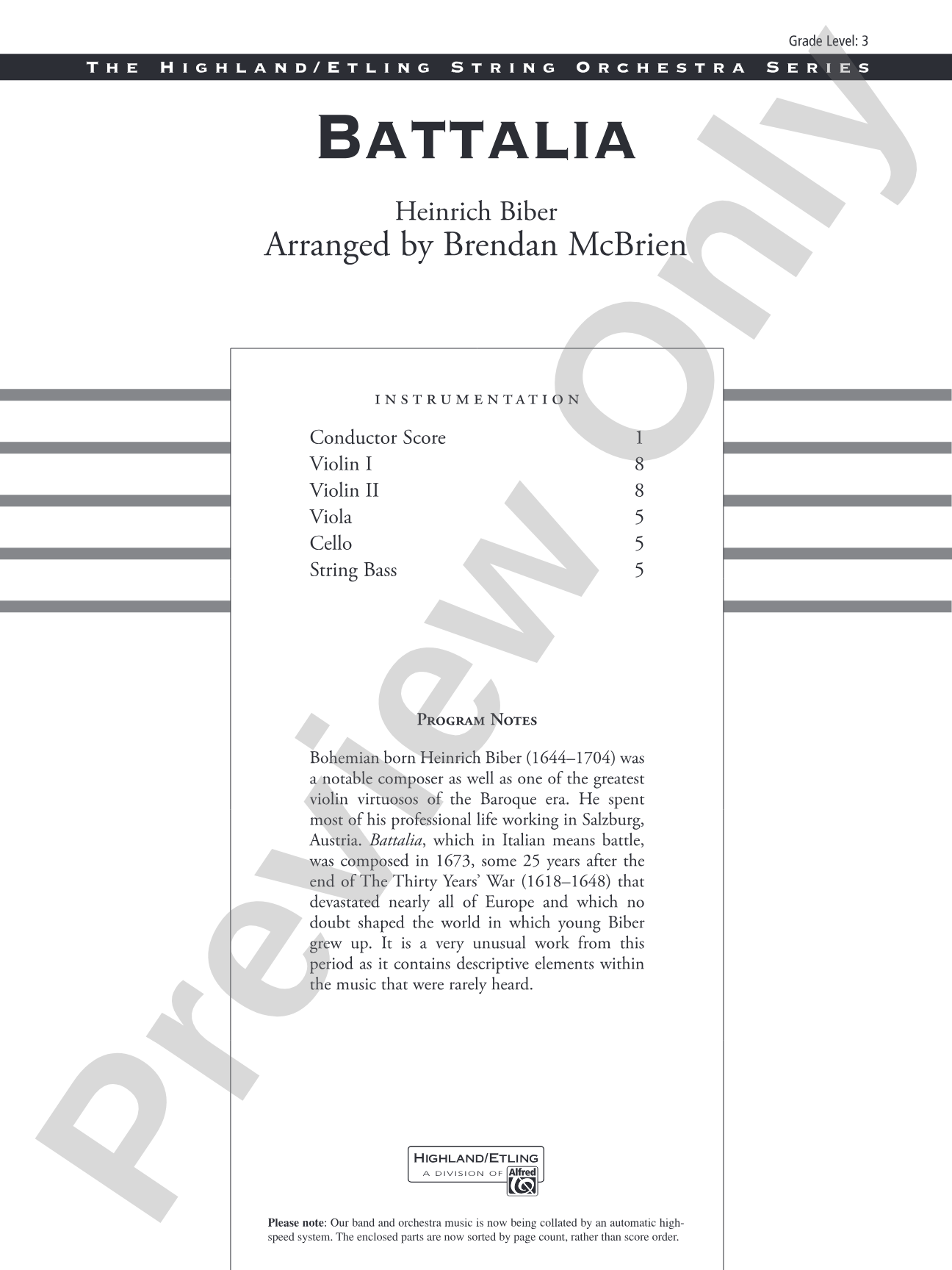
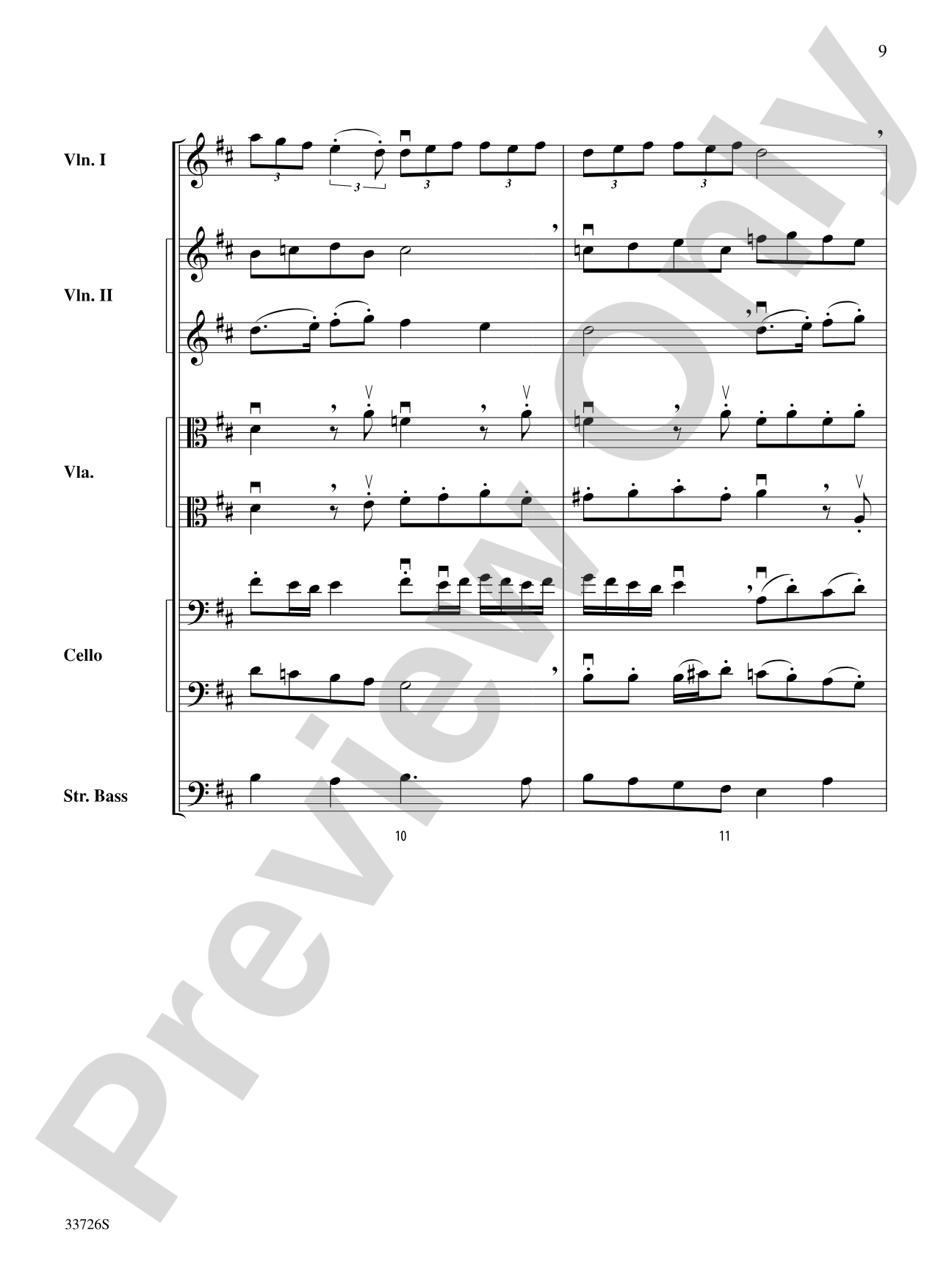
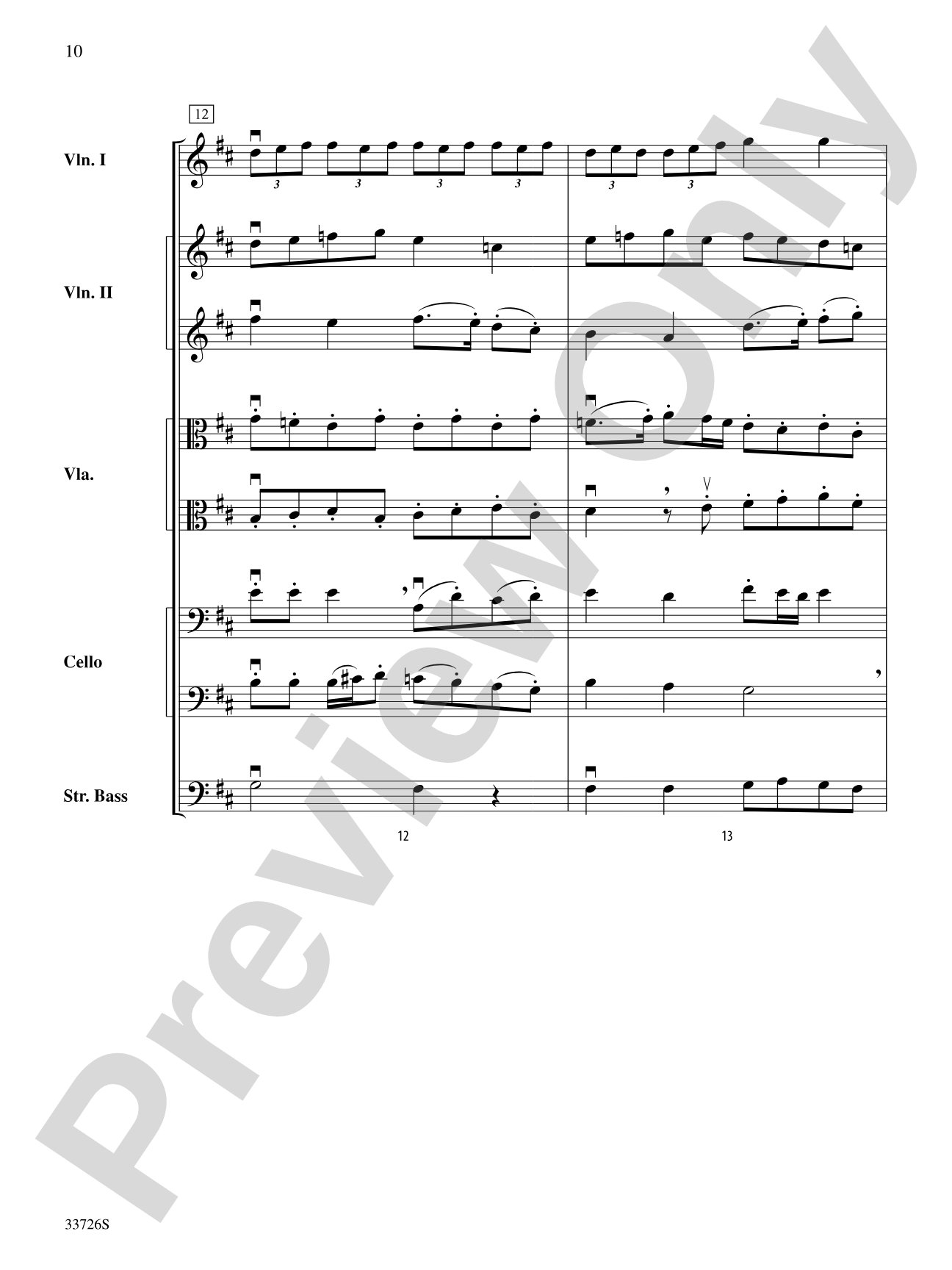
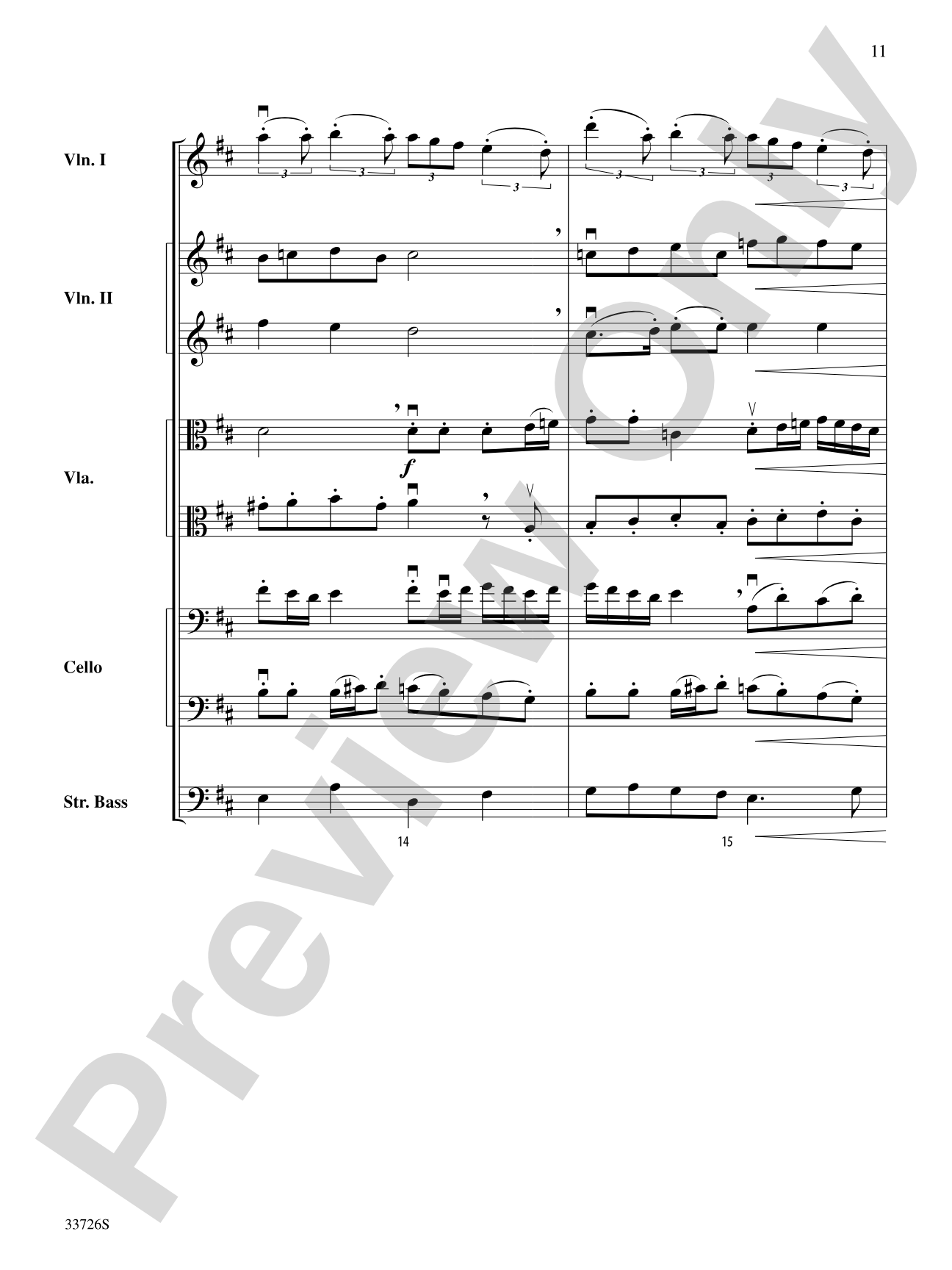
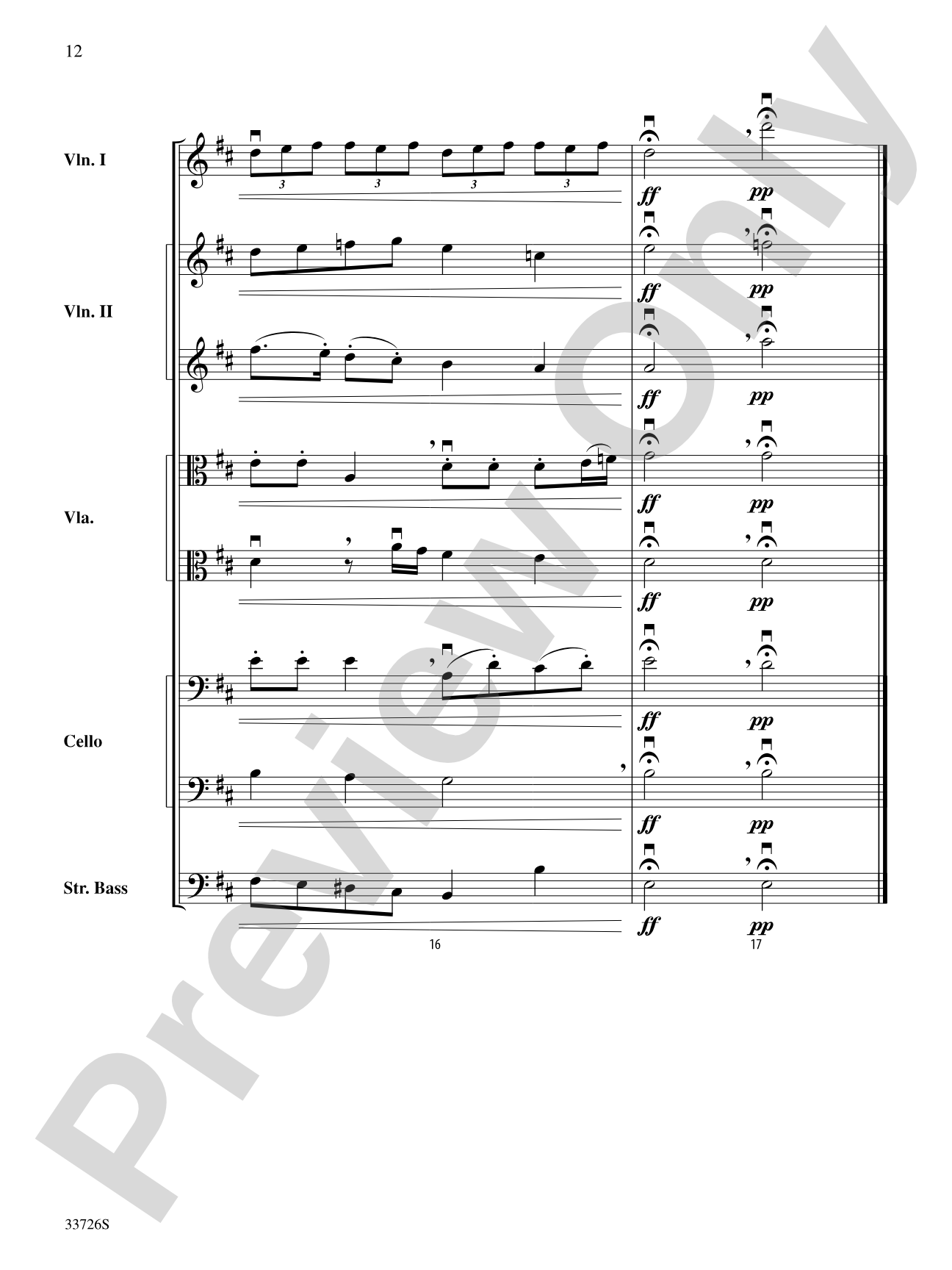

Battalia: String Orchestra Conductor Score & Parts
By Heinrich Biber / arr. Brendan McBrien
Grade: 3
Item: 00-PK-0004215

$49.00
Pickup currently not available
Buy Extra Parts (Digital PDF Download)
| Product | Price | Quantity |
|---|---|---|
| Battalia: Score | $7.00 | |
| Battalia: 1st Violin | $5.99 | |
| Battalia: 2nd Violin | $5.99 | |
| Battalia: Viola | $5.99 | |
| Battalia: Cello | $5.99 | |
| Battalia: String Bass | $5.99 |
Parts Added to Cart!
Related Items
Battalia: String Orchestra Conductor Score |
$7.00
|
View |
Description
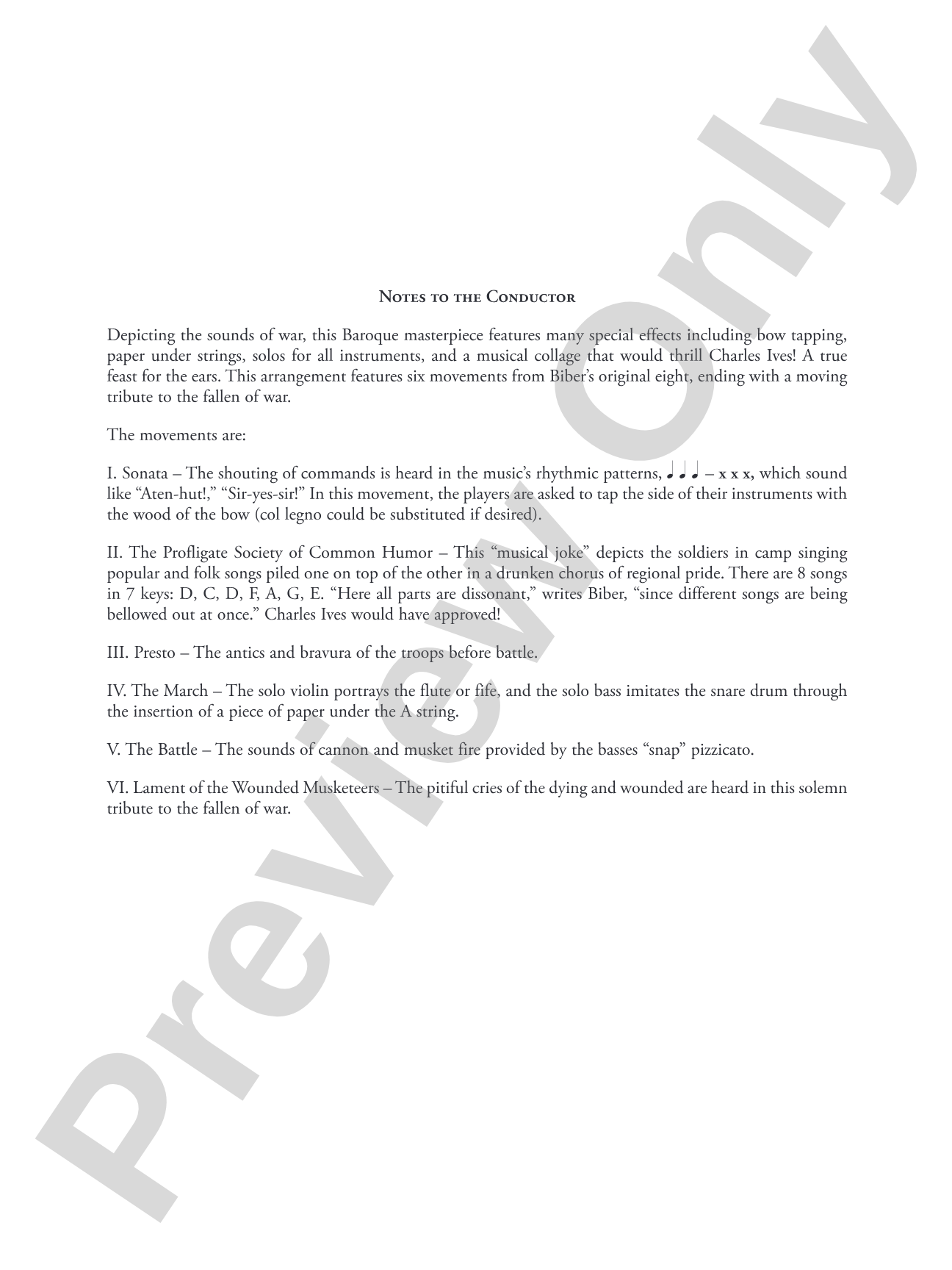
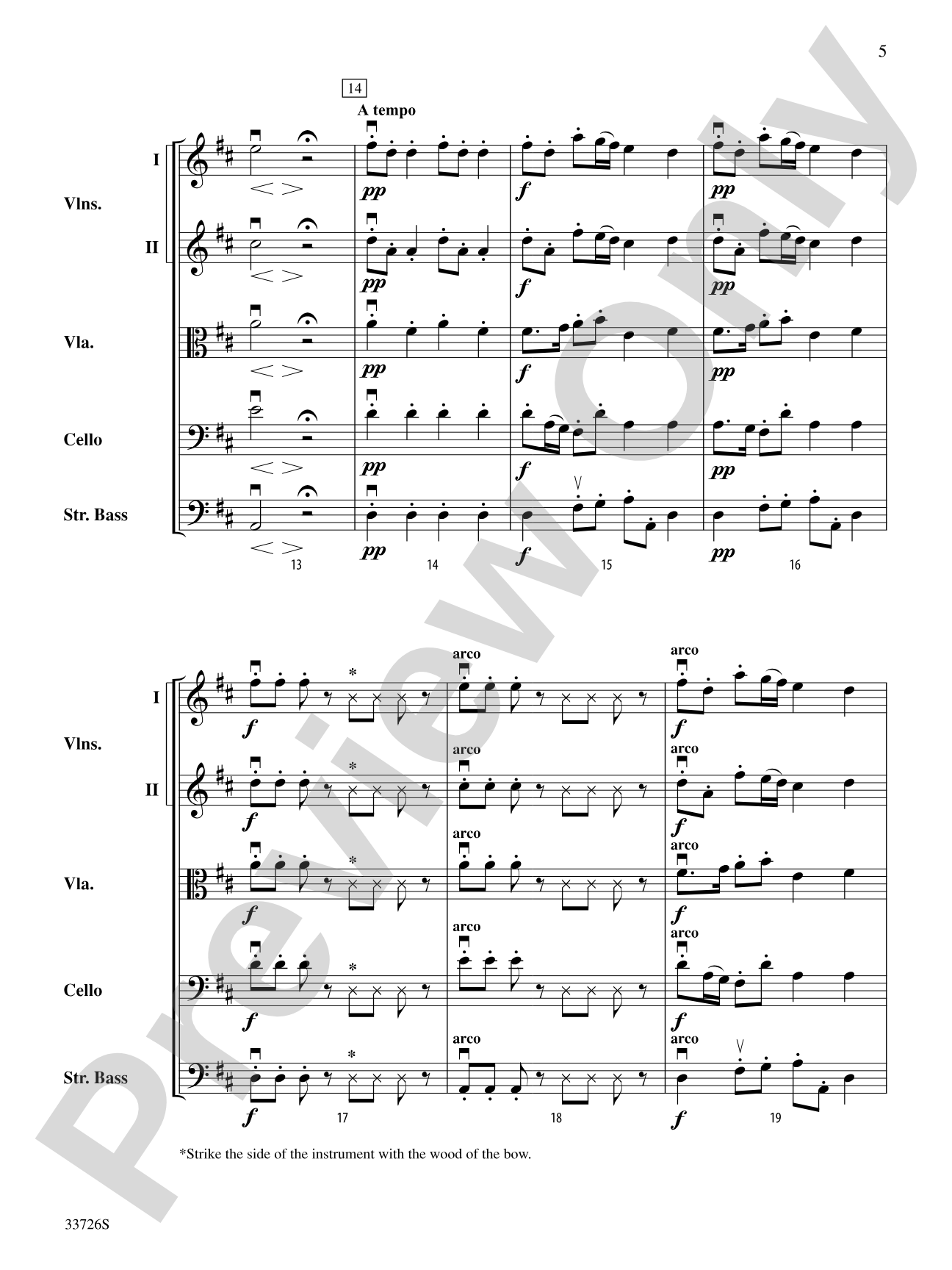
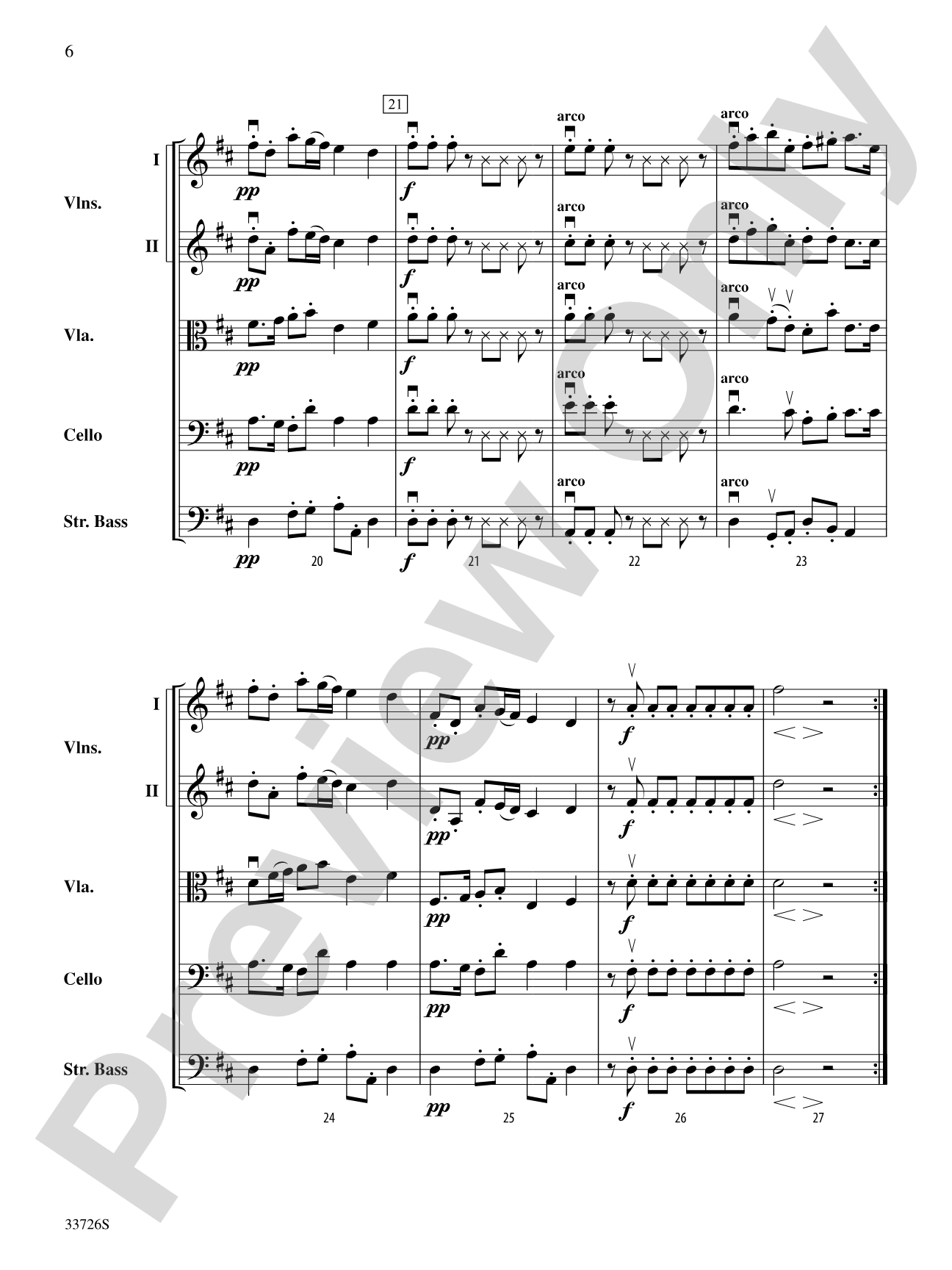
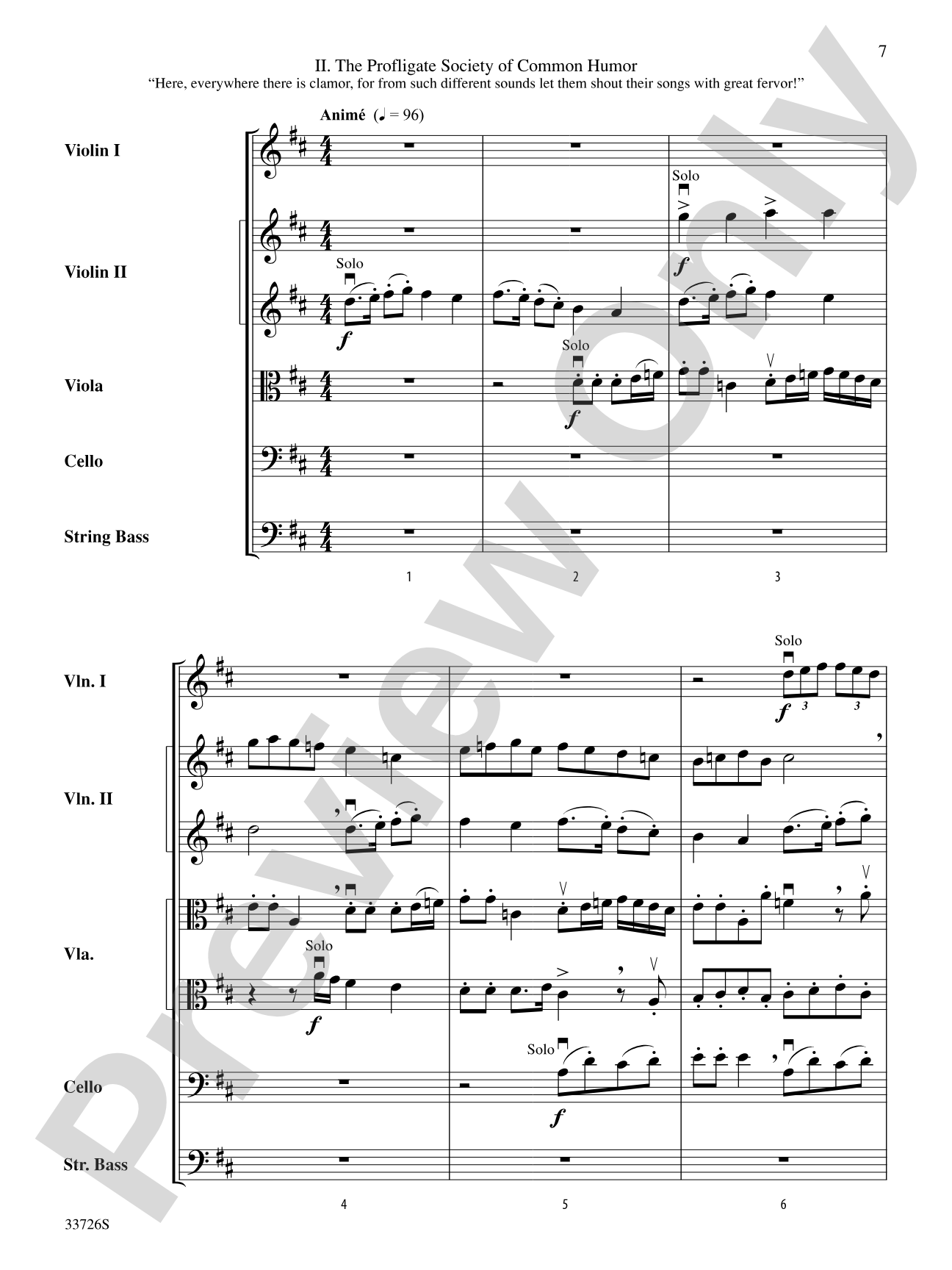
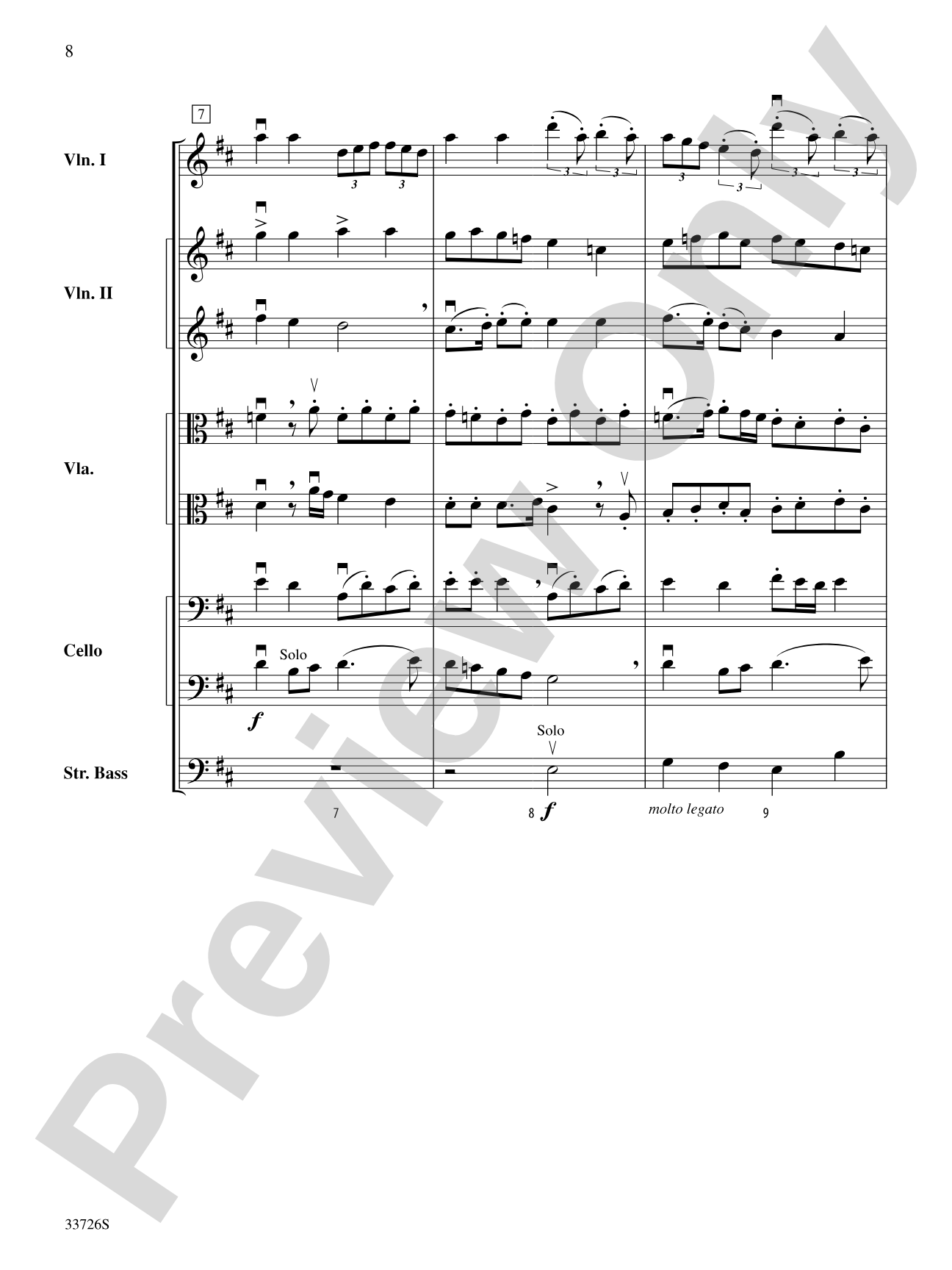
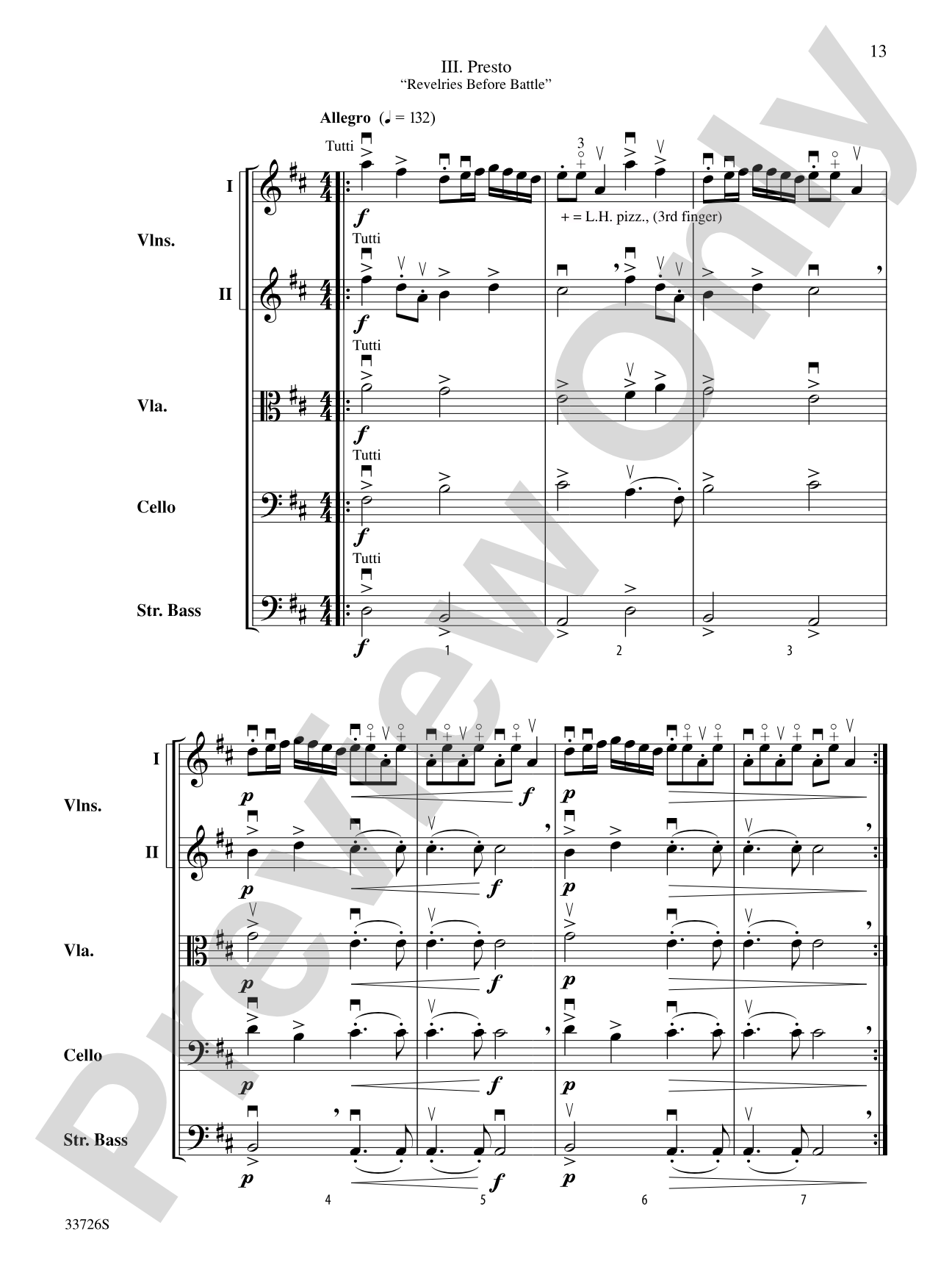
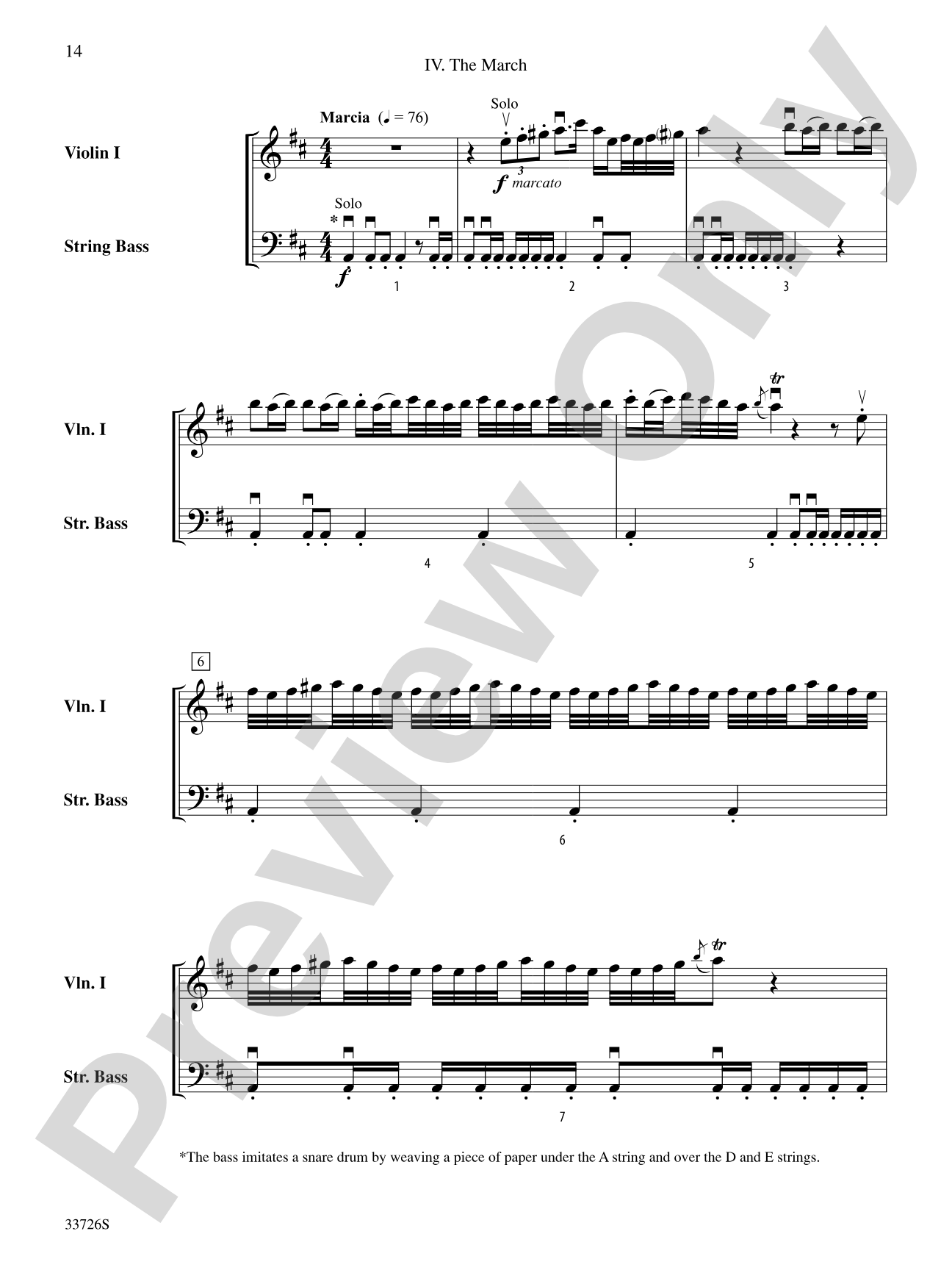
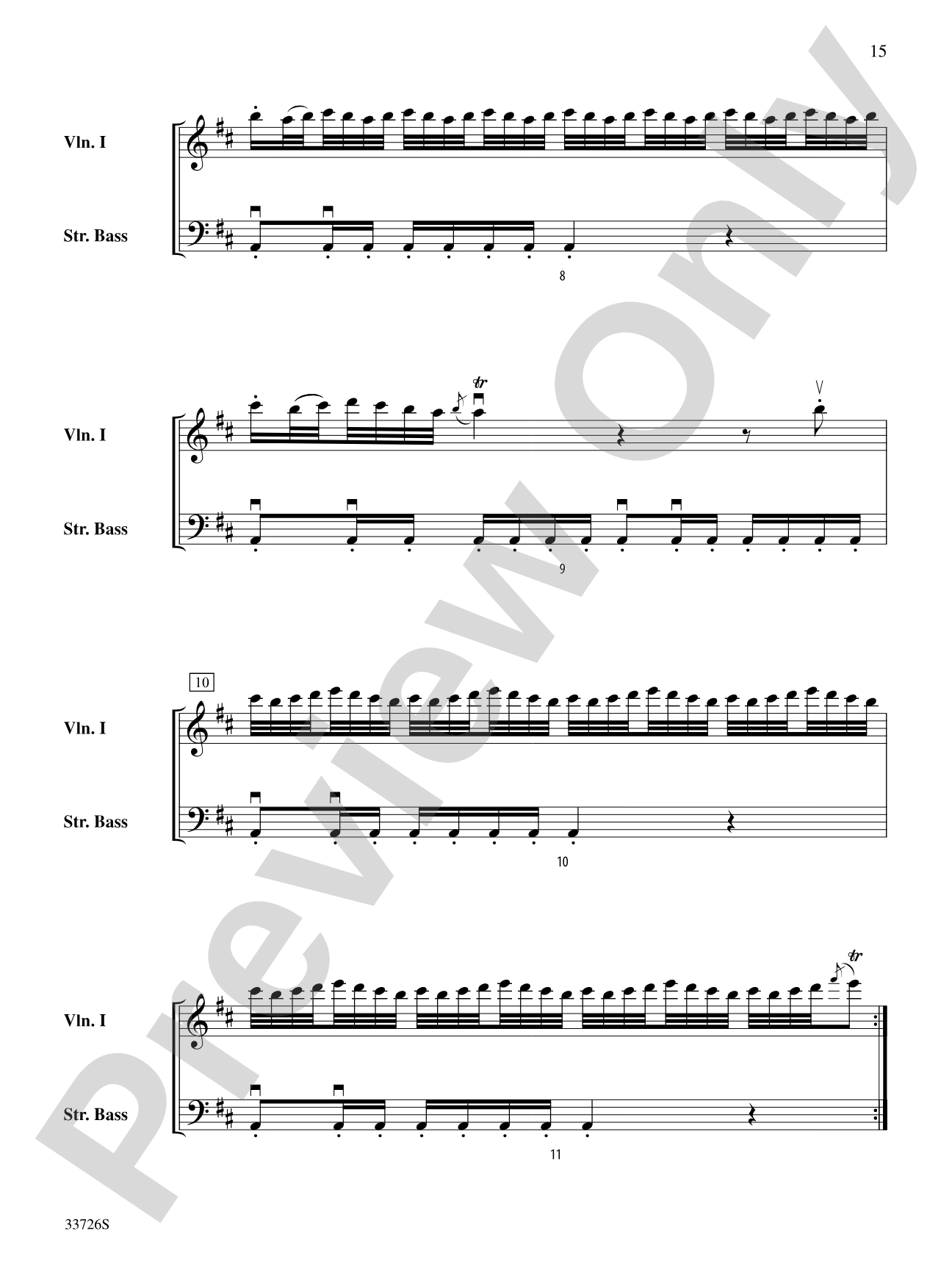
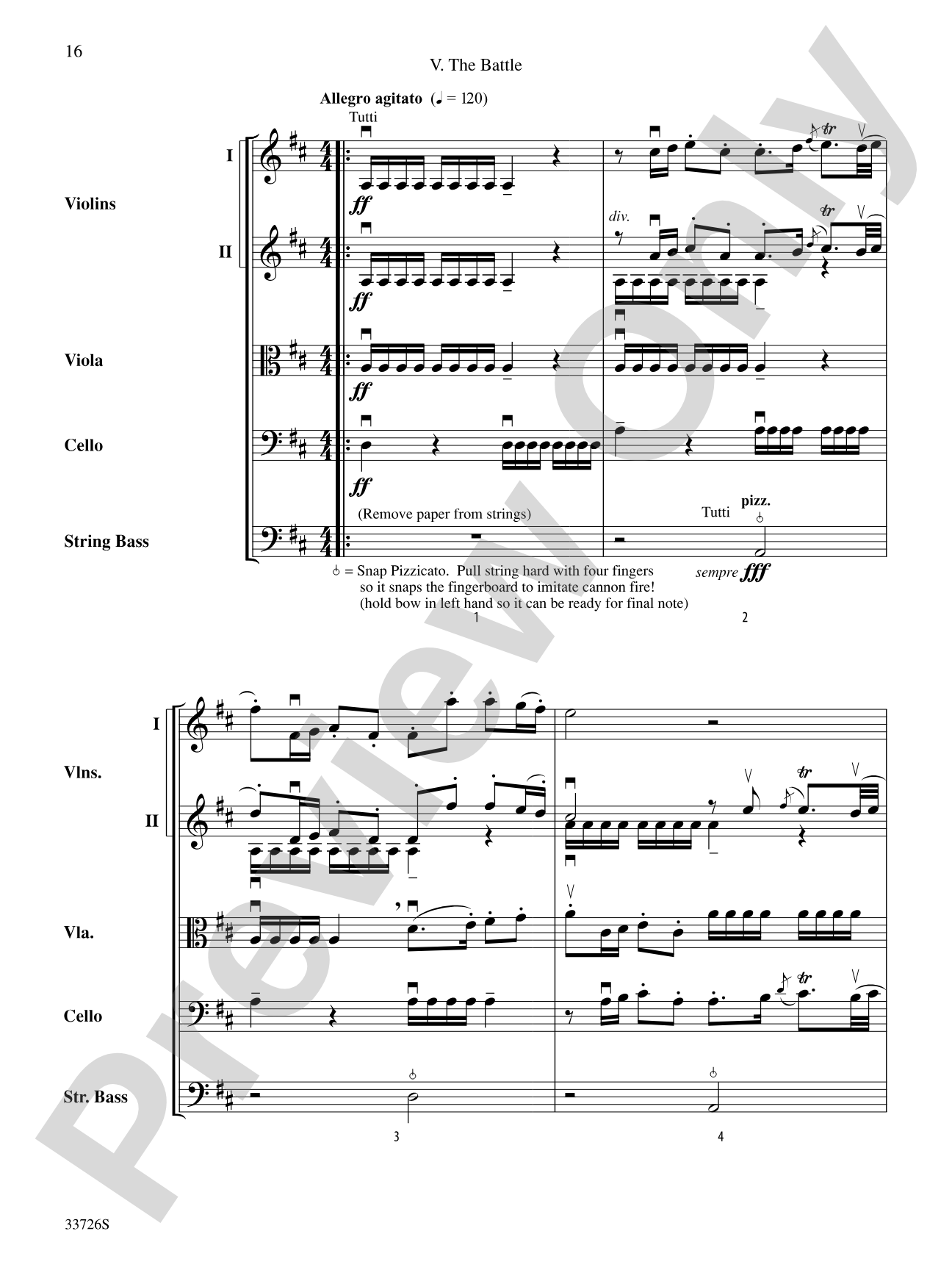
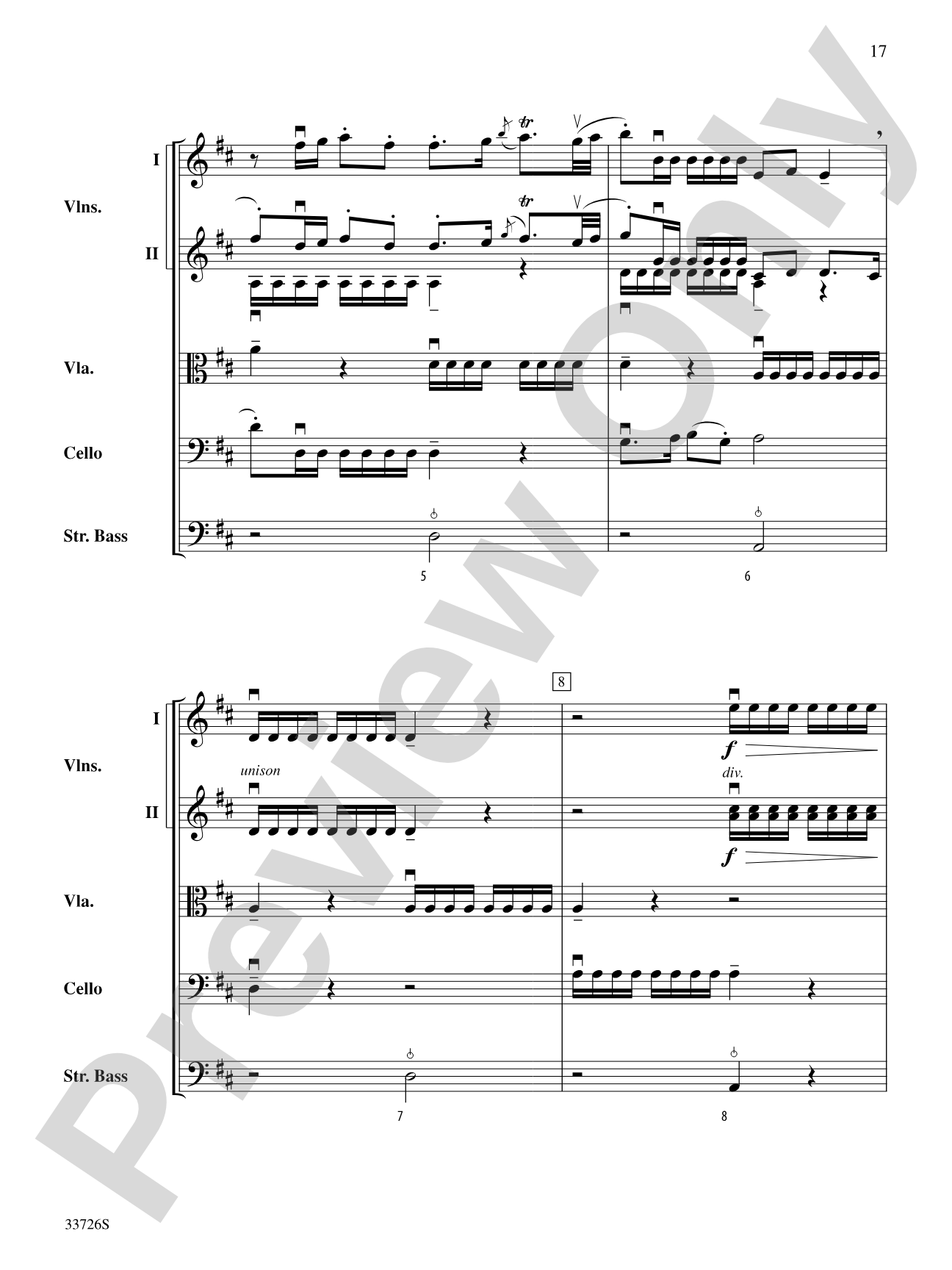
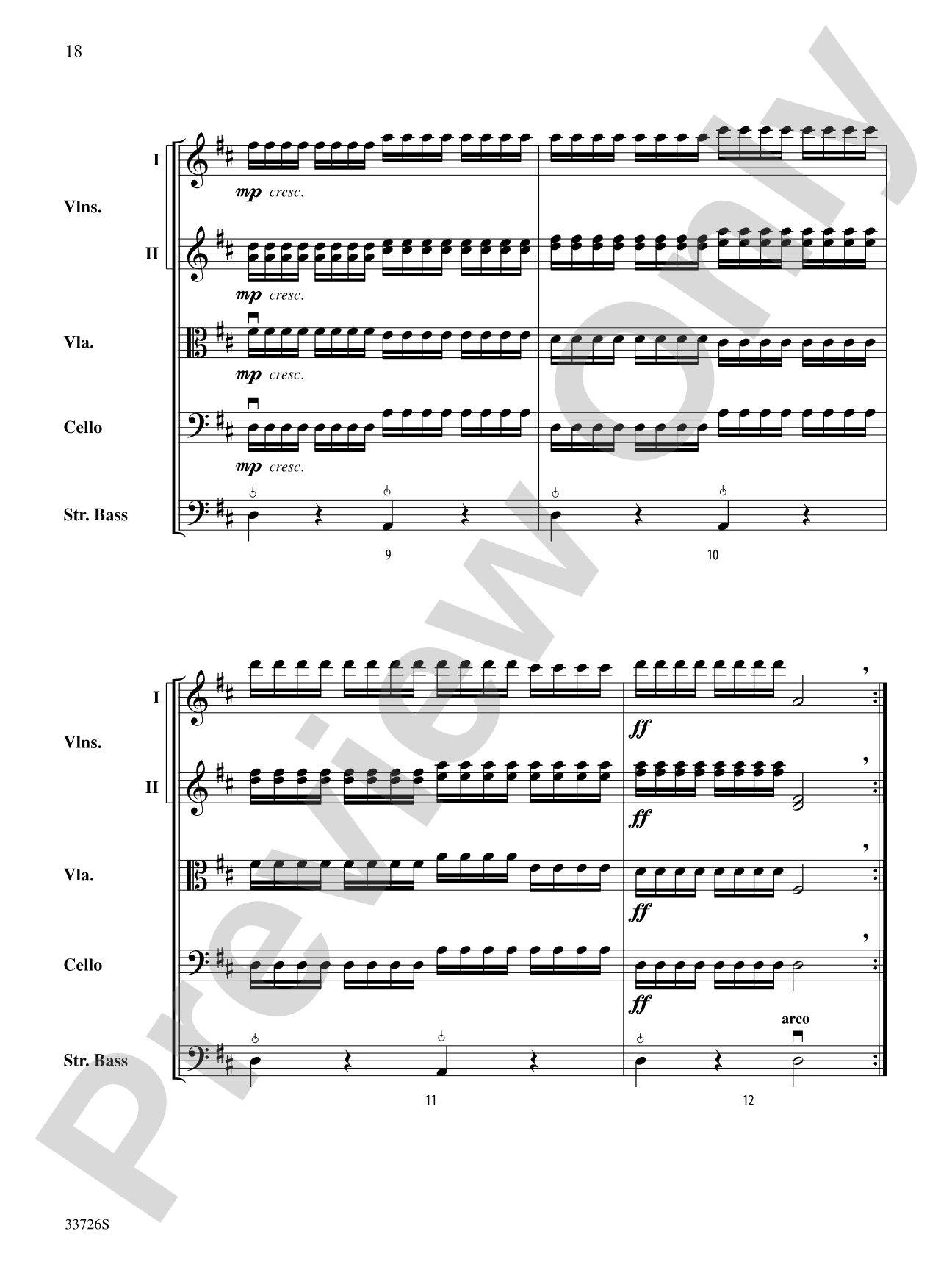
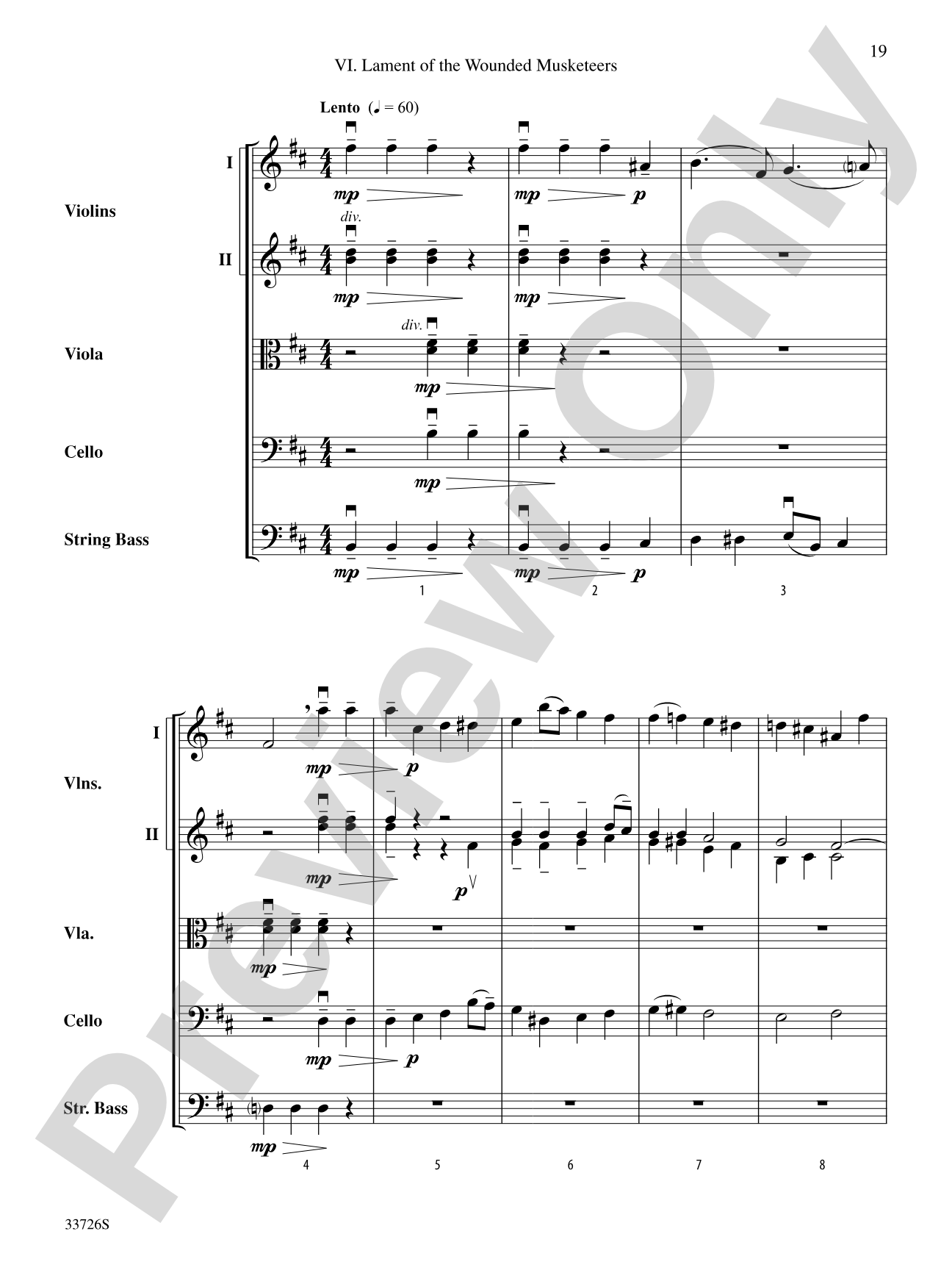
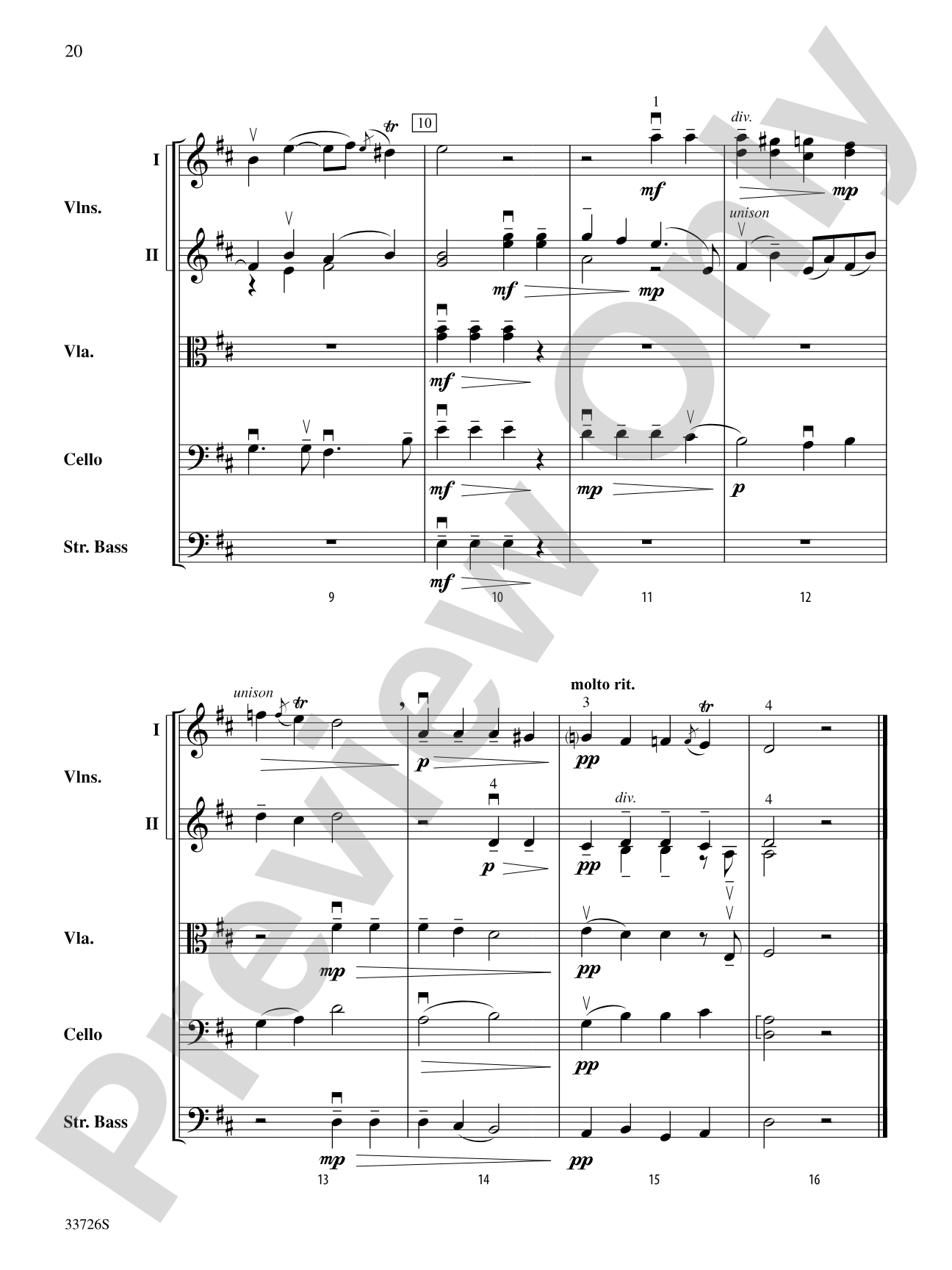
Depicting the sounds of war, this Baroque masterpiece features many special effects including bow tapping, paper under strings, solos for all instruments, and a musical collage that would thrill Charles Ives! A true feast for the ears. This innovative six-movement work ends with a moving tribute to the fallen of war. A classic piece of tone painting that will have your audience and musicians on the edge of their seats. This title is available in MakeMusic Cloud.


Don't just read it, hear it, play along with it, and watch your students grow with it. In MakeMusic Cloud, Battalia: String Orchestra Conductor Score & Parts comes alive with professional accompaniment, adjustable tempo, and built-in practice tools that turn solo practice into real progress.
Open in the Player
Jump straight in and assign it today.
Start Your Free Trial
Open this title and explore the full library in minutes.
Sample Audio
1
Audio File
--:--
0:00
0:00
Sample Video
No sample videos found.
Additional Details
Series:
Highland/Etling String Orchestra
Publisher:
Alfred Music
Page Count:
124
SKU:
00-PK-0004215
More about this title
About the Composer: Heinrich Biber
Heinrich Biber (1644, 1704) stands among the most inventive string composers of the Baroque era. His technical innovations and expressive demands pushed violinists and ensembles far beyond what his contemporaries considered standard, earning him a position as Kapellmeister in Salzburg and lasting influence on the development of violin technique.
Biber's approach to orchestration and special effects anticipated compositional practices by centuries. His willingness to explore unconventional sounds and textures within the string family made him a natural precursor to later experimentation in ensemble writing.
Why we love this
Battalia gives young orchestras permission to be bold and unconventional, using extended techniques not as gimmicks but as integral musical storytelling. The six-movement structure keeps engagement high while the solos for all instruments ensure every player has a moment to shine. Few pieces at this level combine historical significance, pedagogical reach, and the kind of theatrical impact that reminds students why they play in the first place.
What to expect
Battalia plunges listeners into a soundscape of conflict and disorder, where strings scrape, tap, and clash in ways that feel raw and immediate. The accumulated effect is visceral yet purposeful—not chaos for its own sake, but a composer's deliberate attempt to translate the sounds of war into organized musical language. By the final movement, the accumulated tension resolves into something solemn and reflective.
Who it's for
This arrangement is designed for Grade 3 string orchestras ready to tackle sophisticated musical challenges and unconventional techniques. Directors programming contest or festival seasons will find a piece that demonstrates ensemble musicianship, creativity, and technical growth while holding strong audience appeal.
How to get the most out of it
- Prepare your string players for the extended techniques well in advance. Bow tapping, paper under strings, and col legno passages require practice separate from the main rehearsal; building comfort early prevents anxiety during full run-throughs.
- Balance the ensemble carefully during the solo passages. Since each instrument takes individual lines, clarity matters more than blend; adjust your seating or rehearsal space if certain solos get buried.
- Treat the final movement with genuine reverence. After the chaos of earlier sections, this tribute to the fallen shifts the emotional tone entirely and deserves a marked change in ensemble approach and interpretation.
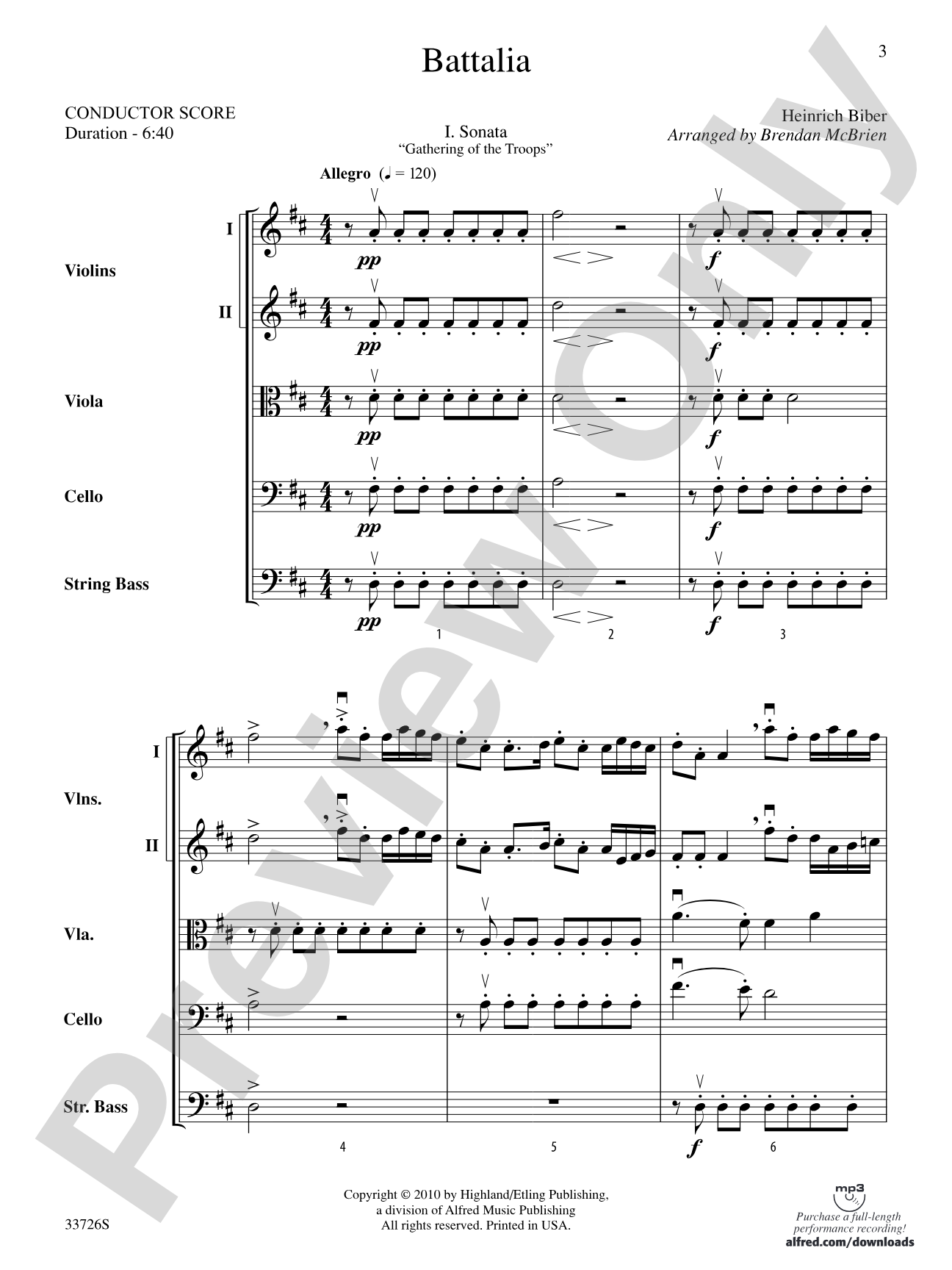
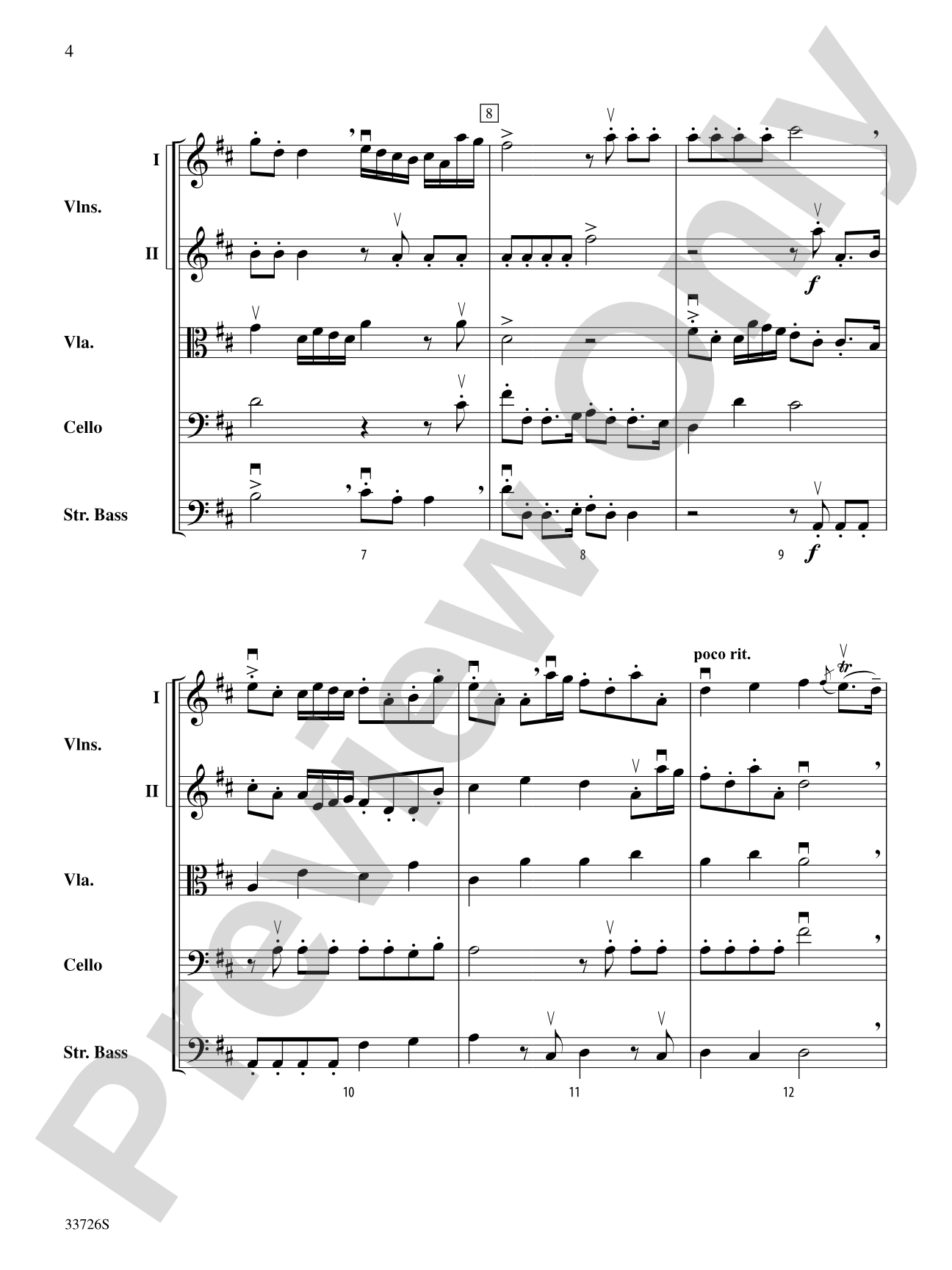
- Use the conductor score to map out cues and section landmarks before rehearsals begin. The musical collage construction means the piece doesn't always follow predictable phrase structures, so knowing where the major textural shifts occur helps keep the orchestra unified.
How to use it
Schedule this as a centerpiece concert work or festival entry where a single piece can define your season's artistic direction. The dramatic arc and accessibility make it equally effective as a finale to a full orchestral program or as a standalone feature that showcases your ensemble's depth and versatility.
Skills your students will build
- Extended string techniques (bow tapping, col legno, paper under strings)
- Playing sustained solo passages with ensemble members
- Navigating non-traditional phrase structures and musical collage
- Responding to rapid textural and dynamic shifts
- Interpretation of program music and emotional narrative in instrumental writing