
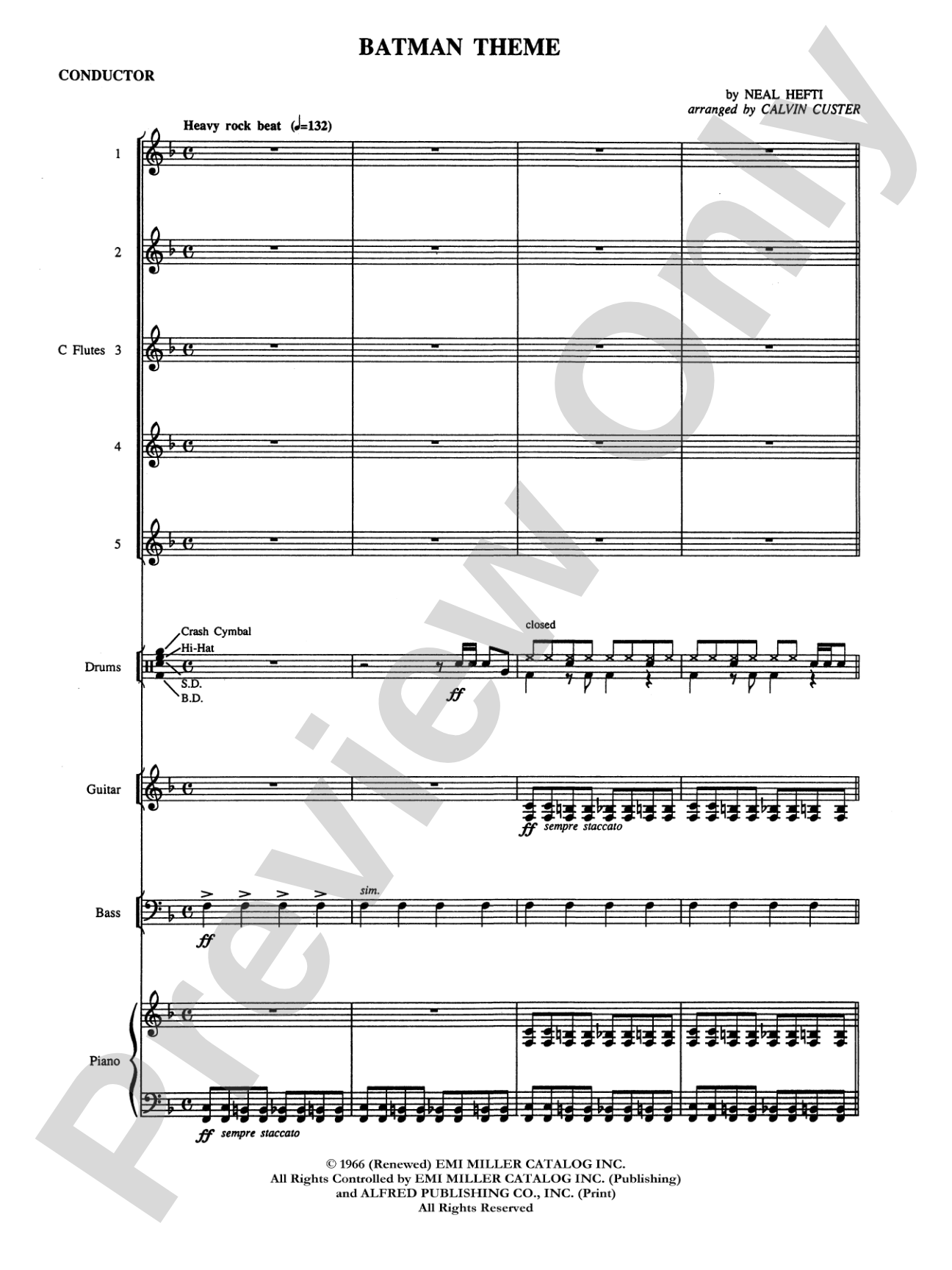
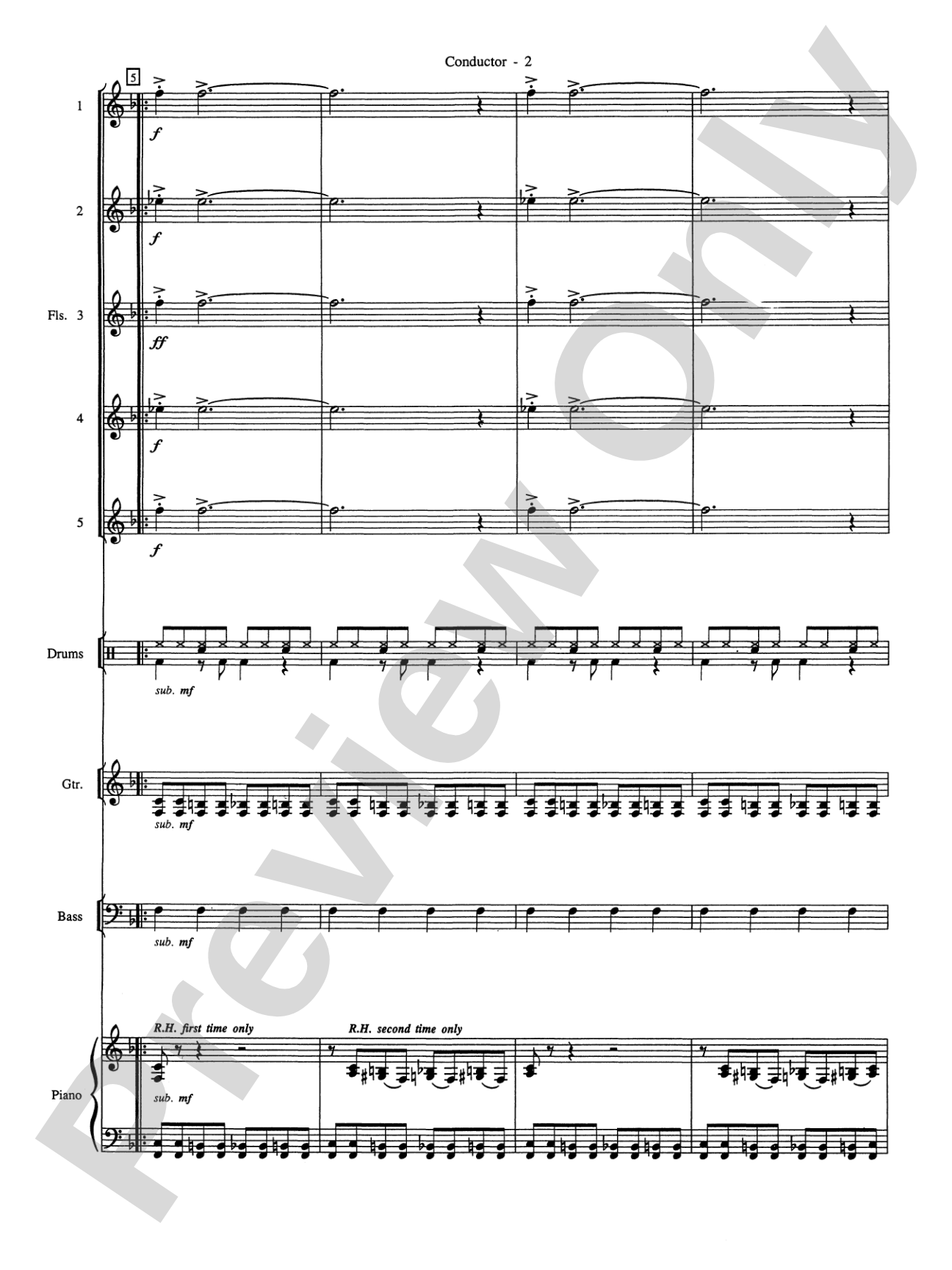
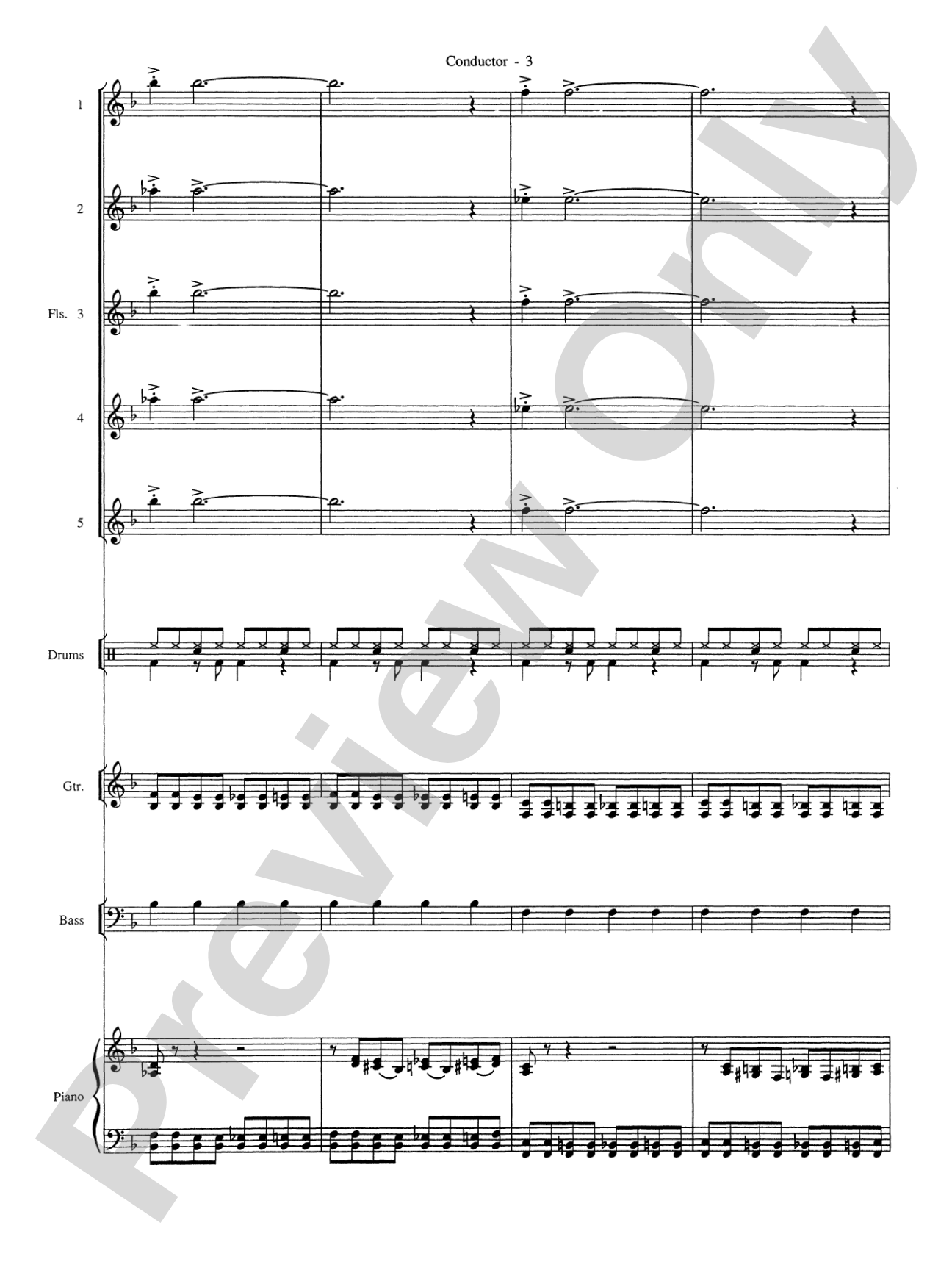
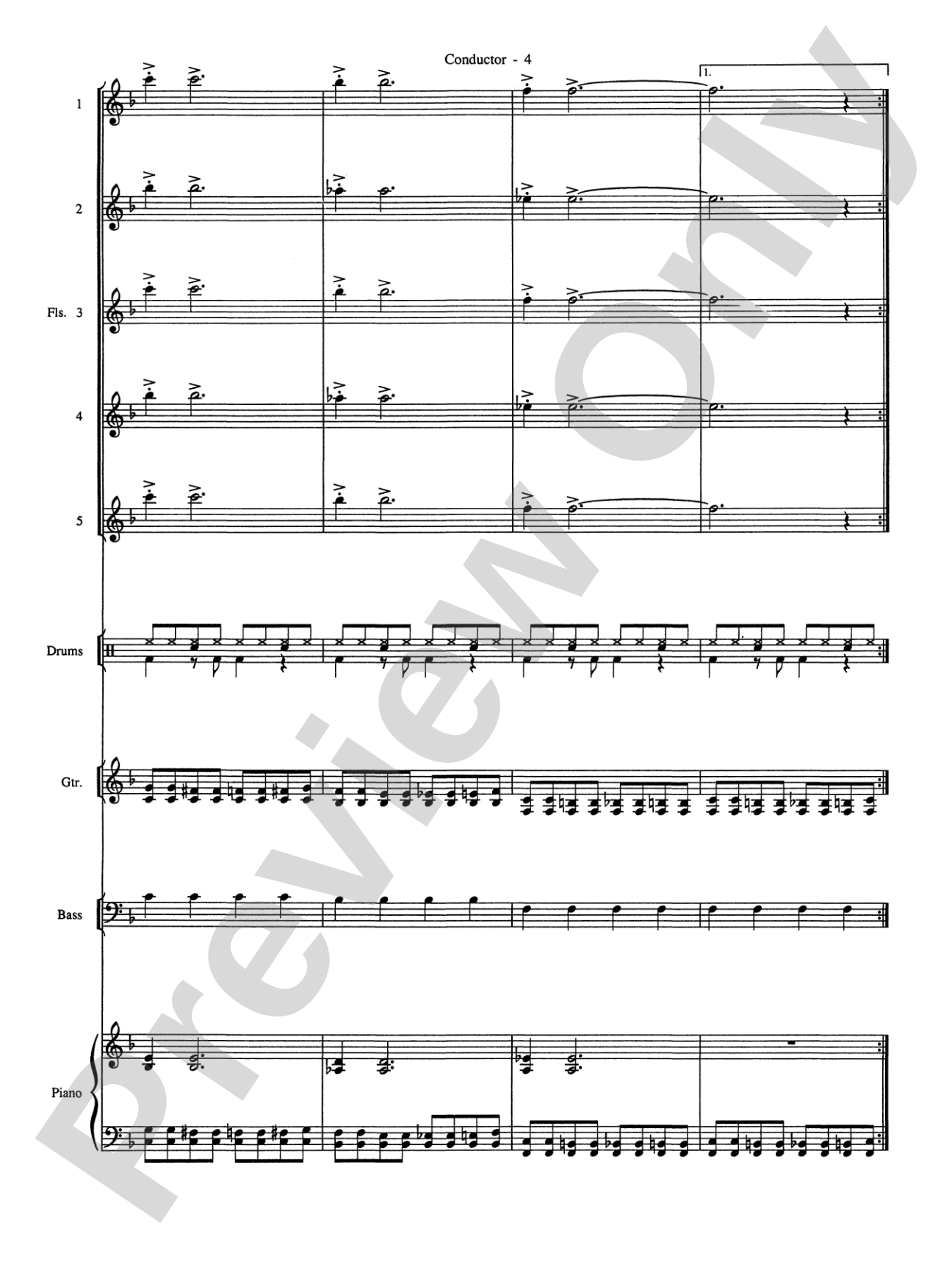
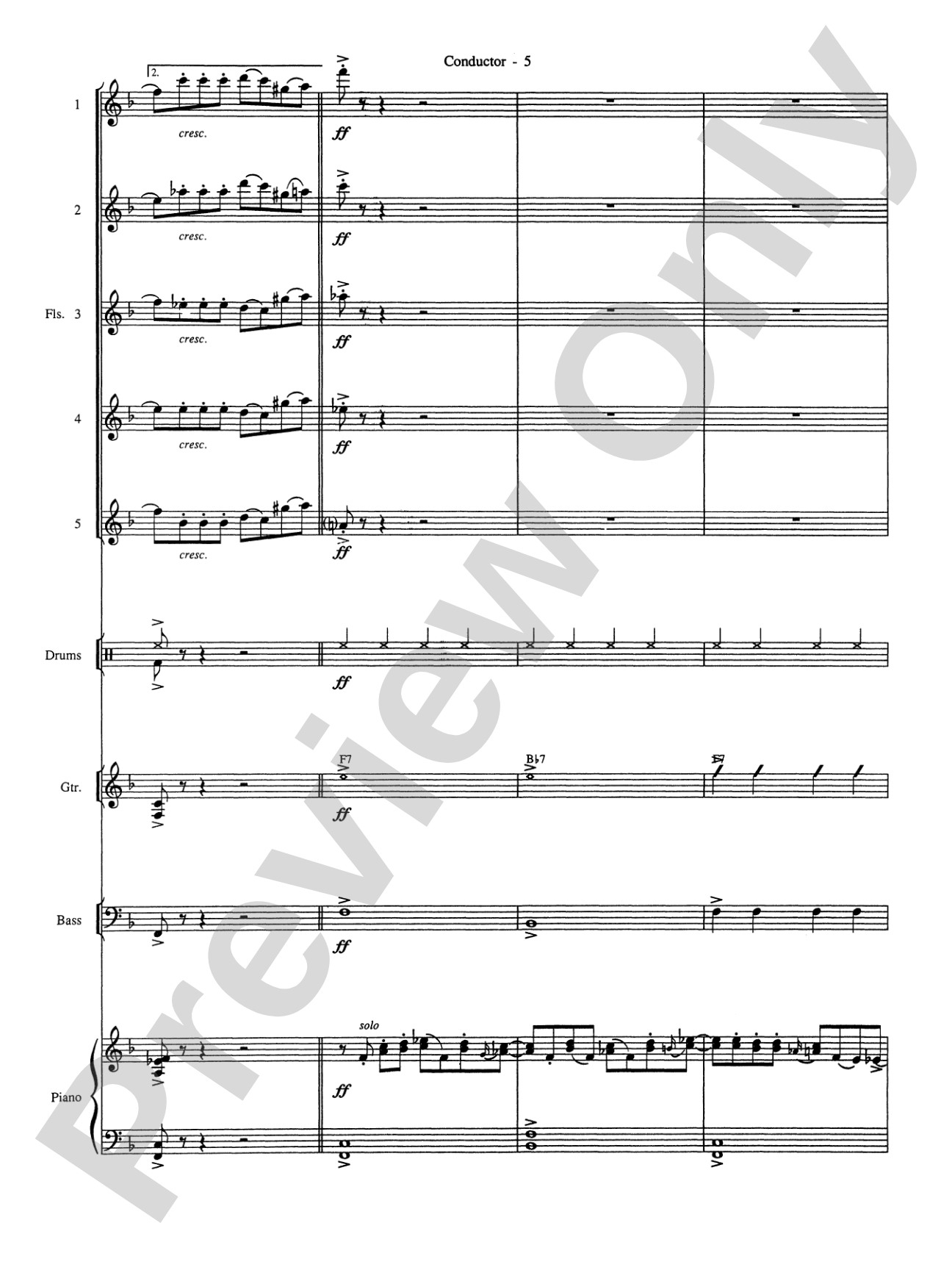
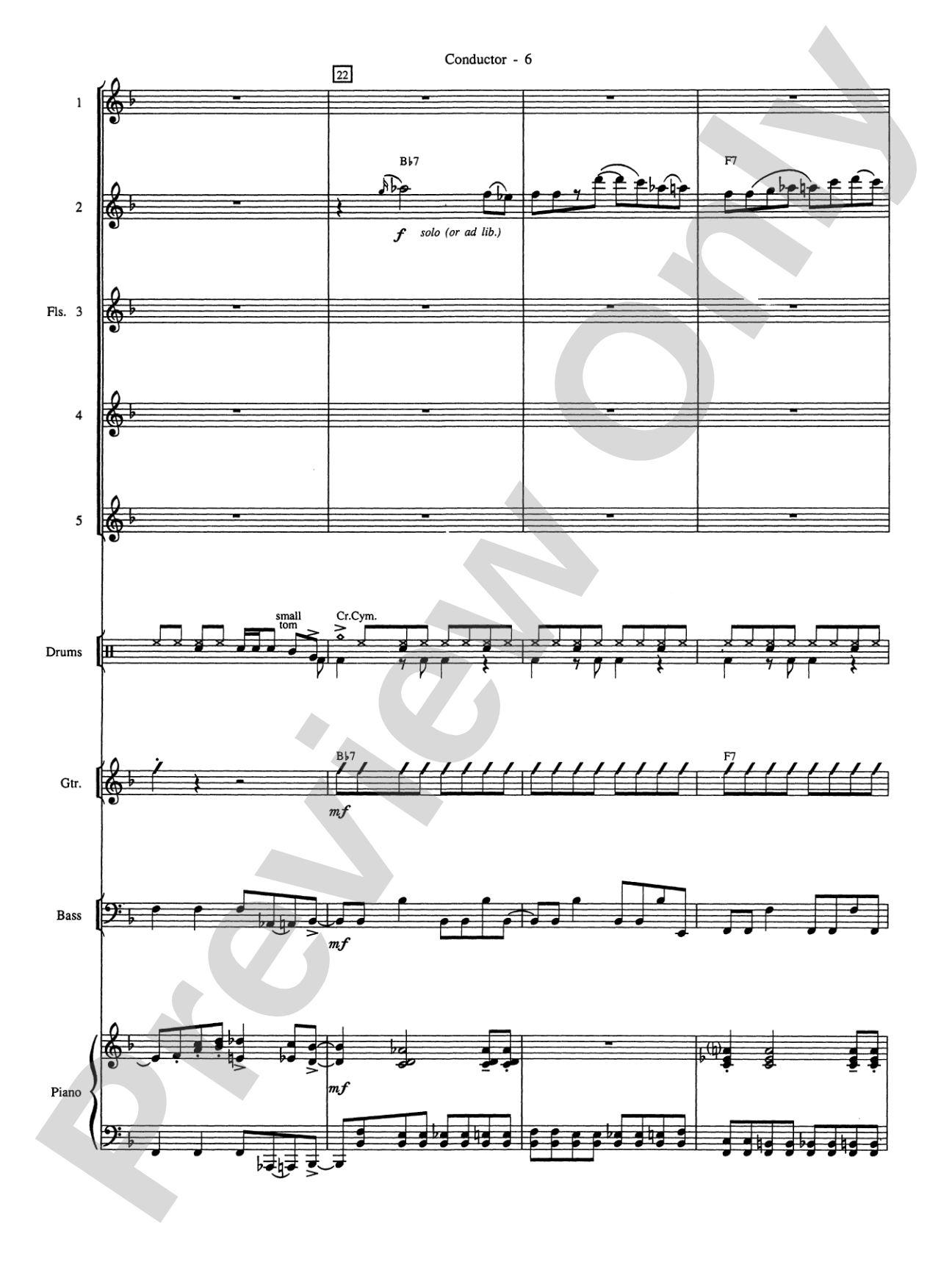
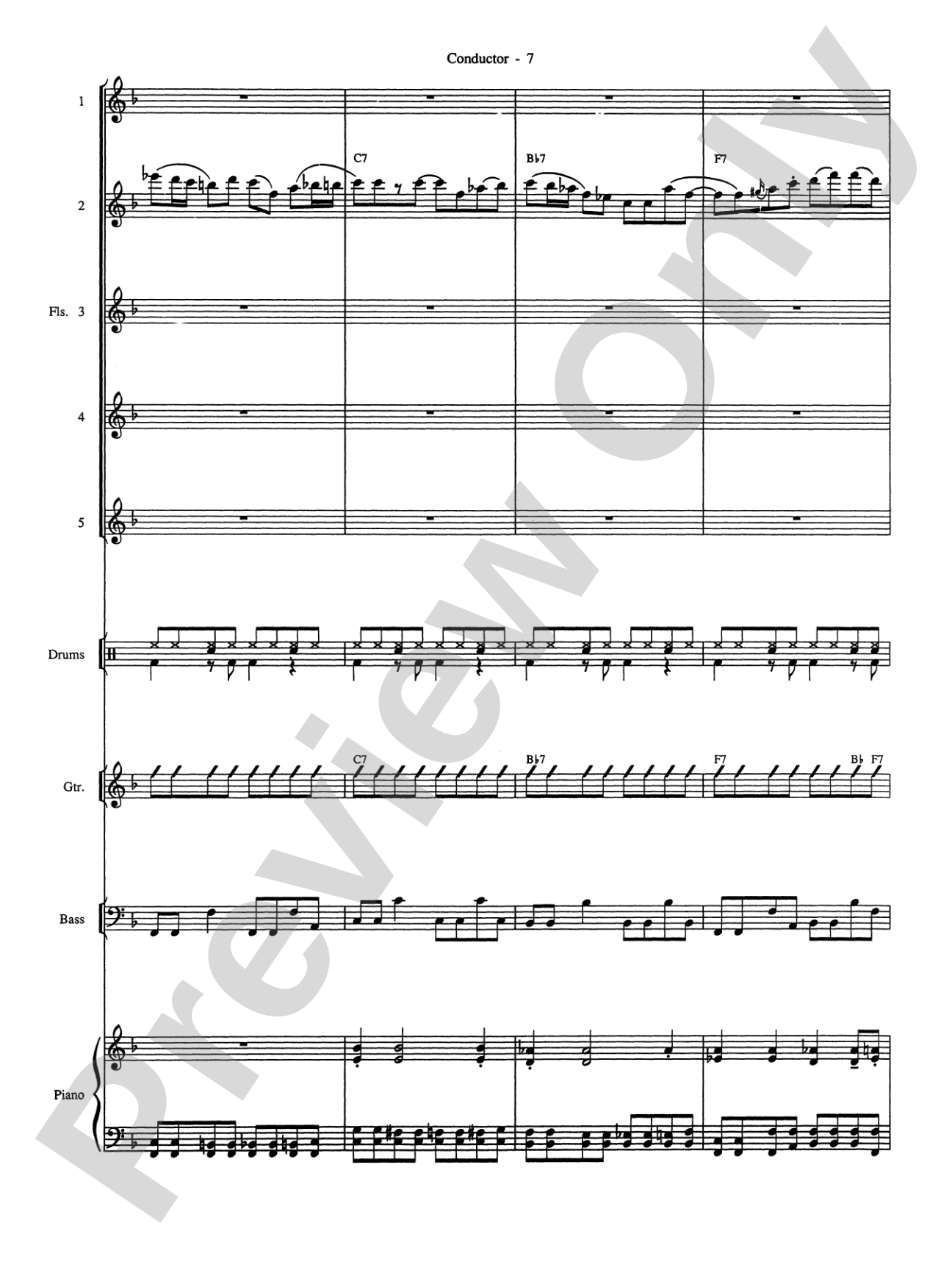
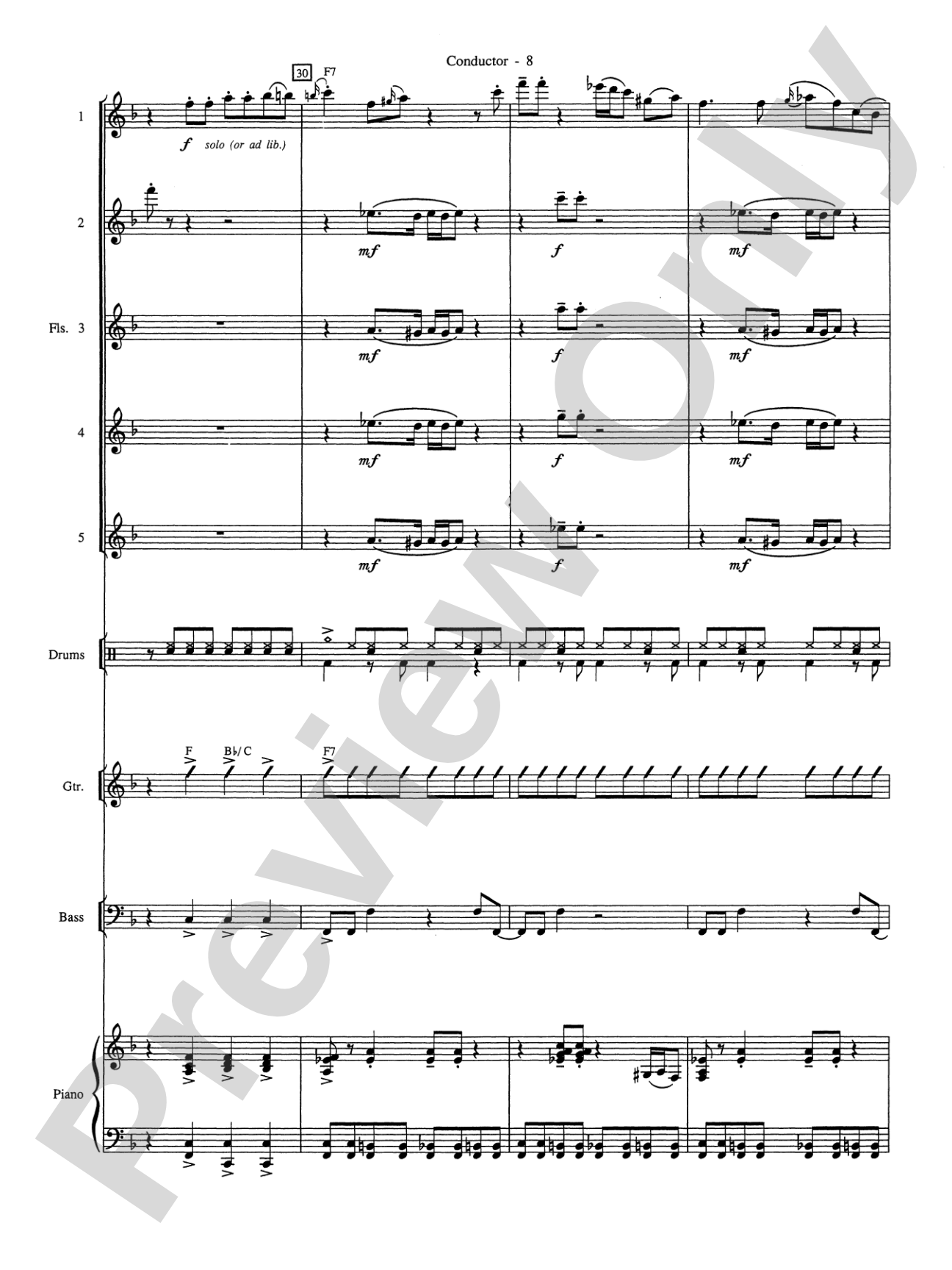
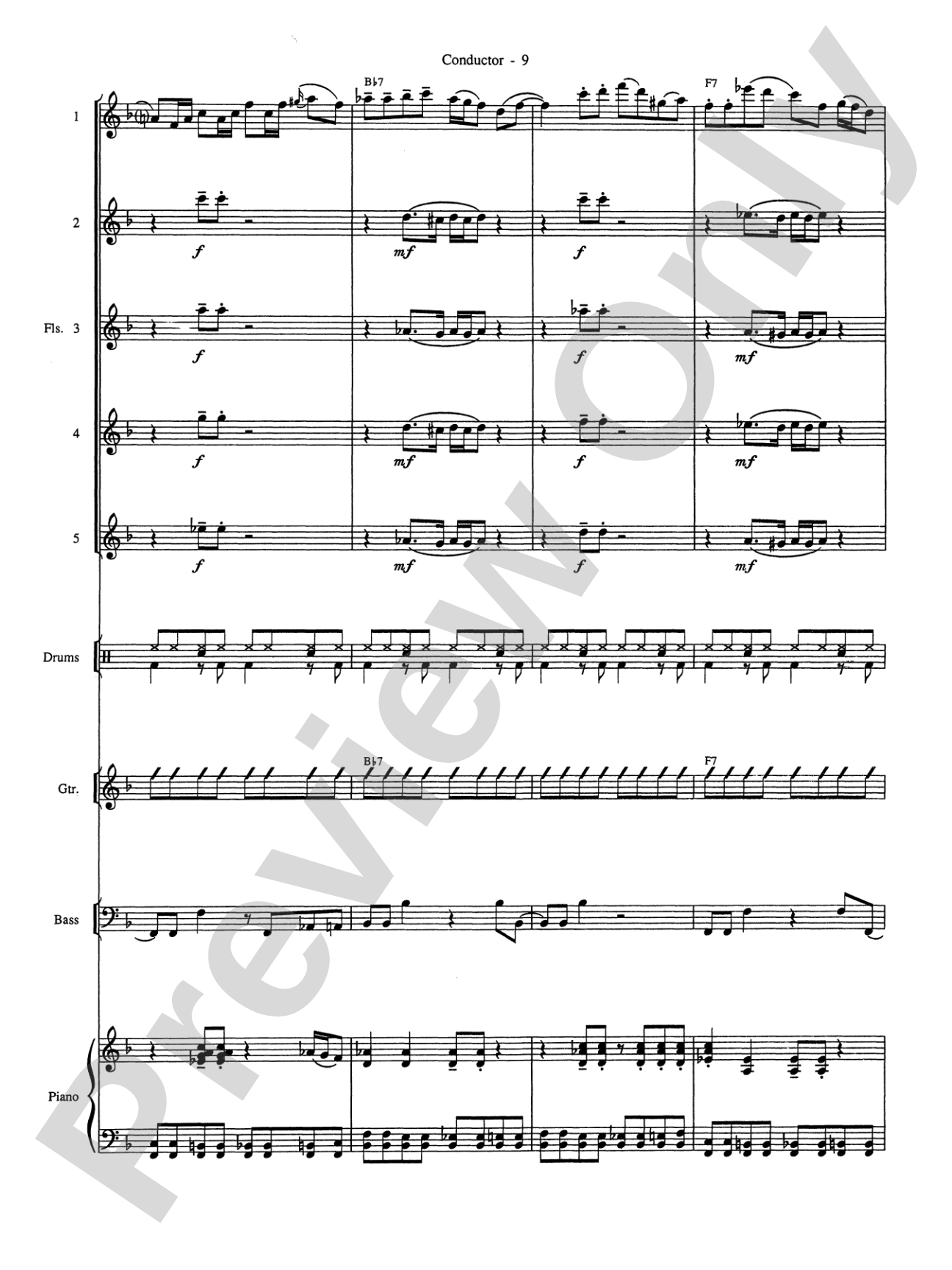
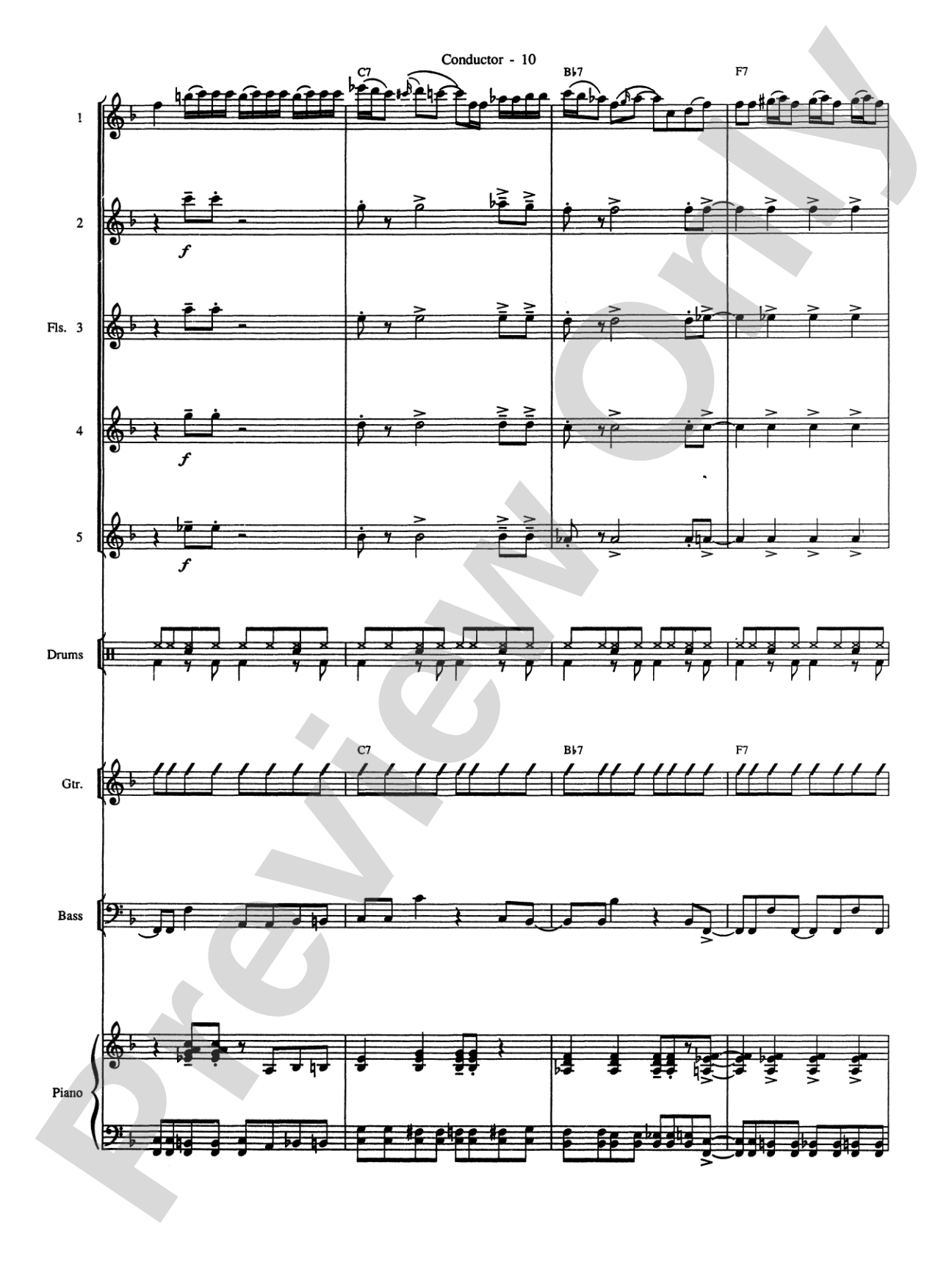
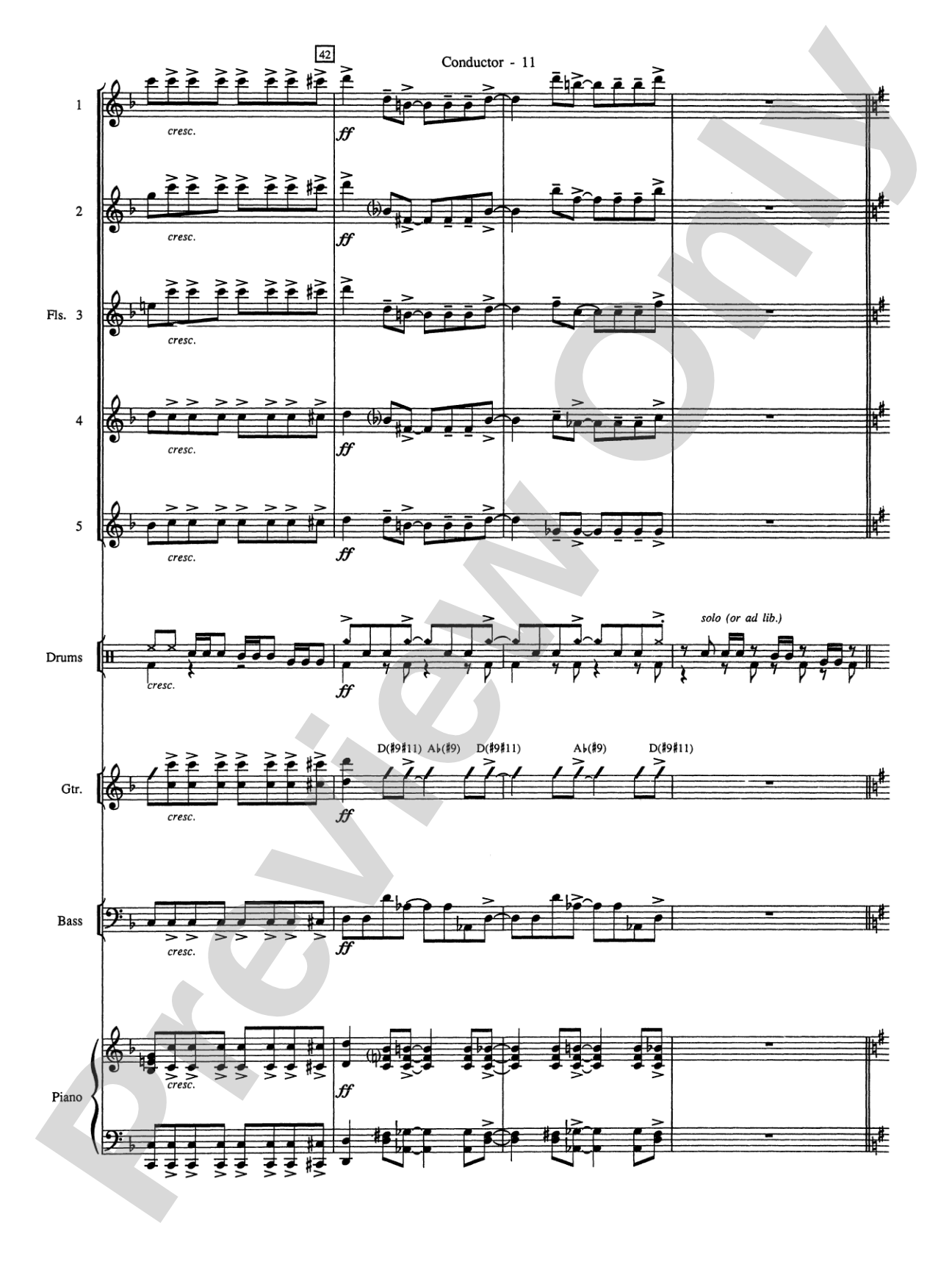
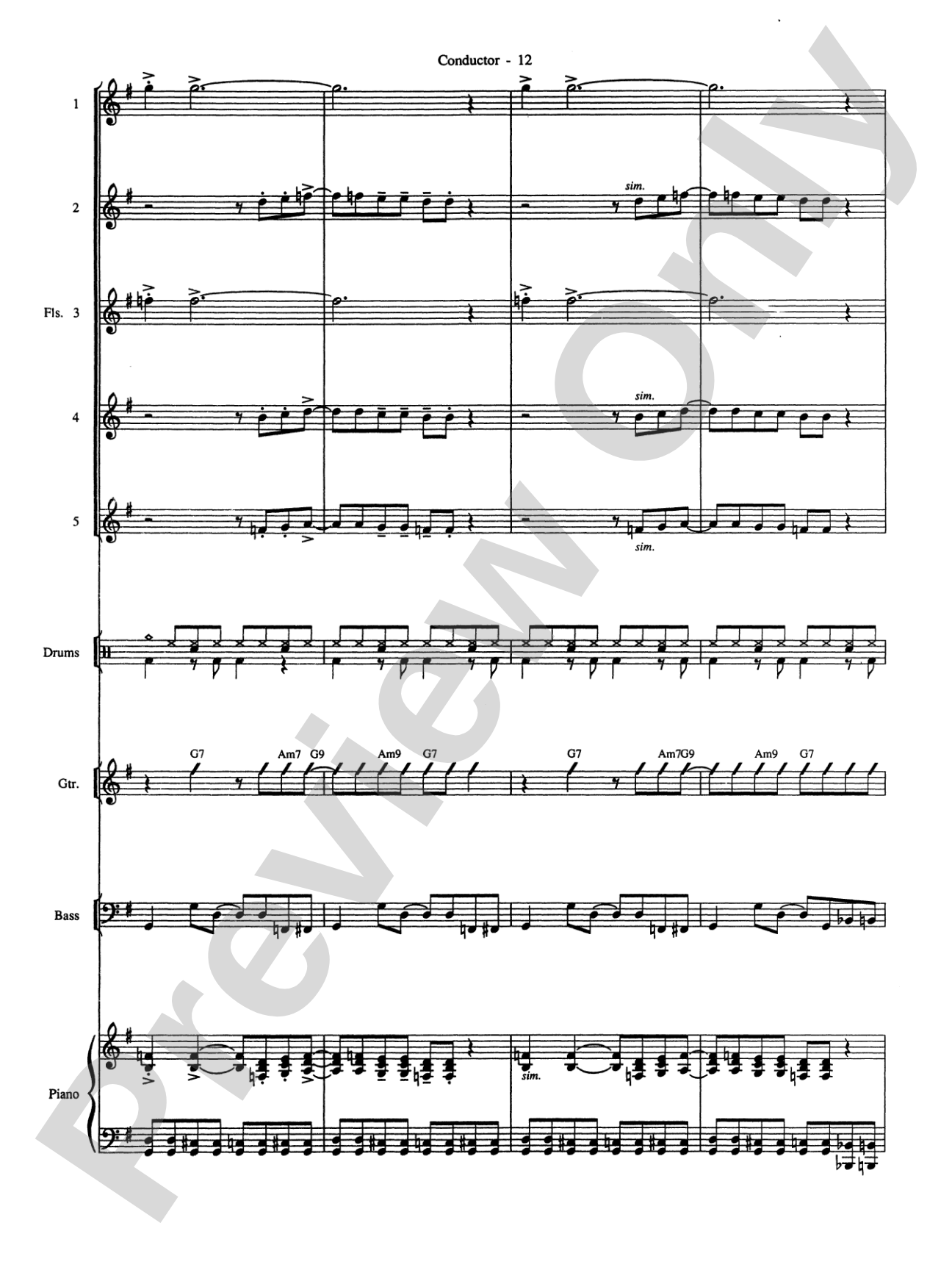
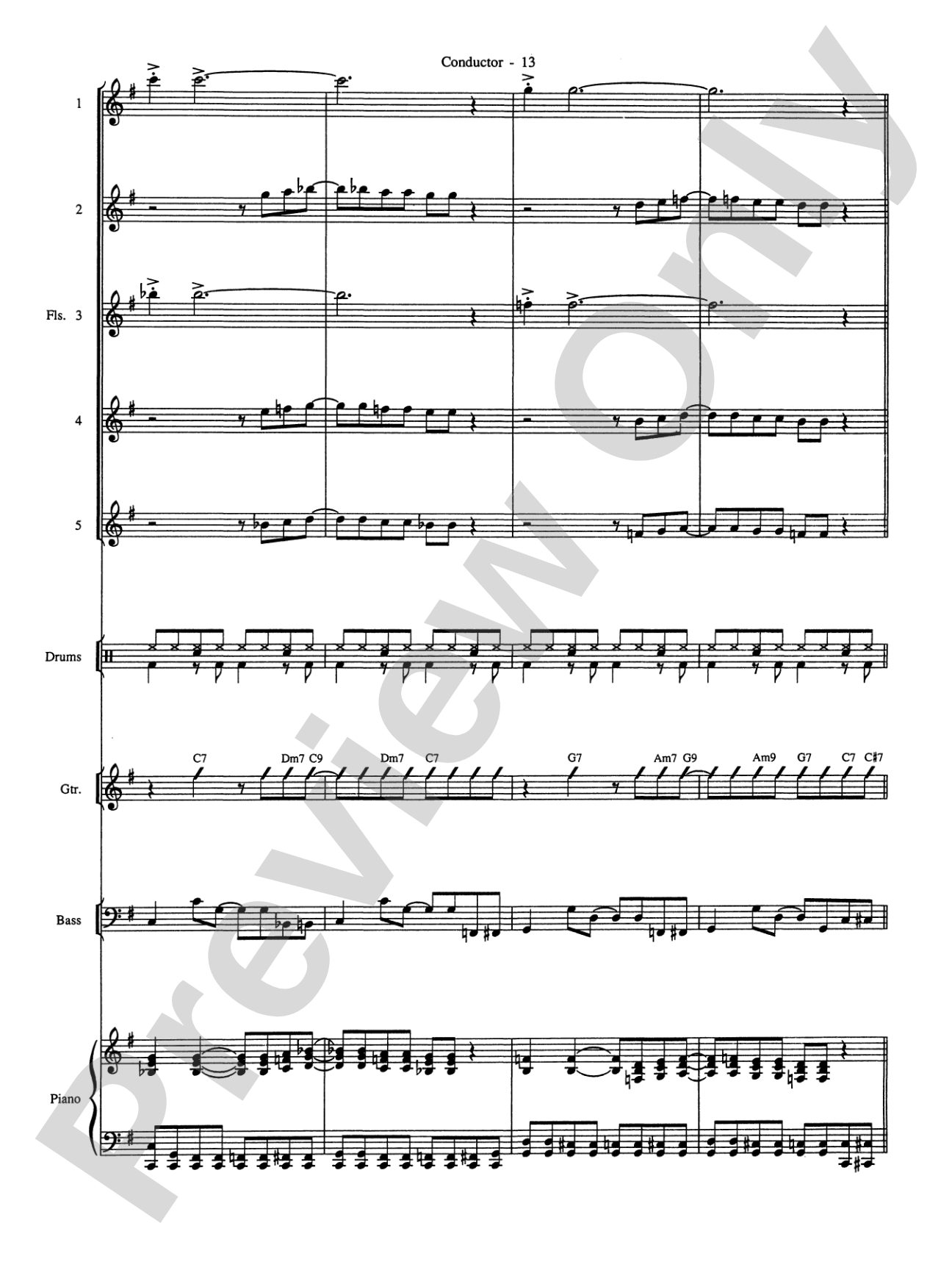
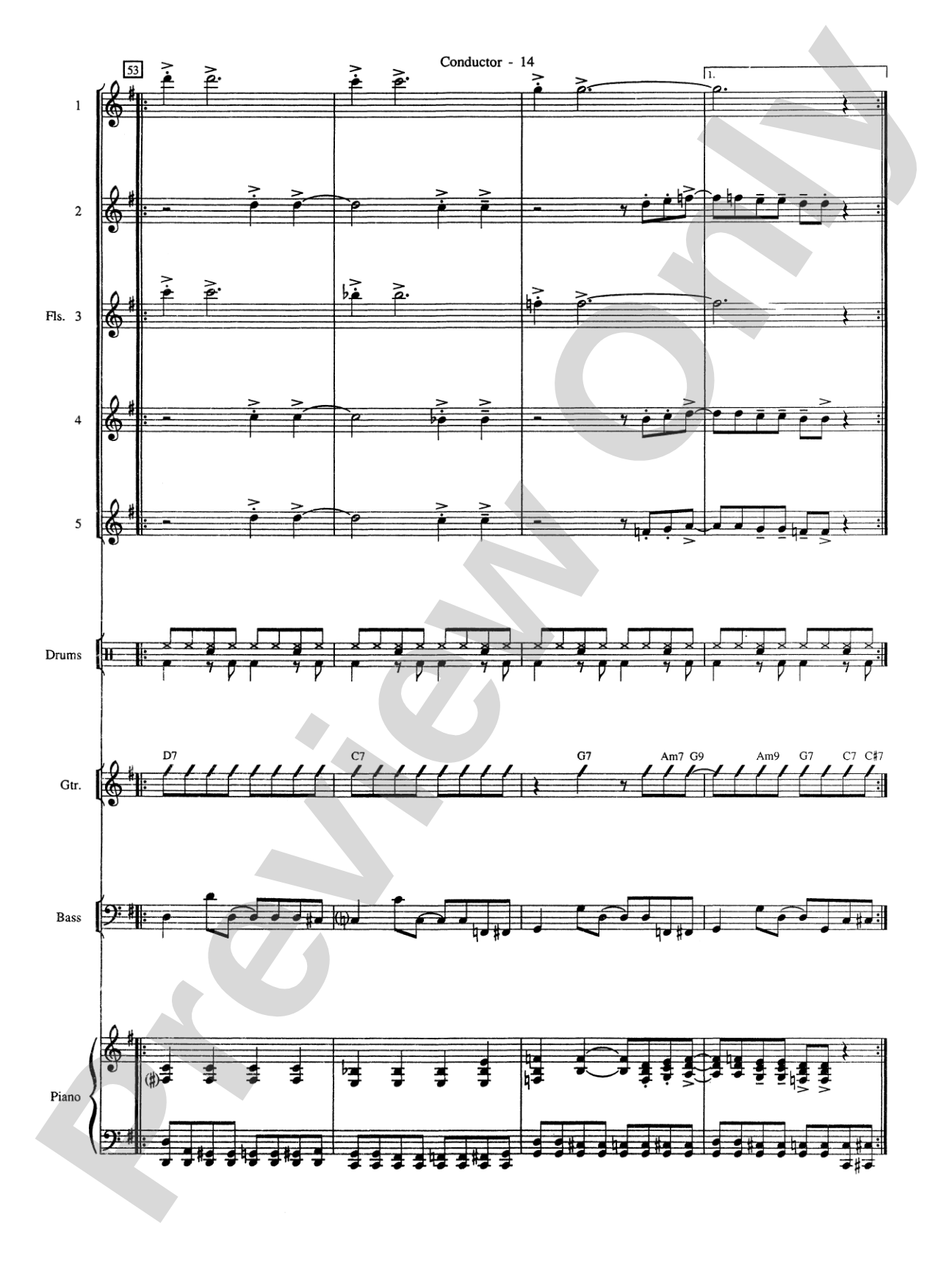
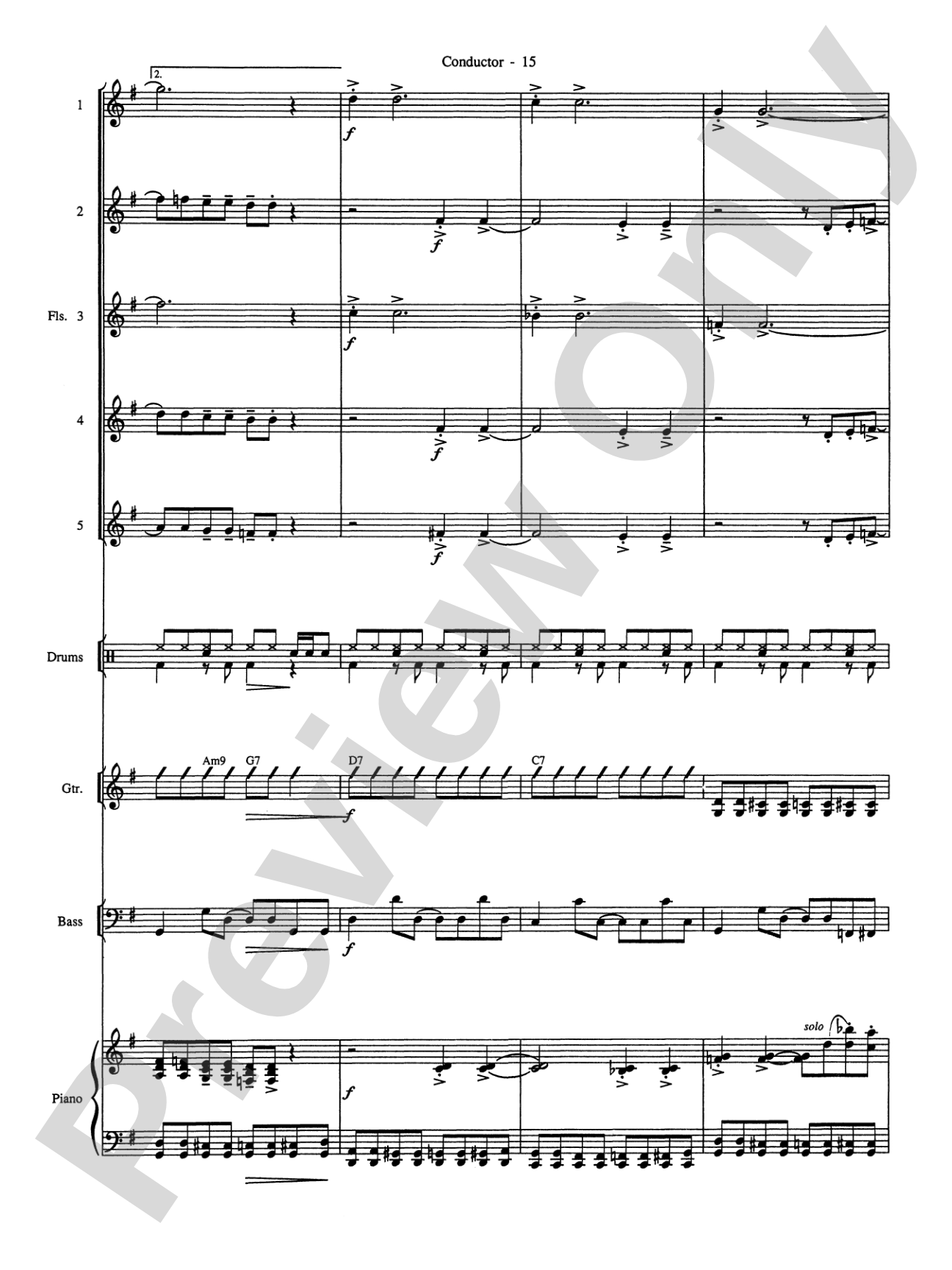
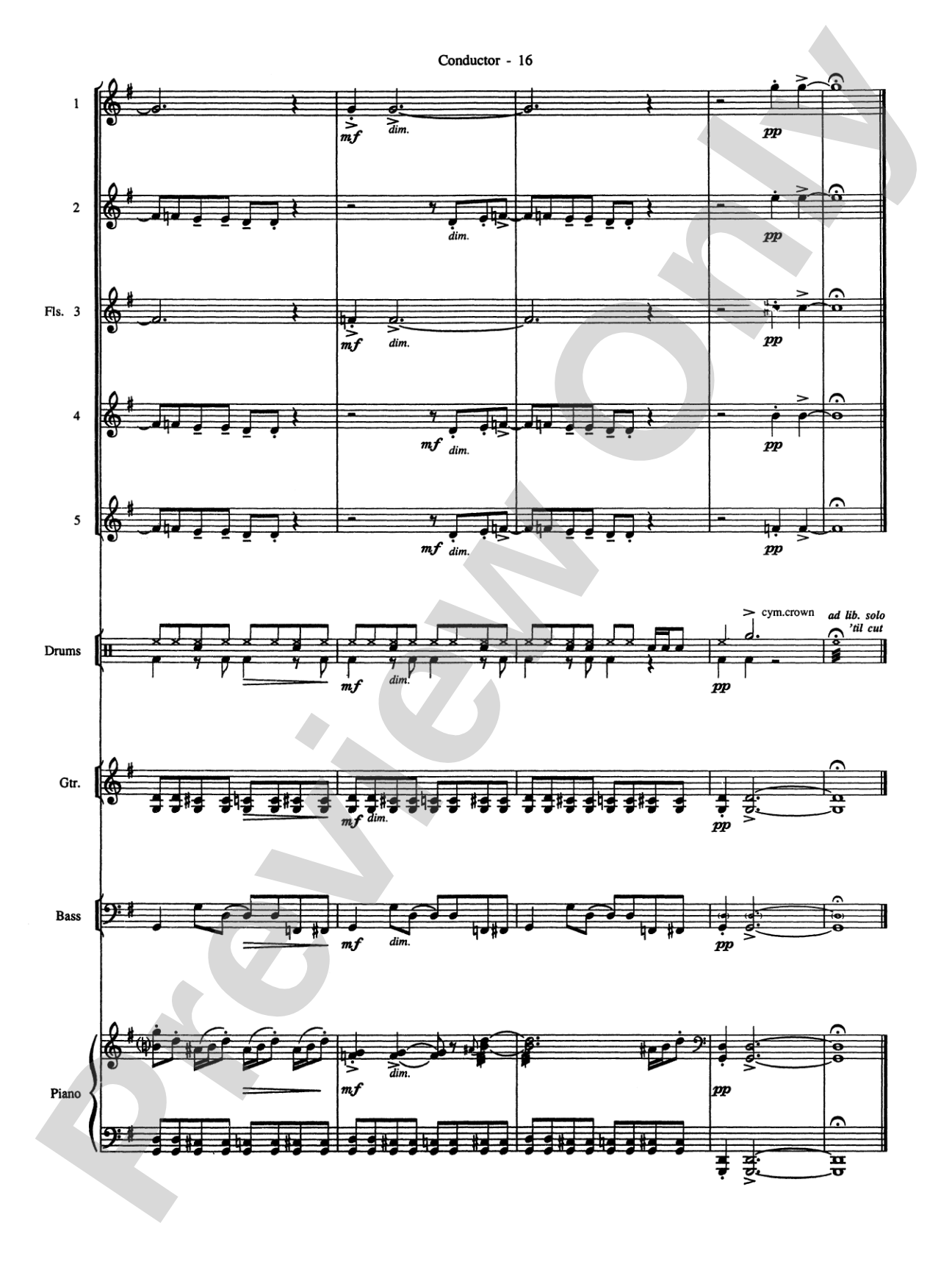

Batman Theme (from the Original TV Series): Flute Choir
By Neal Hefti / arr. Calvin Custer
Item: 00-PK-0001375

$15.99
One moment…
Related Items
Batman Theme (from the Original TV Series): Flute Choir |
$15.99
|
View |
Description
Ensemble for flute choir (1st C flute, 2nd C flute, 3rd C flute, 4th C flute, 5th C flute, guitar, bass, drums, and piano).
Download free full-performance and accompaniment recordings. Play along with the music and learn the correct style with the full-performance track. The accompaniment track includes only piano, guitar, bass, and drums, so if you don't have a rhythm section, you can play along with this track in rehearsal and performance.
Free Recording Downloads:
Full Performance Track
Accompaniment Track


Download free full-performance and accompaniment recordings. Play along with the music and learn the correct style with the full-performance track. The accompaniment track includes only piano, guitar, bass, and drums, so if you don't have a rhythm section, you can play along with this track in rehearsal and performance.
Free Recording Downloads:
Full Performance Track
Accompaniment Track
Don't just read it, hear it, play along with it, and watch your students grow with it. In MakeMusic Cloud, Batman Theme (from the Original TV Series): Flute Choir comes alive with professional accompaniment, adjustable tempo, and built-in practice tools that turn solo practice into real progress.
Open in the Player
Jump straight in and assign it today.
Start Your Free Trial
Open this title and explore the full library in minutes.
Sample Audio
1
Accompaniment
--:--
2
Performance
--:--
Accompaniment
0:00
0:00
Sample Video
No sample videos found.
Additional Details
Series:
Ensembles That Swing
Publisher:
Alfred Music
Page Count:
28
SKU:
00-PK-0001375
Instrumentation:
Flute Choir
More about this title
About the Composer: Neal Hefti
Neal Hefti (1922-2002) composed and arranged for big band, film, and television during a career spanning five decades. His work defined the sound of 1960s television, most famously creating the Batman theme that became instantly iconic. Hefti's compositional voice combined jazz sophistication with accessibility, making him equally comfortable writing for Count Basie's orchestra and network television audiences.
Why we love this
Calvin Custer's arrangement captures the relentless energy and rhythmic precision of Hefti's original while making it genuinely playable for flute choirs. The piece demands clean articulation and rhythmic unity across five flute parts, which forces the kind of ensemble listening that strengthens any woodwind section. It's a crowd-pleaser that also teaches real musicianship.
What to expect
Propulsive and cool, with the unmistakable swagger of 1960s television jazz. The piece sits comfortably in the flutes' middle register and rewards crisp articulation with an immediately recognizable sound that audiences love.
Who it's for
Flute choirs and intermediate to advanced flute ensembles looking for repertoire that teaches ensemble precision while connecting to popular culture. Directors will find this especially useful for mixed-level groups where stronger players need challenge and younger players benefit from a driving rhythmic anchor.
How to get the most out of it
- Lock the articulation across all five flute parts during the main theme. Unified tonguing style matters more here than perfect intonation; the rhythm section carries the groove.
- Shape each phrase with the dynamic curve written rather than playing at a single volume level. The theme needs to land with punch, but it also needs space to breathe between sections.
- Use the full-performance track in early rehearsals to internalize the intended style and tempo, then shift to the accompaniment track to build independence from the rhythm section.
- Balance the flute parts so the melody (typically in the 1st and 2nd parts) cuts through without overwhelming the harmonic foundation provided by the 3rd, 4th, and 5th parts.
How to use it
Program this as a concert closer or as part of a themed set exploring music from screen and television. The free rhythm section recordings make it practical for almost any venue, and the recognition factor guarantees audience engagement without sacrificing musical substance.
Skills your students will build
- Synchronized articulation and tonguing across multiple flute parts
- Reading and executing rhythmic figures in a jazz-influenced style
- Balancing and blending within a five-part texture
- Playing confidently with an external rhythm section
- Maintaining steady tempo and groove with a pulse-driven accompaniment