

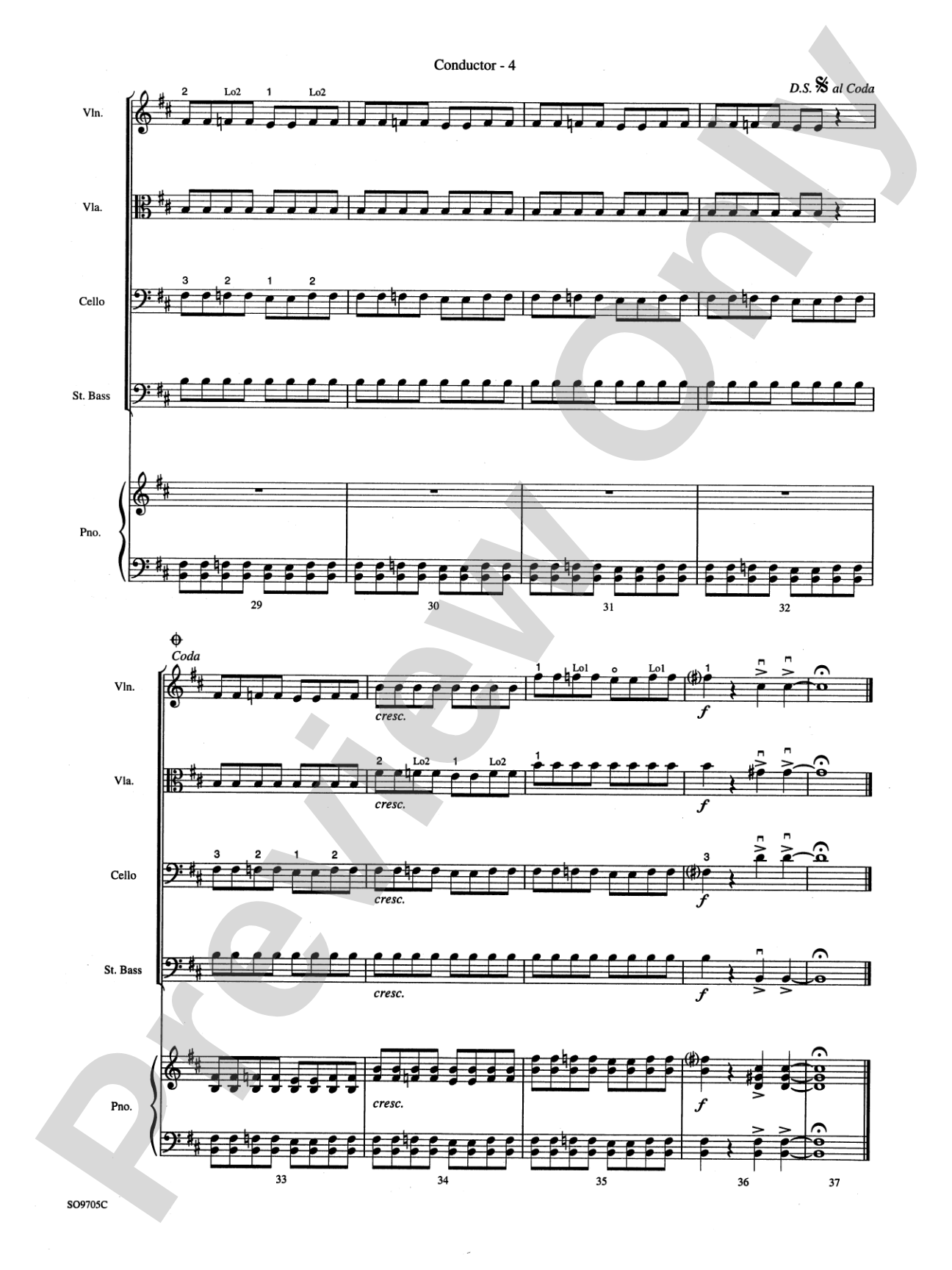



Batman Theme: String Orchestra Conductor Score & Parts
Arr. Bob Cerulli
Grade: 1
Item: 00-PK-0002620

$51.00
One moment…
Related Items
Batman Theme: Full Orchestra Conductor Score & Parts |
$59.00
|
View | |
Batman Theme: String Orchestra Conductor Score & Parts |
$51.00
|
View | |
Batman Theme: String Orchestra Conductor Score |
$6.00
|
View | |
Batman Theme: Full Orchestra Conductor Score & Parts |
$58.00
|
View | |
Batman Theme: Full Orchestra Conductor Score |
$7.00
|
View |
Description
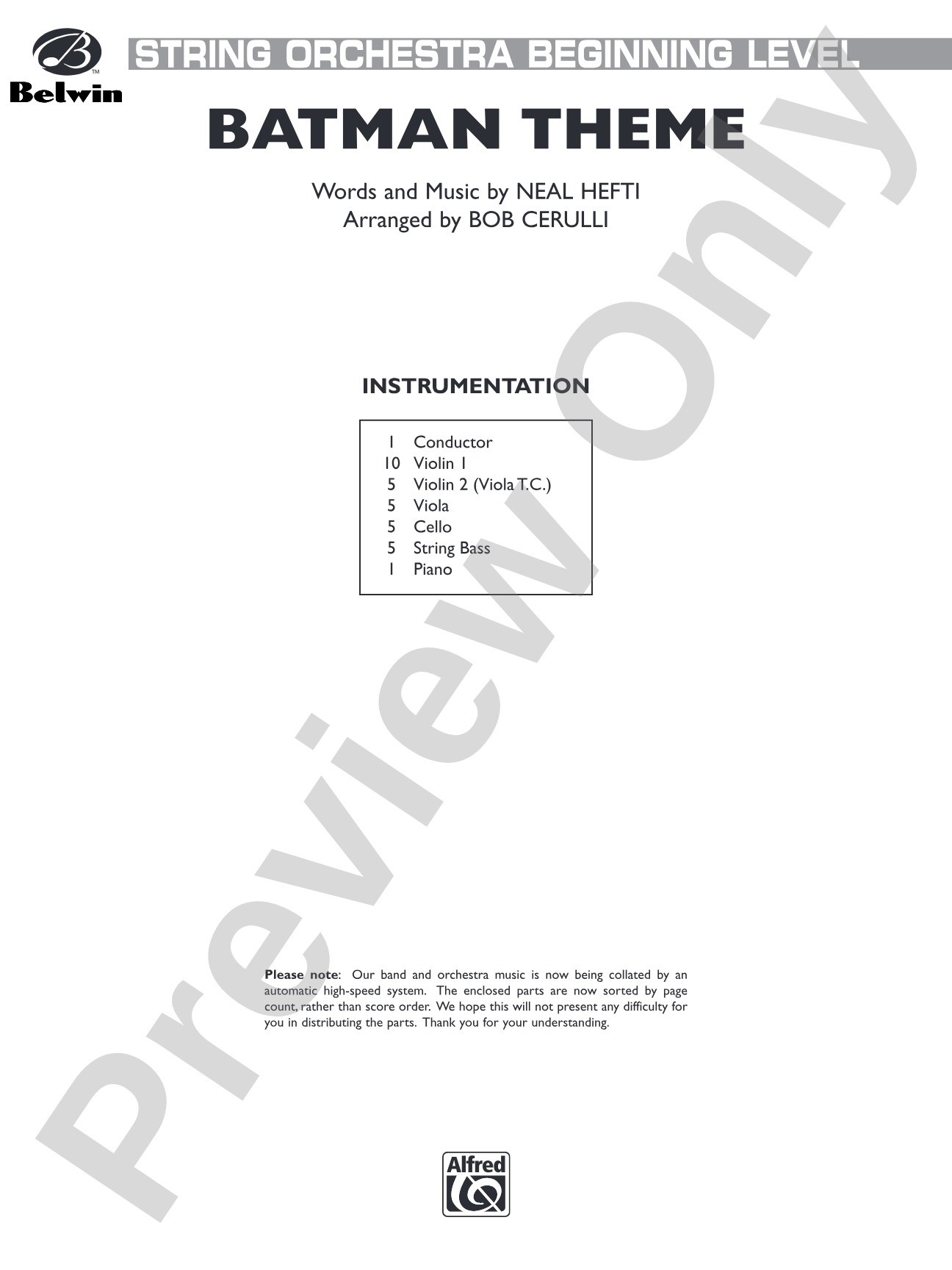
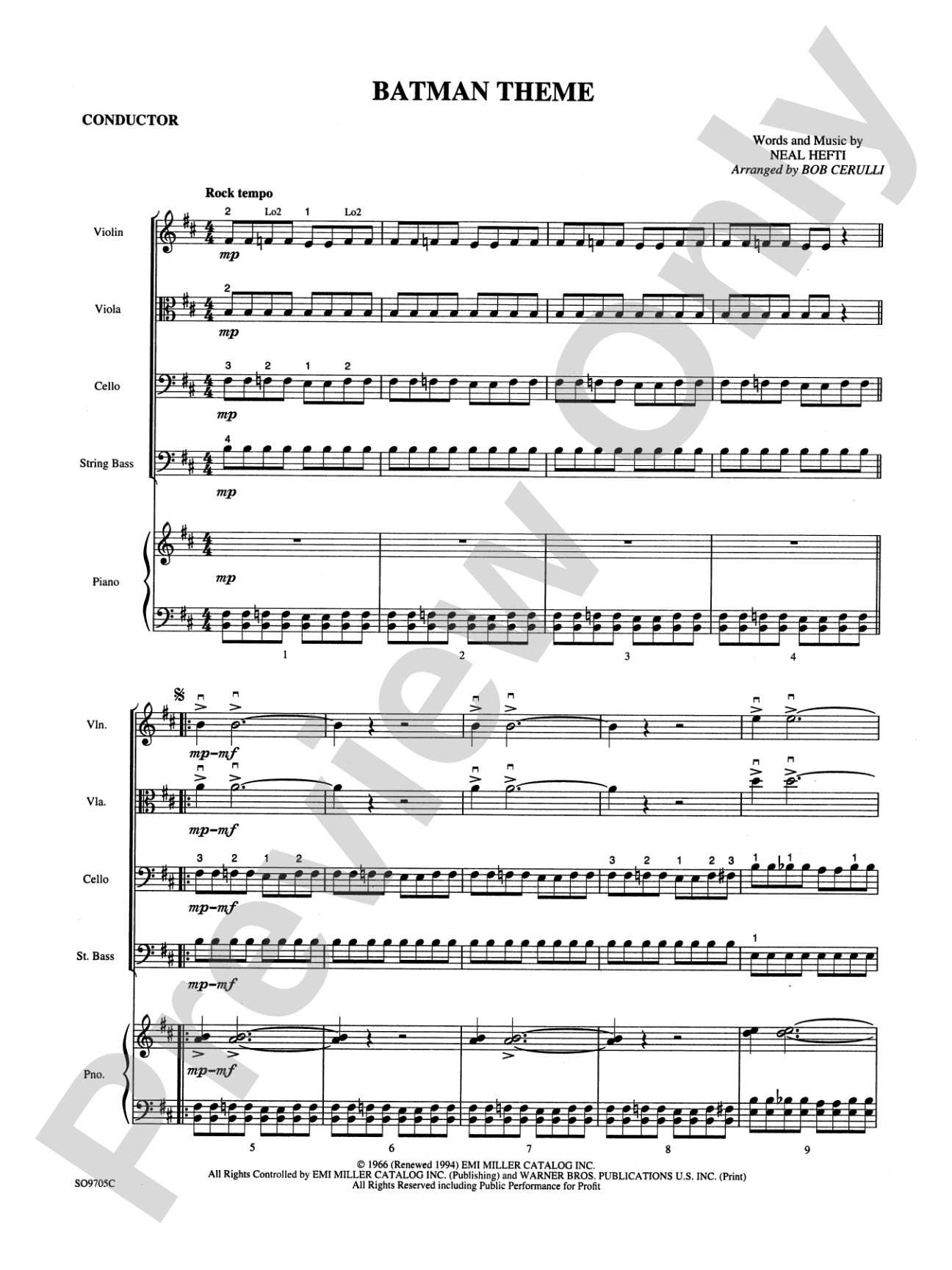
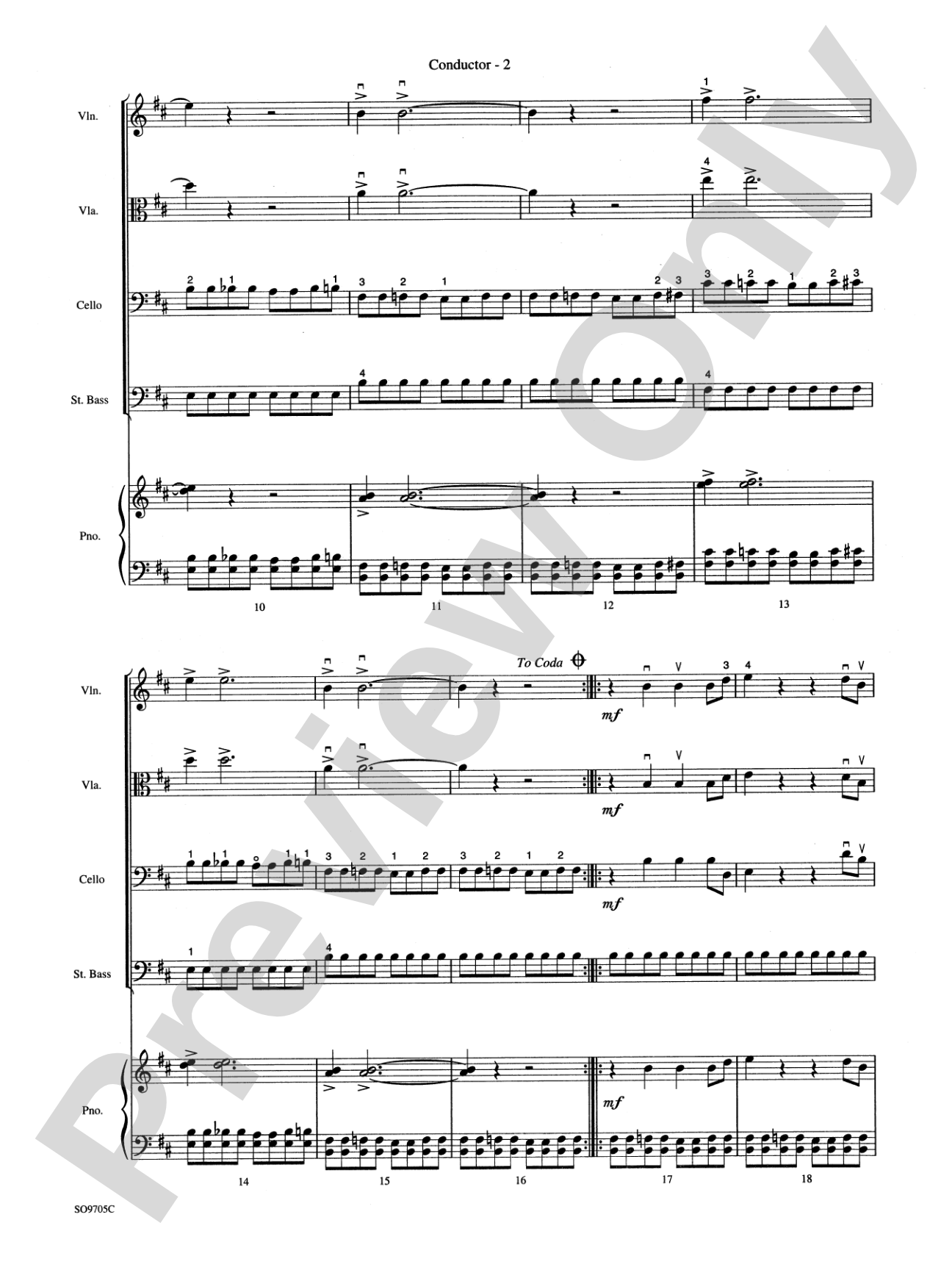
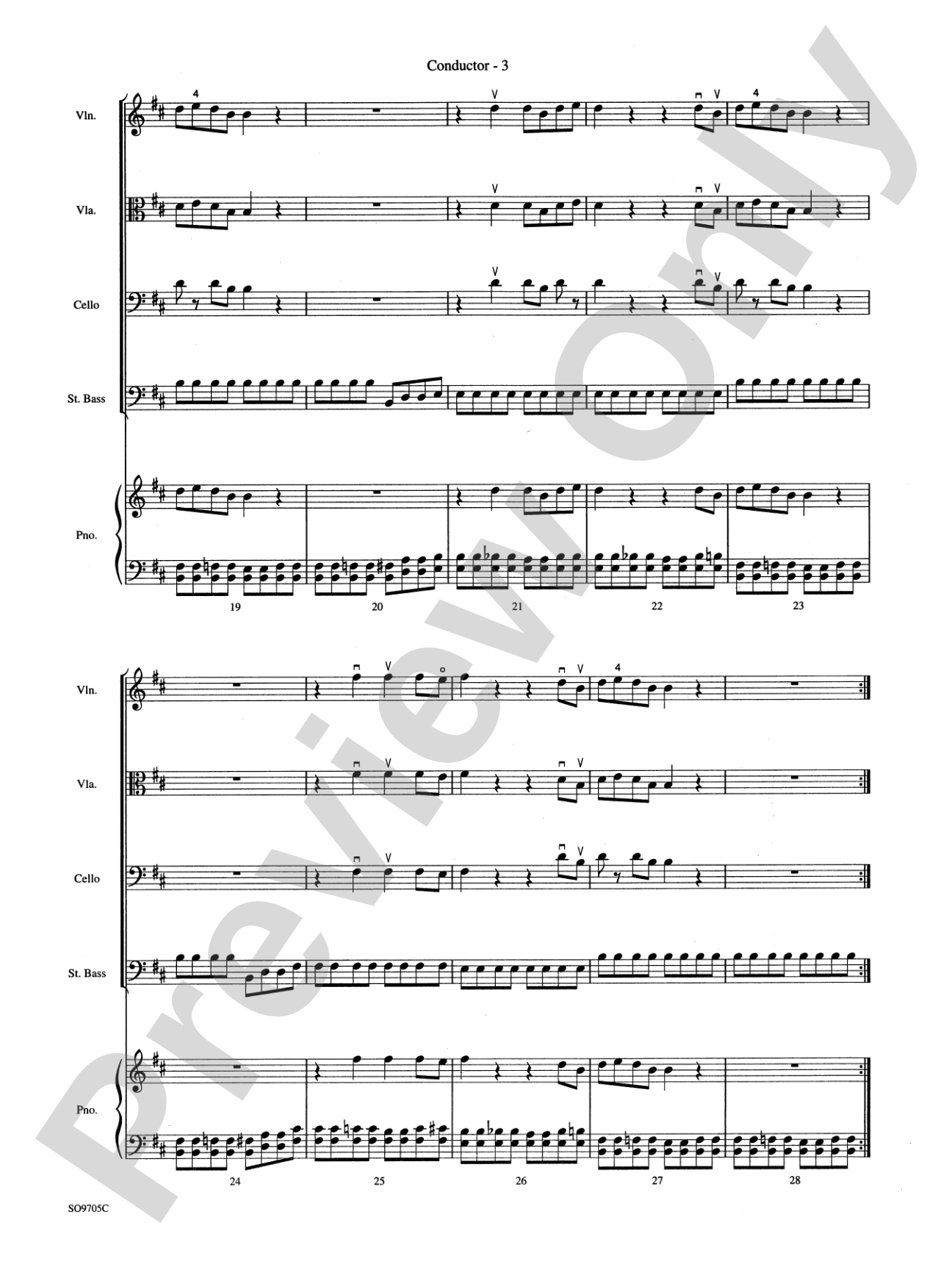
'Golly gee, Batman, we're back in fashion again.' So states the masked Robin as he enters the rumbling Batmobile. Let your imagination run wild and keep your audience fascinated as the adventure, excitement, and spirit of our dynamic duo is brought to everyone's attention. Now, even the least experienced ensemble can join this crusade for right and justice. (2:08)


Don't just read it, hear it, play along with it, and watch your students grow with it. In MakeMusic Cloud, Batman Theme: String Orchestra Conductor Score & Parts comes alive with professional accompaniment, adjustable tempo, and built-in practice tools that turn solo practice into real progress.
Open in the Player
Jump straight in and assign it today.
Start Your Free Trial
Open this title and explore the full library in minutes.
Sample Audio
No sample audio found.
Sample Video
No sample videos found.
Additional Details
Series:
Pop Beginning String Orchestra
Publisher:
Alfred Music
Page Count:
72
SKU:
00-PK-0002620
More about this title
About the Arranger: Bob Cerulli

Bob Cerulli combines deep orchestral experience with a gift for writing accessible arrangements. A Curtis Institute graduate who studied double bass with Roger Scott, he later earned degrees in music education from the University of the Arts and conducting from the College of New Jersey. His performing career included principal bass positions with the Greater Trenton Symphony, New Jersey Capital Philharmonic Orchestra, and Delaware Valley Philharmonic Orchestra, plus freelance work in Philadelphia and Atlantic City alongside Broadway artists and composers including Henry Mancini, Bill Conte, and Michel LeGrand.
Cerulli's compositions and arrangements reflect his 29 years teaching in public schools. The Philadelphia Orchestra performed his composition Celebration, and his Romance in D Major for cello and piano premiered with Philadelphia Orchestra Principal Cellist William Stokking. Today he serves as Senior Adjunct Professor at Rowan College at Burlington County, where he continues conducting orchestral performances and reading sessions at regional festivals.
Why we love this
Cerulli's arrangement captures the iconic swagger and propulsive energy of the Batman theme while keeping the technical demands genuinely manageable for Grade 1 ensembles. Rather than oversimplifying the melody, he gives every section meaningful material, making students feel like they're playing real orchestral music, not a skeletal reduction. This is exactly the kind of engaging pop repertoire that builds enthusiasm in young string players.
What to expect
Pure comic-book adventure. The arrangement crackles with the urgency of sirens and speeding vehicles, building dramatic tension with minimal notes. There's a playfulness in the orchestration that lets younger players feel the cinematic magic of the original theme without getting bogged down in complexity.
Who it's for
Beginning string orchestras (Grade 1) looking for repertoire that energizes audiences and students alike. This works especially well for programs aimed at younger players, community orchestras with mixed experience levels, or any director seeking to program recognizable, engaging music that doesn't require advanced technical facility.
How to get the most out of it
- Keep the pulse steady and slightly driven, especially in the rhythmic ostinatos that define the theme. Young orchestras often rush exciting material, so a conductor who locks the tempo creates the propulsive forward motion the piece demands.
- Balance the melody line across first violins and cellos with restraint from the lower voices. Grade 1 ensembles sometimes pile on too much sound in the accompaniment, which buries the iconic theme.
- Mark the dynamic shifts clearly in rehearsal. Even at this level, the contrast between the sneaky, quiet sections and the bold, dramatic moments makes the arrangement feel cinematic.
- Use the short duration (2:08) as an asset. This is a complete musical statement that works beautifully as a standalone concert opener or as a palette-cleanser between heavier works.
How to use it
Open a concert with this to grab immediate audience attention and set a light, entertaining tone. It pairs well with other accessible pop or film music at the beginning of a program, or use it as a confidence-builder early in the rehearsal season when your ensemble is still developing cohesion.
Skills your students will build
- Maintaining steady pulse in rhythmic, repetitive figures
- Balancing melody and accompaniment parts within a large ensemble texture
- Responding to clear dynamic contrasts and conductor gestures
- Playing with stylistic awareness (comic, dramatic, energetic rather than traditionally classical)