


Bass Harmonics: New Concepts and Techniques
By Dean Peer
Item: 00-PB-0002249
$22.99
Pickup currently not available
Related Items
Bass Harmonics: New Concepts and Techniques: Bass Guitar Book & Online Audio |
$22.99
|
View |
Description
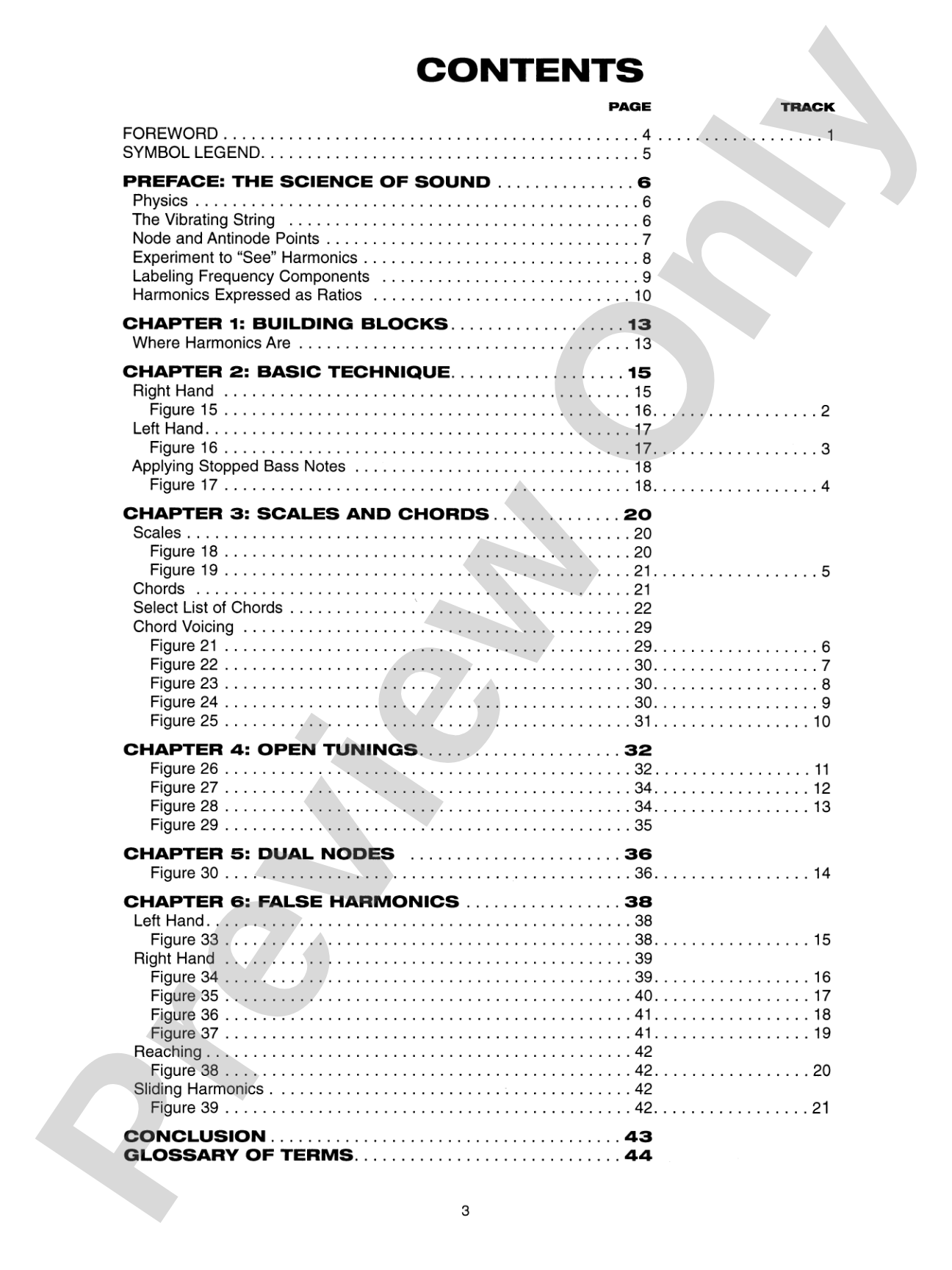
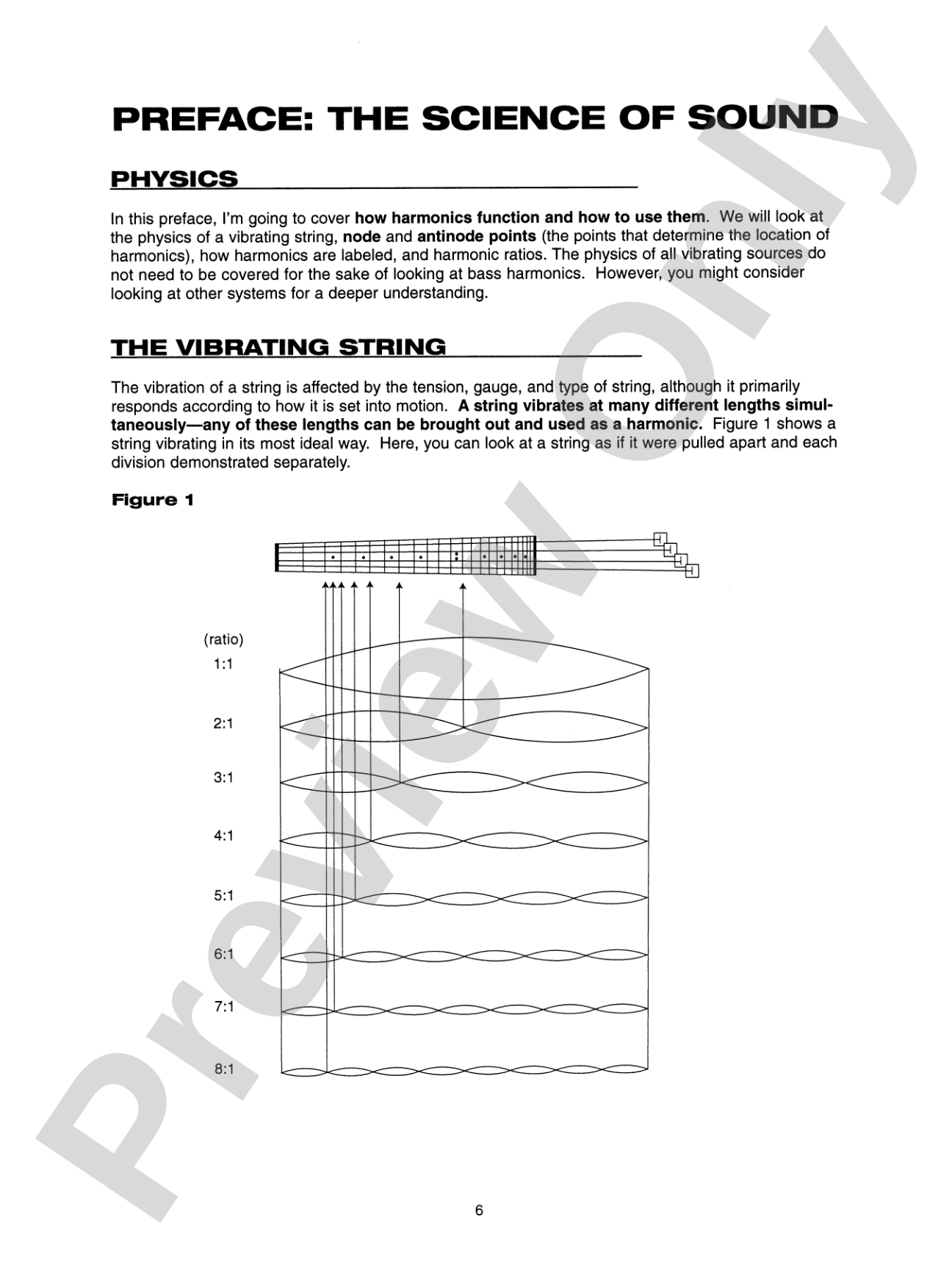
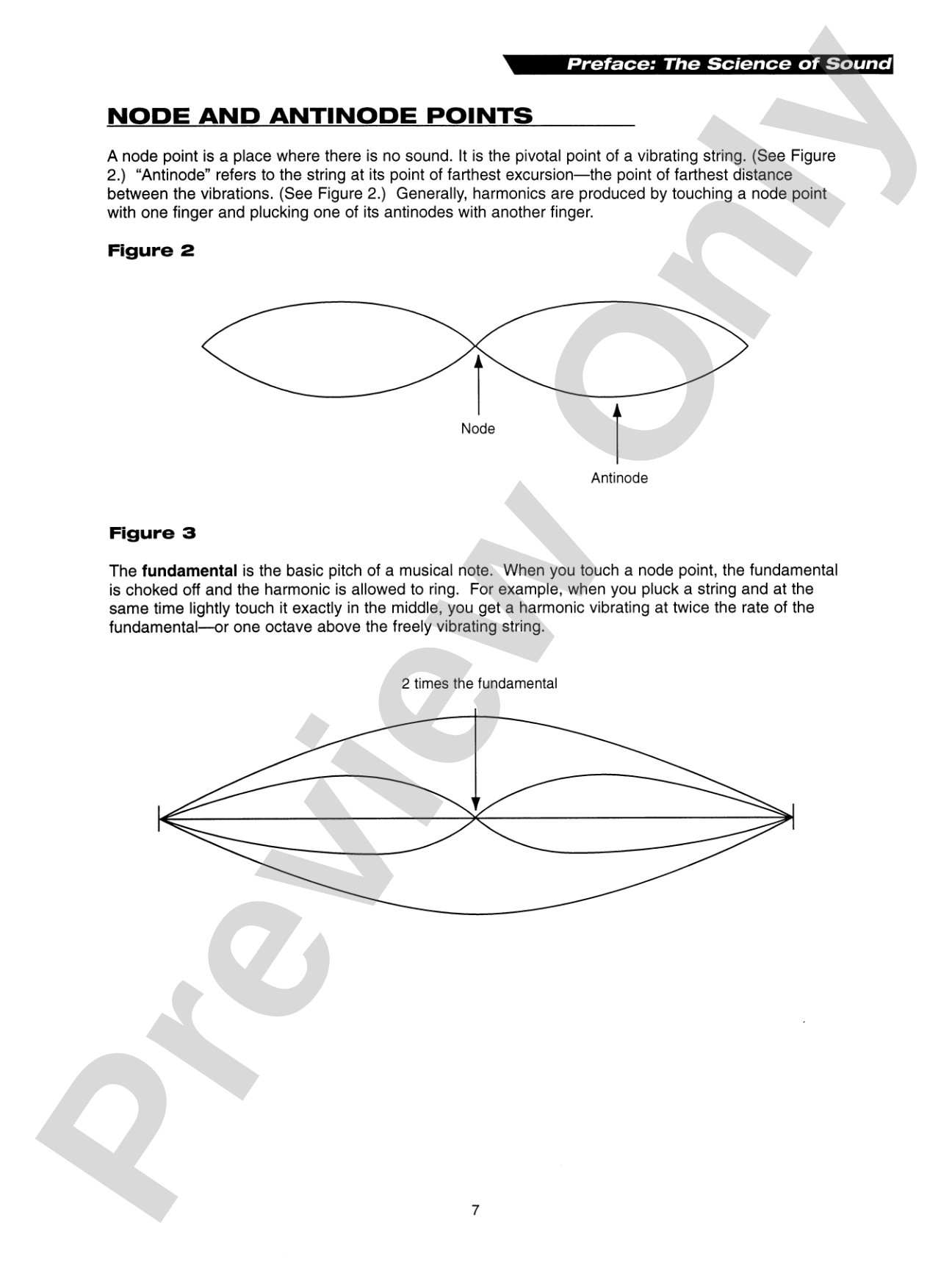
Bass harmonics expert Dean Peer reveals his revolutionary techniques for expanding the range of the bass guitar using harmonics. He begins with basic techniques and then shows how to create fabulous linear lines and chord voicings using his remarkable techniques for "false" and "dual node" harmonics.


Bass Harmonics: New Concepts and Techniques isn't in MakeMusic Cloud just yet...but it could be. Let us know you'd like to see it, and you'll help shape what comes next. In the meantime, start a free trial and dive into thousands of interactive titles your students can play along with today.
Request This Title
Tell us you want it.
Start Your Free Trial
Explore everything that's ready to play right now.
Sample Audio
1
Basic Technique
--:--
2
False Harmonics Example
--:--
Basic Technique
0:00
0:00
Sample Video
No sample videos found.
Additional Details
Publisher:
Alfred Music
Page Count:
48
SKU:
00-PB-0002249
More about this title
About the Composer: Dean Peer
Dean Peer has become a recognized authority on harmonic techniques for bass guitar, moving beyond the standard natural and pinched harmonic approaches to develop methods that fundamentally expand what the instrument can do sonically. His work in false and dual node harmonics represents serious pedagogical innovation, filling a gap in bass technique literature where most resources stop at fundamental harmonic production.
Why we love this
This book treats harmonics not as special effects but as a legitimate melodic and harmonic tool, which opens entirely new possibilities for bass lines in contemporary ensembles. Peer's systematic progression from foundational technique through advanced chord voicing gives students the conceptual scaffolding to apply these tools confidently, rather than treating them as party tricks.
What to expect
Mastering these techniques opens the bass to a crystalline, ethereal register that contrasts strikingly with traditional low end. The work feels meditative and precise in execution, demanding focus and patience, but the payoff is access to a completely different tonal palette that transforms how you voice lines and chords.
Who it's for
This is for intermediate to advanced bass players who have solid technique and want to expand their harmonic vocabulary beyond natural and pinched harmonics. It appeals to musicians working in fusion, contemporary classical, and progressive rock contexts where extended techniques carry real musical weight.
How to get the most out of it
- Start with natural harmonics on open strings before moving to fretted positions; the tactile feedback and consistent pitch will build your confidence with node location.
- Record yourself playing the exercises at slow tempos and listen for tone clarity. Harmonics demand precision in hand positioning, and audio feedback often reveals inconsistencies your ears might miss in real time.
- Practice the dual node exercises in isolation before integrating them into linear passages. The independence required between your fretting and picking hands needs dedicated focus.
- Apply each new technique to actual bass lines from your repertoire once you've internalized the basic motion. Transfer to musical context accelerates retention.
How to use it
Feature this as a master class or workshop component in a jazz or contemporary music ensemble program. Advanced bass students working through this material can bring fresh harmonic ideas to small group arrangements and chamber settings where texture and color matter as much as rhythm section function.
Skills your students will build
- Identifying and locating harmonic nodes at various positions on the fingerboard
- Producing consistent, articulate false harmonics with precise hand positioning
- Creating melodic lines using dual node harmonics across multiple strings
- Voicing chords through harmonic techniques beyond standard triad shapes
- Integrating extended harmonic techniques into musical contexts and improvisation