

Basix®: Keyboard Classics: Beethoven: 9 Well-Known Pieces for Piano by One of the World's Greatest Composers: Piano
9 Well-Known Pieces for Piano by One of the World's Greatest Composers
By Ludwig van Beethoven
Item: 00-PB-0002132
$10.99
Pickup currently not available
Related Items
Basix®: Keyboard Classics: Beethoven: Keyboard/Piano Book & Online Audio |
$10.99
|
View |
Description
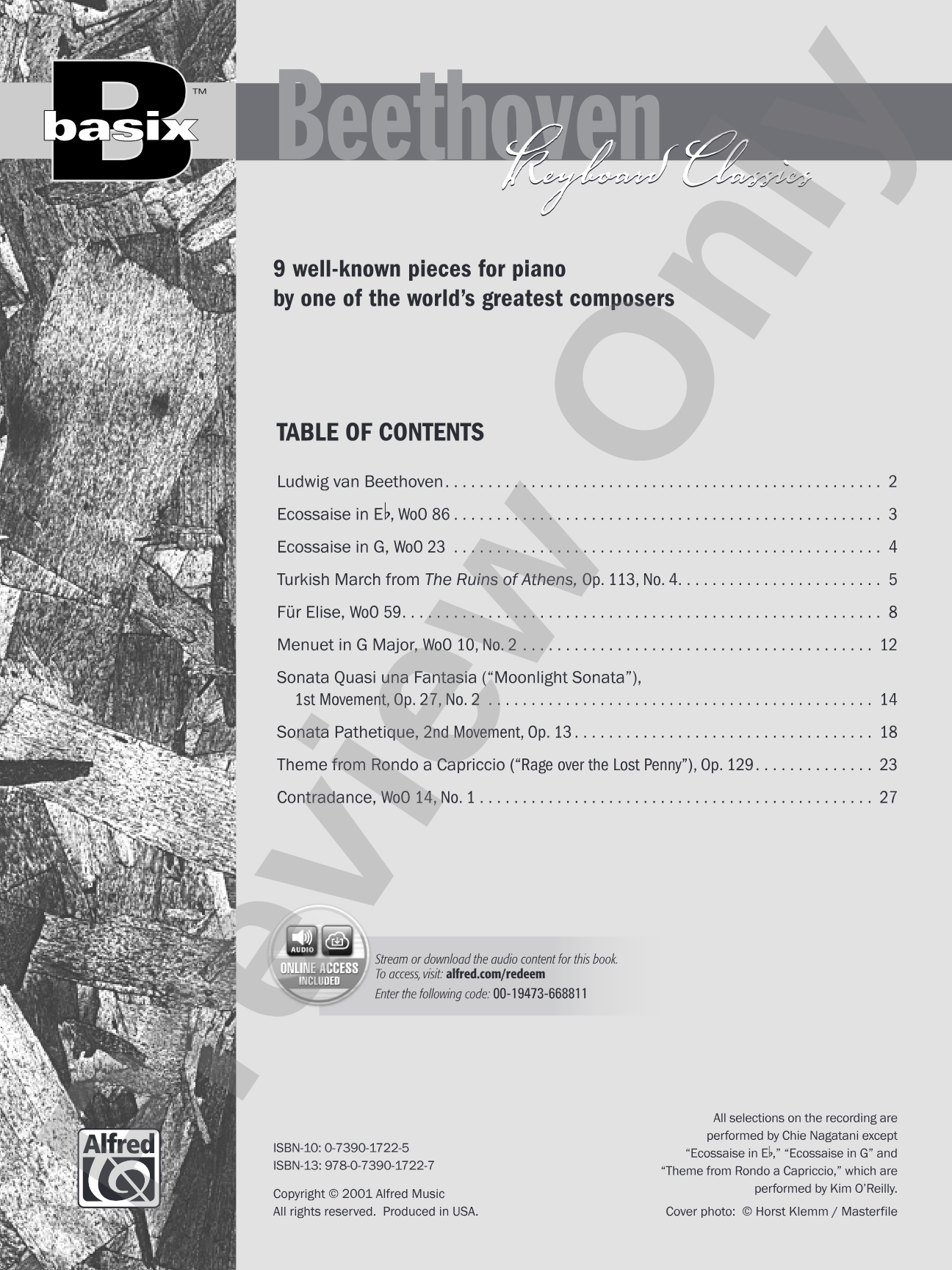
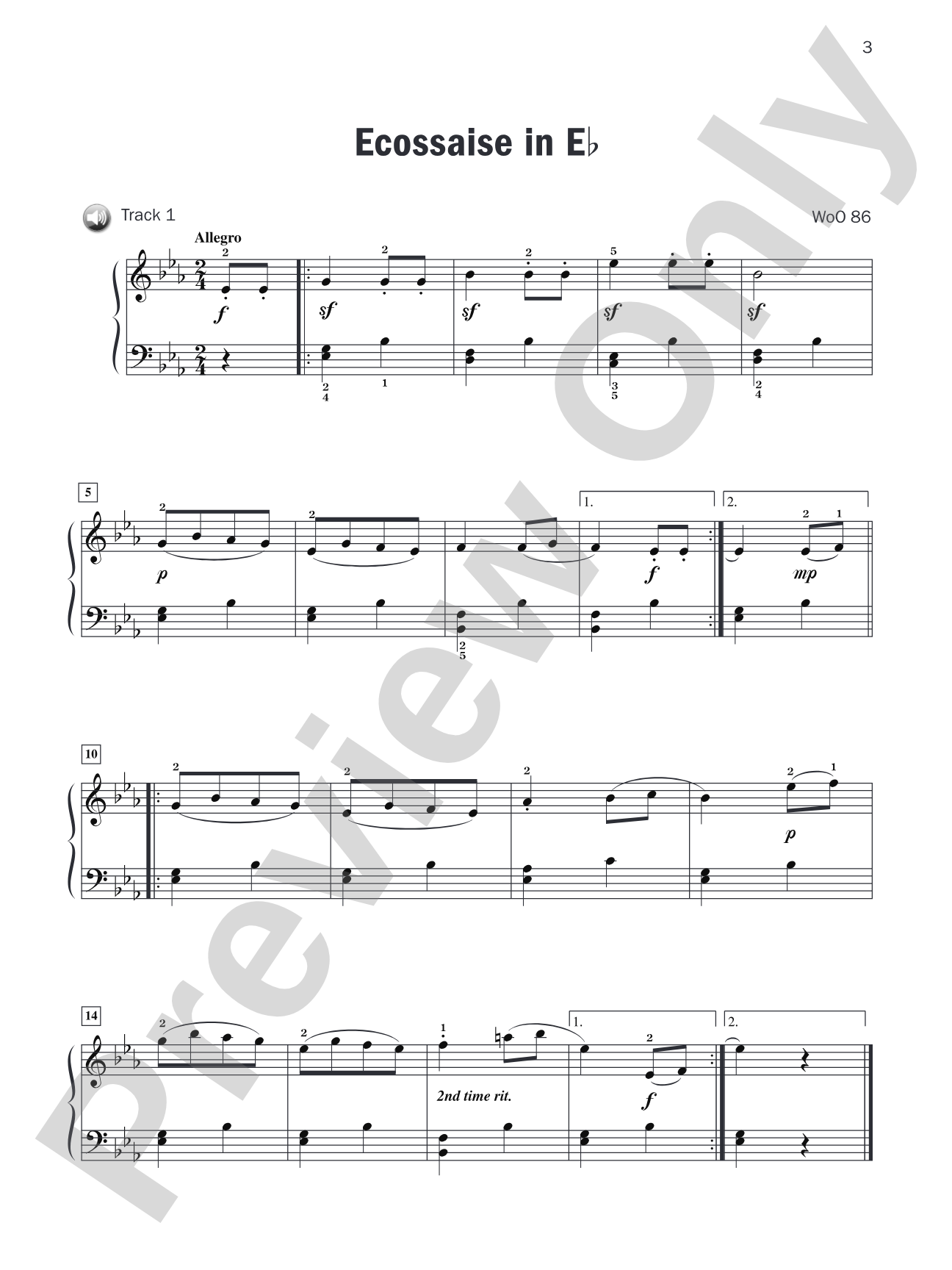
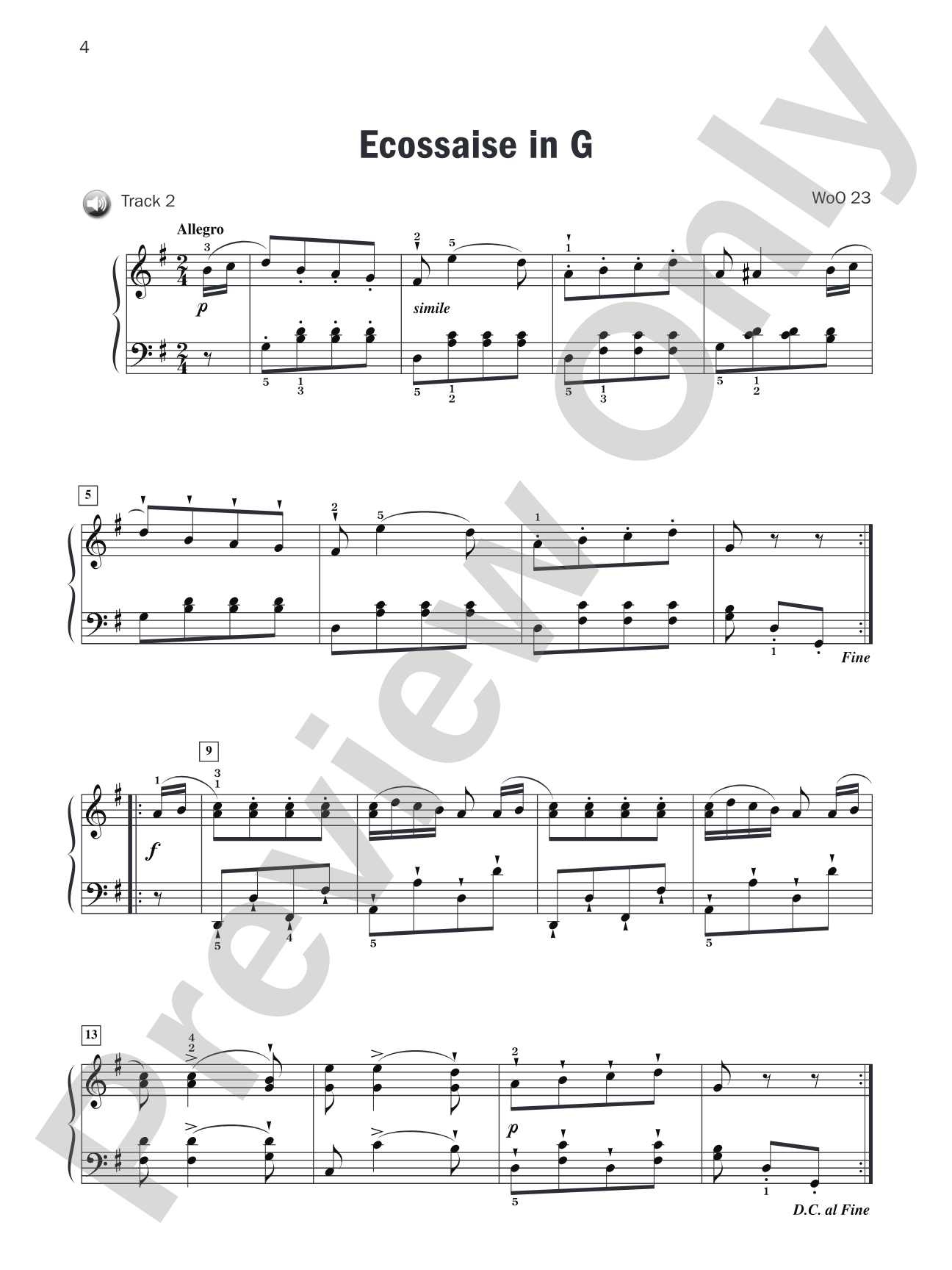
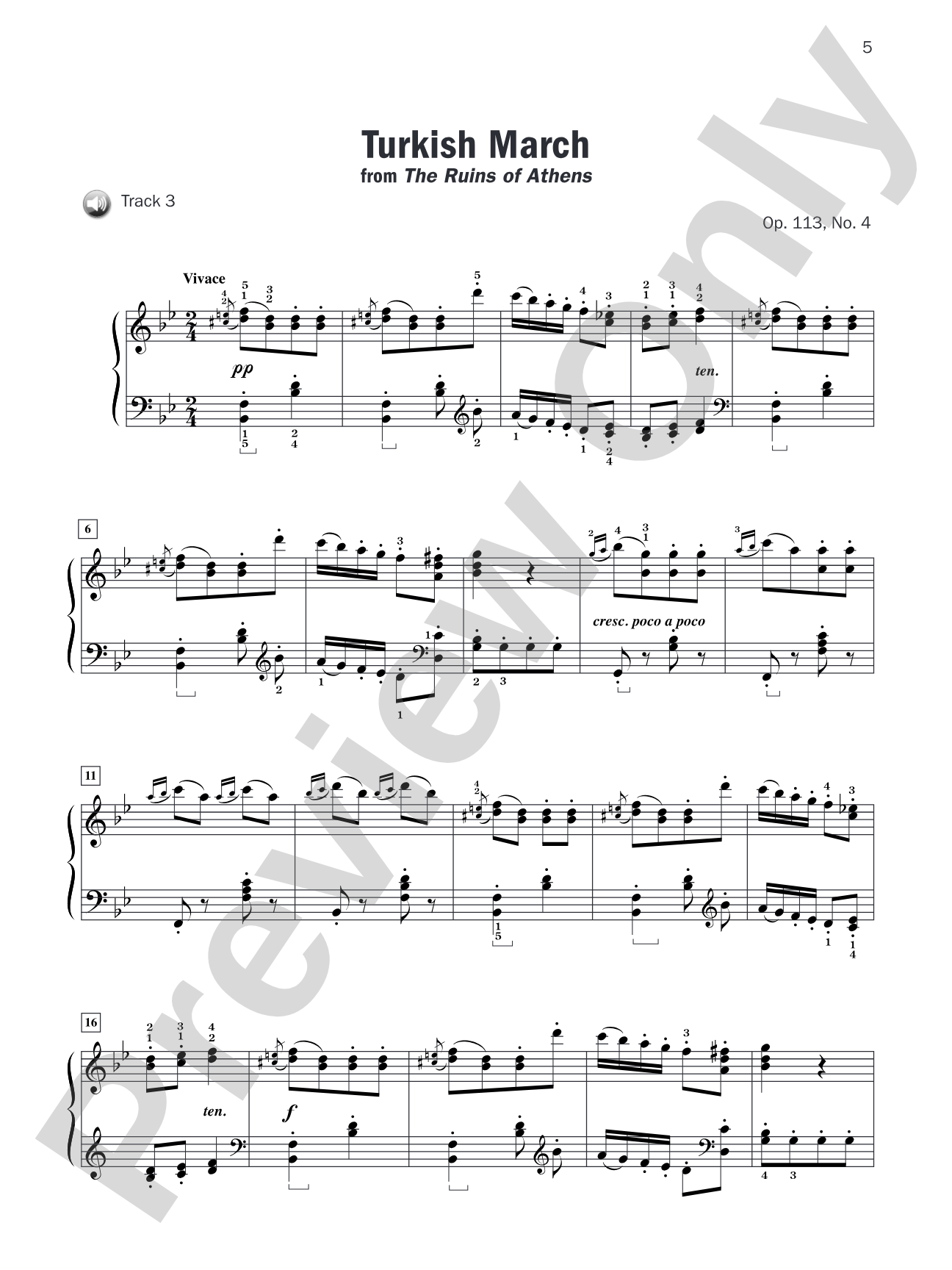
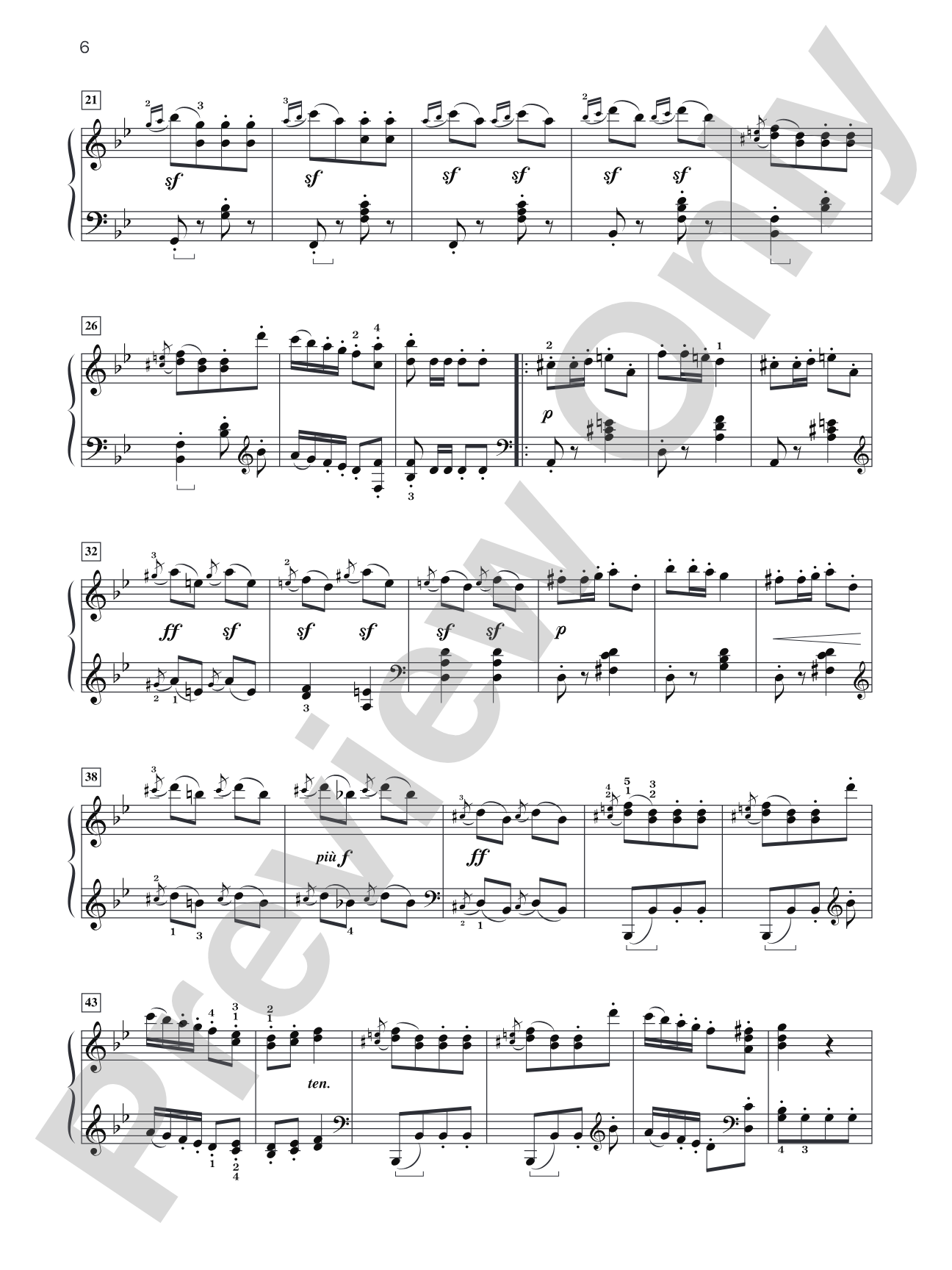
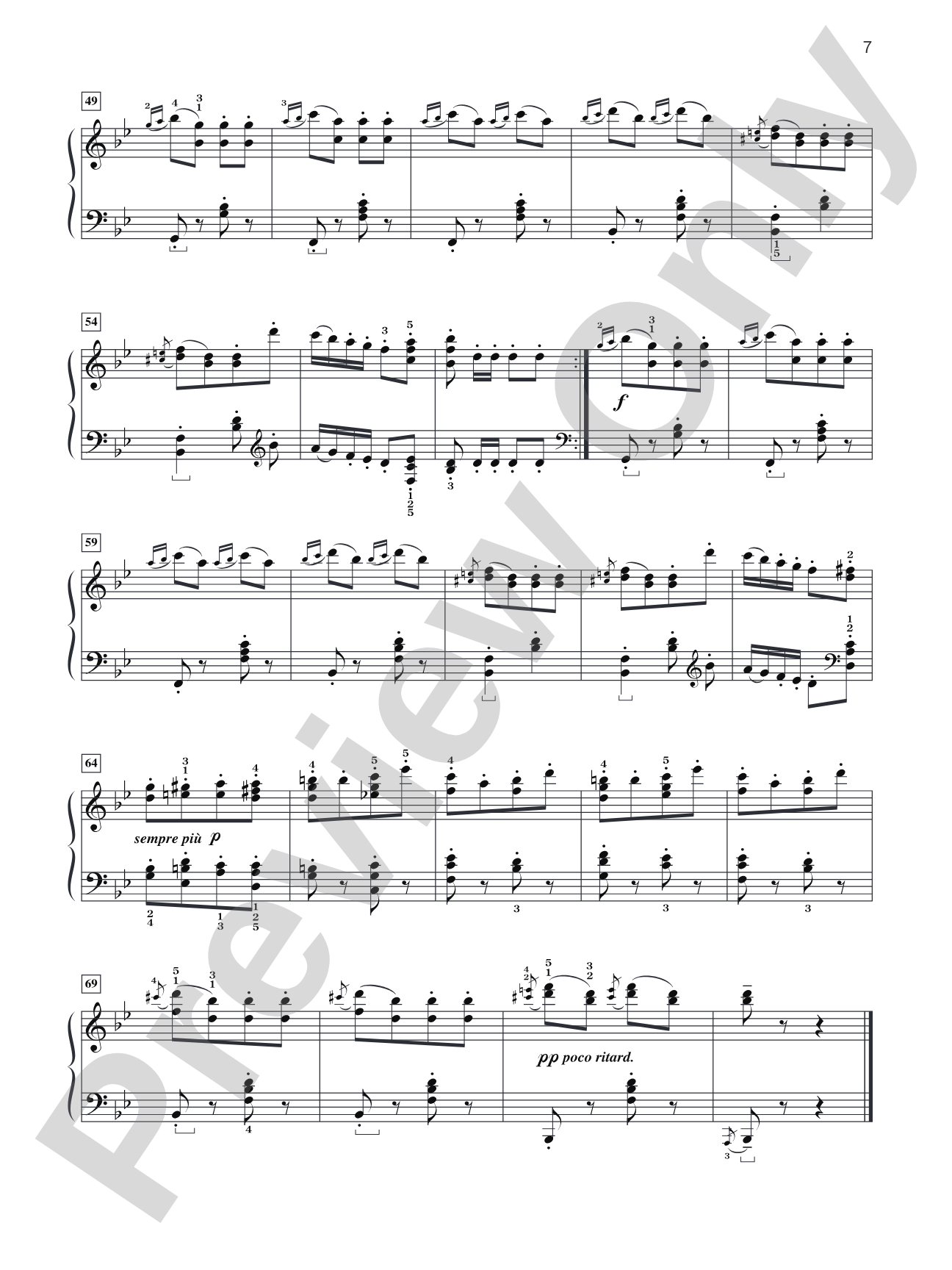
This wonderful collection includes 9 well-known pieces for piano by Ludwig van Beethoven. Interesting biographical information on Beethoven's eventful life is included. Music includes "Fur Elise," "Moonlight Sonata" first movement, Sonata Pathetique second movement, the Turkish March from Ruins of Athens, two Ecossaise and much more. Beautiful performances of every piece are included on the recording.


Basix®: Keyboard Classics: Beethoven: 9 Well-Known Pieces for Piano by One of the World's Greatest Composers: Piano isn't in MakeMusic Cloud just yet...but it could be. Let us know you'd like to see it, and you'll help shape what comes next. In the meantime, start a free trial and dive into thousands of interactive titles your students can play along with today.
Request This Title
Tell us you want it.
Start Your Free Trial
Explore everything that's ready to play right now.
Sample Audio
1
Rondo a Capriccio
--:--
2
Turkish March
--:--
Rondo a Capriccio
0:00
0:00
Sample Video
No sample videos found.
Additional Details
Series:
Basix® Series
Publisher:
Alfred Music
Page Count:
32
SKU:
00-PB-0002132
More about this title
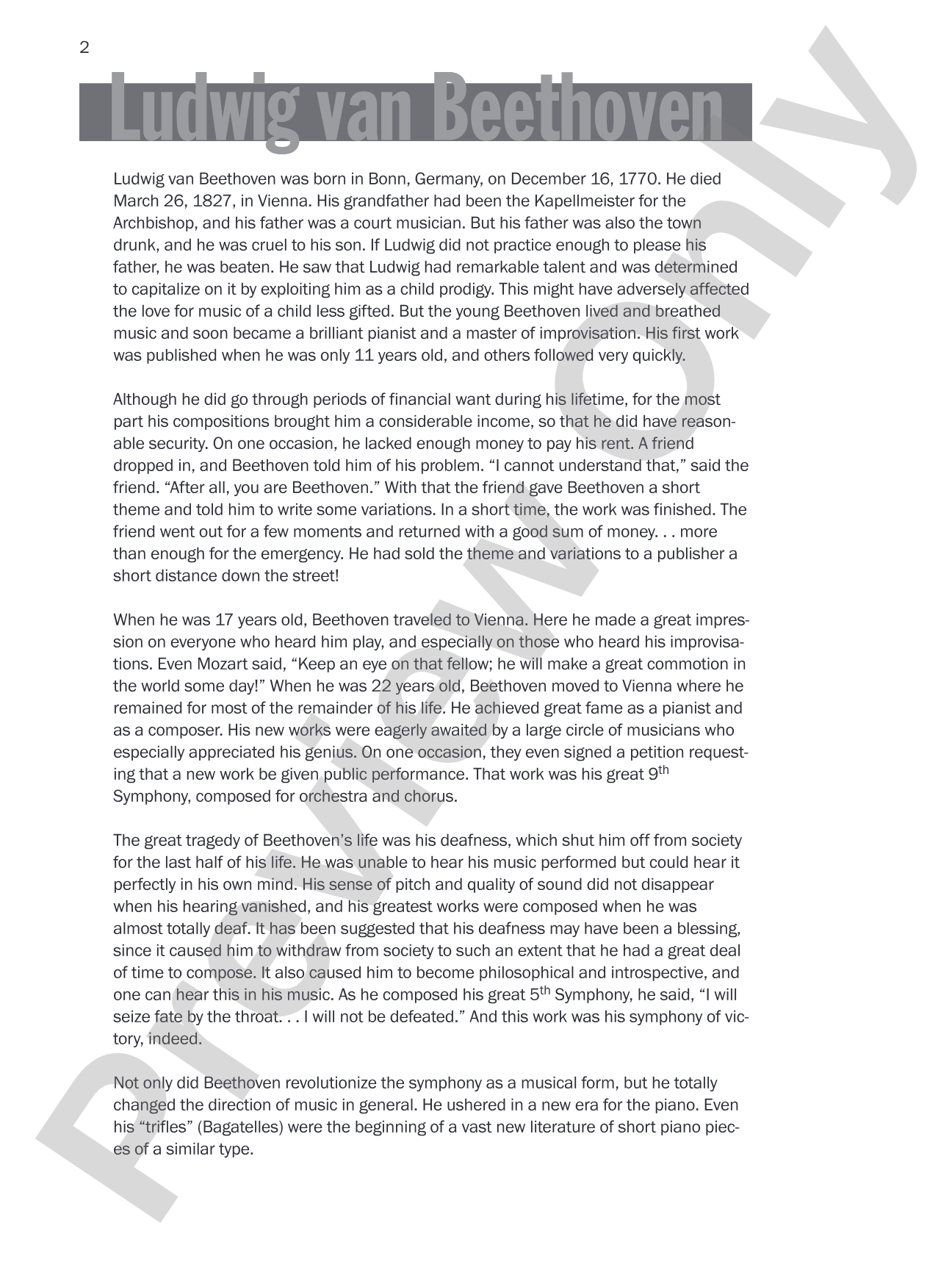
About the Composer: Ludwig van Beethoven
Ludwig van Beethoven (1770-1827) stands at the intersection of Classical and Romantic music, a composer who expanded the possibilities of nearly every genre he touched. Born in Bonn and later based in Vienna, he developed a reputation for bold harmonic innovation and emotional depth that influenced generations of composers. His journey from prodigy to master was marked by personal struggle, most notably his advancing deafness, which paradoxically coincided with the creation of his most visionary works.
Beethoven's impact on music education remains profound because his compositions demand both technical facility and interpretive maturity from performers. Teachers value his work for its clear architectural logic, emotional authenticity, and the bridge it provides between the strict forms of the Classical period and the expressive possibilities of the Romantic era. His pieces appear in curricula worldwide because they teach students how to find meaning within structure.
Why we love this
This collection captures Beethoven's range in a single accessible volume, giving students genuine encounters with iconic works rather than simplified substitutes. The inclusion of "Fur Elise" and the "Moonlight Sonata" recognizes that these perennials command student interest for good reason; pairing them with the spirited Turkish March and Ecossaises shows the full scope of his keyboard writing beyond the romantic caricature most people know.
What to expect
These pieces span from intimate and introspective to bright and almost playful, with Beethoven's structural clarity always present beneath the surface emotion. Whether you are navigating the famous melancholic opening of "Fur Elise" or the propulsive energy of the Turkish March, there is a sense of purposefulness; Beethoven never wastes a gesture.
Who it's for
Intermediate to advancing pianists who have moved beyond method books and want to engage with substantial repertoire. This collection works for self-directed learners, students preparing for competitions or recitals, and any performer ready to tackle the emotional and technical demands of genuine Beethoven.
How to get the most out of it
- Approach the "Moonlight Sonata" opening as atmospheric foundation rather than showcase for speed; Beethoven's sparse texture leaves nowhere to hide rhythmic or tonal carelessness
- Shape the Pathetique slow movement with the long line in mind, resisting the temptation to linger on every poignant harmony at the expense of forward momentum
- The Turkish March benefits from clear articulation and rhythmic precision; let the quasi-military character drive the execution without sacrificing lyrical passages
- Use the recorded performances as a reference for tempo and character, but avoid mirroring every interpretive choice; find your own entry point to these familiar works
How to use it
Slot individual pieces into recital programs to represent the Classical-to-Romantic transition; the variety within the collection means you can program a single Beethoven work without feeling like you are neglecting other periods. The biographical information included supports a thematic concert exploring Beethoven's life and compositional evolution, and the accessible recording provides students with reliable performance models as they develop their own interpretations.
Skills your students will build
- Voicing and hand independence in complex textures ("Fur Elise" hand-crossing patterns)
- Sustaining long melodic lines over broken accompaniment figures (Pathetique slow movement)
- Rhythmic clarity and clarity in alla turca and character dance forms (Turkish March, Ecossaises)
- Pedal control and color awareness in sustained, harmonically rich passages ("Moonlight Sonata")
- Musical architecture and form recognition across minuet, sonata, and rondo structures