
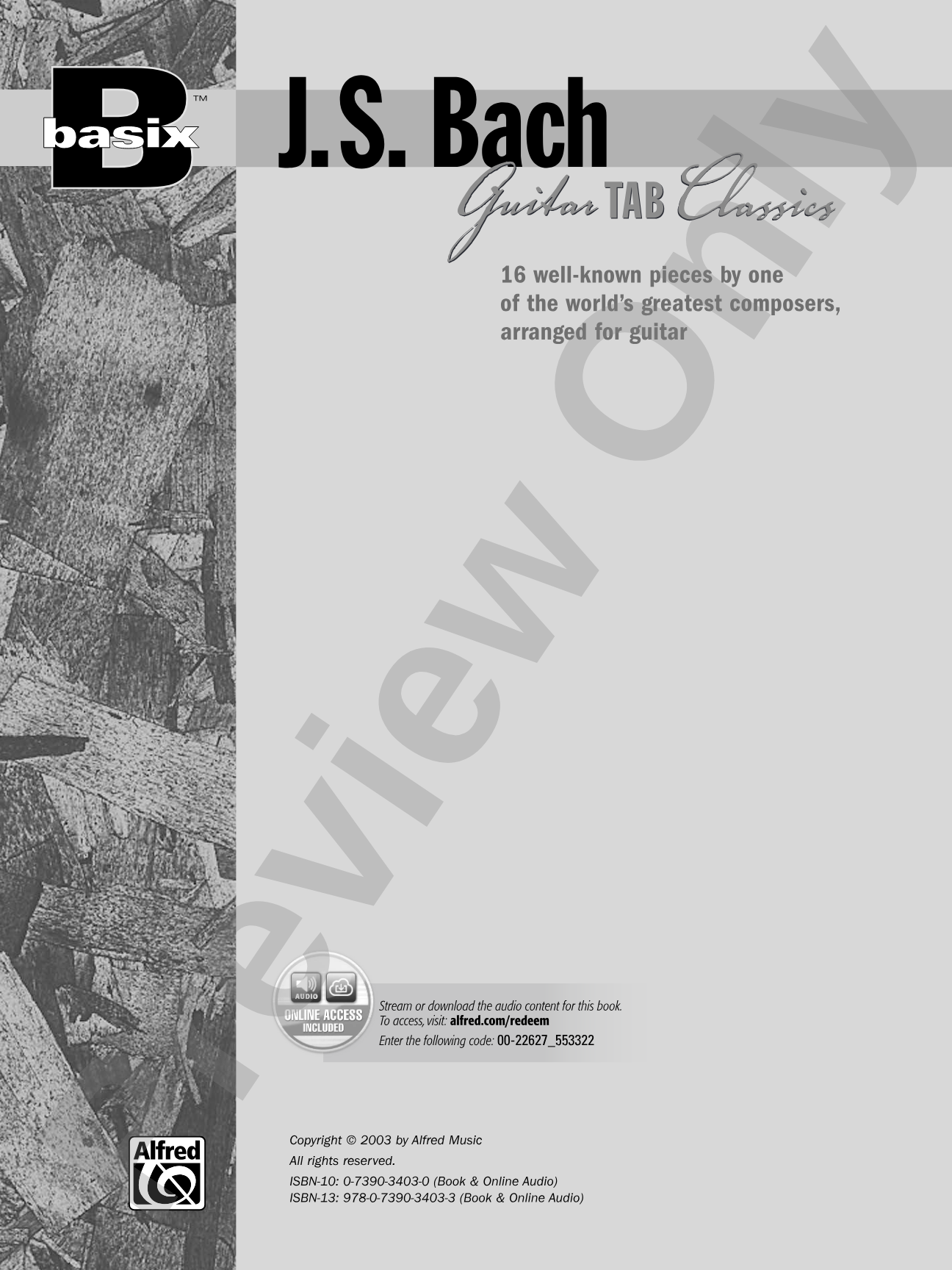

Basix® Guitar TAB Classics: J. S. Bach: Easy Guitar
Music by Johann Sebastian Bach
Item: 00-PB-0002152
$10.99
Pickup currently not available
Related Items
Basix® Guitar TAB Classics: J. S. Bach: Guitar Book & Online Audio |
$10.99
|
View |
Description
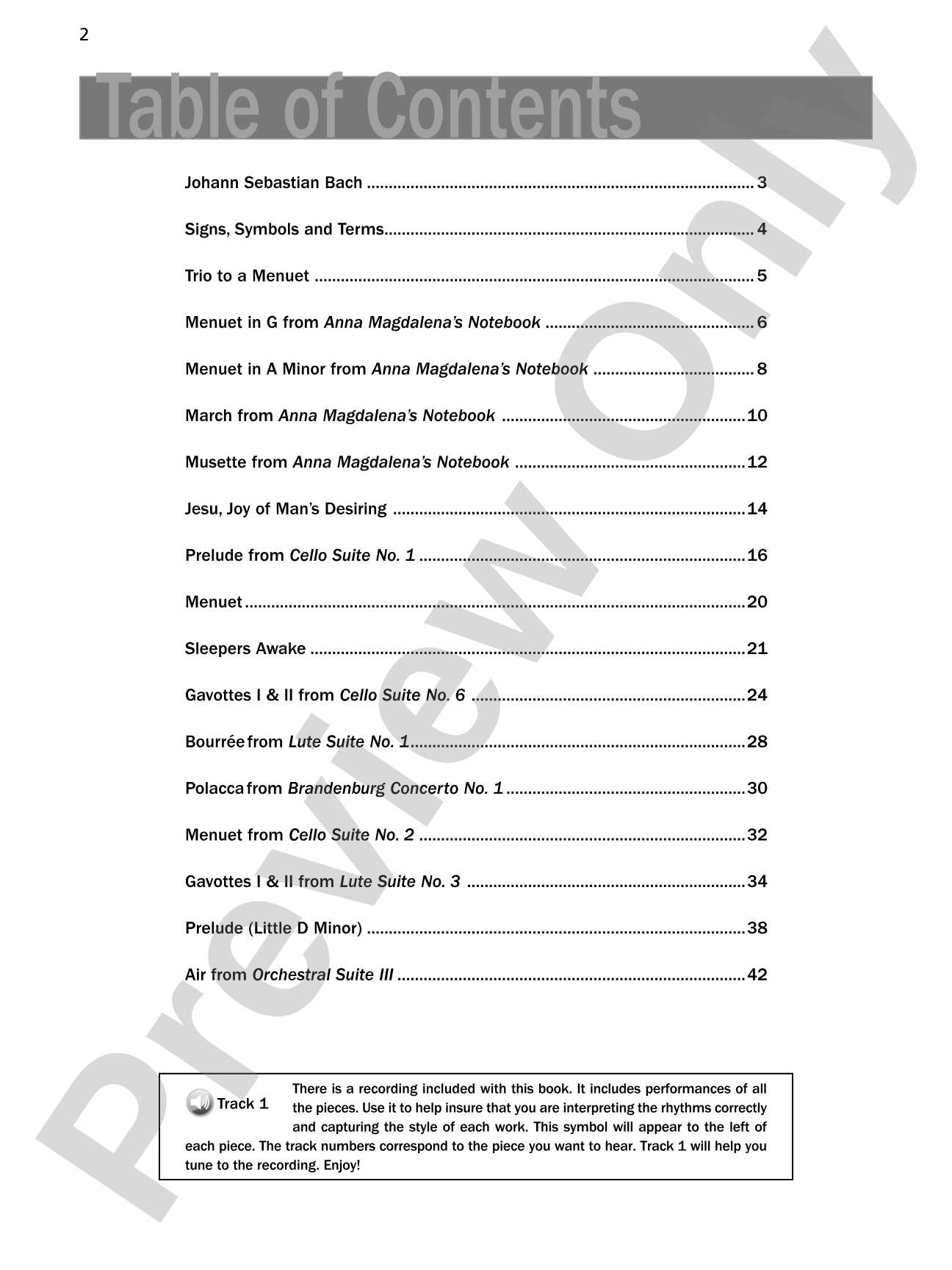
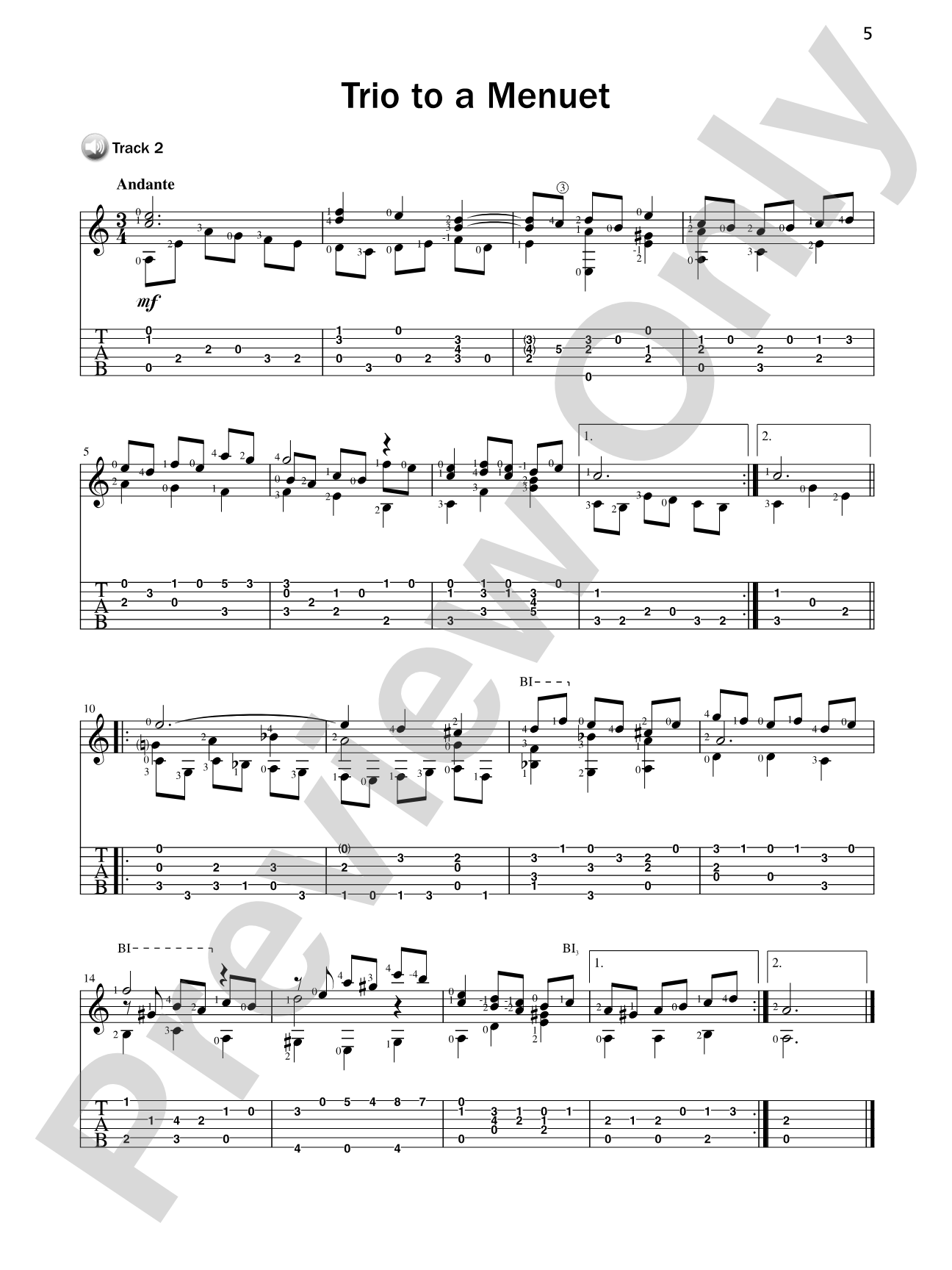
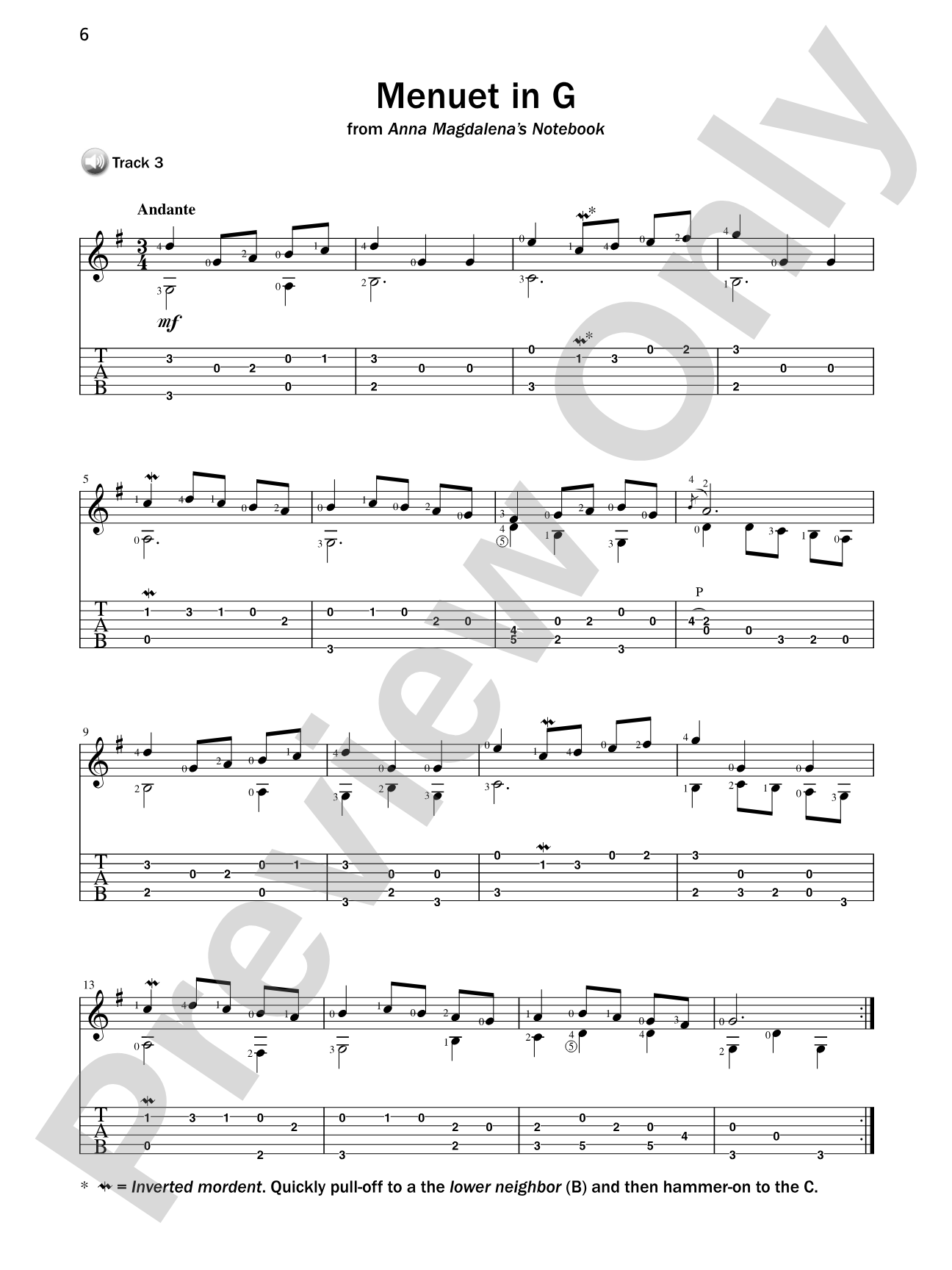
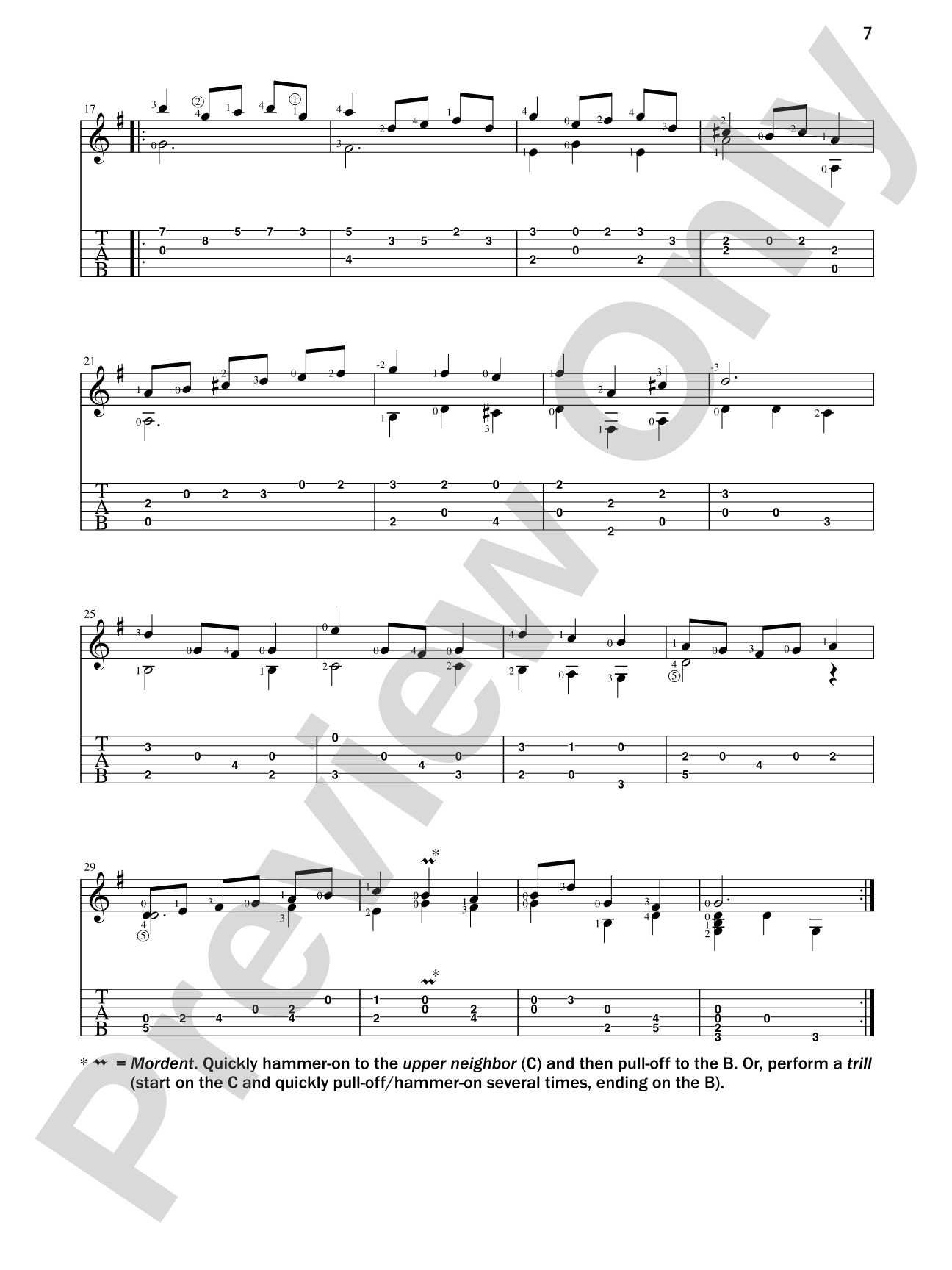
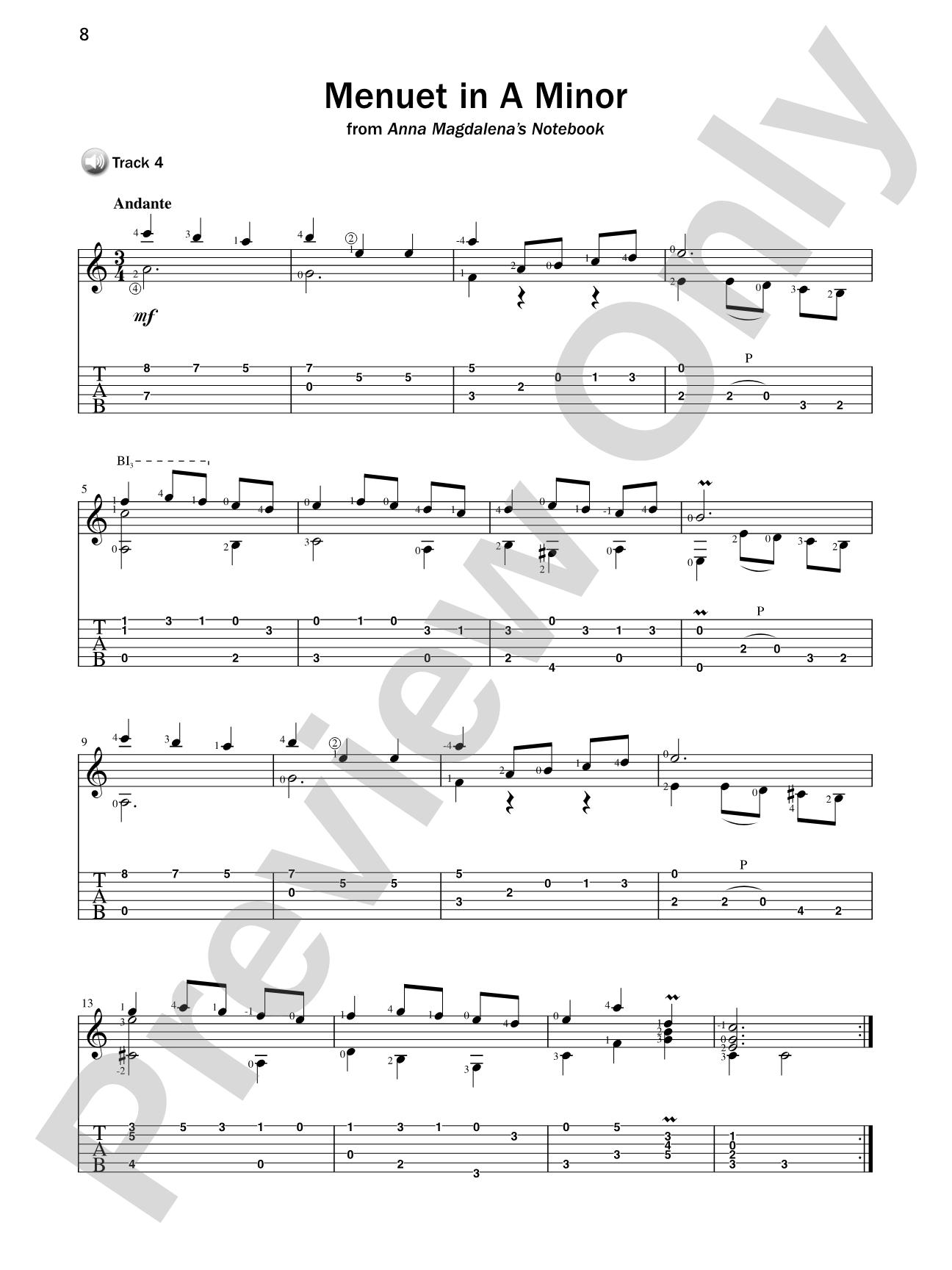
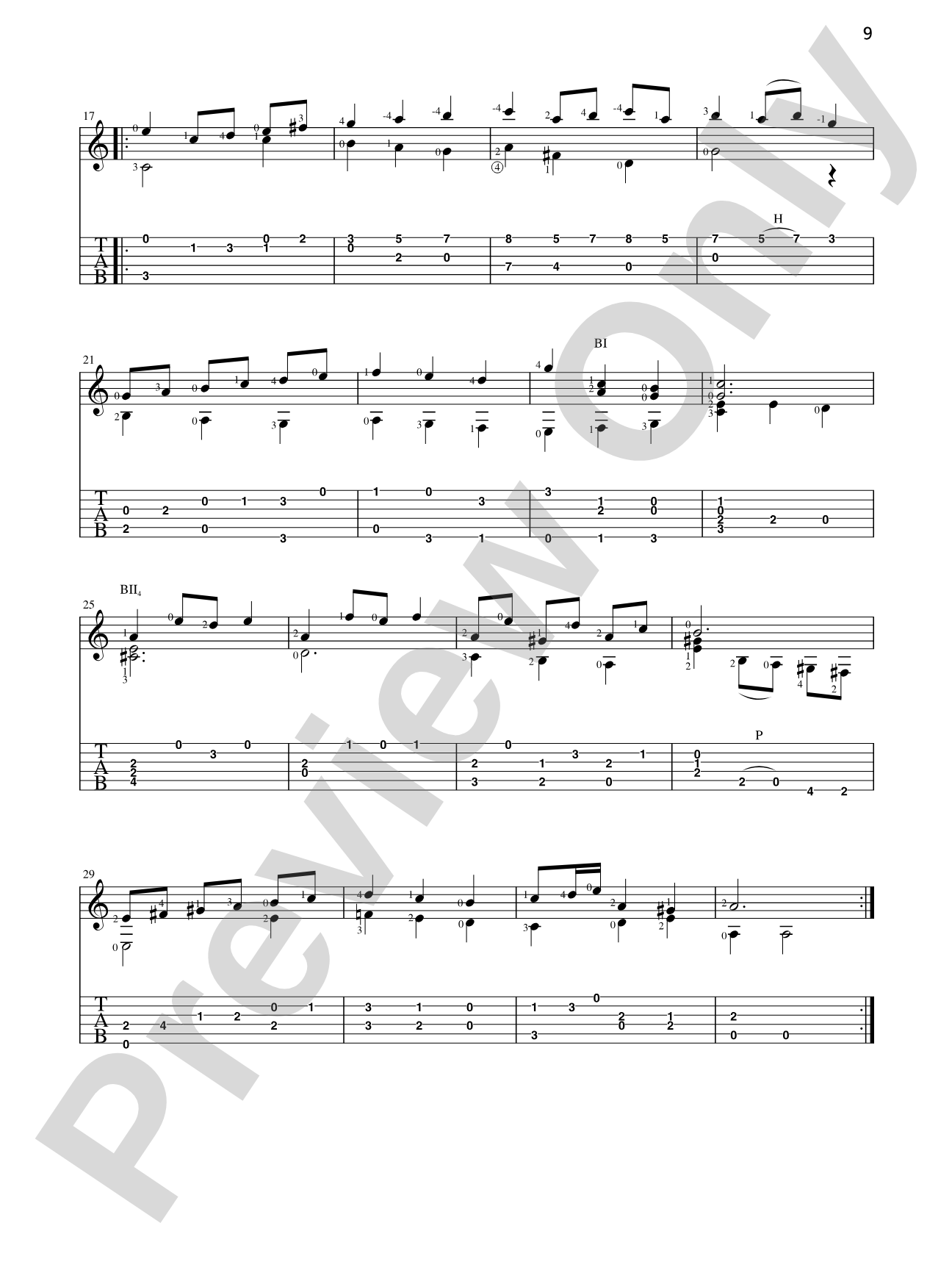
16 well-known pieces by one of the world's greatest composers arranged for guitar in standard music notation and TAB. The accompanying recording offers outstanding performances of each piece.


Discover MakeMusic Cloud: thousands of interactive titles your students can play along with today.
Sample Audio
1
Menuet
--:--
2
Minuet in A Minor
--:--
Menuet
0:00
0:00
Sample Video
No sample videos found.
Additional Details
Series:
Basix® Series
Publisher:
Alfred Music
Page Count:
44
SKU:
00-PB-0002152
More about this title
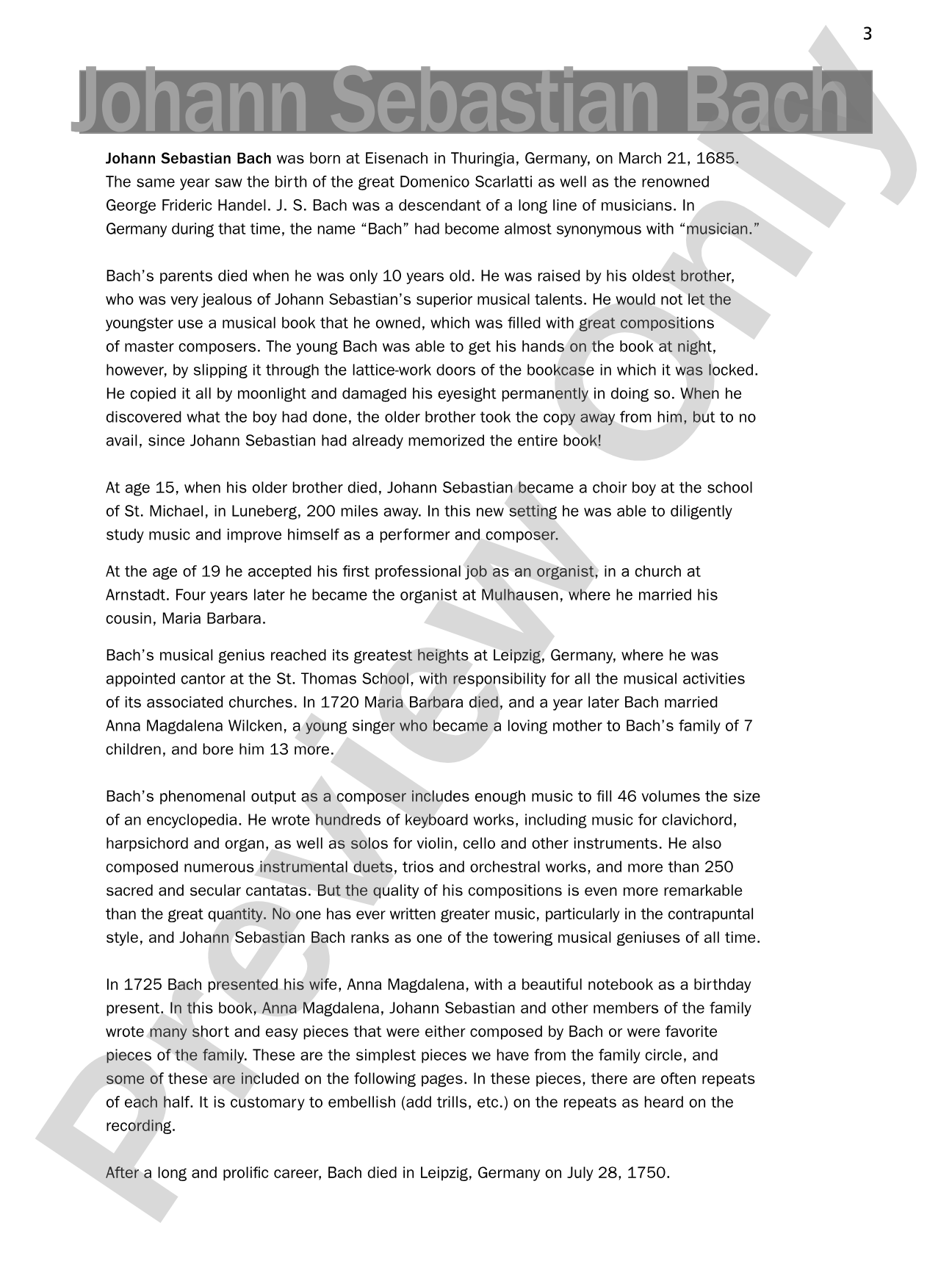
About the Composer: Johann Sebastian Bach
Johann Sebastian Bach (1685-1750) stands as perhaps the most architecturally brilliant composer in Western music history. His mastery of counterpoint, fugue, and harmonic voice-leading set the foundation for everything that came after, and his output across every major Baroque genre—from cantatas and passions to keyboard works and chamber music—demonstrates unmatched technical sophistication paired with profound musical depth.
For guitarists and guitar teachers, Bach's music presents a special gift: his compositional logic translates beautifully to the fretboard when arranged thoughtfully. These pieces, originally conceived for lute, harpsichord, and other instruments, reveal the same clear voice independence and melodic integrity that made Bach the master he was, now accessible to students still building their technique.
Why we love this
This collection captures Bach's essential works without the intimidation factor of the originals. Each of the 16 pieces is genuinely worth learning for its musical architecture, yet the guitar voicings keep them within reach of intermediate players. Pair a few of these with your students' Baroque repertoire, and you instantly deepen their understanding of voice leading and harmonic function through hands-on playing.
What to expect
Working through these pieces feels like learning to think musically in a new language. Bach's architectural clarity shines through even in simplified voicings; you sense the geometry of each phrase, the inevitability of each harmonic turn. There's satisfaction in discovering how much can be expressed with nothing but clean voice writing and logical harmonic progression.
Who it's for
Intermediate guitarists ready to move beyond folk and pop arrangements into genuine classical repertoire. Teachers looking for authentic Bach material that doesn't require a leap to concert-level difficulty. Students preparing for recitals who want substantial pieces with real compositional weight behind them.
How to get the most out of it
- Pay attention to the voice leading across strings. Bach's lines want to sing independently, so resist the temptation to blur one voice into another with legato or sustain.
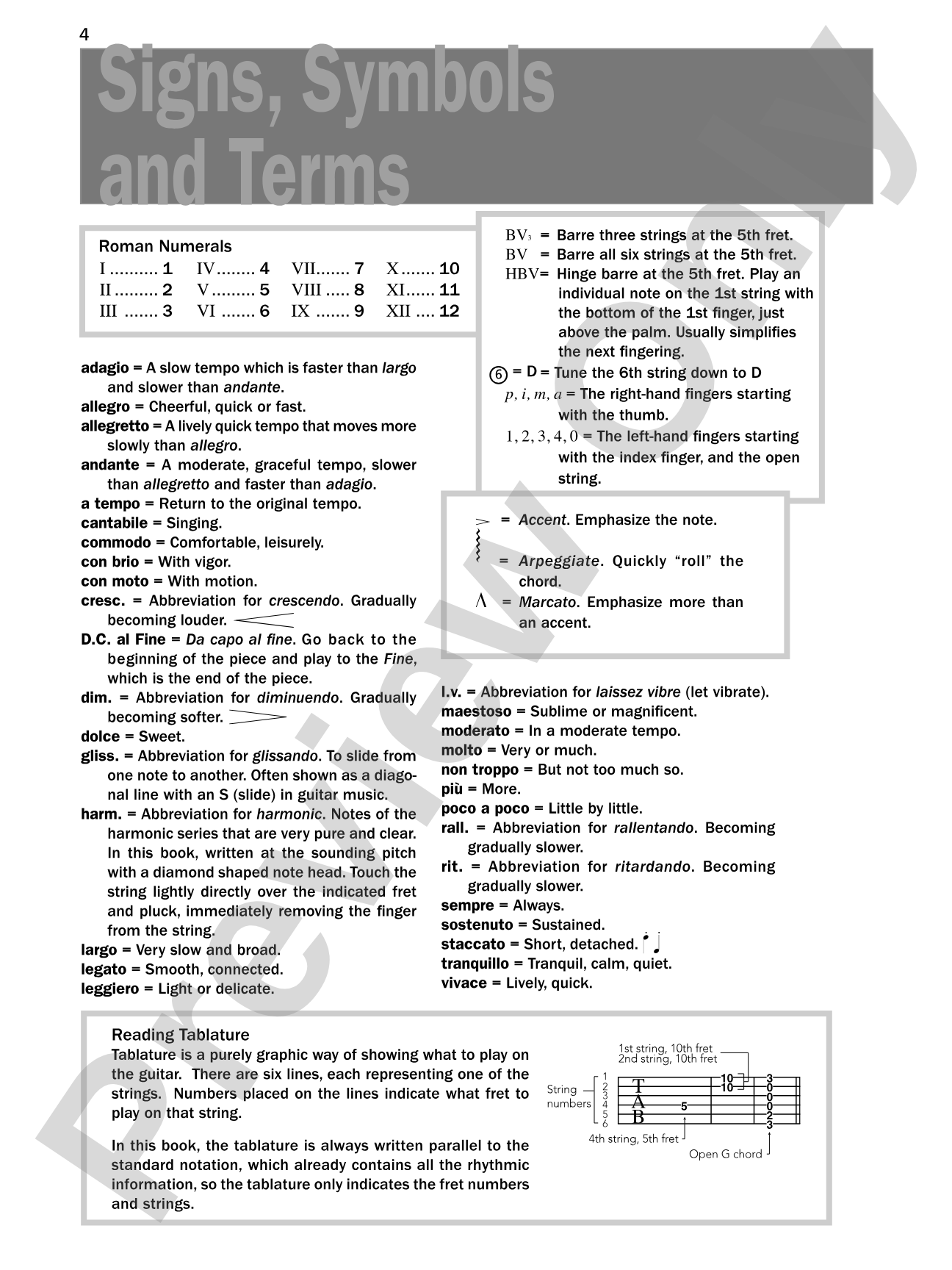
- Use the recording as a rhythmic anchor, but study the notation thoroughly first. These pieces were written without meters as we know them, and the TAB arrangement may interpret phrasing differently than you'd expect.
- Approach repeated notes as opportunities for voice clarity rather than obstacles. Where Bach wrote the same pitch in different voices or registers, let the fingering choices expose the voice separation.
- Shape the phrases by allowing natural decay on held notes rather than artificially sustaining them. This honors both the guitar's tonal character and Bach's compositional intent.
How to use it
Open a classical recital or guitar ensemble concert with one of the shorter pieces to establish sophistication and set audience expectations. Weave individual pieces throughout a curriculum unit on Baroque form and harmony, having students analyze the notation while they learn the performance. A collection this size works especially well as summer repertoire to maintain and deepen technique during breaks from ensemble commitments.
Skills your students will build
- Reading baroque voice leading on guitar
- Voicing independence and clarity across multiple strings
- Harmonic analysis of functional chord progressions
- Interpreting compound melody on a single melodic line
- Baroque phrasing and articulation on guitar
- Translating keyboard/lute voice-writing into fretboard technique