

Basix® Guitar TAB Classics: Beethoven: Solo Guitar
Music by Ludwig van Beethoven
Item: 00-PB-0002206
$10.99
Pickup currently not available
Description
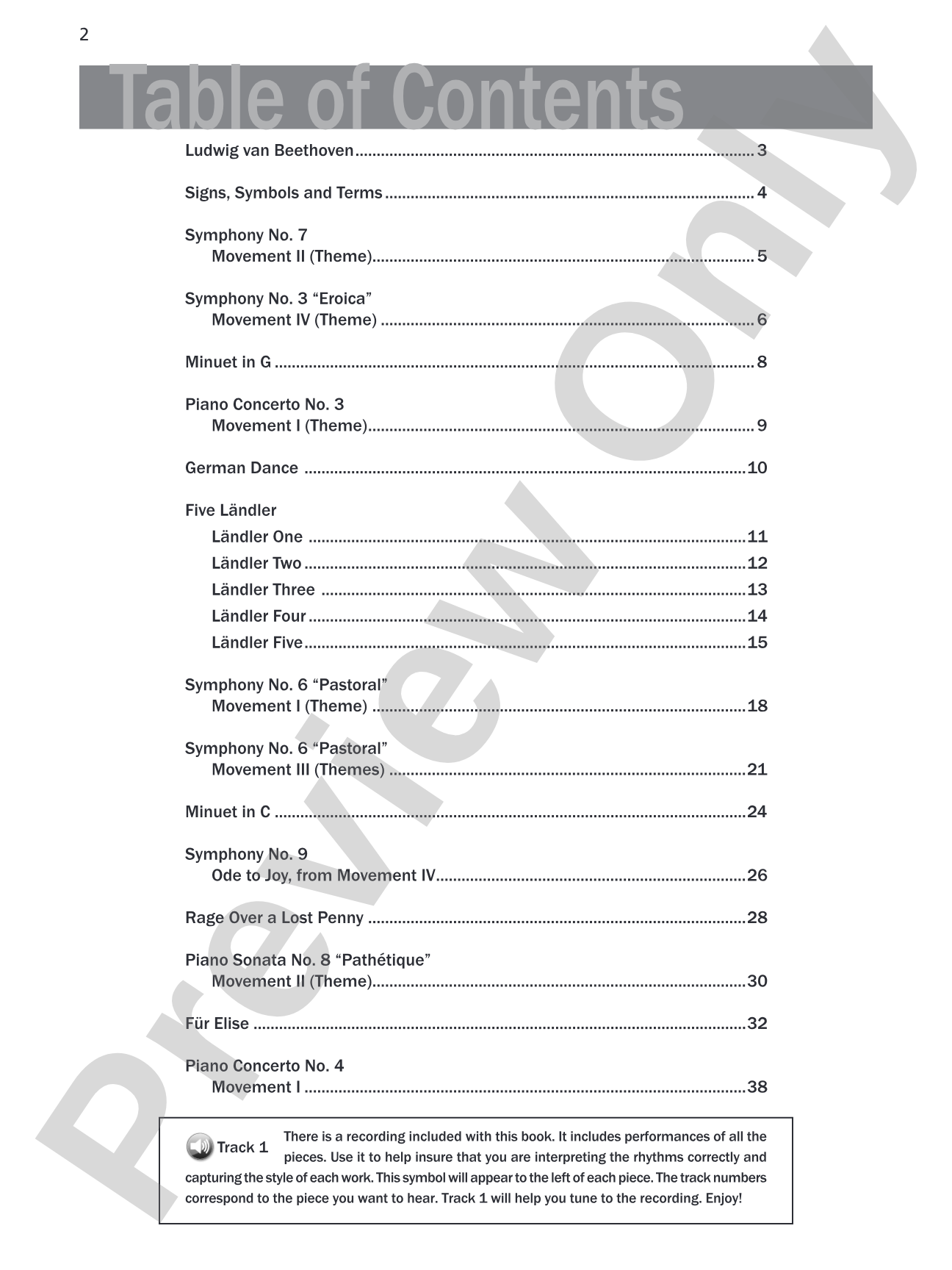
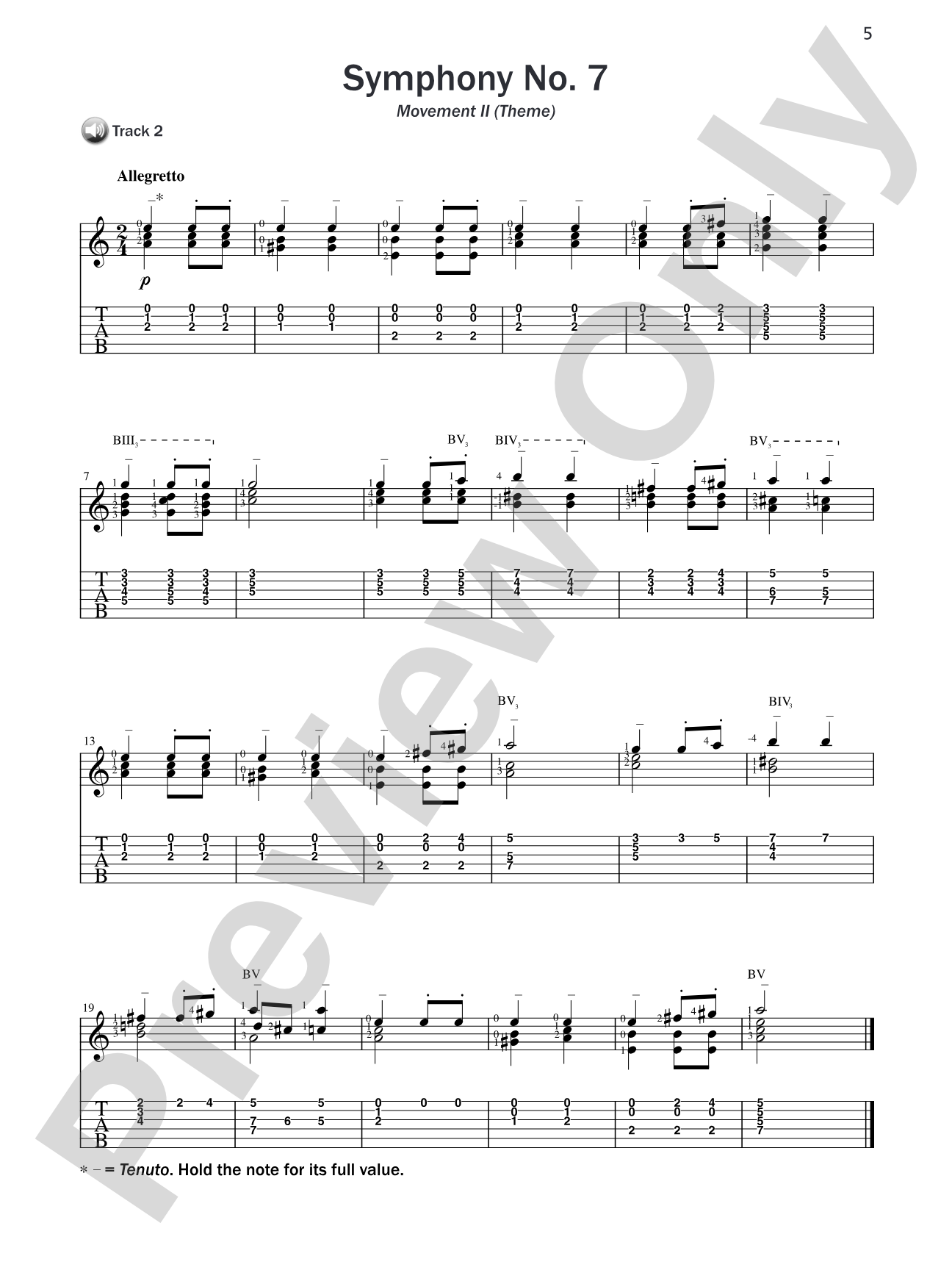
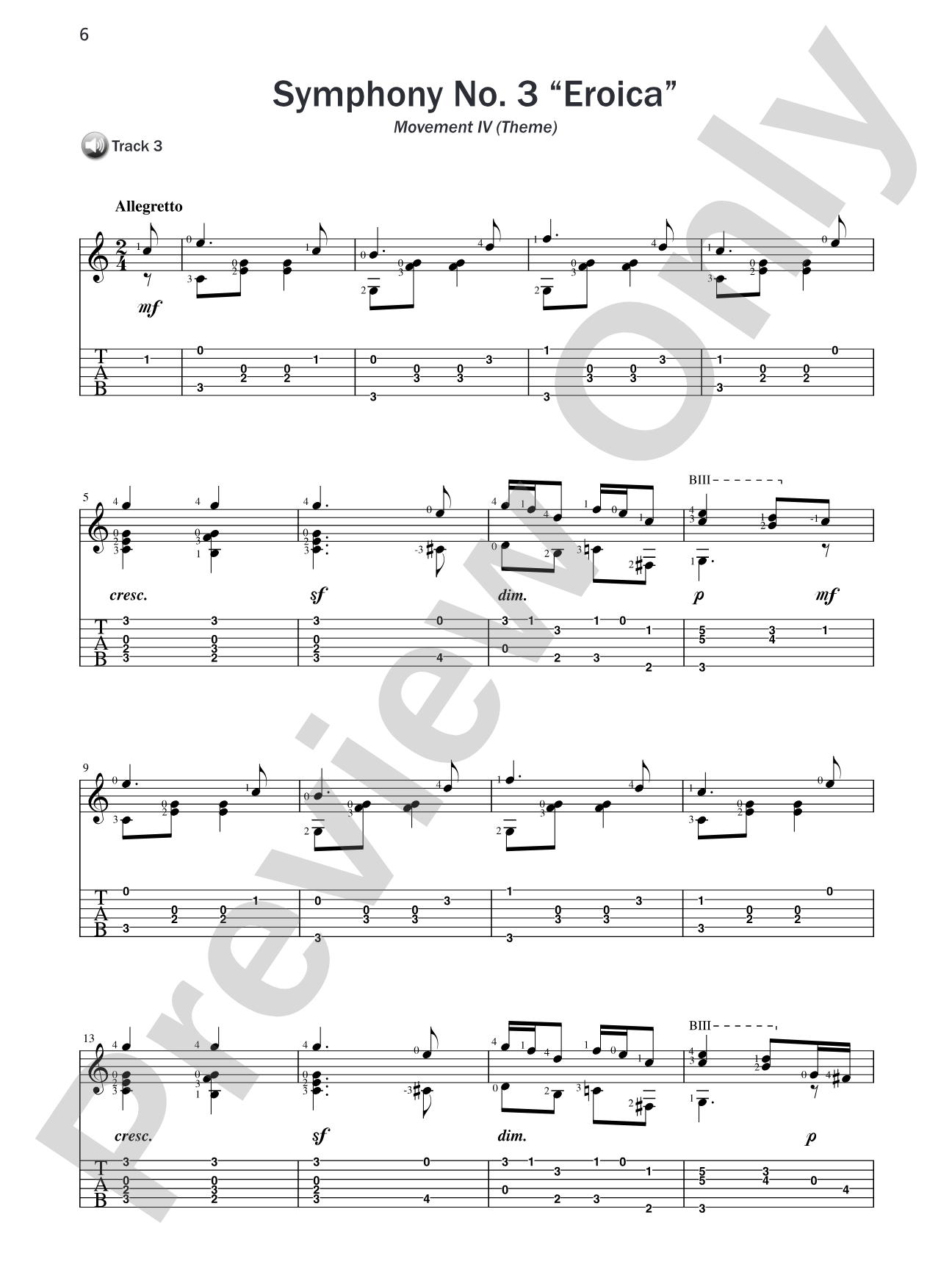
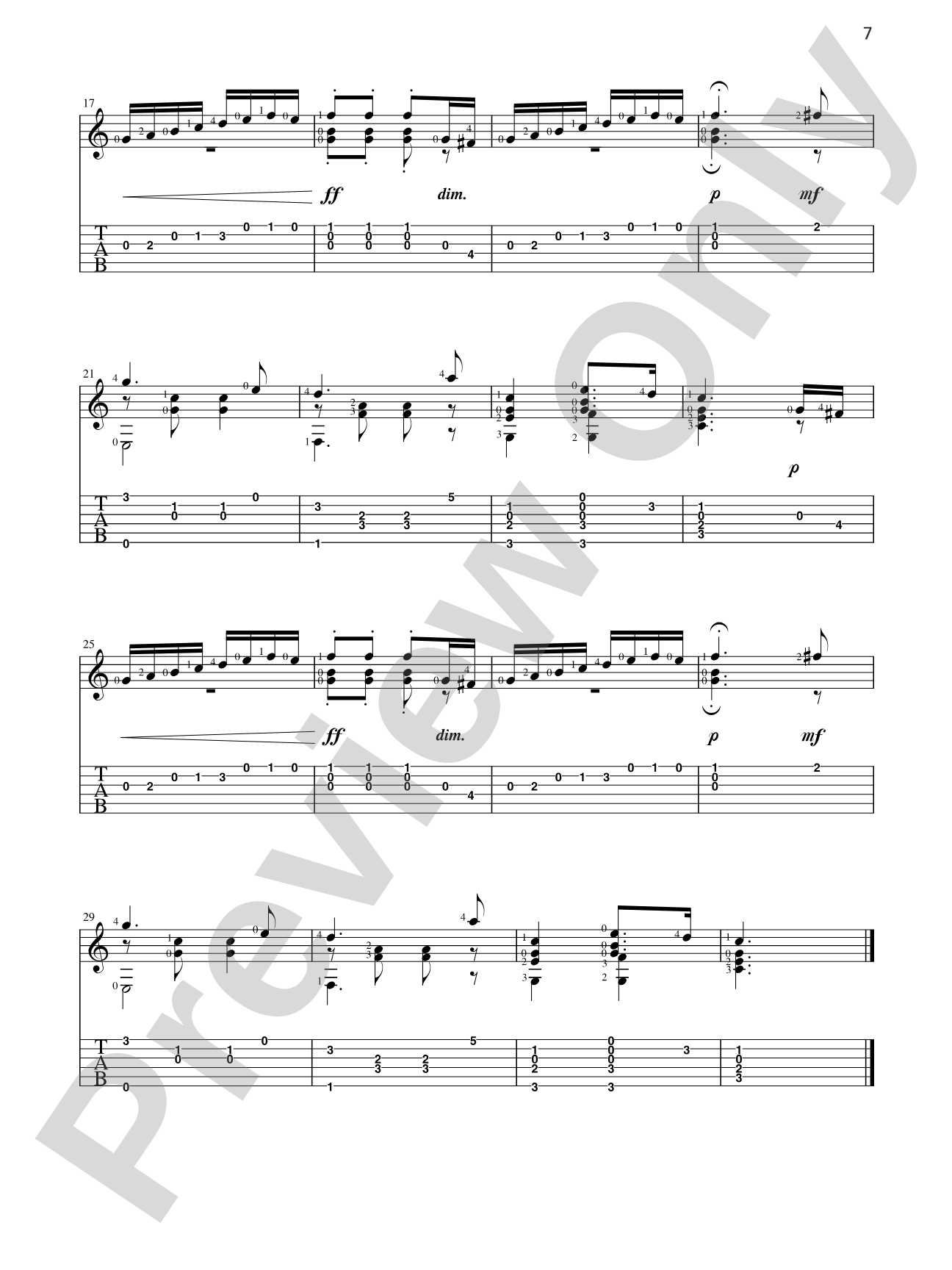
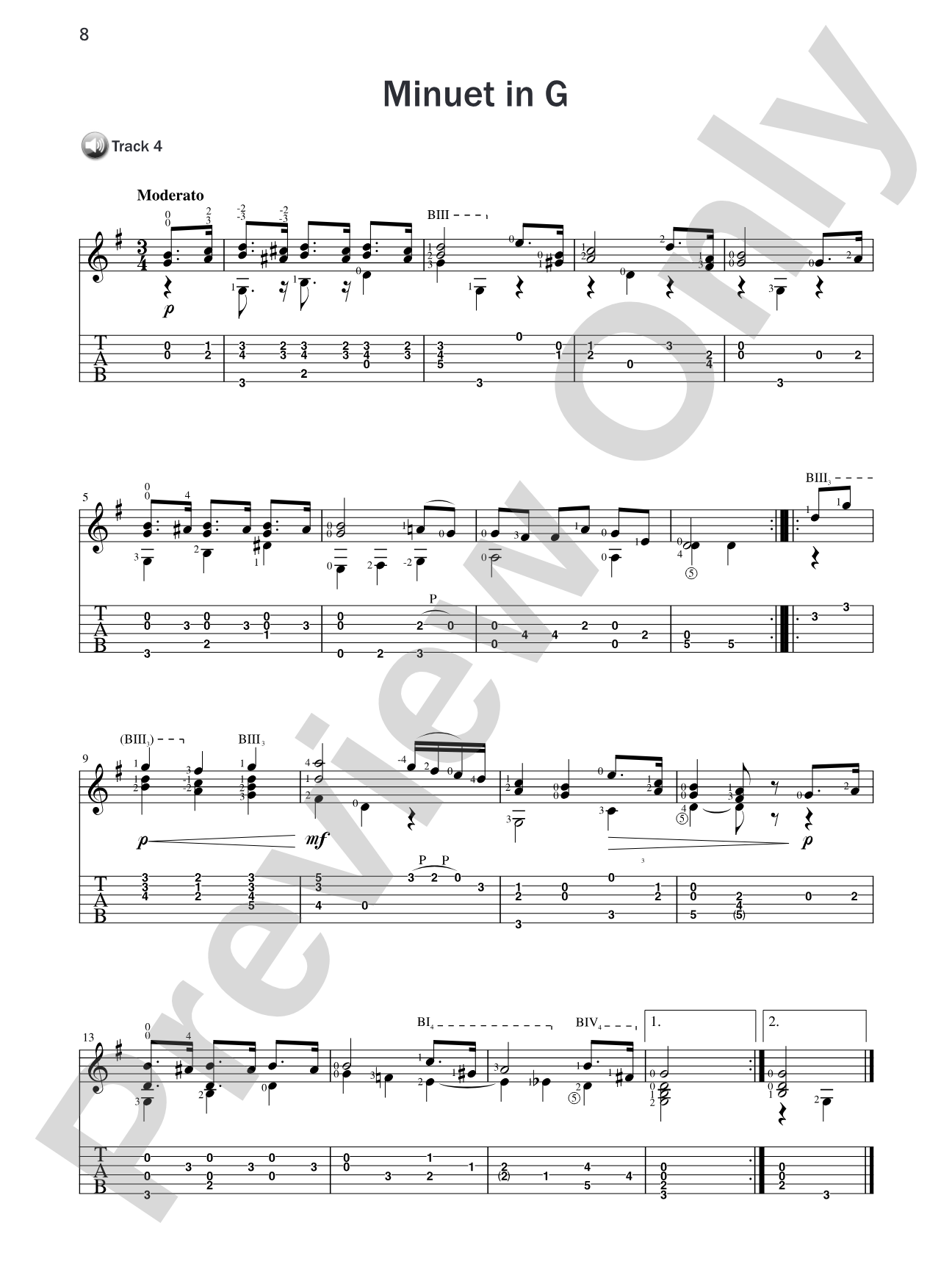
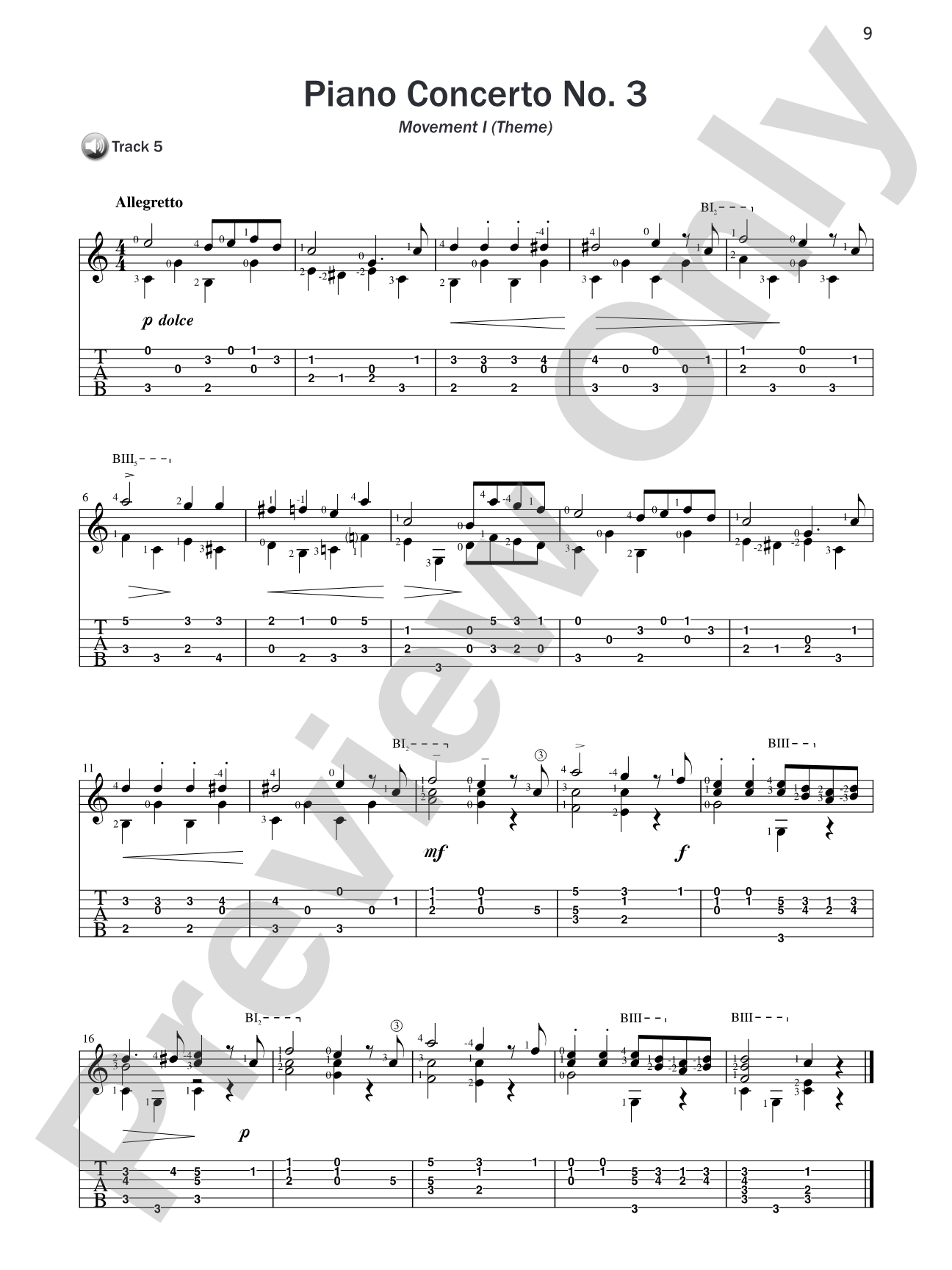
Eighteen well-known pieces by one of the world's greatest composers arranged for guitar in standard music notation and TAB. The accompanying audio offers outstanding performances of each piece.


Basix® Guitar TAB Classics: Beethoven: Solo Guitar isn't in MakeMusic Cloud just yet...but it could be. Let us know you'd like to see it, and you'll help shape what comes next. In the meantime, start a free trial and dive into thousands of interactive titles your students can play along with today.
Request This Title
Tell us you want it.
Start Your Free Trial
Explore everything that's ready to play right now.
Sample Audio
1
Fur Elise
--:--
2
Minuet In C
--:--
3
Symphony Number Seven
--:--
Fur Elise
0:00
0:00
Sample Video
No sample videos found.
Additional Details
Series:
Basix® Series
Publisher:
Alfred Music
Page Count:
44
SKU:
00-PB-0002206
More about this title
About the Composer: Ludwig van Beethoven
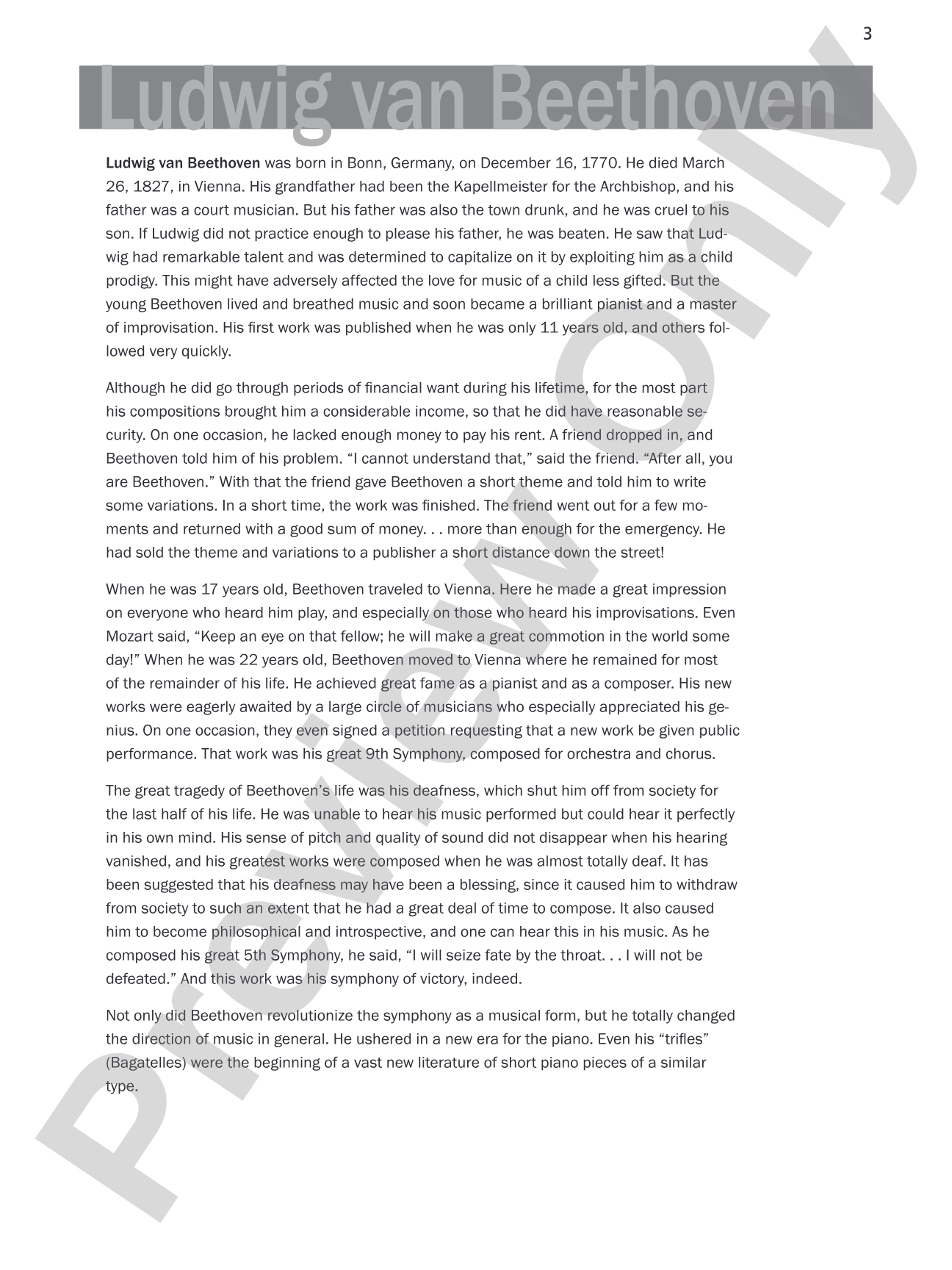
Beethoven stands as the bridge between Classical and Romantic music, a composer whose work fundamentally reshaped what instrumental music could express. Born in Bonn and trained in the Viennese tradition, he spent his career expanding the harmonic language and structural possibilities of the symphony, sonata, and concerto, even as encroaching deafness forced him to work entirely from his inner ear.
For music educators, Beethoven's legacy is inseparable from his accessibility. His most celebrated works span from the approachable to the profound, making him an ideal entry point for students learning to recognize musical architecture, emotional directness, and the power of thematic development. His music rewards repeated listening and careful study.
Why we love this
Beethoven's instrumental works already sit at the heart of classical guitar literature, and this collection makes eighteen of his most recognizable pieces immediately available in TAB. The pairing of standard notation with tablature removes a common barrier for students still building sight-reading fluency, while the included audio performances provide models that clarify phrasing and shape.
What to expect
Beethoven on guitar reveals both the composer's gift for melody and his instinct for harmonic color. These pieces move between moments of crystalline clarity and surprising emotional depth, with the guitar's resonance bringing out warmth in the accompanimental voices that orchestral scores only hint at.
Who it's for
Guitar students at the early intermediate level who want access to repertoire beyond pop and folk arrangements but need the support of tablature alongside standard notation. Teachers seeking to introduce students to serious classical material without the sight-reading demands of a traditional sonata collection.
How to get the most out of it
- Follow the harmonic rhythm in slower movements carefully; Beethoven's voice leading often creates unexpected harmonic destinations that sound awkward if you rush through them.
- Listen to the accompanying audio before your first read-through to absorb the piece's character and pacing, then use it as a reference point for your own interpretation rather than a rigid template.
- Pay attention to Beethoven's dynamic markings and articulation details. These pieces survive centuries of performance because the contrast and direction he wrote are what make them work.
How to use it
Use these pieces to build a solo guitar recital program where classical repertoire provides the backbone; a few well-chosen selections can anchor a program and demonstrate serious musicianship to your audience. They also work as supplementary material for students working through more demanding classical guitar methods, offering pieces to perform between technical exercises.
Skills your students will build
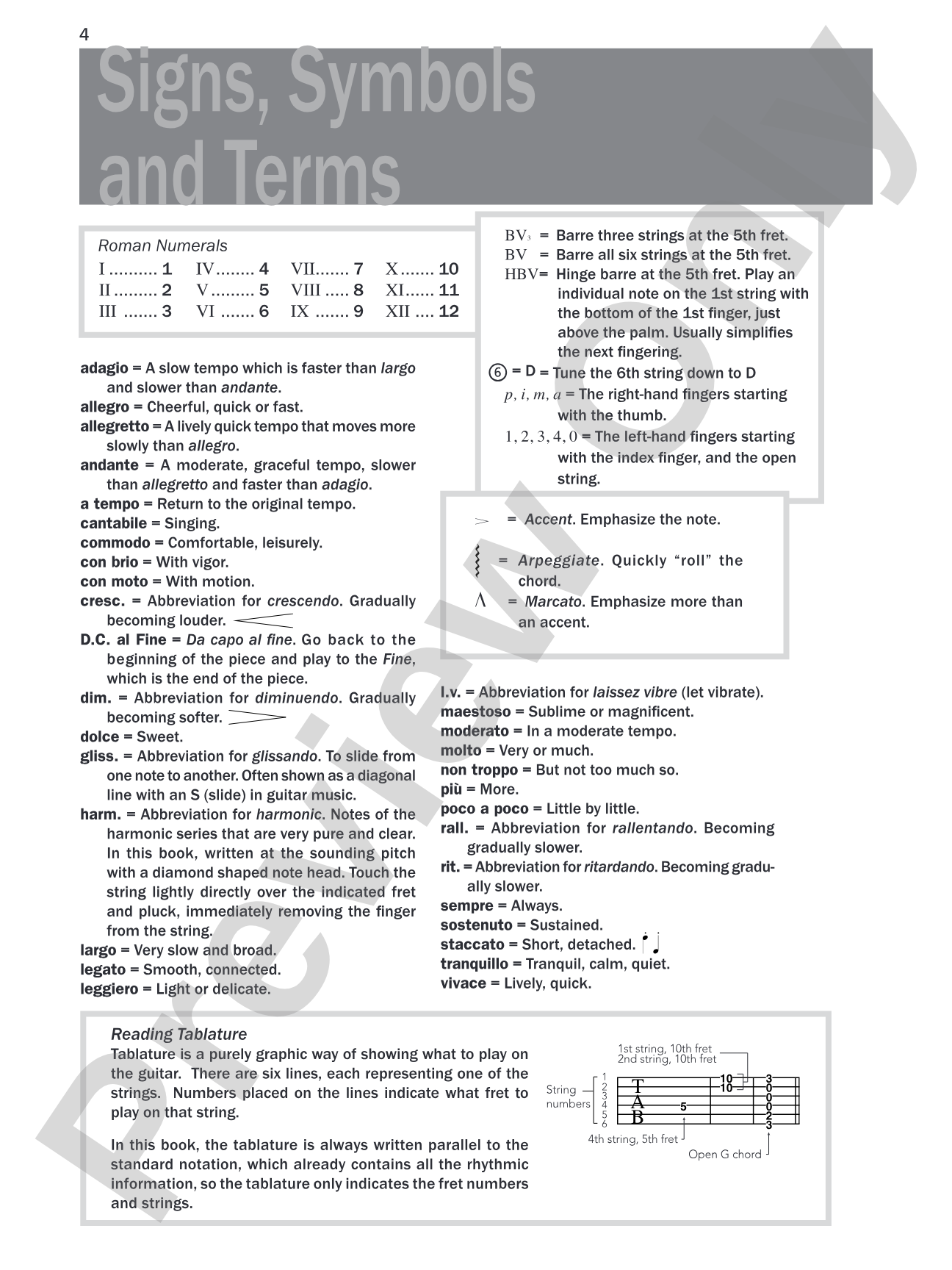
- Reading standard notation and tablature simultaneously
- Interpreting dynamic markings and articulation within a classical idiom
- Recognizing and executing common Romantic era harmonic progressions
- Shaping phrases using Beethoven's structural patterns and cadential language
- Building left-hand accuracy in positions beyond first and second